
The Eternal Question: Did God Create Baseball?
Who has not gazed at the heavens, considered the sun and the moon and their intricate involvement with the Earth—the timing of the seasons, the balance of gravitational pull, the perfect span of time and space between the orbs, producing the ideal living conditions on our planet? All this in the midst of the lethal expanse of space.
If thoughts of a divine creator did not follow such meditation, surely the sight must have evoked the sense of perfection and beauty.
Similarly, I cannot witness the playing of our national pastime without at least once gazing beyond the athletes, the exceptional plays, even the all-important score, to ponder the simple beauty of the game itself.
TOP NEWS

Brewers Stun Padres in Game 2 😧
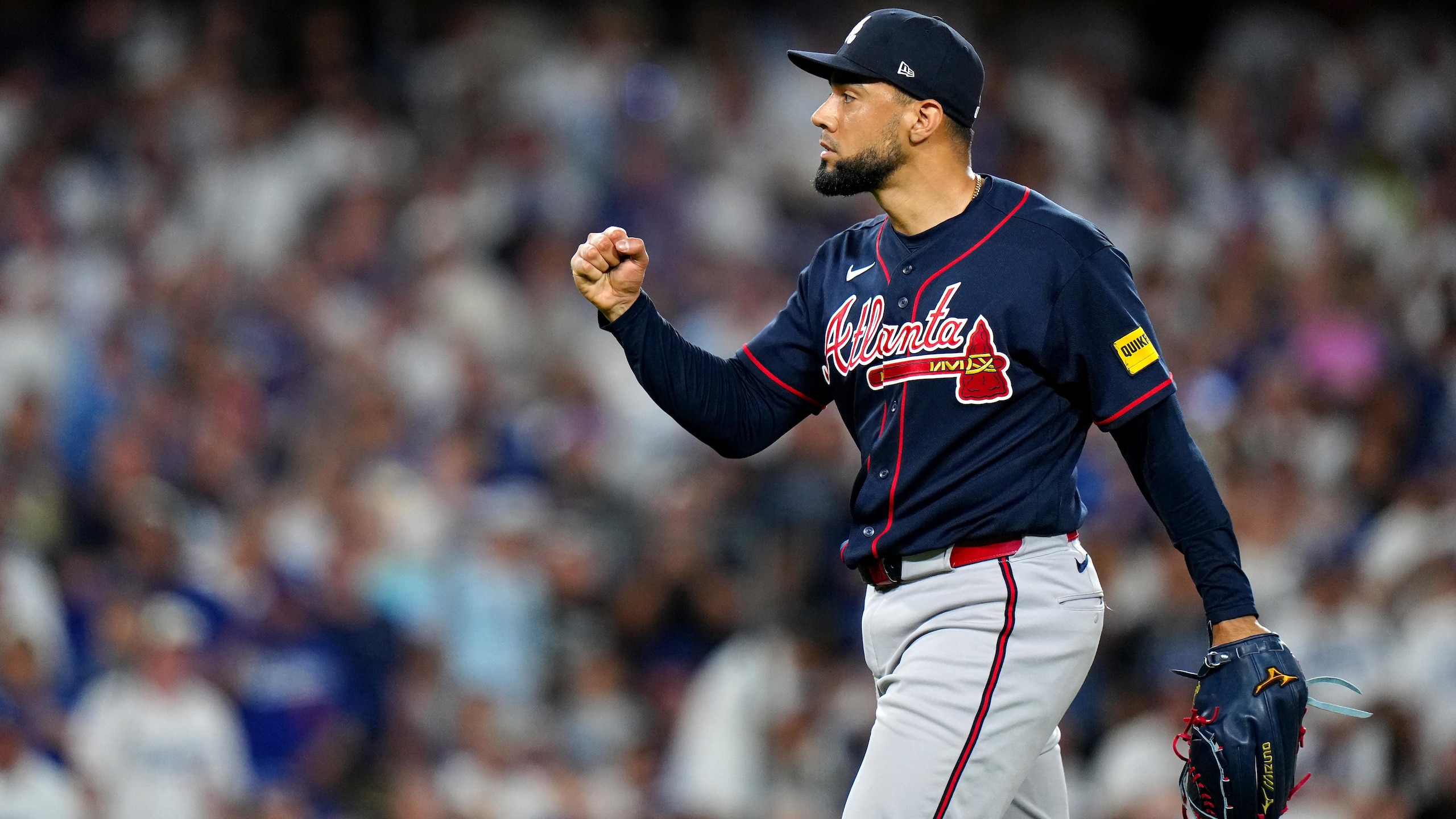
Braves' Opener Shines vs. LA 💪
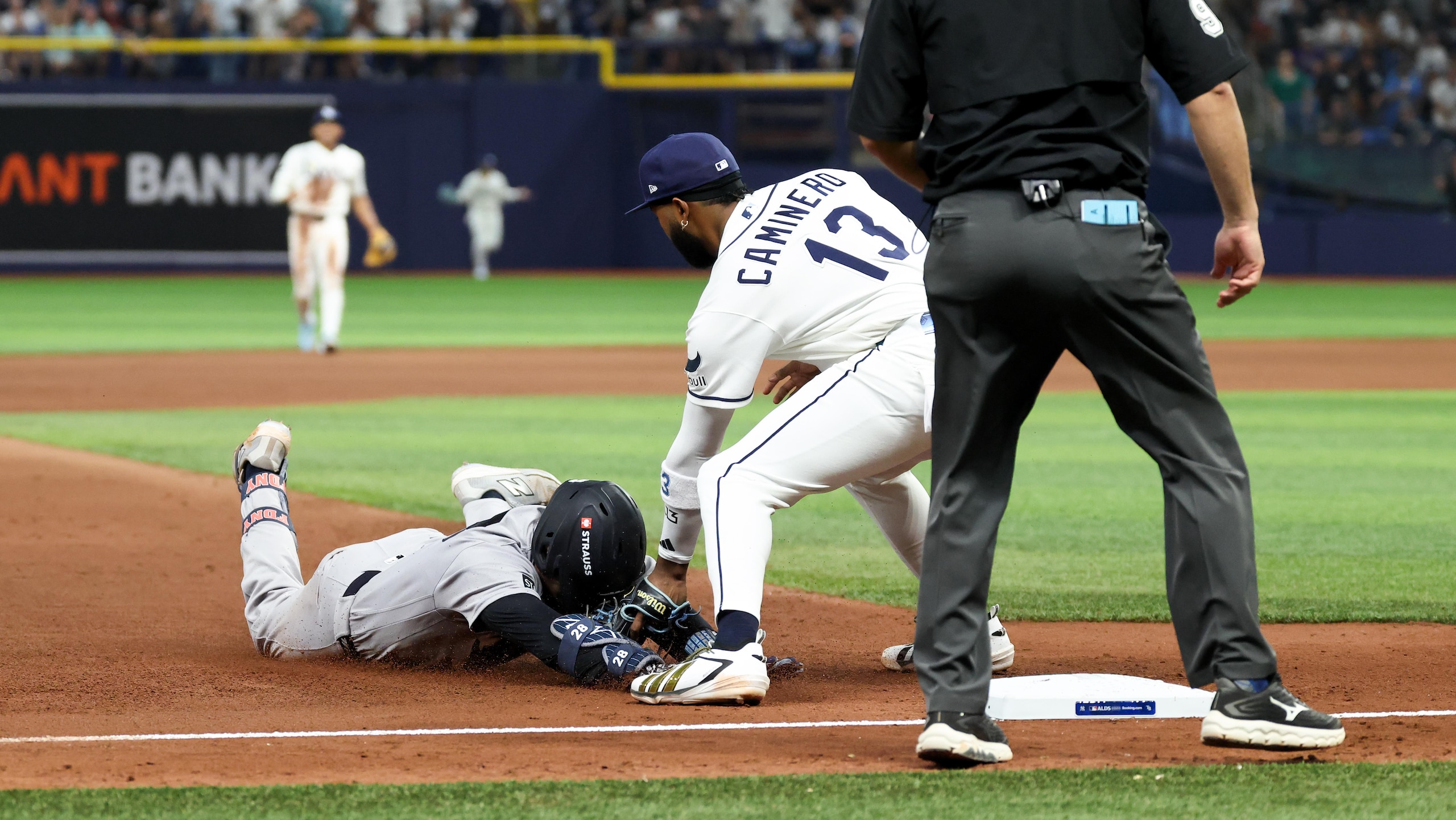
Aaron Boone Calls Out Yankees Catcher 🗣️
The dimensions of the playing field, the position of the players, the division of the game into innings, the imperfect human element—all working together, in a symphony of diverse parts blending into a complete whole.
Can we put our biases and team loyalties aside to take a closer look at the framework of the modern game of baseball?
A 90-Foot Square
The bases around the diamond are 90 feet apart. Think how many times an infield hit results in a play so close at first base it could literally go either way. If the bag were 92 feet from home, the runner would almost never make it, barring an error. In the same way, if the distance between first and second was say, 88 feet, even a slow runner would almost always accomplish a successful steal. In that same vein, consider the rare "steal home" play: each and every time, the call is decided by inches, not feet. The perfect distance, which produces the most dramatic plays, is 90 feet.
Pitcher to Batter
The distance from the pitcher's mound to home plate is 60' 6". That seems odd. Why that extra six inches? Is it possible that a distance of 61 feet would have produced a game more advantageous to the batter? Or a distance of an even 60 feet would have made baseball more of a pitcher's game?
Considering the micro-second reaction time of the human brain, maybe that six inches is the single factor which gives us the classic "pitcher vs. batter" duels we so love about baseball.
The drama of that showdown has survived through the ages of the modern game despite "improvements" in training, equipment and strength. Yeah, 60' 6" inches seems perfect to me.
Infield Position
Isn't it interesting how an infield of five exceptional players, anticipating the tendencies of the batter, knowing in advance the intended location of each pitch, can still allow a well-placed hit to get through the gap?
Once again, I give credit to the genius of the designer who made the field just wide enough (or narrow enough) to keep things interesting. Extend the 90 degree quadrangle to the outfield and we have a different dynamic in play: only three fielders, covering more space, offering a higher premium to those who can hit beyond the infield.
Just as the field itself grows larger with every additional foot from home plate, the potential consequences of a hit ball seem to increase as well - with the ultimate hit being a home run. The geometry is perfect.
Slicing the Game
Dividing the game into nine innings was brilliant. The result is a contest usually lasting about two-and-a-half hours. Perfect. The short breaks between half-innings provide convenient times for refreshing, replenishing, and relieving. Perfect. The game is played until it has finished its natural course. There is no ticking clock. Perfect.
Creative Options
The originator of the game was wise enough to leave some of the framework to the individual ball clubs in order to express their own creativity: the depth of the outfield, the dimensions of foul territory, the orientation of the field with regard to the prevailing wind, etc.
This generosity kept the integrity of the game intact while allowing the construction of some of our most beloved and unique ballparks. That was a perfect touch!
The Human Element
Like most other sports, it was left to imperfect humans to govern the playing of the game on the field. This was fitting, since all of sport is centered around the human activities of participation, spectation, and conversation. We like to think the umpires do the best they can in staying objective and neutral.
However, it's those "judgment calls" which often give us our highest or lowest emotional spikes in a particular game. As fans, would we be nearly as fulfilled if every close play were decided by the all-seeing "instant replay?" In the case of the human element, may we say the imperfect has contributed to the perfect?
To answer the eternal question, I did some research in hopes of discovering the origin of baseball. I was expecting to find references to Abner Doubleday and Cooperstown or ancestral ties to cricket or rounders.
While those names were mentioned, I was mildly shocked to find there is no definitive evidence that any person is responsible for today's game. The evolutionary links to games of the past are cloudy as well.
Simply put, it's a mystery.
The more I thought about it, the more it dawned on me: this is perfect! Baseball and the universe—such splendid entities. Precision and randomness, predictability and happenstance, order and chaos.
And baseball, like the heavens above, begs that haunting question...


.jpg?w=2560 "NFL investigating 2 referees for separate viral exchanges")

.jpg?w=2560 "Report: Chiefs Contact Hill's Agent")
.jpg?w=2560 "OBJ Calls Out Giants After Release")
.jpg?w=2560 "Tyreek makes another cryptic post amid Chiefs rumors")
.jpg?w=2560 "Greenlaw Talks Payton Exchange")


