

BCS: 10 Ways To Fix It...Since We Can't Seem To Get Rid of It
A great many fans are not happy with the BCS. That’s not exactly shocking “news”. Since its inception we’ve had a steady stream of controversy, questionable championships and general malcontent for the way business has been conducted.
So, how do we change it?
The battle cry of the bereaved has been “we want a playoff!” That’s all well and good. Power to the people and pass the ammunition.
The problem is, it isn’t going to happen. The BCS is the system in place and is contracted to continue being the system until 2014. Maybe we’ll get a playoff then, and maybe we won’t.
What if the BCS refuses to relinquish its stranglehold on college football? What then?
Here are ten ways the system can be improved without scrapping the whole affair. Maybe a few of these changes can tide us over until a legitimate playoff system takes hold and ushers in a new era in college football.
Some of these ideas are pretty radical and some aren’t even very feasible, but they’re fun to think about.
1. Re-evaluate AQ Status’
1 of 11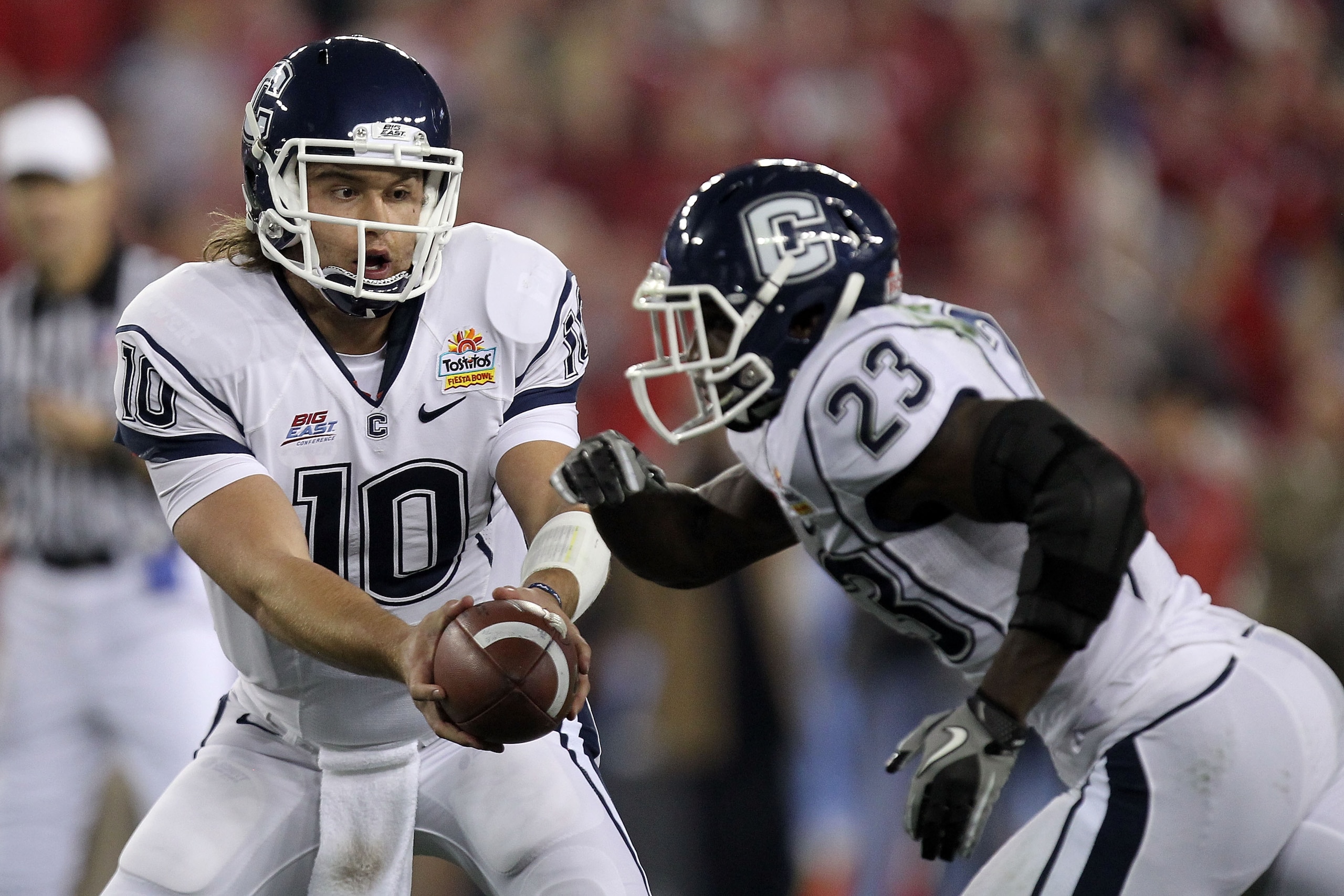
The debate rages with every undefeated season Boise State and/or TCU put together. Throw in there teams like Utah, Idaho, Nevada, BYU or Hawaii and the results are the same.
Largely, the fan base of college football is programmed to believe that the six BCS “AQ” conferences (SEC, Big Ten, ACC, Big East, Big 12 and Pac-12) are the only conferences worthy of playing for a national championship. Therefore, when a team from the MWC (TCU) or WAC (Boise State) goes undefeated, they still get shafted out of a shot at a national title.
Why? The easy answer is because they play such a weak schedule by comparison to teams in those other conferences.
However, can anyone look me in the eye and keep a straight face while arguing that the Big East was a better conference in 2010 than the MWC? Nobody in the Big East could put together anything better than an 9-4 record.
What’s more, the MWC is bringing in a number of teams that stand to make it stronger and more competitive from top to bottom. Is it as strong as the Big East? Arguably yes.
The MWC is in the midst of a review for possible AQ status. Is the Big East also in review for revocation of their status?
With several Mid-Major teams stepping up and putting together quality seasons, a full review might help eliminate some of the controversy come December and might make some of the BCS bowls a little more interesting in January.
2. Promote Stronger OOC Games
2 of 11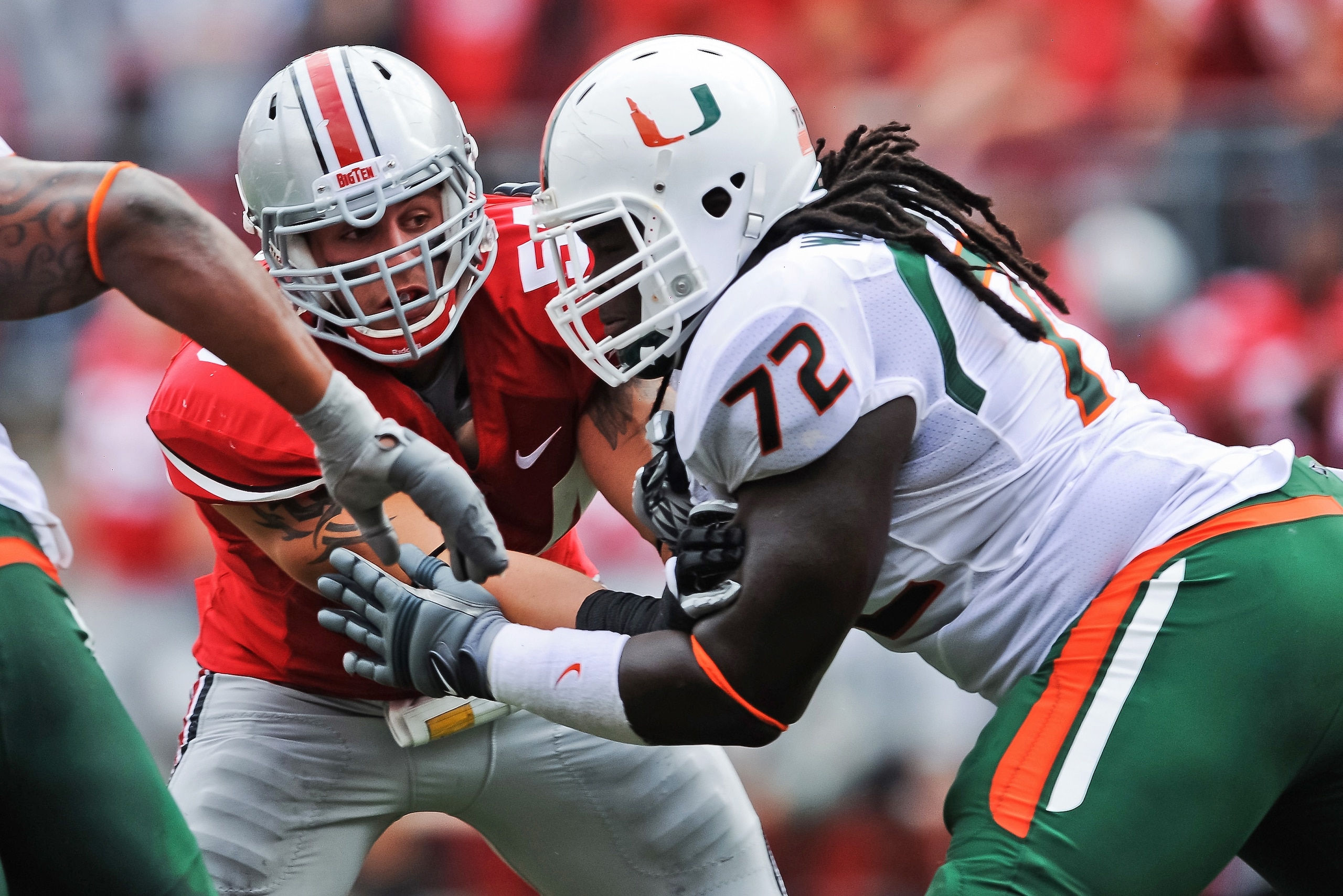
Under the current BCS system, it doesn’t pay to schedule too many tough teams in early September. While a boost in Strength of Schedule can help a team’s championship dreams, a single stumble can ruin them altogether.
What that leaves fans with is generally a series of ho-hum matches precisely when they're salivating for some serious football action. Of course, most championship teams do put one solid opponent on the docket early in the year, but that’s about all we can really hope for from our favorite teams.
If you’re anything like me, you anxiously await September only to remember that the real action doesn’t start until October.
There should be some tweak to the system that rewards stronger out-of-conference play. There’s no need for so many “cupcake” opponents to kick off the year.
For starters, we need to stop putting so much importance on perfect seasons. Sure, it’s great to see our favorite teams go through a full season without knowing the taste of defeat. However, that same quest for perfection makes it all the more important to schedule weaker opponents in the early going, knowing that there will be tough competition down the stretch.
Maybe a greater emphasis in quality of competition rather than overall record is needed. While I would never condone having a 9-5 team crowned champion over a 13-1 or 14-0, it would be well worth seeing two 11-2 teams dueling for the championship if it meant they got there by playing a full season of tough opponents.
3. Reduce the Number of Bowl Games
3 of 11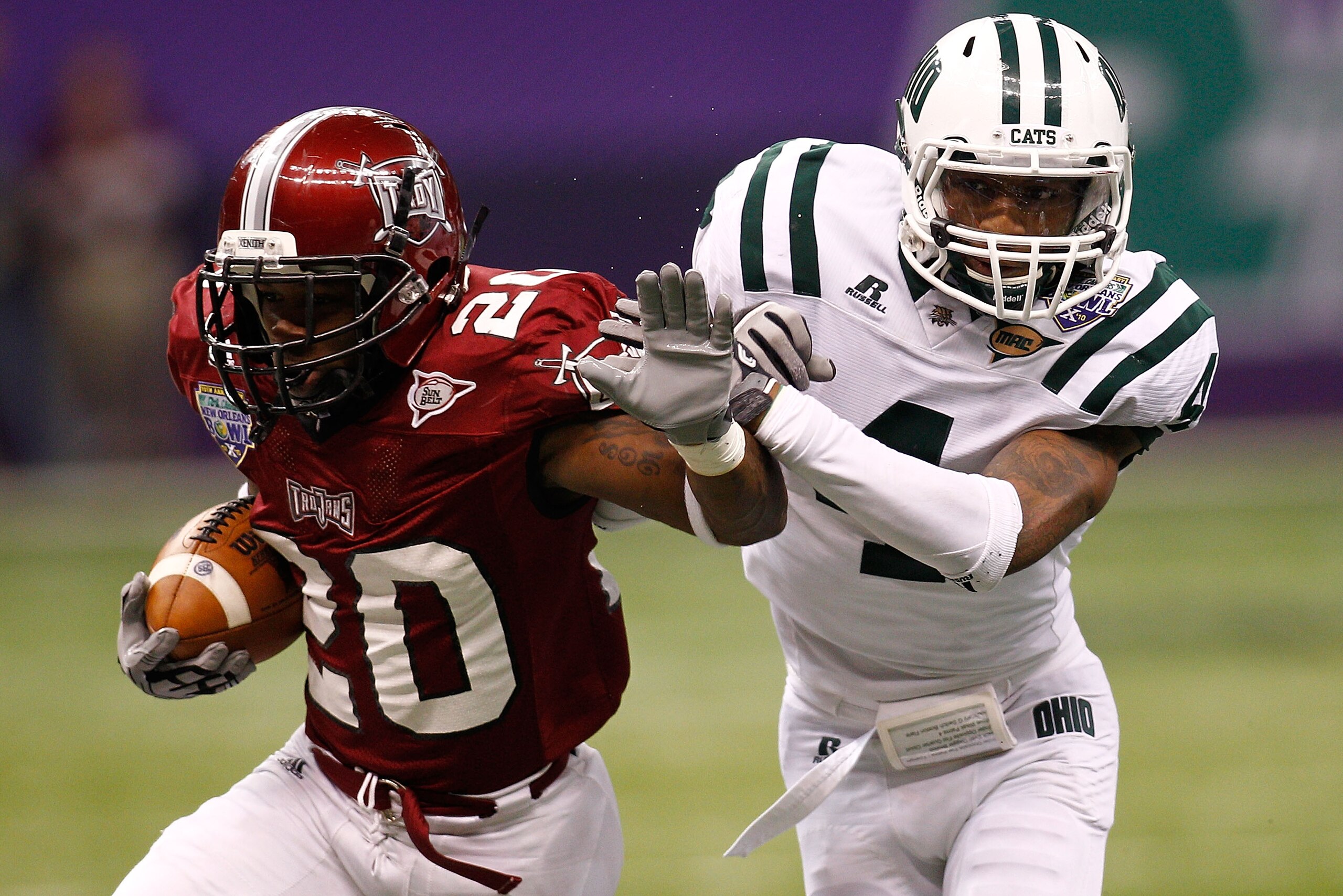
Once upon a time, it really meant something to get a bowl invite. If you take it back to the beginning of bowl games, there was only one: the Rose Bowl. Eventually, that branched out to include most of the current BCS bowls. Then a few others sprouted up here and there.
Consider that, in 1980 there were just 15 bowl games. Out of all teams in Division 1-A college football, only 30 teams got to play after the regular season. In those days, January 1 was the day for major college bowls. Only the Peach Bowl was played a day later on the second.
By 1990 the number had stretched by four games to 19, but January 1 remained the last day that college ball was played.
Ten years later, in 2000, the number of bowls had increased to 25 and had stretched to January 3rd.
In 2010 the number of bowls had skyrocketed to 35 and pushed all the way until January 10. By this time, 70 of 121 BCS schools were playing in the post season. All you have to do now to get a bowl invite is come away with a .500 record. You don’t even have to have a winning record.
Other than fans of Ohio and Troy, who really cared about the New Orleans Bowl? It didn’t pit two top-named programs that came away with winning records in major conference competition.
It just doesn’t mean what it used to. Drop the number back down to something a little more realistic, which will increase the competition and make them all worth tuning in for again.

.png?w=2560)
4. Simplify the Ranking System
4 of 11
If we’re going to entertain any of the previous changes, another thing has to be addressed and that’s the ranking.
As it sits right now, there are computer models that figure the strength of a team’s schedule and compare it to the team’s record. Added to that is a poll of college coaches and the Harris Poll. The three models are averaged out to come up with a team’s rank.
It’s not a terrible system. It looks at the issue from different angles and figures in different points of view.
The problem with the ranking system is that it still relies heavily on opinion and speculation. In truth, it’s probably unavoidable, to a degree.
However, we’ve seen numerous occasions where the computer models ranked a team at the top (or near the top) while the “humans” ranked them much lower. The results are sometimes questionable. Teams still get bonuses or are shafted because of human perceptions of strength or weakness.
How to fix it, though?
That’s a million dollar question. There is no ranking system that will please everyone. However, can we finally get a ranking system that makes it fair for everyone? Let’s take the humans out of the picture entirely. I understand that the human brain can grasp “intangibles” that computers can’t, but they also bring preconceived perceptions with them.
Let’s set up a system that negates human perceptions and ranks teams according to what they do on the field of play.
5. Realign Some of the Conferences
5 of 11
I realize immediately that this isn’t something that can—or even should be—addressed by the NCAA or the BCS. It can only be handled by individual conferences.
However, imagine a landscape that included conferences full from top-to-bottom with quality, powerful teams. Imagine every single week from early September to late November being filled with nothing but heavyweight showdowns across the board.
How would the alignment look?
There are several models that would probably work. Use your imagination. You could shrink the size of the conferences to eight-to-ten teams or you could boost them to the 16-team Super Conference model. The only key is to get all of the toughest teams centralized into the same conferences and kick the typically weaker teams to “lesser” conferences.
As with strengthening the OOC schedule though, the idea is to increase the
I’m sure there’d be quite a lot of heartache from fans of the schools kicked to the curb (so to speak), but it could make the season incredibly entertaining.
6. Reduce the Number of Scholarships
6 of 11
Lately there’s been quite a bit of talk about “over signing”. That’s where a school recruits more players than they have scholarships available to offer. It’s a practice that is either necessary or diabolical, depending on how you look at it.
Regardless of that issue, the top recruits tend to gravitate toward the most successful schools. Whether it be recent success or historic success, kids just want to play for proven winners. There’s nothing wrong with that at all.
However, it creates a culture of disparity. Those who succeed get the best recruits, making it easier to succeed in the future. Those who run a string of failures (unless they have a tremendous history a la Michigan) tend to find it much more difficult to dig their way out of the hole.
Reduce the number of scholarships available per team and don’t allow “over signing”. The teams that traditionally pull in tons of top-ranked talent will lose a good number of quality recruits because they’ll have no room for them. Those recruits will gravitate toward other schools until they find a home.
Via the trickle-down effect, it would help create more parity across college football, making the competition that much more exciting.
Of course, the downside to this would be the number of young men who might not be able to attend college because there aren’t enough scholarships available for them. Is this an article about improving football or improving life? As I said at the beginning, some of these ideas might be a bit “out there”.
7. Inter-Conference Round-Robin Play
7 of 11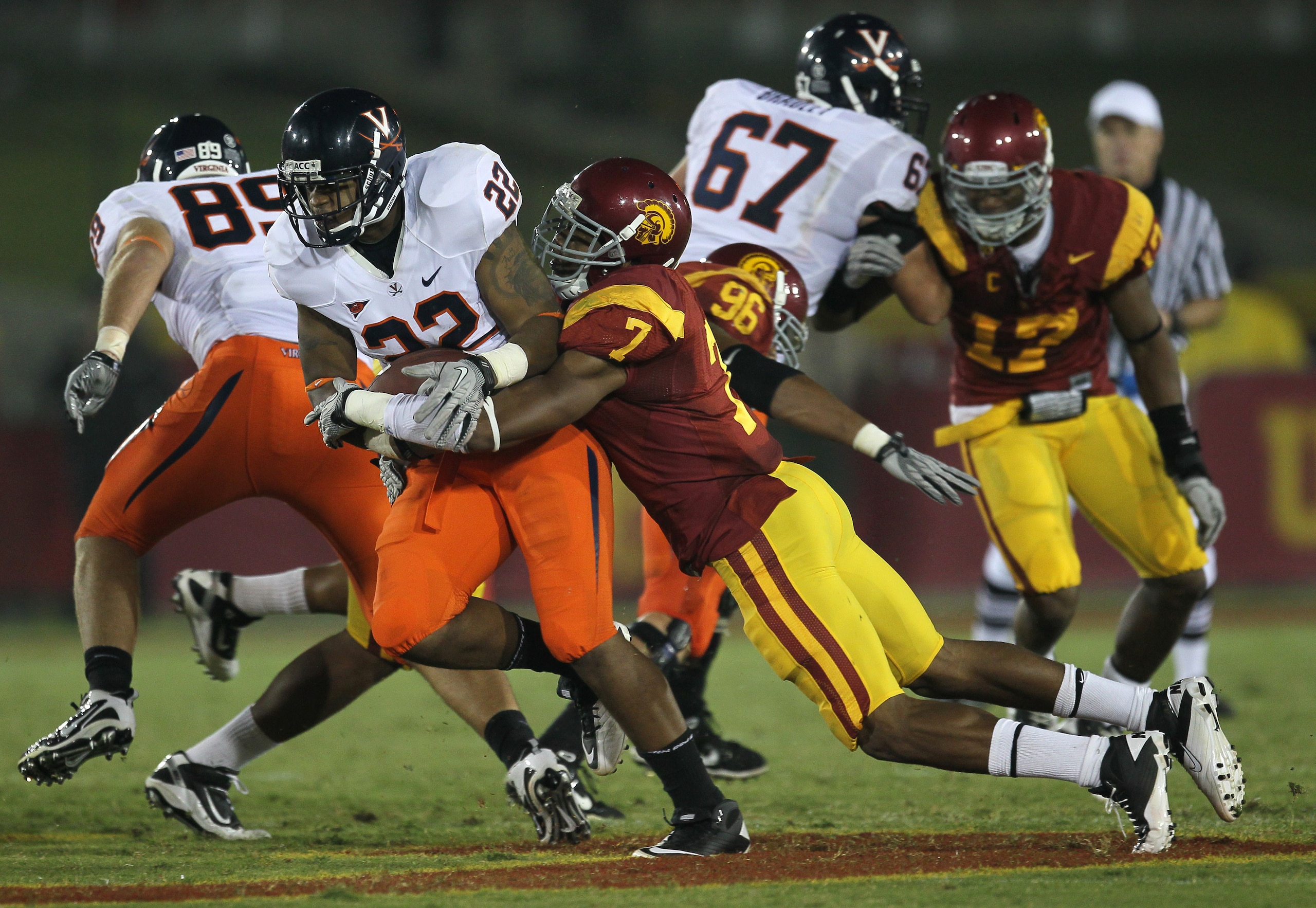
There’s another way to deal with out-of-conference play that can accomplish a couple of different things.
Imagine if every “major” conference took a week to play the other major conferences. Let me give you an example:
Say, in week 1 each team can play whatever “cupcake” team they want as a warm-up (let’s not upset the apple cart too far here). In week 2, they all play a protected rivalry (e.g. Iowa plays Iowa State every year, or Michigan plays Notre Dame).
In week 3, every team in the Big Ten would play a team from the SEC, while every team in the Big 12 plays an opponent from the Big East. Meanwhile, every team from the Pac-12 would play a team from the ACC.
The next week, they would shuffle around (Big 12 vs. SEC, Big Ten vs. Big East, etc.). Then, of course, they would all head into conference play. The next year, different conference match-ups would take place until all AQ conferences had played against the others.
Of course, some teams would be left to their own devices on certain weeks. The SEC, for example, has more teams than the Big 12, so there wouldn’t be opponents available for everyone on that week. That could easily be overcome, though.
This would serve two purposes.
First, it would automatically make for more interesting out-of-conference games. Who could argue that watching Oregon play Florida in the third week of the season would be a bad thing? Who would rather watch Ohio State knock the snot out of Ohio in week 4 than watch them battle with USC?
Second, it’s fodder for conference supremacy debate. Sure, we have bowl games that help determine the “best” conference, but the bowl games don’t accurately gauge the strength of a conference from top-to-bottom. Pitting them all head-to-head would give fuel to the fans for further debate, while also giving non-bowl-bound teams an opportunity to showcase what they can do against teams from other AQ conferences.
8. Push Stronger Conference Television Networks
8 of 11
This isn’t about money, although increased revenue is a potential bonus for several conferences out there. Certainly, the Big Ten Network has demonstrated what a strongly marketed conference network can do in terms of financial gain.
This is about granting better access to fans so they can follow their favorite teams.
It’s not a problem most weeks to find the Alabama game on television. On any given week, I can generally find a Texas game. Pick any week and you can probably find Ohio State somewhere on TV.
It may not be so easy for Baylor fans to watch their team, if they can’t physically attend the game. Seeing Washington State might not be the easiest task unless they’re facing Washington or USC. Some teams just don’t get as much exposure.
It’s really not any wonder, either. Realistically, ESPN can only televise around six or eight games on any give week (between ESPN and ESPN2). Fox can only carry about three. CBS has their deal with Notre Dame and NBC might be able to snag a game here and there, and that’s about it.
On any given week, there are roughly 50 BCS conference games going on and the major networks are going to carry the best match-ups out of those 50 games. They don’t have room to carry them all.
Conference networks (like BTN) can spread that coverage exponentially. Fans of teams could pick up even the ho-hum matches like Iowa versus Tennessee Tech. For those who don’t live in an area where those games can be picked up on a local affiliate, having a strong conference network to tune into can be like heaven on earth.
9. Conference Champions Meet in Different Bowl Games
9 of 11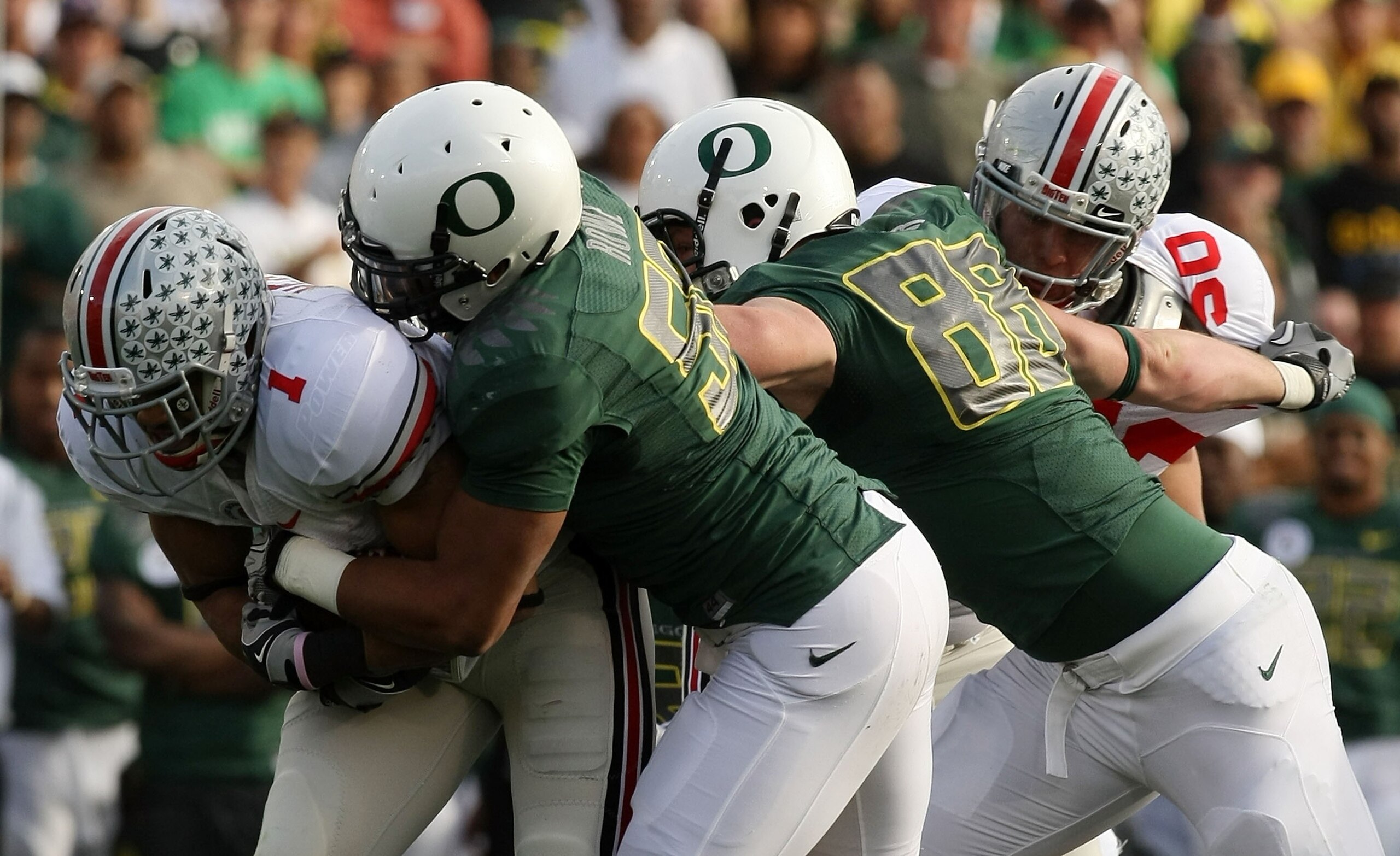
Going along with a previous slide, how about guaranteeing that conference champions meet conference champions in bowl games? What’s more, switch the bowls and the conferences yearly.
Continuing to play off the previous idea, let’s say that this coming year the Big Ten Champion would face the Pac-12 Champion in the Rose Bowl (let's not rock the boat too hard here). Meanwhile, the SEC Champion takes on the Big 12 Champion in the Sugar Bowl. Continue to fill out the other bowls the same way.
Next year, it switches. Maybe the Big 12 Champ takes on the ACC Champ in the Orange Bowl while the SEC Champ takes on the Pac-12 while the Big Ten takes on the Big East. Every year, it’s a different conference line-up.
Sure, it spits in the face of tradition, but would liven up the bowl season a little, especially if…
10. Get Rid of the National Championship
10 of 11
Calm-a-tay. Chillax. I hear the voices crying on the wind, “are you insane?!” No, I’m not. Listen to the reasoning a moment and you might just agree.
Let’s start with a phrase I hear all the time in connection with a national championship game. Who is “the best team” in America? That’s the idea of a championship, is it not?
That’s not even remotely realistic. There can always be an argument for some other team being as good or better than the champion, even if their overall record isn’t as good.
The only way to adequately determine who “the best” team in America is would be to have them all play each other and see who comes out with the best record. Considering there are 122 BCS schools, that’s not possible. It would take something like two-plus years of playing every weekend just to get through that schedule. While that might be an exciting proposition to some of us fans that hate the off-season, it’s obviously not realistic.
The only realistic option for crowning a true champion is to hold a playoff. That still won’t necessarily determine the “best” team in the country, but at least it would crown an undisputed champion.
That’s not going to happen either—at least not in the foreseeable future. The BCS system is here for the time being and we have to deal with that fact.
So, how else can we address the problem of having so much controversy surrounding the national championship?
Get rid of it. There are some of us old enough to remember vividly a time when national champions were crowned with a wink and a nod. Sports writers and coaches crowned their own champions based on their own notions of what a champion was. It was a horrible system, to be sure.
Go back far enough and there really was no such thing as a national champion. This source crowned that team while a different source crowned another.
While that may sound archaic, there’s a simple beauty to such a system. That is that teams (and their fans) don’t even worry about national championships. They worry about winning conference titles and going on to win bowl games. They worry about just having a good enough body of work to potentially be considered one of the best teams in America. They don’t have to have the title to prove it.
Back in the day, getting to Pasadena was all any team in the Big Ten worried about. Winning the Rose Bowl was the ultimate glory. It really didn’t matter if the Toledo Tribune thought Wisconsin was the best team in America or not.
That little piece of freedom in turn made the OOC schedules better. Teams scheduled tough opponents to better prepare themselves for grueling conference play. It didn’t matter that much if Michigan State dropped a heartbreaker to Notre Dame on the road in early September. As long as they knocked off Ohio State in East Lansing in late October and took care of everyone else in the Big Ten too, it was all good.
Fans didn’t get hung up on who’s schedule was tougher than who’s. The only argument about conference strength happened as a friendly debate between people prepping to watch their team battle in a bowl game.
Is it the “best” option? No, but the best option (a playoff) is off the table for now. So, let’s get back to a place where we can just enjoy the season week-by-week rather than worrying about something that isn’t that legitimate in the first place.
What Are the Chances?
11 of 11
What are the chances we’ll see a playoff in major college football? Honestly, not that likely.
What are the chances any of these suggestions will see the light of day? Probably about as good as seeing a playoff in the next five years.
The point of the exercise is two-fold.
First, to publicly recognize that a playoff isn’t coming our way. Therefore, it’s really pointless to waste any more time arguing about it. When the current contract with the BCS nears expiration, the debate can resume. That is, unless Mark Cuban actually grows some teeth behind his plans.
However, that doesn’t mean we have to sit idly by and just accept what is. We can offer suggestions. We can continue to let the BCS know that we’re not satisfied. We deserve better than what they’re giving us.
The early portion of the season stinks of stale competition. The bowl season has largely become a joke and the “national championship” is as rotten as last month’s eggs.
If we can’t have a playoff, fine. Then let’s fix what we’ve got and make it truly exciting from September to January.
.png?w=2560)

.jpg?w=2560 "Chiefs, Steelers Eye WR Trades")

.jpg?w=2560 "WWE Raw Live Grades 🔠")
.jpg?w=2560 "Multiple NFL Trades Predicted")

