

College Football Recruiting 2012: Analyzing the Big Time Junior Days
More and more in the recruiting world, we are hearing the term "Junior Day". In the 1980s and 1990s, recruiting was such a slower process that many top recruits didn't get official offers until the middle of their senior year or even after their senior year.
Now schools are offering players as sophomores and juniors, beating other schools to the punch.Therefore, more and more programs are having these Junior Days, which have become the new trend to have if you are a big time program.
Let's take a look at these suddenly important events on the recruiting trail.
What Is a Junior Day?
1 of 6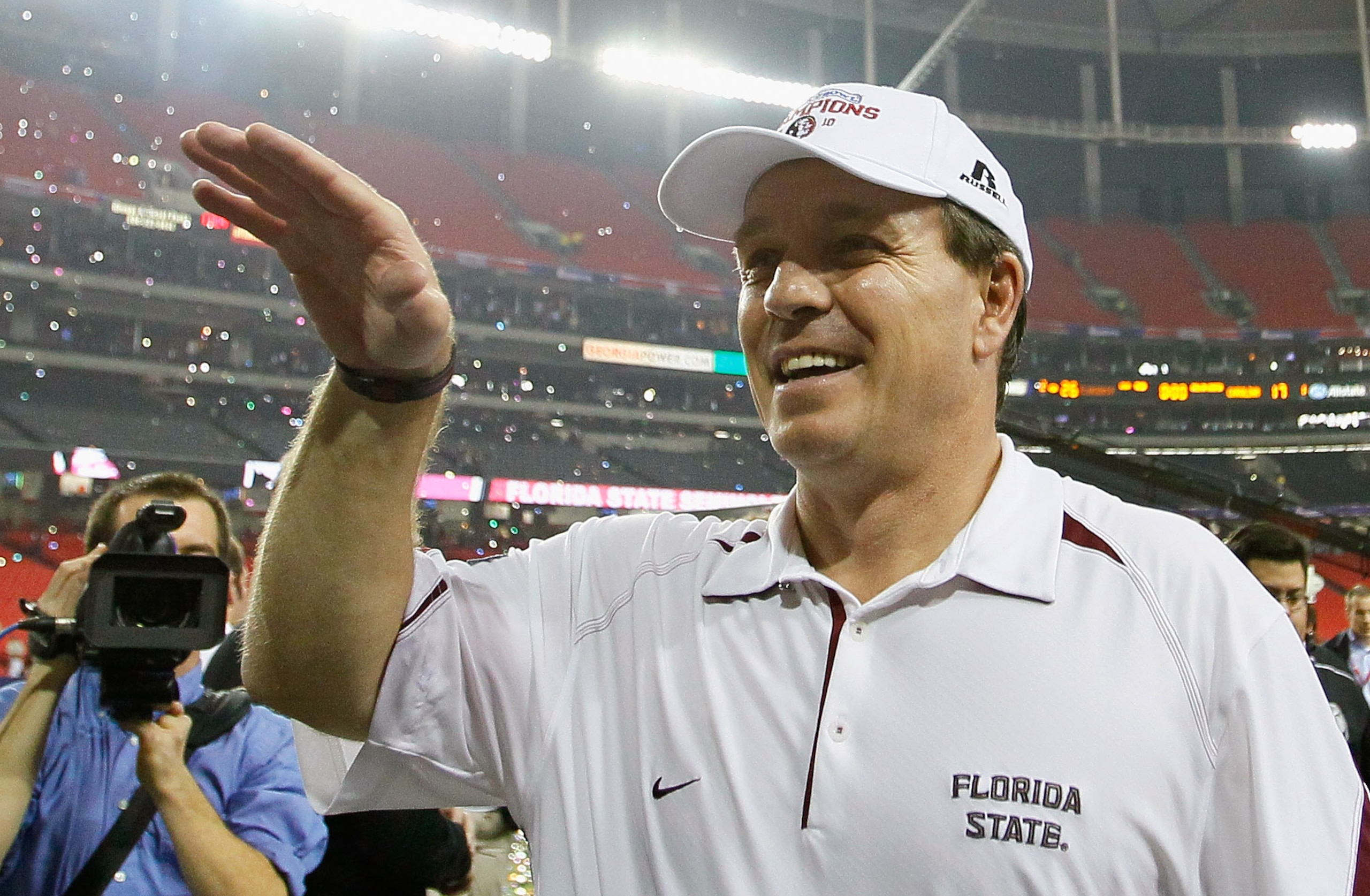
Junior Day is an event held on a college campus where a program hosts the top junior prospects on their recruiting radar. Many times, it happens in Mid-February through the early spring.
But now, colleges are getting junior prospects in even earlier, as some have Junior Days during the season, especially around their bowl games or even before NSD.
The juniors tour the campus, receive academic information form the school's counselors, tour the sports facilities, football offices and meet the coaches. It has become a very imperative tool to have for major college programs.
What Started Schools To Have Junior Days?
2 of 6
According to Mack Brown, when he was at North Carolina in the late 1980s and early 1990s, he discovered that other schools were inviting junior prospects to their summer camps. This gave the rival schools a leg up on his Tarheel staff, as the juniors already had visited campuses and met coaches.
So he decided to have a day in the spring after NSD that featured the top juniors in the UNC recruiting boards. He wanted to have the juniors meet him face to face, tour the campuses, meet his staff and start the foundation of building a relationship with a recruit.
This proved to be an effective method, as he started to land more and more recruits who took part in his Junior Days.
What Schools Have Junior Days?
3 of 6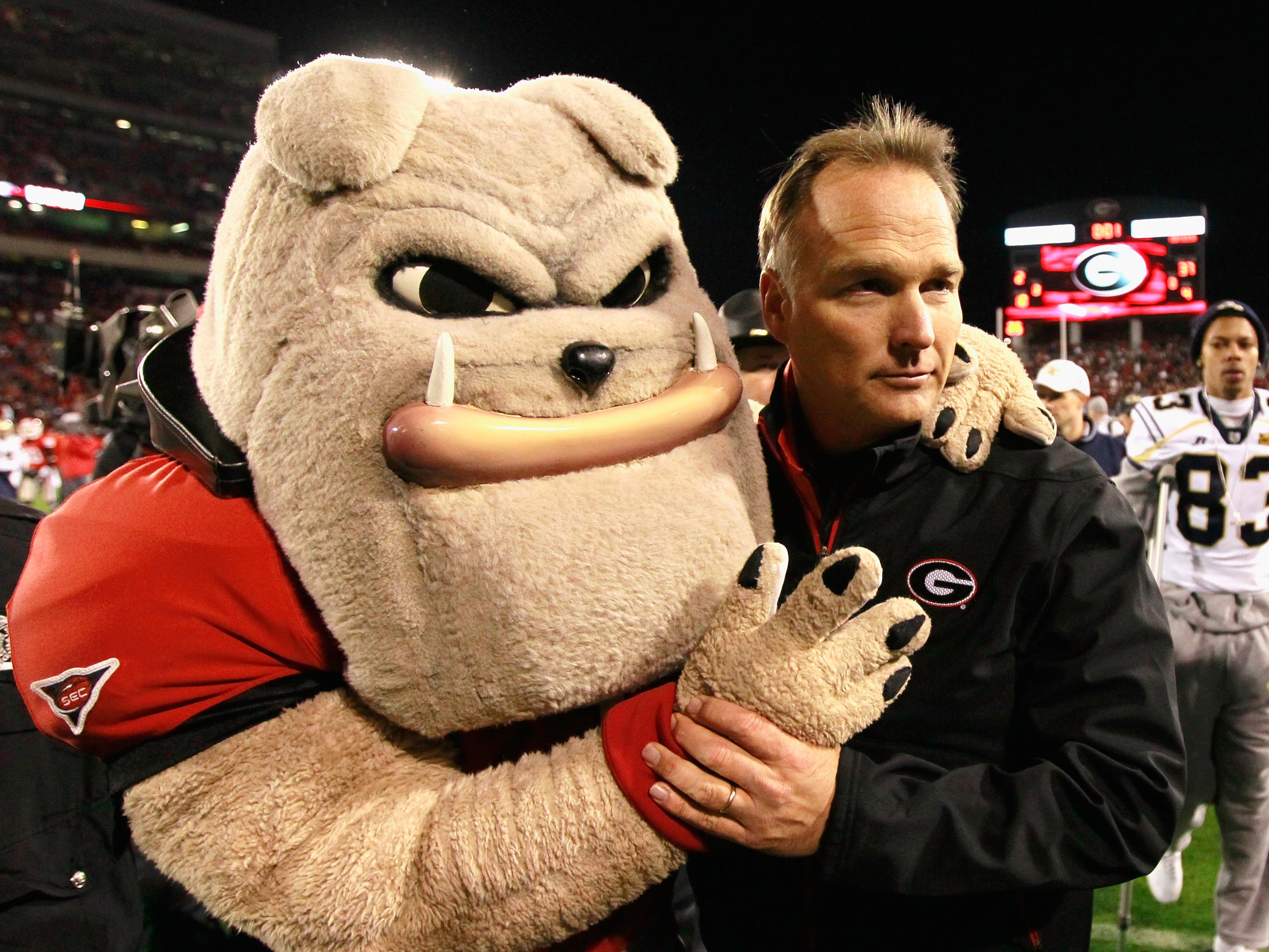
While there is no set master schedule of Junior Days where I can supply you with dates for each major BCS program, there are some known Junior Days that are huge events.
Most notably is Texas' Junior Day. Sometimes the Longhorns host over 50 prospects on one day, and now it has gotten so big that in some years, they have had to have two or three different days. USC has begun to incorporate the Junior Day more and more, with Lane Kiffin using it as a tool going forward.
Florida State and Georgia both each run well organized Junior Days. So do Clemson, Oklahoma, Auburn, Alabama, Florida, among many other programs.
One angle that I notice is that teams are pretty secretive about their Junior Days. They only invite prospects that they feel are worthy of college scholarships, whereas they take every player that wants to come to their summer camp. Junior Days are more invite only events.
.jpg?w=2560 "AP Poll Top Five Week 9")
.jpg?w=2560)

Do Schools Offer Scholarships and Get Commitments at Junior Days?
4 of 6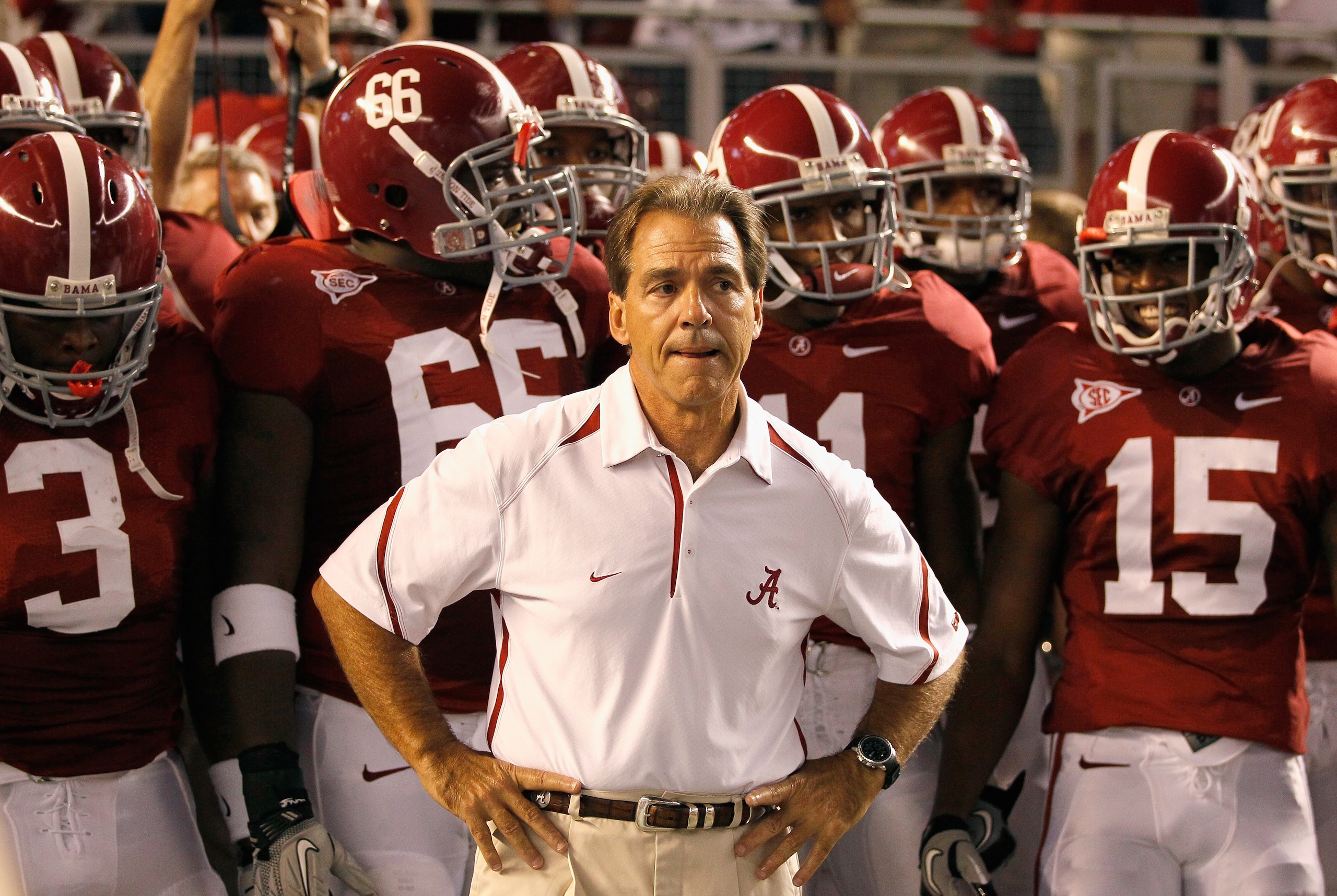
Yes, they do. Texas really uses this event as the foundation to building their recruiting classes. This is why the Longhorns score so many early verbals and stay ahead of the curve.
Mack Brown and his staff usually offer a player in their junior season, host him and a slew of other players for a big Junior Day event, and at the end of the day, they speak with him and talk him into committing to Texas.
Pep rallies occur with pomp and circumstance. Players even attend a basketball game, while other schools even have another late Junior Day around their spring game.
Overall, yes, scholarship offers are made certainly to players in the event they don't already have one, and commitments do regularly occur at a program's Junior Day.
What Is a Negative To Having Junior Days?
5 of 6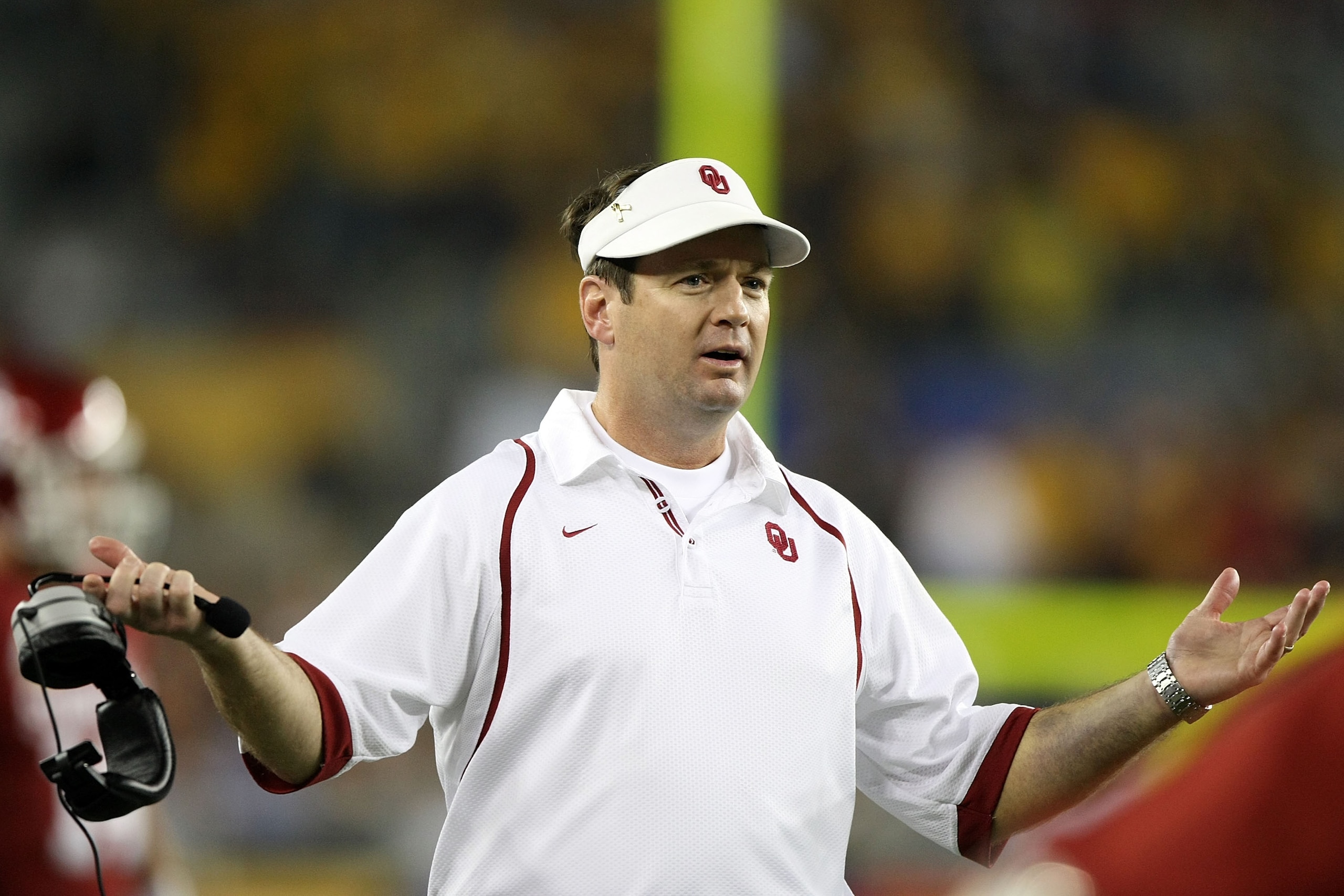
When a program has a Junior Day, it usually hosts a large number of prospects. Georgia had over 150 prospects in for their Junior Days within a two week time frame.
While Junior Days are great tools to start a recruiting cycle, they don't give a program a chance to really have a significant one on one time with a player. Some programs dislike Junior Days since they rather like to invite a select and smaller number of juniors to their campus one at a time in the spring and summer.
This gives the coaches time to really get to know a player, watch film with them even, and discuss academics and the program's vision for how they want to develop the player.
It really depends on what the head coach and his staff like to do. Do they like having as many prospects on campus as early as possible, or do they like to take their time in the recruiting process to ensure they are signing a class of players that they are entirely comfortable with?
Where Is Recruiting Headed?
6 of 6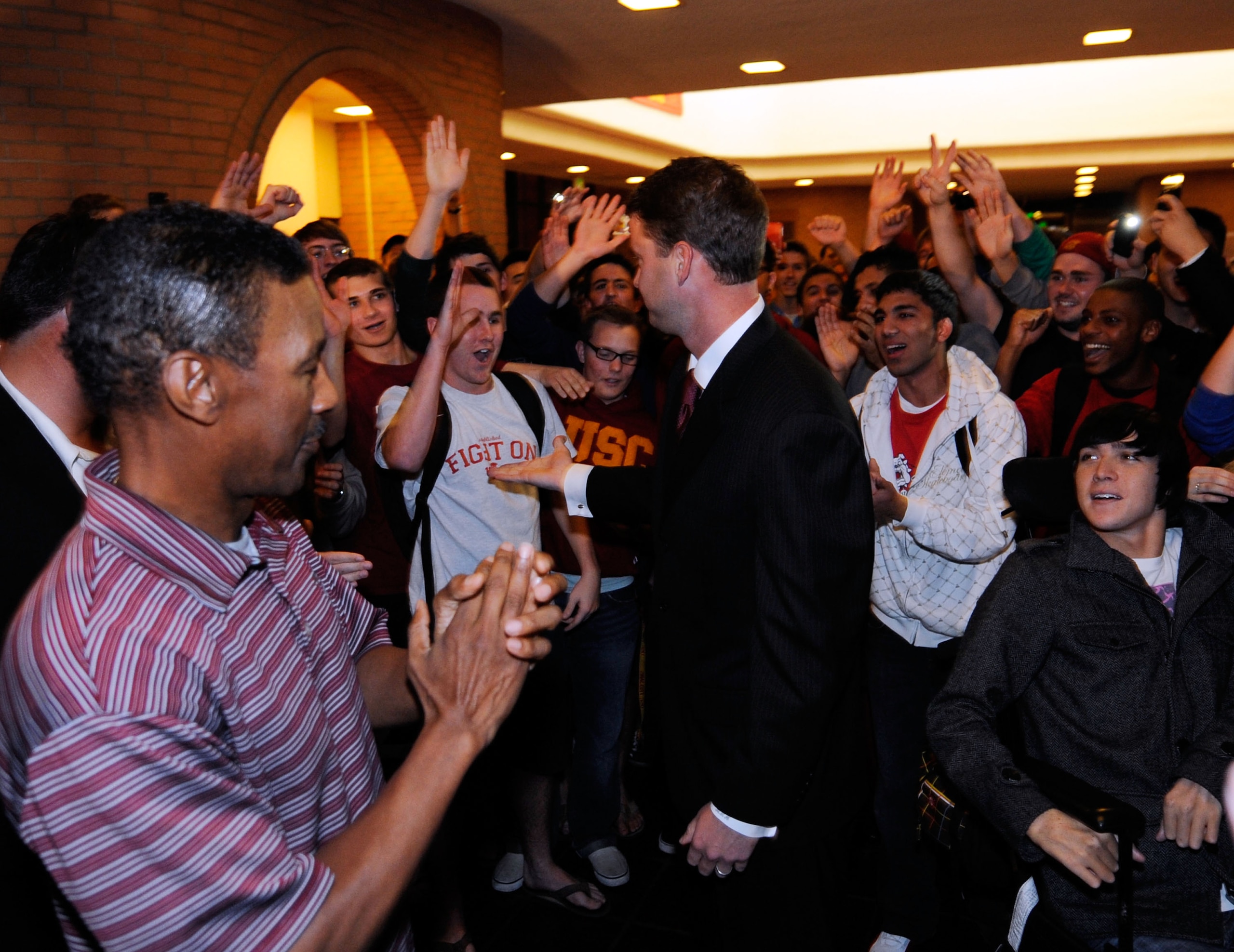
Texas revolutionized early recruiting in the last decade, as the Longhorns started to take advantage of a slow process. Mack Brown originally stopped his Junior Days when he came to Austin from UNC, as he noticed the Big 12 recruiting process was slower.
Yet he picked it back up and ran with it in the 2000s. This forced other schools to start offering prospects earlier and earlier, hence we saw more and more earlier commitments. The Junior Days are here to stay as long as the NCAA lets programs have them.
There is a growing number of coaches who are sternly opposed to recruiting starting earlier and earlier, as these coaches really feel the portion of evaluating a player's talents in decreasing. Schools really used to like to evaluate a player's film in the spring, see them in summer camps, and offer them heading into the fall.
Now schools are having to hear their rivals have already offered and before even seeing a player's film, automatically offer a player just to keep up. This can be detrimental, as coaches have less time to investigate a player's academic progress and character.
Recruiting is headed to a faster and faster pace, and there are some coaches who are faced with either keeping up and falling behind.



.jpg?w=2560 "Raiders Could Start Mendoza")


.jpg?w=2560 "Rodgers Iced Out on Plane 💎")

.jpg?w=2560 "Packers Safety Slams Refs 🤬")