
Big Ten Football: 11 Reasons The League Will Be Even Worse in 2011
The bowl season is nearing its end, and the Big Ten is once again looking like the biggest loser in college football.
After a 2-0 start, courtesy of wins by Iowa and Illinois, the Big Ten went 0-5 on New Year's Day, a day low-lighted by Michigan's worst bowl game loss in school history–52-14 to Mississippi State.
So where does the Big Ten go from here?
Aside from into a new 12-team format and maybe a win by a strangely sanctioned Ohio State squad in the Sugar Bowl, nowhere special, if not further down the drain.
In the spirit of 2011, here are 11 reasons the Big Ten will fall flat once again in the New Year.
New Year's Day Disaster Doesn't Bode Well For Future Of Conference
1 of 11
There's no better (or worse, depending on your perspective) place to start breaking down the Big Ten's pending breakdown in 2011 than New Year's Day.
Five of the conference's bowl-eligible teams–Wisconsin, Michigan, Michigan State, Northwestern and Penn State–failed to win their heavily-sponsored showcases, a fiasco that is rare, if not unprecedented, in the long and storied history of college football.
The Badgers' 21-19 loss to the TCU Horned Frogs, the undefeated Cinderella of the Mountain West Conference, would have been the biggest story coming out of the conference if not for the absolute duds produced by Michigan and Michigan State in the Gator Bowl and Capital One Bowl, respectively.
As gruesome as the defeats may be on their own, they collectively represent, better than any other single metric, how bad things might be for the Big Ten next year.
After all, bowl season is typically a time during which teams look to end their seasons on a high note and build momentum going into spring and fall practices the following year.
If that's the case, then the Big Ten will need an even bigger push to get going in the right direction once the fall of 2011 rolls around.
Nebraska Cornhuskers: New Arrival Unlikely To Make a Difference Right Away
2 of 11
As if the Big Ten's performance in bowl games weren't bad enough already, throwing in Big 12 newcomer Nebraska does nothing to assuage fears of another down year for the now-12-team league.
Bo Pelini's Cornhuskers followed up a loss to long-time rival Oklahoma in the final Big 12 Championship Game with an embarrassingly anemic performance against the 6-6 Washington Huskies from the Pac-10 in the Holiday Bowl.
After destroying U-Dub in Seattle at the beginning of the 2010 season, the heavily-favored 'Huskers laid an absolute egg in the rematch, managing only 189 total yards in a 19-7 loss to a Huskies team that ranked 71st in the NCAA in total defense and 80th in points allowed.
As such, Nebraska's introductory season in the Big Ten may be a bit quieter than most had previously predicted, joining a league already chock-full of bowl game bombs.
Notre Dame: Satisfied With Invitation Denied
3 of 11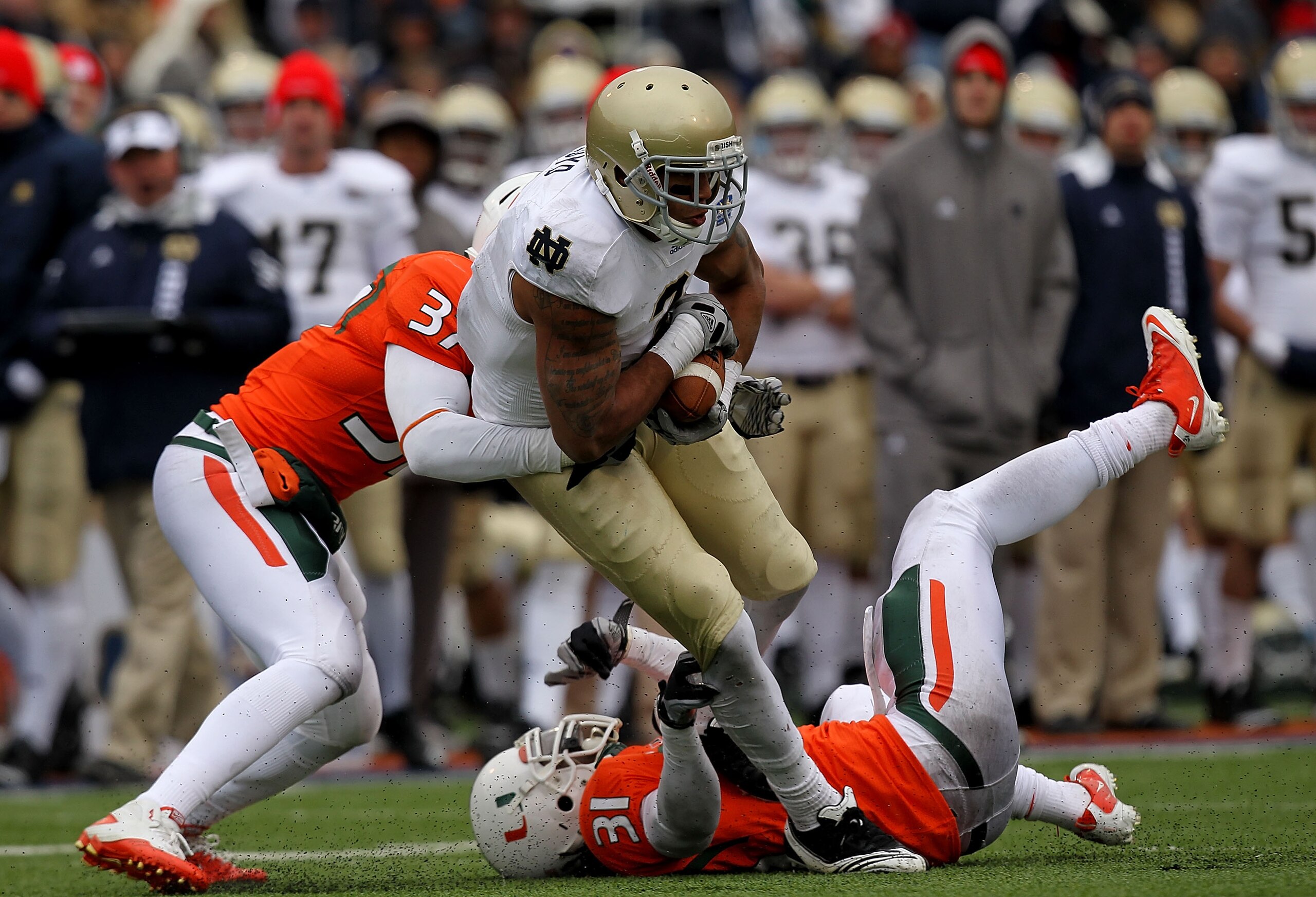
While Nebraska was certainly a good get in the big picture for the Big Ten, conference commissioner Jim Delany was really gunning for Notre Dame.
After all, the Fighting Irish football program is among the most storied and followed in all of college football, with the school having its very own television contract with NBC.
Reports among the flurry of conference moves over the summer had Notre Dame strongly considering a long-awaited jump in the Big Ten to compete with teams like Michigan, Michigan State and Purdue that the Irish already face every year.
In the end, school president Revered John I. Jenkins and athletic director Jack Swarbrick decided against the move, and they're looking smarter and smarter with each passing Big Ten defeat.
And, with a sound 33-17 whooping of the Miami Hurricanes in the Sun Bowl, Brian Kelly's club looks poised to improve in 2011, making the Big Ten look like the Sisters of the Poor by comparison.


Michigan Wolverines: Maize in Blue Due For a Makeover
4 of 11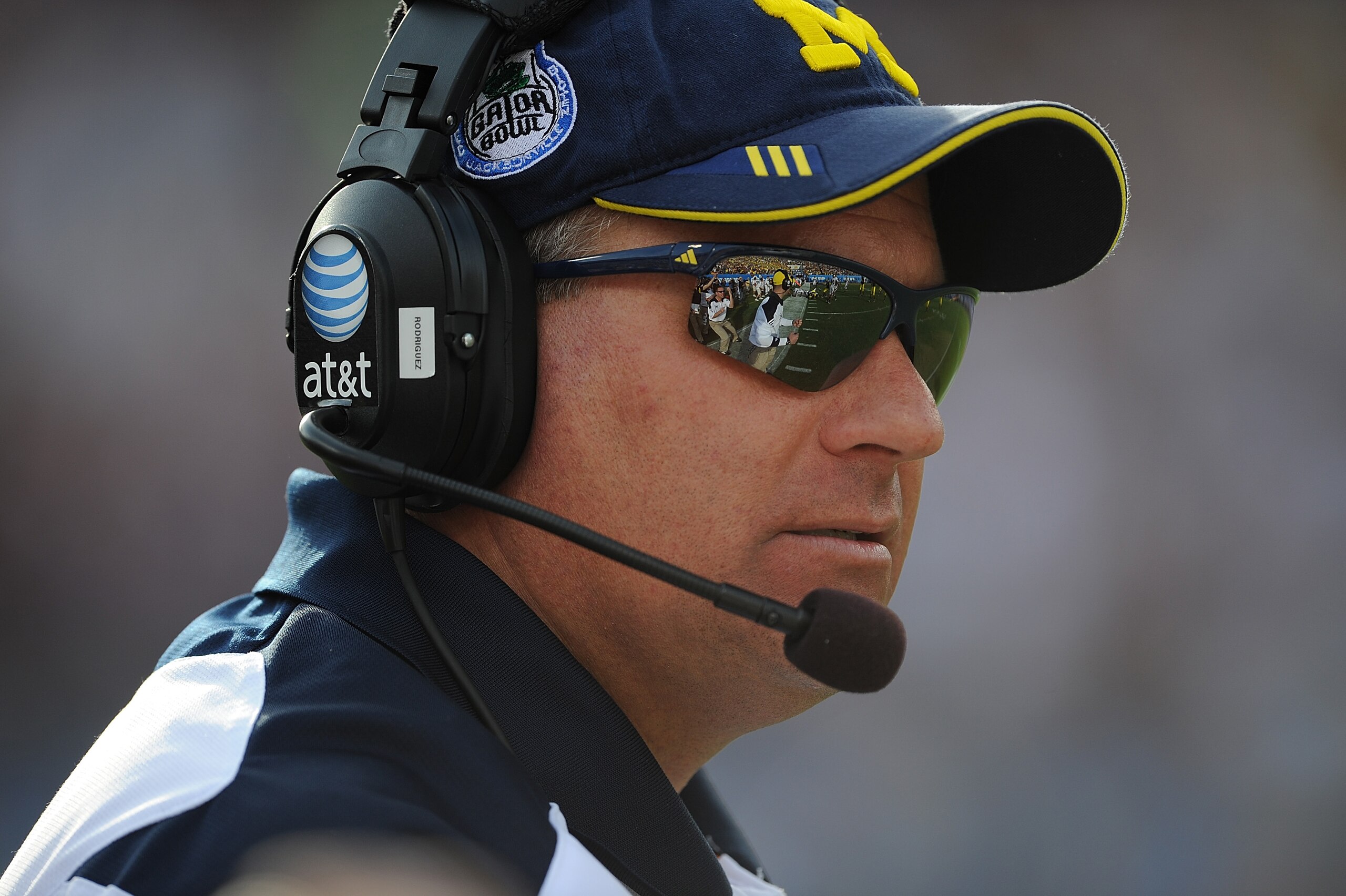
Back in the Big Ten, Notre Dame's biggest Midwestern rival, Michigan, looks just about ready for prime time....
On "Extreme Makeover: College Football Powerhouse Edition".
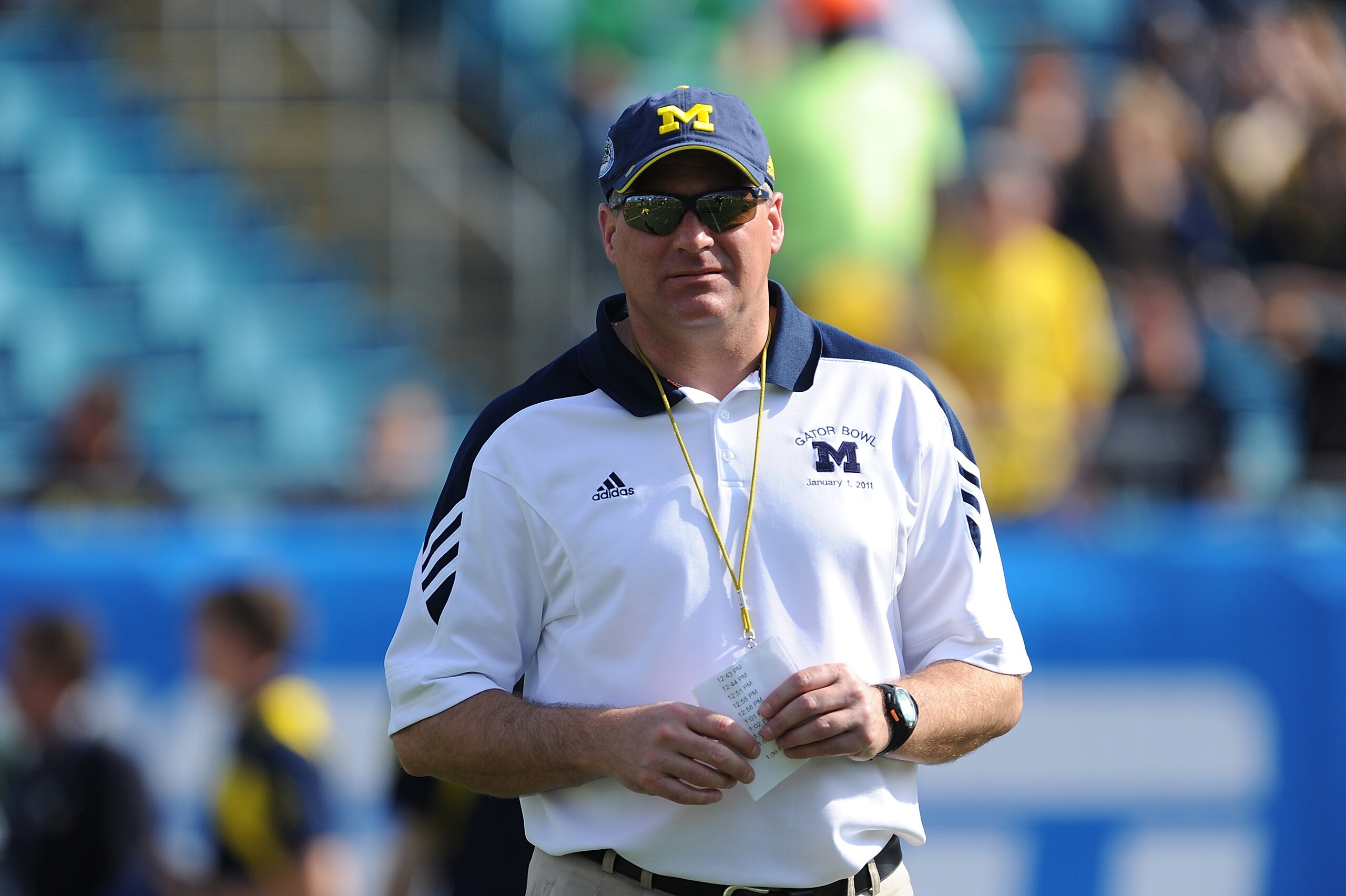
The Wolverines finished 7-6 by virtue of a 52-14 New Year's Day massacre at the hands of Mississippi State in the Gator Bowl, marking the worst bowl game loss in the school's rich football history.
That defeat may be the straw that broke Rich Rodriguez's back in the minds of UM's fans, boosters and athletic director David Brandon. Rich Rod's resume was already replete with problems, including his first season–a 3-9 fiasco that was among the worst in school history–and the fact that he's just not a Michigan man.
Now, more than ever, the Maize and Blue appears poised for a change, with Stanford coach Jim Harbaugh, an alum of the school and one of the most successful quarterbacks to play at the Big House, now having proven himself to be a successful coach at a big-time school, and fellow former Wolverine Les Miles still out there, presumably for the taking.
As great as either hire would be for the Wolverines' ailing football team, neither would do much to improve the squad's situation come 2011. Should Brandon make a change soon, the new coach would have little time to gather recruits, new and previously committed alike, before National Signing Day, and would be forced to make due with what little talent the team still has on the defensive side of the ball, where it struggled most in 2010.
And if Rich Rod stays? Well, then there's even less of a guarantee that his team, at least defensively, will truly be any better off next year.
Ohio State Buckeyes: Seniors Sad to Sit at Start Of 2011 Season
5 of 11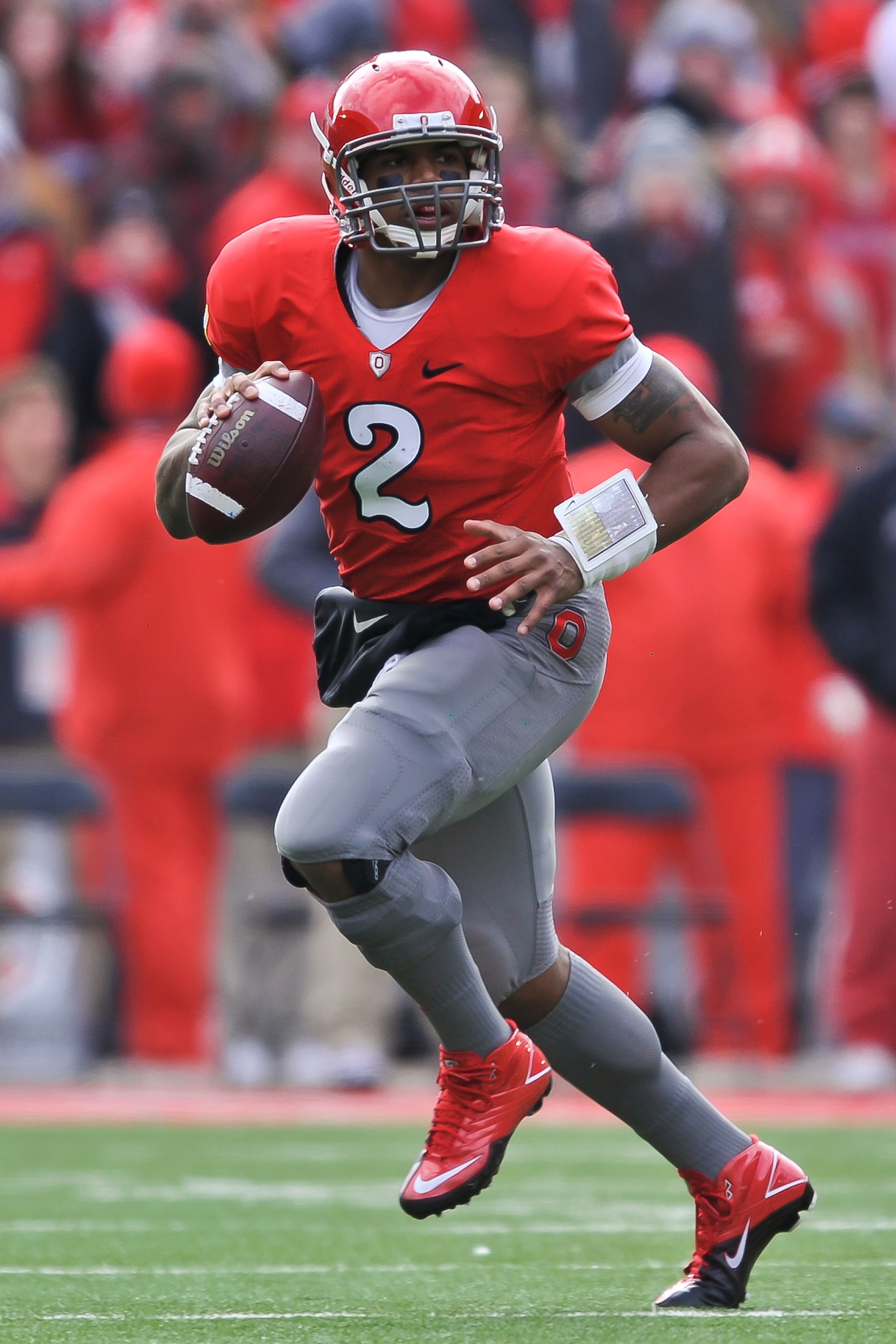
In the meantime, Ohio State, Michigan's rival to the south, has endured its own fair share of problems recently, leaving many to wonder what will become of the Big Ten's premiere football program in 2011.
Six Buckeyes–five of them seniors–were recently slapped with suspensions for receiving improper benefits and selling personal memorabilia that was given to them by the university.
The five seniors-to-be, in particular, are paying a harsh price, having to sit out the first five games of the 2011 season, though not tonight's Sugar Bowl.
Among those five are star quarterback Terrelle Pryor, leading rusher Dan "Boom" Herron, second-leading receiver DeVier Posey and offensive lineman Mike Adams.
All of these players will likely be back in 2011, thanks to head coach Jim Tressel declaring that those who did not commit to returning next year would be held out of the Sugar Bowl.
As such, the Buckeyes may finish well once those key players return against Nebraska next season, but the first five games will likely be a struggle, with little proven depth at key offensive positions to make up for the temporary losses of Pryor, Herron and Posey.
In essence, Ohio State may still win the Big Ten in 2011, but not without some blemishes to the program's record and its reputation.
Wisconsin Badgers: Big Losses on Offense Could Mean Bigger Drop in Big Ten
6 of 11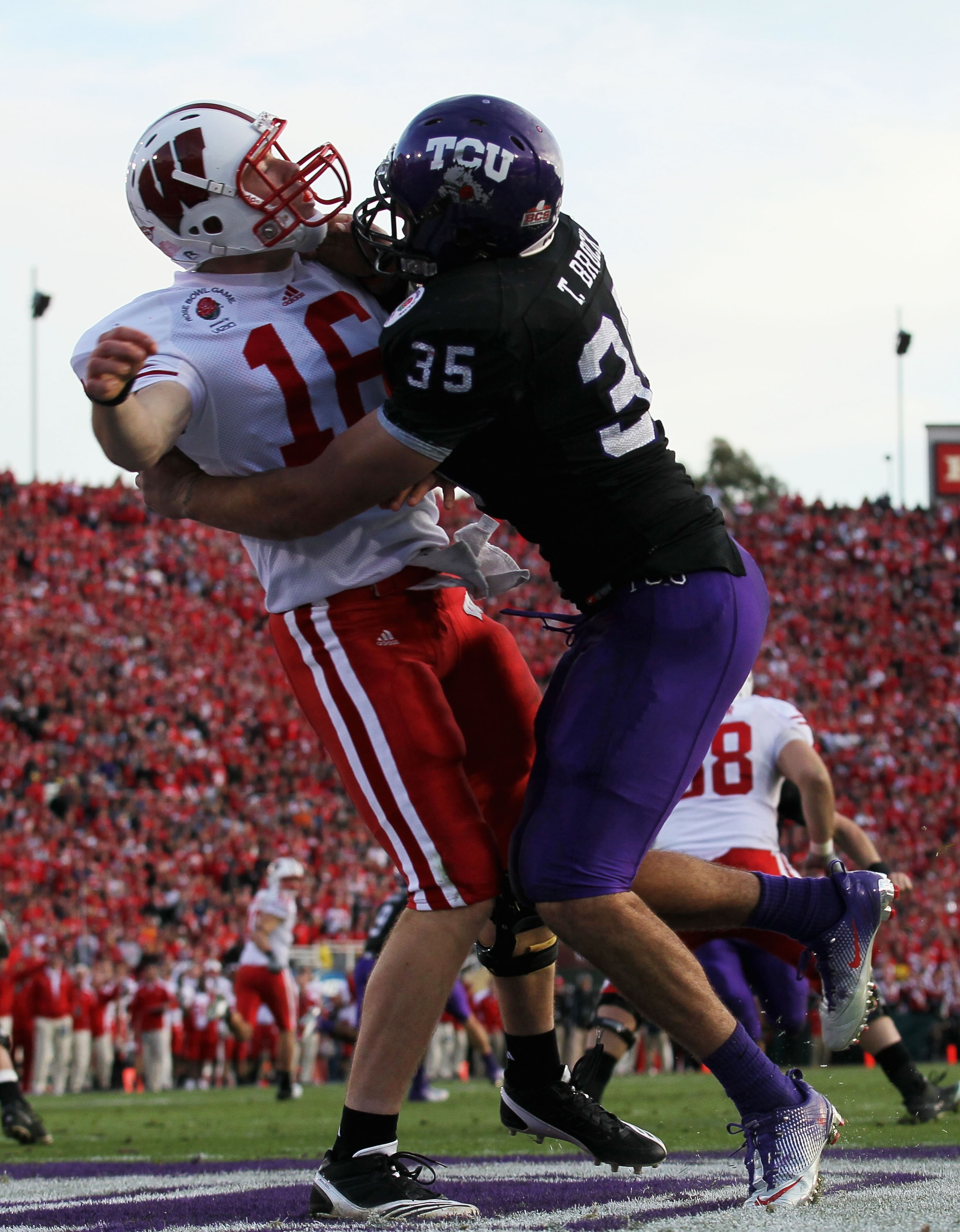
Michigan State Spartans: Conference Co-Champs? Really?
7 of 11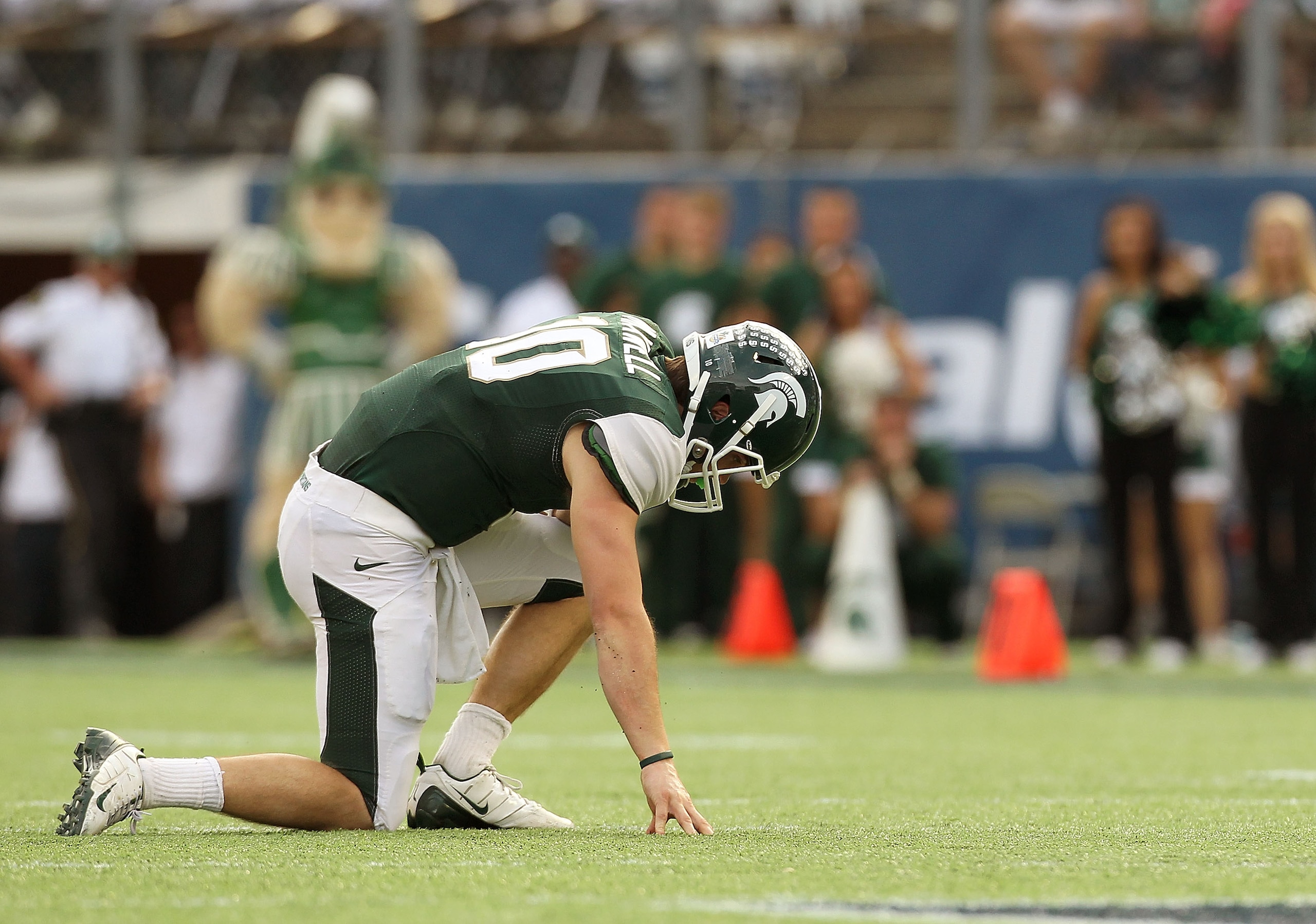
Bad Bowl Season Puts Big Ten Farther Behind SEC in Race For Football Respect
8 of 11
How Many Conference Champions Does It Take To Screw in a Big Bowl Win?
9 of 11
Conference Commish Jim Delany Not "Shocked" by Big Ten Struggles
10 of 11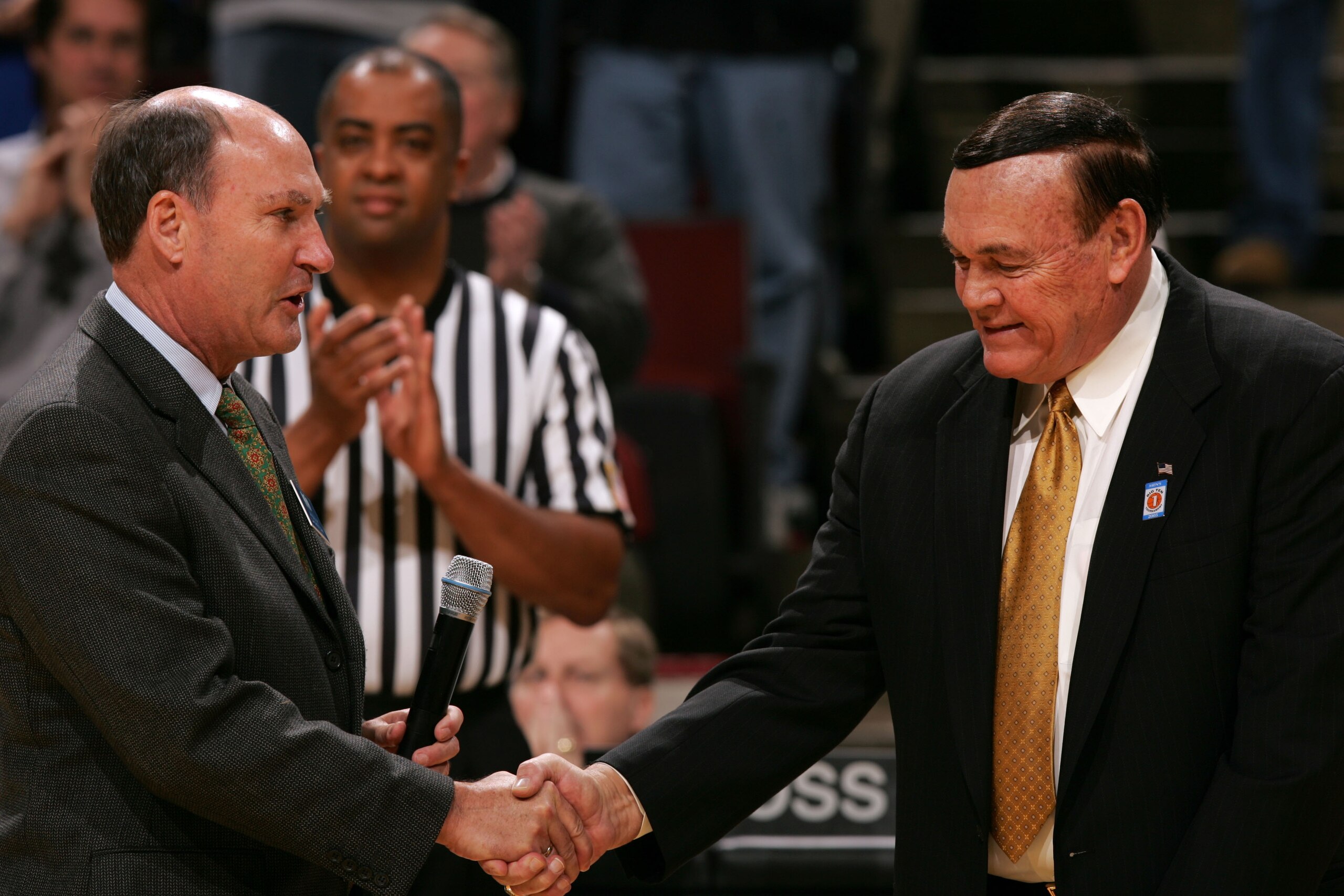
Big Ten Lacking in Legends and Leaders
11 of 11
Then again, can you really blame Jim Delany for seemingly abandoning a conference whose reputation he has so sullied this year?
The Big Ten's brass recently announced that the conference would have a championship game starting in 2011, now that the league has upped it's numbers to 12 total.
(Note: The Big Ten will have 12 teams while the Big 12 will have 10 teams. Go figure.)
To determine who would meet in the annual contest, Delany and the rest of the conference's brain trust decided to split its members into two divisions.
Not by geography, as other conferences like the Big 12 did, the SEC does and the Pac-12 will do.
Instead, they felt it would be best to pay homage to the Big Ten's rich tradition of douchiness by dividing its constituents into "Legends" and "Leaders".
Because, after all, the Big Ten is clearly the best conference in the history of college sports, right? And will be going forward, right?
With pretentious designations like those, the conference stands a fat chance standing up its competition by name, much less by actual, tangible, on-field play.
-(1).png?w=2560)
.jpg?w=2560 "Grading WWE Raw 🔠")
.jpg?w=2560 "Landon Dickerson Placed on IR")
.jpg?w=2560 "Follow WWE Raw 🇲🇽")
.jpg?w=2560 "Nabers' Recent IG Post 👀")