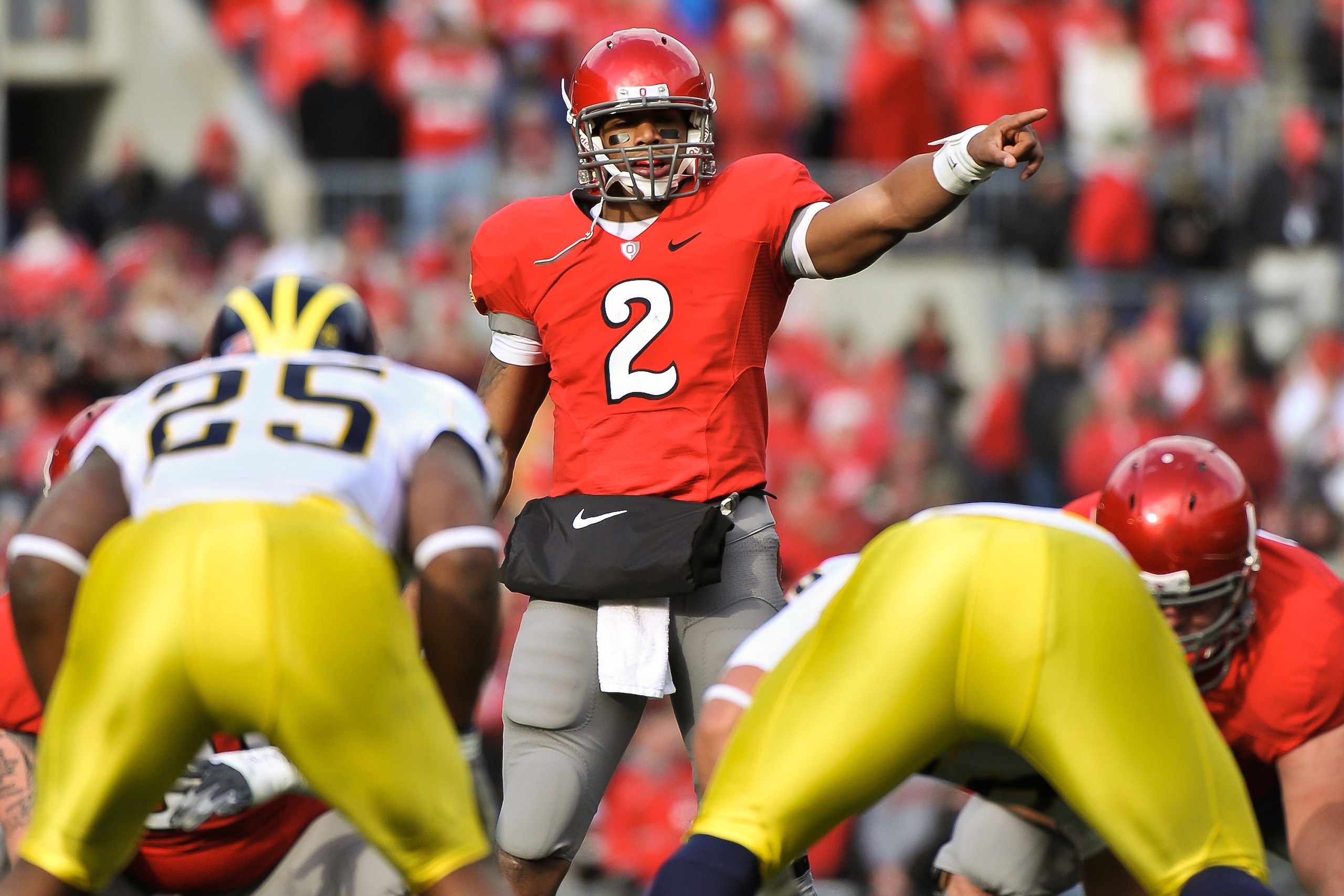

Ohio State Suspensions: Should the NCAA Pay Student-Athletes Like Terrelle Pryor
Earlier today, news broke that Ohio State quarterback Terrelle Pryor and four other Buckeyes will be suspended for the first five games of next season for receiving "improper benefits". Apparently, these players received cash for selling trophies, rings, jerseys, and awards, and also received improper benefits from a tattoo parlor. This raises a question that has been part of an ongoing dispute for many years now - should NCAA student-athletes get paid?
Section 12 of the NCAA's bylaws for student athletes reads “An individual loses amateur status and thus shall not be eligible for intercollegiate competition in a particular sport if the individual [among other things]: uses his or her athletics skill (directly or indirectly) for pay in any form in that sport; [or] accepts a promise of pay even if such pay is to be received following completion of intercollegiate athletics participation”
It also states that receiving improper benefits from merchants or boosters as a result of one's athletic participation is in violation of NCAA student policies. So what Pryor and his teammates did is clearly against the rules. But should players be allowed to receive cash for play?
This slideshow will present five reasons in favor of paying the student-athletes, and five reasons against such a proposition.
Reason 1 For: Universities Profit From Student-Athletes at Their Expense
1 of 10
When Michigan plays Ohio State in football, there are well over 100,000 fans in attendance. There are gate receipts in excess of $2 million. Between television revenue, corporate sponsorship, concessions, merchandise sales, parking, and other promotions, the universities are making several million more dollars. But players like Terrelle Pryor and Denard Robinson, who are the reasons the fans pay so much money to see the game, receive none of it.
Professional athletes have such large salaries because they make a large profit for the teams that pay them. The Yankees recently signed Derek Jeter to a contract that pays $15 million a year because, from an economic perspective, they feel he is worth that much money to the team. Similarly, due to Terrelle Pryor's success, fans are drawn to the Ohio State games. Therefore, Pryor is bringing in a significant amount of money to the Ohio State athletic department, and Robinson is doing the same for the department at Michigan.
Just as professional athletes who bring profits to their teams get paid accordingly, and in general workers who bring profits to those who employ them are paid accordingly, so should college athletes.
Reason 2 For: Exploitation Continues Even After Players Turn Pro
2 of 10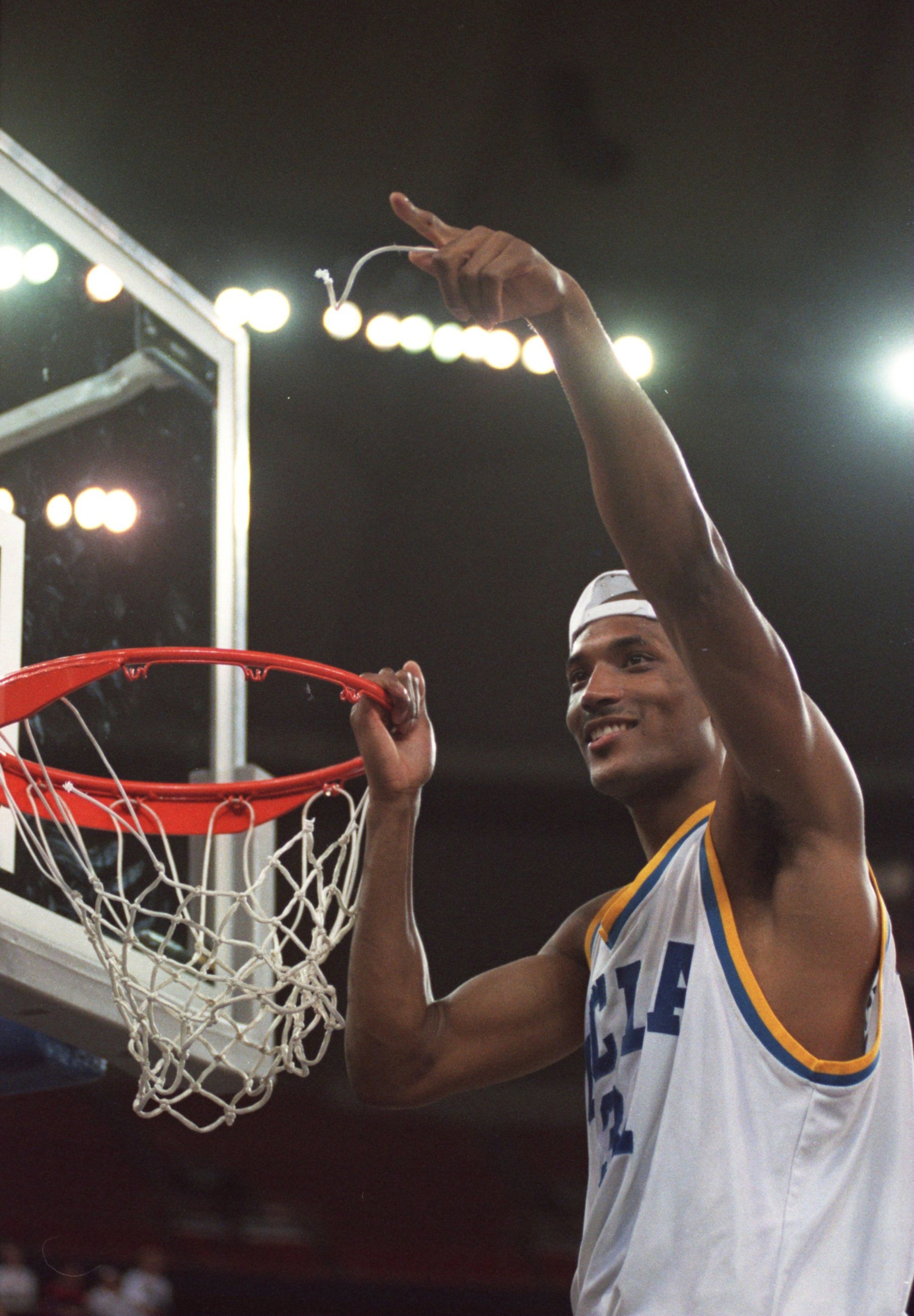
Former UCLA Bruins basketball player Ed O'Bannon is currently fighting a major lawsuit against the NCAA. O'Bannon and his fellow players request that the NCAA cease and desist an unfair practice of refusing to compensate student-athletes. The NCAA forces these young athletes to sign waivers which essentially sign away their right to make any money off of their image (as it was used in college) for the rest of their lives.
Harry Flournoy, captain of the 1966 NCAA Champion Texas Western basketball team, also joined the lawsuit, saying “I don’t think it’s fair that a person is out of college, in my case 40 years, and the NCAA can make millions off your image and you get nothing for it”.
O'Bannon and Flournoy noted, for instance, that the NCAA was marketing DVDs of championship games in which they participated. However, O'Bannon, Flournoy, and their teammates were not compensated for their image use in the video.
When an actor such as Brad Pitt appears in a film, he gets a royalty every time a DVD of the movie sells. The money the San Francisco Giants players would receive as a result of their World Series Championship DVD is instead split amongst the players union as a whole as a result of the collective bargaining agreement. However, lacking such a contract, they too would receive royalties for sales of those DVDs.
It should logically follow that student-athletes such as O'Bannon and Flournoy should receive just compensation for the sale of their championship highlights. Players like Pryor today should receive the same, as well as receive money since his image is being used in the NCAA Football EA Sports video game series (also alluded to in the lawsuit, with former Arizona State quartberback Sam Keller listed as the plaintiff).
Reason 3 For: The Classic "Student-Athlete" Concept Is Obsolete
3 of 10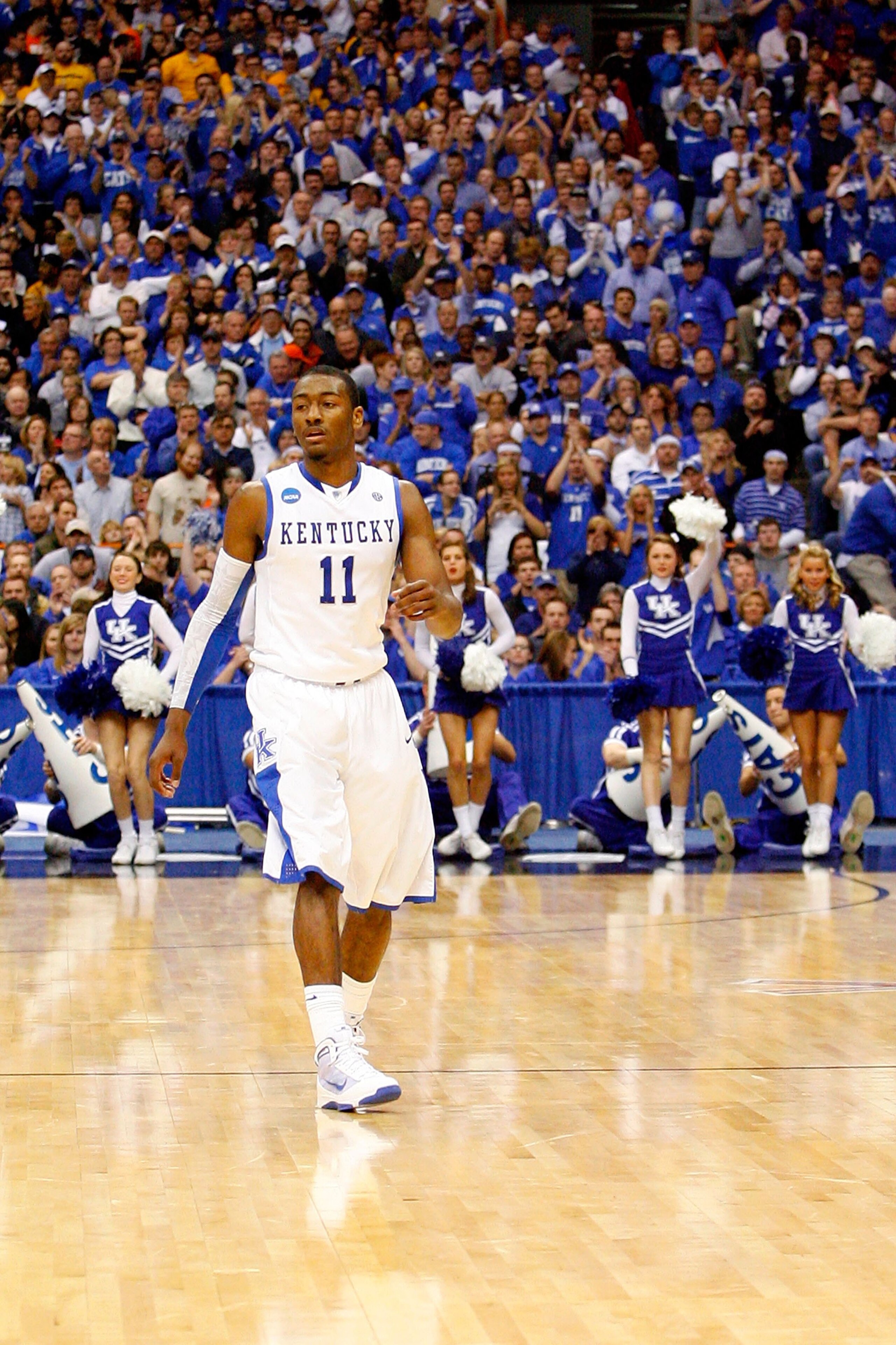
While the NCAA would like to claim their athletes are students first and are true "amateurs", sadly this is no longer the case. If you look at basketball teams like the University of Kentucky, nobody on that team is at the school to get an education. They want to become basketball players, not get degrees.
Therefore, there is no reason why these athletes should be artificially considered students (especially when most of them never even go to class). This past semester, I was in a Political Theory class with University of Connecticut backup quarterback Michael Box (who will likely be the starter next season). He never showed up. Meanwhile several legitimate students who wanted to take the course could not get in because it was full. If Box didn't have to "pretend" to enroll in classes, someone who was legitimately there as a student could have enrolled in that course instead of Box.
So it is clear that considering these athletes to be students is bad for the University. Therefore, they should be considered professional athletes in the same sense that Tom Brady or Kobe Bryant are. What this would essentially do is make the NCAA a "minor league" for basketball and football. But it essentially is anyway. It's coming to that eventually, and people need to start recognizing that as much as we want to think of these basketball and football players as "student-athletes", that concept is now obsolete and outdated.


Reason 4 For: Failing To Pay Is Illegal
4 of 10
The NCAA's failure to pay its student-athletes is in violation of anti-trust laws. Chad W. Pekron of Hamline Law Review writes “the current relationship between athletes and universities is an employment relationship. If athletes are employees of the university, it is contradictory to maintain that they are amateurs who thus cannot receive compensation”.
In other words, the student-athletes should be considered employees of the university and treated as such. To not compensate these employees would hence be illegal.
The NCAA has argued that amateurism is necessary for college athletics to occur (this will be addressed when the con side is presented). However, Pekron writes "amateurism is not necessary to produce college athletics. Limiting the compensation paid to athletes does not meet the demanding requirements of the antitrust laws, that require a legitimate anticompetitive act to be narrowly tailored to its purposes. College sports will continue whether athletes are paid or not, and thus there is no legitimate justification for preventing their payment”
In other words, despite what the NCAA says, ending amateurism will not end the NCAA. So, the NCAA's defense is invalid.
Reason 5 For: College Athletes Are As Marketable As Pro Athletes
5 of 10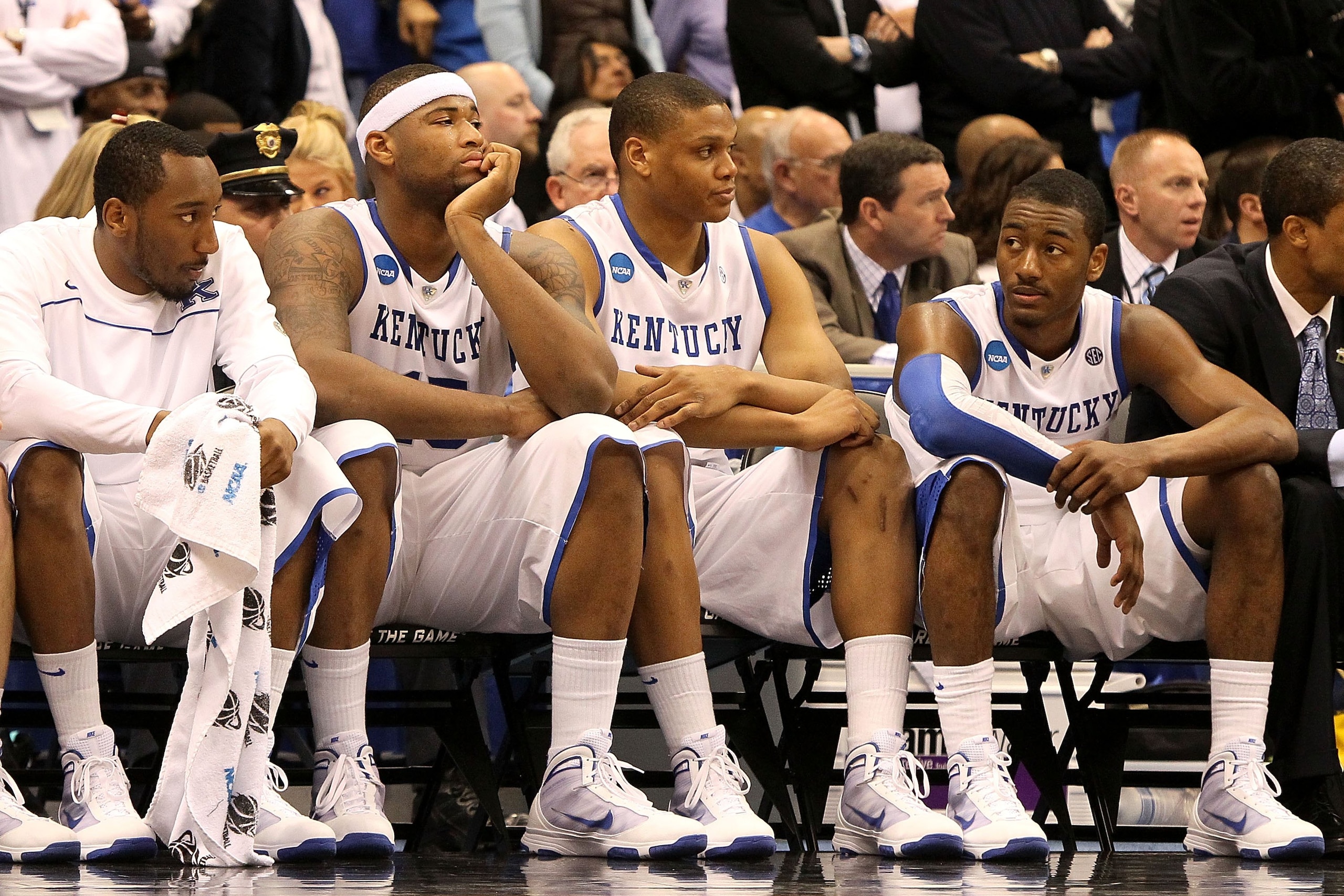
In 1996, a local newspaper in Kentucky estimated that of the $80 a University of Kentucky jersey sold for at a retail outlet, about $5 went to production costs. $20 or so were used for the production and fixed cost, while $3.20 went to Converse and $3 went to the University itself for the use of their respective logos.
However, none of this money went to the players themselves. Even if John Wall's name didn't technically appear on the number 11 Kentucky basketball jersey, people are still buying the jersey because it's his. So shouldn't he get paid for that? If someone buys an Alex Rodriguez jersey, he receives compensation (or rather it's split amongst the players union per the CBA). And college athletes like Wall, Pryor, etc. are just as marketable as these professionals. So shouldn't they have the same rights?
Reason 1 Against: Amateurism Is Necessary to Preserve College Athletics
6 of 10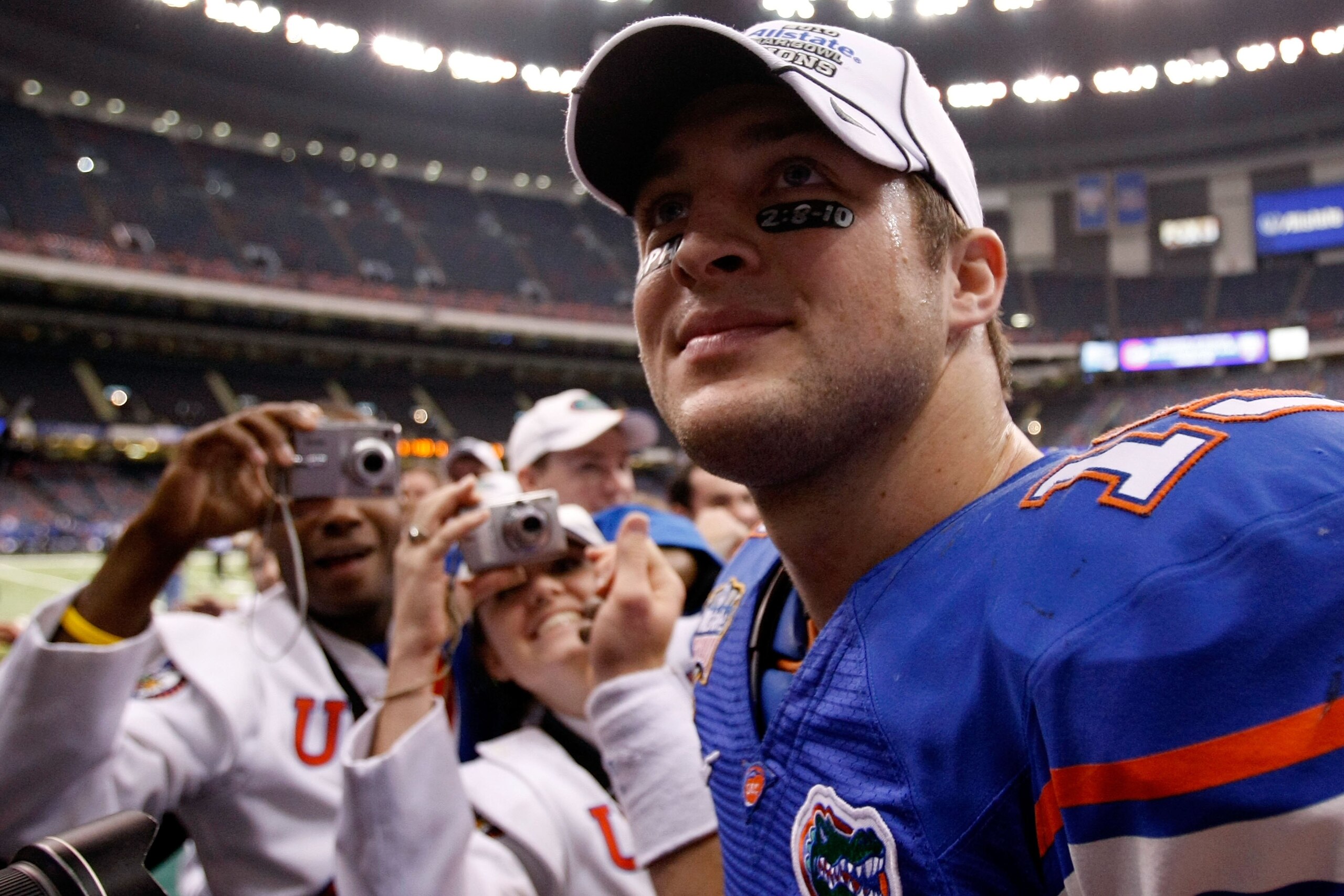
As mentioned in Slide 4, many have argued that the NCAA does not need to pay its athletes because amateurism is necessary to preserve college athletics.
They claim that college sports rely on amateurism to function. They also claim that student-athletes are not employees of the University and not subject therefore to the employee-employer relationship. And since financial compensation violates the principles of amateurism, it should not be permitted.
Reason 2 Against: Students First Athletes Second
7 of 10
The NCAA claims that student-athletes are students first and athletes second. There are over 300,000 student-athletes across the country, and virtually all of them will be going pro in something other than sports.
The NCAA has long maintained that all student-athletes therefore are students first. Hence, they should not receive any money for playing because this would jeopardize their student priorities. While there may be a few student-athletes who are more focused on their athletic careers, the vast majority of them are students first and athletes on the side.
Reason 3 Against: Paying Athletes Would Corrupt College Sports
8 of 10
The NCAA is vigorously opposed to any proposals to compensate student-athletes. They believe that colleges stand for the principle of athletics as a part of college, an extracurricular of sorts, not as a job. Therefore, to pay student-athletes would corrupt everything colleges stand for.
So, the NCAA is perfectly justified in not allowing its student-athletes to get paid, in much the same way that the university Chess Club would not pay its members to participate. Furthermore, should the Chess Club win a cash prize at a tournament, that money would likely go to the club account rather than the pockets of the members. According to the NCAA, a similar principle would apply here with members of sports teams making money for the University that they play for.
Reason 4 Against: Paying Athletes Would Ruin College Sports With Greed
9 of 10
In the arguments for paying student-athletes, we mentioned a lawsuit filed by Ed O'Bannon and several other players against the NCAA. However, according to NCAA spokesperson Erik Christianson, “That the NCAA violates antitrust laws because it somehow prevents former student-athletes from capitalizing on their collegiate images or likenesses is fiction”. The NCAA has had a long-standing policy of not allowing athletes to make any money whatsoever off their sport. They claim that should their athletes get paid, it would result in mass chaos and corruption. Judging by the high obsession with greed in high-level professional sports today, this may be at least partially true."
When we look at the clamor over MLB free agents like Cliff Lee and Derek Jeter, as well as the horrendous debacle that was The Decision, it may be a good thing that this does not carry over into college sports. Do we really want some high school recruit holding an hour-long television show explaining where he is going to college, why he is going there, and why he is so awesome? Clearly not. But if we start to compensate these student-athletes, that's what it's going to come to. Duke is going to offer some kid $40 million to play basketball, UNC will offer him $38 million, and Kentucky will offer him $45 million. So who will he choose? UNC because he is somewhat friendly with the coach? Duke because they're his hometown team? Or Kentucky because they offered him the most money? Do we really want another show to find out? Because that's what this will lead to.
Reason 5 Against: Lawsuits Against The Ncaa Are Misguided
10 of 10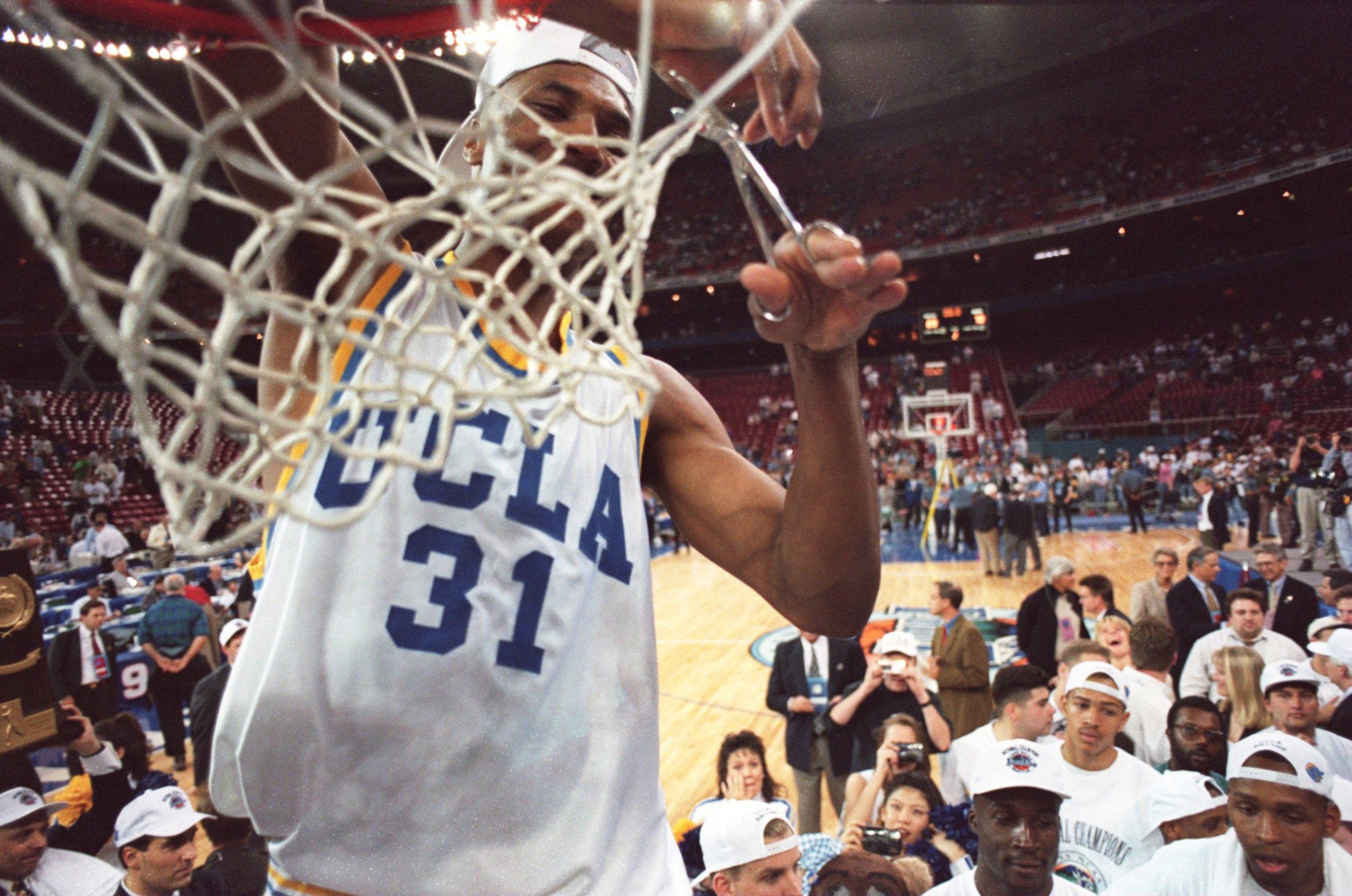
The NCAA claims that they have done nothing wrong in the lawsuits that are being alleged by O'Bannon. They claim that since the student-athletes sign the waivers, they have the right to do what they want and that there is nothing illegal. They say the athletes can enter into this at their own free will, and that since the NCAA has full power, there is nothing wrong. In spite of the alleged ethical issues with the waivers, there is nothing wrong with them. And student-athletes should not get paid. Therefore, O'Bannon's lawsuit is misguided and should be thrown out.
_0.png?w=2560)




.jpg?w=2560 "Love's Body Already 'Tired'")


.jpg?w=2560 "Tyreek Deal May Come Soon")

.jpg?w=2560 "Mahomes' Wife Trolls Kubiak 💀")