

Heisman Trophy 2010: Where Does Cam Newton Rank in Heisman History?
Cam Newton's Heisman Trophy-winning season was one of the most statistically impressive of all time. Few players have dominated the game quite like he did, and even fewer have done it against such steep competition.
The Heisman is college football's most esteemed award, and its winners make up a who's who of the history of the game. In 2010, Newton became the newest member of the game's most exclusive club.
Of course, not every winner was deserving, and not every deserving player was a winner.
But who are the greatest Heisman Trophy winners? Which winners had the best individual seasons in the history of game? And of course, where does our newest winner rank among the many greats?
Here are the rankings for all 76 Heisman Trophy winners. Take into account that only statistics from a player's Heisman-winning season are considered, not their career numbers.
76. Gary Beban, QB, UCLA, 1967
1 of 76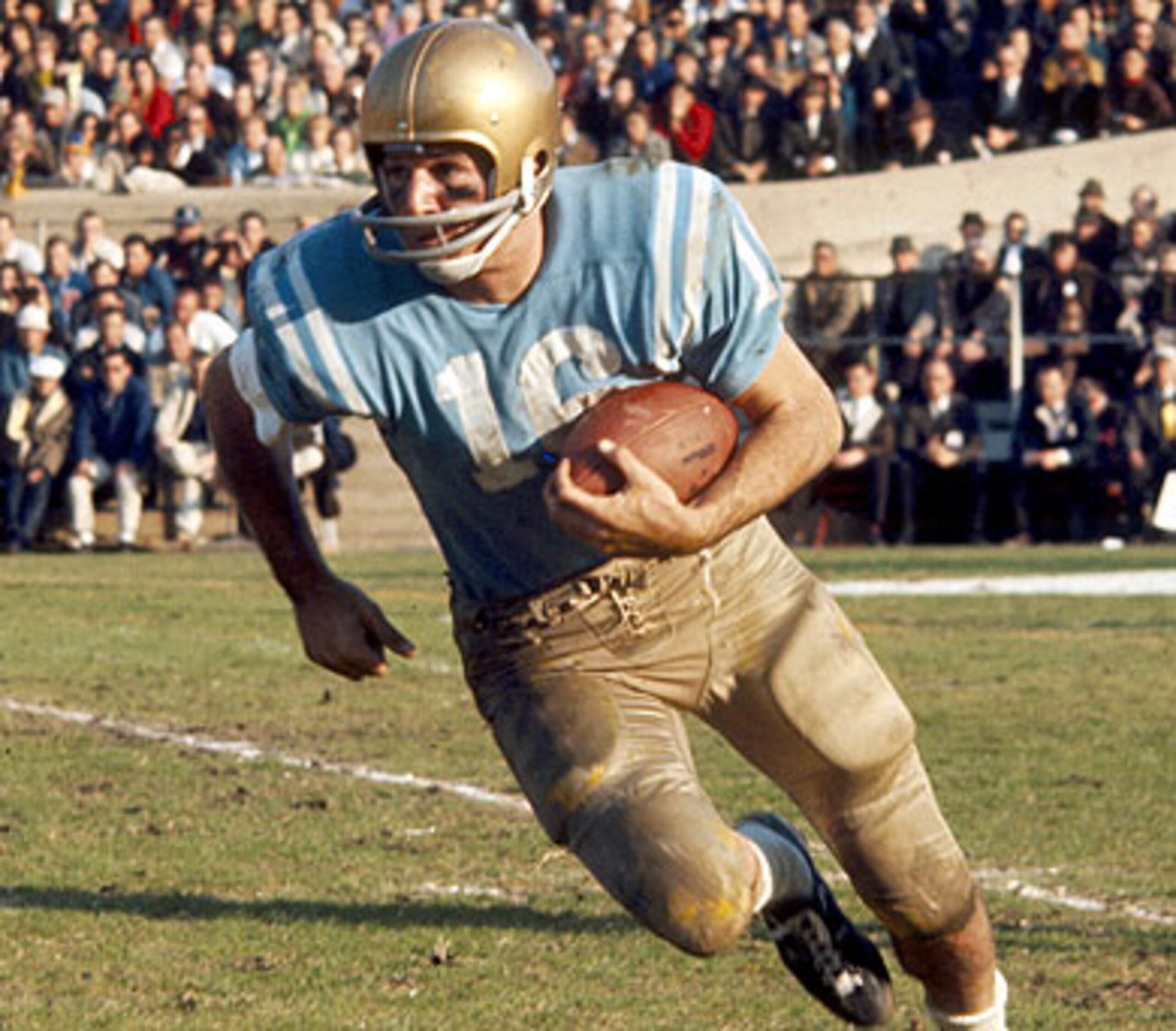
Gary Beban's Heisman-winning campaign is a little baffling. He threw for only 1,359 yards with eight touchdown passes and eight interceptions, adding 227 rushing yards and 11 more touchdowns.
Those numbers are really just average for the time.
75. Johnny Lattner, HB, Notre Dame, 1953
2 of 76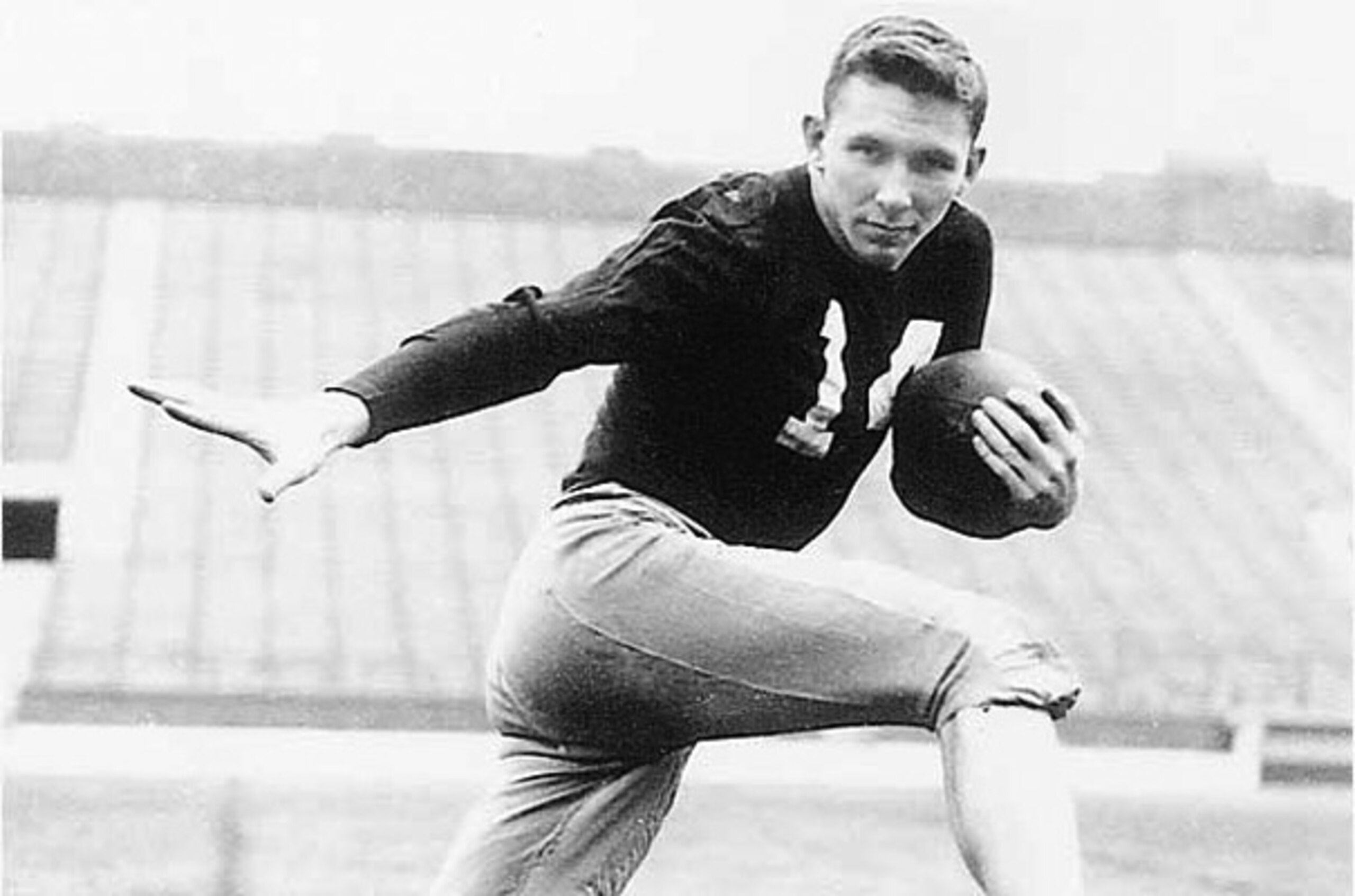
Another somewhat difficult Heisman win to understand is that of Johnny Lattner.
He was a great all-around player, but he didn't really excel in any one area on offense.
Many observers at the time were shocked that Minnesota's Paul Giel did not win the award.
74. John David Crow, RB, Texas A&M, 1957
3 of 76
John David Crow didn't have a particularly strong season 1957, rushing for 562 yards and six touchdowns after playing in only seven games due to injuries.
He did contribute on the defensive side, as well, but it's still a rather weak Heisman campaign.

_0.png?w=2560)
73. John Huarte, QB, Notre Dame, 1964
4 of 76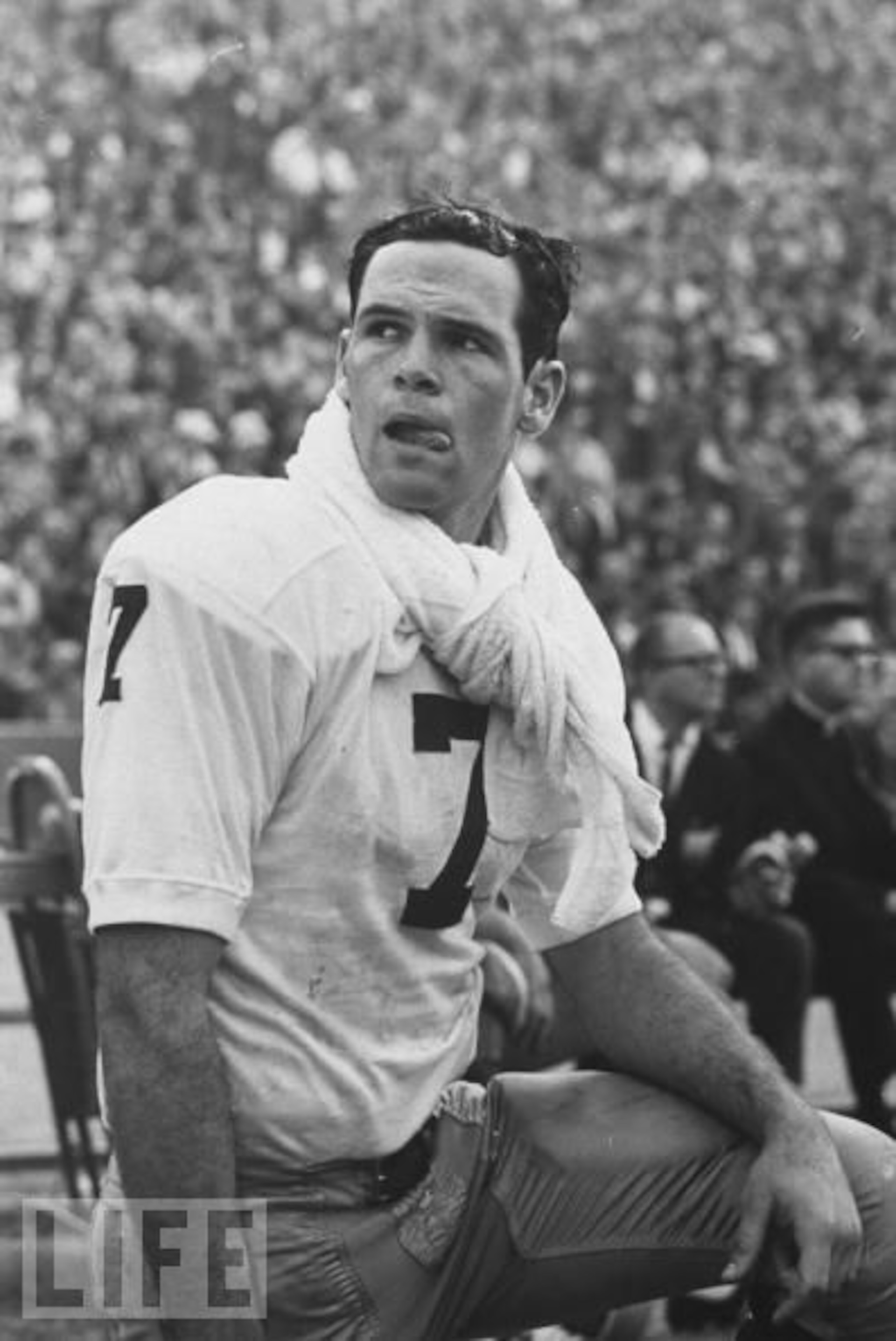
John Huarte is another player who fits the mold of a Heisman winner who won the award more for what his team did than he did.
Notre Dame went 9-1 in 1964 while Huarte passed for 2,062 yards and 16 touchdowns.
72. Gino Torretta, QB, Miami, 1992
5 of 76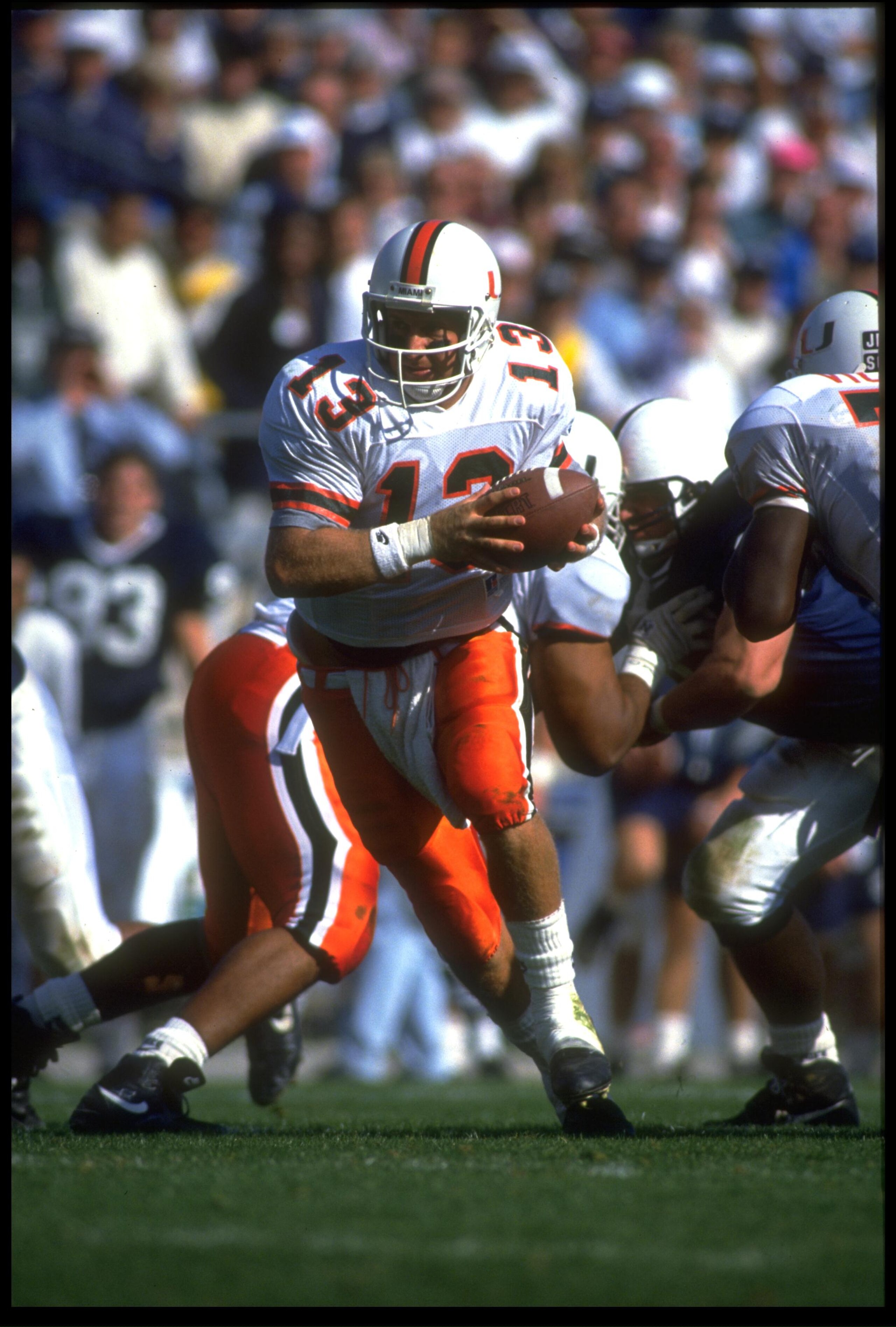
Torretta had a good season, with 3,060 yards and 19 touchdowns, but it wasn't a great season by any means and hardly stacks up with most of the Heisman campaigns.
He won the award based on his talent and the fact that he played for Miami.
71. Eric Crouch, QB, Nebraska, 2001
6 of 76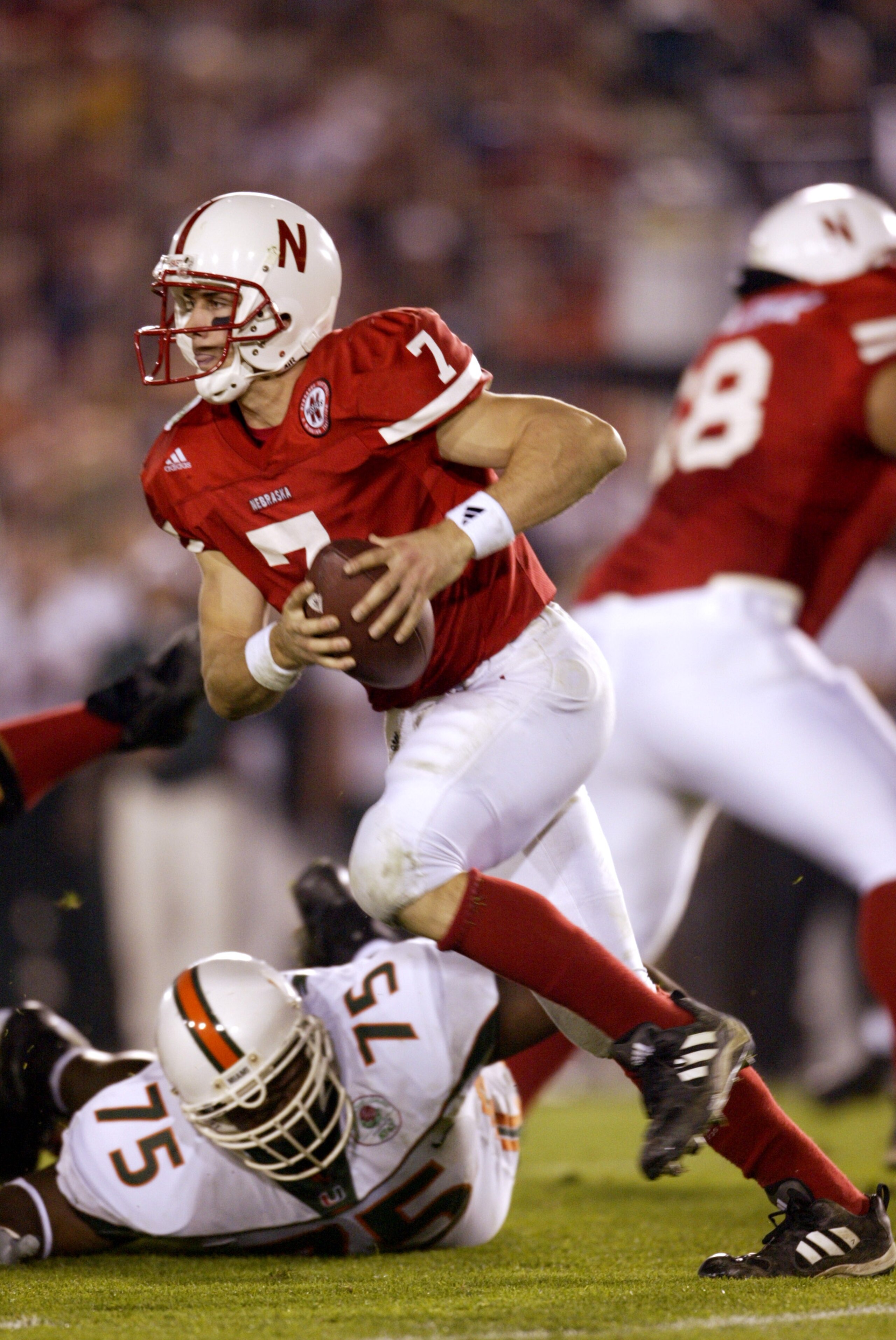
Crouch is somewhat unfortunate in that he won the Heisman, only to suffer a crushing defeat against Miami in the National Championship Game.
But the real shame is that Rex Grossman was only a sophomore that year and deserved the Heisman so much more.
70. Johnny Lujack, QB, Notre Dame, 1947
7 of 76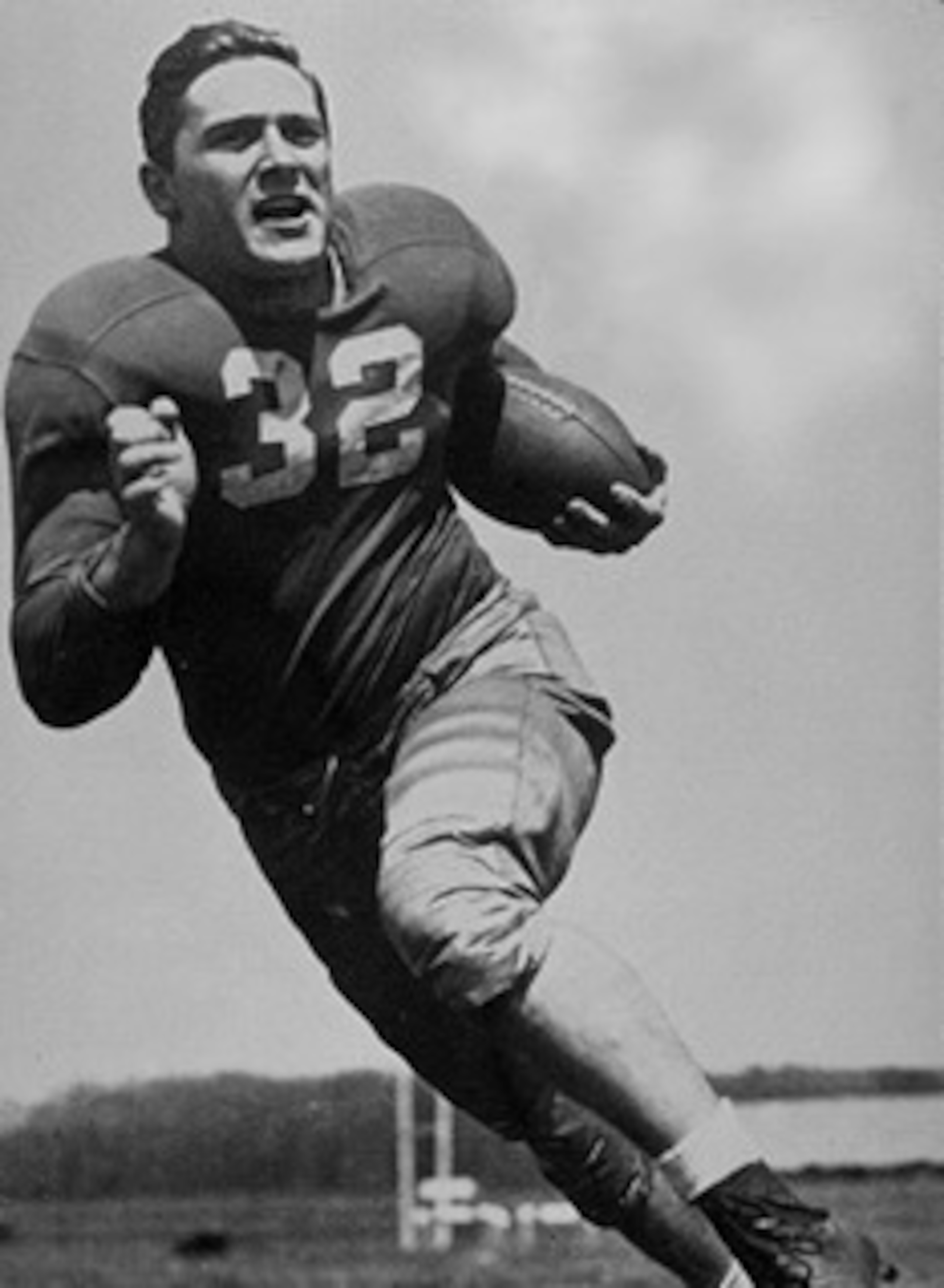
Nothing against Johnny Lujack, who was one of the greatest players from the first half of the 20th century.
But he won the Heisman against a weak class simply because he was the top talent on the nation's top team.
69. Archie Griffin, RB, Ohio State, 1975
8 of 76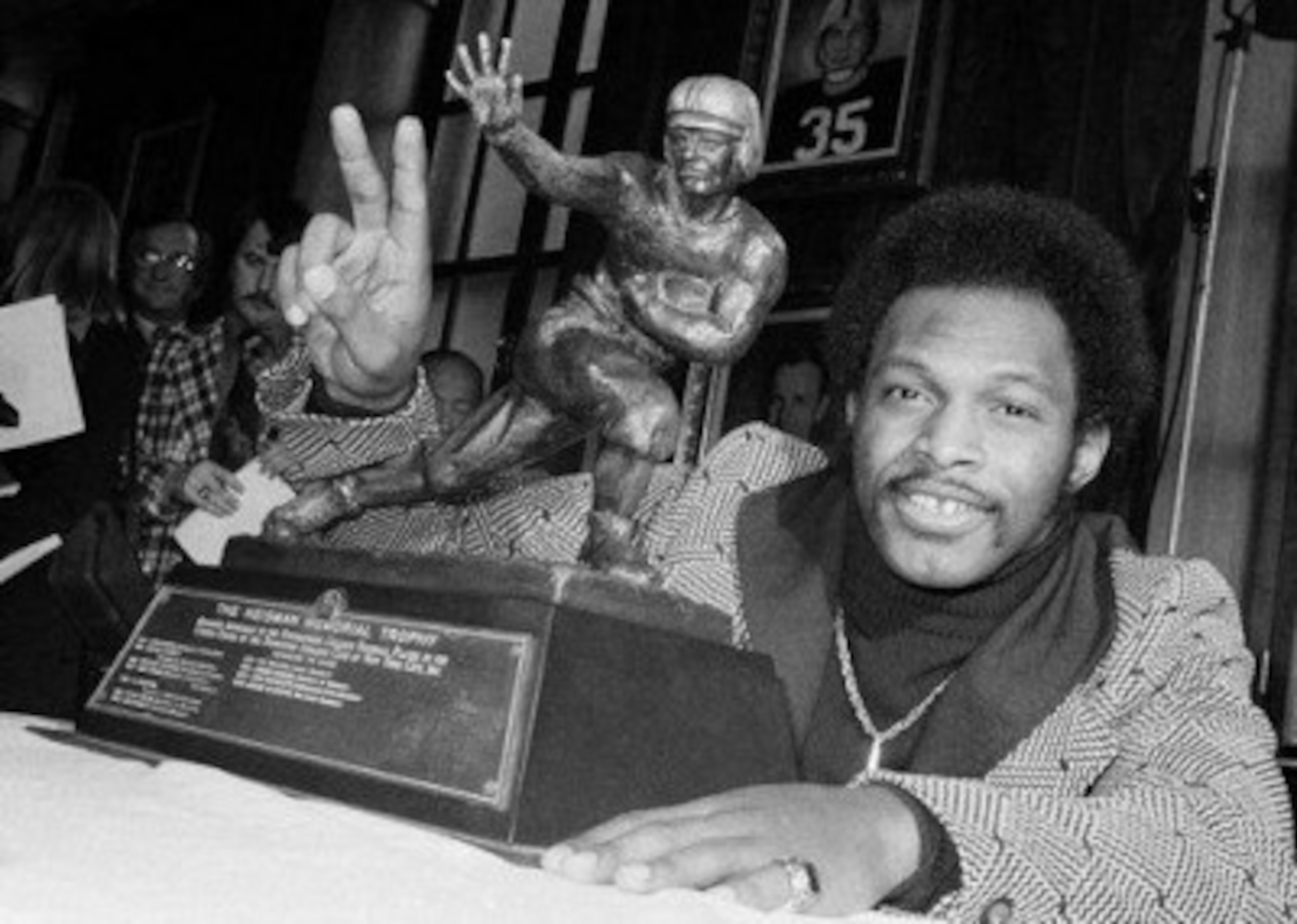
You'll find Griffin's first Heisman way up the list, so don't fret too much, Buckeyes fans.
The problem in 1975 was that he won the award despite rushing for only four touchdowns, splitting time with Pete Johnson, and there's a good argument that others deserved the honor more.
68. Pete Dawkins, RB, Army, 1958
9 of 76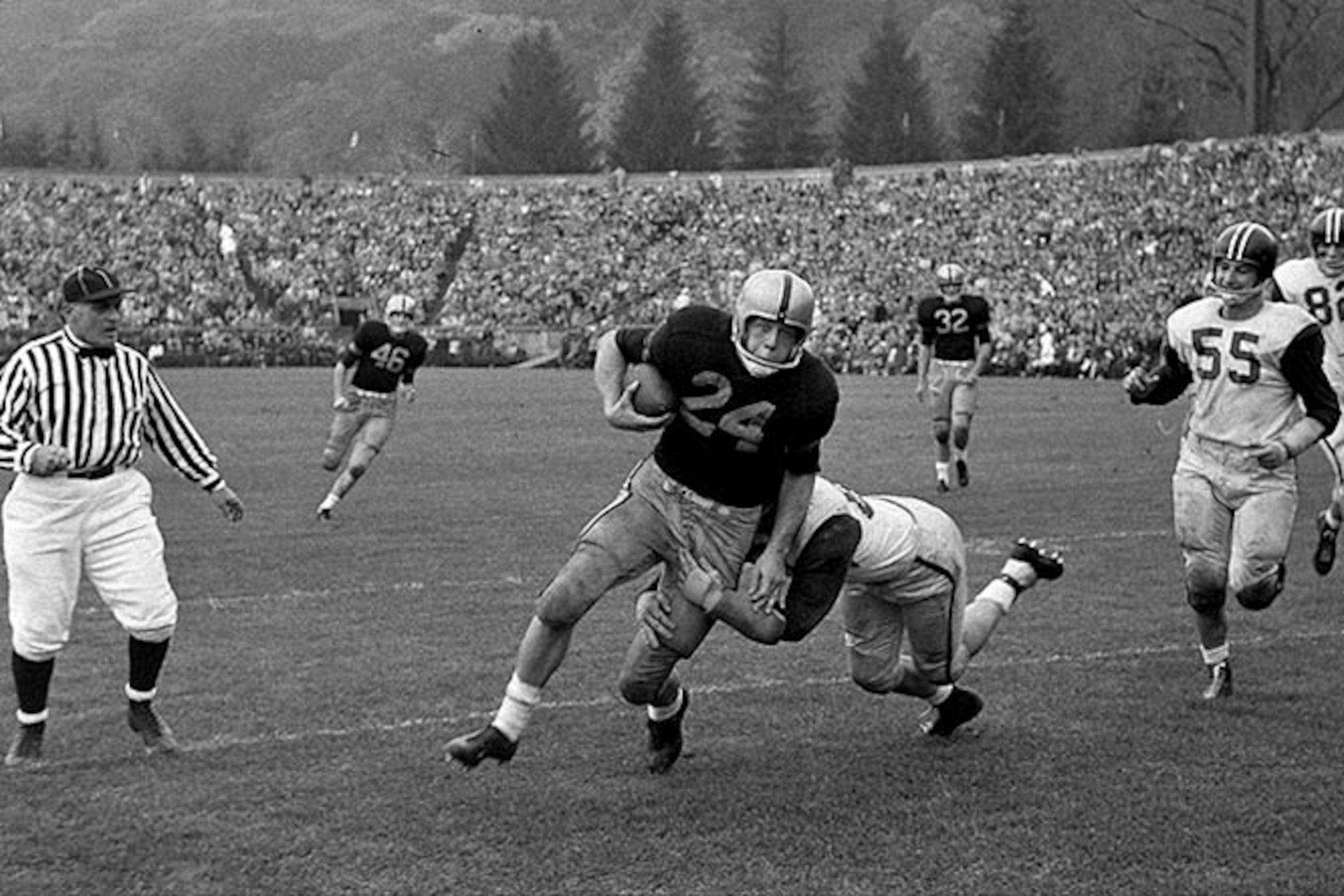
Army was one of the top teams in the nation in 1958, and Pete Dawkins was its best player.
A solid running back and kick returner, he was one of the nation's best players.
But some credit his Heisman to popularity rather than merit
67. Chris Weinke, QB, Florida State, 2000
10 of 76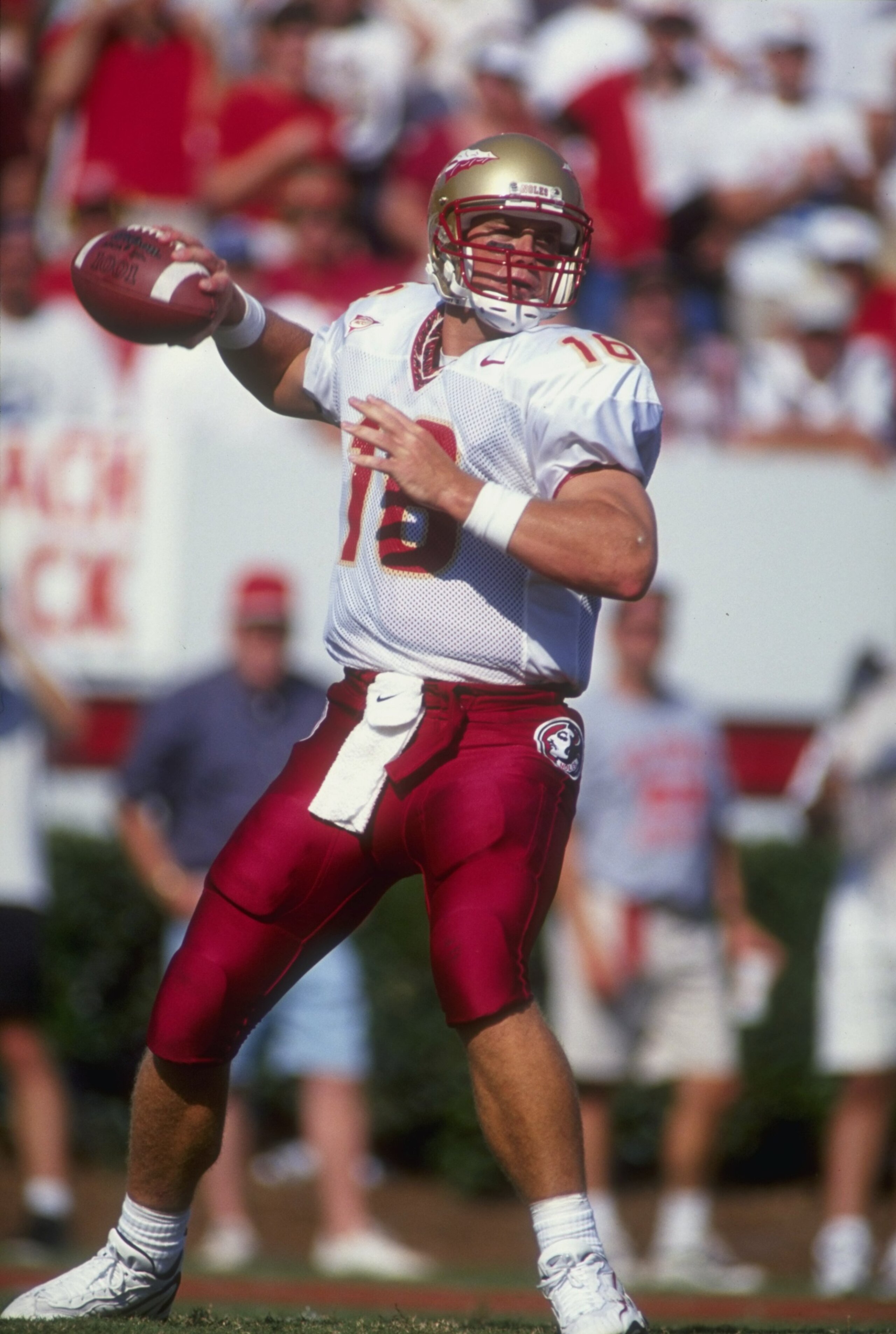
The 28-year-old was the oldest Heisman winner in history.
If he hadn't just barely beaten out Oklahoma's Josh Heupel for the award and then lost to Heupel and the Sooners in the National Championship Game, it would be a lot easier to slide him up the list.
66. Angelo Bertelli, QB, Notre Dame, 1943
11 of 76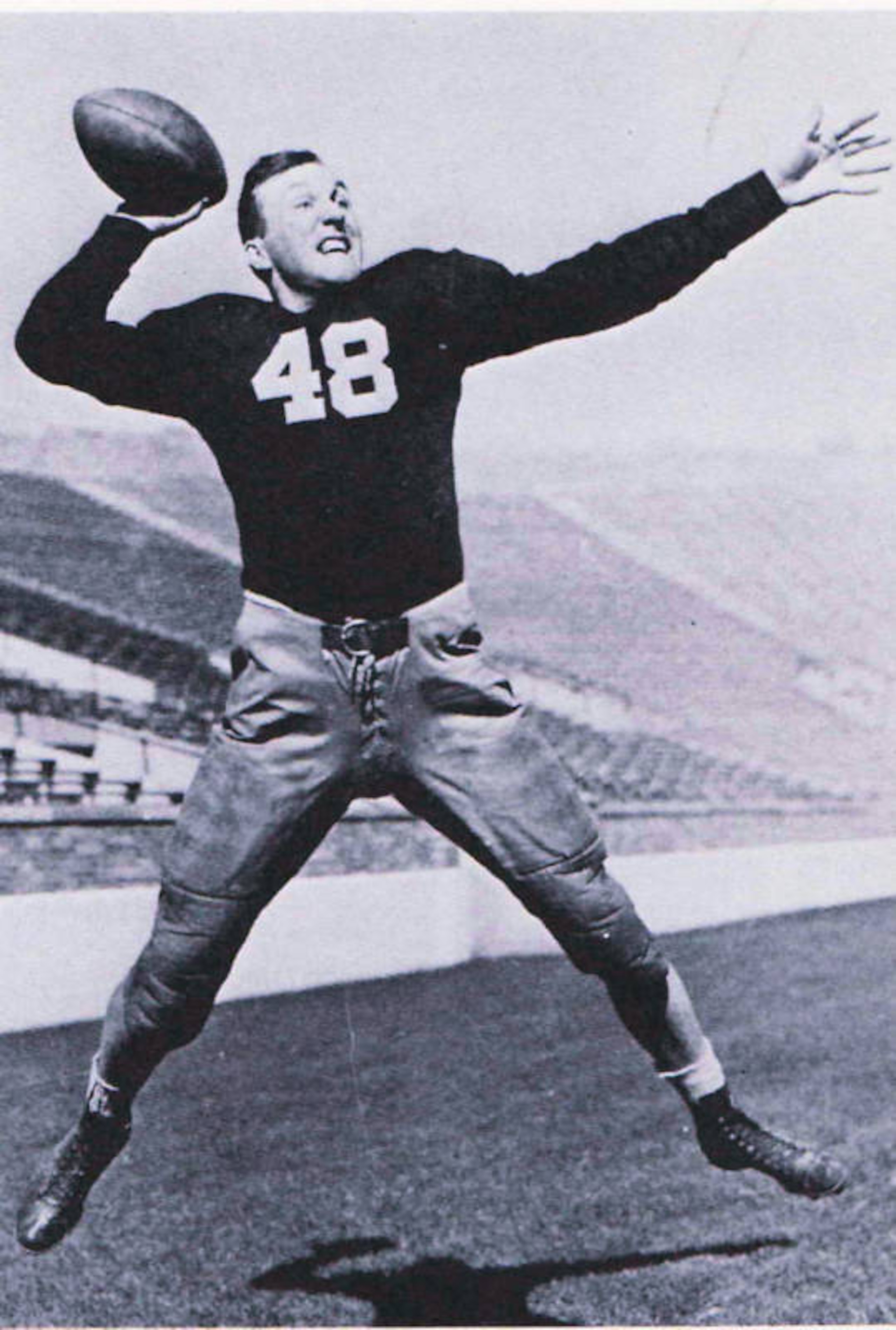
It's tough to put Bertelli so low on the list, considering he was on his way to one of the all-time great seasons in 1943 but had his year cut short when he was drafted into military service after six games.
It was still enough to win the Heisman, though.
65. Jason White, QB, Oklahoma, 2003
12 of 76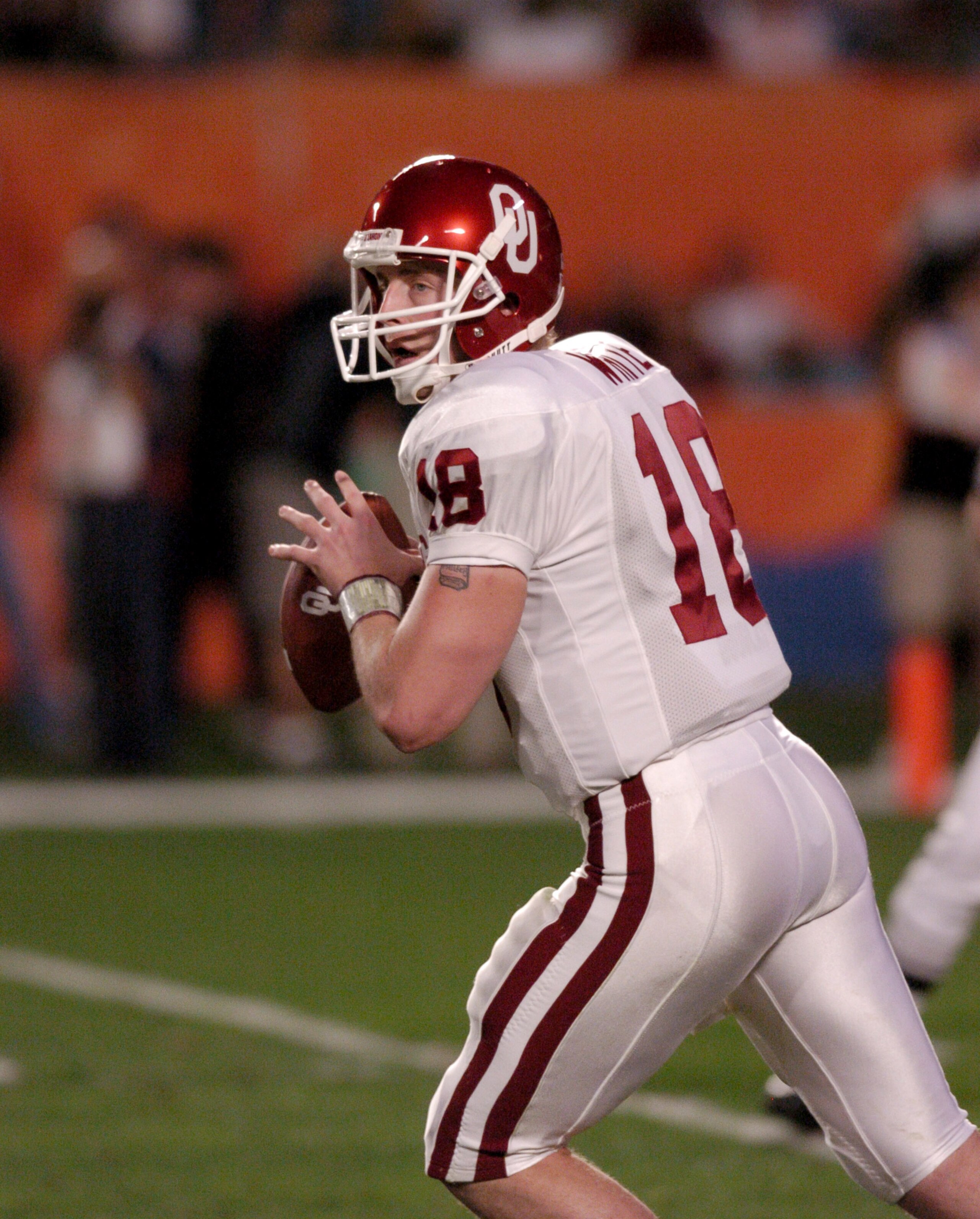
White could have found his name much higher up the list after passing for 3,846 yards and 40 touchdowns, but when you have a meltdown and let your team lose the the Big 12 Championship and Sugar Bowl by a combined 35 points, it'll hurt you.
64. Clint Frank, QB, Yale, 1937
13 of 76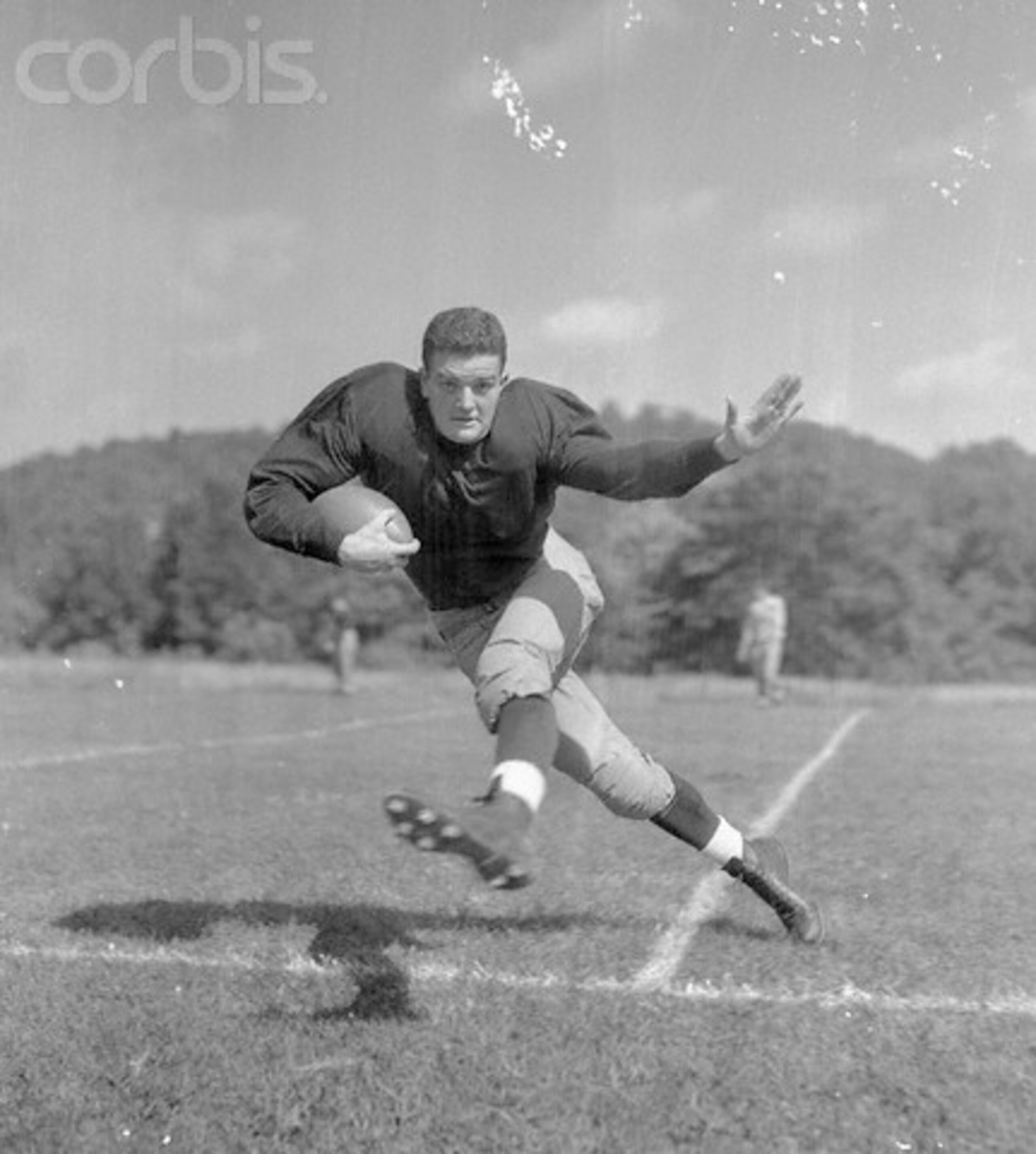
Clint Frank wasn't just the quarterback and primary rusher of Yale's 1937 team, he was also one of the nation's premier defensive players, as well.
Best known for his quick feet and accurate passing, Frank is a hallmark of the 1930s game.
63. Johnny Rodgers, WR, Nebraska, 1972
14 of 76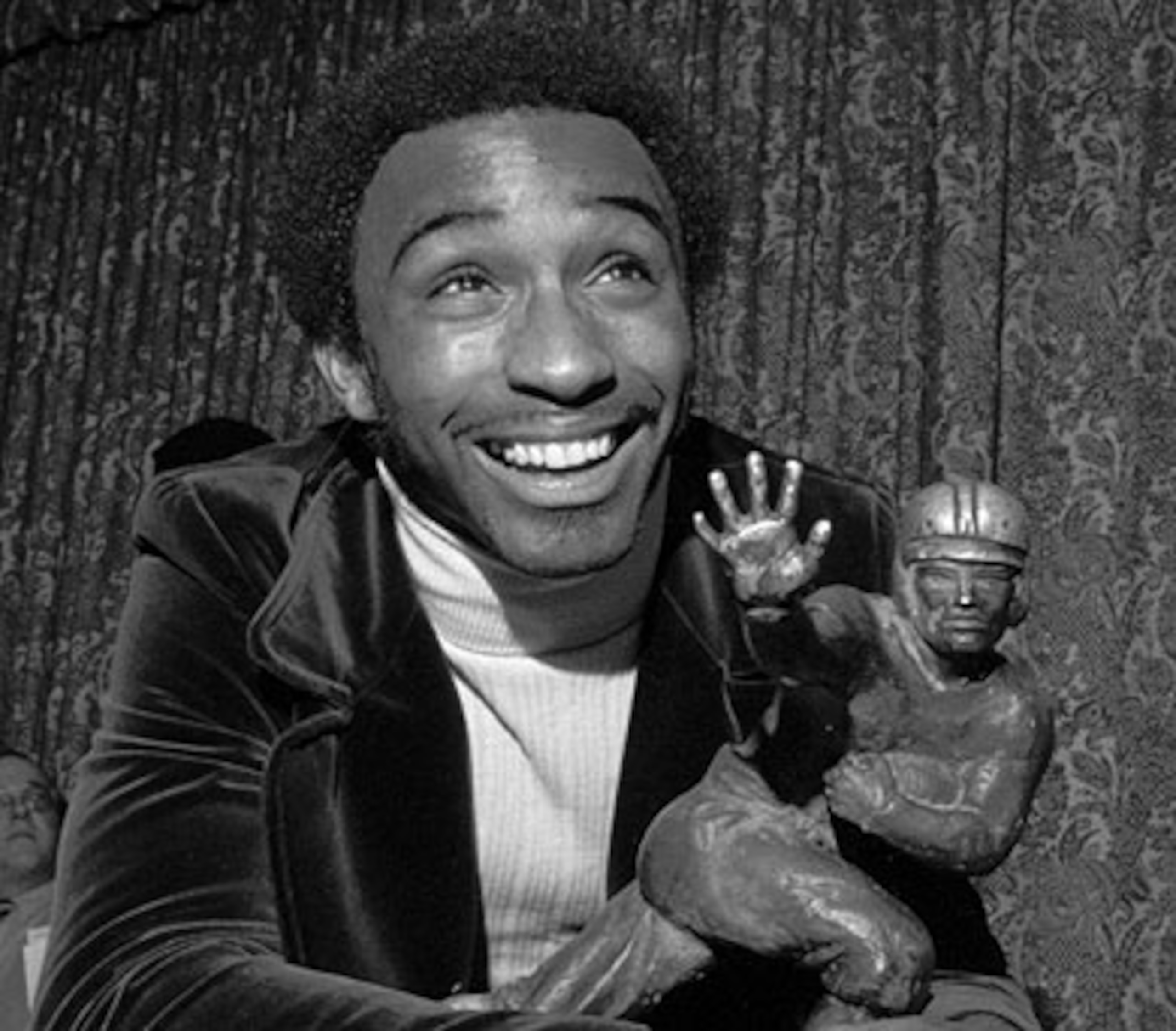
Johnny "The Jet" Rodgers was without a doubt the star of Nebraska's 1972 team, and while that was the year he won the Heisman, it was in 1971 that he had his best individual season.
If he'd won it that year, then we'd be talking.
62. Larry Kelley, OL, Yale, 1936
15 of 76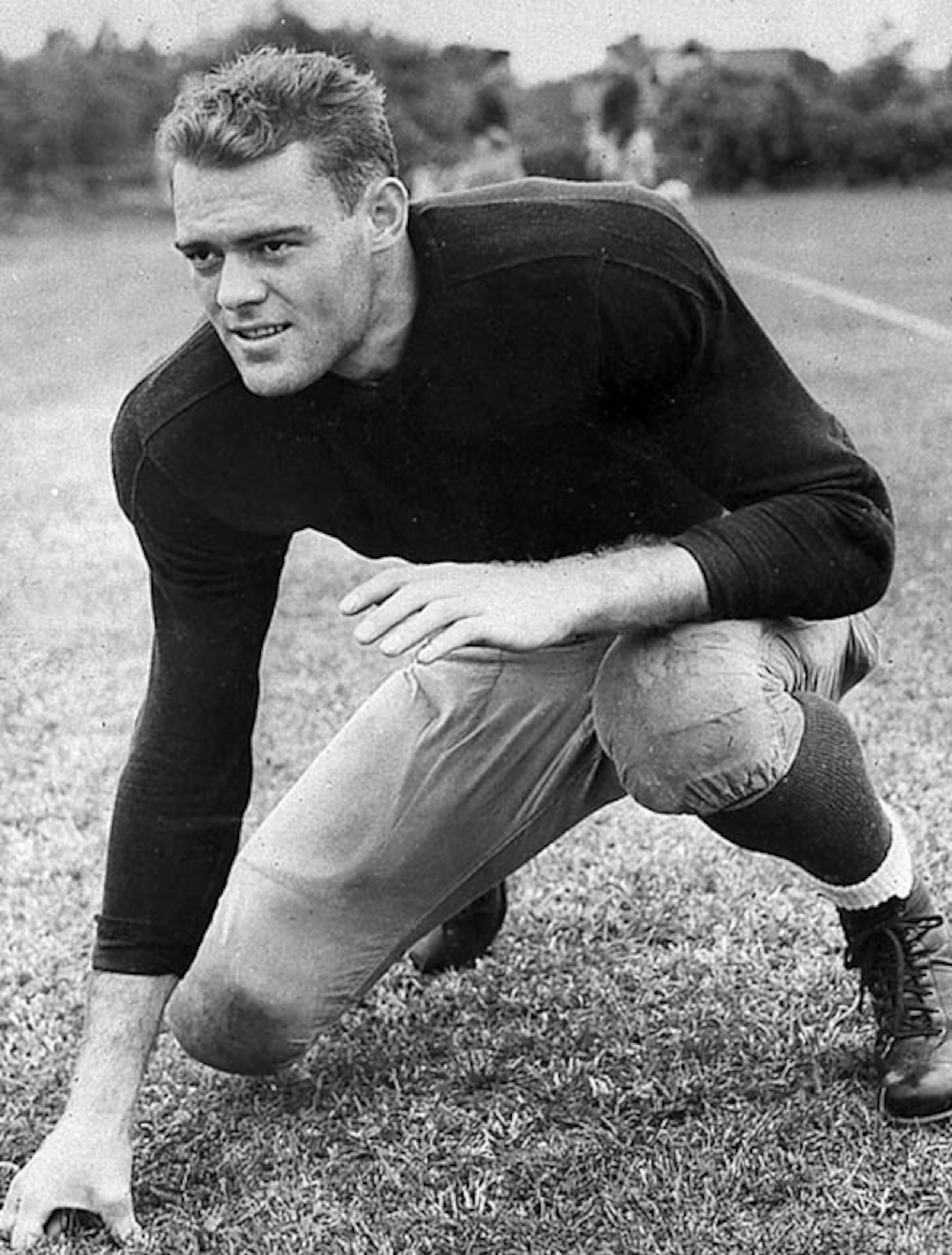
The first offensive lineman in history to win the award, Yale's Larry Kelley was the nation's best offensive lineman, as well as the best receiver on a classic 7-1 team.
61. Vic Janowicz, RB, Ohio State, 1950
16 of 76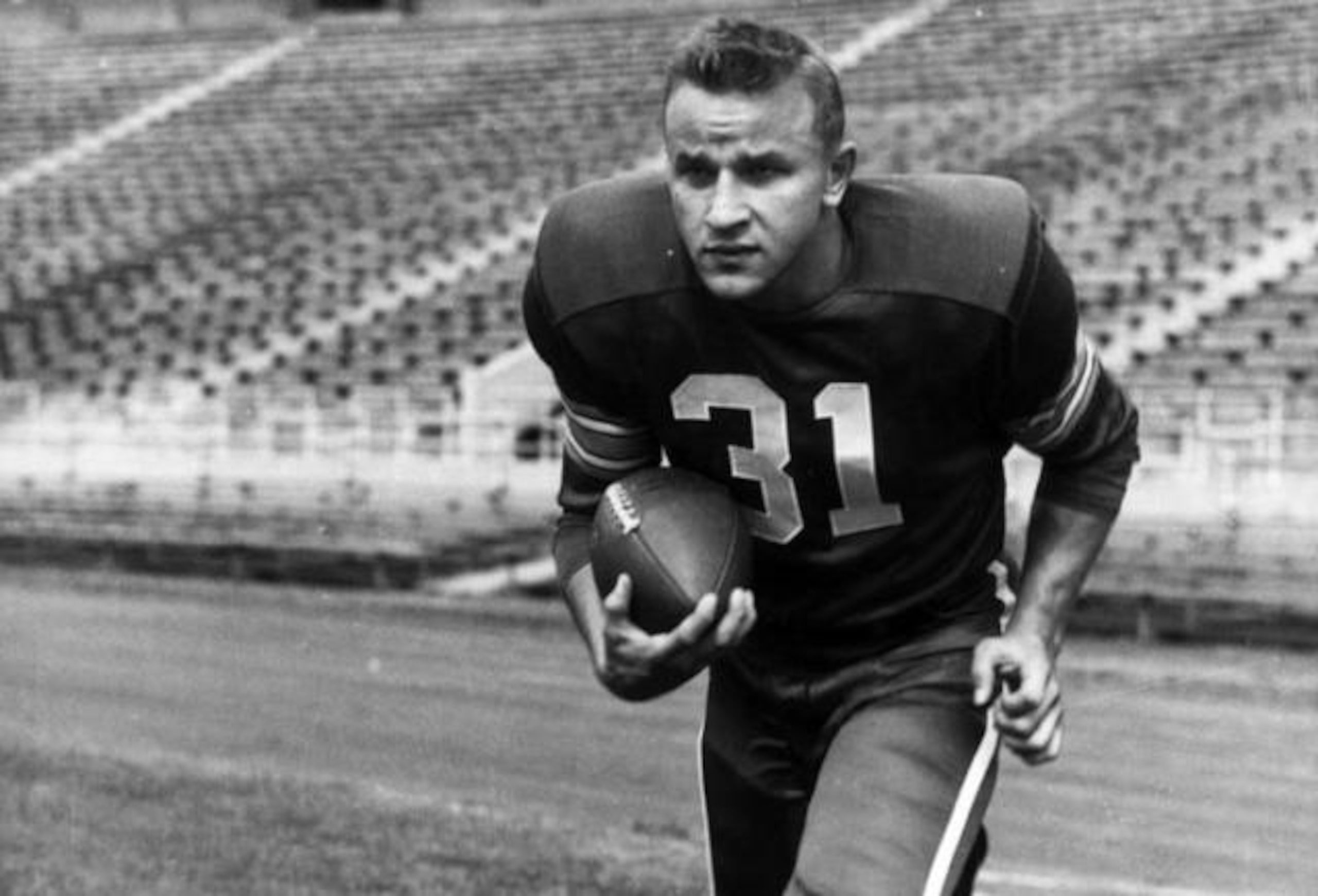
Vic Janowicz was a jack of all trades for the Buckeyes, playing running back, defensive back and kicker, as well as putting the ball in the air on occasion.
Of course, his 1950 season was overshadowed by Kentucky and Oklahoma.
60. Paul Hornung, QB, Notre Dame, 1956
17 of 76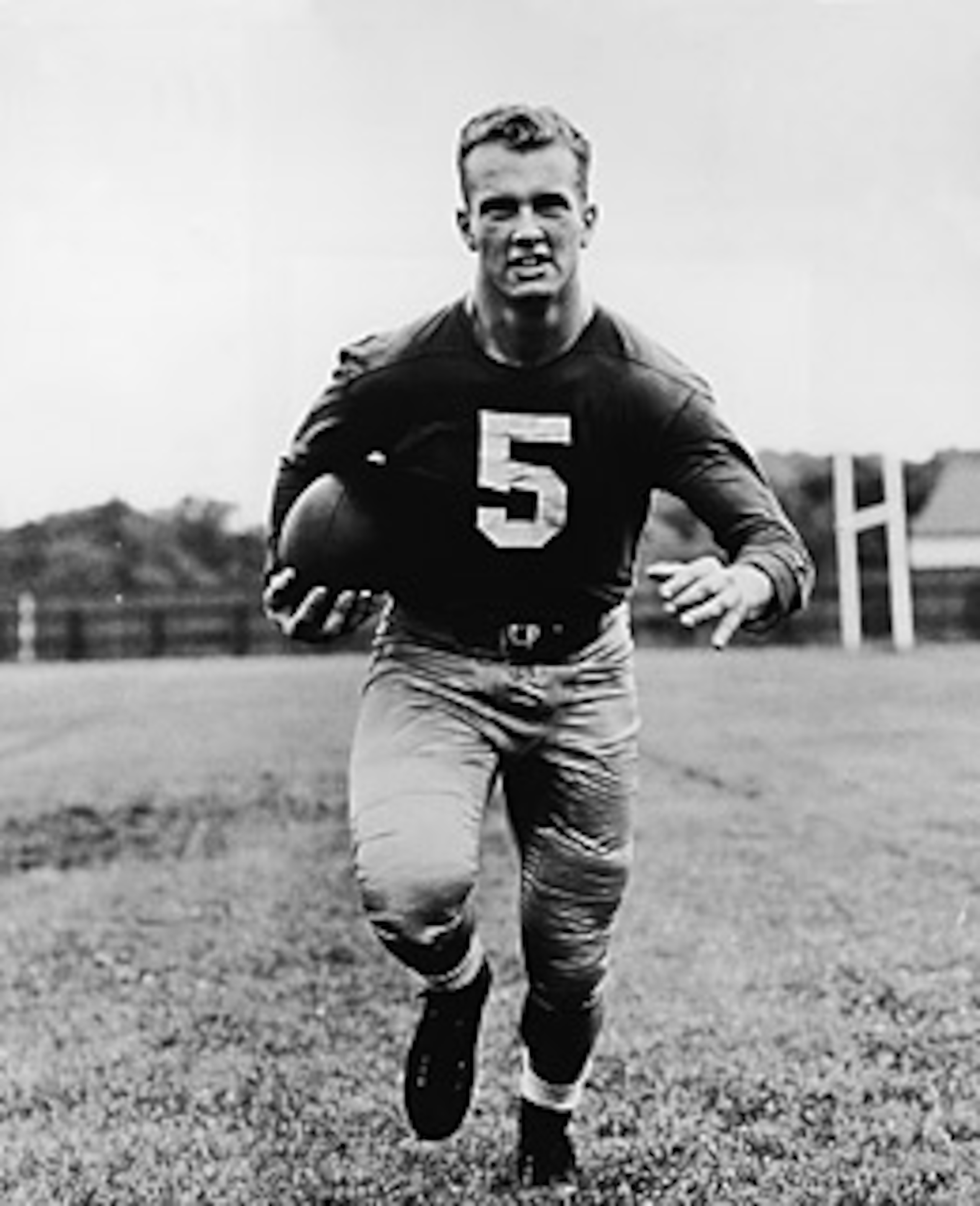
Hornung is the only player from a losing team in history to take home the award many felt Tennessee's Johnny Majors deserved, but he was an outstanding player on a bad team.
Though he accounted for 1,337 yards, the numbers don't do it justice.
59. Danny Wuerffel, QB, Florida, 1996
18 of 76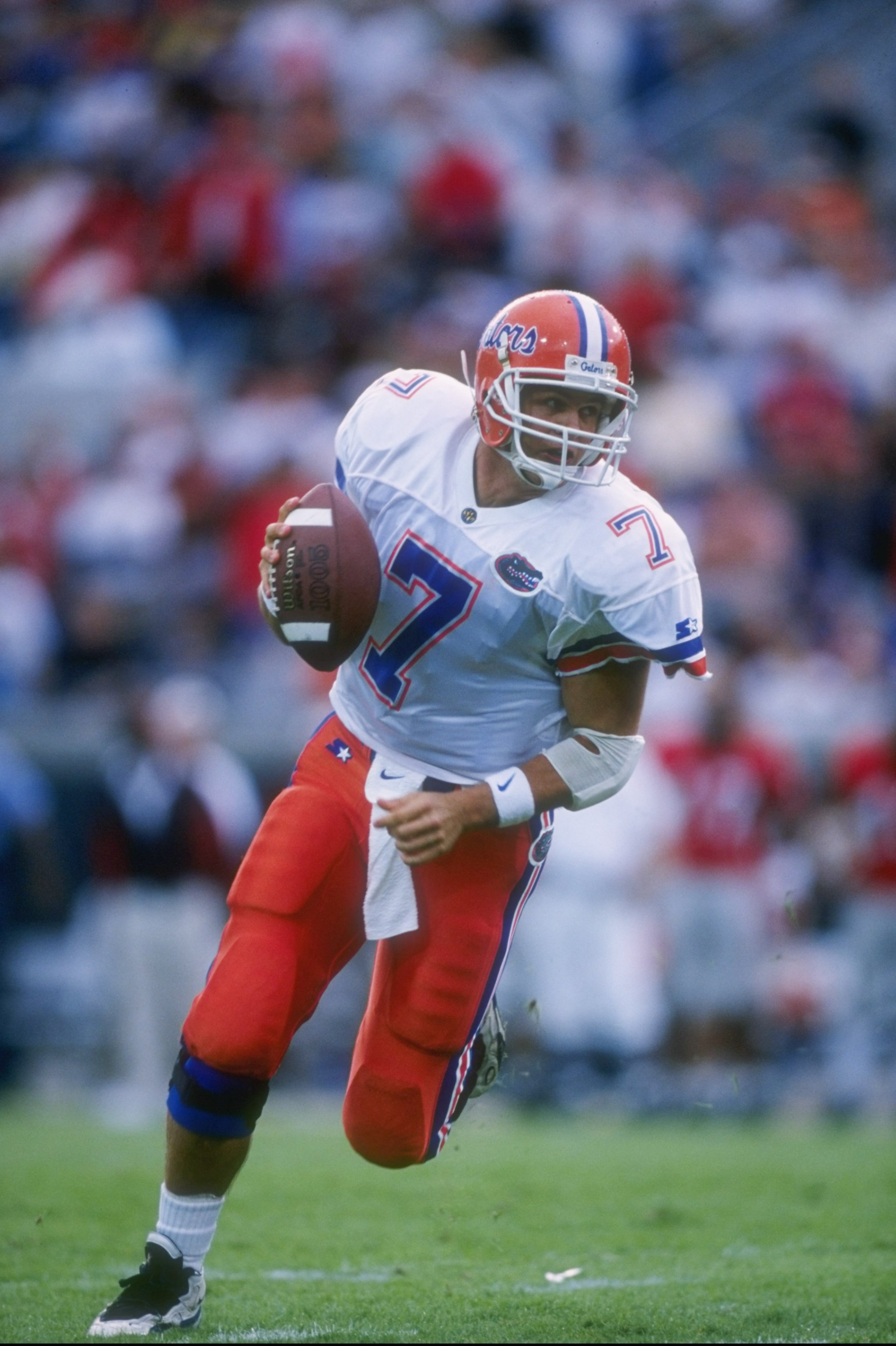
Maybe we don't give Wuerffel enough credit, but the 1996 Florida team was incredibly talented and a good portion of his impressive, Heisman-winning numbers are owed to the caliber of athletes he was playing with.
58. Billy Cannon, HB, LSU, 1959
19 of 76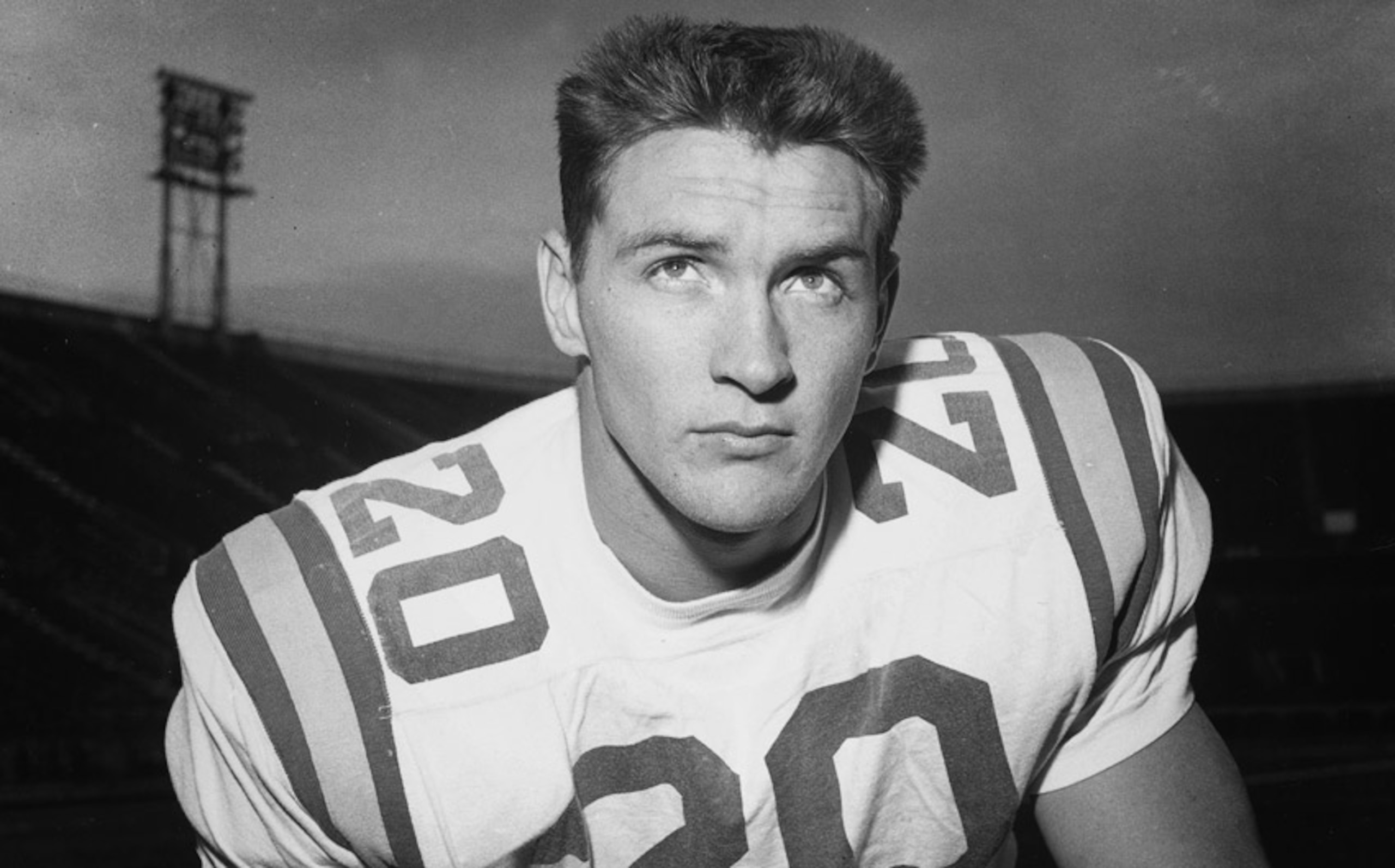
LSU's 1958 team was the first in school history to win the national title.
But it was in 1959 that Cannon won the Heisman, in a season that wasn't nearly as impressive for himself or the team.
57. Carson Palmer, QB, USC, 57
20 of 76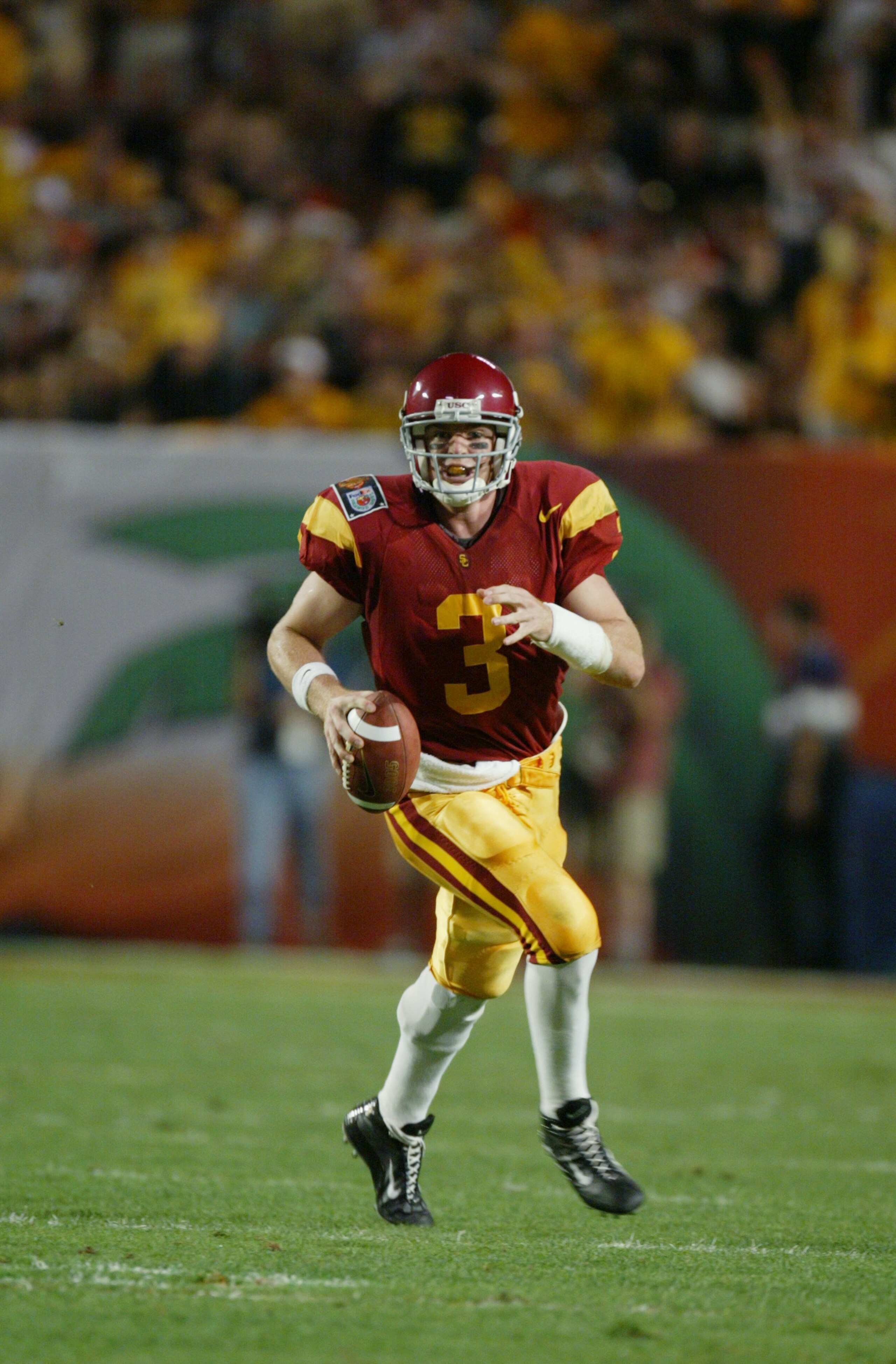
Carson Palmer takes a back seat to Matt Leinart when you're talking about 21st century Trojan quarterbacks, but he still had a really impressive Heisman year in 2002.
Palmer passed for 3,942 yards and 33 touchdowns, with 10 interceptions.
56. Terry Baker, QB, Oregon State, 1962
21 of 76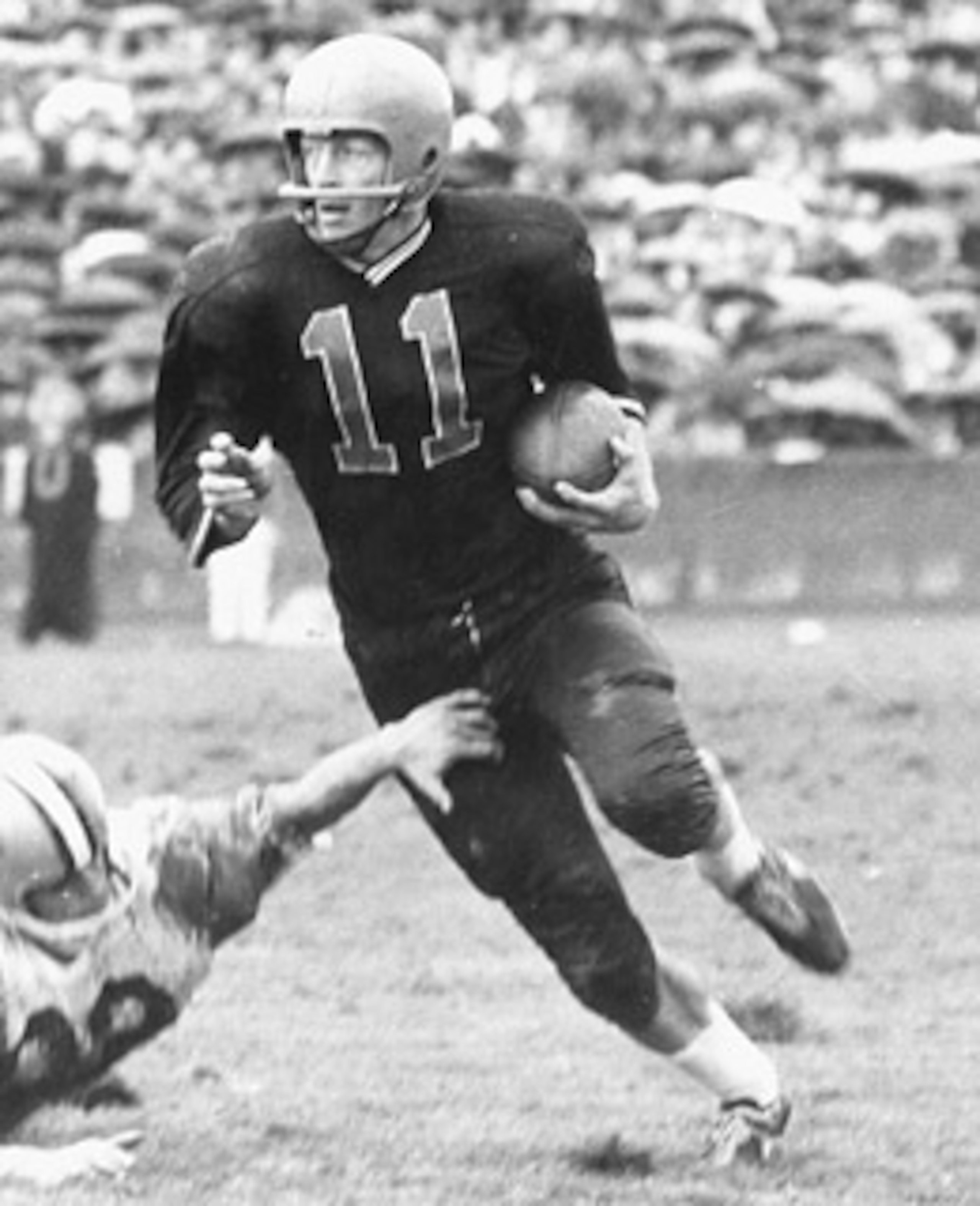
The only player in Oregon State history to win the Heisman, Terry Baker was also the first player from west of Texas to take home the award after he led the nation in total offense in 1962.
55. Steve Owens, RB, Oklahoma, 1969
22 of 76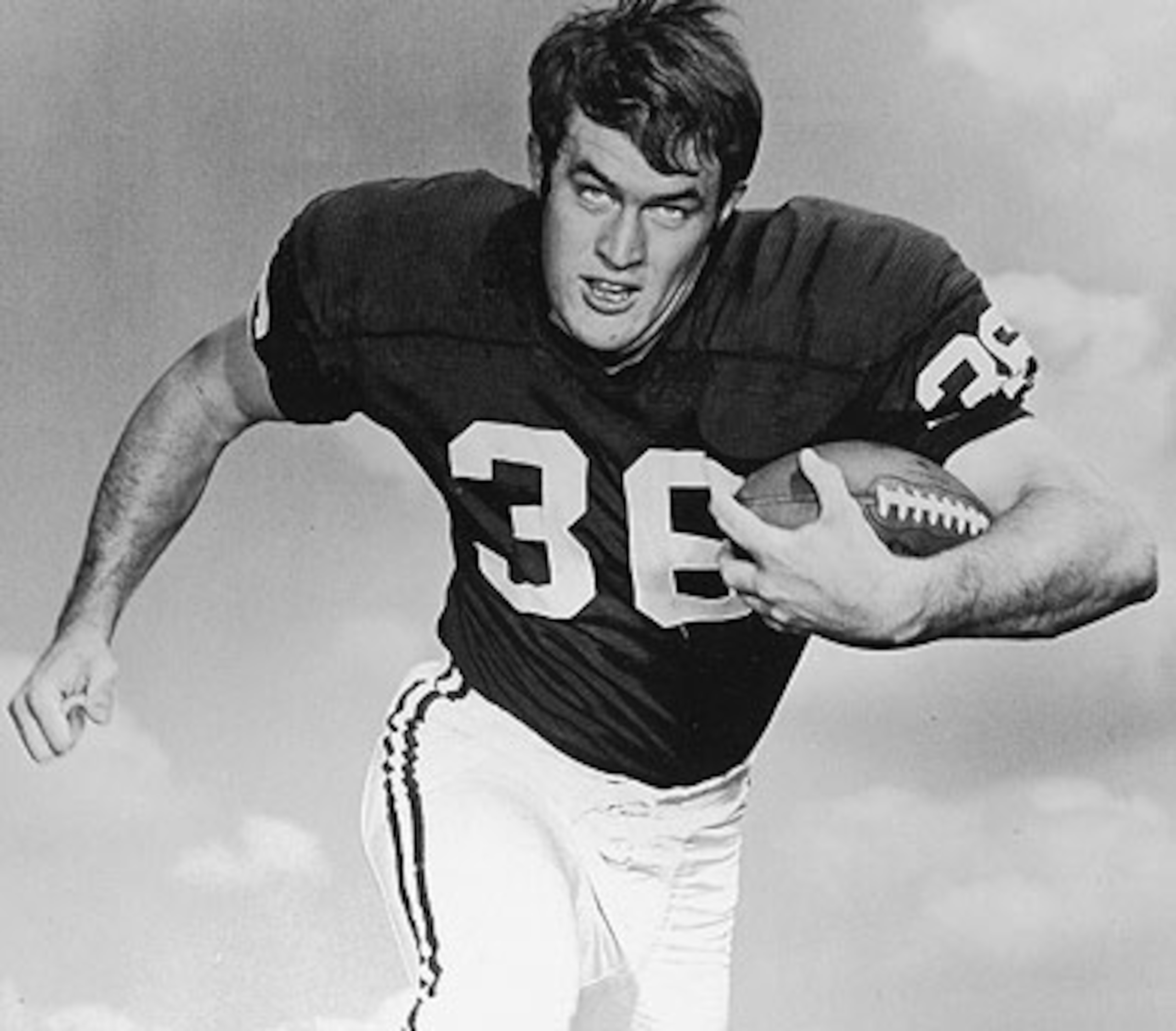
Steve Ownes was a powerful, relentless rusher who took the ball 354 times in 1969 (a massive total for the time) and turned it into 1,523 yards and 23 touchdowns.
If Oklahoma had been better than 6-4, he'd draw more consideration.
54. Mark Ingram, RB, Alabama, 2009
23 of 76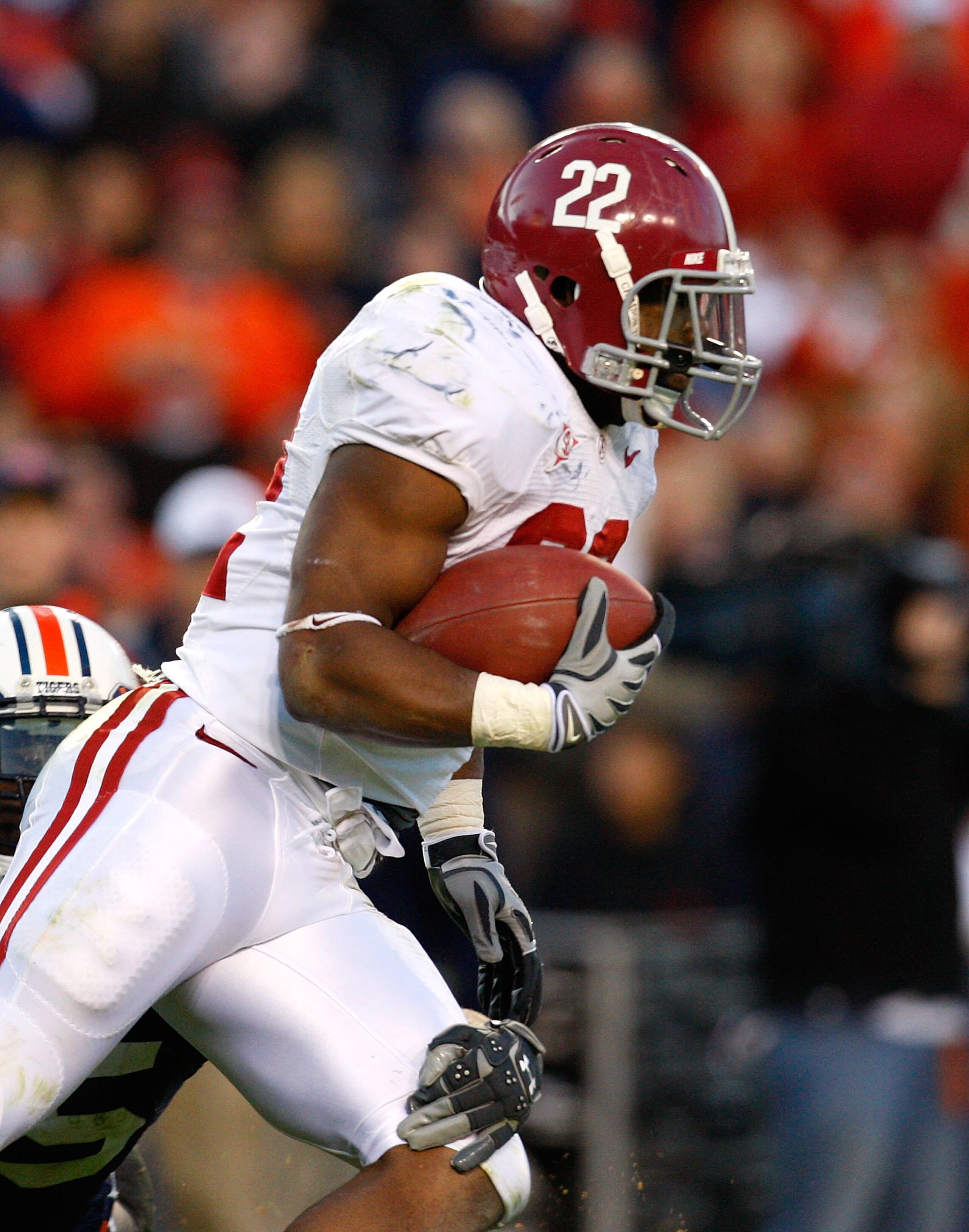
Many felt that Ingram didn't deserve the 2009 Heisman, as his numbers weren't the most impressive in the country, but he did have to split time with Trent Richardson, which makes his 1,992 total yards and 20 touchdowns all the more impressive.
53. Ty Detmer, QB, BYU, 1990
24 of 76
Ty Detmer's 1990 BYU team is remembered mostly for its 28-21 victory over Miami, and while he did pass for an outrageous 5,188 yards and 41 touchdowns, the Cougars didn't really play too tough a schedule, other than the Hurricanes.
52. Alan Ameche, FB, Wisconsin, 1954
25 of 76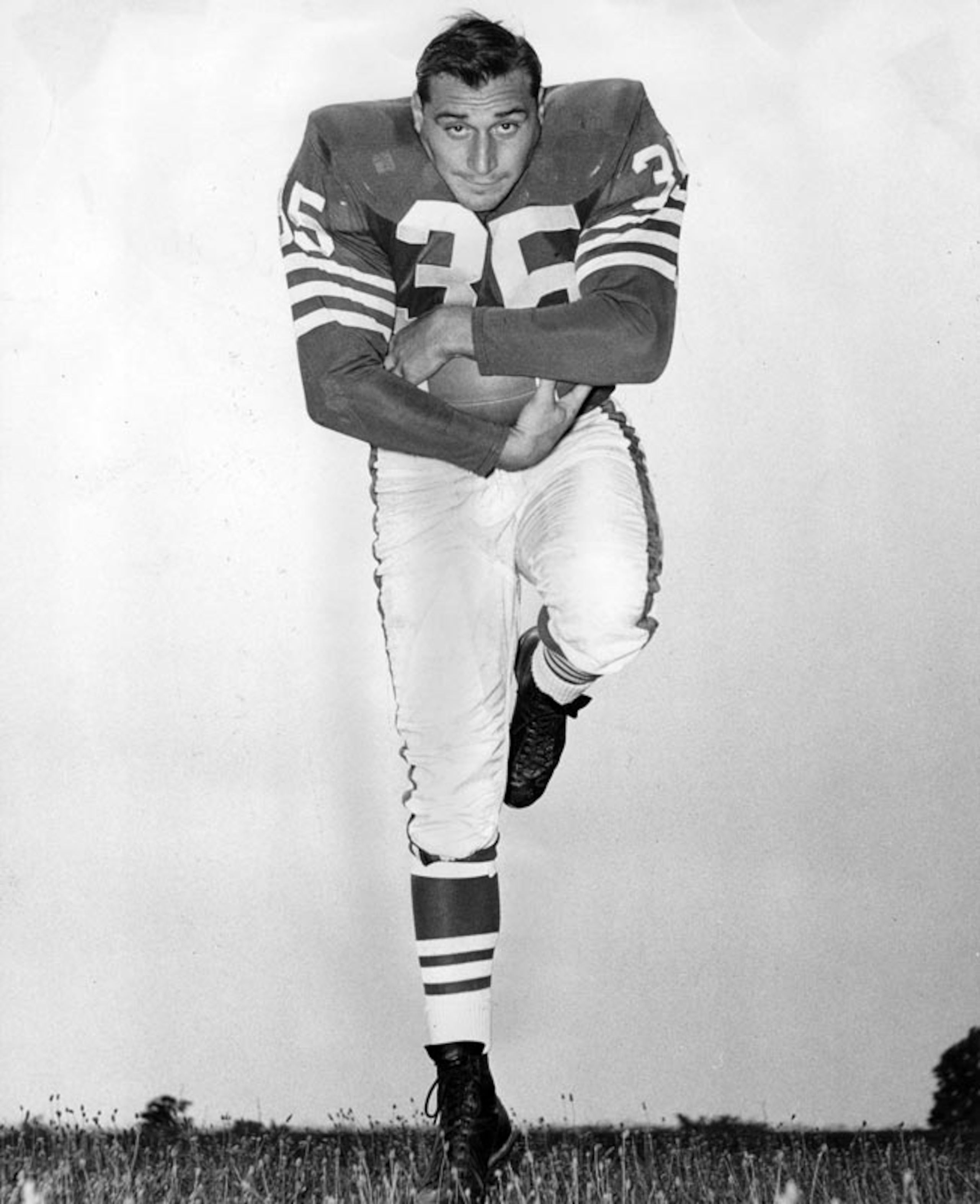
Alan Ameche, "The Horse," is best known for his career totals, but his 1954 season was pretty darn good, as well.
The dominating fullback and linebacker was sometimes known as the "Iron Horse," as he played almost every minute of every game.
51. Jim Plunkett, QB, Stanford, 1970
26 of 76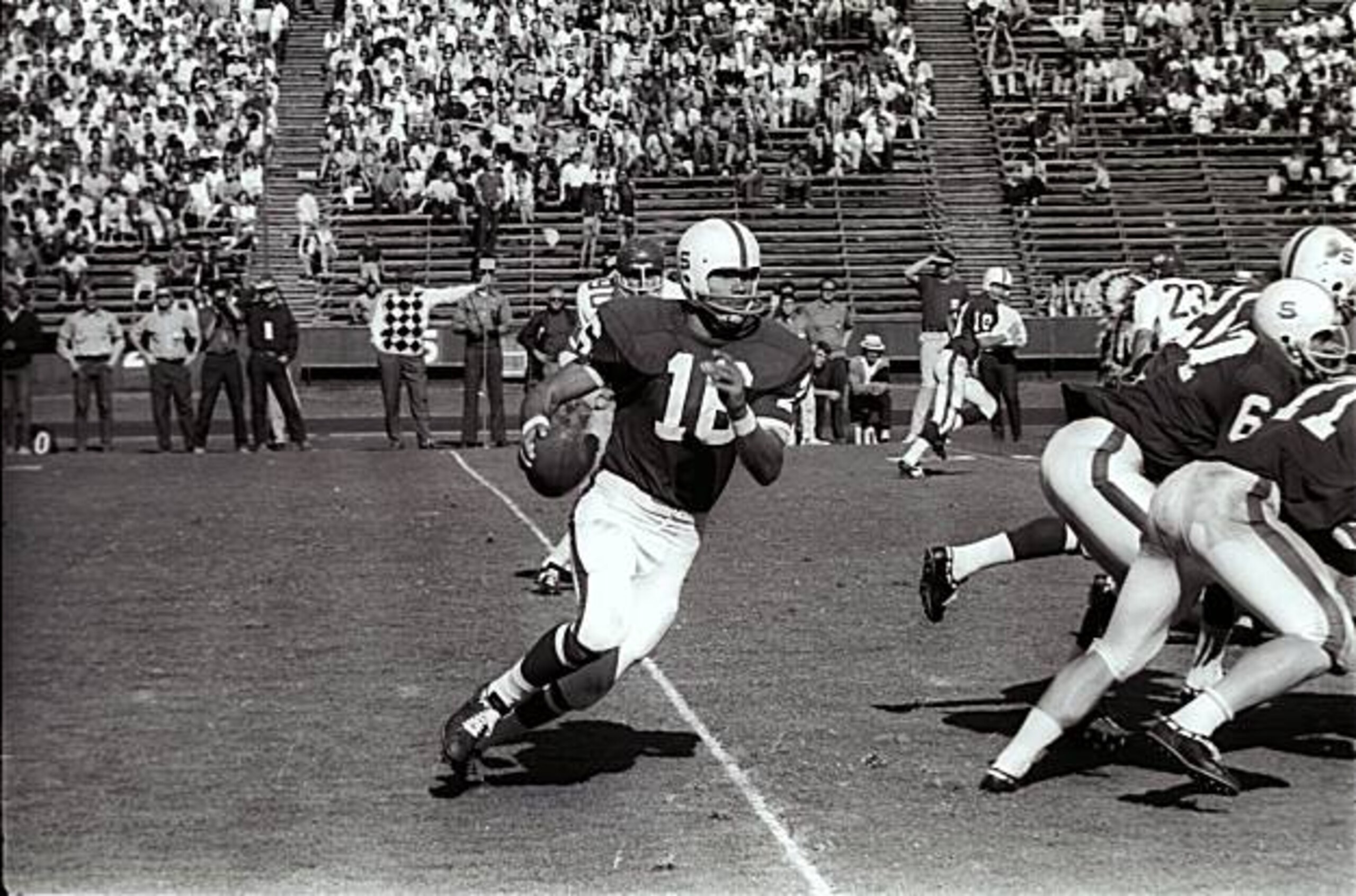
In "The Year of the Quarterback" Jim Plunkett beat out Joe Theismann and Archie Manning to win the Heisman trophy, with his 1970 numbers taking several NCAA records.
He had 2,715 total yards on the year with 18 passing touchdowns and three rushing touchdowns.
50. Mike Garrett, RB, USC, 1965
27 of 76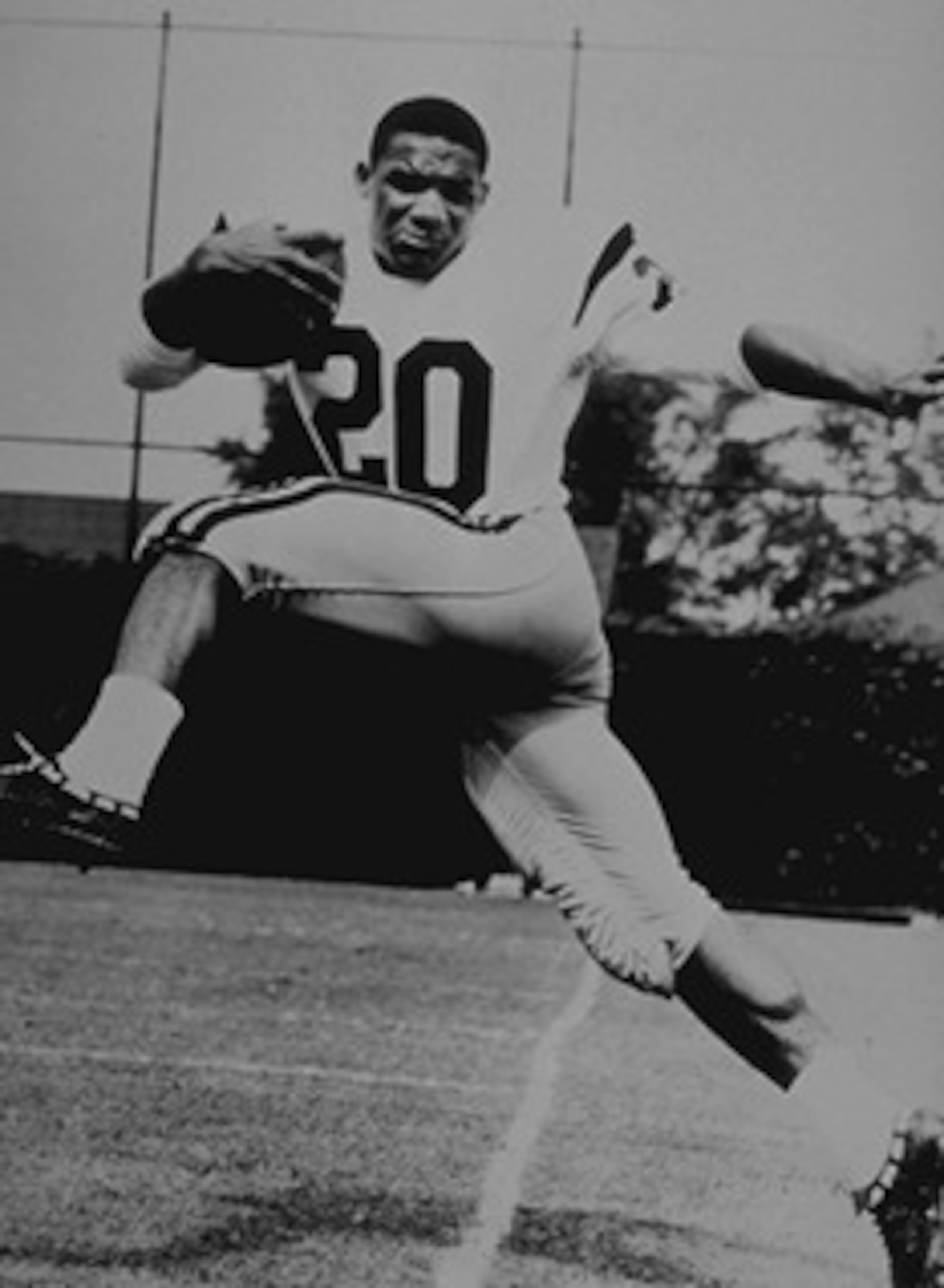
Mike Garrett was the first in a long line of legendary running backs to play for the Trojans. He set numerous Pac-10 and NCAA records throughout his career, but it was his 1965 season that earned him the Heisman.
That season, Garrett rushed for 1,440 yards and 13 touchdowns, adding some solid play as a receiver and return man, and even threw for a couple scores, as well.
49. Les Horvath, QB, Ohio State, 1944
28 of 76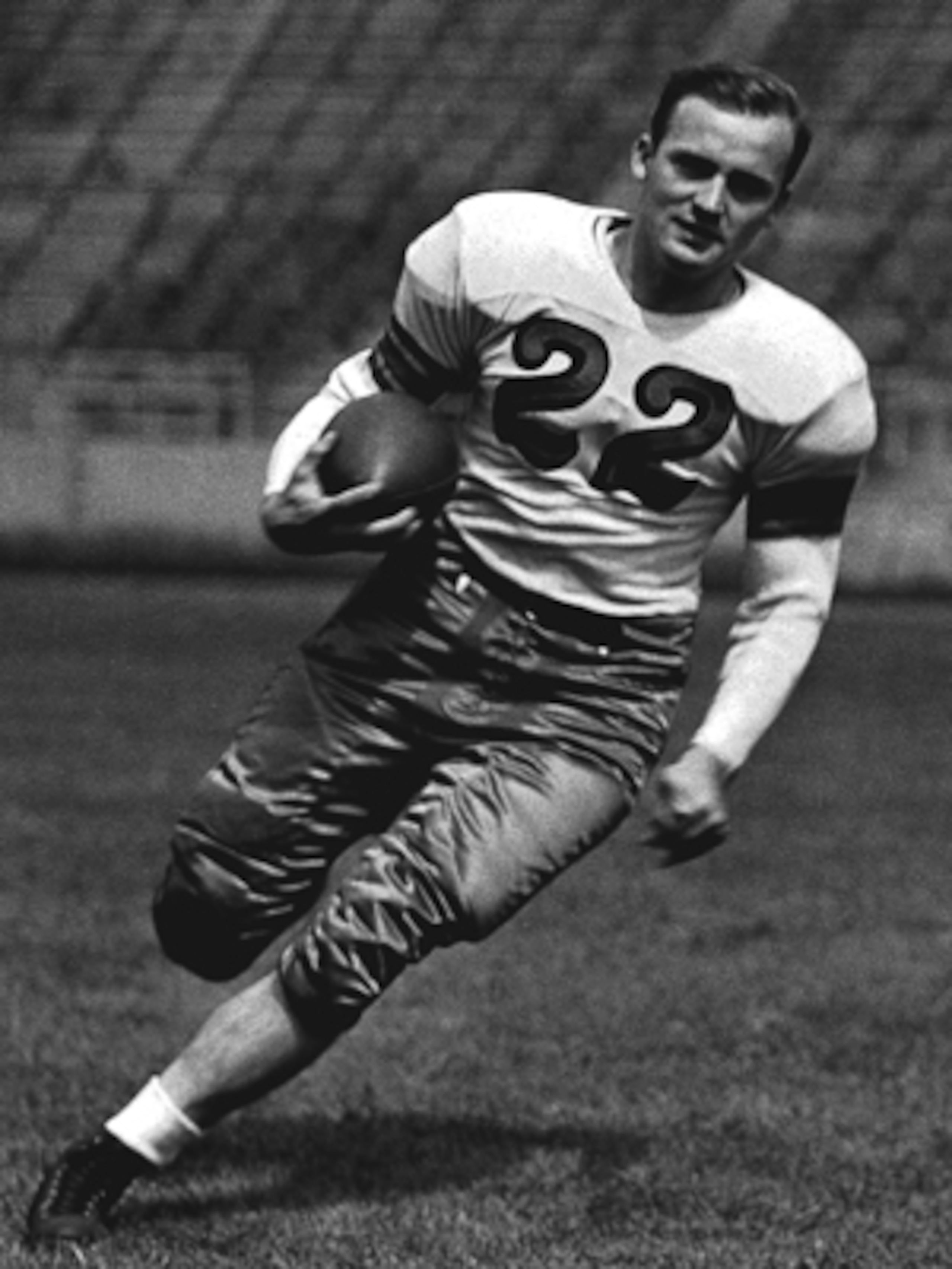
Les Horvath finished his career at Ohio State as one of the best players in school history, and while he tends to get overlooked when talking about the greats of his era, there's no denying his skill.
His Heisman was a bit controversial, but Horvath did lead his team to an unbeaten record as a quarterback and halfback, and was a stellar defender, as well.
48. Frank Sinkwich, HB, Georgia, 1942
29 of 76
Sinkwich's numbers were really incredible for their time. To cap a fantastic career at Georgia, he set an NCAA single-season record for total offense with 2,187 yards.
Playing quarterback and running back, he rushed for 17 touchdowns and passed for another 10 touchdowns on the year.
47. Tim Brown, WR, Notre Dame, 1987
30 of 76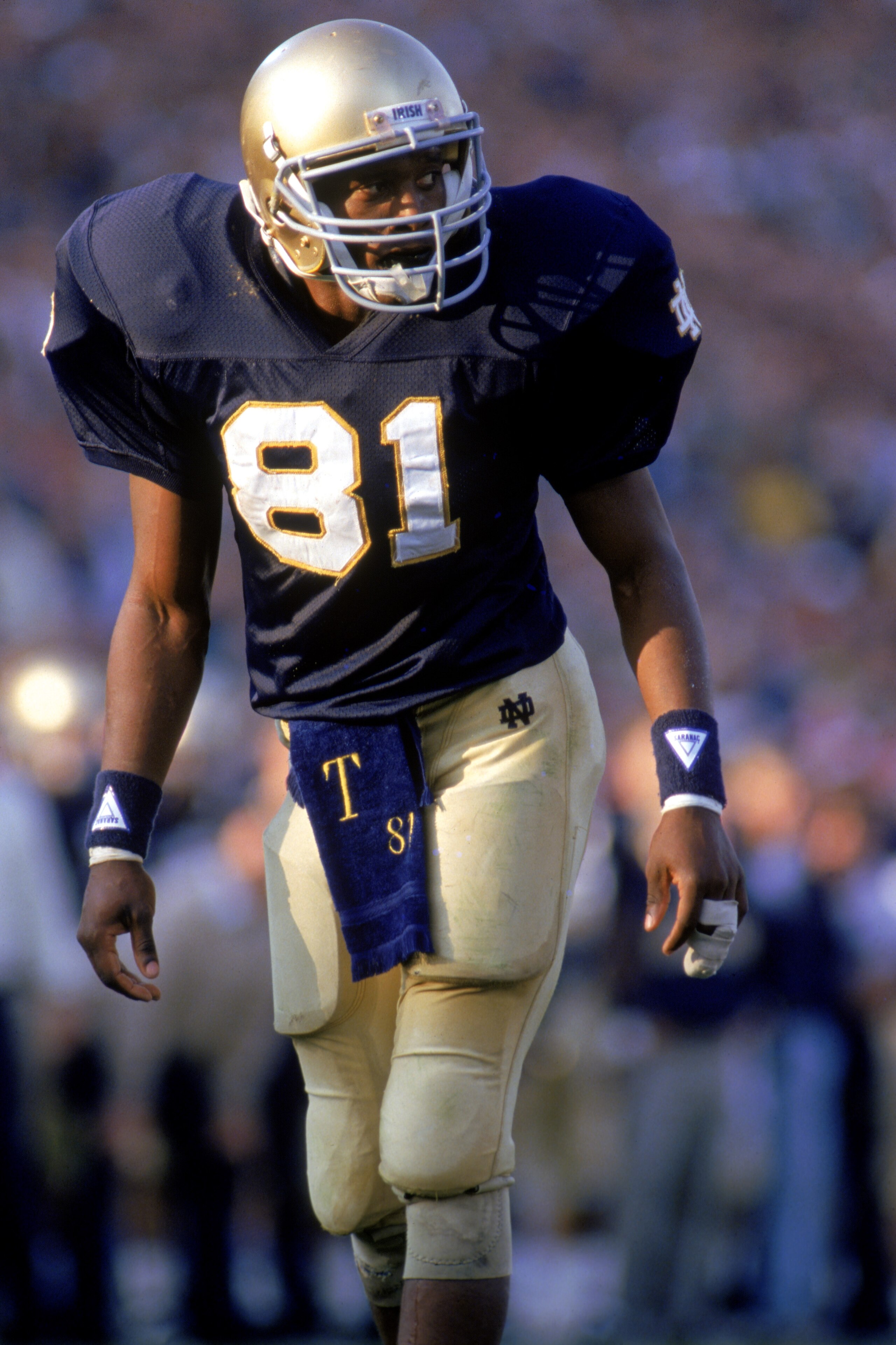
"Touchdown Timmy" more than earned his nickname. He was one of the best kick returners in the history of the game and a dominant receiver.
In his 1987 Heisman season, Brown had 846 yards receiving, 144 yards rushing, and 857 return yards, with eight total touchdowns.
46. Rashaan Salaam, RB, Colorado, 1994
31 of 76
Salaam tends to get overlooked because of the season Ki-Jana Carter had at Penn State that year, but the Colorado back was the Heisman winner at the end of the year, and we can't hold that against him.
Salaam led the Buffaloes to one of their best seasons in school history, with over 2,000 yards rushing and 24 touchdowns.
45. Leon Hart, TE/DE, Notre Dame, 1949
32 of 76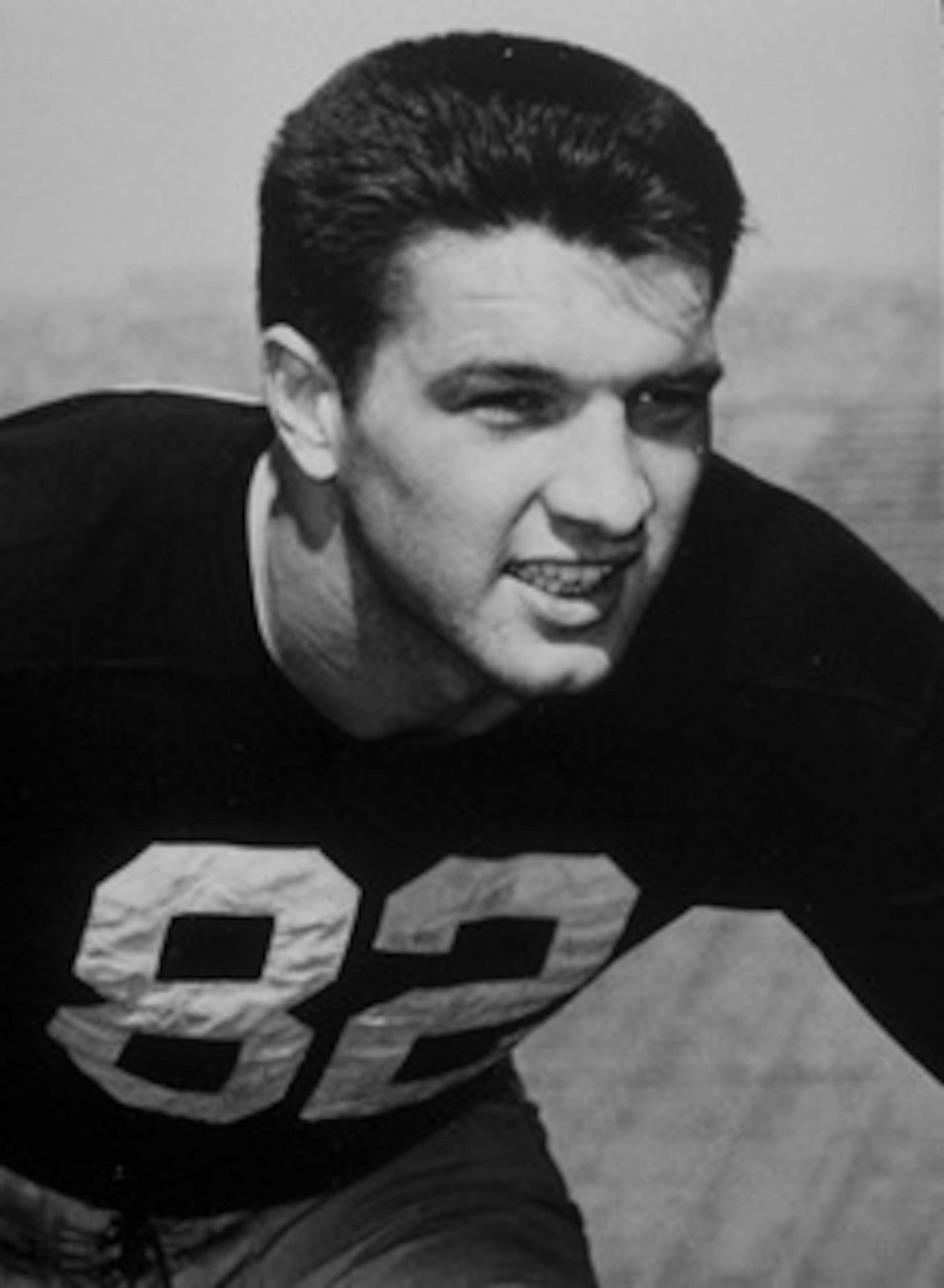
While outscoring their opponents 360-86 en route to a 10-0 season, the Fighting Irish crowned their second Heisman winner in three years when offensive lineman Leon Hart took home the trophy; he's one of two linemen in history to receive the award.
Hart was the star of the 1949 team as an offensive lineman and receiver, but he was also one of the best pass rushers and could do some serious damage rushing the ball, as well.
44. Doak Walker, RB, SMU, 1948
33 of 76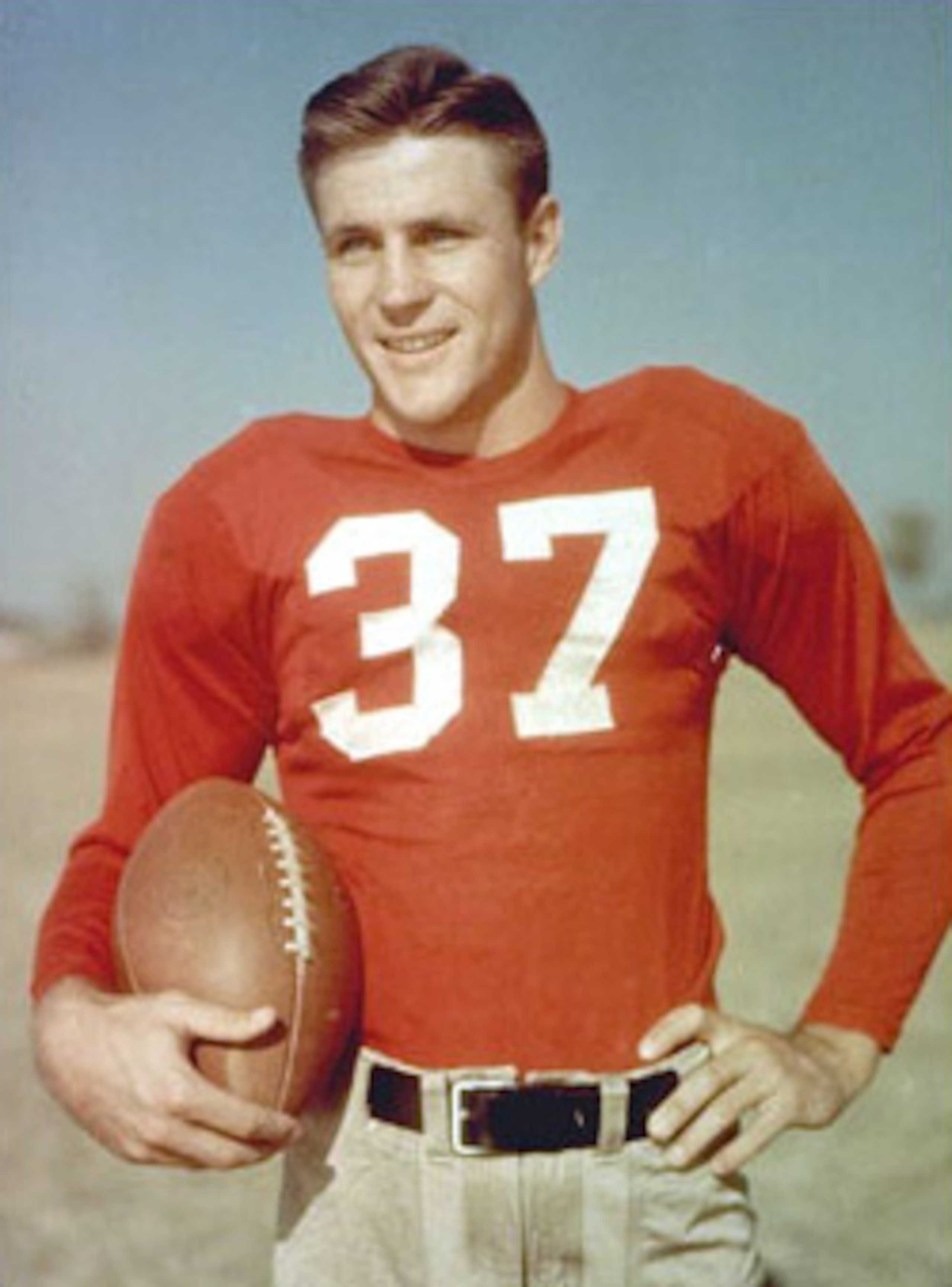
The Cotton Bowl is referred to as "The House That Doak Built" for a reason. Doak Walker was played primarily at running back, but he did a little bit of everything.
Walker won the Heisman after rushing for 532 yards and eight touchdowns, but it was his efforts as a defensive back, receiver, kicker, punter and kick returner that really separated him from the pack.
43. Doug Flutie, QB, Boston College, 1984
34 of 76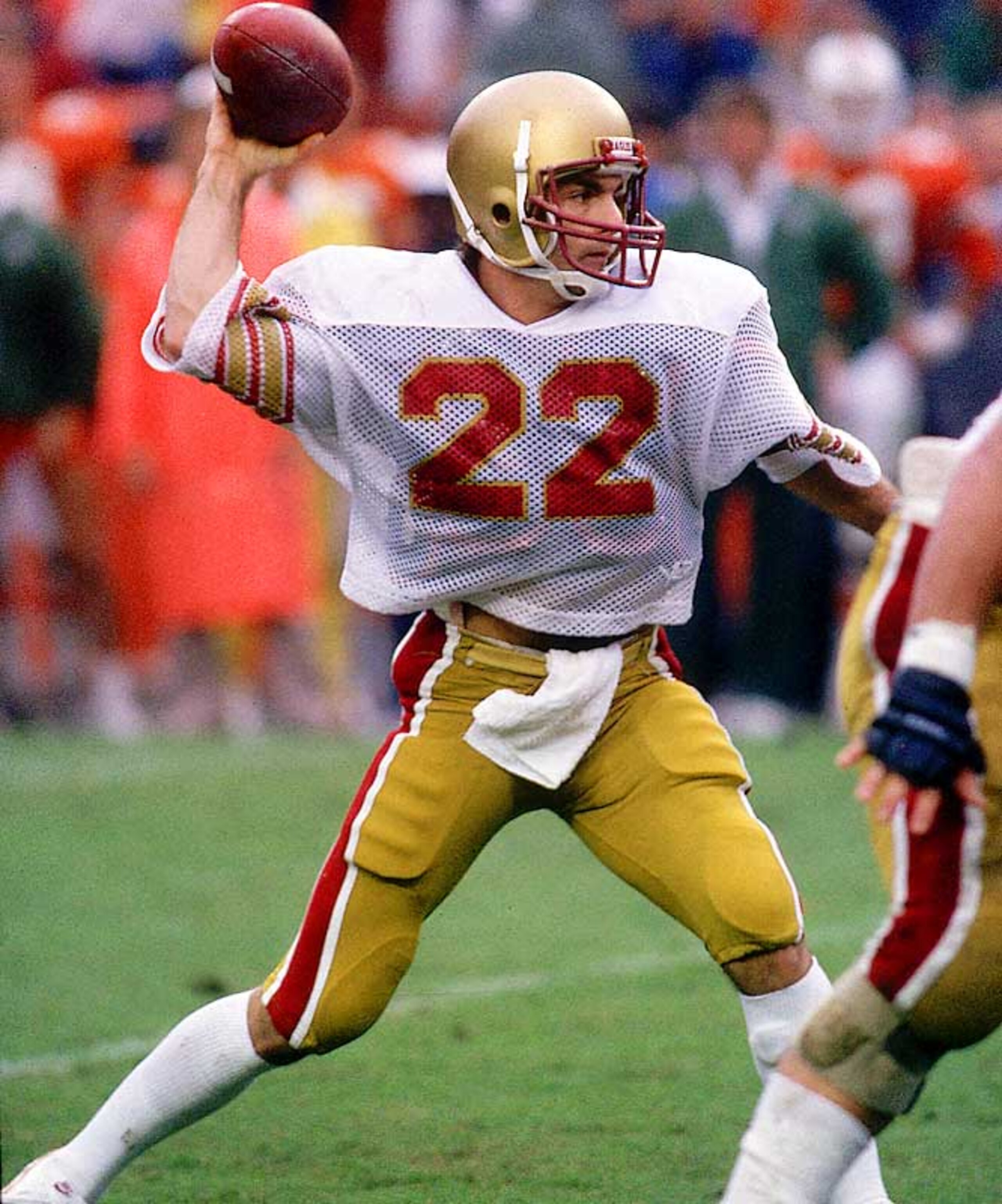
We all remember the Hail Flutie Game against Miami in 1984. With six seconds on the clock and the Eagles down in an epic shootout, Flutie let one loose at midfield and miraculously connected with Gerard Phelan for the 47-45 win.
Despite popular opinion at the time, he'd already clinched the Heisman before that game. On the year, Flutie passed for 3,454 yards and 27 touchdowns.
42. Troy Smith, QB, Ohio State, 2006
35 of 76
Troy Smith wasn't just a star quarterback at Ohio State who put up big numbers, he was a winner who saved his best for the huge games.
So while he passed for 2,507 yards and 30 touchdowns in 2006, it was his performances against the top-ranked teams that earned him one of the biggest landslide victories in Heisman history.
41. Bruce Smith, HB, Minnesota, 1941
36 of 76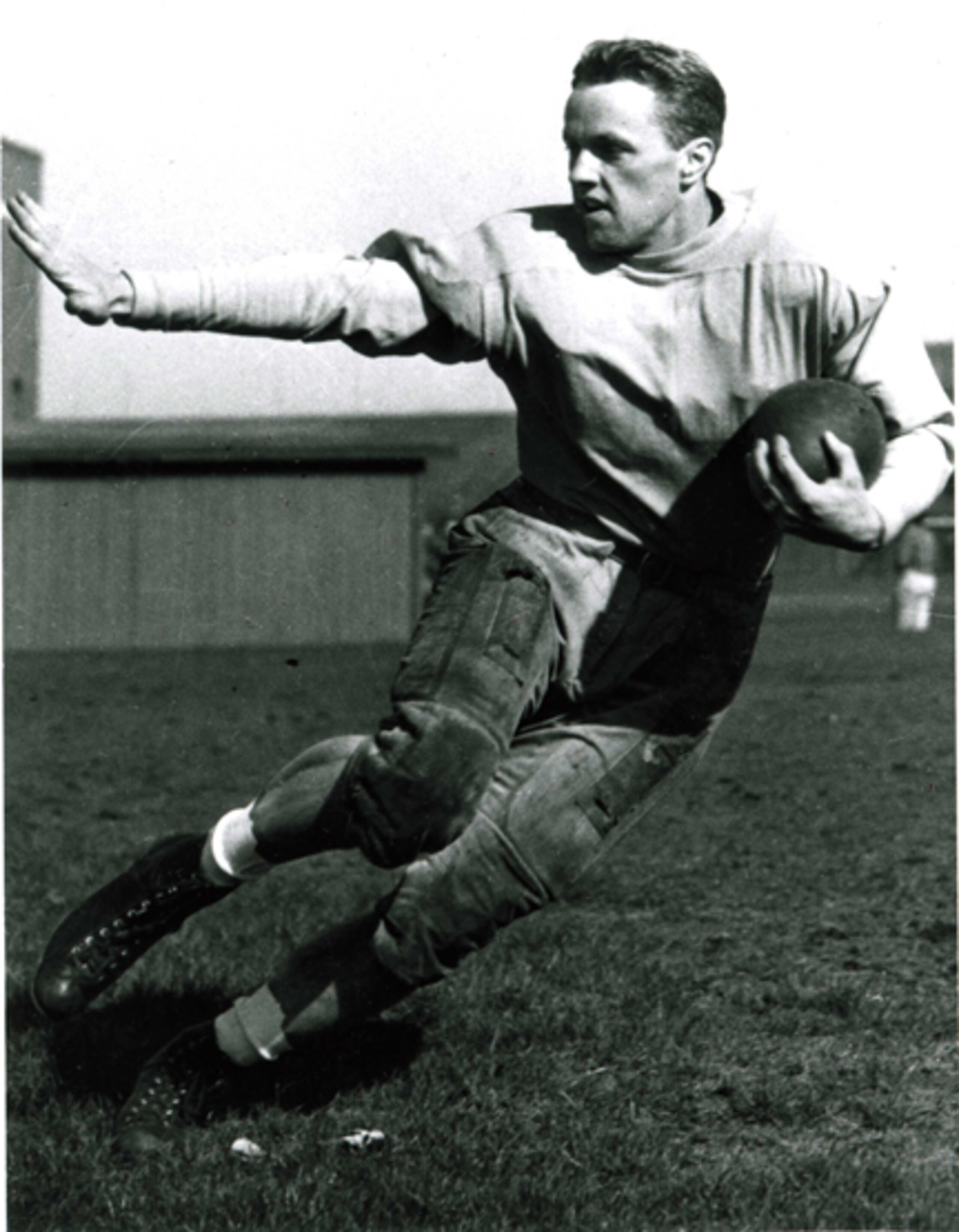
Bruce Smith maintains a status of hero among Minnesota fans to this day for his exploits with the Golden Gophers, particularly his 1941 Heisman season.
He led Minnesota to back-to-back national championships and only saw his legend grow when he forced his way onto the field with a knee injury against Iowa in the contest that decided the championship.
40. Steve Spurrier, QB, Florida, 1966
37 of 76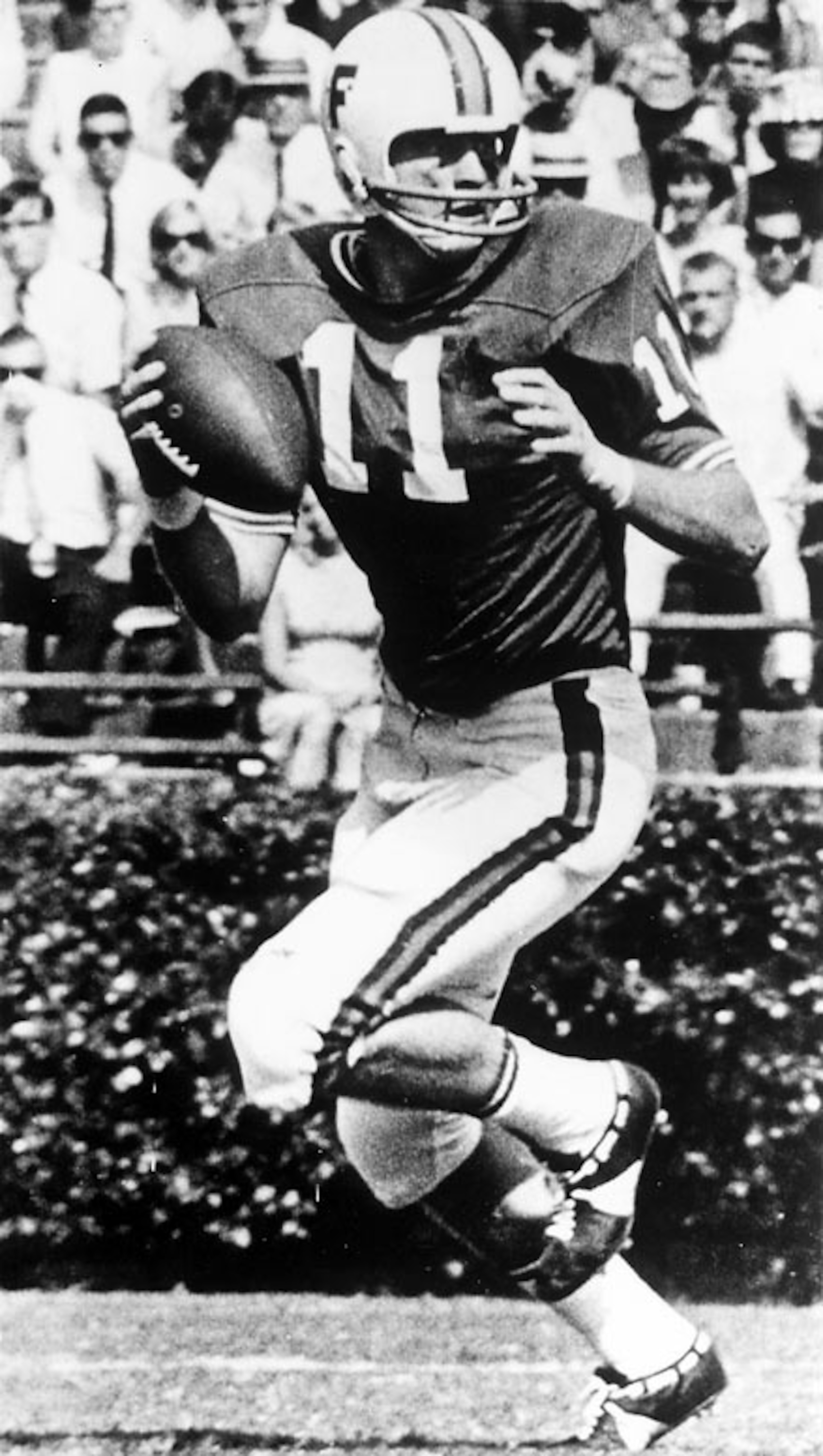
Most fans these days remember Steve Spurrier for his exploits as a coach, but his legend at Florida first began as a Heisman-winnning quarterback.
Spurrier capped his career with the Gators with nearly 5,000 yards passing and 37 touchdowns, leading Florida to a 9-2 record in 1966 during his Heisman season.
39. Andre Ware, QB, Houston, 1989
38 of 76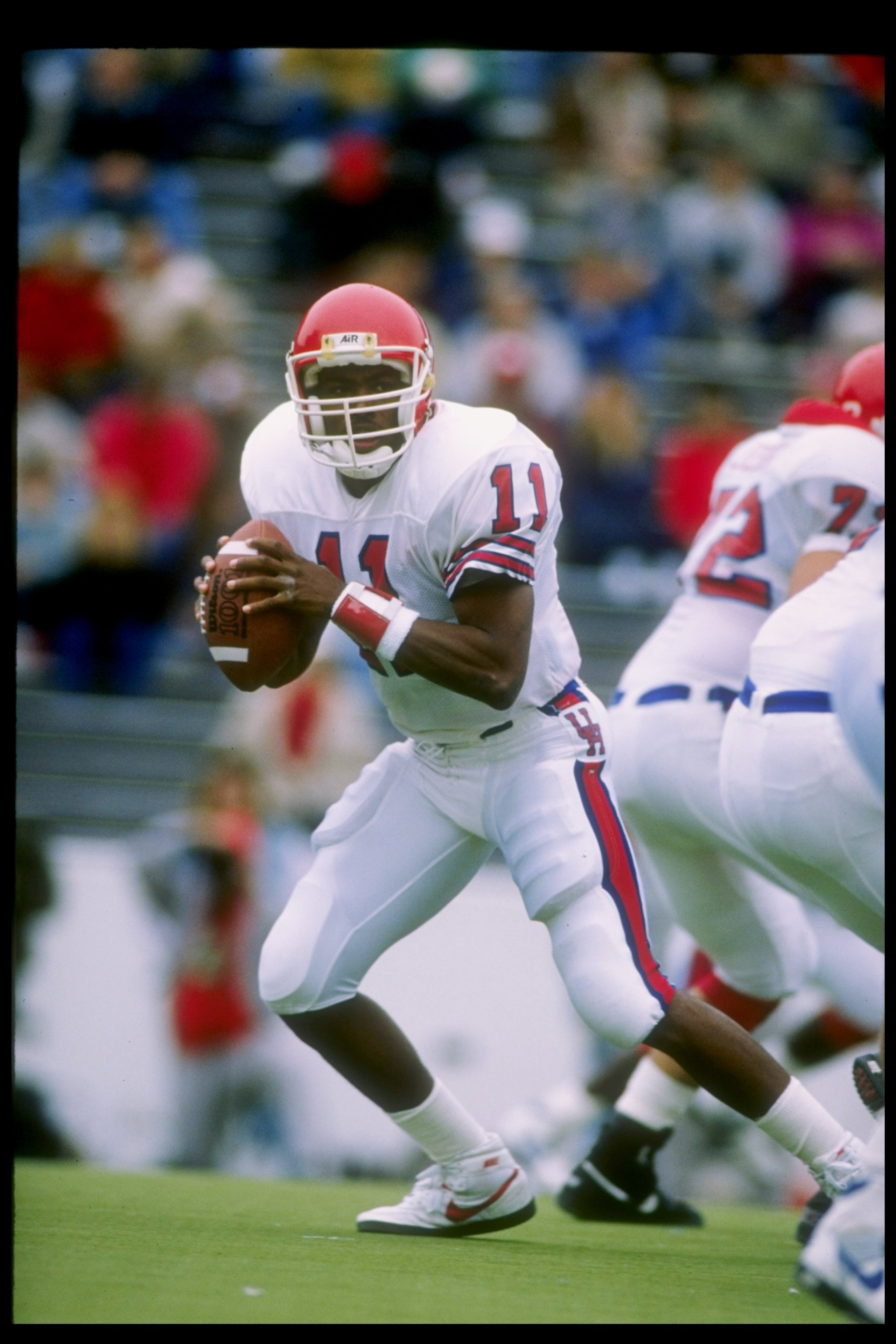
Houston fans will no doubt take issue with Ware being so far down the list, but remember, the level of competition plays a significant factor.
Ware became the first African-American quarterback to win the Heisman in 1989, throwing for 4,699 yards and 44 touchdowns while setting 26 NCAA records, but there's no comparing the defenses he faced to most of the other names on this list.
38. Jay Berwanger, RB, Chicago, 1935
39 of 76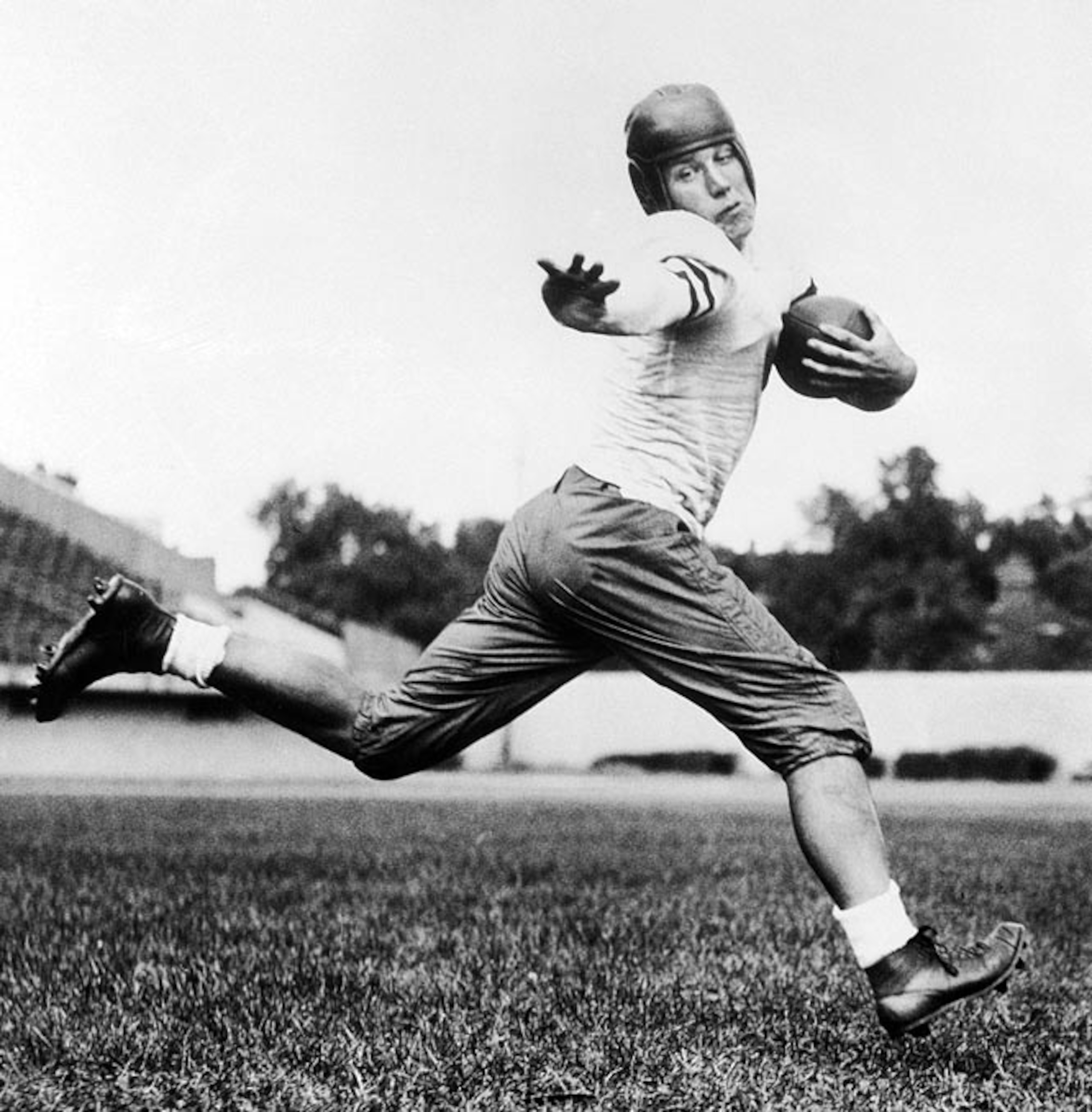
The first player ever to receive the Heisman Trophy was Chicago's Jay Berwanger, and for that alone he deserves consideration.
But it also helps that he had 1,839 total yards that season as one of the country's best running backs and defensive backs.
37. Matt Leinart, QB, USC, 2004
40 of 76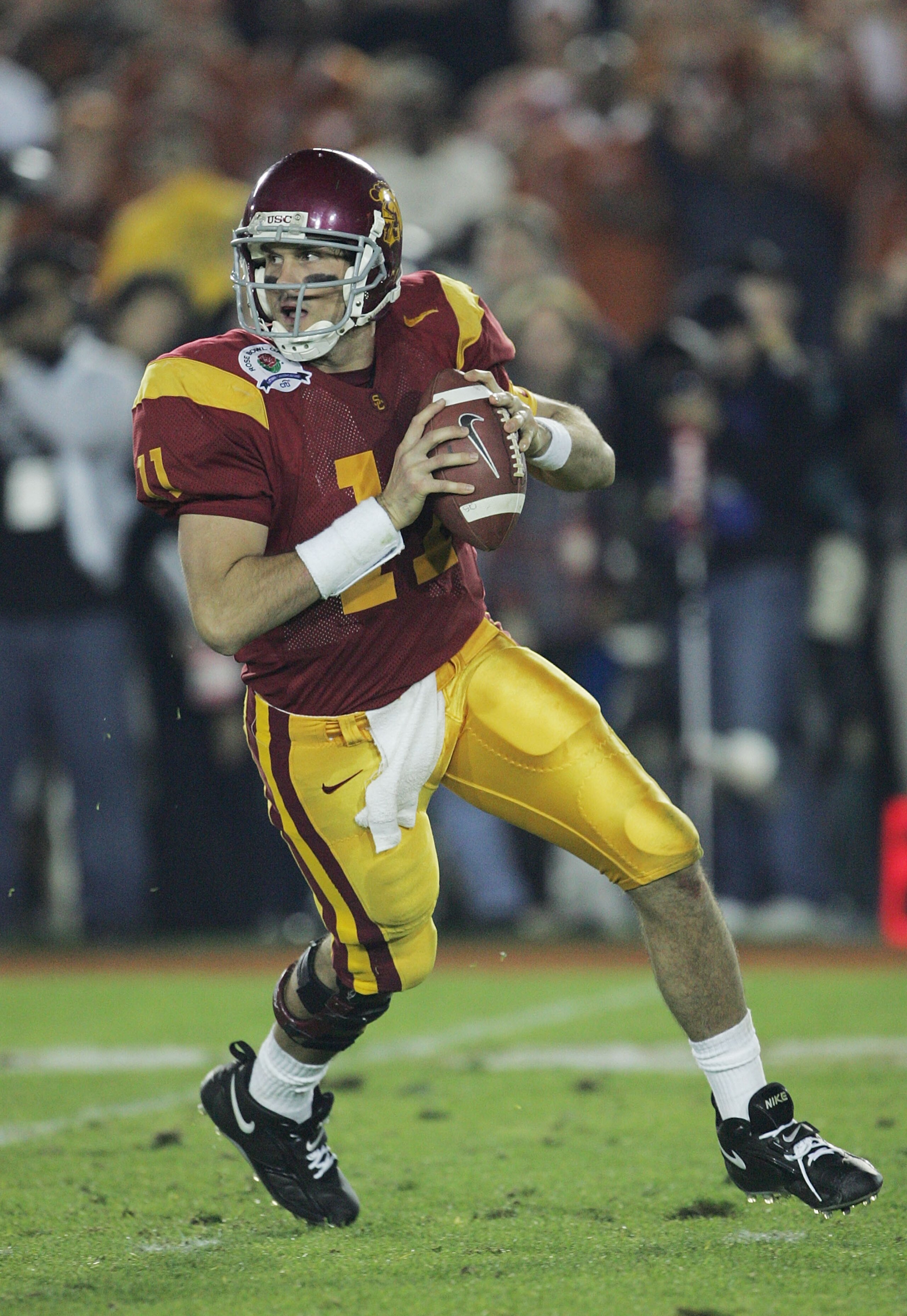
When we look back on the career of Matt Leinart, it will be forever linked to the scandal of Reggie Bush's 2005 Heisman-winning season, but that needs to be separated from Leinart's 2004 season.
In one of the most competitive Heisman fields in history, the Trojans quarterback threw for 3,322 yards and 33 touchdowns, with only six interceptions.
36. Pat Sullivan, QB, Auburn, 1971
41 of 76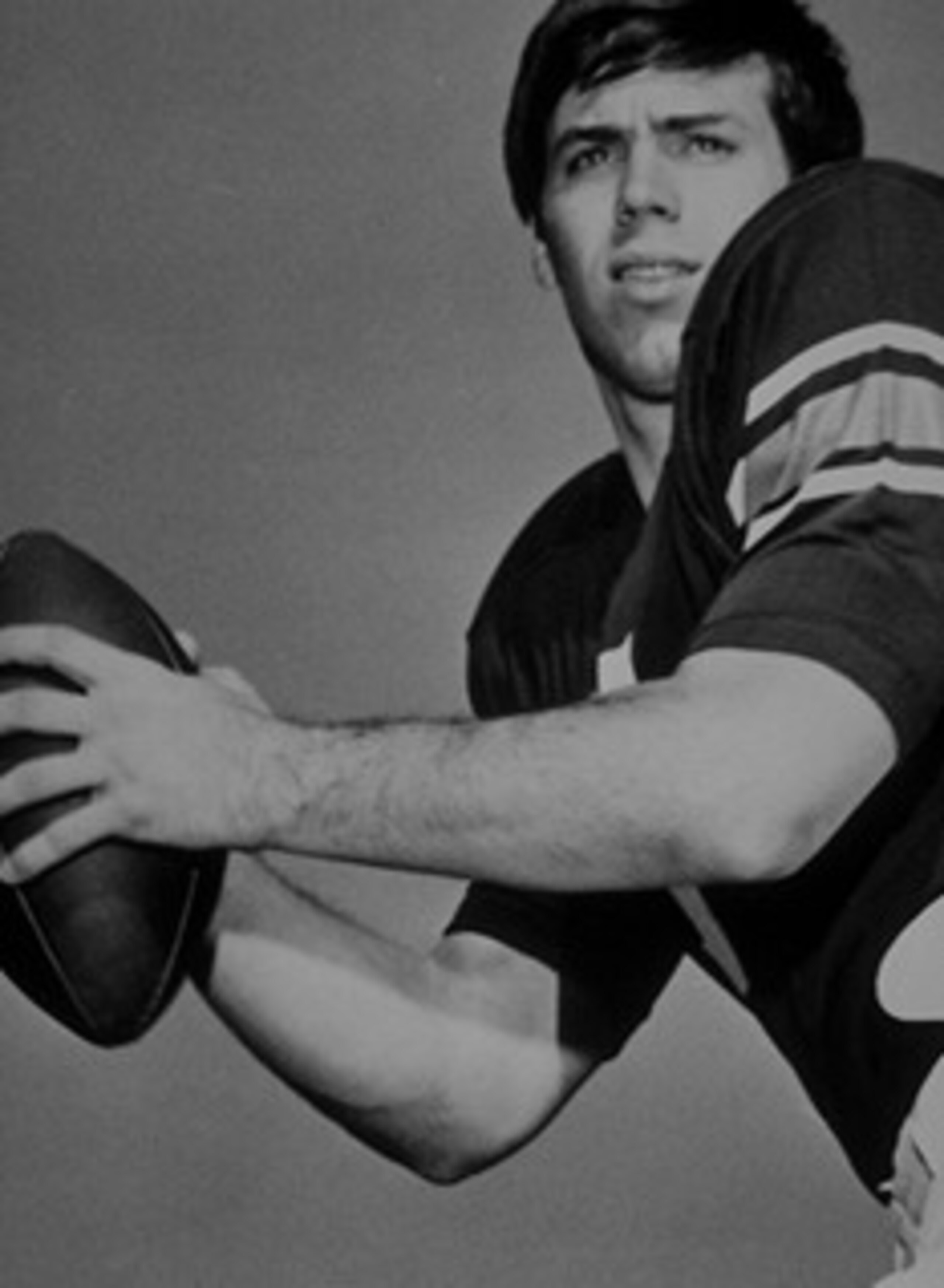
Sullivan is one of the best players in SEC history and would have been higher up the list if not for a terrible game in Auburn's embarrassing loss to Alabama in 1971.
Despite the loss though, Sullivan is known not just as one of the best passers of his time, but as a winner who could will his team to victory.
35. Vinny Testaverde, QB, Miami, 1986
42 of 76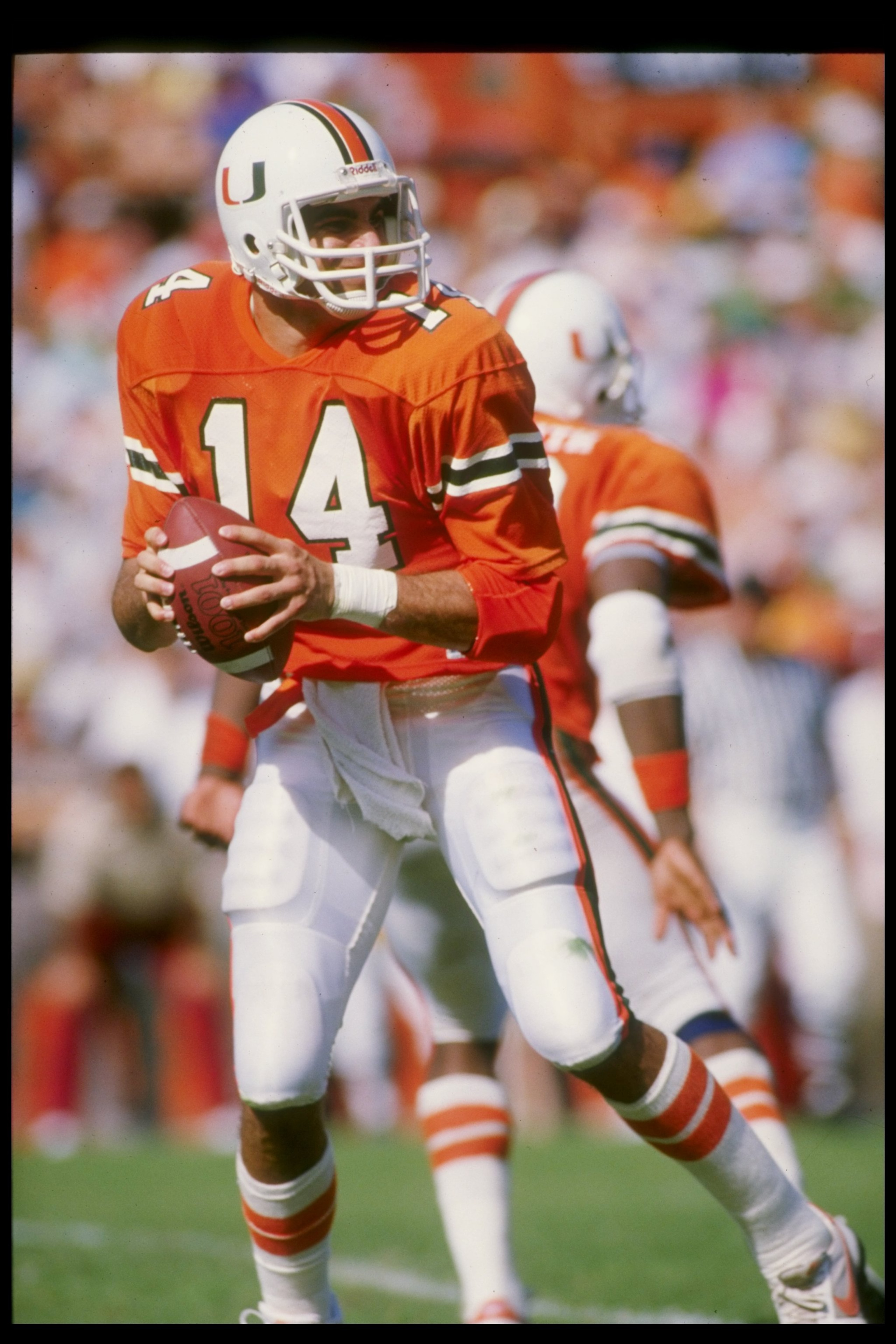
The 1986 Miami Hurricanes will go down as one of the most hated, if not outright the most hated, sports teams of all time, but that shouldn't be reflected here.
Testaverde passed for 2,557 yards and 26 touchdowns with a 165.8 passer rating. Of course, he won his Heisman before Miami's epic meltdown against Penn State in the Fiesta Bowl, a game he played miserably in.
34. John Cappelletti, RB, Penn State, 1973
43 of 76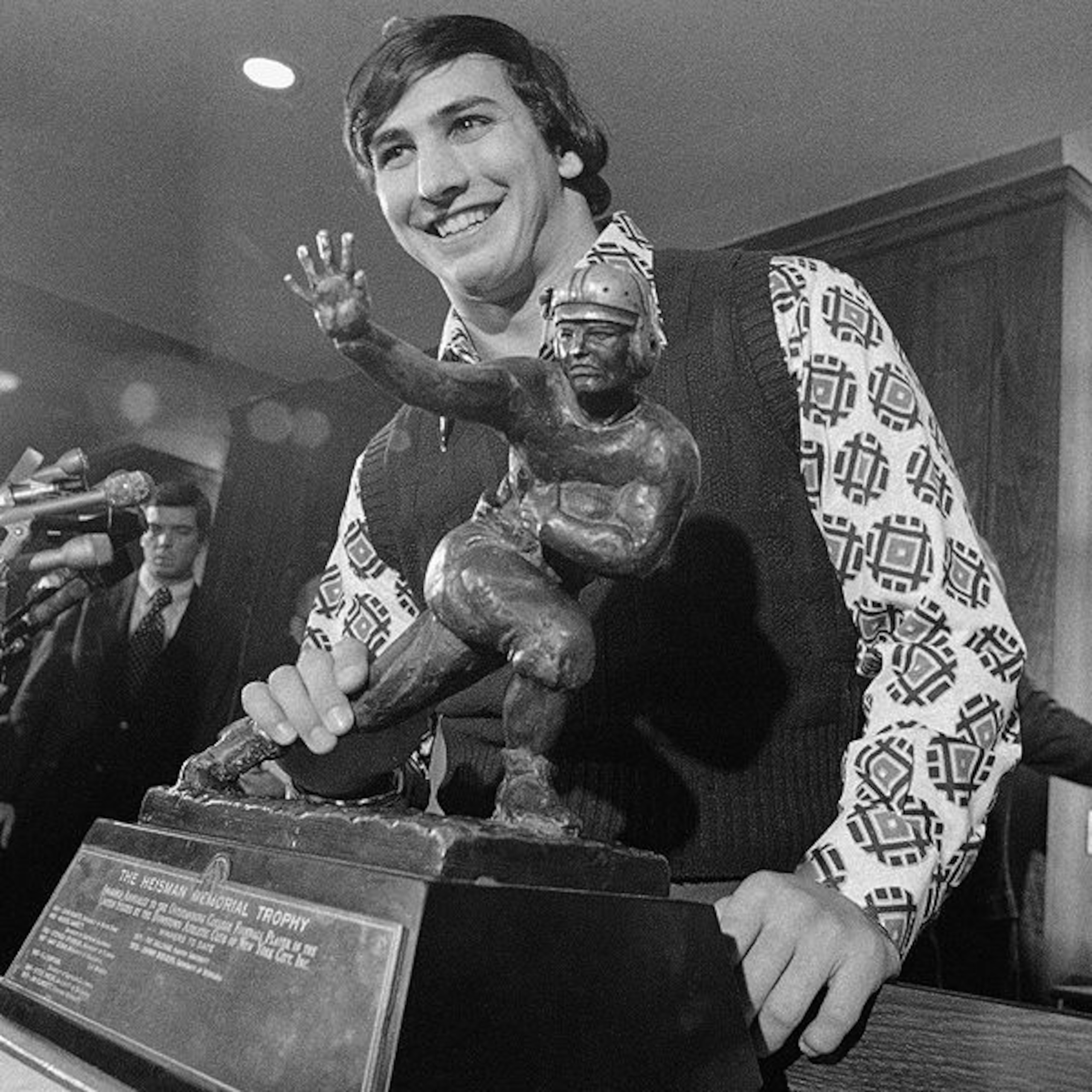
Joe Paterno has described Cappelletti as the greatest player he has ever coached. Cappelletti, who rushed for over 1,500 yards and 17 touchdowns as a senior, won the Heisman Trophy that year and dedicated the honor to his younger brother Joey.
Joey was suffering from leukemia and passed away in 1976. Cappelletti's Heisman acceptance speech in which he honored his friend and brother is one of the most memorable moments in the history of college sports.
33. Nile Kinnick, QB, Iowa, 1939
44 of 76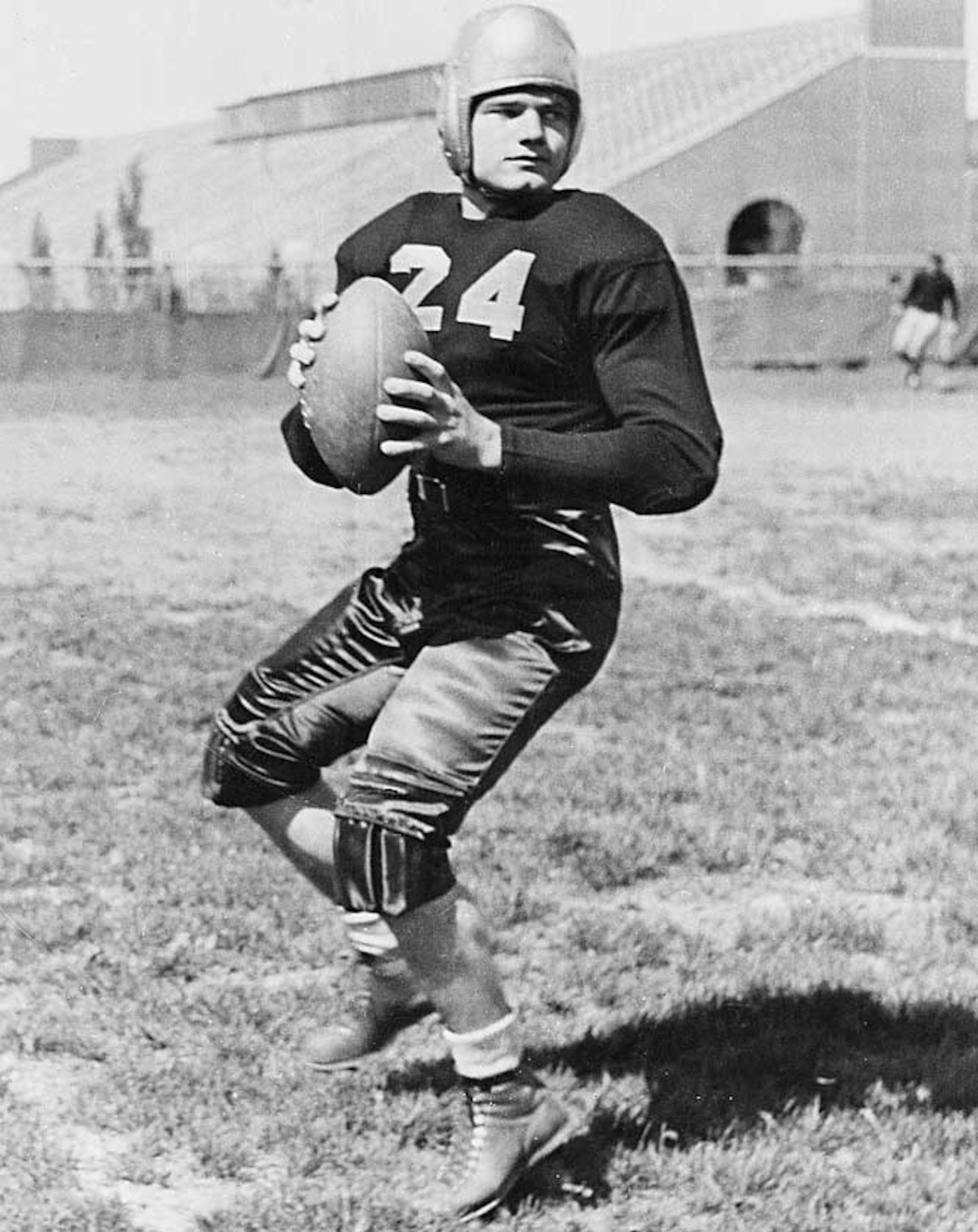
Nile Kinnick, "The Iron Man," is one of the all-time greats and a legend at Iowa for his tough-nosed, never-say-die attitude.
He passed for 638 yards and 11 touchdowns and rushed for 374 yards in 1939, at one point playing 402 consecutive minutes.
32. Dick Kazmaier, RB, Princeton, 1951
45 of 76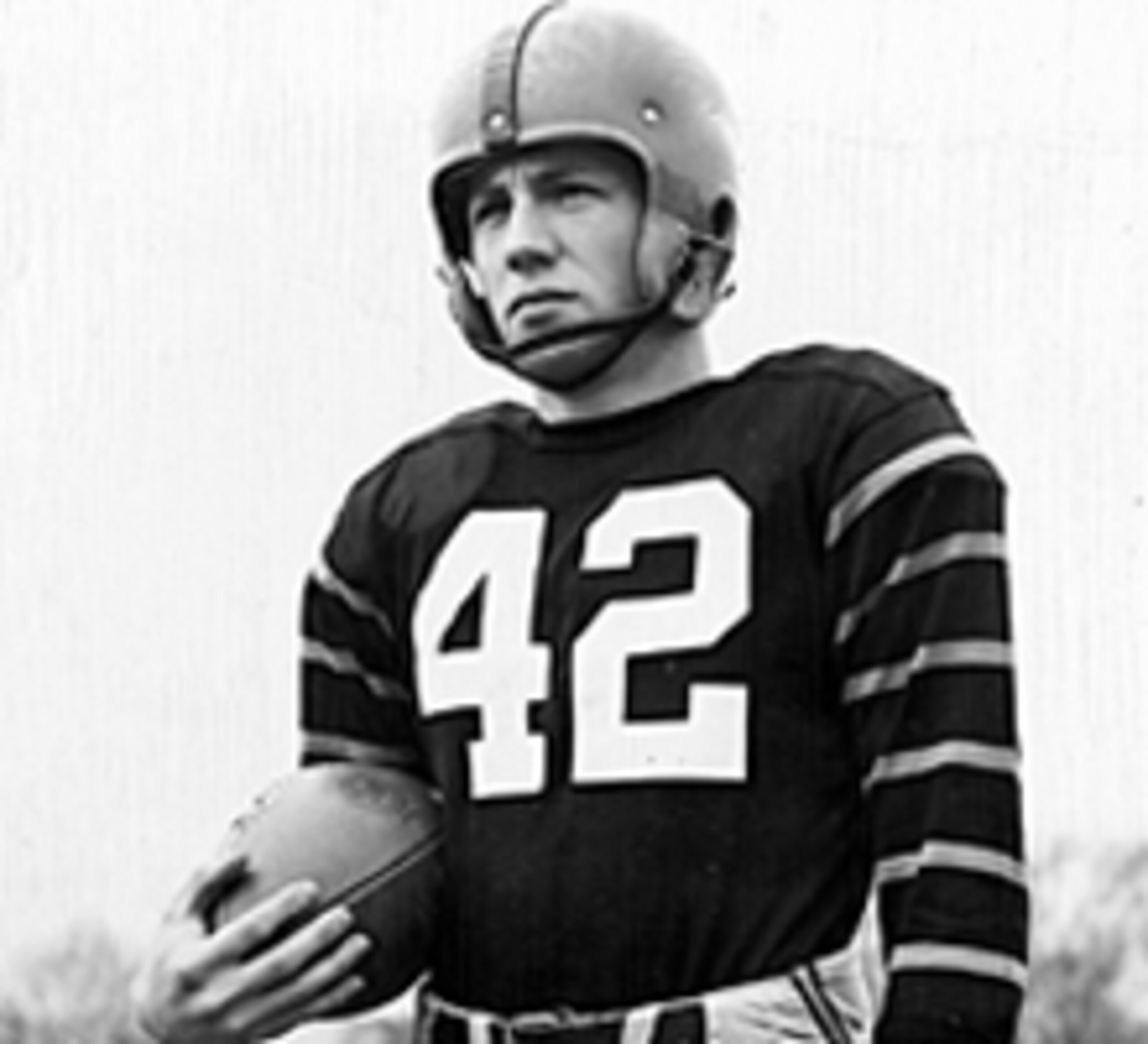
Kazmaier was a do-it-all back at Princeton, leading the nation in total offense in 1951 as a halfback and quarterback.
One of the most accurate passers of his time and a shifty rusher in space, Kazmaier was also Princeton's kicker.
31. Charles White, RB, USC, 1979
46 of 76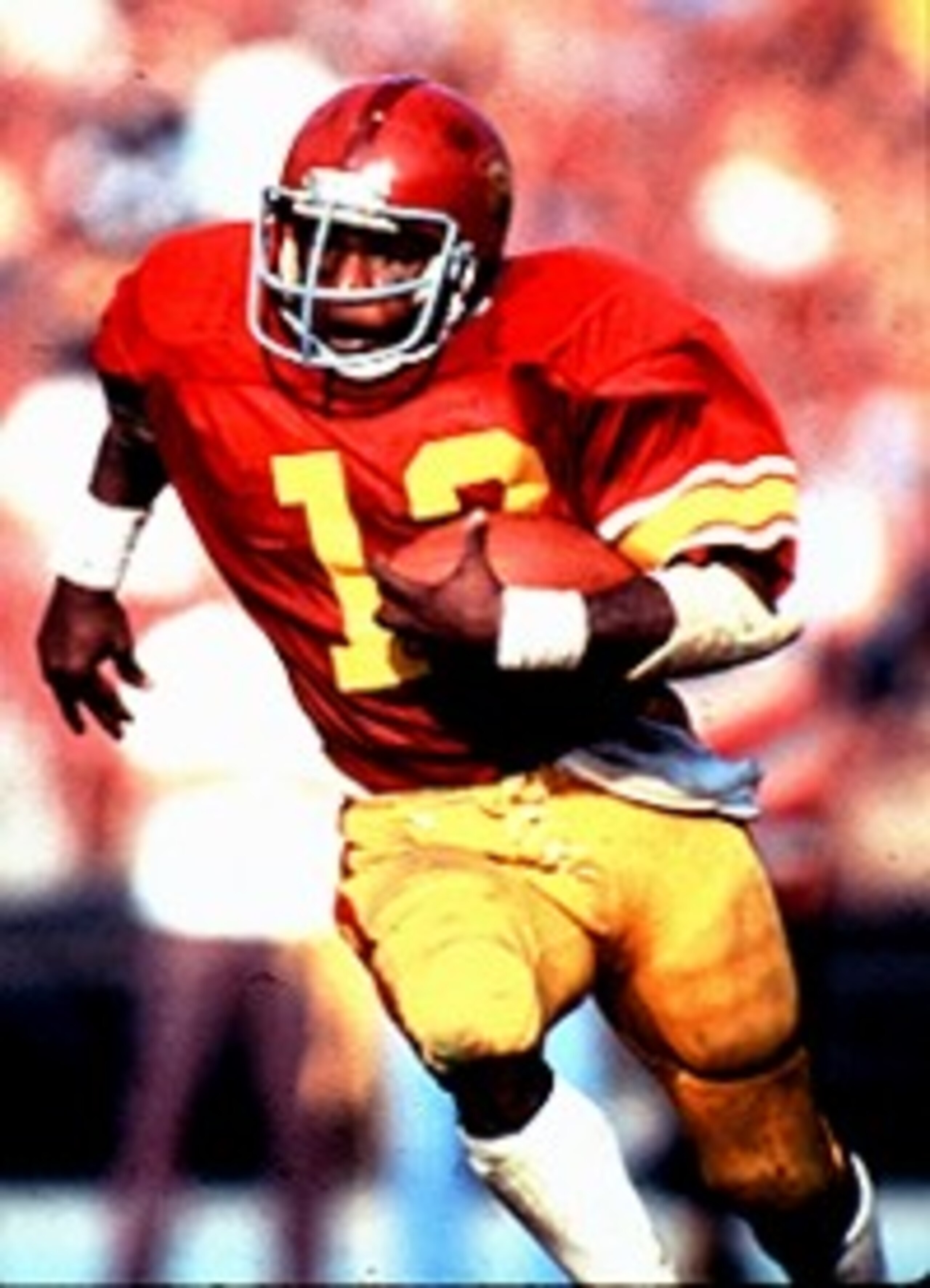
Another in the long line of legendary USC running backs, Charles White was one of the most dominant rushers of his time.
In his 1979 Heisman-winning season, White averaged nearly 200 total yards per game leading the Trojans to an unbeaten record at 10-0-1.
30. George Rogers, RB, South Carolina, 1980
47 of 76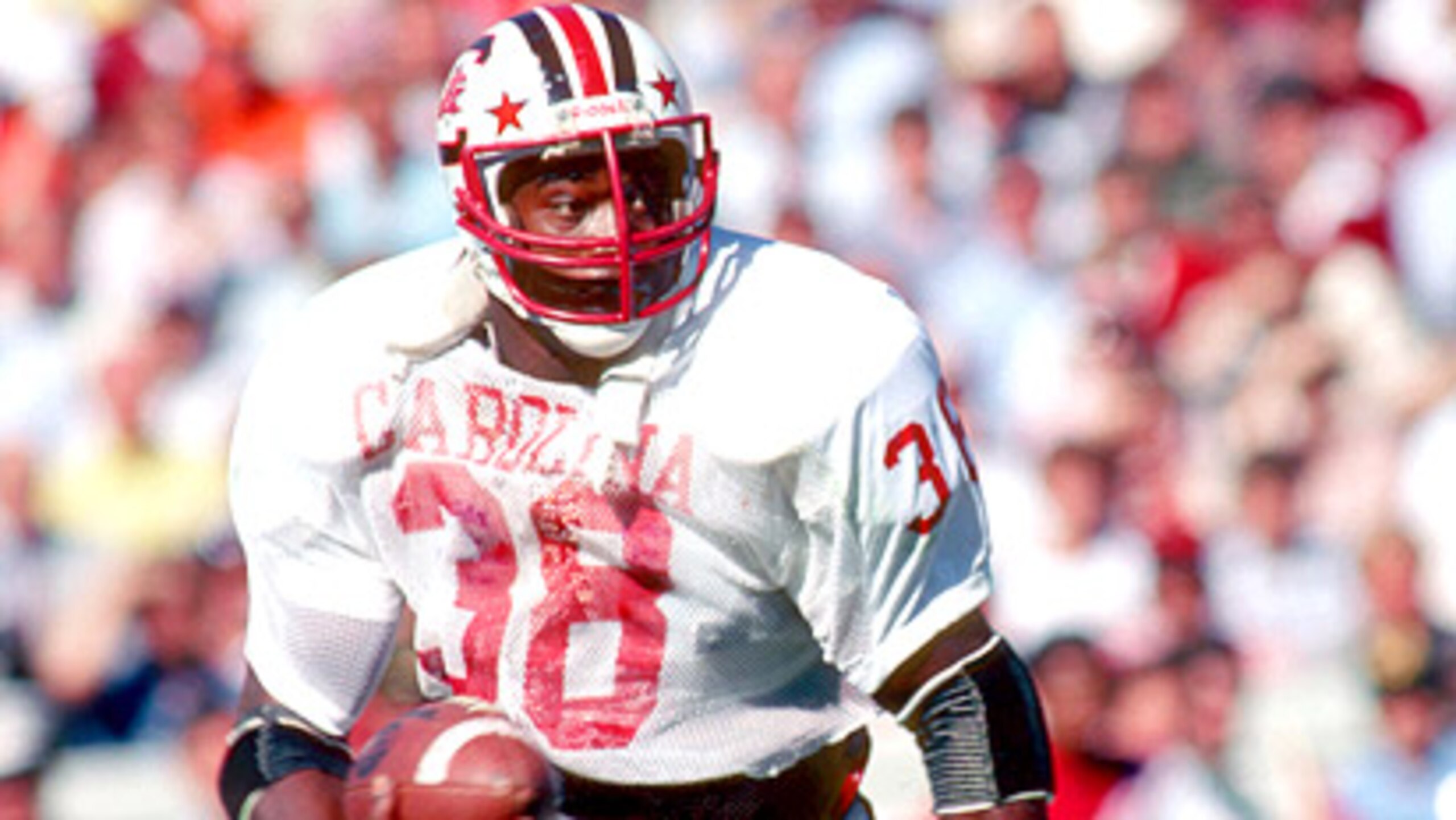
Most college football fans will remember the 1980 season as the year we met Herschel Walker, but it was another SEC back who took home the Heisman that year.
Rogers led the nation in rushing with 1,781 yards and 14 touchdowns for South Carolina, a really impressive campaign that tends to get overlooked in hindsight.
29. Sam Bradford, QB, Oklahoma, 2008
48 of 76
Sooners quarterback Sam Bradford, on his way to winning the 2008 Heisman, put together one of the best statistical passing seasons in the history of the game.
He threw for 4,720 yards with a 67.9 completion rate, 50 touchdowns, only eight interceptions and a quarterback rating of 180.84, the highest rating any quarterback has ever received.
28. Tom Harmon, RB, Michigan, 1940
49 of 76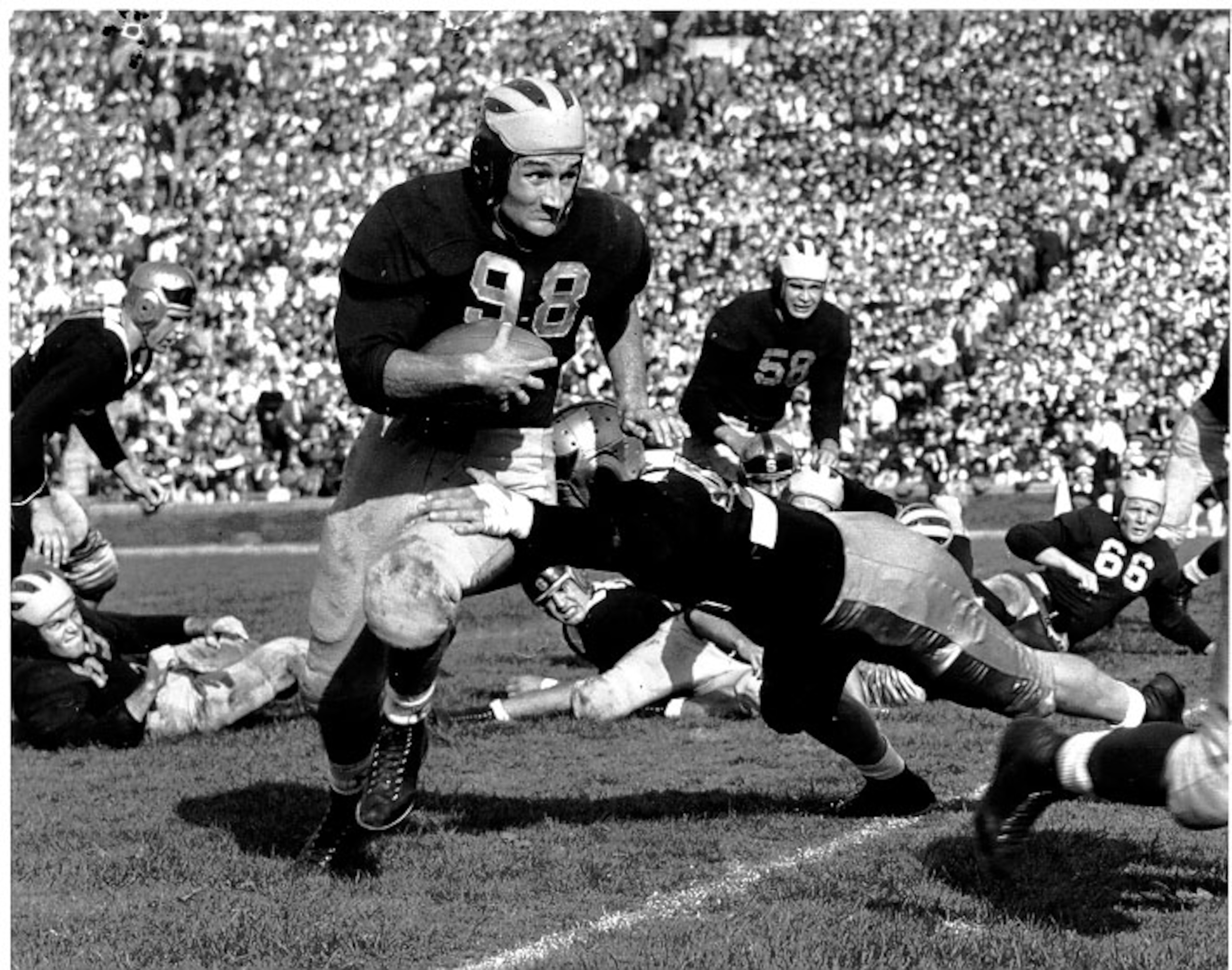
Tom Harmon's 1940 season was outrageous, even by today's standards, and without a doubt is one of the great performances in the history of the game.
He combined to account for over 3,400 yards his senior year, passing, rushing, receiving, kicking, kick returning and playing defensive back.
27. Charlie Ward, QB, Florida State, 1993
50 of 76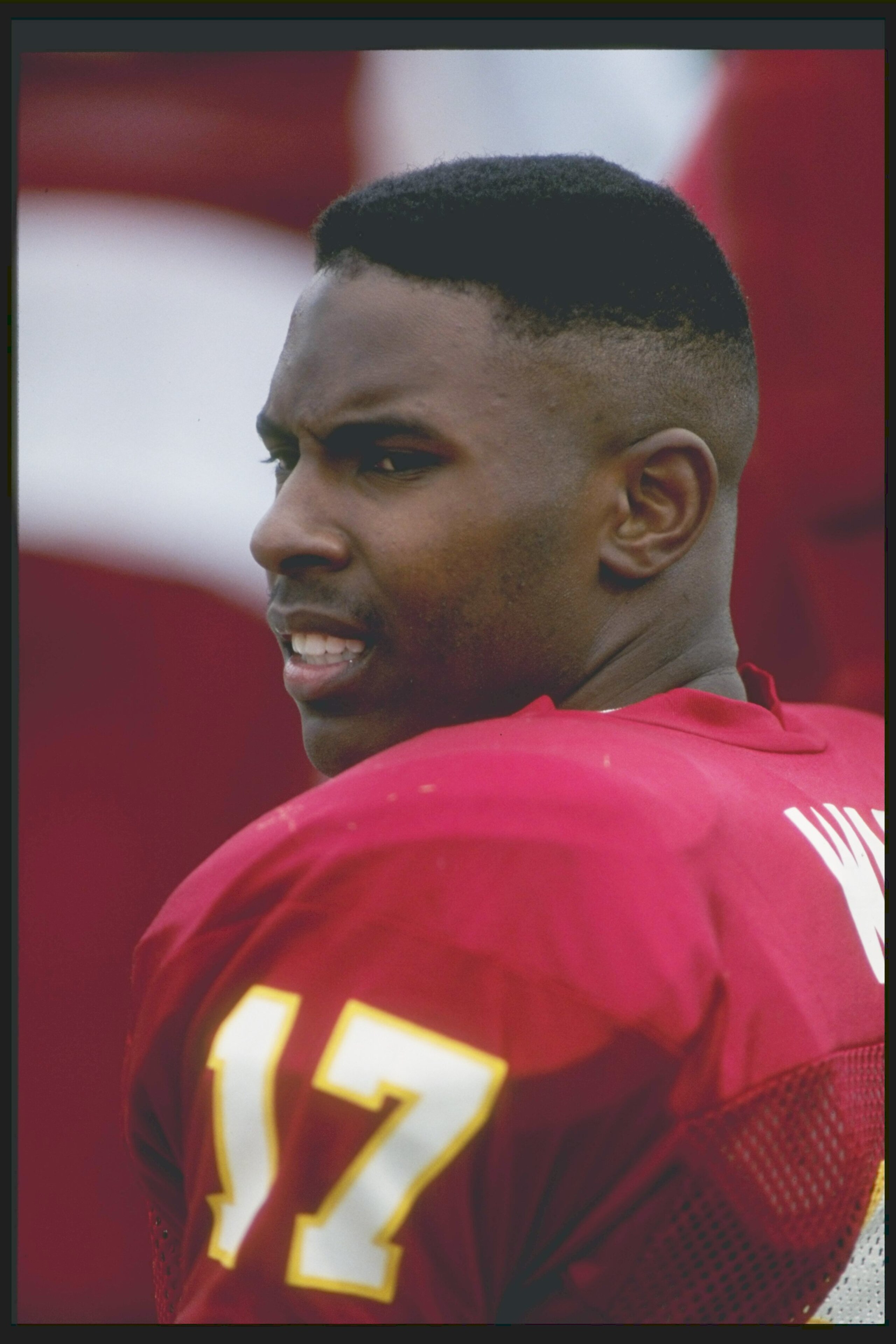
'93 was Charlie Ward's year. He quarterbacked FSU to a 12-1 record and the school's first national championship with an epic 18-16 win over Nebraska in the Orange Bowl.
That season, Ward would throw for over 3,000 yards with 27 touchdowns and four interceptions, gaining the second-largest margin of victory in the history of Heisman Trophy balloting to O.J. Simpson in 1967.
26. Davey O'Brien, QB, TCU, 1938
51 of 76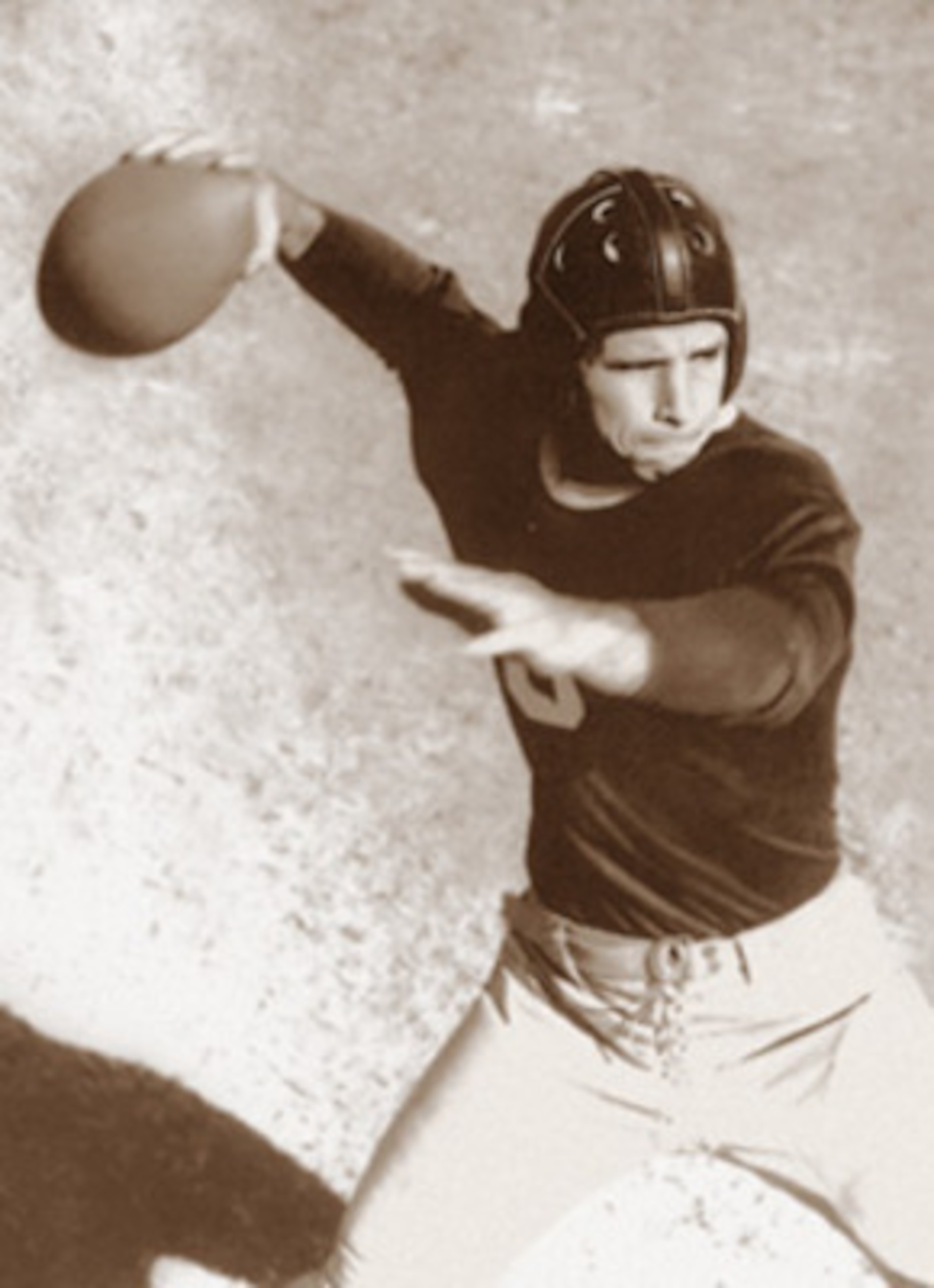
TCU has only one Heisman winner in its long history of college football. That would be famed quarterback Davey O'Brien. His best year came in 1938, when he threw for a then-record 1,457 passing yards and 19 touchdowns.
He led the Horned Frogs to an undefeated national championship season and became the first player in history to win the Heisman, Maxwell and Walter Camp trophies in the same year.
25. Doc Blanchard, RB, Army, 1945
52 of 76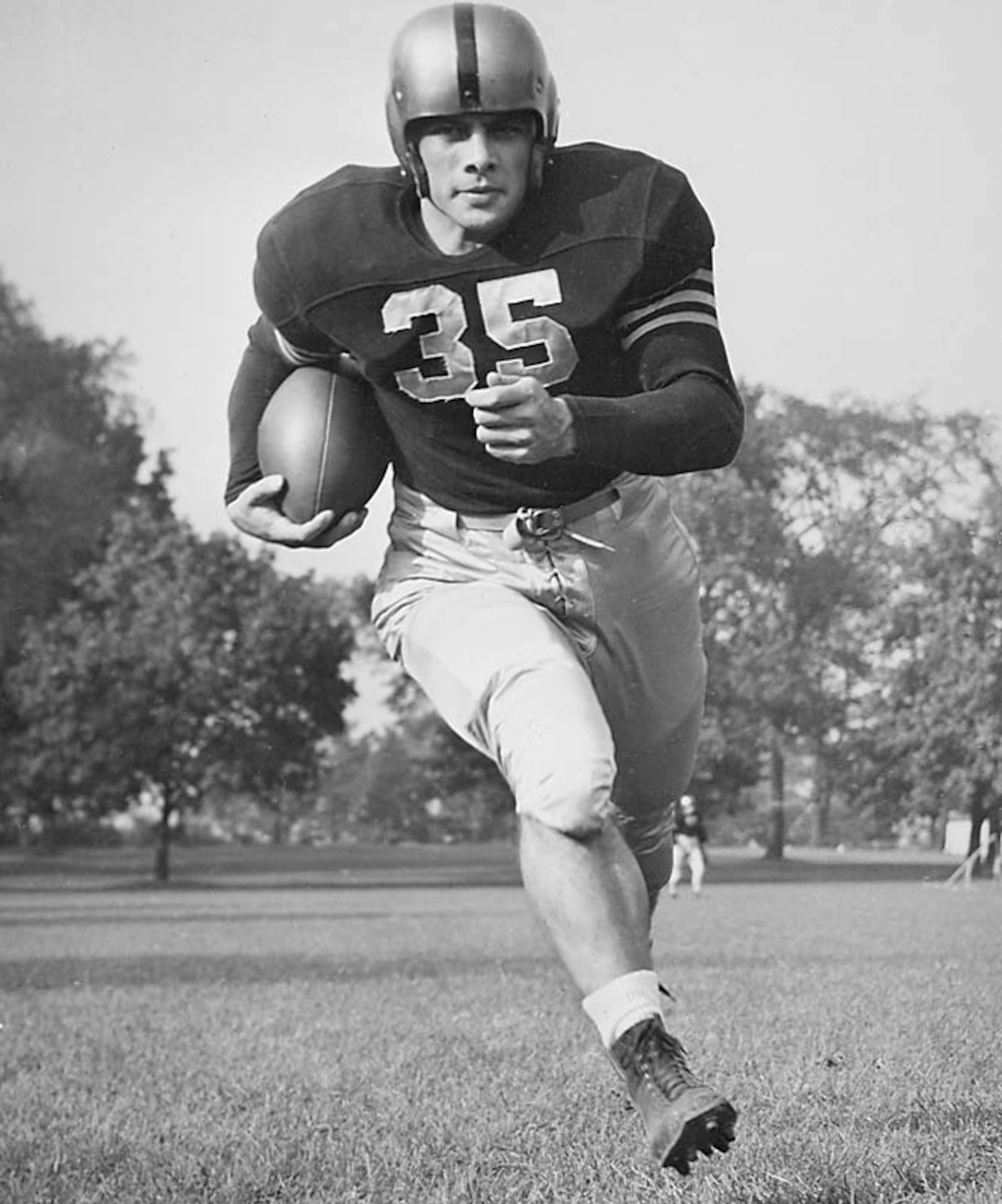
We'll get to "Mr. Outside" shortly, but first let's meet his running mate at Army. Doc Blanchard, "Mr. Inside," was one half of one of the best backfield duos in the history of the game.
He was the thunder and Glenn Davis was the lightning. Davis would take home the Heisman in '46, but 1945 was Doc's year; he scored 19 touchdowns on the season, leading the Cadets to a national championship.
24. Eddie George, RB, Ohio State, 1995
53 of 76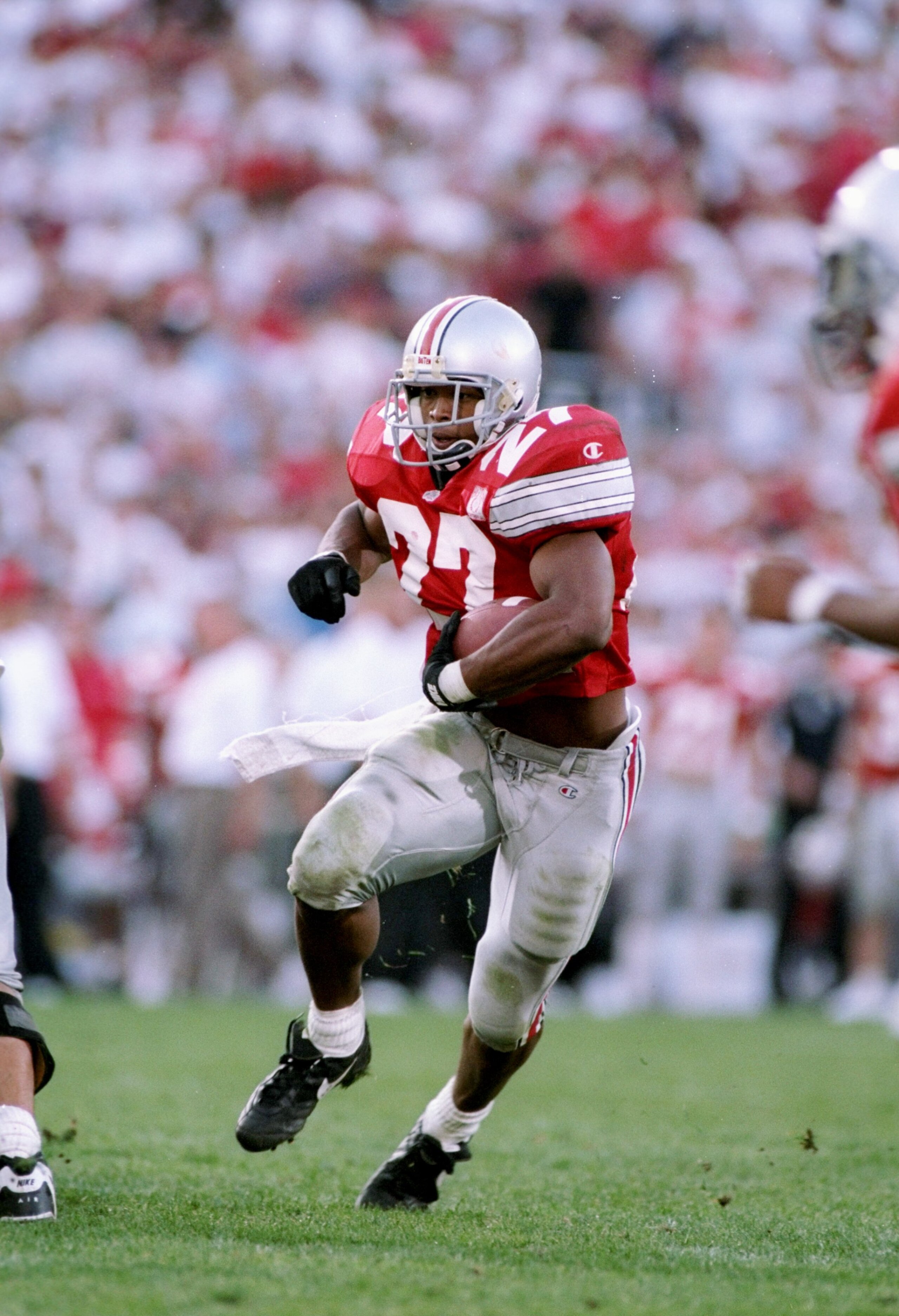
As a senior in '95, George led a Buckeyes team that finished the year 10-2, running wild behind All-American tackle Orlando Pace.
George finished the year with 1,927 yards and 24 touchdowns, with three games over 200 yards rushing to help him edge the legendary Tommie Frazier for the Heisman.
23. Billy Vessels, RB, Oklahoma, 1952
54 of 76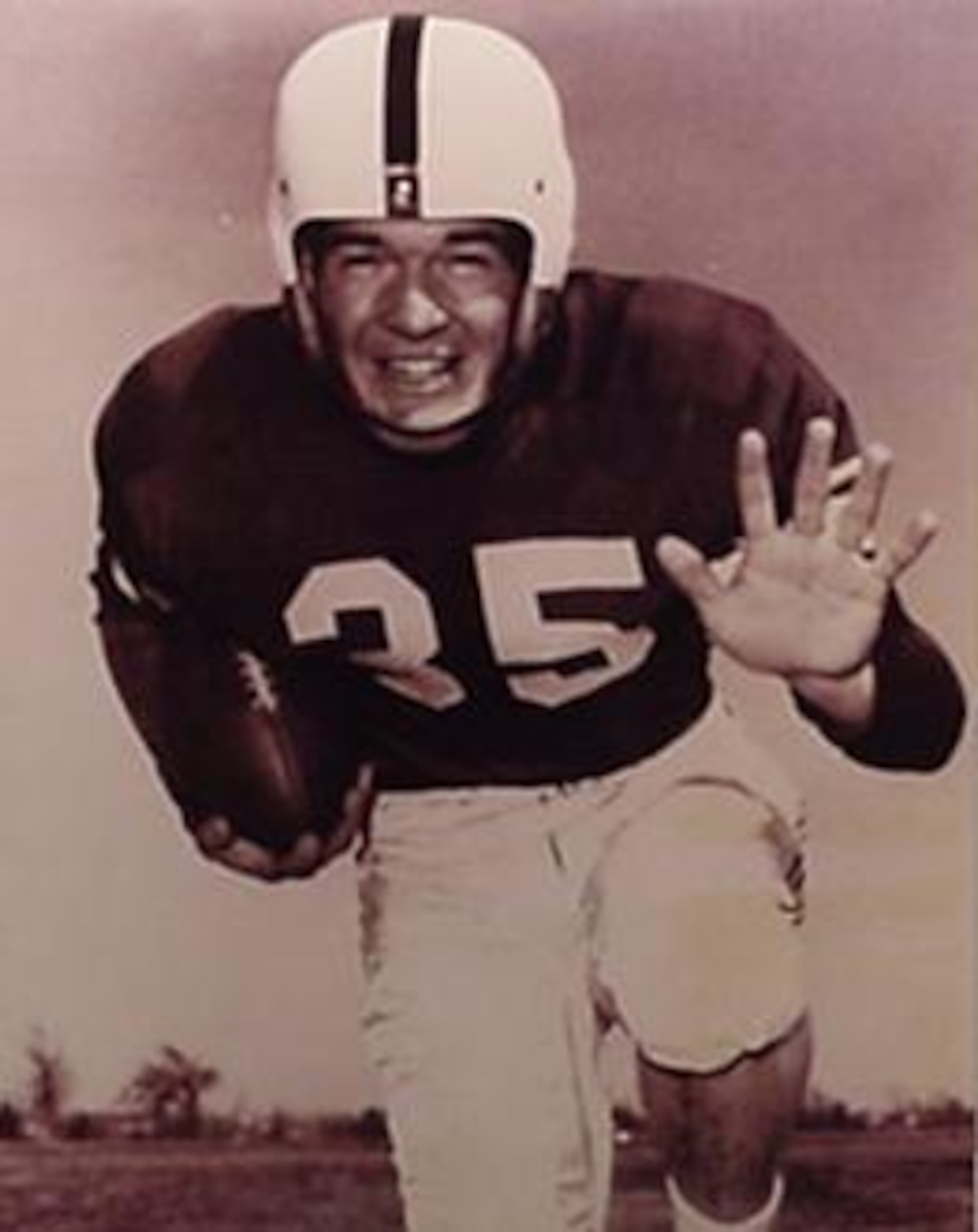
Billy Sims might be remembered as the best running back in Oklahoma history, but it was Billy Vessels who paved the way.
He's been described by many as the Sooners' first superstar offensive player. In 1952, he rushed for 1,078 yards and 18 touchdowns on his way to the Heisman.
22. Joe Bellino, RB, Navy, 1960
55 of 76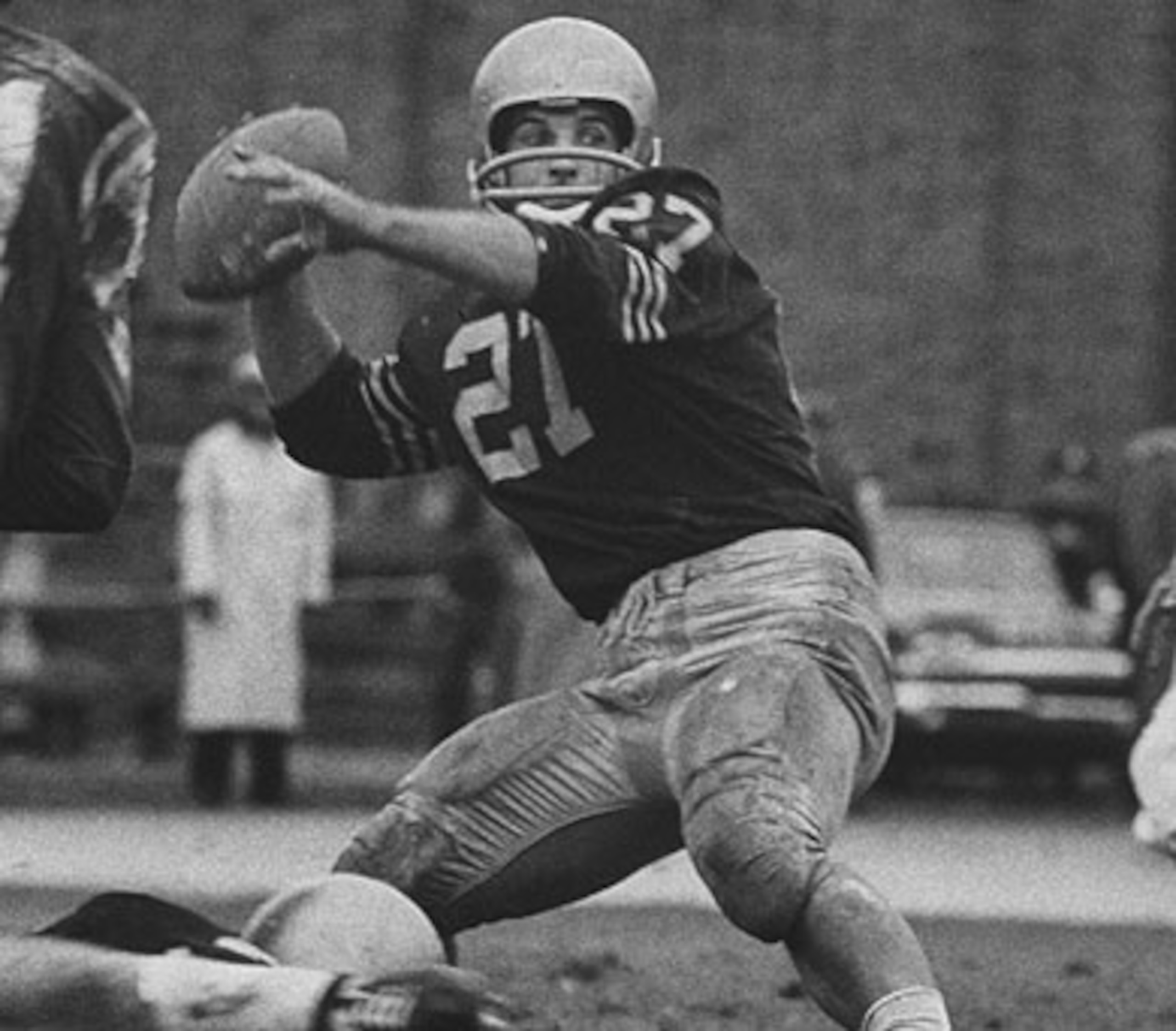
Bellino did it all for Midshipmen in 1960, rushing for 834 yards, catching 15 passes for 264 yards and three touchdowns and passing for a couple more.
All in all he totaled 18 scores on the year as a running back, receiver, quarterback, kick returner and even punter.
21. Desmond Howard, WR, Michigan, 1991
56 of 76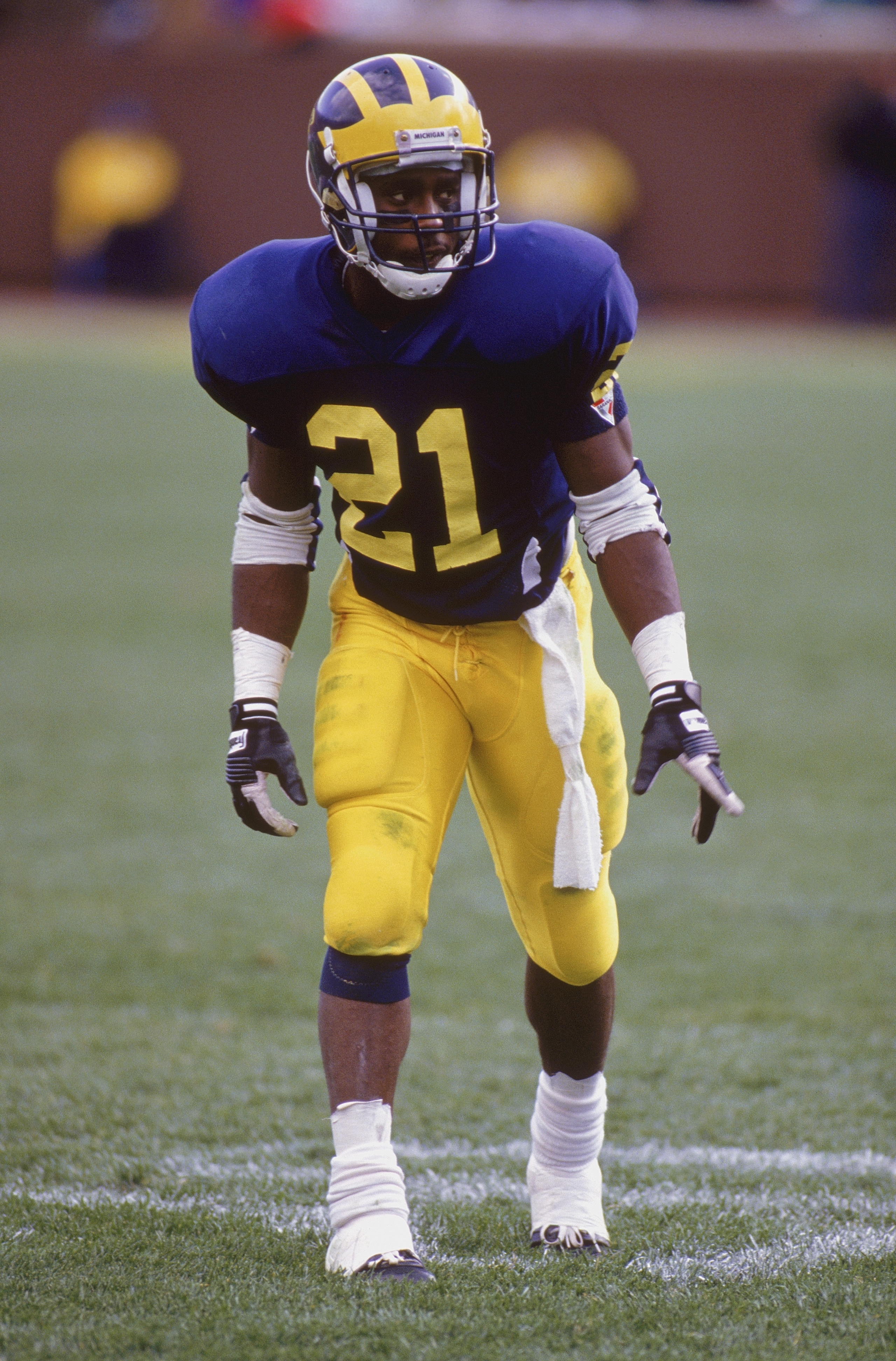
Howard's 1991 season was definitely right up there among the all-time great performances at the position, along with Randy Moss' 1997 season and Michael Crabtree's 2007 season.
Howard led the Big Ten in scoring with 23 total touchdowns and had the second-largest margin of victory in the Heisman voting in history.
20. Ron Dayne, RB, Wisconsin, 1999
57 of 76
Ricky Williams set the career all-time rushing mark in 1998, but it only took one year for someone to break it.
That someone would be Wisconsin's Ron Dayne. With the whole country watching all season long, Dayne rushed for 1,834 yards in his Heisman-winnning senior season to take Williams' record.
19. Billy Sims, RB, Oklahoma, 1978
58 of 76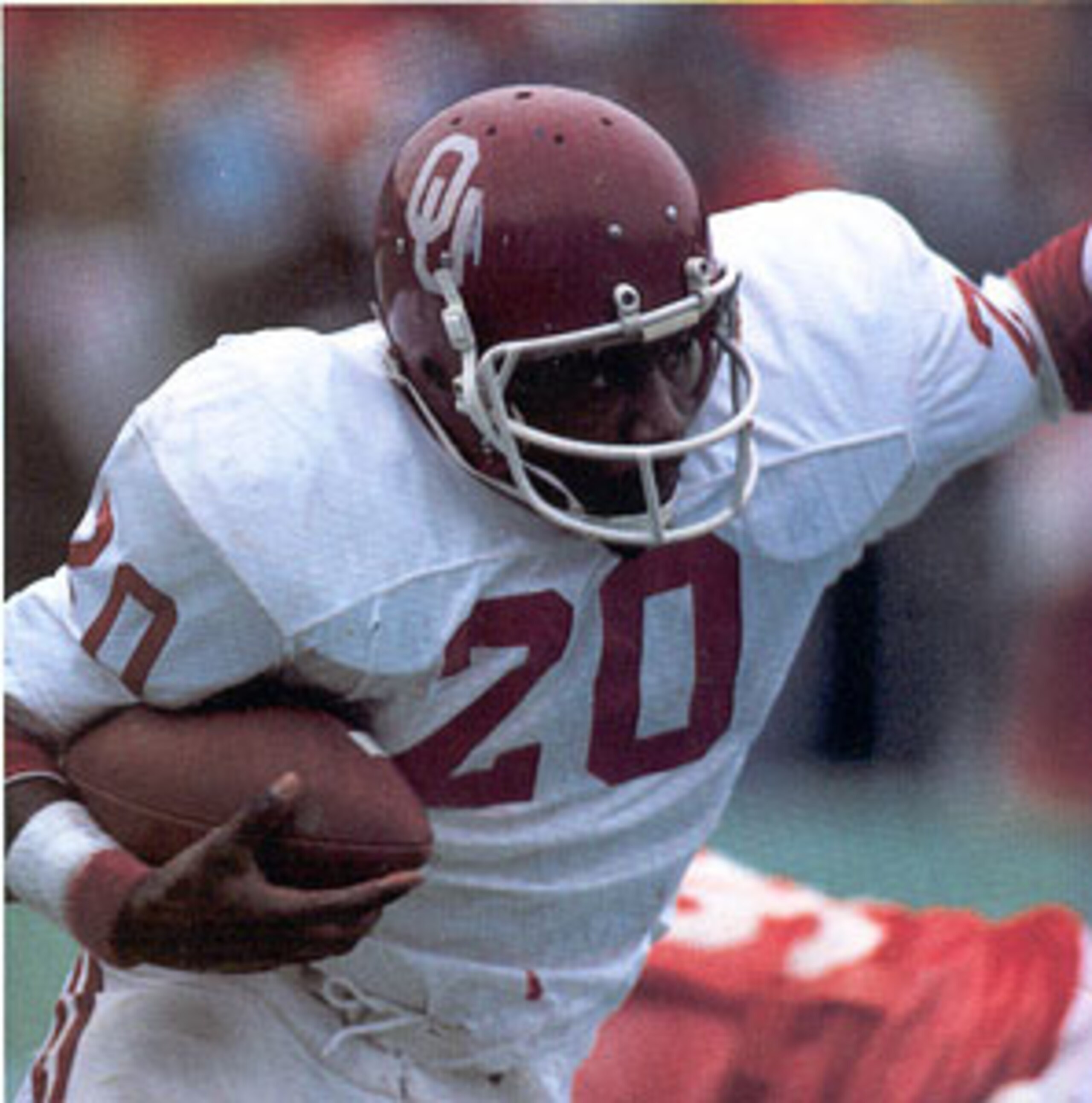
Billy Sims is arguably the best running back in Oklahoma history, and that's saying quite a lot, considering the players who've taken the field for the Sooners.
In 1978, Sims rushed for 1,762 yards and 20 touchdowns on a 7.6 yards per carry average; he seemed to break off a massive touchdown every game.
18. Archie Griffin, RB, Ohio State, 1974
59 of 76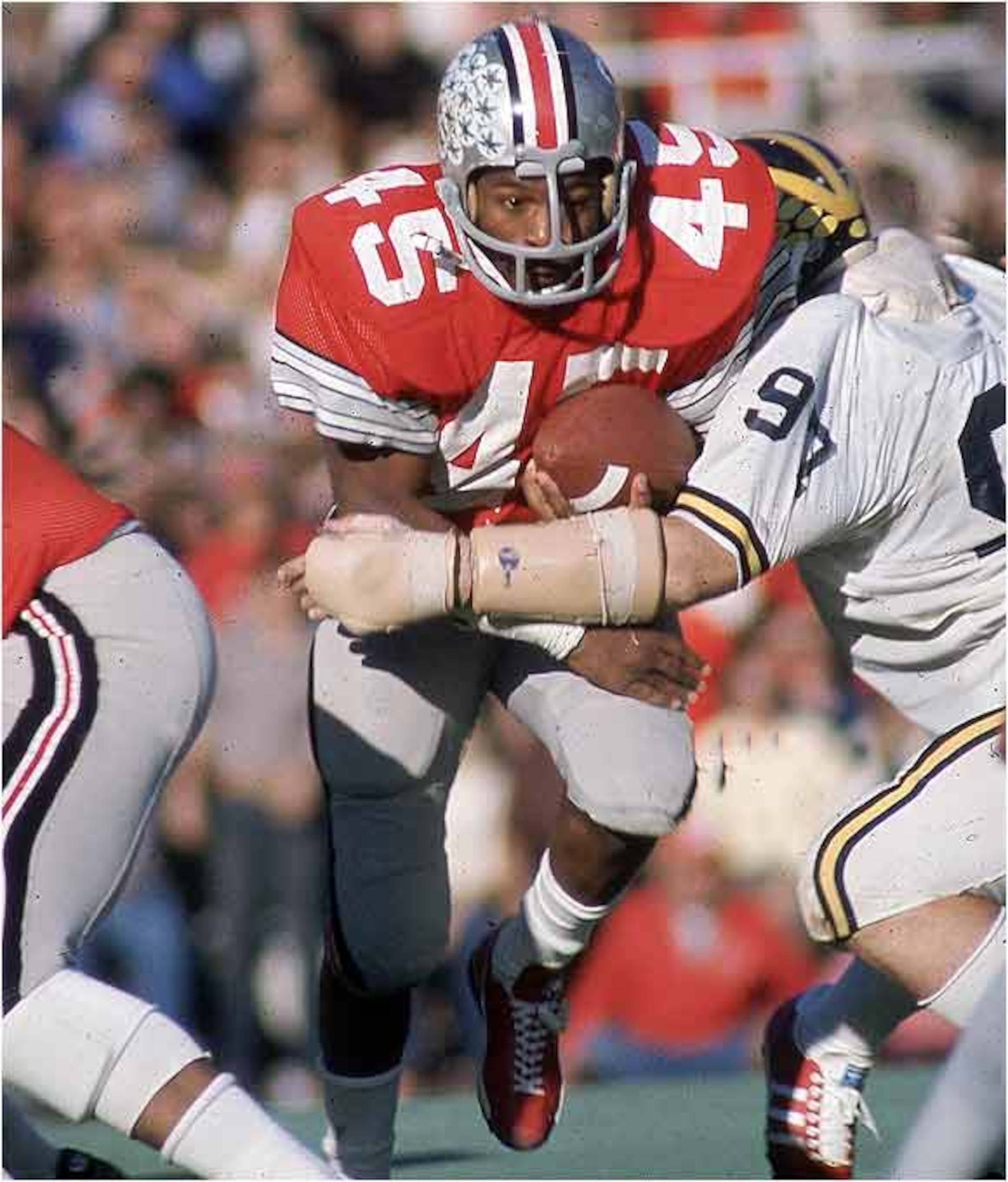
Griffin is an Ohio State legend and has a status close to that of folklore for his achievements on the field.
He's the only two-time Heisman winner in history, but it was his 1974 season that was most impressive. That year he rushed for 1,695 yards and 12 touchdowns with over 100 yards in every regular-season game that year.
17. Charles Woodson, CB, Michigan, 1997
60 of 76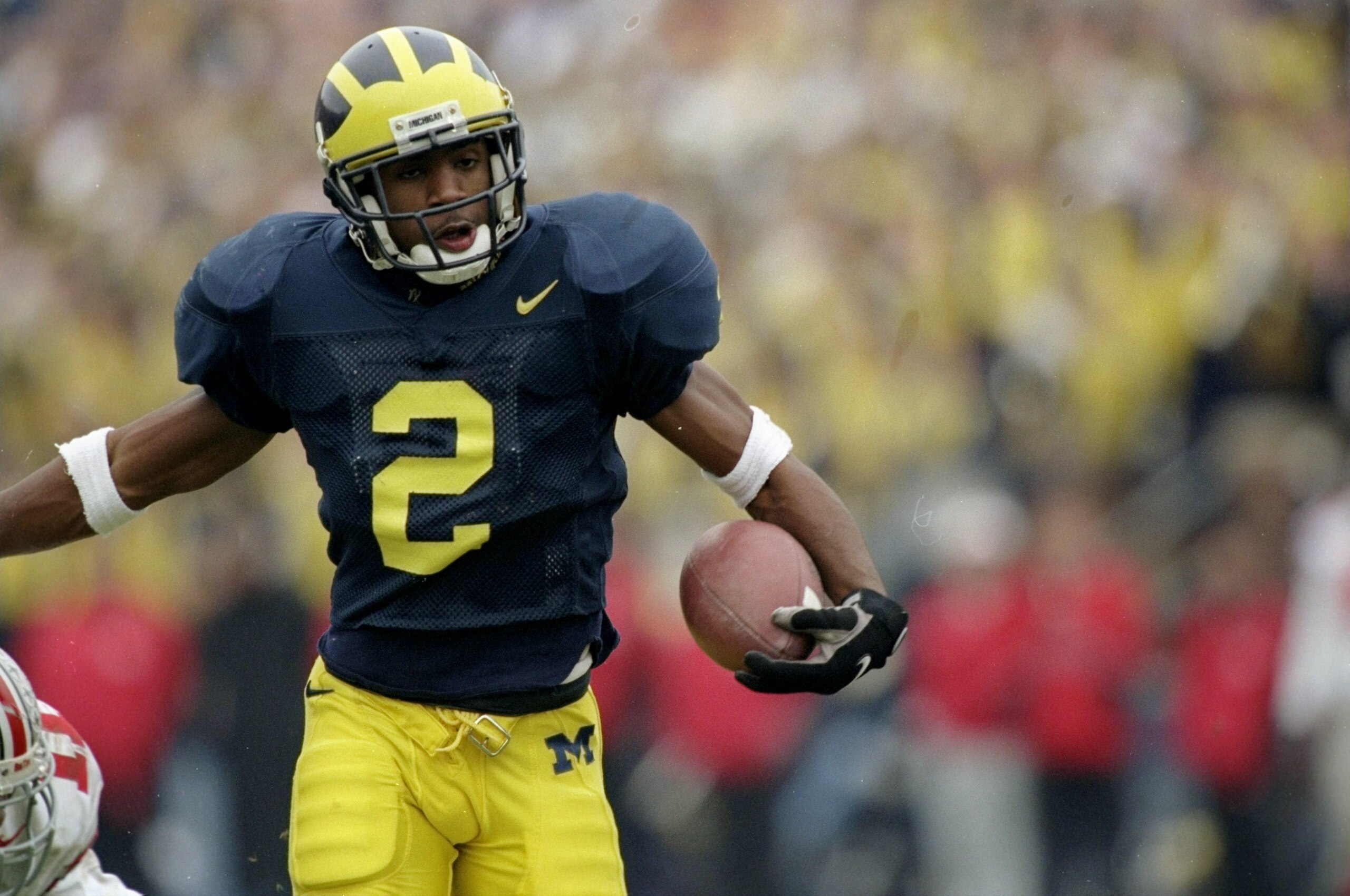
Michigan's 1997 national championship team can thank Charles Woodson for their place in history. That season he recorded eight interceptions and scored touchdowns as a receiver, running back and return man.
Woodson became the first and only primarily defensive player to ever win the Heisman Trophy; it is possible no defender will ever join him.
16. Glenn Davis, RB, Army, 1946
61 of 76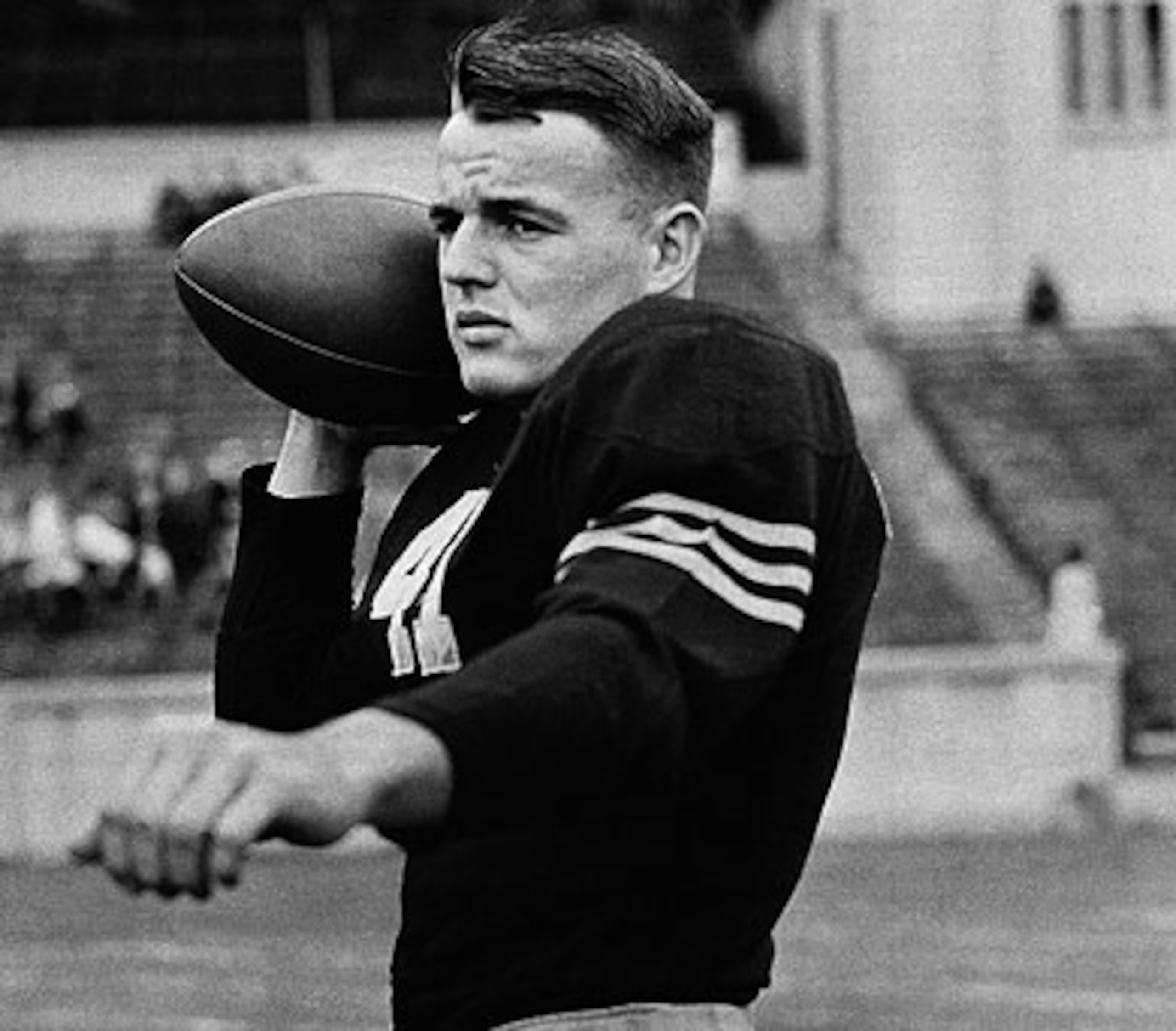
Army's 1945 team is considered to be among the greatest of all time with "Mr. Inside," Doc Blanchard, and "Mr. Outside," Glenn Davis, dominating competition.
While Davis had his best statistical seasons as a sophomore and junior playing along side Blanchard, it was 1946 that he won his Heisman. If he'd won the award the previous year, it probably would have been one of the very best campaigns in history.
15. Bo Jackson, RB, Auburn, 1985
62 of 76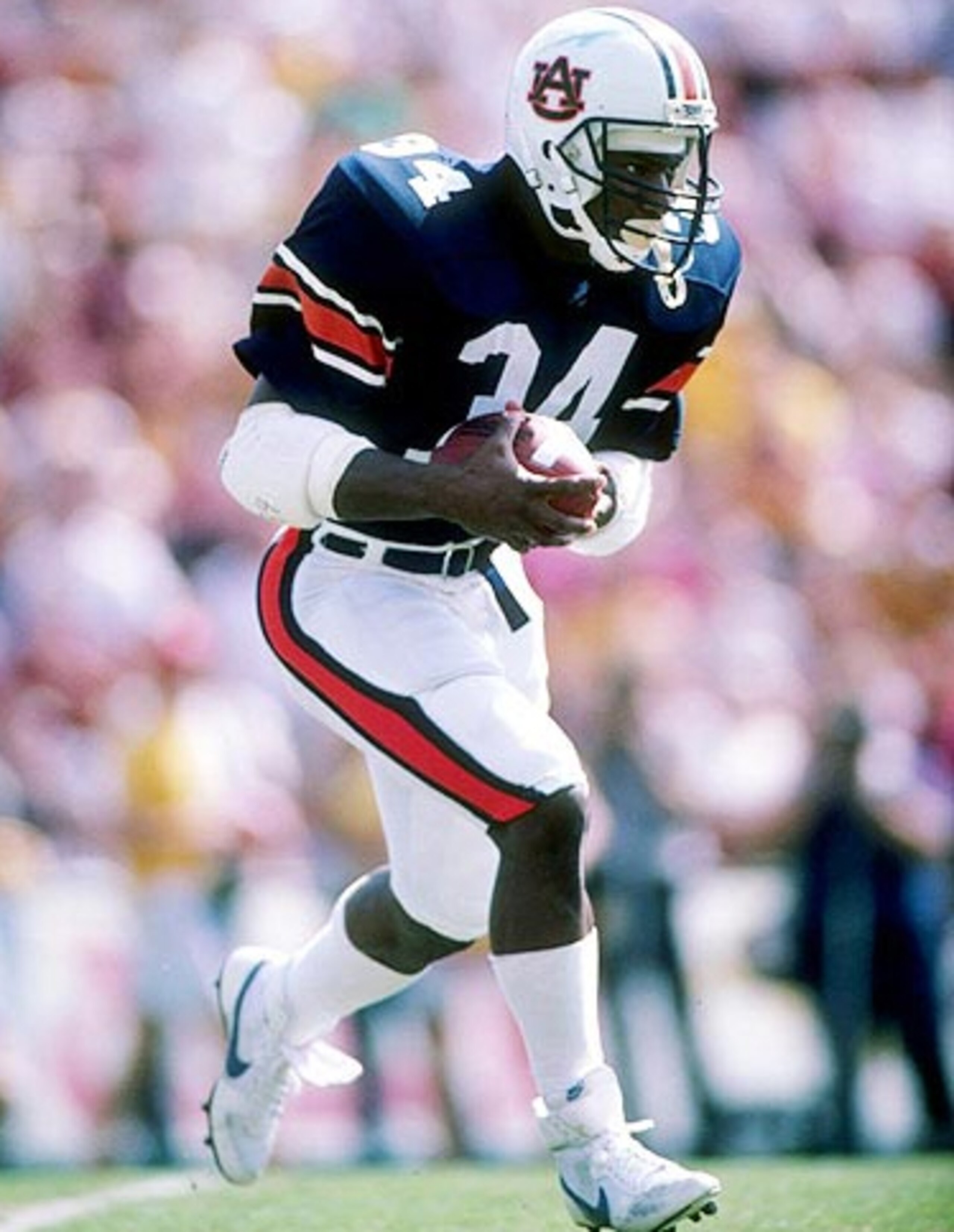
Bo Jackson is one of the top athletes in American sports, but his downfall was injuries, especially a career-ending injury suffered in 1990.
Things weren't much different in college, though. Jackson might have rushed for 1,786 yards and 17 touchdowns, but injuries forced him out of two crucial conference losses to Florida and Tennessee.
14. Tim Tebow, QB, Florida, 2007
63 of 76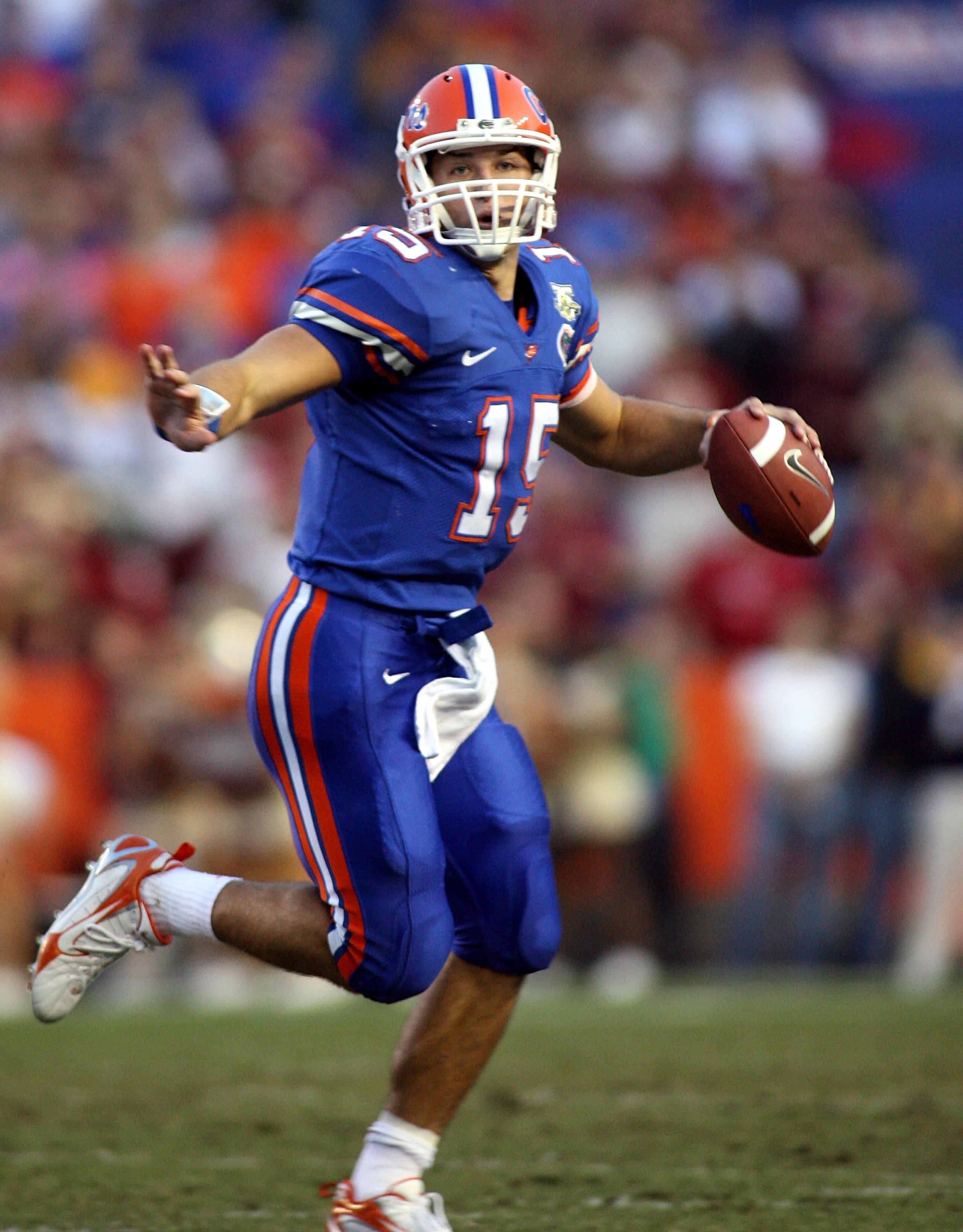
Tebow emerged as one of the greatest college players to ever step on a football field in his time at Florida, but it was his record-breaking, Heisman-winning year in 2007 that really drops the jaw.
Tebow finished the season with 3,286 passing yards, 32 passing touchdowns and only six interceptions, with 895 yards rushing and 23 more touchdowns on the ground.
13. Howard Cassady, RB, Ohio State, 1955
64 of 76
Cassady's 1955 season was probably the most impressive among any players before 1960. He led Ohio State to national championship as one of the country's premier running backs and cornerbacks.
With 958 yards rushing and 15 touchdowns on the season, Cassady's numbers were off the charts for their time.
12. Earl Campbell, RB, Texas, 1977
65 of 76
Campbell led Texas all the way to the national title game in 1977, with regular-season performances so strong his Longhorns were rarely challenged.
Though Texas went on to lose badly to Notre Dame in the Cotton Bowl, it shouldn't take away from Campbell's Heisman-winning season, with 1,744 rushing yards and 18 touchdowns.
11. Reggie Bush, RB, USC, 2005
66 of 76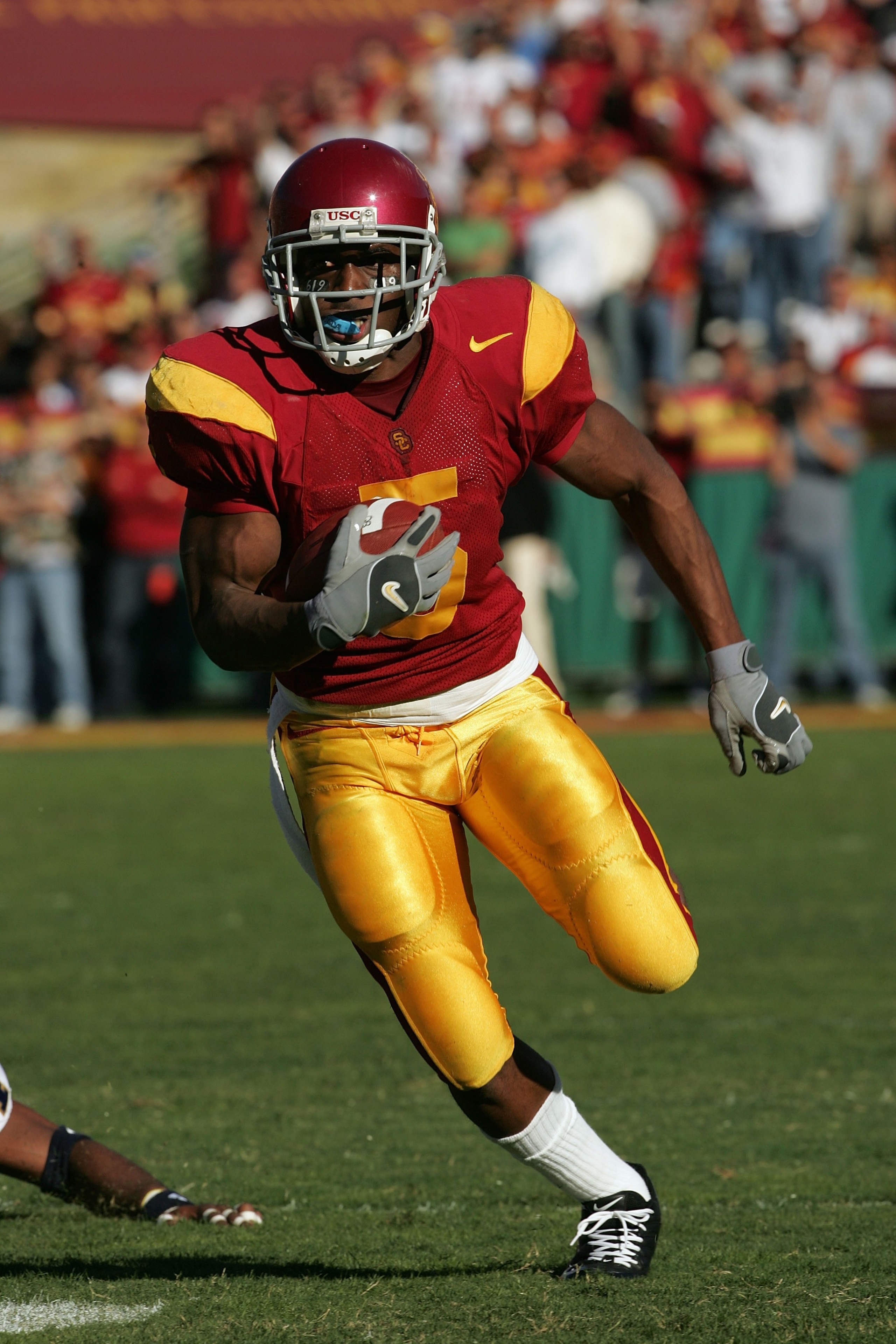
Reggie Bush's legacy is a tainted one, as he was ruled ineligible by the NCAA for his 2005 Heisman-winning season; Bush voluntarily relinquished his trophy as a result.
That and USC's loss to Texas in the National Championship Game doesn't change what Bush accomplished on the field, though: 2,611 all-purpose yards and 18 touchdowns.
10. Cam Newton, QB, Auburn, 2010
67 of 76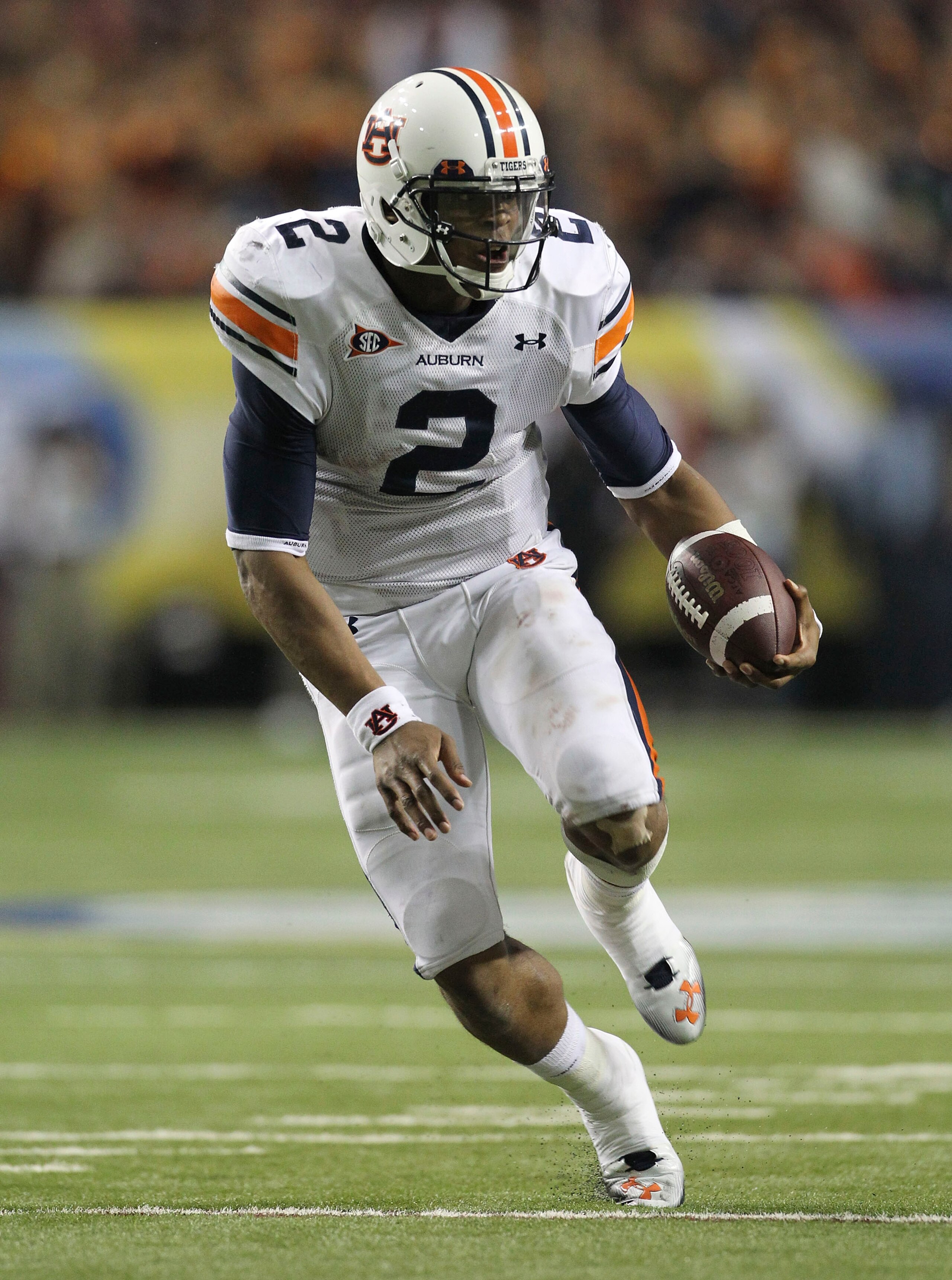
Cam Newton's Heisman season will forever be compared with that of Tim Tebow. Both earned the award in their first season starting in the SEC in the same era, but the difference is while Tebow led his Gators to a 9-4 record, Newton's led Auburn to an undefeated regular season and SEC championship.
There's no way that Auburn even comes close to that feat without Newton's 2,589 passing yards, 1,409 rushing yards and 49 total touchdowns. Newton didn't just play great, though, he stepped it up over and over again when his team needed it most.
9. Roger Staubach, QB, Navy, 1963
68 of 76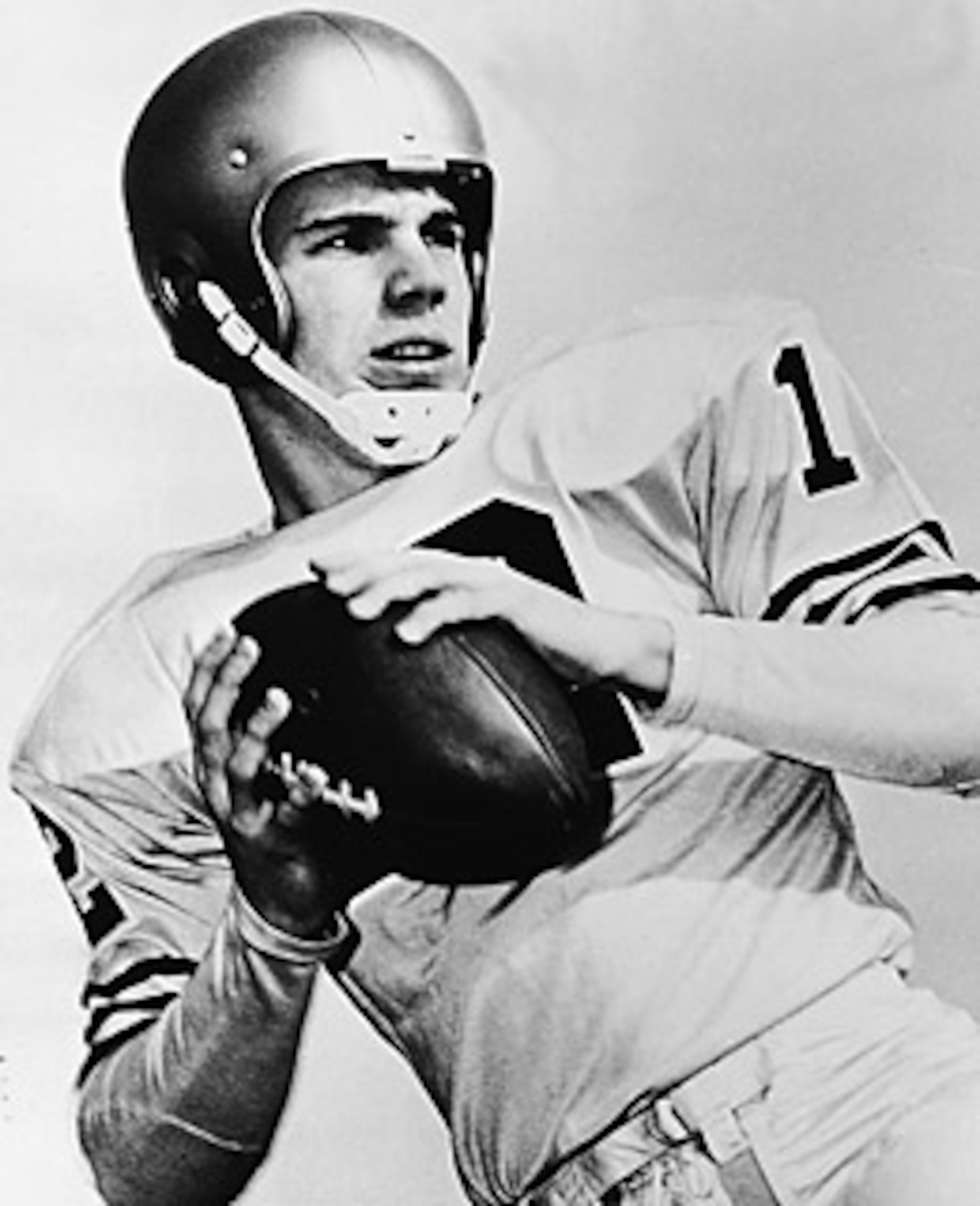
Roger Staubach might be best known for his time with the Dallas Cowboys, but his contribution to college football simply can't be understated.
Statistically, the numbers don't wow from 1963. Staubach led the nation in passing accuracy, but it was his relentless nature and leadership that really stood out. Staubach was one of those rare talents that just refused to lose.
8. Ernie Davis, RB, Syracuse, 1961
69 of 76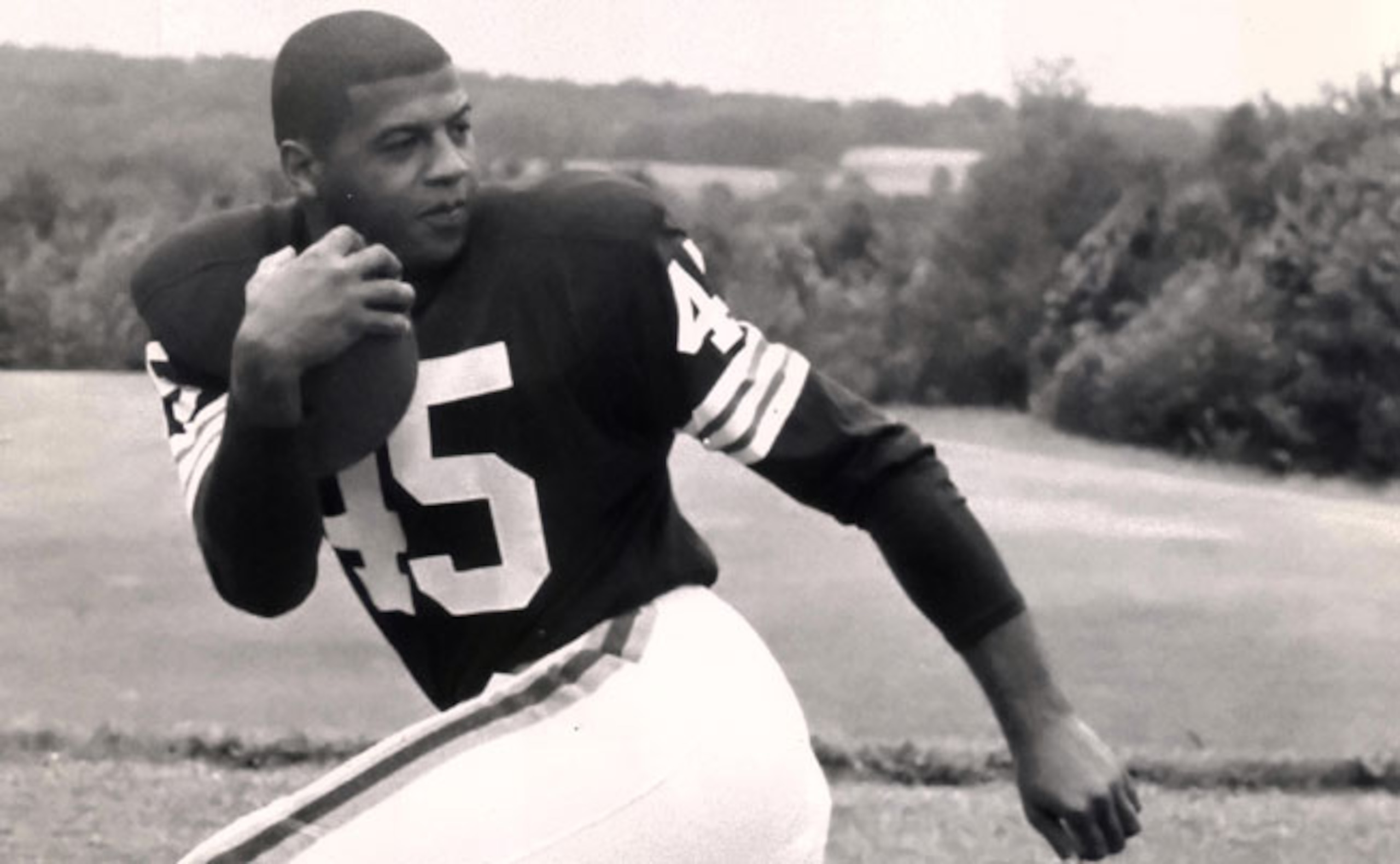
Before Ernie Davis, Jim Brown was as good as it got at Syracuse. Davis didn't just break all of Brown's rushing records by the time he left the Orangemen, though, he broke through the color barrier.
Compared to today's statistics, Davis' 823 rushing yards and 12 touchdowns in 1961 doesn't seem too impressive, but he didn't have nearly the rushing attempts modern backs do. Davis became the first African-American to win the Heisman.
7. Mike Rozier, RB, Nebraska, 1983
70 of 76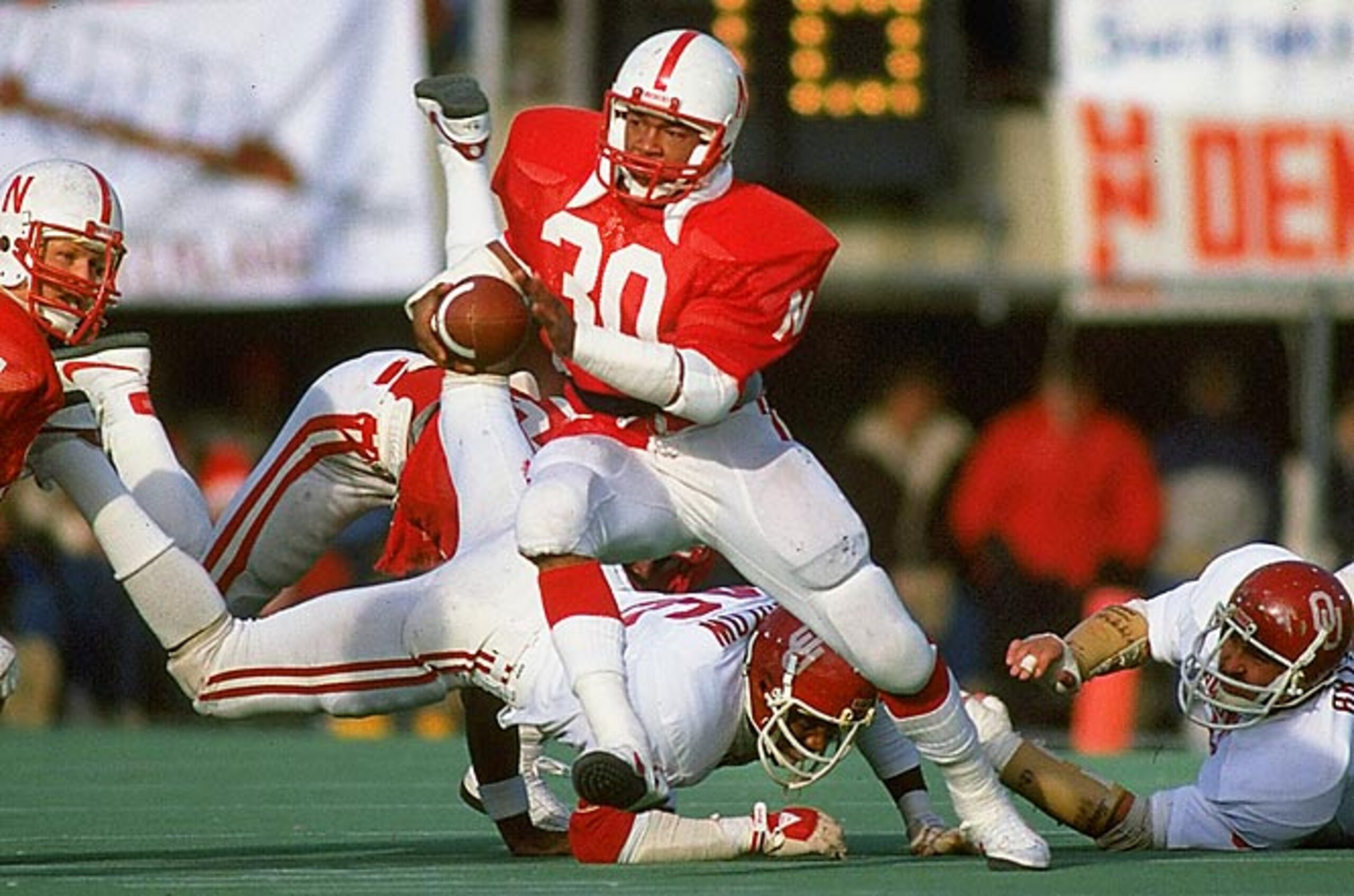
The history books have almost forgotten about Rozier's 1983 season because it ended with a 31-30 loss to Miami in the 1983 Orange Bowl.
Before then, Rozier was the primary weapon in one of the best offenses in the history of college football. He rushed for 2,148 yards and 29 touchdowns on a truly impressive 7.8 yards per carry average.
6. Ricky Williams, RB, Texas, 1998
71 of 76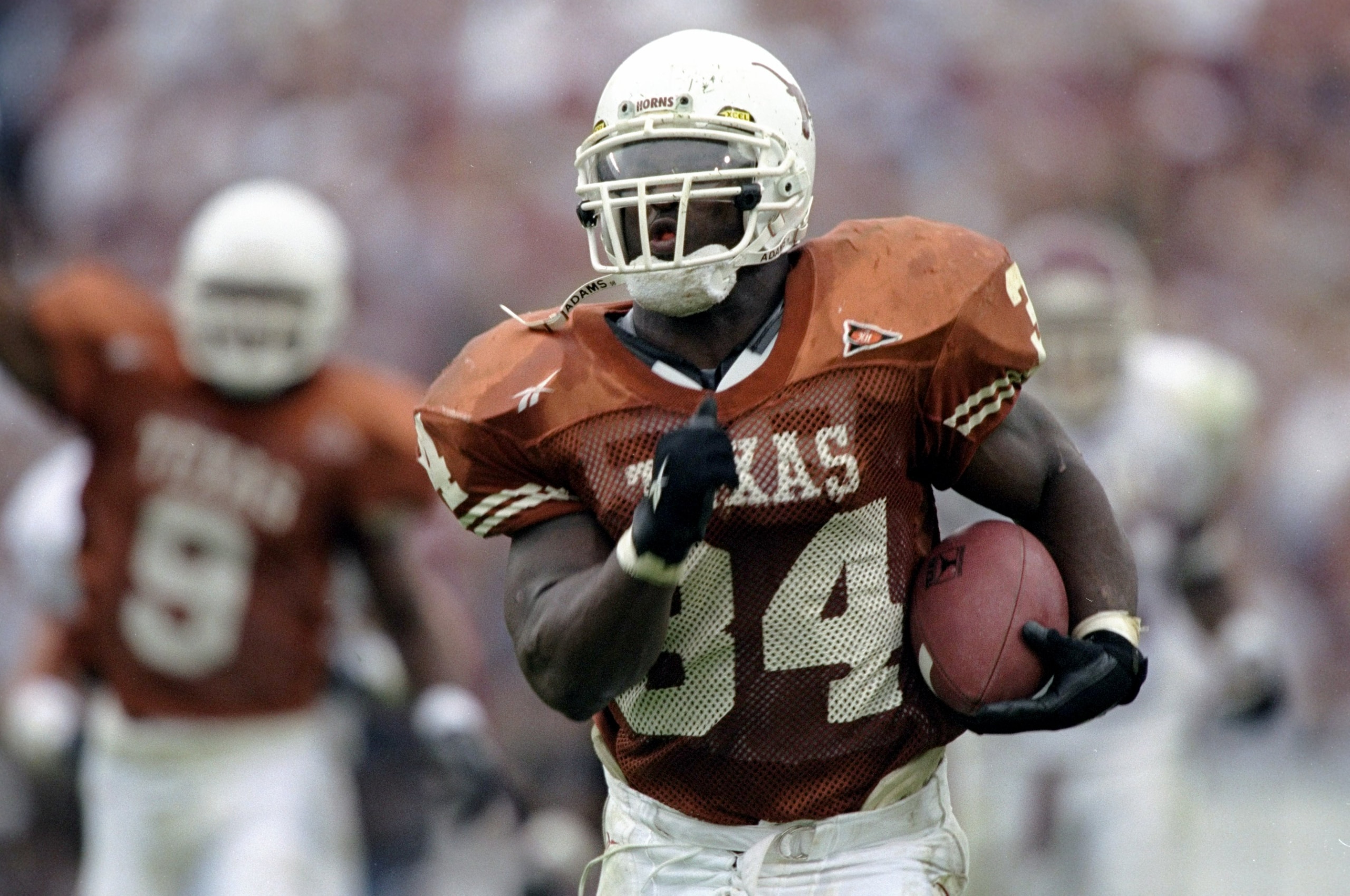
If Ricky Williams hadn't put up a clunker against Kansas State in which he was limited to 43 yards, there might be a better argument to put him in the top three.
During his historic 1998 season, Williams racked in 2,427 yards and 30 touchdowns on his way to setting the NCAA all-time career rushing record.
5. O.J. Simpson, RB, USC, 1968
72 of 76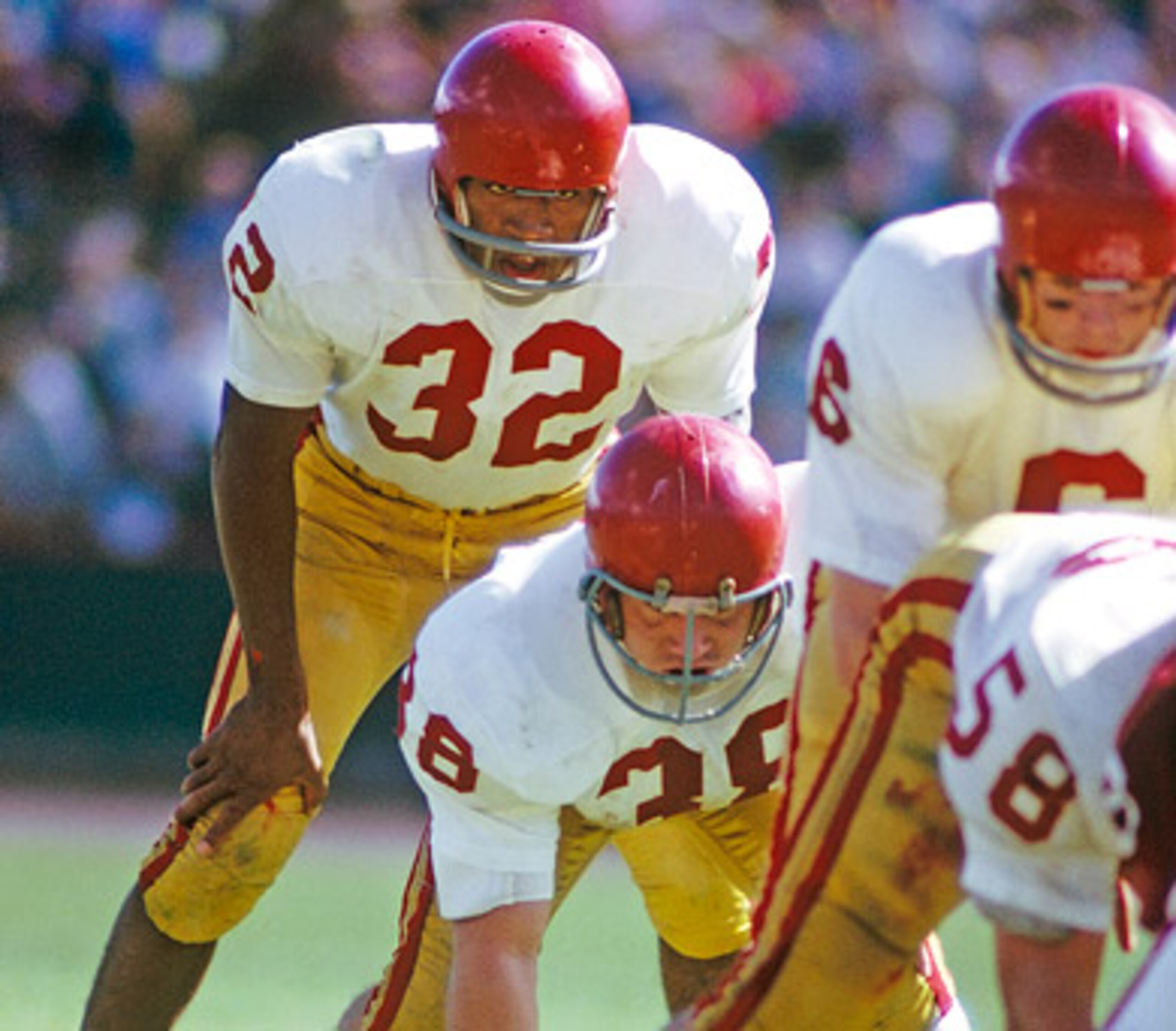
Simpson should have won the Heisman in 1967, but the star of USC's I-formation managed to get the honor he deserved the following year.
In 1968, Simpson rushed for 1,880 yards and 23 touchdowns, with another 211 yards receiving. His Heisman victory was the most lopsided in history, with Simpson taking the vote with a 1,750-point margin.
4. Tony Dorsett, RB, Pittsburgh, 1976
73 of 76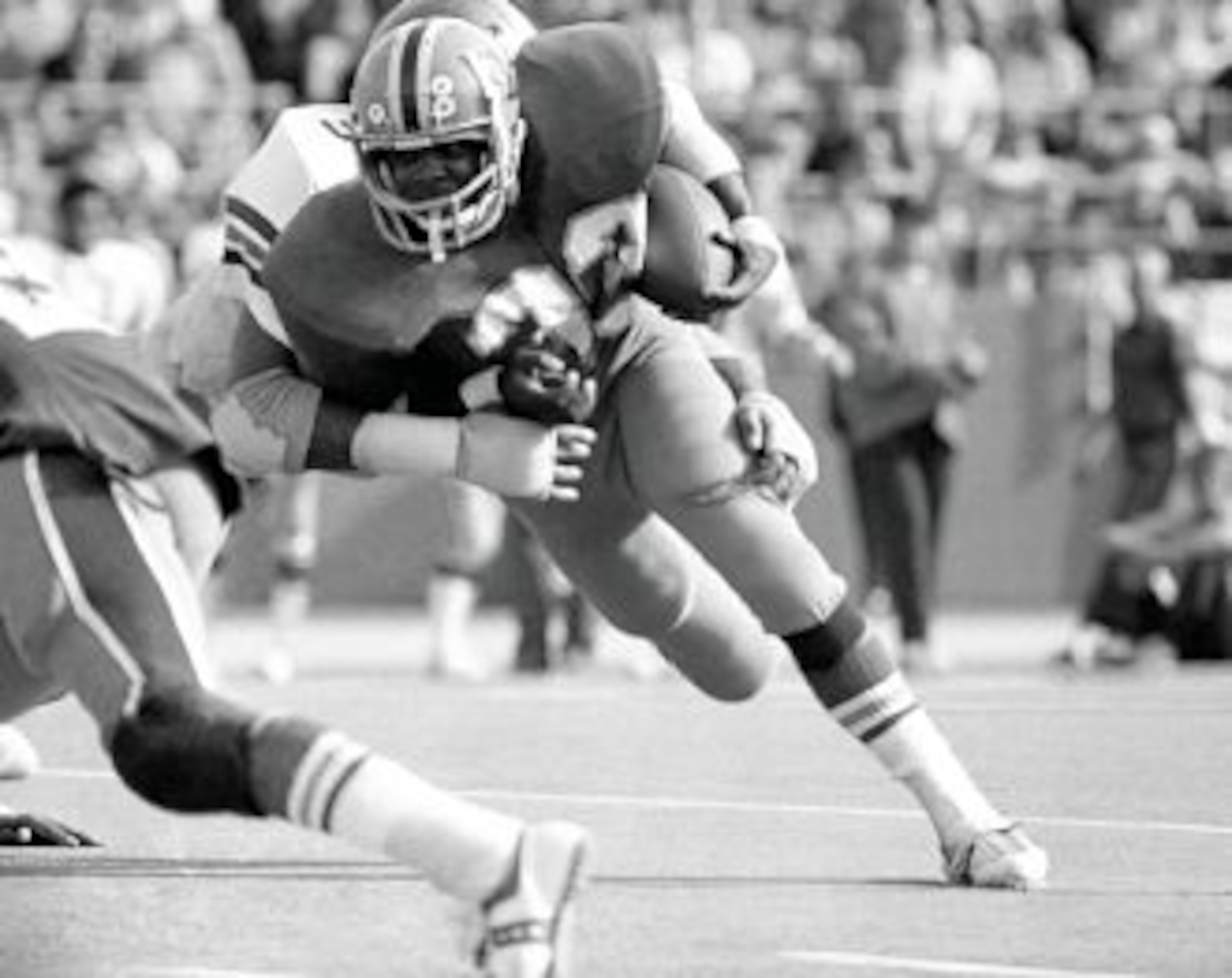
Tony Dorsett led Pittsburgh to the national championship on his way to becoming the NCAA's all-time leading rusher, averaging over 200 yards a game over the final seven contests of the year.
Dorsett didn't just rush for 1,948 yards and 23 touchdowns, he almost became superhuman down the stretch, finishing the year with a 2-2-yard performance in the Sugar Bowl to clinch the championship.
3. Herschel Walker, RB, Georgia, 1982
74 of 76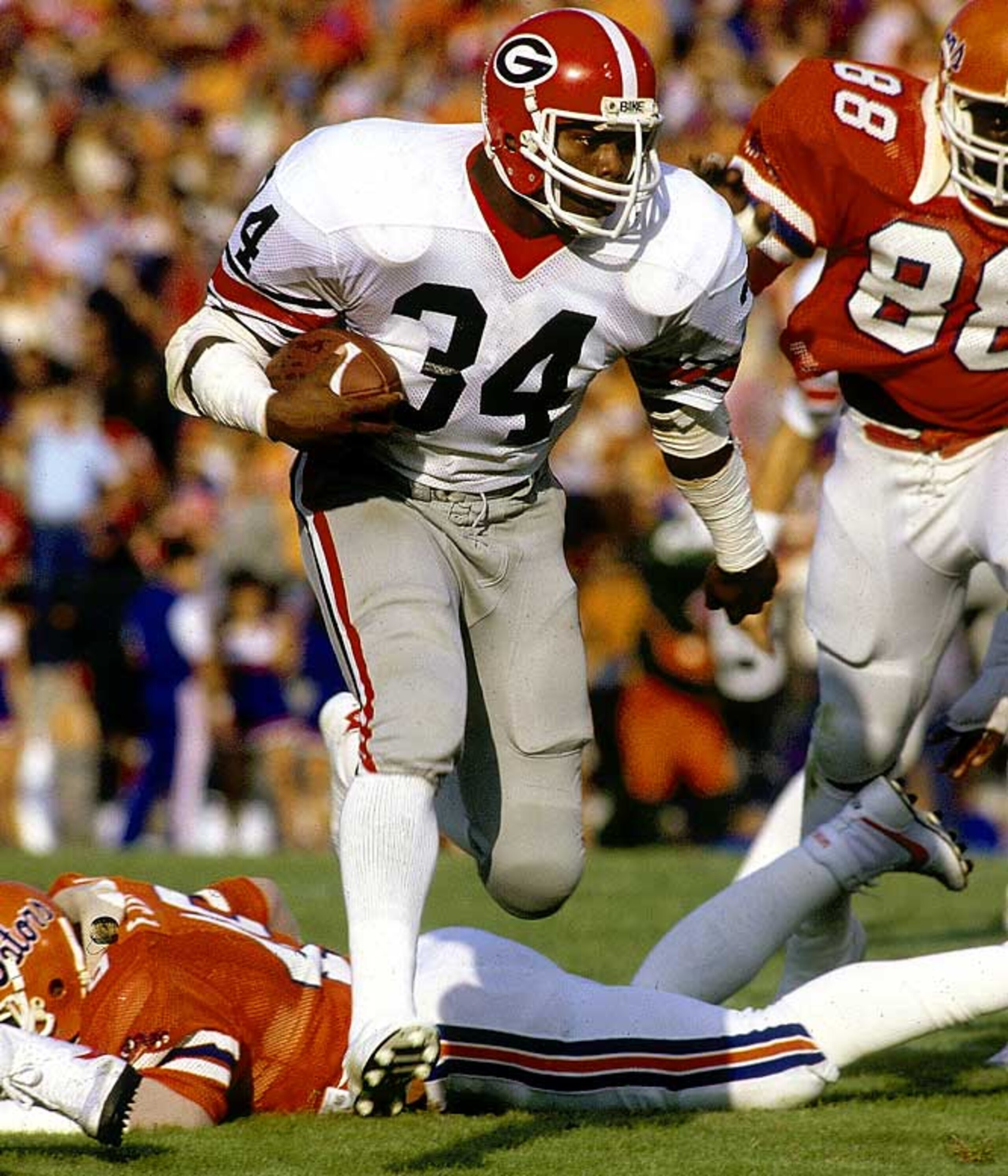
Scarily enough, 1982 wasn't even the best season of Walker's career, but it's still right up there with the all-time great Heisman campaigns—not just because of the numbers, but the way he did it.
Walker rushed for 1,752 yards and 17 touchdowns, playing the beginning of the season with a broken thumb and a cast that barely limited him beyond a poor showing in the season opener. Once the cast was off, Walker dominated like few can.
2. Marcus Allen, RB, USC, 1981
75 of 76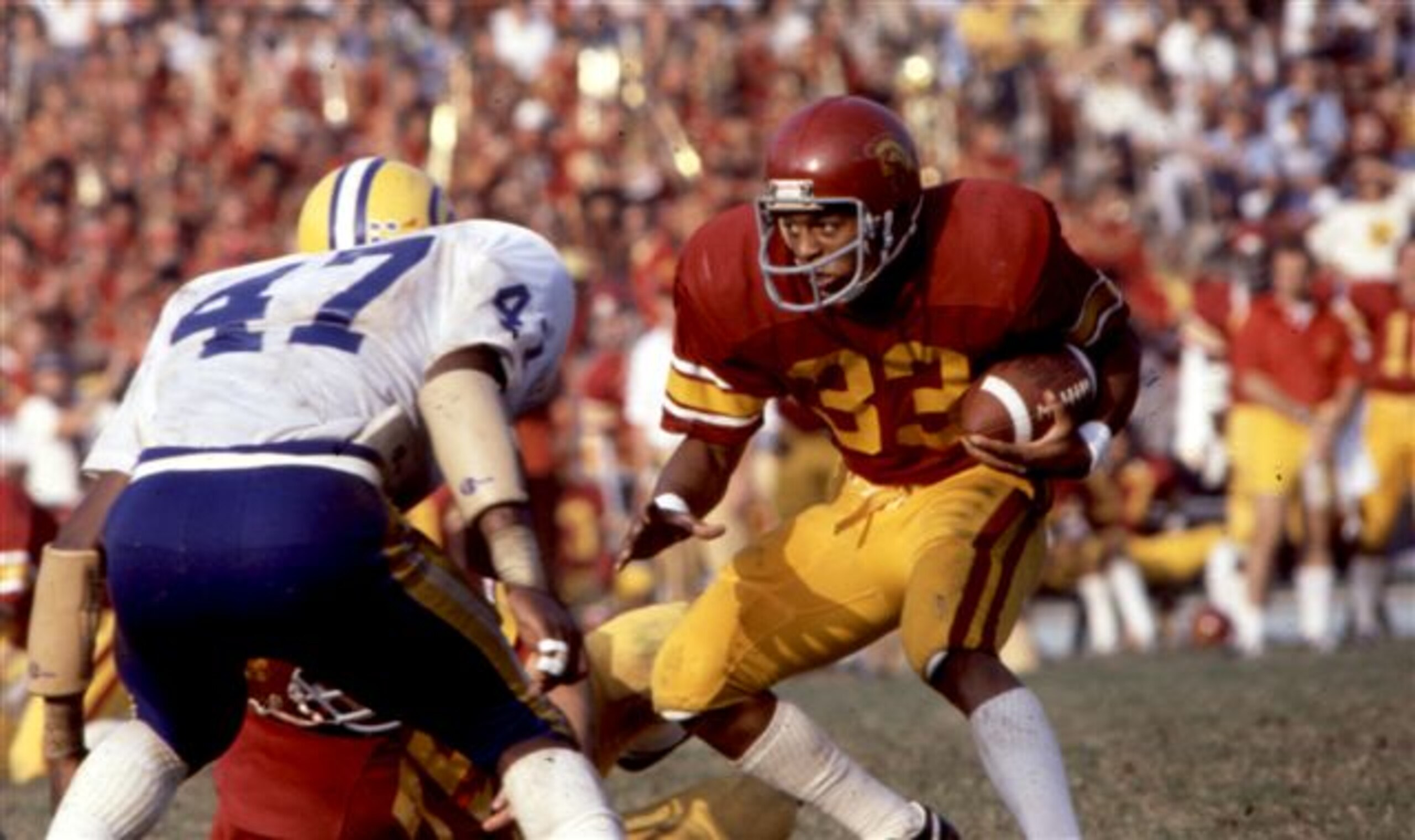
Marcus Allen was the first player in college football history to rush for over 2,000 yards. His performance was so good that it kept Herschel Walker from winning the Heisman during his best season.
Allen's 1981 totals: 2,427 rushing yards and 22 touchdowns with 256 yards receiving and another score. He set 14 NCAA records and rushed for over 200 yards in five straight games.
1. Barry Sanders, RB, Oklahoma State, 1988
76 of 76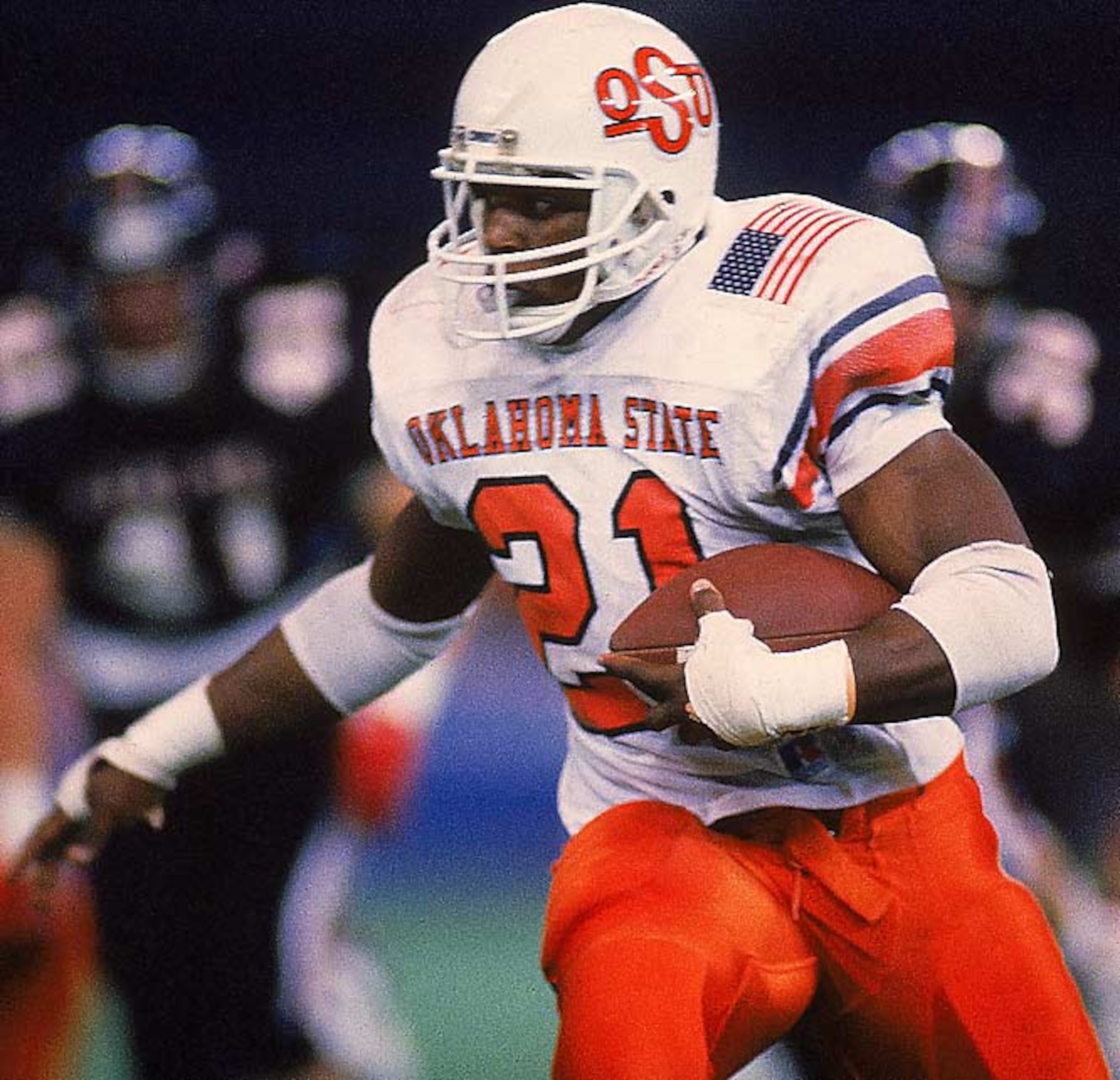
Sanders' 1988 season was one of the most impressive statistical outings in sports history and marks him as arguably the greatest running back of all time.
From a backup in 1987 to the starter in '88, Sanders shattered the record books with 2,628 rushing yards and 39 touchdowns—and that doesn't even include the 222 yards and five touchdowns he scored in the 1988 Holiday Bowl.
.jpg?w=2560 "OBJ Calls Out Giants After Release")




.jpg?w=2560 "Saquon Out for Game")