Enough of the BCS, What a College Football Playoff Should Look Like
Everybody agrees that college football needs a playoff. The debate is about what format is fairest, while keeping all the positive aspects of college football in place.
The reason we all love college is because every game matters. Lose one, and you really hurt your chances at a national championship, lose two and you are basically done. Every game is like a playoff, and it is one of the most exciting regular seasons in all of American sports.
So, how do you create a playoff, and keep the regular season relevant? You adjust the system, without changing it entirely.
Here are the different playoff scenarios and the plus and minuses with each one.
16-Team Playoff Scenario
1 of 4
Some of the news outlets have pushed for a 16-team scenario, and if you were starting from scratch, maybe it would be the best option. In my opinion, it would ruin the college football season. If teams can lose two or three games and still make it to a playoff, then each game won't matter as much.
Not only will this kill the regular season, but it will also kill the bowl system, replacing it with a standard playoff. I don't like this option, but I agree it is fair.
All of the major conferences would get in (SEC, Pac-10, Big Ten, Big 12, ACC, Big East), as well as Mountain West and WAC (or whatever conference becomes the relevant one between the two). Then, there would be eight at-large teams with a chance.
Here is what this playoff would look like today:
1. Auburn vs. 16. Nevada
2. Oregon vs. 15. Alabama
3. TCU vs. 14. Oklahoma State
4. Stanford vs. 13. Missouri
5. Wisconsin vs 12. LSU
6. Oklahoma vs 11. Boise State
7. Ohio State vs. 10. Virginia Tech
8. Arkansas vs 9. Michigan State
This would leave a team like Nebraska, Oklahoma State, Alabama or Nevada out of the mix based on what qualifiers were placed on the teams, such as only three teams from one conference, or head to head, or pure BCS rankings, etc. But anyway you look at it, if you are a top team, you will be included, and only the fringe teams will be on the bubble.
I don't like this option, though, because it eliminates everything great about college football, so lets move on.
6-Team Playoff Scenario
2 of 4
If you forget about conference championships and strictly use the BCS rankings, then this is great option that guarantees keeping the college system completely intact. The regular season remains very relevant, as two losses can eliminate you from any playoffs, and it also gives a heavy bonus to the top two teams, by giving them a bye week as a reward for finishing the season at the top.
Of course, any time you have rankings decide who gets in and who gets left out, there is always room for debate. Under this scenario, teams like Oklahoma, Boise State, Michigan State are all left out. So, you know how to guarantee a spot?
Win them all.
The first round of games can be played on Christmas weekend, the second round on New Year's and the final one week later. This would appease the colleges as the students would get to finish their finals, and it would also bring in huge money for the teams in the playoffs, while keeping the bowl system alive for all the teams that don't make it in.
Here is what this scenario would look like now:
Bye Week: 1. Auburn, 2. Oregon
3. TCU vs. 6. Ohio State
4. Stanford vs. 5. Wisconsin
I really like this scenario because it rewards only the elite teams. But there may be other options.
4-Team Playoff Scenario
3 of 4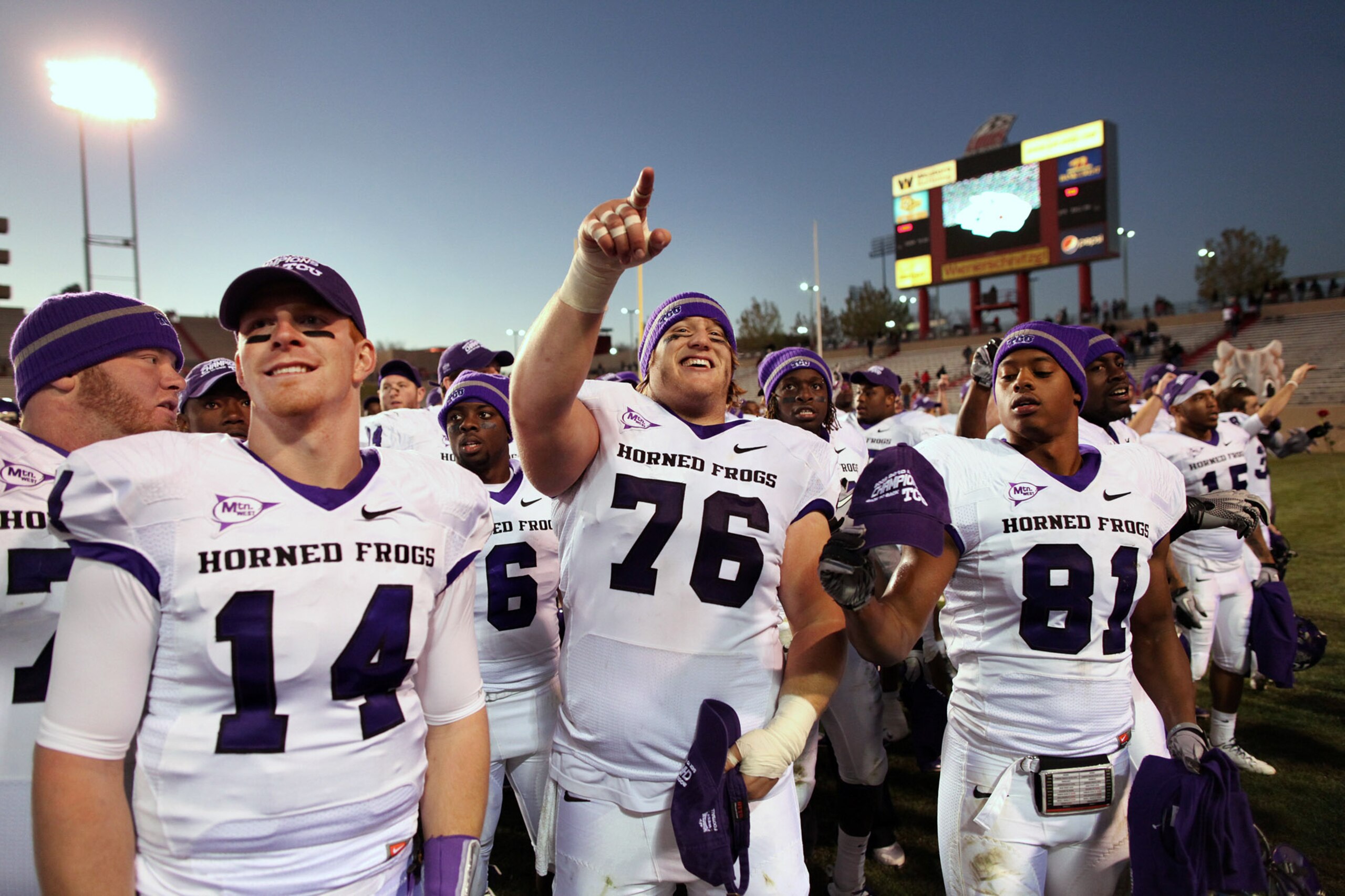
With a four team scenario, you can basically keep everything the same as now. The top four teams play each other in the normal bowl slot, and then there will be a plus-one for the two winners of the bowl playoff games.
This is so simple, but it still has the one downside that a bunch of worthy teams will be left out, but at least the top four will have a chance to decide on the field who is the best.
I think this is the easiest scenario to enact, and the BCS would be extremely smart to go with this, as it would stop Congress from poking their nose in the college football system, it would allow a mini-playoff, where the champions will be decided on the field.
Here is what the four team scenario would look like now:
1. Auburn vs. Stanford
2. Oregon vs. TCU
This is good and easy, but I still think there is a better option.


8-Team Playoff Scenario
4 of 4
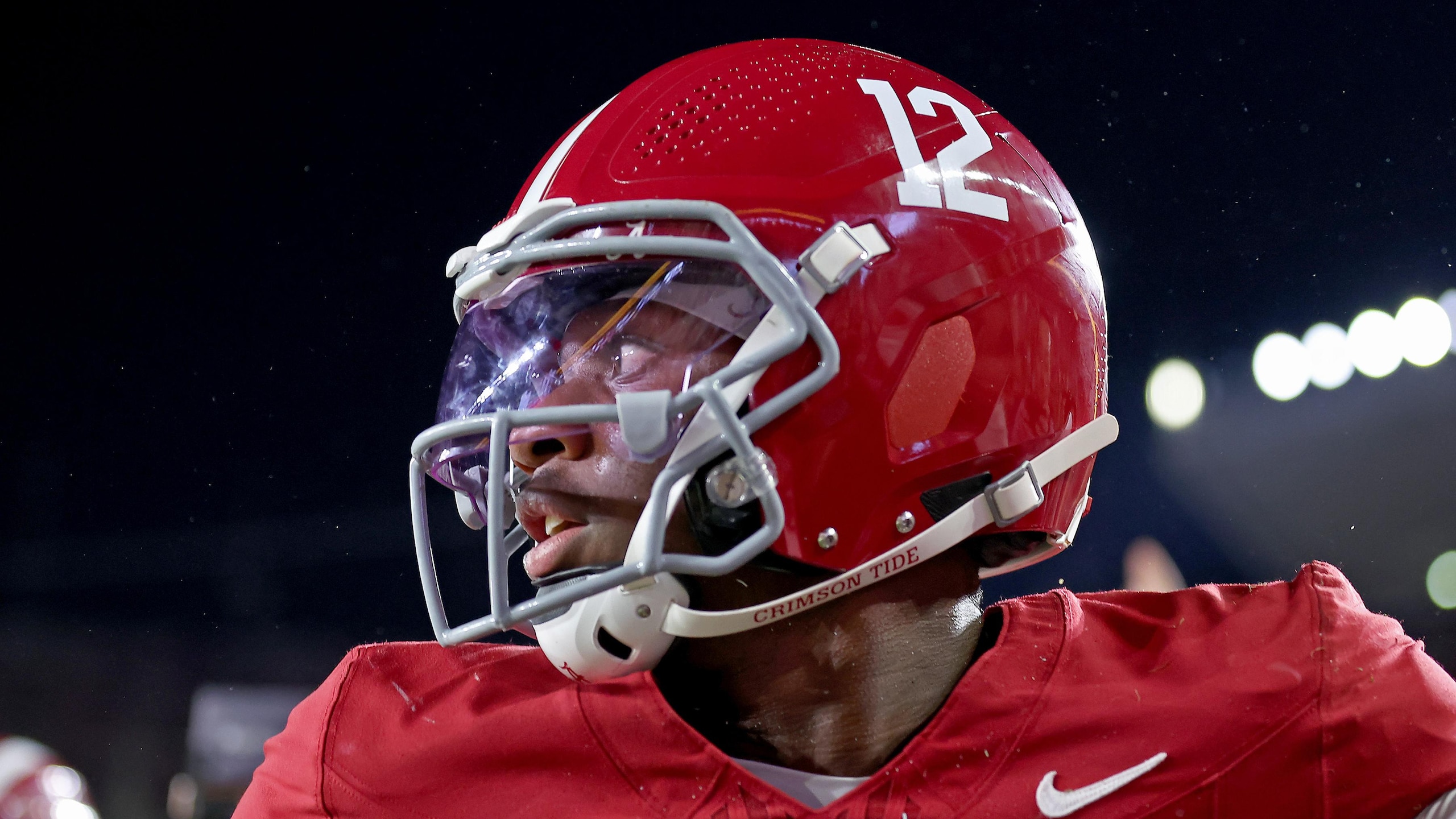
The eight-team scenario is the best scenario because it keeps the college football system intact, it rewards conference champions, and it keeps the regular season relevant.
Each of the four major conference champions get an automatic bid (SEC, Pac-10, Big Ten, Big 12). Then there are four at-large berths. The ACC, Big East, MWC, and even the WAC champs get an automatic bid if they fall in the top-15 of the rankings (BCS or human).
If any other small conference champion is in the top 15, then they too get an automatic bid. If there are more than four small conference champions in the top 15, then of course you base the teams off of rankings (but I doubt this is even possible).
Chances are, there will be at least one, but probably two at-large bids every year. Those spots will go to the highest ranking teams that have not already been included.
Why is this fair? If you win your conference and do so with a strong team, you get in. Teams like UConn will not get a bid just because they won their conference. Teams like Nevada will have to get a little help from the polls or computers if they want in.
As with any scenario, some teams will be left out.
Here is what it would look like today:
1. Auburn vs. 8. Virginia Tech
2. Oregon vs. 7. Oklahoma
3. TCU vs. 6. Ohio State
4. Wisconsin vs. 5. Stanford
In this scenario, only Nevada, Boise State and Michigan State are left out of the mix, but there has to be a line somewhere, and I don't think anybody would argue that these teams are all elite, and the best team in the country is probably among them.
For further reading, check out this article by Corey Wiese, as he explains in detail why this eight-team scenario could work.
_0.png?w=2560)





.jpg?w=2560 "Love's Body Already 'Tired'")
.jpg?w=2560 "2 NFL Officials Suspended")
.jpg?w=2560 "Mahomes' Wife Trolls Kubiak 💀")