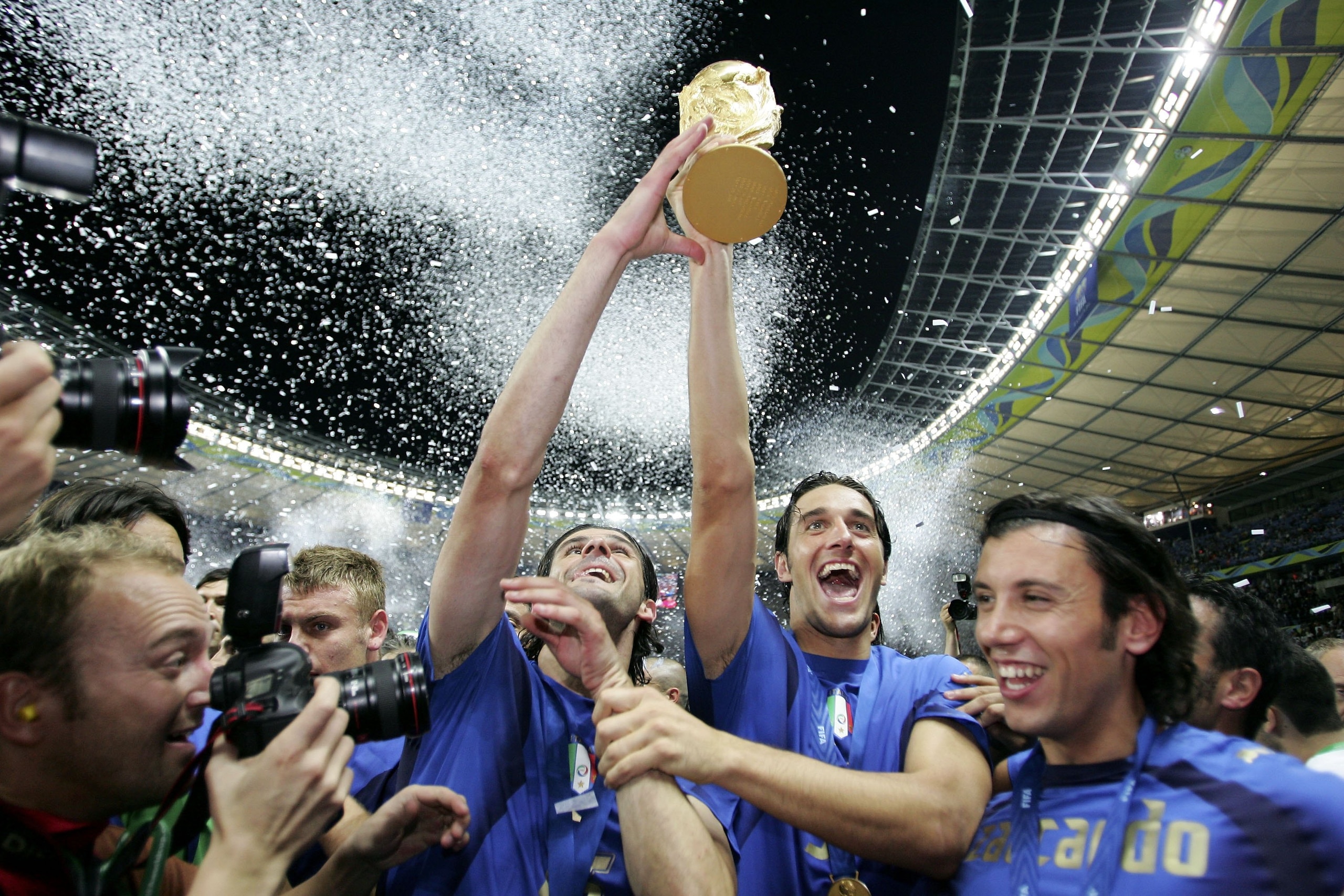

World Cup: The 10 Most Creative Stadiums To Host a Match
Following the recent announcement that Qatar will host the 2022 FIFA World Cup, many people looked at the spectacular architecture that will be used to create the stadiums.
Due to this, many people are eagerly anticipating the World Cup in Qatar.
However, these stadiums took a strong look back on prior World Cups and how some of the spectacular stadiums that were used to host the World Cup looked.
With this in mind, here is a list of the ten most creative stadiums to ever host a World Cup match.
No 10 Allianz Arena (2006: Germany)
1 of 10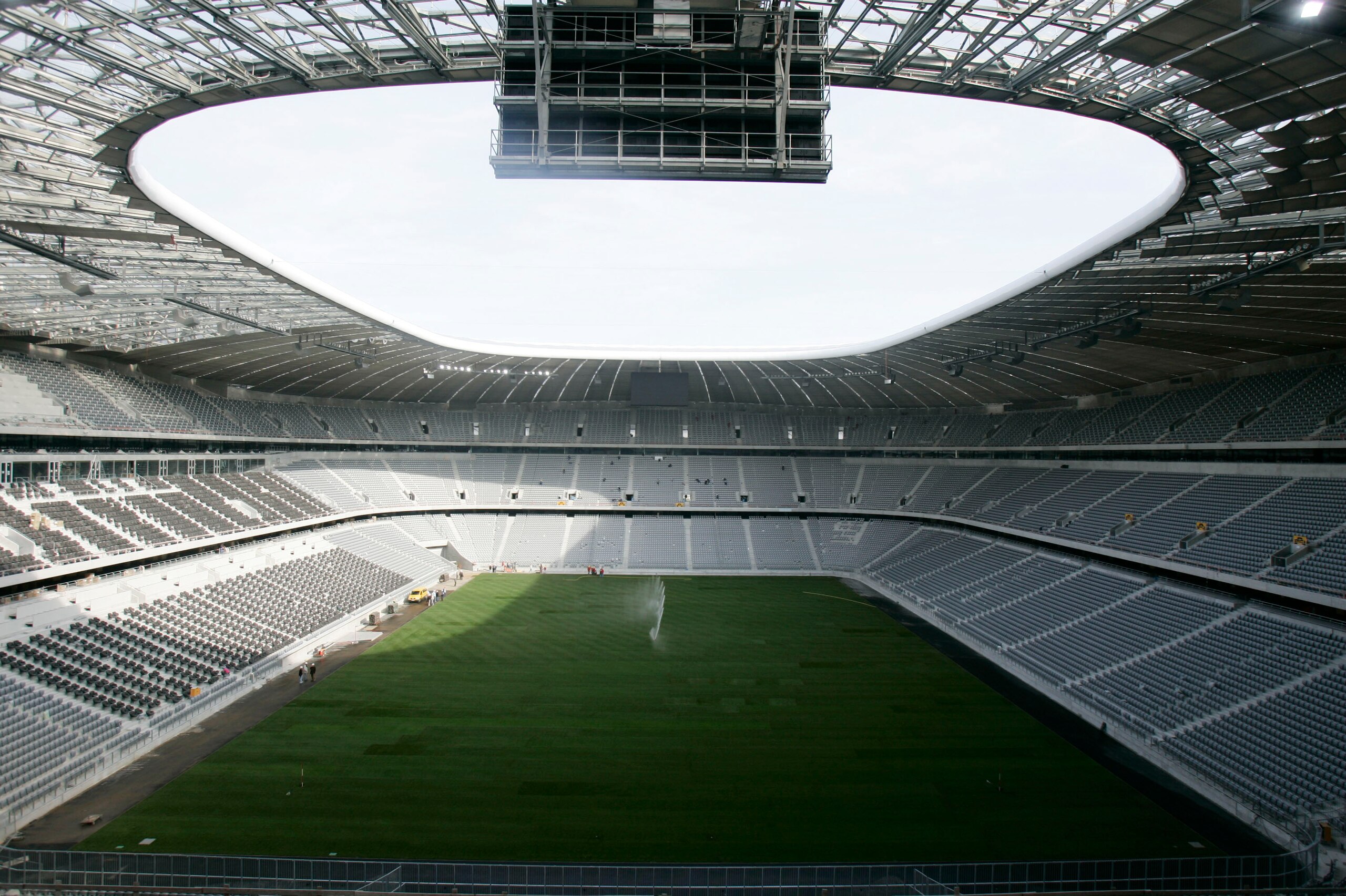
World Cup Matches: Germany vs Costa Rica, Tunisia vs Saudi Arabia, Brazil vs Australia, Ivory Coast vs Serbia and Montenegro (Group Stage), Germany vs Sweden (Round of 16) and France vs Portugal (Semifinal).
The first stadium to ever have an exterior to light up to the corresponding color of the team that is playing in the stadium, the Allianz Arena was one of the newest stadiums to be used in the 2006 World Cup.
Inside of the stadium, all the seats are covered and the stadium features roller blinds installed under the roof that may be drawn during games to provide protection from the sun.
No 9 Seoul World Cup Stadium (2002: South Korea)
2 of 10
World Cup Matches: France vs Senegal, Turkey vs China (Group Stage), South Korea vs Germany (Semifinal).
Shaped like a Korean kite, the Seoul World Cup Stadium saw one of the biggest World Cup upsets of all time when Senegal (in their first ever World Cup match), stunned defending World Cup and European Cup Champion France 1-0.
The reason why this stadium is shaped like a Korean kite was that the shape of the stadium represents flight towards victory, and it combines the hopes of the World Cup games and spirit and traditional culture of the Korean people.
No 8 Commerzbank-Arena (1974 And 2006: Germany)
3 of 10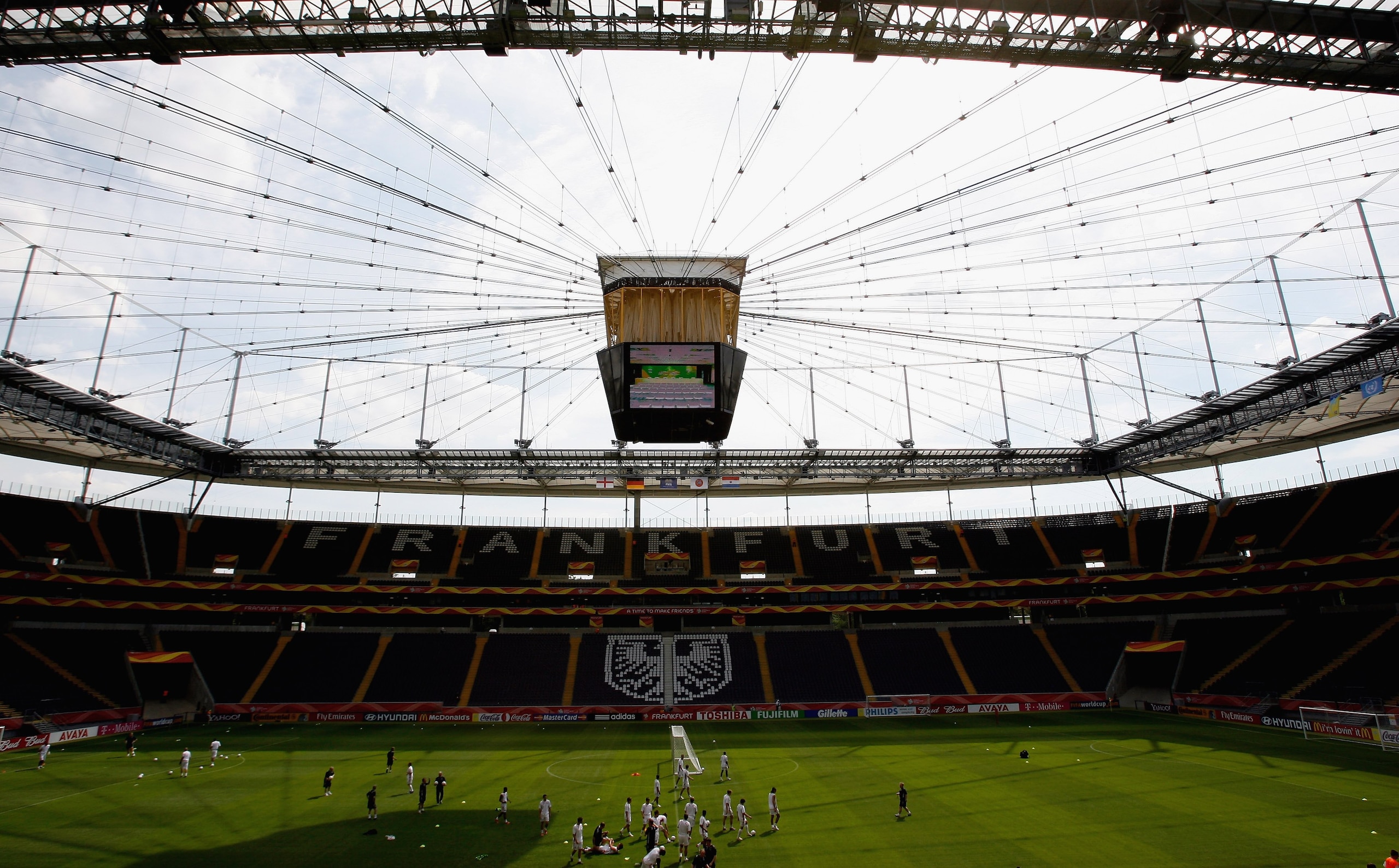
World Cup Matches (1974): Brazil vs Yugoslavia, Scotland vs Brazil, Scotland vs Yugoslavia (Group Stage), Poland vs Yugoslavia and Poland vs West Germany (Second Group Stage).
World Cup Matches (2006): England vs Paraguay, South Korea vs Togo, Portugal vs Iran, Netherlands vs Argentina (Group Stage) and Brazil vs France (Quarterfinal).
A stadium that has been reconstructed four times since its inaugural construction in 1925, the Commerzbank-Arena has a roof that can expand to become an oversized umbrella to cover the field.
This is done by having the video board lowered, which allows the oversized umbrella to extend on spokes over the field.


.jpg?w=2560 "Cardinals Giants Football")
No 7 Jeju World Cup Stadium (2002: South Korea)
4 of 10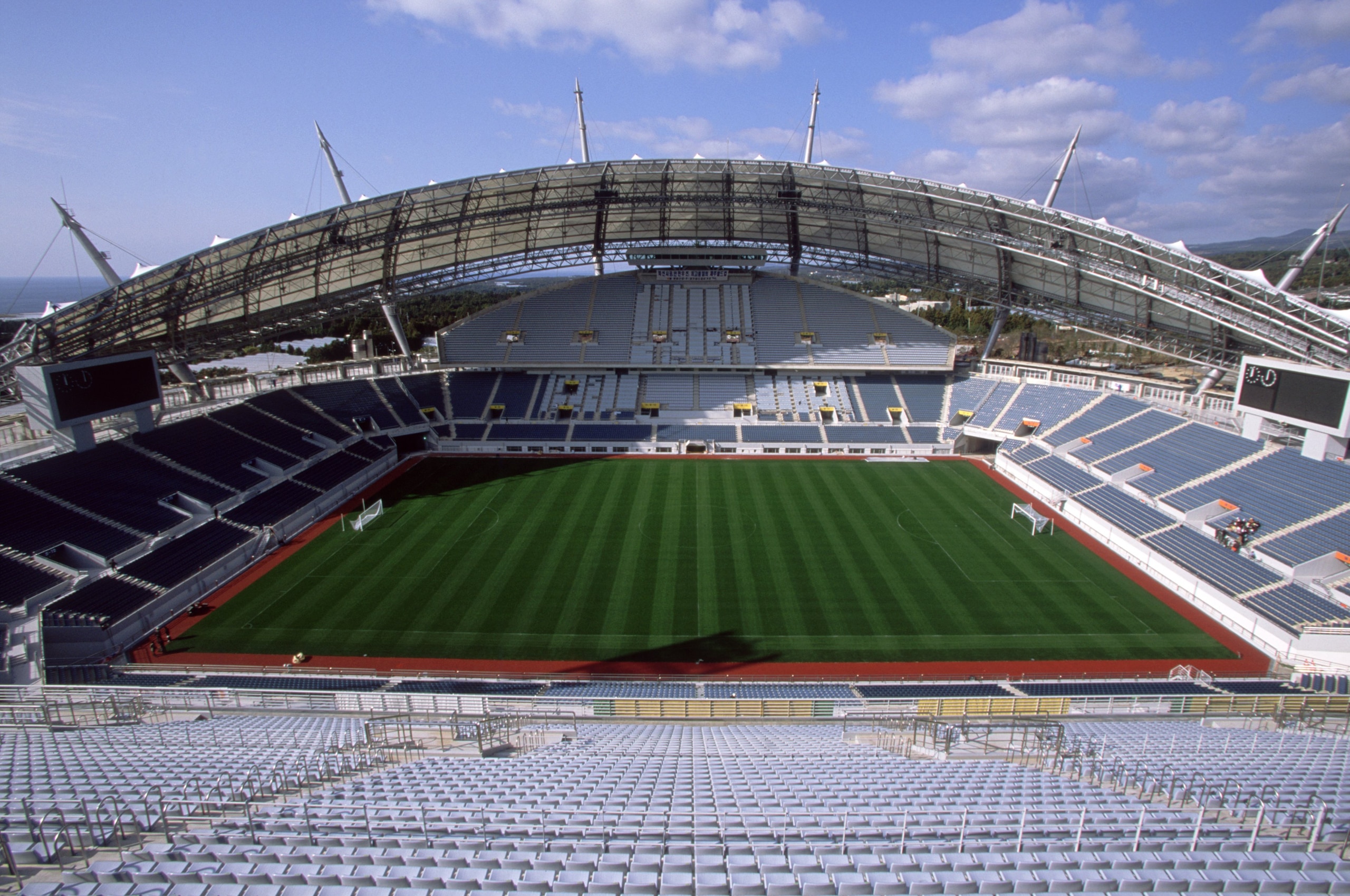
World Cup Matches: Brazil vs China, Slovenia vs Paraguay (Group Stage) and Germany vs Paraguay (Round of 16).
A stadium that was designed in the shape of the mouth of a volcano and its roof in the shape of nets of traditional fishing boats on the Jeju island, the Jeju World Cup Stadium was another incredible World Cup from the combined bid of South Korea and Japan in 2002.
This stadium also shared a practice that Qatar will use with their World Cup stadiums: they will move seats from the stadium at the end of the World Cup to stadia that need them.
No 6 Soccer City (2010: South Africa)
5 of 10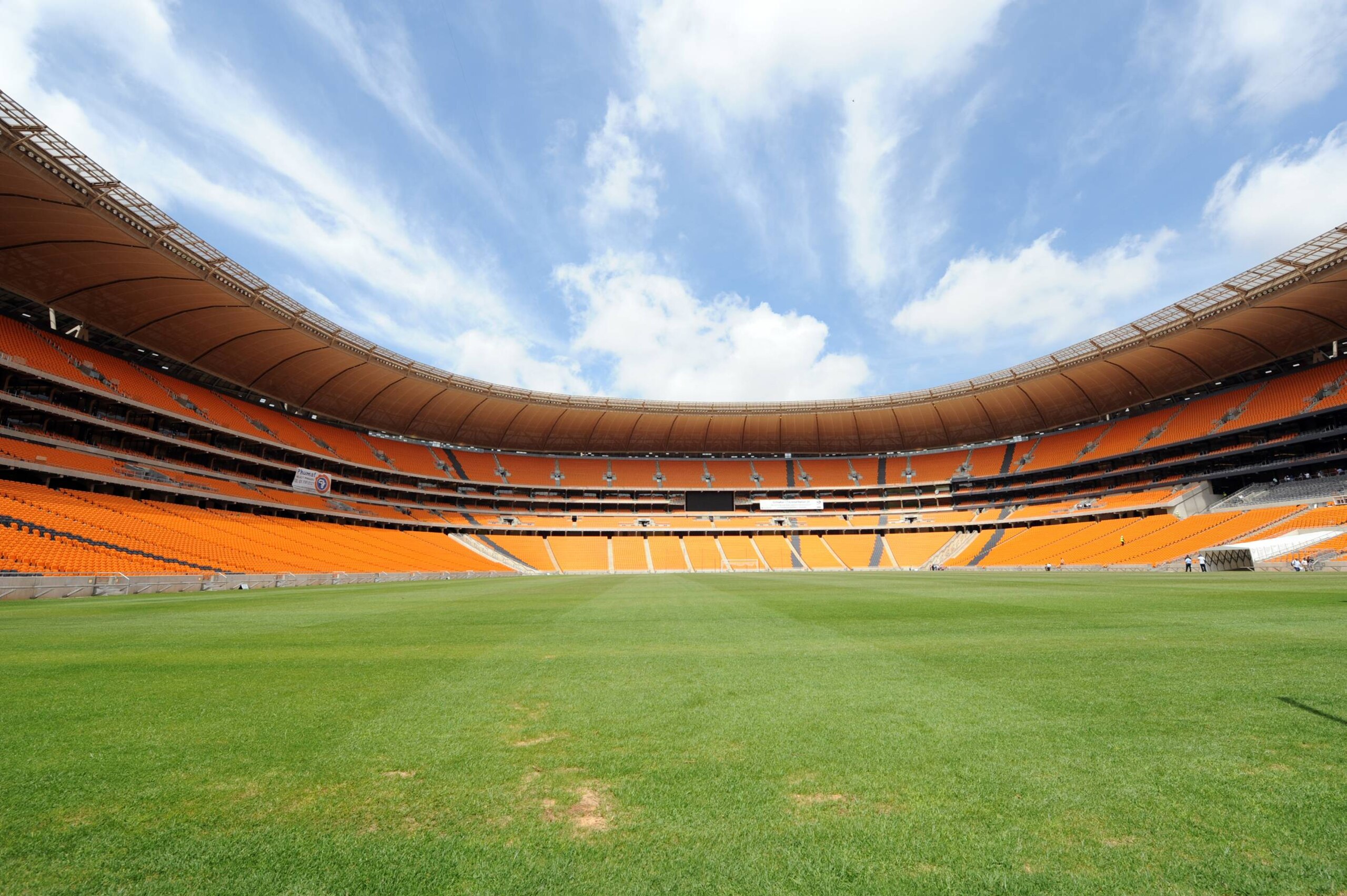
World Cup Matches: South Africa vs Mexico, Netherlands vs Denmark, Argentina vs South Korea, Brazil vs Ivory Coast, Ghana vs Germany (Group Stage), Argentina vs Mexico (Round of 16), Uruguay vs Ghana (Quarterfinal) and Netherlands vs Spain (Final).
Redesigned as the main stadium for the 2010 World Cup, Soccer City's exterior was redesigned to have the appearance of a calabash, (which is an African pot).
The stands in Soccer City are articulated by 10 black vertical lines; nine are aligned geographically with the nine other stadia involved in the 2010 World Cup, and a 10th line is aimed at Berlin's Olympic Stadium, which hosted the previous World Cup final in 2006. The reason why there is a 10th line to Berlin is that nine is an unlucky number in South African culture.
No 5 Olympic Stadium (1974 And 2006: Germany)
6 of 10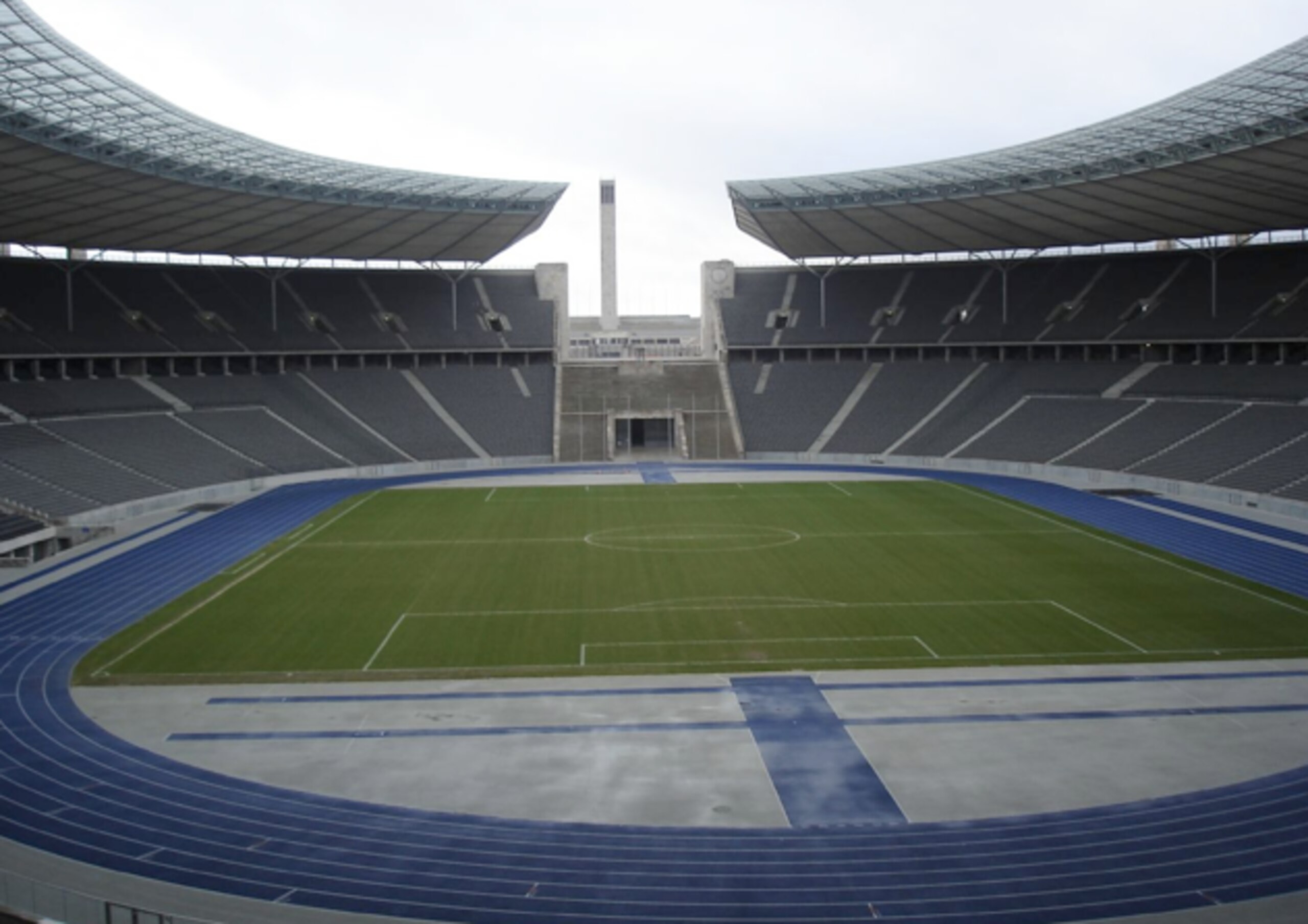
World Cup Matches (1974): West Germany vs Chile, East Germany vs Chile and Australia vs Chile (Group A).
World Cup Matches (2006): Brazil vs Croatia, Sweden vs Paraguay, Germany vs Equador, Ukraine vs Tunisia (Group Stage), Germany vs Argentina (Quarterfinal) and Italy vs France (Final).
First built to host the 1936 Olympics, Berlin's Olympic Stadium today is one of the most historic stadiums in the world.
This stadium has a blue track due to Hertha Berlin (whose main color is blue) being a tenant at the stadium.
During renovations of the stadium, a World War II bomb was found underneath the stadium.
No 4 Ōita Stadium (2002: Japan)
7 of 10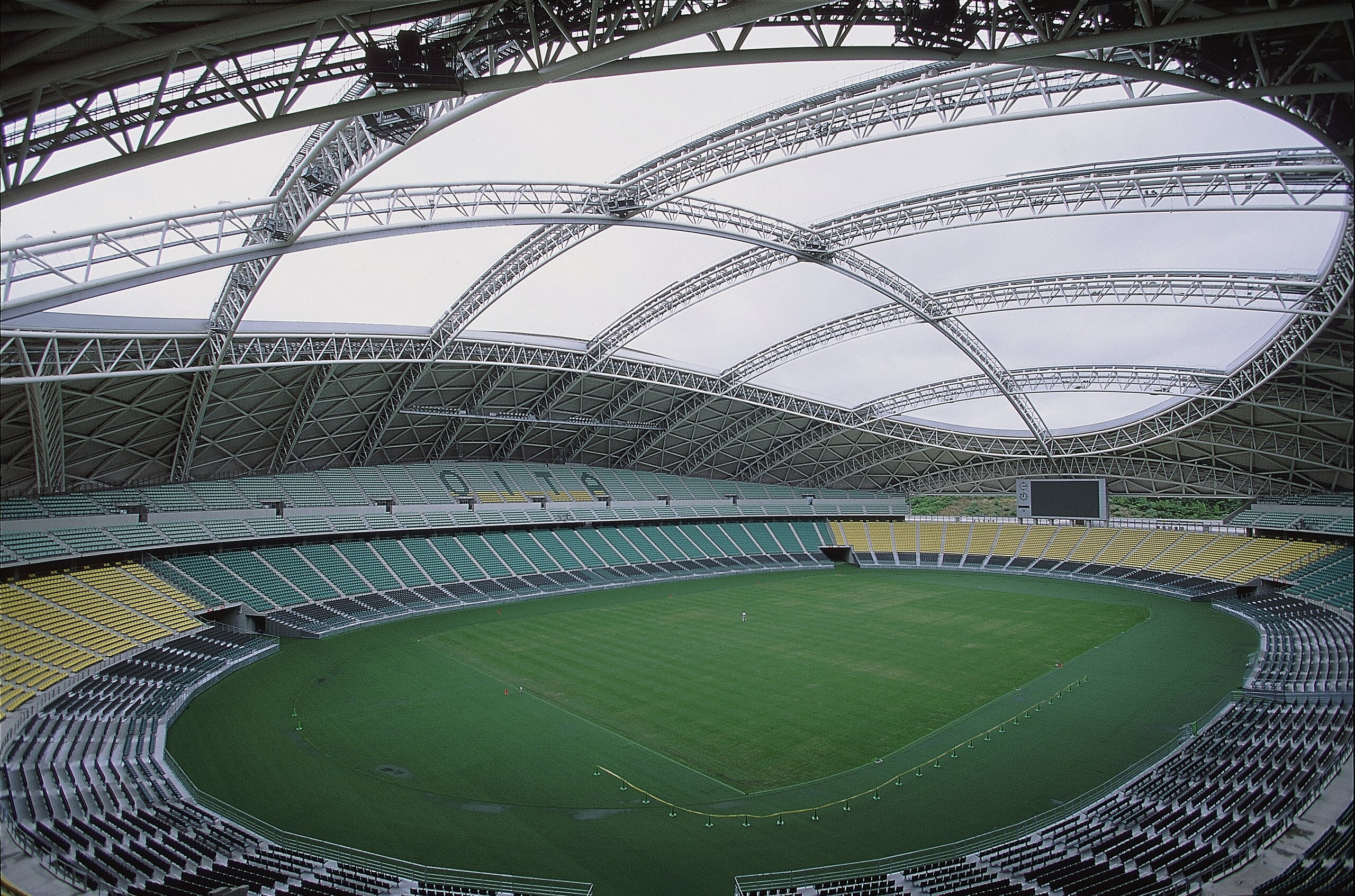
World Cup Matches: Tunisia vs Belgium, Mexico vs Italy (Group Stage) and Sweden vs Senegal (Round of 16).
Nicknamed the "Big Eye", the Ōita Stadium is one of three retractable roof/domed stadiums that was used in Japan during the 2002 World Cup.
The stadium had 9,000 seats cover the athletic track around the field during football matches.
No 3 Sapporo Dome (2002: Japan)
8 of 10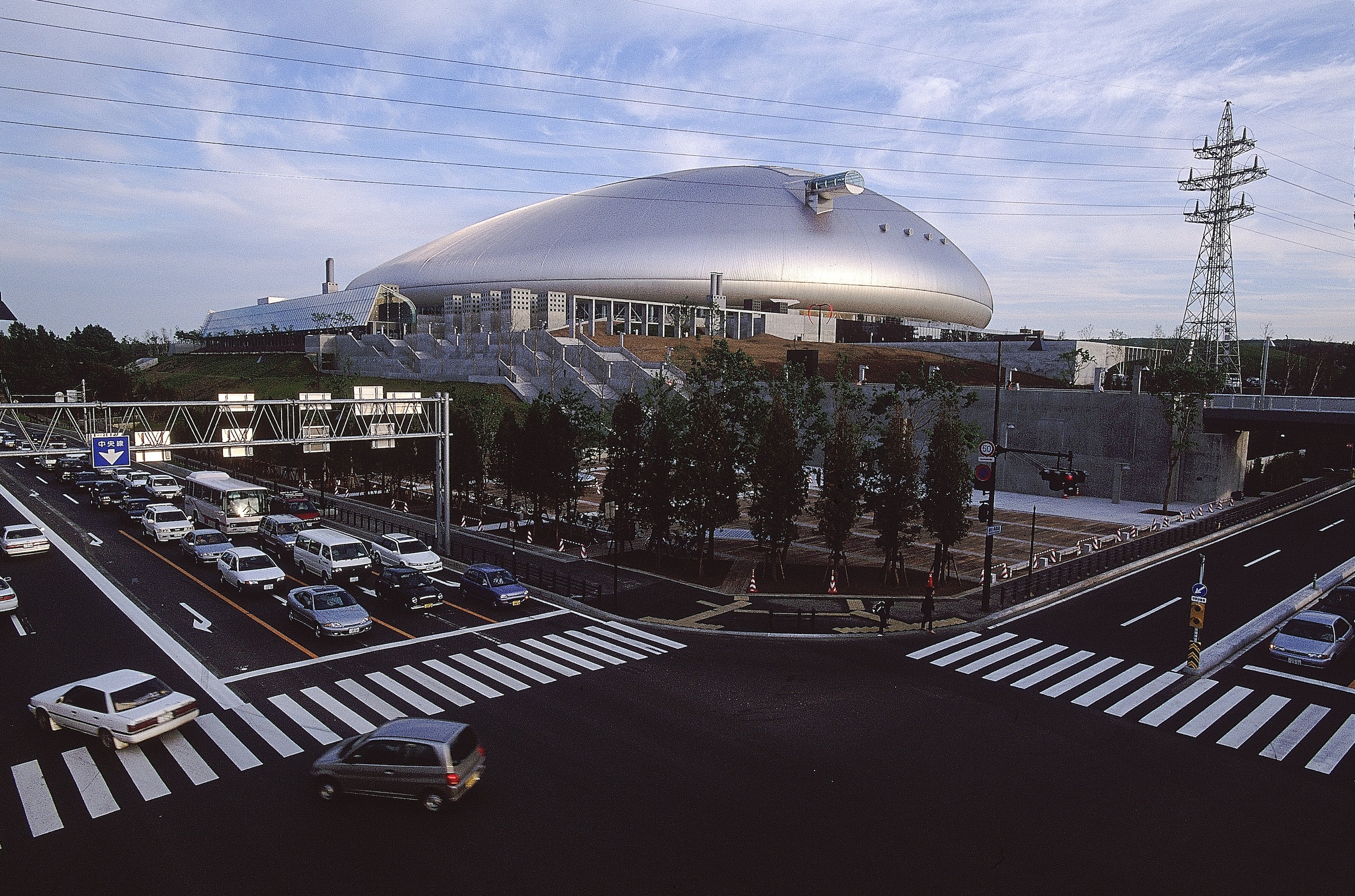
World Cup Matches: Germany vs Saudi Arabia, Argentina vs England and Italy vs Equator (Group Stage).
One of the first stadiums to use sliding pitches to change between football and baseball, the Sapporo Dome is one of two fully domed stadiums to ever host a World Cup match (the Pontiac Superdome in the 1994 World Cup in the United States being the other).
This stadium has a futuristic design and has a 53 meter high cupola from where there is a beautiful view over the city of Sapporo.
No 2 Moses Mabhida Stadium (2010: South Africa)
9 of 10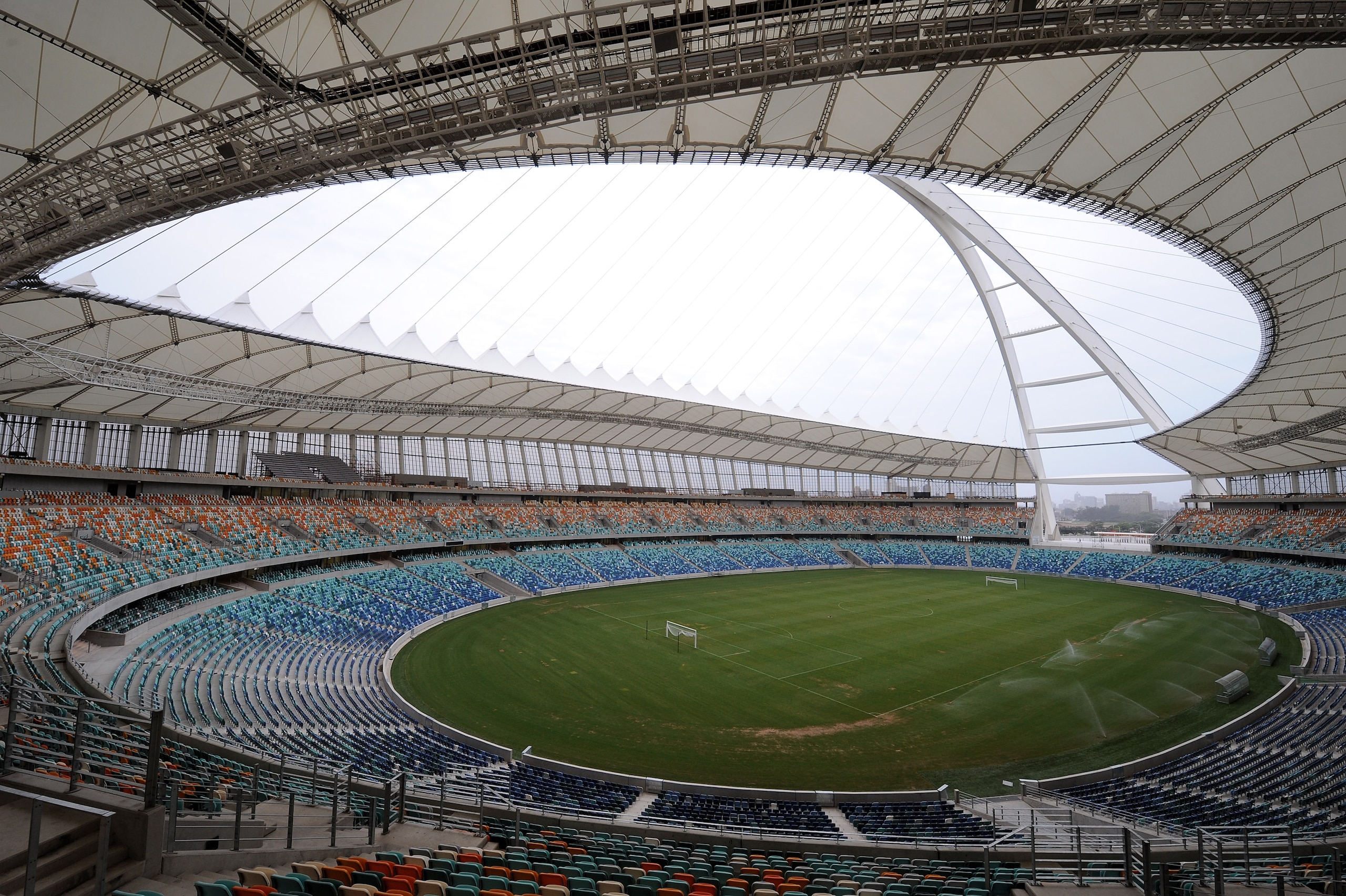
World Cup Matches: Germany vs Australia, Spain vs Switzerland, Netherlands vs Japan, Nigeria vs South Korea, Brazil vs Portugal (Group Stage), Netherlands vs Slovakia (Round of 16) and Germany vs Spain (Semifinal).
The warmest location at the 2010 World Cup, the Moses Mabhida Stadium is one of the most interesting stadiums in the world.
The roof (plus the arch) was built to show how South Africa has come together, and the arch also allows people to ride a cable car to the top of the stadium.
Plus, people can bungee jump from one of the rungs of the arch over the stadium.
No 1 Olympic Stadium (1974: Germany)
10 of 10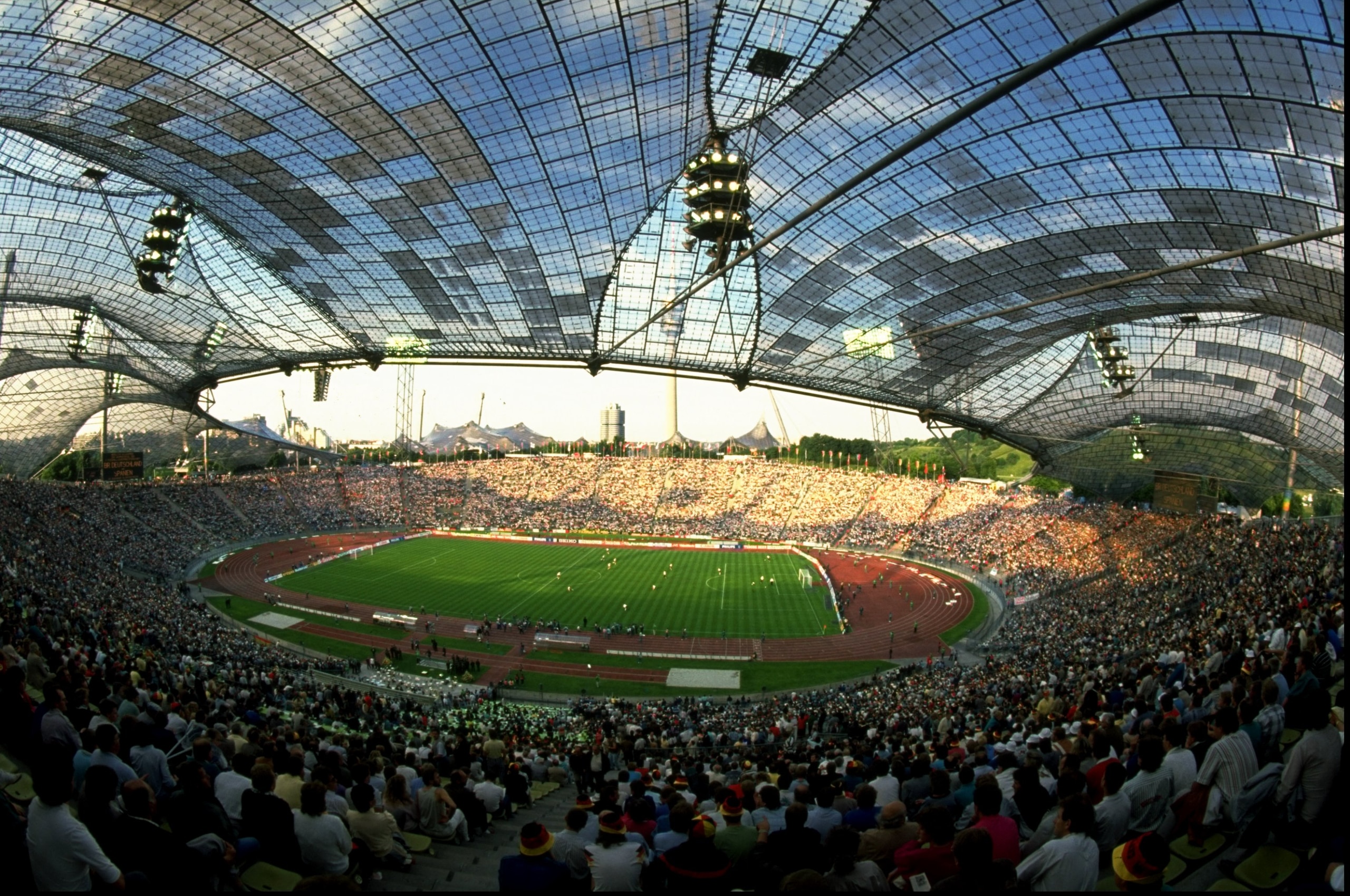
World Cup Matches: Italy vs Haiti, Haiti vs Poland, Argentina vs Haiti (Group Stage), Brazil vs Poland (Third Place Match) and Netherlands vs West Germany (Final).
One of the most unusual stadiums in the world, Munich's Olympic Stadium was originally designed for the 1972 Olympics before hosting the 1974 World Cup.
The most impressive feature of this stadium are the large sweeping canopies of acrylic glass stabilized by steel cables that surround the stadium.
The glass around the stands was used to imitate the Alps and to set a counterpart to the 1936 Summer Olympics in Berlin, held during the Nazi-Regime. The sweeping and transparent canopy was to symbolize the new, democratic and optimistic Germany.
This stadium also saw the Dutch National Football Team win their only major international tournament in 1988, when they won Euro 1988.


.jpg?w=2560 "Tyreek Deal May Come Soon")
.jpg?w=2560 "Ward Nearly Walks Out of Presser ▶️")
