BCS Rankings: 10 Reasons Why We Shouldn't Rank 'Em Till the Season's Last Week
The first BCS rankings of 2010 were released on the evening of Sunday, October 17th. This equates to seven full weeks of college football games being played before the initial standings were published.
Though this may seem like a reasonable amount of time to allow teams to properly prove or disprove themselves before the ever-important rankings appear, what would happen if the first BCS rankings were announced when the regular season ended?
Yes, what if the very first BCS standings published were released on Sunday, December 5th, which is after the final regular week of play (minus the Army vs. Navy game) and coincides with the airing of the provocative “BCS Bowl Selection” program?
Arguably, such a monumental delay in publication of the BCS calculations could actually improve the logic-challenged and blatantly inequitable BCS system that we appear to be stuck with (at least for the short term).
Here are 10 reasons why the postponement of the BCS rankings would be beneficial to the current state of college football.
1. Alter On-Field Play and Decision-Making
1 of 10
As much as coaches and programs claim to not focus on the BCS standings, the reality is that the rankings drive much of the money and define much of the success in today’s college football.
BCS achievement makes programs more financially successful and coaches more handsomely paid and more upwardly mobile.
At some level these very real facts must affect on- and off-field decisions regarding football.
How differently would a team play or a coach make decisions with absolutely no knowledge of the real BCS rankings? This is especially valid in those programs that live amid the .078 points separating the top five ranked teams, or alternatively, those teams on the bubble of being “in” or “out” of the fabled top 12 programs.
It would be impossible to gauge just how much on-field play is altered due to the reality of the BCS rankings, and it would be equally unrealistic to meter how not publishing the standings until the final week would actually change decision-making.
However, wouldn’t it be intriguing to watch a BCS “bubble” team (with nothing but predictions of BCS standings available) decide when to stop scoring on an overmatched opponent, or alternatively, decide when to take the first team out in a game that was already won?
Who would go for it on fourth down in their own territory, and who would opt for the two-point conversion in the second overtime period?
2. Shift the Media Focus
2 of 10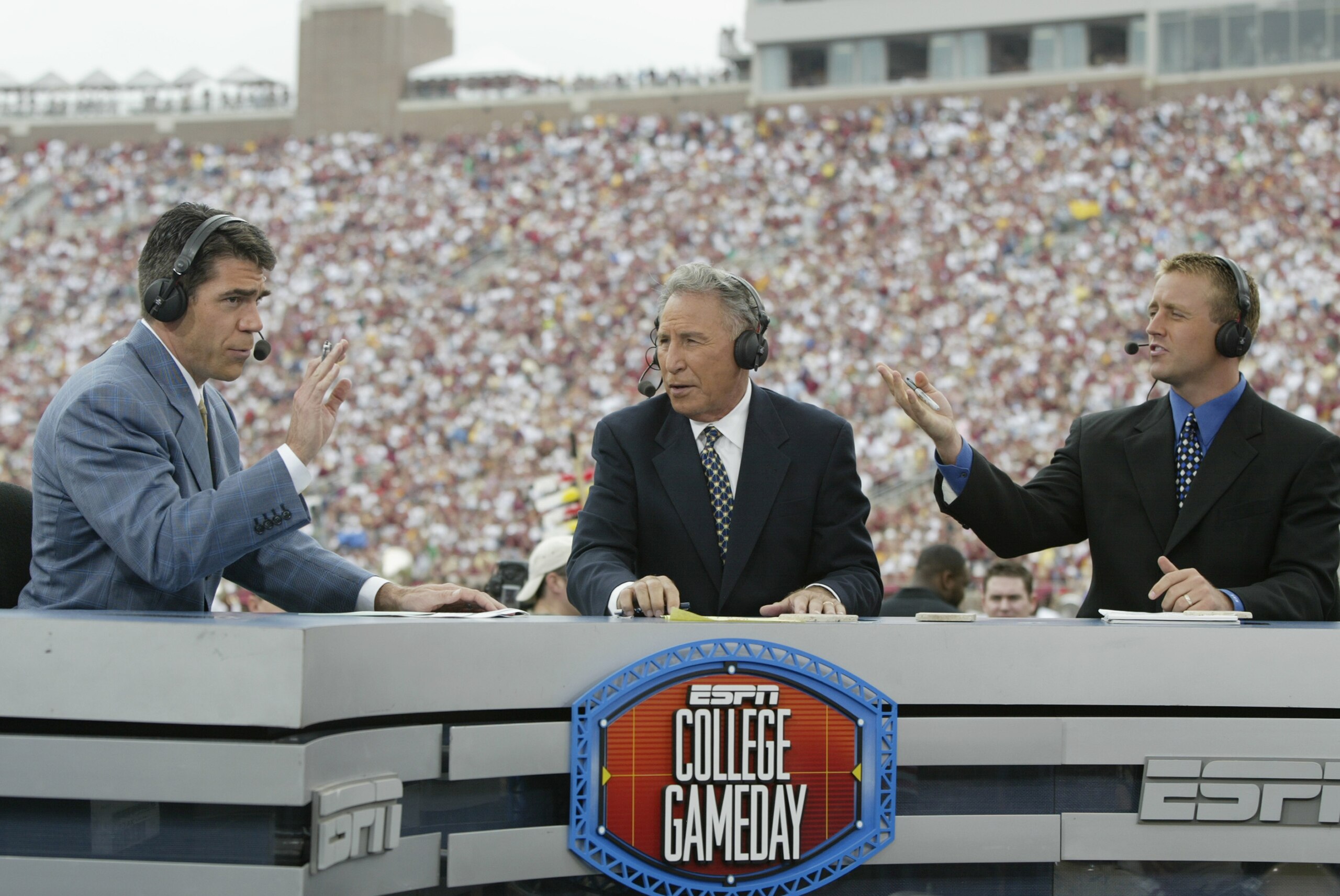
In the current situation a great deal of media attention is obviously given to the BCS rankings as they are released each week.
If the standings were delayed until the final week of the season, the media would have to stop talking about the rankings, their fairness, the effects on each of the teams, the remaining schedule, etc., etc., etc., and begin predicting how these factors might affect the standings.
Suddenly, it’s who might get screwed rather than who got screwed.
The media can predict numbers rather than interpret them; yes, that might be very interesting indeed.
3. Build Momentum
3 of 10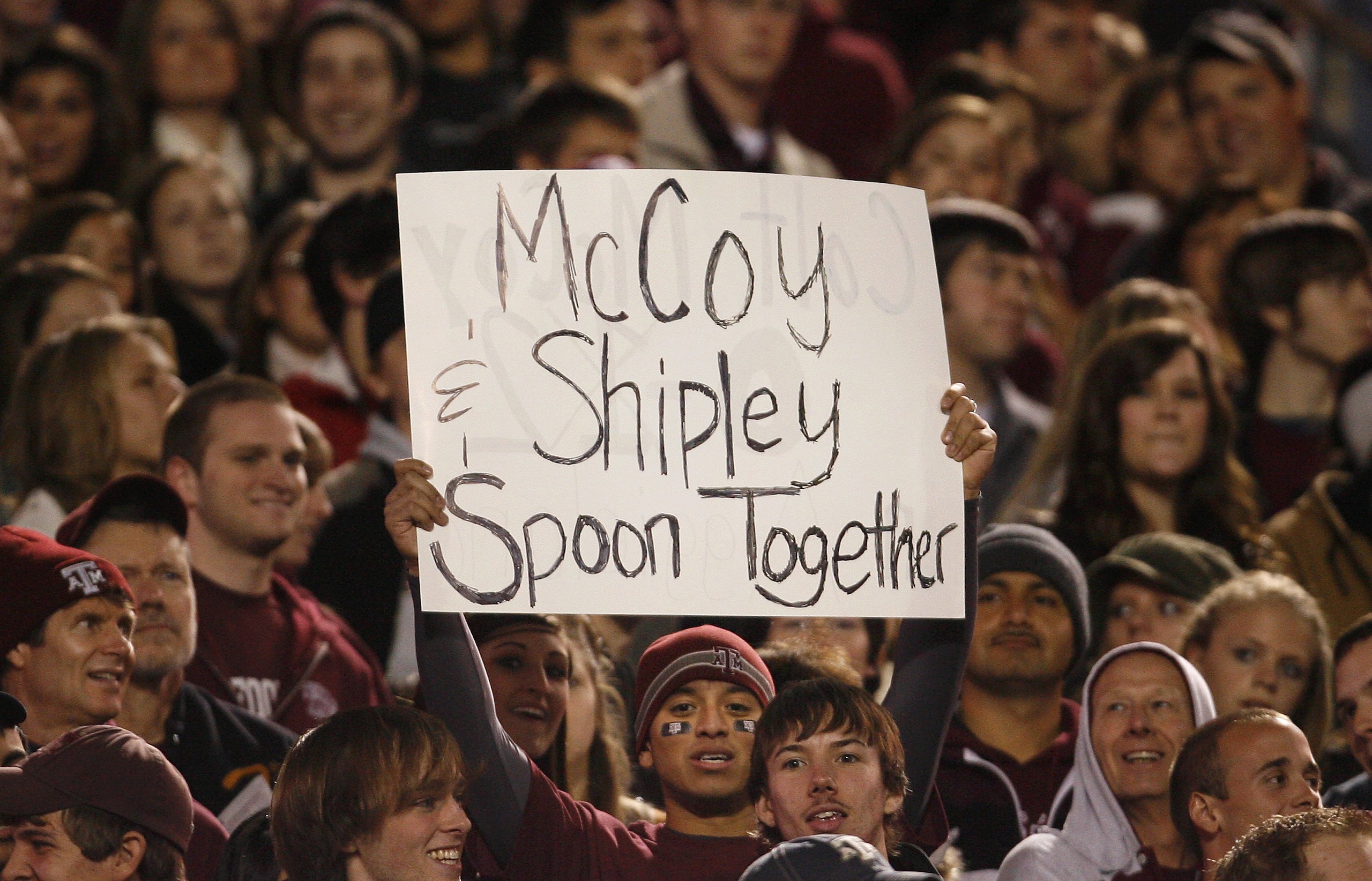
Each week of the football season becomes more anticlimactic than the last when you already know the standings and how they will be affected by every minuscule factor.
Suddenly, things are so clear that they are boring, and it is glaringly more obvious that the system is inherently unfair and on some level, wholly uninteresting.
Additionally, you’ve lost much of the fan interest of the teams who have been deemed “out of the running.”
How exciting would it be to build up to the actual rankings rather than slowly come to a stop?
At present, we have a lengthy, anticlimactic decline where the ultimate reward is the solution to a problem you already had the answer to.
Instead of November winding down and interest waning, suddenly excitement builds as December nears.
The unknown is victorious over the weekly cold calculations of assurance.
December is exciting once again!



4. Eliminate Style Points
4 of 10
Style points are normally reserved for “sports” or “spectacles” with subjective scoring systems such as ribbon dancing, twirling and synchronized swimming.
College football, rich with a history of controlled violence and blessed with a definitive, objective scoring system, seems no place for “style points,” but the irony-riddled BCS has brought them to the gridiron.
If teams on the “bubble” for either general BCS admission or a bid to the BCS title game didn’t know how close they were numerically, how would they handle the issue of “style points?”
Many coaches say they already don’t concern themselves with such nonsense, which is probably perfectly true, but wouldn’t any solution be worth eliminating the entire topic as one worth discussing in conjunction with college football?
Hearing Craig James utter “style points” is almost as sickening as the thought of him in a unitard waving a ribbon stick.
Both should garner a very low score.
5. Go Green
5 of 10
The whole world is talking environmental responsibility, and therefore individuals and institutions both are making an effort to “go green.”
How much electricity, paper and manure would be saved by publishing the BCS standings only once?
Additionally, how many flushes of the toilet would be saved by not having to deal with the disposal of the BS from the BCS?
6. Level the Heisman Trophy Playing Field
6 of 10
Though the Heisman Trophy is, by definition, presented to “the most outstanding college football player in the United States," it is fairly realistic to expect that the chosen player will represent a team that is among the nation’s elite.
This squad will more than likely be amongst the top teams in the BCS.
Recent Heisman history tells us that the better the team does, the more realistic chance an athlete has of winning the fabled Heisman.
In fact, over the last decade, all of the winners of the Heisman have played for teams that finished the season ranked among the top three in the BCS with only one exception (2007, when Tim Tebow’s Florida team was ranked BCS No. 10).
How much does it hurt or help a candidate as his team is scrutinized and ranked (and re-ranked) over six weeks that are also crucial to deciding the winner of the highest individual honor in college football?
Would allowing voters just one glance at one set of BCS numbers help Heisman candidates in securing a more level playing field on which to compete?
7. Make the Non-BCS Bowls Scramble
7 of 10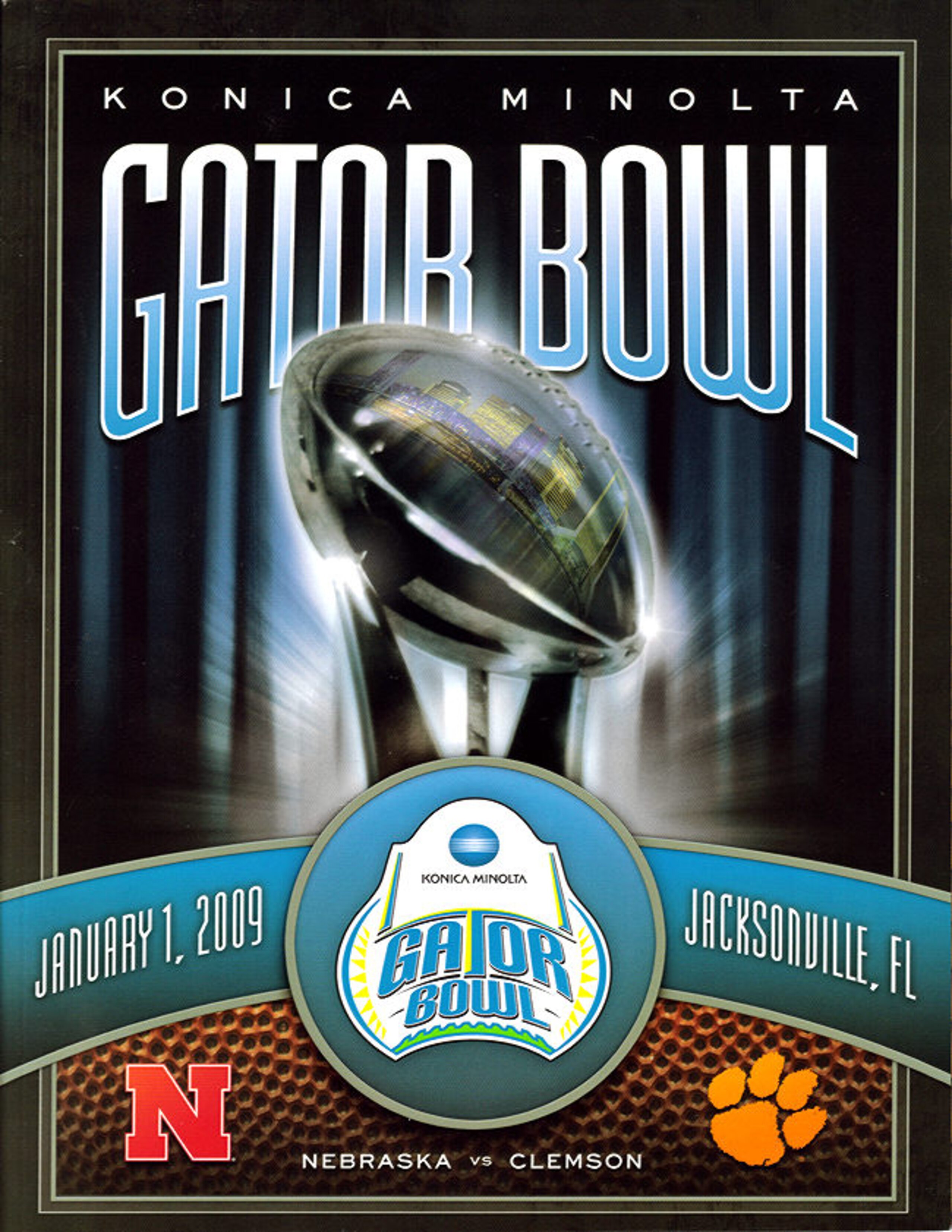
Yet another anticlimactic feature of current college football is that virtually all non-BCS bowl games (30 at last count) are all somewhat committed to specific conference finishers to the point that towards the end of the season it is relatively easy to predict who will appear in which bowl.
If the BCS rankings weren’t published until the end of the season, the non-BCS bowl games would have to wait to hand out bids until they were notified (along with the rest of us) of who was going to the big BCS money dance.
This basically would add more excitement through the magic of the unknown, something we seem to move further away from each season.
8. The “BCS Bowl Selection Show” Is Suddenly a Thriller
8 of 10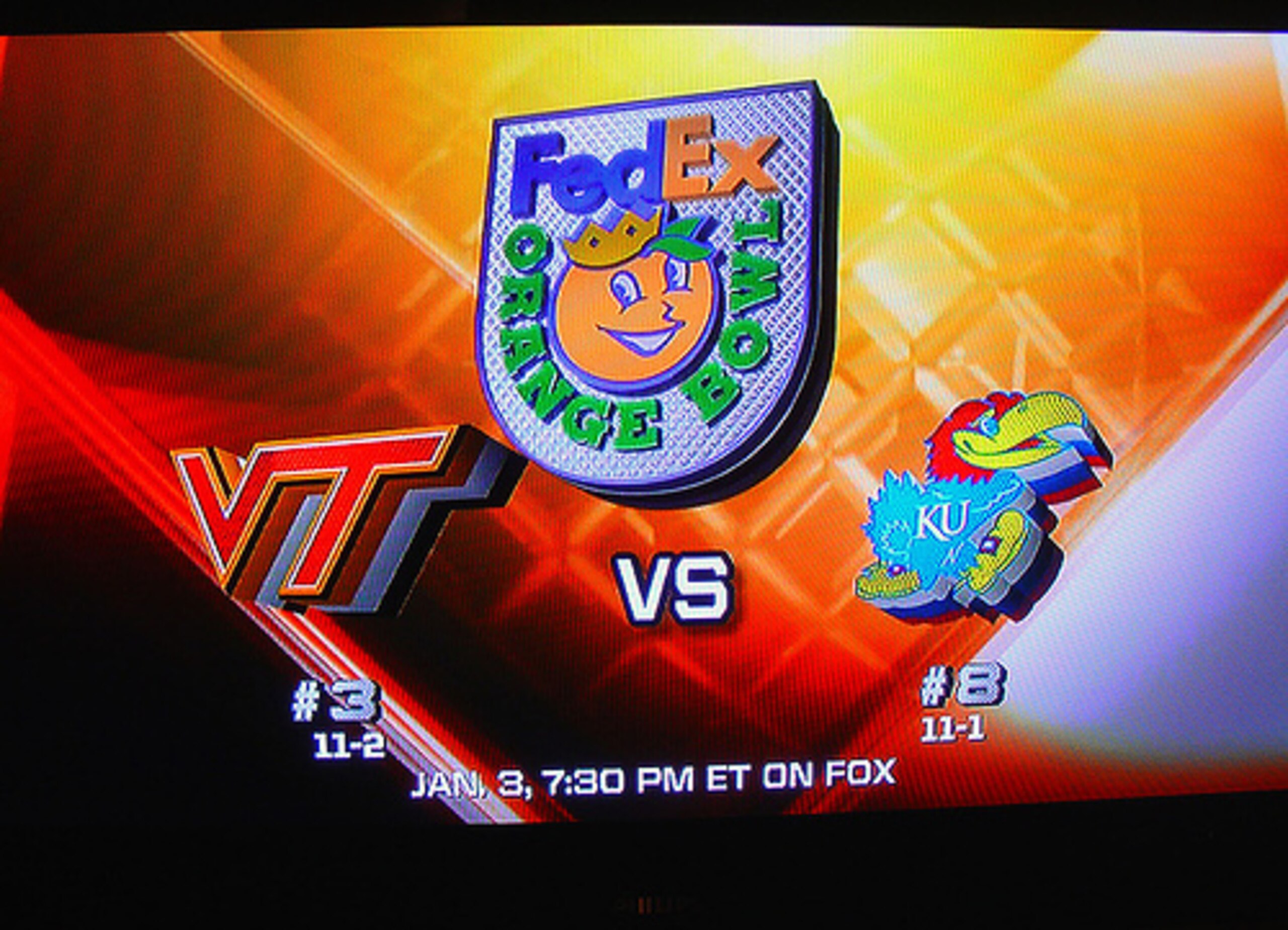
Shifting the release date back is a real treat for anyone who has actually watched the fabled “BCS Bowl Selection Show.”
The show (which somewhat resembles the men’s NCAA basketball tournament selection program, minus the real drama) features remote feeds from each of the “BCS hopeful” schools (which are in reality already in the BCS and just awaiting a bowl assignment, which sadly is already a fairly predictable commodity).
A handful of half-hearted fans (unlike the NCAA basketball tournament program fans, where there is actually an element of surprise) have apparently been paid off to seem somewhat enthusiastic about selection to a BCS bowl game (again, already a foregone conclusion).
How exciting would it be to include the “bubble” teams that both will and won’t make it, set up the same remote feeds and actually announce both the standings (for the FIRST time ever) and the bowl bids?
Ratings suddenly go through the roof, and no one has to be compensated to seem excited, disappointed or even awake.
9. Encourage and Foster Math Skills
9 of 10
If the BCS isn’t publishing the results, we all have to figure them out for ourselves.
According to the BCS:
"Team percentages are derived by dividing a team's actual voting points by a maximum 2850 possible points in the Harris Interactive Poll and 1575 possible points in the USA Today Coaches Poll.
"Six computer rankings calculated in inverse points order (25 for #1, 24 for #2, etc.) are used to determine the overall computer component. The best and worst ranking for each team is dropped, and the remaining four are added and divided by 100 (the maximum possible points) to produce a Computer Rankings Percentage. The six computer ranking providers are Anderson & Hester, Richard Billingsley, Colley Matrix, Kenneth Massey, Jeff Sagarin, and Peter Wolfe. Each computer ranking accounts for schedule strength in its formula.
"The BCS Average is calculated by averaging the percent totals of the Harris Interactive, USA Today Coaches and Computer polls."
If we were forced to prognosticate these numbers on our own, a wild push towards self-calculation would rush over college football like the wave of wing sauce fumes that greet visitors as they open the door at their local Buffalo Wild Wings.
The “BCS Calculation App” would be popular, but so would the movement to sharpen one's mathematical abilities by tabulating the results individually.
And we thought we wouldn’t ever use math for something important...
10. Cleanse the Vote
10 of 10
It’s hard to imagine that voters whose votes count in the current BCS calculation are swayed by anything but solid objectivity, but what if in reality they are somewhat persuaded by the swarm of media coverage surrounding the weekly BCS standings releases?
Voters can’t be sequestered for each and every week of the BCS standings and therefore can’t make their important selections in a vacuum.
How much do voters successfully attempt to alter the BCS standings when they know the current rankings? Human nature (as opposed to calculated criminal behavior) makes such a claim seem at least plausible.
Without being aware of the actual rankings, would they vote differently, basically voting based on actual performance alone?
Releasing the BCS rankings early is like releasing the final results of a national election to the entire country while the polls are still open in one time zone.



.jpg?w=2560 "Vikings OT Furious After Kyler Hit")
.jpg?w=2560 "Browns Likely to Stick with Watson")
.jpg?w=2560 "Vikings HC Talks Kyler Injury")