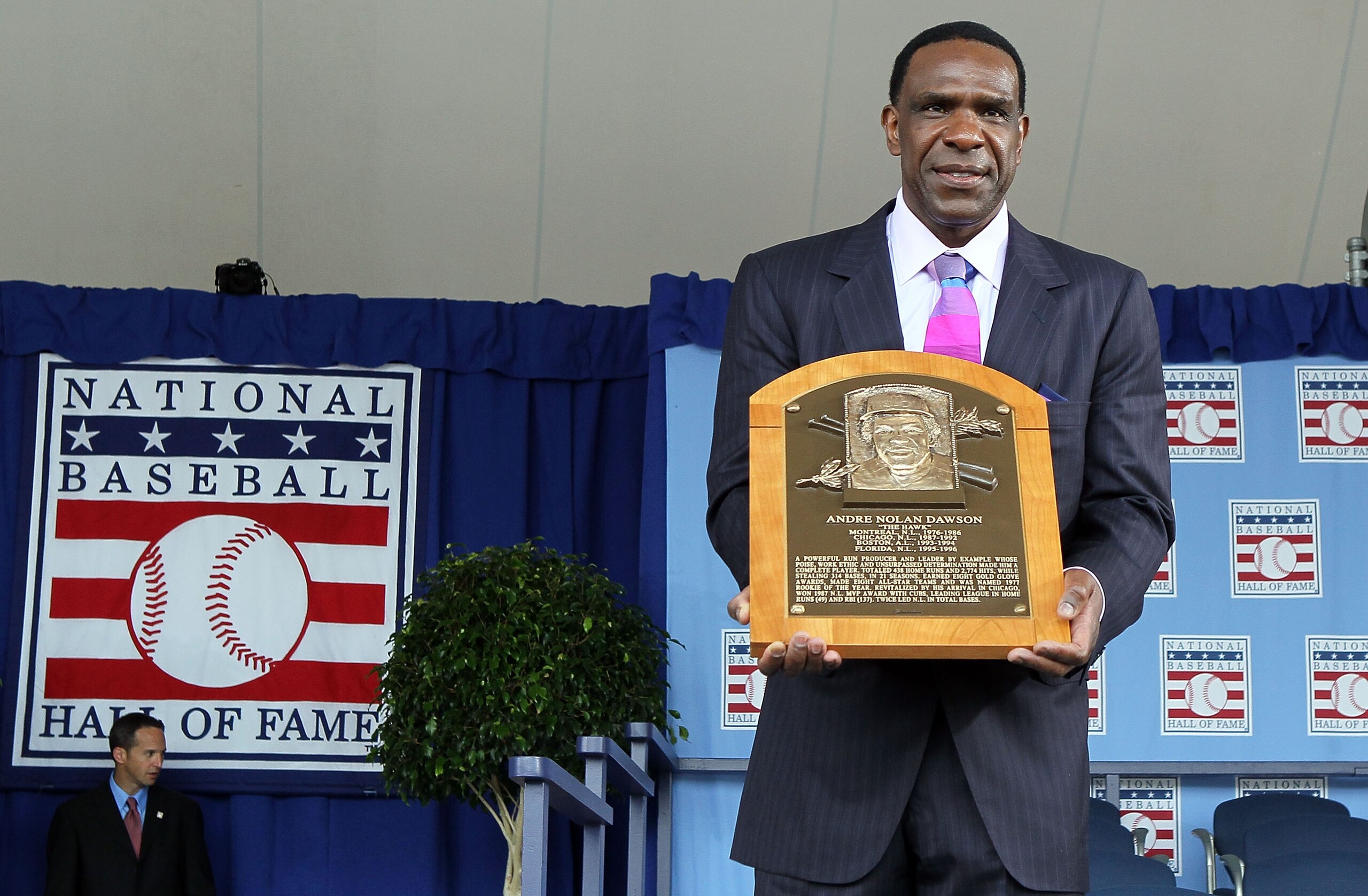

Swinging For The Fences! An Early Guide To MLB Hall Of Fame Voting In 2011
With October baseball about to heat up, it got me thinking about the Hall of Fame, namely who would be lucky enough to be enshrined this year? The Baseball Writers Association of America are currently debating that point, or if anyone at all will make up the Hall of Fame class for 2011 when the voting happens early next year. If you don't now how this works, players are eligible for induction, having played at least 10 seasons in the majors, after they have been retired for five full years. Voters list 10 of the eligible players on their ballots that they believe deserve induction. To remain on the ballot, anyone not elected must get mentioned on at least 5% of the ballots. A player can stay on the ballot for 15 years without earning induction. To get into the Hall, they must get votes on 75% of the total ballots. It is possible that no one will get the requisite votes, and there would be no inductees for that year.
There are 40 currently eligible players, but 20 of those hardly merit serious consideration. This leaves about 20 players who could make a case for inclusion in the Hall. This year, there are no sure-fire locks for induction among first timers (although there should be, as I'll explain later), and only two carryovers who can be comfortably said to be likely inductees, leaving a vast and varied field, that could conceivably leave no one heading for the Hall. I'm going to break down the twenty players that I think could argue for a spot and, listing the 10 players I would put on my ballot, if I had a vote.
Kevin Brown, SP, Texas Rangers, Florida Marlins, San Diego Padres, L.A. Dodgers
1 of 20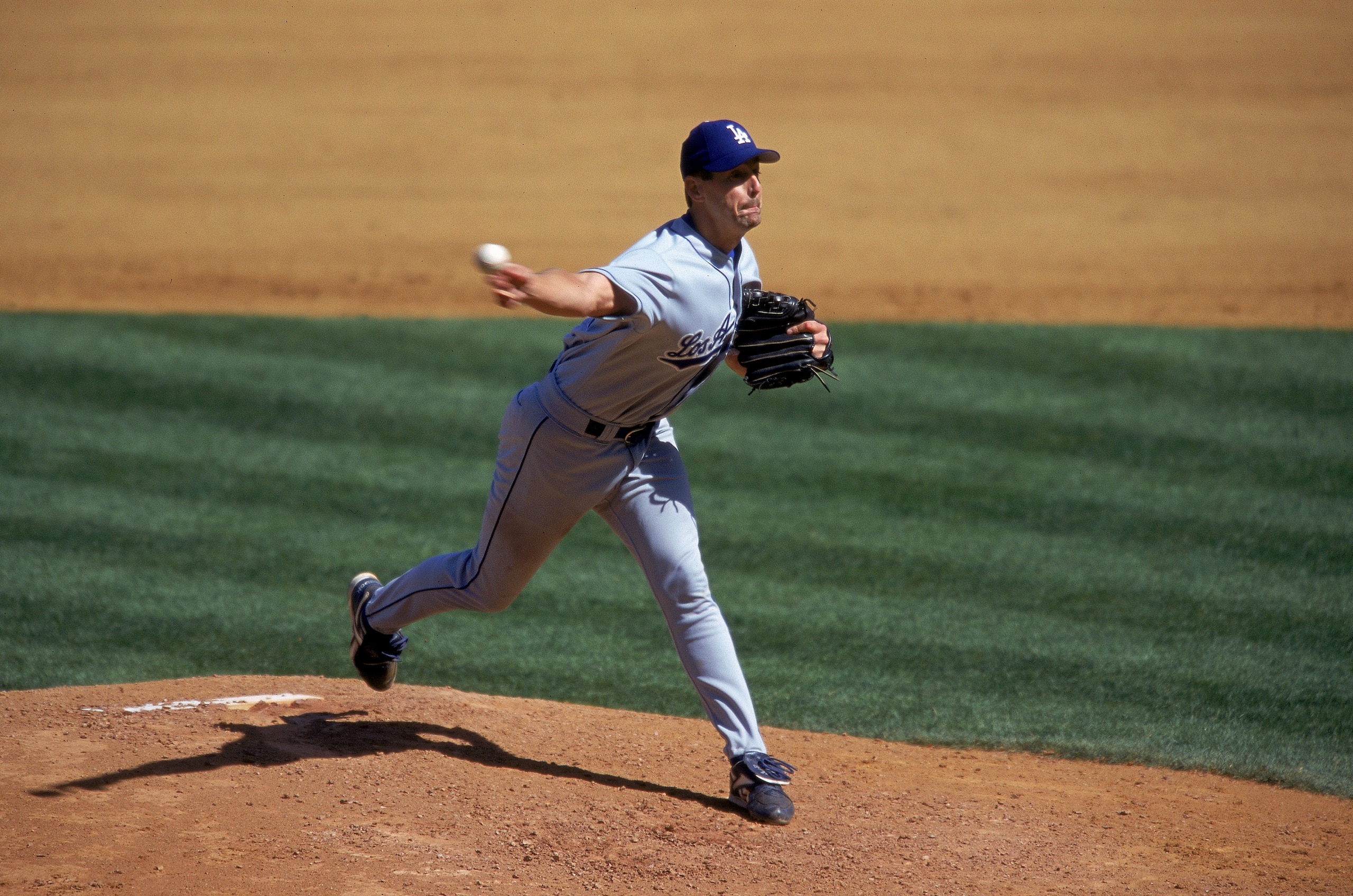
Injuries and just generally being a world-class fruitcake probably cost Brown a spot in the Hall. When he was healthy and right, he was one of the most dominant pitchers in the games. He ended up on a really sour note on the league's biggest stage with the Yankees, which probably hurts his cause, but let's not forget what had a very good, if not quite Hall-worthy career. He won 211 games, far too low for a starting pitcher, had a 3.28 ERA in over 3,200 innings, was a 6-time All Star and finished in the top six in Cy Young voting four times. Another thing that hurts his cause was relatively poor post-season performances, tallying a 5-5 record with a 4.19 ERA in 13 post-season starts for the Marlins, Padres and Yankees. He was great at times, but not quite Hall of Fame great.
Edgar Martinez, DH, Seattle Mariners
2 of 20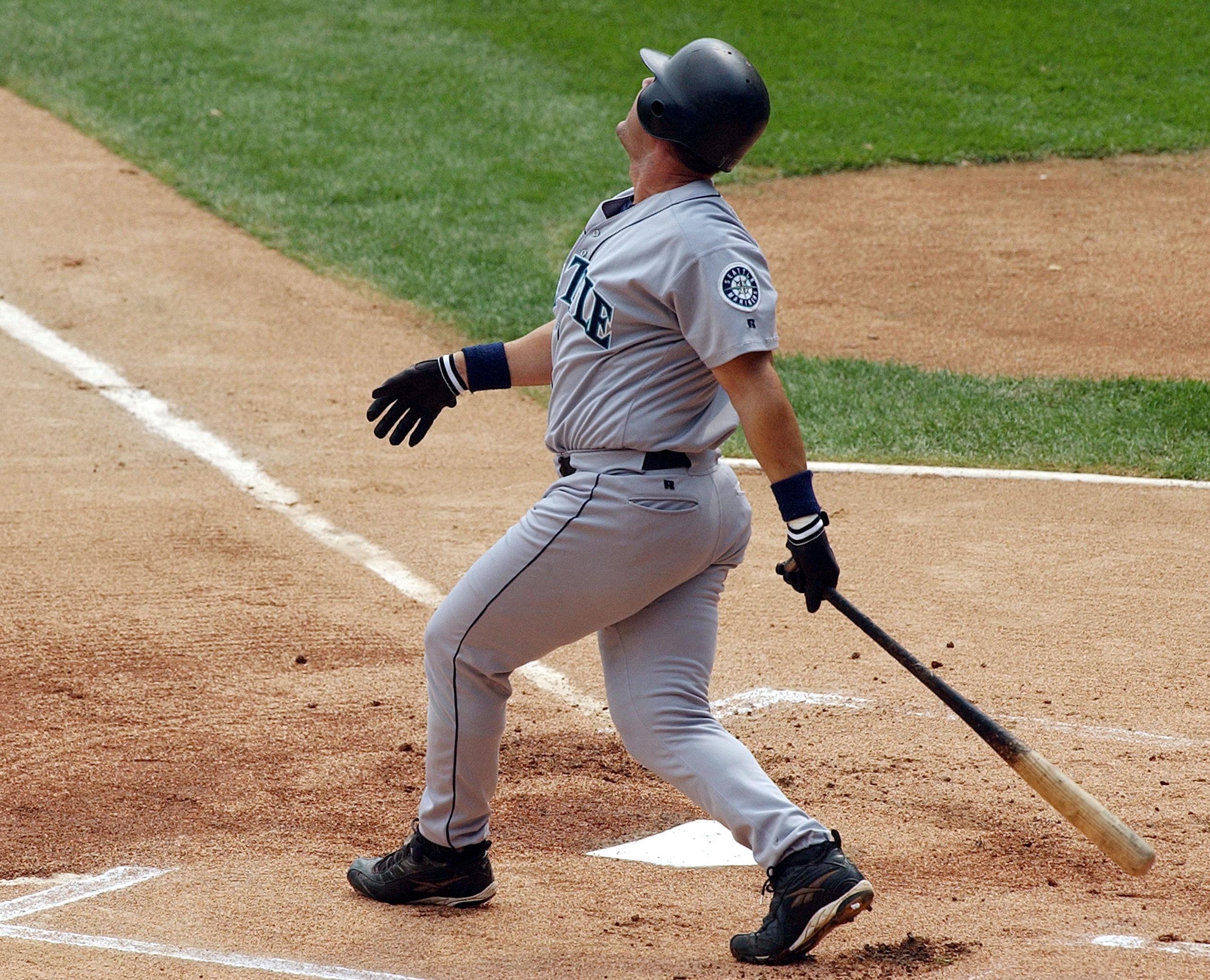
I've heard it said that Martinez will is a litmus test for the Designated Hitter getting elected, but I just don't think his career numbers merit inclusion. Unquestionably, he was a great hitter, winning two batting titles and his career .312 average is the best amongst the seriously eligible. But because he was a DH for most of his career, I believe his offensive stats must meet a higher standard than he achieved to make up for the lack of consideration for defensive play. Martinez had only 2247 hits, 309 home runs and 1261 RBIs. Very good numbers to be sure, but not elite enough for the Hall, in my mind, especially for a heart-of-the-order hitter. Martinez is also one of only five guys on this list to play their entire career for one team, an increasing rarity in today's game, joining Jeff Bagwell, Alan Trammell, Barry Larkin and Don Mattingly.
Juan Gonzlaez, OF, Texas Rangers, Detroit Tigers, Cleveland Indians
3 of 20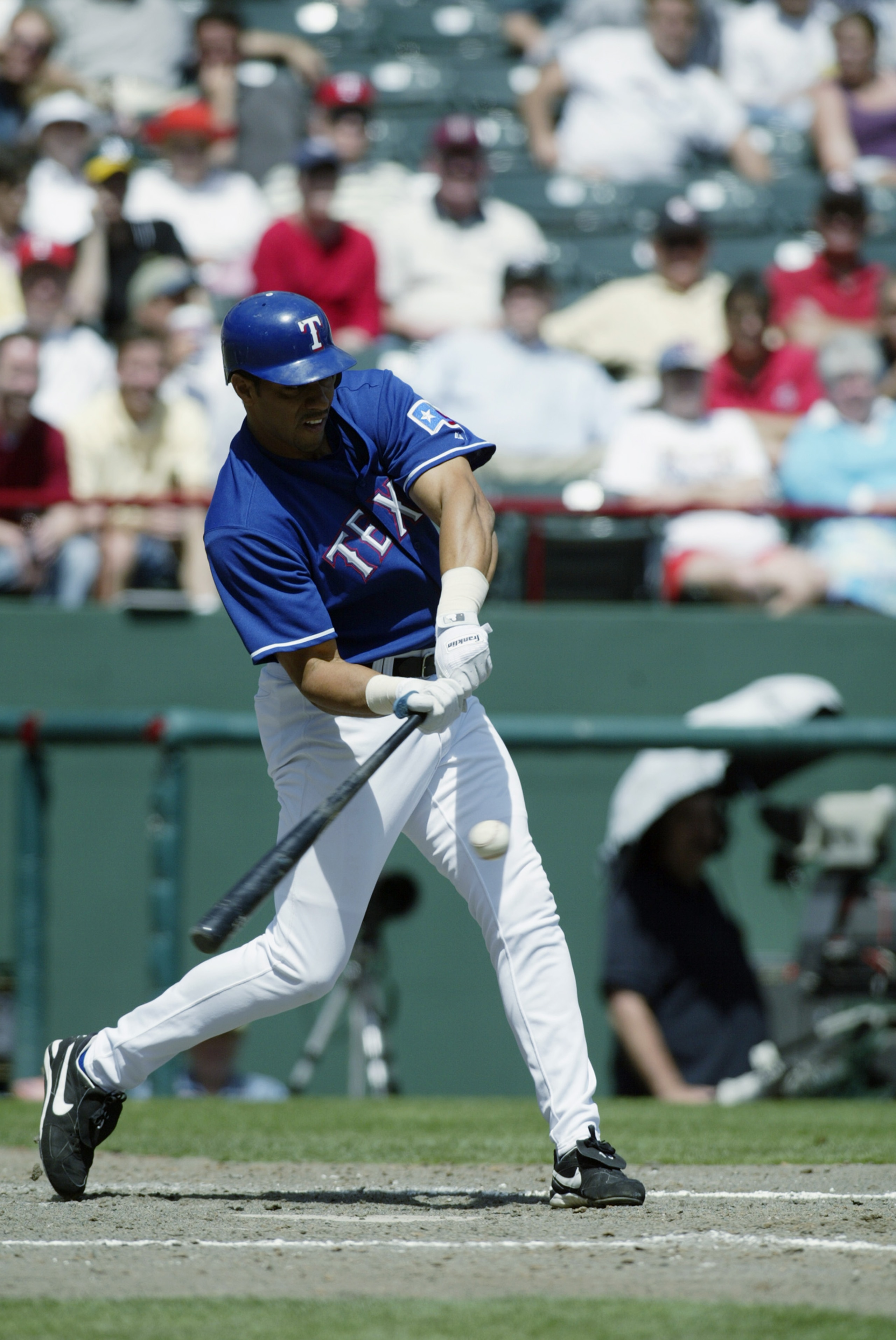
With the exception of a couple injury-shortened seasons in the middle, Gonzalez was one of the most feared hitters in the American League between 1991-2001. He won two MVP Awards (1996 and 1998) and had five 40+ home run seasons. His career fell apart pretty abruptly after that, yet still finished up with a .295 career average, 434 home runs, and 1,400 RBIs. If he had been able to put one or two more solid season in, he'd have the numbers. But, for whatever reason (steroids, anyone?) that didn't happen so, to me, he comes up a bit short of inclusion.


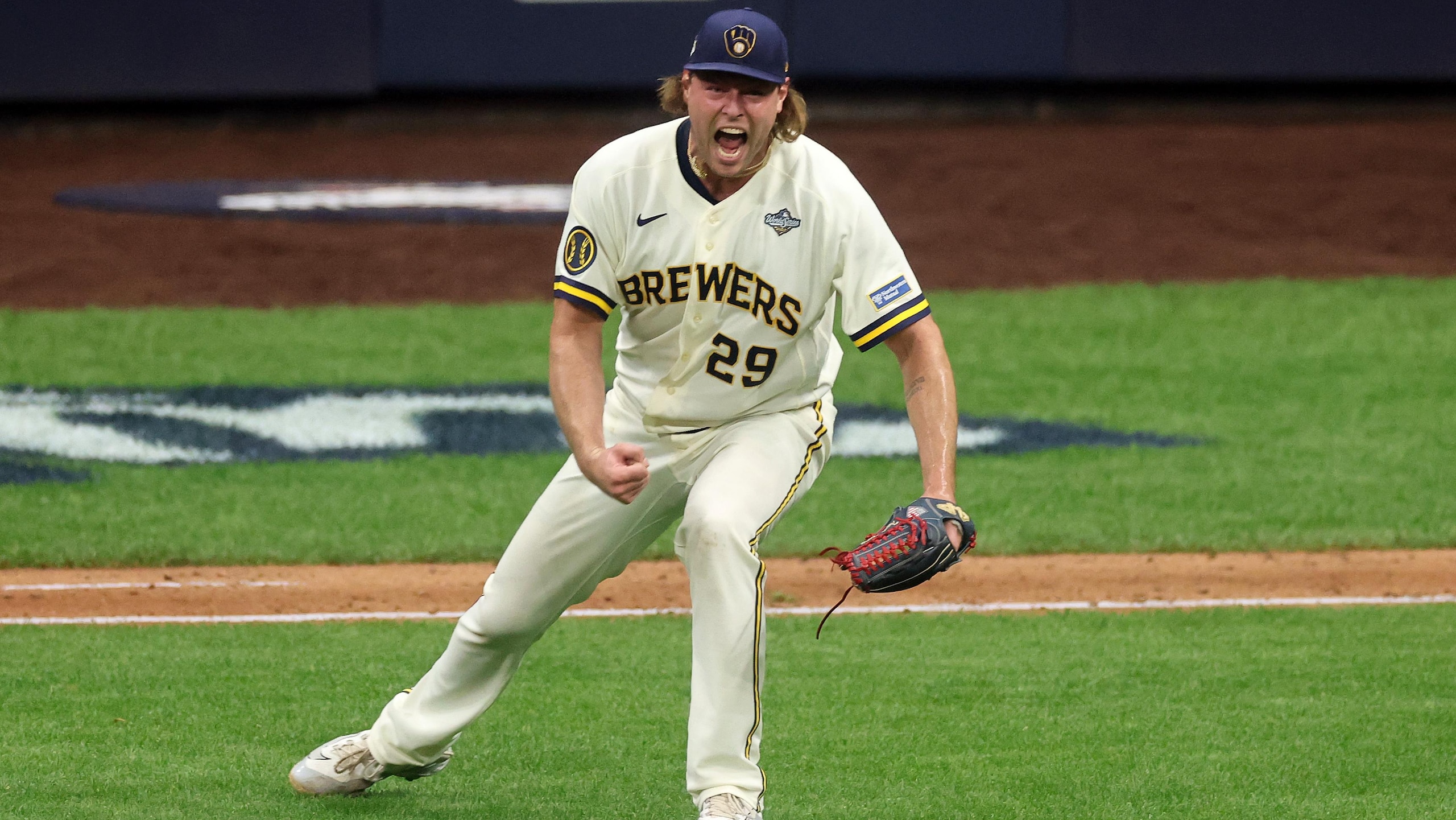
Lee Smith, RP, Chicago Cubs, Boston Red Sox, St. Louis Cardinals, Etc.
4 of 20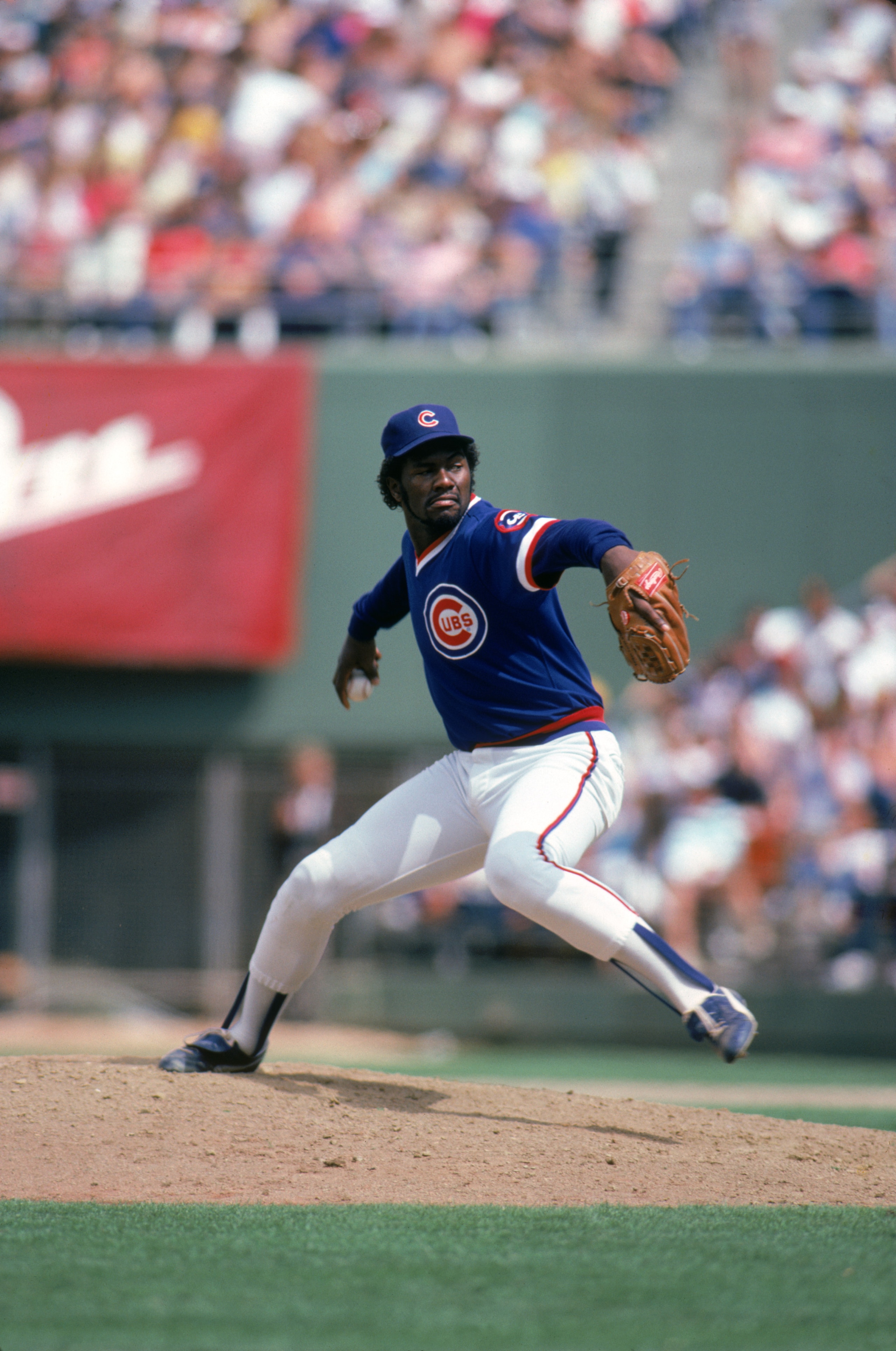
Smith was a very good the excellent closer over his long career and has the third highest save total of anyone to ever play. However, he wasn't dominant enough consistently in my mind to get into the Hall. Plus, when you consider the relative ease of earning a save in today's game, his high total is more representative of longevity than greatness. He averaged close to a strikeout per inning for his career, but lost 21 more games than he won. Smith was, indeed, a top flight closer but not quite elite enough to me.
Mark McGwire, 1B, Oakland Athletics, St. Louis Cardinals
5 of 20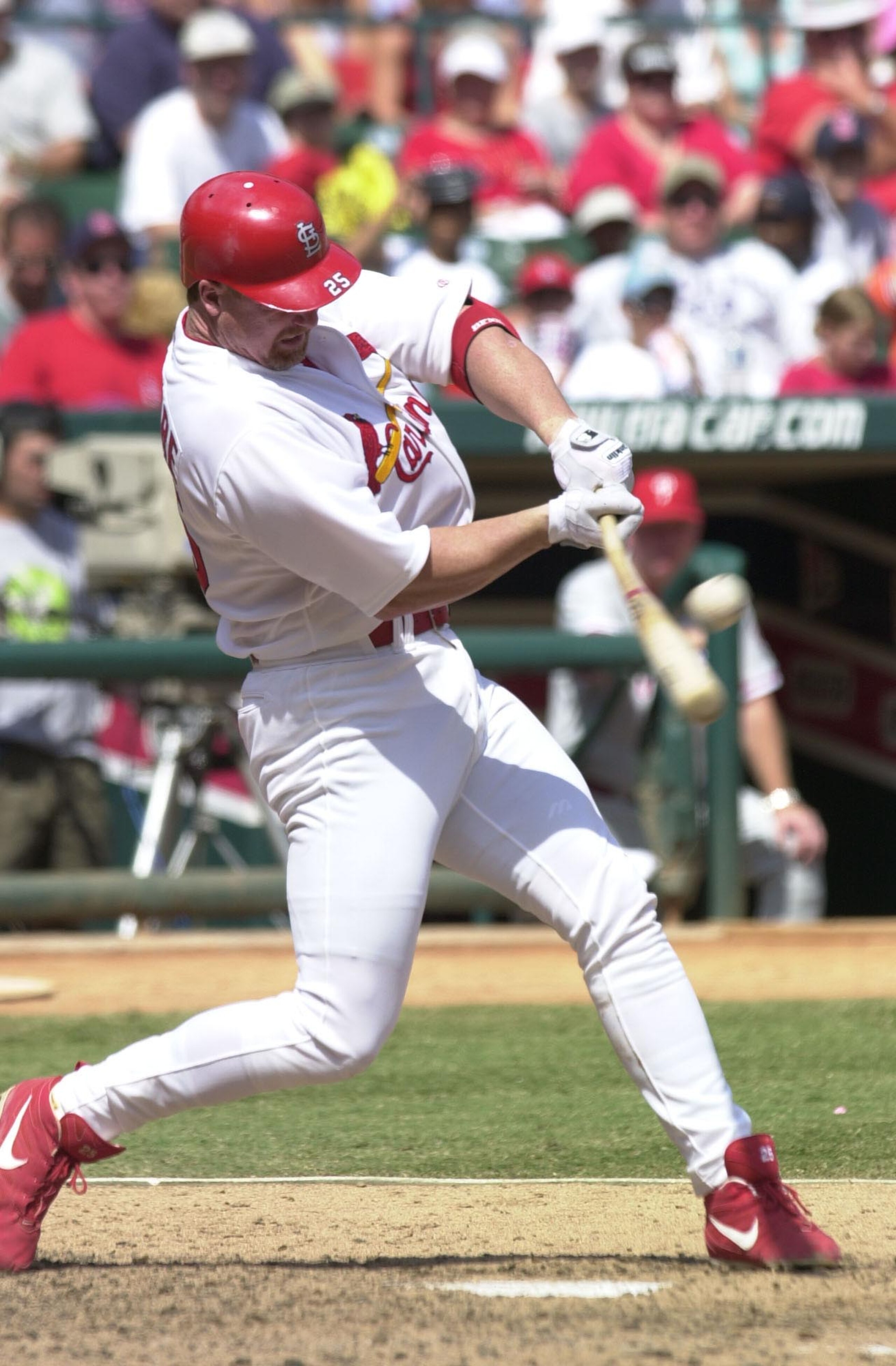
First off, let me say that leaving McGwire off of my ballot has absolutely nothing to do with steroids. He was a transcendent home run hitter, no doubt, but that's about all he was. He wasn't a particularly great defensive first baseman and all of his stats other than home runs aren't nearly Hall of Fame caliber. He only totaled 1626 hits, 252 doubles and was a very mediocre .263 career hitter. If we're talking about 680 home runs, I might feel differently, but his total of 583 doesn't compensate for his many other deficiencies. To me, he was a slightly better version of Dave Kingman who was fortunate that his best seasons were at the end of his career.
Fred McGriff, 1B, Toronto Blue Jays, San Diego Padres, Atlanta Braves, Etc.
6 of 20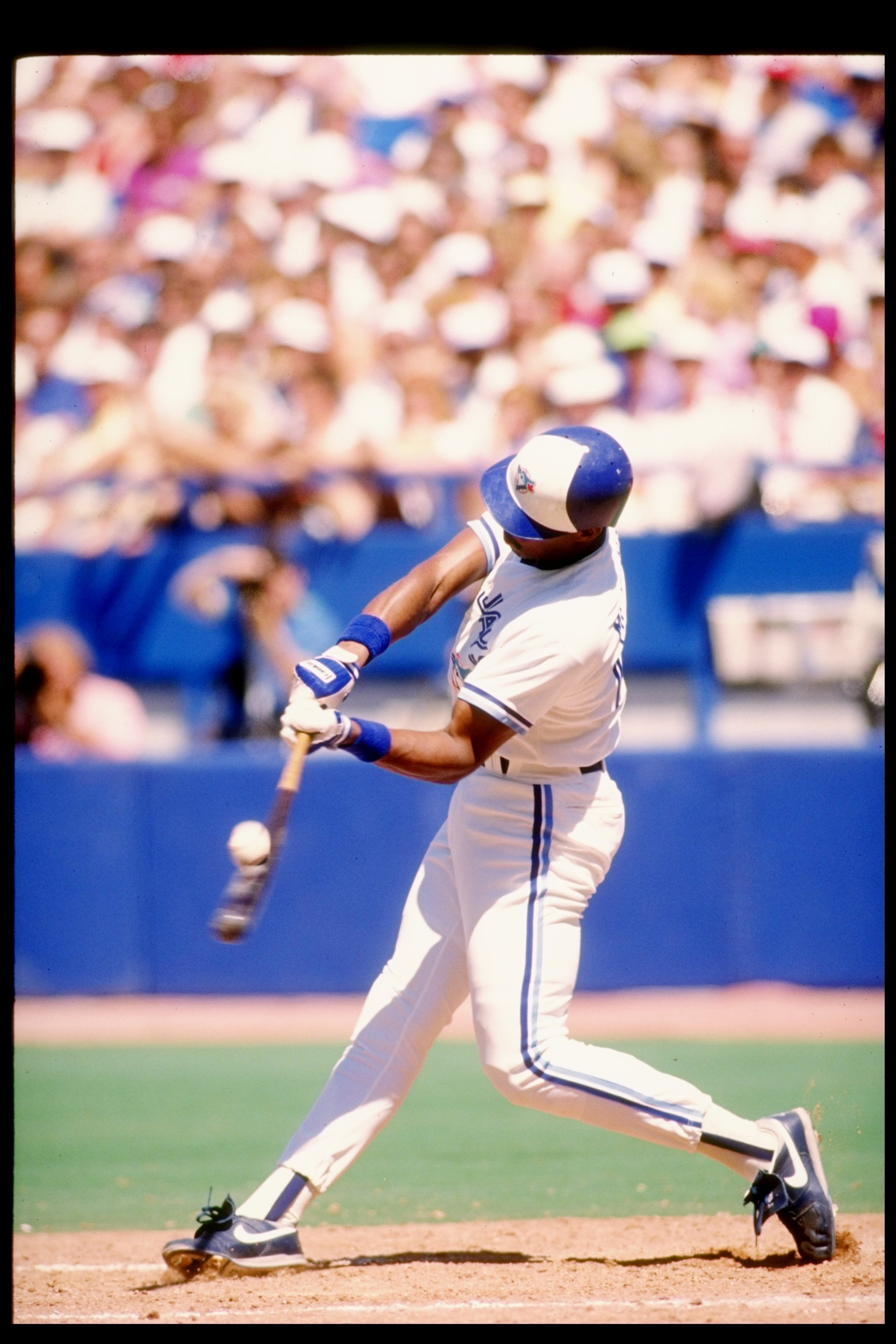
I had a tough time leaving McGriff off my ballot, but I just couldn't put him ahead of any of the others I chose. McGriff's stats are close, for a first baseman, but not quite there, in my mind. Still, if he ever does get inducted, I wouldn't argue. He came up 7 home runs short of the benchmark 500, 10 hits short of 2500, but scored nearly 1350 runs and drove in 1550 RBIs, playing solid defense despite never earning a gold glove and hitting a respectable but not fantastic .284 for his career. He's close, in my mind, but not quite there.
Dale Murphy, OF, Atlanta Braves, Philadelphia Phillies, Etc.
7 of 20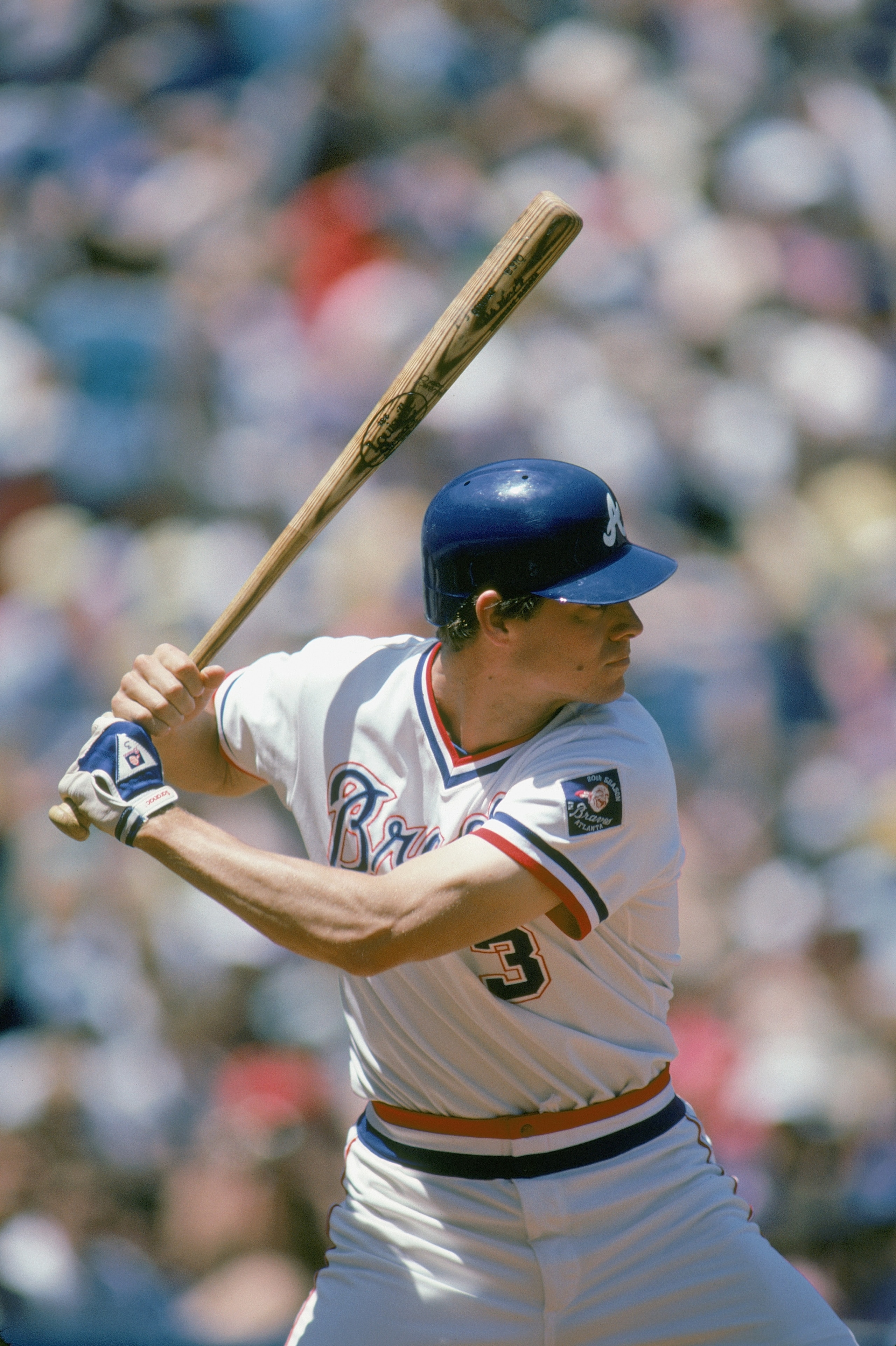
Murphy, like Don Mattingly, is a case of a player who didn't have the career longevity but was dominant enough in his prime to merit consideration. Between 1982 and 1987, Murphy (with apologies to Mike Schmidt) was the best player in the National League, winning two MVP awards in 1982 and 1983 while playing for some very bad Braves teams. He came up to the majors as a catcher, which may account for his shortened career, but was quickly made into an excellent outfielder. He won 5 gold gloves as well as his offensive accomplishments. Had he been able to play longer, his career numbers would easily merit Hall induction, but as it is, his period of dominance, nearly 400 home runs, 1200 runs scored and 1266 RBIs are close to good enough for me, but not quite.
John Franco, RP, Cincinnati Reds, New York Mets
8 of 20
Franco, to me, is a little higher up on the list of all-time closers than Lee Smith. While I wouldn't vote for him in this class, if he got in somewhere down the line, it wouldn't bother me. Between 1986 and 1998, Franco only had two injury-affected seasons where he had fewer than 28 saves. He led the league in saves three times, and had eight seasons of over 30. He wrapped his career up with 90 wins (unlike Smith, he also had an overall winning record for his career) 424 saves, good for fourth all-time, and a career ERA of 2.89. He finished 774 games in his career, also good for fourth all time. Still, closers being what they are, Franco to me doesn't quite ring as an obvious Hall of Famer. But like I said, it wouldn't surprise me if he gets in at some point. Fifteen years of eligibility is a long time. Just ask Jim Rice.
Larry Walker, OF, Montreal Expos, Colorado Rockies, St. Louis Cardinals
9 of 20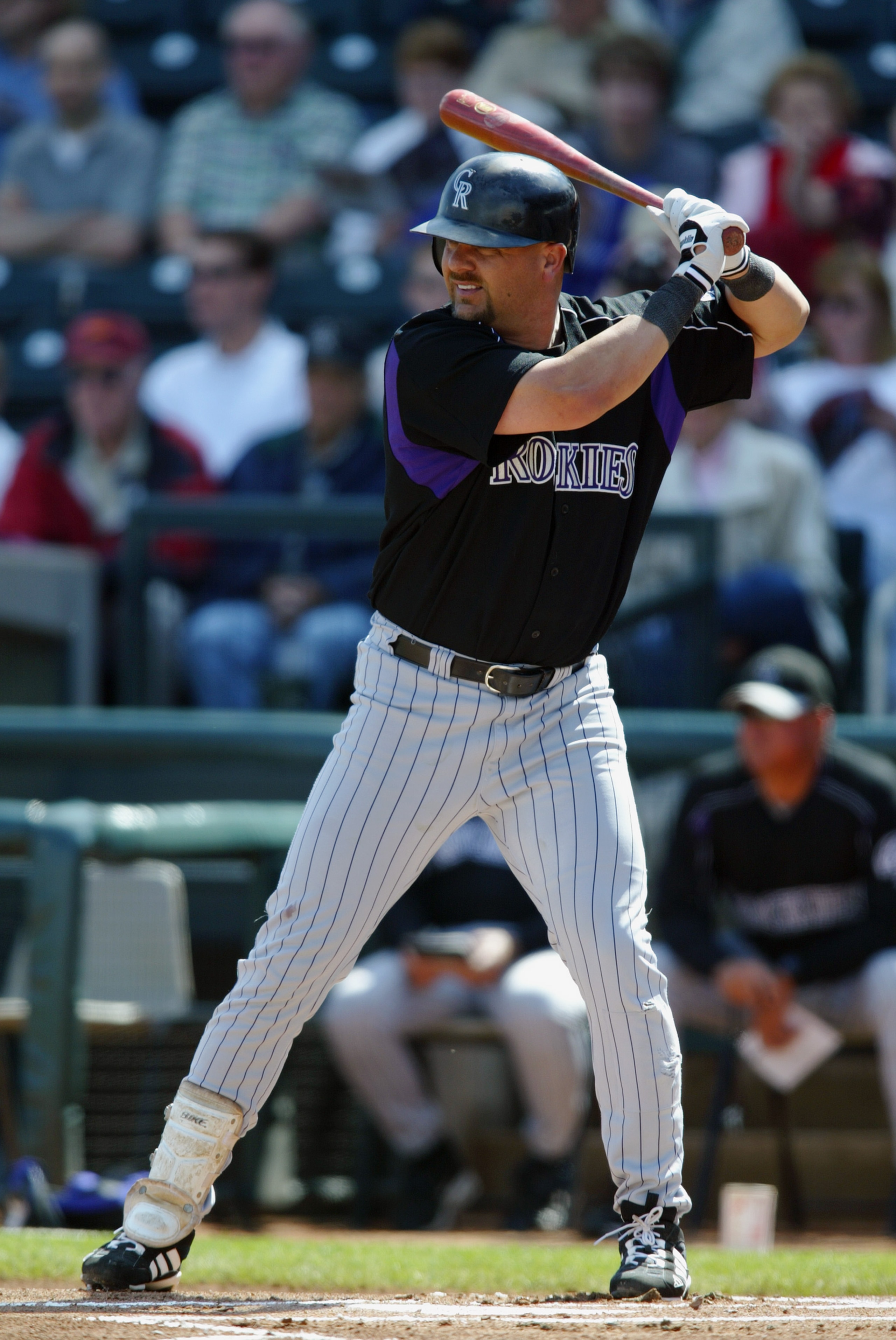
Walker undoubtedly was helped by playing the bulk of his prime years in Colorado's thin atmosphere. Still, if he hadn't been injury prone through his entire career, there wouldn't even be a discussion here. Walker finished with just short of 2,200 hits, 500 doubles, 400 home runs, over 1,300 runs scored, drove in 1,300 RBIs and had a career batting average of .313. Not bad for a guy who only played as many as 140 games in a season four times in his career. He also won three batting titles, an MVP in 1997, and seven gold gloves. I, for one, don't like to have production lost to injuries count too much against candidates, but when taken into consideration with the boost from Coors Field and, in my mind, Walker comes up slightly lacking.
Alan Trammell, SS, Detroit Tigers
10 of 20
This was a tough call for the 10th spot on my ballot between two similar players; Trammell and Barry Larkin. Trammell was the face of Detroit Tigers baseball for the entire decade of the '80s, and should have won the league MVP in 1987 when it went to Toronto's George Bell. Playing shortstop, a position more historically revered for defense than offense, Trammell's career numbers don't quite reach muster for general Hall of Fame acceptance, but are more than adequate for his position. Where he suffers a bit, in my mind, is playing at a time when Cal Ripken Jr. was redefining the position into an offensive force, which has led to the many great hitting shortstops of the past decade. Still, Trammell was a very good hitter, an excellent fielder (he won 4 gold gloves) and a Hall-caliber player. Just not quite as good as Larkin.
10. Barry Larkin, SS, Cincinnati Reds
11 of 20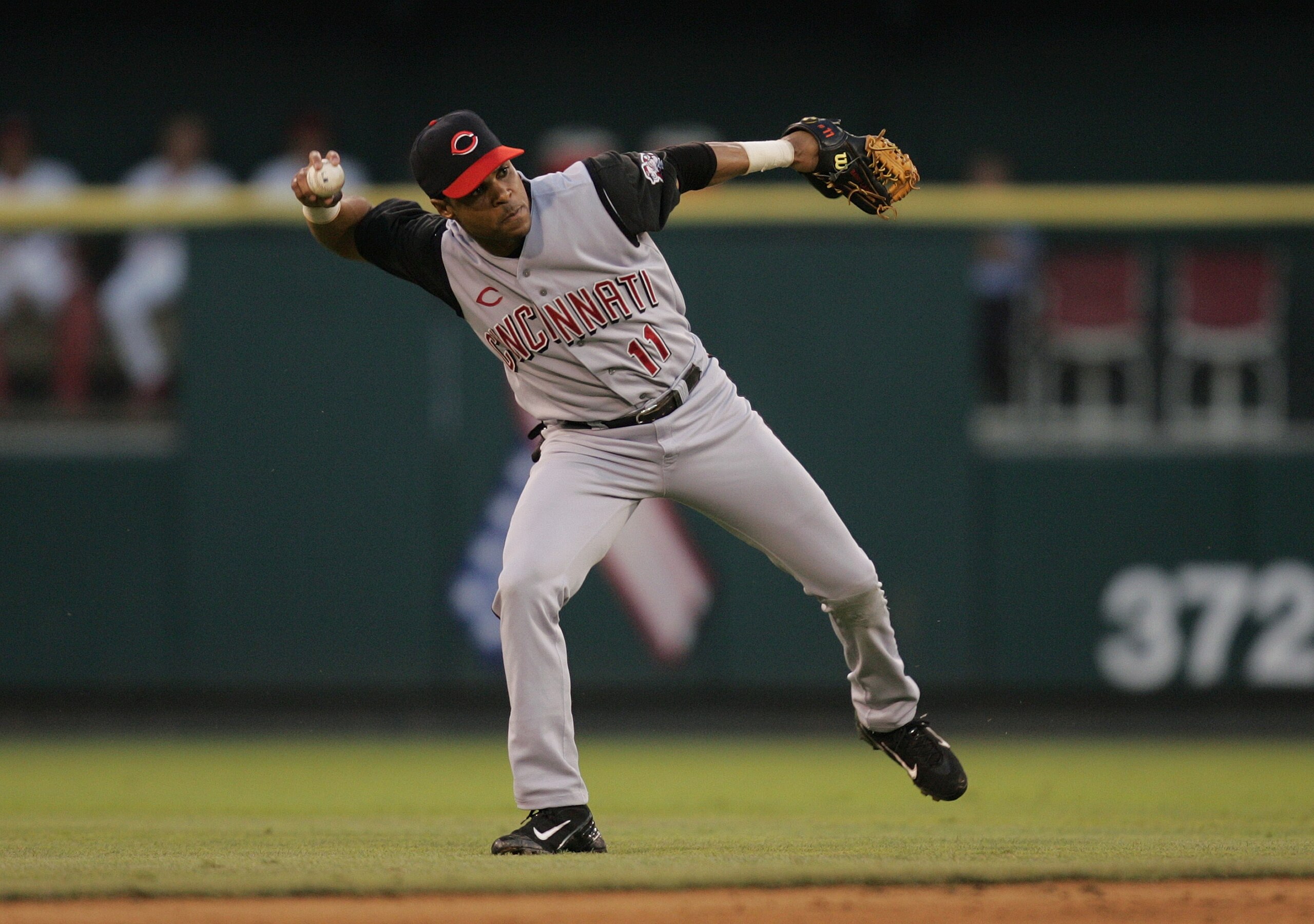
So that leaves the 10 guys I would vote for out of this year's pool, listed in order from 1-10, although that doesn't make any difference on the actual ballots. A vote is a vote, regardless of positioning. As I said, I think Larkin was a sightly better player than Trammell at the same position, which is why I chose him. He was a better hitter (.295 career), stole more bases, had more runs, doubles and home runs, plus he actually won an MVP in 1995. In addition, despite only winning 3 gold gloves, I believe Larkin was superior to Trammell defensively. Larkin was the anchor of the Reds for more than a decade, was a 12-time all star and helped Cincinnati win a World Series in the 1990 upset of the vaunted Bash Brothers of the Oakland A's. That gets him in, in my mind.
9. Harold Baines, OF-DH, Chicago White Sox, Texas Rangers, Oakland A's, Etc.
12 of 20
I think that Baines is probably more of a test of the DH than Edgar Martinez, mostly because his career numbers were helped along greatly by being able to DH for the last few seasons. His numbers don't quite reach the historical bench marks, finishing with 2866 hits and 384 home runs, and Baines never had the dominant individual seasons that Hall voters love, but he was consistently excellent over a long period of time. I believe, especially in a class lacking many obvious selections, Baines should get on a lot of ballots.
8. Tim Raines, OF, Montreal Expos, Chicago White Sox, New York Yankees, Etc.
13 of 20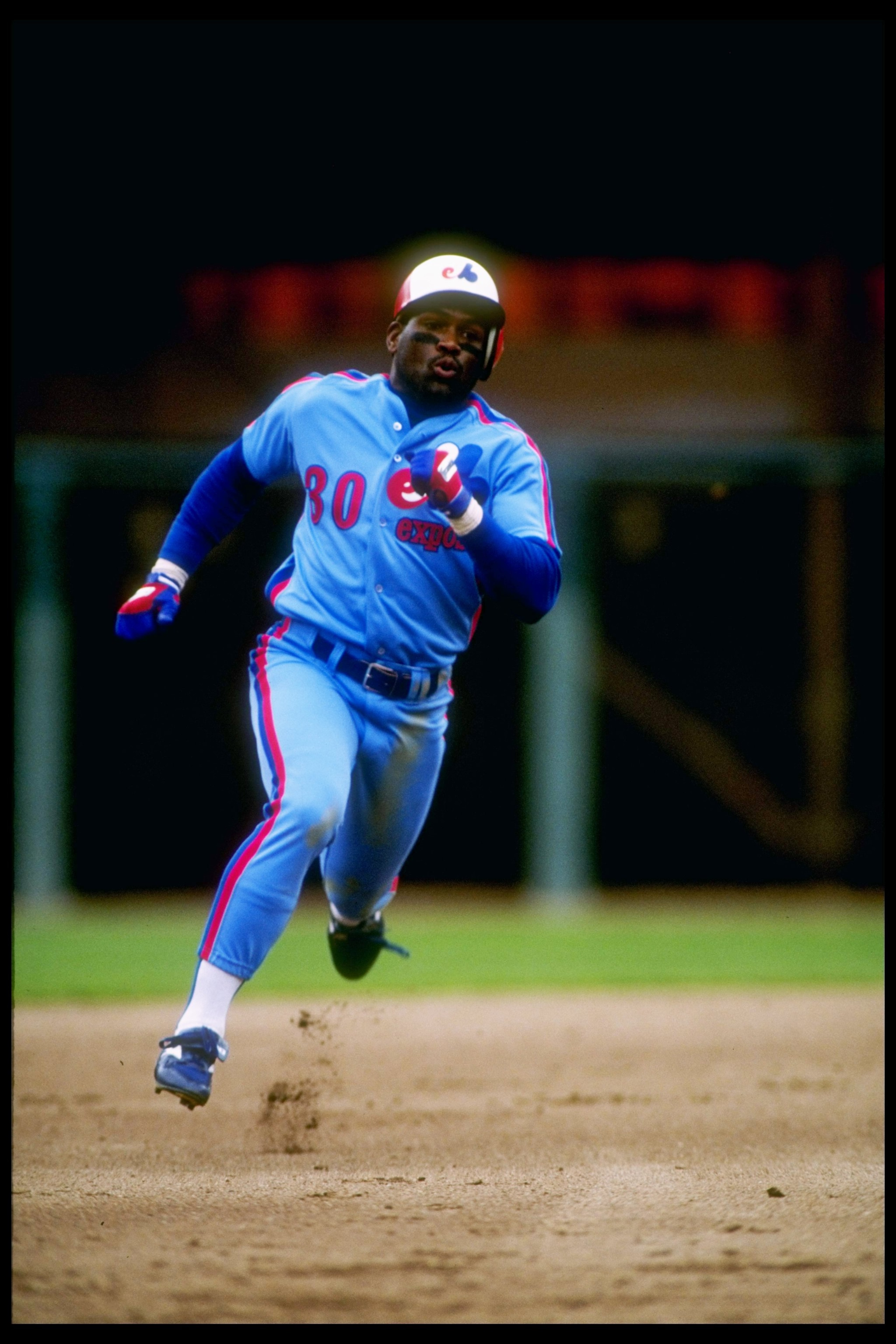
Raines was an exceptional hitter, especially early in his career with the Expos. He is fifth on the all-time steals list with 808, and also brought a little pop to go with that speed. Raines was a career .294 hitter who won a batting title in 1986, scored 1571 runs, had 2605 hits and 430 doubles to go with 170 home runs, often as a lead off man. He finally won a world series with the Yankees in 1996, and was a 7 time all star before lingering around the league far past his prime. Those last few seasons may hurt our recollections of Raines, but in my mind, he was one of the great lead off men of his time and a very dangerous hitter during his prime years. Raines, like his former Expo teammate Dawson, should be in the Hall.
7. Don Mattingly, 1B, New York Yankees
14 of 20
Donnie Baseball was on track to be one of the all-time greats before back injuries sapped much of his power stroke, and his ability to stay on the field. Unlike guys like Sandy Koufax and Kirby Puckett, who's careers were suddenly cut short by injuries, Mattingly came back and tried to play through his, and the resulting mediocre seasons have tarnished the dominant force he was during the '80s. In fact, his career numbers are pretty similar to Puckett, who was inducted in 2001 after being forced to retire due to glaucoma. Mattingly won an MVP in 1985, a batting title and finished up as a career .307 hitter despite several less than fantastic years at the end of his career. Mattingly never played in the post season until his final year of 1995, so we never got to see him in the prime spotlight. Still, in a five game series loss to Seattle that year, Mattingly hit .417 with 10 hits, 4 doubles, a home run and 6 RBIs, making the most of his only playoff chance. In addition to his offensive brilliance during his prime, Mattingly was the best defensive first baseman in the game, totaling 9 gold gloves before he retired. While the lack of stellar career numbers hurts his candidacy, I believe that the injury problems that didn't keep out Koufax or Puckett shouldn't keep out Don Mattingly, either. He belongs in the Hall of Fame.
6. Jack Morris, SP, Detroit Tigers, Minnesota Twins, Toronto Blue Jays, Etc.
15 of 20
Morris is an interesting case. He's a pitcher who's career numbers don't really tell the whole story. Even at that, he won 254 games and struck out nearly 2500 hitters. But what cements his inclusion to me is his World Series success. He won three championships for three different teams, but it's his first two, for Detroit and Minnesota, that really stand out. Combined, he was 4-0 in those series with a combined ERA well under 2.00. He was the winning pitcher in the insane 1-0 game seven win over John Smoltz and the Atlanta Braves in 1991, throwing 10 innings of shutout ball for the win. He was even named World Series MVP that year. Morris may not have been unhittable over his career (a lifetime 3.90 ERA attests to that) but he was an exceptional big game pitcher, and to me, he deserves to be in.
5. Dave Parker, OF, Pittsburgh Pirates, Cincinnati Reds, Oakland A's, Etc.
16 of 20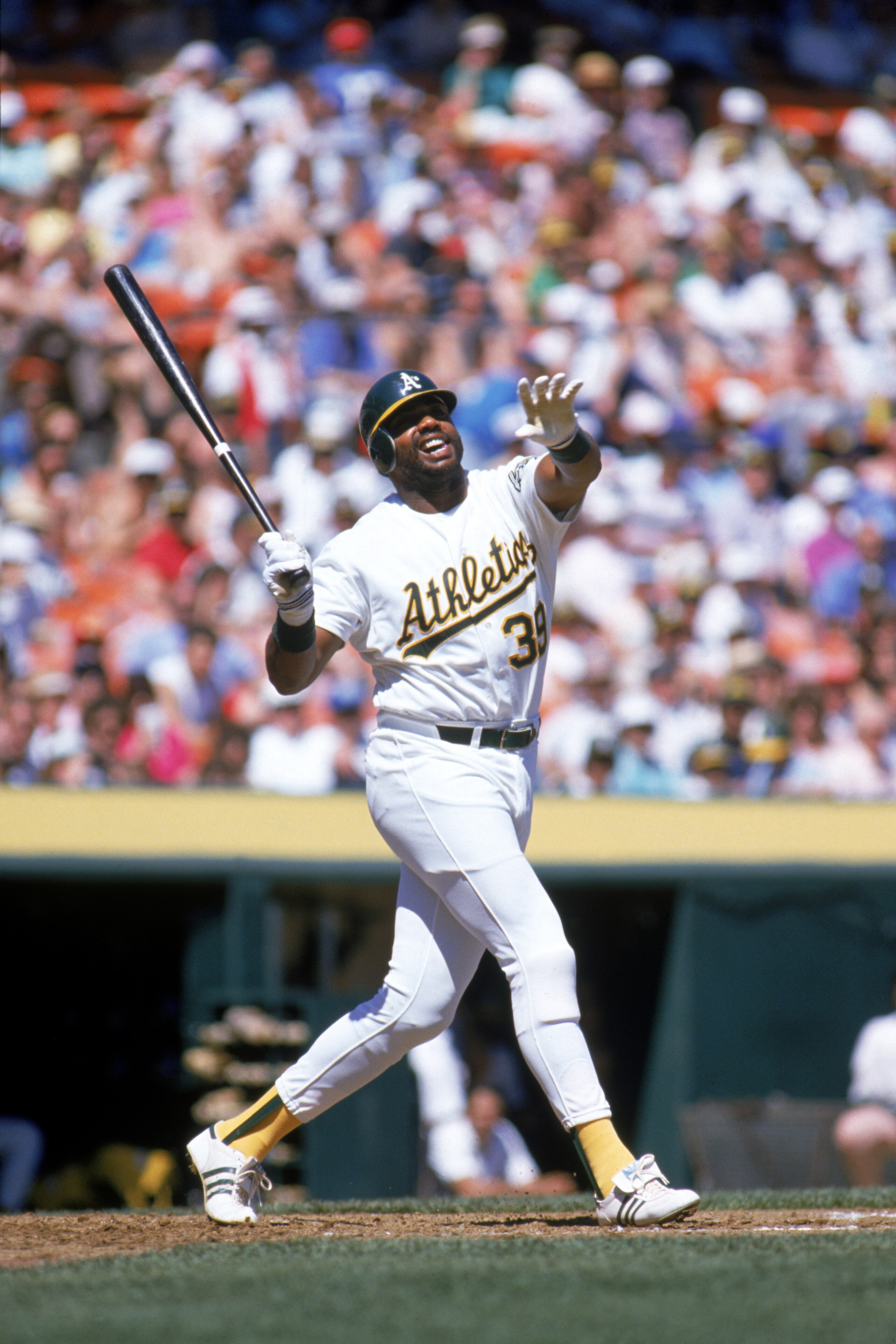
Parker's career numbers may not be eye-popping, but he was a 7 time all star, 2 time batting champion and a league MVP in 1978 with the Pirates. He was a huge reason why the Pirates were able to upset the heavily favored Baltimore Orioles in the 1979 World Series. Parker went on to have excellent years with the Reds and A's to finish his career with 2712 hits, 526 doubles, 339 home runs and nearly 1500 RBIs. Parker was a feared hitter during much of his career, and like many on this list, his lower career numbers are more of a testament to playing during baseball's modern-era dead ball period between the late '70s and early '90s than any deficiency on his part. That didn't stop Jim Rice from finally getting elected, and it shouldn't stop Parker, either.
4. Jeff Bagwell, Houston Astros
17 of 20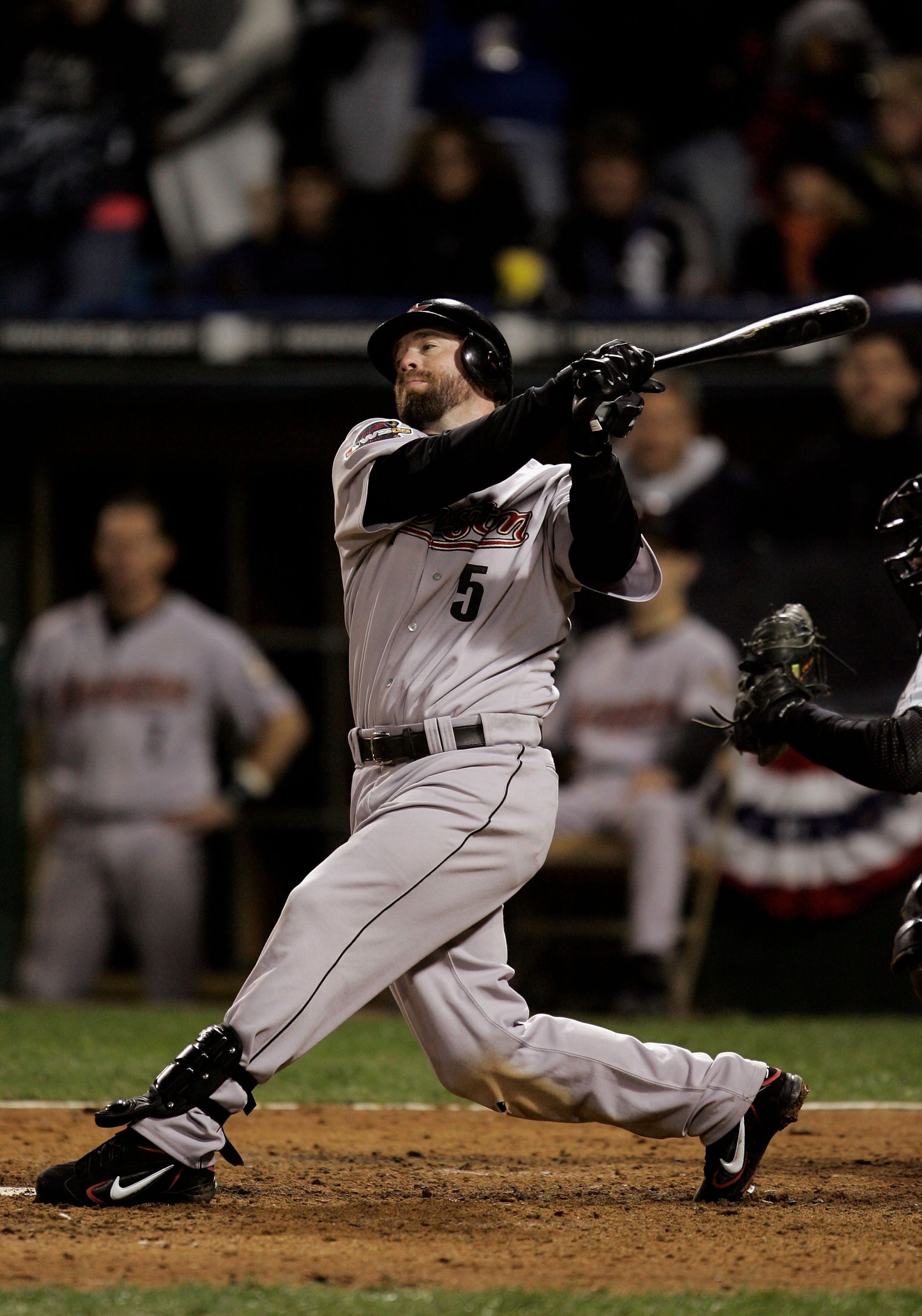
Bagwell suffered a bit from playing the first nine years of his career in the Astrodome, which was a far cry from the hitters' paradise Minute Maid Park is today. Even at that, Bagwell put up Hall-worthy numbers during his short 15-year career. As a minor leaguer, Bagwell was traded to Houston from the Boston Red Sox organization for reliever Larry Andersen. Andersen turned out to be a end-of-season rent-a-player for Boston, who stunk it up in the post-season that year, making this possibly one of the worst trades in major league history. Bagwell, who was the Rookie of the Year in 1991 and the league MVP in 1994, wrapped up his career with 1,500 runs scored, 2,300 hits, 450 home runs, 1,300 RBIs and had a career OPS of .948, good for 21st all time. He had six straight seasons from 1996 to 2001 with over 100 runs, 100 RBIs and 100 walks. Playing his entire career for one team helps, in my mind, as well. His career numbers might be a hair on the low side, but when you factor in what he likely lost due to playing in the Astrodome, as well as the injuries that ended his career prematurely, in my mind, Bagwell is an easy Hall of Famer.
3. Rafael Palmiero, Chicago Cubs, Texas Rangers, Baltimore Orioles
18 of 20
Okay, now we get controversial. I, for one, don't really care about steroids. Yes, it's a good thing for the history of the game that the league is trying desperately to mitigate performance enhancers and their impact, but there is just no way to know for sure who was on the juice and who wasn't, pitchers and hitters alike. The guys, like Palmiero, who got caught, are unfairly punished, in my mind, simply because we can never know for sure that everyone wasn't on one thing or another. Unlike Mark McGwire, Palmiero has the numbers for a dead-lock Hall of Fame induction. He's 24th all time in hits, 10th in total bases, 16th in doubles, 12th in home runs and 15th in RBIs. He was also a three-time gold glove winner at first base. Hank Aaron, Willie Mays, Eddie Murray and Palmiero are the only guys in major league history to have 3,000 hits and 500 home runs. His gaudy career numbers include over 1,600 runs scored, 3,020 hits, 585 doubles, 569 home runs, and more than 1,800 RBIs. His numbers may be inflated due to chemical enhancement, but it's not like baseball hasn't see extreme live ball periods in its history before, and we never counted that against the players. We shouldn't start now, especially when, for much of the time, the things people were doing weren't even illegal or against league rules. For my money, Palmiero shouldn't just be in the Hall of Fame, he should be first ballot.
2. Roberto Alomar, 2B, San Diego Padres, Toronto Blue Jays, Baltimore Orioles
19 of 20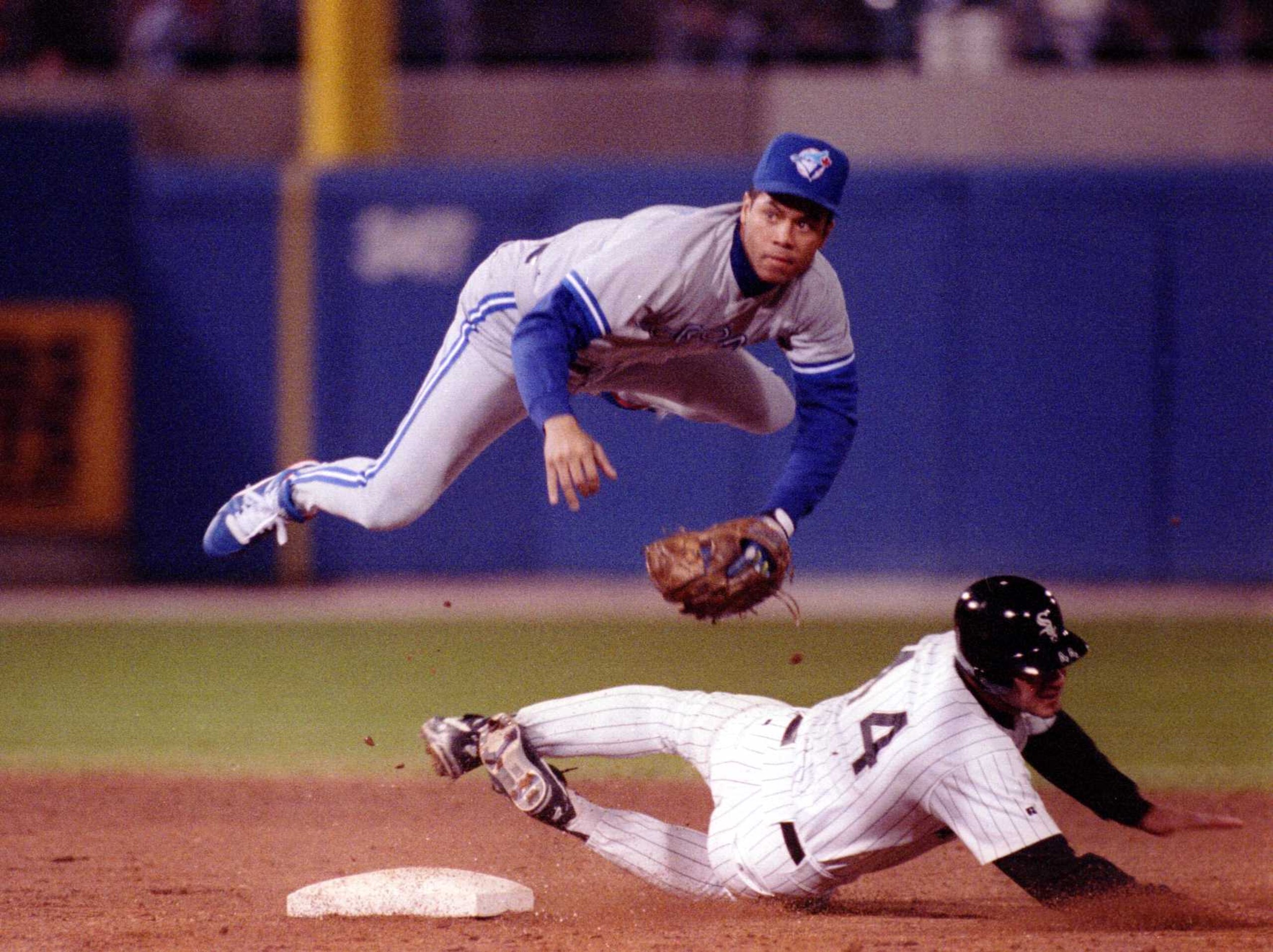
Of all the first-time candidates on the ballot last year, Alomar was hands-down the most Hall-worthy. In my mind, he was simply the best second baseman of his era, if not any era. He combined moderate power, speed, excellent contact hitting and exceptional defense in a way that no one else did. Over the course of his career, he was a 12 time all star, a 10 time gold glove winner, and was the 1992 ALCS MVP helping Toronto toward a championship that season. His range at second base was unmatched by his peers, and he would routinely make spectacular plays on balls virtually no one else could have even gotten to. His career stats, for a second baseman, are easily Hall-worthy, finishing up as a .300 hitter, with over 1500 runs scored, 2724 hits, 1124 RBIs, over 500 doubles and 478 steals. Its likely that Alomar's prickly attitude and the spitting incident worked together to keep him out last year. But there is simply no excuse for him not being included this year.
1. Bert Blyleven, SP, Minnesota Twins, Texas Rangers, Pittsburgh Pirates, Etc.
20 of 20
I say this every year, but it would be a joke if Blyleven isn't inducted this year, especially considering the relatively open nature of the field. In fact, I've long felt that Blyleven's omission from the Hall was a black mark on the process and those who vote for it. There is simply no excuse for him not to be voted in. Just a few numbers; 287 wins (many of them on bad teams) 14th all time in innings pitched with nearly 5000 yet a career ERA of 3.31. He's fifth all time in strikeouts with over 3700, ninth all time in shutouts with 60 and has "only" 242 complete games. We'll soon be seeing pitchers elected into the Hall with 10 times fewer complete games. Simply put, Blyleven was an exceptional pitcher for a long time but because he played for lesser franchises far out of the spotlight, most of the voters apparently don't recall how good he really was. He only reached the post season three times in his career, but he was 5-1 with a 2.47 ERA during those series, which led to two championships-- one with the Pirates in 1979 and one with the Twins in 1987--both teams heavy underdogs at the time. Blyleven is reaching the end of his eligibility to remain on the ballot. This is his 14th year, and by far the most promising. Fortunately for him, if by some freak chance he doesn't make it this year, next season offers a weak incoming class without any obvious Hall-caliber players. Hopefully, he won't have to wait, good sense will prevail and Blyleven will finally get his long-awaited and much deserved spot in Cooperstown.



.jpg?w=2560 "Jonathan Taylor Landing Spots")
.jpg?w=2560 "Malik Beasley Negotiating Plea Deal (AP)")


.jpg?w=2560 "NFL House in Paris Closes for Protests (AP)")