

Inside the Numbers: Predicting a Champion with the Coaches Poll
With the release of the 2010 USA Today Coaches' Poll, the college football season is officially underway—we move from wildly unsubstantiated speculation to slightly substantiated speculation.
Now that it's August and an official piece of the BCS pie has had its input, I wanted to examine what we can actually take from the past in order to predict the future.
Also, in the spirit of college football, I am attempting to combine info one might actually learn in college and apply it to football. Trust me; this doesn’t go any deeper than Statistics 101.
By now, the BCS system has been in existence for 12 seasons, meaning that 24 teams have participated in a designated BCS Championship Game, be it the BCS National Championship Game that has occurred since the 2006 season, or one of the big four from 1998-2005.
More numbers would be nice, but 24 are enough to draw some conclusions.
The following slides will examine the poll, its history, and what conclusions we can assume this year.
First, we have to examine what we're dealing with; although possible, no teams from the same conference have ever played in the title game, so we'll assume that won't happen this year either.
That said, here are the categories:
ACC
Big East
Big Ten
Big XII
Pac-10
SEC
Non-AQ/Independent
The championship game will consist of two teams, each representing one category.
2010 USA Today Coaches' Poll
1 of 12
From the poll, I've categorized teams four ways:
- Contenders: within one standard deviation (5.41) of the mean participant preseason ranking (5.29)
- Hopefuls: within two standard deviations
- Long-shots: within three standard deviations
- Stranger Things Have Happened: ranked No. 22-25
1. Alabama
2. Ohio State
3. Florida
4. Texas
5. Boise State
6. Virginia Tech
7. TCU
8. Oklahoma
9. Nebraska
10. Iowa
11. Oregon
12. Wisconsin
13. Miami (FL)
14. Penn State
15. Pittsburgh
16. LSU
17. Georgia Tech
18. North Carolina
19. Arkansas
20. Florida State
21. Georgia
22. Oregon State
23 Auburn
24. Utah
24. West Virginia
Boring Graph One: History of Participants' Starting Ranking
2 of 12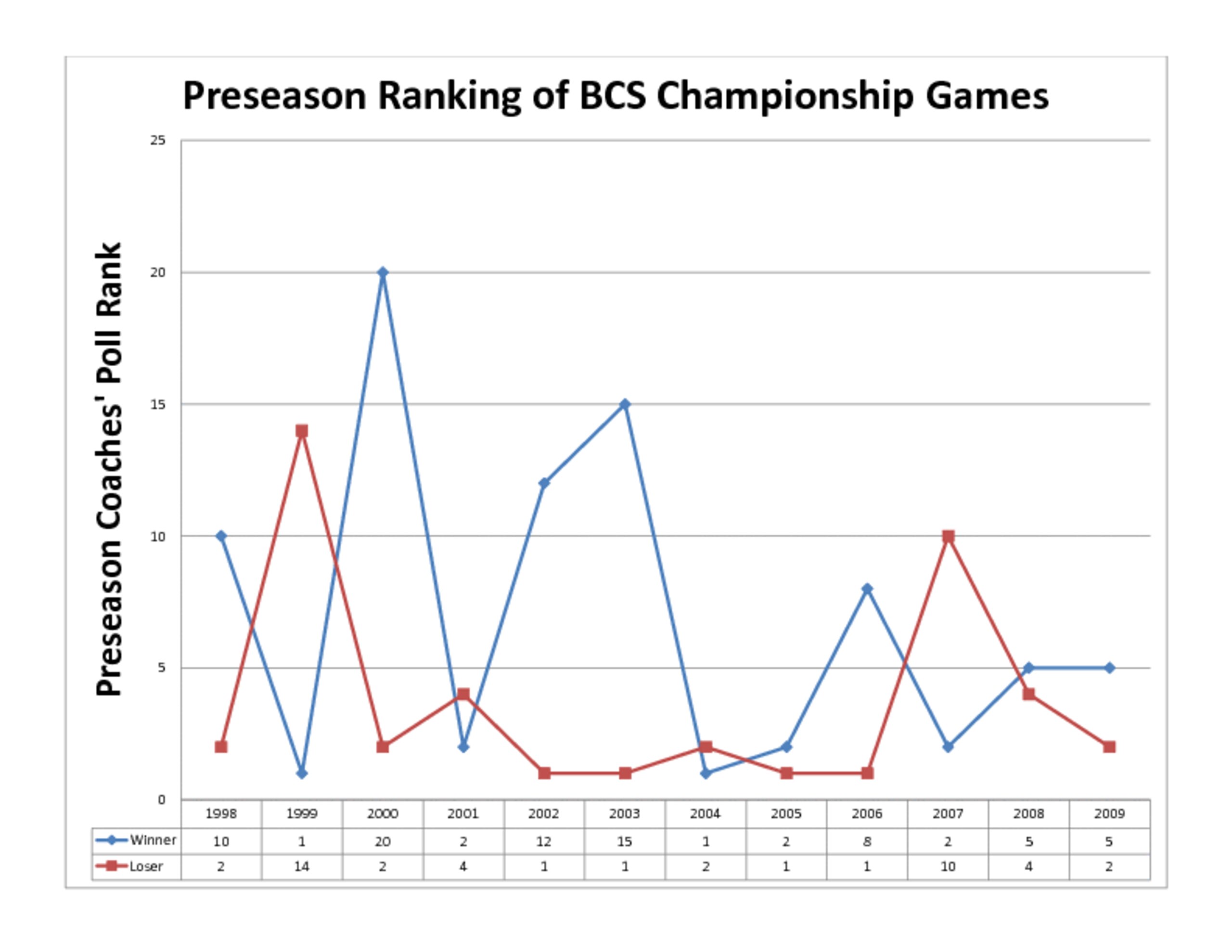
As you can tell, the winning team has often been ranked lower than the losing team. In fact, in 10 of 12 seasons, the losing team has started the year ranked No. 4 or better.
Only 1999 Virginia Tech (14) and 2007 Ohio State (10) started the year worse than No. 4.
For the winning teams, the range is significantly larger.
2000 Oklahoma provides the most hope after starting the year at No. 20, while other outliers include 2003 LSU (15), 2002 Ohio State (13), and 1998 Tennessee (10). The last two years, the preseason No. 5 team has claimed the national title.
Only one title game (2008) featured a team not ranked either No. 1 or No. 2.
Furthermore, only twice has No. 1 played No. 2 (2004 and 2005), although no other combination has been duplicated.
Boring Graph Two: Conference Participation
3 of 12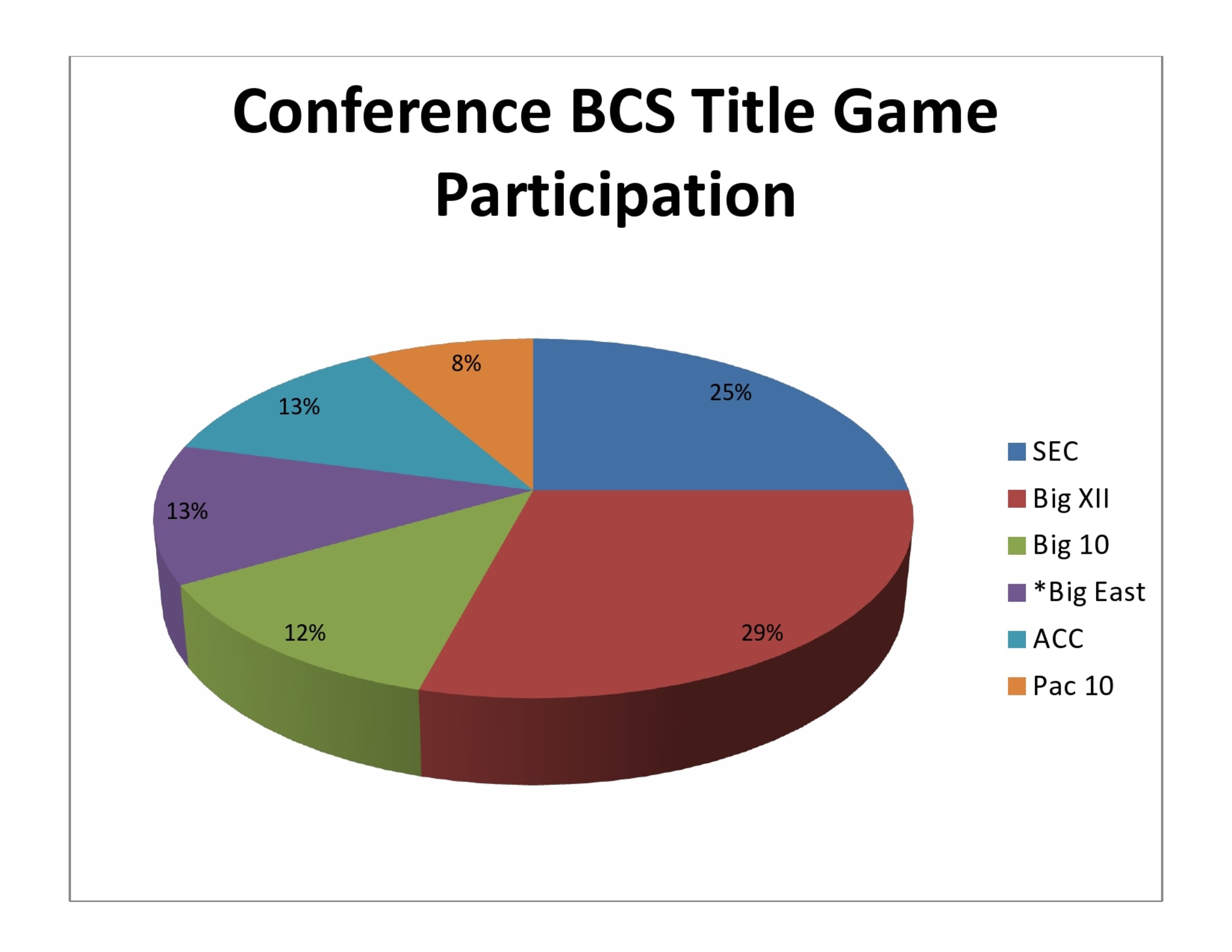
This graph measures the total percentage of a conference’s participation in the title game for all 24 teams. Of course, since there are two teams from different conferences participating, no single conference could have greater than 50 percent.
The Big XII leads the way with seven teams (2-5 record), followed by the SEC with six (6-0), Big Ten with three (1-2), Big East with three (1-2), and ACC with three (1-2). The Pac 10 has just two appearances (1-1).
Since 2003, the championship game has been solely comprised of teams from the SEC, Big XII, Big 10, and Pac 10. The ACC's three appearances came from Florida State, the last being in 1999. The Big East's claim to fame was through Miami and Virginia Tech, both of which are now in the ACC. No Non-AQ or Independent has ever made it.
*Big East participants are no longer associated with that conference.

.png?w=2560)
Big East
4 of 12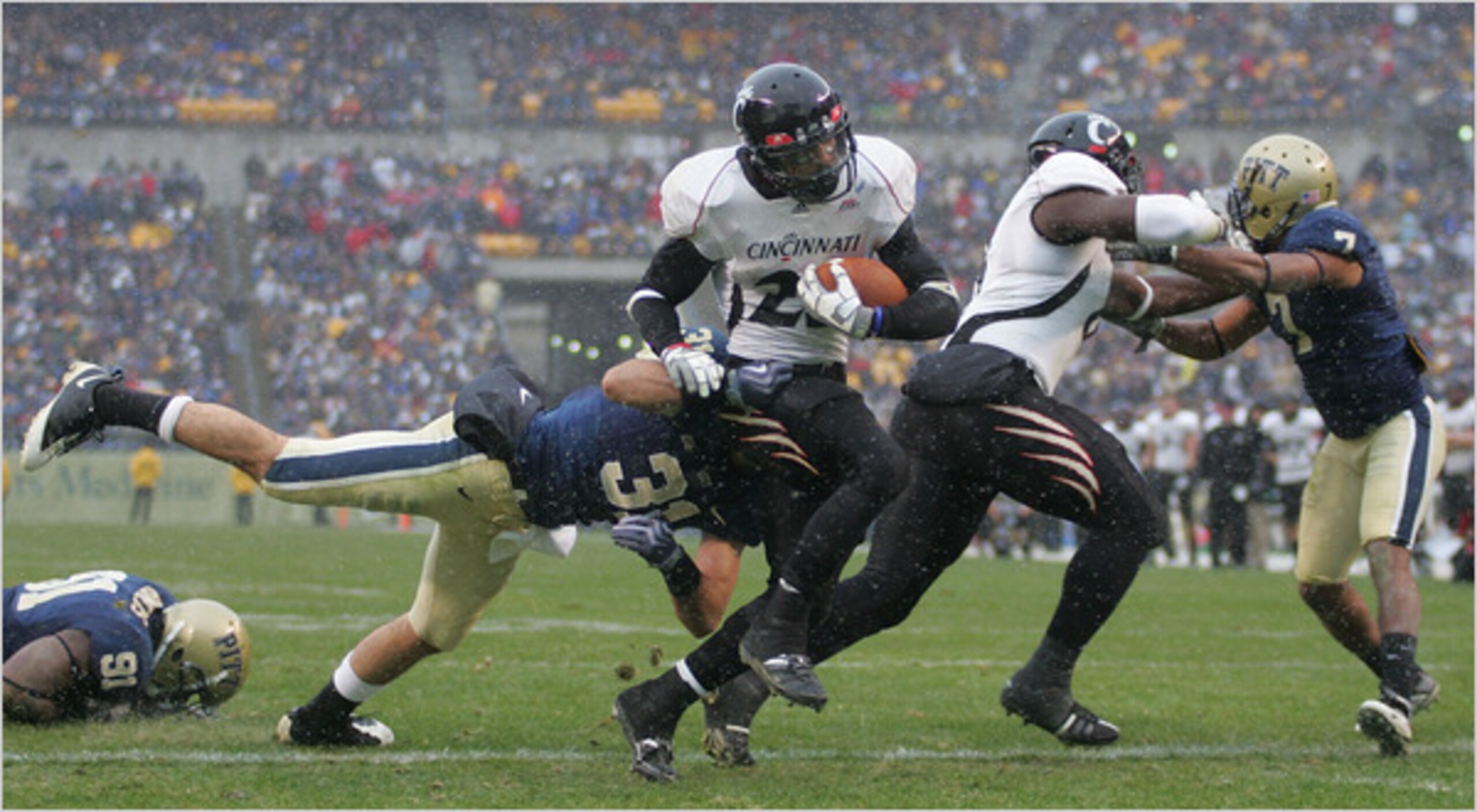
Contenders: NONE
Hopefuls: Pittsburgh
Long-shots: NONE
Stranger Things Have Happened: West Virginia
The Big East seems to always have to defend themselves and exceed expectations.
The conference has produced some good teams in recent years but like the ACC, has lacked and elite team. The conference has sometimes been close; West Virginia had it in 2007 before losing at home to a bad Pitt team, and in 2009, Cincinnati went undefeated only to finish third in the BCS and be blown out by Florida in the Sugar Bowl.
No contenders exist this year, but Pittsburgh comes in at No. 15, the spot the 2003 LSU Tigers started the season. Pittsburgh begins with a tough road trip to Utah.
Expect the Panthers to do well but it would be surprising to see the Big East representative in Glendale this January.
ACC
5 of 12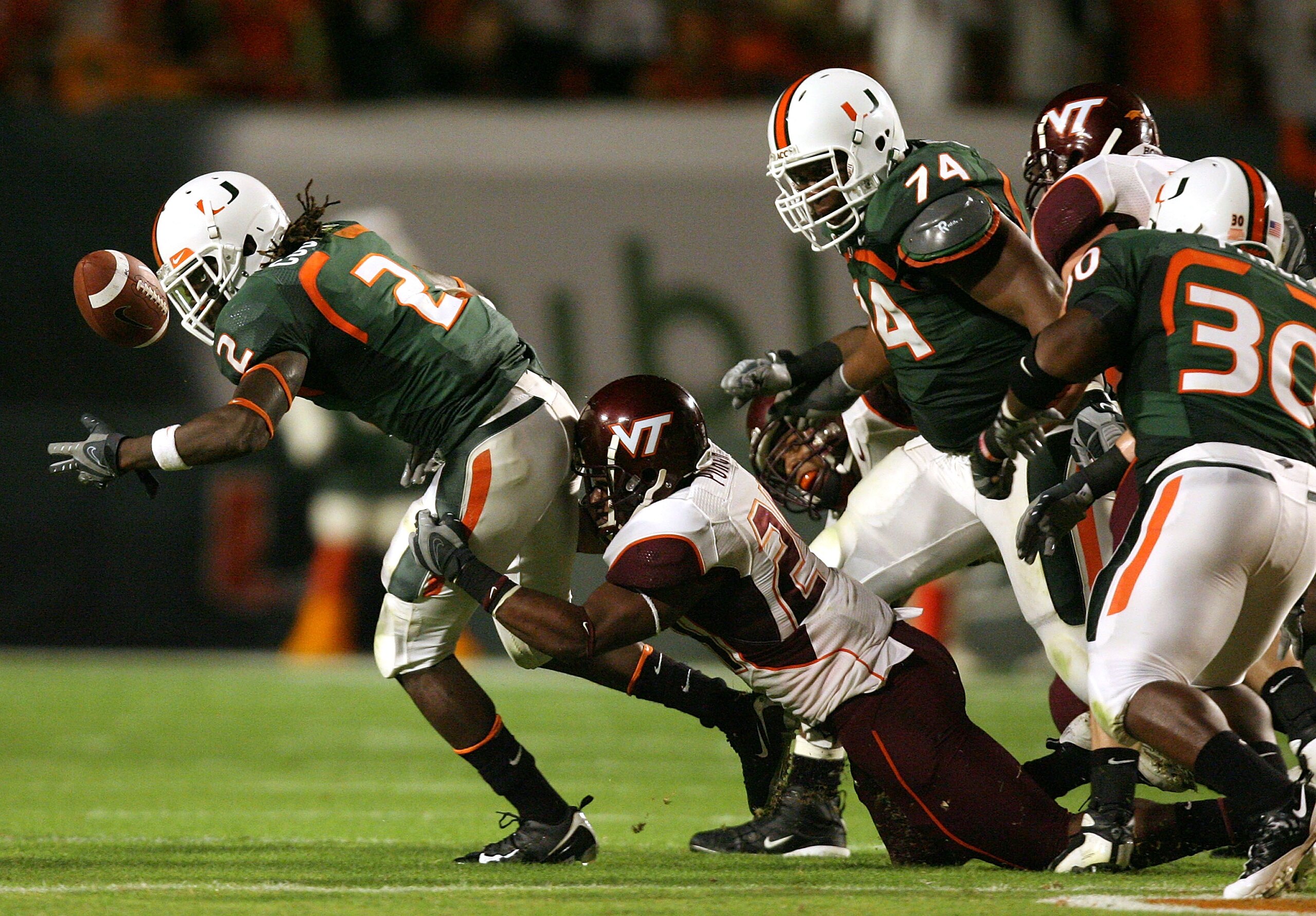
Contenders: Virginia Tech
Hopefuls: Miami
Long-shots: Georgia Tech, North Carolina, Florida State
Stranger Things Have Happened: NONE
When the ACC raided the Big East, it looked to become a football supepower. This however, has yet to materialize.
While the conference boasts some quality teams (five of the top 20) and tremendous parity, it lacks an elite leader. Virginia Tech has been the closest ting over the last eight years and looks again to be have the best chance.
Of course, if the Hokies lose against Boise State, the conference could be in big trouble. A No. 7 has never made the title game, but it certainly falls within the range of reason.
Miami starts the year at No. 13, a starting point from which no team has won a championship, but a No. 12 and No. 13 have both been there. Florida State is the lowest of the ranked teams at No. 20, a spot where the 2000 Oklahoma Sooners won it all.
The ACC definitely has a chance in 2010, but a true dominant team must emerge. The conferences top four teams all reside in the Coastal Division and I expect the conference to cannibalize itself again this year.
We will know a lot after week one; if the Hokies beat Boise State and UNC knocks off LSU, it could be a great year.
Big XII
6 of 12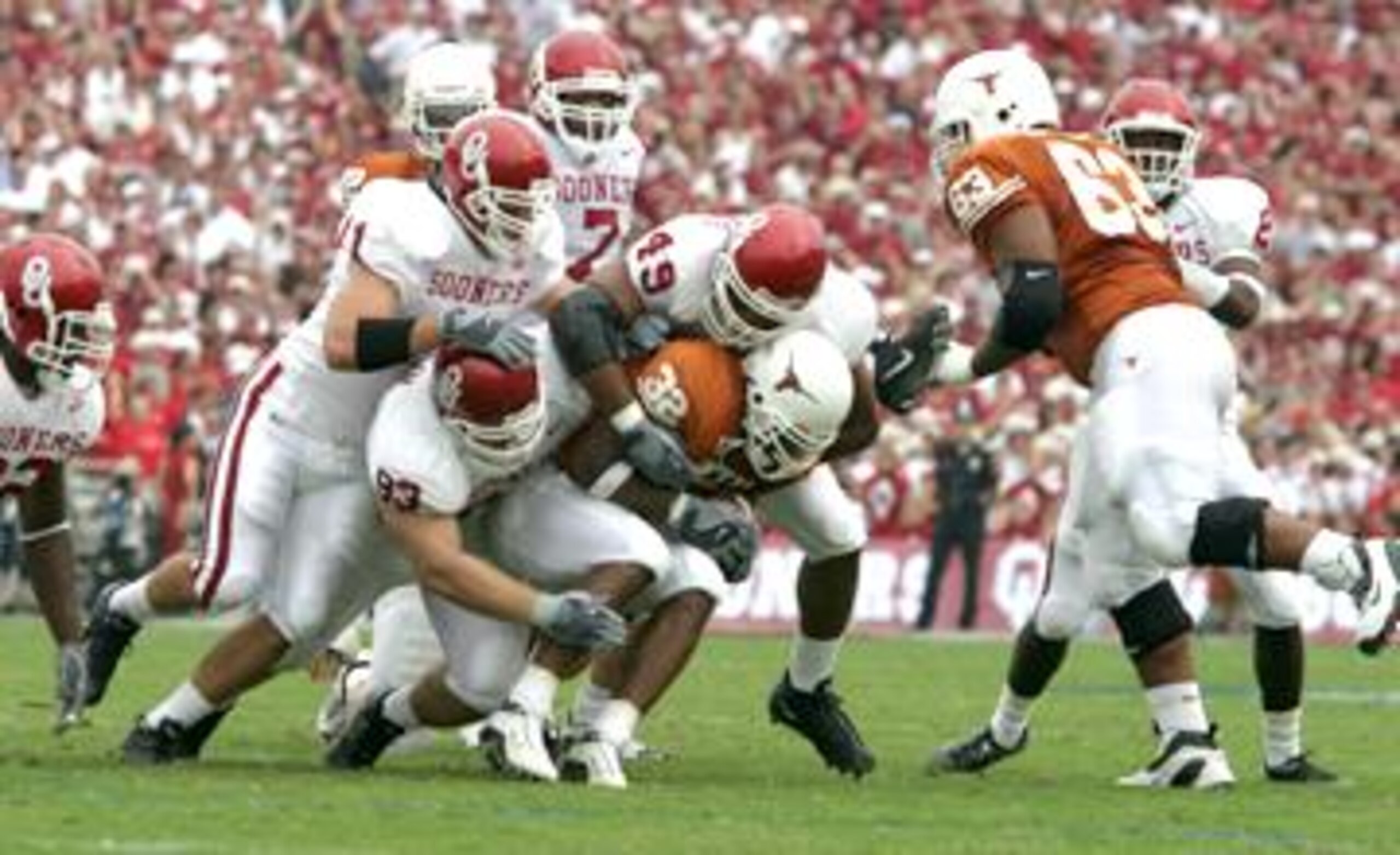
Contenders: Texas, Oklahoma, Nebraska
Hopefuls: NONE
Long-shots: NONE
Stranger Things Have Happened: NONE
In its final year with 12 teams (at least for now), the conference with the most title game appearances is again front-loaded.
No. 4 Texas is the highest ranked team, and while two No. 4s have made it, both have lost. However, the statistical trend (3.3) predicts Texas to win the National Championship.
Unfortunately, the trends were way off the last two years. The No. 4 spot (3.6) rounded up is also the average poll position of the BCS loser.
Oklahoma is looking to rebound after a tough 2009 season and starts in the same spot at No. 8 as Florida did in 2006. No. 8 is higher than most Sooner teams begin, but statistically speaking, it is certainly within range to make a strong title push.
At No. 9, Nebraska is poised to regain their glory. No ninth-ranked team has ever made it either, but it is again within range. Nebraska is the clear favorite in the North division and has an advantage by not playing Oklahoma.
Even if the Huskers lose to Texas in Lincoln, if it's their only loss, they stand a great chance to avenge it in the championship game.
Looking back, Nebraska didn't even have to win their division to make it in 2001 (although that's not happening again).
Big Ten
7 of 12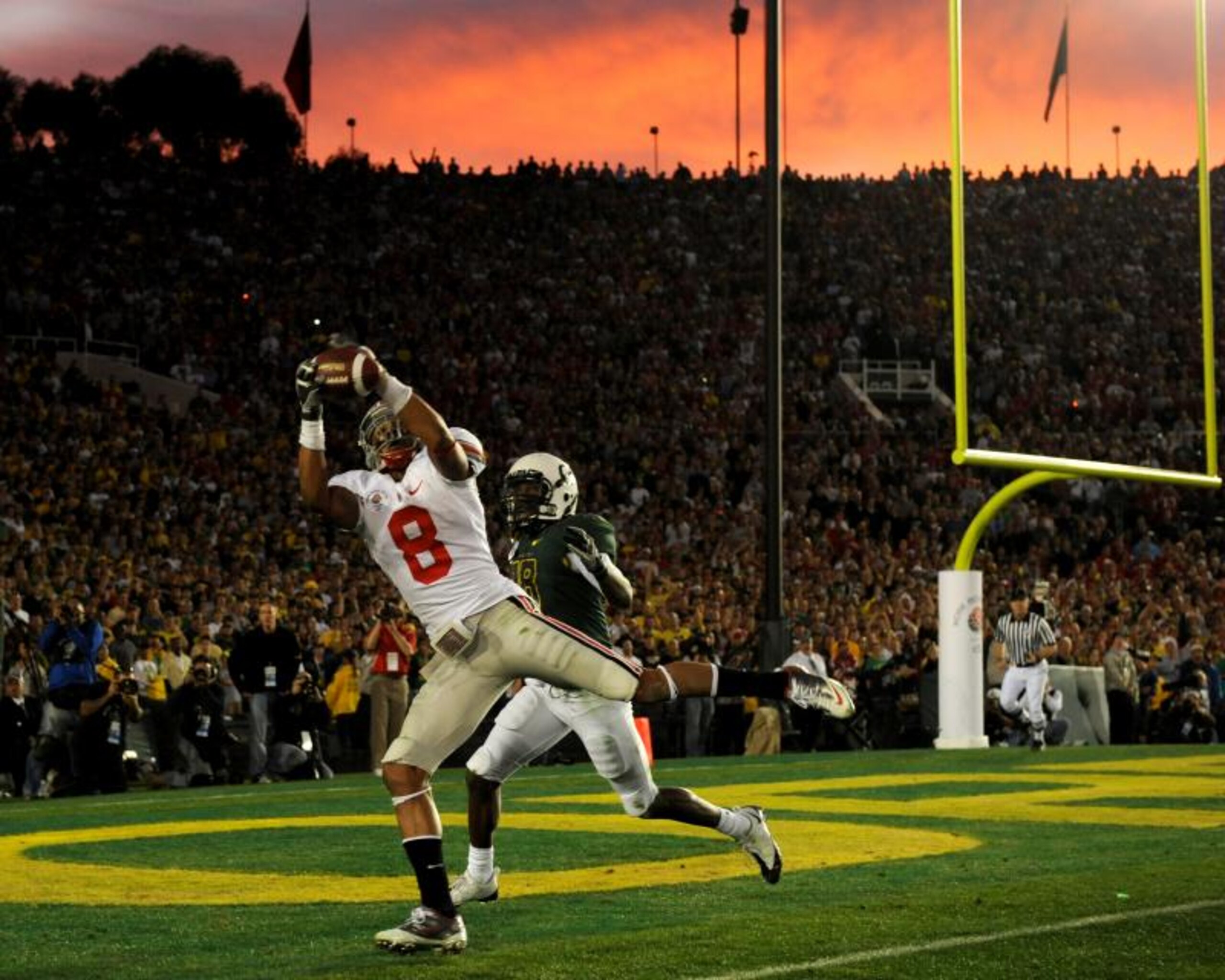
Contenders: Ohio State, Iowa
Hopefuls: Wisconsin, Penn State
Long-shots: NONE
Stranger Things Have Happened: NONE
This is a huge year for the Big Ten and the dominant team of the last decade is in an excellent position to make a title run.
At No. 2, Ohio State inherits the spot most represented in title games (7) and more importantly the most wins. No. 2 is where you want to be, and frankly a spot in the championship is theirs to lose.
With a stronger Big Ten and a tough out of conference game against Miami, the Buckeyes are primed for success.
Iowa at No. 10, also just falls in the range of contender. Twice a No. 10 has made it, with one win and one loss. The Hawkeyes are in an excellent spot to make a run with difficult conference games at home (Penn State, Ohio State) and a tough road game at Arizona.
Other quality Big Ten teams include No. 12 Wisconsin, the same spot Ohio State won from in 2002, and No. 14 Penn State. Both teams have a reasonable shot to make it if they win out. Penn State will be tested early at Alabama; should they win, everything changes.
SEC
8 of 12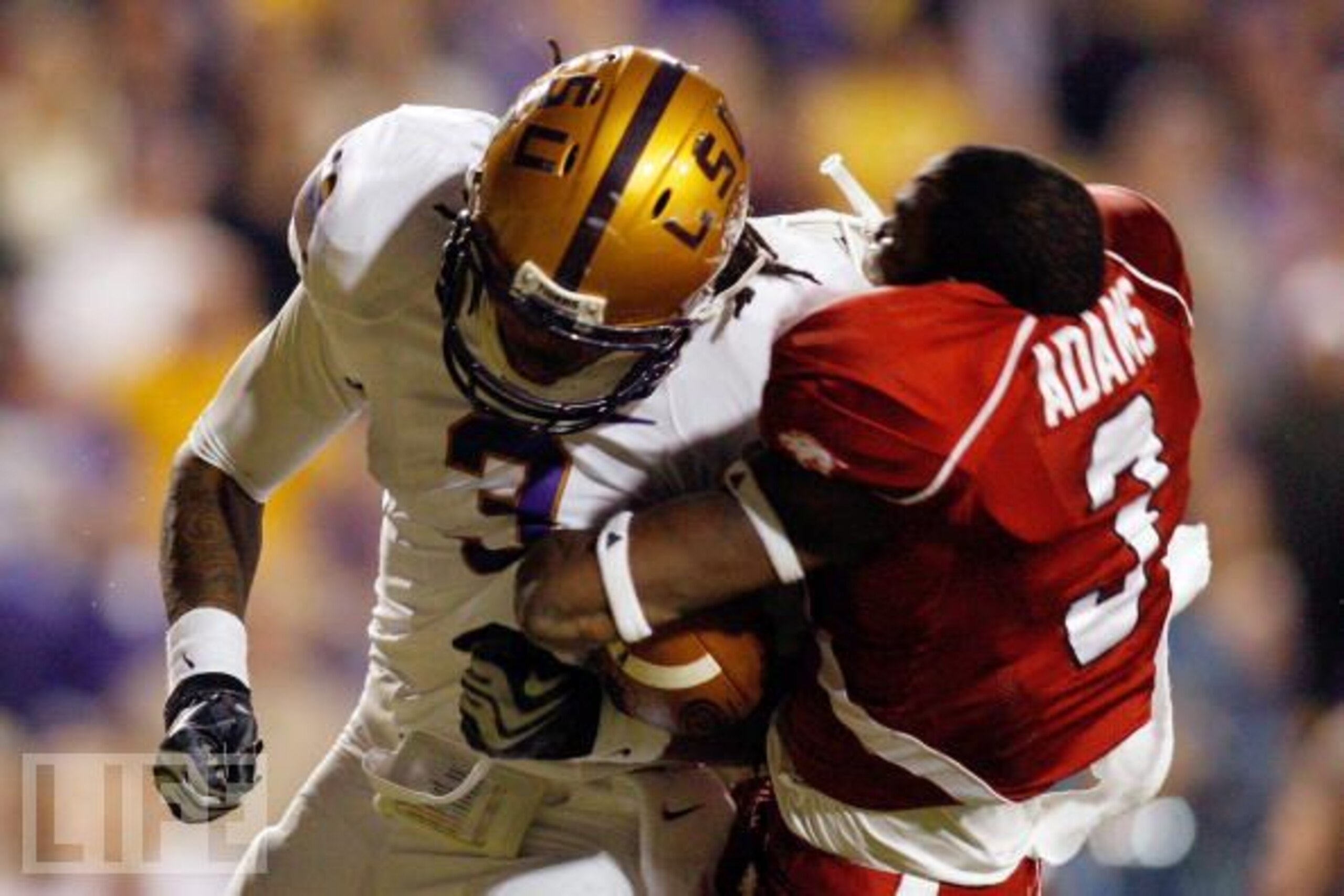
Contenders: Alabama, Florida
Hopefuls: LSU
Long-shots: Arkansas, Georgia
Stranger Things Have Happened: Auburn
Here we are at the big boys, winners of six titles including the last four. The SEC starts the year with five ranked teams, four in the West and two in the East.
Alabama is the clear favorite, statistically and otherwise. No. 1 is second in appearances with six but just two championships.
The Florida Gators hope to be the first No. 3 to make and win a championship. However, the statistical trend points to the Gators as the championship game loser this year.
LSU at No. 16 just slides into the "Hopefuls" category. A No 16 has never made it, but is clearly within a reasonable range and the Tigers 2003 team started at No. 15.
No 19 Arkansas, No. 21 Georgia, and No. 23 Auburn are also within range.
The truth is every SEC team likely holds its own destiny. Sure, try telling that to Auburn, but the conference has more than proven itself since 2006 and is likely to win any tiebreaker.
Pac-10
9 of 12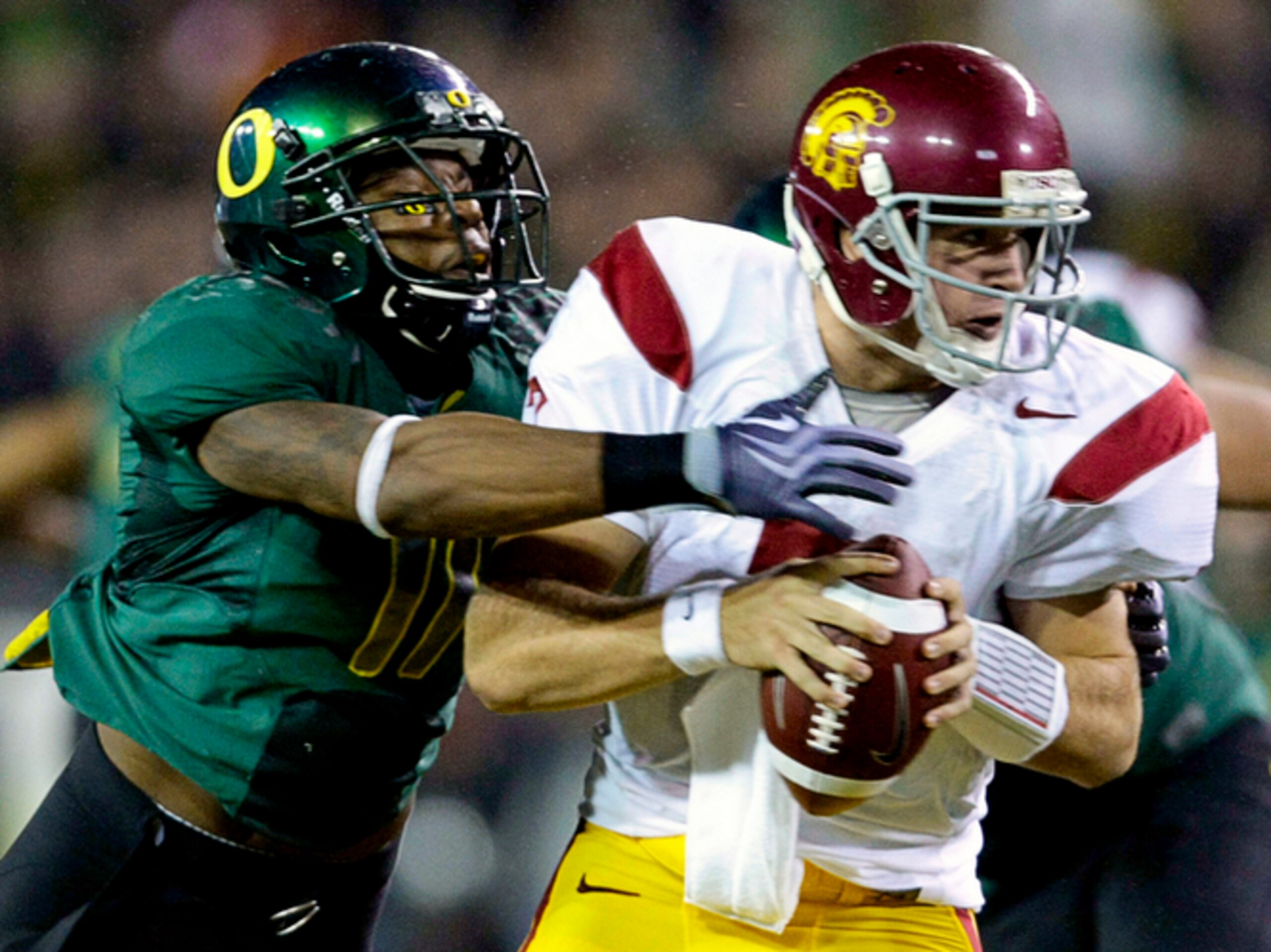
Contenders: NONE
Hopefuls: Oregon
Long-shots: NONE
Stranger Things Have Happened: Oregon State
The Pac 10 lost their big gun this year with USC’s postseason ineligibility. This, of course, eliminates the Trojans from consideration but does not prevent them from ruining the chances of their league rivals.
Oregon has the best chance and at No. 11 just missed out on "Contender" status. Nothing remarkable has ever come from No. 11, but it's certainly a reasonable position from which to make a run.
The Beavers of Oregon State come in at No. 23 with tough out-of-conference matchups with Boise State and TCU. Statistically, No. 23 would be difficult place to advance from even if they go undefeated, but it certainly possible.
Arizona and Stanford are also on the cusp of the top 25.
Non AQ/Independent
10 of 12
Contenders: Boise State, TCU
Hopefuls: NONE
Long-shots: NONE
Stranger Things Have Happened: Utah
This is a very interesting year for the non-AQ teams from the WAC and Mountain West.
At No. 5, Boise State and its 21 returning starters are the highest-ranked team not from a BCS conference in the BCS era. No. 5 has been an excellent starting spot; Florida began their run there in 2008, as did Alabama in 2009. No. 5 is also the median position for BCS champions.
TCU is also in an excellent spot at No. 7, second-highest ever next to Boise State. No. 7 has never made it before but it is again within a reasonable range.
Utah at No. 24 may have a difficult time making it by starting that low and would likely hit the non-AQ ceiling with which the Utes are all too familiar.
The Finalists
11 of 12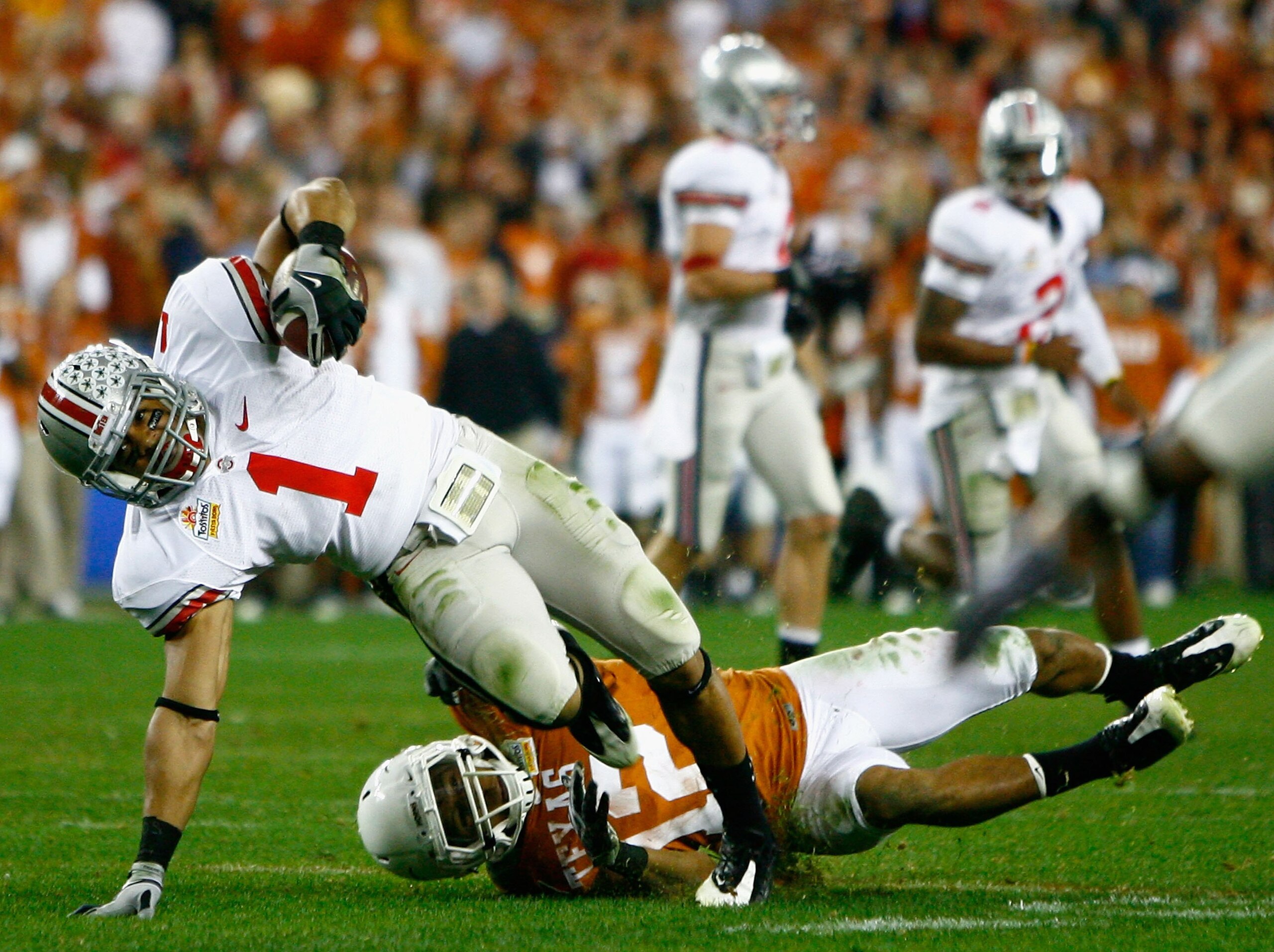
I certainly don’t classify these predictions as bold, but the statistics back me up. Here are the de facto semi-finalists:
Alabama/Florida- I'm not eliminating the SEC, and statistically there is no reason to do so as the conference has a recent history of success and with two teams in opposing divisions both ranked in the top 5 it would be hard to pick against them. Alabama has a slight edge over Florida simply because a No.1 has advanced to half of the 12 title games and a No. 3 has never made it. As mentioned, the trend however picks Florida to be the losing title game participant. I'm going with the Tide.
Ohio State/Iowa- Ohio State is a really attractive pick, both because of their conference's strength and the fact that No. 2 has been in over half of the BCS title games played. The Buckeyes have some real competition this year and it would be hard pressed to see an undefeated Big Ten team left out of the title picture, including No. 10 Iowa. Nonetheless history is on their side, both on the field and in the numbers; advantage Buckeyes.
Texas/Oklahoma- The Big XII is another tough conference to rule out, as a representative has played in over half of the championship games, including the last two. Texas at No. 4 is more highly ranked, the No. 4 spot is closer to the average and the statistical trend points to them this year. Although Texas plays Nebraska in the regular season, Oklahoma has a greater chance to lose an out- of-conference game as well. The Red River Rivalry will again be a huge game but for now I'm giving the advantage to Texas.
Boise State/TCU- Never before has one, let alone two non-AQ teams began the season ranked in the top ten. Boise at No. 5 of course has fewer teams to jump and it would be interesting to see if the BCS, especially pollsters, would rank an undefeated Broncos team over a one-loss Florida or Alabama. History indicates that a No. 5 generally just moves up when those higher lose but we'll see if that pans out. TCU is also in a great spot, and although they likely play a more difficult overall schedule than Boise, they lack a marquee game like Boise has with Virginia Tech. Both play Oregon State so look to both games to be used as a basis of comparison should both go undefeated.
Darkhorse:
Virginia Tech. The Hokies have a real shot beginning the year at No. 7 and potentially facing five ranked teams through the year, four of which could come in the final month of the season and therefore resonate strongly with voters. The key is going undefeated; even if they lose once they probably lose control over their destiny. If the Hokies beat Boise State they don't face a currently ranked team until November. If they make it through the gauntlet unscaved they have a great chance at Glendale.
Prediction
12 of 12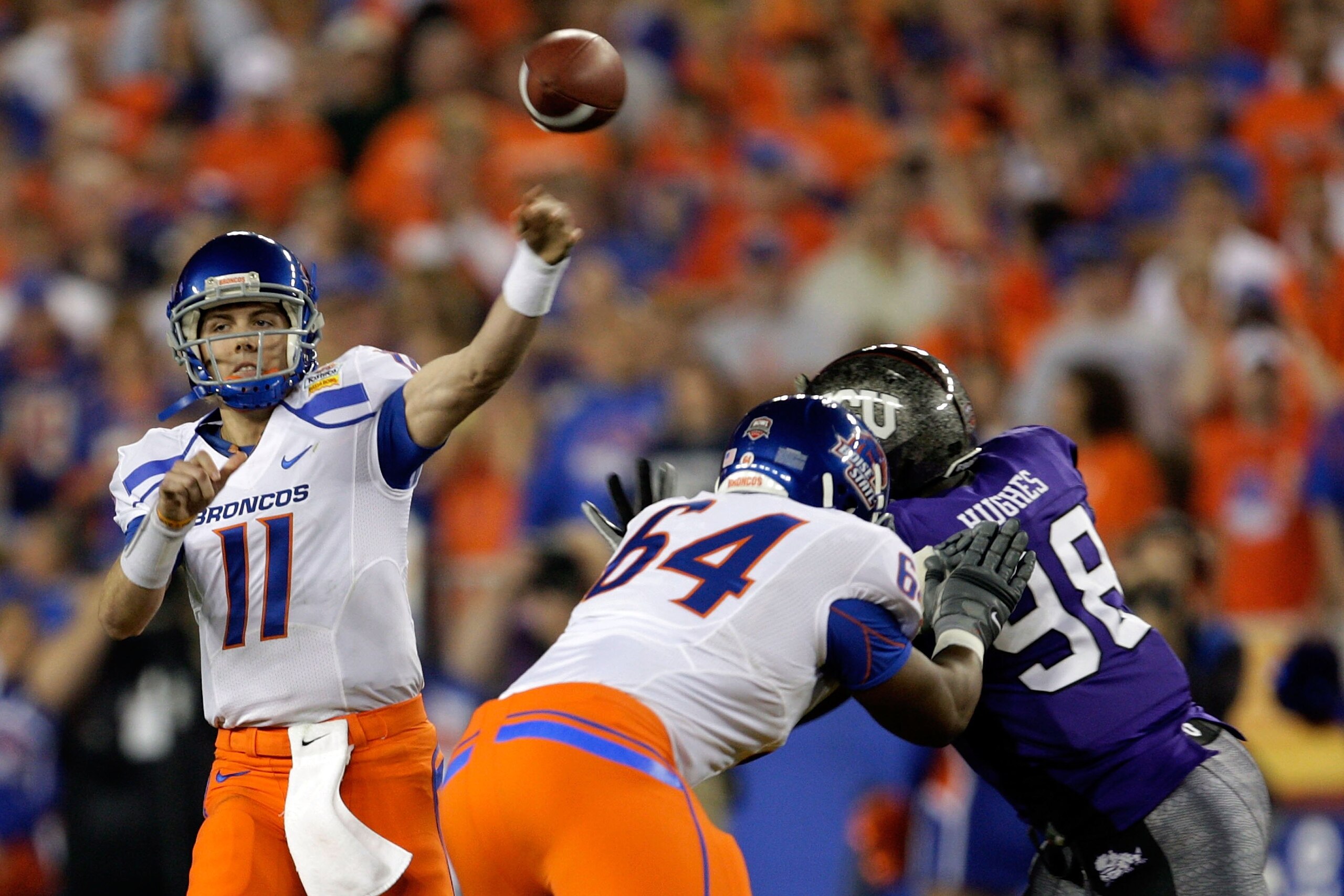
Alabama Crimson Tide:
Sure, this is an easy pick but here is the bottom line: in the history of the BCS, a title game has never been without either a No. 1 or No. 2 or a represetntive from either the Big XII or SEC. Not a single one. Also, 11/12 games have featured either a No. 1 or No. 2 and 10/12, including the last seven, have featured either a Big XII or SEC team.
Most probably that means that either Alabama, Florida, Texas, Oklahoma, Nebraska, or Ohio State will be one of those teams. Obvioulsy that's not exacty going out on a limb, but facts are facts. Also, there has also never been a rematch of teams, espescially back to back seasons. Sure, every rule is made to be broken but Alabama fits both the rank and confernece affiliation too well to not pencil in.
Boise State Broncos:
There it is. Boise State. Riding certian trends, the Broncos benefit from the assumption that there will not be a rematch, therefore eliminating Texas. Alabama knocks out Florida, and somehow the Ohio State falls short of the title game. The last two champions started the year at No. 5, and more importantly the median starting position of the past 12 champions is also No. 5.
Of course, a WAC team has never made it and neither has any other non-AQ or Independent. This coud be the year it all changes. Boise has run the table before but have never started so high. Statistics are on their side, but will the voters be as well?
And the winner is...
Boise State. Over the last 12 years, the BCS champions started the year 3.25 spots higher than the BCS runner up. Alabama is as close to a lock as possible, making the magic number 4.25: between Texas and Boise. This is close enough considering all the other factors.
Your champion ladies and gentleman...Boise State University.
.png?w=2560)
.jpg?w=2560 "Chiefs, Steelers Eye WR Trades")




.jpg?w=2560 "WWE Raw Live Grades 🔠")
