
A Better Way for the NCAA To End Taunting
For some reason it just does not seem right. This new NCAA rule on taunting that will go into effect in 2011.
It was just a few years ago that Washington’s Jake Locker tossed the ball into the air to celebrate scoring a touchdown that cut the BYU lead to just a single point. The penalty was applied on the extra-long point after, and BYU blocked the kick to hang onto victory.

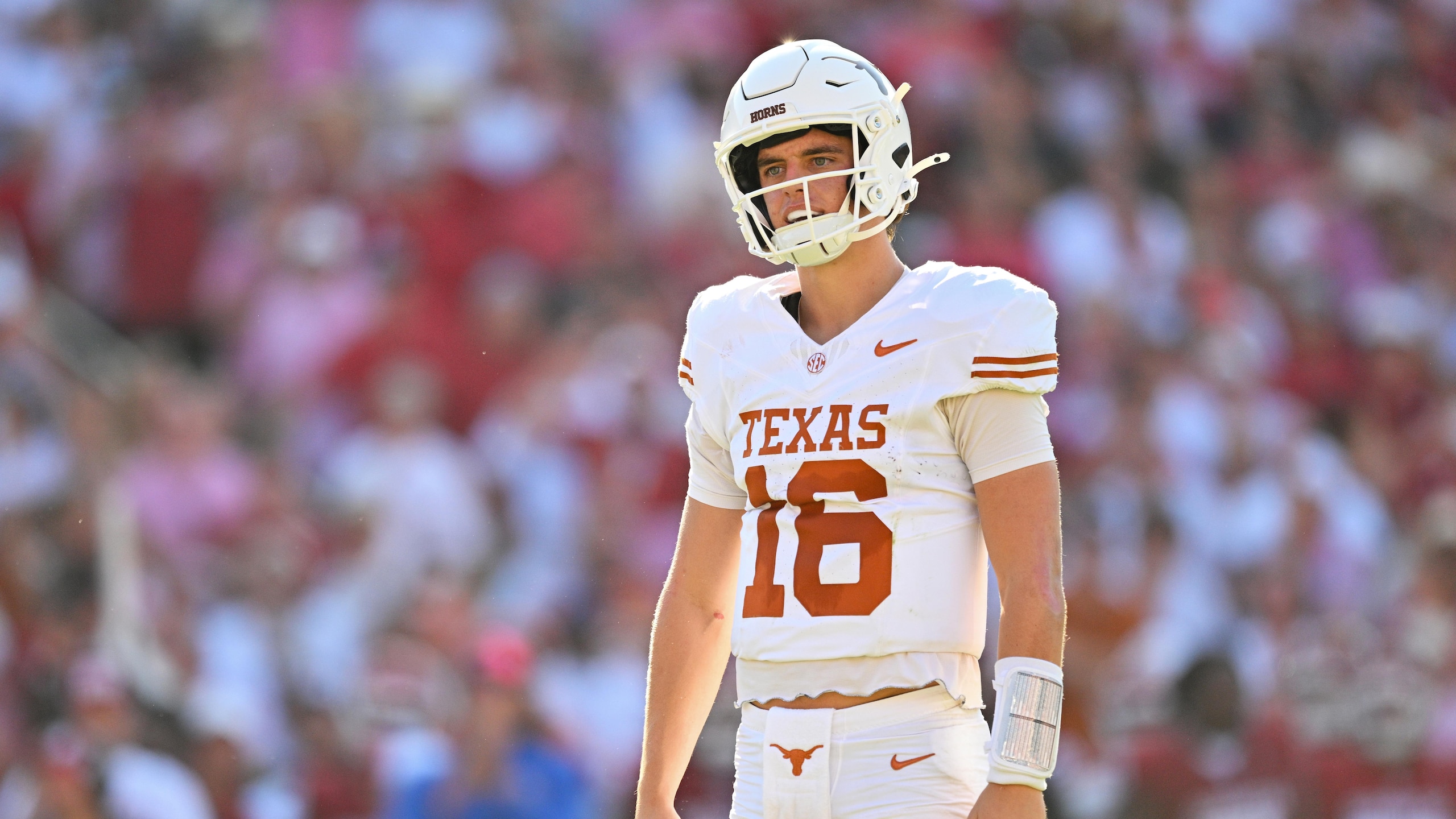
Commentators, bloggers and almost everyone who had a forum to express an opinion criticized the poor official to no end for making the call. Based on the rules, he was taken to task for making the right call according to the rules.
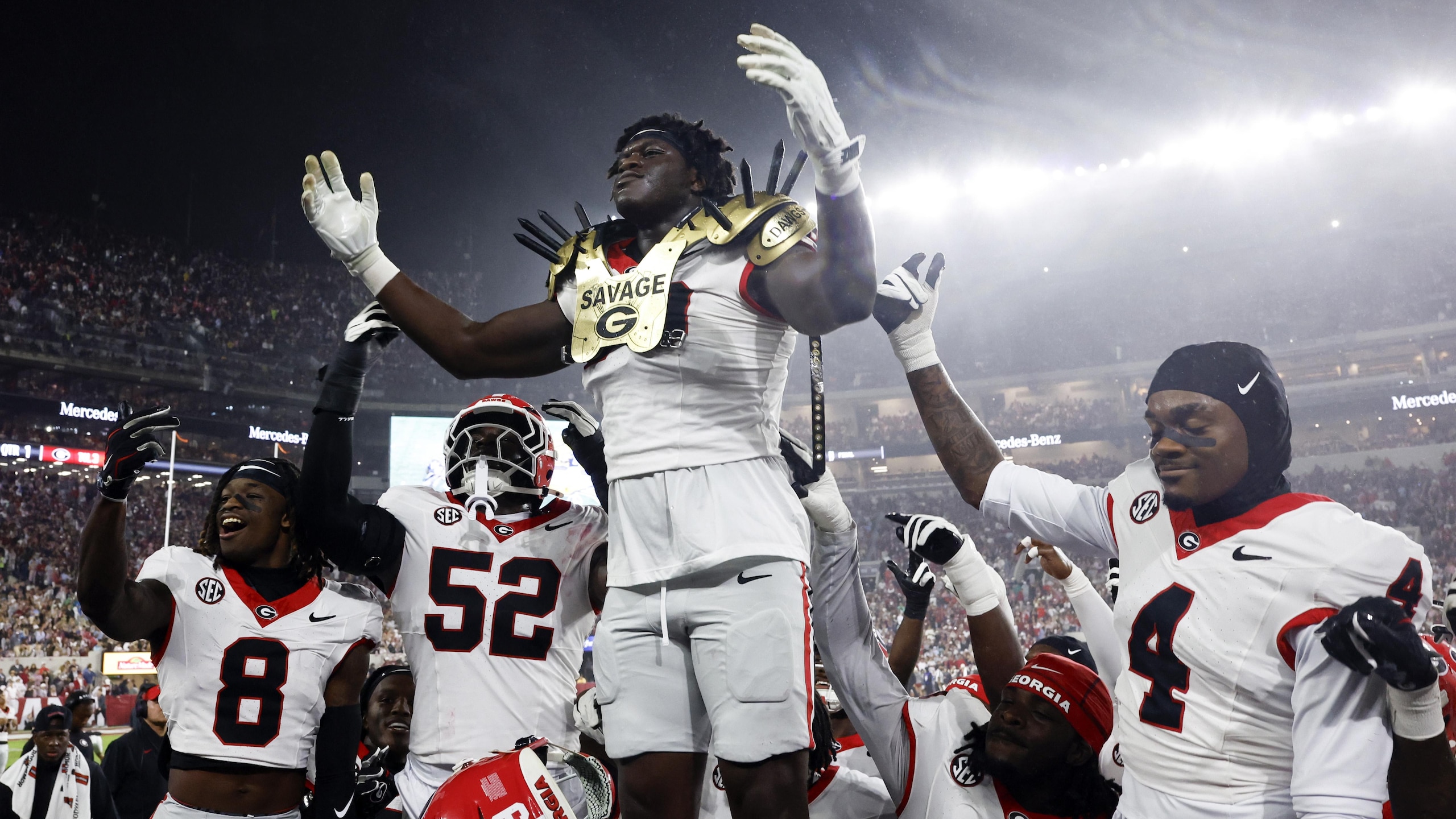
LSU and Georgia were engaged in a tough game last season, and after Georgia scored a go ahead touchdown the kickoff came from close to the goal line after an excessive celebration penalty was called on the Bulldogs A.J. Green.
The next week the SEC office came out and said they could find no basis for the excessive celebration call and the flag should have not been thrown.
This is the problem. We are going to make the job of being an official more difficult by asking them to decide if the actions of a player are an appropriate joyful celebration or some form of sinister taunting. This seems to be asking a lot of the men in striped shirts who already have full plates on game day.
Besides asking the officials to step in and take a potential game winning score off the board based on subjective opinion of what taunting is, it also speaks to the lack of will among today’s coaches to discipline their players.
Most indications are that the coaches like the new rule. Probably so. It means they don’t have to be held accountable for their players showing proper respect for the other team.
Really, any head coach that wants to stop his players from waving the football around before arriving at the goal line has plenty of tools to accomplish the behavior change. He can limit playing time or arrange “extra conditioning” for players that don’t do the right things. Of course these are the same guys that want to give repeat criminal offenders second and third chances to help them become better people.
Here is another problem with the new rule. It seems like offensive taunting is considered more significant than defensive celebrations. When a quarterback is sacked, or a ball carrier is dropped for a loss, defensive players will almost always jump up in celebration. These spontaneous displays of emotion are typically considered no big deal, but if you ask the offensive player who is left on the ground they will probably find more taunt in the demonstration.
If college football wants to allow for appropriate celebration, but eliminate taunting, what options do they have beyond the officials on the field? Here are two ideas they could implement on the conference or national level.
First, make it hurt in the pocket book. After each week’s games review all plays for taunting. Schools that have players who are guilty will be fined for their indiscretions. How much? Say, $2,500.00 per incident. No calls on the field, no chance for league officials to criticize their game officials. The call belongs to them.
Think back to the Georgia-Florida game where after the Bulldog players stormed the field in total after scoring the first touchdown of the game. Do you think Mark Richt would have encouraged that knowing the school would be fined $2,500 for every player that was on the field celebrating?
Consider the next year when Urban Meyer gets his revenge against Georgia and calls several late time outs to rub salt in the wound. Think he would have made those calls if he knew coaches could also be guilty of taunting. Yes, that is right; using our idea even coaches who try to show up the opposition can also be fined.
Here is a second option available to league officials. Don’t like the idea of financial fines? Suspend the players. A first offense leads to a suspension of one half. A second offense leads to a full game. Each subsequent violation adds another game the taunting player will miss. It would probably not take many suspensions for players to get the idea of what is, and is not acceptable behavior.
Now, will the NCAA or conferences decide any of these actions is a better idea than forcing the officials to make decisions based on their observations of an incident? No. It would make more common sense than governing bodies usually show. Understand they will reserve the right to step back and be critical when they believe an official has blown one of these very subjective calls.
Remember, one man’s taunt is another man’s joyful celebration.
.png?w=2560)
.jpg?w=2560 "AD Trolls Bears WR on IG 😂")
.jpg?w=2560 "Viral Dan Campbell Presser 💙")
.jpg?w=2560 "Report: Steelers WR to Miss 'Weeks'")
.jpg?w=2560 "Cam Ward Says He's Not A Loser")
.jpg?w=2560 "Buzz: MHJ Hired Agents for Trade")
.jpg?w=2560 "Chargers Fall to 0-5 🤢")
