
They're Paying for His Success And Other Notes
The Giants have reportedly offered Tim Lincecum a three-year deal for $37 million broken down as follows: $9.5 million first year, $12.5 second, and $15 million the third. Lincecum’s agent apparently came back with a number above $40 million, which likely means a deal could be reached right at $40 million if the Giants are willing to go that high.
$40 million for three years ($10M, $14M and $16M) actually sounds about right to me, given the huge contracts Josh Johnson, Felix Hernandez and Justin Verlander received this off-season. O.K., all three pitchers have more major league experience; but, of course, Lincecum has won two more Cy Young awards than all three of them combined (that gap will likely narrow in the future).
TOP NEWS
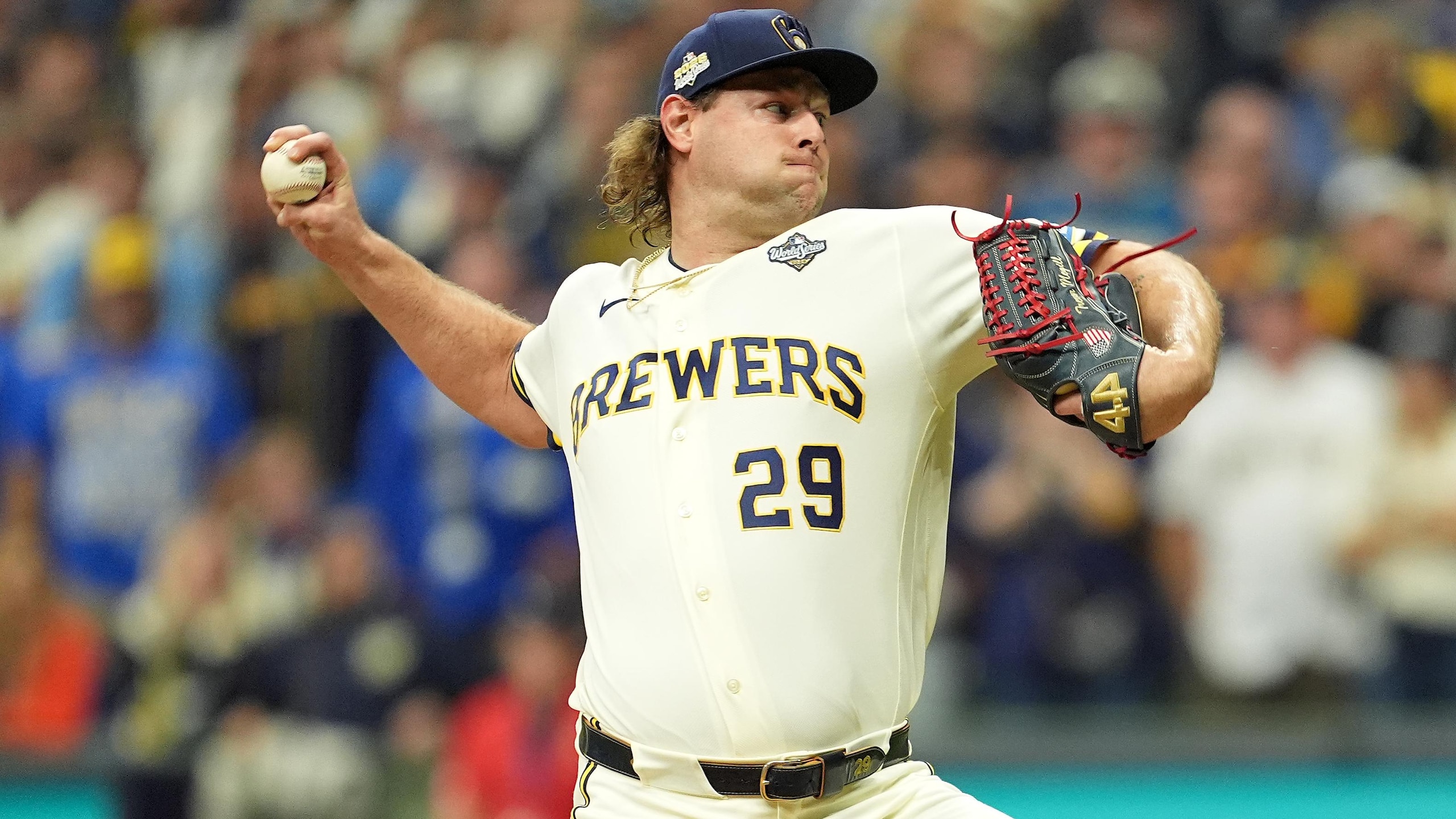
Brewers Closer Blasts Tropicana Field Roof

Latest MLB Trade Rumors 👂

Next MLB Players to Sign $200M Contracts 💰
No super-two has ever had two and two-thirds seasons like Tim Lincecum, and it’s going to cost the Giants some money if they want to sign him to a multi-year deal.
Actually, I think the best bet for the Giants would be a two-year deal for about $26 million guaranteed with a team option for a third year that would bring the contract up to an even $40 million. I still kind of wonder how many years a small-bodied pitcher like Lincecum can keep throwing as many pitches as he has the last two seasons and stay healthy. He was 12th in all of MLB in pitches thrown in 2009, after being second behind only C. C. Sabathia in 2008. It’s hard to imagine he won’t remain in the top 15 or 20 every year at his current rate of effectiveness, at least until he gets hurt.
The thing to watch for with Lincecum, if you’re a fantasy league player, is if his K’s per IP ratio suddenly takes a steep drop, even if he’s still getting people out and winning games. A good example would be Frank Tanana, whose strikeout rate dropped abruptly in 1978 in a year in which he still won 18 games. The arm injury came the next season, and Tanana was never a fastball pitcher again.
On an unrelated note, an interesting trend in the last few seasons has been aged star pitchers not signing with their teams until after the start of the season. Roger Clemens seemed to start the trend back in 2006, when he didn’t make his first start of the season until June 22 of that year. There was a lot of gnashing of teeth at the time, as I recall, about big stars getting special treatment and not being part of the team, and all the damage it would do to team chemistry.
Of course, Clemens ended up pitching great in 19 starts for the Astros that year, and I’m sure the other players felt fine about having a pitcher of that caliber come in just before the middle of the season to give the rotation a shot in the arm. Clemens did the same thing for the Yankees in 2007, and although he didn’t pitch nearly as well as he had the year before, he still pitched pretty well and helped the Yanks in the 17 or so games he started.
Last year, Pedro Martinez helped the Phillies a bit with his nine late-season starts without really costing the team that much because they’d signed him to pro-rated contract. He also got a couple of starts in the post-season.
Reports have it that Pedro and John Smoltz may not be able to find teams until after the start of the 2010 season. It makes sense to me. It certainly looks like both Pedro and Smoltz can still be effective pitchers at times, but it also looks like it’s asking too much at this stage in their respective careers for either of them to give a team 30+ starts.
Every year there are going to be teams fighting to stay in contention who need another starting pitcher two months or so into the season. Starting the year in late May or early June gives self-motivated veterans additional time to work their aged bodies into shape so they’re ready to go by the time the weather’s gotten warm and it’s easier to get loose. In a lot of ways, two to four months of Pedro Martinez or John Smoltz at a pro-rated price sounds a lot better to me than a full season from these guys at a full season’s pay.
.png?w=2560)


.jpg?w=2560 "Raiders Could Start Mendoza")


.jpg?w=2560 "Rodgers Iced Out on Plane 💎")



.jpg?w=2560 "🚨 Week 8 AP Top 25 Poll")