Everybody makes mistakes, including NBA front offices. It's just that some are worse than others.
We'll go back as far as the 2016 offseason to find a regrettable gaffe from all 30 franchises. And yes, we're including that funny-money, cap-spiked summer because it provides such a rich vein of blunders to mine.
We'll focus on moves that are as consequential to the future of the franchise as we can, but not all of them will have major ripple effects.
Whether it's a trade, a signing or a botched draft pick, these are the moves that should make fans and the executives that made them (if they're still employed) shudder.
Atlanta Hawks: The End of the Al Horford Era
1 of 30
The Atlanta Hawks are in great shape coming off a deep playoff run last year, so we're starting out with a team that isn't haunted by anything. That includes the decision to trade down from No. 3 in the 2018 draft, passing on the chance to take Luka Doncic.
Trae Young, whom Atlanta took at No. 5 instead, may not have multiple-MVP upside. But he's already led his team further into the postseason than Doncic has.
In search of regrets, we'll go back to the the summer of 2016, when Atlanta lost Al Horford in free agency. Change was certainly afoot with the Hawks at the time; head coach Mike Budenholzer and fellow veteran mainstay Paul Millsap would both depart in less than a year. Horford was the first domino to fall, walking away for nothing after Atlanta had won 108 regular-season games in the preceding two seasons.
The Hawks exacerbated things by instead doling out a combined $140 million in free-agency cash to Dwight Howard and Kent Bazemore. Horford, meanwhile, became a key piece of a Boston Celtics team that won 157 games and five playoff series in his three years with the franchise.
All's well that ends well, but the Hawks could have at least extracted value from Horford by trading him at the 2016 deadline. Or, you know, maxed him out and given him the fifth year no one else could have.
Don't worry, most of the teams we'll hit have much more lamentable mistakes than this one.
Boston Celtics: Trading Isaiah Thomas
2 of 30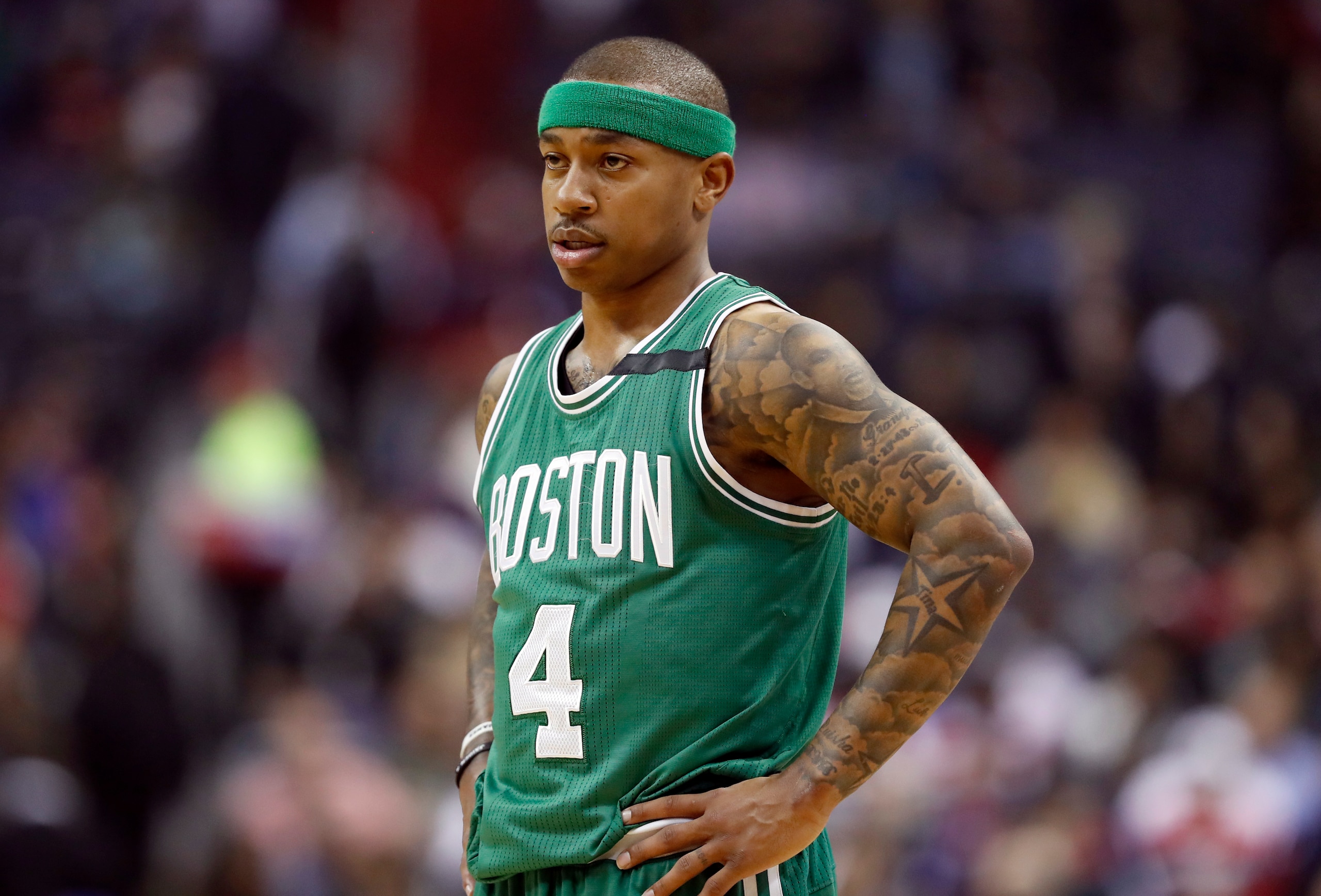
At least karmically, the Isaiah Thomas trade should still be jabbing at the Boston Celtics' collective conscience. The team dealt the 5'9" scoring dynamo away after he essentially sacrificed his career by playing through a hip injury in the 2017 playoffs.
On the All The Smoke podcast with Matt Barnes and Stephen Jackson, Thomas said the Celtics weren't honest about the risks he was taking by continuing to play.
"The only thing that I think they handled wrong was not explaining to me what the extent of my injury could be if I do play," Thomas said. "That was the biggest thing for me that I disliked. 'Cause nobody gave me no insight, 'OK, you do play, this can happen.'"
Boston got Kyrie Irving for Thomas, Jae Crowder, Ante Zizic and a 2018 first-rounder and has been at least a fringe contender for most of the last four years. Thomas, who averaged 28.9 points per game and finished fifth in MVP voting during his last year with the Celtics, shuffled between four teams after struggling through only 15 games with Cleveland and is now out of the league.
The Celtics have since changed management structures, replacing Danny Ainge with former head coach Brad Stevens. But they'd still better hope what goes around doesn't come around.
Brooklyn Nets: Signing Kyrie Irving
3 of 30
You know something's gone wrong when a franchise has no interest in offering an extension to a player whom it gave $141 million two years prior. That's where the Brooklyn Nets find themselves with Kyrie Irving, whose refusal to get one dose of a COVID-19 vaccine will keep him away from the team and out of game action until that stance or New York City's vaccine mandate changes.
On The Athletic's The Glue Guys podcast, Shams Charania reported the Nets will not offer Irving the max extension he's eligible to sign. Brian Lewis of The New York Post reported Brooklyn hasn't had extension talks with Irving's camp for some time.
You can understand the organization's hesitation.
Unless something changes, Brooklyn will have to pursue its championship goals without Irving this year. Irving is absent at a time when the stakes could hardly be higher. It's a minor miracle that teammates like Kevin Durant and James Harden haven't expressed more frustration under the circumstances.
You could argue that Irving and Durant arrived as a package deal in 2019, and that the Nets wouldn't change anything about a process that landed them KD. But with Irving actively compromising a realistic championship chase, Brooklyn probably doesn't feel great about how that particular signing has played out.
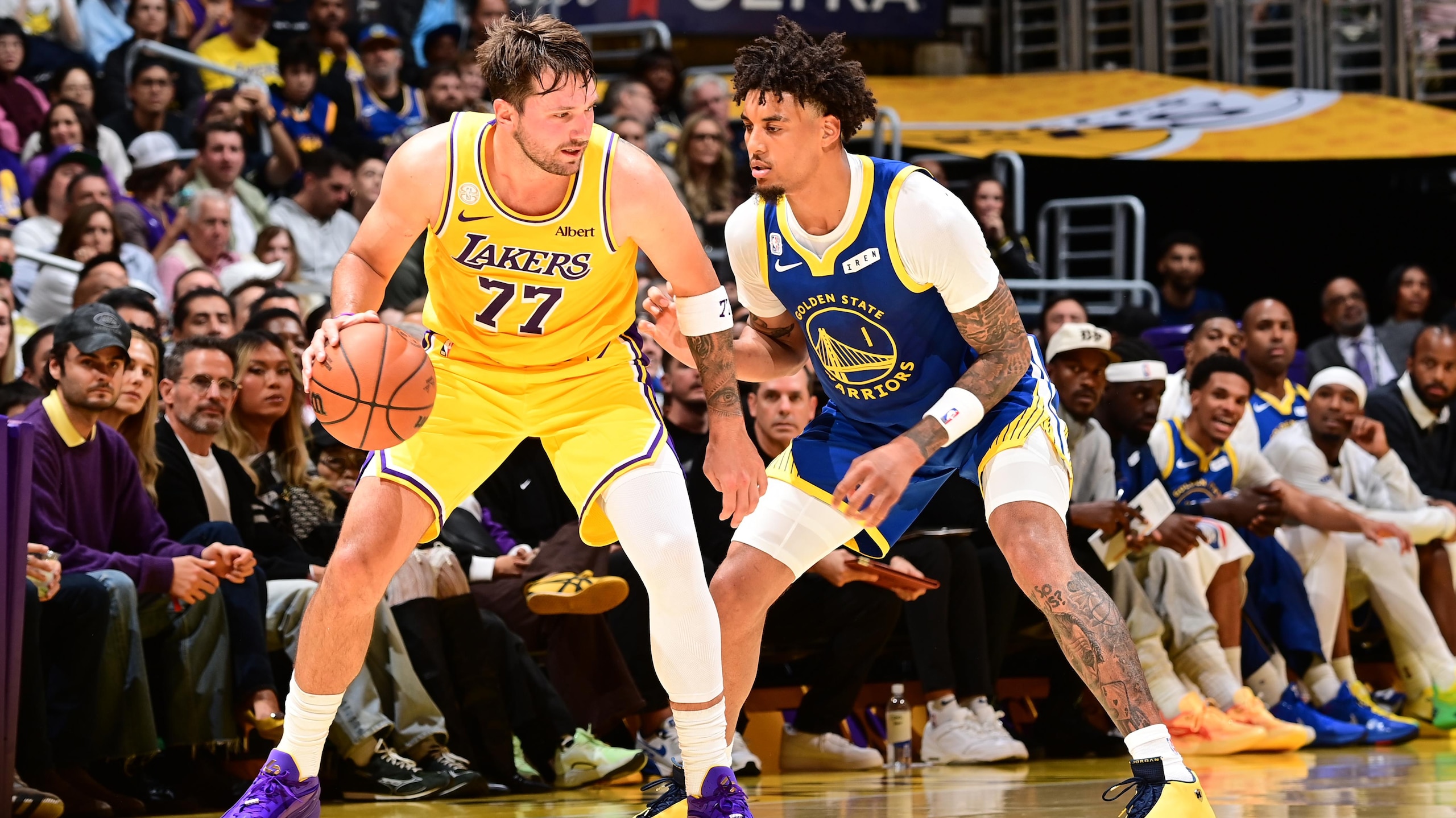
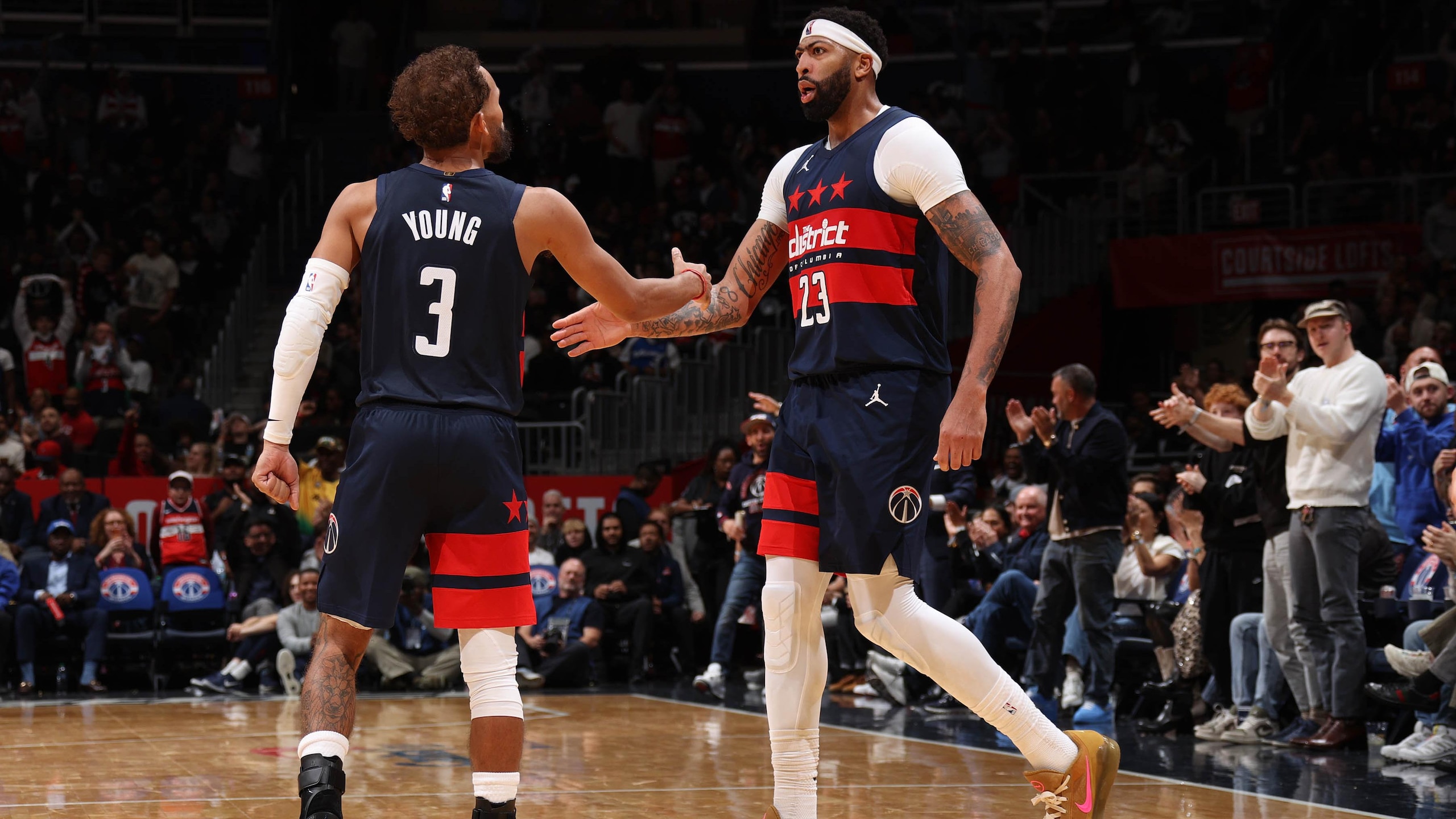

Charlotte Hornets: Re-Signing Nicolas Batum
4 of 30
Signed in the spendthrift summer of 2016, Nicolas Batum's five-year, $120 million contract kind of made sense at the time. The salary cap's abrupt rise skewed the perception of what constituted a bad deal, and Batum was an established two-way wing, the hottest commodity on the market.
Even with that context in place, it remains one of the worst moves in Charlotte Hornets history.
Batum's performance was adequate in the first season of his new contract. The then-28-year-old averaged 15.1 points, 6.2 rebounds and 5.9 assists while playing reliable defense.
Things went downhill from there, as Batum's numbers steadily declined, cratering in 2019-20 (due largely to injury) with only 22 games played and three starts. That the Hornets couldn't trade his albatross contract, despite the bevy of other terrible 2016 deals populating cap sheets around the league, spoke volumes about Batum's value.
And if the lack of trade options didn't cover it, Charlotte's decision to waive and stretch him in 2020 certainly did.
If you want to expand the negative influence of Batum's contract and blame it for Kemba Walker's 2019 free-agency exit, you can make that case. But you don't have to. The deal was bad enough on its own to deserve recognition here.
Chicago Bulls: Trading Jimmy Butler
5 of 30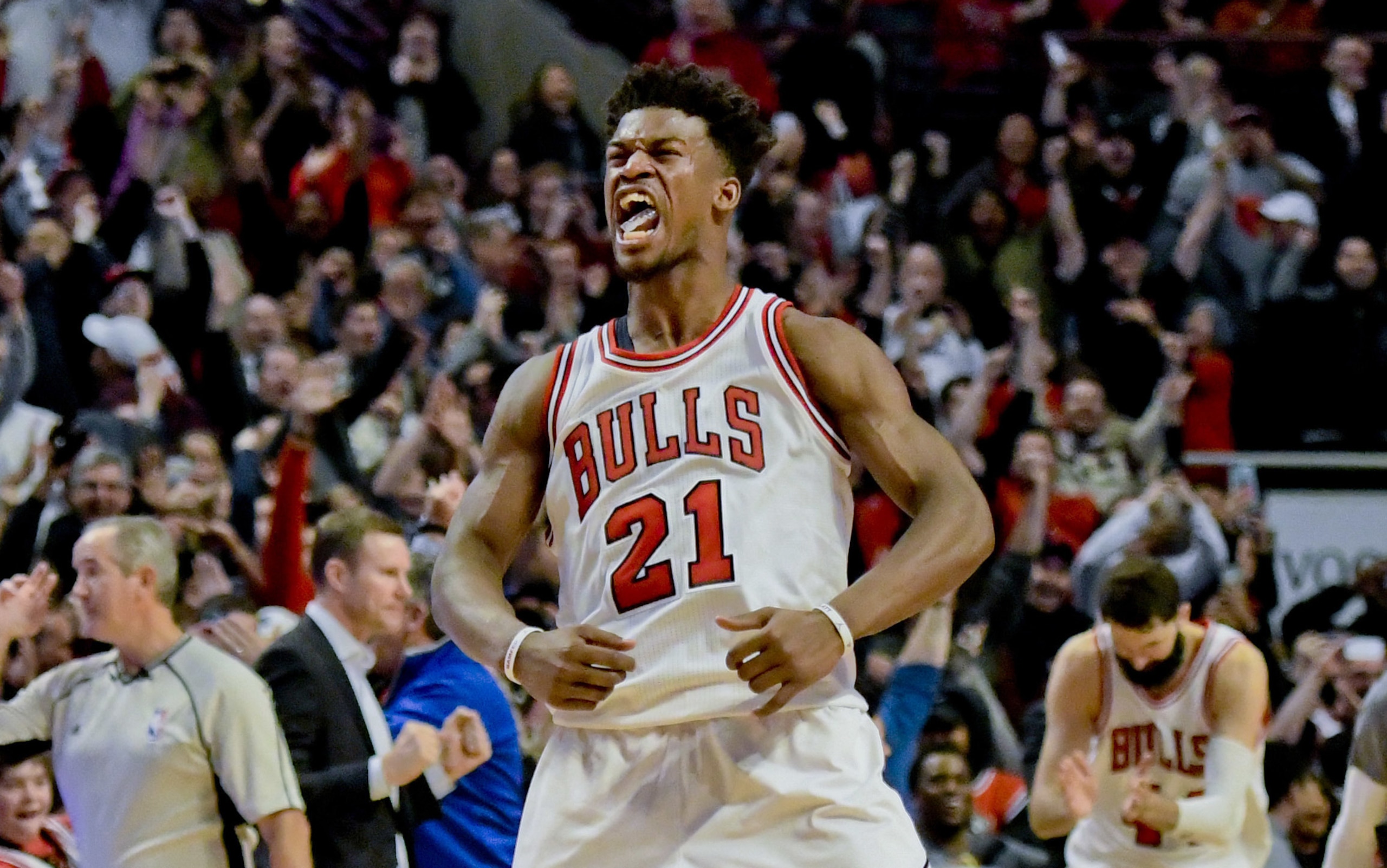
Say what you want about the legitimacy of everything that happened during the NBA's bizarre bubble season of 2019-20, but the fact remains Jimmy Butler was the best player on a Miami Heat team that made the Finals that year.
Had the Chicago Bulls foreseen that on draft night in 2017, they probably wouldn't have dealt Butler to the Minnesota Timberwolves for Zach LaVine, Kris Dunn and the pick that became Lauri Markkanen—especially with Butler under contract for two more years (on an eminently reasonable five-year, $92 million deal) at the time.
LaVine has grown into a star, but the Butler move was supposed to trigger a rebuild. Dunn and Markkanen are both gone, and Chicago never really rebuilt anything. Instead, it has since mortgaged its future—both in terms of cap space and draft picks—to build a more veteran team that might top out at 45 wins this coming season. The downside for this pricey roster, especially on defense, is no joke.
If LaVine departs in free agency next summer, Chicago will have nothing to show for trading Butler. It might even be worse off than it was when it swung that deal just over four years ago.
Cleveland Cavaliers: Kevin Love's Extension
6 of 30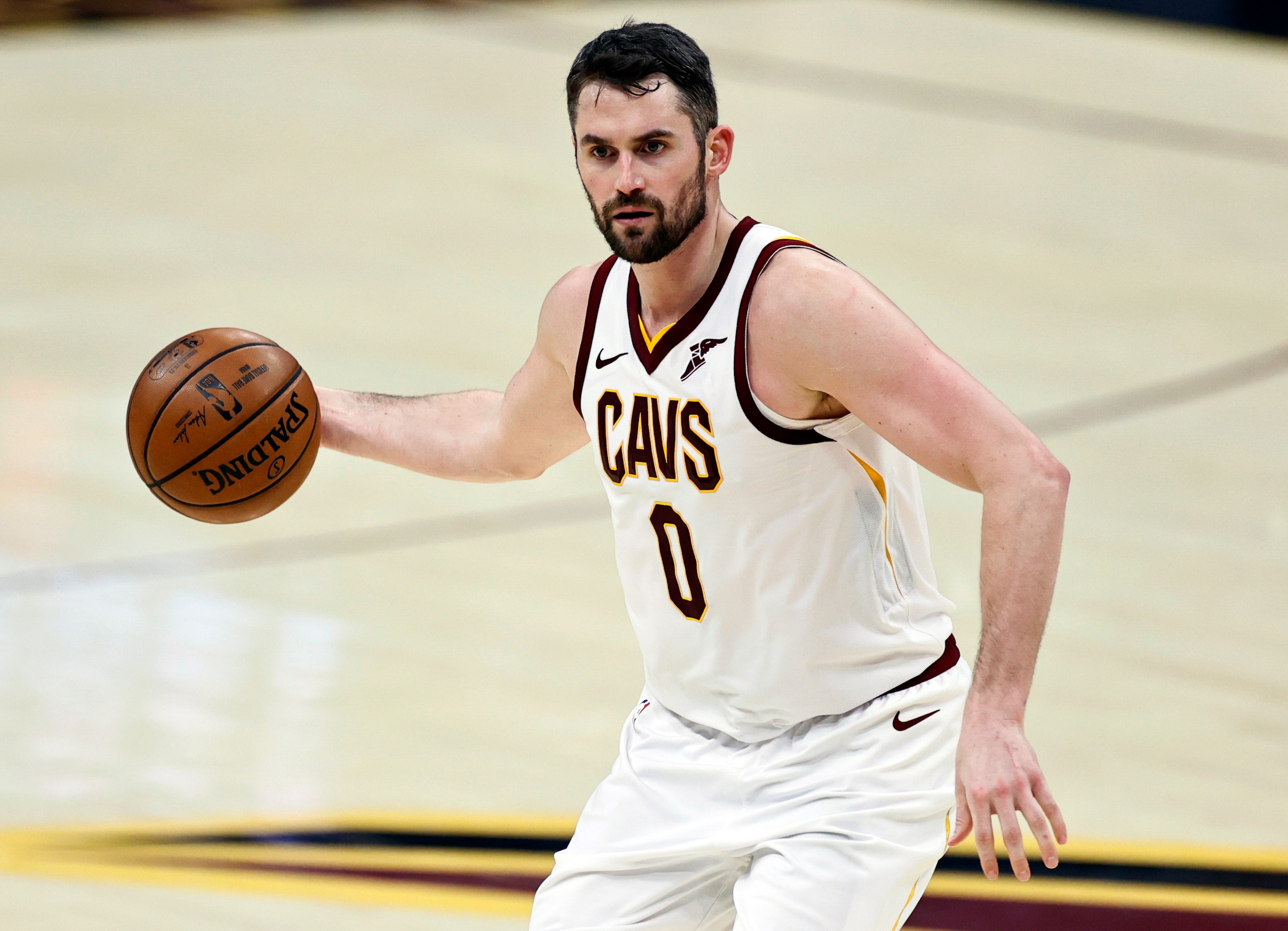
Whether you use the team's underlying motivation—securing some portion of the championship core after LeBron James' second departure—or dollar-to-production value, Kevin Love's 2018 contract stands out starkly as the Cleveland Cavaliers' worst move of the last five years.
When general manager Koby Altman inked Love to a four-year, $120 million extension ahead of the five-time All-Star's age-30 season, James and Kyrie Irving were both already gone. What should have been the first season of a committed rebuild suddenly had this odd, incongruous element. What were Love and his massive contract doing on a roster that should have been angling for the top of the lottery?
The best thing you can say about the deal is that it didn't prevent Cleveland from falling apart and picking near the top of the next three drafts. Love played only 103 games over the first three seasons after signing his extension, and he's been nowhere near an All-Star level when healthy enough to play.
If you throw out his 18-game season in 2012-13, the last three years have been the worst of Love's career in terms of win shares. Immobile, unable to defend at either center or power forward and showing outward frustration with teammates, Love has been a massive negative.
Cleveland could have used the cap space it wasted on Love to take on bad money with picks attached, or on a player who could actually help on the court while fitting into the team's youth-skewing timeline.
With two more years and $60.2 million left, Love's contract is among the worst in the league.
Dallas Mavericks: Trading for Kristaps Porzingis
7 of 30
On paper, the trade that brought over Kristaps Porzingis, Tim Hardaway Jr., Trey Burke and Courtney Lee from the New York Knicks for Dennis Smith Jr., DeAndre Jordan, Wesley Matthews and two future first-round picks doesn't look so bad. But when you consider that the most significant ongoing source of uncertainty in Dallas is Porzingis' fitness as a running mate for franchise megastar Luka Doncic, it changes the evaluation.
The Mavericks have tried to deal Porzingis, who has only looked like a viable No. 2 option for a short stretch during the bubble, more than once since acquiring him in January 2019, per B/R's Jake Fischer. And ESPN's Tim MacMahon reported KP has wanted out in the past (h/t Dan Feldman of NBC Sports).
ESPN's Stephen A. Smith also said Doncic and Porzingis don't have a great relationship.
Maybe the Mavericks' real mistake was inking Porzingis to a five-year, $158 million contract a few months after acquiring him. But that was fait accompli once the trade went down.
Dallas has dealt for worse players, but Porzingis has a checkered health history, hasn't played consistently play and shares an iffy (at best) connection with Doncic. The Mavs are poised to contend as long as Doncic is around, but it's become increasingly clear that Porzingis isn't the guy whom their franchise player needs at his side.
Check back in a few months to see if hiring Jason Kidd as head coach knocks the KP trade out of this spot.
Denver Nuggets: Trading Donovan Mitchell
8 of 30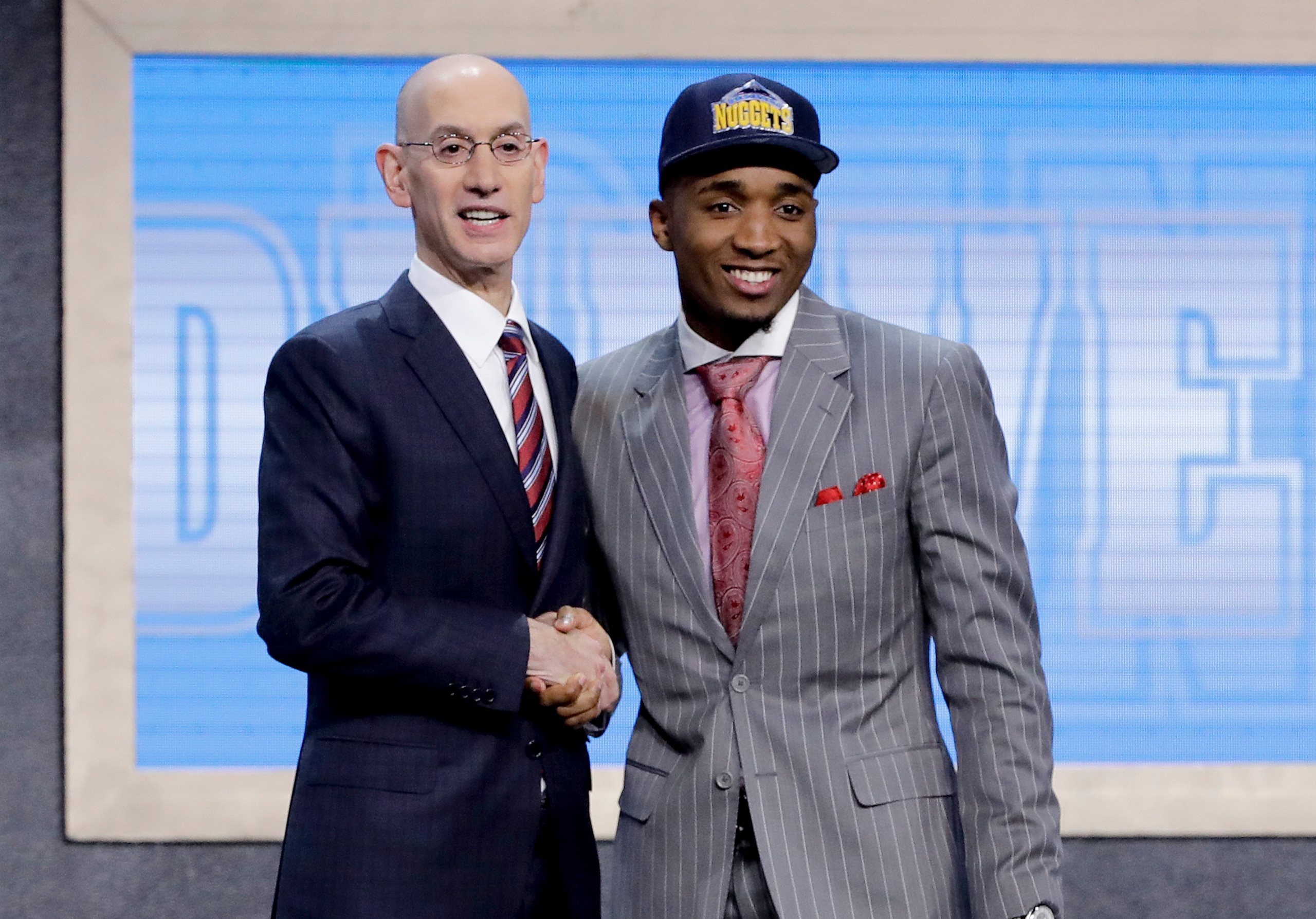
Draft-day trades are some of the toughest transactions to judge. By definition, the players (or the rights to those players) being exchanged are unknowns.
The Denver Nuggets still blew it in 2017.
Donovan Mitchell was the 13th pick in the draft that year, but the Nuggets dealt that pick to the Utah Jazz for Trey Lyles and the No. 24 pick, which they used on Tyler Lydon.
The Nuggets already had 2016 No. 7 overall pick Jamal Murray, but it wasn't yet clear that he was the type of talent worthy of dictating subsequent positional decisions in the draft. Just imagine what the Denver backcourt could have looked like with those two developing together, feeding off Nikola Jokic in what would have to be one of the league's most terrifying offenses.
The Nuggets haven't exactly suffered, as Jokic, whom they picked 41st in 2014, is now the league's reigning MVP. But they might want to avoid swinging draft-night deals with the Jazz going forward. Denver also sent the 27th pick to Utah in 2013, which the Jazz used on Rudy Gobert.
Detroit Pistons: Signing Jon Leuer
9 of 30
Though it doesn't rise to the level of so many other horrendous 2016 signings, Jon Leuer's four-year, $42 million contract with the Detroit Pistons is objectively bad enough to land here.
Leuer was 27 when he signed that contract, an age where improvement isn't particularly likely. So it's not like the Pistons were forecasting growth from the 8.5 points and 5.6 rebounds he averaged with the Phoenix Suns the year before.
No, Detroit simply looked at a 6'10" power forward, probably fixated on the anomalous 38.2 percent he'd shot on low volume from deep in Phoenix, and decided that player was worth eight figures per year.
Instead, Leuer battled injuries during his three years in Detroit and averaged 7.8 points and 4.3 boards while shooting 27.6 percent from long range.
The Pistons traded Leuer to the Milwaukee Bucks in 2019, who promptly waived and stretched him. He retired in 2020 at the age of 31.
Golden State Warriors: Drafting James Wiseman
10 of 30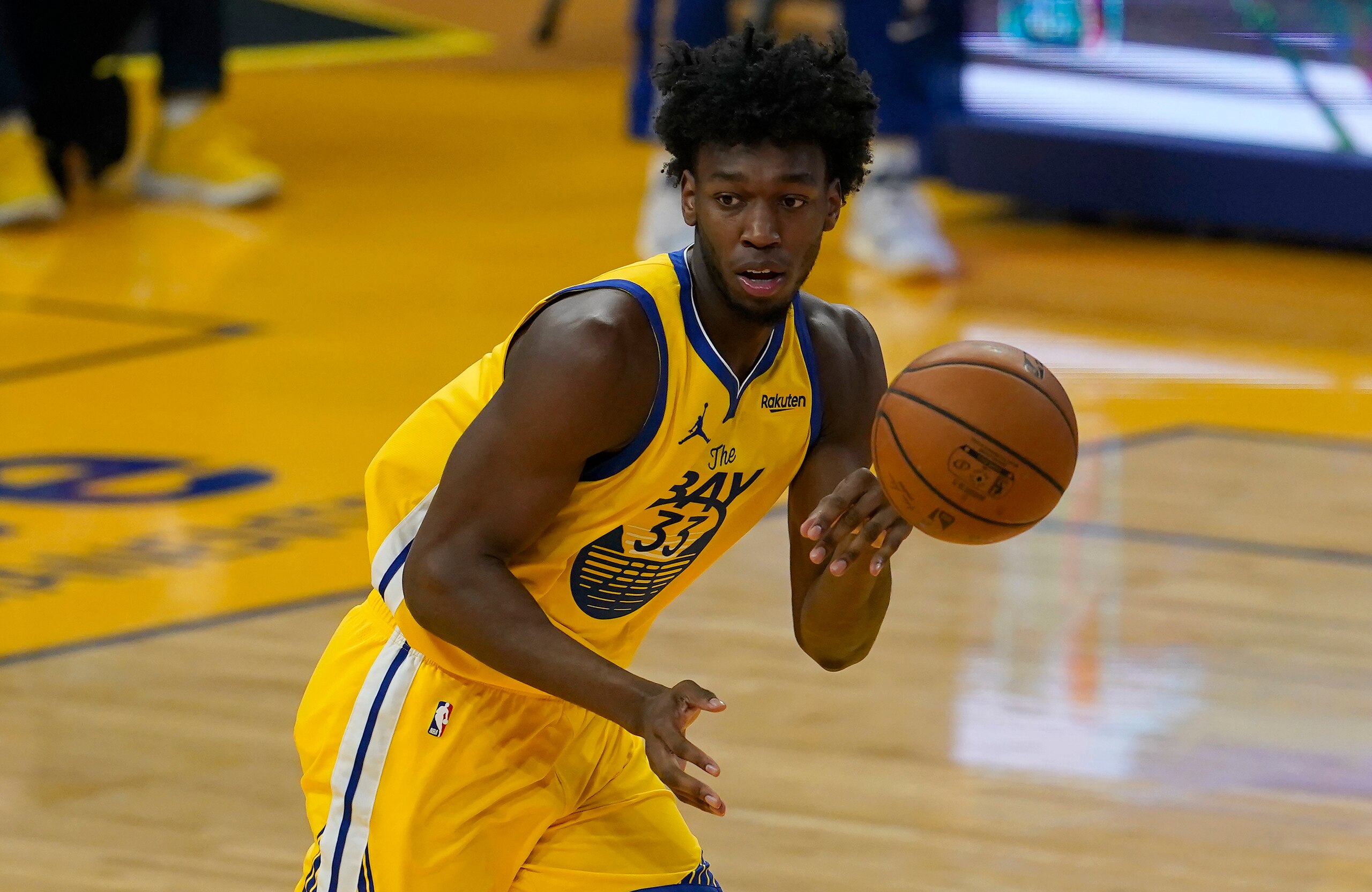
The Golden State Warriors' superteam status through the 2018-19 season means we have only two years to mine for their worst decision. The three titles and five Finals trips they made from 2015-2019 suggest their moves were solid enough for the majority of the span we're studying.
That leaves James Wiseman, whom the Warriors grabbed at No. 2 in the 2020 draft.
Wiseman is still young and could wind up having a Hall of Fame career. His size, open-floor speed and quick-twitch mobility give him generational upside. But his rookie year was a disappointment as he struggled to grasp Golden State's schemes on either end, played with little force and flashed some alarmingly poor hands and rebounding instincts.
If LaMelo Ball, picked one spot later, hadn't immediately looked like a franchise-leading guard for the Charlotte Hornets, maybe we would have had to find another move. But Ball did pop immediately, and he appears far more likely to become a cornerstone player than Wiseman.
Perhaps even more importantly for the win-now Dubs, Ball would be far more helpful to the aging core of Stephen Curry, Draymond Green and Klay Thompson right now.
The lesson, as always: When deciding between a guard and a big in the draft, choose the guard.
Houston Rockets: Trading for Russell Westbrook
11 of 30
The Houston Rockets got one season of Russell Westbrook by sending Chris Paul, two future first-round picks and swap rights on two more to the Oklahoma City Thunder.
A year later, the entire franchise imploded.
This isn't about assigning blame, and even if it were, most of it doesn't fall on Westbrook. Yes, his shooting limitations forced the Rockets to abandon centers. And sure, Houston's 2020 postseason ended abruptly in the second round partly because Russ shot 8-of-33 from long range and averaged only 17.9 points.
But James Harden wanted Paul gone and forced his own way out of town last season. If you're pointing fingers, start with the bearded guy.
Paul nearly led the Oklahoma City Thunder to a playoff series win over Russ and the Rockets in 2020, and he steered the Suns to the Finals last year. Objectively, he's been a better player than Westbrook since the trade. And if winning matters, he was better before it, too. Between 2017-18 and 2020-21, Paul produced more win shares with a higher box plus/minus and true shooting percentage than Westbrook.
Now fully immersed in a rebuild, the Rockets are paying John Wall, whom they got in return for Westbrook, not to play.
Indiana Pacers: Hiring Nate Bjorkgren
12 of 30
The fallout hasn't been all that severe with the respected Rick Carlisle taking over, and recency bias may be creeping in a touch. But the Indiana Pacers' decision to hire Nate Bjorkgren as head coach in 2020 backfired almost immediately.
"He's not a d--k; he's just completely out of his element as a leader," one source told B/R's Jake Fischer after Bjorkgren's lone year on the job.
That report and others painted a picture of Bjorkgren as a micromanaging tyrant whose insincerity and lack of relationship-building skills created an untenable environment.
"You can blame Bjorkgren all you want," The Athletic's Bob Kravitz wrote after Bjorkgren's firing. "But when your hire fails so quickly and spectacularly, that’s a reflection on the person doing the hiring."
That person, Pacers president of basketball operations Kevin Pritchard, installed Bjorkgren after firing Nate MacMillan. All MacMillan did was guide the Atlanta Hawks to the Eastern Conference Finals last year.
Los Angeles Clippers: Drafting Jerome Robinson
13 of 30
It's not like the No. 13 pick comes with some massive expectation of success, and the Los Angeles Clippers haven't exactly fallen on hard times since grabbing Jerome Robinson at that spot in 2018.
But they missed the mark on that selection by an egregious degree—and not just because maxed-out superstar-in-waiting Michael Porter Jr. went with the very next pick.
Robinson never displayed lottery talent during his tenure with the team, which only lasted a season and a half. Among the 56 players who saw court time after being selected in 2018, Robinson is tied for 51st in career win shares.
The Clips have built a dangerous team through free agency and trades, and aided by team governor Steve Ballmer's inexhaustible supply of money, they're miles away from the mismanaged laughingstock they once were. But had they hit on the No. 13 pick in 2018, they might be in an even stronger position today.
Los Angeles Lakers: The Summer of 2016
14 of 30
Although they won the championship in 2019-20 and are theoretical contenders this season, the Los Angeles Lakers have more transactional failures in their recent history than most teams.
They let Brook Lopez leave for nothing in 2018 free agency, and all he's done since then is spread the floor and anchor a championship defense for the Milwaukee Bucks. Julius Randle, the Most Improved Player of 2020-21, also walked that offseason. Don't forget L.A.'s 2019 trade of Ivica Zubac for Mike Muscala, or GM Rob Pelinka's bizarre decision to surround LeBron James with non-shooters in his first year with the team.
Kobe Bryant's torn Achilles was the main reason for one of the darkest periods in franchise history—the Lakers tied with the New York Knicks for the worst winning percentage in the league from 2013-14 to 2018-19—but the summer of 2016 was also a key driver of that failure.
That was the offseason when general manager Mitch Kupchak infamously handed out a four-year, $72 million deal to a broken-down Luol Deng and gifted another $64 million to Timofey Mozgov. They waived the former in 2018 (and are still paying him) after two ineffective and injury-hit seasons, and they traded away the latter after only one year.
The Lakers fired Kupchak in February 2017 and gave decision-making power to Magic Johnson, ushering in another comedy of front-office errors.
If LeBron James hadn't wanted to play in Los Angeles, the franchise might still be reeling.
Memphis Grizzlies: Signing Chandler Parsons
15 of 30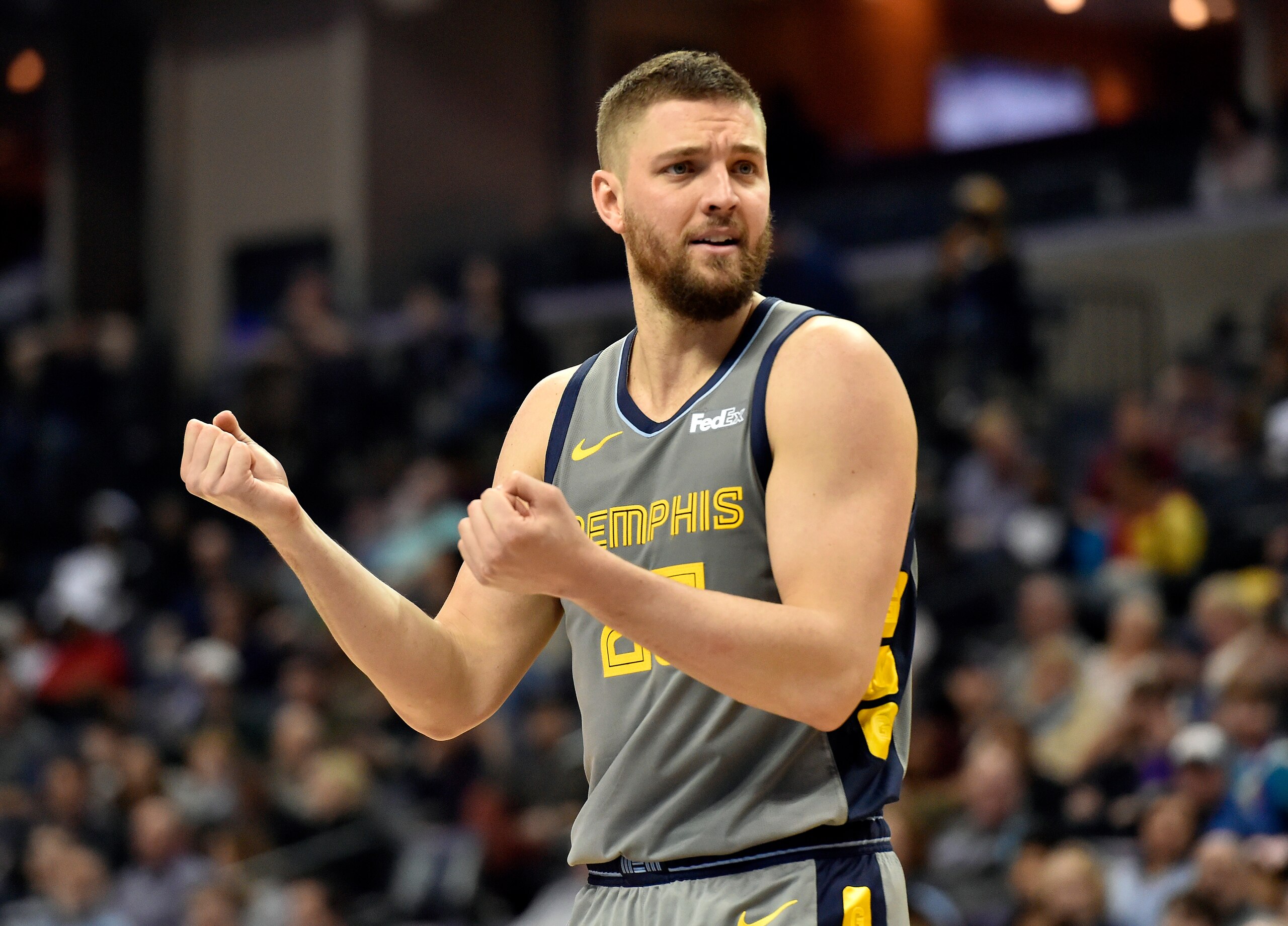
The Memphis Grizzlies signed Chandler Parsons to a four year, $94 million max deal in 2016 free agency. One year later, I called it the seventh-worst max contract in league history.
At that point, Parsons had "completed" one season with Memphis, averaging 6.2 points on 33.8 percent shooting over 34 games. Clearly diminished athletically after several knee procedures, the outlook for the rest of the contract was beyond bleak.
Parsons played 61 mostly ineffective games over the following two seasons in Memphis before being traded to the Atlanta Hawks and subsequently waived.
Worse than being a near total waste of $94 million, the Parsons deal compromised the Grizzlies' ability to add more talent around Marc Gasol and Mike Conley, both of whom were in their primes and had banner years in 2016-17. You could even argue that the Parsons gaffe and its massive opportunity cost ultimately ended the Grit 'n Grind era in Memphis.
Had the Grizzlies used that salary slot more wisely, they could have added a player capable of ascending as Gasol and Conley declined. Instead, they set nearly $100 million on fire.
Miami Heat: Signing Hassan Whiteside
16 of 30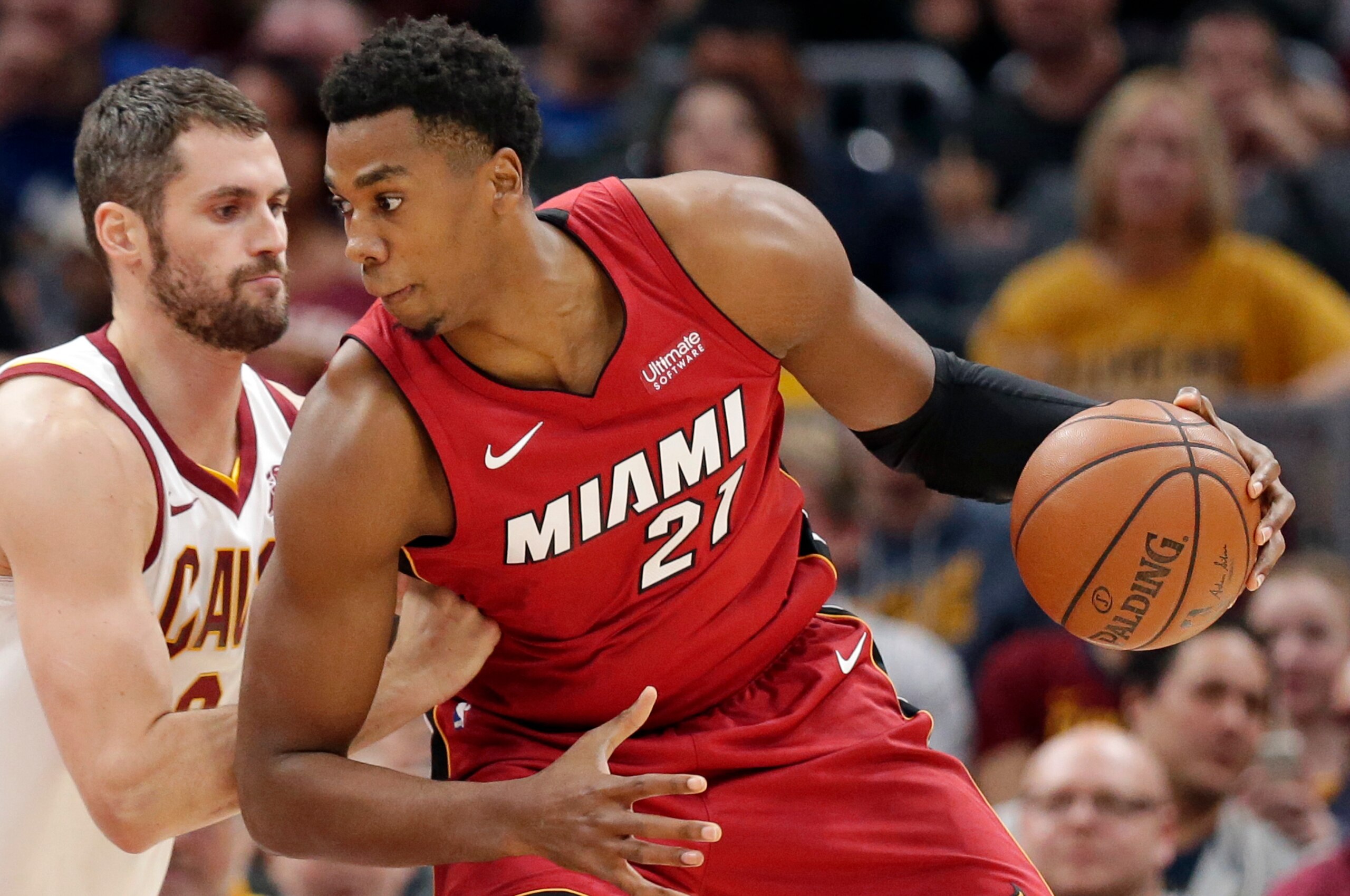
Hassan Whiteside was a fantastic find for the Miami Heat, plucked from the scrap heap in 2014 and immediately productive on a minimum salary. The calculus changed when the Heat signed him to a four-year, $98.4 million max contract ahead of the 2016-17 season.
Whiteside's counting numbers were stellar over the next three years. He led the league in rebounding in 2016-17, and his worst season with Miami on that fat new deal featured averages of 12.3 points and 11.3 rebounds per game.
Those stats don't tell the whole story, though.
Whiteside's immobility made him a constant target in pick-and-roll defense, while his lack of offensive stretch made him a liability in critical situations. He spent a few fourth quarters on the bench and saw his role greatly reduced in the postseason.
True max players don't find their minutes dwindling in the games that matter most.
Miami dealt Whiteside to the Blazers in the 2019 offseason, where he played the final year of his contract. He's been a minimum-salaried journeyman ever since.
Milwaukee Bucks: Jason Kidd's Contract Extension
17 of 30
After two years in charge and a 74-90 record to show for it, Jason Kidd got a three-year, $18 million contract extension with the Milwaukee Bucks. When he signed it in June 2016, he still had one more year and $5 million on his existing deal.
Followers of recent Bucks history know he didn't even make it through the first of those three freshly added seasons. Milwaukee fired Kidd midway through the 2017-18 campaign.
Kristian Winfield chronicled the various reasons for Kidd's ouster at SB Nation—comically aggressive defense that couldn't generate stops and constant excuses for a young team (that wasn't really that young) chief among them. Mirin Fader's book, Giannis: The Improbable Rise of an MVP, outlined countless other incidents that suggest Kidd probably never should have lasted beyond his first contract (h/t Drake Bentley of the Milwaukee Journal Sentinel).
There's no denying Giannis Antetokounmpo's leap to superstardom was the driving force in elevating the Bucks to contender status. But Mike Budenholzer, Kidd's replacement, clearly established better personal relationships and installed schemes that got more out of the talent on hand.
Minnesota Timberwolves: Maxing Out Andrew Wiggins
18 of 30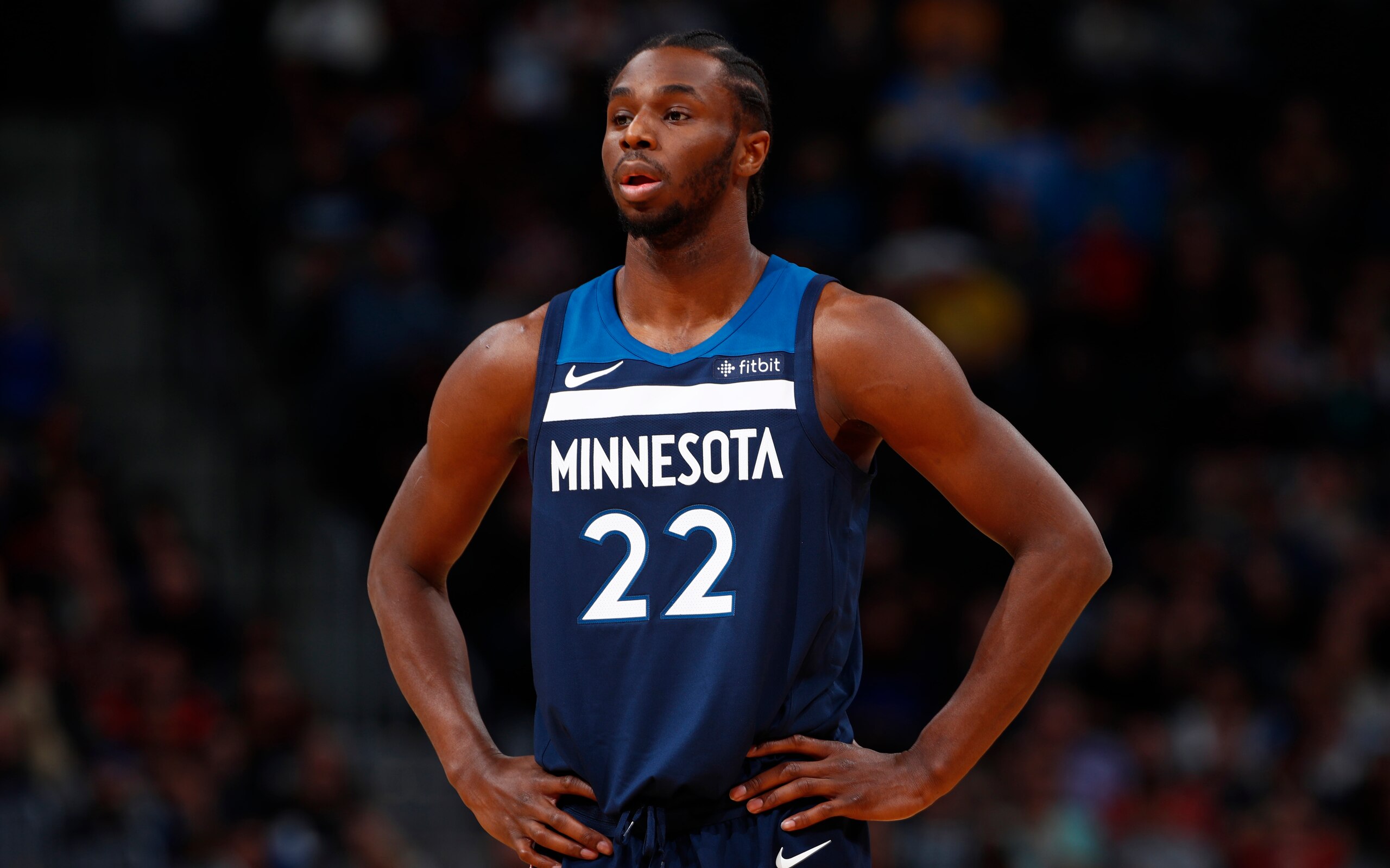
The Tom Thibodeau era in Minnesota, marked by a spectacular amount of Jimmy Butler-fueled drama, ended badly. But it also produced the Timberwolves' only playoff appearance since 2004.
There's no case to be made that anything from that rare, successful period in Wolves history haunts the franchise. The same can't be said about the max extension Andrew Wiggins got from the team in 2017.
The agreement was based at least in part on team governor Glen Taylor's speculation, with little in the way of actual evidence, that Wiggins would commit to improving on his often listless play. Few talents had tantalized and disappointed like the inconsistently focused Wiggins, but all Taylor needed was a face-to-face assurance that things would be different going forward.
"He seems like a very good person," Taylor told reporters. "He seems to have the ability, and so the only thing it would be is for some reason he didn't work hard enough to obtain the skill sets. That's what you're asking him to commit to."
Wiggins never really changed. He's become a solid NBA role player with the Warriors, albeit one paid like a superstar.
Trading him cost the Wolves a lottery pick and saddled them with the equally bloated salary of D'Angelo Russell. Oops.
New Orleans Pelicans: Hiring Stan Van Gundy
19 of 30
At least the New Orleans Pelicans didn't give Stan Van Gundy power over personnel decisions!
Based on the laundry list of dubious signings and trades he made in a dual coach-executive role with the Detroit Pistons from 2014 to 2018, that would have been the only way things could have gone worse during the coach's short-lived tenure with the Pels.
Van Gundy lasted one season with New Orleans after signing a four-year contract, and his old-school approach didn't mesh with the team's young talent. Zion Williamson's family saw Van Gundy as "too rigid and demanding," sources told Shams Charania, Sam Amick and William Guillory of The Athletic. That report also revealed Brandon Ingram, New Orleans' other young star, "was also unhappy" with Van Gundy's style.
A 554-425 career record proves Van Gundy is no slouch as a coach. But his failure to connect with the most important figures in the organization, Williamson and Ingram, wasn't hard to see coming.
If Williamson eventually forces his way out of town, and if the events of the 2020-21 season look in hindsight like a tipping point, the Van Gundy hire will go down as one of the worst moves in a franchise history riddled with mistakes.
New York Knicks: Signing Joakim Noah
20 of 30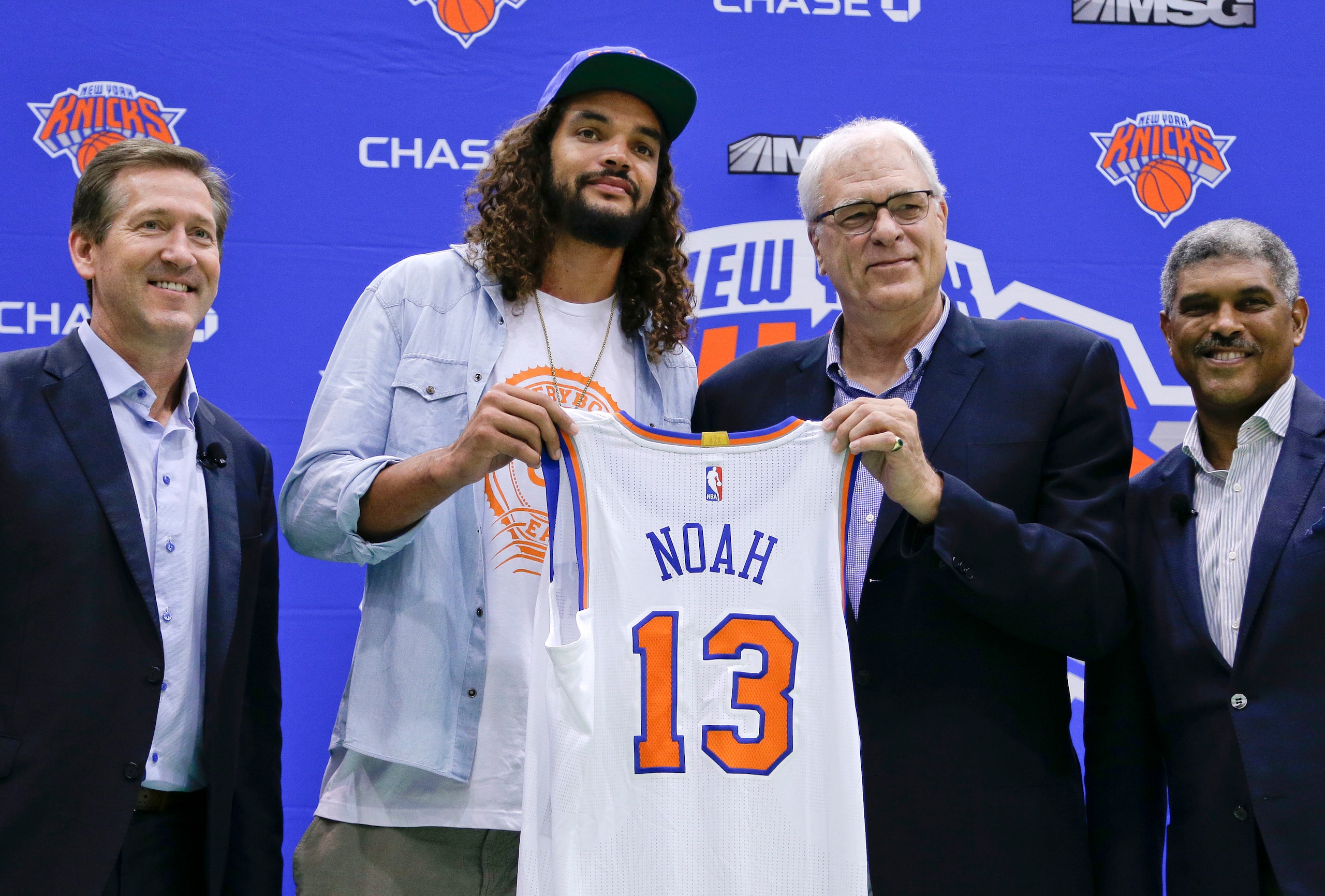
You could populate a mile-long list with the various blunders of the Phil Jackson era in New York, but much of the damage he did as president of basketball operations came between his hiring in March 2014 and our 2016 offseason cutoff point.
The messy Carmelo Anthony saga, Derek Fisher's installation as head coach, lopsided trades, rampant acquisitions of mostly washed-up former Los Angeles Lakers—it's all here in its franchise-crippling ignominy.
Before Jackson departed in June 2017, he inked Joakim Noah to perhaps the worst free-agent contract of the 2016 offseason. That was the year of The Great Cap Spike, so a move even warranting consideration as the worst of that summer rates as historically bad.
The Ringer's Rodger Sherman reflected back on the Noah signing:
"The $72.6 million deal for Noah was certainly the worst free-agent signing of the 2016 offseason. ... He averaged 5.0 points per game while missing about half of the season with a knee injury. This could have been expected if the Knicks had watched Noah in 2015–16, when he averaged 4.3 points per game while missing two-thirds of the season with a shoulder injury. He appears to have forgotten basic basketball skills..."
In fairness, the 2013-14 Defensive Player of the Year was worth all that money at one time. But it was a clear and egregious overpay in 2016.
Noah played seven games and averaged 1.7 points per contest in 2017-18, and the Knicks waived him ahead of the 2018-19 season with $38 million remaining on his deal.
Oklahoma City Thunder: Trading for Carmelo Anthony
21 of 30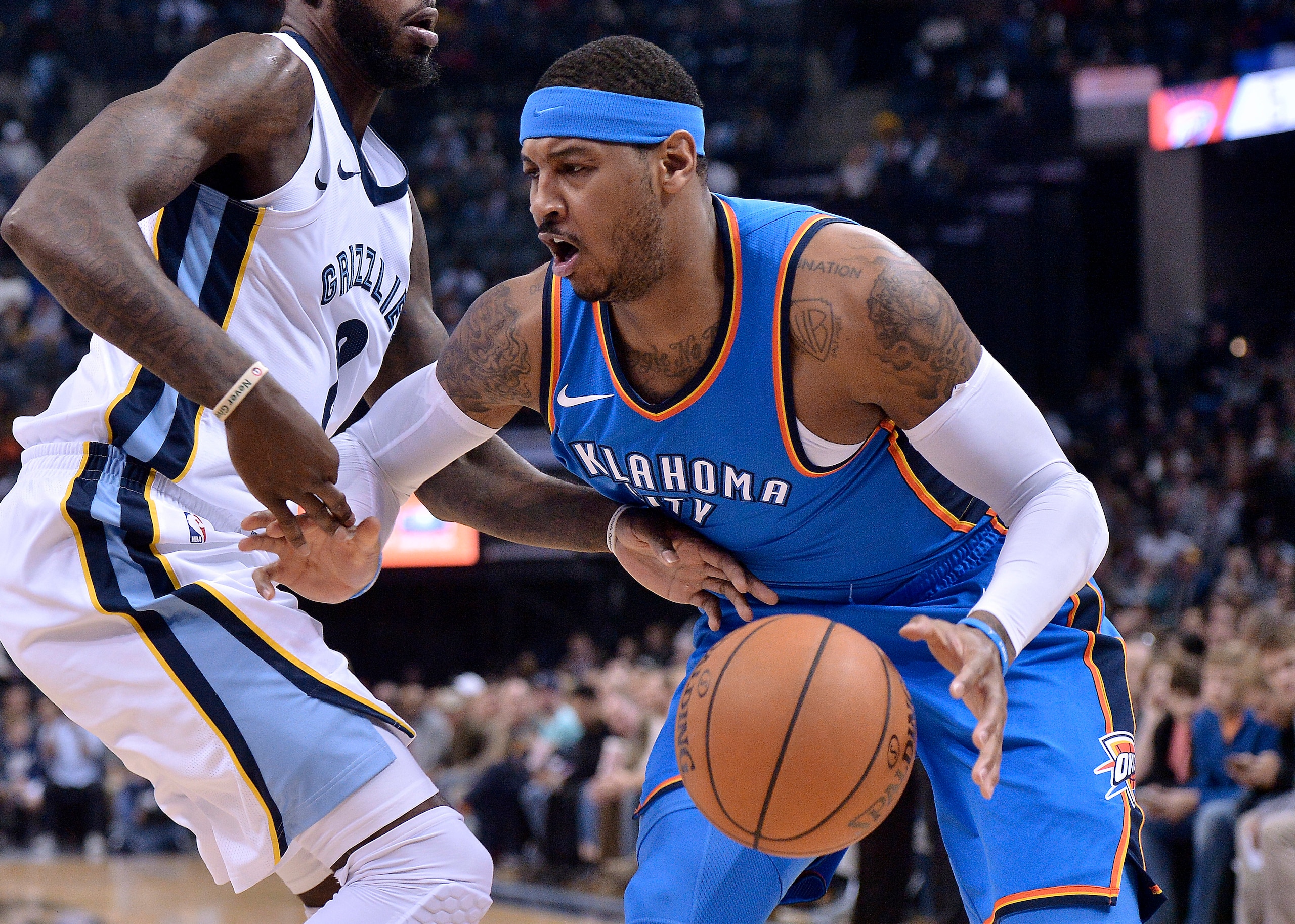
It's been nearly a decade since the Oklahoma City Thunder refused to give James Harden a max extension, which resulted in the trade that sent the future MVP to the Houston Rockets. If there's anything in OKC's history that haunts, it's that pivotal penny-pinching decision.
Over the last five years, it's been much harder to find a major misstep from the front office led by Sam Presti. Up until last year's rebuild, OKC has mostly been a win factory, built around two other MVPs whose departures failed to sink the franchise.
Kevin Durant's exit in 2016 free agency hurt, but other than that, the Thunder have typically come out ahead when losing stars. They dealt for Paul George, watched him finish third in MVP voting and then traded him for a massive haul of picks along with Shai Gilgeous-Alexander. Russell Westbrook returned a similar asset cache, as did Chris Paul.
Even the Carmelo Anthony acquisition, which was ill-fated and happened before the former star had accepted his late-career status as a role player, didn't turn out so bad. OKC was able to trade him for value after just one season.
We're going with that move, though, because it stands out as one of the team's rare recent miscalculations.
Anthony was far from a star and well into his decline when OKC acquired him, and it's easy to forget that he was essentially out of the league shortly thereafter. Melo eventually embraced a supplementary role and has since logged two more quality seasons as a reserve scorer, but Oklahoma City wrongly expected more from him in 2017.
Orlando Magic: Signing Bismack Biyombo
22 of 30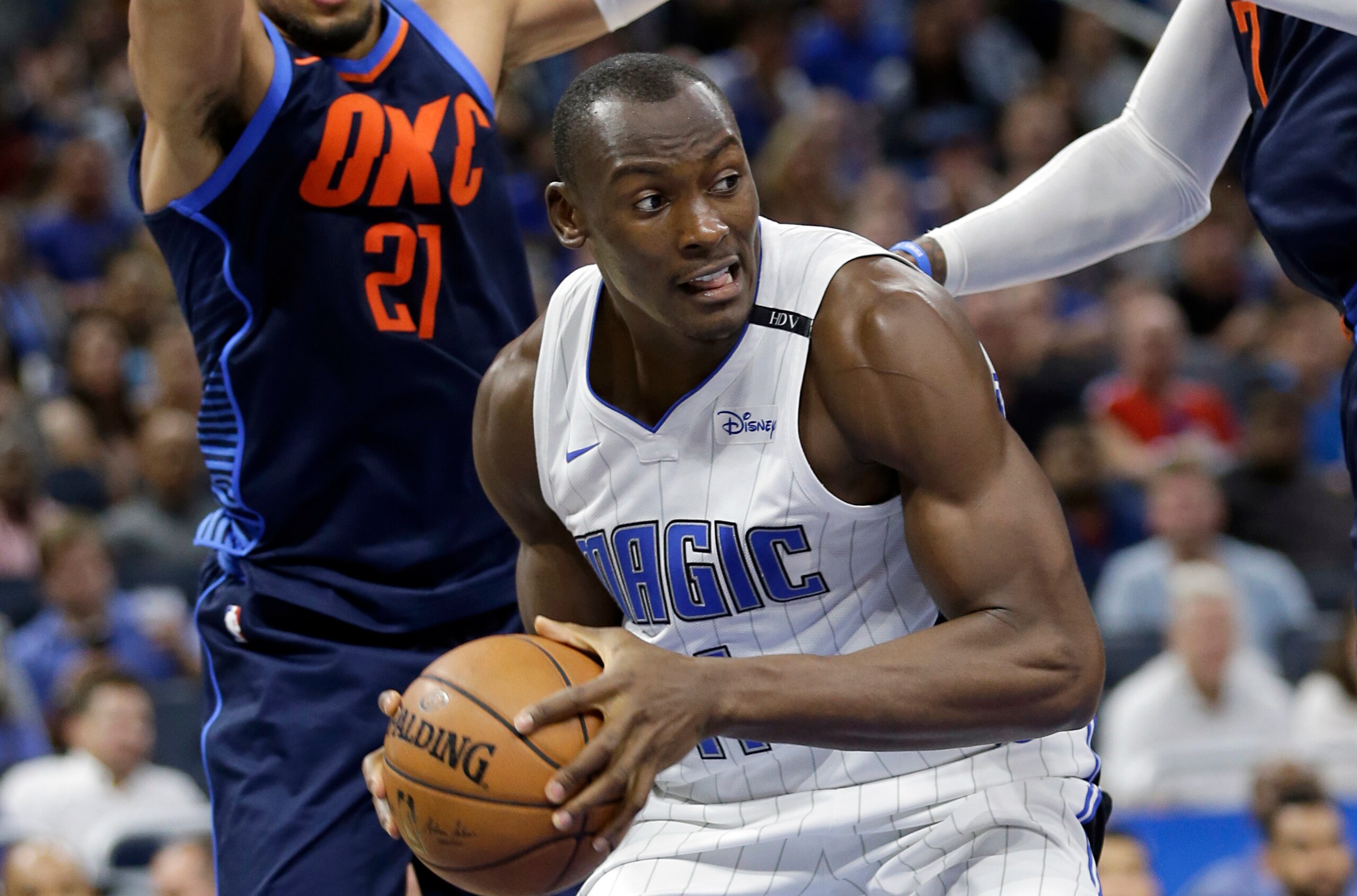
Other than the $5.6 million the Orlando Magic will pay Timofey Mozgov this season, there are no lingering effects of the four-year, $72 million contract that they gave Bismack Biyombo in 2016.
Biyombo was coming off a stellar playoff run with the Toronto Raptors, and teams were eager to spend their oodles of cap space that summer. Rim protection was en vogue, and Biyombo brought that skill to the table.
However, he was coming off a year in which he averaged a career-high 5.5 points and 8.0 rebounds. It takes some Olympic-level mental gymnastics to determine that kind of production is worth $72 million.
The Magic also had Nikola Vucevic, future two-time All-Star center, on their roster. He was coming off his second straight year as a quality starter, complete with averages of 18.2 points and 8.9 rebounds in 2015-16.
Biyombo's salary was inflated, and the Magic didn't exactly need a second young center.
After two seasons, the Magic dealt Biyombo to the Hornets for Mozgov, whom they later waived and stretched.
Philadelphia 76ers: Trading Up for Markelle Fultz
23 of 30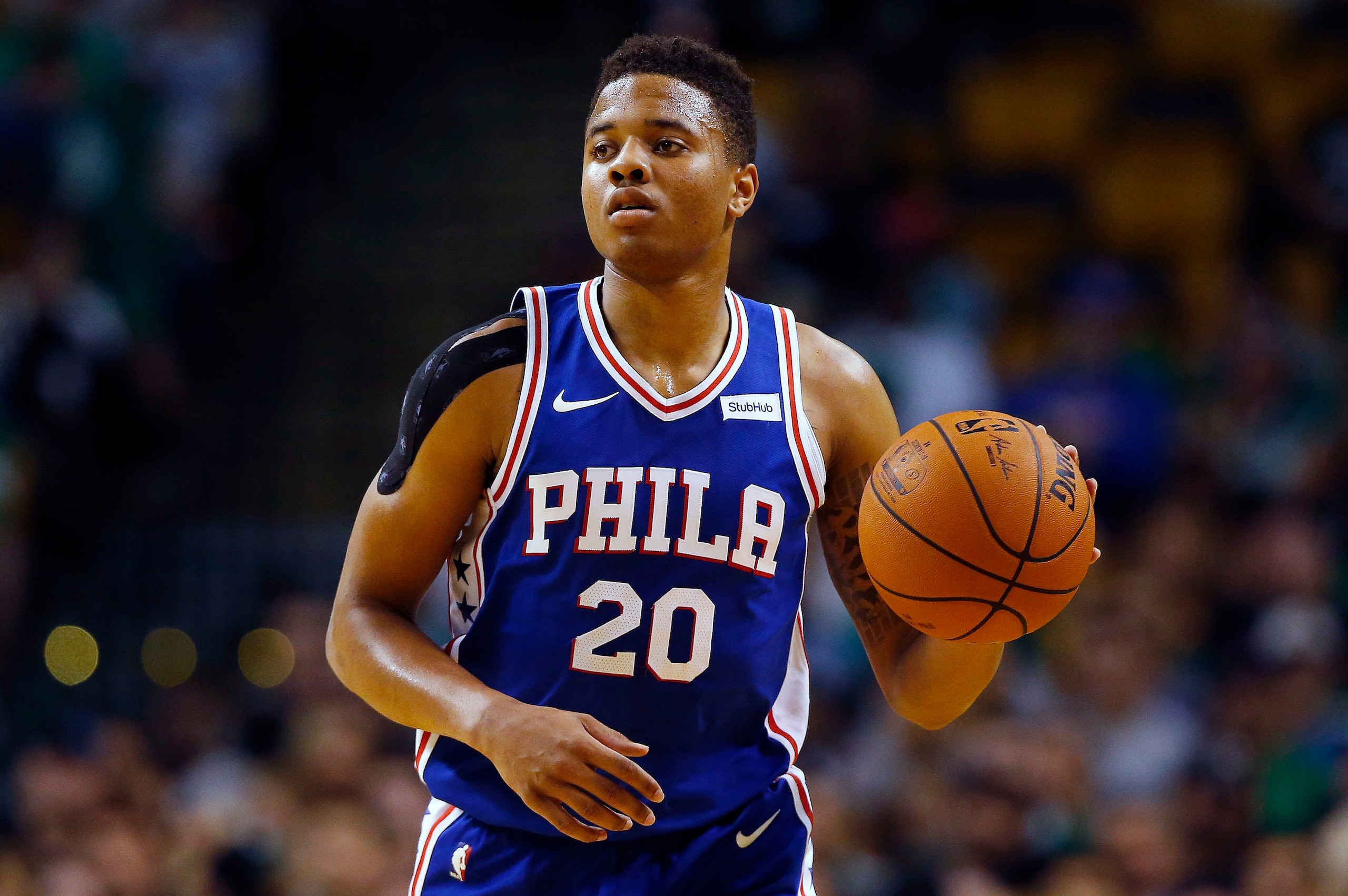
The Ben Simmons saga currently hanging over the Philadelphia 76ers like a dark cloud could have been avoided. All they had to do was take Jayson Tatum with the first overall pick in 2017.
Instead, the Sixers traded up to grab Markelle Fultz in that year's draft, sending the No. 3 pick and a future first-rounder with some complex protections to the Boston Celtics.
Fultz's Sixers career was fraught with injury, intrigue and, ultimately disappointment. It ended with a trade to the Orlando Magic after the Washington product had logged only 33 games over a season-and-a-half.
Had the Sixers instead taken Tatum after trading up, a cascade of misfortune might never have happened.
Tatum, now a two-time All-Star and arguable top-15 player in the league, has enjoyed much more success than Fultz. He, Ben Simmons and Joel Embiid would have made for a dominant fit together—far scarier than the Fultz/Simmons/Embiid trio ever was.
More consequentially, Tatum might have allowed the Sixers to limit their commitment to Simmons. Embiid recently outlined how Philadelphia essentially prioritized Simmons over Jimmy Butler, which was a clear mistake in hindsight.
Had Tatum been in the fold, Simmons may not have ranked as high on the team hierarchy, creating a wholly realistic scenario of a Sixers team built around Tatum, Butler and Embiid. That's a flat-out wrecking crew.
The 76ers certainly regret catering to Simmons now, and you could nominate their move away from Butler in this space without brooking much argument. But everything that's gone sideways in Philly, including the current Simmons situation, goes back to that fateful Fultz pick.
Phoenix Suns: Jalen Smith over Tyrese Haliburton
24 of 30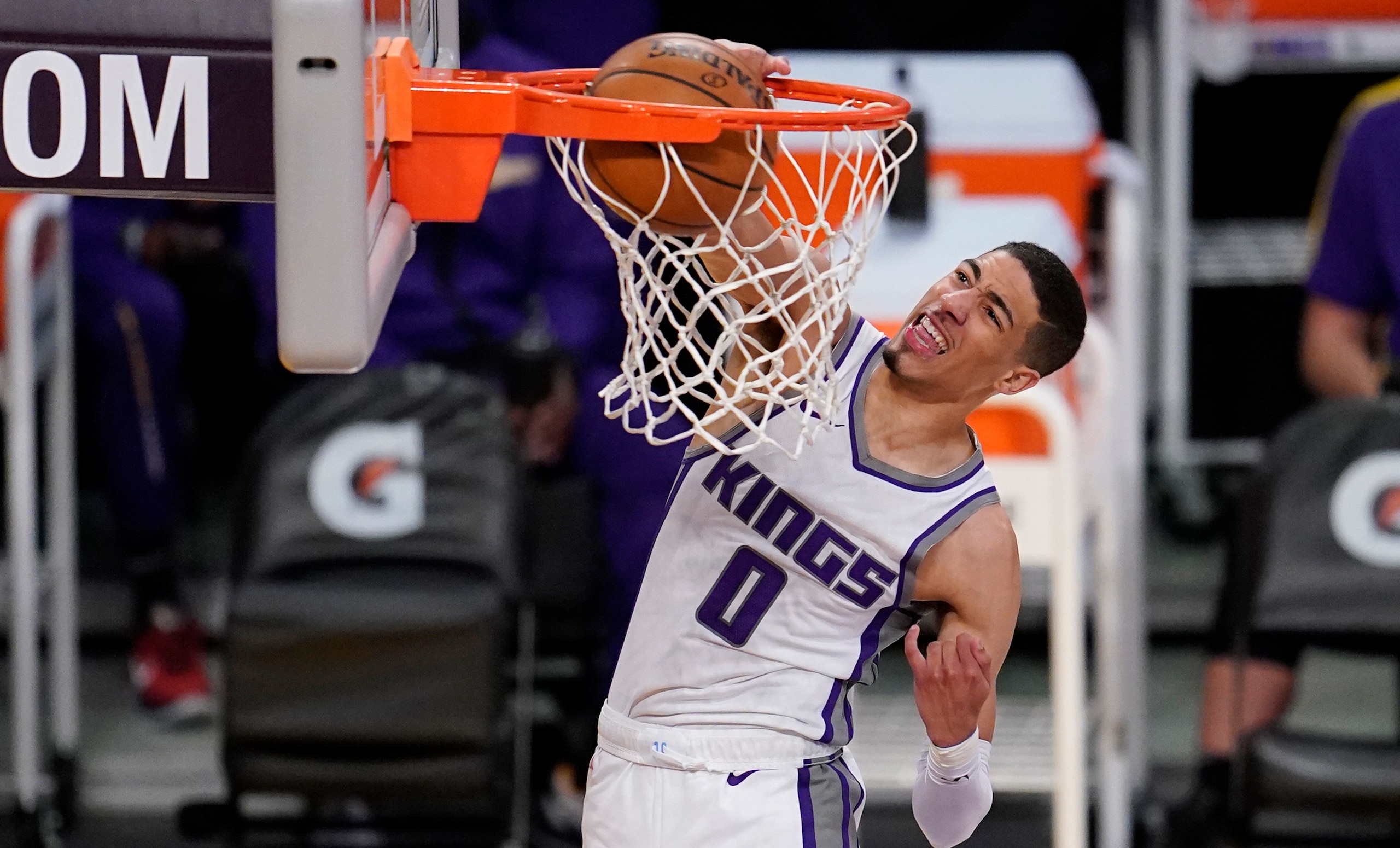
The Phoenix Suns' status as 2021 Finals participants and 2021-22 contenders makes criticism of their recent draft decisions tricky.
Had they taken someone other than Dragan Bender at No. 4 in 2016, or Josh Jackson in that same slot the following year, who knows what the ripple effects might have been? That logic even extends to their selection of Deandre Ayton over Luka Doncic (and everyone else in the 2018 class). With Doncic in the fold, the Suns probably never would have dealt for Chris Paul or drafted Mikal Bridges later in that fateful first round.
Maybe even Devin Booker's growth would have been stunted as a second banana to Doncic during his formative years.
Basically, any significant mistake you undo in the Suns' recent history changes the course of the franchise and likely results in something other than last year's title shot. Everything except when they took Jalen Smith two spots ahead of Tyrese Haliburton in the 2020 draft.
Phoenix's championship core was already formed by then, and Haliburton would have supplemented it as a secondary ball-handler and scorer. The highly intelligent and efficient guard is on a star track after finishing third in Rookie of the Year voting.
Smith played 27 regular-season games as a rookie and saw a grand total of 18 postseason minutes. There's no doubt Haliburton would have contributed much more to the Suns' nearly completed title chase.
With Smith giving them nothing of consequence, the Suns were agonizingly close to ultimate success. With Hailburton, Phoenix might be the defending champs right now.
Portland Trail Blazers: The Entire 2016 Offseason
25 of 30
The good news is that as calamitous as the Portland Trail Blazers' 2016 spending spree seems in hindsight, it didn't actually cause much calamity.
That summer, Portland matched a $75 million offer sheet from the Brooklyn Nets for Allen Crabbe, doled out $70 million for Evan Turner and extended Meyers Leonard for four years and $41 million. Despite so many ugly outlays of cash, the Blazers managed to finish .500 and made the 2016-17 playoffs.
They haven't missed the postseason since—no thanks to Turner (never a full-time starter on his new contract), Crabbe (traded a year later) or Leonard (never averaged more than 5.9 points per game for Portland after signing that contract).
When you have Damian Lillard and CJ McCollum is coming off a Most Improved Player season, things can only go so badly.
It may be a small consolation, but things could have gone much, much worse for the Blazers. Chandler Parsons rejected the max offer they presented, opting to sign with the Grizzlies instead.
Sacramento Kings: Drafting Marvin Bagley III
26 of 30
Even if Luka Doncic hadn't come off the board with the very next pick, the Sacramento Kings' selection of Marvin Bagley III at No. 2 in the 2018 draft would still rate as a disaster.
Bagley played in only 118 of a possible 226 games over his first three seasons, and though his counting stats—14.5 points and 7.5 rebounds per game—don't scream "bust", there's a reason the Kings never seriously broached rookie-scale extension talks with him like other teams did with their 2018 lottery picks.
Among the worst defensive players in the league, Bagley gets overpowered by bigs and blown past by guards. His awareness and anticipation are both well behind the curve, and the Kings, a rotten defensive team in each of the last three years, have been especially putrid with Bagley on the floor.
The 6'11" lefty hasn't done anything conducive to winning games and hasn't come close to earning a rotation spot on a perennial lottery team. Something dramatic will have to change for him to be more than a minimum-salaried player after his rookie deal runs out. And the chances of Bagley sticking on Sacramento's roster beyond this season are almost nil.
San Antonio Spurs: Whatever Happened with Kawhi Leonard
27 of 30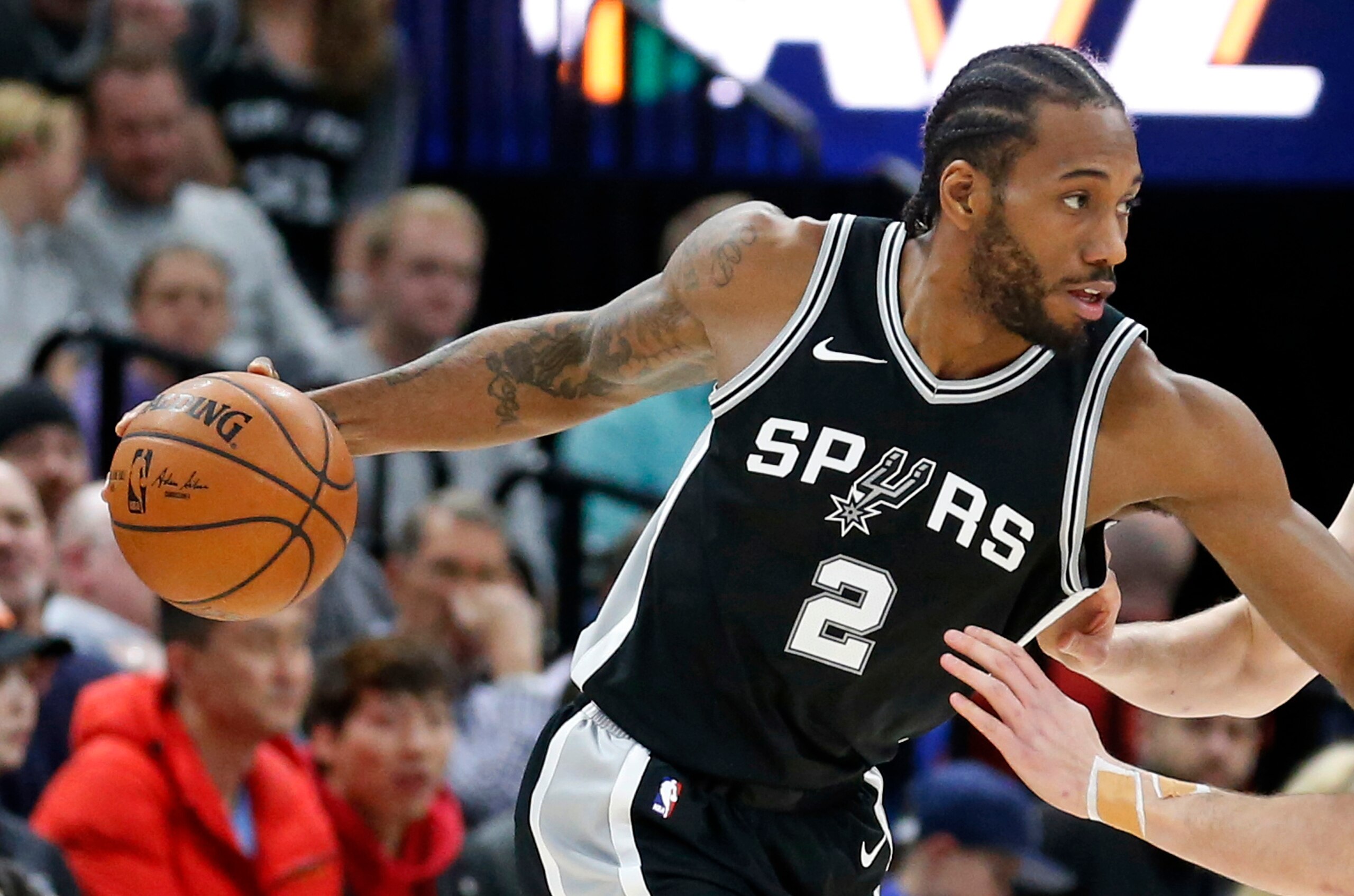
Three years, two teams and a championship later, it's still hard to be sure exactly what triggered the breakdown that got Kawhi Leonard traded from the San Antonio Spurs. We know a difference of opinion on his health and readiness to play created a loss of trust between his camp and the organization, but full clarity remains elusive.
In fairness to the Spurs, it's possible Leonard's desire to play in Los Angeles would have resulted in his departure one way or another. But the fact remains that San Antonio dealt away one of the league's best players in 2018, removing the possibility of contention from a roster that had spent the better part of two decades chasing rings. It sent him and Danny Green to the Toronto Raptors for DeMar DeRozan, Jakob Poeltl and a protected first-rounder—a pittance for a player who'd go on to lead Toronto to a title.
San Antonio had little leverage, lost its superstar and hasn't been the same since.
Leonard may have been the sole author in all this, which leaves the Spurs essentially blameless. But you'd better believe they still spend the odd sleepless night wondering if they could have done something differently.
Toronto Raptors: Signing Aron Baynes
28 of 30
The Toronto Raptors have generally crushed the draft since 2016, snagging Pascal Siakam at No. 27 that year and following up with OG Anunoby at No. 23 in 2017. Even when they haven't drafted valuable young talent, they've found it elsewhere. Undrafted Fred VanVleet is your prime example on that front.
That rules out the draft, and when the most significant trade in recent franchise history brought aboard Kawhi Leonard and resulted in a championship, it's tough to find any transactions worth fretting over. It's almost as if Masai Ujiri knows what he's doing...
We're picking nits here, but Toronto did err by adding Aron Baynes (two years, $14.4 million) during the 2020 offseason. Baynes couldn't replicate the three-point shooting he'd flashed in Phoenix the year prior, and he ultimately lost his hold on the starting center gig.
The Raptors had their share of problems last season, but the weakness of their center spot may have been the biggest. That Baynes replaced Serge Ibaka and Marc Gasol, both of whom departed in free agency, only made his underperformance worse.
Utah Jazz: Dante Exum's Contract
29 of 30
The Utah Jazz have won at least 61 percent of their games in four of the last five seasons. Their worst year in that stretch was a 48-34 campaign in 2017-18 that concluded with Rudy Gobert's first Defensive Player of the Year trophy and a second-round playoff exit.
In other words, the last half-decade has been kind to the Jazz. It might have been kinder if Dante Exum had panned out.
We can't include Utah's decision to take him at No. 5 in the 2014 draft (directly ahead of Marcus Smart and Julius Randle) because that happened outside the last-five-years window we're considering. But we can ding the Jazz for handing Exum a three-year, $33 million extension in the summer of 2018, right after the injury-plagued guard had played only 14 games and averaged 8.1 points per contest the prior season.
If Exum hadn't torn his ACL while playing for the Australian national team ahead of his sophomore season in the NBA, his career might have turned out differently. But his post-injury performance never rose to a level justifying the contract he signed.
Because this is the Jazz we're talking about, things worked out fine. Utah traded Exum to the Cleveland Cavaliers for Jordan Clarkson in 2019. Clarkson won Sixth Man of the Year the following season.
Washington Wizards: John Wall's Supermax Extension
30 of 30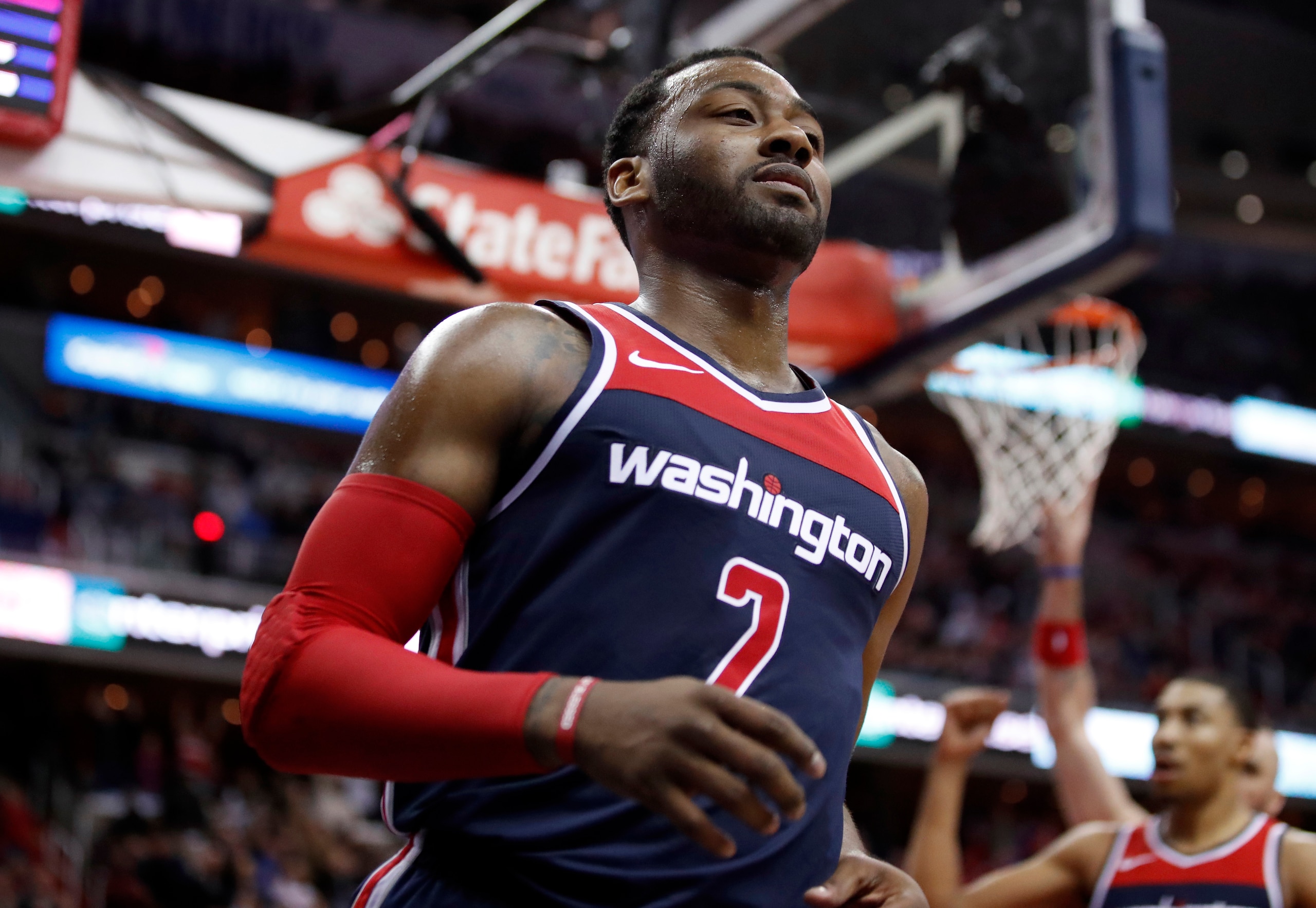
It might not be the worst contract in the NBA, but John Wall's four-year, $171 million supermax deal has to rank among the top three.
Most painful for the Washington Wizards: Wall's decline wasn't foreseeable at the time.
Sure, Wall was a suspect-shooting, speed-based guard entering his late 20s. But he was also coming off a career year with averages of 23.1 points, 10.7 assists and 2.0 steals per game on a personal-best 45.1 percent shooting. The Wizards had also just won 49 games, their highest total in four decades.
Wall came undone in short order, logging 41 games in 2017-18 and only 32 in 2018-19. An Achilles tear cost him all of 2019-20, the first year of that bloated extension.
The Wizards got nothing for the $38.2 million they paid Wall that season. They later dealt him and a 2023 lottery-protected first-round pick to the Houston Rockets for Russell Westbrook.
Ultimately, Washington came out the other side of the Wall deal in decent shape. Westbrook is gone now, and the team's books are surprisingly clean. But the Wizards got no value out of a max extension, and the best thing you can say about Wall's contract is that it's someone else's problem now.
Stats courtesy of NBA.com, Basketball Reference and Cleaning the Glass. Salary info via Spotrac.
.jpg?w=2560)
.jpg?w=2560 "Report reveals list of next NFL international locations")
.jpg?w=2560 "Breaking News")