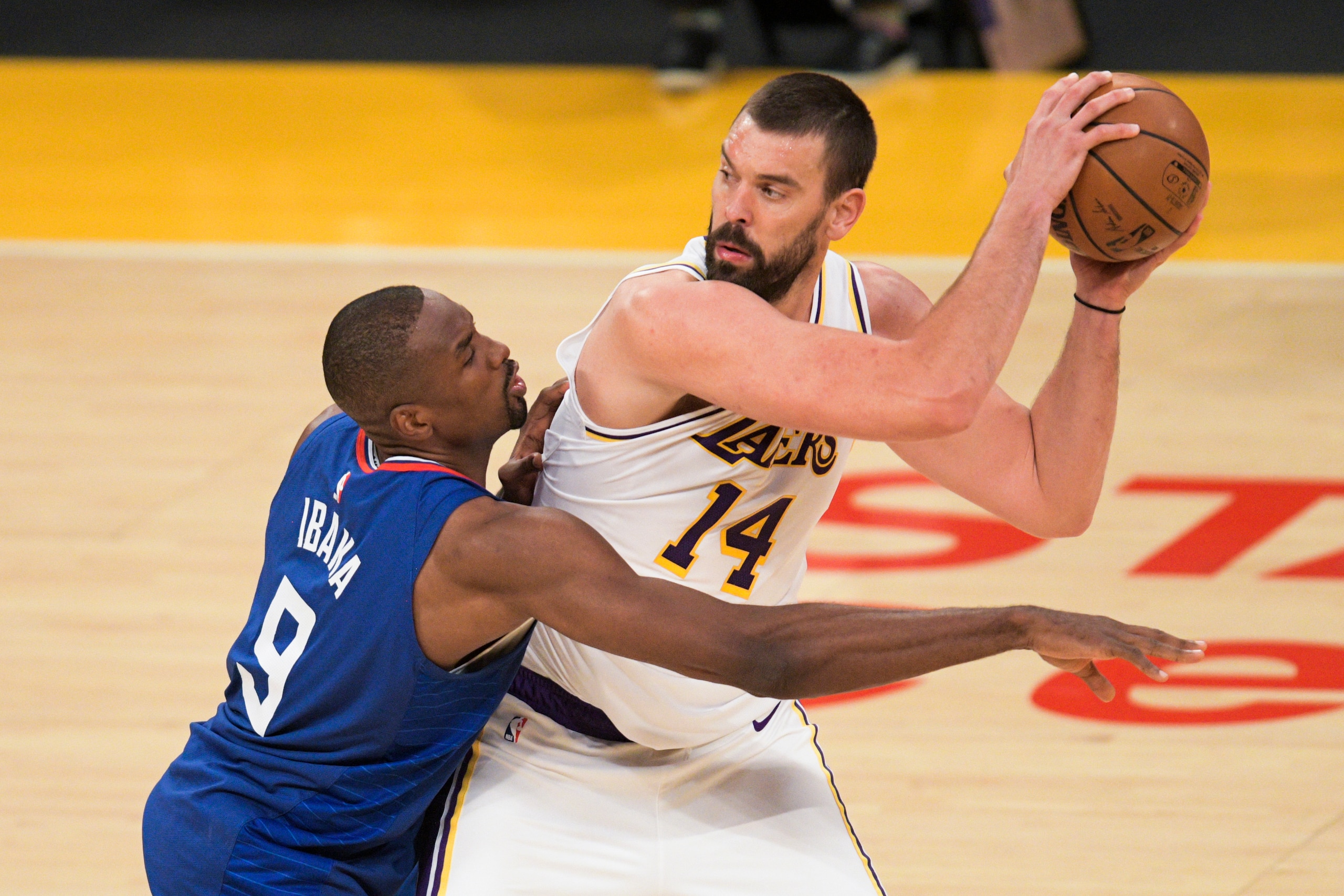

Re-Grading Every NBA Team's 2020 Free-Agent Signings
We interrupt your regularly scheduled midseason programming to bring you a relitigation of 2020 NBA free agency. You may return to agonizing over the MVP race shortly.
Enough basketball has been played to render more meaningful verdicts on how each team fared with its signings. Granted, the nature of this season gets in the way of total clarity. Player availability is all over the place as the league plows through the coronavirus pandemic.
Inconsistent rotations and decimated rosters make it difficult to separate matters of fact from those that need more time to marinate. We will try to delineate the best we can. This means grading on a more favorable curve. Nobody is getting an "F." Too many struggles can be traced back to circumstances beyond a team's control.
Make no mistake—the red pen is about to get serious run. Though the focus will be on how 2020 free agents have performed, grades will be impacted by every team's overarching approach. Departures and missed opportunities will not dictate any final tallies in full, but resource allocation is part of the calculus.
Just so we're clear: The spotlight is only on free-agency additions and re-signings completed prior to the start of the regular season. Trade acquisitions are not included in this exercise. First-year players from the 2020 class are similarly ineligible, even though second-round picks sign pacts independent of the rookie scale. Most two-way contracts will fall outside our purview as well. Only notable non-rookies on two-way deals will be discussed or listed.
Get it? Got it? Good. Let's spill some red ink.
Atlanta Hawks: C
1 of 30
Notable Free-Agency Additions: Bogdan Bogdanovic; Kris Dunn; Danilo Gallinari; Solomon Hill; Rajon Rondo
Notable Re-signings: None
Giving the Atlanta Hawks an incomplete is genuinely tempting. Injuries have torpedoed the availability of nearly all of their free-agent additions.
Kris Dunn has yet to play after undergoing right ankle surgery. Bogdan Bogdanovic suffered an avulsion fracture in his right knee and hasn't been in the lineup since Jan. 9. Danilo Gallinari is still ramping up after missing a bunch of time with a sprained right ankle. Rajon Rondo has made just 14 appearances while dealing with left knee and ankle issues. He was also in the league's health and safety protocols for a bit.
What little we've seen from the Hawks' new faces doesn't leave much room for interpretation. Rondo is shooting under 40 percent from two-point range, and the offense has sputtered when he runs the show without Trae Young. Gallinari has hit some shots but doesn't appear to be moving as freely. Bogdanovic was starting to find a groove—and his three-point volume proved wildly important—prior to his injury.
Failing Atlanta for setbacks beyond its control isn't fair. But availability is part of the game, and it's reasonable to question Rondo's fit as an offensive steward. (He deserves to see more time with Gallo first.) Put more bluntly: After touting league-high cap space over the offseason, the Hawks have needed to play Solomon Hill more than any of their other free-agency additions. That's...not great.
Boston Celtics: C
2 of 30
Notable Free-Agency Additions: Jeff Teague; Tristan Thompson
Notable Re-Signings: None
Free agency is most memorable for what the Boston Celtics didn't do: capitalize on Gordon Hayward's departure beyond a trade exception, acquire Myles Turner or use their non-taxpayer mid-level to address their backup playmaking void and dwindling wing depth.
Neither Jeff Teague nor Tristan Thompson has helped ease concern.
Teague might be outplaying Brad Wanamaker, who left for Golden State, but that's saying nothing. He's hitting under 29 percent of his twos and turning the ball over on an inexplicable 23.8 percent of his transition possessions. Carsen Edwards and rookie Payton Pritchard are both currently better backcourt options.
Thompson is at least on a redemption streak. He caught fire during Boston's latest road trip, averaging nearly 11 points per game on 62.9 percent shooting while playing some excellent defense away from the basket.
Watching him log minutes alongside Daniel Theis underscores the Celtics' shaky line of thinking, though. They've even needed to experiment with both bigs playing next to Grant Williams. Maybe there was no wing to be had at the MLE, and Boston does have its massive traded player exception. But the addition of Thompson continues to feel like a misallocation of resources.
Brooklyn Nets: B+
3 of 30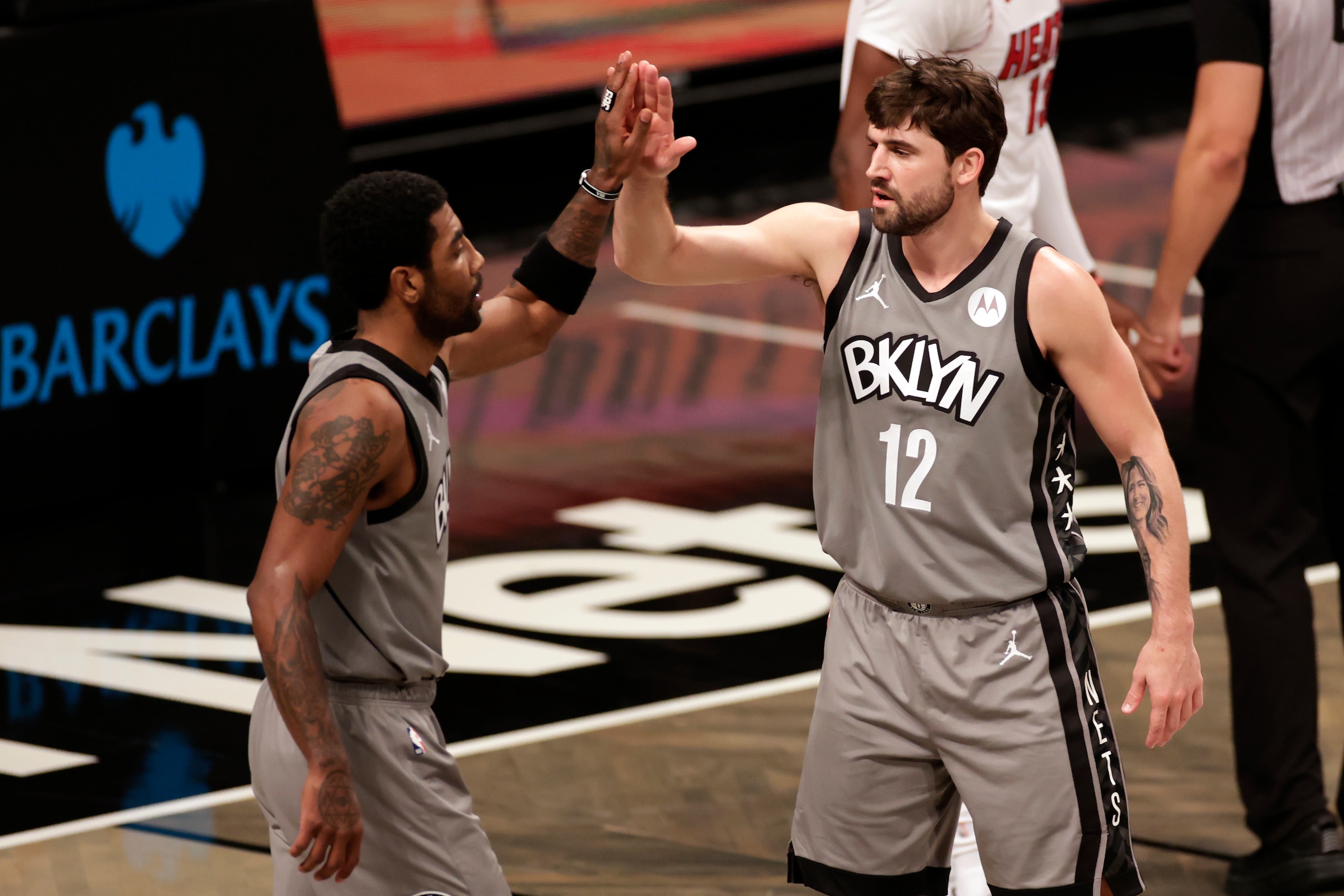
Notable Free-Agency Additions: Jeff Green
Notable Re-Signings: Chris Chiozza (two-way); Joe Harris; Tyler Johnson
The Brooklyn Nets couldn't do much during the peak of free agency. They needed to retain Joe Harris and plug the power forward/small-ball-big void more than anything, and they did both.
Holding on to their taxpayer's mid-level exception was debatable. Then again, they weren't teeming with roster spots prior to the James Harden trade. Also: Who were they supposed to invest in? Moe Harkless would've been a nice fit in theory, but he barely saw the court in Miami before his left thigh injury. Outbidding Denver for JaMychal Green or Paul Millsap was a non-option.
Re-signing Harris goes down as a major win, even at his four-year, $75 million price point. Complementary shooters mean the world to teams stacked with ball-dominant stars, rendering him that much more critical following the addition of Harden.
Slightly fewer than 42 percent of Harris' looks came off the catch last season. That number has spiked to 55 percent. His 80.1(!) effective field-goal rate on these shots ranks second among 172 players who have launched at least 50 such attempts. He can still put the ball on the floor in space and will make quick passes, but his primary responsibility remains working off his superstar teammates. And he's crushing it.


Charlotte Hornets: C+
4 of 30
Notable Free-Agency Additions: Gordon Hayward
Notable Re-Signings: Bismack Biyombo
Apologies are owed to the Charlotte Hornets. The reflexive takedowns of Gordon Hayward's four-year, $120 million deal have proved to be an overreaction. He's averaging a career-high 22.9 points along with 3.9 assists while downing a Terry Rozier-esque 45.6 percent of his catch-and-shoot threes and 50.0 percent of his pull-up twos.
Long-term concerns remain. He has a checkered health bill since leaving Utah, and this contract runs through his age-33 season. The back end of it, if not at least the final year, could look rough.
Counterpoint: Age 33 isn't ancient. And Hayward's game has never been predicated on burst. The manner in which he scores and makes plays shouldn't corrode drastically over time. His style blends self-creation and accessory shooting, an amalgam that lessens the burden of those around him without infringing upon developmental runway for youngsters like LaMelo Ball.
Stretching and waiving Nicolas Batum's expiring contract to afford Hayward is the larger sin, a misfire that drags down Charlotte's overall grade even when weighing the limited value cap space has in non-glamour markets. Failing to add another big has the same effect. The Hornets are among the league's worst defensive rebounding teams, and leaning on Bismack Biyombo in any capacity comes at a stark offensive cost.
Chicago Bulls: B
5 of 30
Notable Free-Agency Additions: Garrett Temple
Notable Re-Signings: Denzel Valentine
Bringing back Denzel Valentine turned out to be a sneakily great decision by the Chicago Bulls.
After a hamstring injury limited him at the start of the season, he is a regular part of the rotation for the first time since his sophomore campaign. Valentine has responded by drilling 38.9 percent of his triples—41.4 percent off the catch—and busting out the occasional high-assist performance. He has even given Chicago some defensive reps against bigger wings.
Garrett Temple's season is harder to appreciate. Rest assured, though, he's earned some level of praise.
Never mind that his three-ball isn't falling at a high clip. He has provided under-control half-court initiation and, more importantly, established himself as a stout defender against bigger wings and a reliable helper.
For what the Bulls spent in free agency—very little—they're making out well. Their biggest blemish, aside from maybe adding another wing, is not brokering a second-year option on Temple's deal.
Cleveland Cavaliers: C
6 of 30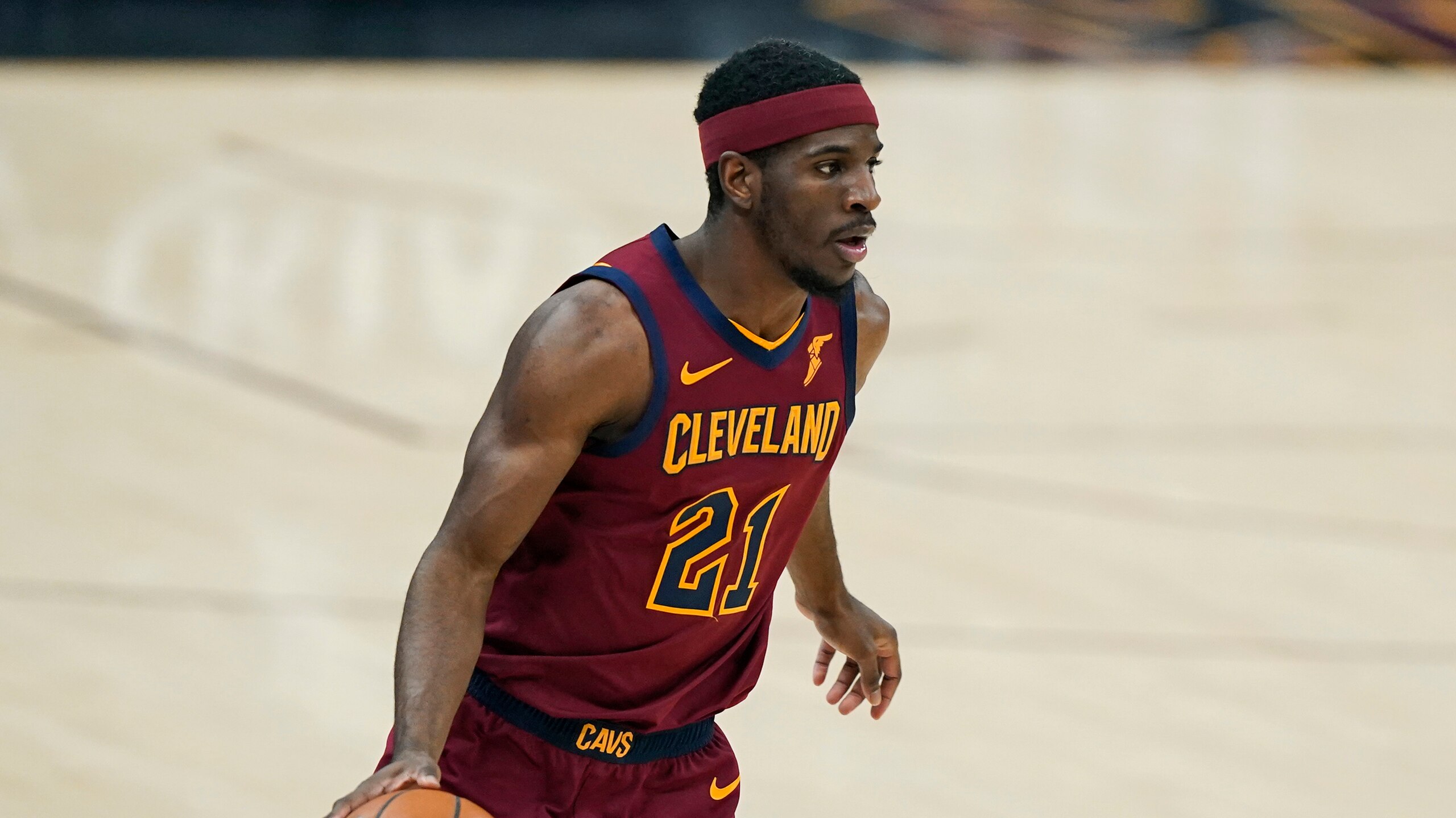
Notable Free-Agency Additions: Damyean Dotson; Thon Maker (since waived)
Notable Re-Signings: Matthew Dellavedova
The Cleveland Cavaliers haven't given us much on which to harp.
Thon Maker is already gone. Matthew Dellavedova has yet to play this year and may be forced into retirement because he's still experiencing symptoms from a concussion he suffered at the start of the preseason. Cleveland didn't spend any serious money to boot, opting instead to holster most of the non-taxpayer mid-level.
Holding on to that money remains defensible. The Cavaliers entered the season with plenty of unknowns. Even now, as a handful of core players meet or exceed expectations, their short- and long-term trajectories remain something of a mystery box.
Damyean Dotson's playing time is probably their biggest sticking point. They've viewed him as more of a guard than a wing. That caps his opportunities when Darius Garland and Collin Sexton are playing so well and when Cleveland has more equity invested in Isaac Okoro, Dylan Windler and even Cedi Osman.
Shaky outside shooting in mind, Dotson can help the cause. He has held up well defensively across three positions in years past and is a better marksman than suggested by his sub-30-percent clip from deep. He's worth a more thorough look, perhaps at the expense of Taurean Prince minutes.
Dallas Mavericks: C-
7 of 30
Notable Free-Agency Additions: Wesley Iwundu
Notable Re-Signings: J.J. Barea (since waived); Trey Burke; Willie Cauley-Stein
Raise your hand if you touted the Dallas Mavericks' addition of Wesley Iwundu at bargain pricing (two years, $3.5 million) as one of the most gloriously underrated moves of the offseason?
Just me? Damn. Fortunately, I'm used to being wrong.
Pretty much everything else the Mavericks did toes the line of unspectacular. They gave J.J. Barea a seven-figure parting gift. They re-signed Willie Cauley-Stein to catch lobs, miss or entirely pass out of bunnies at the rim and occasionally outplay Dwight Powell. They brought back Trey Burke because they love roller coasters.
Nothing about the Mavs' free-agency dealings is detrimental. Maybe they could've gotten more mileage out of their mid-level exception than burning most of it on Burke and Cauley-Stein. Maybe. But Burke will have the occasional 20-plus-point game when he's not being roundly outperformed by Jalen Brunson, and the second year on Cauley-Stein's contract is a team option.
Without any overwhelmingly better and gettable options on the table, Dallas' free-agency execution isn't something worth intense recalibration. Its most impactful move came via trade (Seth Curry for Josh Richardson), and conserving cap space for this coming summer was always going to be the priority.
Denver Nuggets: C+
8 of 30
Notable Free-Agency Additions: Facundo Campazzo; JaMychal Green; Isaiah Hartenstein
Notable Re-Signings: Paul Millsap
It doesn't make sense to penalize the Denver Nuggets for losing Jerami Grant in free agency. They offered him the same amount of money as Detroit. He left anyway. It happens.
Denver was able to stave off disaster in the frontcourt despite Grant's departure. That in itself is valuable.
Paul Millsap shows his age on some nights, but the 36-year-old still has moments of divine defensive activity. JaMychal Green is all-around solid, as he tends to be. He's shooting 44.7 percent from deep, and the Nuggets are pumping in 127.5 points per 100 possessions when he plays with Nikola Jokic.
Neither he nor Millsap solves the team's defensive issues on the wings, but they are capable bodies who can be attached to bigger forwards and certain 5s.
Facundo Campazzo's arrival is tougher to measure. He is more of a competitor on defense than yours truly thought but can be easily beaten by mediocre guards on certain possessions. He's also shooting just 25 percent on above-the-break threes.
Spending almost the entire biannual exception on a smaller guard always profiled as a questionable decision when the Nuggets already have Jamal Murray and Monte Morris. This isn't to suggest Campazzo (5'10", 195 lbs) has flopped. He hasn't. And once more, this all has to be considered in the context of whom else Denver could've signed.
Is the team that much better off with keeping Torrey Craig or signing Maurice Harkless? Who knows. Possibly. And potentially not. For now, Campazzo just hasn't played long enough or well enough to go down as an unchallenged success story.
Detroit Pistons: B+
9 of 30
Notable Free-Agency Additions: Wayne Ellington; Jerami Grant; Frank Jackson (two-way); Josh Jackson; Jahlil Okafor; Mason Plumlee
Notable Re-Signings: None
Clowning the Detroit Pistons shouldn't be so hard. They have the second-worst record in the league at 6-19. They housed a kajillion bigs at one point. They gave star money to a three-and-D specialist to be the fulcrum of their offense. This space should be reserved for bad jokes and sharpened knives.
Welp.
Detroit's free-agency decision-making comes off incredibly rosy in hindsight. The entire team has a better-than-its-record feel. The Pistons have eked out wins over the Boston Celtics, Brooklyn Nets, Los Angeles Lakers, Miami Heat, Philadelphia 76ers and Phoenix Suns, and they're seventh in total crunch-time minutes.
Nearly every one of their free-agent additions has played a role in their knack for prolonging and stealing games. Jahlil Okafor, who will miss the next six to eight weeks after undergoing left knee surgery, is the lone exception. It almost forgives not valuing Christian Wood enough. Almost.
Wayne Ellington is back to being an incendiary device. Josh Jackson can be a turnover machine, but he's averaging 18.4 points and 3.2 assists while hitting 42.9 percent of his threes over the past five games. Mason Plumlee is a stabilizing presence in the middle.
What else is there to say about Jerami Grant? He should be the heavy favorite to win Most Improved Player. He's gone from purely a complementary offensive weapon to a legitimate one-on-one threat, even as some of his shooting percentages return to solid ground.
It isn't quite clear how important this leap will be to Detroit's big picture if it holds, but the fact that he's made such a monster leap at all remains absurd. His three-year, $60 million deal is presently a bargain.
Golden State Warriors: B
10 of 30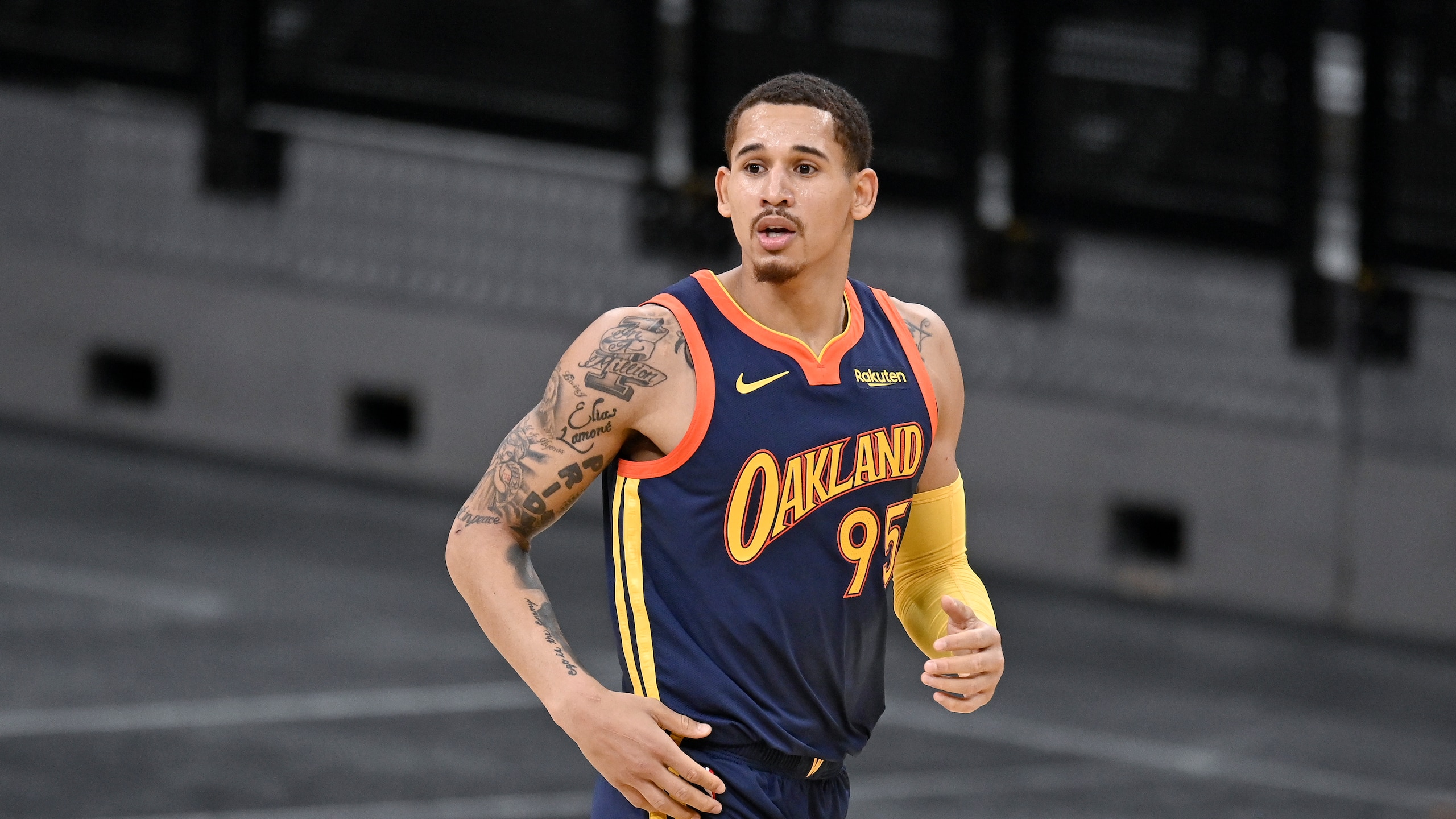
Notable Free-Agency Additions: Kent Bazemore; Brad Wanamaker
Notable Re-Signings: Juan Toscano-Anderson (two-way)
The Golden State Warriors didn't do anything seismic in free agency. They couldn't. They only had the mini mid-level to spend and no longer boast the cachet needed to seduce higher-impact vets into accepting steep discounts.
Kent Bazemore is more than fine. He's shooting 57.4 percent on twos and 42.9 percent from long range, both of which would be career highs. In recent performances, he's appeared more energetic on the defensive end.
Brad Wanamaker wrecks the grading curve. Initially viewed as a sound signing for less than half the mini MLE, he's shooting under 24 percent from downtown, just 27 percent from mid-range and 52 percent at the rim—all career lows.
Someone actually texted me suggesting the Warriors pluck Jarrett Jack from the G League and give him Wanamaker's minutes. So...yeah.
Juan Toscano-Anderson makes me want to bump Golden State's grade up a notch or five. So that's what I did. And it'd be even higher if he wasn't on a two-way deal.
At 6'6", Toscano-Anderson has defended everyone from point guards to centers and plays like he has Red Bull coursing through his veins. His offense wants for a dominant niche, but he can put the ball on the deck, screen and roll and find the open man on his drives and rim dives. To top it all off, he's also shooting 10-of-22 from distance.
Houston Rockets: B+
11 of 30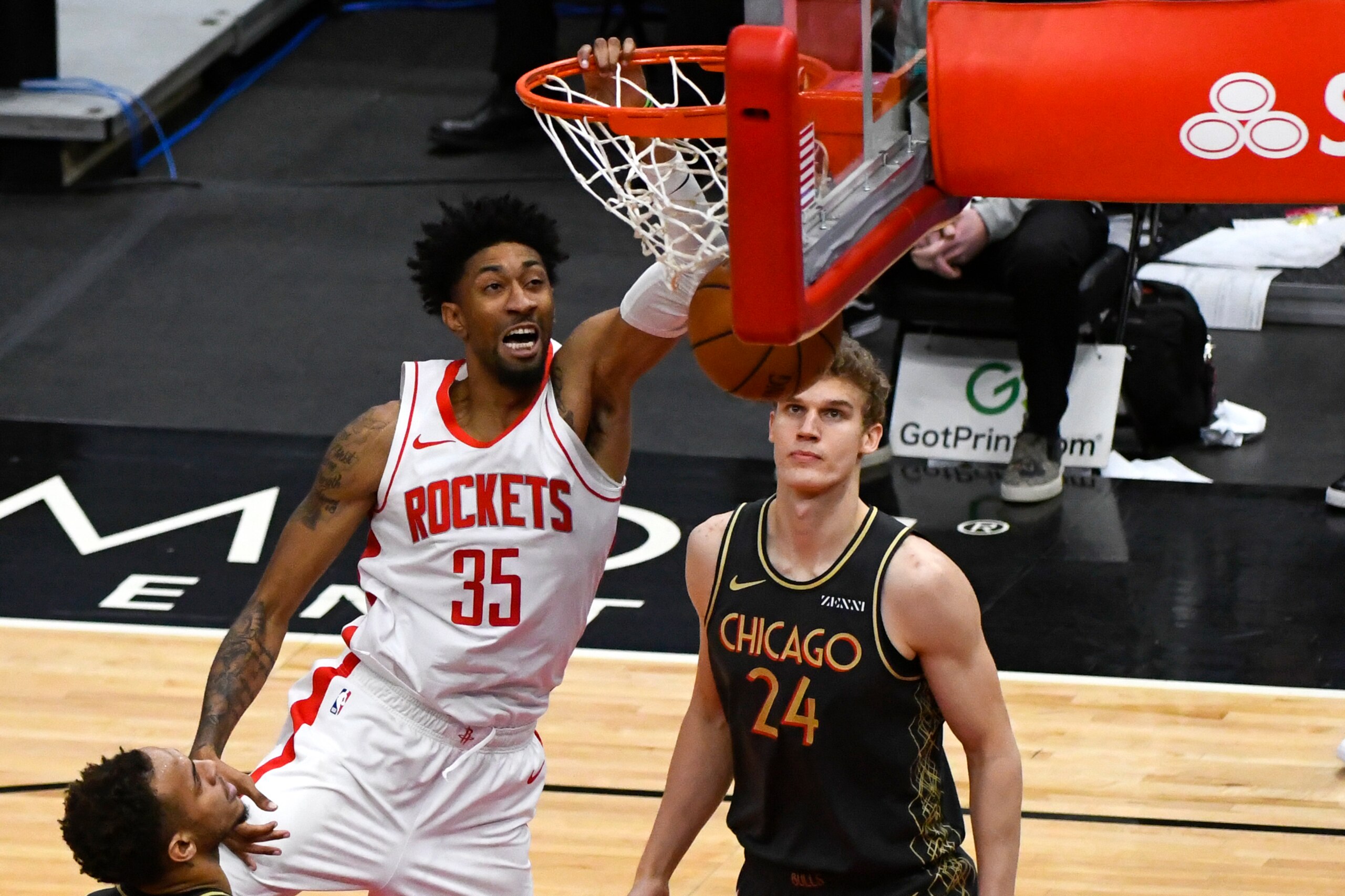
Notable Free-Agency Additions: Sterling Brown; DeMarcus Cousins; Jae'Sean Tate; Christian Wood
Notable Re-Signings: None
Lost in the smoldering pile of ash that became James Harden's departure was a solid free-agency showing from the Houston Rockets. They're still sitting on most of their mid-level and all of their bi-annual exception because, well, you know why. But they did an excellent job working within the confines of their flexibility and Harden's exit strategy.
Christian Wood looked like a friggin' steal before a right ankle sprain forced him out of action. He's averaging 22.0 points per game while burying 61.3 percent of his twos and 42.1 percent of his threes in a way that seems universally translatable. Few bigs can both dive and pop off screens as effectively, and his outside-in floor game is legitimate. He continues to show defensive flashes both around and away from the basket.
Bagging Jae'Sean Tate on a three-year, $4.7 million deal (club option for 2022-23) was stupid smart. He is omnipresent on defense, like a brick wall with limbs and lateral jet fuel. His stock will explode if he starts knocking down more of his threes, but he has the handle to make plays downhill and does a nice job of hanging around the cup for dump-offs. He's shooting 54.5 percent on drives and 63.4 percent on all twos.
The Sterling Brown experience remains a seesaw. And the Rockets will take it. He is costing them virtually nothing and has hit 41.2 percent of his triples so far. His defense has ticked up lately.
DeMarcus Cousins' addition is Houston's only miss. That's assuming someone making so little ($2.3 million) can even be a miss. He can still be an offensive force, and Wood's absence will afford him an opportunity to recapture some value. He only limits the aggression with which the Rockets can play defense.
Indiana Pacers: B+
12 of 30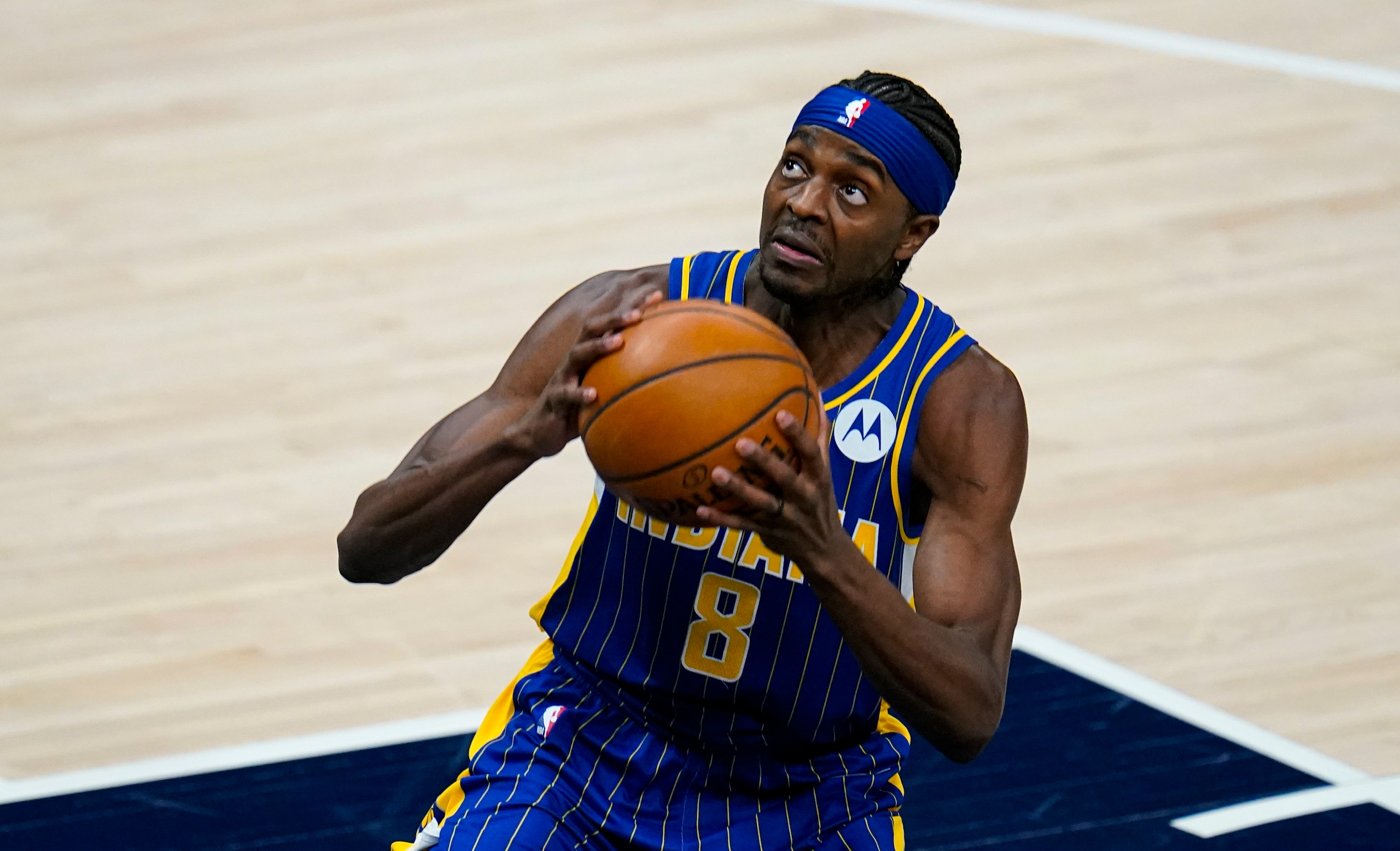
Notable Free-Agency Additions: Kelan Martin
Notable Re-Signings: Justin Holiday; JaKarr Sampson
Justin Holiday was essentially the Indiana Pacers' only free-agency priority over the offseason, and retaining him on a three-year, $18 million deal always felt like a win for both sides.
It has since become something more the Pacers.
Absences and roster shuffling have forced Holiday into the starting lineup, though he might benefit from the speed at which the second unit tends to play. He is once again soaking up reps at the 2, 3 and 4 spots. And he has followed up last year's scorching-hot clip from the outside with an even more efficient performance.
Among everyone who has attempted at least 100 threes this season, Holiday ranks 10th in effective field-goal percentage (61.6), trailing only Joe Harris, Wayne Ellington, Nicolas Batum, Bryn Forbes, Joe Ingles, Royce O'Neale, Lauri Markkanen, Tyrese Haliburton and Paul George.
His 56.9 percent success rate on twos is by far and away a career high and a development owed to his opportunism on the break and propensity for shaking defenders off-ball in the half court.
Other wings are bigger and stronger. (Not many are longer). Holiday (6'6", 180 lbs) still isn't a lockdown stopper or a viable high-volume match for star covers. But he is smart, plays with more physicality than advertised and will disrupt passing lanes without hanging his teammates out to dry. The Pacers are lucky they managed to keep him.
Los Angeles Clippers: A
13 of 30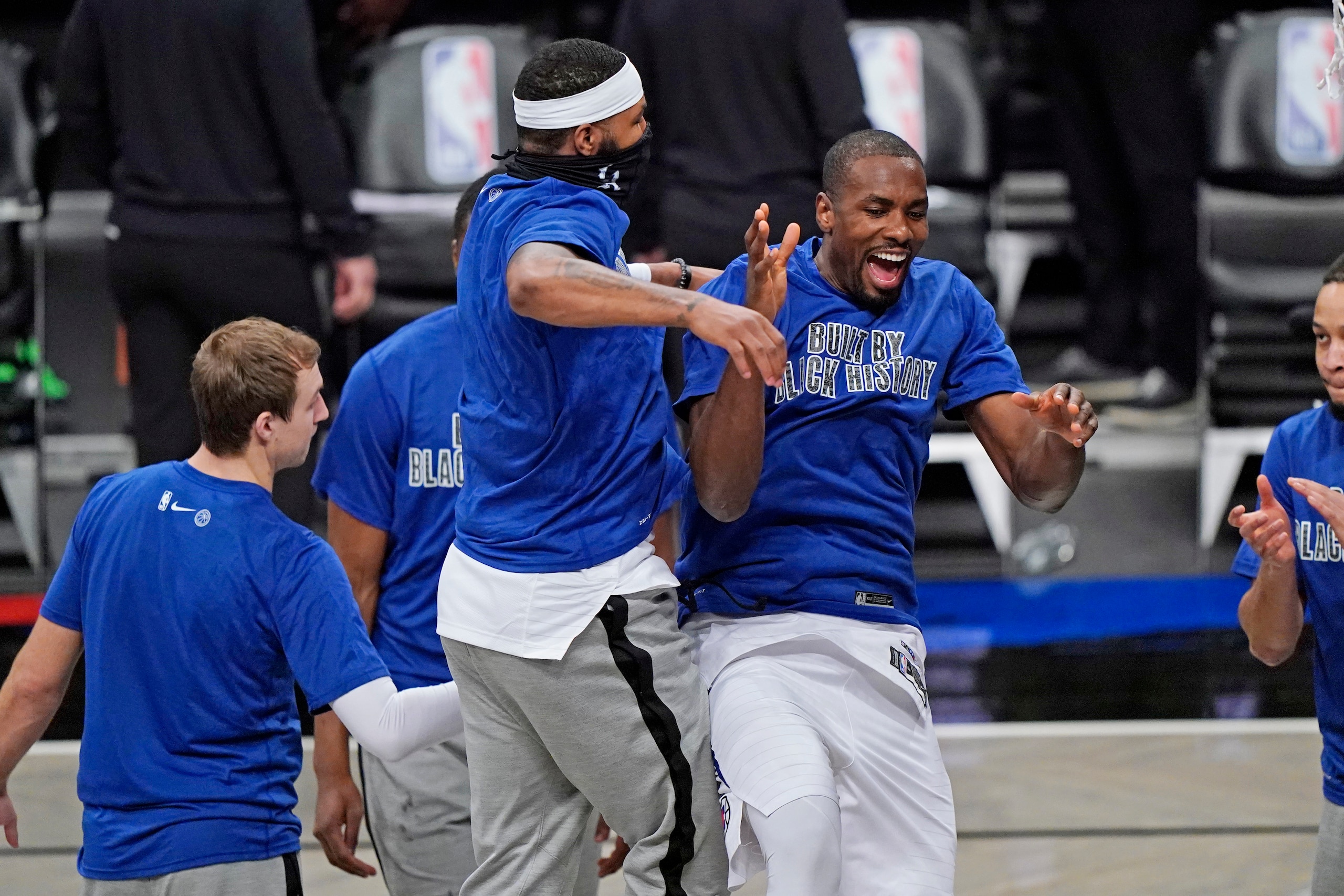
Notable Free-Agency Additions: Nicolas Batum; Serge Ibaka
Notable Re-Signings: Reggie Jackson; Marcus Morris Sr.; Patrick Patterson
Everybody the Los Angeles Clippers added and re-signed is shooting approximately 2 trillion percent from three. That's only sort of a joke.
Reggie Jackson's outside clip is the lowest from this bunch. He's still swishing 38.5 percent of his attempts. He's also shooting 64 percent at the rim, his best mark since 2012-13, because why not.
Marcus Morris Sr. continues to be better in theory than practice. But he's still really good. He is binging on assisted triples, and his off-the-dribble adventures would be easier to stomach if they ended at the rim more often or included more passing.
Serge Ibaka has exceeded expectations at the offensive end. Subbing him in for Montrezl Harrell was always going to diminish the Clippers' volume at the rim. They've tried to offset it by starting Ibaka and bringing Ivica Zubac off the bench. That hasn't supplanted Harrell's rim pressure to perfection. But Ibaka is taking more of his shots at the basket, and Los Angeles ranks second in points scored per 100 possessions.
So, who cares? Especially when Ibaka is flame-throwing from deep (39.4 percent) and on long mid-range jumpers (67 percent).
His defense is another story. He can still protect the hoop at a standstill. But he looks like he's wearing cinderblock shoes when dragged into space.
To what end that should harsh the Clippers' free-agency regrade is a matter of preference. It's hard to nitpick when they stole Nicolas Batum. He's gone from a silhouette cannibalizing too much payroll in Charlotte to a thoroughly impactful part of Los Angeles' rotation. His defensive presence has new life, and opponents lose sleep thinking about his weak-side corner three.
Los Angeles Lakers: A
14 of 30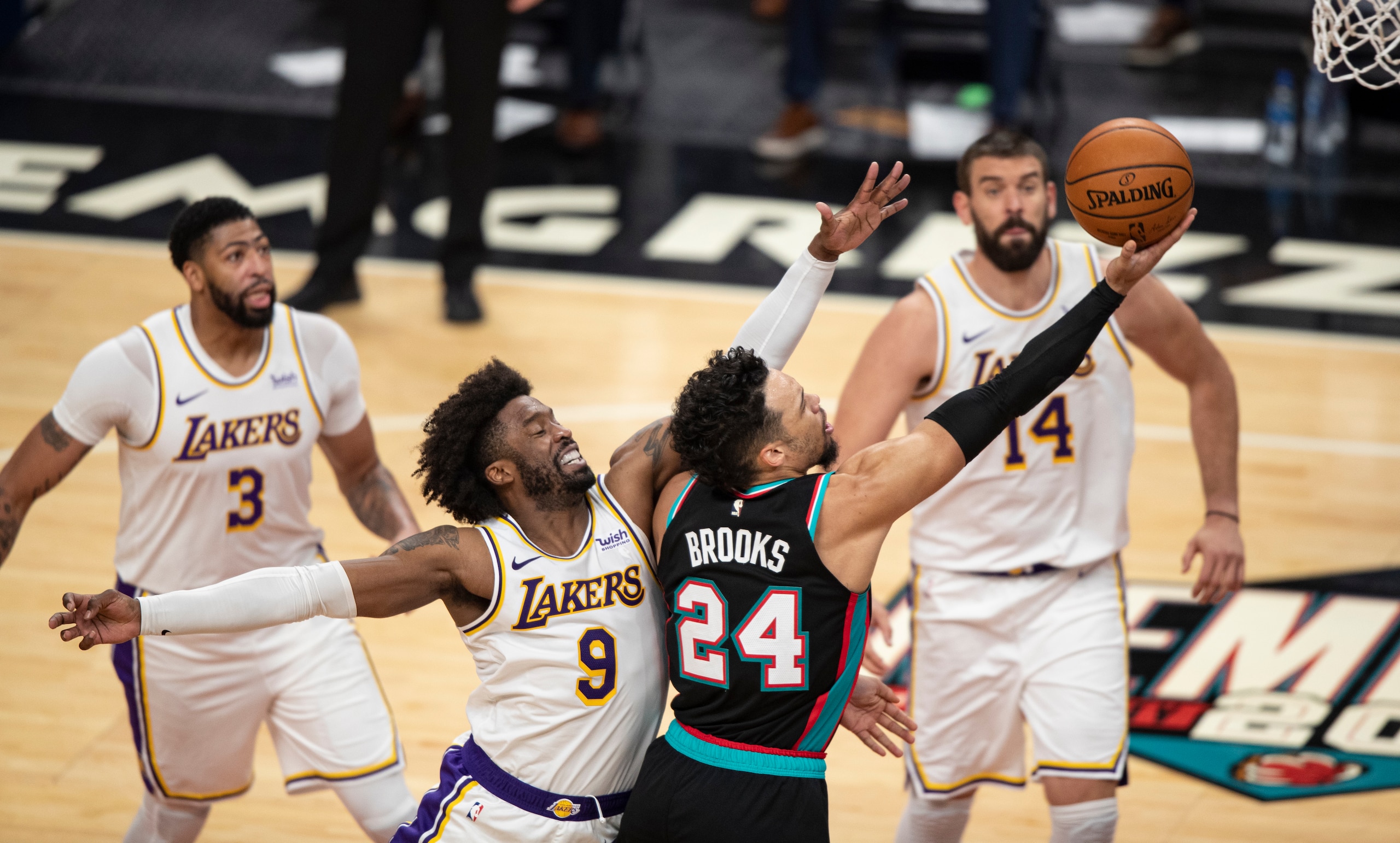
Notable Free-Agency Additions: Marc Gasol; Montrezl Harrell; Wesley Matthews
Notable Re-Signings: Kostas Antetokounmpo (two-way); Kentavious Caldwell-Pope; Quinn Cook; Anthony Davis; Jared Dudley; Markieff Morris
This is not the Los Angeles Lakers propaganda machine at work. Everything they did in free agency has simply panned out.
Marc Gasol hasn't always looked great, but his passing and defensive IQ still find ways to shine through. (He looks more sprightly of late). Wesley Matthews is his usual acid-trippy self, but he's hitting 39.7 percent of his treys. Neither he nor Gasol is costing the Lakers anything. They count for a combined $6.2 million on the books this season. Their additions remain huge.
Anyone uncomfortable with Kentavious Caldwell-Pope's three-year, $39.1 million pact needs to get over it. Protectors of billionaire pockets will be happy to know the final season is partially guaranteed for $4.9 million, and KCP's recent shooting slump has brought his three-point clip all the way down to...44.4 percent.
Montrezl Harrell's offensive bag is routinely on full display within the Lakers offense.
He's downing 66.1 percent of his twos and doing more than putting assisted pressure on the basket. He's hitting more than 50 percent of his looks on post-ups while drawing a shooting foul 15.6 percent of the time, albeit on a queasy turnover rate. Concerns about his playoff defense remain fair game, but he seems to have developed synergy with Talen Horton-Tucker on the less glamorous end.
In the end, though, how could a free-agent crop that includes Anthony Davis on a long-term deal receive anything other than a big, fat, shiny "A?" He's in an offensive rut by his own standards. His efficiency from outside has dropped after a blistering start, and he's neither generating nor making free throws at his usual clip. The former at least somewhat coincides with plunging volume at the rim.
Paint me unconcerned. Davis is coming off the shortest offseason in sports history. He's earned some leeway—particularly when he remains Defensive Player of the Year material, even amid the Rudy Gobert and Myles Turner hype.
Memphis Grizzlies: B+
15 of 30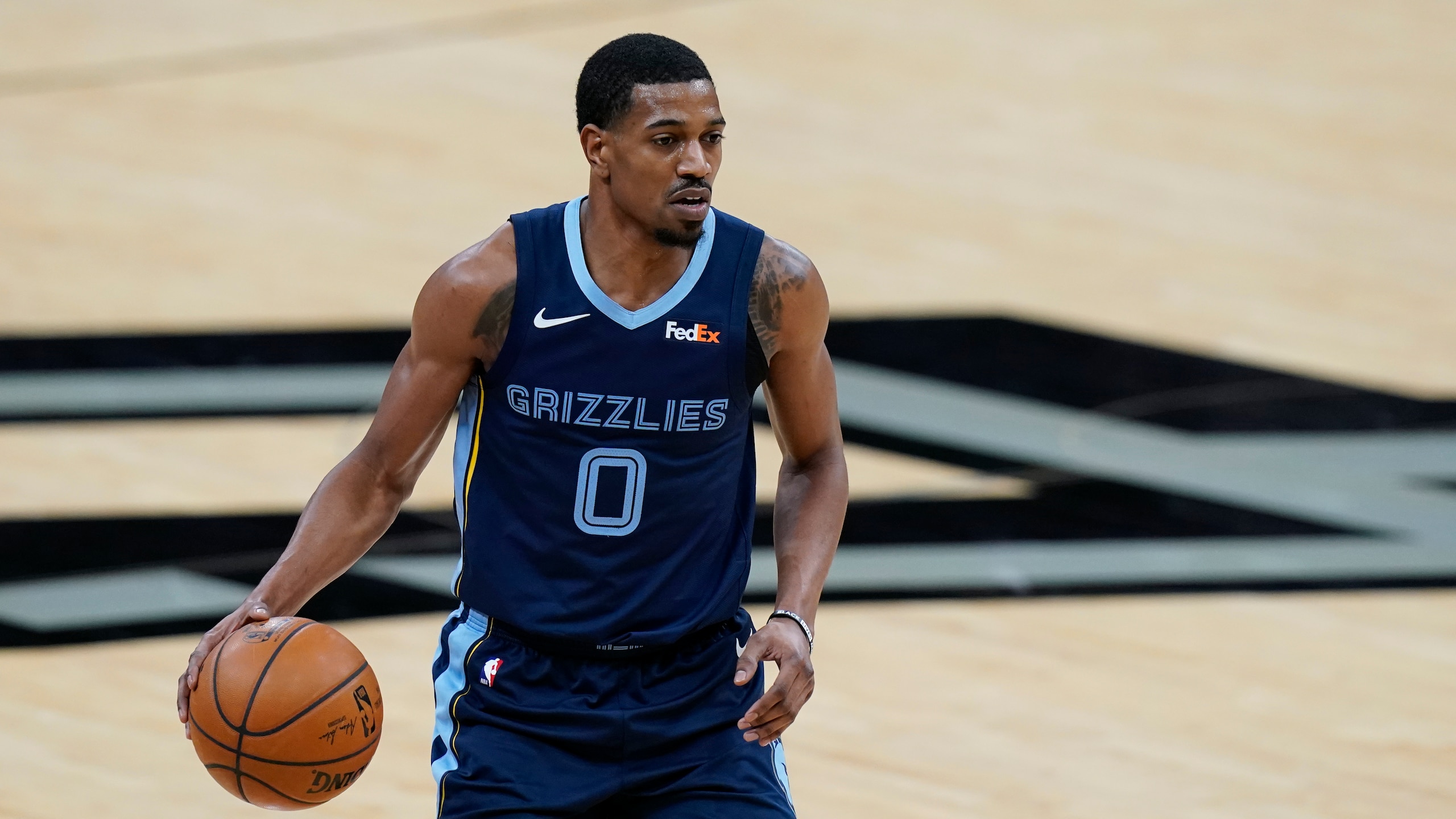
Notable Free-Agency Additions: None
Notable Re-Signings: John Konchar; De'Anthony Melton; Jontay Porter
Upkeep was the prevailing free-agency theme for the Memphis Grizzlies. They re-signed De'Anthony Melton to a four-year, $34.6 million deal ($1.5 million guaranteed in final season) and used the bulk of their mid-level exception to re-up John Konchar and Jontay Porter and ink second-round pick Xavier Tillman Sr.
Uneventfulness fit the Grizzlies. They were working off a standout fringe-playoff berth in the Western Conference, but few expected them to navigate this season's bloodbath as effectively. (Spoiler alert: Memphis is obliterating expectations. Again.)
Floating another flier for Porter and retaining Konchar's low-cost shooting still makes sense. Losing Josh Jackson to Detroit is a slight annoyance given that Justise Winslow has yet to suit up, but Kyle Anderson and rookie Desmond Bane are giving them high-quality wing minutes.
Melton's return defines the Grizzlies' free-agency results more than any other transaction. And it goes down as a monster victory.
Spending time in the league's healthy and safety protocols and a left shoulder injury have limited Melton to just 12 appearances. Opponents have felt every single one of them. He embodies the way Memphis defends: with unrelenting, unmitigated hustle and pressure. That he can survive guarding biggish wings is a testament to the 6'2" guard's meld of physicality, motor and mobility.
If he continues to shoot a shockingly high clip from deep (44.2 percent), the Grizzlies will have one of the league's most team-friendly deals on their hands—not to mention a certified building block.
Miami Heat: C-
16 of 30
Notable Free-Agency Additions: Avery Bradley; Maurice Harkless
Notable Re-Signings: Goran Dragic; Udonis Haslem; Meyers Leonard; Max Strus (two-way); Gabe Vincent (two-way)
Any assessment of the Miami Heat must begin with the disclaimer that they have spent this season existing galaxies from whole. Injuries and COVID-19 have hit their roster hard and impacted almost every player they re-signed or added in free agency. As The Ringer's Rob Mahoney wrote:
"Part of the Heat's acclimation to the strangeness of this season came from learning to let go of what they had. There was no way for Miami to be the same team when [Jimmy] Butler has missed half the team's games to date, most due to the league's COVID-19 protocols and many in the compounding absence of some other injured or contact-traced teammate. Miami has played just two games this season with its full rotation. Even their latest wins have come with Goran Dragic and Avery Bradley missing from the lineup, circumstances that anointed former G Leaguer Gabe Vincent as a newly necessary reserve. It shouldn’t come as a surprise that the Heat, despite their bubble-born continuity, have often played with all the chemistry of casual acquaintances. The story of their season could be told in blown handoffs and missed rotations."
Recent success hints at what the Heat might be in the aggregate. But their free-agency results are no less puzzling. (Shoutout to Max Strus for dropping 21 points against the Houston Rockets on Feb. 11 and dunking in the vicinity of John Wall.)
Letting Jae Crowder (and Derrick Jones Jr.) walk took the sanctity of preserving 2021 cap space too far. It is easy to criticize every team that was left holding the bag after Giannis Antetokounmpo signed an extension with Milwaukee. The Crowder situation goes beyond that low-hanging fruit.
Miami, of all teams, shouldn't have hesitated to offer him a multiyear deal knowing how important he became to their frontcourt dynamics. Cap space can always be carved out later, if and when you need it.
Effectively replacing Crowder with Moe Harkless always stipulated certain concessions—namely three-point volume and defensive brawn. But he was barely part of the Heat's rotation prior to his left thigh injury.
No one else Miami re-signed or added has the sample size to pass extreme judgment. Bradley's outside shooting has waxed and wane, but he's still above 42 percent from deep for the season. Dragic has missed time with groin and ankle issues, in addition to a stint within the league's health and safety protocols. Meyers Leonard has logged all of 29 minutes and will now miss the rest of the season after left shoulder surgery.
It's tough to tell whether Miami is more adversely impacted by circumstances beyond its control, a shortened offseason or its hodgepodge approach to free agency. Maybe all three must be considered in equal weight. That much improves the optics of the Heat's free-agency returns. A healthy Dragic is just about their only path to earning an above-average grade if we relitigate this down the line.
Milwaukee Bucks: B+
17 of 30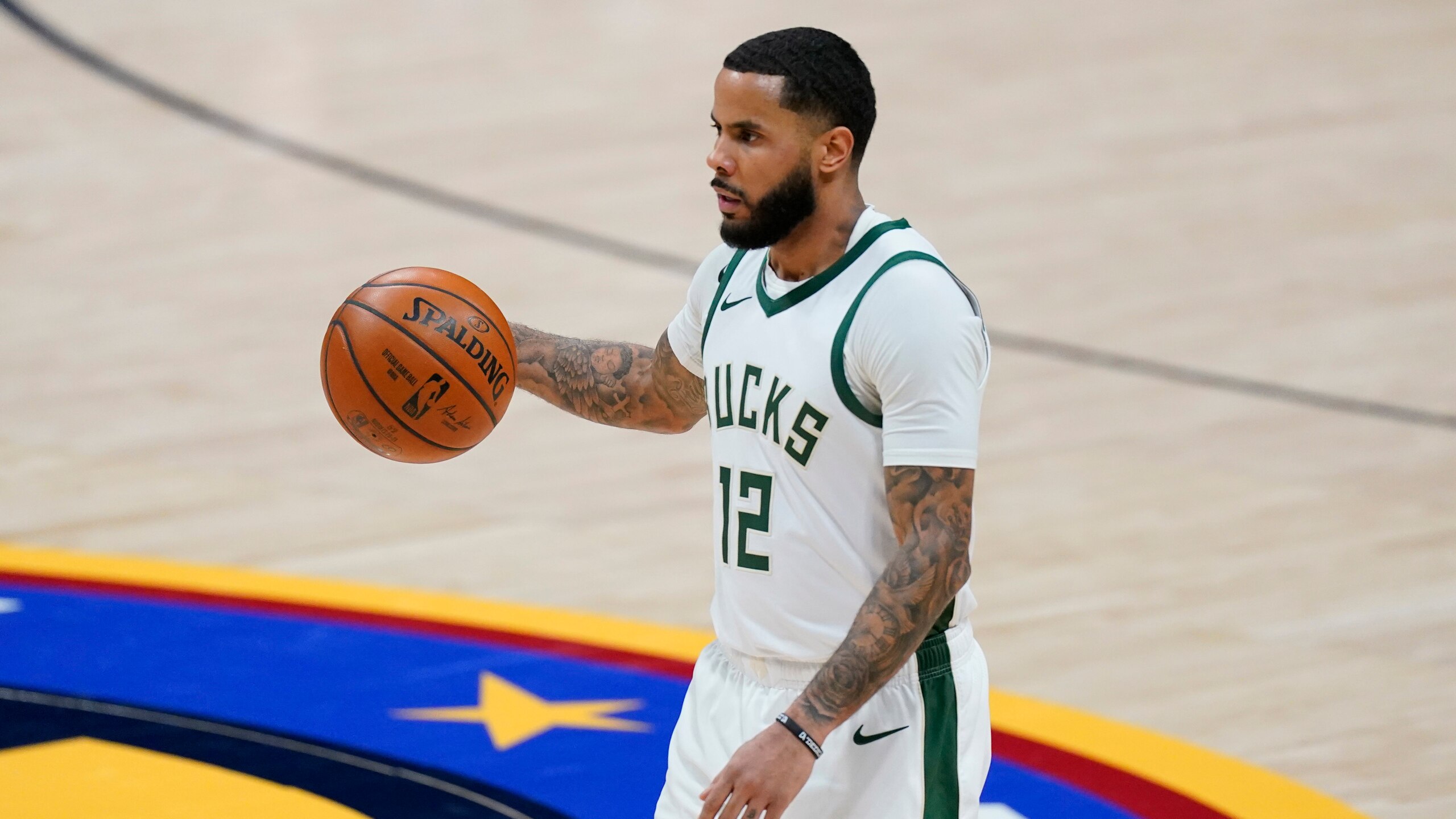
Notable Free-Agency Additions: Jaylen Adams (two-way); D.J. Augustin; Torrey Craig; Bryn Forbes; Bobby Portis
Notable Re-Signings: Pat Connaughton
Relative to all the Milwaukee Bucks needed to do on a limited budget after trading for Jrue Holiday, their free-agency moves are panning out rather nicely.
Bobby Portis is a revelation. He's playing the best defense of his career, downing 56.8 percent of his twos and converting a ridiculous 48.1 percent of his triples. For better or worse, there are nights and moments when he looks like Milwaukee's second-best center, in front of Brook Lopez but still behind Giannis Antetokounmpo-at-the-5 arrangements.
Pat Connaughton is roughly the same player he was last season, except he's burying 39.4 percent of his threes on actual volume. Torrey Craig is logging a skosh more minutes over the past couple of weeks, and his defensive energy is palpable.
D.J. Augustin is...fine. He's putting in more than 39 percent of his triples, but the context of his makes skews too heavily toward assisted. He's posting an effective field-goal percentage of 37.2 on pull-up jumpers, and the Bucks can't get away with playing him sans an All-Star buffer.
Bryn Forbes has struck a better offensive balance than Augustin. His capacity to run an offense isn't as high, but he's banging in 50.6 percent of his spot-up threes and notching an effective field-goal percentage of 51.7 on pull-up looks.
Augustin's offensive dependence is worth monitoring as Milwaukee gets closer to and enters the postseason. He fetched most of the team's mid-level exception, a risk in real time that is no more safer now.
Minnesota Timberwolves: B
18 of 30
Notable Free-Agency Additions: None
Notable Re-Signings: Malik Beasley; Juan Hernangomez
Touting the Minnesota Timberwolves' free-agency results feels counterintuitive given how poorly they've fared. The offense is rough without Karl-Anthony Towns, and it seems like the defense evades the bottom three in points allowed per 100 possessions almost solely because of the minutes they log without D'Angelo Russell.
Not even all of the Timberwolves' limited free-agency moves look good this side of the ink drying.
Juan Hernangomez has played in just one game since Jan. 13 after entering the league's health and safety protocols. Players deserve all of the leeway in the world amid the COVID-19 pandemic. Let's make that clear. But his three-year, $21 million deal (final season non-guaranteed) felt like a reach in the first place, even with Minnesota in desperate need of bodies at the 4.
He didn't play particularly well after coming over from Denver last season, and it verges on impossible to build a league-average defense if you plan on running out two of him, Russell and Towns, let alone all three.
Malik Beasley's performance is doing the heavy lifting here. His own four-year, $60 million agreement seemed significantly overpriced but has since flirted with becoming a bargain.
He's averaging over 20 points while draining his pull-up threebies at an astronomically high clip. His raw numbers might dip as Towns works his way back into form, but Beasley's offense is for the most part scalable. And though he won't ever be the tipping point that determines Minnesota's ceiling, he's an ideal complement on a really good team—whether it's a better version of the Timberwolves or elsewhere.
New Orleans Pelicans: B
19 of 30
Notable Free-Agency Additions: Wenyen Gabriel; Willy Hernangomez
Notable Re-Signings: Brandon Ingram; Sindarius Thornwell
Brandon Ingram's max contract remains a divisive investment. Can he be the best player on a contender? Should the New Orleans Pelicans even flesh out the team as if he's their best player? Should they use him like a point guard even more? Less?
Enduring questions about Ingram's comfiest role do little to ugly up his max deal. Neither his outside shooting nor free-throw efficiency has plummeted following last year's watermark clips. They're both up. He's even added an off-the-dribble three. His defensive effort and execution remain inconsistent, and he can still undermine his own drives by settling too far away from the hoop.
Wire-to-wire, though, no Pelicans player is having a better season. (Zion Williamson might get there.)
None of New Orleans' other signings have played enough to leave a visible dent. That might not change unless the Pelicans shake up the roster. Willy Hernangomez has the best chance of becoming a difference-maker in the face of reduced minutes for Jaxson Hayes and Nicolo Melli.
The Pelicans' failure to add another wing, particularly after dealing Jrue Holiday, is worth discussing. They don't have any readily playable options behind Ingram and Josh Hart. Opting not to prioritize a stretch big to pair with Zion is also a worthwhile talking point. The reps with him and Steven Adams are fine, but tethering so much of their frontcourt spacing to Melli minutes always profiled as an unnecessarily risky.
Market supply matters on both fronts. Every team wants wings, and sweet-shooting bigs don't grow on trees. The Pelicans didn't end up with the wiggle room under the tax to (realistically) use their full mid-level or biannual exceptions either. But these are hollow excuses. They had the tools to diversify both the wing and reserve center spots, even on a smaller scale. They didn't.
New York Knicks: C+
20 of 30
Notable Free-Agency Additions: Alec Burks; Jared Harper (two-way); Nerlens Noel; Austin Rivers
Notable Re-Signings: Elfrid Payton; Theo Pinson (two-way)
The New York Knicks didn't do anything in free agency that short-circuited or superficially accelerated their big-picture trajectory. That context still matters. Less meaningful are the actual returns from their placeholder investments.
Alec Burks has shot the ball exceptionally well from beyond the arc when he's not dealing with his left ankle injury. He's dropped in 50 percent of his catch-and-fire threes and 36.4 percent of his pull-up treys. His sub-39 percent success rate inside the rainbow is a different story.
Nerlens Noel controls the ball like he has Crisco-coated fingertips, but he's disrupting everything on defense. He has sly hands for a big, and his 10.8 block rate is brain-bending even when measured against his small-burst role. Opposing offenses are shooting eight percentage points worse at the rim when he's on the floor—a top-15 swing among every player who has logged at least 250 minutes.
Things take a more awkward turn with Austin Rivers. He has dealt with groin and Achilles issues and has been all over the place when he's "healthy." His brand of theoretical shot-making should still be valuable to this team, but New York's rotation following the Derrick Rose trade suggests he's the odd man out.
Re-signing Elfrid Payton never should've been in the cards. His 25-plus-minutes per game look and feel like the NBA's most futile court time. His fit is far more awkward following Rose's arrival. The Knicks had—and still have—the money to make gambles more interesting than him, and the swiftness with which they seem prepared to move on from Rivers is genuinely confusing.
Oklahoma City Thunder: A-
21 of 30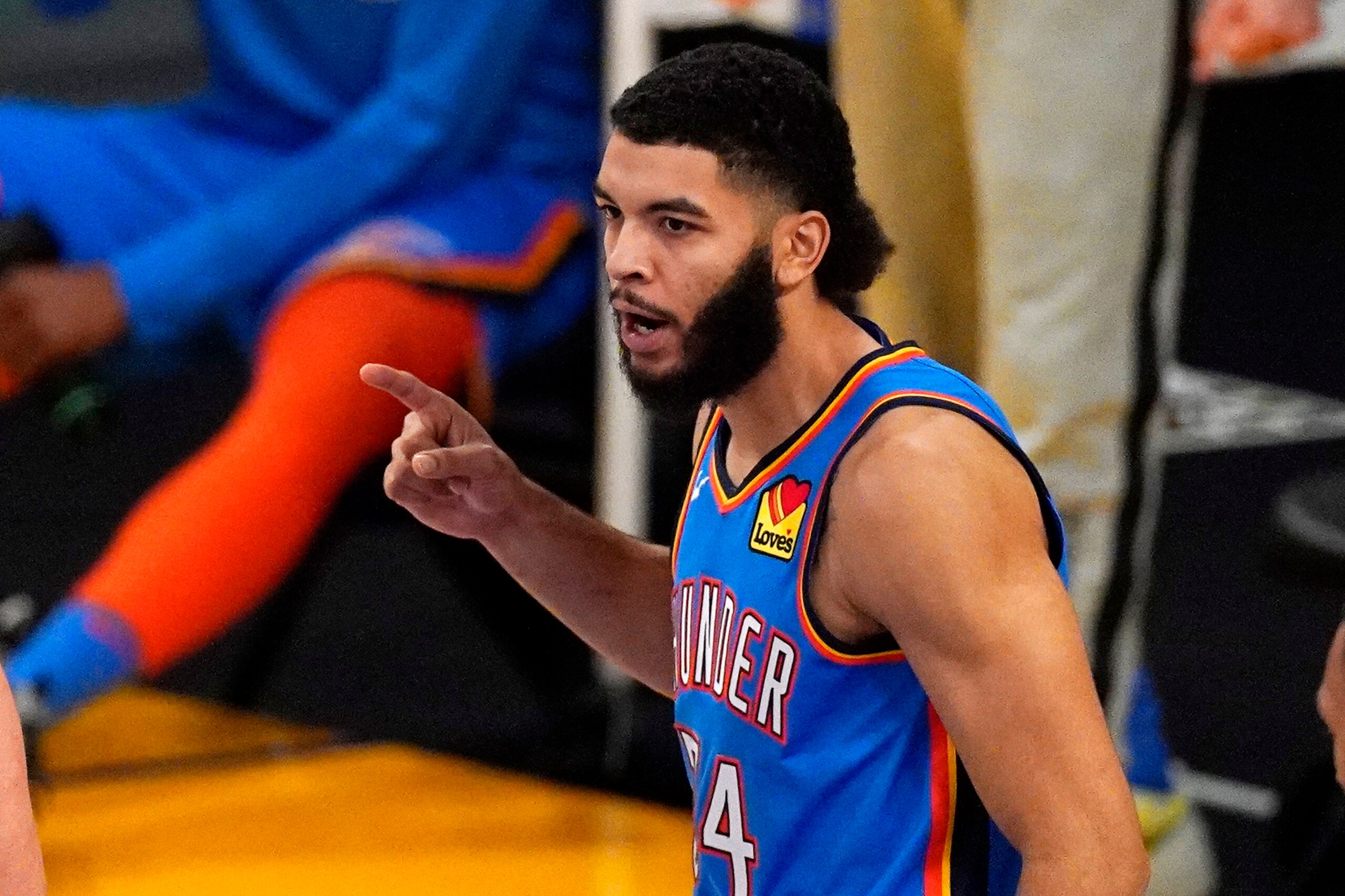
Notable Free-Agency Additions: Kenrich Williams
Notable Re-Signings: None
Quibble over the Oklahoma City Thunder's lack of free-agency splashes if you must. Just know that your rage will trickle into a realm of vast nothingness.
Oklahoma City is in the infancy of a rebuild. It had little to gain by burning through the entire mid-level exception. The incentive to vet out a Danilo Gallinari sign-and-trade was similarly minimal. The Thunder have enough picks and needed all the empty roster spots they could get to take on salary filler in other deals.
Throwing a low-cost, multiyear, team-controlled deal at Kenrich Williams was their biggest move. And you know what? That's just fine—in large part because he's playing much better than just fine.
Williams is providing Oklahoma City with a dab of everything in moderate playing time. He's finishing pretty well around the basket and finding nylon on more than 43 percent of his triples. He seems to be having a defensive epiphany. The Thunder have him checking guards, star wings and some bigs. He has logged reps at center.
Consistency remains Williams' biggest hurdle. He's delivering now, but promising flashes in the past have always faded. Ask the New Orleans Pelicans. But the Thunder have set themselves up perfectly to capitalize on a possible breakthrough. Williams is on a cheap three-year, $6 million deal that's fully non-guaranteed in each of the next two seasons. Picking him up was a nice bit of business during a summer in which they were entrenched in the trade and draft markets.
Orlando Magic: D+
22 of 30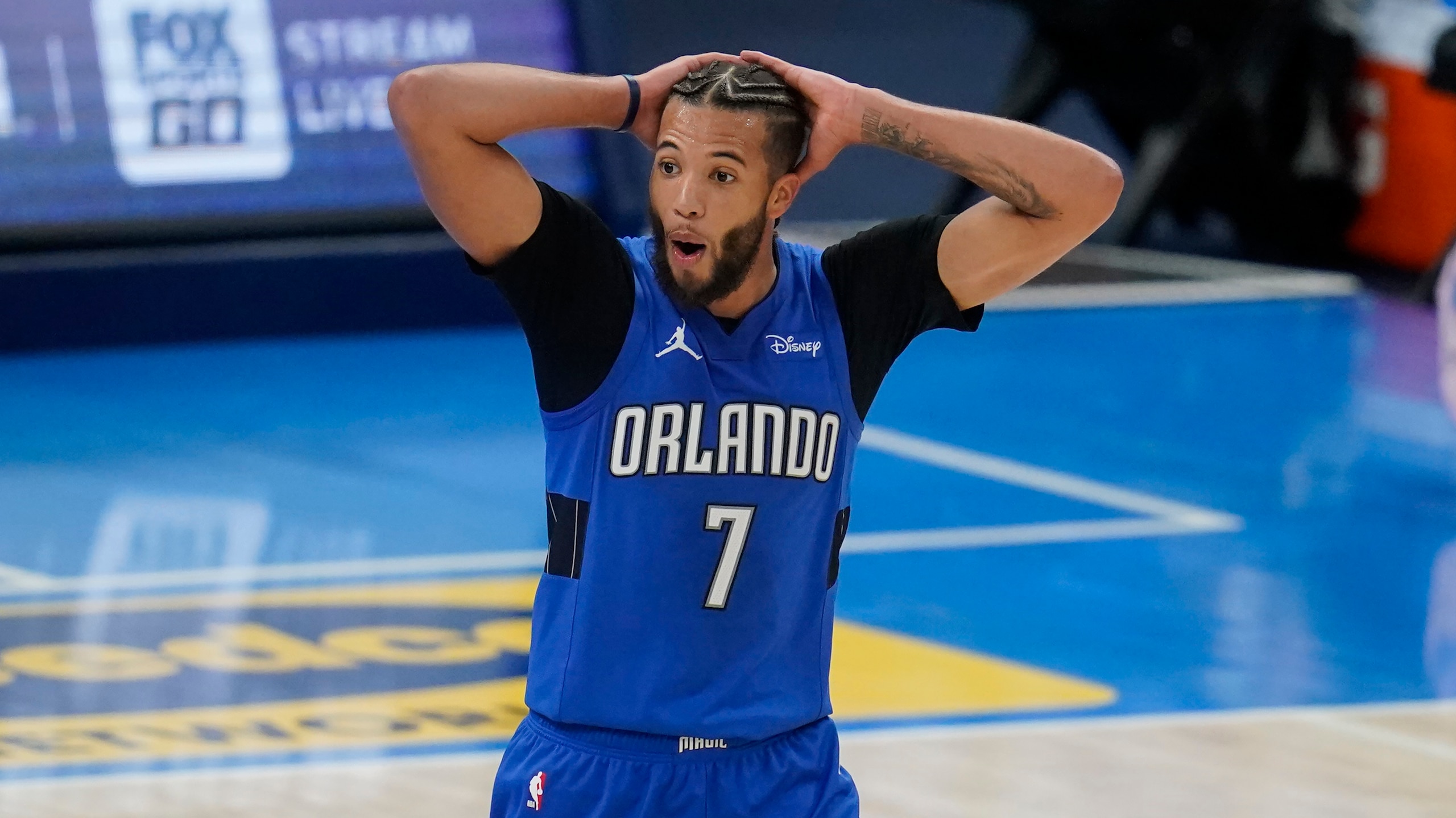
Notable Free-Agency Additions: Dwayne Bacon; Jordan Bone (two-way)
Notable Re-Signings: Michael Carter-Williams; Gary Clark; James Ennis
Injuries have decimated the Orlando Magic's roster—so much so that Dwayne Bacon, Gary Clark and James Ennis are all starting.
Seriously.
Viewed through that lens, this doesn't feel like the right time rain torrential criticism upon the Magic. Michael Carter-Williams himself hasn't played since Jan. 4 while dealing with a left foot injury. Jordan Bone has needed to see actual minutes.
Still, if the Magic weren't going to tear it down over the offseason, it would have been nice to see them target more functional shooting. Bacon (39.1 percent) and Ennis (44.7 percent) are hitting their threes at a good clip, but they're not firing away in mass. Bacon, in particular, has a shot selection liable to make you scream. Carter-Williams' good vibes from last season were on life support before his injury, and Clark plays like he's trying to attempt the fewest number of shots possible.
Again: Most of the Magic's free-agent signings are being thrust into larger roles than they should be on the hook for assuming. But it's tough to imagine their field of additions and returns being super valuable with the roster at full strength. This isn't so much a case of Orlando's signings underachieving as an indictment of the team's overall approach.
Philadelphia 76ers: B-
23 of 30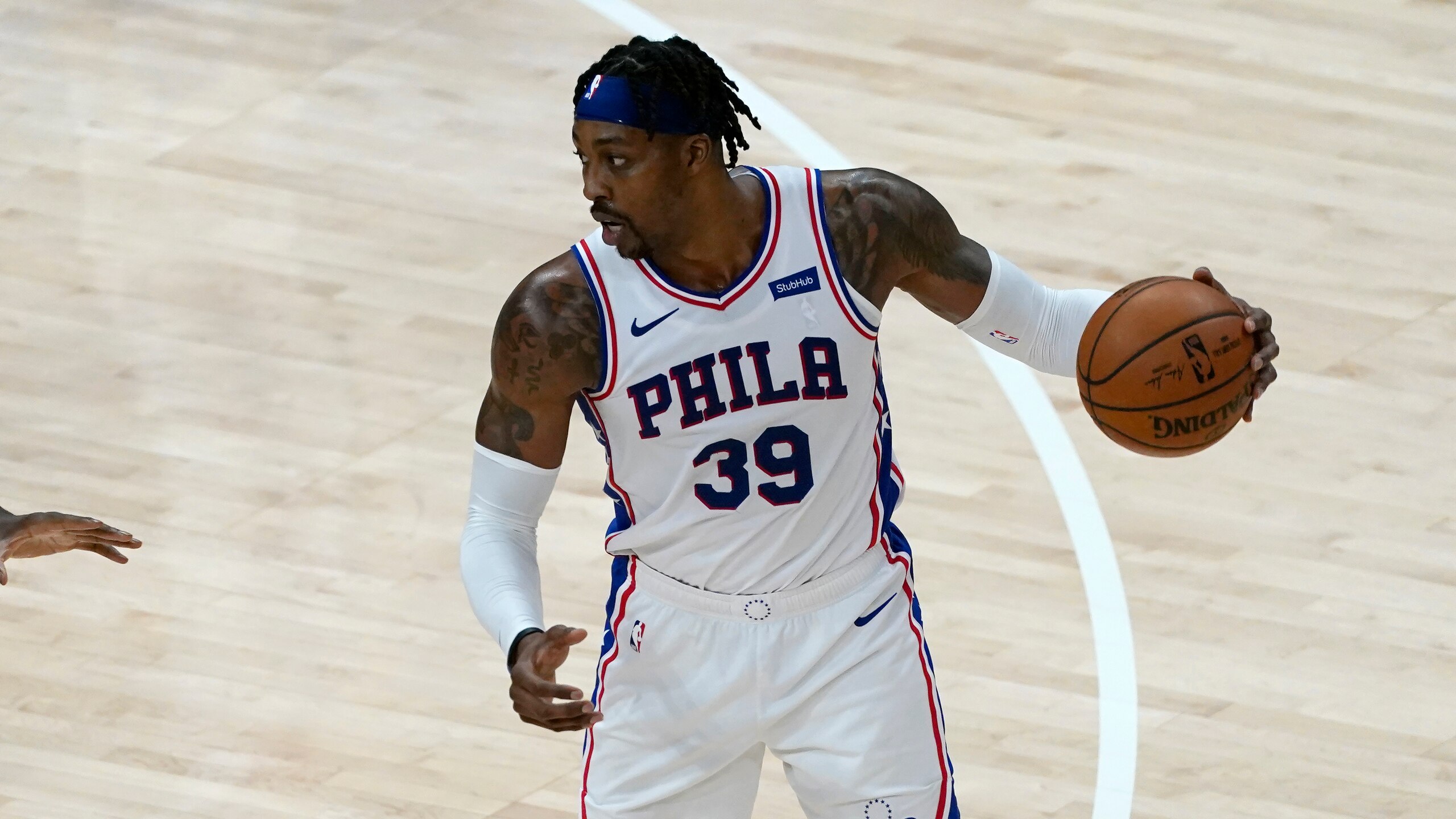
Notable Free-Agency Additions: Dwight Howard; Rayjon Tucker (two-way)
Notable Re-Signings: None
Armed with only the taxpayer mid-level exception, the Philadelphia 76ers were never going to be major free-agency players. They did most of their damage via trade, turning Al Horford into Danny Green, Terrance Ferguson and more frontcourt flexibility and flipping Seth Curry for Josh Richardson.
Oh, and we can't forget the massive Zhaire Smith-for-Tony Bradley blockbuster.
Signing Dwight Howard has turned out to be a mostly innocuous move. The Sixers needed a backup center, and he's around $25 million cheaper than Horford. It would've been nice to net a big who could play beside Ben Simmons, but Philly has navigated that pitfall by closely aligning Simmons' minutes with those of Joel Embiid.
The Sixers are still feeling the departure of Horford. Howard can defend and crash the glass, but he's not chaperoning the offense anywhere special. He sometimes plays with all thumbs. And yet, while Philly is once again losing the minutes it tallies without Embiid, bench-heavy units headlined by Howard and Tobias Harris are a net plus.
Could the Sixers have found a stretchier big instead of Howard or with the rest of their mini MLE? Debatable. Should they have unloaded their entire MLE instead of saving around $4.8 million? Also debatable. They are on the shallower side, but they also have 15 players in tow. That MLE money should go further for them on the buyout market after they've presumably consolidated some of their throwaway contracts at the trade deadline.
Phoenix Suns: A
24 of 30
Notable Free-Agency Additions: Jae Crowder; Langston Galloway; Damian Jones; Frank Kaminsky; E'Twaun Moore
Notable Re-Signings: Jevon Carter; Dario Saric
Months later, the Phoenix Suns' offseason still, as the kids say, slaps.
Hiccups and burps have been a part of the experience. Dario Saric hasn't played since Jan. 11; he first entered the league's healthy and safety protocols and is now dealing with a left ankle injury. Jae Crowder's offense has taken a hit since he moved to the bench. Jevon Carter is still shooting under 30 percent from deep. E'Twaun Moore is at 20 percent. Phoenix at large is still figuring out its offense.
But!
Lineups with Saric at the 5 remain killer and should be considered the official rebuke to statements along the lines of "PhOeNiX nEeDs AnOtHeR bIg." Also: The Suns have another big behind Deandre Ayton. His name is Frank Kaminsky. (They have Jalen Smith too). He qualifies for consideration since Phoenix declined his team option and then claimed him off waivers before season, and he's playing quite well.
The 7-footer is drilling 42.3 percent of his triples, moving the ball and allowing the Suns to steal some minutes with him beside Ayton.
Crowder's defense is integral to Phoenix's overall success. He, Ayton and Mikal Bridges allow them to switch almost anything without getting burned. Langston Galloway is taking a blowtorch to perimeter defenses (when head coach Monty Williams actually plays him). Carter still picks up his assignments as soon as their morning alarm goes off. Moore's floater is alive and well.
Keep an eye on the Suns. They're a menace now. And health-permitting, they're only going to get better.
Portland Trail Blazers: B
25 of 30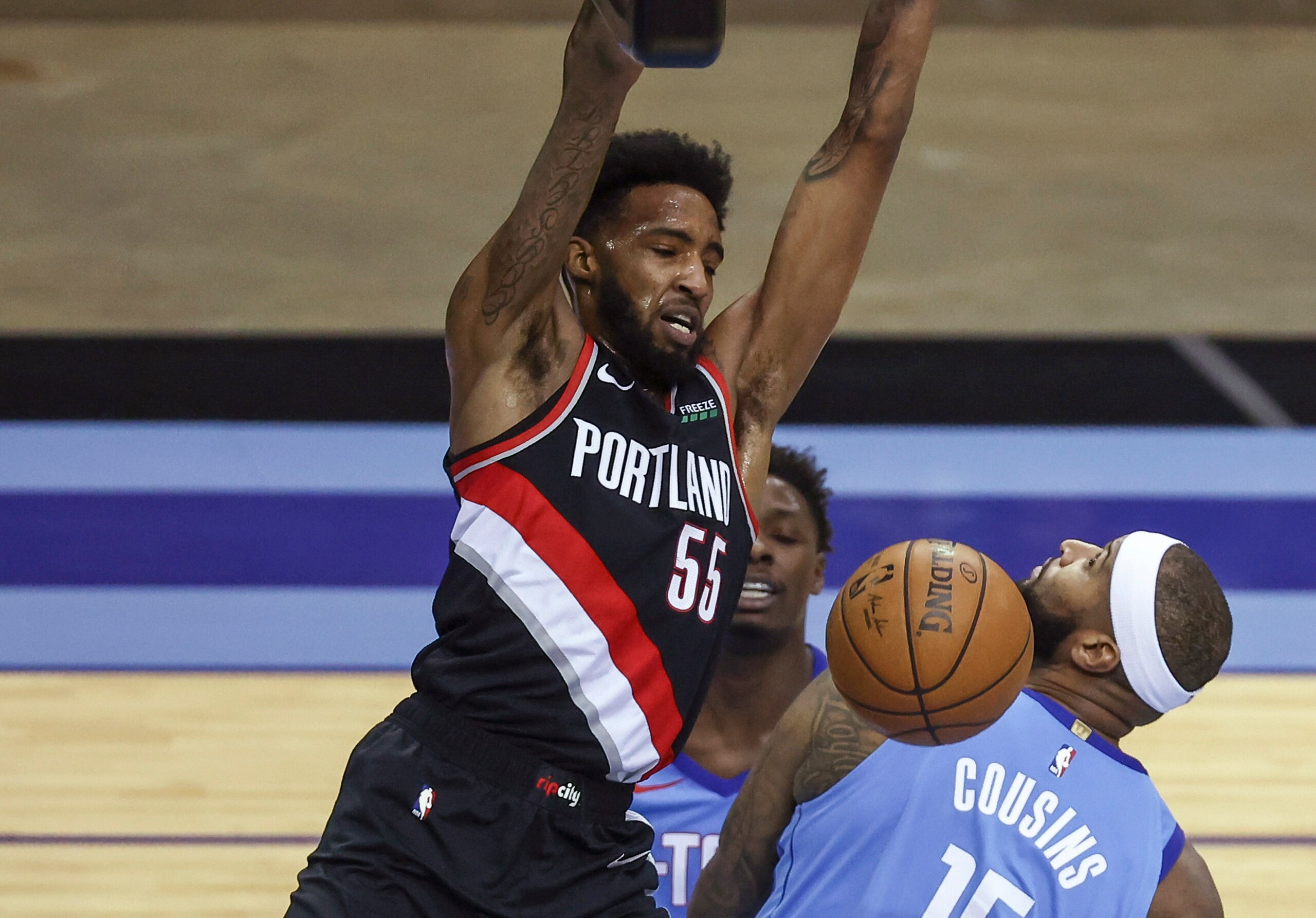
Notable Free-Agency Additions: Harry Giles; Derrick Jones Jr.
Notable Re-Signings: Carmelo Anthony; Rodney Hood
Reflecting upon the Portland Trail Blazers offseason is a process rife with hair-pulling.
On the one hand, the defense remains bottom-five material. Doesn't that defeat the purpose of adding Derrick Jones Jr. (and Robert Covington)? And there's still a lot of Carmelo Anthony. Too much, perhaps.
The Harry Giles intrigue persists, but his minutes haven't ratcheted up in the wake of Jusuf Nurkic's absence. It probably has something to do with his overwhelmingly bad 48 percent clip around the rim. Rodney Hood's face too frequently belongs on a milk carton.
On the other hand, the Blazers are surviving without both Nurkic and CJ McCollum. There isn't such as thing as "too much Melo" right now.
Jab steps and post-ups can be grating, but the Blazers need another shot creator with McCollum on the shelf. Anfernee Simons' off-the-dribble threes alone won't get it done. Melo's sub-40 percent clip inside the arc is all sorts of woof—he's shooting a career-low 45 percent around the rim—but he is hitting more than 39 percent of his threes and remains capable of detonating during pivotal stretches, like he did during Portland's Thursday win over the Philadelphia 76ers.
Hood has kicked it up a notch without McCollum. His vanishing acts will never cease entirely, but you remember he's on the floor now.
In the interest of complete and utter honesty: Jones continues to baffle me. He is a monster in transition, and the Blazers' defensive pressure is noticeably peppier with him in the lineup. But some of his minutes unfold like high-intensity interval training without a discernible purpose. He sort of typifies their free-agency returns: uneven and imperfect but not without functional value.
Sacramento Kings: B-
26 of 30
Notable Free-Agency Additions: Chimezie Metu (two-way); Glenn Robinson III; Hassan Whiteside
Notable Re-Signings: DaQuan Jeffries
Those who take issue with the Sacramento Kings' free-agent signings must be more peeved by their allocation of funds than the players themselves. They used less than half of their mid-level exception on end-of-bench and two-way fliers who aren't immediately impacting a wing rotation begging for extra depth.
As ever, though, the market dictates results. Who knows whether the Kings could've funneled the lion's share of their MLE to another wing. They weren't getting into the Jae Crowder or Wesley Matthews discussions, and not signing guys like Sterling Brown, Torrey Craig, Josh Jackson, Garrett Temple, et al. doesn't equate to a huge missed opportunity. Letting Bogdan Bogdanovic walk is easier to spin following his injury and Tyrese Haliburton's emergence.
Glenn Robinson III has been a nice addition at an afterthought price point. His shooting has imploded in recent games, but he's connecting on 38.5 percent of his threes for the season and competes on defense against wings.
Hassan Whiteside's sub-15-minute role is perfect for him. He can still block shots and has developed a nice chemistry with Tyrese Haliburton, but he so often looks like he's trying to handle a tennis ball and doesn't have a defensive presence away from the rim.
Sacramento's free-agency additions aren't winning any awards, that's for sure. But there can be value in keeping a low profile when options are wearing thin. The Kings didn't pay ill-fitting players who compromise the development or court time of their most important players or who went against the grain of need. That's not everything. It's not even much. But it's something.
San Antonio Spurs: B+
27 of 30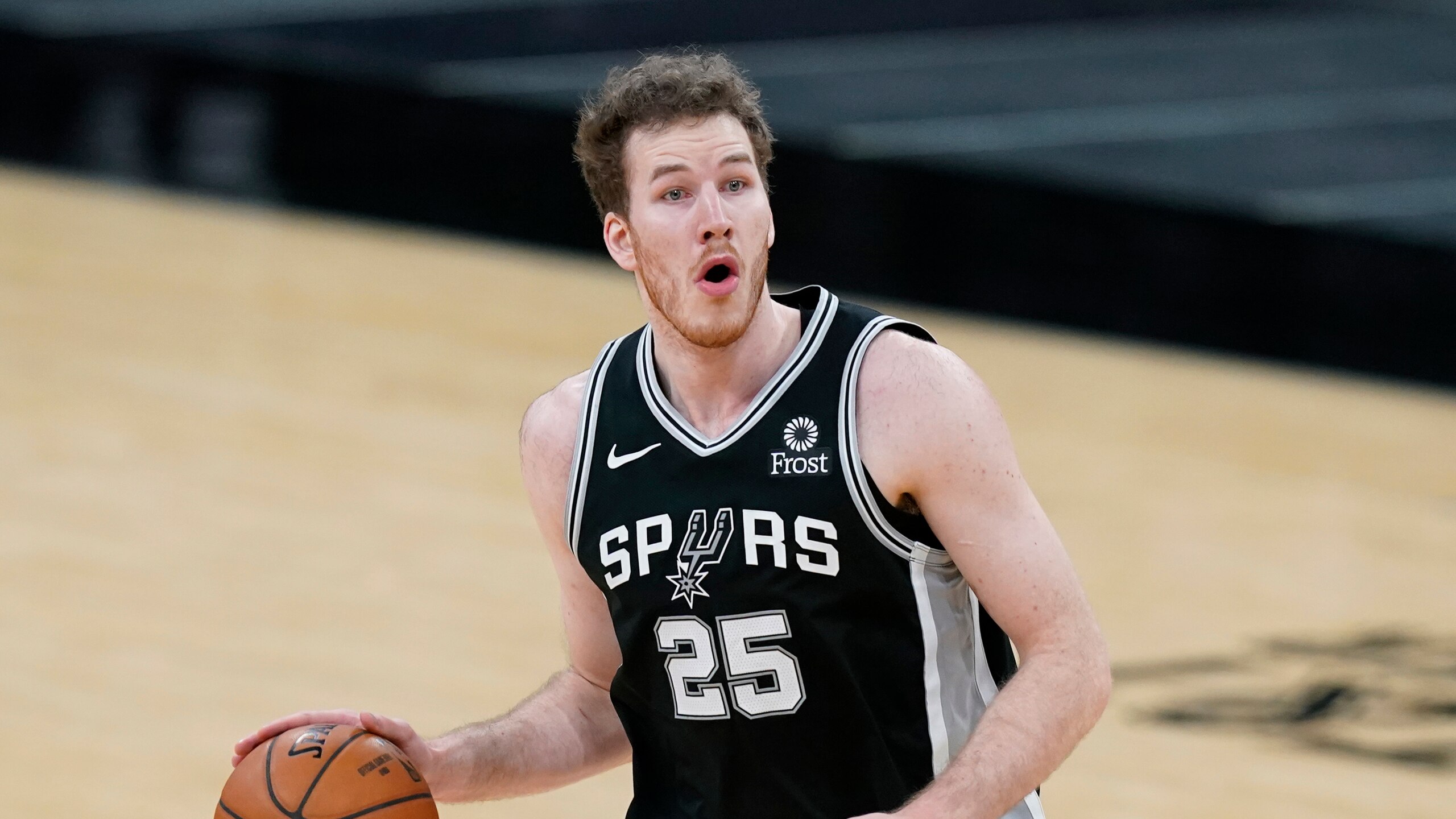
Notable Free-Agency Additions: Keita Bates-Diop (two-way)
Notable Re-Signings: Drew Eubanks; Jakob Poeltl
Mustering strong feelings about Jakob Poeltl can be trying. This is the first time he's averaging over 20 minutes for his career—and he's in Year 5.
But his playing time is up more dramatically since LaMarcus Aldridge vacated the rotation with a hip issue. And his impact is largely holding across a larger role. He munches on putbacks, and his slow-motion rim dives are more effective than some of the data suggests.
Poeltl is teaching a master class in protecting the rim. He doesn't swat or deter shots with the emphatic magnetism of a Rudy Gobert or Joel Embiid, but he traffics in precision timing and positioning. Opponents are connecting on just 41.4 percent of their looks at the hoop when challenged by him—the third-stingiest mark among 109 players who have contested at least three point-blanks looks per game.
Of note: Drew Eubanks ranks first in that category. Opponents are somehow shooting 35.3 percent against him at the rim. He missed time while in the league's health and safety protocols, but retaining him on a three-year, $5.3 million deal (non-guarantees in the final two seasons) looks likes another victory.
Back to Poeltl. His own three-year, $26.3 million deal will age well at this point. As ESPN's Zach Lowe noted, his 28.6 percent clip from the charity strip is troubling—if not in general, then definitely at the end of close games. But the San Antonio Spurs are nuking opponents with him on the floor. With or without a healthy Aldridge, he's fast become their best option to start at the 5.
Toronto Raptors: B+
28 of 30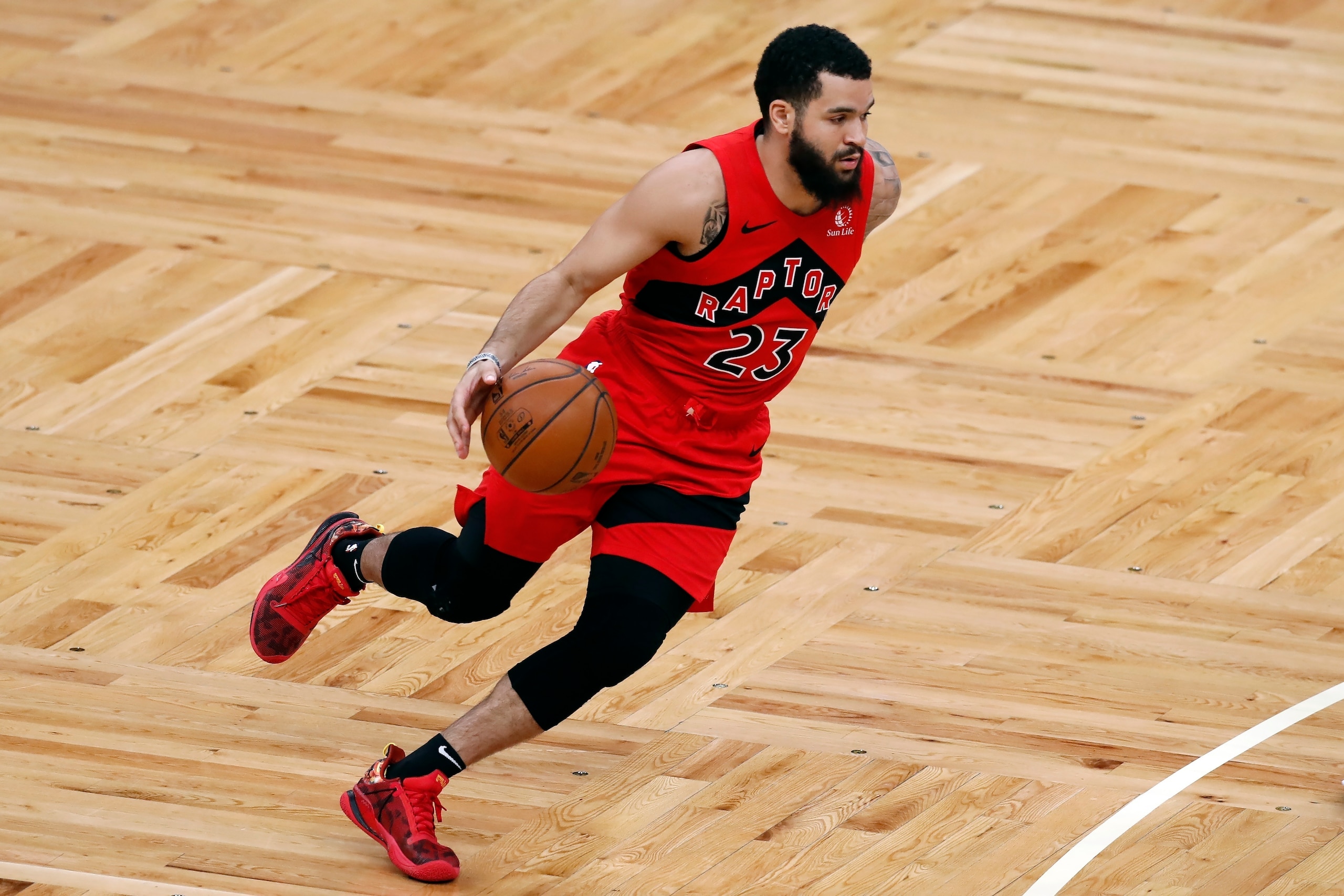
Notable Free-Agency Additions: Aron Baynes; DeAndre' Bembry; Alex Len (since waived); Yuta Watanabe (Exhibit 10)
Notable Re-Signings: Chris Boucher; Oshae Brissett (since waived); Fred VanVleet; Paul Watson (two-way conversion)
Perception of this season's Toronto Raptors is veering too far from reality. They're far from the perfect team, but the struggles plaguing them at the beginning of the year are starting to normalize. And their free-agency moves are a big reason why.
Fred VanVleet is by and large playing sensational basketball. He's never bombed away from further beyond the arc than he is now, and defenses are bending to the point of breaking because of it. He still isn't the most reliable finisher or off-the-bounce shooter, but he's beefed up his mid-range game. His defense across both guard spots is invaluable.
Chris Boucher cooled off for a minute, and his ceiling is capped as an undersized big (6'9") who doesn't provide a ton of defensive rebounding. But let's not overthink it. Boucher is a shot-blocking machine (including on the perimeter) who's converting 44.1 percent of his threes. He has also polished his movement away from the ball independent of screens. The Most Improved Player buzz is not unwarranted.
Aron Baynes is starting to pancake dudes on screens again. Toronto's offense misses Marc Gasol's playmaking a little less when he's running over dudes in the half court.
Yuta Watanabe—currently nursing an ankle injury—is interesting. He stands 6'9" but contests shots at the rim like he's 7'2" and mans off-ball gaps on defense like he's doing his best Jayson Tatum impression.
Reconciling the Raptors' offseason with the exits of Gasol and Serge Ibaka can still be tough. The free agents they kept and added are making it easier by the game.
Utah Jazz: A-
29 of 30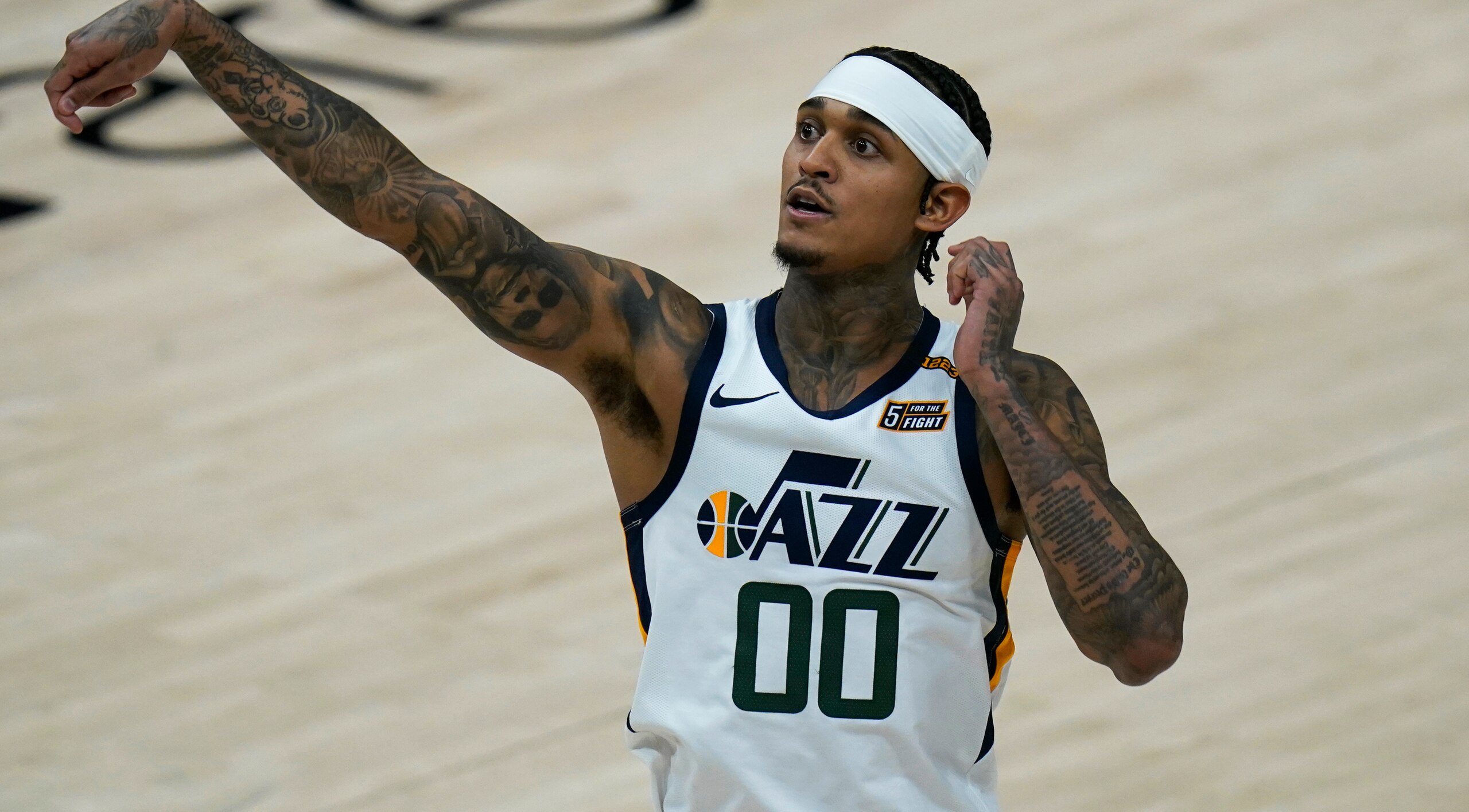
Notable Free-Agency Additions: Derrick Favors
Notable Re-Signings: Jarrell Brantley (two-way); Jordan Clarkson
Housekeeping trounced change for the Utah Jazz during free agency. They shored up their bench by re-signing Jordan Clarkson and bringing back Derrick Favors—sensible moves that were also easy to criticize.
Was Clarkson really worth four years and $51.5 million? And was funneling their entire mid-level exception into the center spot really the smartest decision when Rudy Gobert exists?
Clarkson is putting the cost concerns to bed. He has more competition for Sixth Man of the Year than many are acknowledging, but his own candidacy is airtight. He's averaging a personal-best 17.4 points per game on career efficiency—55.6 percent inside the arc and 37.8 percent from distance.
Favors' stock is more complicated. Teams are getting to the rim substantially more when he's in the middle. But the Jazz are winning those minutes overall, including when they come without Donovan Mitchell. At the bare minimum, Favors is a major upgrade over the backup 5s Utah worked with last season.
Claiming the Jazz should've spent their MLE on a dynamic wing to playoff-proof their wing defense is perfectly OK—provided you can name that dynamic wing. Once more: The pool of available players matters when revising history. Wings were available in scant supply, and Utah didn't have the scratch to make a bid for the ones worth a significant damn.
Washington Wizards: C
30 of 30
Notable Free-Agency Additions: Robin Lopez; Raul Neto
Notable Re-Signings: Davis Bertans; Garrison Mathews (two-way)
Going scorched-earth on the Washington Wizards' free-agency returns is the correct call on the surface. They invested five years and $80 million in Davis Bertans, only for him to nail 33.1 percent of his threes. As someone who doesn't provide value outside of where he stands on offense and his shot-making, this is grounds for panic.
But Bertans is coming off an offseason in which he was unable to play much five-on-five and was among the Wizards who spent a couple of weeks in the league's health and safety protocols. Benefit of the doubt needs to be the default standard in weird and unsafe times.
Besides, career snipers just don't stop making shots. Bertans may already be trending up. He's pushed his three-point clip to 37.8 percent over the past five games. His situation is worth vigilance but not at Defcon 1 severity.
In other news, Robin Lopez is solid. The Wizards are featuring him way too much in the post, where he's somehow averaging 1.4 points per possession and drawing double-teams. Among everyone to attempt at least 20 shots out of post-ups, his 72.2 percent success rate ranks second, behind only Enes Kanter.
Finally, consider this an official plea for Washington to roll out Garrison Mathews more. His efficiency has waned over the past couple of weeks, but he can be dynamite offensive weapon both on and off the ball if afforded the necessary license.
Unless otherwise noted, stats courtesy of NBA.com, Basketball Reference, Stathead or Cleaning the Glass and accurate entering games on Feb. 12. Salary information via Basketball Insiders and Spotrac.
Dan Favale covers the NBA for Bleacher Report. Follow him on Twitter (@danfavale), and listen to his Hardwood Knocks podcast, co-hosted by B/R's Adam Fromal.

.jpg?w=2560 "Grading WWE Raw 🔠")

.jpg?w=2560 "Bijan's INSANE 1st Half 🤩")
.jpg?w=2560 "Viral Rams Coach Vid 🖕")
.jpg?w=2560 "Injury-stricken Seahawks signing veteran RB")

.jpg?w=2560 "2 NFL Officials Suspended")