2020 NBA Mock Draft: Predictions for Anthony Edwards, Deni Avdija, Top Wings
Like much of this draft, evaluating the wings is a strenuous exercise. There are less obvious hierarchies among players than in years past, and comparisons are more complicated than ever.
In seasons prior, analyzing draftees has felt simple: players go through the full NCAA circuit, finishing with the tournament before hitting the combine. Some European standouts popped up, but most prospects faced similar competition on similar television channels.
This year we have had a top prospect, James Wiseman, sit out for most of the year. Meanwhile, two other top prospects, LaMelo Ball and R.J. Hampton, opted to play in Australia and New Zealand, respectively. It was already going to be a nebulous draft before the additional scouting opportunities were cancelled in March.
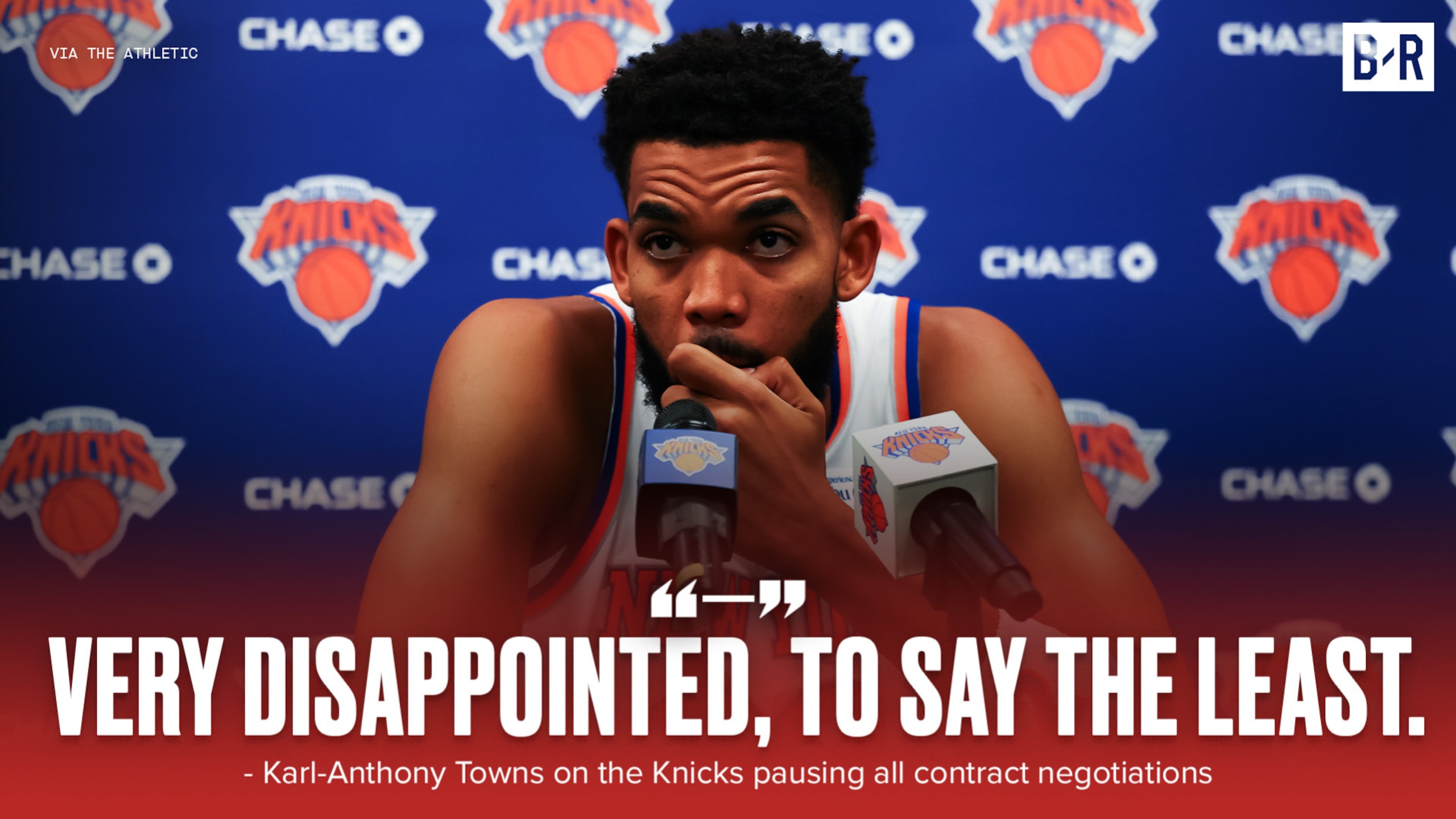
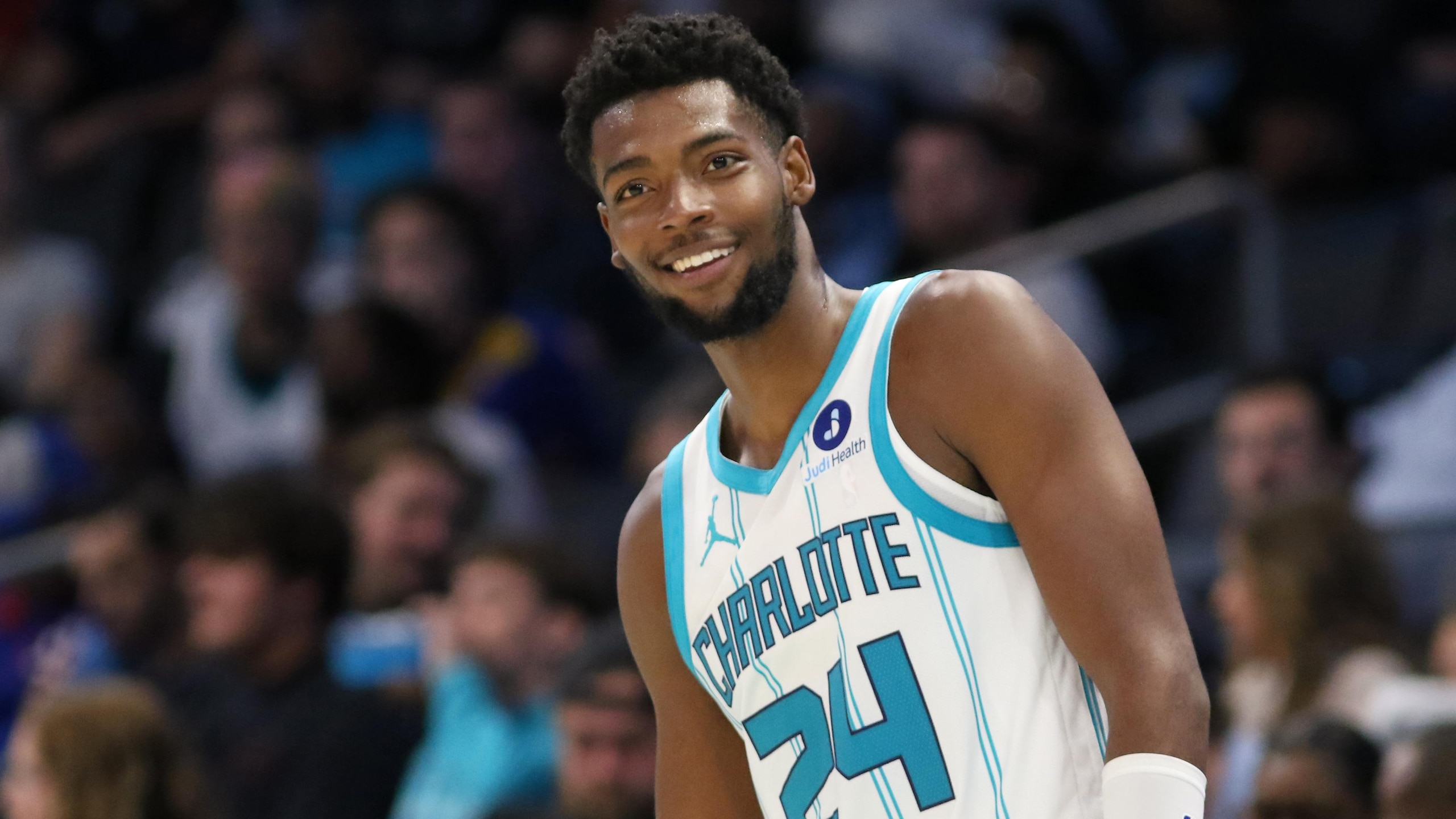
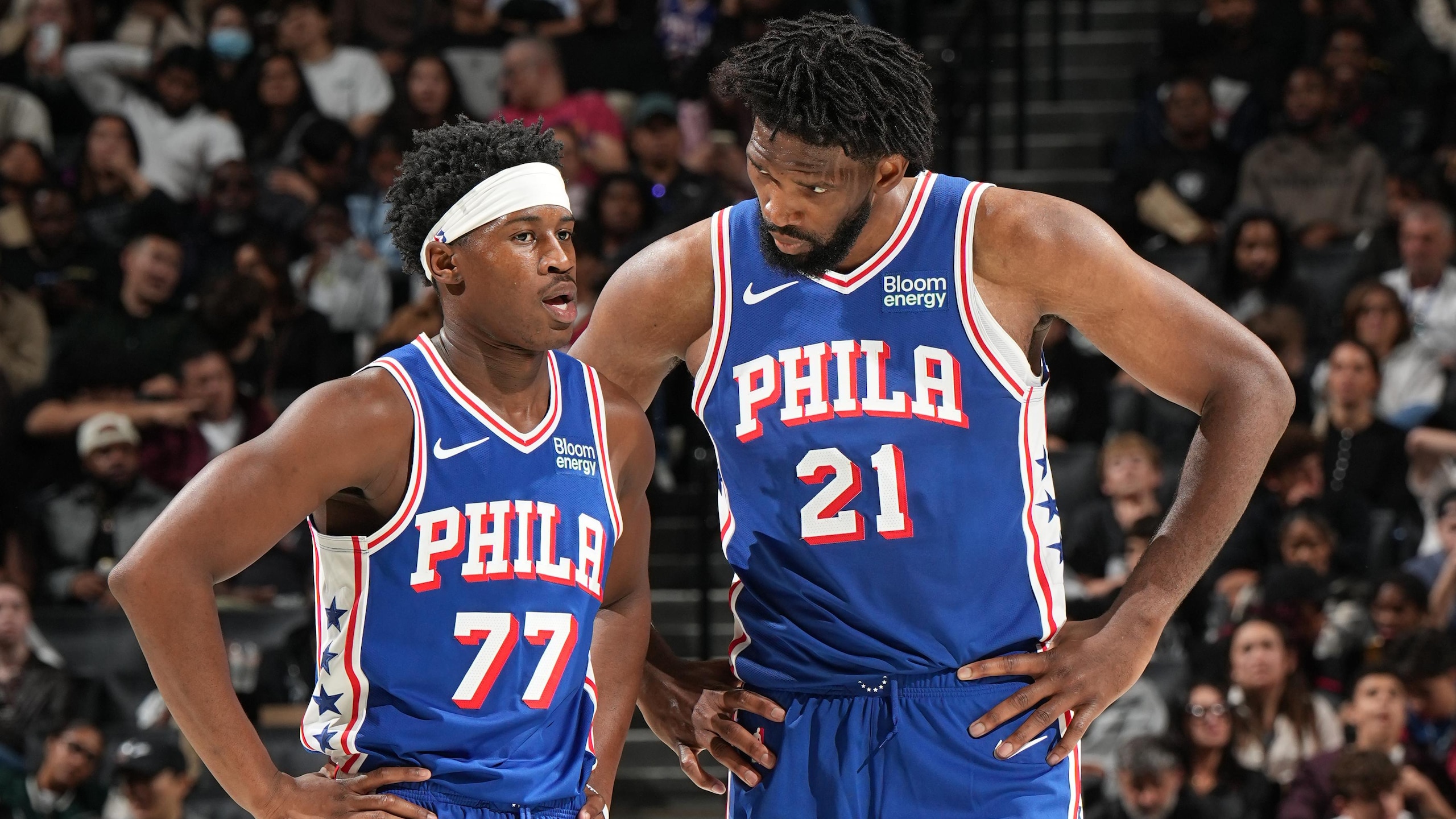
Still, the wings are a fun group. And four of them, all under 20, stand out as clear lottery selections: Anthony Edwards, Deni Avdija, Isaac Okoro and Hampton. Based on the season's current standings, here's a mock draft and predictions for the top wings.
2020 NBA Mock Draft
1. Golden State: James Wiseman, C, Memphis
2. Cleveland: LaMelo Ball, PG, Illawarra Hawks
3. Minnesota: Anthony Edwards, SG, Georgia
4. Atlanta: Obi Toppin, PF, Dayton
5. Detroit: Killian Hayes, PG, Ratiopharm Ulm
6. New York: Deni Avdija, SF, Maccabi Tel Aviv
7. Chicago: Isaac Okoro, SF, Auburn
8. Charlotte: R.J. Hampton, SG, New Zealand Breakers
9. Washington: Cole Anthony, PG, North Carolina
10. Phoenix: Tyrese Haliburton, PG, Iowa State
11. San Antonio: Onyeka Okongwu, C, USC
12. Sacramento: Jaden McDaniels, SF, Washington
13. New Orleans: Precious Achiuwa, PF, Memphis
14. Portland: Aaron Nesmith, SF, Vanderbilt
15. Orlando: Tyrese Maxey, SG, Kentucky
16. Minnesota (via Brooklyn): Devin Vassell, SF, Florida State
17. Boston (via Memphis): Nico Mannion, PG, Arizona
18. Dallas: Saddiq Bey, SF, Villanova
19. Milwaukee (via Indiana): Patrick Williams, PF, Florida State
20. Brooklyn (via Philadelphia): Theo Maledon, PG, ASVEL
21. Denver (via Houston): Josh Green, SG, Arizona
22. Philadelphia (via Oklahoma City): Jahmi'us Ramsey, SG, Texas Tech
23. Miami: Isaiah Stewart, C, Washington
24. Utah: Jalen Smith, PF, Maryland
25. Oklahoma City (via Denver): Vernon Carey Jr., PF/C, Duke
26. Boston: Aleksej Pokusevski, PF, Olympiacos
27. New York (via L.A. Clippers): Kira Lewis Jr., PG, Alabama
28. Toronto: Leandro Bolmaro, SF, FC Barcelona
29. L.A. Lakers: Xavier Tillman, PF, Michigan State
30. Boston (via Milwaukee): Tre Jones, PG, Duke
Anthony Edwards Drops into Minnesota's Lap
The classic, exhilarating shooting guard. Edwards is 6'5", strong as an ox and capable of jumping out of the building at a moment's notice. Aside from the physical tools, he's got some handle and a jumper that, while not gorgeous, appears very comfortable.
And shooting definitely appears comfortable on the box score, as he hoisted 7.7 threes per game across 32 contests this season. That's a lot of threes, and he only hit 29.4 percent of them. But his confidence was justified in other areas: 19.1 points and 5.2 rebounds per game on 50.4 percent shooting from within the arc.
He could easily go No. 1, but if the Golden State Warriors and Cleveland Cavaliers pick first and second, Edwards should drop to Minnesota at No. 3. His baseline as a slasher and defender feels high, but with Wiseman and Ball on the board, Edwards' size will be a deterrent for the Warriors, as his passing mediocrity will be for the Cavaliers.
Those aren't issues for the Minnesota Timberwolves, who have their backcourt's and frontcourt's franchise cornerstones established, making Edwards a perfect fit for their 2 or 3 spot.
Knicks Pick Deni Avdija over Cole Anthony
This is a particularly tough one. Aside from their center, the New York Knicks could use a player with long-term upside at most positions. RJ Barrett can move around in the lineup, while Julius Randle and Kevin Knox each has a questionable future in the Big Apple.
Past the top three, New York's best options are Deni Avdija and Cole Anthony—both tremendous prospects. With Barrett's size enabling him to shift around, Anthony is alluring as a fiery point guard who can light it up and manage an offense. At 6'3", he's not the most physically-imposing player, but he still averaged 18.5 points, 5.7 rebounds and 4.0 assists across 22 games this year.
Perhaps most importantly, Anthony took 6.4 threes per game and knocked down 34.8 percent of them. Decent rates for a high-volume freshman.
Shooting is crucial for the Knicks, who, excluding the exited Marcus Morris, don't have anyone shooting over four threes a game this year (or making more than 36.2 percent of those attempts).
But Avdija's upside is appealing. He's 6'8" but a true, versatile playmaker and scorer who just averaged 12.3 points and 5.9 rebounds per game in a grown man's league on 55.5 percent shooting from the field and 37.5 percent from deep.
Both Anthony and Avdija have tremendous feel for the game while also being able to kill in isolation, but one is taller, and that means a lot for a team that has many holes to fill.
Isaac Okoro or R.J. Hampton? Chicago Prioritizes Defense
These two prospects feel similar. Their ages are close (both 19, one month apart), their heights are close (Okoro is listed at 6'6", Hampton at 6'5") and they have the upside of lanky defenders with scoring potential.
The difference, at this moment, is simple: Okoro seems to be the better, more polished defender and Hampton the better, albeit unrefined scorer.
It's hard to contrast their stats given the juxtaposition of their competition: Hampton played just 20.6 minutes a game with adults in the National Basketball League, while Okoro ran for 31.5 per game as Auburn's top wing.
But just looking at percentages, Hampton shot a higher rate from the free-throw (67.9 percent to Okoro's 67.4) and three-point lines (29.5 percent to Okoro's 28.6). He's unpolished and struggled against heavier, more experienced players, but Hampton's 8.8 points and 3.8 rebounds per game don't do justice to his impressive tools.
Okoro, meanwhile, averaged 12.8 and 4.4—numbers that, again, do his skill set a disservice.
Ultimately, when deliberating between the two, the Chicago Bulls are likely to prioritize defense. The team's future feels defined by Zach Lavine and Lauri Markkanen, neither of whom is a plus-defender. Okoro could come in and contribute immediately as an absurdly versatile defender with the potential to develop his offensive repertoire.

.jpg?w=2560 "Viral Dan Campbell Presser 💙")
.jpg?w=2560 "AD Trolls Bears WR on IG 😂")
.jpg?w=2560 "Cam Ward Says He's Not A Loser")
.jpg?w=2560 "Chargers Fall to 0-5 🤢")
.jpg?w=2560 "Report: Steelers WR to Miss 'Weeks'")