


The 2019 MLB draft wraps up Wednesday with Rounds 11-40. While we won't know what to make of this year's crop of incoming talent until years from now, it's always fun to make some reactionary calls on the biggest winners and losers.
Below, we've highlighted players and teams that fall into one of those two categories based on draft slot relative to expectations for the players and overall talent haul for the teams.
More than any other draft in professional sports, the MLB draft is a crapshoot. We won't truly know who won this year's three-day event until years down the road.
Winners: OF Joshua Mears and C Logan Driscoll, San Diego Padres
1 of 7
After taking toolsy prep shortstop CJ Abrams with the No. 6 overall pick, the San Diego Padres went off the board a bit with their other two Day 1 selections.
While both players were a reach relative to their projected draft position, they have the upside to live up to where they were chosen.
Mears has a strong 6'3", 235-pound frame and some of the best raw power in the entire class. The question is whether he will make enough contact to tap into it.
Driscoll has put together an excellent spring at George Mason. He has a strong arm behind the plate, decent receiving skills and a 50-grade hit tool, which gives him a chance to be an everyday guy.
With the best farm system in baseball, the Padres can afford to make high-risk, high-reward selections like this early in the draft.
As a result, Mears ($1.54 million) and Driscoll ($857,400) both have slot values well above their expected earning power. Mears figures to get at least that much since he's a high schooler.
Loser: 3B Drew Mendoza, Washington Nationals
2 of 7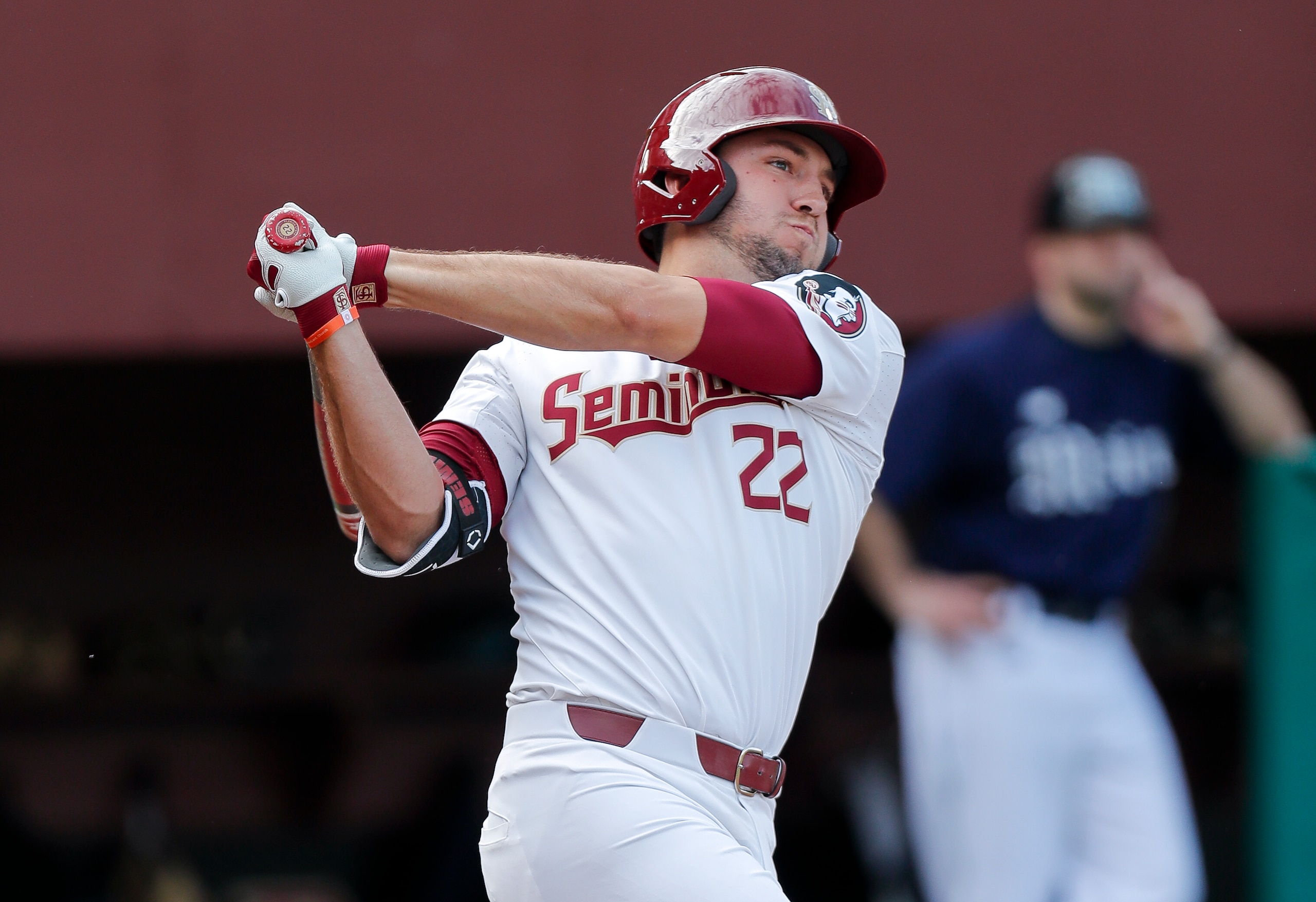
Drew Mendoza was one of the top high school bats in the 2016 draft class, checking in at No. 43 on Baseball America's pre-draft rankings and No. 36 on the MLB.com list.
However, an asking price north of $3.5 million and a strong commitment to Florida State caused him to slide to the 36th round, so he headed off to college.
Three years later, he was one of the better power bats among the college crop. However, questions about his hit tool took him out of the first-round conversation.
After hitting .303/.478/.595 with 14 home runs and 47 RBI with a 24.9 percent strikeout rate this spring, Mendoza was still on the board at the end of Day 1. He wound up going No. 94 overall to the Washington Nationals.
That pick carries a $618,200 slot value, which is well short of what he would have received as a late first-round or early second-round pick out of high school.
Mendoza still has a chance to be a solid prospect, but his lofty bonus demands as a high schooler wound up costing him a good chunk of change.
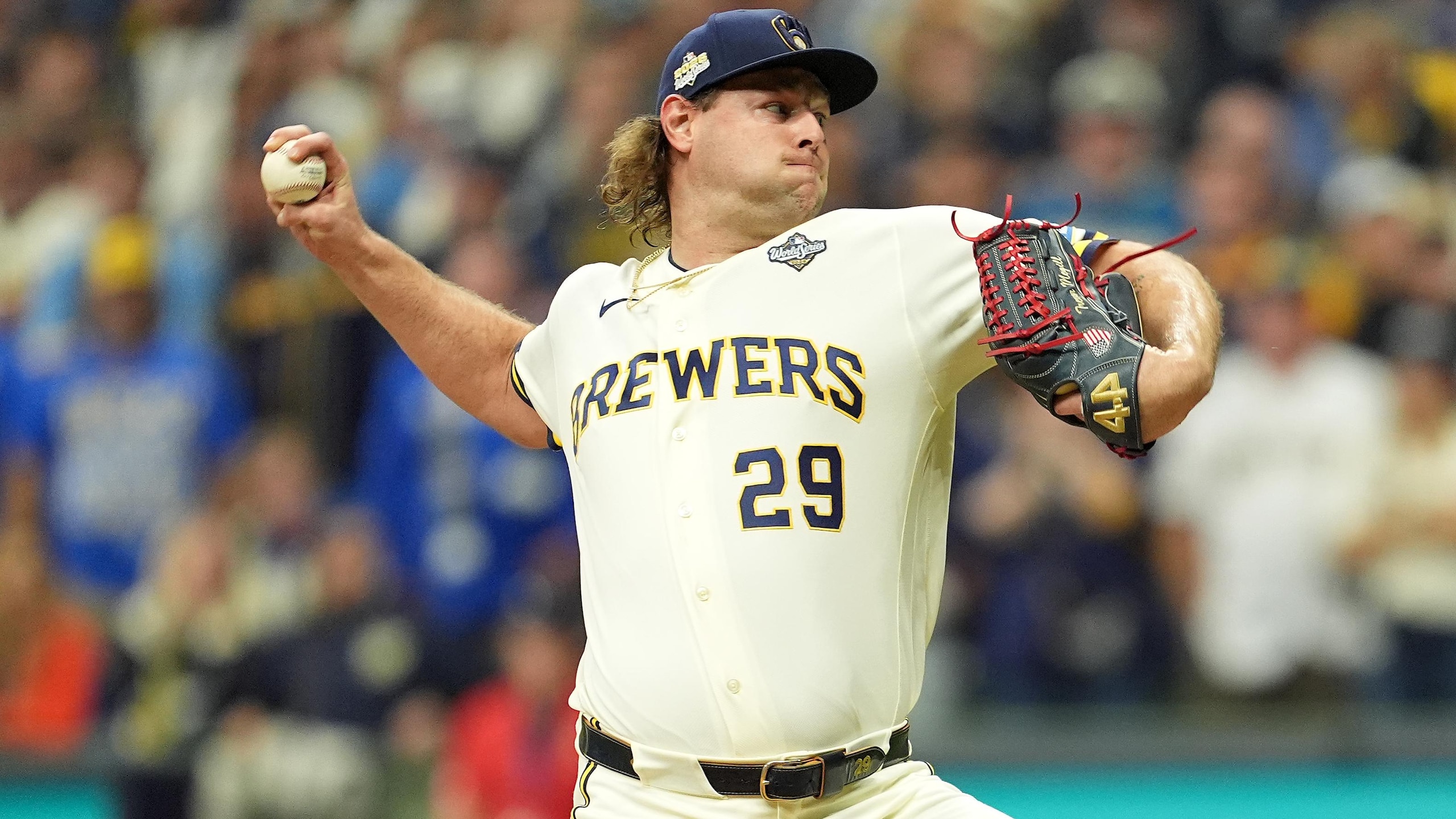
Winners: Los Angeles Dodgers
3 of 7
The Los Angeles Dodgers walked away with two of the best college bats in the 2019 class in the first round.
Tulane slugger Kody Hoese is a big 6'4", 200-pound third baseman who raked to the tune of a .392/.487/.789 line with 23 home runs this spring after hitting only five homers during his sophomore season. His track record is limited and he hasn't been great swinging wood bats, but his power is legit.
After going with Hoese at No. 25 overall, the Dodgers had one of the draft's most polished college hitters unexpectedly fall to them at No. 31 overall.
North Carolina first baseman/outfielder Michael Busch is walking at more than a 20 percent clip this spring, and he turned heads in the Cape Cod League last summer with a .322/.450/.567 line and six home runs. With an above-average hit and power tool, he could be one of the first players from this class to land in the big leagues.
Those two high-floor picks were followed by projectable right-hander Jimmy Lewis, who already touches 95 mph with his fastball and has a ton of room for projection left in his 6'6", 200-pound frame. With added strength and further refinement of his secondary stuff, he can be an impact arm.
The Dodgers also landed Butler right-hander Ryan Pepiot, who was one of the better college arms left on the board heading into Day 2. They snagged him at No. 102 overall in the third round, which is lower than he was expected to go.
All in all, the Dodgers have an excellent mix of floor, ceiling and projectability with their early picks.


Losers: Chicago Cubs
4 of 7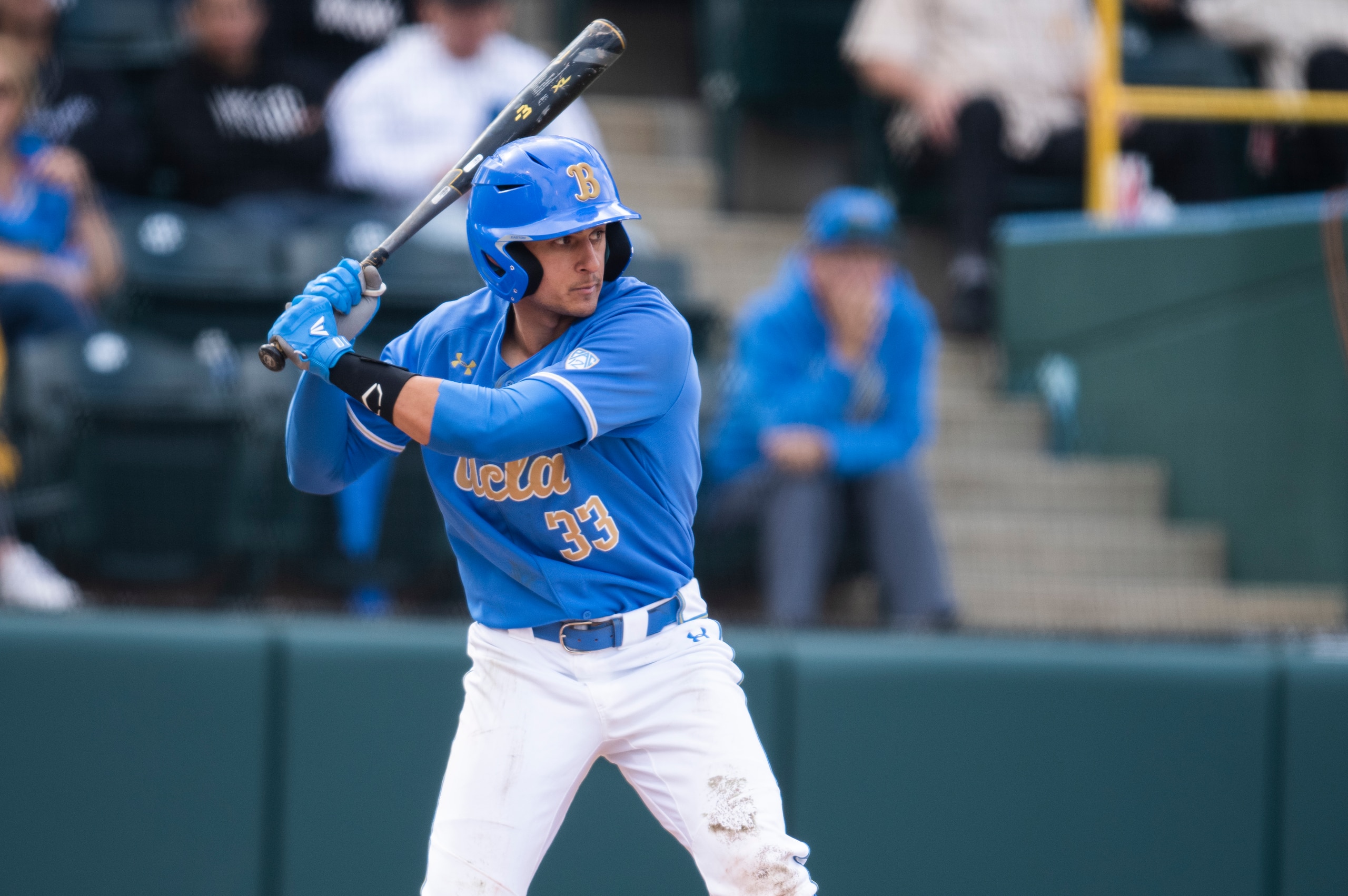
The Chicago Cubs turned in one of the biggest reaches of the first round when they grabbed Fresno State right-hander Ryan Jensen at No. 27 overall.
While he has an electric fastball that touches 98 mph and a plus slider, he also has an undersized 6'0" frame, and there is a prevailing belief that he fits best in the bullpen. He'll at least get a shot at starting, and he has a high floor thanks to his reliever upside, but why so early?
Ranked as Baseball America's No. 109 prospect and MLB.com's No. 99 prospect, Jensen still might have been on the board when the Cubs' next pick came around at No. 64 overall.
Chicago then grabbed high-floor, low-ceiling second baseman Chase Strumpf with its second-round selection. He's the type of polished college bat that the Cubs have made a habit of targeting in recent seasons, but he doesn't offer a ton of upside.
The Cubs' most exciting pick was prep catcher Ethan Hearn in the sixth round. He's the consensus top high school catcher in the class, and Chicago should have the money to get an above-slot deal done.
But as intriguing as the Hearn pick is, it doesn't salvage a puzzling first day.
Winners: Baltimore Orioles
5 of 7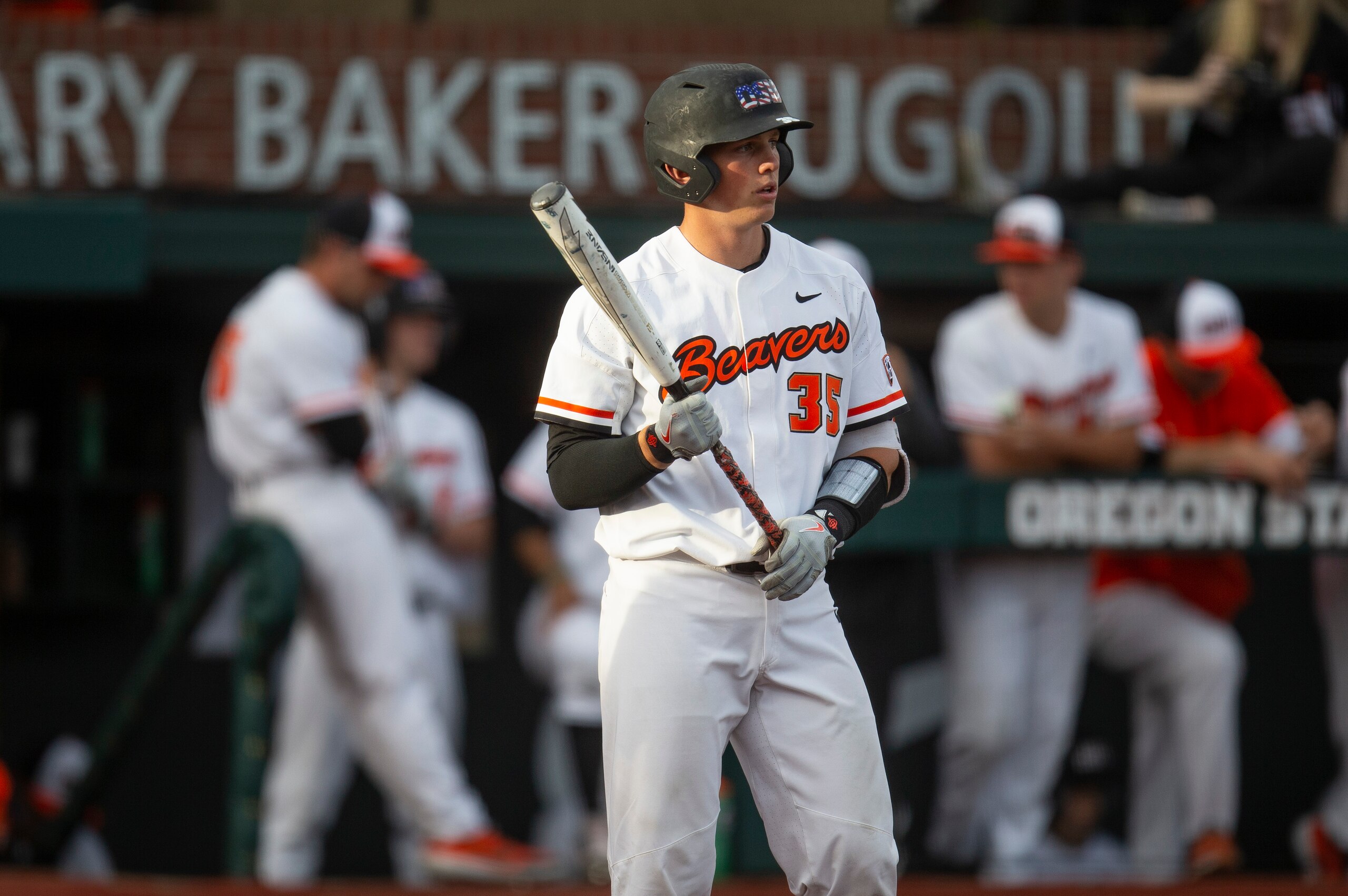
The Baltimore Orioles were in the enviable position of picking No. 1 overall in a draft that had a clear-cut top talent in Oregon State catcher Adley Rutschman.
He's the best catching prospect to come along since Buster Posey, and he has the polish to move just as quickly through the minor league ranks toward his ceiling as a perennial All-Star and franchise cornerstone.
The O's didn't stop there.
With the No. 42 overall pick, they added shortstop Gunnar Henderson in what was one of the best value picks of Day 1. One mock draft from MLB.com projected the Alabama prep standout to go No. 18 overall to the Pittsburgh Pirates, and he may be the third-best high school shortstop in the class behind Bobby Witt Jr. and CJ Abrams.
The Orioles added college outfielders Kyle Stowers (No. 71 overall) and Zach Watson (No. 79 overall) with their next two picks. Stowers has some tantalizing raw power, while Watson is one of the best defensive outfielders in college baseball.
In all, this was an excellent haul for a team in the early stages of rebuilding. Rutschman immediately becomes Baltimore's No. 1 prospect, and Henderson has a chance to be the biggest steal of Day 1.
Losers: Colorado Rockies
6 of 7
The Colorado Rockies have historically had a tough time landing quality starting pitching in free agency, which makes drafting and developing arms of the utmost importance.
They grabbed a good one in Ole Miss left-hander Ryan Rolison with the No. 22 overall pick last June before they used their second selection on a prep bat. That was a reasonable approach to maximizing their draft haul.
This time around, they waited until their third selection at No. 77 overall to grab Michigan right-hander Karl Kauffmann well ahead of where he was expected to be chosen. They used their first two picks on UCLA first baseman Michael Toglia (No. 23 overall) and Georgia third baseman Aaron Schunk (No. 62 overall).
Toglia has tremendous raw power backed by a questionable hit tool. Schunk has no clear standout tool and a limited ceiling despite a relatively high floor.
Teams don't necessarily draft for need, but why take two college corner infielders?
With Nolan Arenado signed to a long-term deal, Ryan McMahon still trying to carve out a role at the MLB level, Colton Welker and Tyler Nevin ranking among the team's top prospects and Grant Lavigne just chosen in the first round last year, Colorado's system is already loaded with young corner infield talent.
Winners: Arizona Diamondbacks
7 of 7
With seven picks on Day 1 and the largest bonus pool of any team by a sizeable margin, the Arizona Diamondbacks were in a great position to make a splash.
That's exactly what they did.
They took one of the best high school bats in the class in Corbin Carroll at No. 16 overall and then followed up by taking the projectable Blake Walston at No. 26 overall and flamethrower Brennan Malone at No. 33 overall.
All three of those prep standouts have extremely high ceilings, and the Diamondbacks should be able to sign all of them thanks to a pivot to college talent at the back end of Day 1.
They added three college arms in right-hander Drey Jameson (No. 34 overall), hard-throwing Ryne Nelson (No. 56 overall) and volatile left-hander Tommy Henry (No. 74 overall). They then took standout defensive outfielder Dominic Fletcher (No. 75 overall) to cap off the day.
While there were no major reaches in that group, the D-backs went heavy on college players again on Day 2, so they should be able to squeeze out enough savings to hand above-slot deals to Walston and Malone.
First baseman Spencer Brickhouse (seventh round) and outfielder Dominic Canzone (eighth round) are two productive college bats to watch from the Day 2 haul.
This has a chance to be a difference-making draft class for the Diamondbacks. At first glance, it looks like they did a great job aiming for high ceilings early before stocking up on high-floor college players later.
All stats courtesy of The Baseball Cube, unless otherwise noted.



.jpg?w=2560 "Raiders Could Start Mendoza")


.jpg?w=2560 "Rodgers Iced Out on Plane 💎")
.jpg?w=2560 "Big Trade to Shake Up East 💡")