

Tales from the Kicks: The Nike Kyrie 1
Kyrie Irving is a superstar. This season, he's transformed into the MVP-caliber point guard many of us expected to see right out of Duke University.
A recipe of vibrant handling, concise shooting and fierce slashing ability has given Irving a new lease on life—a lease that includes a Celtics uniform. The Eastern Conference-leading, 18-4 Celtics are his team. Boston is his city. Doubters and haters? They must all answer to the mask.

TOP NEWS

Jokic says booing fans not welcome in Denver
Worst NBA Predictions 🫣

Brown with an all-time summary of relationship with Tatum
The journey from Duke to Cleveland to Beantown has not only etched Irving's name into a new category of on-court performance, it's also enhanced his worth to Nike considering the brand bet on him in the form of a signature sneaker three years ago.
In December 2014, the Kyrie 1 was the first wave to reach shore. It set the stage for follow-up models and set the aesthetic tone for what we could expect out of Camp Kyrie.

Invented from a blank slate, Nike designer Leo Chang—famous for his work on Kevin Durant's line—took the lead. He was commissioned with developing a shoe that could complement Irving's explosive physics and drive-to-the-basket quickness.
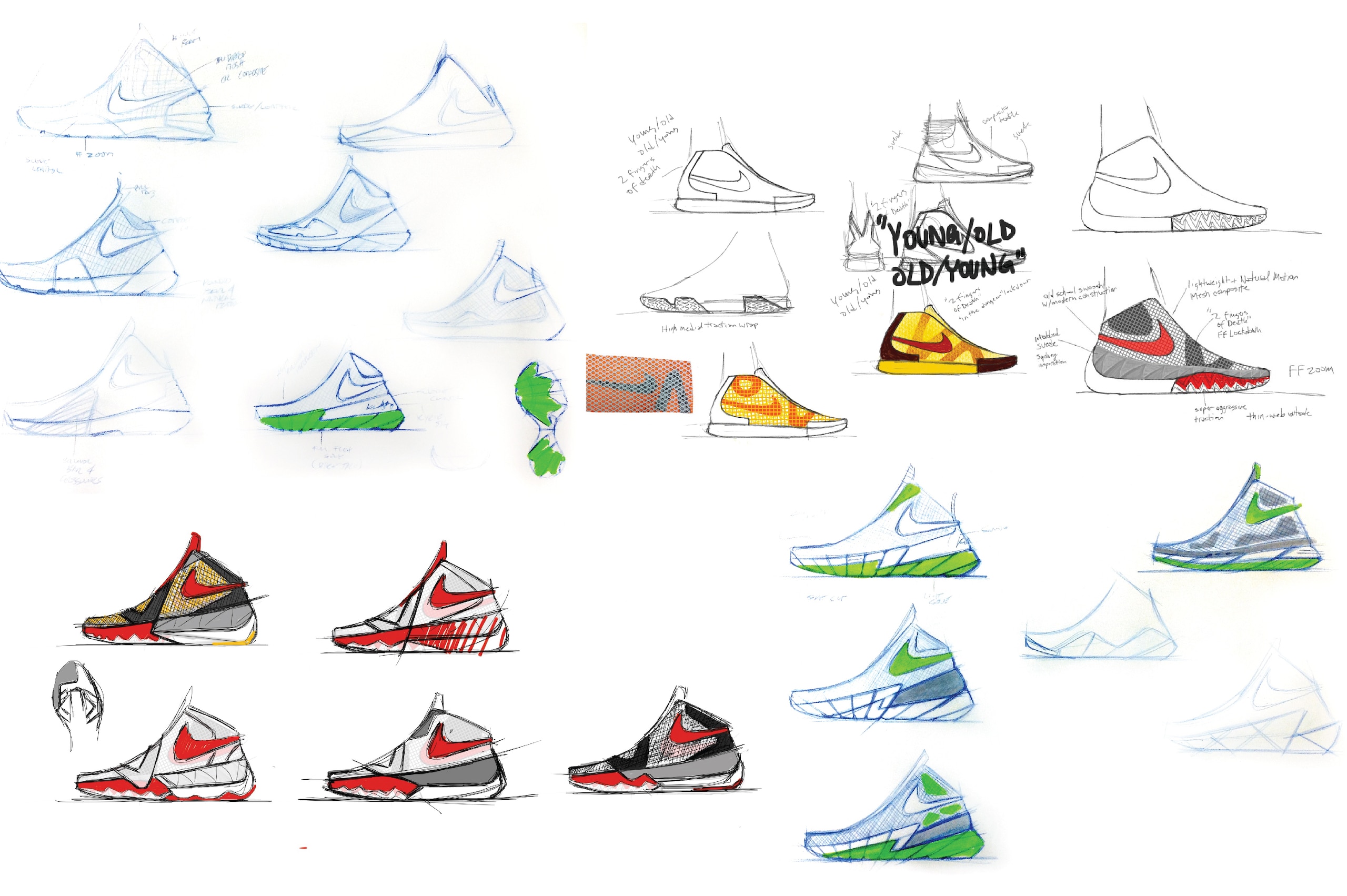
Providing Irving with the tools needed to improve his game was part of Nike's signature process—as it remains with others.
When you think about the terms "quick" and "explosive," one's mind progresses toward the outer banks of a sneaker's structural weight and balance. This is especially prevalent for a player who obliterates defenders as Irving does.
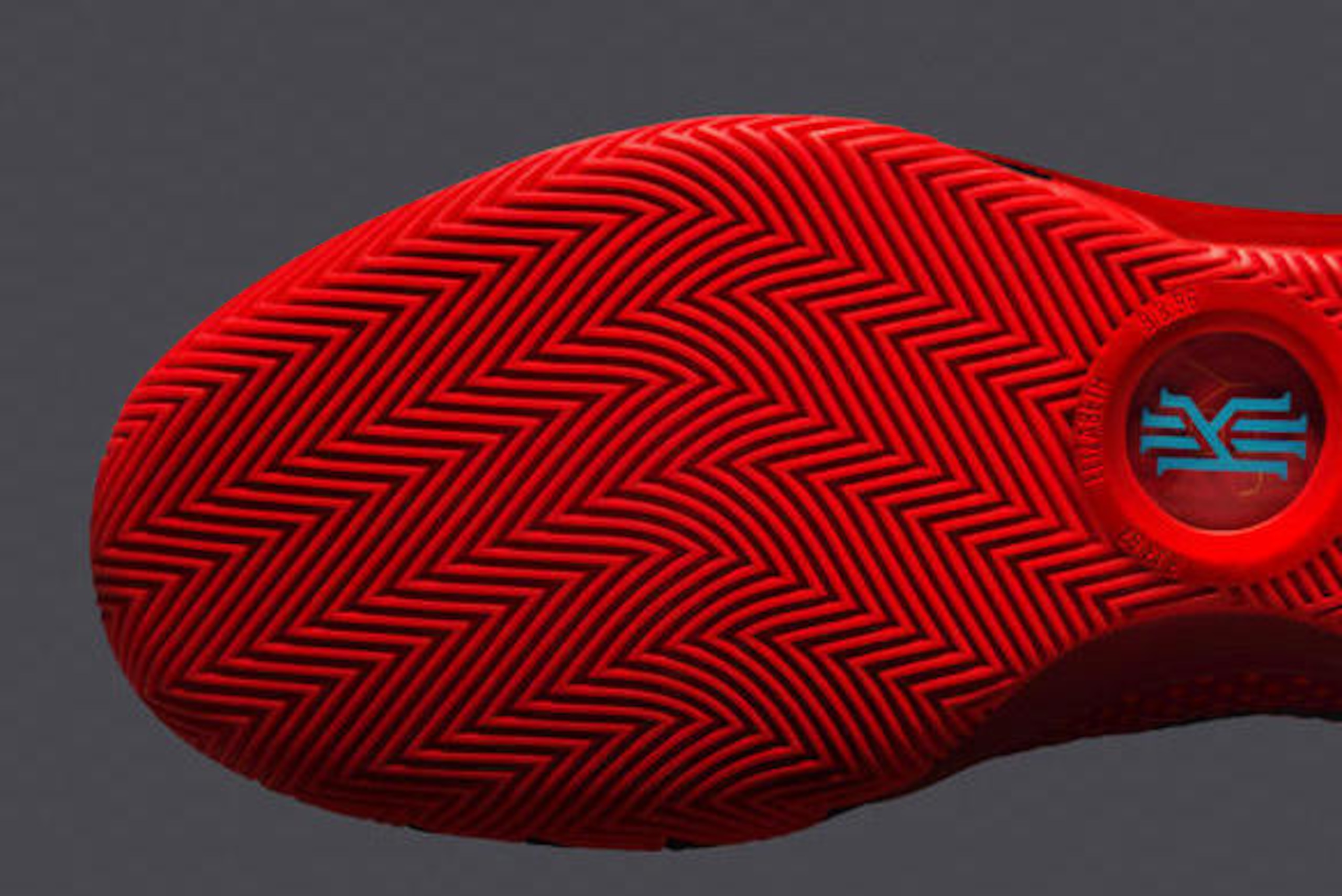
However, traction became the focal point of the Kyrie 1.

A 360-degree pattern was laser-engraved on the sole and carefully brushed up against the sidewall. This design was meant to help keep athletes locked onto the hardwood. "I'd say under the right conditions, the traction is excellent," Wear Testers' Nightwing2303 wrote.
Going beyond the confines of traction—the shoe's standout feature—is where the Kyrie 1 began to skid off the rails for some.
Nightwing2303 had issues with the narrow fit and lack of heel support. Those who wore the shoe could relate. The narrow tunnel you have to slide your foot inside took some getting used to. It felt more enclosed than any other Nike signature model by a long shot.
But it wasn't all bad. Kicksology produced a piece for Sole Collector, raving about the shoe. Having received a 93 out of a possible 100 points on the scoring index, the Kyrie 1's scaled-back technological approach hit home.

"The fact that the Kyrie 1 strips most of Nike's latest tech like Flywire, Flyknit and Hyperposite from the shoe, and its performance improved rather than suffered, speaks volumes about the value," the review stated.
And this is where the Kyrie 1 was and still is a conversation piece. Deprived of premium, fancy technology—to be fair, Hyperfuse was used to give the upper its light feel—the sneaker was a marvel. The balance was right, the support system worked and, as previously mentioned, the traction mechanism was impressive.

All of this was processed into an innovative, beautiful silhouette. One that felt different than Kobe Bryant's kicks or even LeBron James'.
Irving's first shoe fit his status with Nike at the time. He wasn't an established product pusher like James, so his sneaker didn't feel as plush or expensive. This was also reflected by the price point of $110 compared to the LeBron 12, which peaked at $220.

Nike hammered out various colorways of the Kyrie 1, flooding the market with Irving's signature model— this included bringing the sneaker to NIKEiD's customization platform.

It all led to the Kyrie 1 becoming one of the most poignant and thoughtful releases to come out of Nike's headquarters. And as Irving grows into a megastar, his line has followed suit, showcasing new styles and colorways without straying too far from the original model.
All product news and pricing per Nike News unless otherwise noted.

.jpg?w=2560 "Mahomes Told Teammate to Leave Meeting")
.jpg?w=2560 "🚨 Week 8 AP Top 25 Poll")

.jpg?w=2560 "Baker Gets Glove From Rays 🧤")
.jpg?w=2560 "5 Teams Eyeing Jonathan Taylor")
.jpg?w=2560 "Steelers Roll Saints in Paris")
.jpg?w=2560 "NFL investigating Eagles")
