
NBA Reportedly Unveils Anti-Tanking Proposal, Explaining Rule Changes for Draft Lottery Odds
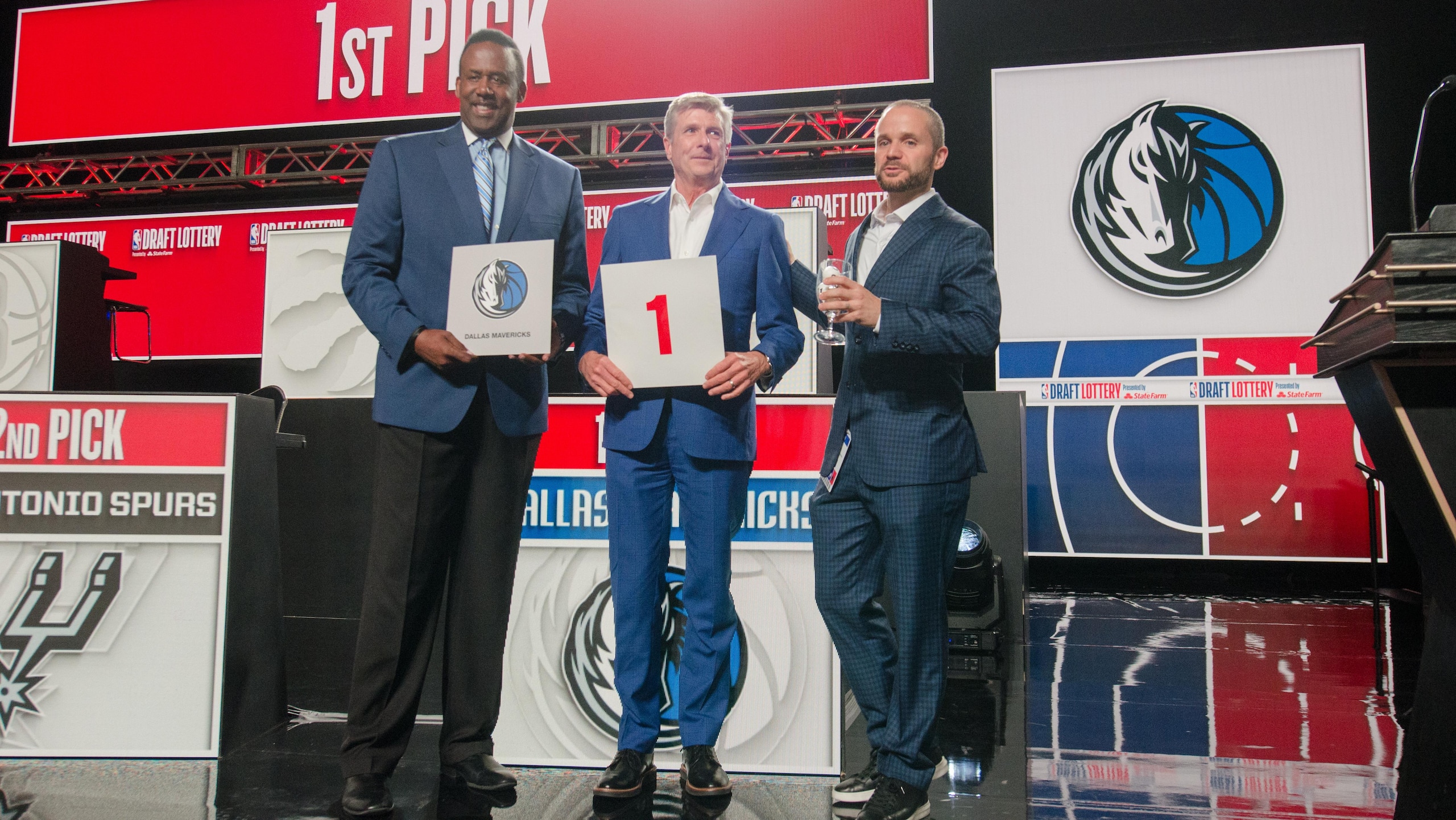
Major changes are on the horizon for the NBA draft lottery.
According to ESPN's Shams Charania, "The NBA has disclosed to its 30 general managers a new anti-tanking, draft reform termed the '3-2-1 lottery' that includes expanding the lottery to 16 teams, flattened odds and a relegation zone where the bottom three teams will be penalized with fewer lottery balls for the No. 1 pick, starting with the 2027 draft."
Here's how it would work.

The teams that finish with the fourth through 10th worst records (aka teams that finish above the bottom three but miss out on the Play-In Tournament and playoffs) would receive three lottery balls at the NBA Draft Lottery.
Bottom-three teams would only get two lottery balls but wouldn't be able to drop lower than the No. 12 overall pick. The ninth and 10th play-in seeds would each receive two lottery balls, while the losers of the No. 7 vs. No. 8 play-in games would get one lottery ball each.
Teams would also be prohibited from winning the top lottery spot in consecutive seasons and would be prohibited from having top-five selections in three straight drafts. Trades will also not be allowed to include Nos. 12-15 protections for future selections.
The new system would exist on a limited timeline and expire in 2029, allowing the league to either extend, tweak or abandon it altogether.
While this proposal isn't finalized, Charania reported that the league office "has held multiple critical meetings with its board of governors, competition committee and 30 general managers over the last few weeks to narrow toward this new singular proposal ahead of the owners' May 28 vote."
While there could yet be changes, the general framework of the change has largely been met with support from teams around the league.
As Charania further added: NBA commissioner Adam Silver said on a recent Competition Committee call, according to sources: 'We should have a system where you should hate to lose. It shouldn't be a badge of honor. Losing should be uncomfortable.' The new change is not as drastic as relegation to a lower league—but a penalty for being at the bottom. Many league executives understand this may be an overcorrection, but one the majority believes is necessary."
Now, is it possible that teams will simply change the timeline for tanking and wait until later in the season, when they feel they are clear of the relegation zone, to start sitting key players due to mysterious injuries and ailments? That's certainly possible.
And could this reform leave bad teams buried in mediocrity for years at a time? That's another dangerous potential repercussion.
But the NBA and its teams certainly seemed poised to take a big swing at reducing blatant tanking.

.jpg?w=2560 "AD Trolls Bears WR on IG 😂")
.jpg?w=2560 "Viral Dan Campbell Presser 💙")
.jpg?w=2560 "Report: Steelers WR to Miss 'Weeks'")
.jpg?w=2560 "Buzz: MHJ Hired Agents for Trade")
.jpg?w=2560 "Cam Ward Says He's Not A Loser")


.jpg?w=2560 "Chargers Fall to 0-5 🤢")