
7 Keys to Victory in New England Patriots' Week 2 Matchup
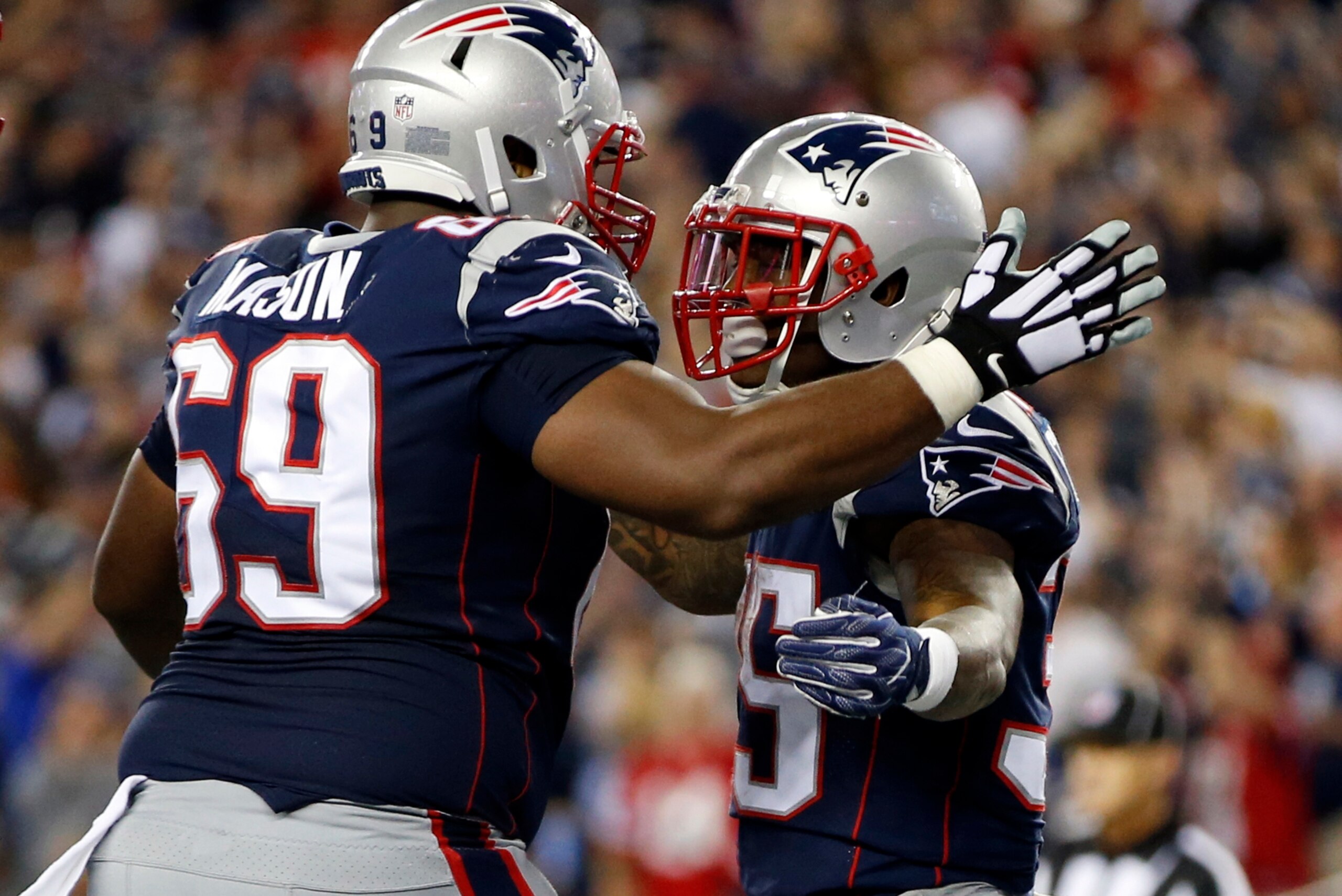
The New England Patriots lost their 2017 season opener in soul-crushing fashion. Not only was the unfurling of the team's latest Super Bowl banner spoiled by a loss, the Patriots defense had its doors blown off in a 42-27 loss to the Kansas City Chiefs.
The Chiefs are obviously a good football team and a legitimate AFC contender, but there were a lot of concerning trends we saw during the game that definitely need to be adjusted.
New England gets extra time to prepare for the team's Week 2 matchup with the New Orleans Saints on Sunday, September 17, but the Patriots also face the hostile environment of the Superdome. Assuming even the mighty Patriots can just bounce back and even their record at 1-1 would be foolish.
New England is going to have to win battles it didn't win against the Chiefs and overcome injuries and deficiencies that plagued the team in Week 1.
We're here to examine the biggest keys to the Patriots walking away with a win in Week 2.
Force Turnovers
1 of 7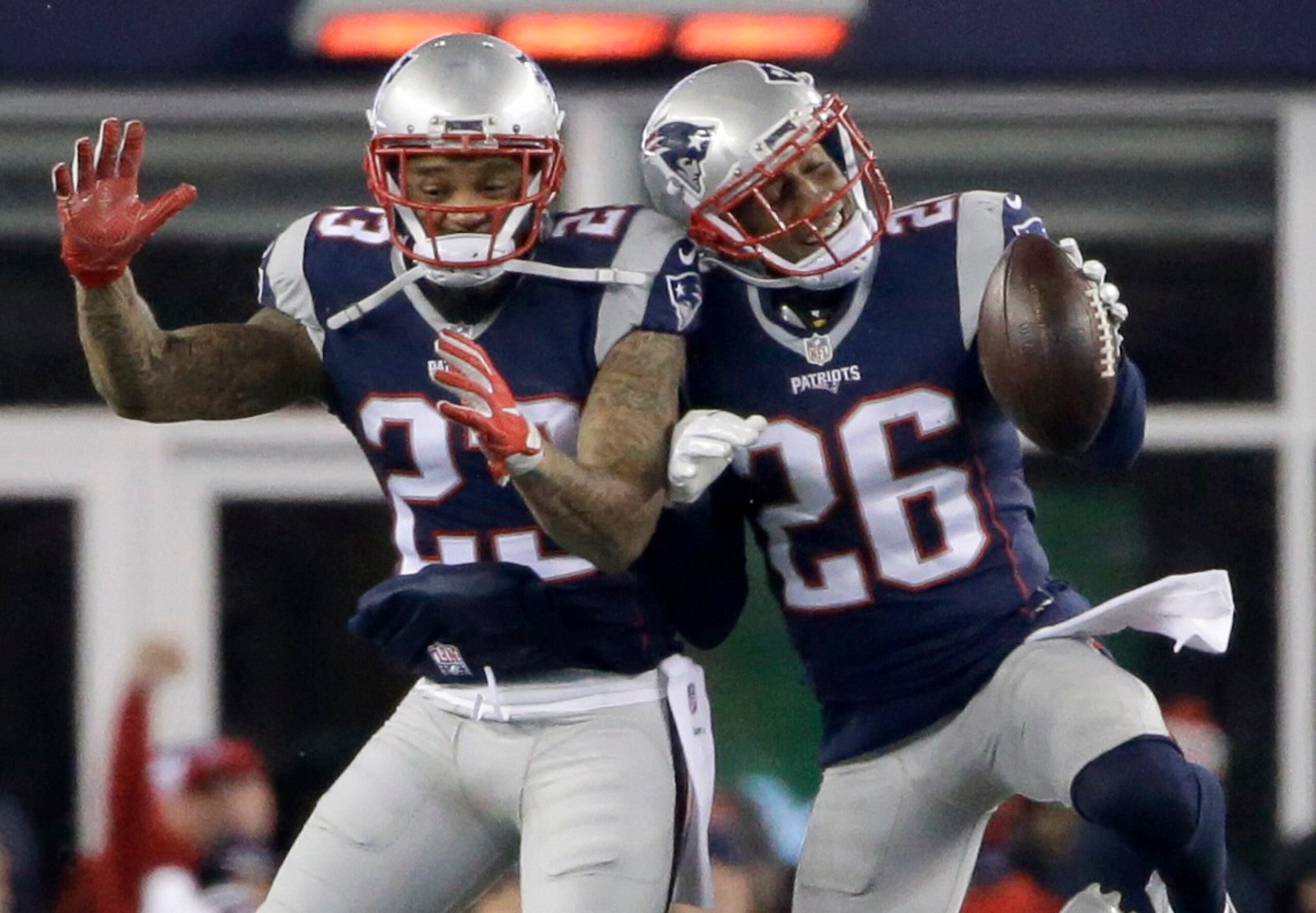
The Patriots had the league's best scoring defense in 2016, allowing just 15.6 points per game. In Week 1 against the Chiefs, New England allowed 42 points. How bad is that? It's the most points allowed by a Patriots defense since Bill Belichick took over as head coach.
"We did what we thought was best for the game. Obviously, things didn't work out good," Belichick said, per Jim McBride of the Boston Globe.
Many of New England's mistakes were due to miscommunications and players being out of position. With many defensive players seeing significant game time together for the first time, perhaps we should have seen mistakes coming.
Now the Patriots get to face the offensive combination of Sean Payton and Drew Brees on the road. If the team continues to make mistakes, it could be in trouble once again.
One way to help offset a shaky—or more likely in this case, a still developing—defense is to force turnovers. New England had just one against the Chiefs, and the team botched the opportunity to capitalize.
Rookie running back Kareem Hunt fumbled on his first carry, and the Patriots recovered deep in Chiefs territory. Instead of cashing in with points and taking a two-score lead, New England was stopped on fourth down and never completely regained the game's momentum.
Forcing, and capitalizing on, turnovers would go a long way toward helping the Patriots best the Saints.
Pressure Drew Brees
2 of 7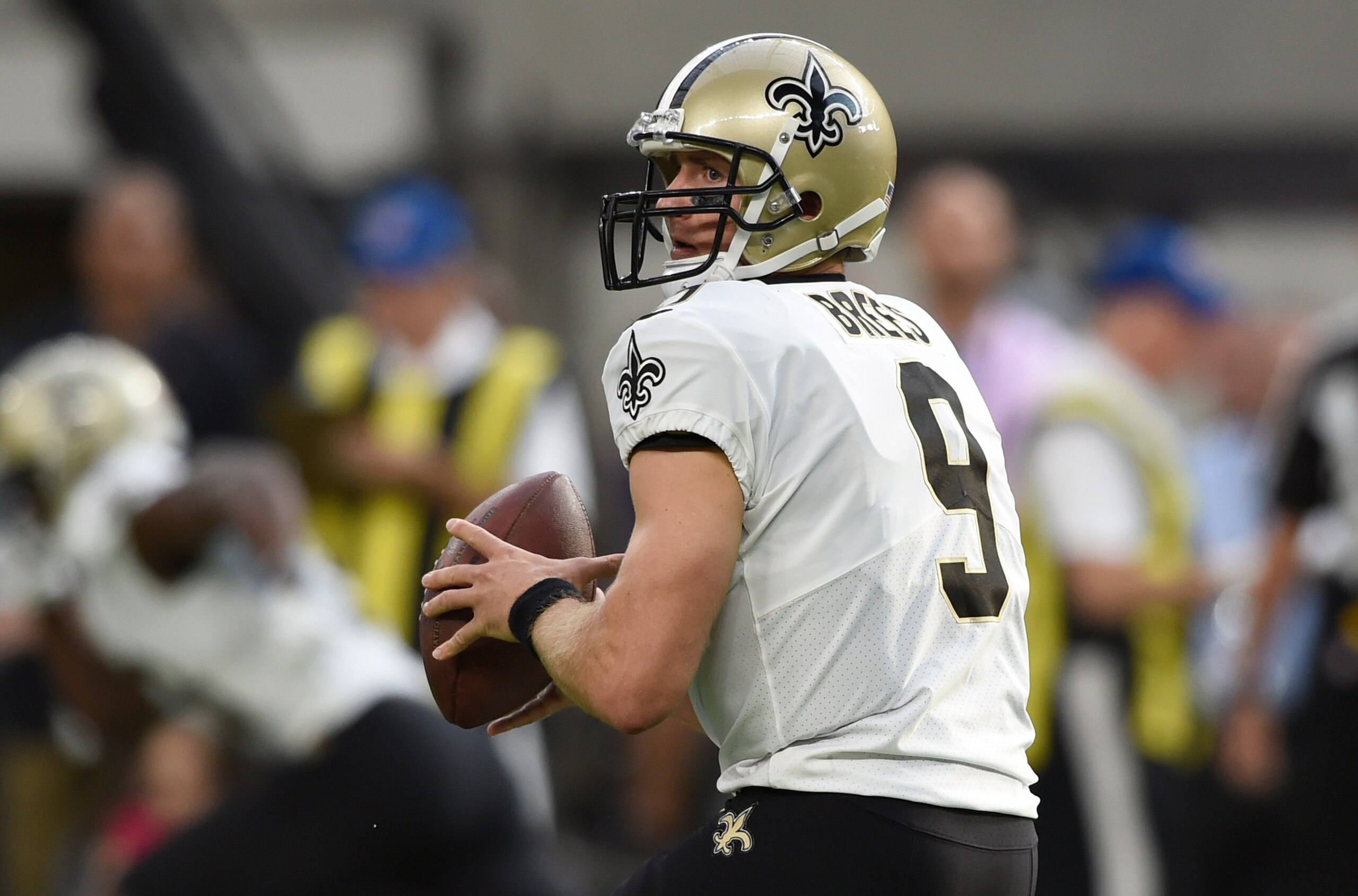
One reason Alex Smith was able to pick the Patriots apart in Week 1—he went off for 368 yards and four touchdowns—is the fact the Patriots just couldn't consistently put pressure on him. Yes, Smith was sacked three times, but he was too often given time to sit in the pocket and survey the field.
This isn't a new issue for New England, either. The team finished the 2016 season with just 34 sacks, tied for 16th in the league.
New England tried to upgrade its pass rush in the offseason but ran into problems. Third-round draft pick Derek Rivers suffered a season-ending injury. Kony Ealy failed to live up to expectations and was released.
Unless the Patriots bring in new talent and get it up to speed before Sunday, it's going to be up to defensive coordinator Matt Patricia to figure out how to apply pressure to quarterback Drew Brees. If he fails to do so, Brees might just carve the Patriots up worse than Smith did in the opener.
Remember, Smith is known primarily as a game-manager. Brees could well finish his career as the most prolific passer in league history.
Stop the Run
3 of 7
The other big reason why the Patriots defense looked awful in Week 1 was that the team couldn't stop the running game at all. The Chiefs racked up 185 yards on the ground and averaged 6.9 yards. Allowing that type of yardage is not how you win in the NFL.
The Patriots have to be better against the Saints. While New Orleans isn't exactly known as a rushing team, there are talented backs on the roster. If the Saints line does its job up front, the trio of Alvin Kamara, Mark Ingram and Adrian Peterson could give the Patriots fits.
The Vikings limited the Saints to just 60 yards rushing and 2.9 yards per play this past Monday. They made the New Orleans offense one-dimensional in the process and put a ton of pressure on the shoulders of Brees.
If the Patriots want to be able to pressure Brees and force him into making mistakes, they'll have to first limit the New Orleans ground game the way Minnesota did.

.jpg?w=2560 "Commanders Eagles Football")
.jpg?w=2560 "Texans-Mixon Released Football")
Establish the Run
4 of 7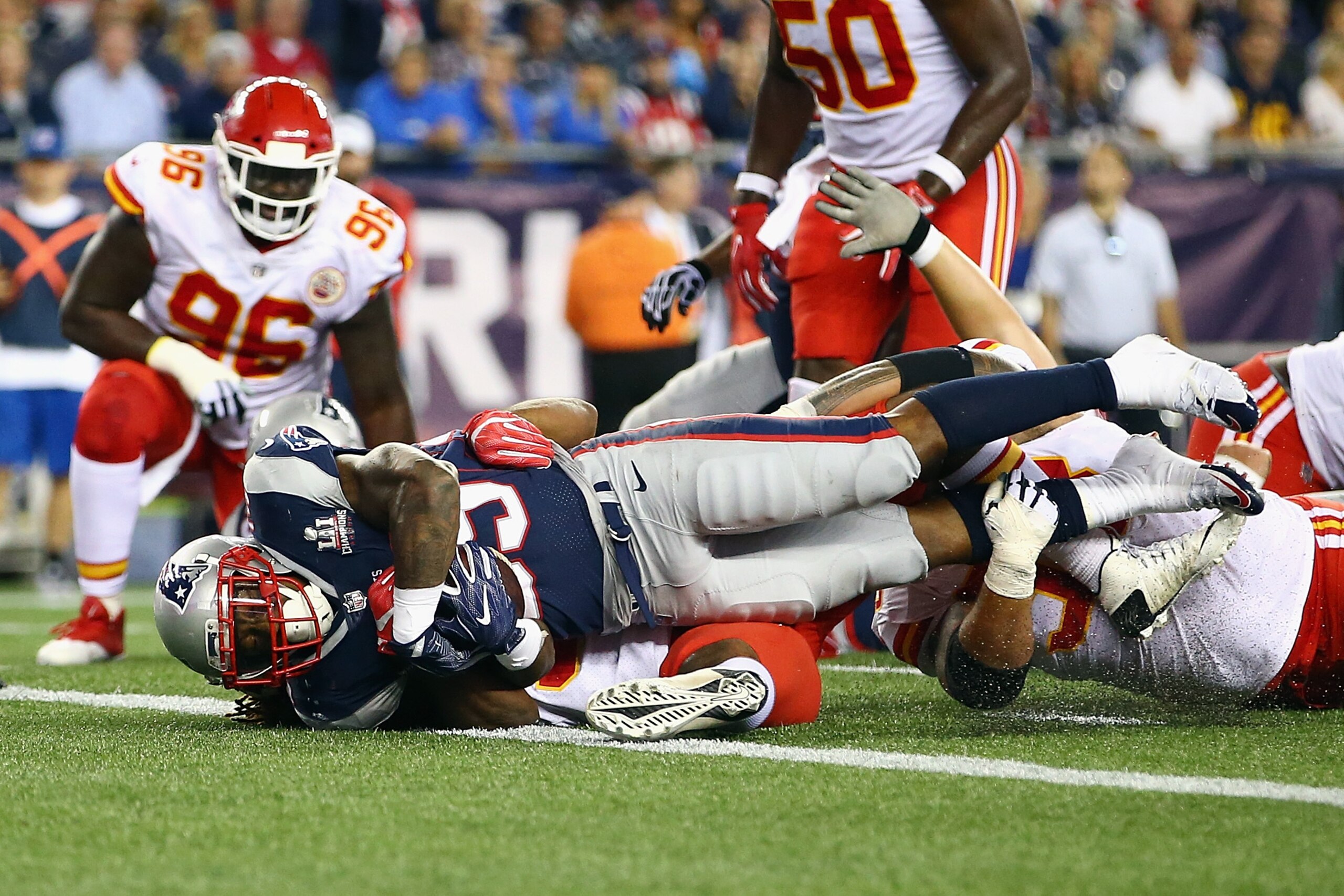
The Patriots have already placed Julian Edelman and Malcolm Mitchell on injured reserve this season. Against the Chiefs, they also lost Danny Amendola to a concussion. This leaves the team with Chris Hogan, Brandin Cooks and Phillip Dorsett. Cooks and Dorsett are both new this year, and Dorsett has been with the team two weeks. This could limit New England offensively heading into Week 2.
"Whether we have to shrink some of the things we could or couldn't do, that's just part of football," offensive coordinator Josh McDaniels explained, per Mike Giardi of CSNNE.com.
While the Patriots have tight ends and running backs they can utilize in the passing game, they cannot afford to become one dimensional in New Orleans.
With backs like Dion Lewis, Mike Gillislee, James White and Rex Burkhead, the Patriots should have the weapons to run the ball. That's easier said than done, though, as the team found out against Kansas City. As a team, the Patriots amassed 124 yards on the ground but averaged just 3.5 yards per carry.
Establishing the run would not only help the Patriots offense function, it would help keep Brees and Co. from getting into a rhythm. The Minnesota Vikings, who averaged 4.3 yards per carry, utilized the run game to win the time-of-possession battle by more than two minutes in Week 1.
Determine a Short-Yardage Back
5 of 7
While establishing the run definitely needs to be part of New England's game plan in Week 2, figuring out who will handle short-yardage runs needs to be a priority moving forward. This wasn't much of an issue when 250-pound LeGarrette Blount was toting the rock for the Patriots, but it is a problem now.
Two of the most influential plays against the Chiefs were 4th-and-short opportunities. The first came after Hunt's fumble with New England up 7-0. Had New England successfully converted, it may have been able to keep marching for a 14-0 lead. That could have changed the entire complexion of the game.
The second fourth-down attempt came in the fourth quarter with the Patriots down a point. New England failed, and the Chiefs took over at their 40 and gained momentum to go with their lead. Again, a conversion here could have changed the complexion of the game.
The Patriots have to figure out if they have a back on their roster who can get the tough yards in traffic. If that back isn't Lewis, Gillislee, Burkhead or White, then perhaps the team should look at fullback James Develin or consider bringing back fullback Glenn Gronkowski.
Another option might be giving Brandon Bolden a shot as the short-yardage back. The 220-pound bruiser averaged 5.1 yards per carry in the preseason but didn't get a carry against Kansas City. Hogan, a receiver, got three more attempts at rushing the football.
If the Patriots cannot find a reliable short-yardage back, they cannot possibly have confidence when short-yardage situations arise.
Get Gronkowski Involved Early
6 of 7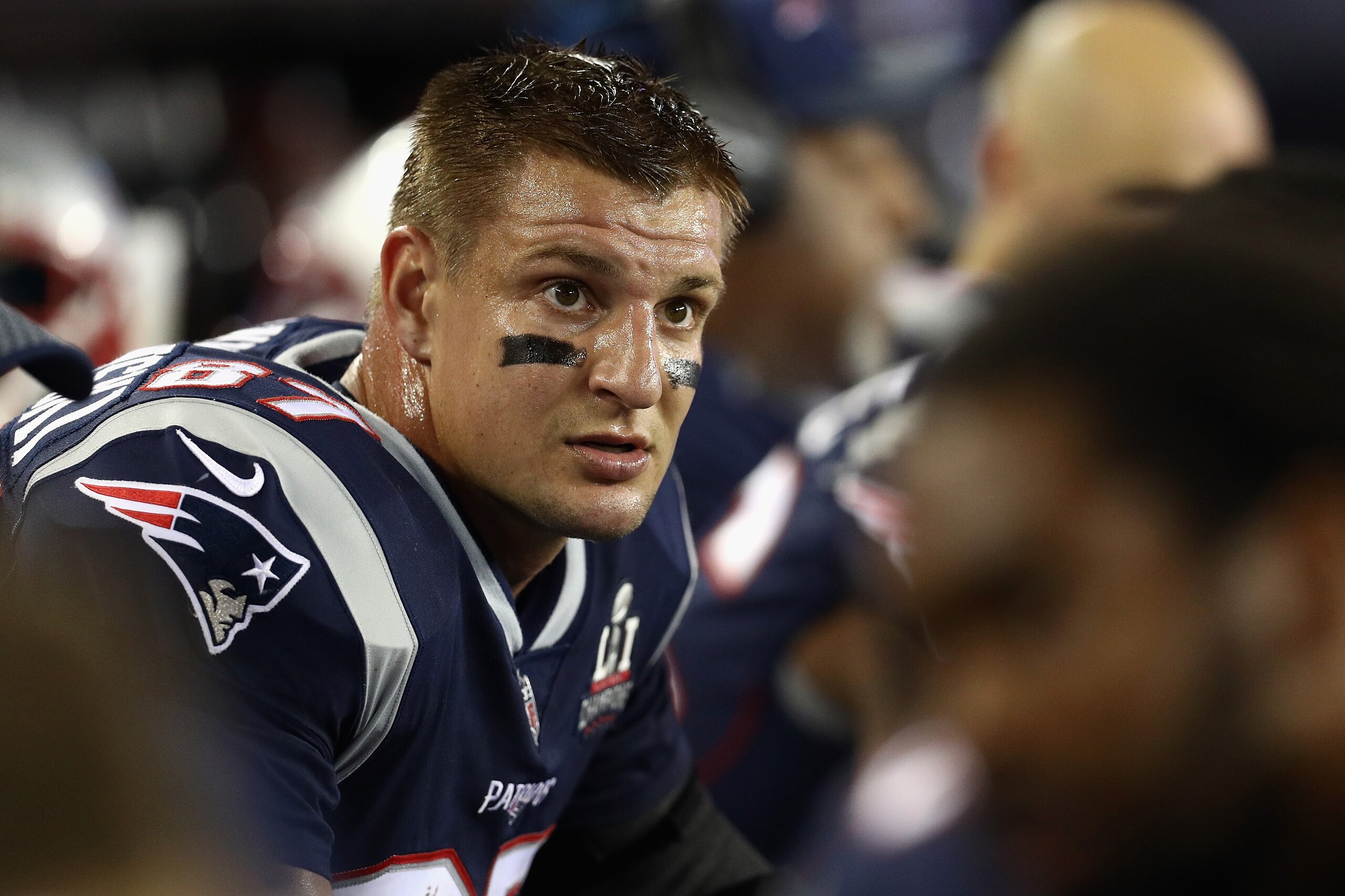
In addition to injuries at receiver and an inconsistent rushing attack, the Patriots offense was out of sorts in Week 1 because star tight end Rob Gronkowski wasn't his usual dominant self. Even after safety Eric Berry left the game with a torn achilles in the fourth quarter—he was matched up with Gronk for much of the game—Gronkowski was close to a non-factor.
The most feared tight end in the NFL had just two catches for 33 yards. The Chiefs obviously didn't get the memo that they were supposed to be scared of him.
When teams do worry about trying to contain Gronkowski, it opens up other avenues for the New England offense. This is why it's important that the Patriots get Gronkowski involved in the passing game early and keep him relevant throughout the game.
It would also help to get fellow tight end Dwayne Allen involved in order to provide a threat opposite him. Allen didn't get a single reception against the Chiefs.
The Saints might have a young and inexperienced secondary, but there is talent there. If the Patriots are going to open up the passing game, they need to create as many advantages as possible. A big advantage could be found by forcing New Orleans to think about Gronkowski on each and every play.
Play Better on Special Teams
7 of 7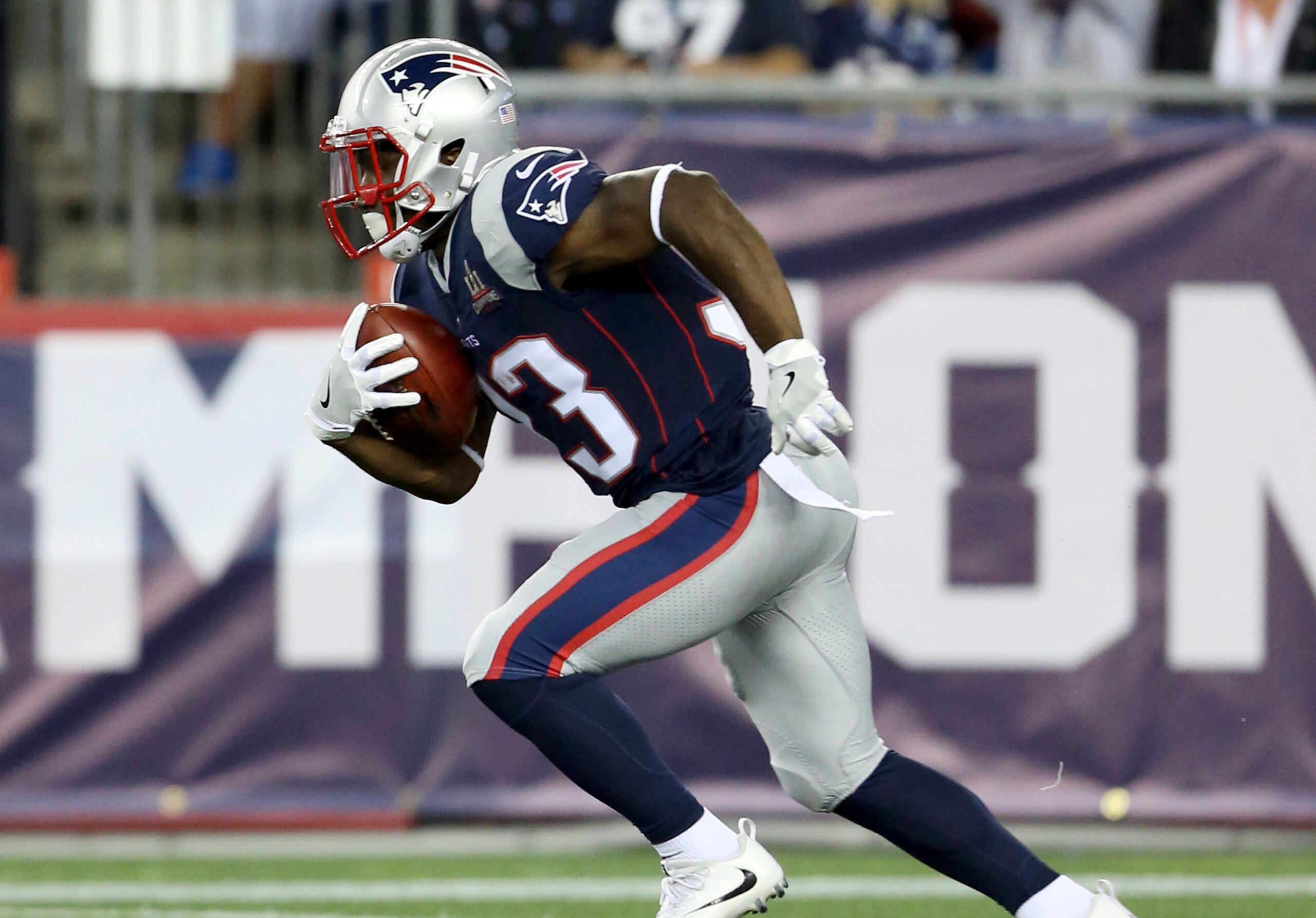
New England usually emphasizes playing well in all three phases of the game. This is precisely why the team has placed a high value on special-teams contributors like Bolden and Matthew Slater over the years.
Unfortunately, special teams was a step below great in Week 1.
New England got basically nothing going in the return game. Amendola returned just one punt for eight yards, while Lewis averaged just 16.3 yards per kickoff return. While the Patriots coverage unit was solid on punt returns—it allowed just 2.5 yards per return—it struggled more on kickoffs.
De'Anthony Thomas returned four kickoffs for an average of 21.5 yards per return with a long of 31 yards.
This week, the Patriots could be dealing with Kamara as a returner. He averaged 10.22 yards per punt return in 2016 at Tennessee and returned one kickoff for 26 yards last week with the Saints. New England cannot afford to give up a big play to Kamara, Ted Ginn Jr. or any other Saints returner.
At the same time, the Patriots need to find a spark in the return game. If Amendola cannot go, New England may struggle to find that spark.

.jpg?w=2560 "Chiefs Dolphins Football")