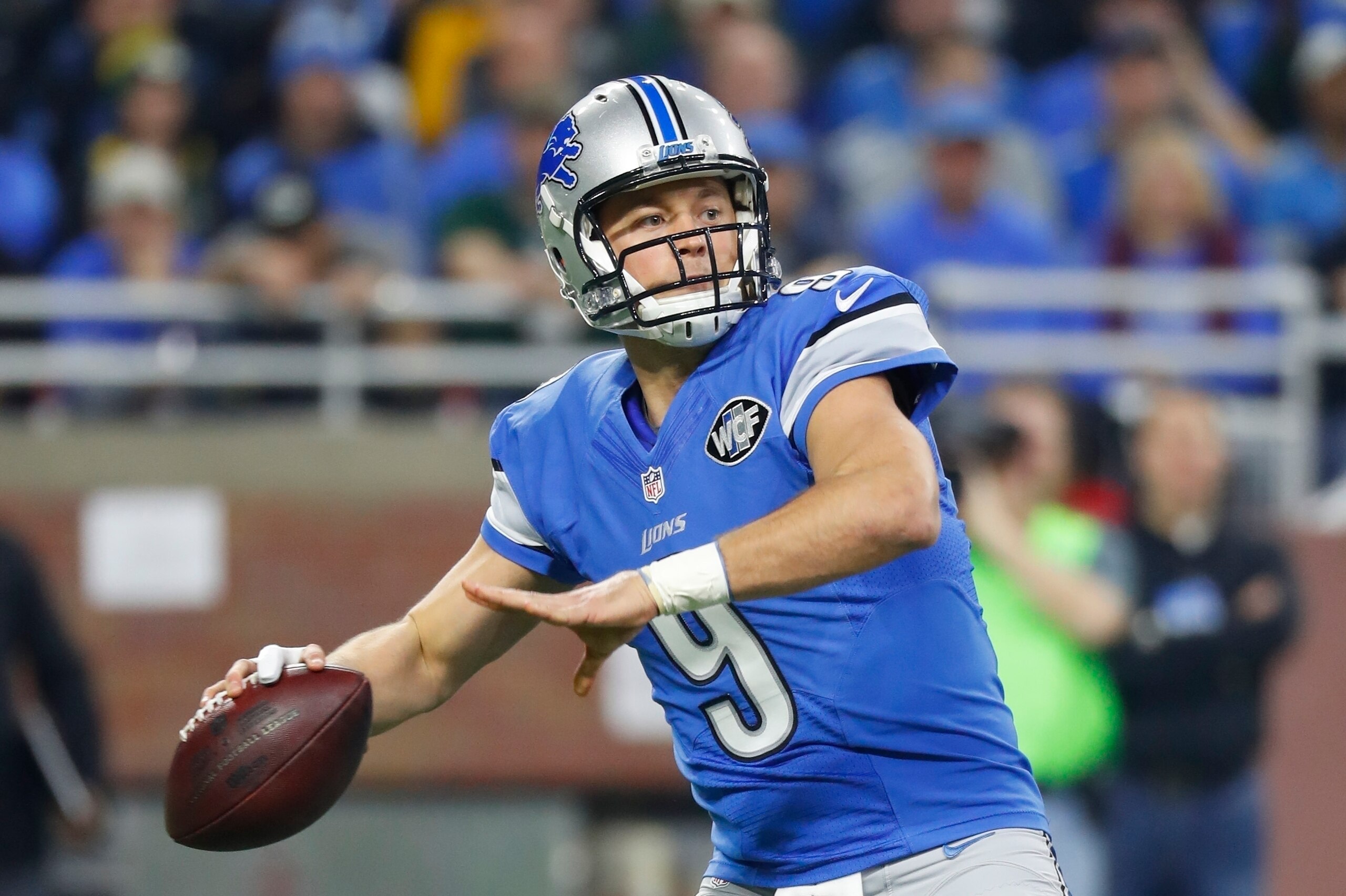

NFL1000: Detroit Lions 2017 NFL Draft Preview
The 2016 Lions were certainly thrilling, but hardly consistent, and their late-season collapse was a disappointment for everybody involved. Setting an NFL record with eight comeback wins in one season, Detroit stood at 9-4 in mid-December before losing its last three regular-season games and imploding against the Seahawks in the Wild Card Round of the playoffs.
It was a bit of a miracle that the Lions made the playoffs at all—when you allow your opponents to complete a league-record 72.7 percent of their passes and finish dead last in pass defense by Defense-adjusted Value Over Average (DVOA), your offense had better be spectacular. And at times, that was the case.
Matthew Stafford looked like the best quarterback in the NFL in the first two months of the season before regressing to league average down the stretch, and free-agent pickup Marvin Jones did a lot to take the sting out of Calvin Johnson’s retirement. Golden Tate had a highly prolific season as the team’s possession receiver, and veteran tough guy Anquan Boldin brought in eight touchdowns.
Add in the backfield receiving threat of Theo Riddick, and the Lions at times could boast about having one of the most versatile and explosive offenses in the NFL. The acquisitions of former Packers guard T.J. Lang and ex-Ravens tackle Ricky Wagner in the 2017 free-agency period to an offensive line that is showing decent development were great moves.
The defense, however, took a significant step back in 2016, as defensive coordinator Teryl Austin very quickly went from Hot Head Coaching Prospect to Man Worried About His Job. Detroit’s cornerbacks allowed 16 touchdowns to just three interceptions, none of Detroit’s pass-rushers were consistent, and the run defense was a major problem—especially in the playoffs, when Seahawks running back Thomas Rawls set a franchise record with 161 yards on the ground.
The Lions must stock up on cornerbacks and impact players along the defensive line (especially inside) if they’re to take the next step. Eight-comeback seasons may make for thrilling television, but such phenomena are not repeatable. This franchise needs more consistency, in a hurry.
Methodology
1 of 19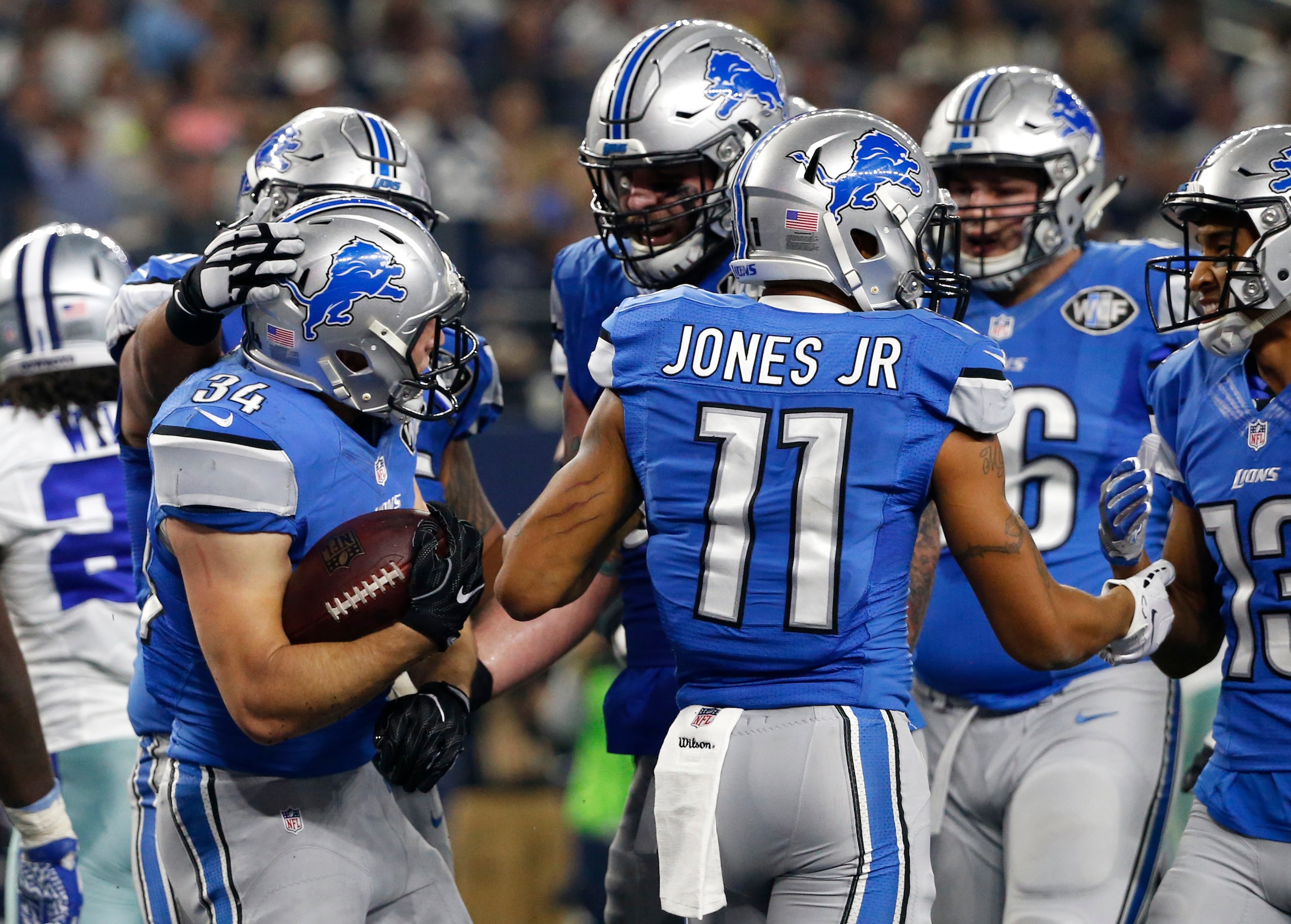
The NFL1000 team of scouts graded a series of important attributes for every player in their positional review. Using a scale starting at zero and going up to anywhere from five to 50 based on the position and the attribute, our scouts graded each player according to their own expertise and countless hours of tape review over the years. Our evaluators had specific positional assignments to align with their proven fields of expertise.
- Doug Farrar: Lead scout/quarterbacks
- John Middlekauff: Running backs/fullbacks
- Marcus Mosher: Wide receivers/tight ends
- Mark Schofield: Wide receivers/tight ends
- Duke Manyweather: Offensive tackles
- Ethan Young: Offensive guards
- Joe Goodberry: AFC defensive ends
- Justis Mosqueda: NFC defensive ends
- Charles McDonald: Defensive tackles
- Zach Kruse: 3-4 outside linebackers
- Derrik Klassen: 4-3 outside linebackers
- Jerod Brown: Inside linebackers
- Kyle Posey: Cornerbacks
- Ian Wharton: Cornerbacks
- Mark Bullock: Safeties
- Chuck Zodda: Special teams
Each corresponding position slide was written by the assigned scout.
Quarterback
2 of 19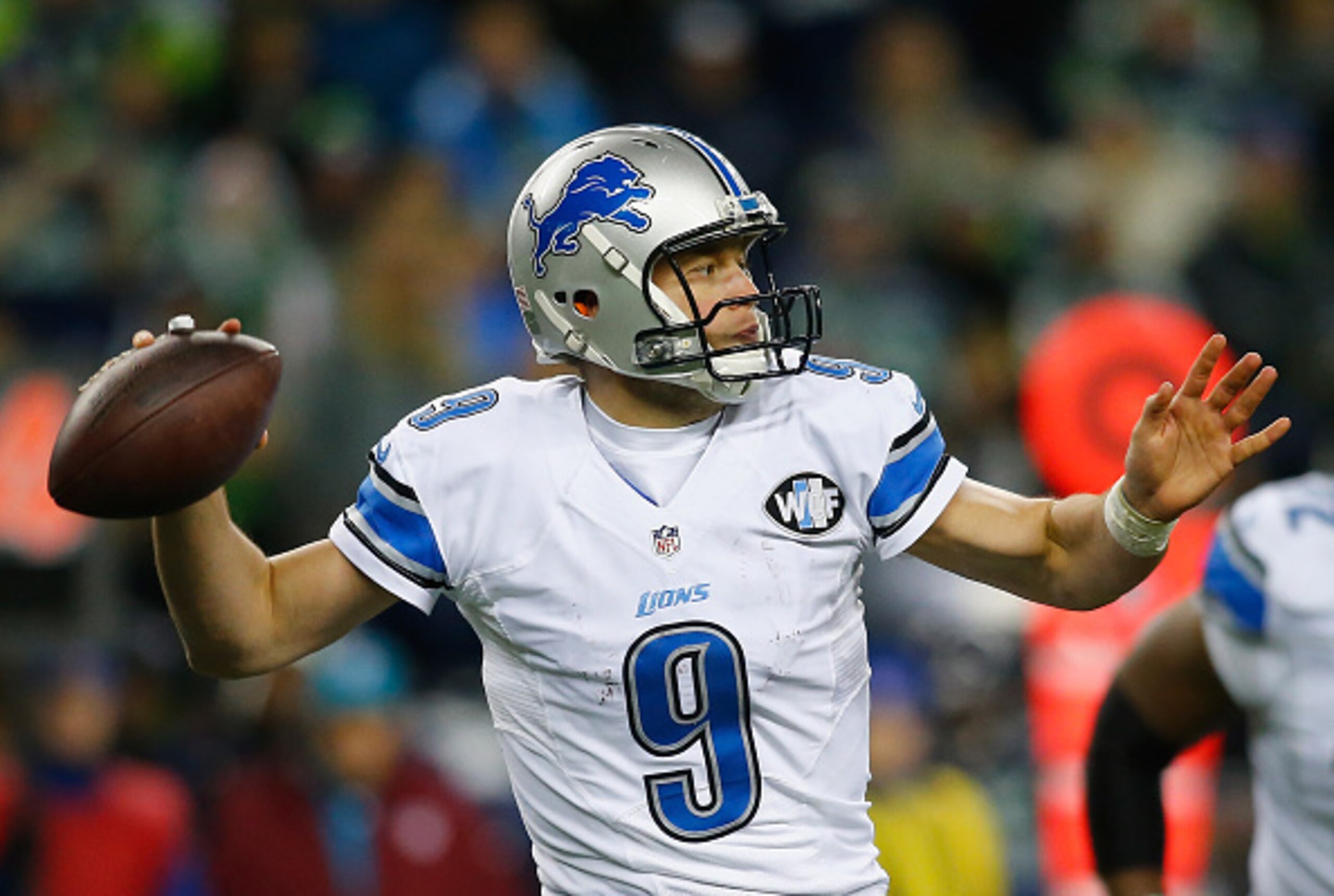
Scheme: Air Coryell/Man-blocking
Starter: Matthew Stafford
NFL1000 Score: 72.4/100
NFL1000 QB Rank: 15/38
Stafford had another productive season in 2016, throwing for more than 4,200 yards for the sixth straight season. And his positive relationship with offensive coordinator Jim Bob Cooter paid dividends, as Cooter refined Stafford’s mechanics and installed an offense that improved his efficiency—Stafford’s 67.2 and 65.3 completion rates over the last two seasons are the highest of his career. And Stafford hasn’t upped that completion percentage with junkballs—per Pro Football Focus, he attempted 63 passes over 20 yards in the air in 2014 and 64 in 2016. There was a late-season downturn from his ridiculous September and October, when he threw 16 touchdowns and just four interceptions; in the last two months of the season, he threw just eight touchdowns to six picks. But Stafford is still a player with every coveted attribute for the position, he’s only 29 years old, and he’s got a very bright future ahead of him.
Backup: Jake Rudock
NFL1000 Scores: Did not have enough snaps to qualify
Rudock was promoted from the practice squad to the active roster in November during his rookie season after playing one year at Michigan following a transfer from Iowa. He’s a very smart player who seems to have gained the trust of his coaches, and despite the lack of a plus arm, he could carve out a good career as a backup.
Team Need: 7/10
Potential Draft Fits: Joshua Dobbs (Tennessee), C.J. Beathard (Iowa).
Running Back
3 of 19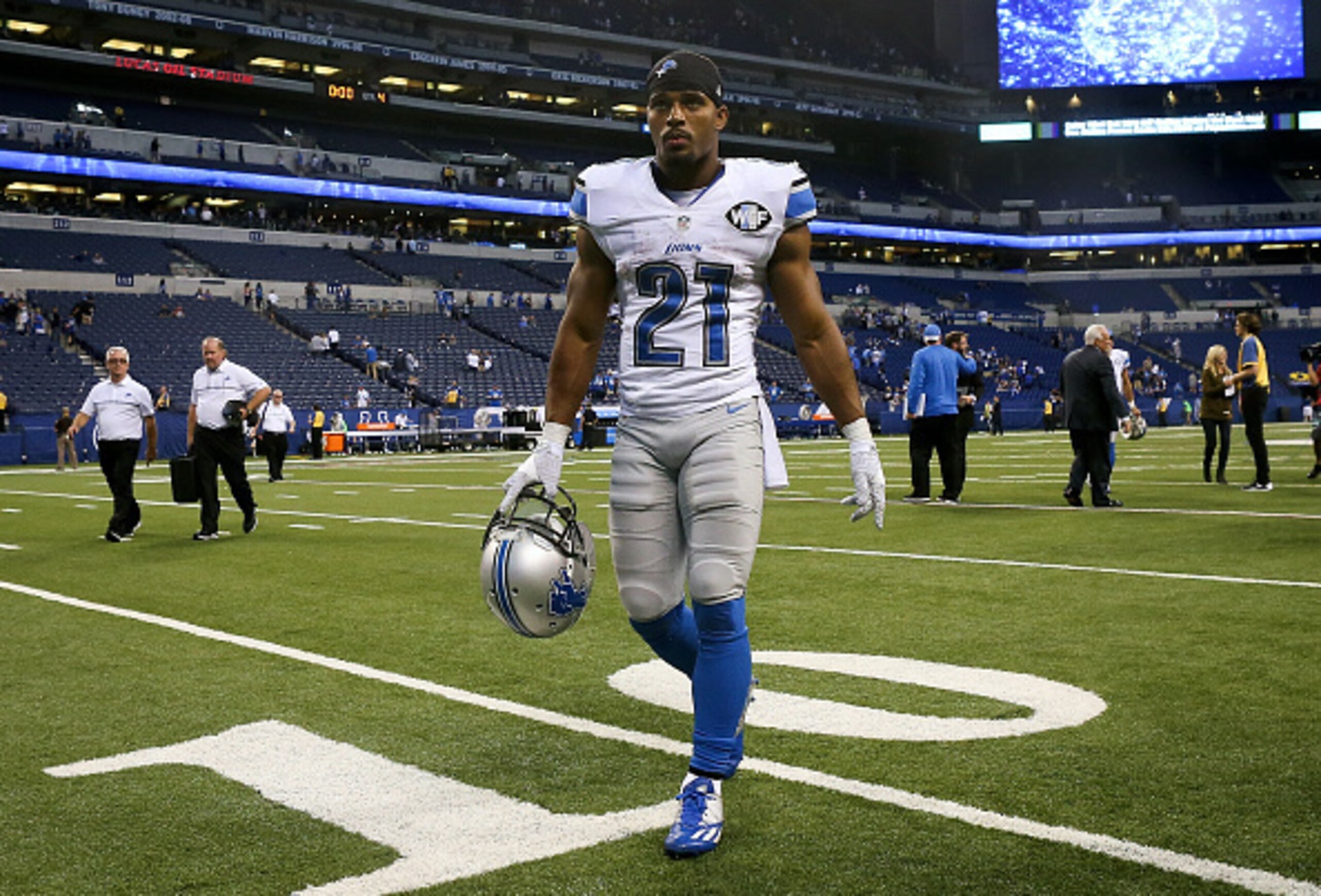
Scheme: West Coast
Starter: Ameer Abdullah
NFL1000 Scores: Did not have enough snaps to qualify
After a disappointing rookie season, Ameer Abdullah looked poised for a breakout year until a foot injury put him on injured reserve in Week 2. If healthy, he should be a solid starting running back in 2017. An excellent athlete with very good burst and top-end speed for a running back. Despite being viewed as more of a situational back as a receiver, he has the skills and physical ability to run the ball inside. Abdullah has great change-of-direction ability and can make players miss in space. He is very good running the ball outside and using his speed to beat defenders to the spot.
In the passing game, he can become a difference-maker. A player who can run all the routes and get open on any defender. He has good hands and is a difference-maker in space. He also has the speed to make big plays after the catch. The key with Abdullah will be durability, so if he can stay healthy, the NFC North should watch out.
Backup: Theo Riddick
NFL1000 Scores: 73.5/100
NFL1000 Position Rank: 12/82
Dave Birkett of the Detroit Free Press reported that Theo Riddick needed double wrist surgery this offseason, which is obviously not ideal. So Riddick’s health will be a major question mark as we head into the 2017 season. When on the field, he might be the best pass-receiving running back in the NFL. A total mismatch for every defense, Riddick has the ability to create separation on linebackers and safeties in the passing game. He has fantastic hands and is a playmaker with the football. He can make defenders miss and is a red-zone threat, with five touchdown receptions in 2016. However, Riddick is more of a change-of-pace back rather than a consistent every-down player. The Lions will need Riddick healthy if they are going to take the next step on offense. The problem is, right now that is a big if.
Backup: Zach Zenner
NFL1000 Scores: 69.1/100
NFL1000 Position Rank: 53/82
Zach Zenner proved to be a serviceable starter when the Lions lost their Abdullah and Riddick duo to injuries in 2016. Zenner is a solid third running back who can spot start. His best attribute is as an inside physical runner. He's not a threat to run outside the tackles because of limited speed. He is not going to make anyone miss or bust any big runs. Zenner possesses solid hands but is not a major threat in the passing game. Overall, he's a player who will have to earn a roster spot come training camp.
Team Need: 5/10
Potential Draft Fits: Jamaal Williams (BYU), Samaje Perine (Oklahoma)
.jpg?w=2560 "Colts Football")
.jpg?w=2560 "Chiefs Giants Football")
.jpg?w=2560 "Titans Colts Football")
Fullback
4 of 19
Scheme: West Coast
Starter: Michael Burton
NFL1000 Scores: 69.6/100
NFL1000 Position Rank: 18/20
Burton is a solid old-school fullback. He functions well in the Lions offense as a lead blocker in the run game. He excels in goal-line and short-yardage situations. Burton is not an offensive weapon as a ball-carrier or pass-receiver. He did not have a catch or rush attempt in 2016. As long as the Lions just ask him to block, he will continue to be a functional starter.
Team Need: 2/10
Potential Draft Fits: None
Wide Receiver
5 of 19
Scheme: Air Coryell
Starter: Golden Tate
NFL1000 Scores: 69.8/100
NFL1000 Rank: 19/155
For the third straight season, Golden Tate caught more than 90 passes for the Lions. But that doesn’t mean 2016 wasn’t a struggle for Tate. He caught just 17 passes for 134 yards in the team’s first five games of the season. He lost confidence in himself, as did the coaching staff.
But over the last 11 games of the season, Tate averaged more than seven catches per contest as he overtook Marvin Jones as the team’s No. 1 receiver. In those final 11 games, Tate caught 74 passes for 943 yards and scored four touchdowns.
When Tate is on the same page as Matthew Stafford, he can be one of the better receivers in the NFL. He’s not really a No. 1 receiver, but he can get the job done with his quickness and toughness. Tate can make plays down the field, but he’s also a nice fit in the Lions’ catch-and-run offense.
Starter: Marvin Jones
NFL1000 Scores: 67.3/100
NFL1000 Rank: 44/155
Jones left Cincinnati to become a Lion in hopes of joining a better passing game where he would see more targets. In the first three games, it looked like he was going to be a star in Detroit. Jones scored two touchdowns and racked up 408 yards, but the rest of the season was a struggle.
Jones is the X-receiver for the Lions, and that’s a new role for him. He’s got the size to play that position, but health and consistency will likely keep him from ever thriving in that role. Ideally, he’s best suited as a Z-receiver with an alpha dog opposite him. Jones is a nice player, but he’s out of his element as a No. 1 receiver.
Backup: T.J. Jones
NFL1000 Scores: Did not have enough snaps to qualify
Jones was promoted from the Lions practice squad in December and played a role on the roster for the team down the stretch. Jones caught five passes as an outside receiver and is expected to back up Tate and Jones again in 2017. He’s a quality backup, but he’s not a player who should start in three-receiver sets for the Lions.
Backup: Keyshawn Martin
NFL1000 Scores: Did not have enough snaps to qualify
Martin was signed by the Lions in free agency, but he’s not a lock to make the 53-man roster. Martin is an average slot receiver who has bounced around the league after playing his first three years in Houston. His only shot to make the roster is on special teams.
Backup: Jace Billingsley
NFL1000 Scores: Did not have enough snaps to qualify
Billingsley is a 5’8” slot receiver who will likely compete with Martin and a rookie for snaps in the slot for the Lions. It’ll be a struggle for Billingsley to make the 53-man roster once the Lions add more talent to the group via the draft.
Team Need: 7/10
Potential Draft Fits: Corey Davis (Western Michigan), Zay Jones (East Carolina), Carlos Henderson (Louisiana Tech)
Tight End
6 of 19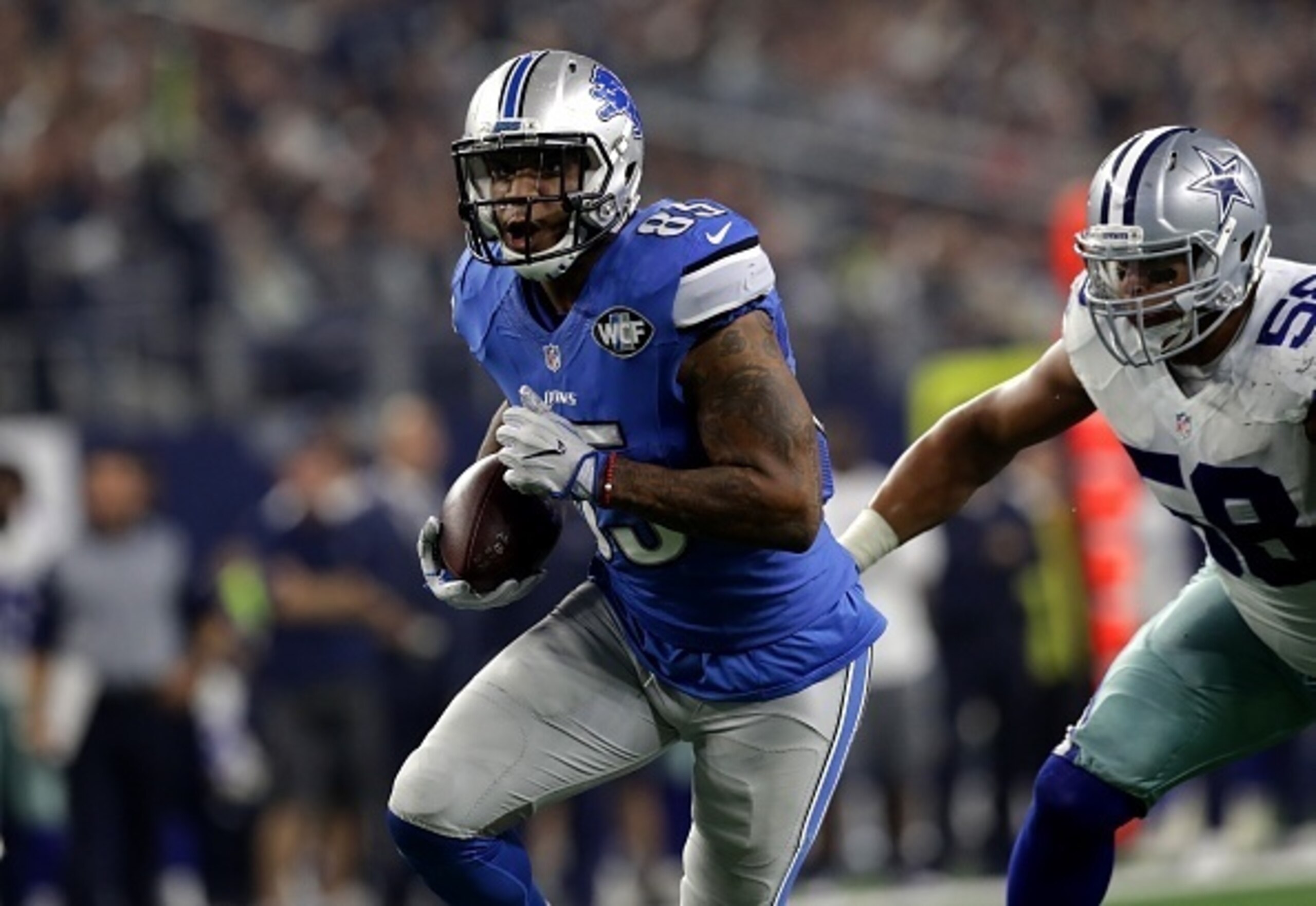
Scheme: Air Coryell
Starter: Eric Ebron
NFL1000 Scores: 68.8/100
NFL1000 Rank: 8/96
Ebron made big strides in 2016, but his consistency is still maddening. His talent is undeniable and his athleticism jumps off the screen, but concentration lapses and disappearing for long stretches in games are the only things holding Ebron back from being a great tight end in the NFL.
In the West Coast offense, Ebron is a perfect fit as a player who can get open quickly and make plays after the catch. He can stretch the seam if he’s asked to or play on the outside as a receiver. He’s still a below-average blocker, but that’s just not his game. Ebron will turn 24 in April and his game should only improve.
Backup: Darren Fells
NFL1000 Scores: 58.9/100
NFL1000 Rank: 78/96
Fells was signed this offseason on a one-year deal worth $1.5 million. At 6'7", 281 pounds, Fells will be asked to fill the role of the blocking tight end in Detroit. He’s surprisingly athletic and will make incredible plays after the catch from time to time, but he’s not a developed receiver. Fells will turn 31 in April and could easily be replaced in the draft.
Backup: Cole Wick
NFL1000 Score: Did not have enough snaps to qualify
Wick was an undrafted free agent tight end from Incarnate Word college who made the roster after an impressive training camp and preseason. He will likely fight for a job with a rookie.
Team Need: 4/10
Potential Draft Fits: Gerald Everett (South Alabama), Adam Shaheen (Ashland), Jake Butt (Michigan)
Left Tackle
7 of 19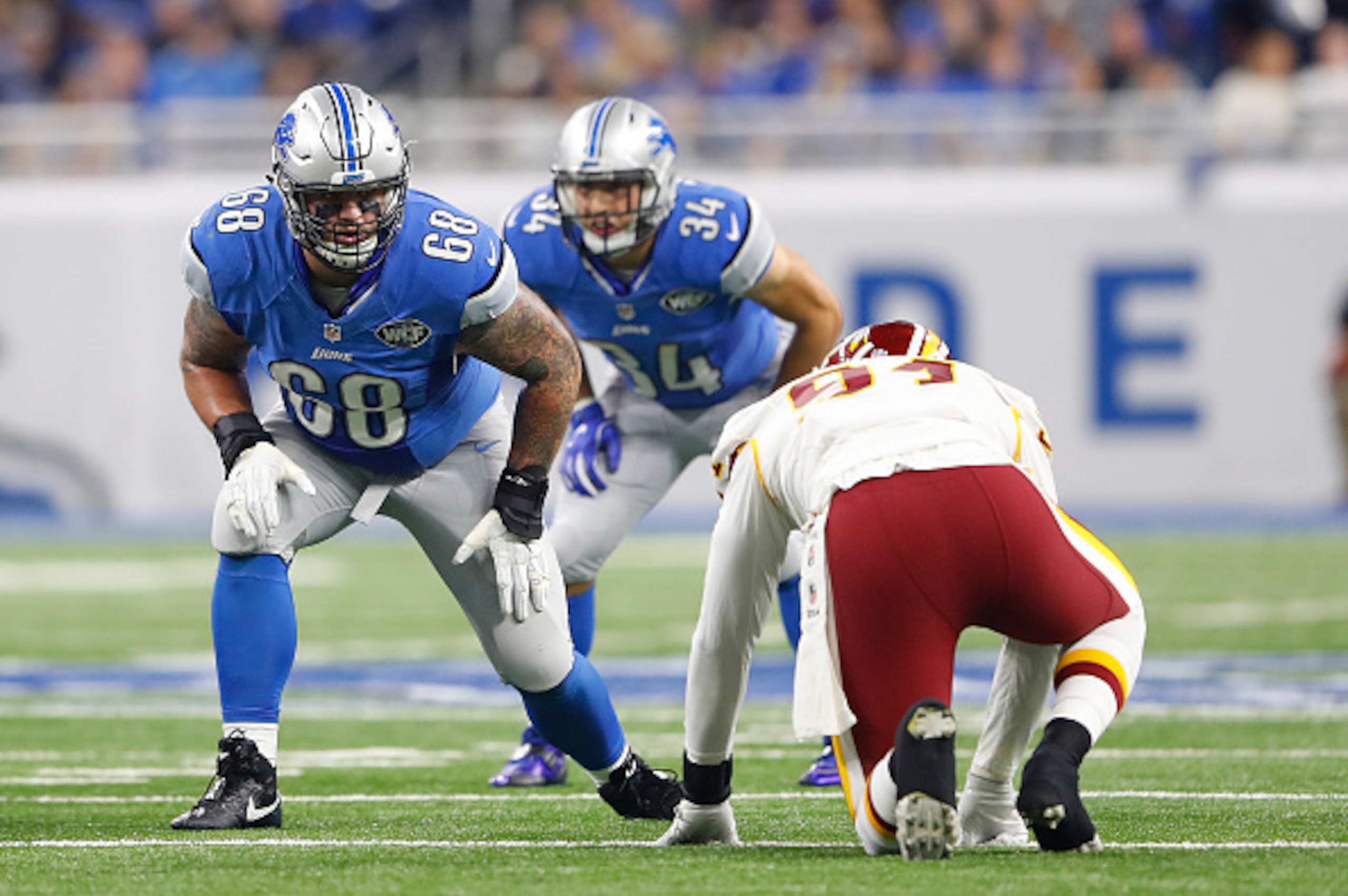
Scheme: Zone Flex
Starter: Taylor Decker
NFL1000 Scores: 75.4/100
NFL1000 Position Rank: 13/40
Detroit selected Taylor Decker 16th overall in the 2016 NFL draft, and the rookie from Ohio State did not disappoint. Decker had a rough preseason and was inconsistent the first few weeks of the season, but things seemed to click against Chicago in Week 4.
Decker showed steady improvement in his overall technique every single week. In fact, the game appeared to have slowed down for the first-year bookend, as he made many blocks look effortless.
Decker will look to build upon the success he found in Year 1 and continue to work toward establishing himself as a premier left tackle early in his career.
Backup: Corey Robinson
NFL1000 Scores: Did not have enough snaps to qualify
Corey Robinson saw spot-duty playing time as a backup left tackle in 2016 and even started three games at right tackle. Robinson possesses tremendous length and displays good range in pass protection, but he struggles with his power at the point of attack in the running game. Overall, Robinson provides Detroit with position flexibility as a swing tackle but is only a quality backup at this point.
Team Need: 0/10
Potential Draft Fits: None. Could consider bringing in camp competition with undrafted free agents.
Right Tackle
8 of 19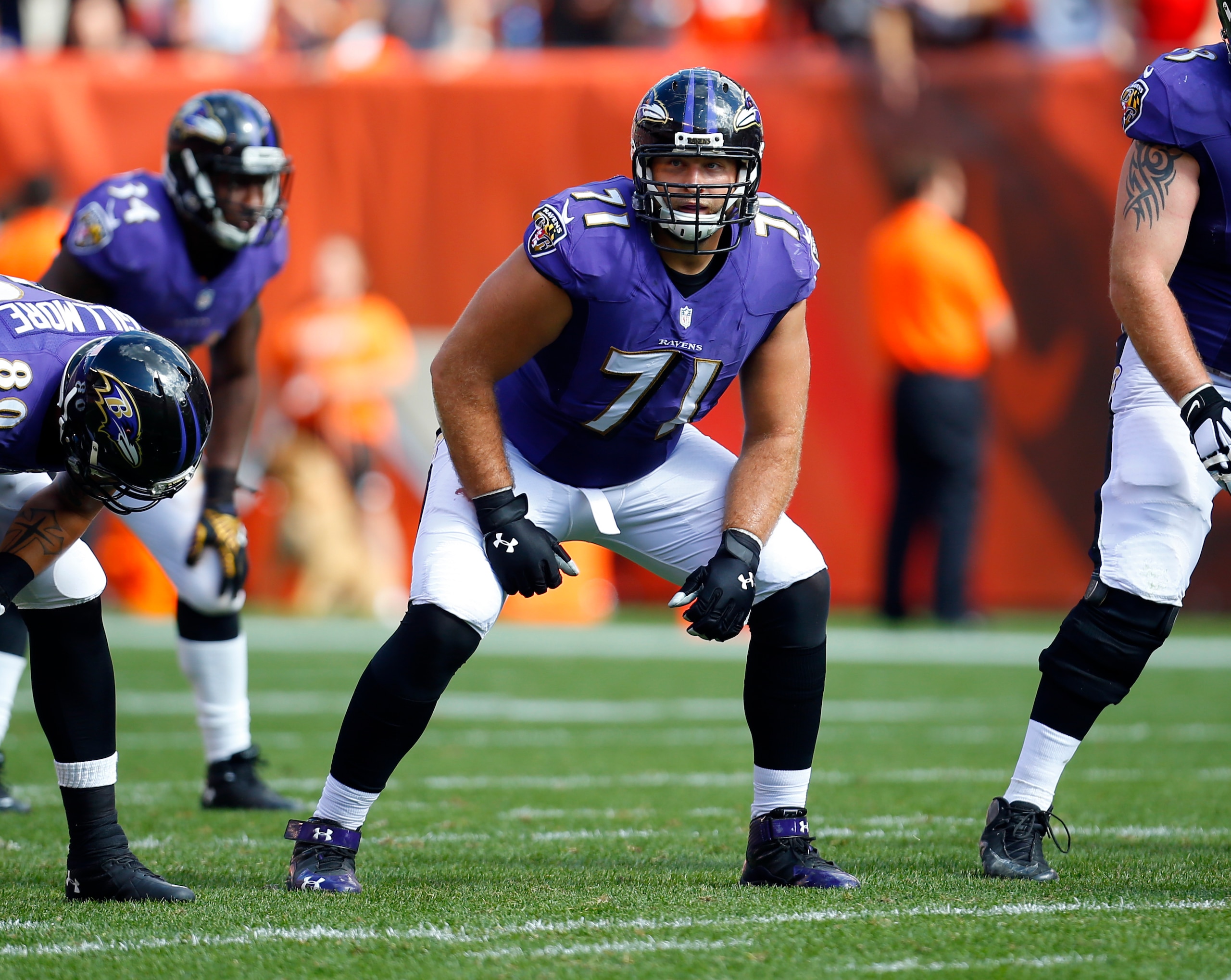
Scheme: Zone Flex
Starter: Ricky Wagner
NFL1000 Scores: 70.6/100
NFL1000 Position Ranking: 21/38
Ricky Wagner will be new to Detroit's offensive line when the 2017 season gets underway. Wagner was a big free-agent signing that upgrades the right tackle spot in terms of pass protection.
Wagner started the 2016 season off in rough fashion, surrendering the majority of his sacks, hits and pressures in the first six weeks of the season. As the season progressed, Wagner settled in for Baltimore and provided solid protection while being merely adequate in the running game. Had Wagner not struggled early on, his NFL1000 score and ranking would have been higher.
Backup: Cornelius Lucas
NFL1000 Scores: Did not have enough snaps to qualify
Cornelius Lucas was an undrafted free agent in 2014 and has spent time as a spot starter in his three seasons in Detroit.
Lucas saw action in four regular-season games as a backup at both right and left tackle before starting at right tackle against Seattle in the NFC Wild Card Game. Lucas flashes the traits of a very good pass protector but still struggles to consistently put it all together. Overall, Lucas provides Detroit with position flexibility as a swing tackle who can be counted on to start if injuries strike at either tackle position.
Team Need: 0/10
Potential Draft Fits: None. Could consider bringing in camp competition with undrafted free agents.
Offensive Guard
9 of 19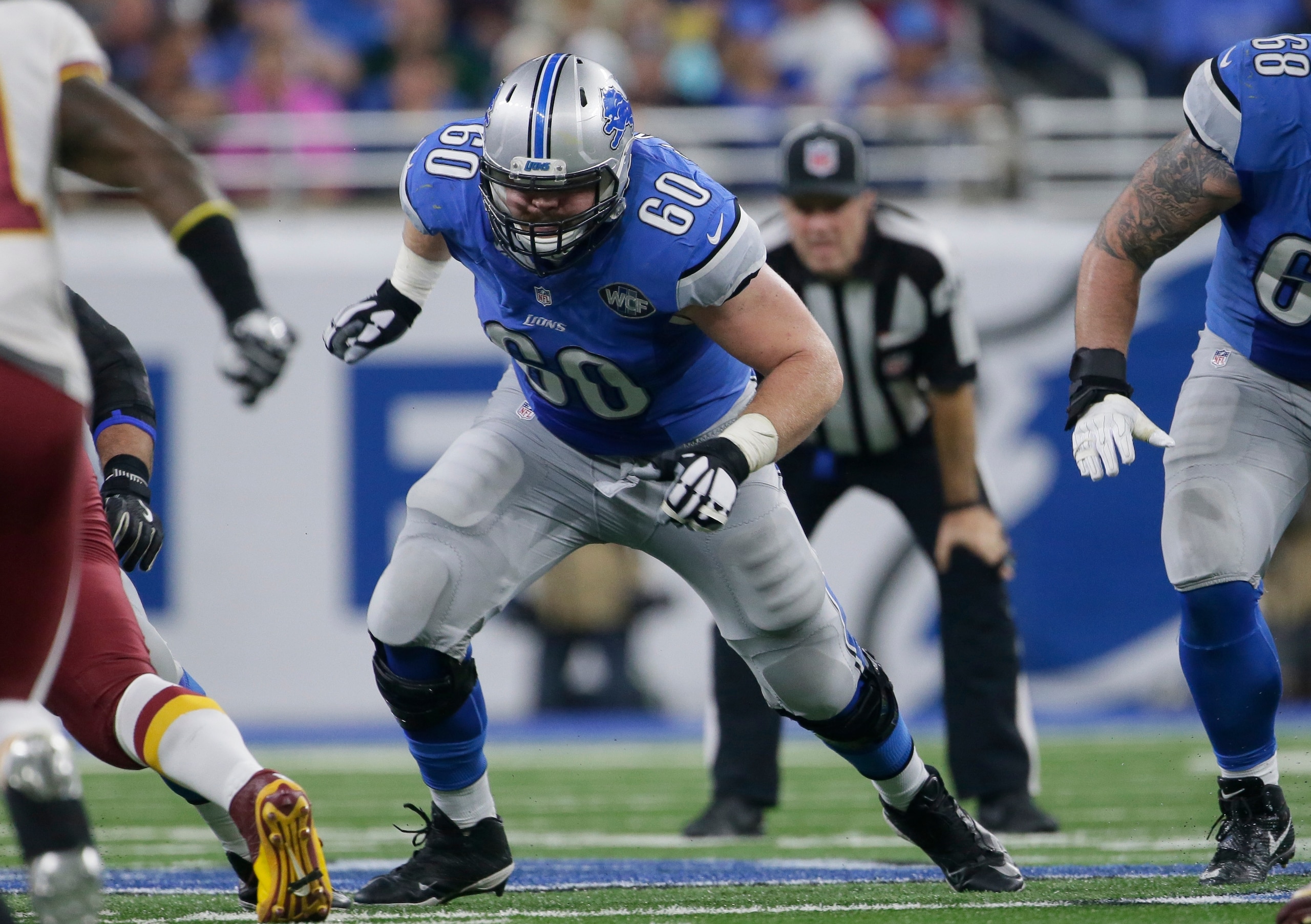
Scheme: Zone Flex
Starter: Graham Glasgow
NFL1000 Score: 68.5/100
NFL1000 Position Rank: 51/78
The left guard spot should be a heated battle this offseason, and while I prefer Glasgow over Laken Tomlinson by a hair, it is anyone’s ballgame. Glasgow came on strong in the first few weeks of his rookie season but really struggled to get out of his stance as he got more reps. He got beat off the ball a lot in pass protection down the stretch.
Starter: T.J. Lang
NFL1000 Scores: 73.8/100
NFL1000 Position Rank: 8/78
On the right side, the Lions made an interesting veteran-for-veteran free-agency swap by letting Larry Warford walk and replacing him with Lang. Warford had a good season in 2016, but Lang is a whole different level of player with his unmatched technical proficiency from the waist up. From a fit perspective, Lang can play the enforcer role on this Lions front, a big need after losing Warford as well. With all their interior depth, though, I don’t see the Lions drafting a guard. They have put a lot of assets into their interior line from a salary and draft capital perspective.
Backup: Laken Tomlinson
NFL1000 Scores: 68.4/100
NFL1000 Position Rank: 54/78
From a tools perspective, the Lions left guard spot should be all Tomlinson’s. And Detroit has given their former first-round pick plenty of chances. The issue? Laken Tomlinson is the definition of false footwork. And unless he starts becoming more efficient with his steps, I fear we may not be seeing much more of him in silver and blue.
Backup: Joe Dahl
NFL1000 Scores: Did not have enough snaps to qualify
Keep an eye on a potential third horse in this left guard race: Joe Dahl, the Lions' fifth-round pick last year. Dahl had quite a transition from college, not only converting from tackle but also coming from a Washington State offense that is about as far from an NFL blocking scheme as possible. He didn’t get many reps last year because of that transition, but this may be the year we see more of Dahl pushing for a role.
Team Need: 0/10
Potential Draft Fits: None
Center
10 of 19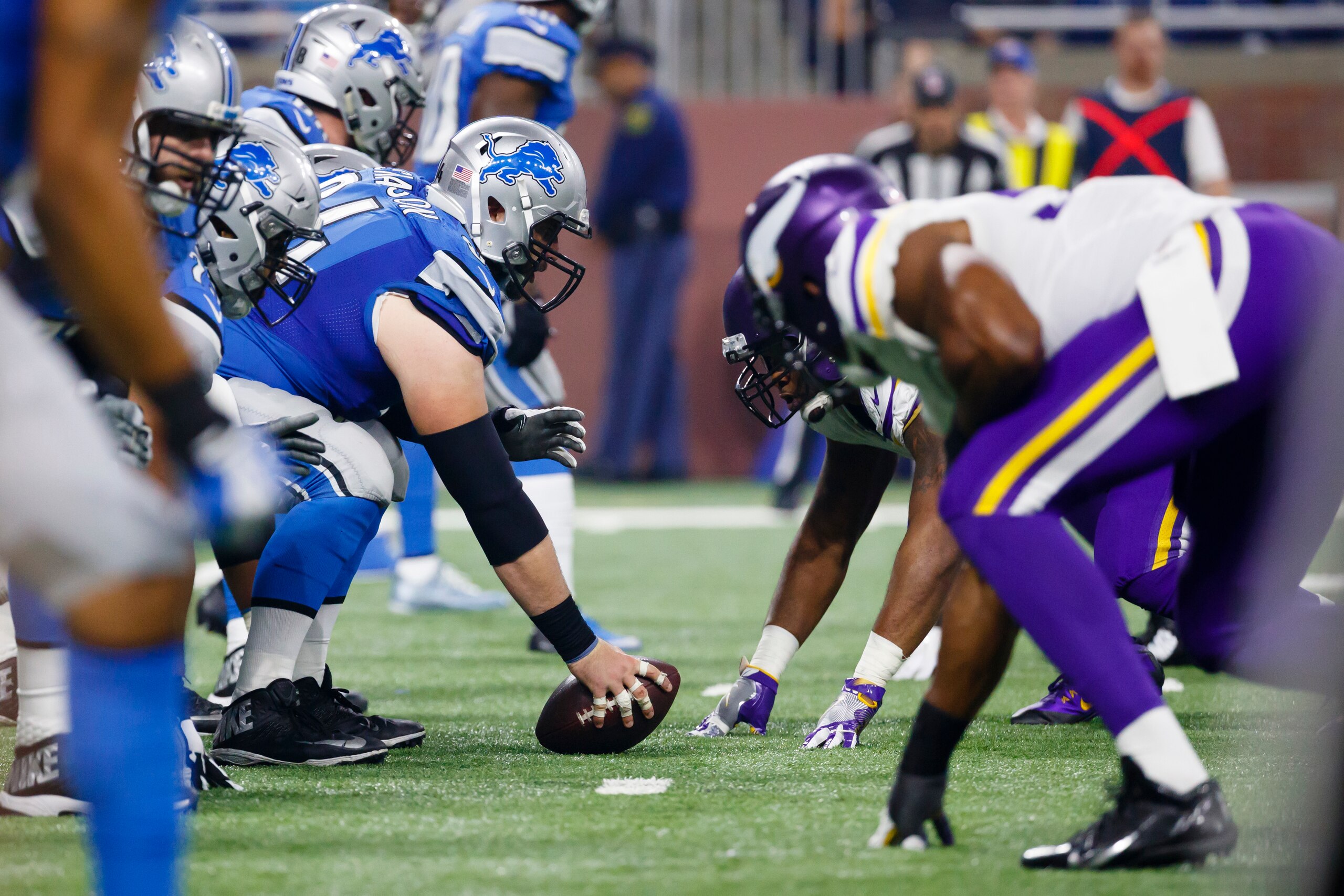
Scheme: Zone Flex
Starter: Travis Swanson
NFL1000 Scores: 71.8/100
NFL1000 Position Rank: 8/38
Swanson’s development at the center position was extremely impressive, and he ended up as our eighth-highest-graded center this year. Swanson’s play strength is what sets him apart, and his anchor is the most visceral way he displays that, as he can hold off the heaviest 2-gapping noses. The medical is a question for Swanson though, as he missed five games last year that included a playoff loss to the Seahawks.
Team Need: 1 / 10
Potential Draft Fits: Jamaal Clayborn (UDFA), Riley Sorenson (UDFA)
Defensive End
11 of 19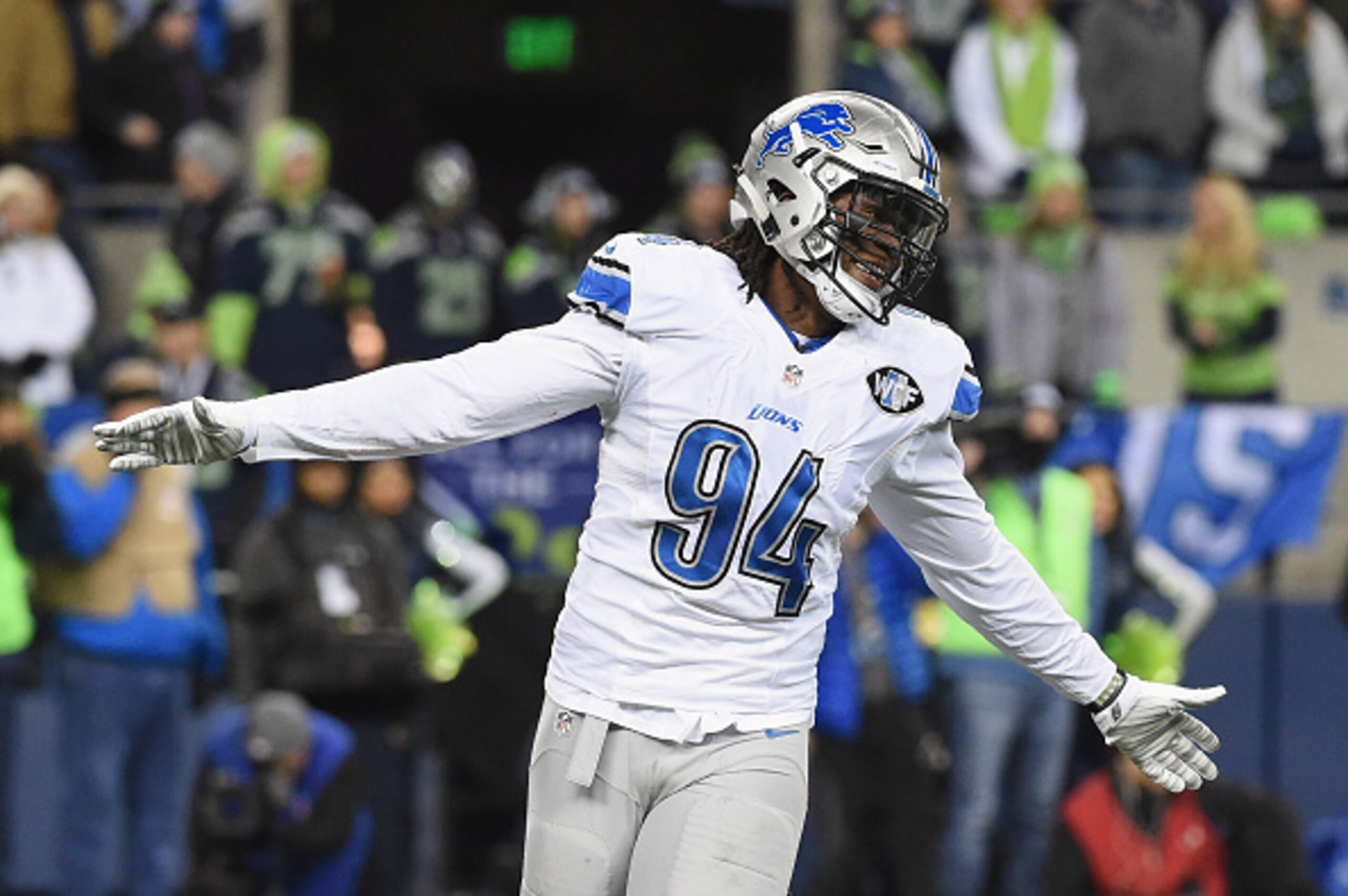
Scheme: 4-3
Starter: Ezekiel Ansah
NFL1000 Scores: 69.1/100
NFL1000 Position Rank: 13/6
Ansah missed a good portion of the first half of 2016, but that didn’t stop him from at least being a serviceable pass-rusher last year. In the horrid 2013 draft class, Ansah wound up being the top pass-rushing prospect in terms of sacks over the last four years. In terms of edge-defenders, his former teammate Devin Taylor, who is still a free agent, ranks second in the same draft class. Ansah had a breakout season of 14.5 sacks in 2015, and it’s not out of the question that he becomes one of the highest-paid defenders in football, as his rookie contract only runs through this season. In terms of talent, the 2016 team’s best pass-rushers were Ansah, Taylor and Kerry Hyder. By this time next year, the Detroit Lions, who already need help getting to the quarterback, may not have a single one of those names on the roster, as Hyder is also playing on a one-year tag as a restricted free agent. If Detroit even thinks there’s a small chance that it can’t get Ansah or Hyder to re-sign in the next few months, it has no choice but to target a pass-rusher early to be proactive about filling the holes that appear to be coming in 2018. Maybe the team is waiting to see if Ansah can bounce back from his two-sack 2016, but time is ticking.
Starter: Kerry Hyder
NFL1000 Scores: 67.9/100
NFL1000 Position Rank: 18/68
Kerry Hyder was an undrafted defensive tackle from Texas Tech who went from being on the roster bubble in three straight offseasons to landing a solid gig with the Lions in 2016, in part due to injury and in part due to his stellar preseason performance. Hyder’s more of a Michael Bennett type of player, one who is a base end and nickel pressure tackle, than a traditional pass-rusher like Ansah. If Hyder hit the free-agent market this year, the only pass-rushers under 30 years old who could compete with his potential would have been Nick Perry, who signed a five-year deal worth $60 million, and Jabaal Sheard, who signed a three-year deal worth $25.5 million. If Hyder can repeat his eight-sack performance, he’ll be a 26-year-old free agent next season who could be worth around $8-10 million per year. The going rate for a sack right now is around $2 million, and Hyder has played well above his contract demands already. Considering his age, he’s going to be a huge investment for someone within the next year. Detroit just needs to decide whether he’s a full-time player, and that will likely come from the Lions' experimentation with him and playing time in the summer and early fall.
Backup: Cornelius Washington
NFL1000 Scores: 65.4/100
NFL1000 Position Rank: 15/53
Cornelius Washington was a 3-4 defensive end for the Chicago Bears under defensive coordinator Vic Fangio, but he was a pass-rusher similar to Devin Taylor coming out of the University of Georgia. Expect him to take over many of Taylor’s reps should Taylor not re-sign and the Lions and Hyder fail to secure the job. If not, he’s going to be a base end who comes off the bend when Hyder kicks inside to defensive tackle on long and late downs. Washington signed a two-year, $6 million deal, which is low-end veteran money, but he’s a value on that contract. His cap hit rises about $1 million in 2018, so the Lions clearly see their top three options as pay-as-you-go. They have one of the more interesting defensive end situations in the league, as they could have a very underrated three-man rotation in 2018 or a completely bare cupboard.
Backup: Armonty Bryant
NFL1000 Scores: 65.4/100
NFL1000 Position Rank: 38/68
Bryant has had several run-ins with the law. In his last year at East Central University, a Division II school, he was arrested for selling marijuana to an undercover cop. He was later selected by the Cleveland Browns in the seventh round of the 2013 draft but was arrested less than a week after the draft for a DUI. On Christmas Day 2015, still on his rookie contract, Bryant was arrested for Oxycodone and Adderall possession. He pleaded guilty to an amended charge of attempted drug possession. In 2016, he was suspended by the NFL for four games for violating the league’s performance-enhancing-drug policy. The Browns released him midseason last year, which led to his signing with the Detroit Lions. In November, the NFL finally punished Bryant for the Christmas episode, resulting in a three-game suspension. He played in one game after his second suspension before injuring his knee and was placed on injured reserve. All in all, Bryant is a 26-year-old mid-level defensive end with three run-ins with the law and two suspensions under his belt. He played five games last season, all with the Lions, but he still re-signed on a one-year contract with Detroit, though his signing bonus was only $40,000. The best ability is availability, and Bryant hasn’t proved enough for the Lions to trust him.
Backup: Brandon Copeland
NFL1000 Scores: 63.2/100
NFL1000 Position Rank: 56/68
Brandon Copeland is an Ivy League product who first made it on the Baltimore Ravens’ summer team as an undrafted free agent out of Penn. He never played an NFL game until 2015, three years removed from college, as he was a practice squad player and even had a brief stint with the Arena Football League, though he never appeared in a game. Copeland eventually found a spot with the Lions in 2015 after showing out at the veteran combine, and he’s now on a one-year, $615,000 deal with the team after playing in all 32 games over the last two years, with one start and a half-sack under his belt. He’s a low-end roster player at this point in his career. Copeland's willingness to accept such a deal reinforces that statement.
Backup: Anthony Zettel
NFL1000 Scores: 62.3/100
NFL1000 Position Rank: 60/68
Anthony Zettel was our third-worst-graded NFC defensive end last season. Zettel was selected 202nd overall last season by the Lions out of Penn State, and he played in 13 games, but he only recorded 13 tackles and was one of the worst players in the league in terms of taking on a pulling blocker. He’s not a dynamic pass-rusher, so you’d think his strength would be in the ground game, but he graded out as the worst run-defending 4-3 defensive end league-wide, according to our system. He should be considered a liability and someone who certainly should be on the roster bubble, despite the fact he’s on a controlled contract in terms of cash.
Team Need: 6/10
Potential Draft Fits: Derek Barnett (Tennessee), Tarell Basham (Ohio), Daeshon Hall (Texas A&M)
Defensive Tackle
12 of 19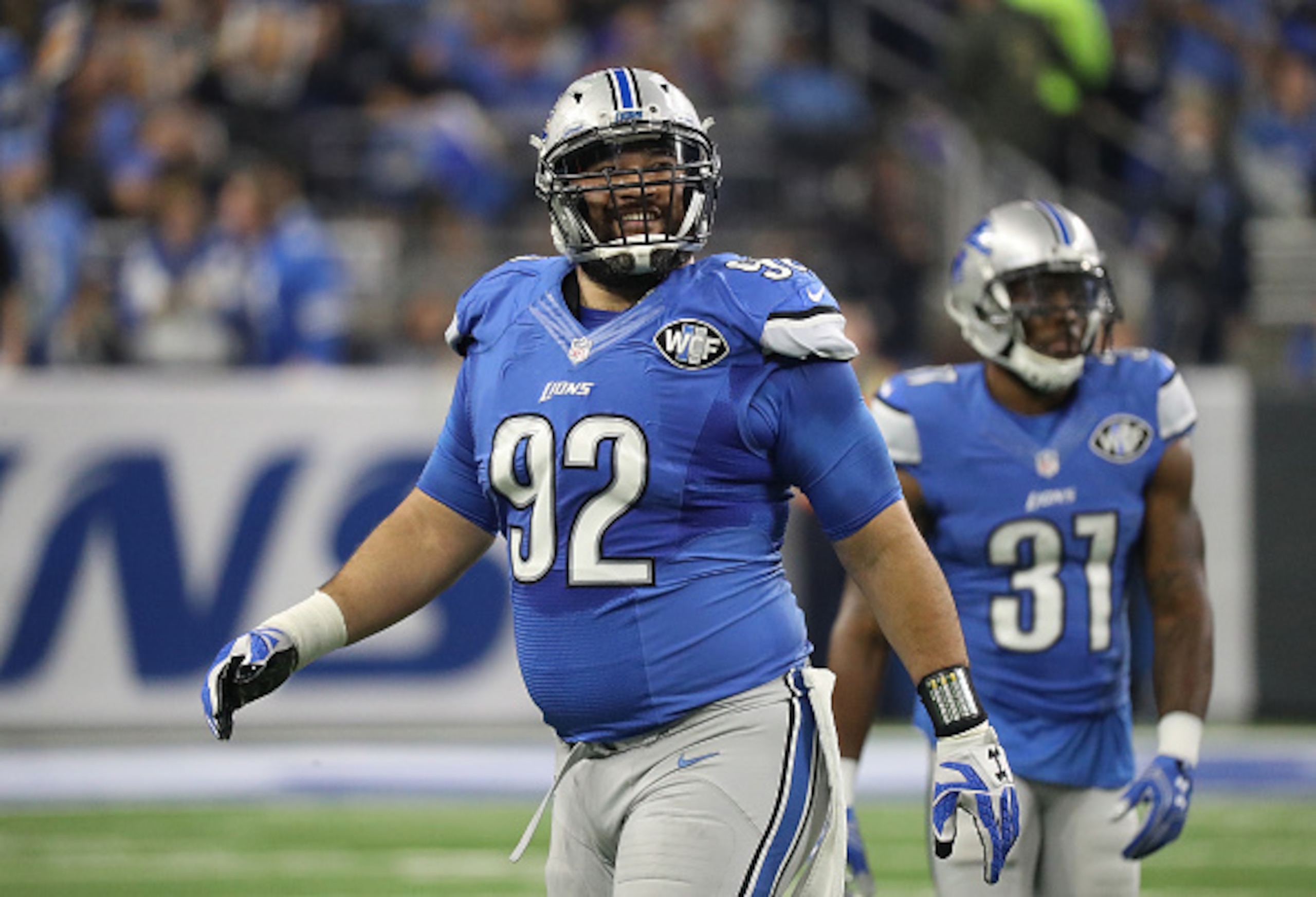
Scheme: 4-3
Starter: Haloti Ngata
NFL1000 Scores: 63.3/100
NFL1000 Position Rank: 48/99
Ngata’s best days are clearly behind him. At this point, he’s an above-average run-stopper with flashes of pass-rush ability. Ngata is still a starting-caliber defensive tackle, but at 33 years old, the wheels can fall off at any minute. Adding a highly rated defensive tackle in the draft is a must for the Lions in case A’Shawn Robinson struggles again as a sophomore.
Backup: A’Shawn Robinson
NFL1000 Scores: 59.1/100
NFL1000 Position Rank: 84/99
Robinson did not have an impressive rookie season for the Lions. He didn’t offer much substance versus either the run or pass in the Lions’ defensive tackle rotation. As a rookie, Robinson was one of those players who was just kind of there and offering no real positive impact. Hopefully in his second season he’ll be adequately adjusted to the speed and physicality of the NFL.
Backup: Khyri Thornton
NFL1000 Scores: 62.0/100
NFL1000 Position Rank: 59/99
Thornton is a decent depth option for the Lions. He was better than Robinson last season, but the draft capital they invested in Robinson will probably thrust him into the starting lineup over Thornton. Assuming the Lions add a defensive tackle in the first few rounds, Thornton is a strong third or fourth option at defensive tackle.
Team Need: 8/10
Potential Draft Fits: Jaleel Johnson (Iowa), Caleb Brantley (Florida), Montravius Adams (Auburn)
Outside Linebacker
13 of 19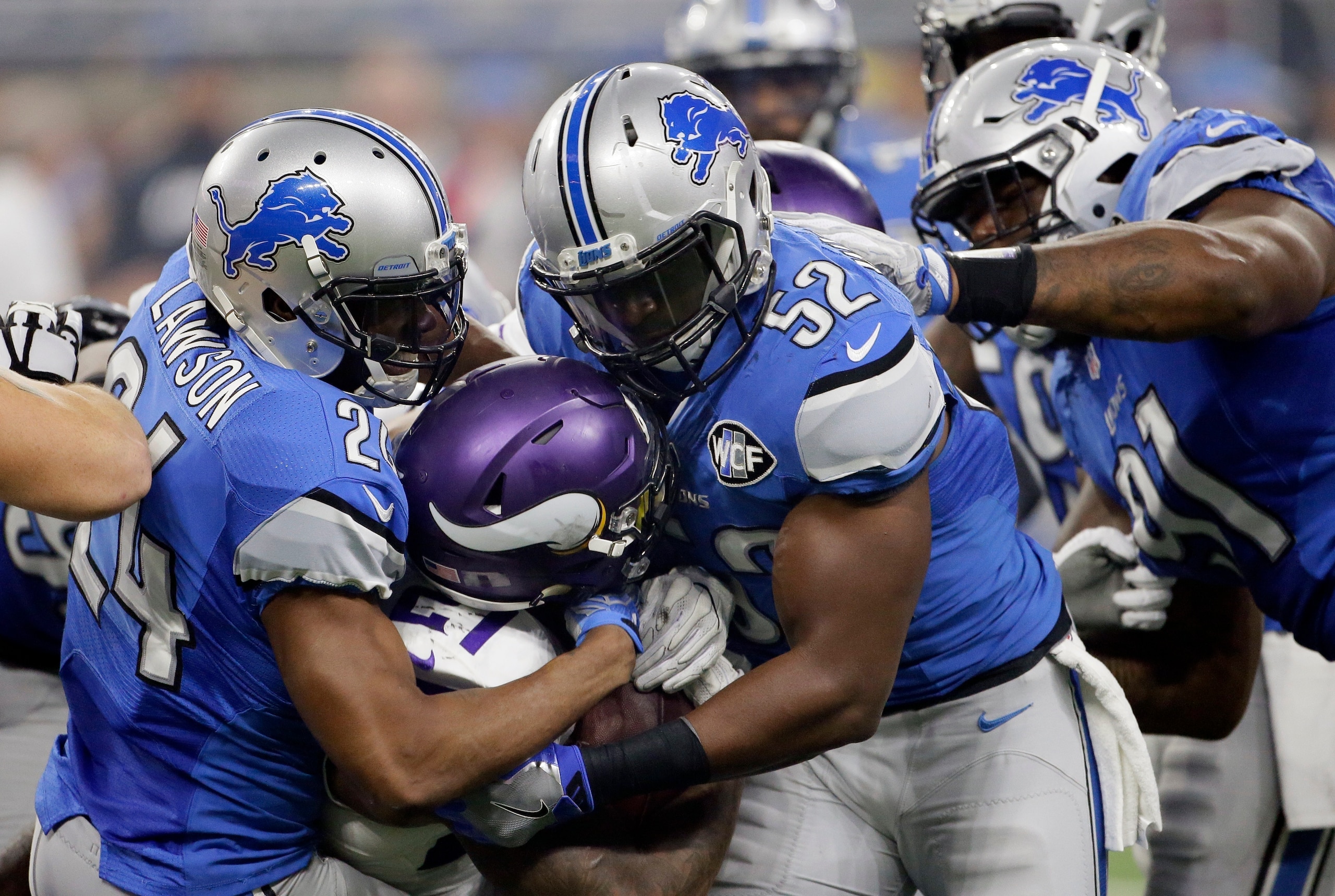
Scheme: 4-3
Starter: Antwione Williams
NFL1000 Scores: 59.7/100
NFL1000 Position Rank: 34/46
The Lions are in a dangerous position with their linebacker corps. They don’t have anybody on the roster who should be a starting linebacker, including the linebacker who is currently the best on the roster, Antwione Williams. With Josh Bynes and DeAndre Levy both free agents, Williams is left as the Lions' best remaining linebacker.
Williams was a fifth-round pick in 2016. Ideally, he should not have been on the field, but the Lions didn’t have any other options. Williams played a significant amount of snaps, though he was constantly in and out of the lineup due to health. Williams is primarily a run-defender. His best trait is his ability to close rushing lanes before they become too problematic. He’s not one to make flashy plays, but he can stop opposing players from popping off for chunk gains in the run game. Williams is a liability in coverage, though, and should not be on the field for obvious passing downs. He is a limited player who is nothing more than average in his best role (run defense). The Lions have to get someone better than him.
Backup: Paul Worrilow
NFL1000 Scores: 57.3/100
NFL1000 Position Rank: 43/46
Worrilow is the Total Tackles Champion of the World. As a Falcon, he racked up tackles galore, but most of them meant nothing. He was a backup last year, but he averaged over 120 tackles per season from 2013-15 for the Falcons. Despite the gaudy numbers, he's more of a chase-tackler and doesn't make many impact plays around the line of scrimmage.
Team Need: 2/10
Potential Draft Fits: None
Inside Linebacker
14 of 19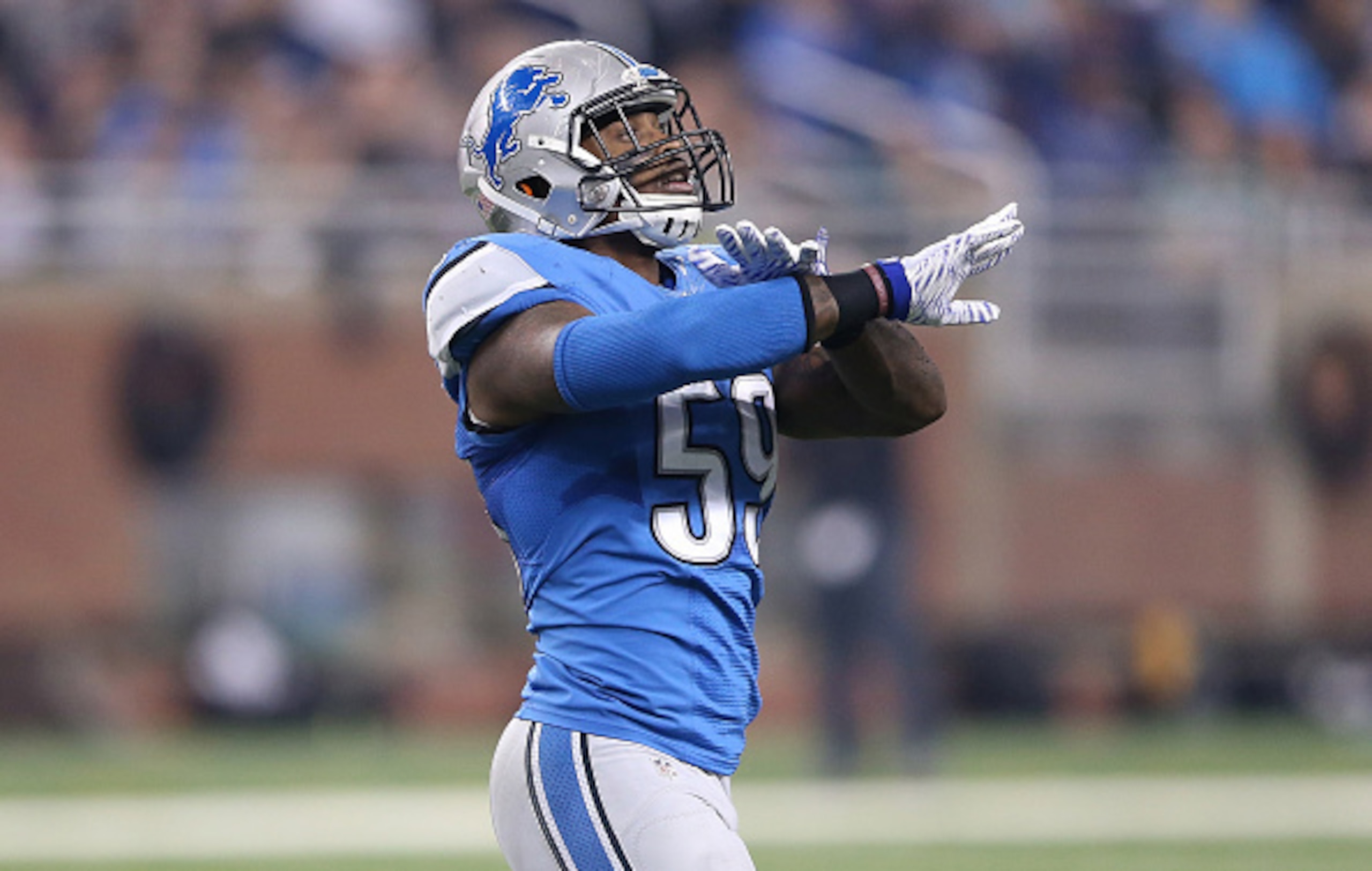
Scheme: 4-3
Starter: Tahir Whitehead
NFL1000 Scores: 65.5/100
NFL1000 Position Rank: 59/65
Whitehead is good for about three impact plays a game. He’s Alec Ogletree-like in that sense. Whitehead became the starting middle linebacker for Detroit in 2016, and he largely underwhelmed. He has ideal size at 6'2" and 233 pounds, but he routinely avoids contact and, as a result, makes the task of offensive linemen much easier. His athleticism and size are only useful if Whitehead uses them to his advantage. In 2016, he simply didn’t.
The Lions have an explosive offense and are capable of making a deep run into the playoffs, but the entire linebacking corps has to improve. That begins with Whitehead. Regardless of whether the Lions are hopeful of Whitehead’s development, they’d be wise to invest a high draft pick in an eventual replacement. As a spot starter and core special teams player, Whitehead has excellent play speed and versatility, but he’s not a consistent enough performer to warrant a long-term starting spot.
Backup: Brandon Chubb:
NFL1000 Scores: Did not play a significant number of snaps
If Brandon Chubb’s name sounds familiar, it’s because he was the young linebacker seen being mentored by Los Angeles Rams starter Alec Ogletree on HBO's Hard Knocks last summer. Hopefully Ogletree didn’t have much of an effect on Chubb’s development. Chubb should crack the roster in Detroit unless the Lions make major upgrades at linebacker in the draft. He likely isn’t good enough to unseat Whitehead, but he should challenge coaches to consider it.
Chubb brings athletic ability and physical enthusiasm that coaches will love, but he lacks any sort of technical refinement or even average mental processing. Of course, with more time in the league, Chubb could greatly improve in those areas.
Detroit should use a mid-round pick to select an inside linebacker that can create competition at the position moving forward. Whitehead and Chubb are the same player; a physical competitor with technical liabilities that limit the effect they can have.
Team Need: 6/10
Potential Draft Fits: Kendell Beckwith (LSU), Connor Harris (Lindenwood)
Cornerback
15 of 19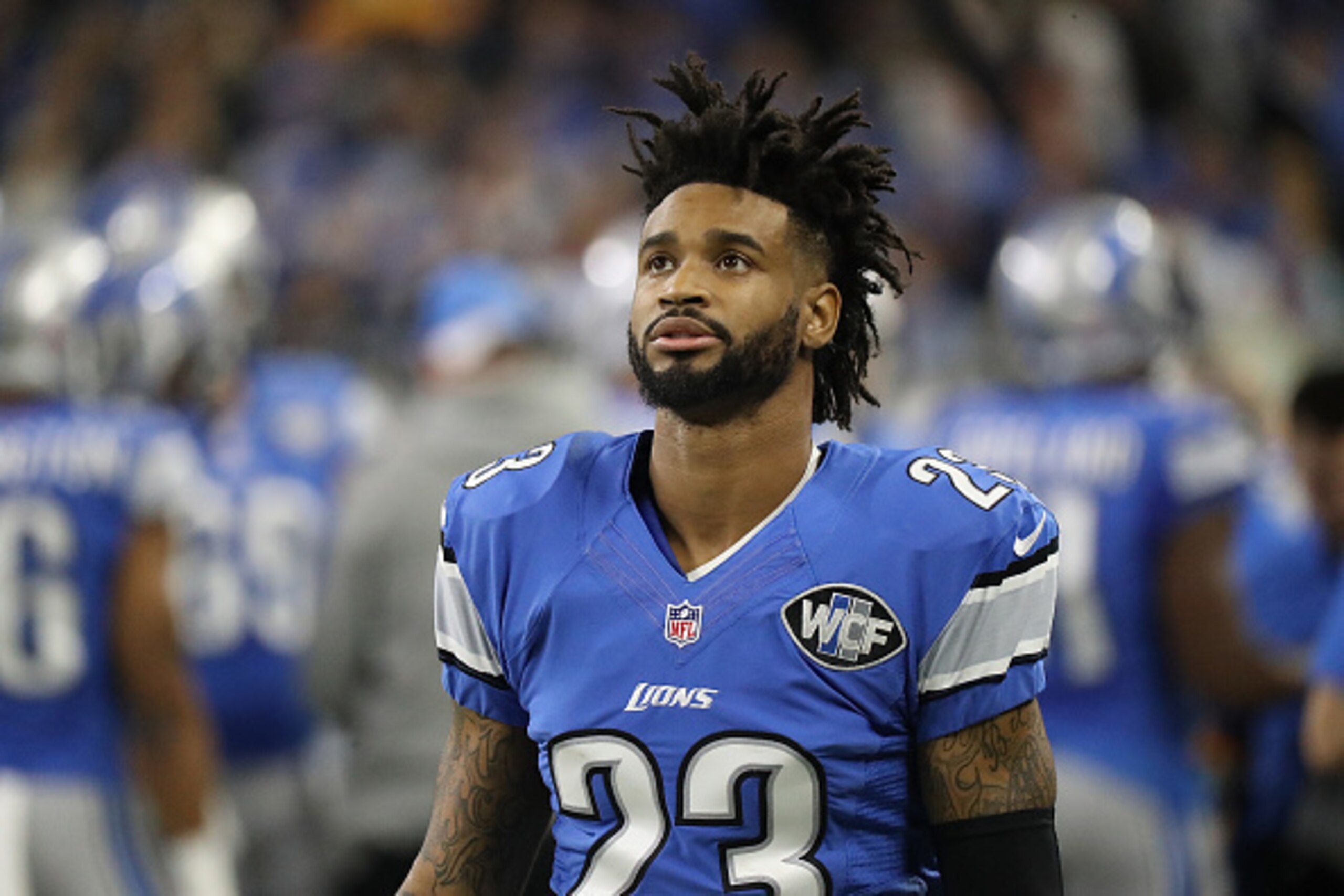
Scheme: Cover 4 Man
Starter: Darius Slay
NFL1000 Scores: 69.8/100
NFL1000 Position Rank: 15/133
One of the better corners in the league, Darius Slay’s the long-term No. 1 corner in Detroit for the foreseeable future. The 26-year-old excels as a pure cover man with his length, speed and great route recognition. Where Slay could still stand to improve is adjusting to the ball midair. He has just six interceptions and 50 passes defensed in 58 career games, which doesn’t stack up well compared to the elite tier of playmakers at the position. Nevertheless, Slay will continue to anchor this unit for years to come.
Starter: Nevin Lawson
NFL1000 Scores: 61.6/100
NFL1000 Position Rank: 78/133
A nice surprise in 2016 was Nevin Lawson, who took over the starting role after Rashean Mathis retired last offseason. The 2014 fourth-round pick was close to average in our season grades, but he mostly avoided the costly bad performances that would force the Lions to search for an immediate upgrade. Lawson’s stiffness limits what he can do in coverage and his overall upside, but if that’s a concern for the team, then 2015 third-round pick Alex Carter can serve as primary competition and depth. Lawson’s earned another season as a starter, and barring a surprise talent on the board, the Lions shouldn’t address the position early.
Slot: D.J. Hayden
NFL1000 Scores: 60.1/100
NFL1000 Position Rank: 91/133
The signing of D.J. Hayden as a slot specialist made a lot of sense for the Lions. Even though Hayden is most known for being the Oakland Raiders’ draft bust in 2013, he carved a niche as a slot man, reaching his apex as one of our top overall players in Week 4 of 2016. Hayden’s at least a depth upgrade over the dreadful combination of Asa Jackson and Crezdon Butler. With Quandre Diggs and Carter returning to the depth chart, and Hayden’s presence, the Lions have a six-deep cornerback core with some upside and plenty of youth.
Team Need: 2/10
Potential Draft Fits: Rasul Douglas (West Virginia), Howard Wilson (Houston), Jeremy Cutrer (Middle Tennessee State), Channing Stribling (Michigan)
Free Safety
16 of 19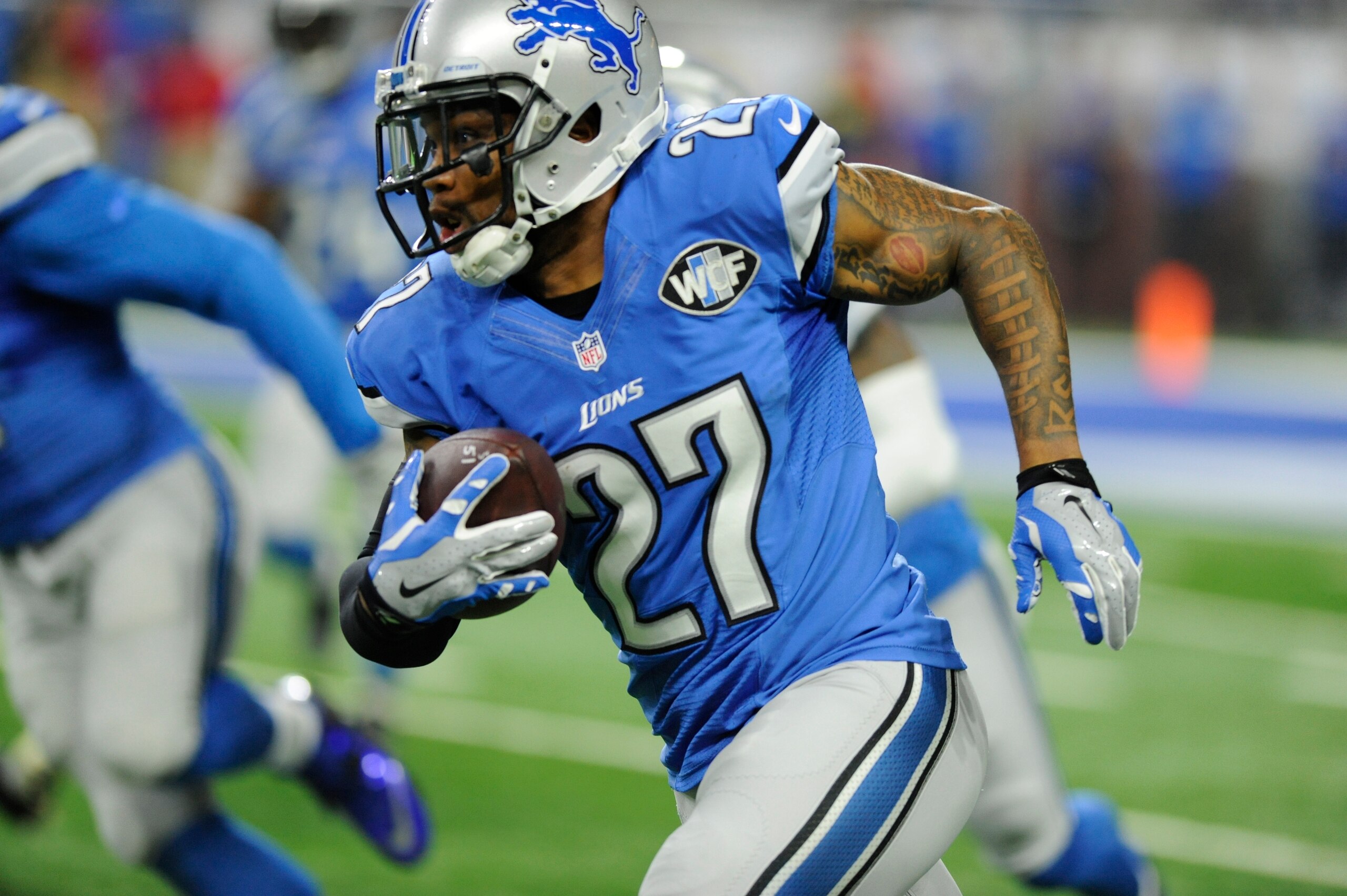
Scheme: Pattern-match Cover 4
Starter: Glover Quin
NFL1000 Scores: 73.8/100
NFL1000 Position Rank: 9/50
Despite entering his 30s, Quin has been a reliable free safety for the Lions. In their system, he has to be versatile. In simpler systems, Quin would probably just be the single deep safety, which he still does at times for Detroit. But for the most part, Quin has multiple reads as part of the pattern-matching defense the Lions use. He has to not only make his own reads but be ready to react to the reads of his teammates. On any given play, he could find himself matched up in man against a tight end or slot receiver or having to stay on top of the outside receiver as the outside corner traps an underneath route. He does it all at a high level and finished the season graded as the ninth overall free safety.
Team Need: 5/10
Potential Draft Fits: Budda Baker (Washington) Desmond King (Iowa), John Johnson (Boston College)
Strong Safety
17 of 19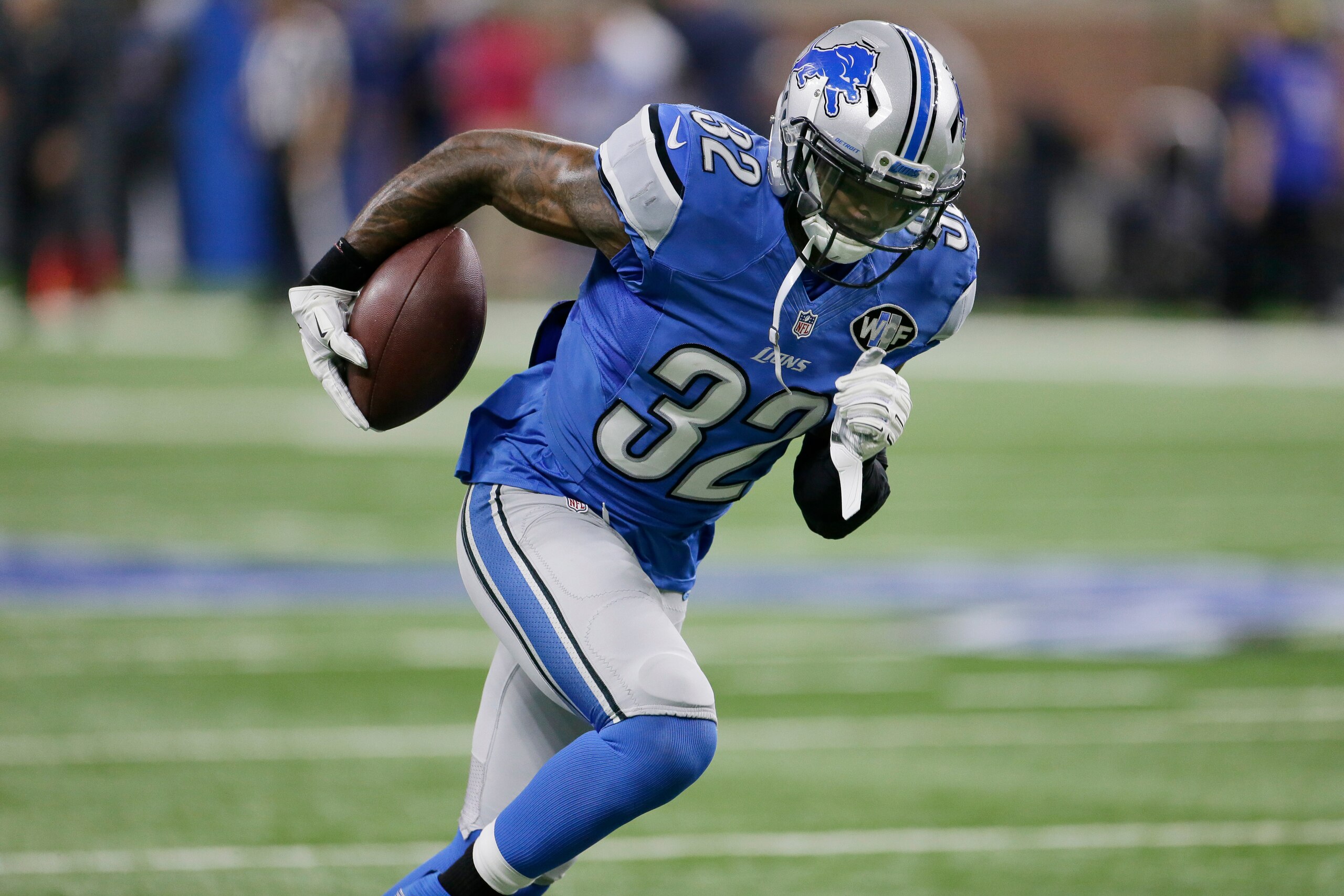
Scheme: Pattern-match Cover 4
Starter: Tavon Wilson
NFL1000 Scores: 70.1/100
NFL1000 Position Rank: 37/53
Wilson had a steady, but unspectacular season for the Lions last year. He and Rafael Bush split time at strong safety, but Bush left for the Saints in free agency and it appears as though Wilson will take the full-time job. Like Quin, Wilson has to be smart and capable in coverage, with a variety of reads to find his matchup. He’ll play more in the box than Quin but will still play deep fairly often. Wilson can be thrown off by misdirection and play action at times, and when he’s filling in from deep in the run game, he has a slight tendency to miss tackles. He does show good instincts in zone, knowing when to sink to take away routes behind him and when to bite up on underneath crosses. While the Lions could look to upgrade Wilson, he’s not someone they desperately need to replace right away.
Backup: Miles Killebrew
NFL1000 Scores: 67.4/100
NFL1000 Position Rank: 50/53
Stuck behind Wilson and Bush last year, Killebrew only found the field as a dime linebacker in his rookie year. He had some struggles in coverage, particularly when working against quicker players. As the dime ‘backer, Killebrew often had to wall off players from working inside as part of the pattern-match scheme, but too often they were able to beat him with a quick move to get inside. A fourth-round pick, Killebrew was always going to be a developmental prospect. With his rookie year behind him and more snaps potentially available, the Lions will hope to see improvements and start to get some return on their draft pick.
Team Need: 3/10
Potential Draft Fits: Justin Evans (Texas A&M), Eddie Jackson (Alabama), Lorenzo Jerome (Saint Francis)
Kicker
18 of 19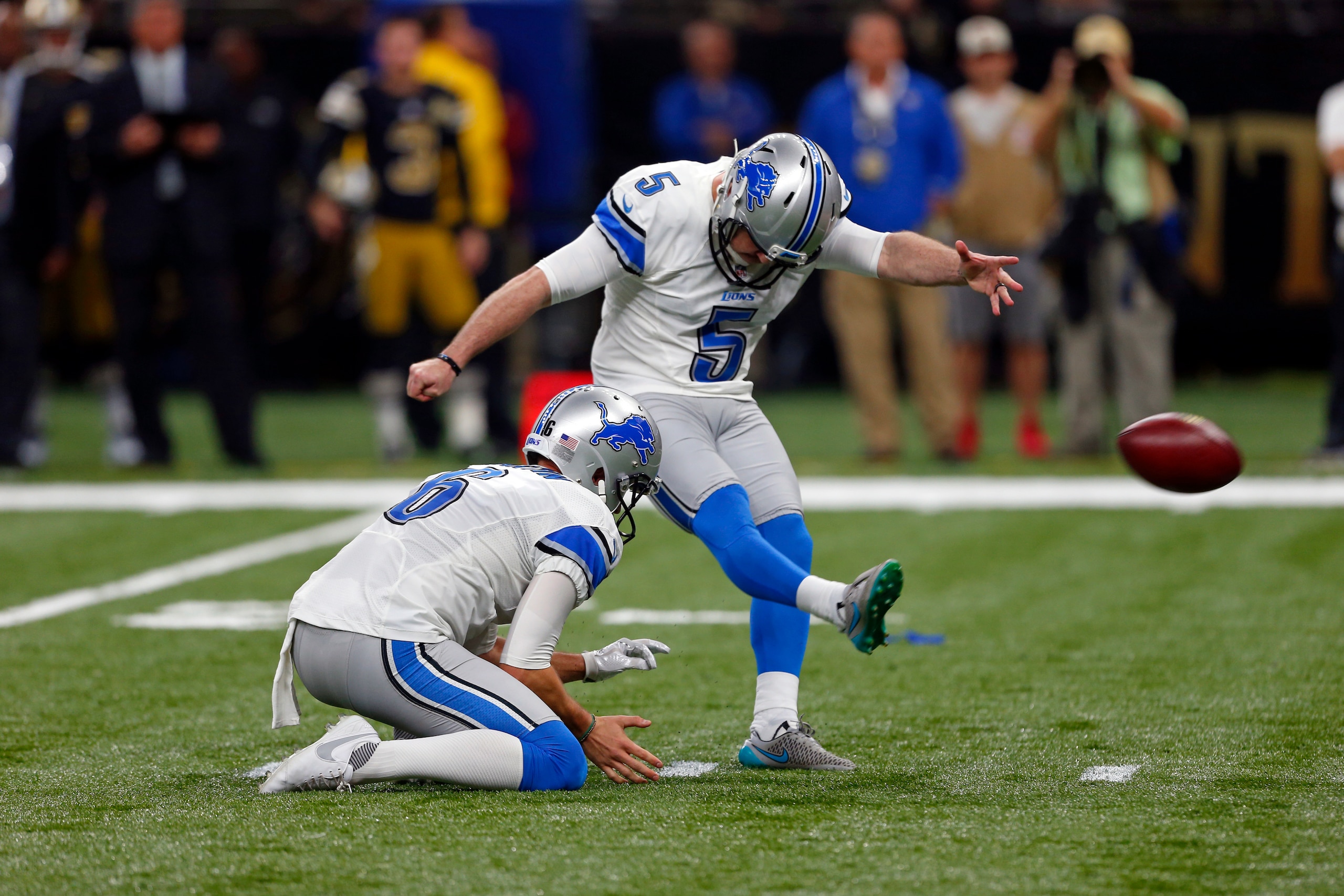
Starter: Matt Prater
NFL1000 Scores: 68.8/100
NFL1000 Position Rank: 9/34
Prater has been just below the elite-level kickers in the NFL over the past two seasons, putting up field-goal accuracy of 91.7 percent in 2015 and 86.1 percent in 2016. More impressive is his performance on 50-plus-yard attempts, as Prater is 12-of-13 over that time period. Ironically enough, it is Prater’s performance on extra points and shorter field goals that prevents him from fully realizing his potential, as he tends to get a little loopy in his approach and fails to follow through consistently when not tested. It is more of a mental approach issue than anything physical and simply requires a slightly higher level of focus to correct.
Overall, Prater is a very solid kicker for the Lions, and while they are lucky to have him locked up on a cheap deal through 2017, he is going to command a sizeable raise in 2018 if he continues to play as he has for the past two seasons. Prater is not going anywhere this year, but look for him to cash in on his recent success next offseason.
Team Need: 1/10
Potential Draft Fits: None
Punter
19 of 19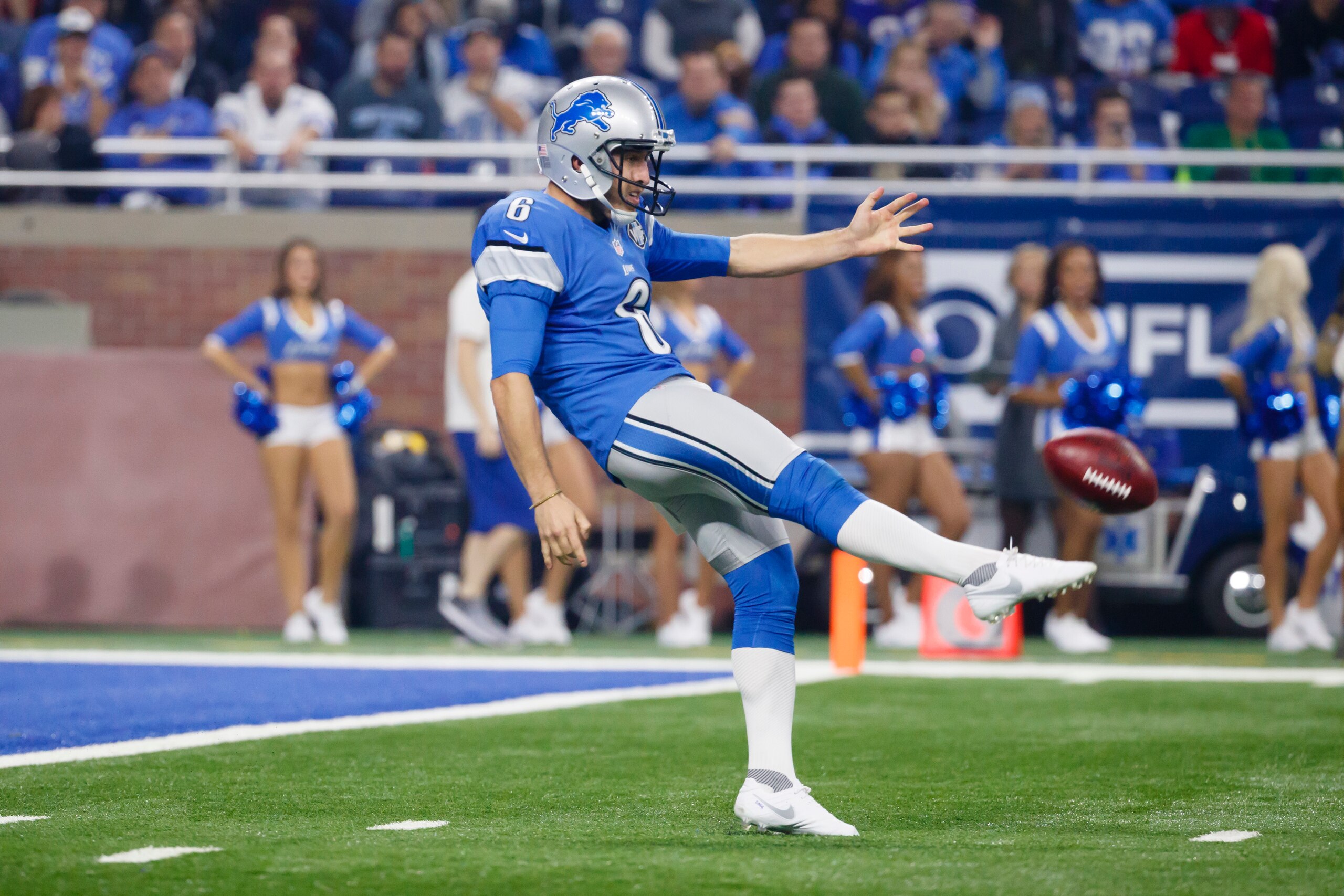
Punter: Sam Martin
NFL1000 Scores: 68.4,/100
NFL1000 Position Rank: 9/34
Martin saw a bit more variation in his weekly grades this year than in past seasons, with three showings below 60 on the year. He still graded out as the eighth-best punter in the NFL, but he is so talented that this is probably a slight underperformance for him. When things are going right, Martin has one of the biggest legs in the NFL and a slightly above-average directional game. That directional game was more inconsistent in 2016 than in prior seasons, and as a result, despite the outstanding power numbers, Martin graded out below his historical averages because he simply did not have the ball placement he showed previously.
Having said that, the Lions would be crazy to even consider moving on from him. Martin was a top-10 punter even without his best showing last year, and if he bounces back, he’ll be good value even as one of the highest-paid punters in the game, because when he is clicking, he’s also one of the best punters in the game.
Team Need: 0/10
Potential Draft Fits: None
.jpg?w=2560)
.jpg?w=2560 "Cardinals Giants Football")







