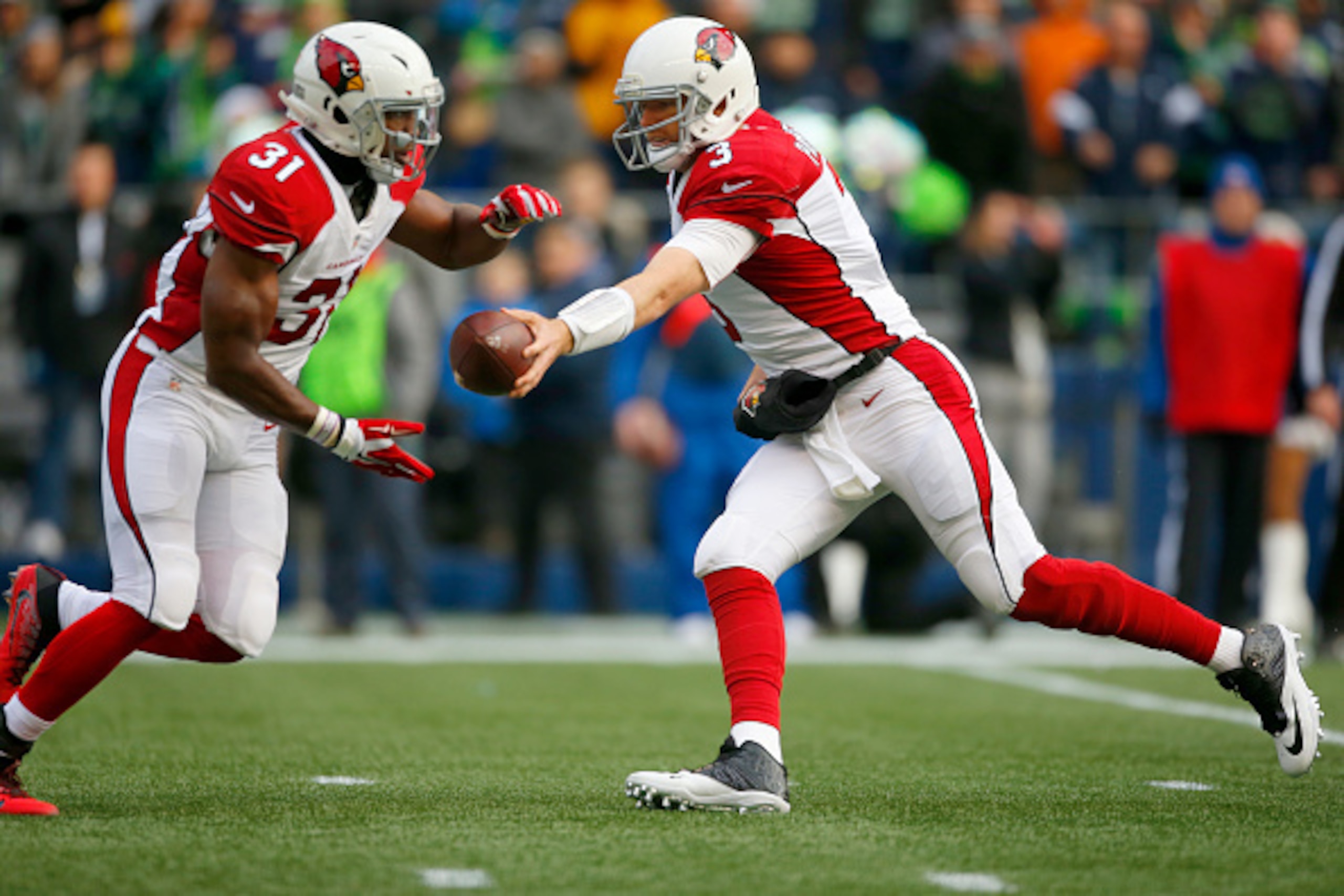

NFL1000: Arizona Cardinals' 2017 NFL Draft Preview
The 2016 Arizona Cardinals were an object lesson in just how important the quarterback position is in the modern NFL.
After three straight double-digit-win seasons from 2013 through 2015, and a conference championship loss to the Panthers in the 2015 playoffs, the Cardinals fell down the hill to the tune of an 7-8-1 record. An obvious regression from veteran quarterback Carson Palmer was the main reason. Palmer had been dealing with a finger injury on his throwing hand since the end of the 2015 season, and he faced the consequences in the first three months of the 2016 season, when his accuracy suffered.
Despite a marvelous season from running back David Johnson, the offense regressed as well, and Arizona’s defense wasn’t good enough to pick up the slack. Defensive back Tyrann Mathieu missed multiple games with a shoulder injury, and in games he played, he wasn’t quite 100 percent because he was recovering from a torn ACL. Cornerback Patrick Peterson had a decent, though not transcendent, year. The pass rush was good enough, but the Cardinals lost defensive lineman Calais Campbell to the Jacksonville Jaguars in free agency, and with the additional defections of safeties Tony Jefferson and D.J. Swearinger and cornerback Marcus Cooper, there’s a lot of work to be done in the draft on the defensive side of the ball.
Still, the obvious holes to fill are on the offensive side, and they’re fairly glaring. Both Palmer and Larry Fitzgerald have committed to another year in the Valley of the Sun, and there’s no guarantee either of them will be on board for the 2018 season. Arians and general manager Steve Keim have done a great job with personnel over the last few years, but this draft will be more important to them than most—it may decide whether 2016 was a transitional year or an indication that the franchise’s recent glory days are a thing of the past.
Methodology
1 of 18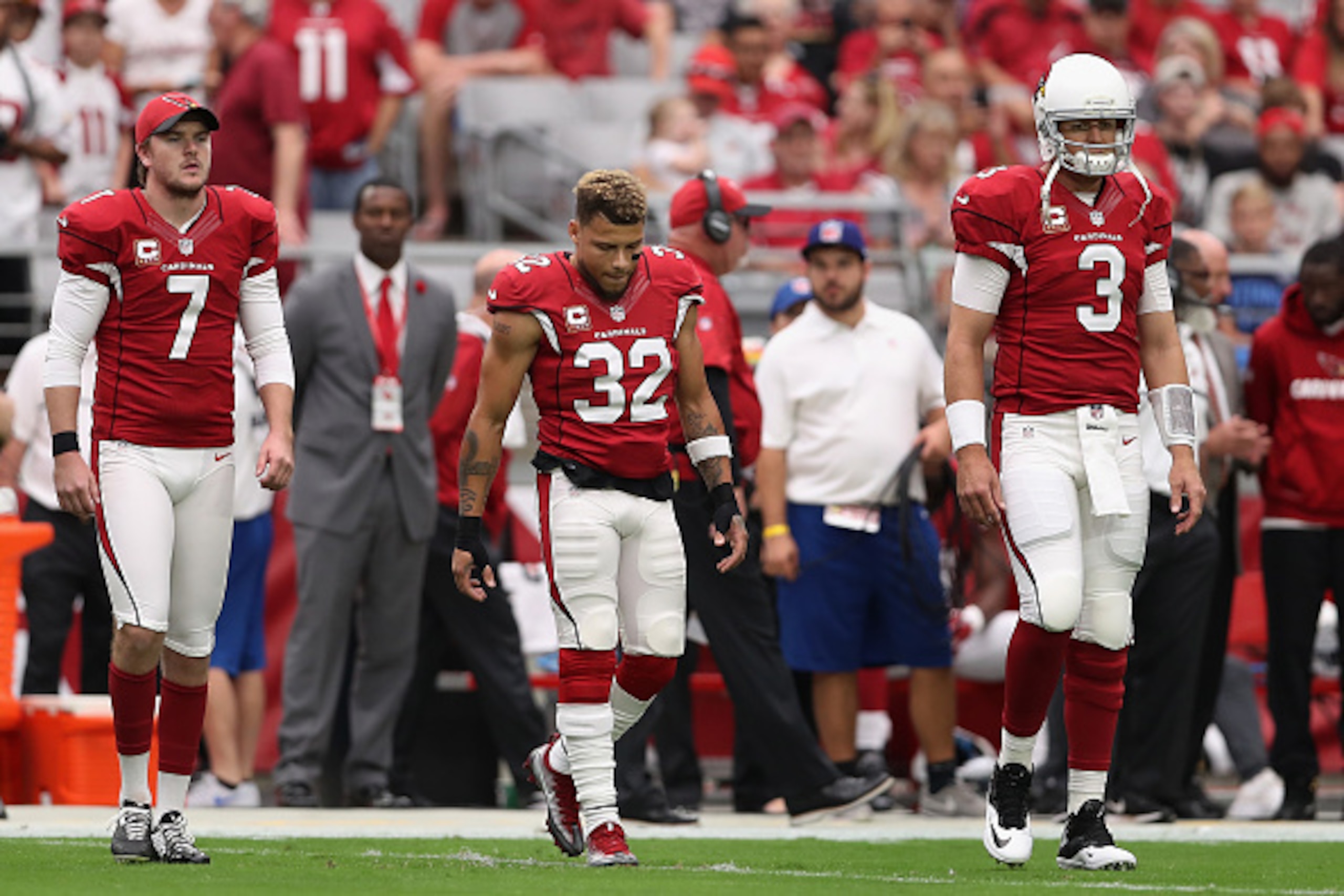
The NFL1000 team of scouts received a series of important attributes to grade for every player in their positional review. Using a scale starting at 0 and going up to anywhere from five to 50 based on the position and the attribute, our scouts graded each player based on their own expertise and countless hours of tape review over the years. Our evaluators had specific positional assignments based on their proven fields of expertise.
- Doug Farrar: Lead scout/Quarterbacks
- John Middlekauff: Running backs/fullbacks
- Marcus Mosher: Wide receivers/tight ends
- Mark Schofield: Wide receivers/tight ends
- Duke Manyweather: Offensive tackles
- Ethan Young: Offensive guards
- Joe Goodberry: AFC defensive ends
- Justis Mosqueda: NFC defensive ends
- Charles McDonald: Defensive tackles
- Zach Kruse: 3-4 outside linebackers
- Derrik Klassen: 4-3 outside linebackers
- Jerod Brown: Inside linebackers
- Kyle Posey: Cornerbacks
- Ian Wharton: Cornerbacks
- Mark Bullock: Safeties
- Chuck Zodda: Special teams
Each corresponding position slide was written by the assigned scout.
Quarterback
2 of 18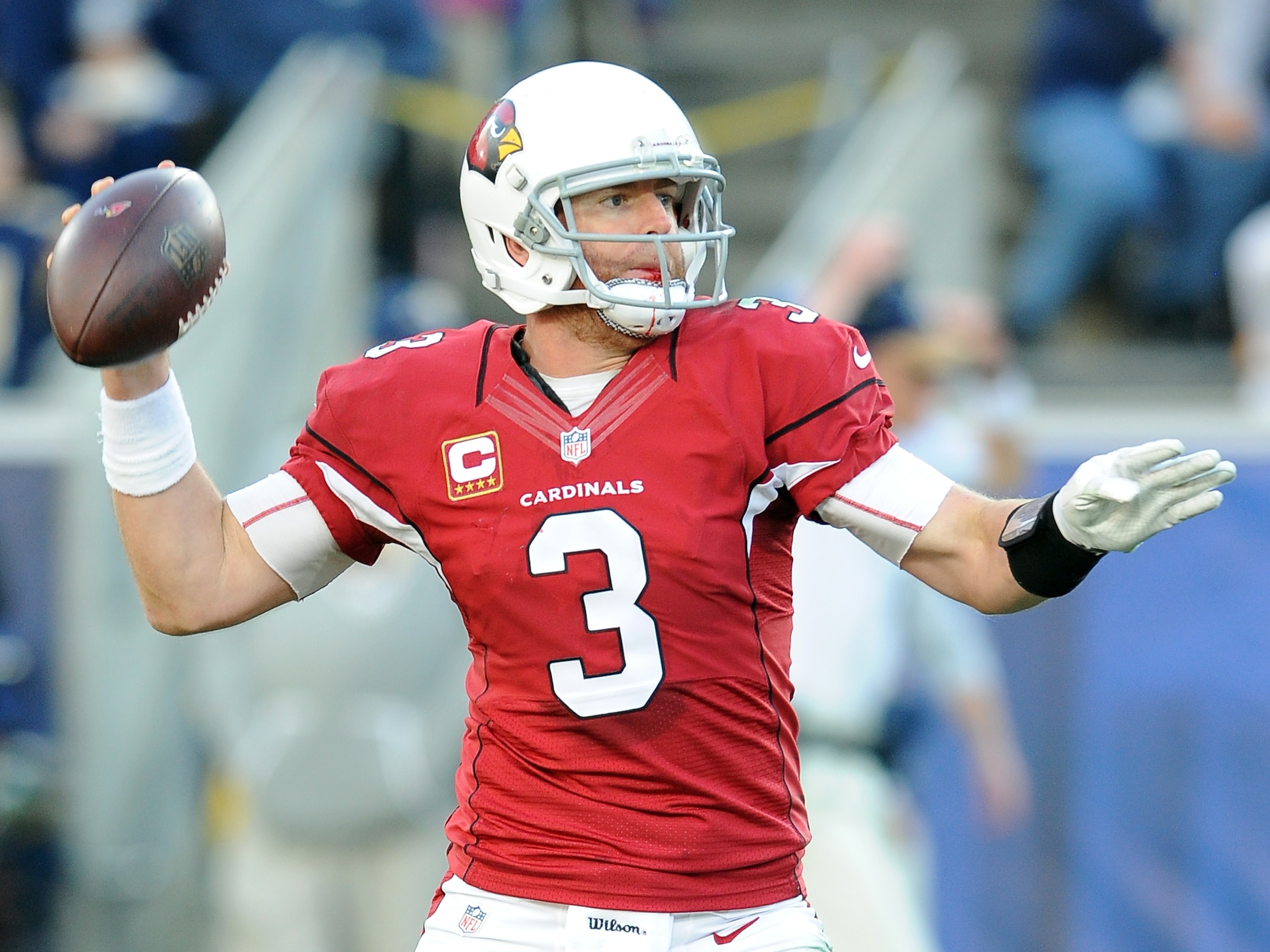
Scheme: Air Coryell
Starter: Carson Palmer
NFL1000 Score: 74.3/100
NFL1000 QB Rank: 9/38
The 37-year-old Palmer announced in February that he would be returning to the Cardinals for one more season, a decision most likely tied to Larry Fitzgerald’s decision to do the same. What the Cardinals have to hope is that they’re getting the Palmer who showed up in December and January (11 TD, 3 INT) as opposed to the one they had in September through November (15 TD, 11 INT). Palmer hasn’t been the same player since he suffered a finger injury late in the 2015 season—his accuracy, especially with the deep ball, has not been the same. He’s still the best option for the team, but that might not be the case when the 2017 season ends.
Backup: Drew Stanton
NFL1000 Scores: Did not have enough snaps to qualify
Stanton has been a Bruce Arians favorite since the two worked together in Indianapolis in 2012. He’s a decent backup who tends to get sloppy under pressure, and he has trouble with the deep ball. But he’s not a bad second option and spot starter, as he’s smart enough to understand Arians’ game plans and talented enough to execute some of them.
Backup: Zak Dysert
NFL1000 Scores: Did not have enough snaps to qualify
Dysert replaced Ben Roethlisberger as Miami of Ohio’s career passing leader, and he’s a big guy with a good arm. Arians coached Roethlisberger for five seasons, so this connection makes sense. A seventh-round pick of the Broncos in 2013, Dysert has gained Arians’ faith as a developmental prospect.
Team Need: 8/10
Potential Draft Fits: Mitchell Trubisky (North Carolina), DeShone Kizer (Notre Dame)
Running Back
3 of 18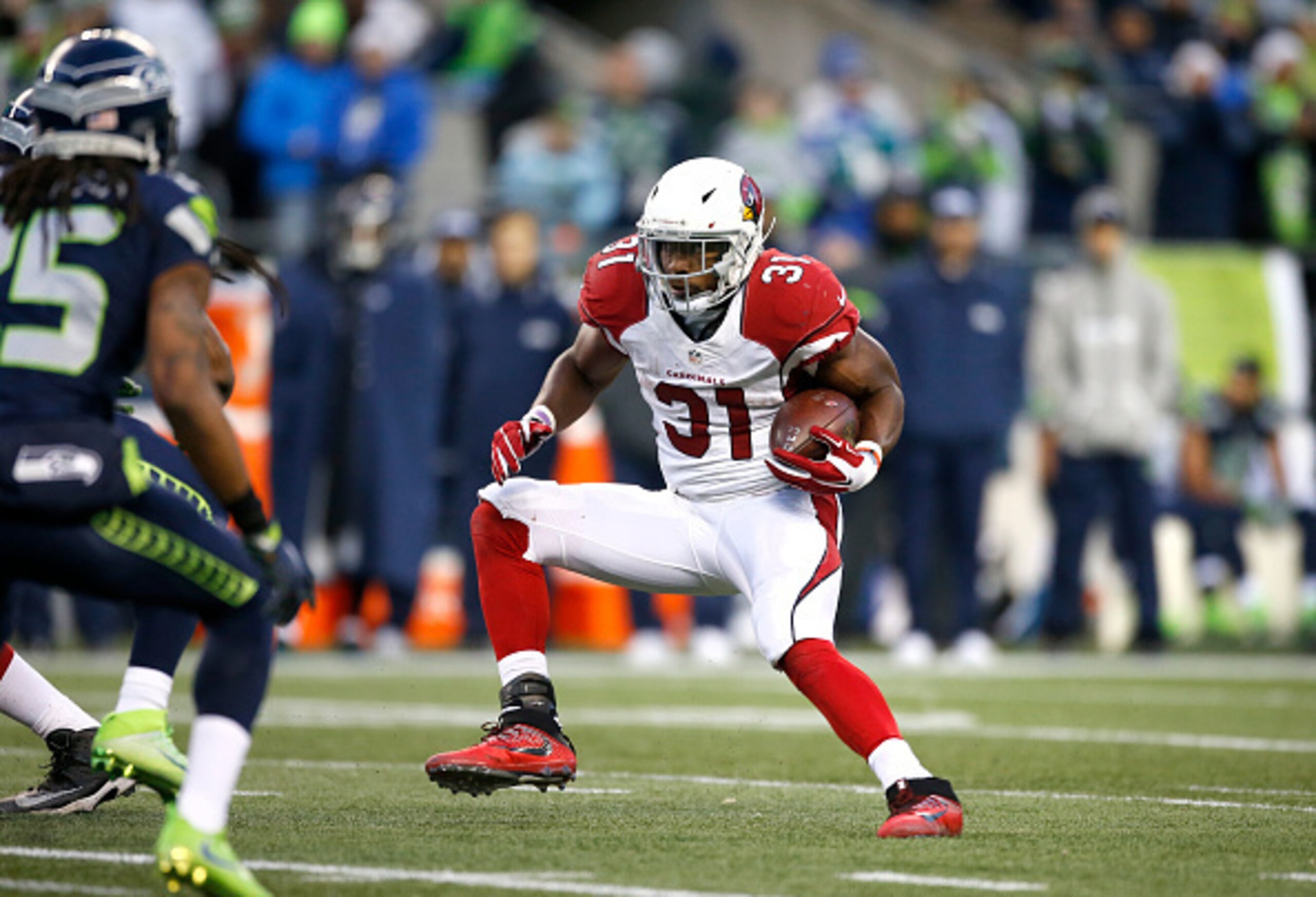
Scheme: Power
Starter: David Johnson
NFL1000 Scores: 79.2/100
NFL1000 Position Rank: 2/82
David Johnson has established himself as one of the best running backs in the NFL. Johnson can do it all. He has the potential to be one of the more versatile offensive weapons the NFL has ever seen. Last season, he had 1,239 rushing yards, 16 rushing touchdowns, 80 receptions and 879 receiving yards. The scary part about Johnson is at 25 years old, he is just entering his prime.
Johnson is the total package physically—big, fast and explosive. He was dominant between the tackles in 2016, possessing exceptional vision and outstanding feet. Johnson has no issues getting outside the tackles with his short-area burst. Then once in space, he has the ability to make guys miss. If he is able to get into green grass, defenders have no chance to catch him with his home-run-hitting speed. As a receiver, he is basically Marshall Faulk. The Cardinals move him all over the field and even play him outside as a wide receiver. He is the ultimate mismatch in the passing game for Arians. Do not be surprised if he named NFL MVP in 2017; Johnson is that good.
Backup: Andre Ellington
NFL1000 Scores: 66.1/100
NFL1000 Position Rank: 80/82
Andre Ellington re-signed with the Cardinals this offseason after coming off the worst statistical season of his short career. With the emergence of David Johnson, Ellington struggled to get on the field for Arizona. He only played in 13 percent of the offensive snaps in 2016, but because of depth issues he will have a stranglehold on the backup job. Ellington still has the quickness and route-running ability to be effective in the passing game. He also has the short-area burst and speed to function as an outside runner. However, as an inside runner, he struggles. But the Cardinals don't ask him to be an inside runner often. Ellington is still a nice change-of-pace running back for Arians and the Arizona offense.
Backup: Kerwynn Williams
NFL1000 Scores: Did not have enough snaps to qualify
Williams is on the outside looking in when it comes to playing time for Arizona. He only played in about 5 percent of the offensive snaps in 2016. Williams also did not play a role on special teams last season, so it may be tough for him to make the team if he's not contributing as a runner or special teams player. Williams is a limited player who isn't suited to carry the football in between the tackles. He just doesn't make much happen in space and is not a playmaker in the open field. He doesn't bring much in the passing game, with only five career catches. Williams will need to play well in training camp to make the 53-man roster.
Team Need: 4/10
Potential Draft Fits: Jamaal Williams, BYU

Wide Receiver
4 of 18
Scheme: Air Coryell
Starter: Larry Fitzgerald
NFL1000 Scores: 71.6/100
NFL1000 Position Rank: 11/155
Larry Fitzgerald will turn 34 before the 2017 season begins, but don’t let his age fool you; he’s still one of the best receivers in the NFL. Fitzgerald has put together consecutive seasons of 100-plus catches and over 1,000 receiving yards. Arians saved his career by moving Fitzgerald inside to the slot, which is similar to what he did for Hines Ward in Pittsburgh.
Fitzgerald is still one of the most sure-handed receivers in the league, and his ability to make tough catches in contested areas allows him to thrive in the slot. He’s one of the league’s best blocking receivers, and even though he doesn’t win with elite athleticism any longer, he can still find ways to get open at his age. The Cardinals will need to find an eventual replacement for him in the draft, but for the time being, Fitzgerald is still one of the league’s best.
Starter: John Brown
NFL1000 Scores: 64.5/100
NFL1000 Position Rank: 76/155
After his first 1,000-yard season in 2015, Brown fell way short of that total in 2016. Brown played in 15 games, but he was in and out of the lineup with multiple injuries and finished with only 517 yards on 39 receptions.
Brown is a deep-threat receiver who is one of the better players in the league at tracking the ball down the field. But if he’s not reeling in passes beyond 20 yards, there’s not much else that he does to help the Cardinals offense. He’s not particularly explosive with the ball in his hands, and he’s not one to win in contested areas. At his small stature, he’s not going to win on the edges with his blocking ability, either. He needs to be a complementary piece on an offense and might be best suited as the third receiver in the Cardinals’ downfield passing attack.
Backup: J.J. Nelson
NFL1000 Scores: 63.9/100
NFL1000 Position Rank: 89/155
With John Brown having a down year, J.J. Nelson was able to fill the void, specifically as the team’s deep threat. In the same number of games, Nelson out-produced Brown, as he scored seven times on 38 touches. At 5’10” and 160 pounds, Nelson is one of the lightest players in the NFL. But he has game-breaking speed and could push Brown for playing time in 2017. Like Brown, he’s limited in what he can bring to an offense, but he’s a more dynamic option as the team’s second receiver.
Backup: Jaron Brown
NFL1000 Scores: 64/100
NFL1000 Position Rank: 88/155
Brown re-signed with the Cardinals in November after he tore his ACL. At 6’2” and 205 pounds, he has the size to play on the outside in Arians’ passing attack. Entering his fifth year in the NFL, he has yet to surpass 250 receiving yards in any season. He’s the fourth or fifth option at best going forward for the Cardinals.
Backup: Brittan Golden
NFL1000 Scores: Insufficient snaps to qualify for NFL 1000 scoring
With numerous receivers missing time for the Cardinals, Golden played in 12 games in 2016 and caught eight passes for 82 yards. He will likely compete with a draft pick for a spot on the active roster in 2017.
Team Need: 5/10
Potential Draft Fits: Dede Westbrook (Oklahoma), John Ross (Washington), KD Cannon (Baylor)
Tight End
5 of 18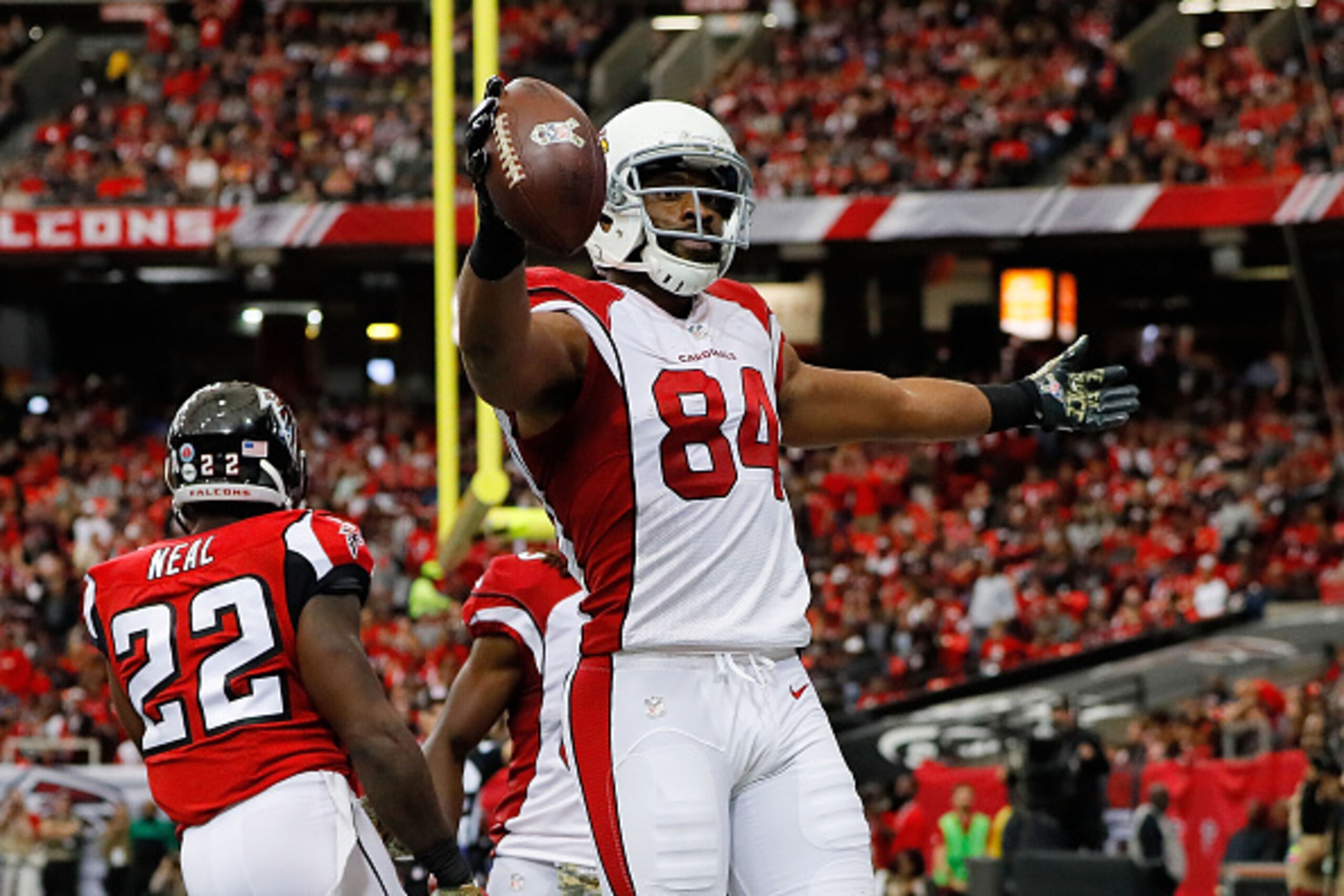
Scheme: Air Coryell
Starter: Jermaine Gresham
NFL1000 Scores: 61.3/100
NFL1000 Rank: 51/96
Before free agency started, the Cardinals locked up Jermaine Gresham on a four-year deal. He will turn 29 before the 2017 season, and it's clear his game is in rapid decline. Despite playing over 800 snaps in Arians' pass-first offense, Gresham only caught 37 passes for 391 yards and two touchdowns on 61 targets. That's the reason Gresham was on the field, as he struggled mightily as a blocker. He needs to be the second tight end going forward and a mentor to a draft pick.
Backup: Troy Niklas
NFL1000 Scores: Insufficient snaps to qualify for NFL 1000 scoring
In three years, Troy Niklas has only played 26 career games. In those 26 games, he has eight catches. Ankle and wrist injuries have severely hampered his career so far. Niklas was a second-round pick in 2014 and can’t be counted on to provide anything going forward for the Cardinals. Heading into his contract year, Niklas’ roster spot is anything but safe.
Team Need: 7/10
Potential Draft Fits: Evan Engram (Ole Miss), David Njoku (Miami), Bucky Hodges (Virginia Tech)
Left Tackle
6 of 18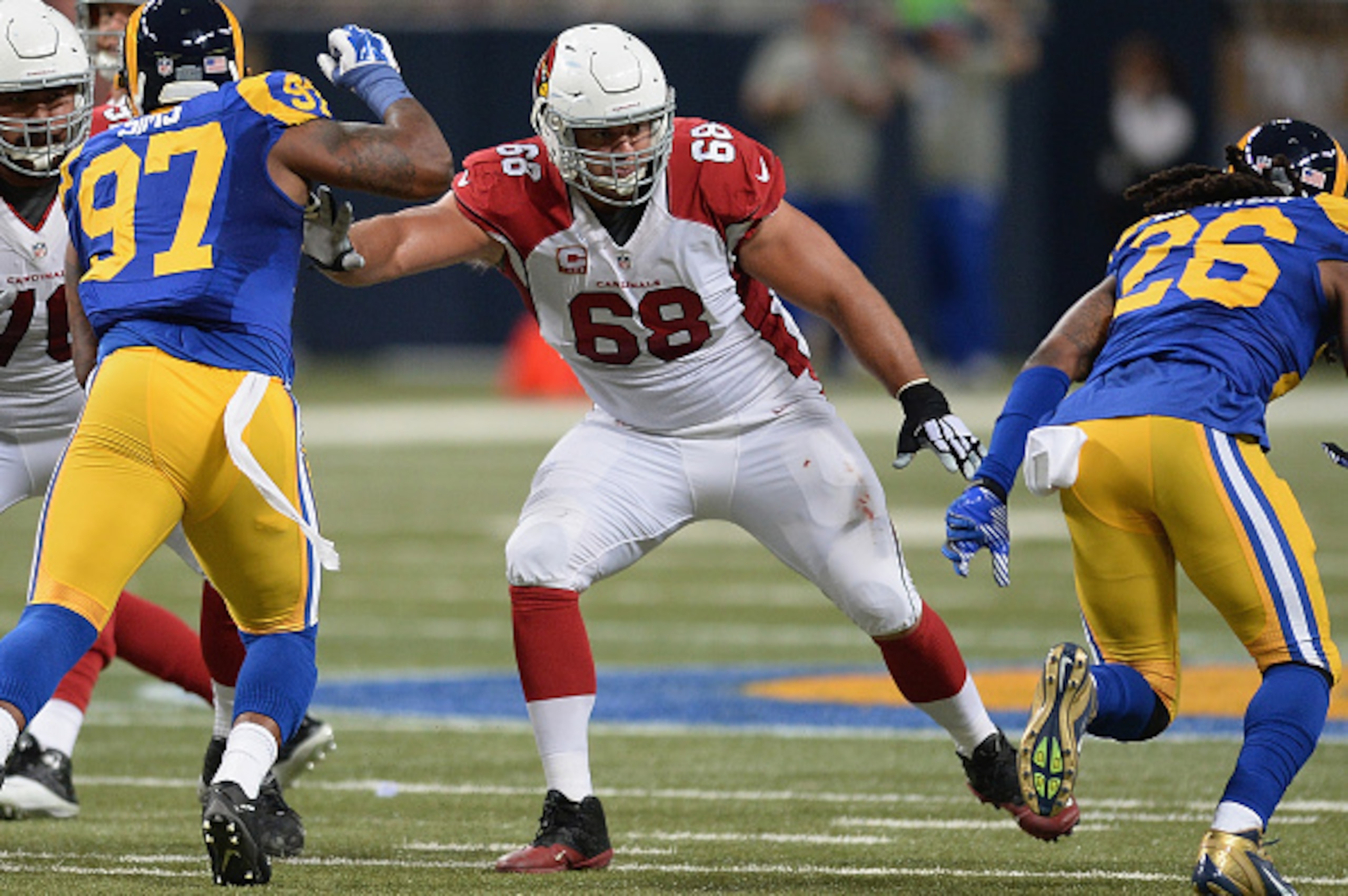
Scheme: Flex
Starter: Jared Veldheer
NFL1000 Scores: 72.9/100
NFL1000 Position Rank: 21/40
Jared Veldheer played in only half the games in 2016 before he was placed on injured reserve after Week 8 against Carolina with a torn triceps.
Veldheer was a big free-agent acquisition for Arizona in 2014 and has provided solid run blocking and toughness along the offensive line, but his pass protection is adequate at best.
Arizona may look to add an offensive tackle with one of their draft picks in the first three rounds who can not only provide depth but also compete with Veldheer and right tackle D.J. Humphries.
Backup: John Wetzel
NFL1000 Scores: 69.0/100
NFL1000 Position Rank: 36/40
In 2016, John Wetzel saw more time as a starter than I imagine Arizona wanted him to see. Wetzel is a functional reserve swing tackle who also saw time at both guard positions. Though not a complete liability on the edge, Wetzel provides more as a run-blocker than he does in pass protection.
Arizona can live with Wetzel’s role as a primary backup at both tackle positions, but if Wetzel is thrust into the starting lineup for an extended period of time, as he was in 2016, it would put Arizona in a bad spot.
Team Need: 4/10
Potential Draft Fits: Julie'n Davenport (Bucknell), Storm Norton (Toledo), Andreas Knappe (UConn), Reno Henderson (New Mexico)
Right Tackle
7 of 18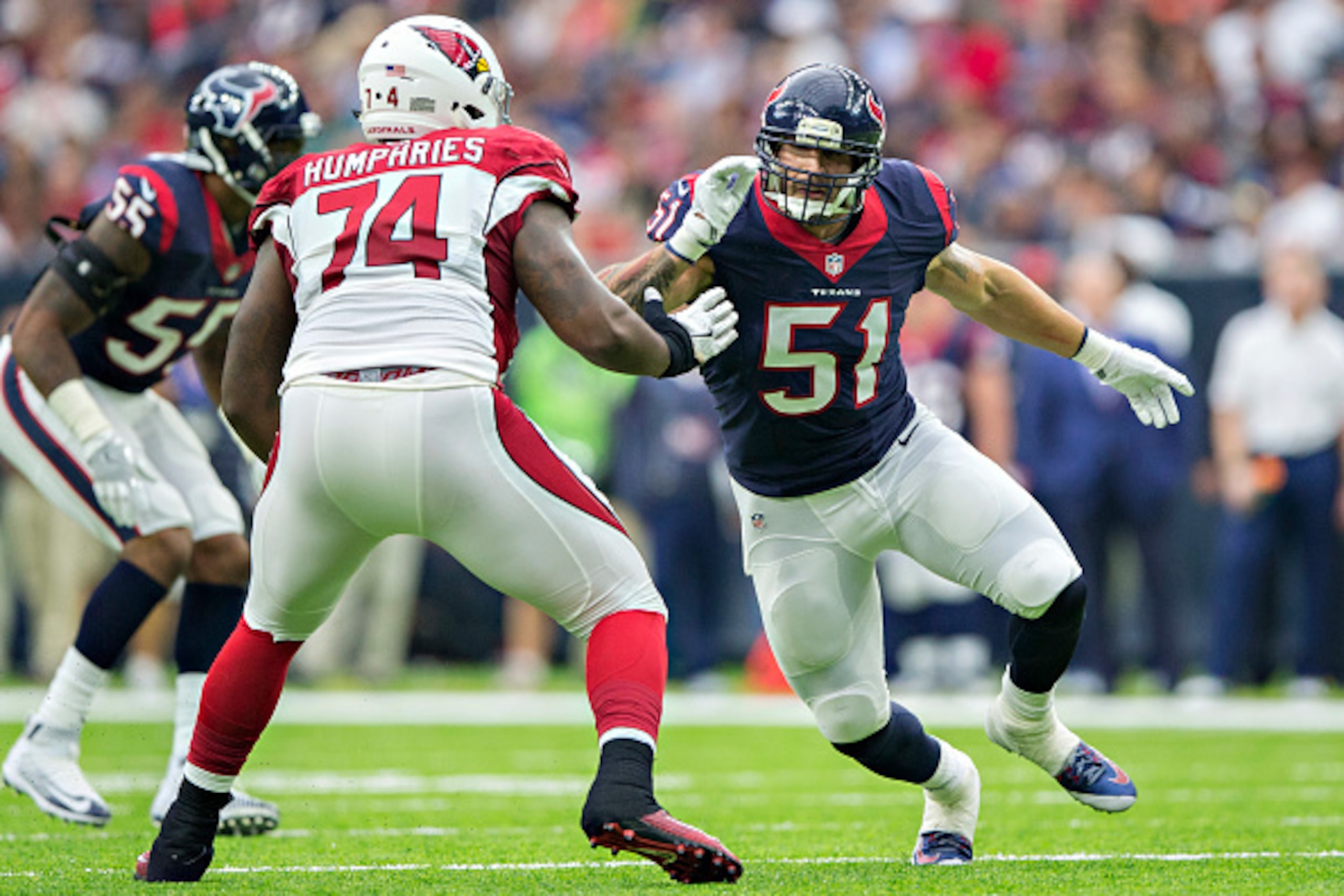
Scheme: Flex
Starter: D.J. Humphries
NFL1000 Scores: 68.5/100
NFL1000 Position Rank: 30/38
The signs of development D.J. Humphries showed toward the end of the 2016 season were encouraging. Humphries, a first-round draft pick in 2015, had to make the adjustment from left tackle, which he played in college, to right tackle as he took over for Bobby Massie who left in free agency at the conclusion of the 2015 season.
Humphries struggled to find consistency early in his second season as a pro and first season as a full-time NFL starter, but as the season played out, he began to show consistency in his pass set, reaching landmarks and expanding set points against dynamic edge-rushers. Humphries showed improved punch timing, which put him in better situations to consistently anchor. Humphries showed considerable improvement with his footwork in the running game, but he must continue to maintain a functional base that will allow him to use his strength, power and explosion at the point of attack.
Backup: Ulrick John
NFL1000 Scores: Insufficient snaps to qualify for NFL 1000 scoring
Ulrick John started three games for Arizona at right tackle, and it was not pretty. John gave up a sack in all three games along with four quarterback hits and 12 pressures. John was a seventh-round draft pick in 2014 by the Indianapolis Colts and since has spent most of his time between various practice squads. Based on the small sample we saw of John, he is nothing more than a below-average backup.
Team Need: 1/10
Potential Draft Fits: None
Offensive Guard
8 of 18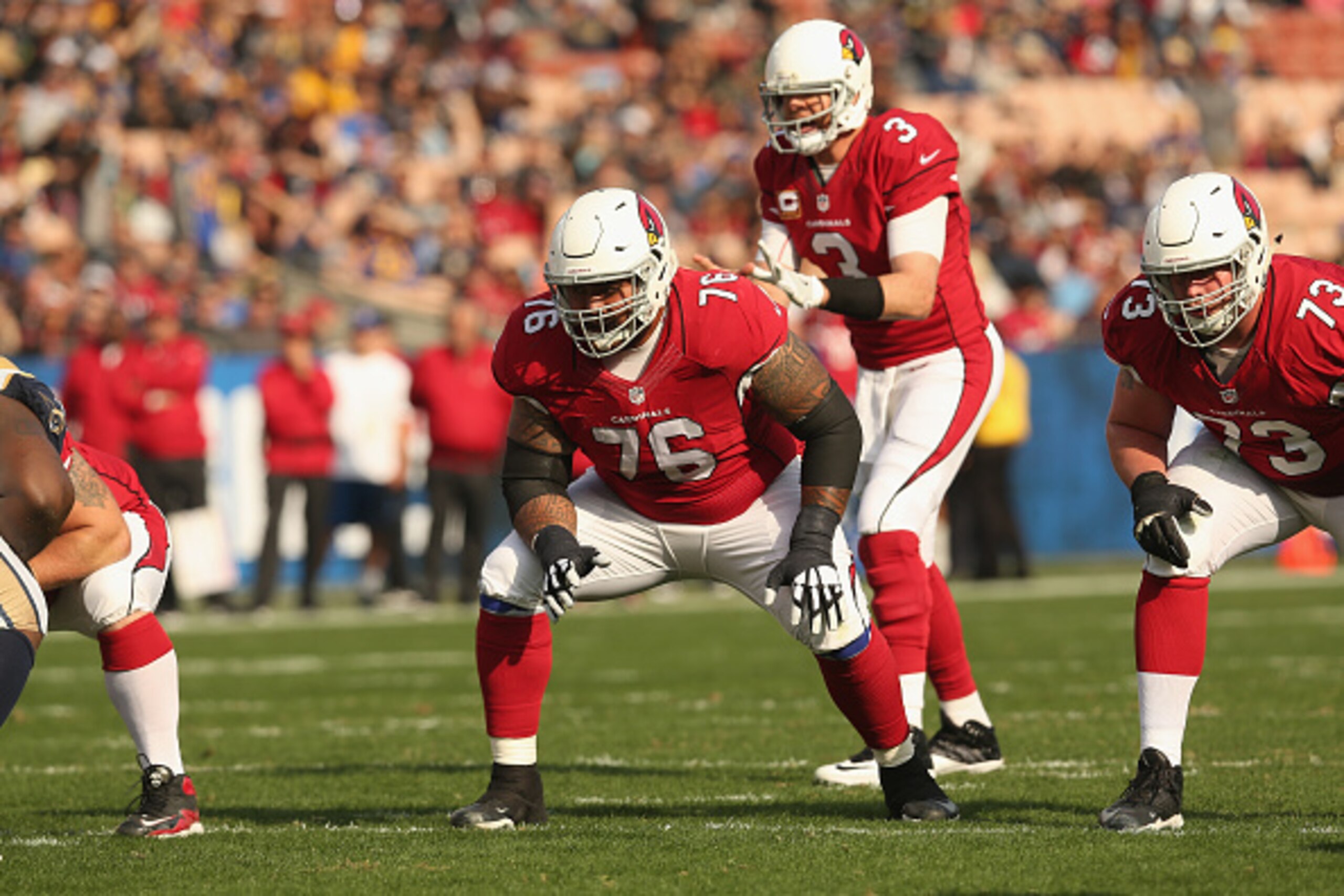
Scheme: Flex
Starter: Mike Iupati
NFL1000 Scores: 72.2/100
NFL1000 Position Rank: 19/78
Under no threat of being replaced, Mike Iupati is one of the premier guards in the league. His power in the run game has been huge in David Johnson’s development, and he has a strong anchor that almost no defender can go straight through. The biggest question he has is whether or not he's battling injury, as last year his ability to balance and set a strong base was clearly lacking. He battled through it, and because he is so strong, he can hold off lighter interior guys without being perfectly set. But to return to being a top-five guard, he needs to get his health in order.
Starter: Evan Boehm
NFL1000 Scores: Insufficient snaps to qualify for NFL 1000 scoring
Evan Boehm has experience at guard and center, and while he only managed to play one game despite all the Cardinals injuries up front last year, he did well in his limited reps. The powerful second-year pro should be the front-runner for the right guard job if left unaddressed in the draft.
Backup: Taylor Boggs
NFL1000 Scores: Insufficient snaps to qualify for NFL 1000 scoring
Boggs gave up seven QB hurries and two QB hits in only three games last season. Boggs' lack of functional strength was exposed last year, as defenders overpowered his anchor repeatedly, and there was nothing he could do about it.
Team Need: 8/10
Potential Draft Fits: Dan Feeney (Indiana), Will Holden (Vanderbilt)
Center
9 of 18
Scheme: Flex
Starter: A.Q. Shipley
NFL1000 Scores: 67.9/100
NFL1000 Position Rank: 29/38
With guard being such a glaring hole, and center being so thin in this class, drafting a guard and sliding Evan Boehm back to center may be the best way to help bring some young and competition-ready talent to the position. A.Q. Shipley is the definition of serviceable starter at center. Given how his game is dependent on quickness, though, he may start to decline faster than other lineman as he ages. Bringing in a game-ready replacement or sliding Boehm over full time would be ideal.
Team Need: 4/10
Potential Draft Fits: Tyler Orlosky (West Virginia), Erik Austell (Charleston Southern)
Defensive End
10 of 18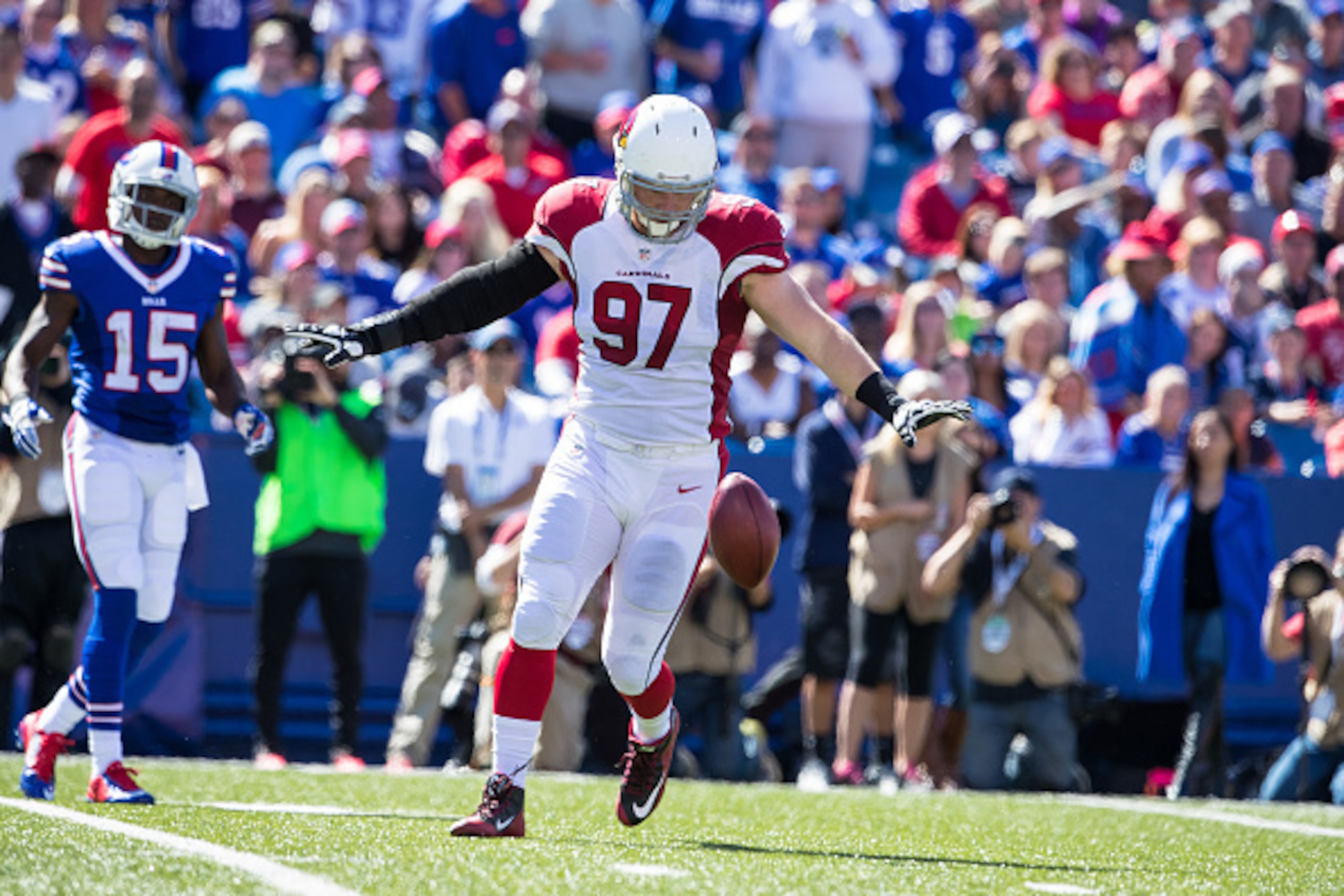
Scheme: 3-4
Starter: Josh Mauro
NFL1000 Scores: 64.6/100
NFL1000 Position Rank: 19/53
Last year, Arizona’s top defensive end according to our grading system was Calais Campbell, who signed a $60 million contract as a 30-year-old with the Jacksonville Jaguars this offseason. Campbell, our second-ranked 3-4 end league-wide in 2016, leaves a huge vacancy with the Cardinals. Last season, only four ends, Campbell, Josh Mauro, Frostee Rucker and Robert Nkemdiche, played frequently enough to warrant grading, as Ed Stinson, the only other notable end body, was used mostly as a reserve. With Campbell out of the picture, and Stinson only costing $46,685 to cut this year, it’s clear that the team has three functional bodies at a two-starter position. Mauro, who graded highest for us between the trio of he, Rucker and Nkemdiche, signed a two-year deal worth a little north of $2 million before free agency started. Arizona really went from riches to rags quickly at the “DE1” spot.
Starter: Frostee Rucker
NFL1000 Scores: 63.6/100
NFL1000 Position Rank: 22/53
While the Arizona Cardinals only invested $2 million over two years in Josh Mauro, their projected top end, they only invested $1.1 million on a one-year deal with Frostee Rucker, who right now would be the starting end opposite of Mauro. The 33-year-old is more aligned with a net neutral body in a rotation than a starter at this point in his career. If Rucker and Mauro are the team’s starting duo in 2017, expect to see a lot of light boxes, with only two interior defensive linemen, next season. They might find themselves in a similar situation to the Green Bay Packers, who were playing nickel fronts against six-man offensive line sets against the Dallas Cowboys in the playoffs because of their lack of defensive line depth in 2016. Rucker has a spot in today’s NFL, but it’s not as a 16-game starter.
Backup: Robert Nkemdiche
NFL1000 Scores: 62.8/100
NFL1000 Position Rank: 27/53
Last year, Robert Nkemdiche was the Arizona Cardinals' first-round pick. As a defensive end alone, he was the fourth man in the rotation, not including the bodies that flexed from standup 3-4 outside linebacker to a three-point stance and nose tackles like Rodney Gunter who flexed inside and outside of the guards. He was redshirted, to say the least. Nkemdiche flashes explosion, like he did as a star at Ole Miss, but he wasn’t strong enough at the point of attack or consistent enough to warrant seeing the field for more than a dozen snaps every game. As the No. 1 backup, one play away from a starter, he will need to be that in 2017. He’s only a 22-year-old, but this is a make-or-break season for the player who has been knocked for his natural talent juxtaposed to his development since coming out of high school.
Backup: Ed Stinson
NFL1000 Scores: Insufficient snaps to qualify for NFL 1000 scoring
The fourth body in Arizona right now at the defensive end position is Ed Stinson, a fifth-round pick from the University of Alabama. Stinson only played in four games last year and has five starts over three years heading into the final season of his rookie deal. He’s on the roster bubble, clearly behind the other ends, who have recently been invested in. He’s a low-end roster body, but he can make the team if the team is lacking bodies. Right now, he’s sitting in the fourth spot. If there is a fifth, his status is unclear. If there is a sixth, he’s probably looking for a new roster by the start of September.
Team Need: 10/10
Potential Draft Fits: Malik McDowell (Michigan State), Chris Wormley (Michigan), Montravius Adams (Auburn)
Defensive Tackle
11 of 18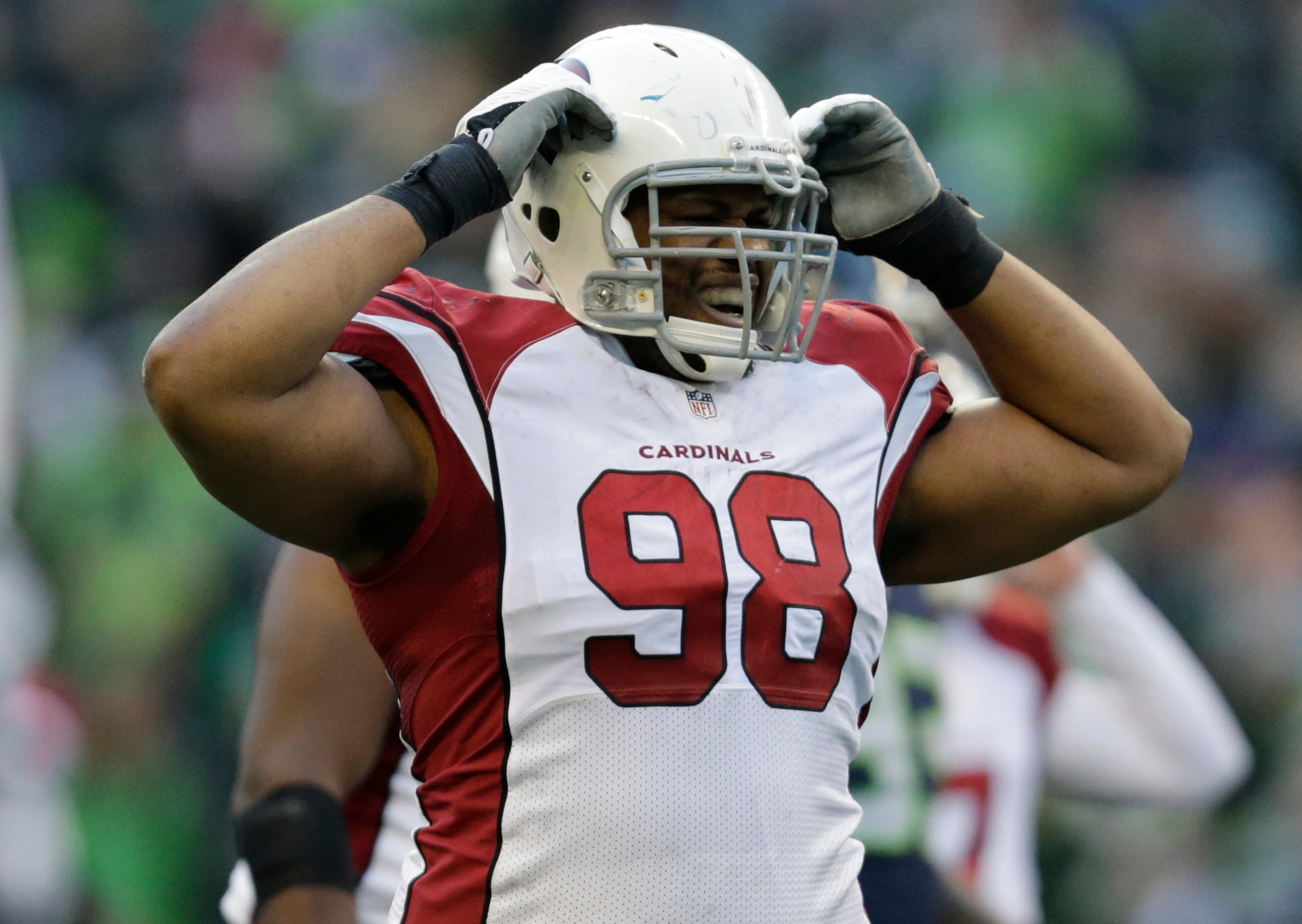
Scheme: 3-4
Starter: Corey Peters
NFL1000 Scores: 65.6/100
NFL1000 Position Rank: 35/99
Hampered by injuries for most of his career, Corey Peters was able to put together a relatively healthy 2016 campaign. He’s the classic jack of all trades, master of none defensive tackle. He’ll get solid rush from 0 and 1 technique, but he’s not consistent enough to ever be a force in this area. Bringing in competition via the draft makes a ton of sense for Arizona.
Backup: Rodney Gunter
NFL1000 Scores: 62.2/100
NFL1000 Position Rank: 57/99
Gunter had a strong rookie season as an unknown fifth-round pick. His playing time was sporadic in 2016, as Peters managed to stay in the lineup. Gunter is what you want in a backup nose tackle. He can spell Peters without being a sieve versus the run. He may be competing for a roster spot in 2017 if the Cardinals add a defensive tackle early, but most teams could use a player like Gunter in their defensive tackle rotation.
Team Need: 6/10
Potential Draft Fits: Jaleel Johnson (Iowa), Eddie Vanderdoes (UCLA)
Outside Linebacker
12 of 18
Scheme: 3-4
Starter: Chandler Jones
NFL1000 Scores: 72.9/100
NFL1000 Position Rank: 5/65
The Cardinals swung a blockbuster trade for Jones last March with the hope of finding a game-changing pass-rusher for Arizona’s 3-4 defense. Jones delivered, notching 11 sacks and four forced fumbles over 16 games. He finished as NFL1000’s fifth-best 3-4 outside linebacker, and the Cardinals repaid him for his efforts with a five-year deal worth over $80 million. Long, athletic and powerful, Jones is the prototypical edge-rusher. The 27-year-old has 23.5 sacks over the last two seasons.
Backup: Markus Golden
NFL1000 Scores: 72.4/100
NFL1000 Position Rank: 6/65
The addition of Jones and another year of development helped turn Golden into an emerging star in 2016. His 12.5 sacks ranked tied for third in the NFL, and he finished behind only five players in our positional rankings at NFL1000. Golden lacks the length of most elite rushers, but he’s powerful at the point of attack and relentless in chasing down the quarterback. His effort is unmatched; right tackles know they are getting a full 60 minutes of work when going up against No. 44 in red. Golden’s rookie deal is good for another two years.
Backup: Jarvis Jones
NFL1000 Scores: 67.8/100
NFL1000 Position Rank: 31/65
Jones arrives in Arizona after four mostly disappointing seasons in Pittsburgh. A former first-round pick, Jones never developed any kind of pass-rushing plan at the NFL level (six career sacks). He simply lacks the burst and agility to get around the corner and disrupt passing games. However, Jones does bring value as an edge-setting run-stopper. He also earned above-average grades in coverage and tackling. The loss of Alex Okafor could tempt the Cardinals to use a mid-round pick to build depth behind Jones and Golden.
Team Need: 2/10
Potential Draft Fits: Vince Biegel, Wisconsin; Josh Carraway, TCU
Inside Linebacker
13 of 18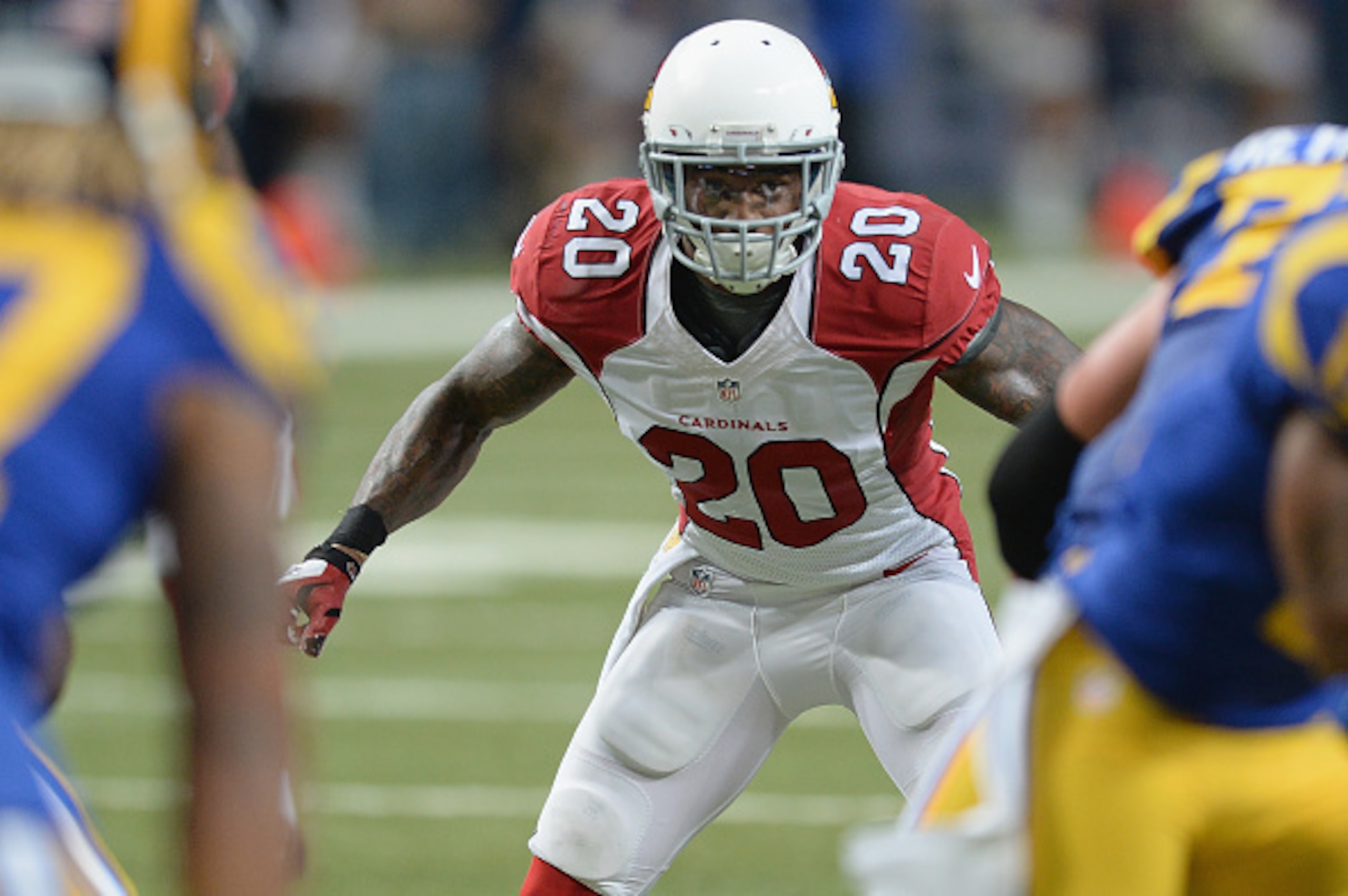
Scheme: 3-4
Starter: Deone Bucannon
NFL1000 Scores: 72.6/100
NFL1000 Position Rank: 15/65
Deone Bucannon is an average player at this point in his career, despite an NFL1000 grade that puts him close to the top tier. Bucannon is much better in coverage than against the run, and his perceived versatility inflates the overall view of him. Bucannon’s willingness to play from an inside linebacker position has served the team well as the Arizona Cardinals built their aggressive, fast defense. Although Bucannon isn’t a top-tier inside linebacker, he’s serviceable enough that his speed can fit in with the rest of Arizona’s squad.
Unfortunately, Bucannon’s fundamental technique is severely lacking. In the run game, even when he makes positive plays, it’s clear that much of it is a reliance on hyper-athleticism versus true technique. Tackles are great, and Bucannon has tremendous speed and range, but his inability to routinely engage offensive linemen can make him a liability every week in the run game. Versatility is only important if the player can succeed in multiple manners, not just simply play varied techniques and positions.
Bucannon is a passable starter and one that the Cardinals can win with. They won’t be replacing him this season, provided he comes back fully healthy. They may, however, look to the draft to replace starting inside linebacker Kevin Minter. Minter often cleaned up Bucannon’s recklessness.
Starter: Karlos Dansby
NFL1000 Scores: Insufficient snaps to qualify for NFL 1000 scoring
Karlos Dansby signed with the Cardinals again—his third stint with the team—and will begin training camp as the starter at inside linebacker next to Bucannon. Dansby will turn 36 years old this season and should be seen as a one-year starter while the Cardinals find a long-term starter in the draft.
Dansby is a clear step down from 2016 starter Kevin Minter, who signed with the Cincinnati Bengals as an unrestricted free agent. Dansby has the veteran presence and experience that will help Bucannon become a more polished and consistent player, but he may not have the physical ability to cover up Bucannon’s mistakes.
Team Need: 8/10
Potential Draft Fits: Haason Reddick (Temple), Reuben Foster (Alabama), Raekwon McMillan (Ohio State)
Cornerback
14 of 18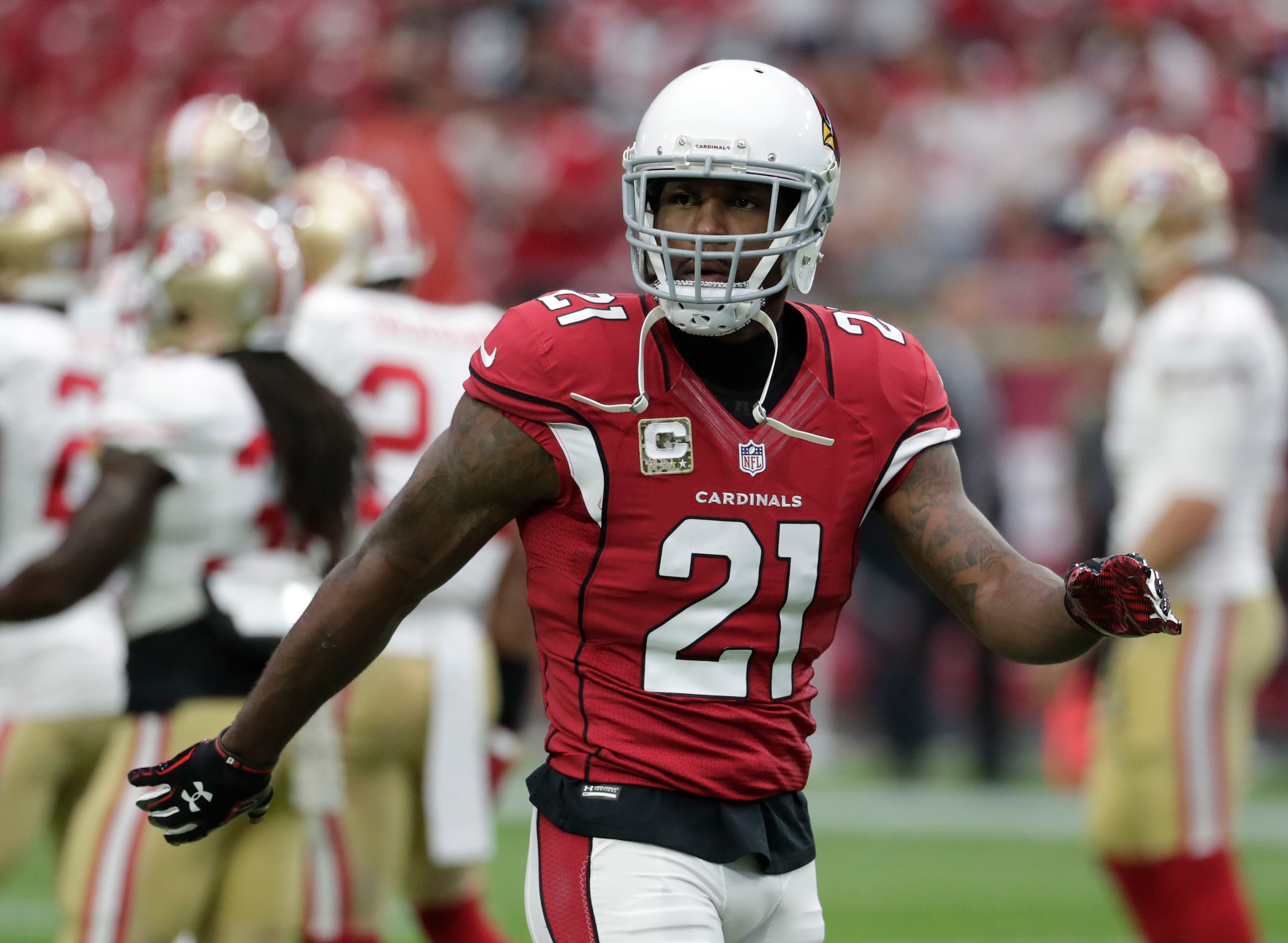
Scheme: Cover 1 Man
Starter: Patrick Peterson
NFL1000 Scores: 73/100
NFL1000 Rank: 4/133
Still among the best cornerbacks in the league, Patrick Peterson continues to be a lockdown playmaker for the Arizona Cardinals. He had one of his best seasons to date in 2016, despite not having much secondary help around him because of injuries at safety and lack of talent at cornerback. Peterson is locked in long-term, so the Cardinals have nothing to worry about here.
Starter: Brandon Williams
NFL1000 Scores: 53.8/100
NFL1000 Rank: 132/133
This is where the Cardinals have an enormous hole on their roster. Instead of opting to take more refined, proven cornerbacks in the 2016 draft, general manager Steve Keim made one of his biggest blunders by investing a third- and sixth-round draft pick into the duo of Brandon Williams and Harlan Miller. Neither made any sort of positive impact or even impression last year for the defense, leaving the Cardinals in desperate need of an upgrade at the No. 2 cornerback position. Williams was our second-lowest graded corner last year, showing little promise as a former running back. He shouldn’t be put in the same position to fail in 2017 as he was in 2016.
Slot: Justin Bethel
NFL1000 Scores: 55.5/100
NFL1000 Rank: 128/133
In sporadic and intermittent playing time last year, Justin Bethel struggled mightily, though in fairness, he was asked to play outside more than the slot. He’s a better fit in the slot, where his quickness is maximized and his struggles finding the ball when he turns his hips are mitigated. The Cardinals don’t have much competition in-house for Bethel though, with Miller being a possible safety convert, unless Tyvon Branch is moved back to corner. Adding two corners in the draft should again be the plan.
Team Need: 10/10
Potential Draft Fits: Quincy Wilson (Florida), Gareon Conley (Ohio State), Kevin King (Washington), Ahkello Witherspoon (Colorado), Tre’Davious White (LSU), Damontae Kazee (San Diego State)
Free Safety
15 of 18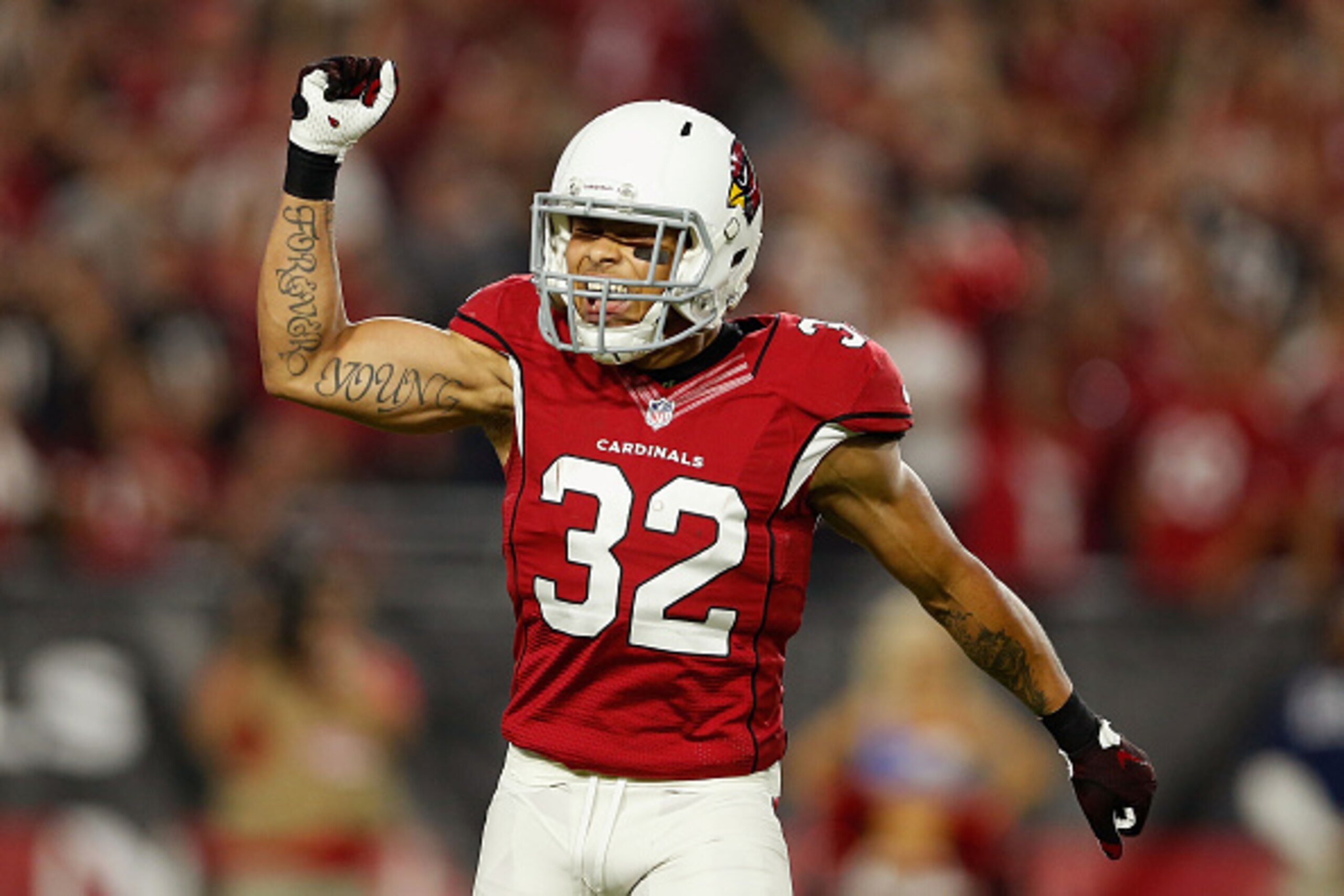
Scheme: Cover 1
Starter: Tyrann Mathieu
NFL1000 Scores: 64.7/100
NFL1000 Position Rank: 45/133 (Graded at Cornerback)
When healthy, Mathieu is as impactful as just about any defensive back in the NFL. He has a nose for the ball and can single-handedly change a game with a turnover via interception or forced fumble. The problem has been keeping him healthy. He plays most of his best football as the slot corner, but last year the Cardinals tried him more as a free safety. This meant playing deeper and further away from the line of scrimmage, which in theory lessens the potential for a significant injury. However, it also limits his impact on the game. After a while, the Cardinals shifted Mathieu back to slot corner, and his impact on the game improved, but he suffered yet another injury.
Mathieu is now healthy and expected to be back to his best for the start of the season. How the Cardinals use him will be worth monitoring. His best role is in the slot as a hybrid safety/slot corner, but they may opt to keep him at free safety to ensure he can stay healthy. Whatever they decide, Mathieu will be a starter in the Cardinals secondary.
Starter: Harlan Miller
NFL1000 Scores: Insufficient snaps to qualify for NFL 1000 scoring
Miller was a sixth-round pick of the Cardinals last year and was expected to compete for a roster spot among the backup cornerbacks. He couldn’t make the final roster but did land on the Cardinals’ practice squad, where he spent most of the season. After the Cardinals suffered multiple injuries, Miller was promoted from the practice squad and spent the last two games of the season at free safety. He didn’t look out of place as the single high safety and actually managed to come away with interception, albeit on a trick play with Rams wide receiver Pharoh Cooper throwing up a lofty pass down the sideline. Miller might be moved back to corner or become one of the latest Cardinals defensive backs to play in the Mathieu slot corner/safety role. But with the lack of depth at safety, I would expect them to at least see how he might progress there during training camp.
Team Need: 6/10
Potential Draft Fits: Malik Hooker (Ohio State), Marcus Williams (Utah), Obi Melifonwu (UConn)
Strong Safety
16 of 18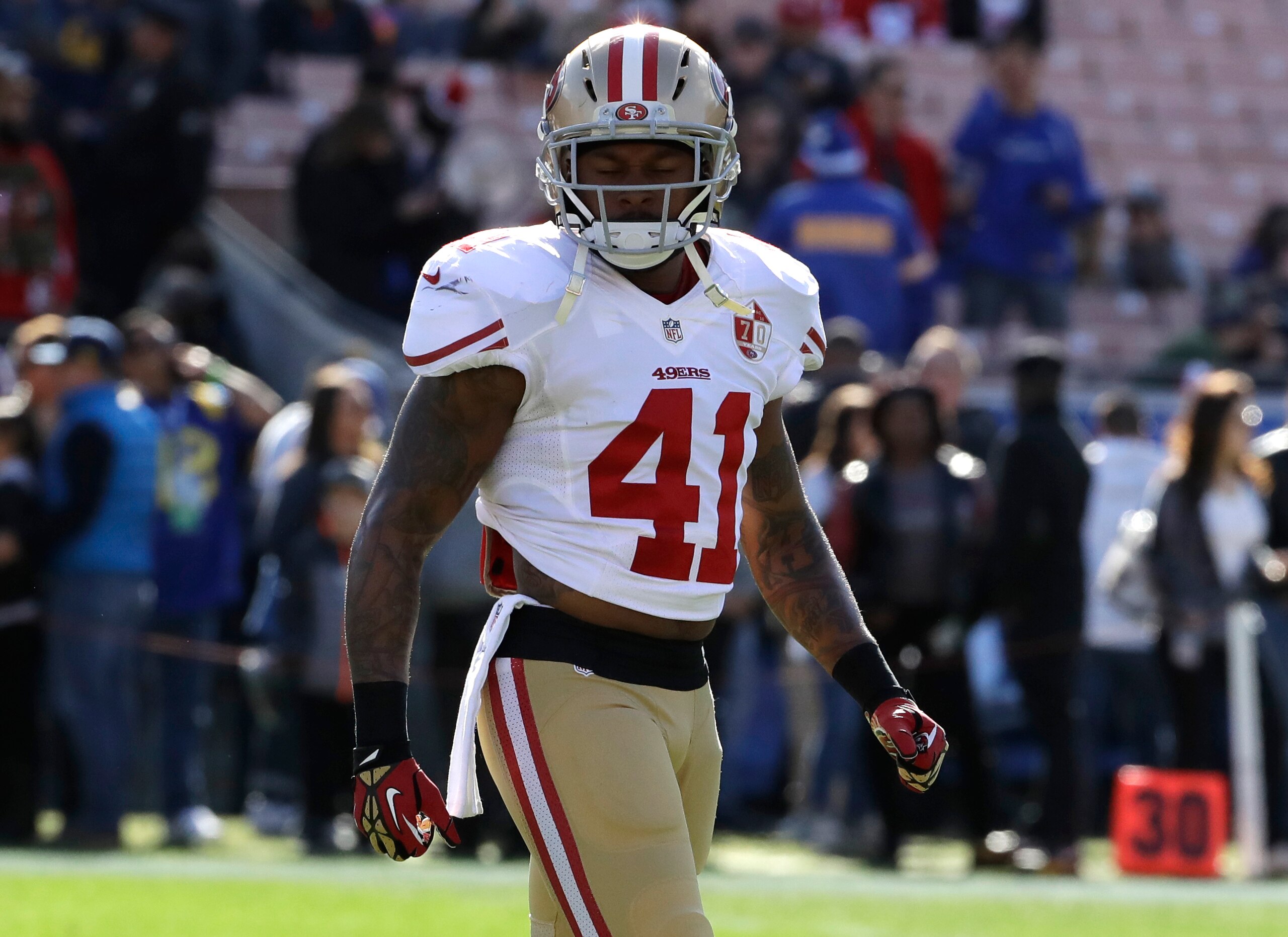
Scheme: Cover 1
Starter: Antoine Bethea
NFL1000 Scores: 72.8/100
NFL1000 Position Rank: 16/53
At 32, Bethea may appear to be a temporary stopgap signing for the Cardinals, especially after he was just cut by the 49ers. But while he isn’t necessarily a long-term solution for Arizona, Bethea can still be a solid contributor. He put in a good season on a poor San Francisco defense while he was playing strong safety. Bethea also offers versatility, being able to play some free safety too. He was forced to do just that down the stretch last year after Eric Reid was injured. He wasn’t as good there, but he’s still serviceable. For a team that lost both Tony Jefferson and D.J. Swearinger, who played a combined 1,768 snaps last year, adding a reliable veteran like Bethea is a solid move. Bethea played 1,125 snaps last year and has been a starter for all 16 games in a season for eight of his 11 years in the NFL.
Backup: Tyvon Branch
NFL1000 Scores: 66.1/100
NFL1000 Position Rank: 37/133 (Graded at Cornerback)
Branch was signed by the Cardinals last year to be another safety/slot corner hybrid. He took the slot corner role while Mathieu played deeper in the early part of last season before getting injured in Week 4. He made a brief comeback and played in Weeks 13 and 14 before being shut down again. He’s only played in all 16 games in one of the last five years, which leads to questions about how much the Cardinals can rely on him. Using him as a backup or third safety might be the best option at this stage.
Team Need: 4/10
Potential Draft Fits: Jamal Adams (LSU), Budda Baker (Washington), Marcus Maye (Florida)
Kicker
17 of 18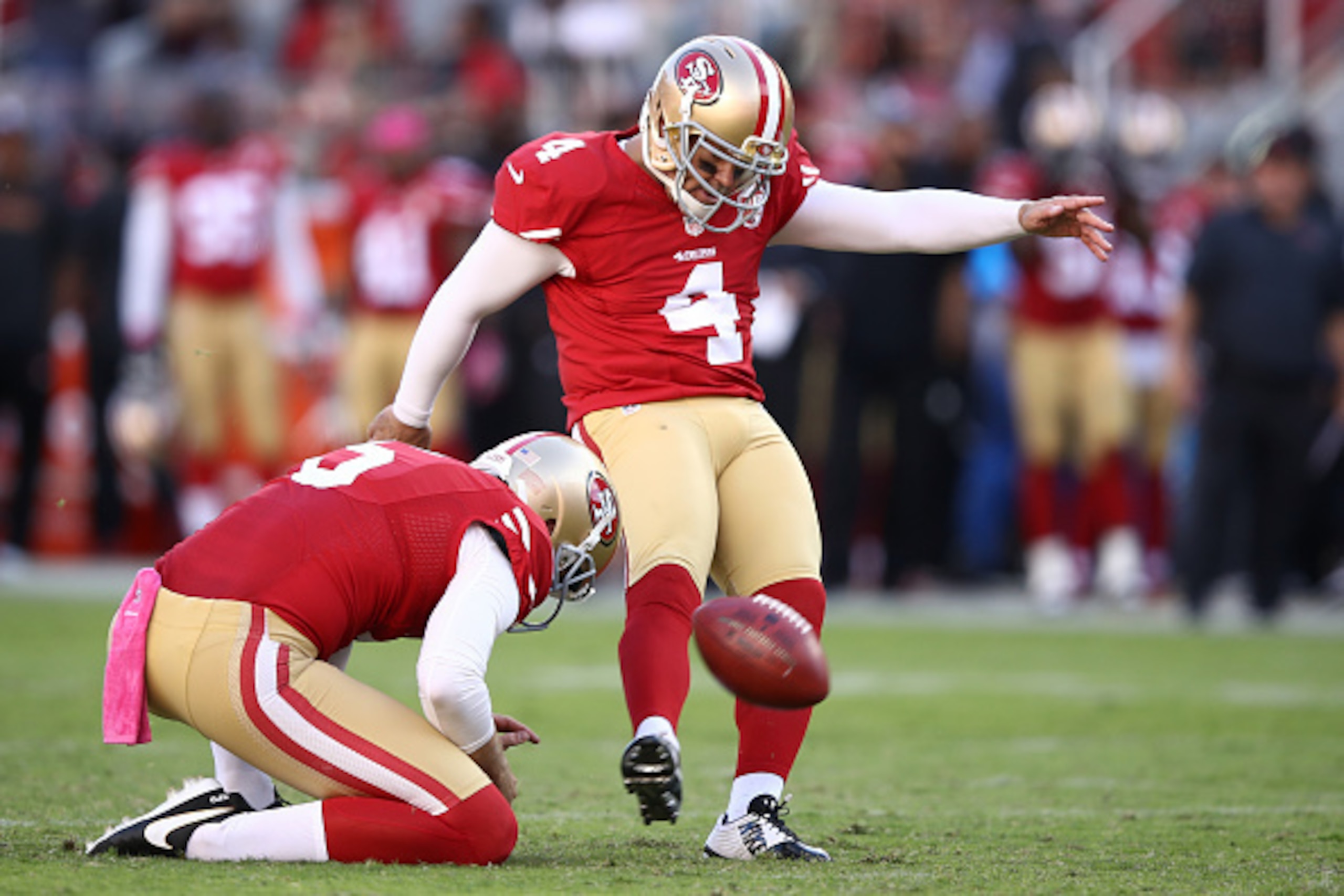
Starter: Phil Dawson
NFL1000 Scores: 65.8/100
NFL1000 Position Rank: 28/38
The second half of Chandler Catanzaro’s season was a nightmare, so much so that the Cardinals released him shortly after the Super Bowl. While Catanzaro possessed tremendous leg talent, his issues spiraled to the point where the Cardinals lost confidence in his ability to self-diagnose and correct his problems.
Enter Phil Dawson, who signed with Arizona at the start of free agency. Dawson, like Adam Vinatieri and Matt Bryant, is north of 40 years old. He is dependable and likely to be far more consistent than Catanzaro was in 2016. Dawson made 85.7 percent of his field goals last year, though he had just two attempts from longer than 50 yards, making one of those.
Dawson is likely a short-term stopgap measure, as he cannot be expected to play forever, but he is going to bring calm to a team that desperately needs it with its specialists.
Team Need: 3/10
Potential Draft Fits: None
Punter
18 of 18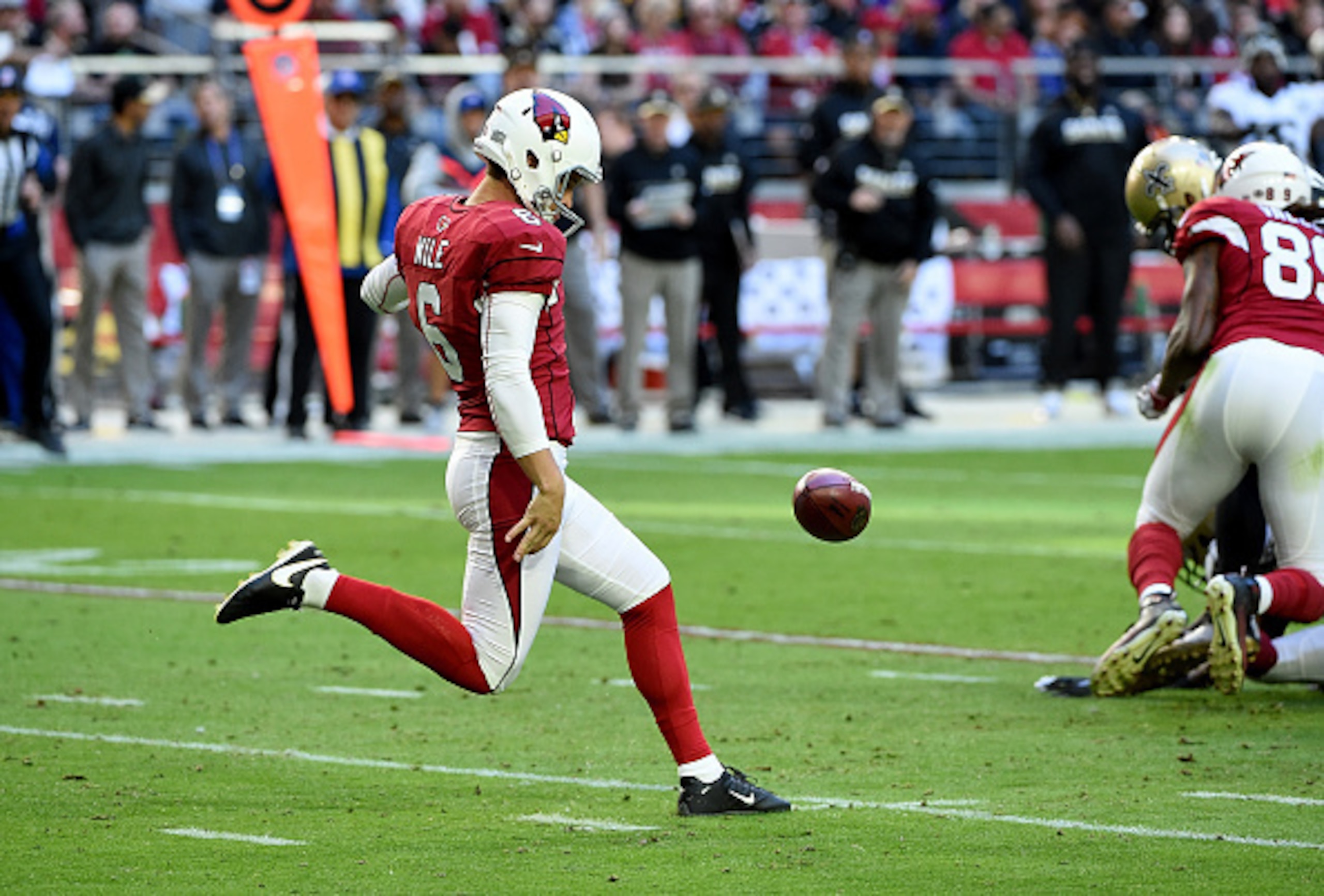
Punter: Matt Wile
NFL1000 Scores: 64.5/100
NFL1000 Position Rank: 27/38
Matt Wile joined the Cardinals shortly after they released veteran Drew Butler heading into Week 15. Wile had a successful one-week stint with the Atlanta Falcons just three weeks prior, and his performance in that game likely led to his Cardinals contract. In that game, Wile showed a strong leg and good directional ability, but the caveat is that it was a one-game sample size.
Once on the Cardinals, Wile showed some inconsistency but was still an upgrade over Butler, who simply did not possess the leg required by NFL teams. Wile is likely the leader in the clubhouse heading into the fall, but Arizona has already brought in additional competition through CFL punter Richie Leone and is likely to look for undrafted free agents as well. While Wile does have the leg up at this point, the punter depth chart is more fluid than most in the NFL.
Team Need: 5/10
Potential Draft Fits: None
Advanced stats courtesy of Pro Football Focus.

.jpg?w=2560 "Commanders Eagles Football")
.jpg?w=2560 "Grading WWE Raw 🔠")


.jpg?w=2560 "Viral Rams Coach Vid 🖕")
