
Best and Worst Moves Washington Redskins Can Make This Offseason
Keeping a Pro Bowl quarterback and at least one of his star wide receivers are among the best moves the Washington Redskins can make in what's sure to be a highly significant offseason.
General manager Scot McCloughan is under no small amount of pressure to get things right this year after making something of a mess of it in 2016. Sorting out the future of quarterback Kirk Cousins tops his agenda, but identifying free agents able to fix a horrible defense has to be a close second.
The two worst things McCloughan and the Redskins could do is jettison the quarterback who gives the team its best chance to win now, as well as ignore the issues on defense for the second year running.
Other smart calls the men in charge at Redskins Park can make include adding some experience and competence to a threadbare running back rotation.
Read on for a full list of the best and worst moves the franchise that won eight games and missed the playoffs in 2016 can make this offseason.
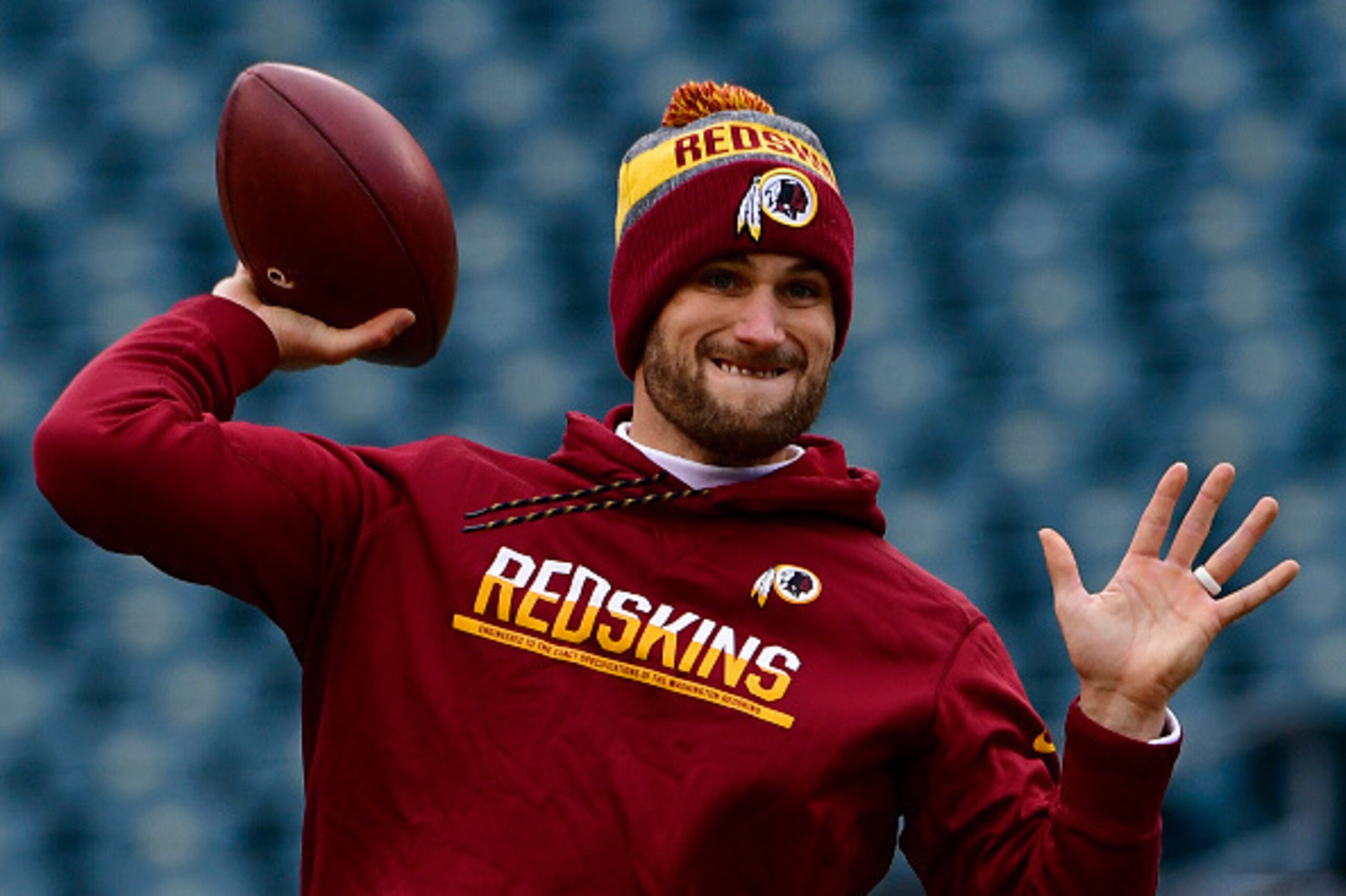
Best: Give Kirk Cousins a New Deal
1 of 8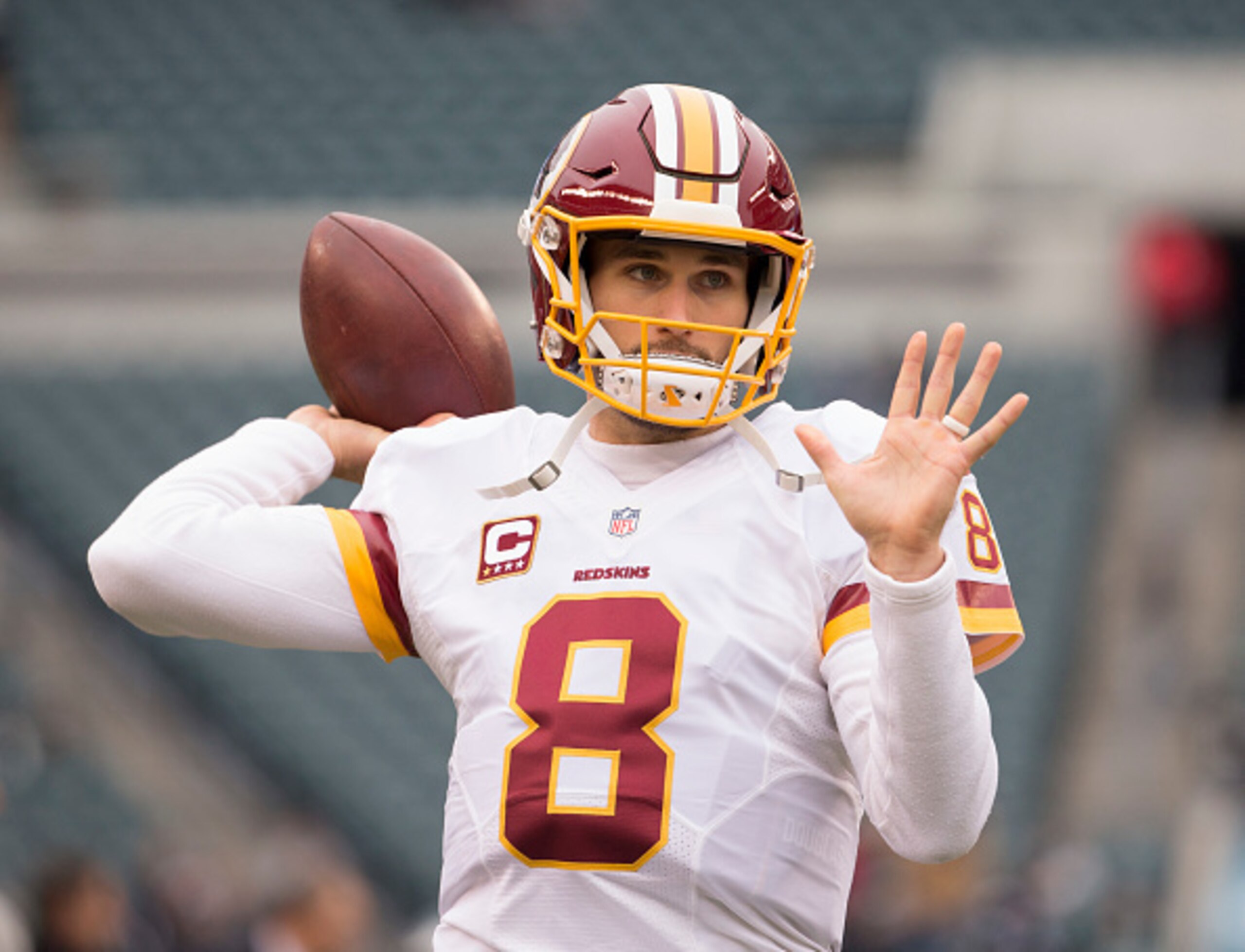
Until Cousins' status is settled, the quarterback and his future are going to be the first things worth talking about when discussing the Redskins. Frankly, it's mind-boggling Washington has let things get this far.
Cousins is a Pro Bowl quarterback in an era where pro football is still generally skewed toward the pass. That and the fact the collegiate ranks appear thin on would-be NFL-ready passers means Cousins is worth the lucrative new deal he seeks.
Yet for some reason, one beyond all understanding, McCloughan and Co. continue to drag their feet about getting a deal done. In fact, it's now reached the stage where the idea of the team trading Cousins is deemed more likely than keeping him.
NFL Network analyst Daniel Jeremiah recently told San Diego's Mighty 1090 radio station (h/t CSN Mid-Atlantic's JP Finlay) how a trade sending Cousins to the San Francisco 49ers could happen during next week's Scouting Combine: "I would not be shocked at all if we saw a Kirk Cousins to San Francisco trade go down at that point in time."
It's a quite staggering situation, but Jeremiah believes Cousins' chances of staying with the Redskins are slim: "I don’t think they’re going to be able to get a long term deal done," he said. "I would say greater than 50 percent chance he’s not with the Redskins next year."
Ditching Cousins this abruptly would be the fastest way for Washington to ensure a losing record in 2017. The supporting cast of this team is nowhere close to good enough to supplement a suspect starter.
If anything, Cousins and his receivers are the one proven commodity the Redskins have. While No. 8 can still be a little rough around the edges, he's ultimately delivered as a productive quarterback in D.C.
Given how there's no new generation of QBs ready to do the same, the alternatives to sticking with Cousins are scary.
Worst: Dump Cousins
2 of 8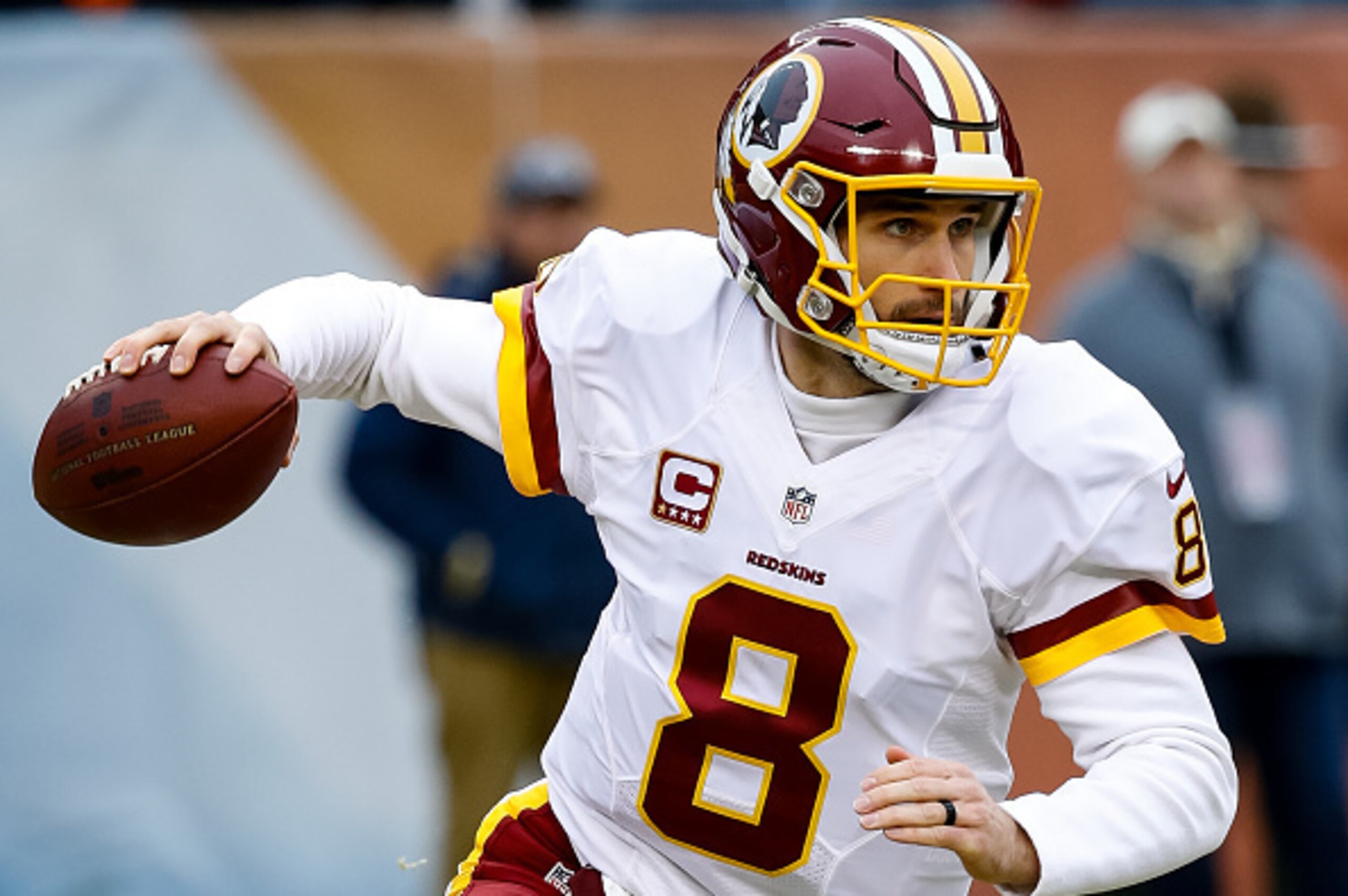
All you need to do to get a harrowing glimpse of what life without Cousins will be like for the Redskins is take one look at the veteran quarterback market. The horror.
There's just no way to think dumping Cousins in favor of a Jay Cutler or Tyrod Taylor could in any way improve this franchise. Those might not even be the most worrying options available.
How about seeing Tony Romo suit up for the Redskins in 2017? It's a real possibility, according to Bleacher Report's Jason Cole. He names the Dallas Cowboys veteran as a plausible choice if Cousins is moved on.
As Cole's report makes clear, there are a lot of question marks about the viability of any potential deal for Romo. Yet, it's a concern it would even be considered given how brittle the soon-to-be 37-year-old gunslinger has become.
Romo has missed major time the last two seasons with a myriad of back problems. Even when he's on the field, Romo can't always be trusted to make smart plays in the clutch.
Taking a quarterback position as close to being settled as it can be with Cousins and building on the quicksand of a veteran with as many question marks as Romo would be a shocking decision by the Redskins.
Best: Invest Heavily on Defense
3 of 8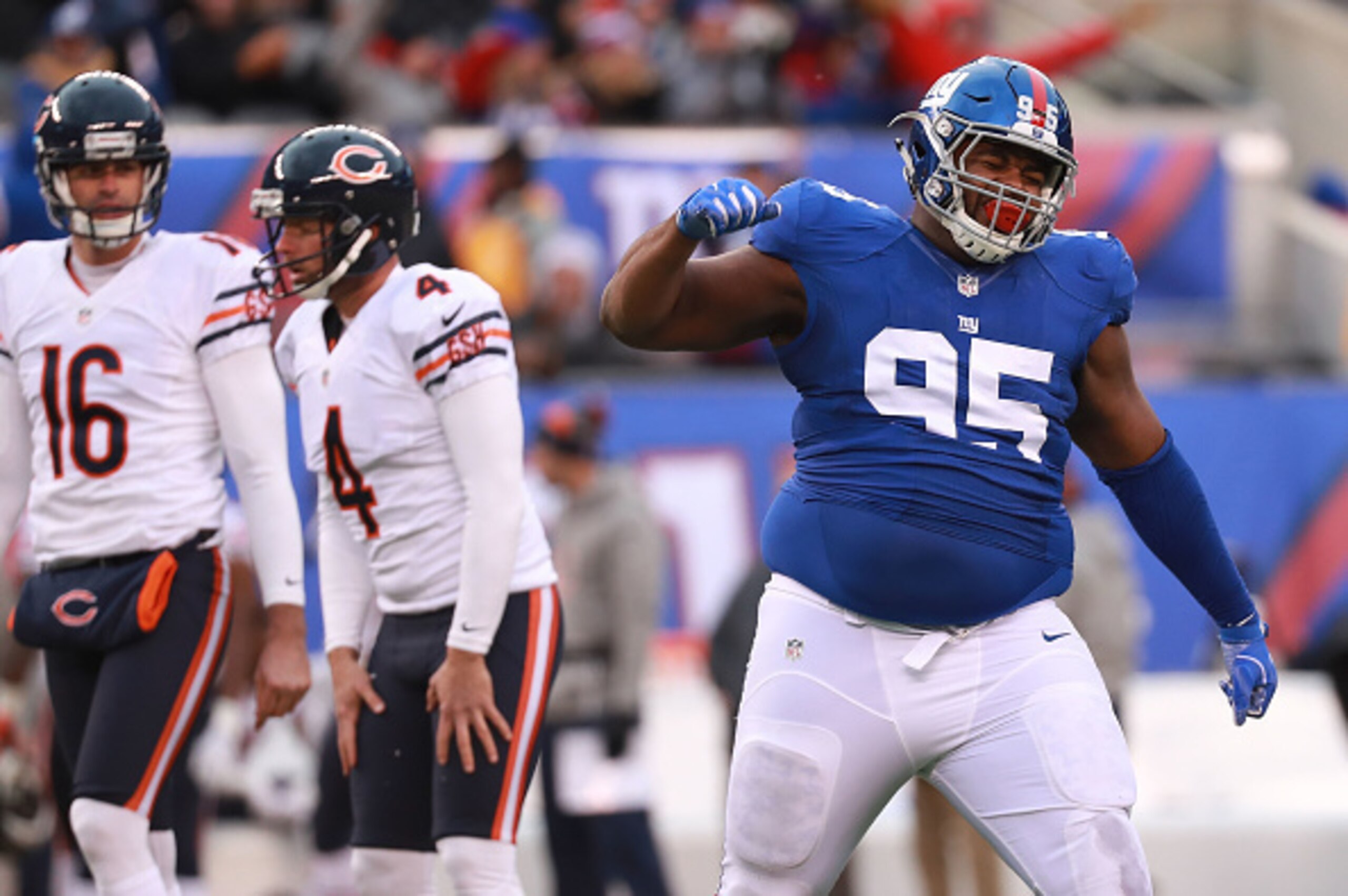
With ample money under the cap and a veteran market loaded with playmakers on that side of the ball, the Redskins simply must invest heavily in defense this offseason.
Washington's units have been ranked near the bottom of every meaningful statistical category for two years for one simple reason. There's been a chronic lack of talent on D.
McCloughan can change the pattern thanks to the $64,623,935 in estimated cap space this team has, according to Spotrac.com. It means there's money available to target some of the many marquee free agents set to be on the market come March 9.
Among them, the Redskins will see several behemoth defensive tackles capable of finally, finally giving this team a stout front. Player such as Kansas City Chiefs nose tackle Dontari Poe, New York Giants D-tackle Johnathan Hankins, Dallas Cowboys 0-technique Terrell McClain and New England Patriots Super Bowl winner Alan Branch would all help a team that's spent seven years struggling to get the right pieces in place to play a 3-4 scheme.
Actually, make that a team that's too often refused to do what it takes to bring in the right players for a 3-4, particularly up front. The problem demands investment, plain and simple.
With players such as end Calais Campbell, inside linebacker Dont'a Hightower and edge-rusher Melvin Ingram also available, it will be a dereliction of duty for McCloughan to let Washington another season with a ragtag defense.
.jpg?w=2560 "Rams Seahawks Football")
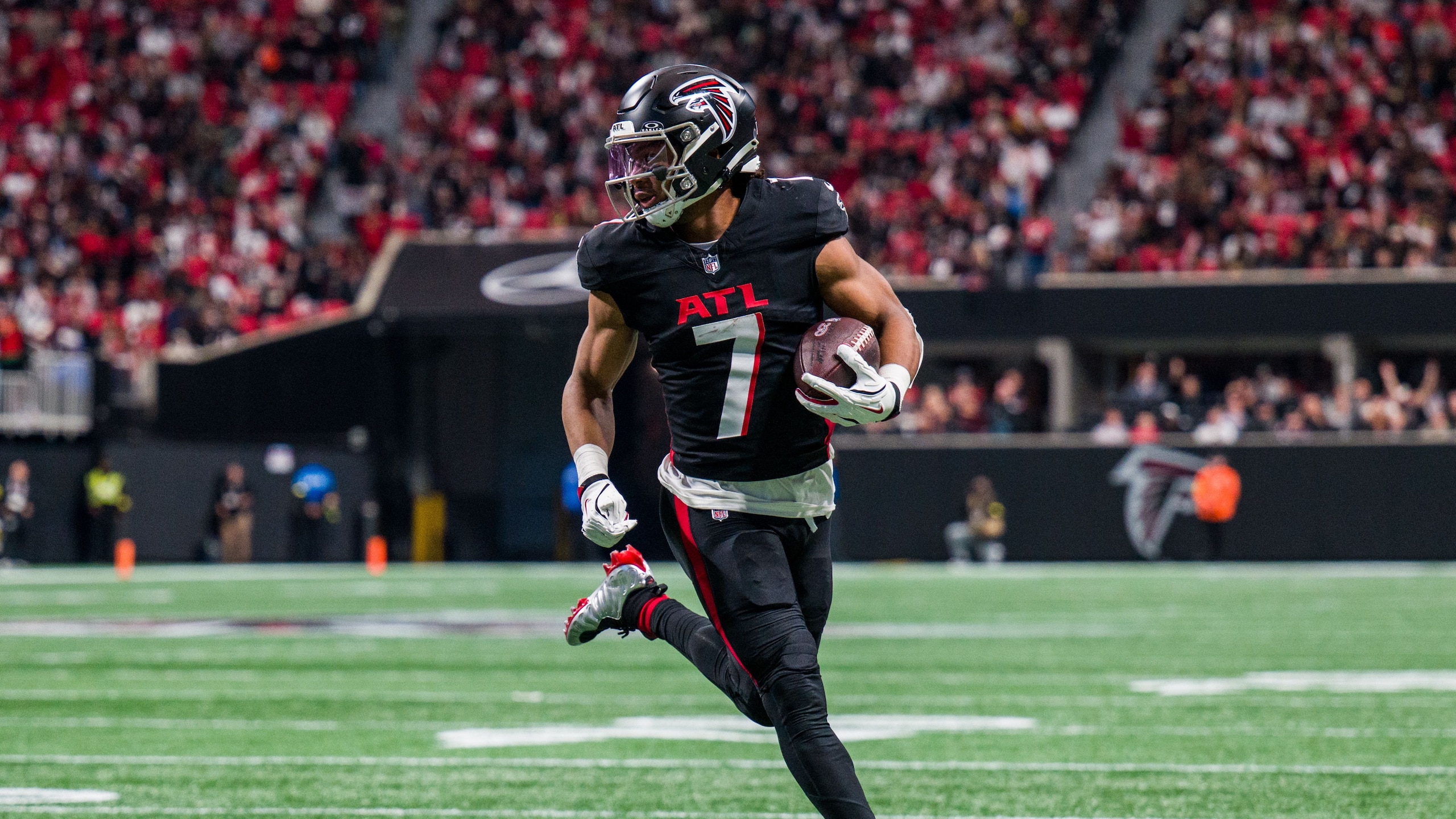
Worst: Continue Pinching Pennies on Defense
4 of 8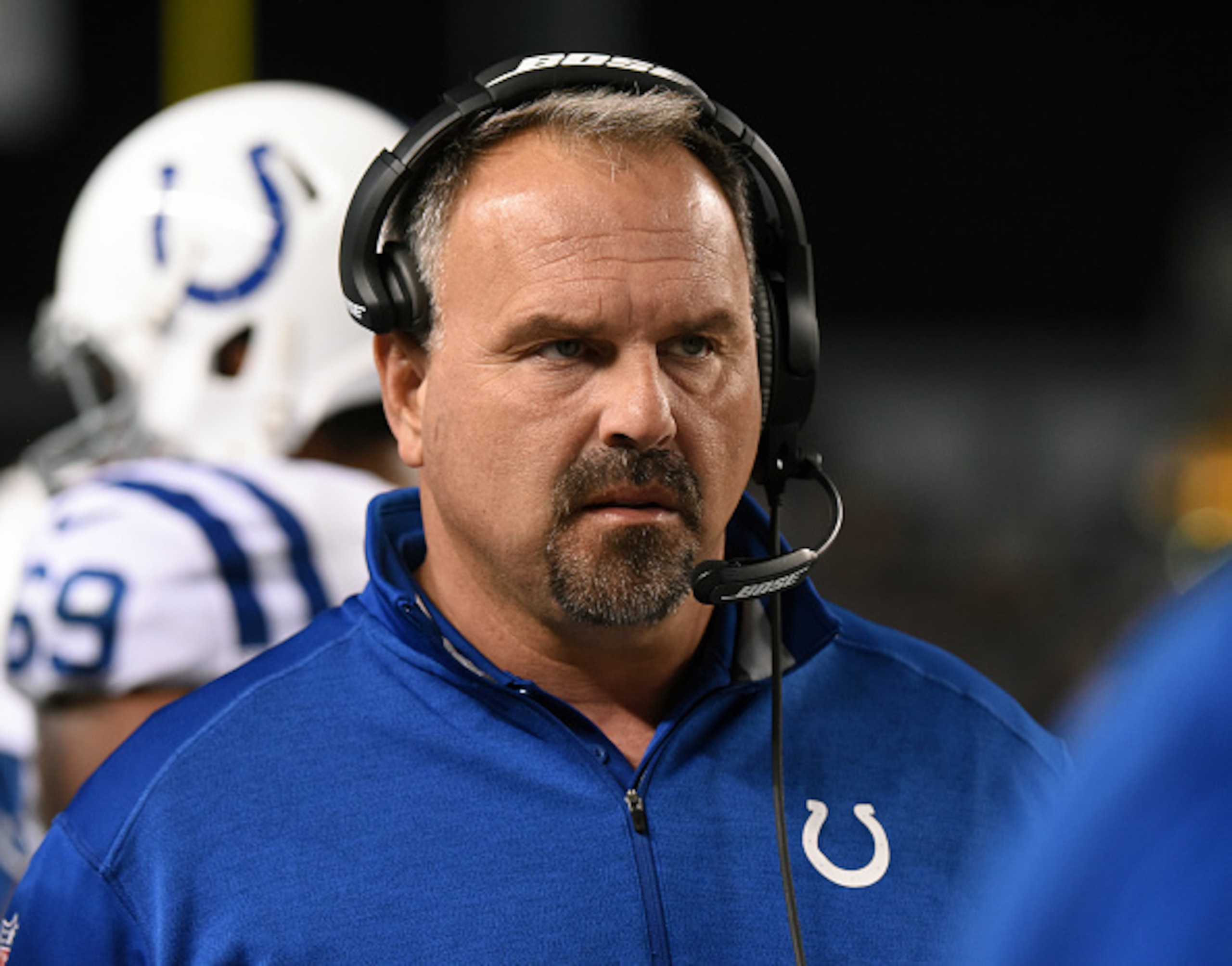
Being defensive coordinator in Washington has been the most thankless job in the league the last few years. Both Jim Haslett and Joe Barry found themselves hamstrung by the lack of high draft picks or free-agency dollars expended to fix the defense.
New man in charge Greg Manusky had better hope this pattern doesn't continue. The worst thing the Redskins could do is ask another uninspiring hire to fashion a stingy defense out of patchwork parts.
It's what McCloughan asked Barry to do in 2016. Rather than fix the ongoing problem at nose tackle, only the most important position on the front seven, McCloughan gave Barry veteran retreads Cullen Jenkins and Ziggy Hood and said make it work.
Rather than credibly upgrade the pass rush with a blue-chip rusher, McCloughan asked Barry to believe Junior Galette, a veteran with a ton of baggage coming back from a torn Achilles would be enough.
Galette got injured again, losing another season. But his first injury was just part of a defensive malaise McCloughan helped set in when he guessed wrong on Ricky Jean Francois, a part-timer in Indianapolis, in 2015. Francois' arrival was followed by a short-term deal for Terrance Knighton that offered no stability to player of franchise, while the less said about the investment in Stephen Paea the better.
The Redskins haven't spent enough on defense, and they haven't been smart with the meager outlay they did invest. To illustrate the point, Liz Clarke of the Washington Post compared how contrasting approaches to defensive investment impacted both Washington and NFC East rivals the New York Giants in 2016:
"In short, the Redskins (8-6-1) took a restrained approach to upgrading their defense in the initial phase of free agency; used their first-round draft pick on a wide receiver, despite a logjam of talent at the position, rather than a defensive player; and pounced on the chance to sign Josh Norman once the Carolina Panthers rescinded the franchise tag on their Pro Bowl cornerback.
The Giants, by contrast, mounted the equivalent of an all-out blitz in upgrading their defense. At a cost of roughly $200 million, they added top defensive end Olivier Vernon, run-stuffing defensive tackle Damon Harrison and shut-down cornerback Janoris Jenkins in free agency. They also re-signed defensive end Jason Pierre-Paul and invested their first-round pick (10th overall) in Ohio State cornerback Eli Apple.
"
It's easy to see from Clarke's account the staggering disparity between what the Giants were prepared to pay to beef up their defense compared with Washington's penny-pinching approach.
In a league where teams usually get what they pay for, it's no surprise the contrast was equally as sharp between how both defenses performed last season, per Clarke:
"The Giants' defense has gone from being ranked 30th in the NFL in points allowed last season to third this season. In the same span, the Redskins' defense has gone the opposite direction — from 17th in points allowed to tied for 22nd. And it ranks in the bottom tier in every statistic of consequence: 29th in yards allowed per game, 28th in passing yards allowed per game, 25th in rushing yards allowed per game and 32nd in third-down conversions allowed.
"
There's no clearer message the Redskins need to spend more to get more on defense. It won't be easy, especially with a long-term deal good enough for a quarterback holding all the cards to sign also needing to be offered.
However, there's still enough room in the coffers, as well as enough talent on the market, for a shrewd general manager to give Manusky what he needs to get the defense up to par this season.
Best: Add a Veteran Running Back
5 of 8
Fixing the running game is arguably as important as fortifying the defense. Fortunately, the best way to fix the former problem is by plucking a smart and savvy back off the veteran market.
It would be a change in tact from a Redskins franchise content to pursue younger options at the position in recent seasons. However, 2015 third-round pick Matt Jones hasn't worked out, with his fumbling problems a constant source of frustration for head coach Jay Gruden.
Undrafted free agent Robert Kelley took the reins after Gruden sat Jones down last season. While Kelley performed admirably, he's not a complete back who can add explosive qualities to every phase of the offense.
What a player such as Kelley needs is a veteran mentor. The same is true of restricted free agent Chris Thompson, a useful but still unnuanced weapon on third downs.
Nuance is something James Starks offers as both a runner, receiver and blocker. His experience in a Green Bay Packers offense some Mensa members would struggle to decipher (it's not always a good thing) prove Starks is a smart football player able to absorb a lot and ensure the crucial parts of plays are carried out expertly.
The Redskins need this kind of trusted presence in the backfield. Yet Starks isn't the only veteran ball-carrier Washington could consider next month. There are also backs such as Darren McFadden, Lance Dunbar and Andre Ellington who would answer a need in D.C.
Worst: Ignore the Running Game
6 of 8
Jones has had two years to prove he can be Washington's lead workhorse. His struggle to do so has made a mockery of the decision to ditch Alfred Morris last offseason. But it's nothing compared to the criticism McCloughan and Co. will be due if they ignore fixing the ground attack this offseason.
There are just too many question marks surrounding the incumbent options for Washington not to add a running back or two in either free agency or during the 2017 NFL draft.
Jones remains in Gruden's doghouse, while Thompson is a free agent who has never resembled an every-down back. Meanwhile, Kelley faces a challenge replicating his positive rookie numbers now that he won't be taking teams by surprise.
The Redskins don't have to add star power to their backfield, not when the passing game is still the strength of this team. But Washington must have more balance in 2017; more credibility in the running game to keep defenses honest. A few more big plays wouldn't hurt either.
The Redskins managed just 44 runs of 10 yards or more in 2017, according to Sporting Charts. Yet the fact Washington runners also averaged a solid 4.5 yards an attempt, per the same source, shows this team is capable of moving the chains on the ground.
Choosing not to boost the talent in the backfield would waste an offensive line more than capable of knocking open holes and creating movement in the trenches. It would also leave a one-dimensional offense with too much to do to carry the team.
Best: Bring Back Pierre Garcon
7 of 8
Choosing between DeSean Jackson and Pierre Garcon is no easy decision for any head coach and general manager. However, Gruden and McCloughan would be playing it smart if they kept Garcon over bringing D-Jax back.
Garcon is simply the more reliable receiver, the pass-catcher with the attributes more suited to Cousins' natural game. Those attributes include trusted hands and the ability to turn short and high-percentage throws into productive gains with consistent yards after the catch.
To illustrate both, Sporting Charts reveals Garcon produced 361 yards after the catch in 2016, good for second on the team behind Jamison Crowder. No. 88 was also targeted 114 times by Cousins, the most of any pass-catcher on the roster, per the same source. Of those targets, Garcon reeled in 69.3 percent of them while turning 45.6 percent into first downs.
In other words, Garcon is still a chain-mover his quarterback trusts. That trust is a priceless commodity, one even more valuable than the quick-strike, big-play capability.
Jackson is the premier deep threat in the NFL, one reason why teams such as the Tampa Bay Buccaneers are so keen. Bucs' quarterback Jameis Winston has been talking up the idea of Jackson moving to Florida, according to Greg Auman of the Tampa Bay Times.
The Bucs have up to $72,803,361 in estimated cap space, per Spotrac.com, so they have the money to force Washington into a bidding war for Jackson. It's a war the Burgundy and Gold may not care to fight, since team officials believe Jackson has been "inconsistent," according to Mike Jones of the Washington Post.
Inconsistent is not a word that applies to Garcon, though. He's the wideout the Redskins must retain.
Worst: Follow the Same Draft Strategy as 2016
8 of 8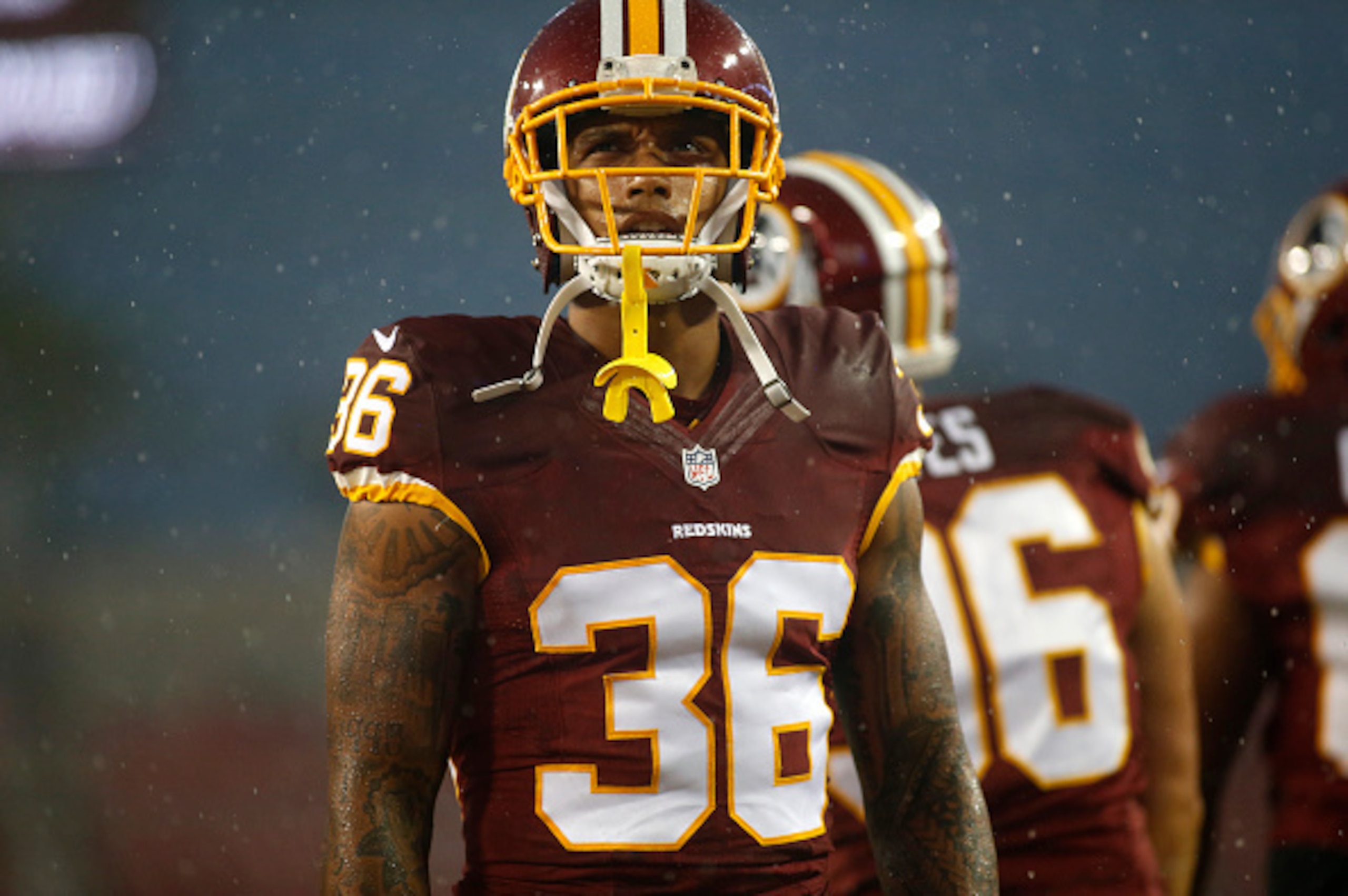
Arguably the most damaging move the Redskins could make this offseason would be to repeat the mistakes of 2016's draft. Even at this early stage, it's easy to say last year's class was far from McCloughan's finest hour.
The group yielded a brittle wide receiver who barely saw the field, a hybrid defender coaches didn't know how to use and several more prospects who either became practice squad fodder or wound up off the team altogether.
Doing better in the next draft will demand McCloughan flexing on his somewhat rigid best-player-available philosophy. It's one of the great misleading phrases of draft speak to say smart teams don't draft for need but simply stick to taking the best players available from their boards.
The reality is savvy drafters find the middle point between the two philosophies. They find the best prospects who fit their most obvious needs. The truly masterful draft selectors insist on scheme fit as a top criteria for picking a player, even if there's greater talent available.
Consider the New England Patriots selecting defensive tackle Vincent Valentine in the third round last year. The former Nebraska lineman wasn't the most productive in college, a red flag for most teams, per Paul Perillo of Patriots Football Weekly (via Patriots official website). However, Valentine's frame appealed to a team that values having big men in the middle on defense.
The Patriots also value versatility, something Valentine offered, according to director of player personnel Nick Caserio, per Perillo: "Valentine actually played anywhere from zero all the way out to five techniques. He's primarily an interior defensive tackle, but very strong, very physical, good run player, well-coached, playing for Coach (Bo) Pelini."
There were many more talented and highly touted D-tackles in a draft class loaded at the position last year. Yet the Patriots still took Valentine, because they had a need after letting go of Vince Wilfork, and because Valentine fit their scheme better than the rest.
McCloughan, Gruden and team president Bruce Allen must apply the same flexibility and common sense to Washington's picks this year.