Ranking Every Big Ten Coach by Their Recruiting Skills
College football coaches are constantly thinking about recruiting, so much that a GQ profile once said Alabama's Nick Saban grumbled that a national championship cost him a week on the trail.
In the Big Ten, 12 schools are chasing a pair of powerhouses. The lifeblood of the sport is a complete effort of a given coaching staff, but it's a reflection of the head coach.
Let's remember one critical point before getting carried away: While recruiting is essential, it's also one part of a large process. Programs like Wisconsin and Michigan State are lauded for their ability to develop 3-star talent, and game-day execution is another topic. A low standing on this list doesn't make someone a bad coach.
Talent evaluation, sample size, personality, experience and yearly performance factored into the rankings. Long- and short-term class standings were also considered.
14. Tom Allen, Indiana
1 of 14
On national signing day, Indiana inked the country's No. 56 class overall. It ranked 13th in the Big Ten.
All things considered, that's not a terrible result for Tom Allen. He was the perfect hire for Indiana to keep its recruiting class intact despite a coaching change.
While the 46-year-old is well-regarded as a defensive mind, the upcoming cycle should bring a relatively clear picture of how the Hoosiers will compete on the trail.
This is Allen's first job as a college football head coach. And after two straight bowl appearances for the Hoosiers, there's a base line of expectations. His recruiting ability will be tested right away, especially if IU struggles early in the season.
13. Jeff Brohm, Purdue
2 of 14
After spending three successful years at Western Kentucky, Jeff Brohm earned a lucrative opportunity at Purdue. The university has decided to truly invest in the football program, and the additional money will provide much-needed upgrades.
But money doesn't solve every problem.
Given the Boilermakers' lack of wins recently, Brohm is entering a tough situation. He signed top-three Conference USA classes from 2014-2016. That's promising, though it's important to recognize he didn't sign a single Indiana prospect in those years.
One positive for Brohm is he can lean on and promote previous success. But he and the Purdue staff have numerous in-state relationships to make in a small period of time, lest the program remain at the bottom of the Big Ten.
12. Chris Ash, Rutgers
3 of 14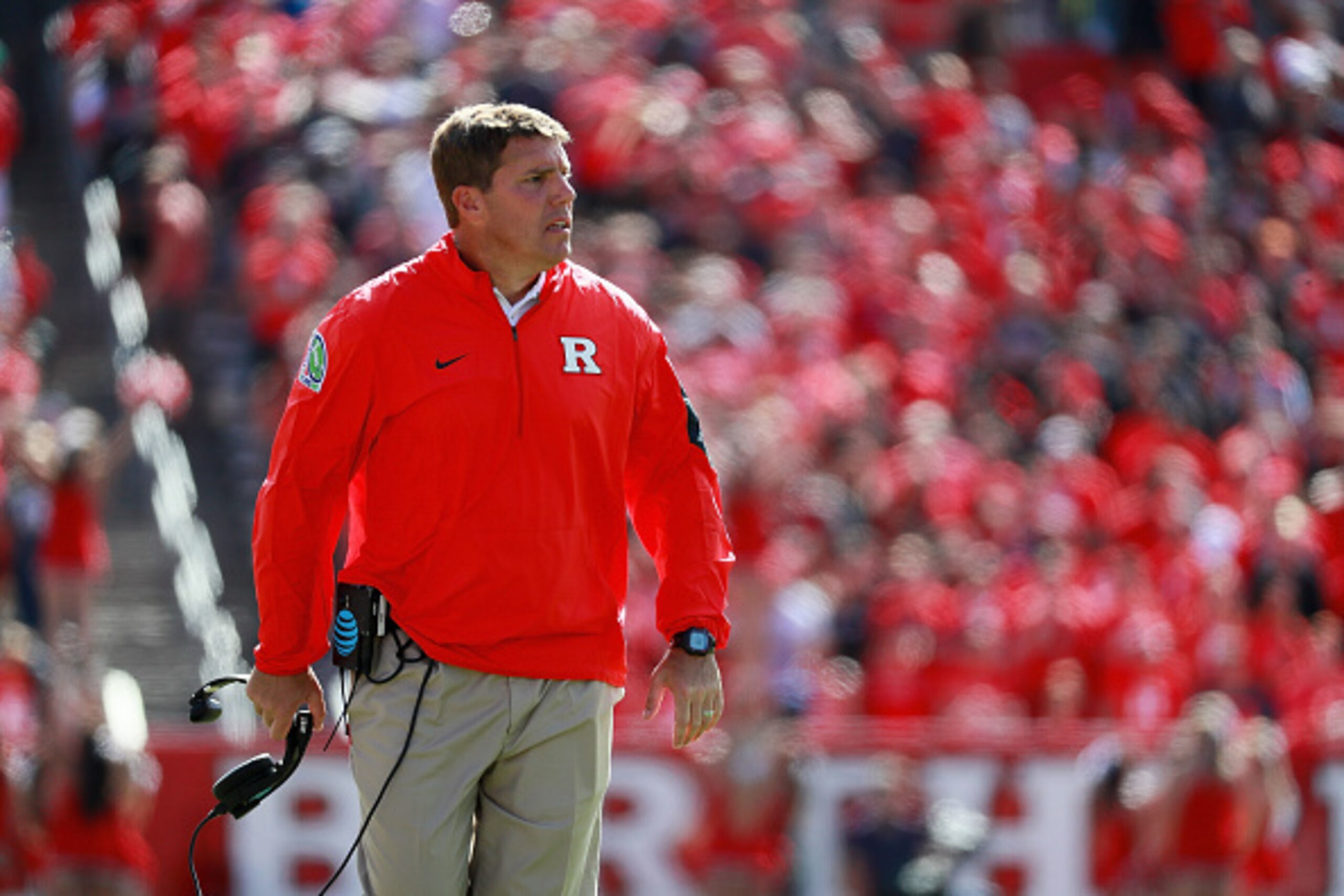
Chris Ash arrived at Rutgers knowing he needed to clean up a mess. Academic dishonesty, off-field problems and an NCAA investigation contributed to Kyle Flood's dismissal.
After scraping together a last-minute class last season, Ash made headway for the program. For the first time as a Big Ten member, the Scarlet Knights inked multiple 4-stars in one class.
This is simply the beginning of what could be an exhausting process for Ash, who hadn't been a head coach before now. However, the one-year sample looks promising.
Rutgers finished the 2017 cycle ranked 45th nationally despite a brutal season on the field. Two more years like that on the trail, and Ash might propel the Scarlet Knights to a bowl.

_0.png?w=2560)
11. Pat Fitzgerald, Northwestern
4 of 14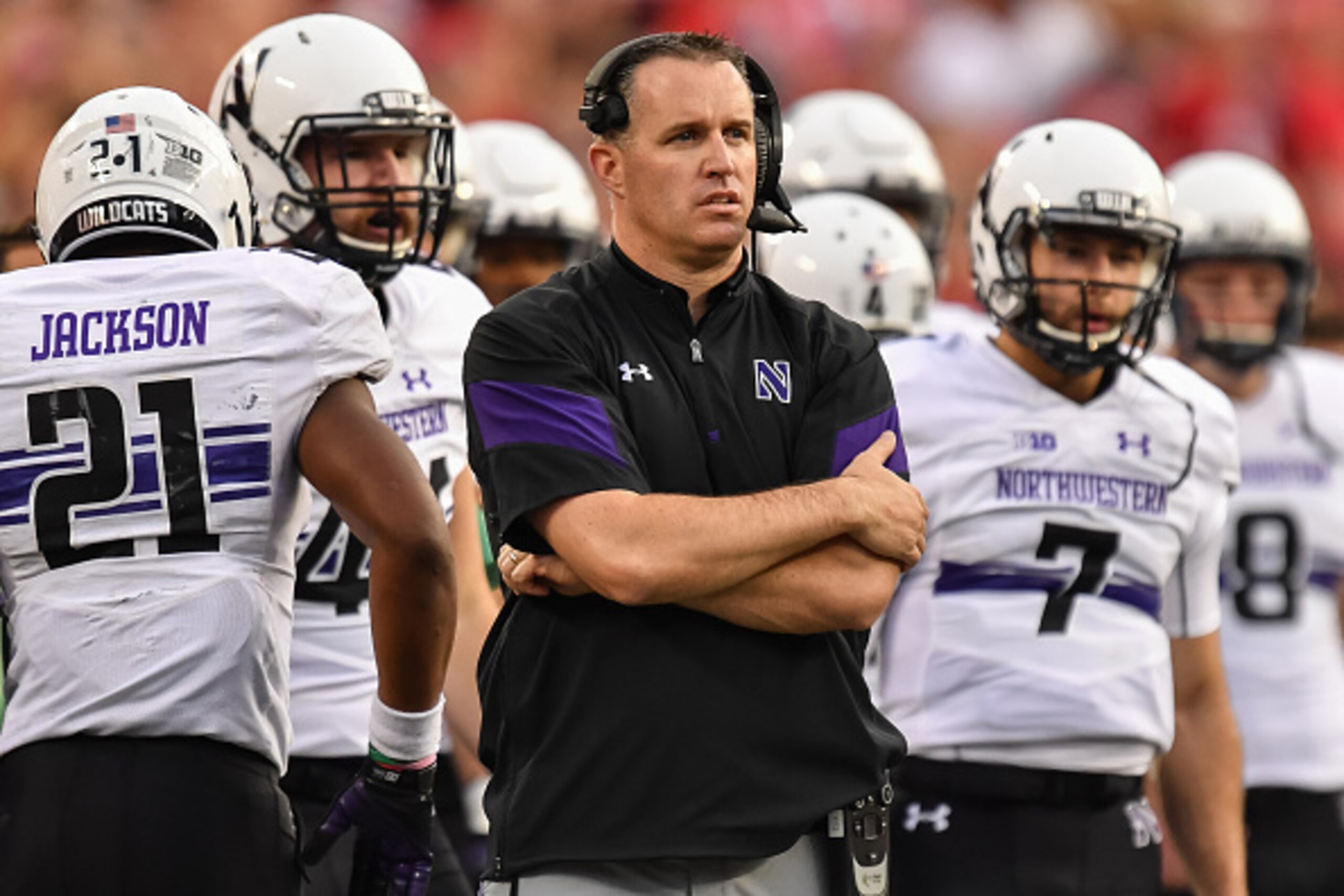
"Northwestern scholarship football student-athletes are not 'initially sought out, recruited and ultimately granted scholarships because of their athletic prowess on the football field,'" the Los Angeles Times' Nathan Fenno noted the university said three years ago.
In that case, Pat Fitzgerald is a masterful selector of transcripts.
Ridiculousness aside, the longtime head coach in Evanston has a difficult job. Northwestern is considered the 12th-best college in the country, per U.S. News & World Report, so finding talented football players who have qualifying grades can be tough. Then, narrow that list even further to the prospects interested in the school.
Throughout his 11 seasons, though, the Wildcats have only reached the 10-win mark twice. Since they've never finished higher than 44th in a given recruiting cycle, that shouldn't be a surprise.
Fitzgerald has handled the challenges without excuse, and he deserves credit for making Northwestern an annual bowl contender. But if the goal is to win a national championship as he says, recruiting hasn't yet brought the Wildcats close to that point.
10. Lovie Smith, Illinois
5 of 14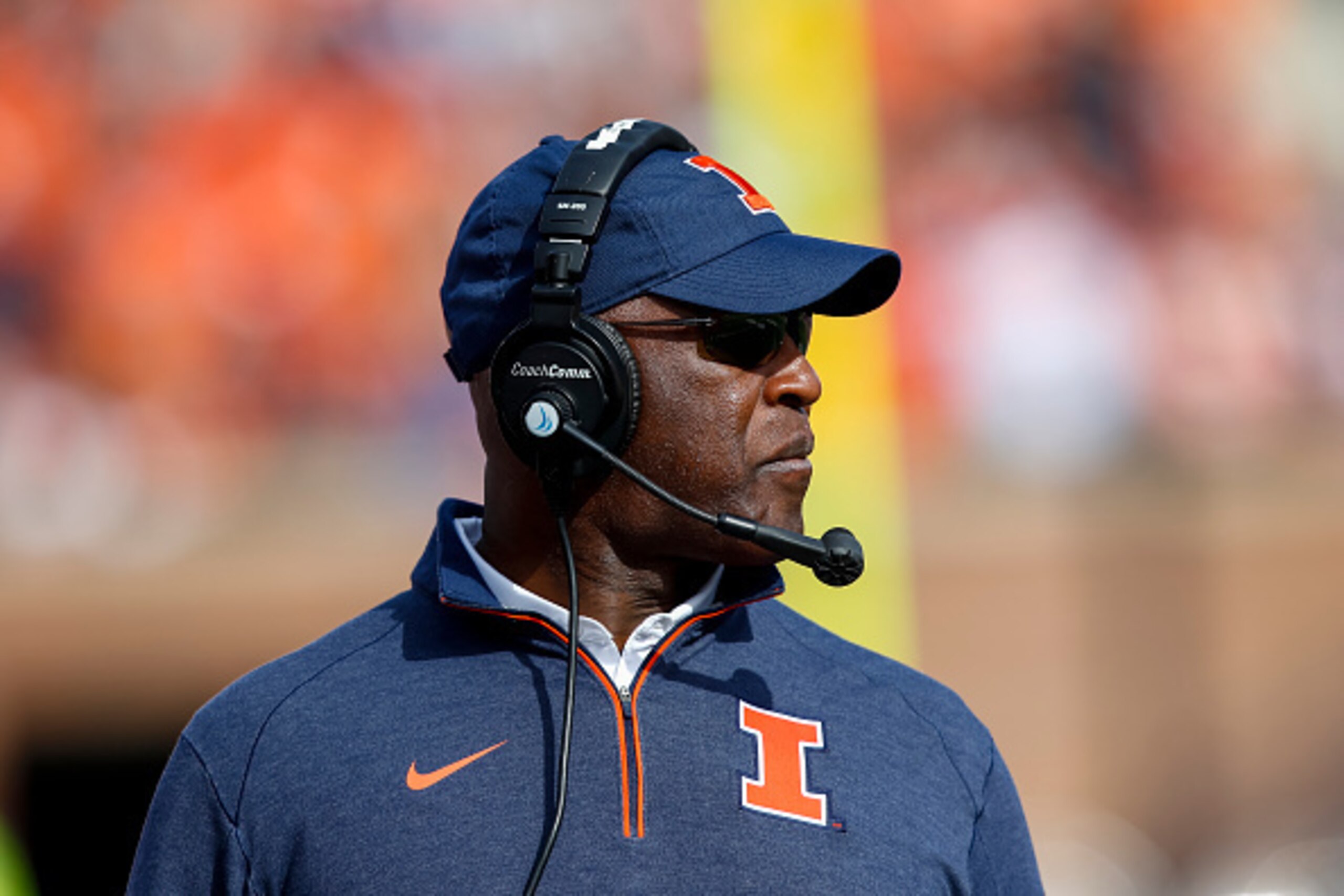
Lovie Smith did a respectable job with his first full class at Illinois, ending the recruiting season 34th in the country. That matched the program's highest finish since 2008.
No doubt his NFL pedigree is a contributing factor, but it's such a small sample that definitive conclusions are unwise.
Smith spent 13 years as a position coach in college before lasting 18 years in the pros. He didn't forget how to recruit, but the sport vastly changed in the near-two decades Smith was gone.
While the Illini ought to be content with Smith's initial haul, it's reasonable they should expect improvement in year two.
9. Kirk Ferentz, Iowa
6 of 14
Iowa is built on 3-stars, college development and accepted mediocrity. Kirk Ferentz's teams are often Big Ten contenders, but they're rarely relevant from a national perspective.
Both are a product of recruiting—one good, one bad.
The Hawkeyes have appeared in a bowl during 14 of the last 16 years, but just two of the last 12 campaigns have included double-digit wins. Although the 2015 undefeated regular season is still fresh in our minds, it was the first 10-win year since 2009.
Iowa hasn't signed a top-25 recruiting class during the last decade, and 2011 marks the only time in the top 35.
Ferentz has regularly assembled a coaching staff to develop under-the-radar prospects. But as long as the Hawkeyes remain an average Big Ten team with occasional blips onto the national scene, Ferentz will be a middle-of-the-pack recruiter, too.
8. D.J. Durkin, Maryland
7 of 14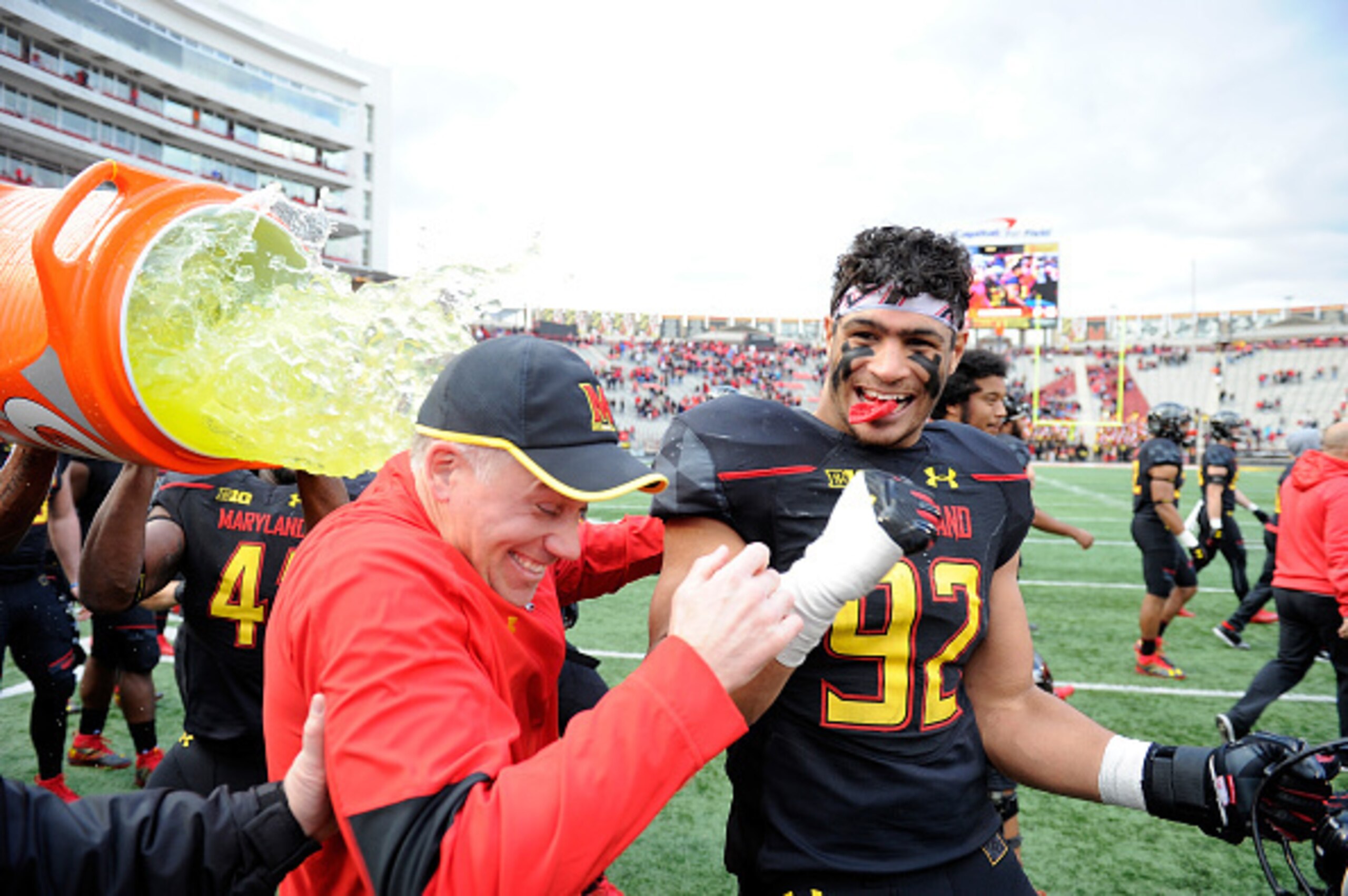
Stars aren't everything. They don't define a player, whether he's unranked or the most coveted prospect. But you're only lying to yourself if the notion they don't matter is believable.
In 2017, D.J. Durkin nabbed 10 4-stars for Maryland. For comparison's sake, the school added 11 4-stars during the previous three cycles combined, and Iowa signed a total of nine 4- or 5-stars throughout the last five years.
All it took was one season for the longtime defensive coordinator to renew the positive outlook of the program. Ralph Friedgen showed the Terrapins' potential in the early-2000s, winning 10-plus games during three straight campaigns.
Annually competing with Michigan, Michigan State, Ohio State and Penn State in the East Division will be challenging, but Durkin has already taken a monumental step towards making that happen thanks to his first full-year recruiting class.
7. Paul Chryst, Wisconsin
8 of 14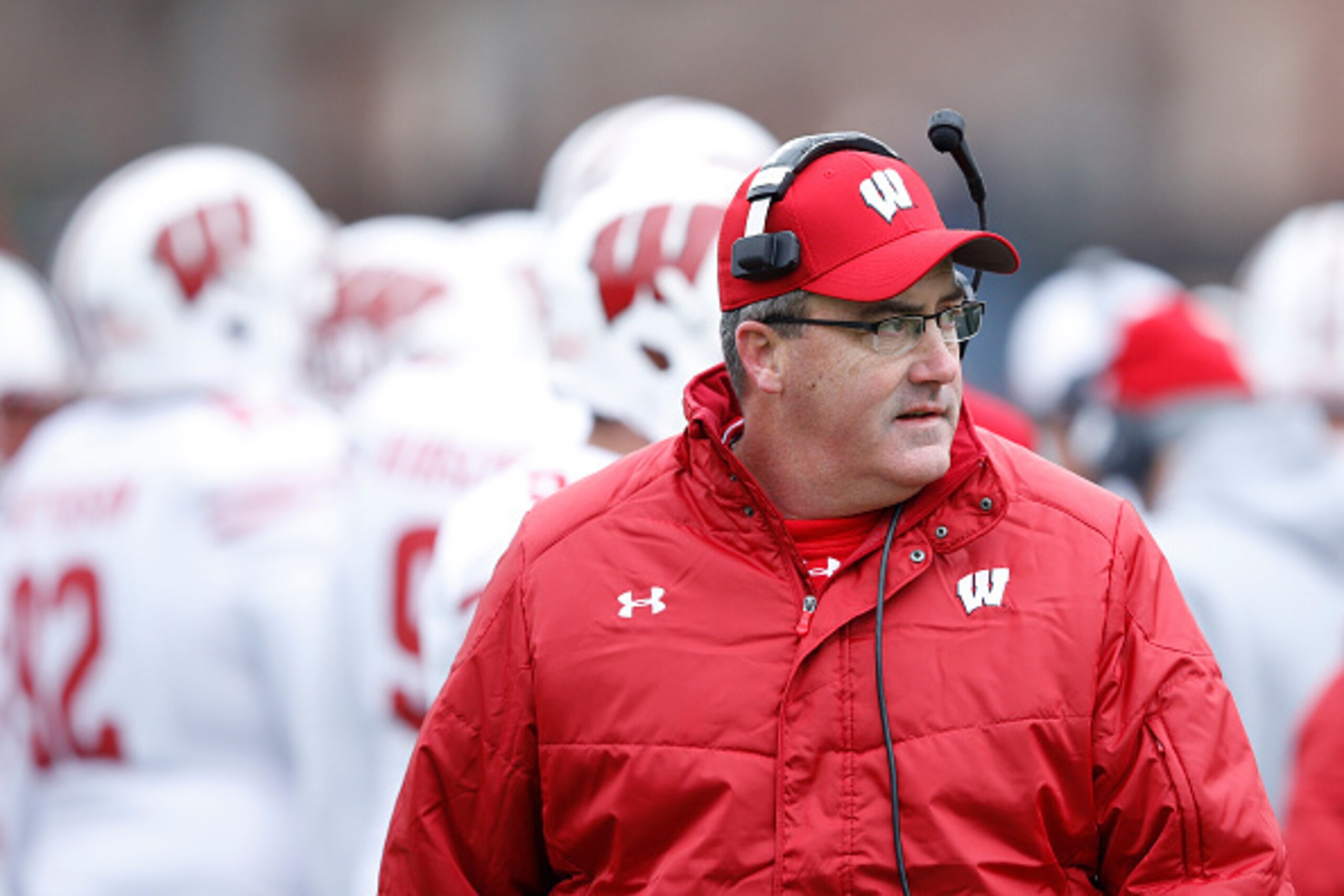
Wisconsin ended the 2017 cycle at 51st nationally, which is a little lower than usual. However, that shouldn't be a concern because player development is so strong in Madison.
The Badgers are typically a top-40 team in recruiting, and that was also the case for Paul Chryst at Pitt. As long as the staff's talent evaluation is sound, it's the lifeblood of a healthy program.
Similar to Iowa, though, that doesn't mean Wisconsin is recruiting at a national championship rate. A significant plus for the Badgers is better consistent success, winning 10-plus games during eight of the 12 last seasons and never fewer than seven in 15 years.
Chyrst has continued that winning tradition in his two seasons at the school, and that shouldn't be discounted. But to contend for the College Football Playoff, Wisconsin needs to recruit at a higher level before the terrific development takes over.
6. Mike Riley, Nebraska
9 of 14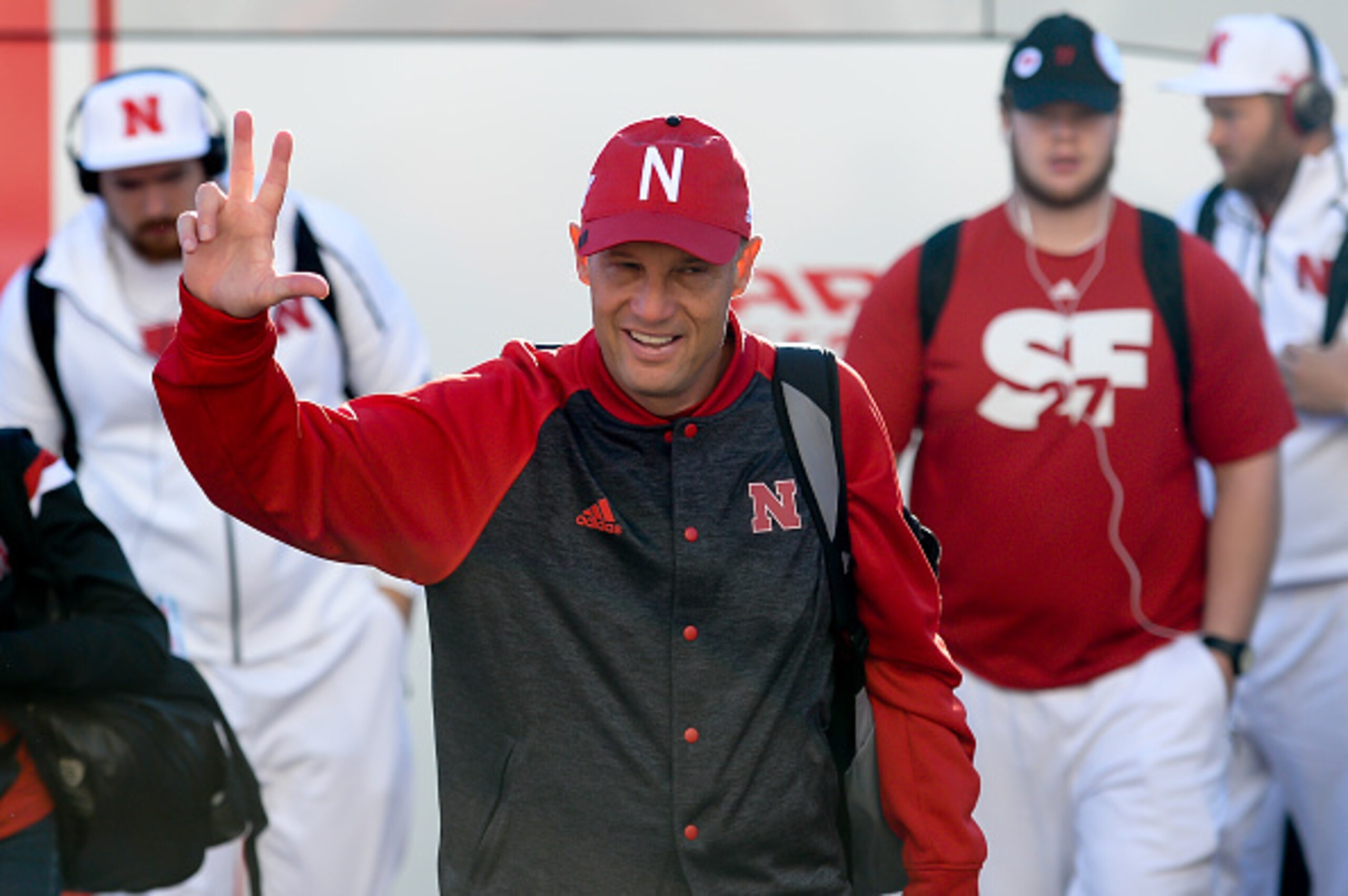
Oregon State's record slowly dipped toward the end of Mike Riley's tenure, but his recruiting success was consistently respectable. Now backed by the Nebraska brand, it's only improved.
During his two full cycles in Lincoln, the program has signed Nos. 28 and 19 classes. The latter is the second-highest ranking for the Huskers as Big Ten team, while the 3.45-star average is the best.
Riley's challenge is meeting Nebraska's high expectations.
In every season from 2008-2014, the Cornhuskers finished either 9-4 or 10-4. That was good enough to get Bo Pelini fired. After a 6-7 debut, Riley helped Nebraska back to—you guessed it—9-4.
Riley's admirable classes will occupy larger roles in 2017 and beyond. Whether that leads to an 11-win season will determine his future.
5. P.J. Fleck, Minnesota
10 of 14P.J. Fleck is the toughest to rank, but not simply because he's a first-year Big Ten coach. The man was an elite—yes, one of his many buzzwords—recruiter in the MAC.
While at Western Michigan, Fleck completely and utterly dominated the conference on the trail. In 2014 and 2016, the Broncos signed nearly twice as many 3-stars than any other MAC team. They ranked No. 1 in the conference from 2014-2016.
His visible passion for football is unmatched by any other coach in the spotlight, but the popular question heading into his debut at Minnesota is whether that "shtick" will work in the Big Ten.
After taking Western Michigan from 1-11 to the Cotton Bowl within three years because of top-notch recruiting, though, it's inarguable Fleck has earned the chance.
With a Big Ten brand behind him, Fleck's recruiting should start to earn the national attention it deserves.
4. Mark Dantonio, Michigan State
11 of 14
The 2016 season was a down year for Michigan State, but Mark Dantonio has the school a regular top-25 presence on the trail.
During the last four cycles, the Spartans have ranked 22nd, 15th, 18th and 19th. That's a notable step, considering Dantonio built the program on lesser-known talents and excellent development.
It's also the blueprint for coaches like Allen and Brohm to follow. Victories won't come easily, but Dantonio is the case study for Big Ten programs looking to move from five-to-seven wins to double-digit triumphs and national recognition.
To steal a line from Field of Dreams, "if you build it, they will come." Dantonio has accomplished that in East Lansing.
3. James Franklin, Penn State
12 of 14
Bill O'Brien inherited a disgusting situation, but his groundwork led to James Franklin and Penn State winning the Big Ten in 2016.
That's not at all intended to discredit the work Franklin has done since accepting the job early in 2014. His recruiting classes have ranked 25th, 13th, 21st and 15th.
Even more impressively, that followed a three-year stretch of top-50 units at Vanderbilt. Despite the high academic standards, Franklin's 2013 haul ranked 19th nationally.
Franklin is on a five-year run of Top 25 classes, and thanks to the recent conference title, that streak has no end in sight. The 2018 group currently stands atop the country.
2. Jim Harbaugh, Michigan
13 of 14Is there any coach better at keeping his team relevant during the offseason? No, Jim Harbaugh is an expert at calculated decisions.
Satellite camps genuinely offer increased exposure and opportunities for perhaps underrecruited players. It also spreads the Michigan name across the country, which is the most important result for Harbaugh. Both can be—and are—true without being a problem.
His recruiting adventures grab the most attention because of unusual tactics, but if it works, why not try? Harbaugh has reeled in Nos. 7 and 3 classes during his two full cycles in Ann Arbor. While the methods create debate, the results are inarguable.
Combine Harbaugh's prosperity at Michigan with a couple of Top 25 classes at Stanford, and the result is a dominant recruiter.
1. Urban Meyer, Ohio State
14 of 14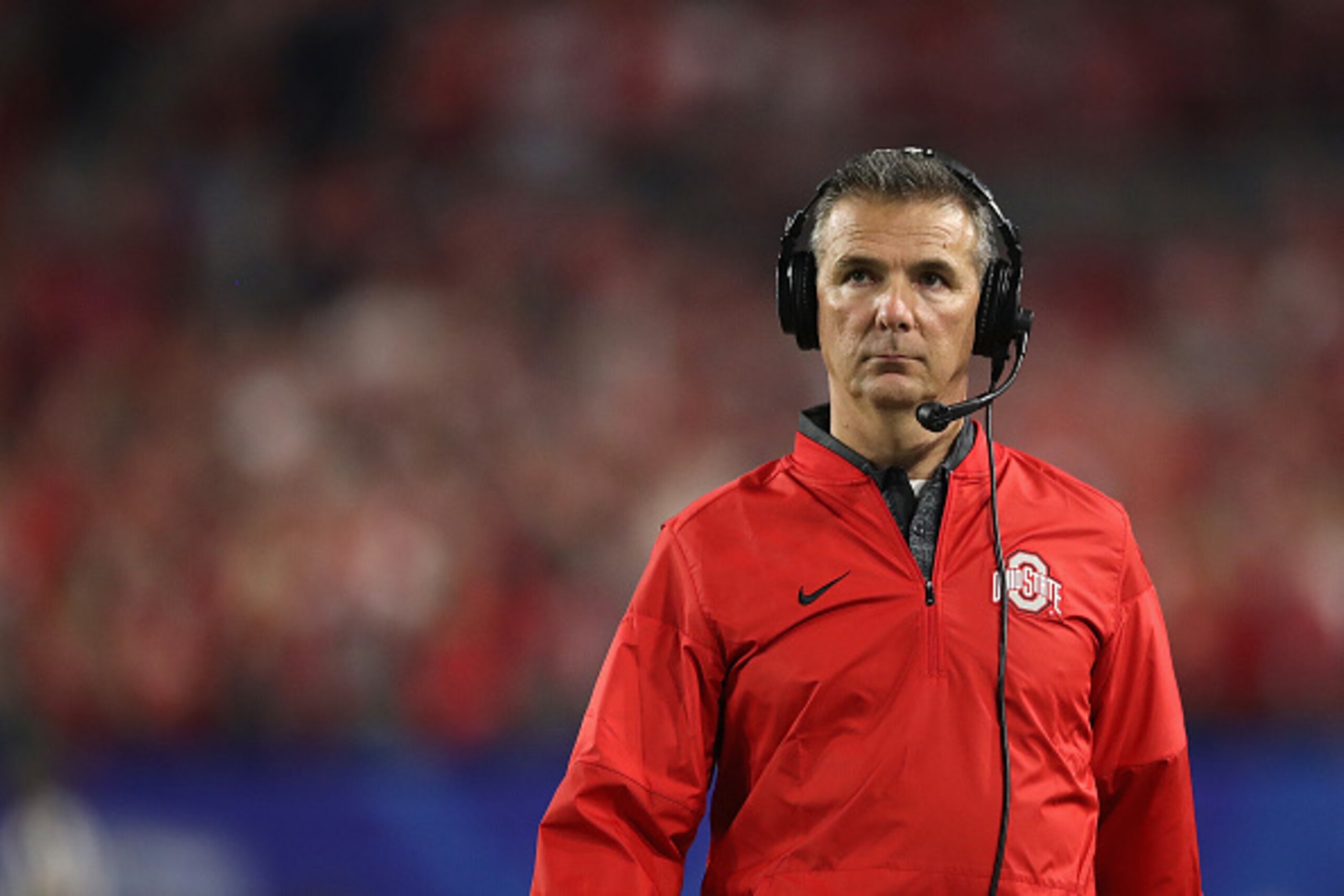
Harbaugh and Urban Meyer have different approaches, since Ohio State's coach typically stays out of the spotlight. But just like Harbaugh, why fix something that's not broken?
Meyer boasts the third-best winning percentage in the history of college football, according to Sports-Reference.com. And his exploits on the trail are nearly as impressive.
During the 13 recruiting cycles since Meyer took over at Florida in 2005, he's signed three No. 1 classes and seven more top-10 units. Three more top-25s round out the list.
Given the large sample, consistently high rankings and on-field success that has followed, Meyer is the Big Ten's best recruiter.
All recruiting information via Scout. Stats from cfbstats.com or B/R research. Quotes obtained firsthand unless otherwise noted. Follow Bleacher Report CFB Writer David Kenyon on Twitter @Kenyon19_BR.
.jpg?w=2560 "NFL investigating 2 referees for separate viral exchanges")
.jpg?w=2560 "OBJ Calls Out Giants After Release")
.jpg?w=2560 "Report: Chiefs Contact Hill's Agent")
.jpg?w=2560 "Tyreek makes another cryptic post amid Chiefs rumors")