Leicester Must Lean on Claudio Ranieri to Counter Champions League Inexperience
When Claudio Ranieri accepted the Leicester City job last summer he was probably expecting that the night of April 20, 2004, wouldn’t feature heavily in the critics’ appraisals of his new team’s fortunes. He would certainly have been hoping so.
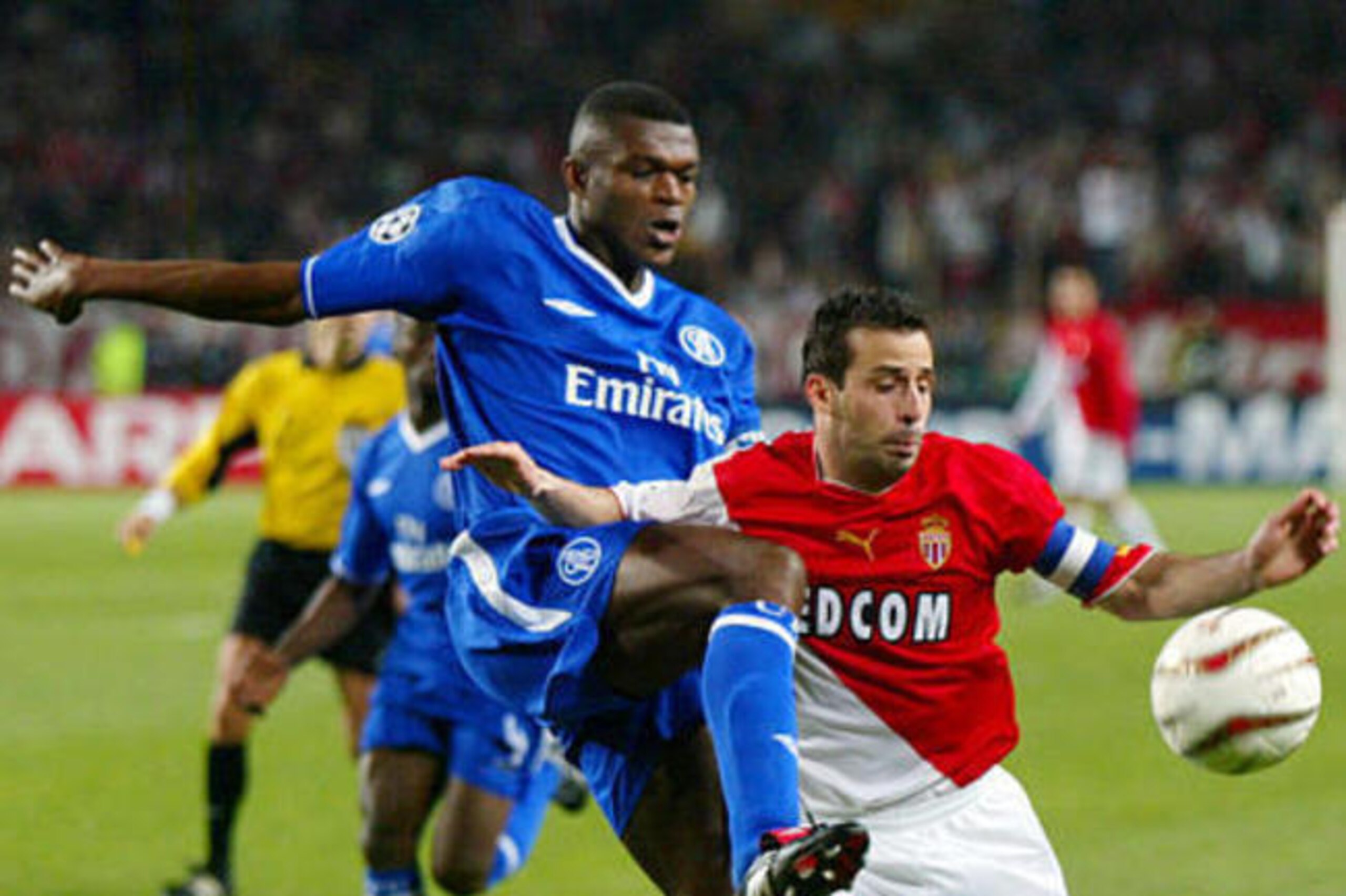
That was the night his Chelsea side capitulated to AS Monaco in that now-infamous Champions League semi-final. It represented a personal catastrophe for the Italian, one that he will not need reminding of as he prepares to resume his affair with Europe’s premier competition.
TOP NEWS

Soccer Stock Check 📈📉

New NFL contenders starting to emerge after Week 4
.jpg?w=2560 "Cardinals Giants Football")
NFL investigating 2 referees for separate viral exchanges
At 1-1 in the Stade Louis II that night, with Hernan Crespo having notched a priceless away goal and his side well placed to land a thoroughly useful result to take back to Stamford Bridge, Ranieri made the first of what the BBC described as “a series of inexplicable substitutions,” which plunged his players into a state of confusion and chaos.
Monaco had just been reduced to 10 men, Claude Makelele’s shameful theatrics drawing a red card for the ostensibly innocent midfielder Andreas Zikos, when Ranieri sniffed the chance to eat into his opponents while they were vulnerable.
On came Jimmy Floyd Hasselbaink for defender Mario Melchiot, and in a moment Chelsea’s balance was thrown. Gaps—great, gaping holes—appeared. In a matter of minutes, Monaco had raced away from them, twice, and scored, twice. Ranieri’s future, previously in the balance as new owner Roman Abramovich weighed his options, was decided before his players had stepped foot back in the dressing room.
Whether victory that night would have saved his job is doubtful. A win in the final against the man who was being lined up to replace him may have given the owner food for thought, but even in 2004 Jose Mourinho was already deemed to have the kind of European pedigree that the freshly anointed Tinkerman lacked.
Last season, finally, Ranieri exorcised the ghost of Mourinho, which had stalked him for more than a decade regardless of how much he always tried to deflect it. On Wednesday night, 12-and-a-half years after the debacle in Monaco, he will have the chance to lay his Champions League spectre alongside it.
Standing in his way are Club Brugge of Belgium, a thoroughly beatable outfit. It his own side’s inexperience which may prove to be an ultimately more testing opposition, something Ranieri made reference to at his pre-match press conference:
"Brugge is a good team, a good team, one of the best in Belgium used to playing in Europe. They are full of experience and that means something.
We are the last, Leicester and Rostov are the last in this competition. Of course we want to show our best, of course our desire is to win, but we have to stay calm and show a lot of respect for everybody.
The group, some people say 'oh, Leicester can win the group.' We need calm as Brugge have a lot of experience, Porto a lot of experience, Copenhagen a lot of experience.
"
Do not underestimate the decisive role played by experience in this uniquely gruelling competition. Better-resourced sides than the Foxes have taken seasons to adapt to the constantly altering demands of the Champions League.
Altering, because games here are played at the vanguard of European football, of the world game. Football at the very top has changed since Monaco, and none of Ranieri’s adventures on this stage since then suggested that he was keeping pace.
The Barcelona team based on high possession tiki-taka has been built, become worn and been dismantled since the Italian was humiliated in the Stade Louis II. Pep Guardiola, Jurgen Klopp, Zinedine Zidane, Diego Simeone; the men who have done most to recalibrate European football in the last decade had hardly a game between them in the dugout in 2004. Since then, Ranieri’s Juventus, AS Roma and Valencia sides have all exited the tournament early, without shaking the grass.
Now he seeks a way of outfoxing a breed of newly savvy tacticians with his wide-eyed Premier League champions. As the anticipation crescendos, there are more questions here than answers.
Certainly, there are miles on the clock in Europe for this Leicester side but only just. Robert Huth and Christian Fuchs have played in the Champions League before, but the former’s last match came more than a decade ago for Chelsea in a season in which he was considered back-up. Fuchs, at Schalke 04, found his game time in the last few seasons limited by fitness issues.
After this, Shinji Okazaki has played Europa League minutes during his time in Germany, likewise Daniel Amartey for City’s Week 3 opponents in Group G, FC Copenhagen. Only Ahmed Musa, perennially a substitute for Leicester this season, has significant recent history in the Champions League, for CSKA Moscow.
Quite where things go from here is tricky to gauge on the eve of kick-off. City will be grateful to have been given a group that gives them a chance of progressing, but the small stature of some of their opposition might work against them if, as expected, Brugge and Copenhagen sit back and invite the Premier League champions onto them.
Leicester looked unsure of themselves when Hull City squashed in deep and allowed them to set the tempo when the teams met on the season’s opening weekend, as the champions lost 2-1. It’s doubtful that Brugge’s compact midfield three, supported by two wide players tucking in when out of possession, will allow the kind of room that City need in order to play sweetly through the middle.
Even when Leicester have had their way and found space to play through in the early weeks of this season, their new-look midfield hasn’t yet shown it can provide the same assurances against being picked off when the play gets stretched.
N’Golo Kante was arguably the only player in the side of a genuine European pedigree after his leading role in helping France to the final of Euro 2016 this summer. His loss has affected City, and Amartey’s role in the side has been different from the one formerly played by the club’s departed player of the year.
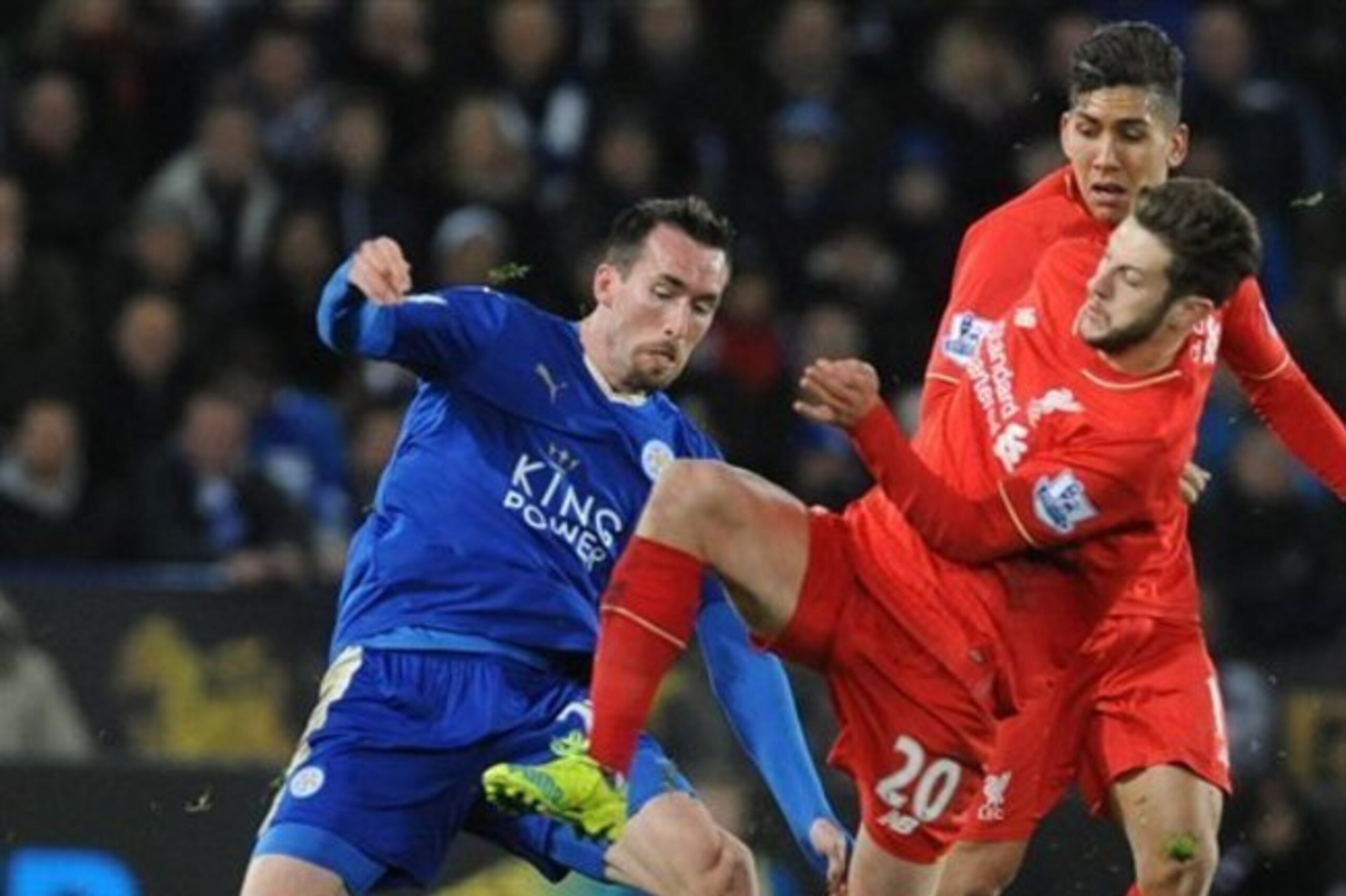
He lacks Kante’s gift for seemingly being able to be in three places at once, placing a defensive responsibility on Danny Drinkwater and Marc Albrighton that they had become used to playing without. Liverpool exploited this in beating Leicester 4-1 on Saturday.
Porto, the side that Ranieri’s Chelsea would have met in the 2004 final, will fancy their chances of finishing ahead of the Foxes, but so did almost every side in the Premier League last season before hubris intervened.
The element of surprise that the team used so devastatingly to their advantage in swiping the title won’t carry them as far on their European adventure, though. Porto will know exactly what is coming from Leicester, and they will expect to be able to live with it.
The last club of Leicester’s size to set forth from England against the odds in this competition was Blackburn Rovers in 1995, when Kenny Dalglish’s unlikely Premier League champions were knocked out with a whimper, losing their opening three games before a punch-up between David Batty and Graeme Le Saux away to Spartak Moscow became the lasting memorial to an undignified campaign.
The nature of the beast is different now—the extent to which can be gauged by the fact that Mike Newell scored a Champions League hat-trick in a dud thrashing of Rosenborg in 1995—and English club football casts a shadow over most of Europe with its breadth and depth of resources. Any repeat of the Rovers fiasco would represent an unforgivable failure on the part of this Leicester team.
To avoid that they will look to their manager, not the Tinkerman of Monaco but rather a coach held in the highest esteem throughout Europe, even if his tactical nous has long gone untested at this level. He has been here before, while many of his team have not. That will count for something if the going gets rocky in Brugge.
This season was always going to represent Act Three in the Leicester City biopic that has seen them go from second-tier champions to nominal European heavyweights. This story deserves an ending—happy or otherwise. The stage is set for there to be one.
All quotes obtained firsthand unless otherwise indicated

.jpg?w=2560 "Hill Injury Update Football")
.jpg?w=2560 "OBJ Calls Out Giants 😳")
.jpg?w=2560 "Tyreek makes another cryptic post amid Chiefs rumors")