
NFL's Top 28 over 28: Running Backs
Age is a bigger factor for running backs than for just about any other position in the sport of football. The 30-year-old mark is basically a death sentence for tailbacks, as age typically means a bulk of carries over long periods of time, and a bulk of carries over long periods of time mean a heavy dosage of wear and tear on the body.
This position may not be as deep as quarterback, our first installment of the 28 for 28 series, but it's still noteworthy, especially at the top, where All-Pro and Pro Bowl running backs are still lingering. To attempt to simplify the grading process of running backs, we'll give numerical value to five traits.
The first is speed and agility (25 points on a 100-point scale). This one is fairly simple: What does a back's top speed, wiggle and balance in space look like? The baseline threatening defenses on the perimeter is huge for the position, as those who are poor in this area allow their opponents to cheat by formation, giving the opportunity for squads to run schemes such as "bear fronts."
The second trait is power (25 points), which is also self-explanatory. This isn't so much about running up the gut, though that is a factor, but sustaining balance through contact. Power can tip off defenses which types of plays are coming at them, and a back's own coaching staff will self-evaluate to determine if a specific back should or shouldn't be in on goal-line and short-yardage situations.
The third trait is a back's contribution to the passing game (25 points). In 2016, that can't be stressed enough. As we've seen on two-point conversions, teams are more likely to spread defenses out in crucial situations, even in condensed space. If a back can't do well as a blocker or pass-catcher out of the backfield, he'll often find himself on the bench on third downs.
Twenty-five points remain on the grading scale, and they are used on vision (15 points) and ball security (10 points). Vision is important for zone schemes, and in today's NFL, every team runs some type of zone-gap hybrid offense; therefore, it's now important for every back to be able to read his offensive line, within the context of his athleticism, rather than just attack designated holes. Ball security helps keep the ball in a back's team's possession, and keeps the back on the field, as we've learned from Bill Belichick over the years.
Some of the backs who made this list haven't had a carry in years or are transitioning from another position, but when trying to take a deep dive at aging players at a young man's position, that's what the task demands. Join us as we run down the 28 best runners over the age of 28.
28. Bobby Rainey, New York Giants (28 Years Old)
1 of 28
Age: 28
Speed/Agility
Bobby Rainey is now a New York Giant, but he had a nice stint with the Tampa Bay Buccaneers when Doug Martin was having an off season, even looking like he could win the team's starting gig for the long term at one point.
A big reason for Rainey's success is his ability to make the first man miss. He lived and died off that trait, as he didn't have much more to rely on, but he has solid evidence ability, which put him on the map for this list.
Power
Because of his reliance on making that first man miss, he's never developed power in his game. Too often, he's found dancing in the backfield, leading to a gain of just a few yards or even a loss of yards, as he has issues falling forward, since he's typically standing tall while changing directions. Adding more leverage to his game would do him a lot of good.
Passing Game
He's not much of a blocker, and outside of the 2014 season, he's only combined for 15 total receptions in his career. When given the opportunity, he doesn't do poorly, but building a passing game around a back with mediocre speed catching balls in the short range or a 5'8" back blocking blitzers isn't how you win football games.
The Buccaneers limited his influence in this area for a reason.
Vision
As with his power, Rainey's overconfidence in his speed has led to the lack of development in other areas of his game. He can see holes, but he tries to juke and shimmy into lanes that he's never going to get to in the NFL, rather than just taking the easy-effort yards in front of him.
Ball Security
In his career, Rainey has fumbled on 4.00 percent of his combined touches, and in the last three seasons, he has fumbled on 4.00 percent of his combined touches.
Overall
Rainey had a nice run in Tampa Bay, but once the Buccaneers were able to get Martin back going, they quickly let Rainey's touches diminish. He's a borderline-rosterable back at this point in his career, which is exactly the type of battle he's facing in New York.
With Rashad Jennings, Shane Vereen and rookie Paul Perkins easily ahead of Rainey on the depth chart, based on the team's investment in the backs, he's going to need a big preseason effort to make the 53-man roster. The question is if he'll find a landing spot elsewhere if he does fall short.
27. Frank Gore, Indianapolis Colts (33 Years Old)
2 of 28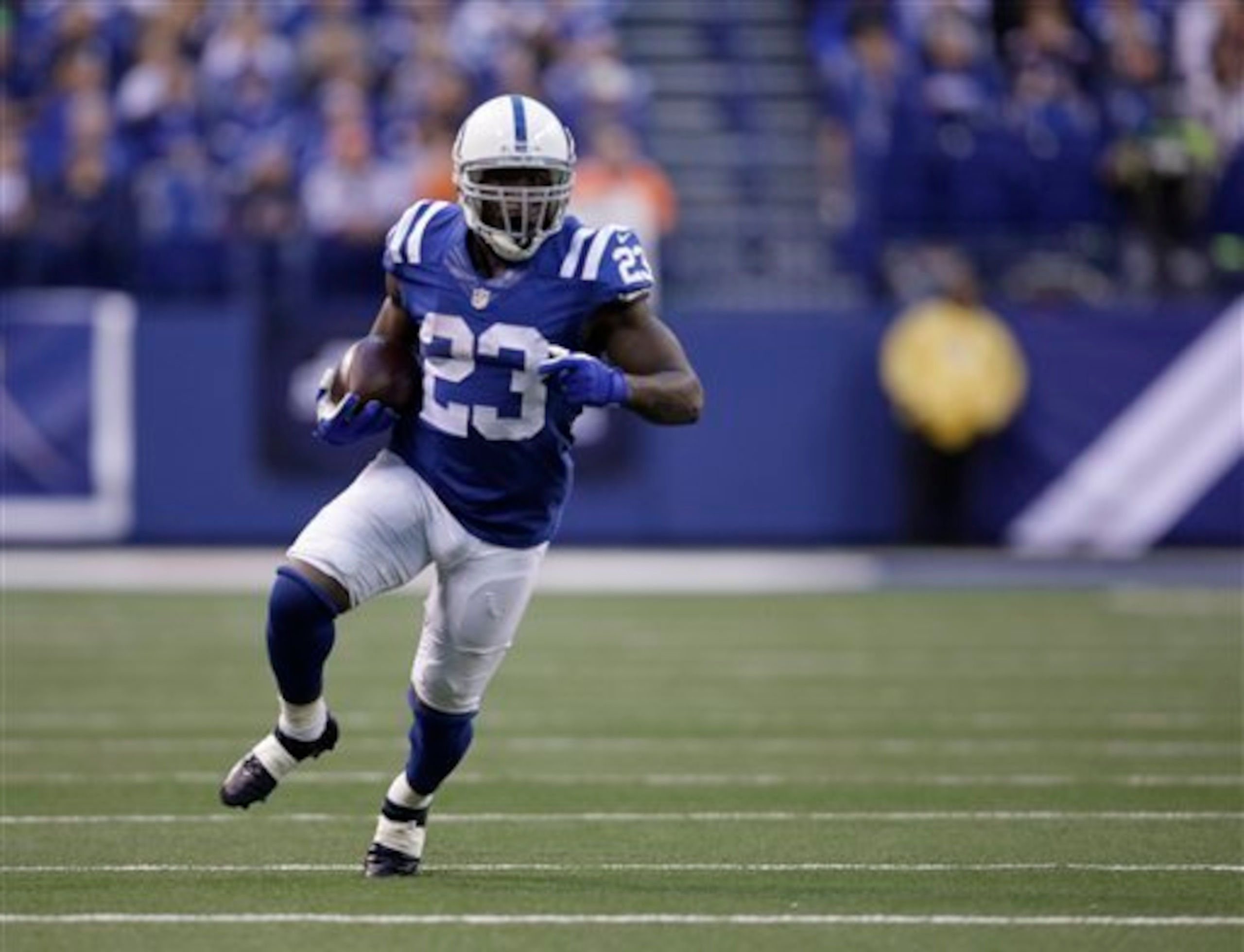
Age: 33
Speed/Agility
While Frank Gore has posted one of the best careers of a running back in the past decade, he's clearly out of his prime. Rarely will you see him show the burst to get to the secondary on even the few well-blocked plays that the Indianapolis Colts line was able to execute in 2015.
It's at the point now where when Gore rushes for a six-yard gain, it's a pleasant surprise. Last year, he averaged just 3.7 yards per game, the worst mark of his career, with only five runs of over 20 yards—his worst total since his rookie season, the last time he wasn't a full-time starter.
Power
The Colts offensive line gave Gore plenty of chances to drop a shoulder on defenders last season, and he wasn't able to look like how he ran in his heyday. Be it because of age or wear, he's no longer as powerful as the majority of the backs on this list.
Passing Game
While most full-time backs are able to see the field on empty looks, Gore wasn't included in such formations with Indianapolis last season, a reflection of what the coaching staff thinks of him as a contributor in the passing game.
On a reception-to-rush ratio, he has been more involved in the passing game with the Colts than he was with the San Francisco 49ers, but his 7.9 yards-per-reception average is nothing to be excited about. It's possible that Gore's 2014 hand surgery is still lingering, but he dropped too many crucial passes last season to be considered "strong" in this category.
There were even times that Coby Fleener, a tight end who wasn't known for pass blocking, took reps in the backfield in no-huddle looks, keeping Gore on the bench. Gore often ends up on the ground or bouncing off defenders he's supposed to block, though he does a decent job at getting into the flats quickly.
Vision
You can make the argument that the Colts didn't open holes up for him frequently, or that he's simply playing to his diminished skill set, but he left plays on the field in 2015 that would have been added to his YouTube highlights a few seasons ago. He's not below average in this area, but he's lost some of his edge.
Ball Security
In his career, Gore has fumbled on 1.27 percent of his combined touches, and in the last three seasons, he has fumbled on 1.29 percent of his combined touches.
Overall
Gore is an eight-time 1,000-yard rusher, and his 2014 effort was likely his last shot at cracking that threshold. Despite being fed 260 carries, the fourth most in his career for a single season, he was unable to reach that mark in 2015, and it's not reasonable for any team to hand the rock off that many times to a 3.7-yards-per-carry back in the future.
Right now, Gore should be fighting for a role in a committee, but because the Colts only have Seattle reject Robert Turbin and undrafted free agent Josh Ferguson truly competing for any touches this training camp, Gore appears to be strolling into the starting gig in 2016.
While he may be a half-decent fantasy football player, because of the volume of carries he's expected to have, he's no longer an efficient runner.
26. Cedric Peerman, Cincinnati Bengals (29 Years Old)
3 of 28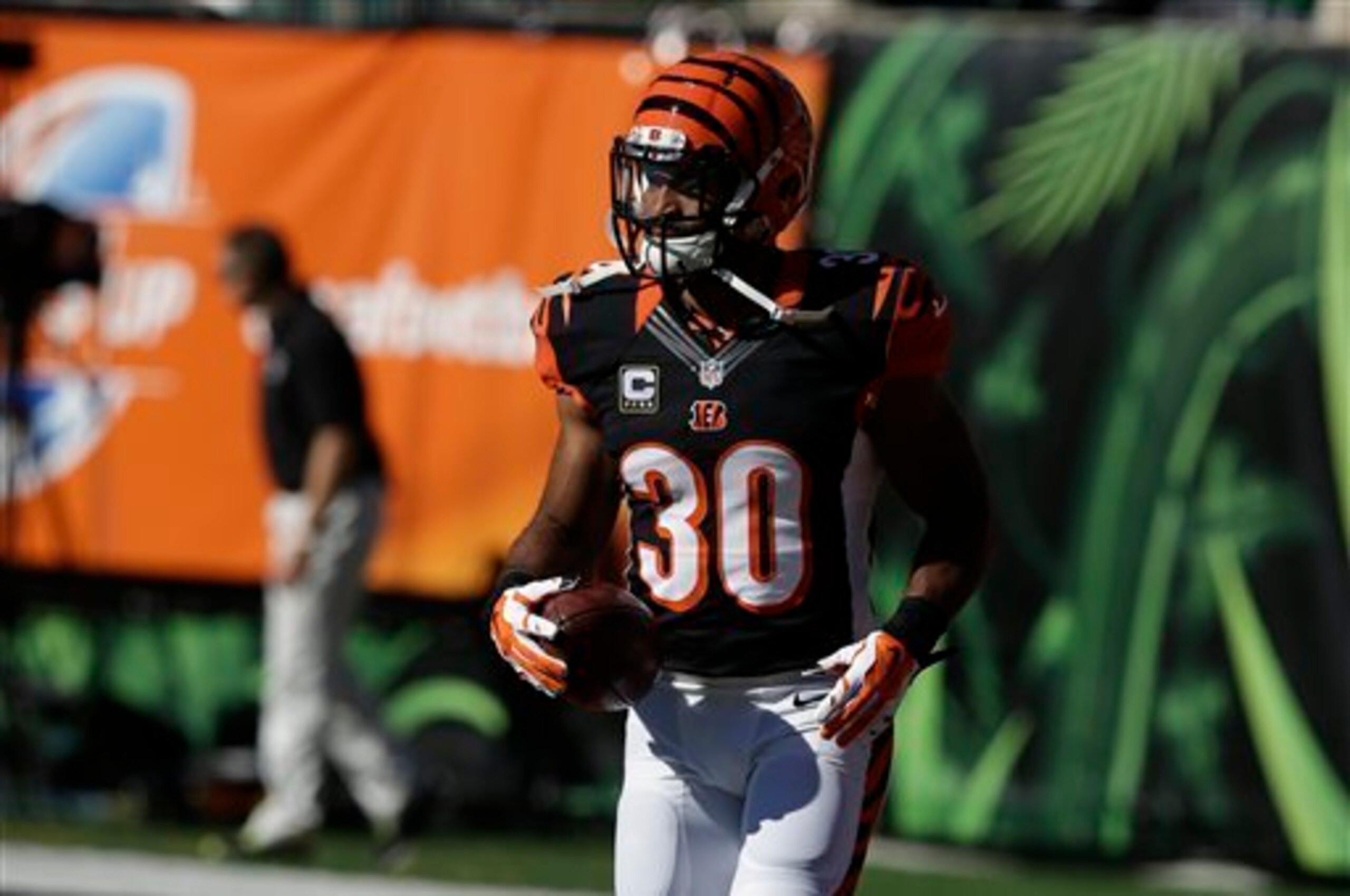
Age: 29
Speed/Agility
Since 2012, when Cedric Peerman started a game for the Bengals, he hasn't been much of a factor for the team. One reason for that is his lack of long speed, which is emphasized by the fact that his longest run in the last three seasons was off a fake punt.
Power
Peerman isn't running over linebackers, but he does a solid job of being able to withstand balance through contact. A lot of his positive plays come from his pinball-like ability.
Passing Game
To be completely frank, Peerman's time share on the offensive side of the ball is so little that it's hard to get a feel for him as a pass-catcher. For example, last year, he didn't record a single reception.
The Bengals clearly value him as less than a third down back.
Vision
In terms of vision, Peerman isn't much more than a two-gap reader. He can play the "bang-bend" of inside zone plays, but he doesn't thrive on outside runs. He's best off of very clear reads, like on draw run.
Ball Security
In his career, Peerman has fumbled on 1.30 percent of his combined touches, and in the last three seasons, he has fumbled on 3.85 percent of his combined touches.
Overall
Peerman has been a special-teamer for the majority of his career in Cincinnati, and now faces another speed bump in the way of playing time. On top of talented, young backs like Giovanni Bernard and Jeremy Hill on the depth chart ahead of him, Peerman was placed on the injured reserve list for the 2016 season as 53-man rosters were announced.
He's a functional running back in certain, reserve situations, but Peerman hasn't been a contributor in his time in the league, and that doesn't figure to change once he returns to the field in 2017.
.jpg?w=2560 "Panthers Falcons Football")
.jpg?w=2560 "Jaguars Saints Football")
25. Taiwan Jones, Oakland Raiders (28 Years Old)
4 of 28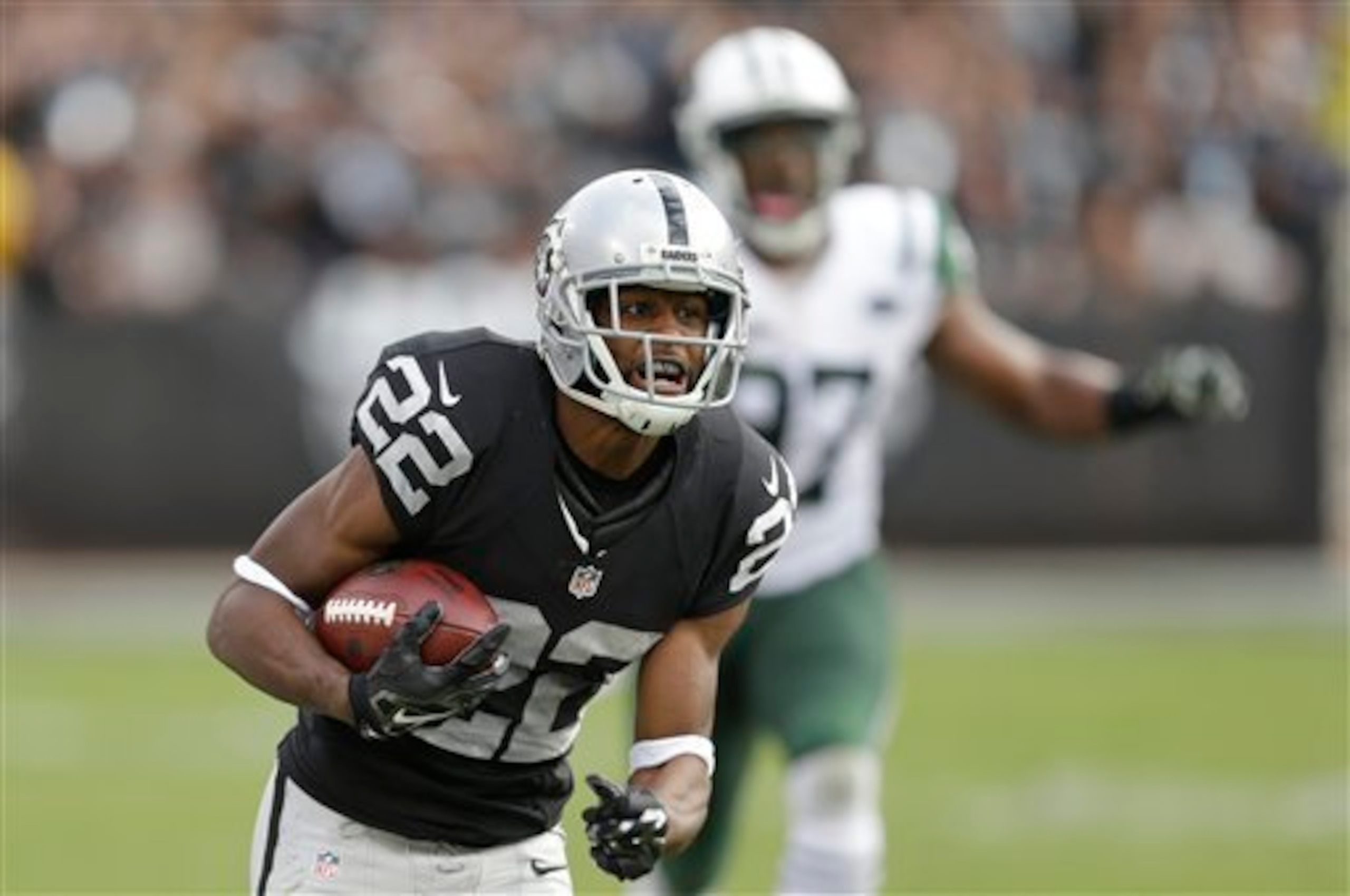
Age: 28
Speed/Agility
If you're wondering who Taiwan Jones is, you aren't alone. The 2011 fourth-round pick has bounced between running back and receiver while making a career for himself as a return specialist.
When he receives touches at running back, you see why the Raiders are constantly trying to find a spot for him on the field, as he has legitimate track speed that is obvious even to the naked eye. With only 43 carries to his name, the sample is small, but with blinding speed like he has, despite the lack of wiggle, it's not unreasonable to say he's one of the fastest straight-line runners at that position for his age.
Power
He doesn't seem to be a liability as a power runner, but he doesn't help himself. He's still very raw, running high too often, which makes him a target to get stuck right where contact is made, an issue for a listed 6-footer. He can take the hits, at least in limited time, but he needs to do a better job of earning extra yardage with a lower center of gravity.
Passing Game
As a returning and former cornerback, it shouldn't shock anyone that he has decent enough hands to stick on the field when Oakland throws out empty looks. He's had a few poorly timed drops, but his 197 receiving yards outshine his 191 rushing yards for his career. His screen-game ability might be the difference between making and missing the Raiders' 2016 roster.
Vision
He's the rawest back in terms of vision on this list. Oakland will often toss him the ball on perimeter runs, just trying to utilize his speed on sweeps. His one option at this point is the outside run game, and he isn't developed enough to take advantage of the nuances of even outside zone plays.
Ball Security
In his career, Jones has fumbled on 8.93 percent of his combined touches, and in the last three seasons, he has fumbled on 11.13 percent of his combined touches.
Overall
Jones is more of a fumbling speedster than a true running back at this point in his career. Very few players have the chance to switch positions this late in their NFL careers, but Jones' speed has given him multiple chances to come away as a situational third-down back who can take off on screens or sweep plays.
Beyond returning kicks, it's hard to tell what the future has in store for him, but as long as he can contribute on special teams, he'll be tinkering with his positional game, trying to find a full-time role.
24. Daniel Thomas, Miami Dolphins (28 Years Old)
5 of 28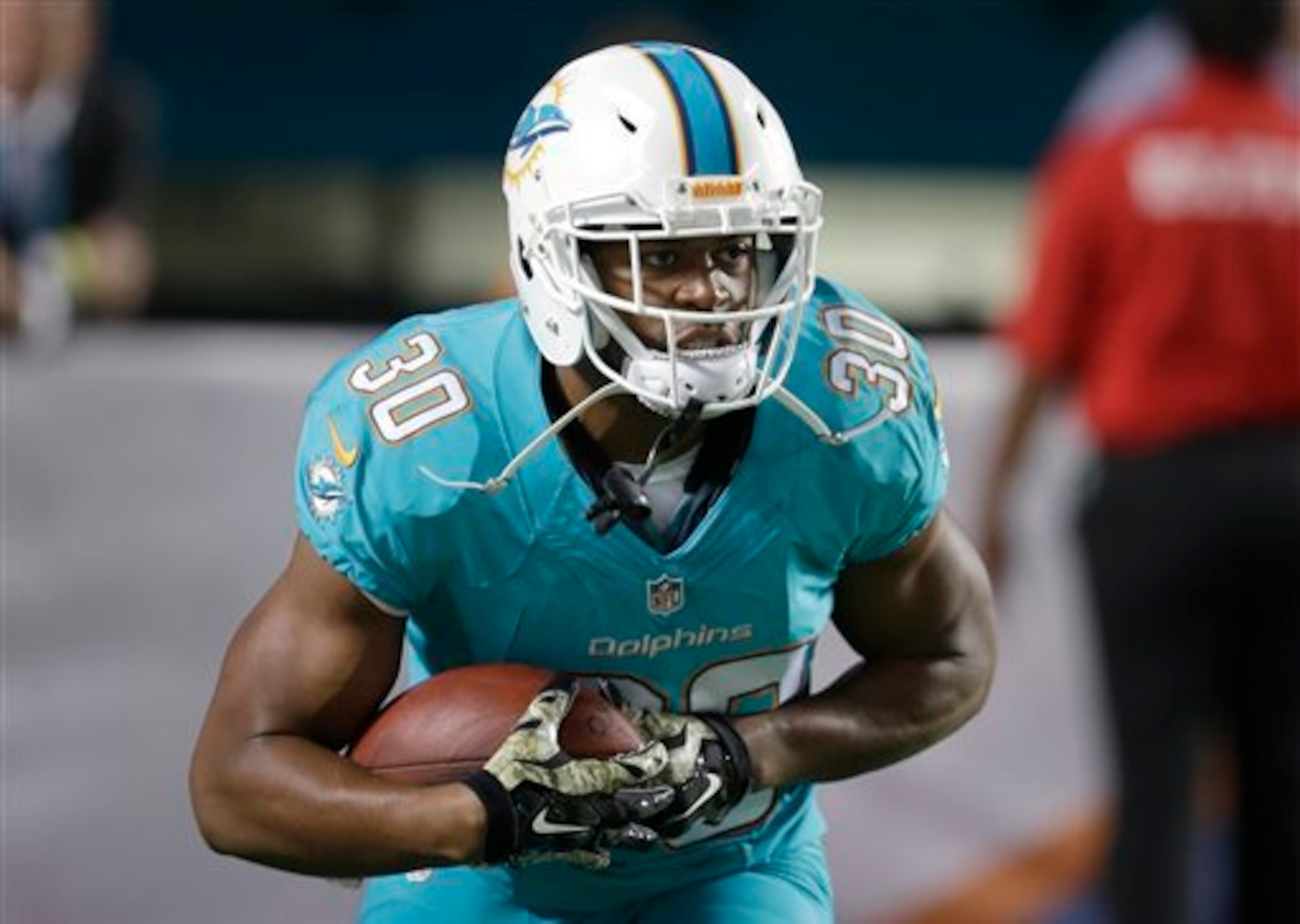
Age: 28
Speed/Agility
Daniel Thomas has had a touch-and-go relationship with the Miami Dolphins recently. The 2011 second-round pick has been let go by the team twice, once re-signing two weeks later, since August 2014. After signing with the Chicago Bears and falling under the line to make the 53-man roster, Thomas didn't play a single snap in 2015, though he did sign with the Dolphins for a third time this offseason.
Going through his 2013 and 2014 film to get a real feel on him, Thomas isn't special in the speed department. He glides, but he's not a top-end-speed type of player, and he's only going to be as good as his blocks, when he's allowed to stick his feet in the dirt and has the confidence to explode upfield.
At the end of 2013, he had a 100-yard performance that included a 55-yard run against the Pittsburgh Steelers. Since then, though, he's been extremely quiet.
Power
Thomas is just not a yards-after-contact player, which explains why he has never averaged more than 3.8 yards per carry in a single season in his career. Again, like when it comes to his speed, an offensive line is going to have to open up opportunities for him to make the most of a play.
Passing Game
The former high school quarterback has only caught 55 passes in the five years since he was drafted and is a virtual non-factor when blocking. He can run routes but not particularly well. At most, he's average in this aspect.
Vision
The same story keeps repeating itself: Thomas needs to have plays blocked open for him. When he meets contact, he tends to drop his head, which doesn't do him any good on stretch plays.
He'll run tight off a play-side hole, but he's a two-gap player at best. You don't want him having to look at the leverage of five offensive linemen and a tight end and choose a hole by his third step.
Ball Security
In his career, Thomas has fumbled on 1.29 percent of his combined touches, and in the last three seasons, he has fumbled on 0.55 percent of his combined touches.
Overall
Thomas is a borderline-rosterable back, and that's basically what the Miami Dolphins have told him three times. At this point, he's just trying to hang on to an opportunity in the league and make the most of it, but since that run in 2013 against the Steelers, there haven't been many flashes by the former Kansas State back.
23. Donald Brown, Free Agent (29 Years Old)
6 of 28
Age: 29
Speed/Agility
A former first-round pick, Donald Brown's career hasn't gone exactly how many assumed it would. He has yet to post a year in which he averaged more than 42 yards per game on the ground, and his career total of 2,898 rushing yards isn't what you'd want to see from a back going into his eighth year in the NFL.
As a runner, he's explosive behind the line of scrimmage, but his change of direction is poor. Some might call him slippery, but he's not what you'd describe as quick or fast. In his last two years with the San Diego Chargers, he had two runs of over 20 yards.
Power
When he's running inside, he doesn't do a great job of withstanding contact. For the most part, where you initial Brown is where he's going to go down, which is problematic for a player whose game isn't built on speed.
Passing Game
The Patriots usually love signing running backs who can catch out of the backfield, which is why their bringing in Brown is kind of surprising. In 89 career games, he has just 120 receptions, and since Danny Woodhead was the Chargers' third-down back during Brown's tenure with the team, his pass-blocking ability over the last two seasons is a relative unknown.
Vision
Brown's feet sputter, as you can see the gears turning in his head when he's looking for a hole during zone runs. You'd ideally allow him to make bend-bang reads in inside zone plays, avoiding late in-down reads that demand swift decisions.
Ball Security
In his career, Brown has fumbled on 0.37 percent of his combined touches, and in the last three seasons, he has fumbled on 0.65 percent of his combined touches.
Overall
Brown doesn't fumble the ball, and his ratio of carries to fumbles is one of the more impressive stats in the NFL. To some teams, that might be enough. It's likely that his anti-fumble career led to his signing to the New England Patriots this offseason, a team he was recently released by.
As a free agent, his future in the league is up in the yard. It's hard to call him a first-round bust when he's hung in the league for so long, but he's not what the Indianapolis Colts thought they were drafting, either.
22. LeGarrette Blount, New England Patriots (29 Years Old)
7 of 28
Age: 29
Speed/Agility
LeGarrette Blount is a 29-year-old, 250-pound running back. The fact that he doesn't have much wiggle to him shouldn't be surprising.
In his prime, he made plays leaping over low-attacking defenders, but those days are over. He's a big back who is limited to cutting once in zone looks but has decent downhill ability. Offensive coordinators aren't scheming him into stretch plays anytime soon.
Power
You'd think that a 250-pound back is one of the better "truck stick" runners in the league, but that's not really the case with Blount. His combo of size and balance is more an indicator of his game than his combo of size and power.
The best way to describe his ability to run through contact is "forward momentum," as he doesn't topple over defenders, but he does press just enough for an extra yard or two, utilizing his size to roll and spin from grasps in gang tackles.
Passing Game
The New England Patriots know their personnel as well as just about anyone in the league, and they play to it accordingly. They knew what they had in Blount, and they rarely used him in the passing game last season.
He's never been much of a pass-catcher, but the Patriots didn't even really use him to block last year, electing to use him more off play action than anything else. In the passing game, he's a decoy.
Vision
Vision is not a strong suit for Blount, who attacks the line of scrimmage with the mentality of a power back, dropping his head, and is limited athletically. Blount should be used B-gap to B-gap at his age.
Ball Security
In his career, Blount has fumbled on 1.54 percent of his combined touches, and in the last three seasons, he has fumbled on 0.65 percent of his combined touches.
Overall
Bill Belichick's Patriots hate backs who fumble, and you have to wonder how much Blount's recent stretch of holding on to the ball plays into how much playing time he's receiving in New England. Blount is a reserve running back at this point, as he's limited to very specific situations.
He's a big back who is limited to first and second downs, where he's nothing special, and he can't contribute much in passing or short-yardage situations. He's the type of back you rack up carries on when you're trying to run out the clock.
21. C.J. Spiller, New Orleans Saints (29 Years Old)
8 of 28
Age: 29
Speed/Agility
There may not be a story of a player falling off faster at the running back position than C.J. Spiller. In 2012 and 2013 with the Buffalo Bills, he combined for 2,177 rushing yards, and he's had just 412 rushing yards in the two years since, including 112 in his first year with the New Orleans Saints last season.
Only getting 36 carries over 13 games, Spiller's legs just don't allow him to run his style of play anymore. He's league-average, which forces him to attempt to spin out of plays he used to be able to execute, when he used to live and die off his lethal speed.
Power
As a power back, he's nothing special, and he was never even a goal-line type of back in his prime in Buffalo, either. His rushing touchdown totals there were zero, four, six, two and zero.
Expecting him to change his body at this point in his career would be unreasonable.
Passing Game
If there's one spot where Spiller can still contribute, it's on third downs. Last year, he only caught two balls fewer than he was given rushing attempts, and he has more receiving touchdowns over the last three years than rushing touchdowns.
He turned 13 receptions into first downs in 2015, while only moving the chains five times on the ground. He's always been a decent pass-catcher out of the backfield, and the way his career is trending only emphasizes how he should be used. If he's not your third-down back, there's really no spot for him to be on your roster at this point.
Vision
Right now, Spiller just dances too much behind the line of scrimmage. He's still looking for plays that he once could hit, instead of just accepting fate and driving for an extra yard off effort. It's why he averaged just 3.1 yards per carry, a career low and virtually half of his 2012 average, last season.
Ball Security
In his career, Spiller has fumbled on 2.01 percent of his combined touches, and in the last three seasons, he has fumbled on 1.99 percent of his combined touches.
Overall
In 2016, Spiller is a low-end third-down back who is dangerous as a runner because of his decision-making and his fumbling issues. He's a type of back who shouldn't be fighting for a starting job but a spot on a 53-man roster from this point on.
20. James Starks, Green Bay Packers (30 Years Old)
9 of 28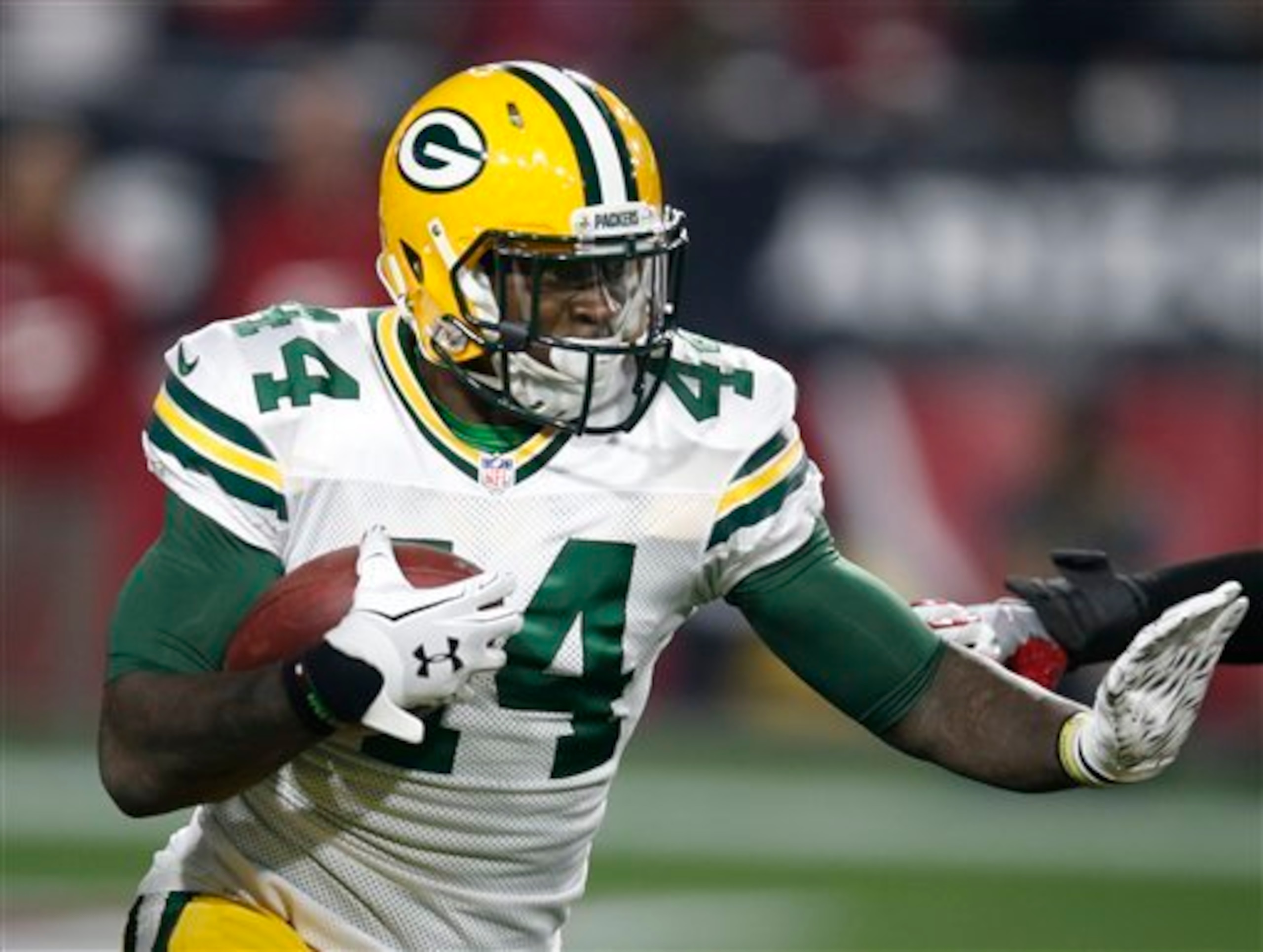
Age: 30
Speed/Agility
James Starks has had an odd career with the Green Bay Packers. His playoff run assisted in the team winning Super Bowl XLV, but he only started five combined games in five seasons prior to 2015 with the team. One reason he wasn't able to pull away with a starting job is his lack of flashy runs.
He doesn't truly have the legs to be a force on outside runs, and he's not truly a run-between-the-tackles type, either, so the Packers elected to start speedsters, such as Ryan Grant, or bully backs, such as Eddie Lacy, over him at various points in his career.
Power
Starks looks more like a receiver than a running back in terms of frame. He's listed at 6'1" and 203 pounds, but it's hard to come up with a word to describe his build better than "lanky" on the relative scale of NFL running backs.
He's not one to go down on soft contact consistently, but he's also not the type who can get under a defender and dig his feet in the dirt for extra yards, either. Like his speed, his power game is pedestrian, nothing to note one way or another.
Passing Game
Calling him a third-down back may be disingenuous, as he's not a Darren Sproles or Danny Woodhead, but he does sub in for Lacy, who publicly struggled with weight last season, in those situations. It should also be noted that he is the Packers' hurry-up, no-huddle running back, as he provides the best mix of running and receiving out of the backfield on the team, should it have to lock into personnel.
Vision
Even though he's limited in which plays he can execute because of his legs, it's pretty clear that Starks is a talented one-cut runner. Outside zone plays work well when he sees an overaggressive defense, allowing him to cut inside early, which is better than allowing linebackers to catch up to him on the perimeter anyway.
Ball Security
In his career, Starks has fumbled on 1.51 percent of his combined touches, and in the last three seasons, he has fumbled on 1.78 percent of his combined touches.
Overall
Starks is a change-of-pace back, by simply being close to league average in every category, as the Packers' top back is a power-specific runner who lacks the legs that even Starks possesses. In that role, Starks is fine, but it's hard to imagine him becoming a starting running back down the line.
If he works on what he can do with the ball after the catch, or simply just his fumbling issues, Starks could last long in the league, as his game doesn't revolve around top-end speed.
19. Matt Asiata, Minnesota Vikings (29 Years Old)
10 of 28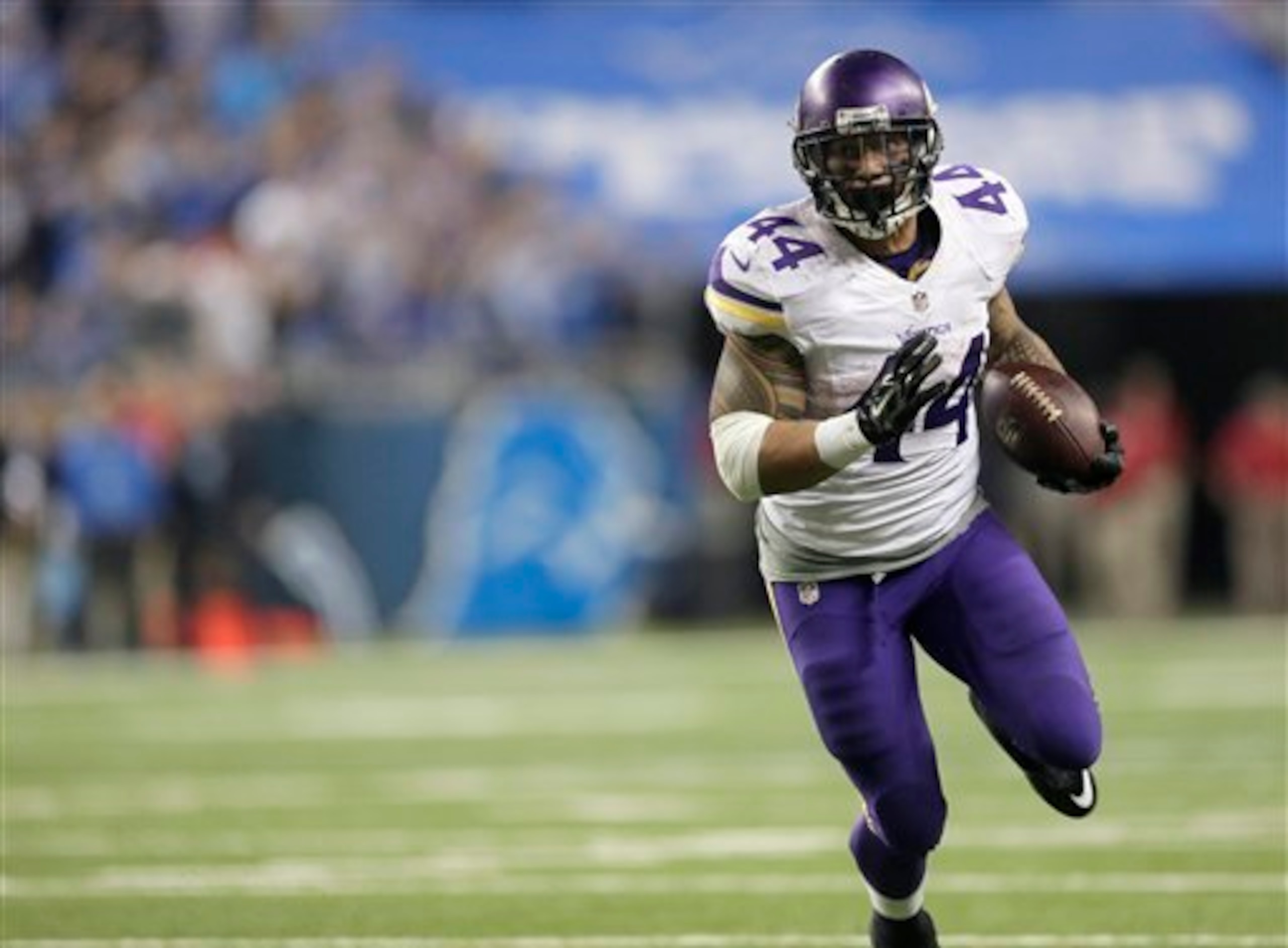
Age: 29
Speed/Agility
Matt Asiata is a smooth runner, but he's stuck in a deep running back unit. Adrian Peterson is one of the best running backs in this era, and he's given the majority of first- and second-down looks, while Jerick McKinnon, a 2014 third-round pick, is somewhat of a third-down back.
Asiata doesn't have a defined role on the team, other than backup, and some of that has to do with his speed. Despite his nice pedal, he's not very explosive, and he's slightly under the bar of league average in terms of speed.
Power
Asiata isn't Peterson between the tackles, but he does a solid job of pushing for extra yardage with effort. He's the type of running back to get one extra yard than you expect him to after contact.
Passing Game
On blocks, he whiffs often, which makes him a liability, but he did more as a pass-catcher than ever before last season, in terms of a ratio. At least now it appears that the Vikings don't look at him as a hindrance on third downs, as long as he's going out for a pass.
Vision
He's nothing special in terms of vision, but he can get into the right bang-bend read on inside zone. He might be best in a gap offense rather than a zone offense, but he's not going to blow up a play because of a completely blown read, either.
Ball Security
In his career, Asiata has fumbled on 0.65 percent of his combined touches, and in the last three seasons, he has fumbled on 0.66 percent of his combined touches.
Overall
Asiata is a second running back who can't contribute much in the passing game. As he learned last season, that means you're getting fewer than 100 touches in a season with that skill set.
If your top back goes down, he's the type of player who might be able to get you out of a three- or four-game stretch, but if you have a full-time back ahead of him, his role isn't going to be more than giving that healthy back a breather on early downs for the rest of his career.
18. Arian Foster, Miami Dolphins (30 Years Old)
11 of 28
Age: 30
Speed/Agility
Arian Foster, a longtime Houston Texan, has had two major injuries since 2013. The first was a back injury in 2013, a season in which he missed eight games, and his second was his Achilles injury in 2015. In between those seasons, though, bouncing back from his back issue, he rushed for the second-most yards in a single season in his career and his second-highest yards-per-carry average in his career.
At this point in Foster's life, rest might do him good. The fact that he missed games in 2015 for his Achilles issue could quietly be a blessing for his 2016 projection.
When he was on the field last season, he looked like a shell of his former self. He was writing checks that his legs couldn't cash, as his jump-back style of play just led to tackles of negative yards, not big plays. In four starts, he didn't have one rush of over 20 yards.
In two of those starts, his longest runs were of five and seven yards. On the season, he averaged 2.6 yards per carry. If he's that guy, and not the rejuvenated 2014 version of himself, Miami is in a lot of trouble.
Power
While Foster's speed diminished, his midlevel power game didn't go anywhere. He still uses stiff arms frequently, attempting to free himself when isolated one-on-one with a defender, and his stumbling approach to running through opponents was still present in 2015.
Passing Game
For his career, Foster averages a catch about every six carries, but that changed a lot last season, with his doubling his rush-reception ratio. This could be Foster trying to develop an "old man game" after being a one-cut runner for so long in his career.
Most of the time, though, Chris Polk was able to steal third-down reps. Foster is about average league-wide in this category.
Vision
Foster has the vision of a one-cut runner. On outside stretches, he'll plant his foot in the dirt and explode up a hole. On inside zone plays, though, he doesn't spend much time dancing to find the perfect, small crease to attack the defense with.
Ball Security
In his career, Foster has fumbled on 0.94 percent of his combined touches, and in the last three seasons, he has fumbled on 0.76 percent of his combined touches.
Overall
Foster won't be in the 17th slot on this list next season. He's either going to be much lower or higher based on his first season with the Miami Dolphins.
Some might claim that evaluating Foster in a season in which he missed the majority of games because of injury is unfair, but after that was the story of two of his last three seasons, there's not really another option. You can tell that everything is slowing down for him, but if that extra time rehabbing and resting his body does him good in 2016, he could rebound with a big season.
If Foster can once again threaten the perimeter with his speed, everything else in his game will fall in place. That's something that we and the Dolphins won't know until the start of the regular season, though.
17. Shaun Draughn, San Francisco 49ers (28 Years Old)
12 of 28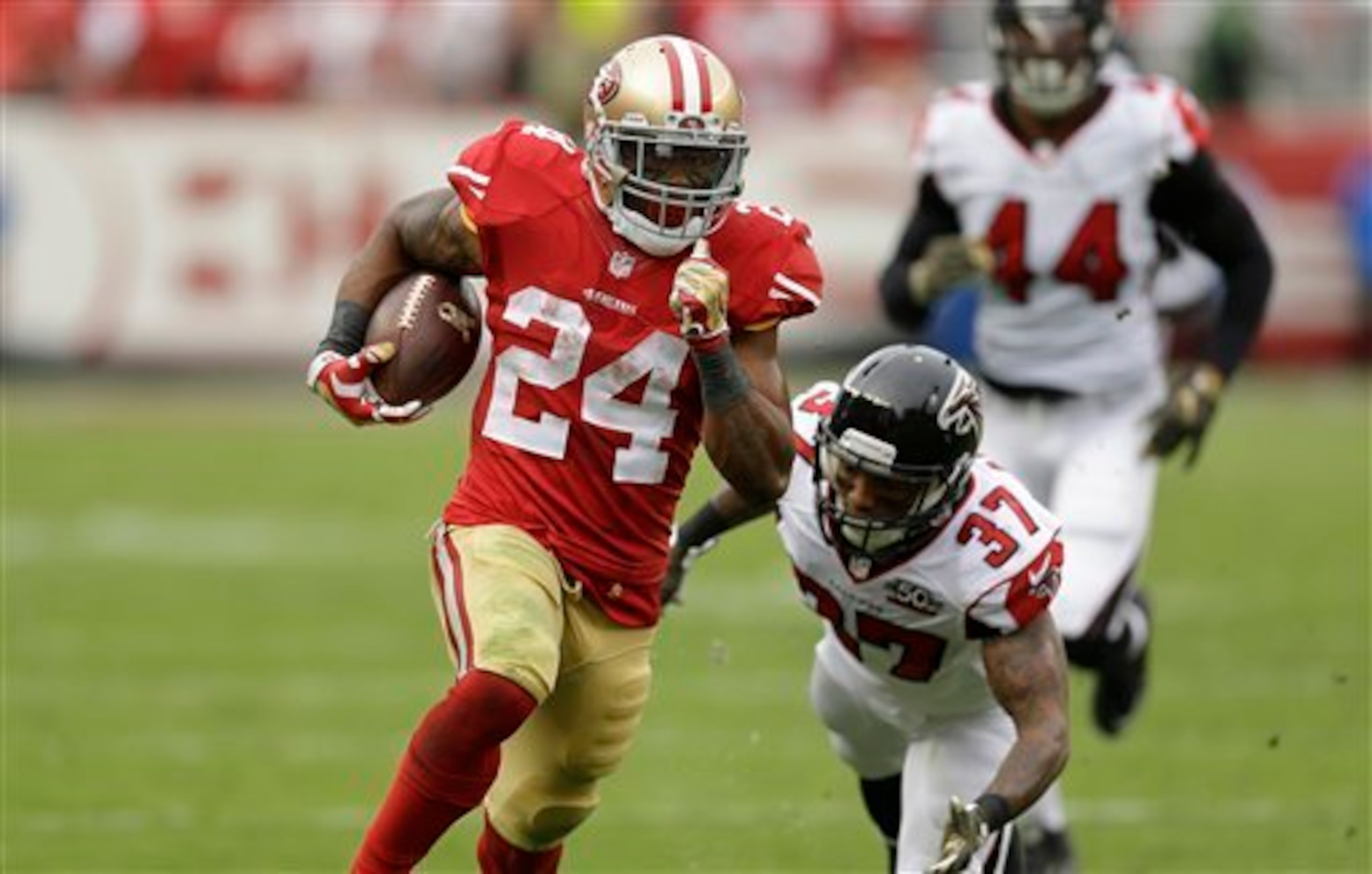
Age: 28
Speed/Agility
This is the part where you ask "Who is Shaun Draughn?" Before his six-game stretch with the San Francisco 49ers, Draughn only combined for 16 carries in his 2013-2015 stints with the Baltimore Ravens, Chicago Bears, San Diego Chargers and Cleveland Browns.
In San Francisco, though, he not only played but started in six games last year, earning 101 touches over the stretch, the same total as his entire career combined up to that point. He only had a 3.5-yard average on carries, with just a single 30-yard rush going over 20 yards, but his speed, in limited reps, looked slightly above average for an NFL back.
Power
Draughn doesn't look like a small back, and his 5'11", 205-pound listing wouldn't suggest he is, but he has issues with running through contact, especially for his size. He runs high, which doesn't help him out, but that isn't the root of all of his issues here.
In limited rushing attempts, he ended up on the ground too often after running into his own linemen. He's just not a very strong runner.
Passing Game
He's not much of a blocker, despite his effort, but he is a decent pass-catcher. He was able to bring in 25 catches in his first significant reps since 2012, which is quite an accomplishment.
Vision
Inside zone runs aren't going to be his bread and butter, but if you can get him on outside zone rushes, where he just needs to make one read to cut up the line, he does pretty well. He doesn't have the elite speed to break plays to the opposite side of the field, but he can read if his bookend has the edge sealed play-side.
Ball Security
In his career, Draughn has fumbled on 1.49 percent of his combined touches, and in the last three seasons, he has fumbled on 0.84 percent of his combined touches.
Overall
Draughn is somewhat of an unknown, and he hadn't played much in the two years before 2015, but he did do some nice things when the opportunity presented itself in San Francisco. New 49ers head coach Chip Kelly uses running backs in a heavy rotation, and Draughn figures to shake out in San Francisco's weak committee, which is about par for where his talent stands today.
16. Justin Forsett, Baltimore Ravens (30 Years Old)
13 of 28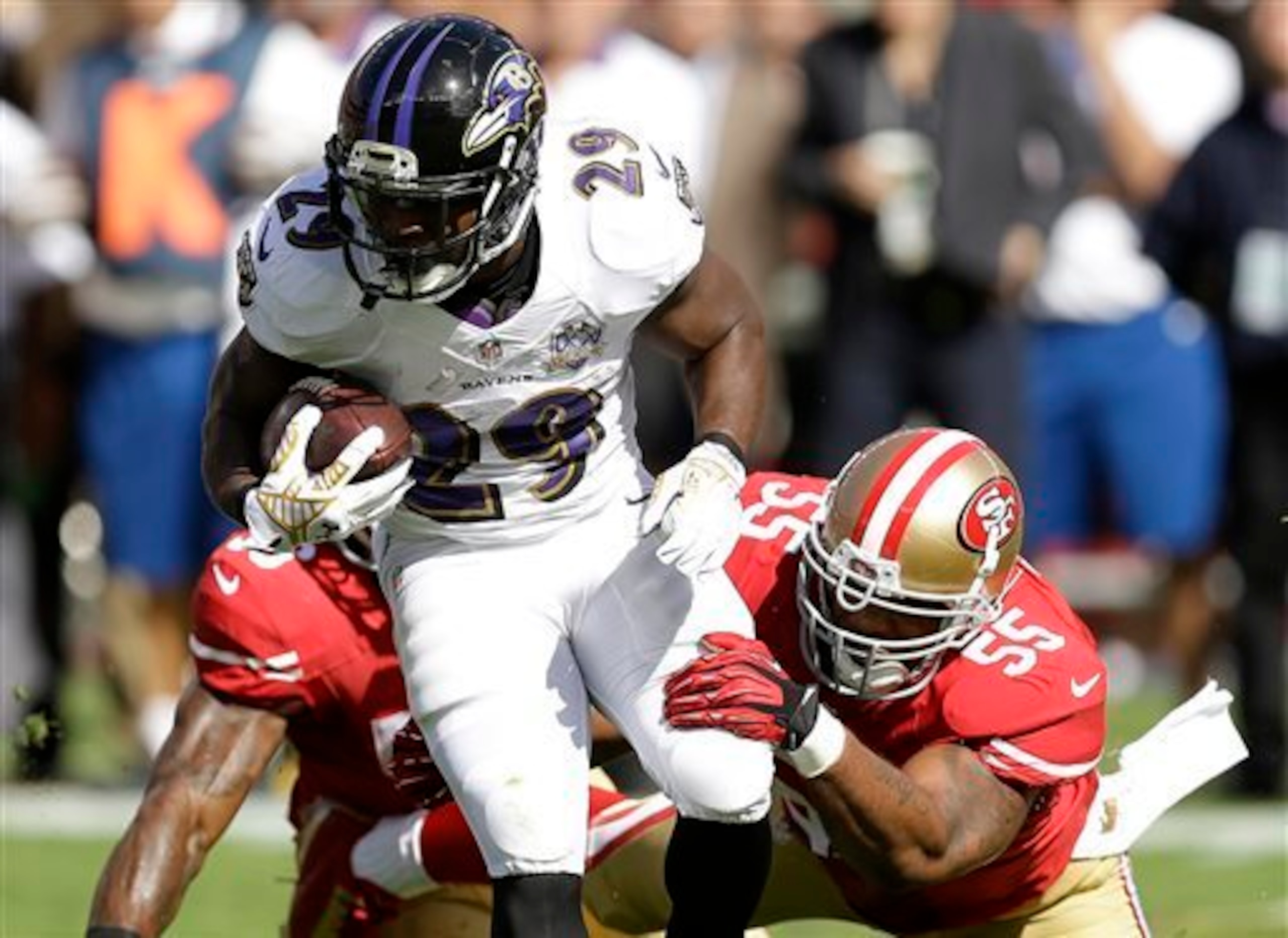
Age: 30
Speed/Agility
Justin Forsett has been the featured back in Baltimore for the past couple of seasons, but his impact hasn't truly stuck out outside of fantasy football, largely because of the volume of his work rather than the quality of his runs.
In the speed category, Forsett is fairly average, as he's shy enough to allow 3-4 defensive ends to set the edge on outside plays, instead electing to cut back inside to find a hole. He does bounce some plays outside that he shouldn't, but that rarely goes over well.
His five carries of over 20 yards last season tell the story of his ability.
Power
His power is about on par with his speed. Size is an issue at 5'9" and 195 pounds, but he does a solid job on the relative scale of his frame.
He's not limited here, as arm tackles aren't taking him down to the ground, but he's not shaking a defender off by rolling his shoulders, either.
Passing Game
Forsett isn't a prolific route-runner, but he can get by on basic concepts coming out of the backfield. Asking him to check edge pressure and to sit in the flats if nothing shows is probably the best way to scheme him into a passing game.
As a blocker, the effort is there, but there's only so much he can do at his size. Often, he'll go low in pass protection, putting his shoulders on the legs of defenders instead of squaring them up.
Vision
Forsett is a bit of a dancer in the backfield, wasting some unnecessary movement, but that at times does lead late-developing holes to emerge. If there's one trait to point to as his biggest positive, it's probably his vision.
Ball Security
In his career, Forsett has fumbled on 0.65 percent of his combined touches, and in the last three seasons, he has fumbled on 0.41 percent of his combined touches.
Overall
Prior to signing with the Baltimore Ravens in 2014, Forsett started just seven games in six seasons as a professional. In the last two years, he's started 24 games.
Forsett underwent massive regression last season, going from 17 rushes of over 20 yards to just five, a mark he had set or beaten in Seattle twice, when he was just part of a committee. A broken arm ended his season early, but that doesn't explain his lack of efficiency when he was on the field last year, unless his reported ankle injury lingered while he was on the field.
It's possible that Forsett bounces back this season, but on film, he's a back who should be fighting for the right to take handoffs rather than one who should be awarded a starting gig based on past performance. He's a very pedestrian running back, which is a complement to his lack of major flaws, sans his incredible ball security over his career, which seems to just be getting better.
15. Dexter McCluster, Tennessee Titans (28 Years Old)
14 of 28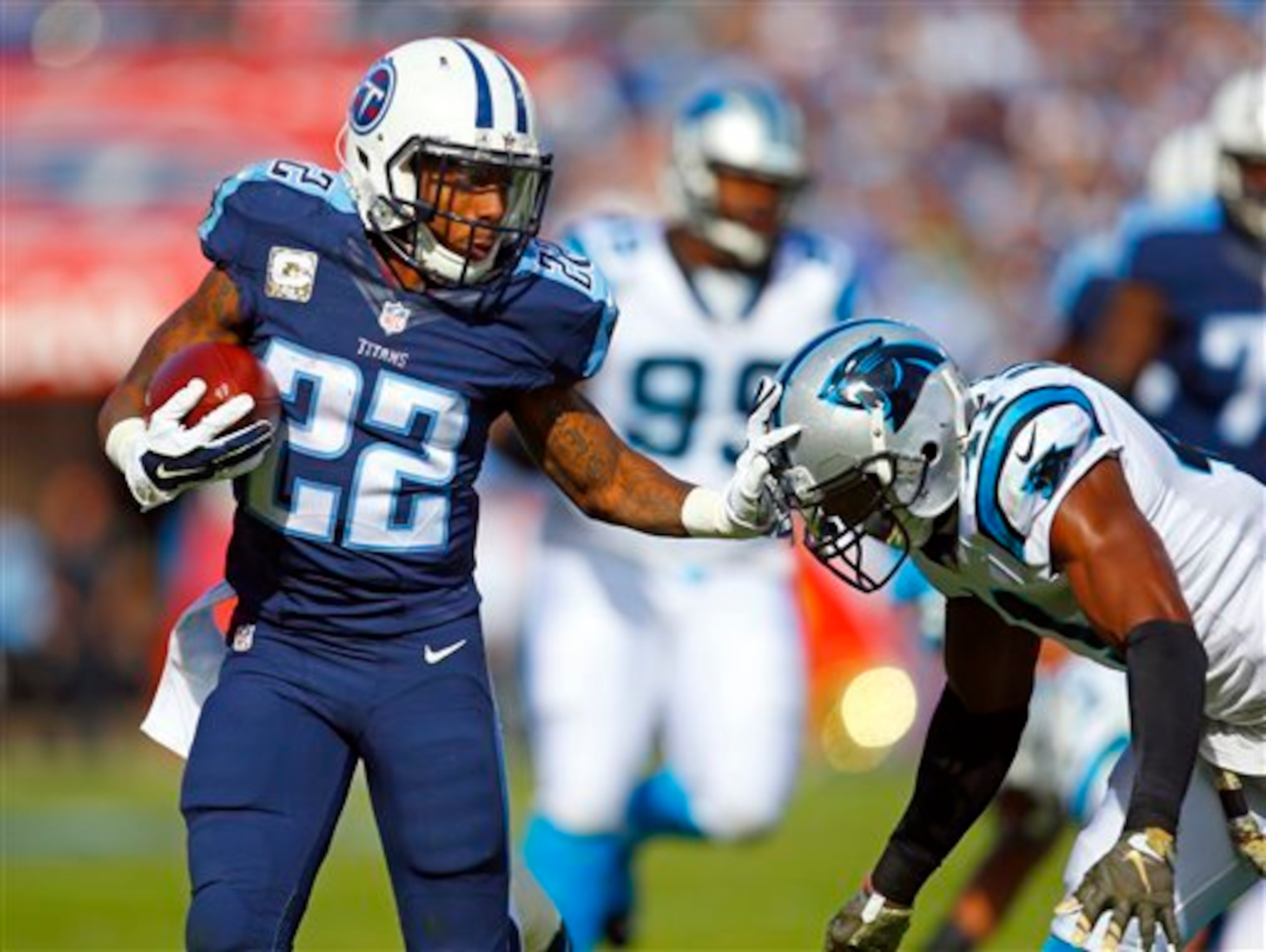
Age: 28
Speed/Agility
While Dexter McCluster has been a situational running back for the majority of his career, one trait he has been able to live off during his entire stretch in the NFL is his speed. In space, he's hard to catch if you don't have the angle on him, even for a defensive back.
He has very quick feet that can redirect his light frame in an instant, and he'll set defenders up for spin moves in the open field. There's no doubt that this is the anchor of his game and why he has been in the league for so many years.
Power
Listed at 170 pounds, smaller than most slot receivers in the NFL, it should come as no surprise that McCluster lacks the force to be a goal-line back. In his six-year NFL career, including 27 starts, he has two rushing touchdowns, and that's not an accident.
He has more than three times the receiving touchdowns as he has rushing touchdowns for a reason: He's not a run-between-the-tackles type of back. He's just not going to run through anyone at this level.
Passing Game
McCluster's career has featured 229 receptions, nearly as many carries as he's had while in the NFL. Looking at how the Tennessee Titans use the back, he's found a great spot to emphasize his positives.
They go out in two-back looks often, which allows him to run legitimate routes, such as Texas routes, out of the backfield without being the primary inside run threat. He's absolutely a third-down back.
Vision
In Tennessee's zone-heavy scheme, with some option concepts thrown into it, McCluster doesn't always have to make the hardest reads for an NFL running back, but one huge positive he does display is that he tries to set up defenders based on their own leverage.
If he can get to the outside on stretch plays, he'll sputter his feet, taking an inside spin if a tackler over-peruses while hitting the jets if he lags behind. His ability to play the small games at the position lets you know where his eyes are at.
Ball Security
In his career, McCluster has fumbled on 2.73 percent of his combined touches, and in the last three seasons, he has fumbled on 2.35 percent of his combined touches.
Overall
McCluster is a pretty cut-and-dry evaluation. He can't run inside, and he doesn't do a good job of holding on to the ball, but that should be assumed for someone of his 5'8", 170-pound frame. At the same time, he has incredible speed and hands, which is also what you'd expect from a running back who is that undersized.
He should never be the staple of your ground game, but McCluster has found a nice role for himself as a scatback/third-down-back hybrid. As long as his speed doesn't diminish, he should be able to keep those jobs coming for the foreseeable future.
14. Chris Johnson, Arizona Cardinals (30 Years Old)
15 of 28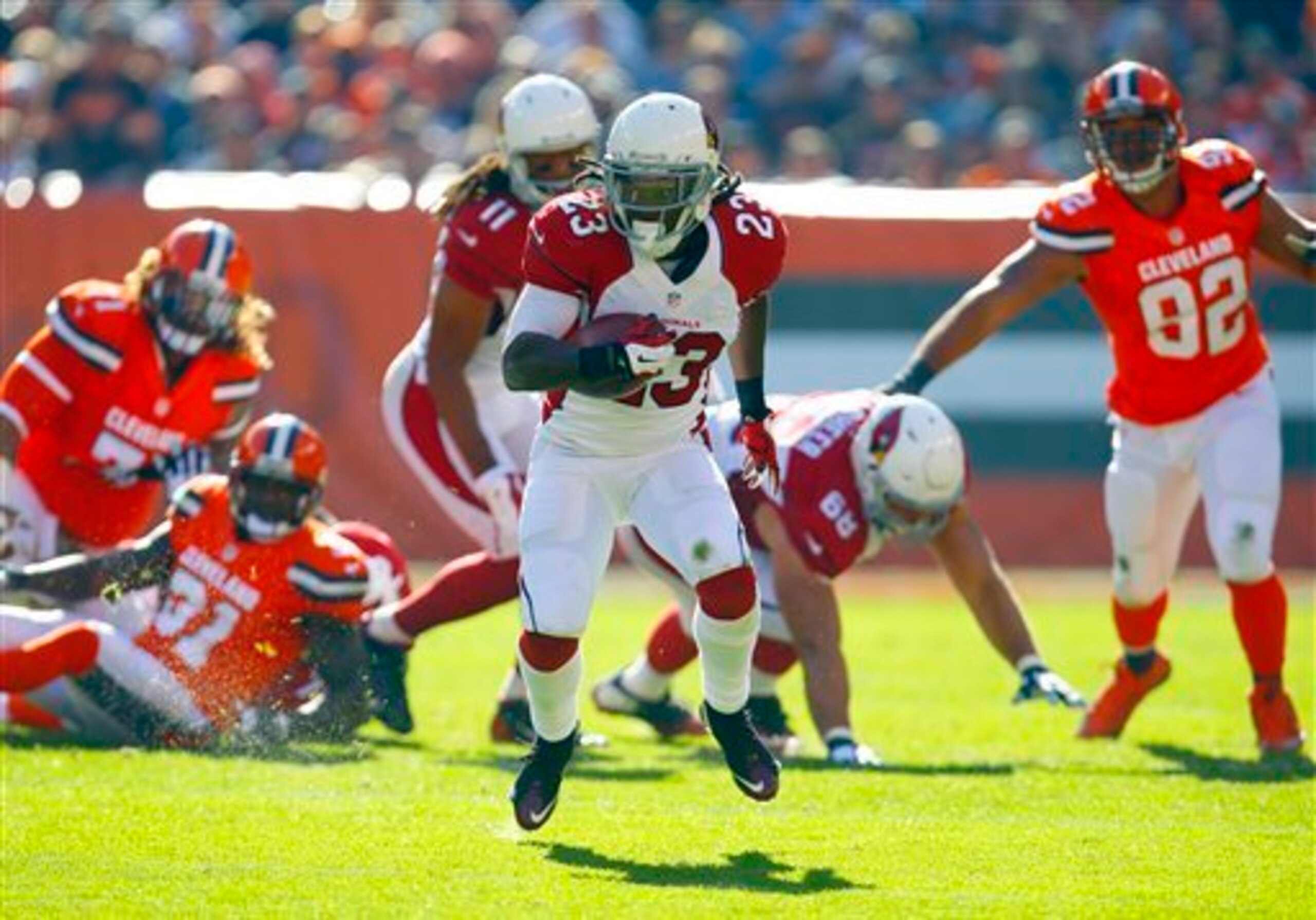
Age: 30
Speed/Agility
In his second year in the NFL, Chris Johnson was able to rush for over 2,000 yards in a season, a feat only Eric Dickerson, Jamal Lewis, Barry Sanders, Terrell Davis and O.J. Simpson had accomplished in a single season in NFL history. His 5.4 yards per carry that year were largely based on long runs, as he ripped off an astonishing 22 carries of over 20 yards that season.
That juice is somewhat gone from Johnson's game now. In 906 carries over the last four seasons, he's combined for 23 rushes of over 20 yards, and you'd have to combine his 2011 through 2015 campaigns to match his seven rushes of over 40 yards from 2009.
He's not who he used to be, but he can still put a quick stab in the ground to get upfield.
Power
The only way to describe Johnson's ability to sustain power through contact is "pinball-like." He's not going to run over a defender anytime soon, but he will bounce off him with force.
He's not a power back in the traditional sense, but he is clearly committed to earning extra yardage with more than just initial effort.
Passing Game
This is where Johnson falls short in the Arizona Cardinals offense. He's not the team's third-down back, and he has issues in constricted space, when the Cardinals try to throw in the red zone. Plus, he's not a goal-line back.
It makes sense why Arizona doesn't field him on passing situations and in the red zone with those factors taken into account. Because he can't see the field in certain situations, he had only three touchdowns last season on the ground and just six receptions.
Vision
Johnson's eyes are good, but they are too good for his talent level. Because of his quickly diminishing speed, he's still attempting to make plays on stretch runs that he's not capable of executing anymore. There are a lot of times where just biting the bullet and grinding down his feet at the line of scrimmage are better than the option he elected.
Ball Security
In his career, Johnson has fumbled on 0.88 percent of his combined touches, and in the last three seasons, he has fumbled on 0.86 percent of his combined touches.
Overall
Johnson is an aged, once-superstar back. The last three years, he's played with three different teams, and his last two years have featured his fewest carries, fewest yards, fewest rushing touchdowns, fewest receptions and fewest first downs in his career.
He's in a good spot for an aging back, as Arizona is a title contender, but it looks like the baton is going to be passed from Chris Johnson to David Johnson, last year's third-round pick, sooner rather than later.
13. Rashad Jennings, New York Giants (31 Years Old)
16 of 28
Age: 31
Speed/Agility
Before coming to the New York Giants in 2014, Jennings had spent two years on two teams, the Oakland Raiders and Jacksonville Jaguars, and had 17 starts in his entire career. In his two years with the Giants, he's posted 25 starts alone and looks to be finding himself in New York.
He's not a great running back, but he's explosive when he puts his foot in the dirt. In 362 carries with the Giants, he's only had six rushes of over 20 yards, which is telling of his long speed.
In space, he looks like a low-end NFL starter. He doesn't have breakaway speed, but you wouldn't go as far to call him slow, either.
Power
Linebackers won't feel sore after a day of going head-to-head with Jennings, but he does make you work to take him down on a tackle. He can easily run between the B-gaps, as short, chippy runs are his bread and butter.
Passing Game
When the New York Giants run their no-huddle offense, Jennings isn't typically on the field, which can be a telling sign of what the coaching staff believes of a back's pass-catching ability. It's also telling that the Giants keep him in on most third downs, though.
What that means on paper is that he's good enough to stick in the backfield and block, but he's not a talented enough athlete to split as a receiver.
Vision
You truly have to draw up plays for Jennings to hit. There are few running backs on this list who run into their own linemen as he does. Zone schemes are never going to be his strong suit.
Jennings' best plays are on power designs where he can just hit a designed hole and drop his shoulder. Between his eyes and legs, outside zone plays should be left for the other backs on the Giants' roster.
Ball Security
In his career, Jennings has fumbled on 0.77 percent of his combined touches, and in the last three seasons, he has fumbled on 0.65 percent of his combined touches.
Overall
Jennings has found job security in New York, but based on his talent, he shouldn't be handed the job without having to fight for it. He's the balanced back on their roster, while Shane Vereen is the third-down specialist and rookie Paul Perkins could be the outside runner.
If one of those develops into a full-time role, that would make Jennings expendable in a running back by committee, as he doesn't thrive in any aspect other than holding on to the ball consistently. Looking to where he projects in the long term, any team that relies on Jennings as a No. 2 back should also invest in a third-down, change-of-pace back, too.
12. DeAngelo Williams, Pittsburgh Steelers (33 Years Old)
17 of 28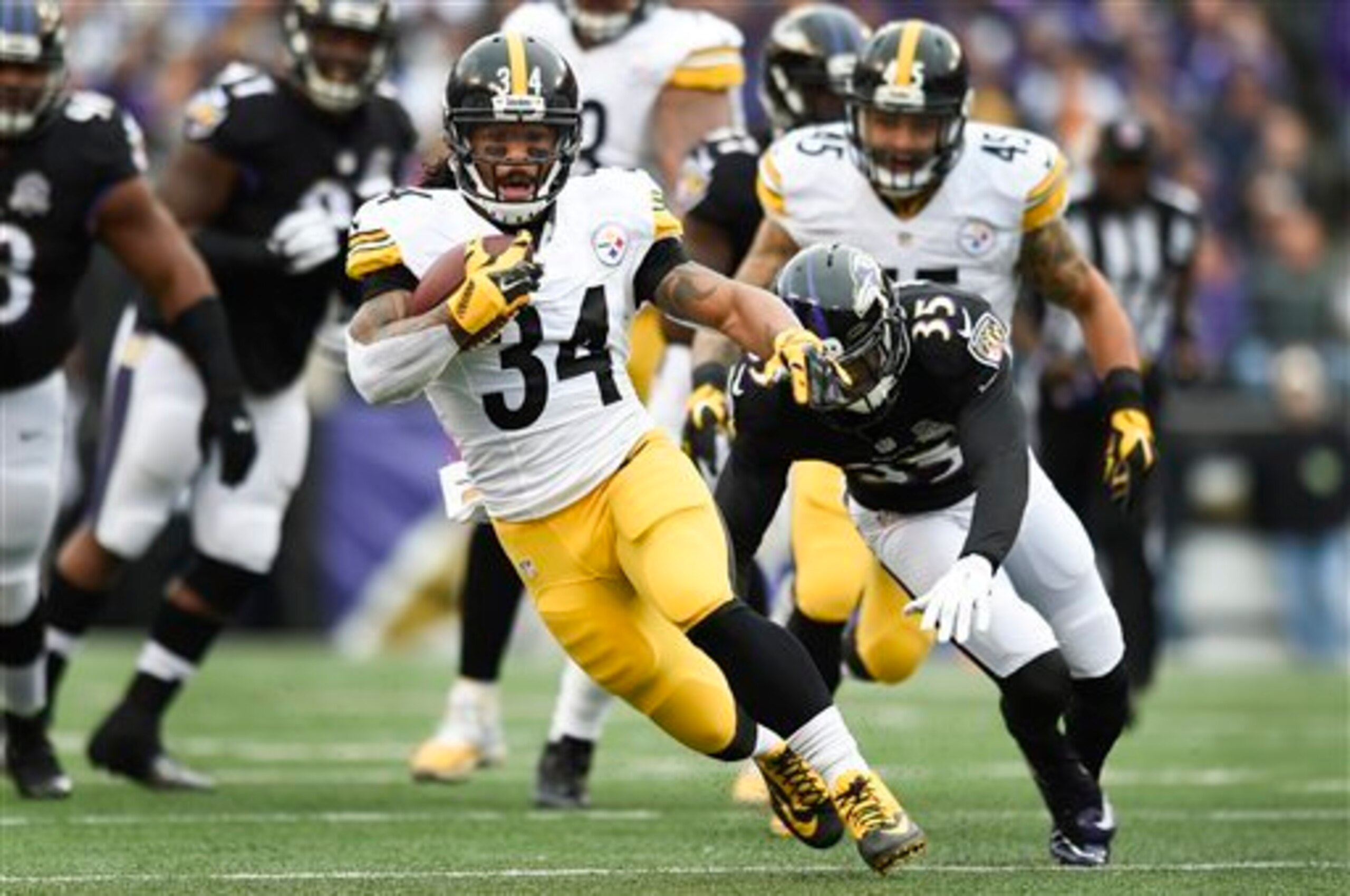
Age: 33
Speed/Agility
Gone are the days of DeAngelo Williams being a full-time starter, like he was in Carolina to start his career. Last year, Williams had over 200 carries with the Pittsburgh Steelers, a feat he was able to accomplish three times with the Panthers.
In those three seasons with Carolina, he was able to combine for 28 rushes of over 20 yards. Last season, he was able to post six, a significantly lower pace of explosive plays. That reflects on film, where Williams is just league-average now.
Power
Williams' new game is built on second effort. He's not as smooth or speedy as Le'Veon Bell, the Steelers' preferred starting running back, but what Williams brings off the bench is his never-quitting attitude. If he does start the season as the team's starter, because of Bell's pending suspension, expect late-in-the-down running to be the staple of Pittsburgh's ground game.
Passing Game
He's nothing special when it comes to third-down contributions. Last year, Williams set a career high with 40 receptions, but the majority of his time in passing situations involves a quick edge-pressure check, then falling into the flat or planting in a spot hanging over the center.
Vision
Williams sometimes spends too much time dancing, baiting defensive players into biting one way or another, but he's a patient runner. He's not scared of small holes, which separates him from the pack.
Ball Security
In his career, Williams has fumbled on 0.87 percent of his combined touches, and in the last three seasons, he has fumbled on 1.50 percent of his combined touches.
Overall
Williams is losing speed and fumbling the ball more often the older he's getting. Next year, he might have a free fall down this list. With that being said, if he's the same back he was in 2015, he's good enough to get away with for a four-game stretch with Ben Roethlisberger and Antonio Brown carrying the load of the Steelers offense.
Near the end of his successful career, Williams has found a great spot to make a title run as a second running back.
11. Chris Ivory, Jacksonville Jaguars (28 Years Old)
18 of 28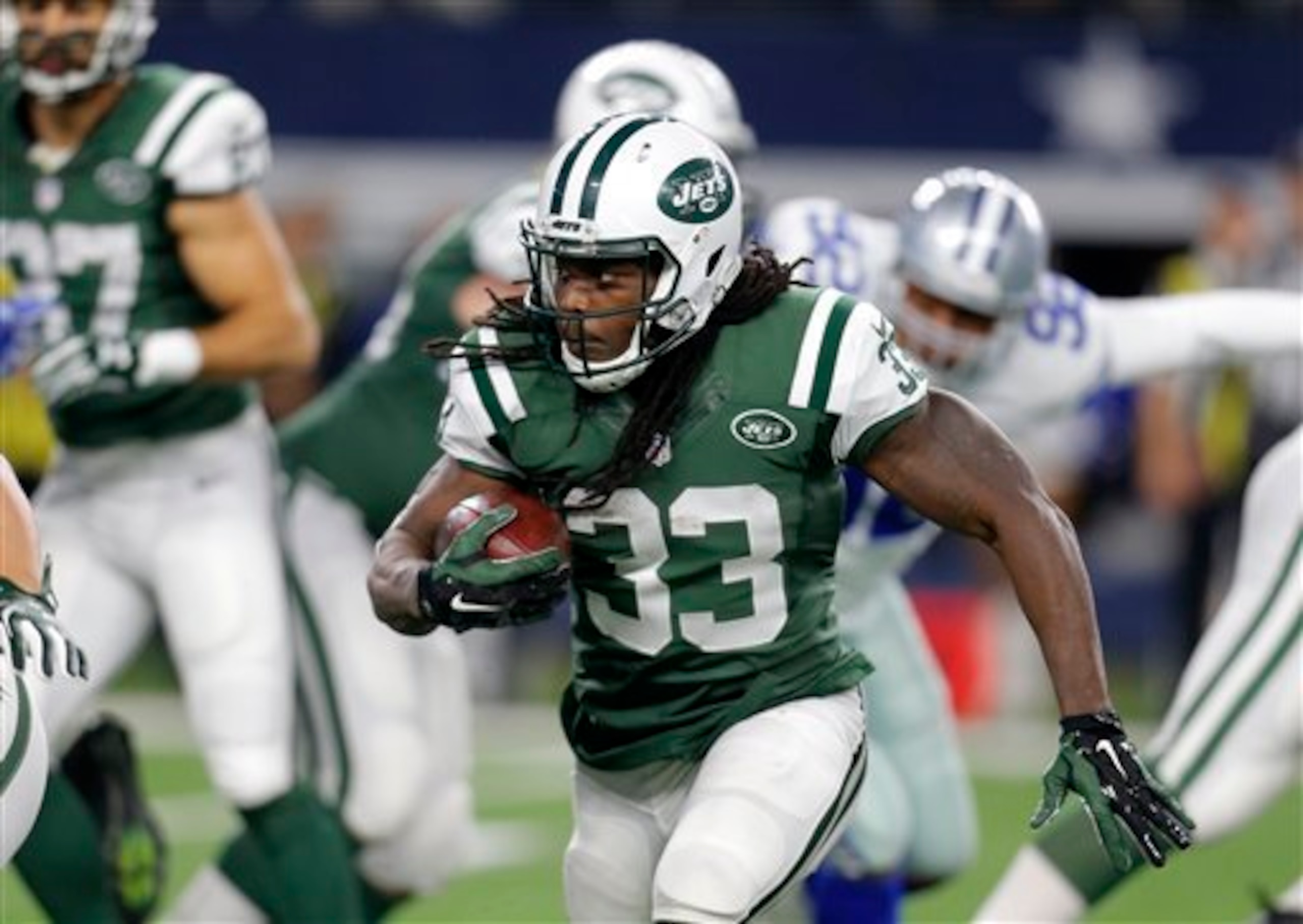
Age: 28
Speed/Agility
In one-on-one situations with box defenders, Chris Ivory trusts his speed to make a play. He's nothing more than slightly above average for an NFL back, but that's better than a majority of the backs on this list.
If a defense is in a poor run fit, Ivory still has enough in his legs to hit a home run ball, as he has an impressive jump cut. The question of if he's an NFL starter or not will likely linger for the rest of his career because of his less than stellar ability to run stretch plays.
Power
Ivory isn't a back who will leave three defenders on the ground after plowing through the middle of the defense, but he's more than decent as a power runner. He's not going to truck defenders, but he will make them work for it, and that's half the battle for defensive backs in the ground game.
Passing Game
He can clearly catch the football, as he has no real issues bringing the ball in, but Ivory doesn't have much shake to him once he has the ball in his hands. His limitations in the passing game don't come from his inability to block or snatch a ball but because of his athletic limitations.
Vision
There's nothing to say that Ivory doesn't have great vision, but he at least knows which plays he can and can't make on the field, and he sticks to being a safe runner. You won't see him cutting across a formation anytime soon, but he can find the right holes on inside zone plays, and he's not going to be caught running into the backs of his offensive linemen in goal-line situations.
Ball Security
In his career, Ivory has fumbled on 0.95 percent of his combined touches, and in the last three seasons, he has fumbled on 1.18 percent of his combined touches.
Overall
Ivory is in the exact role he needs to be at this point in his career: a running back by committee. With second-year second-round pick T.J. Yeldon in the same backfield, it would be foolish to assume that the two wouldn't split time with each other in 2016.
Ivory is solid, not great, in just about every aspect of playing running back. He might need to be spelled in 3rd-and-long situations, but he can be a midlevel first- and second-down runner.
10. Darren McFadden, Dallas Cowboys (29 Years Old)
19 of 28
Age: 29
Speed/Agility
Last season, Darren McFadden, armed with the best offensive line in football, posted a 1,000-yard season, only his second in his career, with the other being in 2010. With 1,089 rushing yards, the only back on this list he finished behind was Adrian Peterson, a shoo-in Hall of Fame back.
A big reason for his success, other than the five men blocking for him, was how quickly he was able to hit holes. He's not a player you'd label as quick, but he can make a high cut or two at 6'1" and explode into linebackers and safeties.
He's able to sustain that balance through contact, too, as he's not rerouted with arm tackles, since he sprints right through them.
Power
McFadden looks skinny for his long frame, and his upright running style wouldn't lead you to believe that he's much of a short-yardage back, but he's more than willing to drop a shoulder on a defender. On outside runs, his strong stiff arm flashes on tape over and over, as he tries to strong-arm his way to a broken tackle in space.
When he needs just one or two yards, the light goes on, and he attacks the line of scrimmage with a much lower pad level than he usually would. When McFadden knows it's time, it's time.
Passing Game
He's simply average in terms of his contribution to the passing game. He still got empty reps in 2015, and he's not a victim, but the threat of McFadden coming out of the backfield on screens or Texas routes doesn't strike the fear in any defensive coordinator's heart.
Vision
McFadden's confidence might be his best asset. He'll hit wide holes with a defender in them at full speed that other backs would pass up on first glance.
With that being said, there are cutback options that he often leaves on the field, as he mostly follows the structure of the play. He's your typical one-cut-style runner.
Ball Security
In his career, McFadden has fumbled on 1.31 percent of his combined touches, and in the last three seasons, he has fumbled on 1.07 percent of his combined touches.
Overall
The Dallas Cowboys have replaced McFadden with fourth overall pick Ezekiel Elliott, and considering Elliott's All-Pro potential, that was a reasonable move this offseason. McFadden shouldn't just be handed a starting job at this point in his career, despite having more success last season than in the majority of his years in the NFL.
Right now, McFadden is a low-end starter or a top-end No. 2 back, but his 2015 proved that you can live with him in the backfield if you have the line to block up runs for him. Expect him to be a running back-by-committee candidate once he leaves Dallas and Elliott establishes himself as a three-down starter for the Cowboys.
9. Ryan Mathews, Philadelphia Eagles (28 Years Old)
20 of 28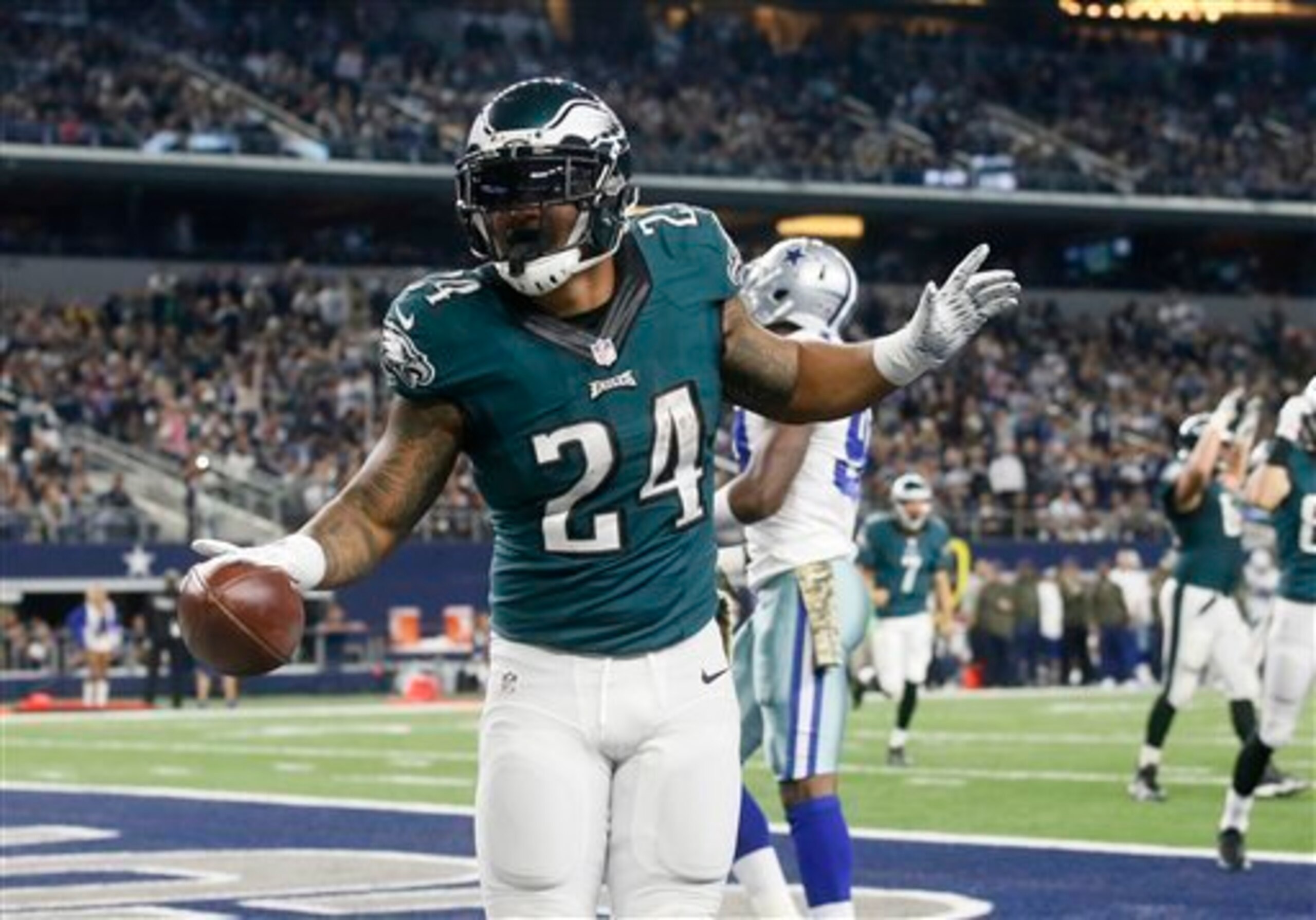
Age: 28
Speed/Agility
Just one year ago, as the Philadelphia Inquirer detailed, there were rumors that DeMarco Murray, Ryan Mathews, Frank Gore and Darren Sproles would all come together under then-Philadelphia Eagles head coach Chip Kelly to make one of the best backfields that the sport has ever seen. Since then, Murray has been traded, Gore never signed, and Kelly was relieved of his duties in-season.
With Sproles being more of a third-down back than an every-down back, you'd assume that Mathews would see the majority of first- and second-down snaps under new head coach Doug Pederson, as he's the most balanced back on the Eagles' roster.
One reason for his balanced game is his speed, which is slightly above average in terms of long speed. The best way to describe the runner, who has only three rushes of over 40 yards in his six years in the NFL, would be as a poor man's Matt Forte.
Power
Mathews isn't your stereotypical inside runner, but at 220 pounds, he rarely goes down without a fight. His never-say-die mentality and his churning legs mean you have to go low on him to stop his momentum, finishing with a clean wrap.
Passing Game
With Sproles in the same backfield, and Murray as the starter for the majority of the season, Mathews wasn't on the field for many third downs last season. When he was, however, he provided some evidence that he could catch out of the backfield.
Much like the rest of Mathews' attributes, he's not a liability, nor is this area of the game his strong suit. If you need him to play on third downs, with no better option, you can win with him as a pass-catcher or an extra blocker.
Vision
The majority of the time, the path Mathews takes on the handoff will end up the path he's taking until he meets first contact. In terms of vision, he's not doing much more than bang-bend reads on inside zone plays.
His effort-driven style of play has allowed him to run through defenders at times that he should have avoided, and that's how he's going to play for the rest of his career.
Ball Security
In his career, Mathews has fumbled on 1.51 percent of his combined touches, and in the last three seasons, he has fumbled on 1.15 percent of his combined touches.
Overall
The 2015 Philadelphia Eagles were disappointing for several reasons last season, and all of the personnel changes between that squad and the 2016 team are a reflection of that. In his first year with the Eagles, though, Mathews held up his end of the bargain, starting six games when he was projected to be the second or third player on the depth chart.
Mathews is who he has been his entire career: a baseline starting running back. Looking league-wide, though, there are fewer than 32 of those athletes in the NFL. From a stylistic standpoint, there's no reason to take Mathews off the field, and that is big when it comes to tipping off defenses which plays you're going to run.
He started more than 50 percent of the games he played in each of his first five seasons with the Chargers, and with Murray now gone from Philadelphia, he should win the starting gig with the Eagles this season. In 2013, Mathews got 311 touches, while he brought in 272 in 2011 in his second season in the league. Opportunity, not workload, has been Mathews' battle thus far into his career.
8. Darren Sproles, Philadelphia Eagles (33 Years Old)
21 of 28
Age: 33
Speed/Agility
Darren Sproles doesn't have good speed for a 33-year-old or even an NFL running back—he has better speed in space than the majority of players at any position in the sport. His game has been built on speed his entire life, which is how he broke the NFL's all-purpose yardage mark in 2011 and why the Philadelphia Eagles just gave him an extension at his age.
One-on-one in space, he's very hard to take down, which is why Chip Kelly used him the way he did when the two were together in Philadelphia. Need someone to run from an offset shotgun look to the far D-gap? Sproles is your guy. Need someone to take a screen and break ankles in the open field? Sproles is your guy.
Power
In 11 seasons with three franchises, Sproles has never started more than six games a season, averaging about two starts a year. If you're wondering why that's so for a player who is so fast, the easiest answer is his ability to run between the tackles.
On inside runs, running Sproles, who is listed at 5'6" and 190 pounds, into the teeth of the defense should only be used as a gimmick to keep defenses honest when he's on the field. Sproles is mostly a third-down back, and defenses know this, so every once in a while, you have to run him up the gut to keep defenses from keying on personnel packages, but he doesn't thrive taking the ball up the A-gaps, even against six- and five-man boxes.
Passing Game
A comparison to Sproles is the highest praise you can give a college running back whose impact at the pro level projects to be as a pass-catcher. Splitting Sproles out to receiver doesn't seem to give him any issues, though his pass protection isn't up to par with some other "third-down backs" in the NFL.
Vision
Because of his top-end speed, teams have been trying to get Sproles on the perimeter during his entire career. Because of that, there's plenty of film of him running concepts such as outside zone.
He doesn't always make the best decisions, as he hesitates and sometimes plants his foot in the dirt late, but he's better than most backs in this aspect, certainly for non-starting running backs.
Ball Security
In his career, Sproles has fumbled on 2.23 percent of his combined touches, and in the last three seasons, he has fumbled on 2.11 percent of his combined touches.
Overall
Sproles' limited ability to run into the box has kept him from becoming a full-time starter at any point in his career, but he's a tremendous role player who can still be a focal point of an offense. In a two-back system, he's more than talented enough to see the majority of an offense's snaps.
With Sproles' speed not topping off, even at his age, expect him to be a quality pass-catcher out of the backfield and a great return man for the next couple of seasons. There are few running backs you'd rather have on the field on 3rd-and-long situations than Sproles, and the threat of him making a play on outside runs, draws or screens to either side of the field forces linebackers to stay on their toes at all times.
7. San Diego Chargers: Danny Woodhead (31 Years Old)
22 of 28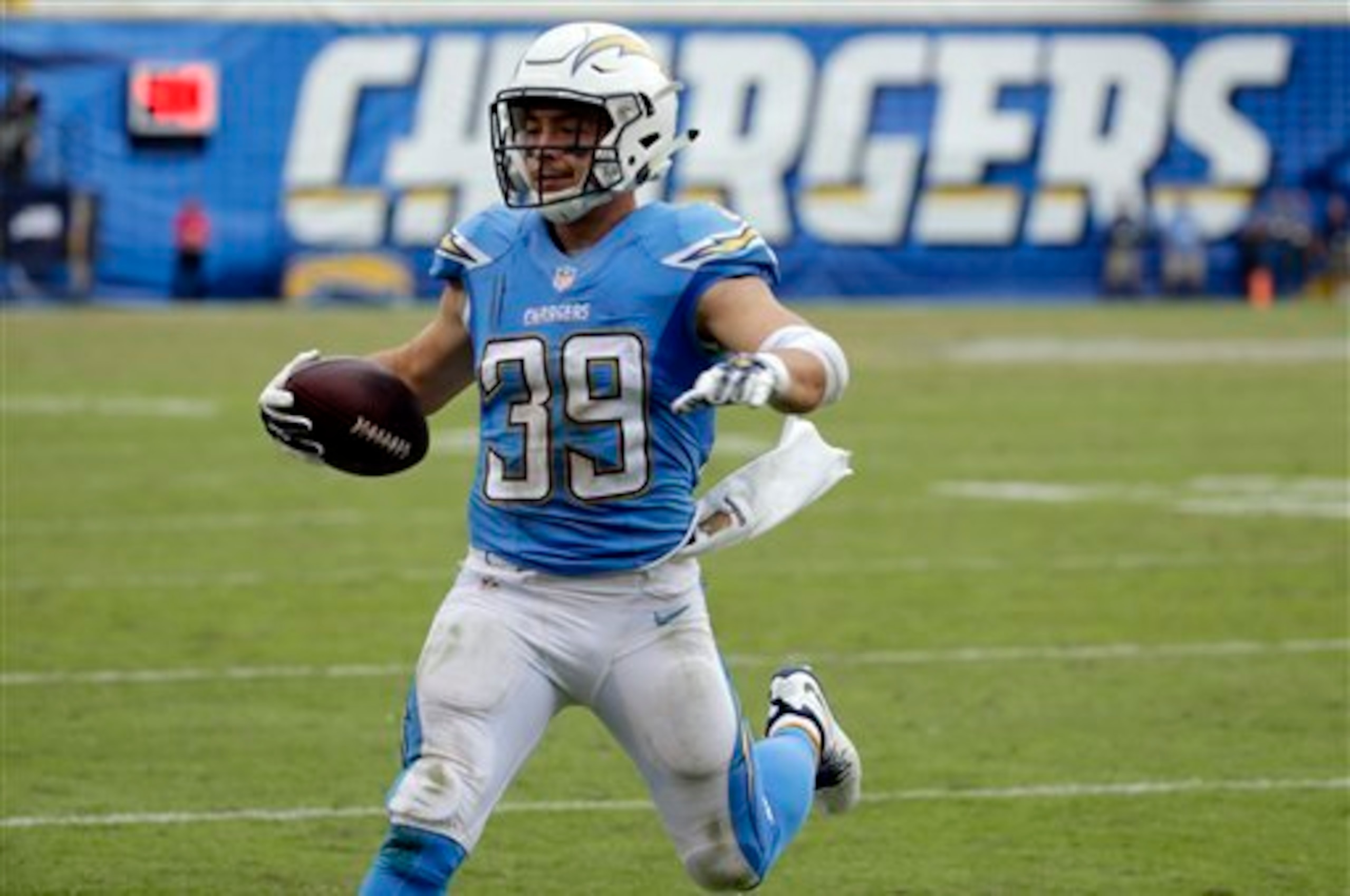
Age: 31
Speed/Agility
Despite running a 4.38-second 40-yard dash at Chadron State's pro day, according to NFL Draft Scout, on film, he's never been a home run threat in the NFL. He's a shifty, gliding runner, but he's not one who will pull away from cornerbacks on the boundary.
He's more than serviceable in this area of the game, but he's not a player you scheme to run perimeter plays for. As a 31-year-old, it's pretty amazing that he still has the juice in his legs that he displayed in 2015.
Power
To no one's surprise, the 5'8", 200-pound back isn't one who thrives with power. He has counter punches to his game, but him as a short-distance back hasn't worked since he came out in 2008, and it's hard to imagine a way in which he improves in this aspect in his ninth season in the NFL.
In his career, he has only posted more than four rushing touchdowns once in his career, which makes sense, since there is film of him bouncing off the back of his offensive linemen in goal-line situations.
Passing Game
The San Diego Chargers offense is built pretty simply: the Chargers want Philip Rivers to throw the ball, and they want him to use the quick passing game to get the ball out of his hands as fast as possible. Rivers' career has been built on running backs who can catch out of the backfield, essentially supplementing the running game with a quick passing game.
It's why LaDainian Tomlinson, Darren Sproles and now Woodhead have been able to develop so well as pass-catchers. Woodhead is a true third-down back with San Diego, where he caught 80 passes last season, the most out of any running back in the league.
In his career, Woodhead's 261 receptions relative to his 484 carries are impressive. When watching the Chargers last season, it was hard to come away thinking that the offense ran smoother with Melvin Gordon in the backfield than with Woodhead, and the main reason for that was his impact running into the flats or being fed on screens.
Vision
In the San Diego offense, with the giant offensive linemen the team has, there aren't many reads to make. Stretch plays aren't really an option when you're playing a quick, shotgun-based offense with an undersized running back and one of the heaviest lines in the league.
Woodhead takes what he's supposed to take, and he rarely shifts to make dangerous or rewarding plays in the running game. In terms of vision, his best factor is likely how he's able to set up moves in space off receptions to shake a single defender.
Ball Security
In his career, Woodhead has fumbled on 0.54 percent of his combined touches, and in the last three seasons, he has fumbled on 0.53 percent of his combined touches.
Overall
In today's NFL, which isn't built on strong running games headed by a single running back, pass-catchers out of the backfield are incredibly important. That is why the New England Patriots and San Diego Chargers loved Woodhead's presence.
If you don't believe in Woodhead's impact, revisiting the 2015 seasons of those teams, when the Chargers were held back by a first-round running back who wasn't much of a pass-catcher and the New England Patriots offense completely changed when pass-catcher Dion Lewis went down, would be a good refresher.
There aren't many complete backs in the NFL, but there aren't two dozen running backs in the NFL shotgun offenses would rather have between the 20-yard lines than Woodhead. The fact that he simply doesn't fumble also helps him a lot, too.
He's a safe, role-playing running back who found the perfect scheme to play in with the Chargers, if they will just hand him the keys to the offense.
6. LeSean McCoy, Buffalo Bills (28 Years Old)
23 of 28
Age: 28
Speed/Agility
LeSean McCoy is truly one of the more special running backs in the league, and a great part of that is his speed. He's not the most refined runner, even taking carries with the ball extended out like a scrambling quarterback, but there's no doubt that he's athletically gifted.
He's fast enough to break the structure of plays, taking risks such as going against the grain on power runs. His fumbling around in the backfield, changing direction several times, also can lead to big plays.
He's light on his feet, and he has tremendous balance. Perimeter plays such as sweeps and outside zone are where he's best suited to contribute.
Power
For the most part, McCoy keeps forward momentum going through partial tackles, but he's not someone who is going to impress on film with shoulder-driving, short-yardage attempts. He's not the biggest back in the league or even on his own team, which is why he only had three of the Bills' 19 rushing touchdowns last season, despite the fact that he had two-fifths of the team's rushing attempts in 2015.
He's not going to be more than average in pushing through contact for extra yards, but he's made four Pro Bowls without that trait, and it's never bothered him before.
Passing Game
As a pass-catcher, McCoy isn't too impressive. He helps out with edge pressure often in Buffalo and then goes into the flats, but he's not a third-down back in the traditional sense.
He isn't really a natural catcher, as you can see on wheel routes, when he has to catch the ball above his eye level. He can make moves when matched up against linebackers and edge defenders in space, but he's not exactly receiver-like coming out of the backfield.
As a pass protector, he's fine, but backs such as Mike Gillislee were more violent than McCoy last year.
Vision
McCoy is patient and determined when running the ball, at times shuffling with his hand on the back of his linemen instead of blowing past them. He also has the ability to attack any gap on the field on zone plays, even if he does waste some time dancing.
Where his vision is stressed the most is when he lines up in Wildcat formations, where it's just up to him and blockers to make a play happen, with no formational disguise at all.
Ball Security
In his career, McCoy has fumbled on 0.80 percent of his combined touches, and in the last three seasons, he has fumbled on 0.74 percent of his combined touches.
Overall
When you think of an outside runner in this league, one of the first names that has to come to mind is McCoy. He's a playmaker. After being spurned by the Philadelphia Eagles, he's found a landing spot in Buffalo, playing behind what might be the most complicated running game in the league.
When you watch him run, he can seem chaotic, but when he finally gets the look he wants and explodes, his jazz-freestyle-like approach to playing running back takes shape, and his purpose for the shimmy and shakes becomes clear. As of now, McCoy is easily a top-10 back in the NFL, and he should remain in that group for years to come.
5. Jonathan Stewart, Carolina Panthers (29 Years Old)
24 of 28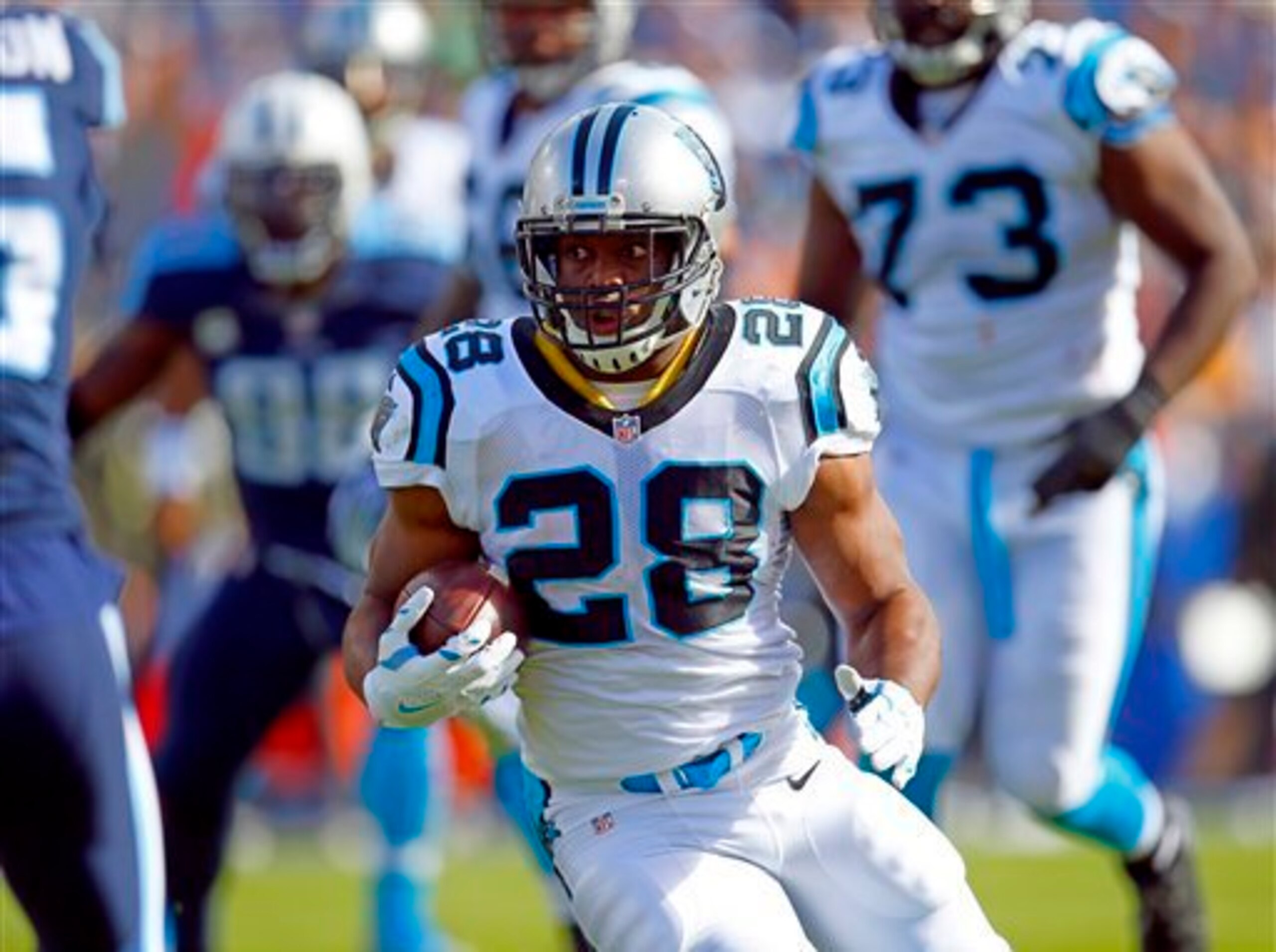
Age: 29
Speed/Agility
For someone who was drafted in 2008, Jonathan Stewart is a young 29 years old and doesn't have much wear on his tires. To put that into perspective, Chip Kelly was in his first year as Oregon's offensive coordinator when Stewart was coming out of Eugene.
Because of his split time with DeAngelo Williams and injuries as professional, Stewart never started more than eight games in the NFL until last year, which is pretty amazing since the former Duck is now going into his ninth year as an impact player for the Carolina Panthers.
Stewart has never had much speed to give, as he was an average-to-above-average runner in space, but his limited, yet quality career touches seem to have slowed down the aging process for a back of his experience. He's not going to rip off deep gashes, as he's only posted two 40-yard rushes in the last four seasons, and his 10 explosive runs of 20 yards or more aren't impressive, but he has enough speed to keep defenses from asking for him to run on the perimeter.
Power
At 5'10" and 240 pounds, Stewart is a thick running back, and his playing style reflects that. He's not Mike Tolbert, a former Panthers teammate who was a borderline fullback, but he's clearly more of a power back than a speed back.
Stewart's legs just don't stop, and at his size, that combination makes him a tough task to tackle, especially considering how low his center of gravity is. Defensive backs take the easy option of diving at his legs, but even that at times can lead to a trampling.
Passing Game
He isn't a poor option on third downs, but Stewart only catches one ball for every 10 carries based on his carrier averages. He's not a liability in pass protection, but for someone as thick, strong and experienced as him, he can be surprisingly soft when blocking.
Vision
For a player without elite speed, Stewart makes the most of his ability with his vision and confidence. He's a patient back who plays in pull-heavy offense, which doesn't let him flash that ability often, but it's clear that he has the eyes of a spread-zone back, which is why he had so much success in Kelly's offense at Oregon.
Ball Security
In his career, Stewart has fumbled on 1.26 percent of his combined touches, and in the last three seasons, he has fumbled on 1.17 percent of his combined touches.
Overall
Earlier in his career, Stewart was labeled as an injury-prone back with potential who was never able to put it all together, but 2015 changed that narrative, as he posted his best rushing-yard and rushing-touchdown totals since 2009. Now, he's a quality back who broke out late and has surprisingly fresh legs for his age.
His emergence was one reason for the Panthers' 15-1 season and Super Bowl appearance. If not for quarterback Cam Newton, who was one touchdown from tying the NFL lead in rushing touchdowns, Stewart would have likely punched the ball into the end zone more often in 2015, but he was still able to earn a second-team All-Pro and Pro Bowl honors.
A running back with injury history who is pressing 30 years old isn't someone you typically want to hang your hat on, but Stewart being locked up for the next two years in Carolina for less than $11 million is a blessing for the franchise.
4. DeMarco Murray, Tennessee Titans (28 Years Old)
25 of 28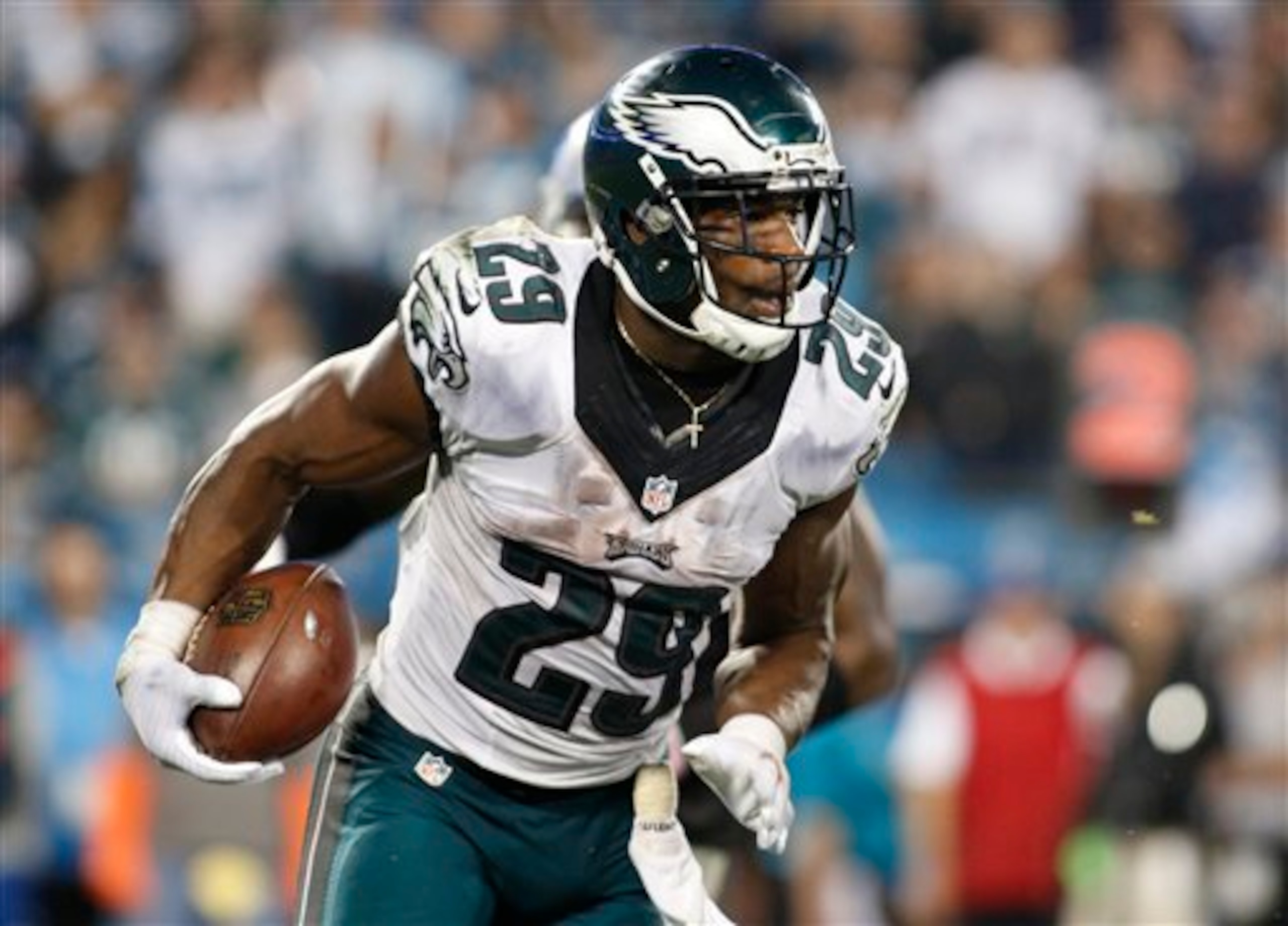
Age: 28
Speed/Agility
While many will claim that DeMarco Murray is done for after his 2015 season, it was closer to his career norm than his outlier season of 2014 with the Dallas Cowboys. He can still hit a deep cut on outside zone plays and blast through a front seven in G-power looks, but the difference between his past two seasons is due to two factors: volume and blocking.
Murray isn't flawless, and there was a lot of masking in Dallas when he was there in 2014. In contrast, the Philadelphia Eagles might have had the worst interior offensive line in the NFL last season.
To claim that a running back is only as good as his offensive line could be a blanket statement, but Murray will get you exactly as many yards as the offensive line deserves on outside plays, nothing more and nothing less.
Tennessee, which has three first-round picks on its offensive line, stole Ben Jones from its AFC South rival Houston Texans and projects to start second-year third-round pick Jeremiah Poutasi, could be one of the most improved offensive lines in the sport in 2016, which makes the Murray-resurrection narrative even more likely.
Power
He doesn't have poor explosion, but he doesn't have explosion that he can tap into on every play, either. His burst seems to stem from predetermined effort before the snap, either in short-yardage situations or on plays with a designed hole for him to hit, such as on sweeps and power plays.
It could be that the 6-footer just can't re-sink his hips after running, making his power dwindle on zone runs when he has to read his offensive line. For whatever reason, there are flashes of top-end talent in this field of his game, but it wasn't nearly consistent enough to consider it his bread and butter in 2015.
Passing Game
There were times that the Philadelphia Eagles used Murray like a receiver last season, but Chip Kelly didn't always involve him on passing downs. Was that a reflection of his talent or the personnel around him, though?
With players such as Darren Sproles stealing some of his third-down reps, it's hard to know for certain, but he wasn't much of a "threat" in Dallas and Philadelphia, even when targeted. He's pedestrian when asked to run routes.
Vision
Murray isn't scared to cut across an entire formation when he sees something open on the backside of zone plays, but Philadelphia was rarely in situations to allow him to do so last season. Based on his Cowboys film, you'd say he was much better than his isolated season of 2015, as offensive line play muddied the Eagles' whole run game last year.
Ball Security
In his career, Murray has fumbled on 1.04 percent of his combined touches, and in the last three seasons, he has fumbled on 1.05 percent of his combined touches.
Overall
When you go trait by trait, Murray still ranks among the best in the NFL at his position, which is pretty weak in this era of the sport. Can Murray still out-athlete the majority of defenders and find a needle in a haystack? Yes, but he's going to go as the offensive line goes, as his power isn't something he can just trigger on the fly.
He's a pretty average back catching the ball and holding on to it, but he's more than enough to call a starting-caliber running back. While it's dangerous to claim a player's salary is reflective of his talent, Murray's new contract with the Titans ranked him as the fifth running back in the sport in terms of an average salary.
Now on his third team in three years, the former Oklahoma Sooner back has the chance to turn around the narrative that was painted of him while in Philadelphia. Maybe he wasn't a $42 million player like the Eagles hoped he was, but the Titans' expectations of his being a $25 million player aren't questionable.
3. Jamaal Charles, Kansas City Chiefs (29 Years Old)
26 of 28
Age: 29
Speed/Agility
When you think about breakaway speed, you think of Jamaal Charles' insane 5.5 yards-per-carry average, which ranks first in NFL history for a running back with significant touches.
He's a slippery, shifty running back with a top gear that has allowed him to run for 16 carries of over 40 yards in his NFL career. He missed 14 games in 2011 and 11 games last season, but when he's on the field, you have to run every assignment in a run fit to avoid six points going the other way.
Power
As far as being a red-zone running back, Charles' production has been inconsistent, as he scored just 10 times on 527 attempts from 2010 to 2012, but he then followed that performance up with a 12-touchdown year in 2013 off 259 carries.
In short-yardage situations, arm tackles aren't going to bring him down, but he's not some sort of a hammer back. Listed short of 200 pounds, he looks like it.
Passing Game
Half of the battle in the passing game is convincing coaches that you should be on the field as a running back. In a situational league, it's rare, and oddly convenient, if your bell-cow running back is also the best pass-blocker and/or pass-catcher out of the backfield on your roster.
Charles often gets split out as a receiver for the Chiefs with no real hesitation. He's clearly a talented receiver, posting 283 receptions, 2,443 receiving yards and 20 receiving touchdowns in his NFL career. If he were a Big 12 football player in 2016, instead of 2005 through 2007, he might have been a spread receiver instead of a running back.
Vision
The former Texas Longhorn is armed with not only the speed and change-of-direction ability to make aggressive defenses pay for not staying true to their assignments, but he also has the vision to play C-gap to C-gap. Charles doesn't lack confidence in his decisions to get upfield, and he usually comes out victorious.
Ball Security
In his career, Charles has fumbled on 1.68 percent of his combined touches, and in the last three seasons, he has fumbled on 1.80 percent of his combined touches.
Overall
Flirting with the label of "injury prone," Charles' biggest battle in football is with his own body, not defensive fronts. When he's being fed the rock, there are very few in the league you'd rather have in the backfield, and his three-down ability doesn't allow defenses to key on personnel packages.
If he can cut down on the fumbles, he could be the first running back on this list a year from now, but his inconsistent ball security and health are what dropped him a couple of pegs as we enter the 2016 season.
2. Matt Forte, New York Jets (30 Years Old)
27 of 28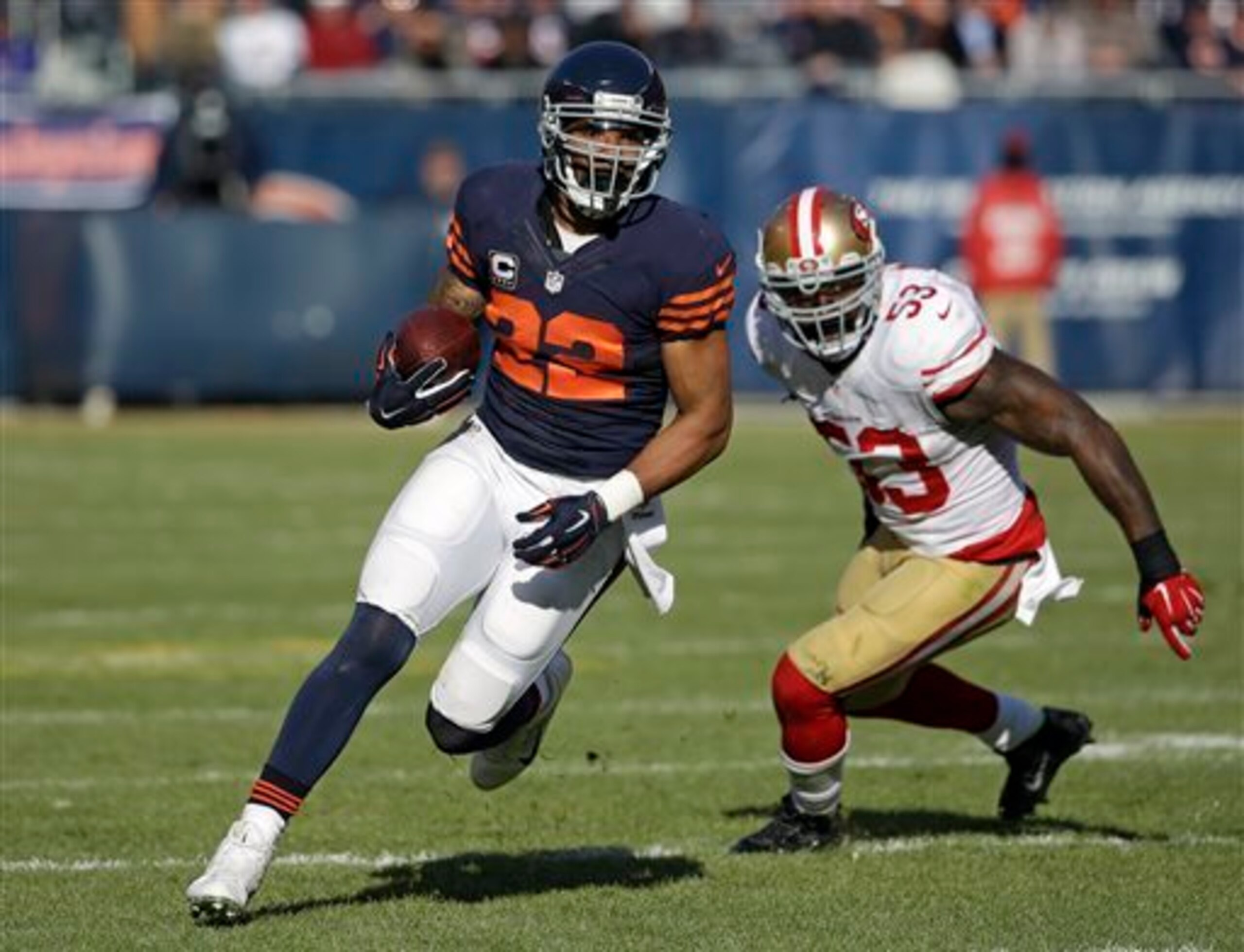
Age: 30
Speed/Agility
While this ranking may seem surprising, the only running backs who had more rushes for an equal or higher yards-per-carry average on this list are Adrian Peterson, who led the league in everything last season, Chris Ivory, Jonathan Stewart, who played on a run-first 15-1 team, and Darren McFadden, who played behind the best offensive line we've seen in a decade-plus in Dallas.
Forte has been playing forever, as he was drafted out of Tulane in 2008, when current draft picks were in middle school, but his smooth, slippery style of play has yet to dwindle. The Chicago Bears didn't want to bet on Forte's next contract, but the New York Jets didn't hesitate to give him a three-year, $12 million deal.
His speed has never been blazing, but it has been consistent. The Jets hope that stays constant, as they gave him $9 million in promised money, which in terms of percentage of total money on a contract ranks only behind Arizona's Chris Johnson for a veteran contract, per Spotrac. Forte looks like the same player, and an NFL front office is banking on him to still be that in 2018.
Power
More of a runner than a plower, Forte has never been great in this area. For the most part, he's league-average for a consistent starter.
He falls forward more times than not, churning his legs, but he's not what you would consider powerful for an NFL running back. Since 2009, he's had more than six rushing touchdowns in only one season. Do not expect him to be a goal-line specialist in New York.
Passing Game
If Forte wants to, there's a good chance he could stick around in the NFL for a long time just as a slot receiver. In Chicago, the team wasn't afraid to split him outside in empty looks, forcing defenses to either put a linebacker on an inside slot receiver or split him far out in space on Forte. His ability to influence defenses into poor matchups is key to his game.
For about every four carries he gets, Forte catches a ball, and his 19 receiving touchdowns in his career, in both constricted space and on screens, prove his worth in this area. He's a natural pass-catcher, which is why it wouldn't be shocking to see him become a James Jones-like receiver late in his career.
Vision
He's nothing to write home about here, but he's good enough to note it. Within the structure of a play, he'll readjust for an offensive lineman's mistake on concepts such as inside zone. With Forte's lack of elite speed, though, there just are certain plays he's never going to make, no matter if he does or doesn't see the hole developing.
Ball Security
In his career, Forte has fumbled on 0.79 percent of his combined touches, and in the last three seasons, he has fumbled on 0.60 percent of his combined touches.
Overall
With no truly special traits, Forte is simply a consistent, quality running back. He's what you imagine if you think of a baseline runner in the NFL but amplified a couple of notches.
He doesn't have great speed, but he'll dip around defenders with effort that's not matched often by his peers. He doesn't have tremendous power, but he's able to catch touchdowns in goal-line situations just as often as he's running between the tackles for a paydirt dive.
There's no Achilles' heel to his game, but for all of his small flaws, Forte has a counter punch to neutralize them. Going into his ninth year, his first with the Jets, he's riding into the proverbial twilight of his career while still in his prime.
1. Adrian Peterson, Minnesota Vikings (31 Years Old)
28 of 28
Age: 31
Speed/Agility
After missing the majority of the 2014 season, there were plenty of questions for Adrian Peterson to answer heading into 2015. At the top of the list was the concern of his speed and quickness at the age of 30, which has been viewed as the career-ending age at the running back position.
He answered those concerns with a 1,400-yard rushing season, good for the best in the league. A big reason for his success in 2015 was his shimming and shaking style of play that is good for anyone in the league, let alone for someone who entered the NFL in 2007 and is listed at 220 pounds.
Power
Peterson has his slate of flaws, but his explosive ability is not one of them. While some running backs are taken out in goal-line situations, Peterson thrives there, as he's posted double-digit-touchdown seasons on the ground in eight of his nine campaigns, with the exception being 2014, when he only played in one game for the Minnesota Vikings.
For someone who is 6'1", he does a very good job of being able to drop his shoulder lower than the leverage defenders attacking him are running with. At the end of the day, you have to put you shoulder pads on his thighs and hope he doesn't plow over you, as arm-tackling him has little to no success.
Passing Game
We're likely to discuss Peterson among the best in his generation, alongside the likes of LaDainian Tomlinson, a five-time Pro Bowler and record holder who retired in 2011. One of the biggest differences between Peterson and Tomlinson, though, is their impact on third downs.
In 11 seasons, Tomlinson made 624 receptions for 4.772 yards and 17 touchdowns, while Peterson's 238 receptions for 1,937 yards and five touchdowns in nine seasons are way further behind. You could make the argument that Peterson's impact is from blocking on passing situations, but often he's not even on the field from a personnel perspective.
The Vikings staff doesn't see much impact from him here, and he doesn't have the track record to prove otherwise.
Vision
One of Peterson's best traits is his rationalized vision. He often finds small holes that others wouldn't hit, but he doesn't attack gaps that he know he can't burst through.
For example, he's more than fine attacking a weak-side inside zone gap with a defender in it, if he has the space to accelerate through it. He doesn't need a man-less gap to plant his foot in the dirt and move upfield.
At the same time, he knows his limitations as far as long speed is concerned, which is why he doesn't cut across the formation on outside zone plays very often. He's where he needs to be for his style of play.
Ball Security
In his career, Peterson has fumbled on 1.45 percent of his combined touches, and in the last three seasons, he has fumbled on 1.74 percent of his combined touches.
Overall
Peterson added his seventh Pro Bowl to his Hall of Fame biography last season and shows no real sign of slowing down. The Vikings offense still runs through his ability to keep the offense on script on first and second downs and his impact in the red zone.
He may not be a complete back, in that he isn't who you want in on 3rd-and-long, but the Vikings are a squad that prides itself on attempting to stay on track offensively during first and second down. Minnesota simply doesn't seem to value third down traits, as it wants to be a conservative, chippy offense that wears defenses out slowly.
After an 11-5 regular season that ended with an NFC North title, an NFL rushing yards title and an NFL rushing touchdowns title for Peterson, it's hard to make the case that the Vikings staff was wrong.
.jpg?w=2560 "Cardinals Rams Football")