Biggest Remaining Challenge Every Power 5 Coach Faces This Offseason
We're less than two months away from the start of the 2016 college football season, and within a few weeks teams across the country will be coming together to prepare for the upcoming campaign. By this point, there's really not much left that can be done until the players return to the field and preseason practice gets underway.
But college football coaches never stop working. There's always something that can be tinkered with, a new avenue to take in an effort to improve his team's chances. Every coach has some challenge that still remains on the agenda before the offseason ends and the real stuff begins.
We've identified what this task is for the head coach of every Power Five-conference team as well as those of top independents BYU and Notre Dame.
Alabama Crimson Tide
1 of 66
Figure out the run game
Alabama has its third quarterback competition in as many years, but based on how offensive coordinator Lane Kiffin has managed the previous two, there's not much concern about how this latest battle will be handled. The same can't be said for identifying a rotation in the backfield, where the task of replacing Heisman Trophy winner Derrick Henry is proving somewhat difficult.
As Bleacher Report's Barrett Sallee noted, the 261 yards Damien Harris and Bo Scarbrough tallied in 2015 is the least of any duo of returning backs for the Tide during Nick Saban's tenure. The previous eight seasons, Alabama entered with rushers who had combined to gain at least 1,059 yards.
Neither of those players was able to assert himself as a dependable No. 2 behind Henry last season, which resulted in Henry carrying the ball 395 times.
Arizona Wildcats
2 of 66
Develop defensive depth
Arizona defense suffered significant losses throughout the 2015 season, not just star linebacker Scooby Wright, and that prevented it from ever having any consistency on that side of the ball. There are eight starters back from that unit, while others who were hurt are on track to return, but without capable backups the same problem could occur again.
With the Pac-12 full of teams that move the ball quickly, as well as Arizona's own penchant for up-tempo offense, the Wildcats need to have more than just one set of reserves ready to come into the game. The more quality defenders they have available the fresher their defense will be in the second and fourth quarters.
Arizona State Sun Devils
3 of 66
Eliminate the big plays
With the No. 113 defense in the country last season, it shouldn't be surprising to learn Arizona State was susceptible to giving up the big play. But the Sun Devils took this to the extreme, yielding 30 plays that went for at least 40 yards and 19 that ate up at least half the field.
This was partly due to ASU's aggressive approach on defense, which produced 46 sacks and 111 tackles for loss, but when it didn't make the play in the backfield, it was often disastrous.
Todd Graham and his staff have to figure out a way to hold onto that aggressiveness while also having a better way of preventing the big play. Easier than it sounds, but it's what ASU needs in order to avoid another 6-7 season.


Arkansas Razorbacks
4 of 66
Rebuild the offensive line
A year ago, Arkansas' offensive linemen were the equivalent of rock stars in their home state. Cover boys on the team's media guide, their collective mass rivaled most NFL lines in terms of size, and the Razorbacks made the most of that by averaging 197.3 rushing yards per game and allowing just 14 sacks.
But the Hogs headed into the offseason with a group of linemen whose 47 career starts is tied with Kansas for 93rd out of 128 FBS teams. The experience level got a boost with the recent addition of Texas graduate transfer Jake Raulerson, but there's still the issue of replacing three starters.
"The five players who ultimately make up Arkansas’ starting offensive line this season will not only have to grow up and quickly establish unit cohesion, but also protect a new starting quarterback in Austin Allen and block for inexperienced ball carriers trying to replace Alex Collins’ incredible productivity," Jason Kersey of SECCountry.com wrote.
Auburn Tigers
5 of 66
Fix the offense
Remember Gus Malzahn, offensive genius? That's how he was commonly described after his innovative offense helped get Auburn into the BCS championship game after his first season in 2013.
Since then, though, the Tigers have looked rather pedestrian on offense and not surprisingly have been far less successful in the standings. Things really bottomed out in 2015 when they finished 10th in the SEC in total offense, averaging 115 yards fewer per game than the season before.
Quarterback play was dreadful last year, and that affected the ability to run the ball as well. That prompted Malzahn to go back to the junior college ranks and bring in former Florida State passer John Franklin III, though he didn't do enough in spring ball to warrant being named the starter over Jeremy Johnson and Sean White.
Baylor Bears
6 of 66
Right the ship
Jim Grobe has been charged with the job of keeping Baylor's 2016 season from falling apart, hired on an interim basis after the school fired Art Briles in the wake of its sexual assault scandal. The former Wake Forest coach has retained most of Briles' staff and plans to keep the offense and defense the same, but that's only the start of the job.
"I think it was a sense of relief for the players to know that we’re going to try to be as steady as we possibly can," Grobe said at his introductory press conference.
With the Bears losing a slew of their 2016 signees to other programs—and holding only one commitment for 2017 after several pledges backed out—both the present and future are quite uncertain. There's a ton of talent on the existing roster, but depth could now be an issue, as could confidence with Briles no longer around to lead the program.
Boston College Eagles
7 of 66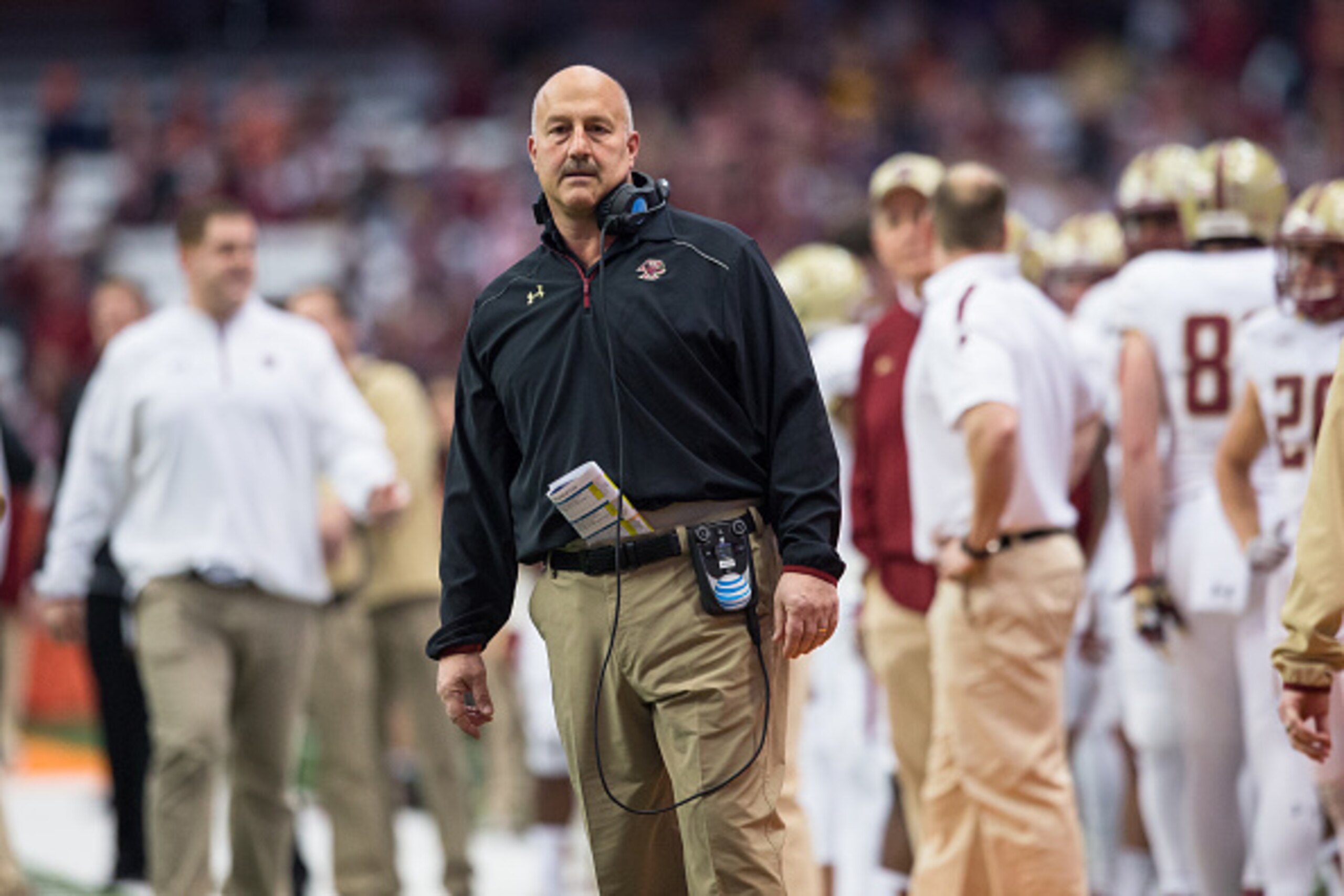
Find some offense
Steve Addazio has spent his entire coaching career on the offensive side of the ball, which probably made having to witness what his Boston College team did in 2015 quite painful. After scoring 100 points in their first two games, against FCS opponents, the Eagles managed 106 in the next 10 against FBS competition.
BC was shut out twice and held under 10 points on four occasions, dropping a 3-0 home game along the way. Much of the problem was due to the inability to find an effective quarterback, with four players combining to complete 44.4 percent of their passes with just eight touchdowns.
Landing Kentucky graduate transfer Patrick Towles will help the offensive cause, but an overall system needs to be in place in order for the Eagles to move the ball in 2016.
BYU Cougars
8 of 66
Find a role for Taysom Hill
Taysom Hill is entering what feels like his 10th season with the program but is really just his sixth, yet only once has he made it from start to finish without suffering a major injury. Last year saw Hill go down with a Lisfranc foot ailment midway through the season opener and never return, after missing the final eight games of 2013.
Fitted with a special shoe Nike made to help him avoid further injury, Hill is still unsure of how he will contribute to BYU this fall. Tanner Mangum shined as his replacement at quarterback, but Hill's running ability is something the pro-style Mangum doesn't possess.
Hill told Dick Harmon of the Deseret News "there's been no discussion at all having any other role in the offense" besides QB, but if the Cougars want to maximize his value, then first-year coach Kalani Sitake may need to reconsider.
California Golden Bears
9 of 66
Get the itinerary set
California's offseason is shorter than most programs thanks to its agreement to face Hawaii a week before everyone else. That Aug. 26 game also happens to be in Australia, which also means having to start the preseason earlier because the team will need to pack up and head to the other side of the world in order to get acclimated to the time change.
Coming off a breakthrough 8-5 season but essentially starting over on offense thanks to the departure of quarterback Jared Goff and a change in coordinator, Cal can ill afford to get off to a bad start. It has known about the when and where of this game for a while, so preparations have been in the works for months, but there's always concern about how everyone will handle this unusual trip.
With a few weeks left before the preseason begins, there's still time for coach Sonny Dykes to ensure every detail has been addressed to make the Australia trip a successful one.
Clemson Tigers
10 of 66
Identify defensive leaders
If Clemson could just play offense the entire game, there'd be no worry whatsoever about whether it can make a return trip to the playoffs. It doesn't work that way, though, and the Tigers will have to play defense just like everyone else.
And that means having to trust another retooled defense, much like in 2015 when Clemson had to break in a slew of new starters. That group shined early and often and were just as big a part of the push to the title game as quarterback Deshaun Watson and his cadre of weapons. Clemson is hoping the same will be the case in 2016, but there's plenty of uncertainty.
The Tigers return just four defensive starters and will be very young across the board. Among the jobs coach Dabo Swinney has in front of him is determining which of these players can be tasked with taking on a leadership role and helping to mold this unit.
Colorado Buffaloes
11 of 66
Figure out the quarterback situation
With Sefo Liufau suffering a foot injury last November that impacted his availability for the 2016 season, Colorado coach Mike MacIntyre went to the transfer market to find a ready replacement. He thought he had that in Davis Webb, who in February committed to join the Buffaloes after graduating from Texas Tech.
But then Webb reconsidered, eventually going to California in May, and Colorado had to start all over. And that was actually Colorado's second transfer quarterback to change his mind, as Tennessee's Sheriron Jones came and went in January.
Liufau could be ready for the start of the season, but that isn't a certainty. Linebacker Jaleel Awini has taken snaps at the position and might need to be called on, as could walk-ons.
Duke Blue Devils
12 of 66
Get Thomas Sirk back in playing shape
Duke won its first bowl game since the 1960s in December, and though nearly half of the starters from that team were moving on, it felt good about the 2016 prospects as long as Thomas Sirk was at quarterback. Then he ruptured his Achilles in an informal workout in February, and suddenly the entire outlook was thrown out the window.
Sirk was the Blue Devils' rushing leader last year with 803 yards and eight touchdowns, to go with 16 passing touchdowns. With him in jeopardy of missing all or part of the upcoming season, all plans had to be revised.
Yet Sirk has made great progress in his recovery, and Steve Wiseman of the Durham Herald wrote that he's hoping to be back for the start of fall practice on Aug. 8. But there's more to the process than just having him healthy; Sirk has to shake off the rust from being out of commission for several months, so getting him up to speed is imperative for the Blue Devils.
Florida Gators
13 of 66
Pick a quarterback
Unless Treon Harris suddenly gets switched back from the wide receiver position he moved to this winter, Florida is guaranteed to have a starting quarterback who has never taken a spot for the program. What remains to be determined is which of the three candidates will emerge, a decision that will be critical to the Gators' chance at repeating as SEC East champions.
Feleipe Franks is a true freshman, Austin Appleby is a graduate transfer from Purdue and Luke Del Rio is on his third FBS program in four seasons, having started at Alabama and then appearing in three games for Oregon State in 2014.
Settling on Will Grier early last season helped Florida take off, but then his suspension for a positive drug test set its offense back tremendously. Coach Jim McElwain will need to choose wisely.
Florida State Seminoles
14 of 66
Get healthy on offense
Likely starting quarterback Sean Maguire had ankle surgery that knocked him out of spring practice. Record-setting running back Dalvin Cook missed the tail end of spring ball due to shoulder surgery. That's the bulk of Florida State's offensive attack that was sitting out this offseason instead of working toward better production than what the Seminoles had in 2015.
Yet FSU is a consensus top-five pick by most national media outlets. That's assuming those players are healthy for the actual season and not impacted by the time they missed.
Their absence in spring allowed others to shine, with freshmen quarterbacks Malik Henry and Deondre Francois showing off in the spring game along with rushers Ryan Green and Jacques Patrick. There's depth in place, but ideally FSU will want those top guys to be at full strength.
Georgia Bulldogs
15 of 66
Devise a plan for Jacob Eason
Based on how he looked during the spring game—and how well received that performance was—it's a foregone conclusion Jacob Eason is going to play a key role for Georgia as a true freshman. The question remains, though, just how much?
First-year coach Kirby Smart has a lot riding on how he uses Eason, the No. 2 pro-style quarterback from the 2016 class. He's not in a position where he has to use him exclusively, not when he has a returning veteran starter in Greyson Lambert as well as passer/punter Brice Ramsey at his disposal. That's both a luxury and a potential pitfall, though, unless a solid plan is devised to figure out how to use Eason.
Will he be the starter for the opener against North Carolina in Atlanta and go from there? Or will Smart split series between Eason and Lambert, allowing the youngster to slowly settle into the job before taking over on a full-time basis later on?
Georgia Tech Yellow Jackets
16 of 66
Modernizing the option
Georgia Tech is the only power-conference team that still runs the triple option, and Paul Johnson is just fine with that. It's what he's run at every stop in his coaching career, and even after a 3-9 season he has no plans to go away from that system.
But it wouldn't hurt to have it tweaked a bit to be able to adapt to the inevitable times when running every down won't cut it. There wasn't such a plan in place in 2015, and it showed, as a young offense and a shoddy defense combined to make the Yellow Jackets play catch up early and often.
Being able to come from behind is harder to do without the ability to score quickly and get big chunks of yardage through the air. Tech was 0-8 last year when throwing the ball more than 10 times.
Illinois Fighting Illini
17 of 66
Relearn the college game
Lovie Smith was part of Ohio State's coaching staff in 1995, making for 13 consecutive seasons working at the college level. Then he spent the next 20 in the NFL, including 11 as a head coach.
Now back in college, Smith has had an accelerated learning curve by virtue of being hired in March. Spring ball was a seat-of-the-pants odyssey, and recruiting has been slow-going to this point, with only six commitments for 2017. The preseason will be when things really settle in for Smith, assuming he's up to speed by then.
Indiana Hoosiers
18 of 66
Solidify the defense
Even with some key departures on offense, Indiana figures to be in the upper half of the Big Ten in terms of production when it has the ball. Being able to finish in that tier in the standings will depend on being able to make plays on the defensive end, however.
The Hoosiers were last in the league in yards allowed in 2016, giving up more than 509 yards per game. They allowed 511.4 against Big Ten opponents, yielding 39.6 points per game in the league.
Indiana must shore up that defense in order to allow its offense to be more effective. Losing games 55-52, as it did last year against Rutgers, won't cut it.
Iowa Hawkeyes
19 of 66
Not messing with the formula
From a statistical standpoint, it was hard to believe Iowa went 12-0 during the regular season and was inches away from winning the Big Ten and making the playoffs. The Hawkeyes ranked 72nd in total offense, and seven of their games were decided by single digits, but that was enough to get the job done.
Facing greater expectations in 2016 thanks to that recent success, longtime coach Kirk Ferentz might feel pressure to make some changes to ensure Iowa can keep pace and contend again. He'd be wise to avoid this, unless he doesn't think the status quo will work anymore.
There's been a strong push on the recruiting front, with Iowa already nabbing two players with 4-star rankings or better for 2017 after only signing 3-star players in 2016. Beyond that, though, there should be little different about the Hawkeyes.
Iowa State Cyclones
20 of 66
Get newcomers up to speed
Matt Campbell was hired in December and wasted little time trying to bolster Iowa State's roster. He signed a solid recruiting class that included several early enrollees, then added a potential impact transfer in former Georgia quarterback Jacob Park. Considering the Cyclones have struggled the last few years, several of this newcomers could see action this season.
That's assuming Campbell and his staff are able to get them ready to play in time for what SB Nation's Bill Connelly called “a brutal first half of a first season” against Iowa, TCU, Oklahoma State, Texas and Baylor.
Kansas Jayhawks
21 of 66
Build the perfect season-opening game plan
Let's be realistic: Kansas isn't going to contend in the Big 12 and very likely won't have a shot at making a bowl game in 2016. David Beaty's rebuilding job is going to take some time, and at this point any improvement will be well-received after the Jayhawks were 0-12 last season.
There aren't many winnable games on the schedule outside of the first one, against FCS Rhode Island. The Rams were 1-10 a year ago and lost 47-0 at Syracuse along the way, making them a much easier starting opponent than the South Dakota State team Kansas lost to last September.
Making sure to win that game has to be the most important thing for the Jayhawks, because without a victory there's not much else to look forward to this fall.
Kansas State Wildcats
22 of 66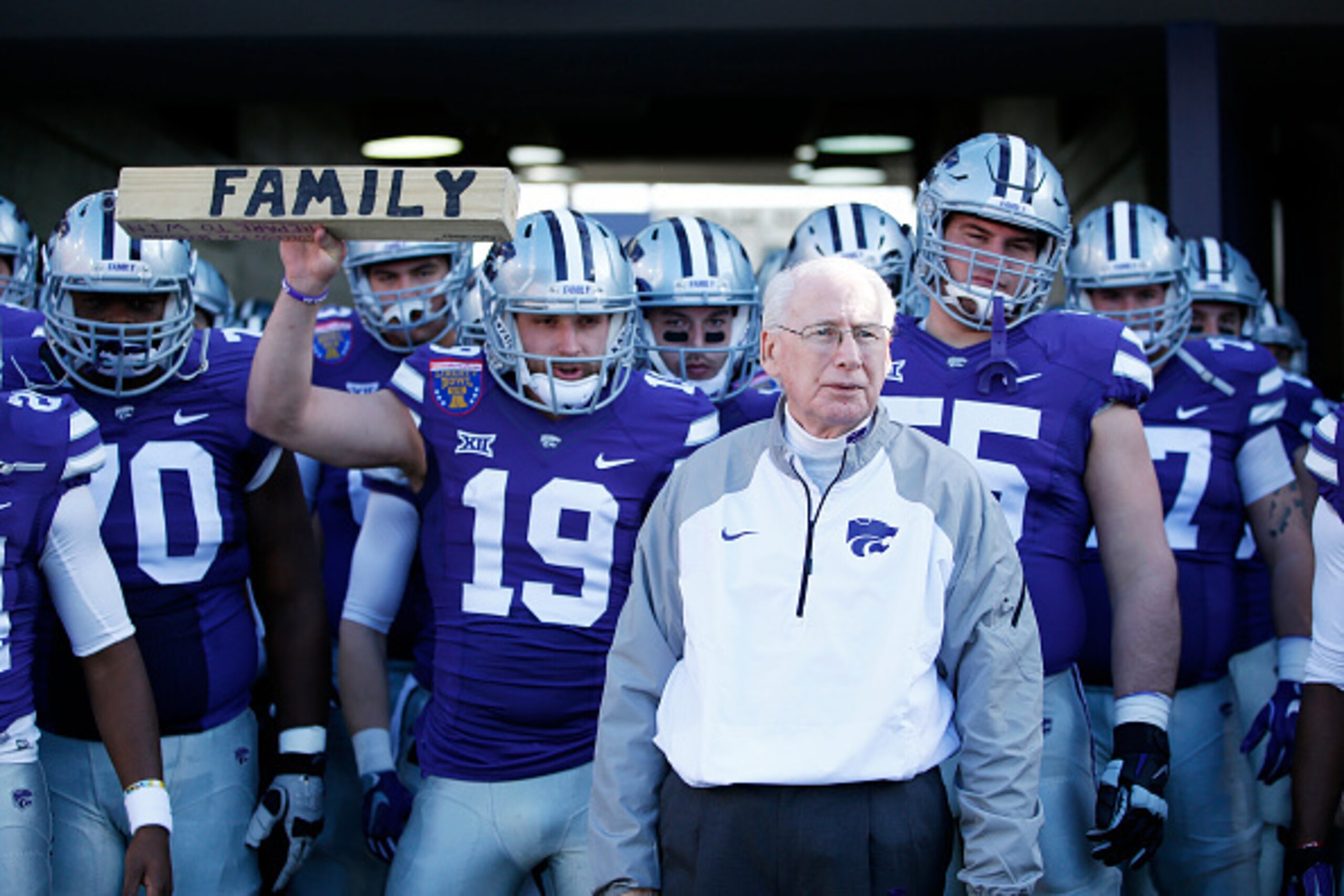
Develop a passing attack
Bill Snyder has been coaching for so long he's seen so many different fads and trends when it comes to offensive schemes. That includes a slew of different passing attacks, any of which would be great for his team to use in 2016 after the Wildcats struggled mightily to throw the ball last year.
K-State was 108th nationally in passing offense and second worst in the Big 12, averaging 176 yards per game on 47 percent passing. Jesse Ertz getting injured in the opener derailed the plans at quarterback, where Joe Hubener and converted receiver Kody Cook threw 13 touchdown passes but also 13 interceptions.
The Wildcats averaged more than 287 passing yards in 2014, making for a massive drop-off last year.
Kentucky Wildcats
23 of 66
Stay ahead of the chains
In ranking the SEC offenses, SECCountry's David Collier placed Kentucky 12th out of 14 teams. He noted the Wildcats have "potential but a lot to prove," which is as much an assessment of their chances in 2016 as it is an indictment of their play last year.
Kentucky tended to find itself in far to many second- and third-and-long situations in 2015, facing 3rd-and-7 or more 108 times in 12 games. That accounted for 60.4 percent of its third downs, and though its overall conversion rate of 37.4 percent wasn't horrible, it would have been much better if the Wildcats could have picked up more yards on the first two snaps.
Allowing 30 sacks and 54 more negative run plays didn't help the cause, nor did just a 55.6 percent completion rate on first and second down.
Louisville Cardinals
24 of 66
Keep Lamar Jackson grounded
Lamar Jackson is coming off a freshman season in which he was equal parts masterful and infuriating, just what you'd expect from a first-year player who is full of promise but still has a lot to learn. And now he heads into his second year with his name on Heisman odds boards.
Jackson sits at 50-to-1 on the latest Las Vegas odds, according to Steve Jones of the Louisville Courier-Journal. He was already being hyped as a dark-horse contender, and this only adds to the expectations being lumped on him.
Bobby Petrino hasn't been known for using dual-threat quarterbacks but put his faith in Jackson last year, and it mostly paid off. He's one of three quarterbacks in FBS history to ever have more than 200 passing yards and 200 rushing yards in a bowl game, and now that he's getting Heisman buzz, the brimming confidence could turn into overconfidence.
LSU Tigers
25 of 66
Figure out a quarterback strategy
Brandon Harris took every snap for LSU at quarterback last season, for better or worse. There was more of the latter than the former, as Harris completed only 53.6 percent of his throws, and after going seven games into 2015 without an interception, he was picked off five times in the Tigers' final five games.
Harris is again LSU's starter, but this time around there's a viable second option in Purdue transfer Danny Etling. Etling, who sat out last year, started 13 games for the Boilermakers in 2013-14 but himself was only a 55.5 percent passer.
LSU doesn't need a lot from its quarterback, not with Leonard Fournette capable of so much on the ground. But it does require that player to make plays on occasion, and coach Les Miles will need to determine what it will take to turn to Etling if things go south.
Maryland Terrapins
26 of 66
Establish a hierarchy
D.J. Durkin is a first-time head coach, though when he was at Florida in 2014 he technically ran the program for one game as the interim coach in a bowl game. Though he's been in the coaching ranks since 2001, he'll be one of the least-experienced members of his own staff at Maryland.
His staff includes two former head coaches, defensive line coach Mike London (Virginia) and special teams coordinator Pete Lembo (Ball State). A third ex-head coach, former Syracuse coach Scott Shafer, was initially part of the staff as defensive coordinator before stepping down in March.
This is Durkin's program, and his assistants are sure to have signed on with that in mind. However, their experience running teams might lead to some clashes at times, less so if Durkin continues to assert himself as the top guy.
Miami (Florida) Hurricanes
27 of 66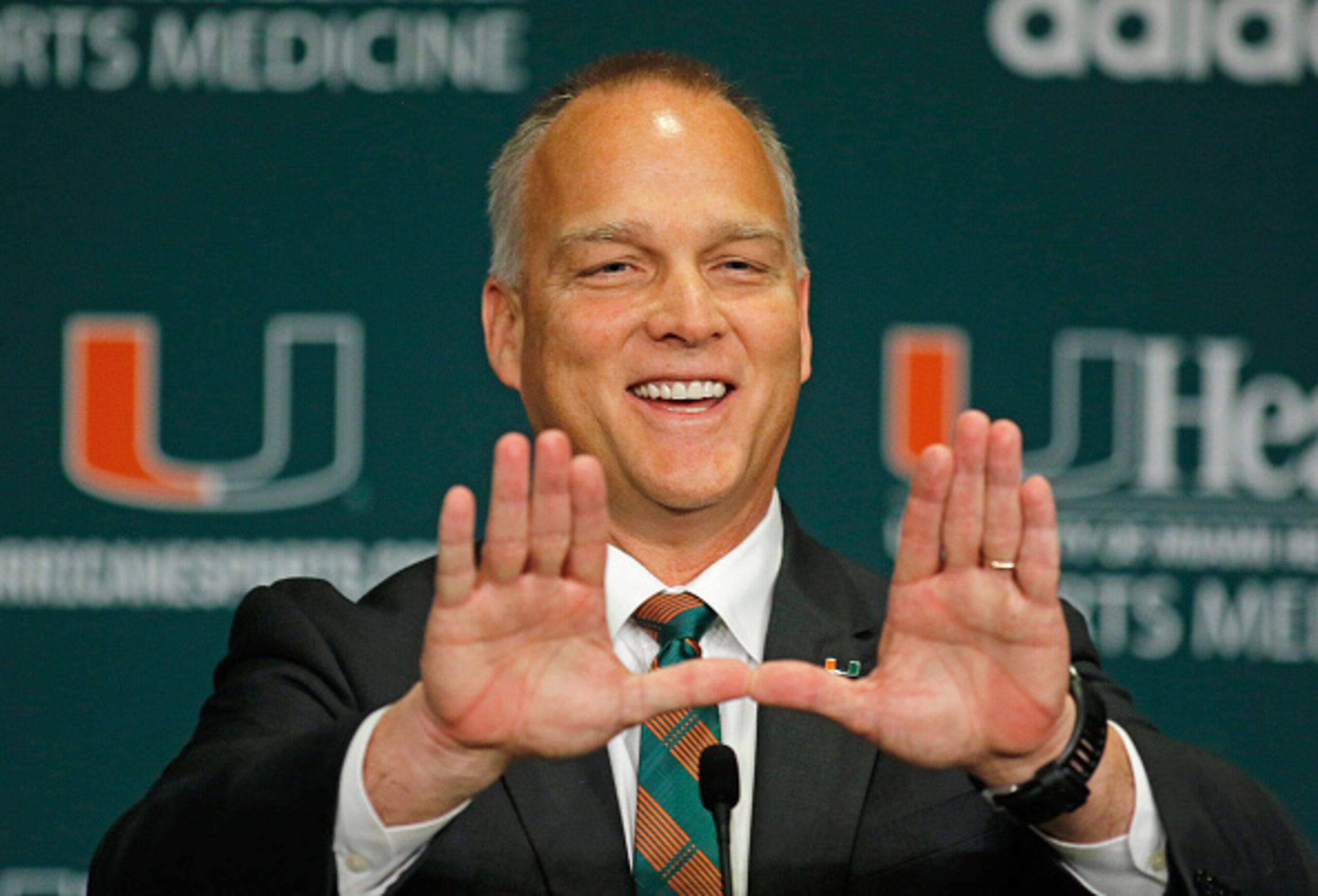
Push aside the distractions
Just as Miami was finally moving away from a past NCAA scandal, one that slowed the program's momentum for several years, another potential investigation could be looming. Having this coincide with the start of the Mark Richt tenure isn't ideal for getting things back on track.
Linebacker Juwon Young has been suspended for violating athletic department rules, and the school is also looking into whether defensive tackle Al-Quadin Muhammad did so as well. The Miami Herald (via the Palm Beach Post) has reported that at least two other Hurricanes players could be under investigation.
"UM is on a three-year NCAA probation which ends in October and is related to the misdeeds of former booster Nevin Shapiro," the Palm Beach Post's Matt Porter wrote.
Richt and his staff should stay focused on the on-field work and leave the investigation to the school, but that's easier said than done.
Michigan Wolverines
28 of 66
Not get worn out
If "Where in the World is Jim Harbaugh?" hasn't become a board game by now, it's only a matter of time before someone puts together one to chronicle the whirlwind offseason the Michigan coach has been on. Public appearances, satellite camps and frequent pop-ins on Twitter have made it so Harbaugh has had hardly a moment to breathe in between his surprisingly successful first season and the highly anticipated follow up.
Harbaugh is putting this all on himself, being the pioneer of the satellite camp movement and taking it to the extreme, so he has no one to blame if he runs out of gas. The same goes for if all of this activity has an impact on preparations for this fall, when the Wolverines are likely to be a preseason top-five pick based on where they sit in most media rankings.
At some point, Harbaugh is going to need to take a break and recharge his batteries in order to have the energy to go through what should be an intense season.
Michigan State Spartans
29 of 66
Find new senior leaders
Connor Cook was a three-year starter at quarterback, Shilique Calhoun held down his spot on the defensive line for just as long and plenty of other seniors were key to Michigan State's run to the playoffs in 2015. And like seniors always end up doing, they've all left the program.
Mark Dantonio has turned the Spartans into one of the nation's elite programs, doing so by developing talent and getting the most of out it when they get to their final seasons. The same must happen this year in order for MSU to avoid falling off like going 7-6 in 2012 following two consecutive 11-win seasons.
Michigan State ranks 86th in FBS in terms of overall experience, per Phil Steele, with only eight projected senior starters. That's the group that will have to step up and be leaders.
Minnesota Golden Gophers
30 of 66
Creating his own culture
Tracy Claeys has been coaching since the mid-1990s, and with the exception of his first year of work, the rest has been as part of staffs helmed by Jerry Kill. As Kill went from Saginaw Valley State to Emporia State to Southern Illinois to Northern Illinois and then Minnesota, Claeys came along to each stop as Kill's defensive coordinator.
It was a natural progression that Minnesota would name Claeys as Kill's successor, both on an interim basis and permanently, after Kill was forced to retire because of medical concerns last fall. But now that Claeys is fully on his own in charge of a program—while Kill has moved on to an administrative position at Kansas State—it's time for him to establish his own system and run with it.
Claeys will likely tap into quite a bit of what Kill taught him and what Kill instituted with the Golden Gophers, though he must make his own mark as well.
Mississippi State Bulldogs
31 of 66
Move on from Dak Prescott
Mississippi State does not have another Prescott on its roster; there's no question of this. The quartet of players vying to replace arguably the greatest player in program history all have their positive traits, and each could make for a great successor, but to expect any of them to step right in and do as well as Prescott did is foolish.
Dan Mullen has to choose between junior Damian Williams, sophomores Nick Fitzgerald and Elijah Staley and redshirt freshman Nick Tiano. He's acknowledged the need to treat this competition differently from ones in the past, including when Prescott beat out Tyler Russell in 2013.
"No situations are ever the same," Mullen told Ben Wait of the Dispatch. "I think if you kind of paint yourself into a corner, you're not going to be very successful."
That means not just finding the best quarterback for the job but also avoiding comparing him to what Prescott did and judging him on their own merits.
Missouri Tigers
32 of 66
Create an effective offense
First-year head coach Barry Odom had an up-close look at what Missouri's offense looked like last year, and it wasn't pretty. As the Tigers defensive coordinator in 2015, he rarely had time to address his players on the sideline before they had to return to action, the result of an offense that was second worst in the country in scoring (13.6 points per game) and was 117th in time of possession.
Odom is basically starting over on that side of the ball, with only five starters back. That includes quarterback Drew Lock, who took over as starter midway through 2015 but completed only 49 percent of his passes with four touchdowns and eight interceptions.
Thanks to a stout defense, Missouri was still in a lot of games despite the lackluster attack. It can't continue to rely so much on the defense and must develop some semblance of an offense.
Nebraska Cornhuskers
33 of 66
Shift focus from recruiting
Mike Riley is winning on the recruiting trail, particularly in California, where he's tapping into his Pac-12 connections to land a pair of 4-star prospects while also in the mix for several other notable players. Despite a disappointing first season, Riley has the Cornhuskers heading in the right direction by building up the roster.
Now he needs to produce on the field, blending what remains of previous coach Bo Pelini's players with the ones he's added so far. Great recruiting will only last so long for a new coach if he can't produce tangible results, and at a program like Nebraska that's so used to winning—and that fired a coach who won at least nine games every season—there's not likely to be much patience.
North Carolina Tar Heels
34 of 66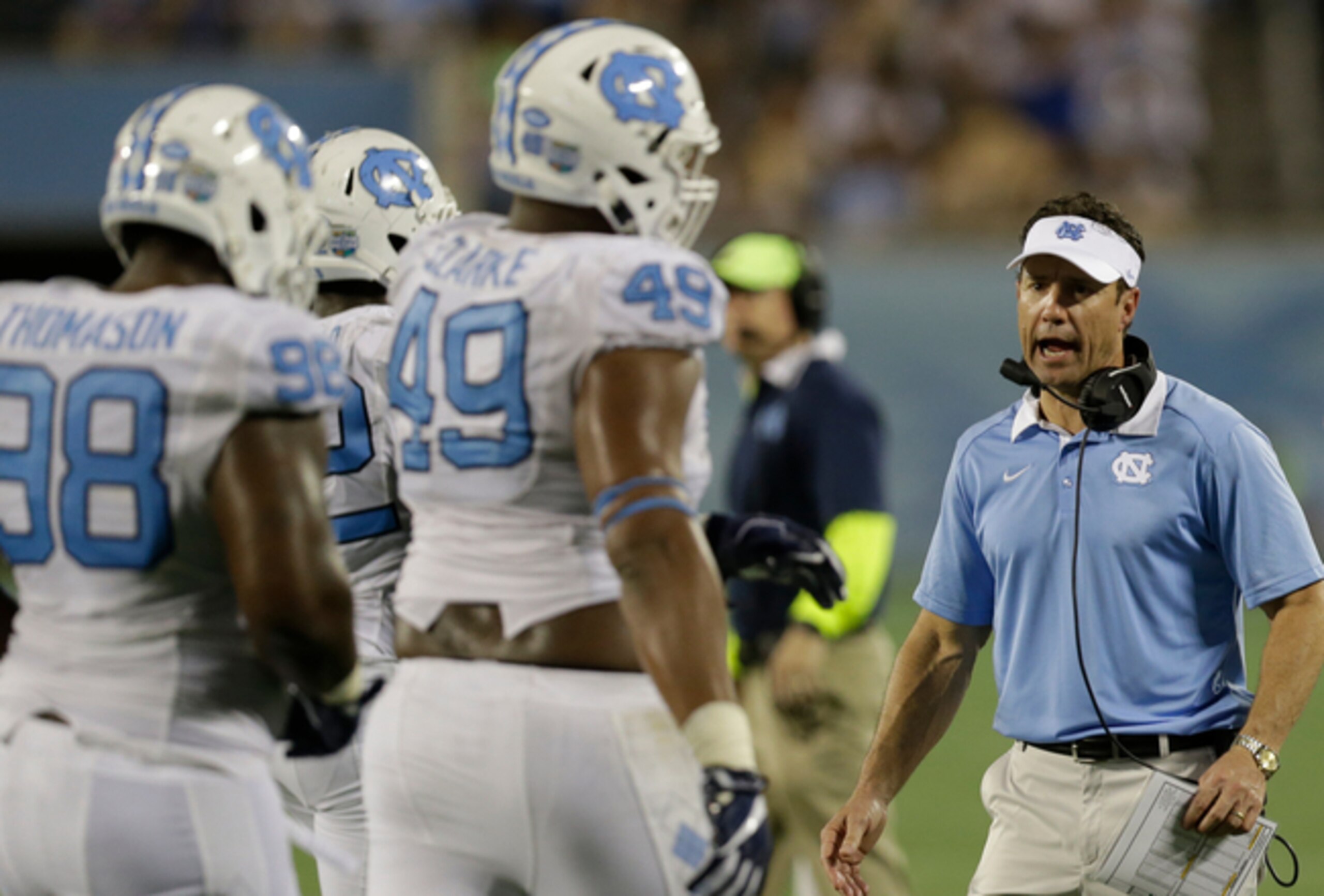
Put the 2015 finish in the past
Every season is its own universe, or at least it's supposed to be. What happened in the past isn't to be ignored, but it should also not linger into the present if at all possible.
But after winning 11 in a row to claim the ACC's Coastal Division and get into the conference title game then losing the next two games in equally frustrating fashion, it's hard not to dwell on how 2015 ended as 2016 approaches. Larry Fedora's biggest challenge is to keep this from impacting preparations for the upcoming year, especially with the challenging matchups North Carolina has at the outset.
UNC played Clemson to the wire in the ACC final, and if an offsides penalty hadn't been mistakenly called on an onside kick, the outcome could have been different. Then the Tar Heels were blown out by Baylor in the Russell Athletic Bowl, allowing a bowl-record 645 rushing yards in the process.
The 2016 season starts with a tough two-game stretch away from home, first against Georgia in Atlanta and then at Illinois.
North Carolina State Wolfpack
35 of 66
Figure out Jaylen Samuels' best role
He was North Carolina State's top receiver as well as its most dependable rushing option in key situations. Had he also been involved more in the return game, Jaylen Samuels might have been considered a poor man's Christian McCaffrey based on his production in 2015.
Samuels had 65 catches and seven touchdowns as a tight end, the reception total tops in FBS from that position, while as a fullback he scored nine times on 56 touches. He never had more than eight carries a game, but when the Wolfpack got in the red zone he was the go-to ball-carrier and helped them overcome the loss of Matt Dayes to injury.
With Dayes healthy again, does that keep Samuels as more of a pass-catcher, or will he remain involved in the run game? And can he continue to be effective in such a multilayered role, or would he better benefit the team focusing on one area?
Northwestern Wildcats
36 of 66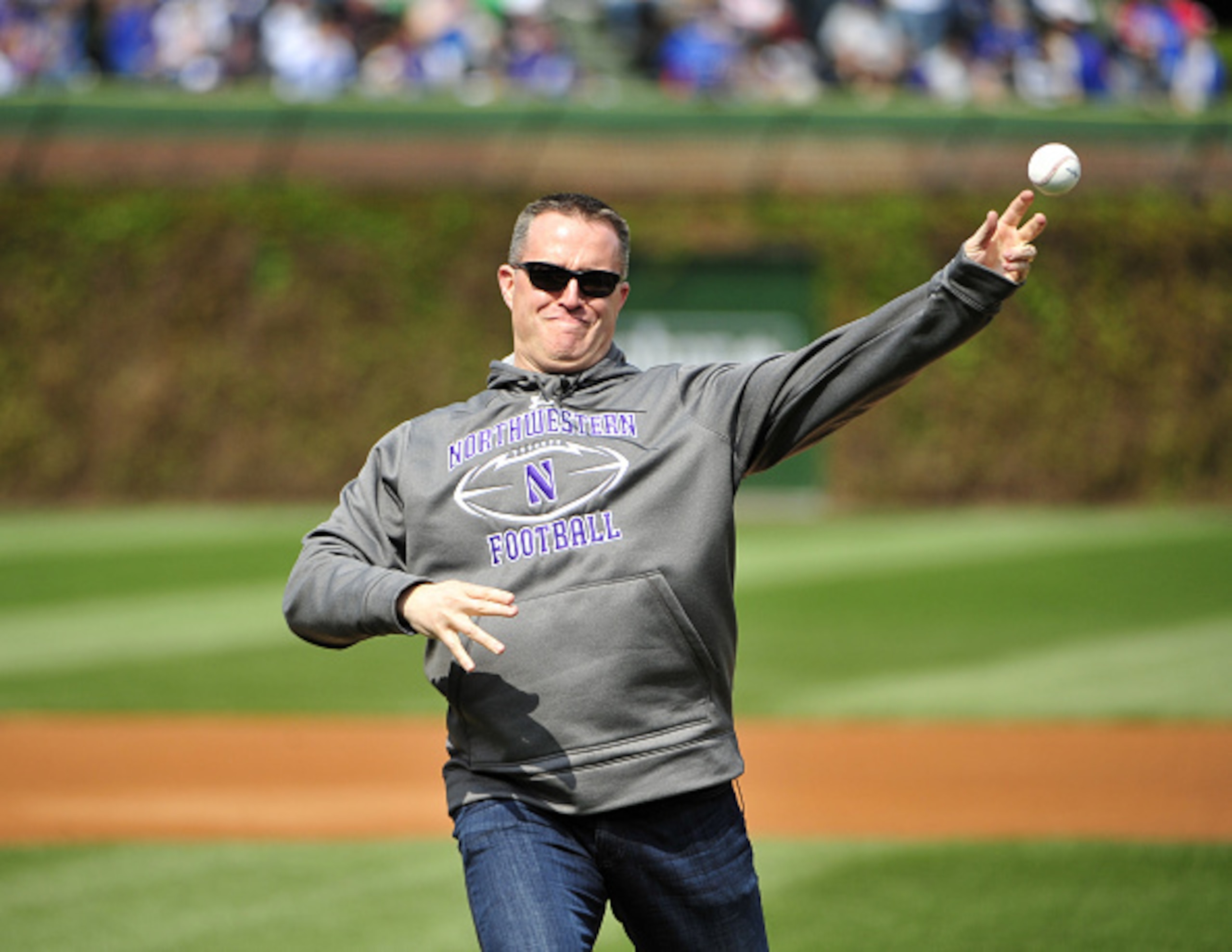
Draw up doable passing plays
The air attack has never been a big part of Northwestern's offense under Pat Fitzgerald. Since taking over in 2006, the Wildcats have averaged better than 300 passing yards per game once, that being in his second season, while three times they've gained fewer than 200 per contest.
That bottomed out last year, with Clayton Thorson running a passing attack that managed a mere 138.5 yards per game with eight touchdowns on 352 pass attempts. Northwestern had seven pass plays go for 30 or more yards, tied for third least in FBS.
Northwestern has a workhorse running back in Justin Jackson, who can handle quite a load, but he can't do it all. The Wildcats need balance to the offense via the pass to remain competitive.
Notre Dame Fighting Irish
37 of 66
Stick to the script with quarterback competition
There's always one quarterback competition that draws the national eye more than any other, and this year it's at Notre Dame. DeShone Kizer was superb in relief of the injured Malik Zaire last season, but now Zaire aims to get back the job he won outright before getting hurt.
The Fighting Irish probably can't go wrong with either passer and may benefit from playing both early on before seeing which one performs best. Whatever the plan is, Brian Kelly has to resist altering it based on outside influences or delay making a definitive decision.
Notre Dame has the luxury of being able to study how Ohio State handled the same situation in 2015 with J.T. Barrett and Cardale Jones.
Ohio State Buckeyes
38 of 66
Getting the freshmen involved
Amazing recruiting classes have paid off big-time for Ohio State during Urban Meyer's tenure, at least after a little while. For a program that has managed to bring in so many 4- and 5-star prospects the last few years, not many of them seem to get on the field much as true freshmen.
That resulted in several redshirt sophomores turning pro after the 2015 season, giving the Buckeyes access to their talents for only two years before moving on. Of the projected starters for this season, the majority of them were redshirted as freshmen.
Ohio State had the No. 4 recruiting class for 2016 and is killing it again for 2017, though eventually it may miss out on some prospects who feel they have a better chance to play right away somewhere else.
Oklahoma Sooners
39 of 66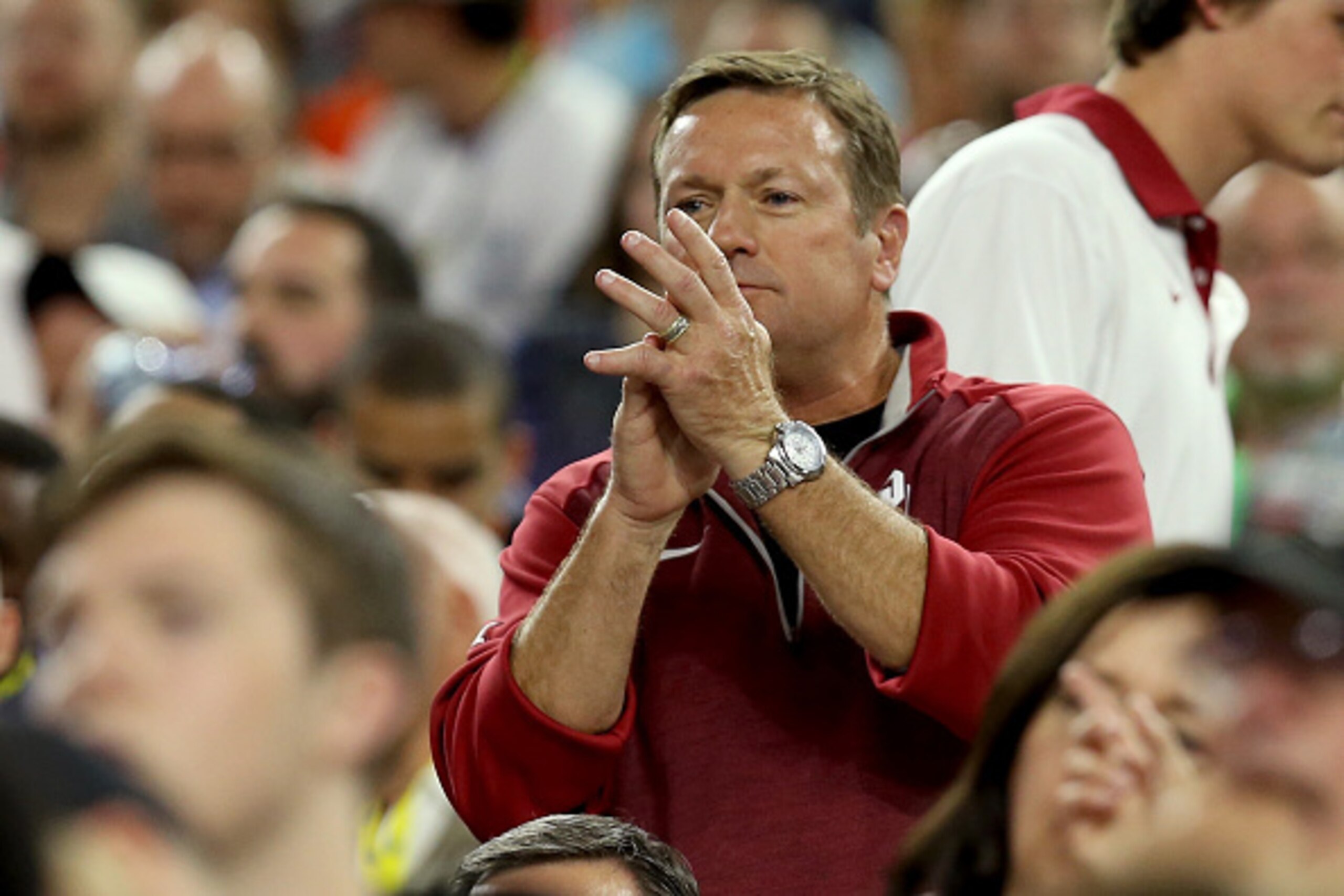
Rebuilding the secondary
The back line was expected to be Oklahoma's strength on defense in 2016, where despite losing standout cornerback Zack Sanchez, everyone else was due back. Then corner Jordan Thomas was arrested last week, and now the Sooners secondary has suddenly become a question mark.
Thomas was cited for public intoxication, interference with official process and assault, according to Eric Bailey of the Tulsa World. The second team all-conference pick also missed part of Oklahoma's 2015 opener for disciplinary reasons, and his status with the team for this year is now uncertain.
Oklahoma has both starting safeties back in Ahmad Thomas and Steven Parker, but as far as cornerback goes, there's a lot of instability.
Oklahoma State Cowboys
40 of 66
Establishing the run
Mike Gundy has a two-step process to get Oklahoma's run game back to where he'd like it to be—and much better than the version he had in 2015 when his team averaged just 126.85 yards per game and more than half the rushing touchdowns came from a short-yardage quarterback. The first part, started in the spring, was to rebuild the offensive line.
The second step can't happen until Stanford graduate transfer Barry Sanders arrives this summer, though he's not assured of being the starter. Nor is he guaranteed to have holes to run through, as OK State's run game plan still has to be fully formulated.
OK State has failed to average 200 rushing yards per game in each of the past three seasons and in six of the past seven years.
Ole Miss Rebels
41 of 66
Ignoring the naysayers
The NCAA is investigating Ole Miss for a number of violations, many of which it self-reported, and the school has proposed a number of sanctions in hopes that will put an end to the situation. The fact these allegations are coming up in the midst of one of the Rebels' best runs in program history is tarnishing that performance.
There's nothing Ole Miss can do about that, though. What it should be focusing on is just staying the course in terms of preparing for 2016 and not worrying about what others are saying.
Coach Hugh Freeze has acknowledged this, saying back in May, "I don’t know if I’ll ever change that narrative, and I’ve got to come to grips with that" (h/t Daniel Paulling of the Clarion-Ledger). That's all he should say from this point, as everything is now in the NCAA's hands, and until a ruling comes down, the only focus should be on the upcoming season.
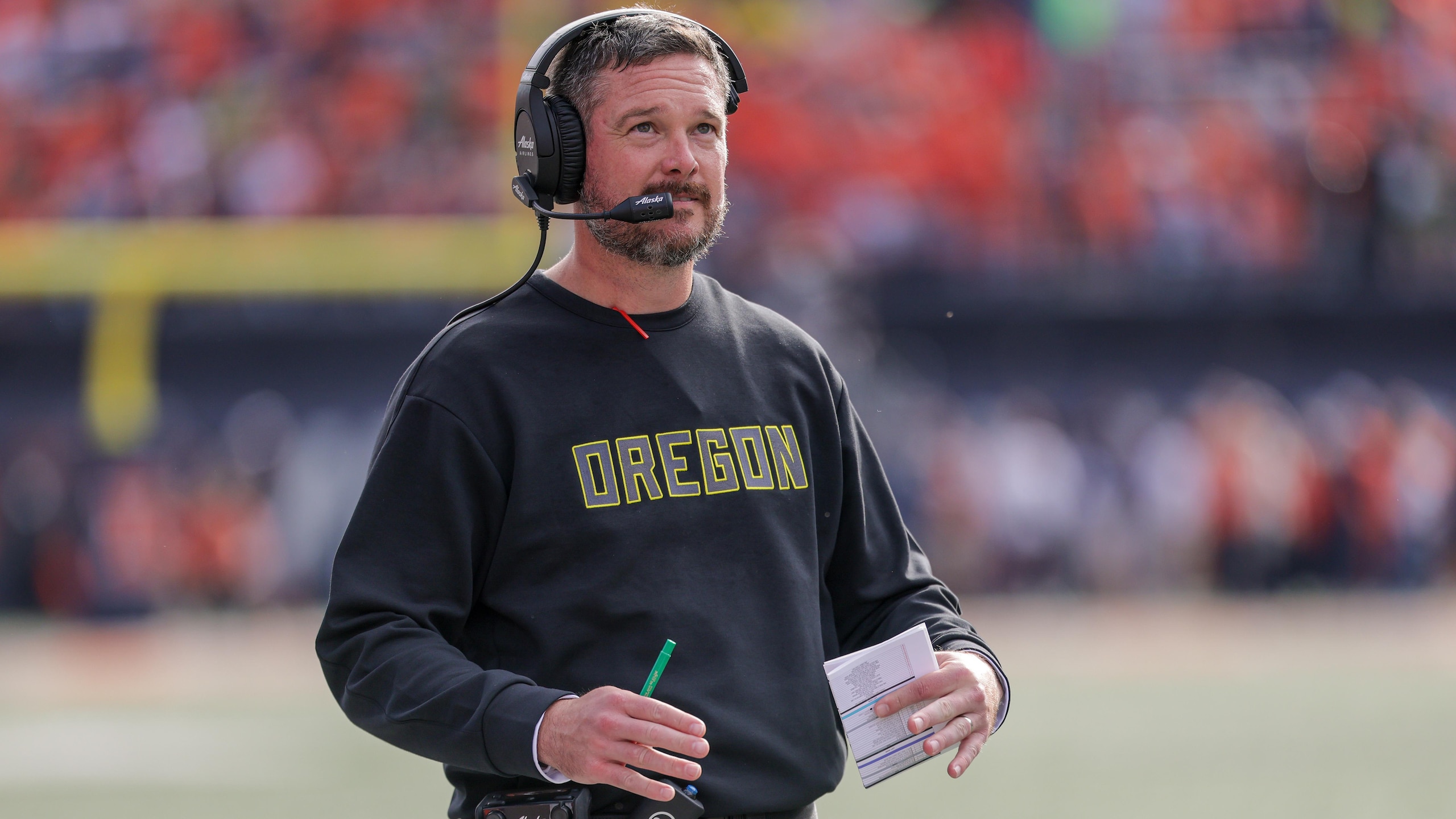
Oregon Ducks
42 of 66
Giving Brady Hoke room to work
Mark Helfrich enters his fourth season at Oregon having lost as many games last year as in the first two combined. The complete collapse in the Alamo Bowl, in which the Ducks blew a 31-0 lead to TCU before falling in triple overtime, forced him to make some major changes on defense.
That included bringing in former Michigan coach Brady Hoke as his new coordinator, and Hoke's arrival comes with a change in defensive alignments. To add this, only five starters are back on defense.
That side of the ball now belongs to Hoke, and Helfrich should let it stay that way. He's also had to make changes on offense with coordinator Scott Frost leaving to run UCF, so he has enough to worry about over there to be concerned with how Hoke is operating the defense.
Oregon State Beavers
43 of 66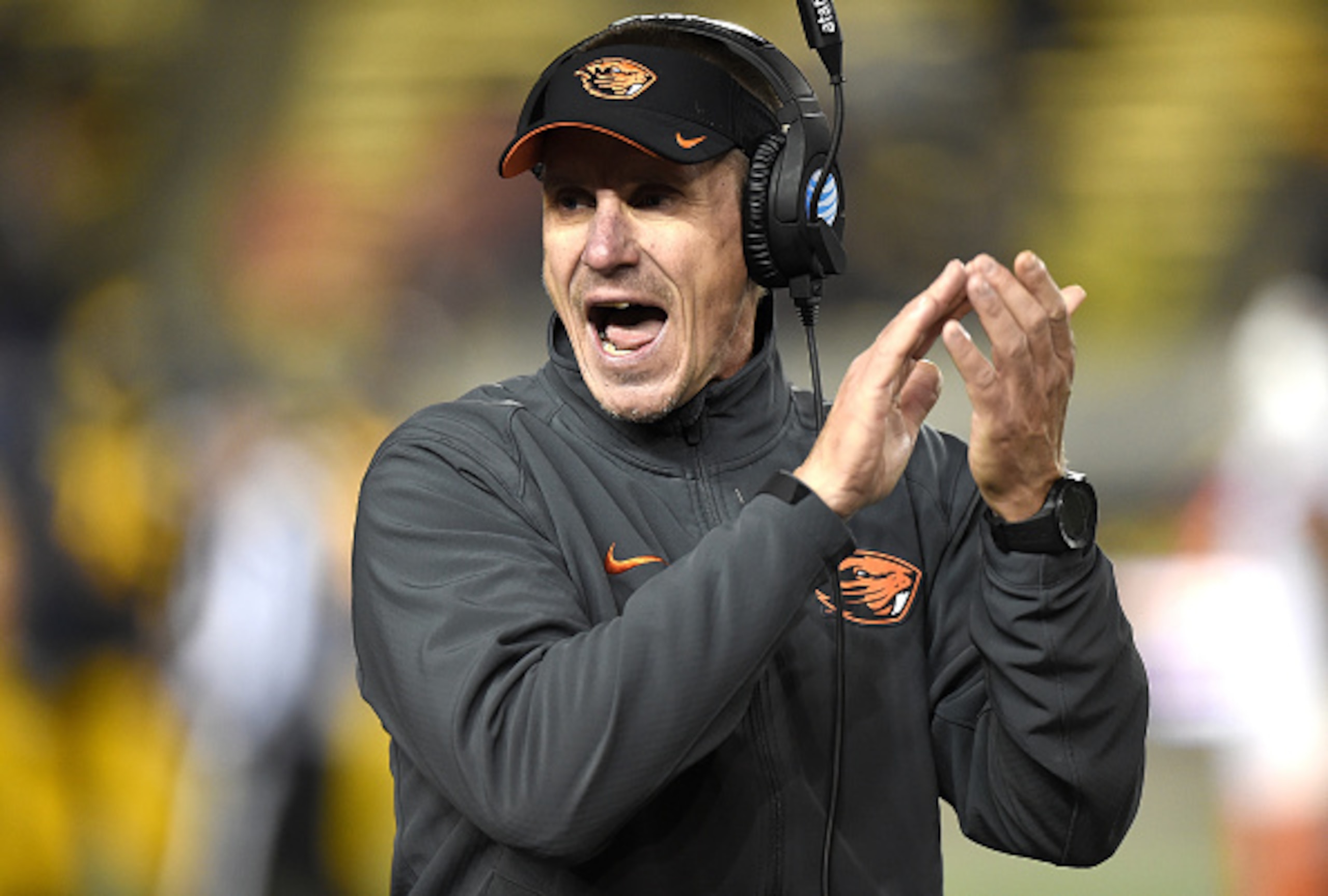
Discover offensive balance
At 177.3 rushing yards per game, Oregon State was right in the middle in the Pac-12 when it came to running the ball in 2015. Had it been able to match that production through the air, a 2-10 record wouldn't have been the overall result.
The Beavers couldn't do anything with the passing attack last season, averaging 159.1 yards per game with only 10 touchdowns. Six games saw any of three different passers fail to complete at a 50 percent clip.
Utah State transfer Darell Garretson is now eligible and should provide some stability at the QB position, assuming Oregon State commits to the pass.
Penn State Nittany Lions
44 of 66
Temper expectations
Back-to-back 7-6 seasons can be viewed as a success when considering the circumstances Penn State faced at the beginning of James Franklin's tenure. But from an internal standpoint, as well as based on how Franklin has promoted his program, those results feel like disappointments.
The Nittany Lions were still facing an NCAA postseason ban and numerous other sanctions when Franklin took over, though the bowl ban was lifted that first year and scholarship reductions have slowly gone away. Being able to finish above .500 both years is quite impressive, yet Franklin has been painting this as underachieving.
"It’s expectation and perception," he told SB Nation's Steven Godfrey. "There's other programs that have very similar records, and because the expectation is not the same at those programs, at those places, it's viewed completely different."
Franklin, who goes on to throw shade on other programs (including Pittsburgh) with different expectations, should be focused more in improving rather than comparing.
Pittsburgh Panthers
45 of 66
Having a backup plan for injured stars
Running back James Conner is dead set on being able to return to Pittsburgh in 2016 after missing nearly all of last year with a knee injury and then undergoing cancer treatment. Safety Jordan Whitehead, a freshman All-American in 2015, recently underwent knee surgery but figures to be back in time for the start of next season.
Getting those two back for the fall will be huge for the Panthers, but they can't just assume both will be available and at 100 percent. Conner hasn't played in nearly a year, and Whitehead could be gimpy when he comes back, and therefore neither might be capable of contributing in a full manner at first.
The Panthers have Qadree Ollison, who ran for more than 1,100 yards in place of Conner last season, while Pitt's secondary has solid depth. Making sure others are able to account for the potential absence of Conner or Whitehead is necessary.
Purdue Boilermakers
46 of 66
Avoid the message boards
Darrell Hazell is a fixture on most lists of coaches entering 2016 on the hot seat, the product of going 6-30 overall and 2-22 in the Big Ten in three seasons. The fact he made it through his third year without getting terminated was a bit surprising, but that just puts added emphasis on what he does this fall.
The Boilermakers must make some sort of progress for Hazell to keep his job, something he's well aware of. The last thing he needs is to be reminded of this, though most interview sessions he'll do leading into the season will include this topic.
Rutgers Scarlet Knights
47 of 66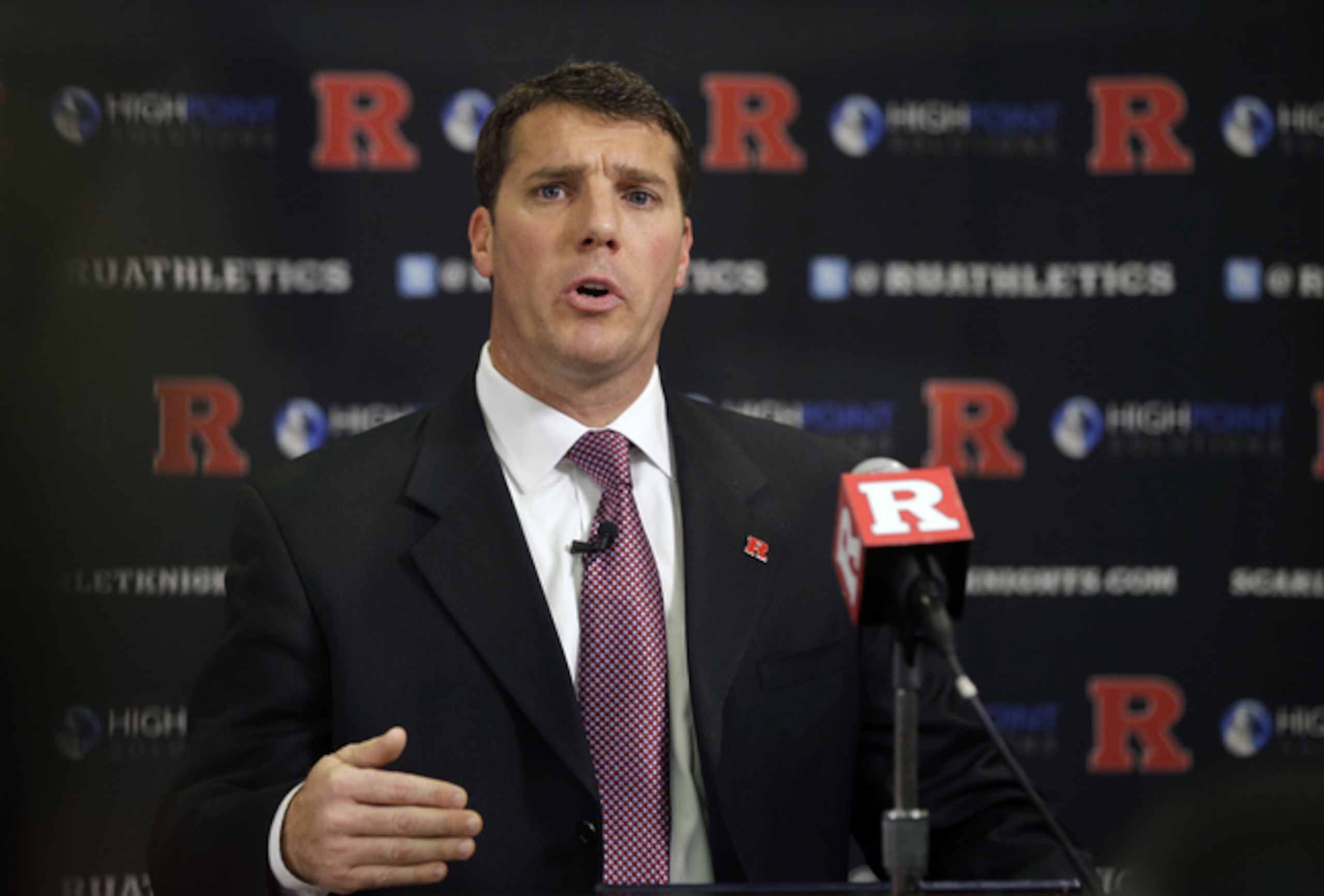
Defend the home recruiting turf
It will probably take a few years before Chris Ash can get Rutgers to be competitive in the Big Ten, and the quickest way for that to happen is by beefing up the roster with quality prospects. There are plenty of good ones to choose from in the Scarlet Knights' own backyard, if only they could manage to keep them home.
New Jersey is a prime recruiting ground for the rest of the Big Ten, where many of the top in-state players in the 2016 class ended up signing with Michigan, Michigan State and Ohio State. Those same schools, and other Big Ten members, are actively pursuing the best in Jersey for 2017 as well, though so far Rutgers has gotten commitments from two of the top five prospects, while the rest remain uncommitted.
Managing to get a few more of those Jersey standouts to come on board for 2017 will go a long way toward Ash being able to properly build up the program.
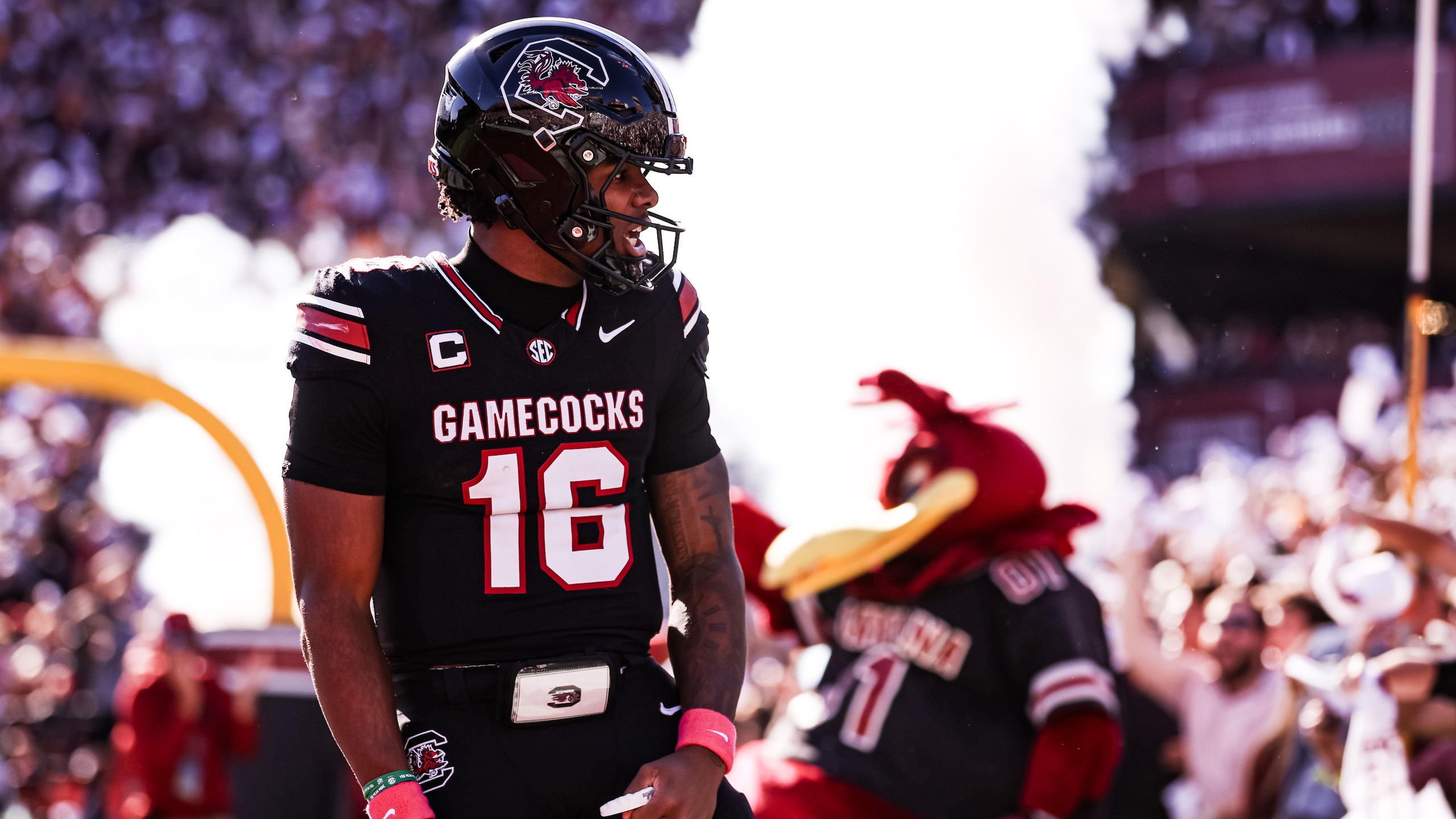
South Carolina Gamecocks
48 of 66
Set realistic goals
It's great to have hope, to be ambitious and optimistic. It's another thing to expect instant success just because other schools in the SEC have managed to win big recently under a first-year coach.
South Carolina coach Will Muschamp hopes he can do what his successor at Florida, Jim McElwain, accomplished or possibly put together a season like the one Auburn's Gus Malzahn had in 2013. Gamecocks fans are hoping for the same and are showing their faith, having already bought almost as many season tickets as at this time last year, per Josh Kendall of The State.
But to realistically expect a team that was 3-9 a year ago is going to contend for the SEC East title might be asking too much. Being able to be competitive should be the first goal, with others added based on how the team progresses under Muschamp.
Stanford Cardinal
49 of 66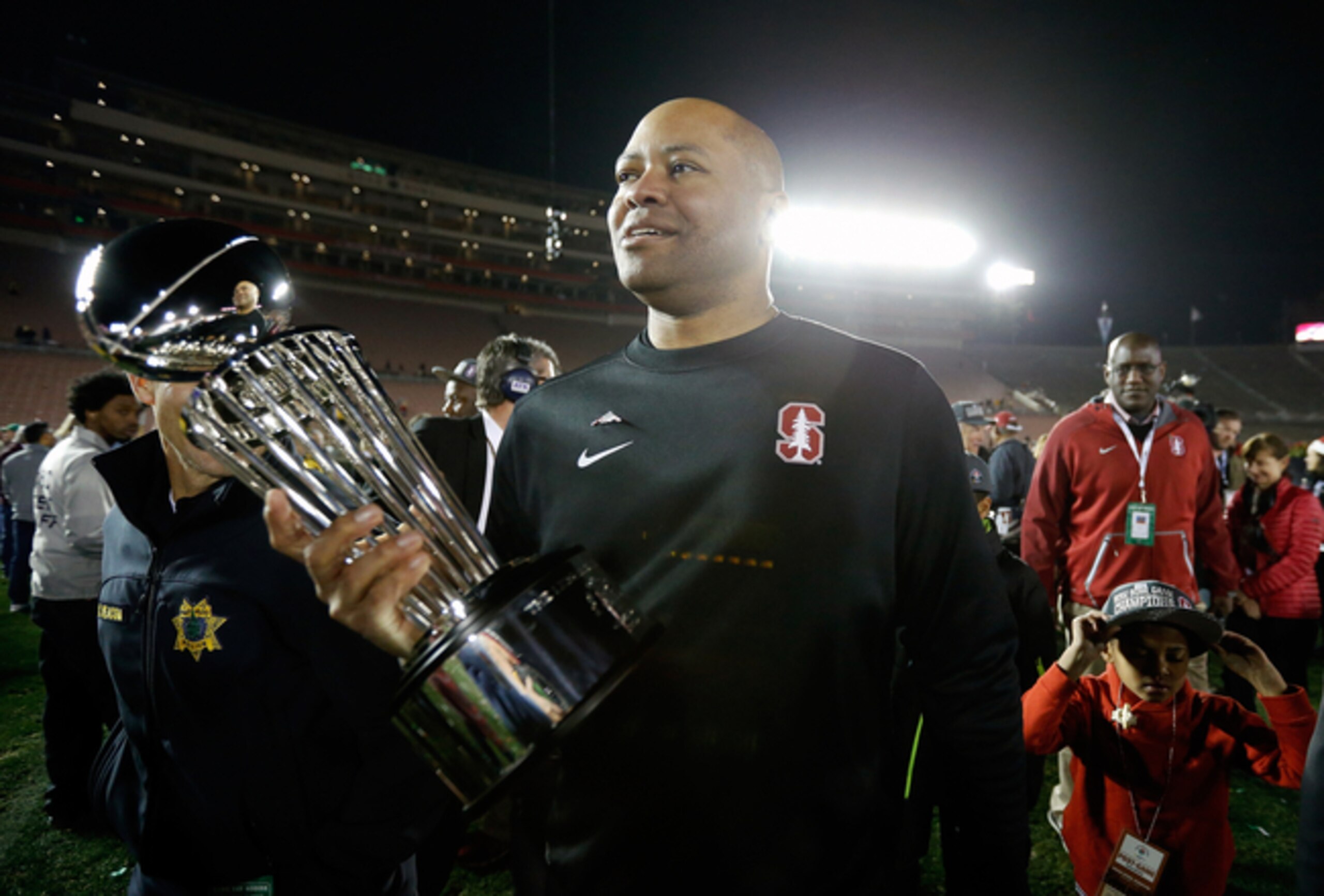
Find support for Christian McCaffrey
McCaffrey showed last year he can do it almost all by himself, setting the FBS all-purpose yardage record as Stanford's leading rusher, top receiver and best return man. In theory, the Cardinal can lean heavily on him again in 2016 as he looks to improve on last year's Heisman runner-up finish, but is that really the best strategy?
Stanford is breaking in a new quarterback and will have a relatively inexperienced receiving corps, which makes it very likely McCaffrey will have to do a lot. The level at which the team leans on him will depend on the development of those around him, starting at quarterback.
Either Ryan Burns or Keller Chryst knows he'll have a great weapon to turn to whenever he wants, but that passer must also be able to make plays himself.
Syracuse Orange
50 of 66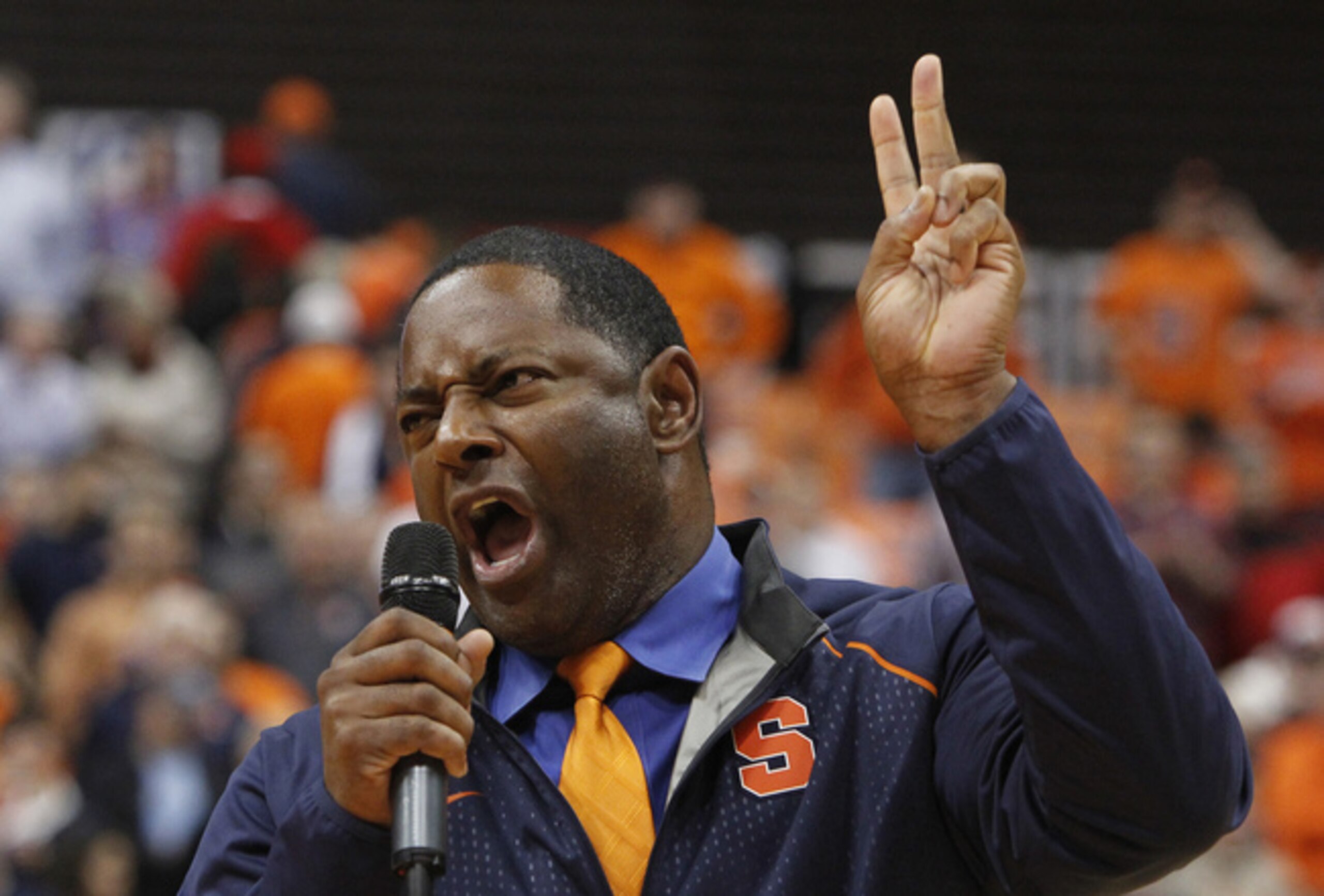
Make sure the system fits the players
Dino Babers has done this before, to a lesser extent, stepping into a new program and instituting his up-tempo system with quick results. But that was going from FCS school Eastern Illinois to mid-major Bowling Green, doing so with relatively similar types of existing players. Jumping up to the ACC and Syracuse is a different story.
The Orange need a kickstart on offense, having ranked 119th nationally and second to last in the ACC last year. Babers wants to go fast and build excitement, but he also needs to have the horses to handle that type of race.
Spring ball was the start of assessing what he had to work with, and now the time is being spent tinkering with the plan.
TCU Horned Frogs
51 of 66
Running out of bubble wrap
Few teams were ravaged by injuries as much as TCU was in 2015, and what made it more shocking was how so much of it happened before the season actually started. Wide receiver Deante' Gray and defensive end James McFarland suffered season-ending injuries before the preseason, while defensive tackle Davion Pierson couldn't play until late September.
The Horned Frogs haven't had the same issues this offseason, at least yet. But there are still two months before the 2016 campaign begins, and coach Gary Patterson has to be at least a little nervous history will repeat itself.
Tennessee Volunteers
52 of 66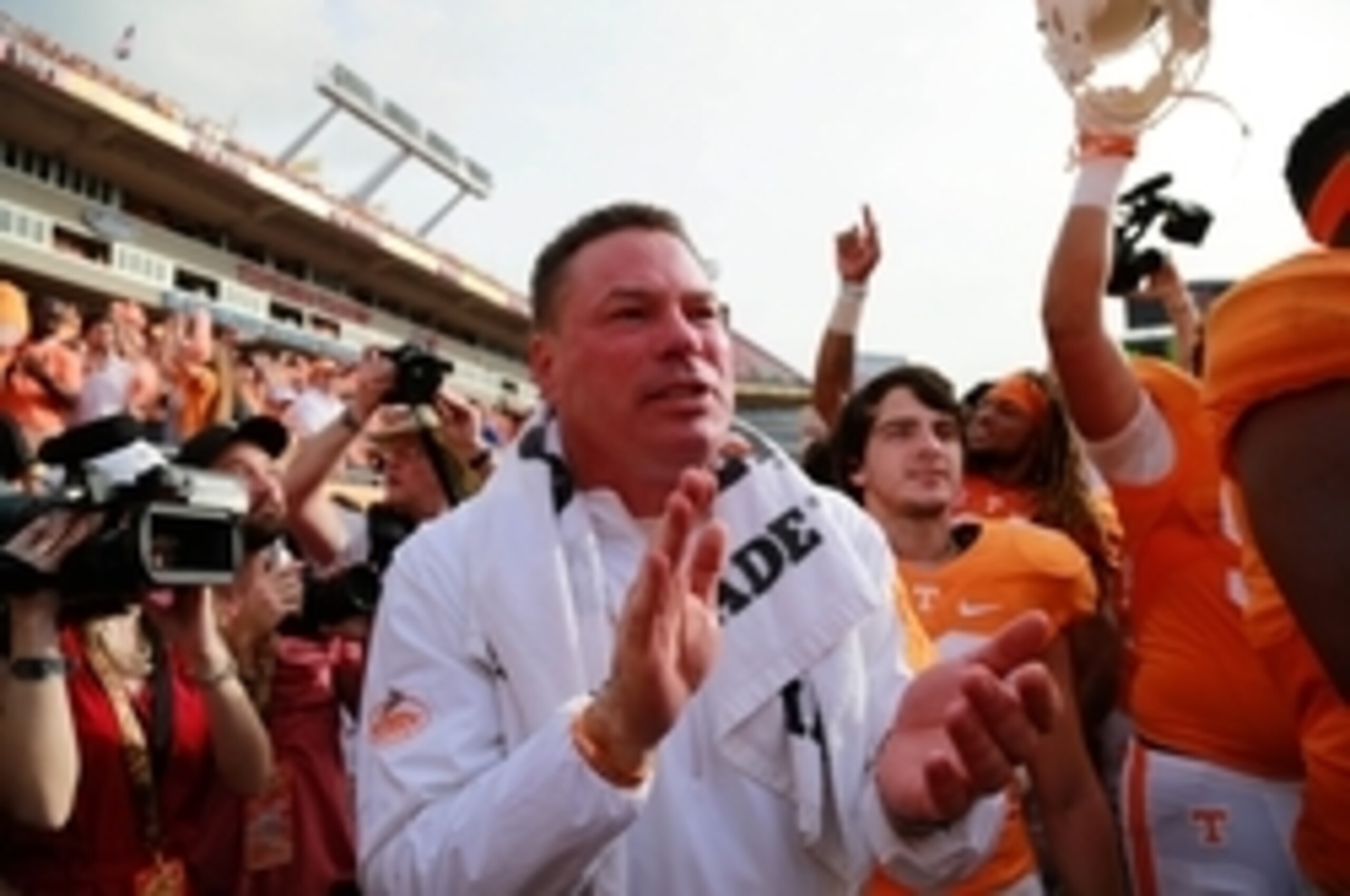
Being mentally prepared for expectations
The offseason hype train has made a stop each of the last few years in Tennessee's backyard, but this time around it's camped out in Knoxville. The Volunteers won their final six games of 2015 and are ranked in the top 10 by most national media outlets.
It's almost impossible for Butch Jones to keep his players completely shielded from these expectations, but by reminding them that everything has to be earned, he can keep these projections from fostering overconfidence. All he needs to do is point to another front-loaded schedule to show them how everything can blow up if the Vols aren't ready for the early challenges.
Tennessee's first seven opponents this fall made bowl games a year ago, and its first four SEC opponents (Florida, at Georgia, at Texas A&M, Alabama) might be the hardest stretch of any team in the league.
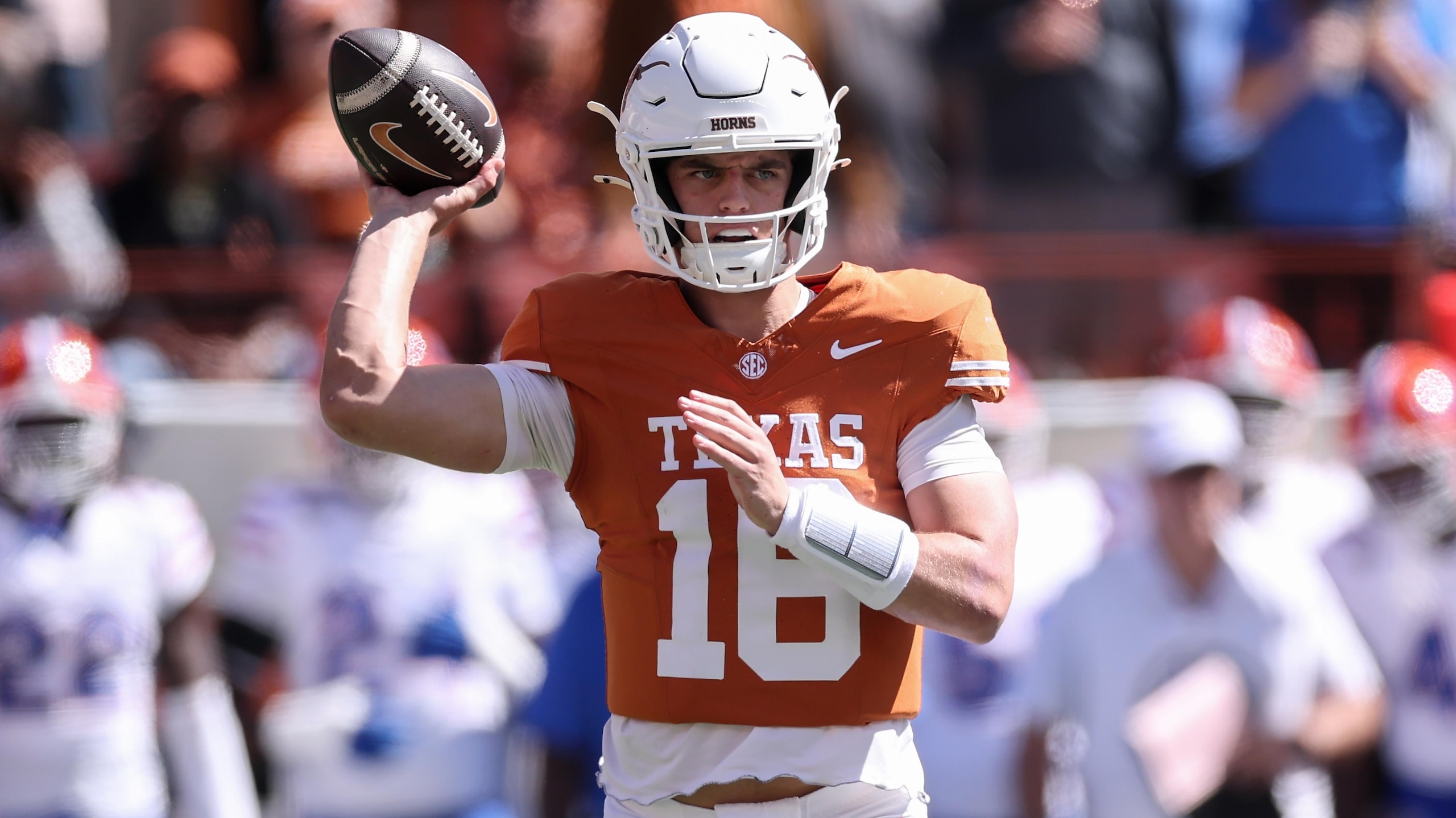
Texas Longhorns
53 of 66
Decide on a quarterback
The offensive woes Texas has gone through in Charlie Strong's two seasons at the helm are well-chronicled, so this is going to seem a little overdone. But until the Longhorns have their quarterback situation figured out, preferably with someone who can effectively run the latest type of offense they've gone to, Strong is going to remain on the hot seat.
The latest offensive coordinator, Sterlin Gilbert, is tasked with creating a version of the spread that works best for either Jerrod Heard, Shane Buechele or, if necessary, Tyrone Swoopes.
"After his strong showing in the spring, many close to the program believe that Buechele will start for the Longhorns in Week 1 when Notre Dame rolls into town," Matt Hinton of Athlon Sports wrote.
Texas A&M Aggies
54 of 66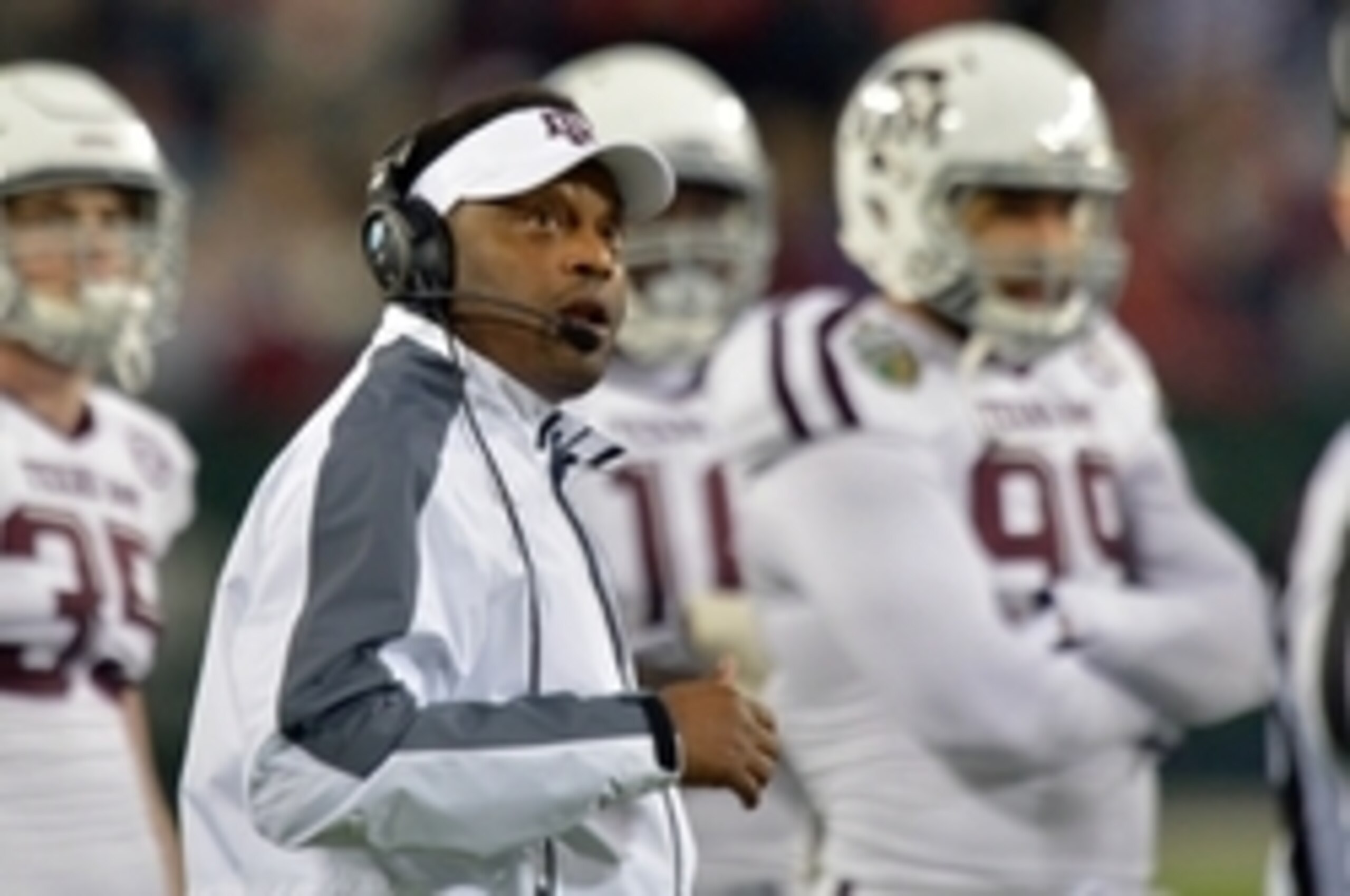
Keep staff off social media
It's been almost two months since Texas A&M assistant coach Aaron Moorehead went on an ill-fated Twitter rant that had an immediate impact on recruiting. Since then, the Aggies have been crushing it on the prospect trail, managing to rebound from that incident.
Now sitting seventh in the country for 2017, per 247Sports, A&M has grabbed 12 of its 17 commitments since mid-May with nine of those coming since the start of June. That includes 4-star quarterback Kellen Mond, who was previously a Baylor commit.
Kevin Sumlin has to make sure he and his staff avoid any further social media faux pas, especially if A&M wants to remain on his recruiting heater.
Texas Tech Red Raiders
55 of 66
Find enough capable defenders
Texas Tech can play with anyone thanks to its explosive offense, which last year averaged 45.1 points per game and topped the 50-point mark on six occasions. Unfortunately for the Red Raiders, they still have to play defense and that's been their major flaw.
The same is looking to be the case in 2016, where a unit that allowed 43.6 points per game lost most of its best defenders. Pete Robertson and Micah Awe combined for 192 tackles and 20 tackles for loss at linebacker, and no player with more than three sacks returns in 2016. The Raiders took an additional loss when cornerback Nigel Bethel left the program in late May.
Tech doesn't need a group of lockdown defenders, not with the ability to score that it possesses. But getting a stop from time to time—opponents converted 49.7 percent of their third downs last year—would go a long way toward ensuring overall success.
UCLA Bruins
56 of 66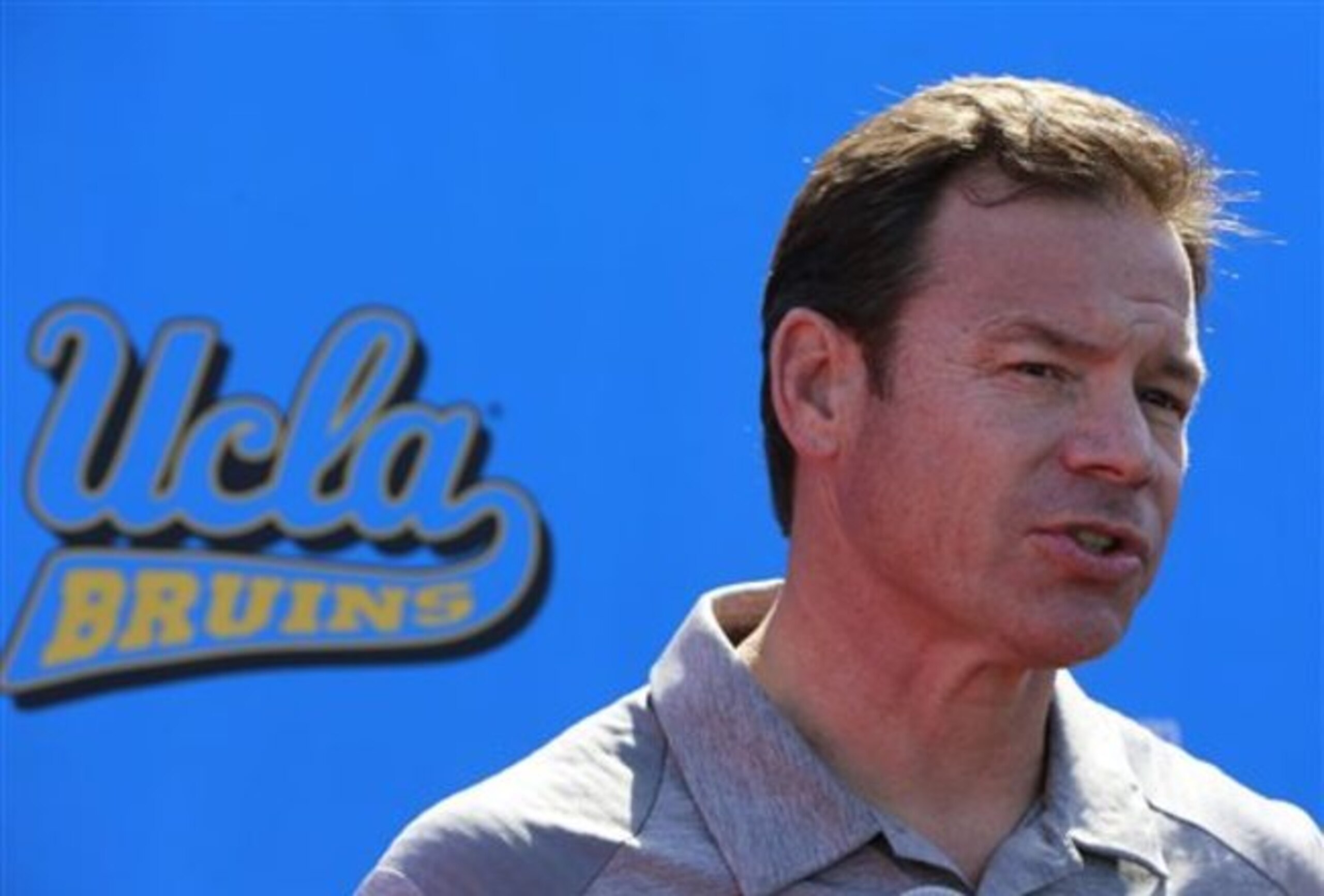
Find Josh Rosen some targets
Rosen's true freshman season was a great one, from his debut when he threw for 350 yards and three touchdowns then all throughout the year. Some interceptions here and there aside, there wasn't much more UCLA could have asked from him.
The Bruins will be calling on Rosen for much more in 2016, going from a newcomer to a veteran on a relatively young offense. That means he'll be working with mostly a new set of running backs and receivers, unlike the veterans he was able to depend on a year ago.
Whether its Soso Jamabo or Nate Starks in the backfield or receivers such as Darren Andrews of Eldridge Massington, UCLA coach Jim Mora will need some of these players to move into bigger roles and complement Rosen on offense.
USC Trojans
57 of 66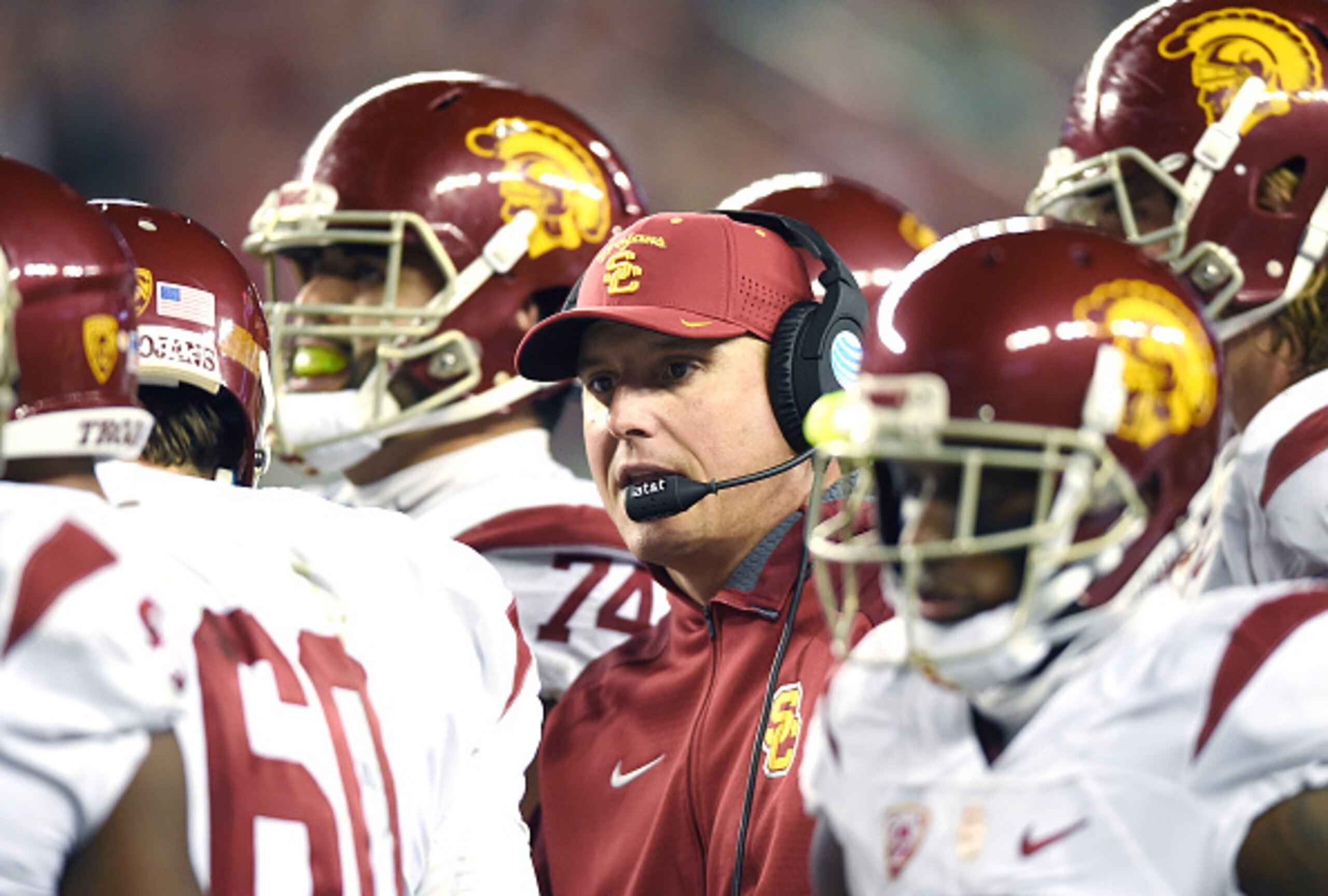
Keep the focus on football
Clay Helton helped bring USC out of a tumultuous situation last year, taking over as interim coach after Steve Sarkisian was fired and leading the Trojans to the Pac-12 South title. Losses to Stanford and Wisconsin to end the season made for a tarnished finish, but considering where the program was in September, it was hard to imagine it would have been in a conference championship game.
The interim tag was taken off Helton before that Pac-12 final, a reward for helping to right the ship and pushing aside all the external distractions. This is the mentality he and his staff have tried to keep going throughout the offseason, keeping USC in somewhat of a bubble amid the glitz and glamour of Los Angeles.
The longer Helton can keep this going, the more USC will be able to focus on its tough 2016 opener against defending national champion Alabama.
Utah Utes
58 of 66
Balance the offense
Utah's 27.1 pass attempts per game were tied for 104th nationally last season, the result of an offense that was centered around every-down back Devontae Booker despite a fifth-year senior at quarterback. Travis Wilson completed more than 62 percent of his passes but ended up with only 13 touchdowns, only attempting 16 passes all season in the red zone.
There's no more Booker to lean on, nor is there Wilson. It's a revamped offense that coach Kyle Whittingham will put on the field this fall, one that preferably will have more balance.
Vanderbilt Commodores
59 of 66
Be properly prepared for the opener
Vanderbilt is one of four power-conference teams that have opened the last two seasons with losses, along with Virginia, Washington State and Wisconsin. Those teams' setbacks came mostly against power opponents and either on the road or in neutral sites, while the Commodores have fallen at home each time to non-power teams.
It's very possible to rebound from an early loss—Washington State came back from losing to FCS Portland State to go 9-4 in 2015—but Vandy hasn't been able to make this happen. Losses to Temple and Western Kentucky have set the tone for rough seasons, which makes being ready for this year's opener even more critical.
Adding to this is the fact Vandy has to open against a league opponent, hosting South Carolina on Sept. 1. A loss wouldn't just put the Commodores behind the eight ball overall but also in the SEC East Division.
Virginia Cavaliers
60 of 66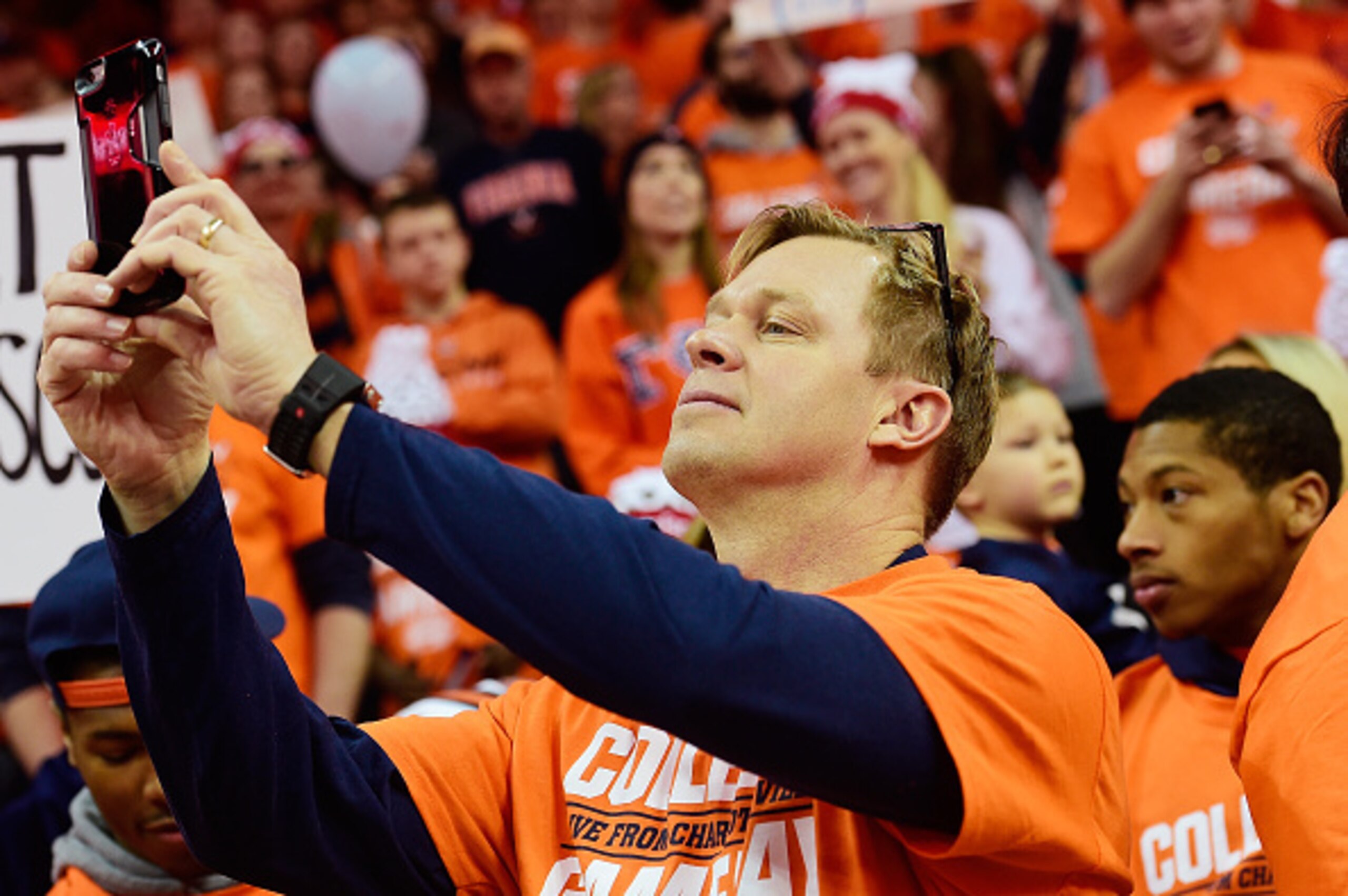
Adapt to the environment
A West Coast coach almost his entire career—save for a season at Louisiana Tech in 1997—has made Bronco Mendenhall the epitome of a fish out of water in his new gig running Virginia. It was a shocking move for him to leave BYU, where he'd run the program for a decade, to take on a rebuilding program on the other side of the country.
Mendenhall has been working hard to acclimate himself to the East Coast, living with his family in an RV while his home was being built. That's only part of the process of getting comfortable; there's also endearing himself to the fanbase and boosters who all hope he can be the guy to turn around a Cavaliers team that has had one winning season in the past eight.
Virginia Tech Hokies
61 of 66
Bridge the past and present
Justin Fuente is Virginia Tech's future, a young up-and-coming coach who had great success at a downtrodden Memphis program where he produced a first-round draft pick in quarterback Paxton Lynch. He's now tasked with reinvigorating a Hokies program that's been good for very long but has stalled over the last decade.
Since being hired, Fuente has said and done all the right things. He stayed away from Tech's bowl game, allowing outgoing coach Frank Beamer to have a proper send-off, and made sure to retain noted defensive coordinator Bud Foster. He wants to make this his program but knows the importance of having ties to what's happened in the past.
Continuing this process won't be easy, though, because as every day passes and the 2016 season comes closer, he'll want to make the Hokies more and more his own.
Wake Forest Demon Deacons
62 of 66
Figure out the best quarterback option
Barring a major jump in production from the running backs, Wake Forest's offensive output in 2016 will depend on how its quarterbacks play. And how those quarterbacks are used, since the Demon Deacons have two distinctly different options in pro-style John Wolford and dual-threat Kendall Hinton.
Neither was particularly strong through the air in 2015, with Wolford throwing nine touchdown passes with 11 interceptions while Hinton had four TDs and five picks. The difference was more noticeable on the ground, with Hinton scoring seven rushing TDs while Wolford averaged less than a yard per carry due to sack yardages.
Dave Clawson has to have a plan for what he wants from the QB position and has to make sure that's something that will benefit it the most.
Washington Huskies
63 of 66
Avoid overconfidence
Midway through November, Washington was 4-6 and a loss away from its season effectively being over. The Huskies then ran the table, clinching a bowl bid with a blowout over rival Washington State and then knocking off Southern Mississippi to finish at 7-6.
Since then it's been nothing but high hopes for the Huskies, who find themselves ranked in most preseason polls and are in line for their highest preseason Associated Press ranking since at least 2003. What they do with that ranking, though, will depend on how they handle all of the attention they're getting.
Described by Phil Steele on CBS Sports Radio as "a non-top-10 team that I think can actually win a national title," Washington faces the kind of expectations it hasn't had in more than a decade.
Washington State Cougars
64 of 66
Finding big plays
For as productive as Washington State is with its pass-heavy offense, it's not exactly blowing anyone else. It's by sheer volume that the Cougars led FBS in passing offense in 2015, at 389.2 yards per game, since they threw it 56.8 times per night. That's more than nine attempts per game more than any other team in the country.
Forty percent of their 500 completions went for at least 10 yards, but only 14 percent resulted in 20 or more yards, and four receptions resulted in a gain of 40-plus. WSU quarterback Luke Falk was content to throw quickly and short rather than take risks down the field, though having the ability to stretch the field from time to time wouldn't hurt.
A way to make that happen might be by actually rushing the ball on occasion. The Cougars ran only 22.6 times per game, resulting in a mere 80.5 yards per week.
West Virginia Mountaineers
65 of 66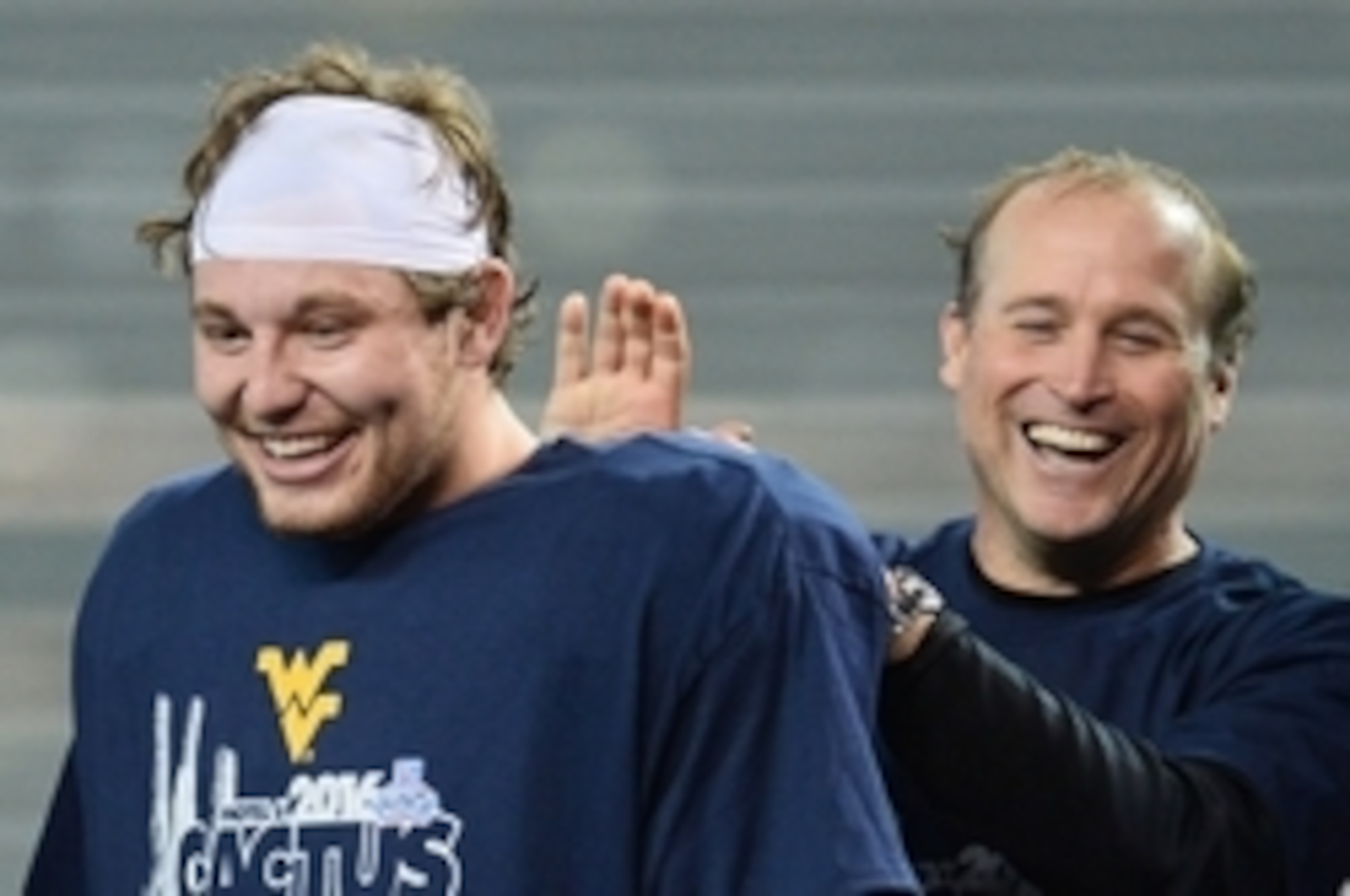
Show confidence in Skyler Howard
Howard threw for 3,145 yards and 26 touchdowns last season, finishing on a high note by throwing five TD passes with 532 yards in the Cactus Bowl win over Arizona State. Otherwise he had a very up-and-down 2015, one in which he threw 14 interceptions and failed to complete 50 percent of his throws four times.
Not surprisingly, coach Dana Holgorsen wasn't 100 percent convinced Howard was his quarterback for the future, though he really didn't have any other options. And with converted receiver David Sills transferring to a junior college in hopes of rekindling his quarterback career, the options are even fewer.
Holgorsen must trust Howard and not waver from this if the Mountaineers are going to be able to navigate the tough Big 12.
Wisconsin Badgers
66 of 66
Set Corey Clement up for success
Injuries aside, Clement went into 2015 with expectations that were far too high for a backup. Sure, he nearly topped 1,000 yards as a reserve the season before, but that was after opposing defenses had been worn down by 2,500-yard rusher Melvin Gordon and was behind a stout, veteran offensive line.
Clement didn't have any of that to work with last year, nor did the other running backs Wisconsin had to turn to after Clement missed seven games due to sports hernia surgery. All told, the Badgers' 150.3 rushing yards per game was their worst average since 1995.
Wisconsin's line is more experienced than a year ago, which should help, but Clement shouldn't be expected to dominate. He should be given every opportunity to succeed, but assumptions must be tossed aside.
All recruiting information courtesy of 247Sports, unless otherwise noted. All statistics provided by CFBStats, unless otherwise noted.
Follow Brian J. Pedersen on Twitter at @realBJP.
.jpg?w=2560 "Malik Beasley Negotiating Plea Deal (AP)")

.jpg?w=2560 "Aikman Blasts Cowboys WR 🫣")

.jpg?w=2560 "Jonathan Taylor Landing Spots")