

The 1 Position That Needs Most Improvement for Every Power 5 CFB Team
There's always room for improvement. Ask any college football coach and he'll be quick to point out at least one area on his team that could be better, either in terms of personnel, scheme or production.
Every college football team has that one position that could stand to get better. Better quarterback play, stronger blocking on the offensive line, more pressure from the defensive line. Whatever the case, it's an area that isn't as good as it could be.
Trying to improve at that position is among each teams' key offseason goals, and being able to get better could mean the difference between a good or great season.
We've pointed out the most notable position area that's in need of improvement for every Power Five conference team, along with top independents BYU and Notre Dame.
Alabama: Special Teams
1 of 66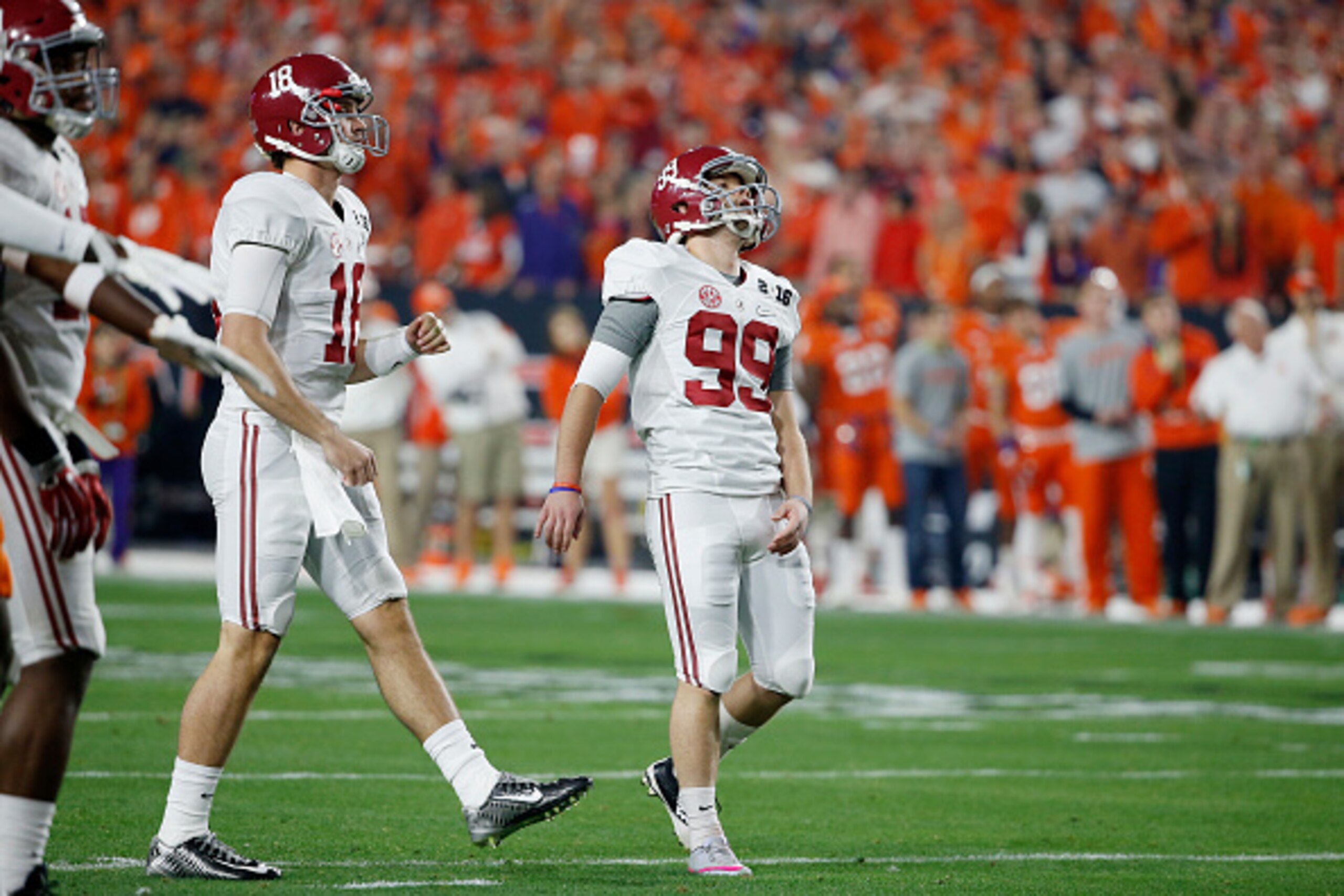
For defending national champion Alabama, "needs improvement" has a different meaning than it does for other teams. The Crimson Tide ended up being superior to nearly every opponent in almost every facet in 2015, and the same could be said this fall as the season progresses, assuming the right quarterback is picked and the run game is able to produce.
If we have to pick a place in which the Tide hope to be better than last season, though, it would be in place-kicking. It was the one area where Alabama didn't have that supreme edge on its foes.
Adam Griffith missed nine field goals in 2015, including his first four attempts and one in the national title game, and the season before, he was 12-of-19 on three-pointers. This spring, he had five chances to kick a field goal on A-Day and didn't connect until his fifth attempt.
Griffith, who was the kicker on the famed "Kick-Six" at Auburn in 2013, is 36-of-54 for his career.
Arizona: Defensive Line
2 of 66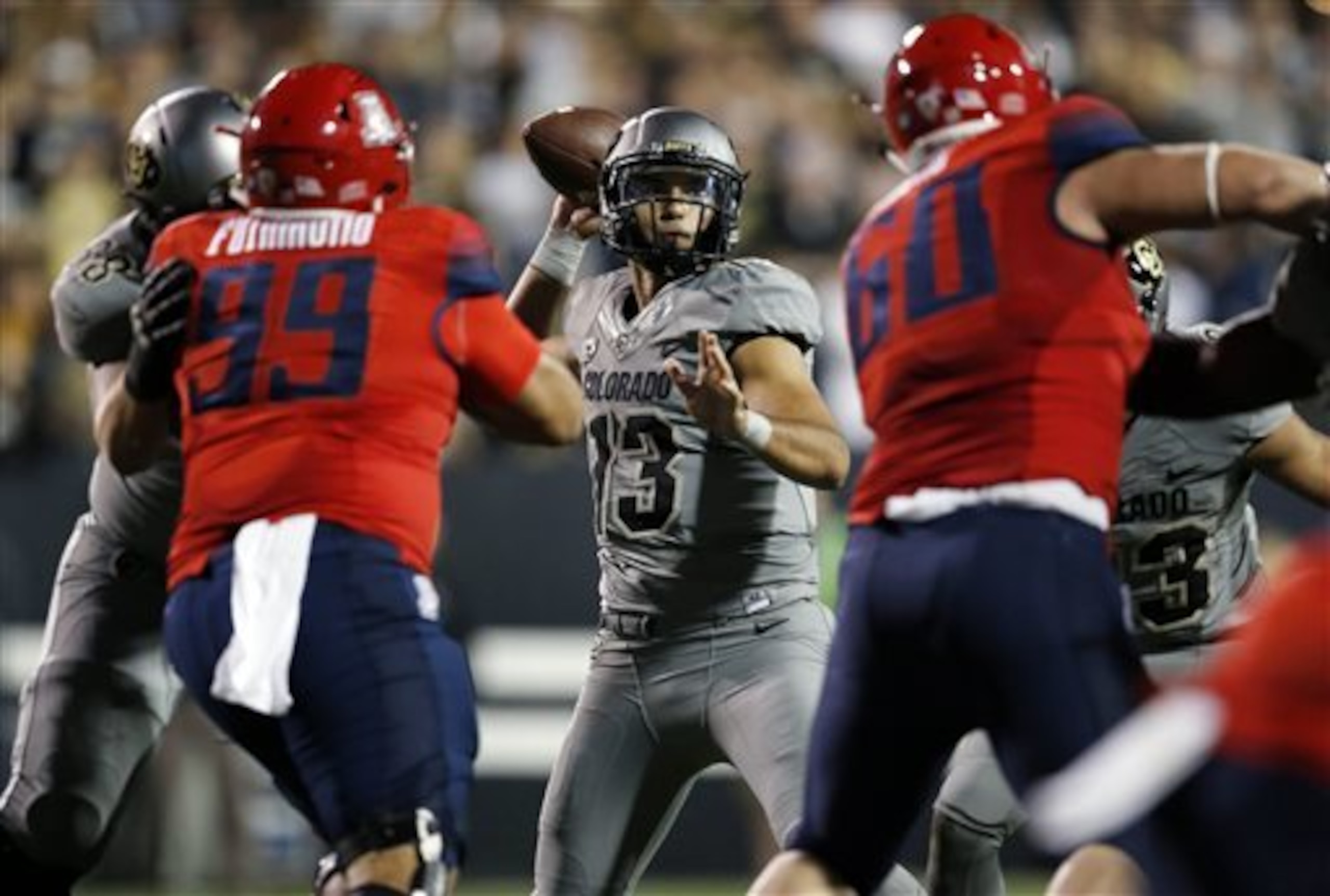
Not having access to linebacker Scooby Wright for most of last season exposed one of Arizona's biggest defensive weaknesses: pressure on the quarterback. In 2014, he had 14 sacks but managed only two last year in three games of action, yet that was still only 1.5 sacks off the team's sack leader, Reggie Gilbert.
The Wildcats defensive linemen combined for just 13 sacks in 13 games, and that includes three from a walk-on (Jack Banda) who had only seven tackles for the entire season.
Arizona signed three defensive linemen in the 2016 class, including Josh Allen, the No. 3 junior college strong-side defensive end in the country. They could also get back Anthony Fotu, a junior college signee from 2015, midway through this fall after serving a yearlong team suspension.
Arizona State: Secondary
3 of 66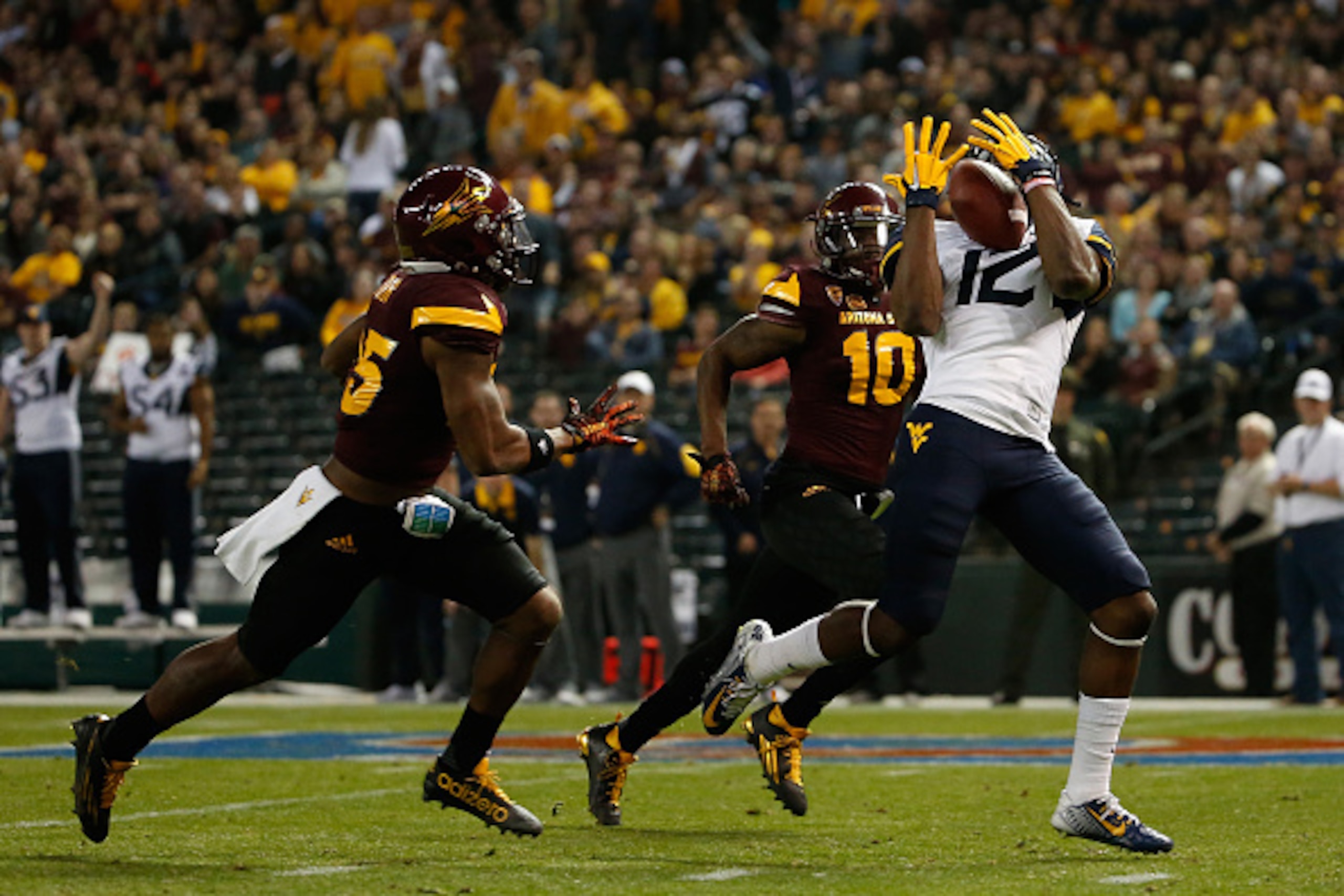
Coach Todd Graham's love of pressure and risk-taking on defense has produced an average of 44 sacks and 107 tackles for loss in his four seasons. But when Arizona State doesn't stop the play early, bad things happen, particularly in the air.
The Sun Devils allowed an FBS-worst 160 plays of 10 or more yards in 2015, with 34 of those going for at least 30 yards. They yielded 24 plays of 40 or more yards and 14 that gained at least 50 yards. This was despite having one of the best young cornerbacks in the country in Kareem Orr, who as a freshman had six interceptions and returned one for a touchdown against rival Arizona.
ASU yielded 35 passing touchdowns and 337.8 passing yards per game, ranking 127th and 128th, respectively.


_0.png?w=2560)
Arkansas: Defensive Line
4 of 66
As big and imposing as Arkansas' offensive linemen were last season, its big guys made the same impression on the defensive side of the line. The Razorbacks' front unit was a major source of disappointment in 2015, contributing to an 8.2 points-per-game rise in scoring defense.
Deatrich Wise was the only player to log 10 tackles for loss last season. Take away his eight sacks and the rest of the team had just 12. He returns for his senior year but needs greater help around him, or the 25 rushing touchdowns Arkansas allowed in 2015 (up from 11 the year before) is going to become the rule instead of the exception.
Early enrollee McTelvin Agim, Arkansas' top recruit from 2016, figures to provide a boost in the trenches. He impressed this spring, while veterans Jeremiah Ledbetter and Taiwan Johnson will be counted on for big things on the interior.
Auburn: Quarterback
5 of 66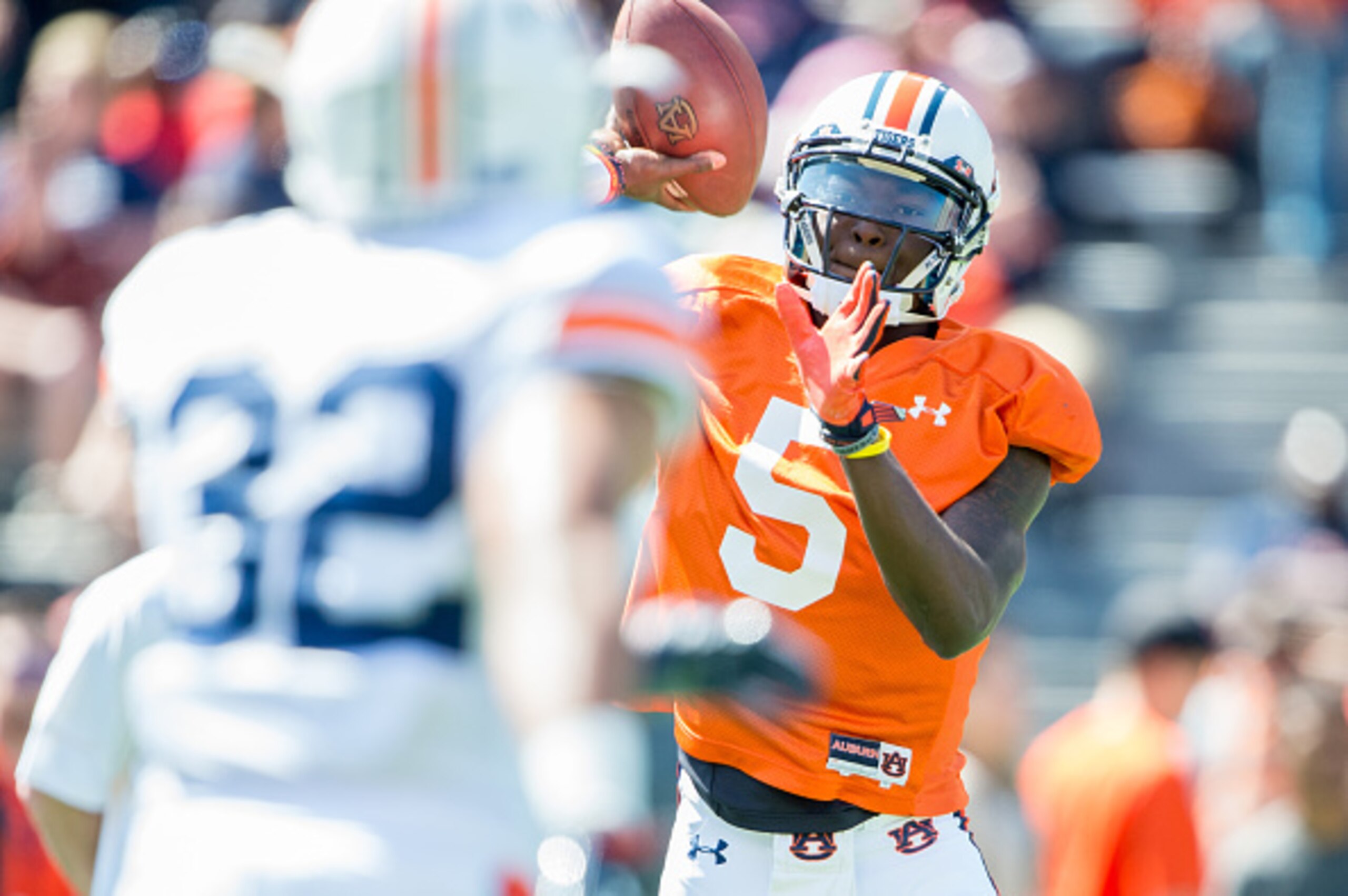
Remember this time last year, when some analysts were hailing Jeremy Johnson as a possible Heisman Trophy contender despite only two career starts? A lot has happened at the quarterback position for Auburn since then, but most of it hasn't been good.
Johnson ended up being a bust, throwing six interceptions in the Tigers' first three games before getting benched in favor of Sean White. He didn't do much better, as Auburn's passing offense ranked 12th in the SEC and produced only 11 touchdowns.
Signing former Florida State recruit Jonathan Franklin III rekindled Auburn's hopes for 2016, but he wasn't able to establish himself as the best option. Of the conference's numerous QB competitions, “only Auburn's quarterback position is unsettled, which makes it the most concerning situation in the SEC,” according to Bleacher Report's Barrett Sallee.
Baylor: Secondary
6 of 66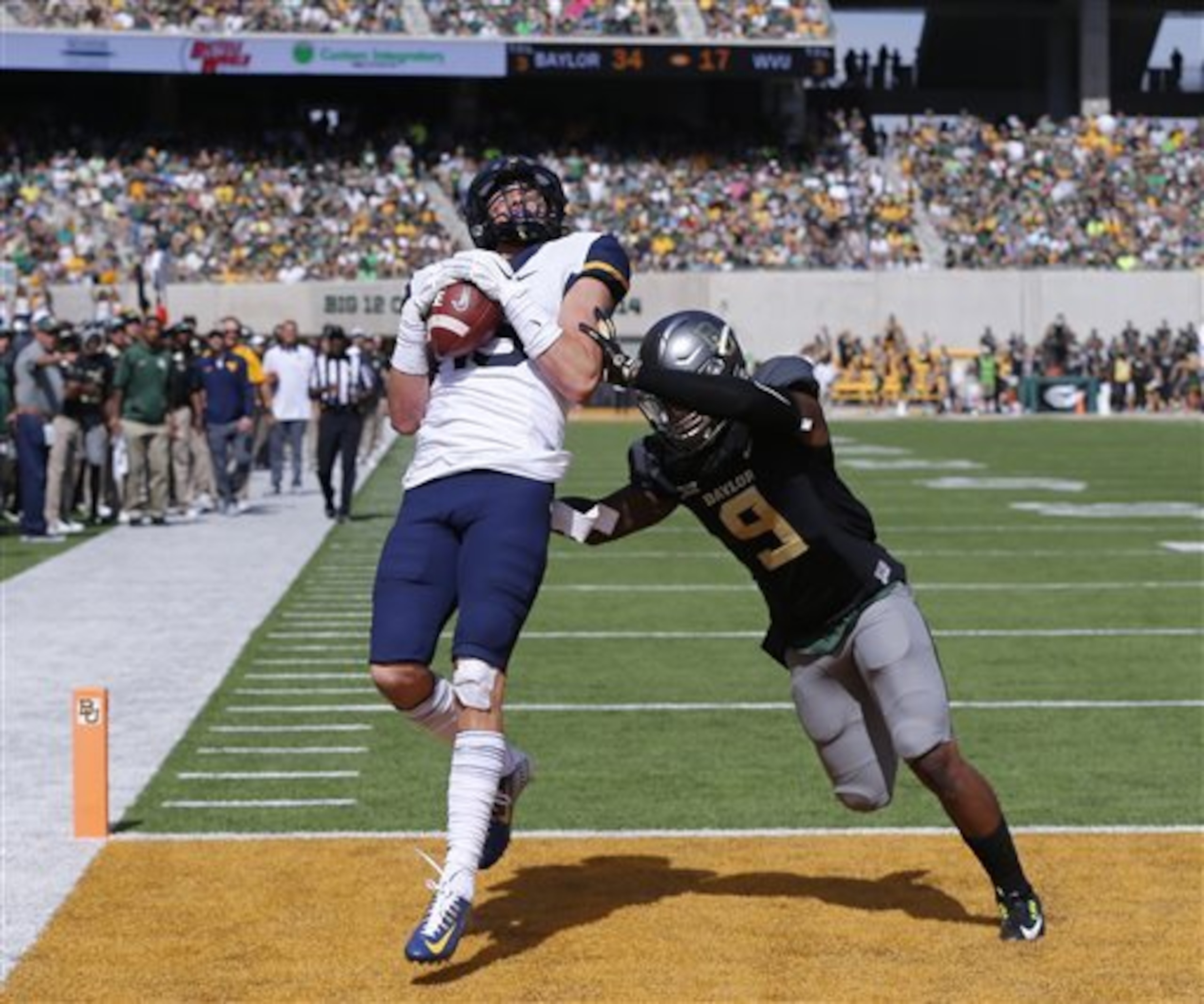
Thanks to its quick-scoring offense, Baylor's defenders ended up spending a lot of time on the field in 2015. The Bears were 108th nationally in time of possession, but even with fatigue becoming an issue, their defense was able to hold its own most of the time.
The breakdowns tended to come in the secondary, however, where Baylor recorded 14 interceptions but also allowed 23 plays of 30 or more yards. And with top cornerback Xavien Howard leaving for the NFL, there's a major void that needs to be filled.
Ryan Reid, who had three interceptions and eight pass breakups as a junior, is expected to take Howard's spot.
"With Howard gone to the NFL, Reid has to take ownership of the secondary," Dallas Morning News' Shehan Jeyarajah wrote.
Boston College: Quarterback
7 of 66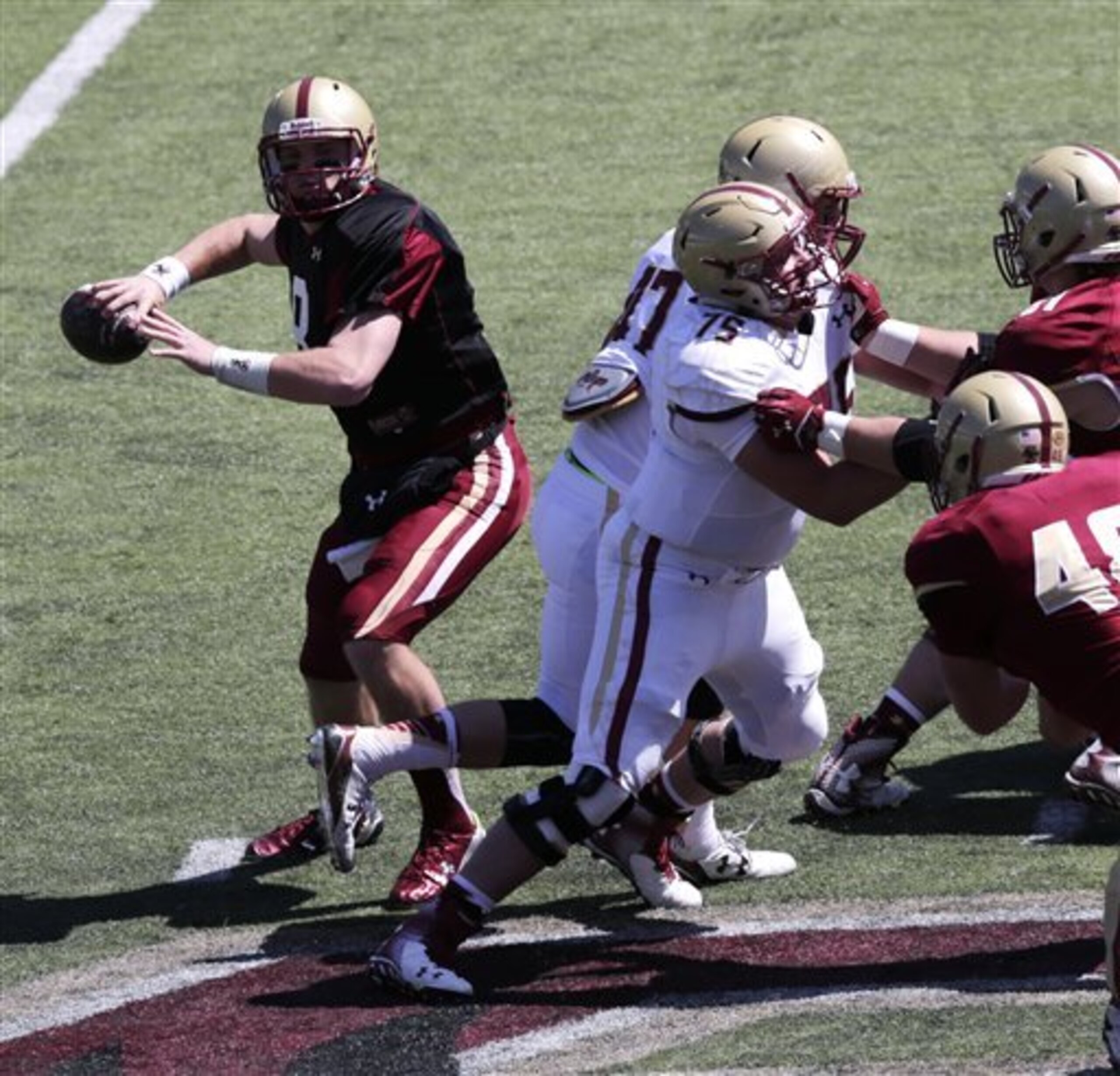
A lot of Boston College's offensive woes in 2015 can be traced to the quarterback position, where injuries and ineffectiveness resulted in four different passers getting a look. None of them did much of anything, combining to throw eight touchdowns with nine interceptions on 44.4 percent passing.
Not surprisingly, the Eagles went 2-10 and were winless in the ACC despite having the nation's top-ranked defense.
BC addressed this major need by landing Kentucky graduate transfer Patrick Towles, who started 22 games for the Wildcats. He'll be the Eagles' second grad transfer QB in three seasons, following ex-Florida passer Tyler Murphy in 2014.
BYU: Running Back
8 of 66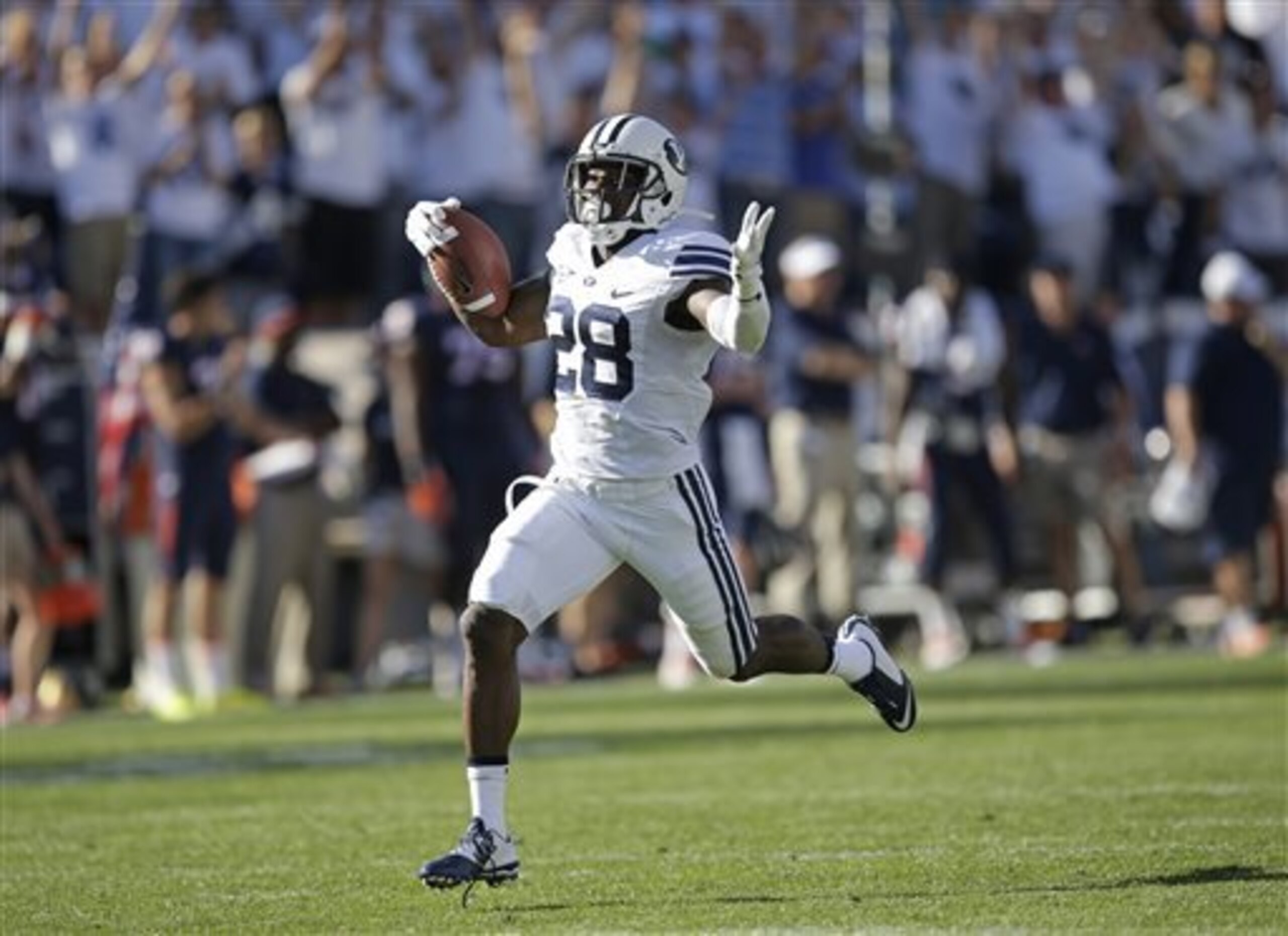
BYU averaged more than 260 rushing yards per game in 2013, when both quarterback Taysom Hill and running back Jamaal Williams topped the 1,200-yard mark. Injuries limited that duo to less than 1,000 combined yards in 2014, and last year saw an even bigger dip in rushing production with their collective absences.
The Cougars ran for 128.3 yards per game last season, just 111.5 against FBS opponents, as Hill missed all but the first half of the opener with an injury and Williams withdrew from school for personal reasons.
Williams returned to the program this spring, and Hill is trying to return from his latest injury to put together one last season with BYU.
California: Defensive Line
9 of 66
It says a lot about the past when California's defense was considered better in 2015 despite allowing 30.7 points per game, including 40-plus on four occasions. The Golden Bears allowed 39.8 points the year before, with three opponents posting at least 56 points on their overmatched defense.
That group's improvement was most notable against the pass, intercepting 15 passes and yielding half as many touchdowns (21) as in 2014. But that rise was at the expense of a major dip in effort up front, particularly against the run, as Cal gave up 209.8 rushing yards per game with 24 TDs.
Five opponents topped the 200-yard mark on the ground, with Cal only forcing 39 negative run plays in 13 games.
Clemson: Special Teams
10 of 66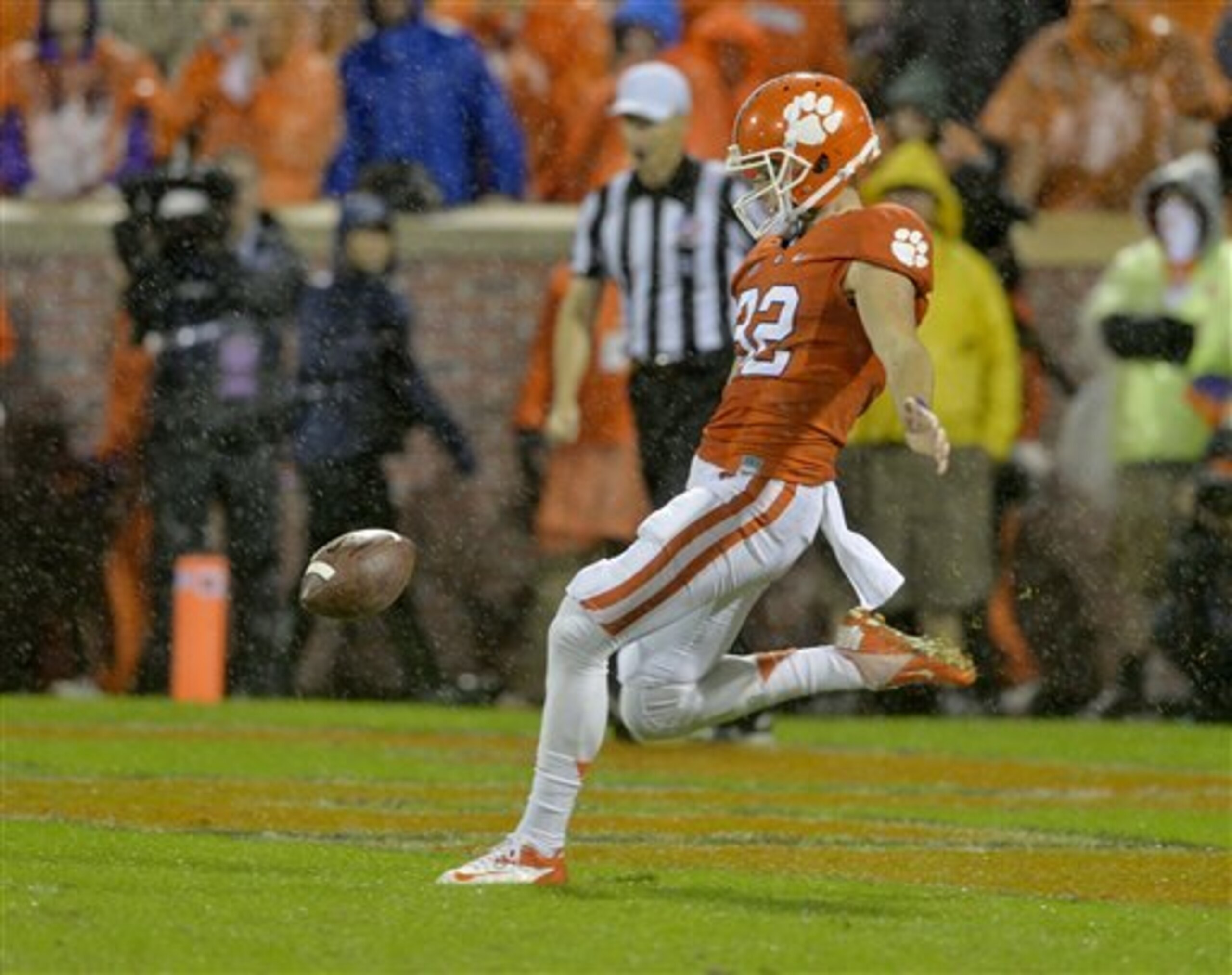
Dabo Swinney's off-the-cuff "Bring Your Own Guts" motto that popped up midway through last season didn't seem to apply to Clemson's special teams. As a whole, that collection of players didn't show the same kind of toughness and intensity that the Tigers offense and defense had in 2015.
Outside of punter Andy Teasdall's 31-yard fake-punt pass to Christian Wilkins in the Orange Bowl there wasn't much for Clemson to be proud of in this area. Teadsall's 39.5 punting average was second-worst in the ACC, while kicker Greg Huegel missed five field goals as well as five extra points.
Clemson's return game was particularly poor, averaging just 2.33 yards on 27 punts and 21.63 yards on 40 kickoffs.
Colorado: Offensive Line
11 of 66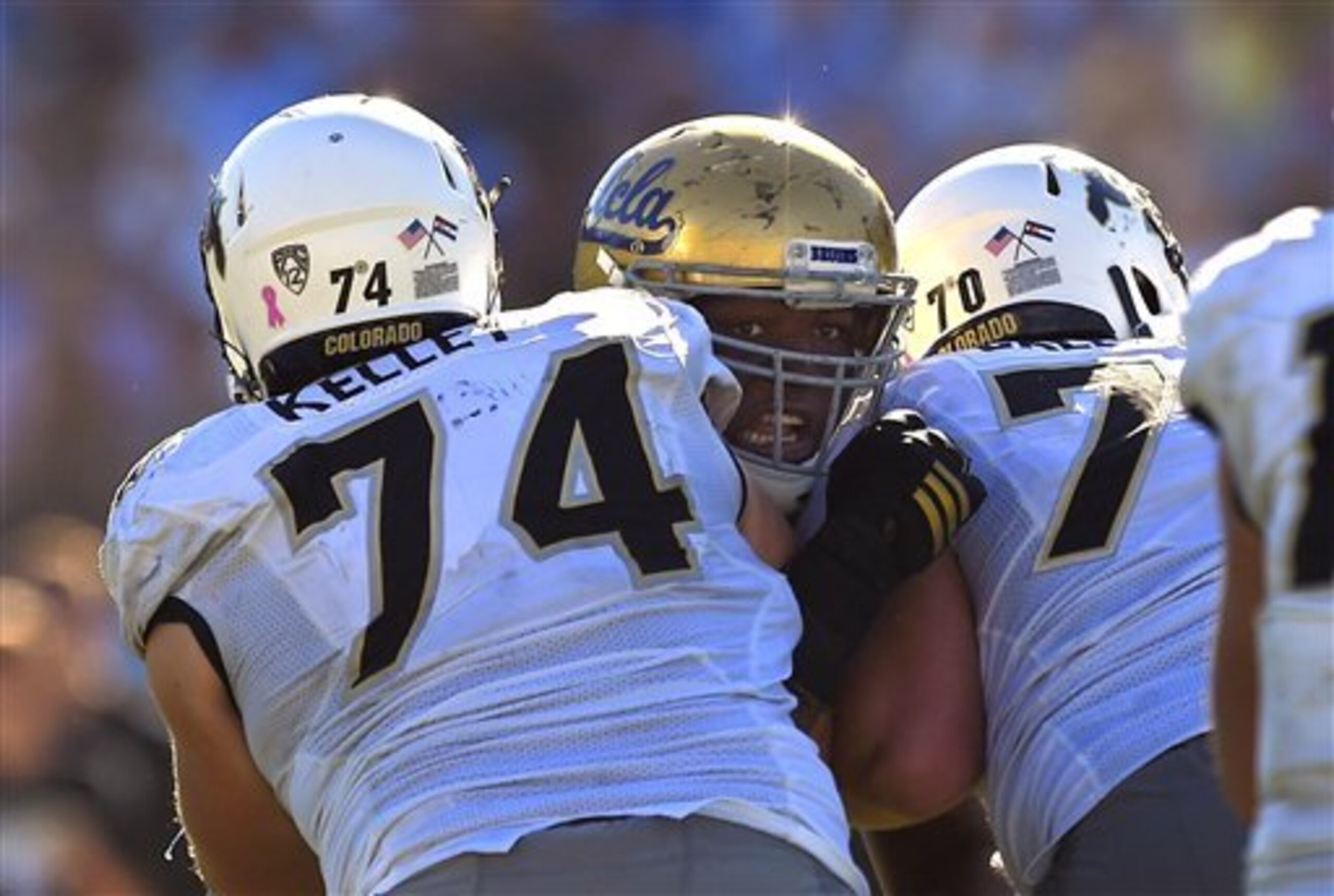
One of 15 FBS teams to allow at least 40 sacks last season, Colorado's issues up front weren't limited only to passing downs. The Buffaloes blockers contributed to 48 negative rushing plays and a per-carry average of 3.75 that tied for 109th nationally.
The ball-carriers themselves are partly responsible as well, but Colorado's inability to open holes for the run game made it so the Buffs had but a single rush of 40 or more yards in 2015.
Colorado brings back five offensive linemen who collectively have 77 career starts, per PhilSteele.com, and head coach Mike MacIntyre's move to transfer running backs coach Klayton Adams to the line could lead to an uptick.
Duke: Running Back
12 of 66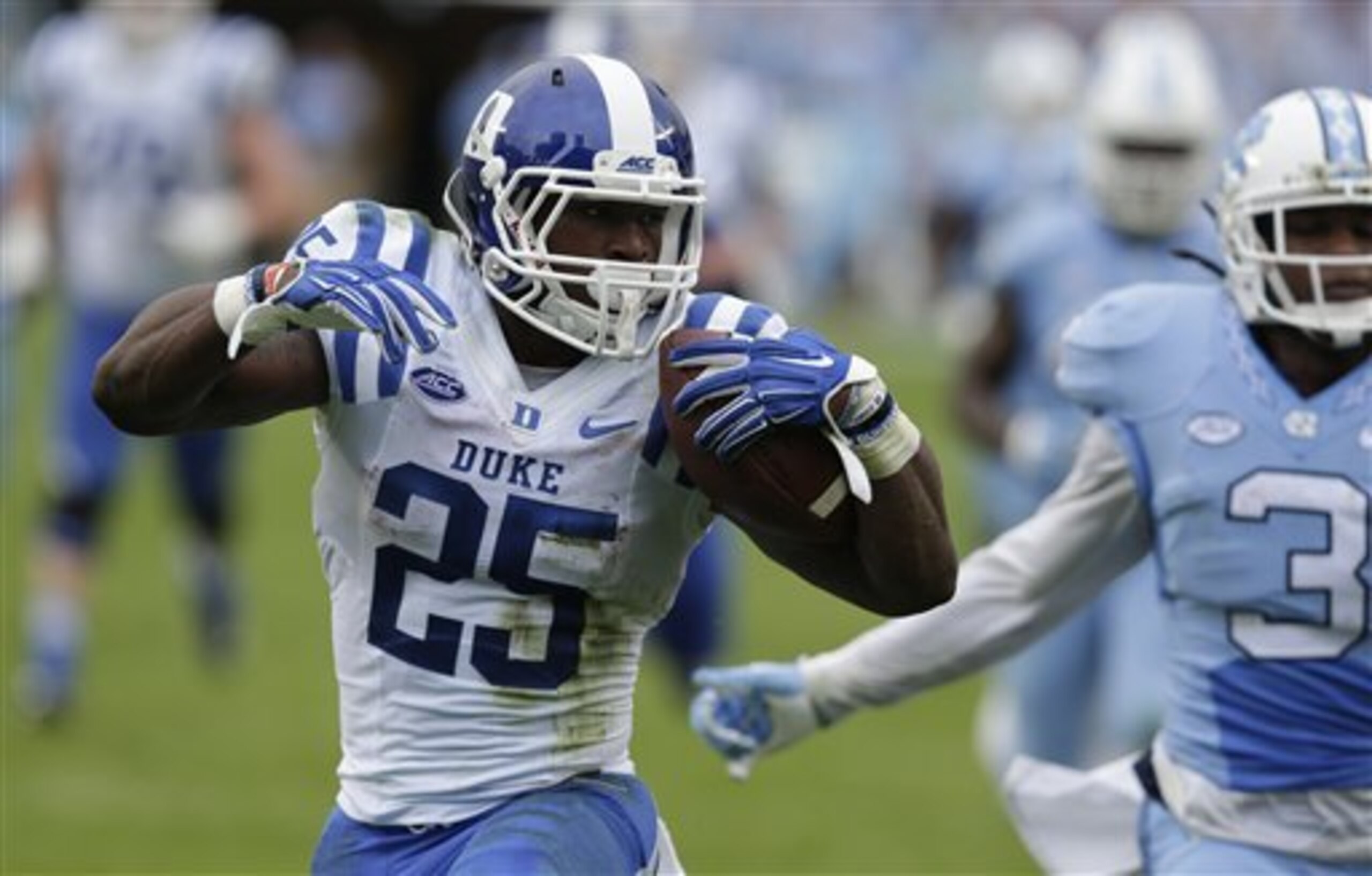
Quarterback Thomas Sirk was often Duke's first, second and third option when it wanted to run the ball last season. That might be the case in 2016 with Sirk recovering from a torn Achilles tendon that could cut back on his mobility, so the Blue Devils must rely more on running backs with the ground game.
Shaquille Powell was the only back with more than 84 carries last season, and he averaged just 4.34 yards per carry as a senior. Jela Duncan and Shaun Wilson showed flashes at times, each topping the 100-yard mark in the Pinstripe Bowl win over Indiana, but each lacked consistency.
Duke will look to converted running back Nicodem Pierre and Harvard transfer Zach Boden for additional carries in hopes someone will emerge as a go-to back.
Florida: Kicker
13 of 66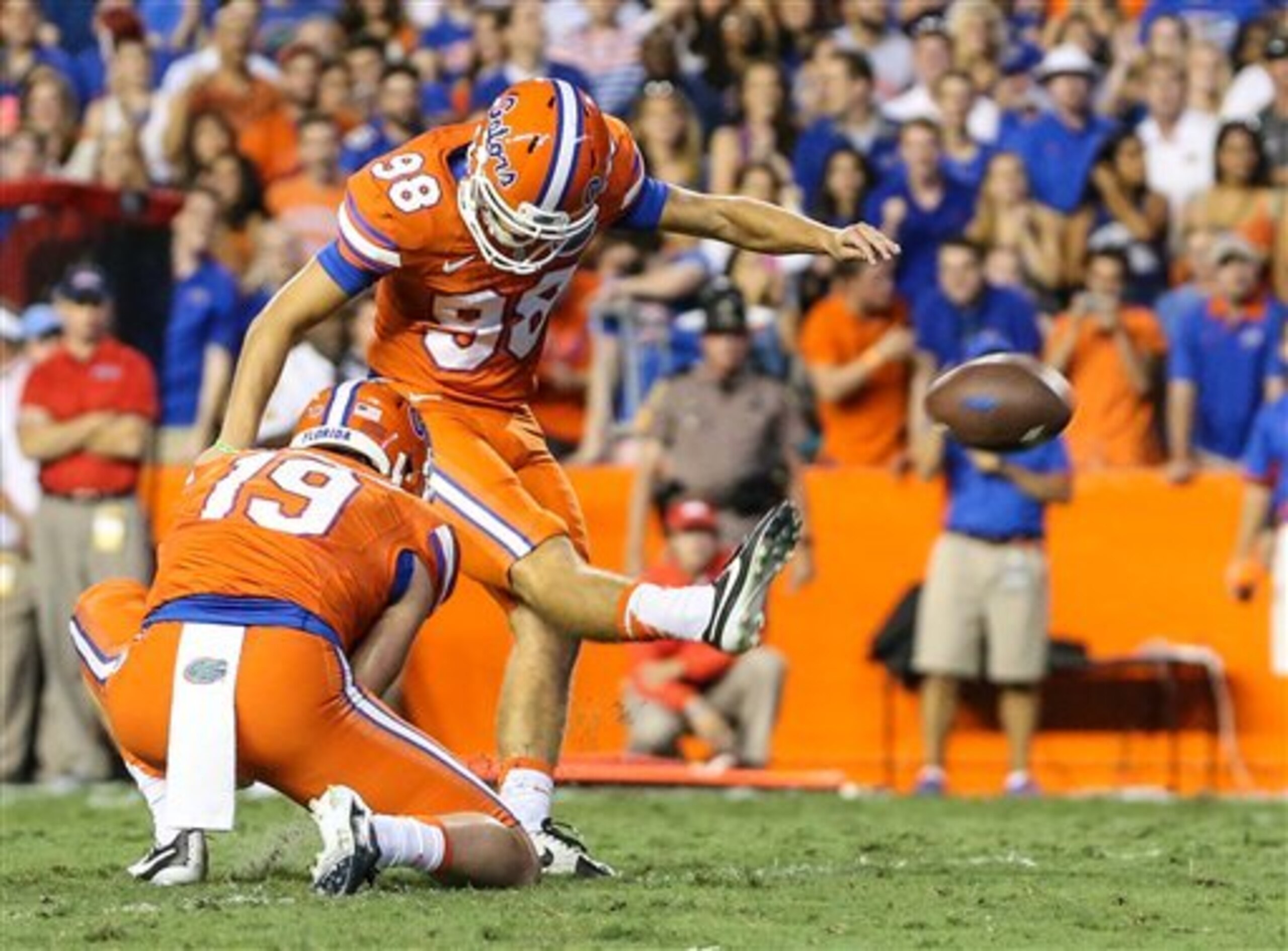
It's not uncommon for college football teams, even those at the power-conference level, to hold open tryouts at various times during the year. This is usually to find athletes on campus who can provide some depth for practices and scout teams, not for a key position like place-kicker.
But that's was Florida had to do last year, discovering a dental student (Neil MacInnes) who ended up appearing in three games for the Gators. He was 2-of-3 on extra points but did not attempt a field goal.
The Gators' other kicking options, Austin Hardin and Jorge Powell, combined to make just 7 of 17 field goals and missed four PATs. Hardin has since transferred, while Powell was injured midway through the season.
Florida might have its answer at the position in junior college transfer Eddy Pineiro, who previously had been committed to Alabama.
Florida State: Wide Receiver
14 of 66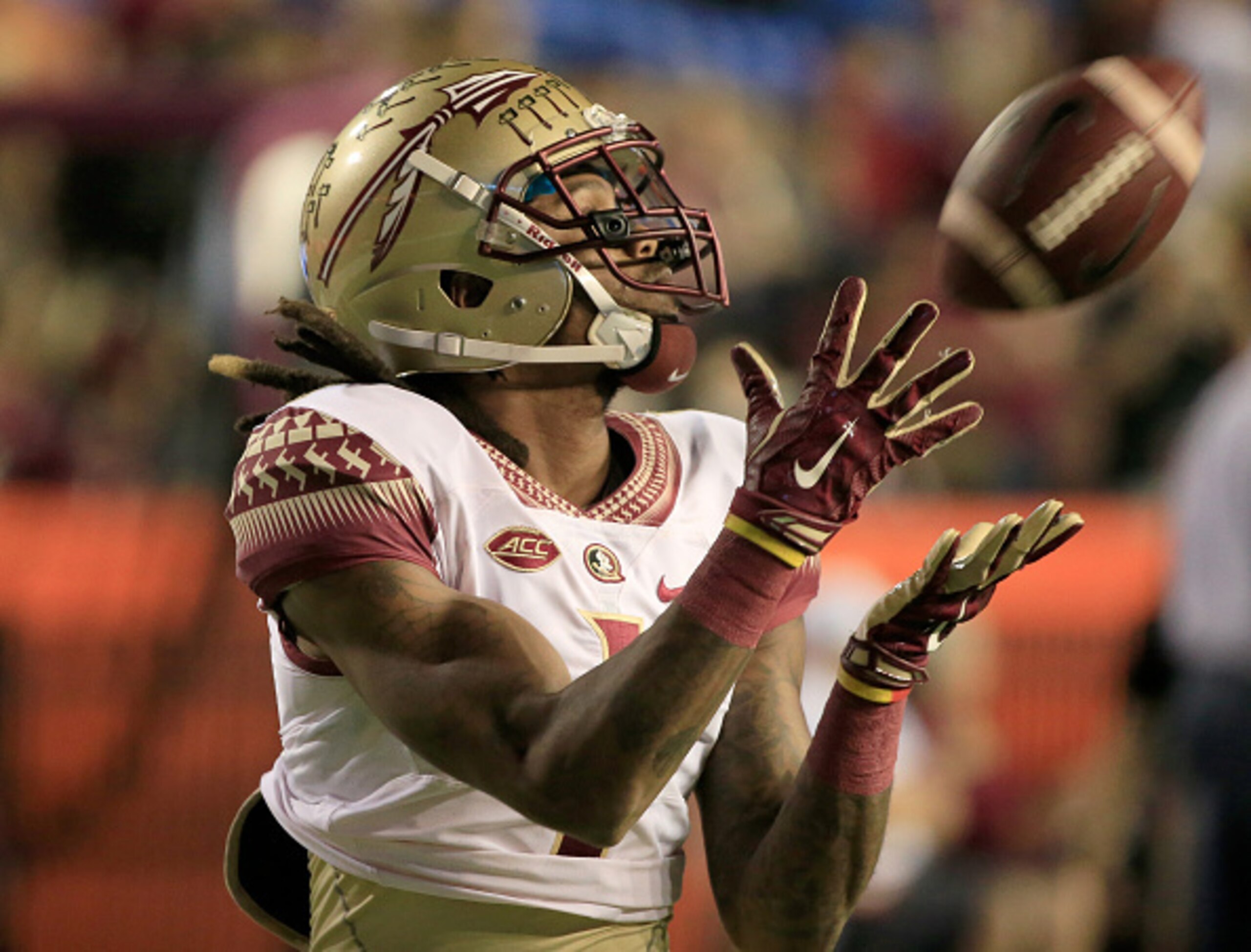
Much of the offseason focus for Florida State has been on identifying who its quarterback will be for 2016. Yet just as important is finding the right group of receivers for either Sean Maguire, Malik Henry or Deondre Francois to throw to and to have them be able to turn those catches into big plays.
The Seminoles return three players (seniors Kermit Whitfield and Jesus Wilson and junior Travis Rudolph) who caught at least 57 passes last season, and that trio combined for 16 touchdowns. However, it often felt like that group wasn't able to do much with the ball after the catch, as the 'Noles only had 18 receptions of 30-plus yards.
FSU is looking for more from its talented younger receivers, particularly Ermon Lane, who logged only six catches as a freshman. With more options will likely come better production and more opportunities for big plays.
Georgia: Quarterback
15 of 66
Jacob Eason is an immense talent who might be contending for Georgia's starting quarterback job as a true freshman regardless of how the Bulldogs fared last season. The fact they were sorely lacking in that area only improves his chances of playing right away.
Faton Bauta, Brice Ramsey and Virginia transfer Greyson Lambert combined to average only 185.1 passing yards per game in 2015, with 14 touchdowns and eight interceptions. That's 10 fewer TDs than the Bulldogs threw the year before, and they had only six passing TDs in the eight games they had to go without standout running back Nick Chubb.
Eason shined during Georgia's spring game, though early on the team could split snaps between him and one of the older passers. Whatever produces the best results—preferably better than last year—is what will end up being the Bulldogs' course of action.
Georgia Tech: Defensive Line
16 of 66
For a unit that has to practice every day against a run-heavy offense, Georgia Tech sure didn't defend the run well in actual games. It didn't make it tough for opponents to pass the ball either, contributing to the Yellow Jackets' 3-9 record after playing in the Orange Bowl the previous season.
Tech's 47 tackles for loss were dead last in FBS in 2015, and no defensive lineman recorded more than five. KeShun Freeman, who had a strong freshman year with 9.5 TFLs and 4.5 sacks, dipped to just four and two, respectively, last season.
Illinois: Defensive Line
17 of 66
Illinois' defensive line in 2015 featured a future second-round NFL draft pick in Jihad Ward, but his performance was emblematic of across-the-board deficiencies up front that made it hard for the Fighting Illini to win.
Ward's 1.5 sacks and 3.5 tackles for loss weren't the kind of numbers you'd expect from such a highly regarded prospect, but no one on Illinois' line managed to produce much. The exception was tackle Chunky Clements, who was strong against the run with 11.5 TFLs but struggled to get pressure on passing plays.
Clements' status for 2016 is uncertain following Tuesday's report by the Associated Press that he was recently charged with aggravated battery.
Illinois had solid overall defensive numbers, allowing 23.3 points and 350.8 yards per game, yet much of that came from the linebackers and secondary.
Indiana: Secondary
18 of 66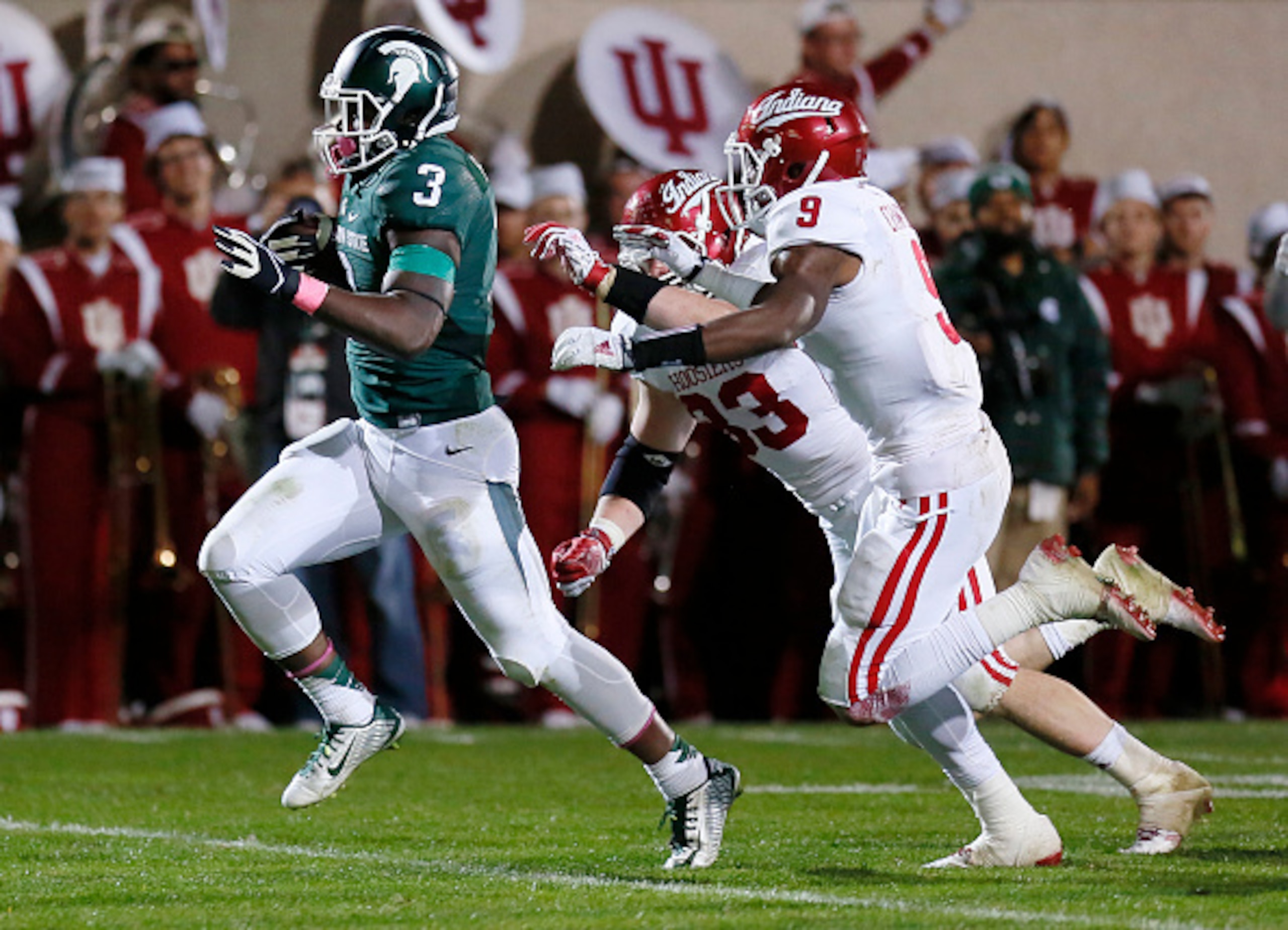
Watching Indiana football last season meant getting to see a lot of points and plenty of big plays. It also meant no Hoosiers lead was safe since their defense couldn't stop anyone, especially when their opponents passed the ball.
Indiana allowed 313.8 passing yards per game in 2015, second-worst in FBS, and yielded 32 passing touchdowns. Three opponents threw for at least 400 yards, and six had at least three passing TDs, with 159 of 328 completions going for at least 10 yards.
There's something to build around, though. Safety Jonathan Crawford had four interceptions as a freshman.
Iowa: Defensive Line
19 of 66
Despite its 12-0 record during the regular season, Iowa was downright average from a statistical standpoint both offensively and defensively. The Hawkeyes were sixth in the Big Ten in total defense and fifth in total offense, basically doing just enough to get by each week.
The Hawkeyes also had to overcome an underachieving defensive line, though some of that was due to losing senior Drew Ott to injury after only six games. He had 7.5 tackles for loss in six games before getting hurt, while the rest of Iowa's defensive linemen logged a combined 24 TFLs for the season.
Included in that tally was only 18 of Iowa's 30 sacks, with the linebackers picking up the slack. Iowa's secondary also helped out, with Desmond King notching eight of the team's 19 interceptions.
Iowa State: Offensive Line
20 of 66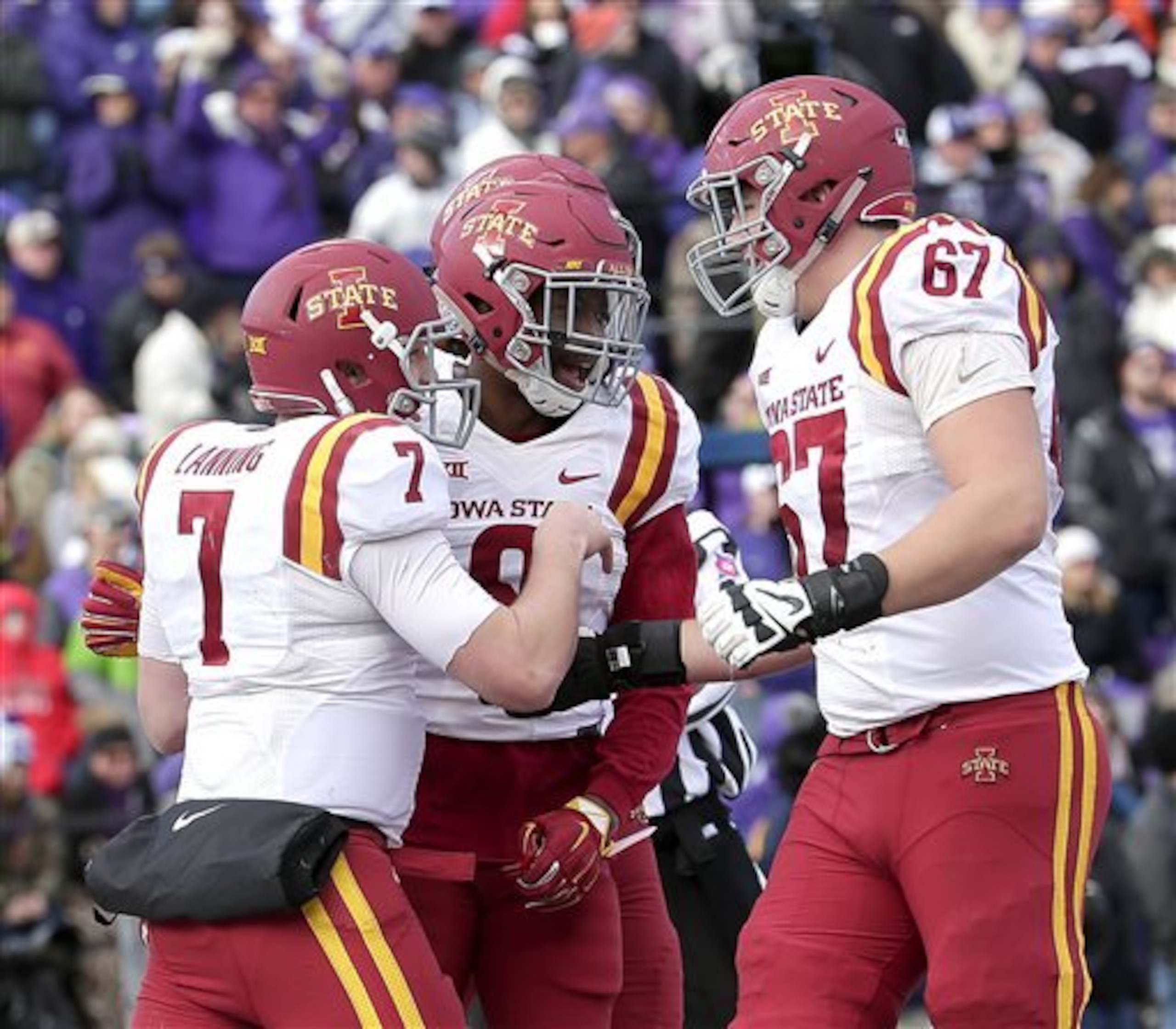
In his last three seasons at Toledo, Matt Campbell's offensive lines allowed a mere 27 sacks, including four in 2015. The Rockets blockers also paved the way for 235.5 rushing yards per game from 2013-15.
Iowa State's offensive line was responsible for 42 sacks just from last season, and despite freshman Mike Warren's breakout rushing season (1,339 YDS, 5 TDs), the Cyclones gained only 4.39 yards per carry and managed just 14 rushing touchdowns on 40 red-zone possessions.
Making matters worse is that five of the seven players who started on the line last season have moved on, so Campbell will be starting over.
Kansas: Running Back
21 of 66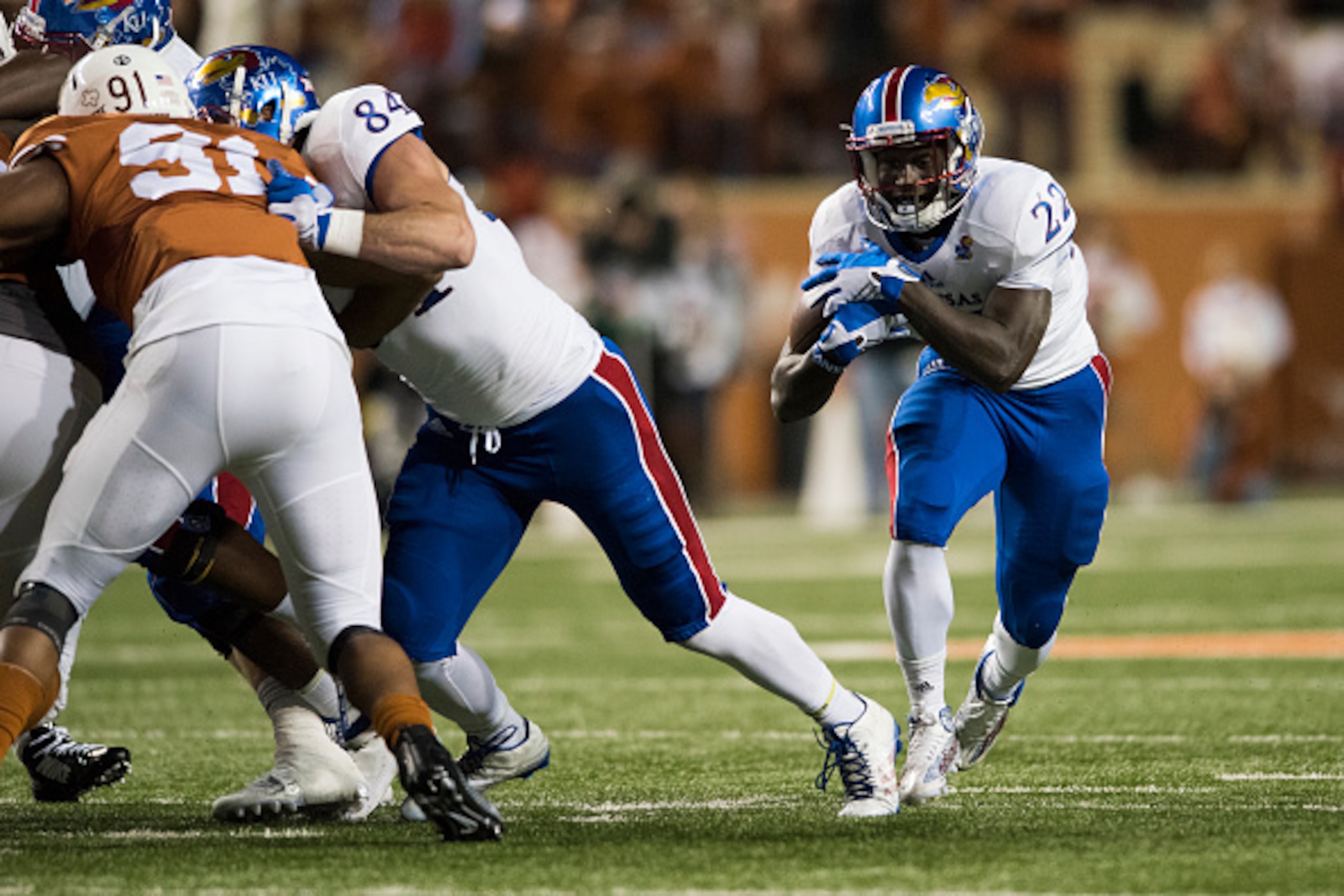
Only two other FBS teams had a worse per-carry rushing average than Kansas (3.04) last season. Yielding 40 sacks affected this average, but if we only counted running back numbers, the Jayhawks only gained 4.02 yards per carry.
A mere 41 rushes went for 10 or more yards, only three going for at least 30 yards. And it wasn't like the run game was reserved only for short-yardage situations, as Kansas' 49 red-zone carries on 30 possessions netted 96 total yards and nine scores.
Ke'aun Kinner, a junior college transfer, was Kansas' top rusher in 2015 with 566 yards and five touchdowns. He told Matt Tait of KUSports.com he played the entire season with a bum shoulder.
Kansas State: Secondary
22 of 66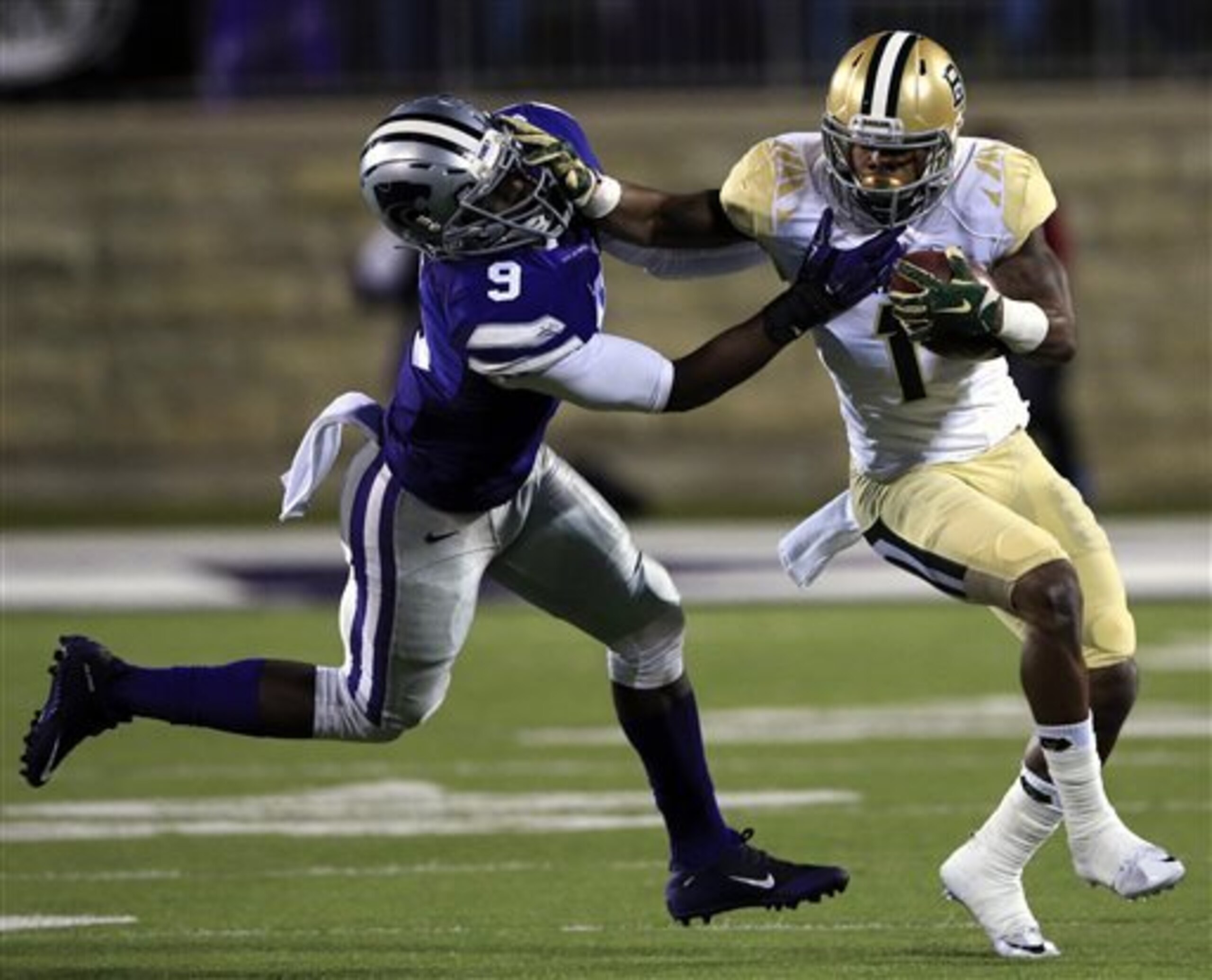
Opponents attempted 451 passes against Kansas State in 2015, completing at a healthy rate of 64.3 percent for 285.5 yards per game and 25 touchdowns. Only five of those throws ended up in the Wildcats' hands, one-third of the number they picked off the season before.
And only one of those five interceptions came from a defensive back, by then-senior Morgan Burns against rival Kansas. The rest came from linebackers, three by Elijah Lee.
Losing safety Dante Barnett to a season-ending injury and getting cornerback Danzel McDaniel for only four games had a major impact. Barnett, who had three picks as a junior in 2014, will be back to help this fall.
Kentucky: Defensive Line
23 of 66
It's felt like Matt Elam was the answer for Kentucky's issues on the defensive line for three years. The fact he's done little to this point shows that it's more than a one-player situation, though being able to get one of the program's most highly regarded defensive prospects to come through would help.
The 6'7”, 360-pound Elam, who picked Kentucky over Alabama in 2014, has logged 33 tackles and a half-tackle for loss in two seasons.
If he can put it all together this fall, it would mean a lot for the Wildcats, who last year managed only 53 TFLs (tied with Auburn for last in the SEC) and allowed 196.1 rushing yards per game.
Louisville: Offensive Line
24 of 66
Louisville's offense was a beautiful mess last season, a unit capable of big plays—mostly due to freshman quarterback Lamar Jackson's running ability and big arm—but also quite a few duds. The offensive line, in particular, struggled all year long en route to 44 sacks allowed.
Only seven FBS teams had more negative offensive plays than the Cardinals (97), yet they still had six games with at least 200 rushing yards.
"U of L tried 10 players as starters in at least one game," Steve Jones of the Louisville Courier-Journal wrote. "However, the Cards achieved some continuity at the end of the year and throughout the spring."
LSU: Quarterback
25 of 66
All LSU needs from its quarterback is someone it can turn to for a big play here and there. The Tigers don't need a superstar, just someone who can prevent them from being the one-dimensional offense they've resembled the last two seasons.
Leonard Fournette's running makes it so a heavy reliance on the ground game can get the job done most of the time, but not always. That was evident during LSU's three-game losing streak after a 7-0 start in 2015, when Fournette's production dipped and quarterback Brandon Harris couldn't step in and produce.
Harris was 53-of-105 with three touchdowns and four interceptions during that skid, and though he threw for a career 324 yards against Ole Miss, much of that was after the game was out of hand. The addition of Purdue transfer Danny Etling gives LSU options at the position, but it still needs someone to be effective and not just in garbage time.
Maryland: Quarterback
26 of 66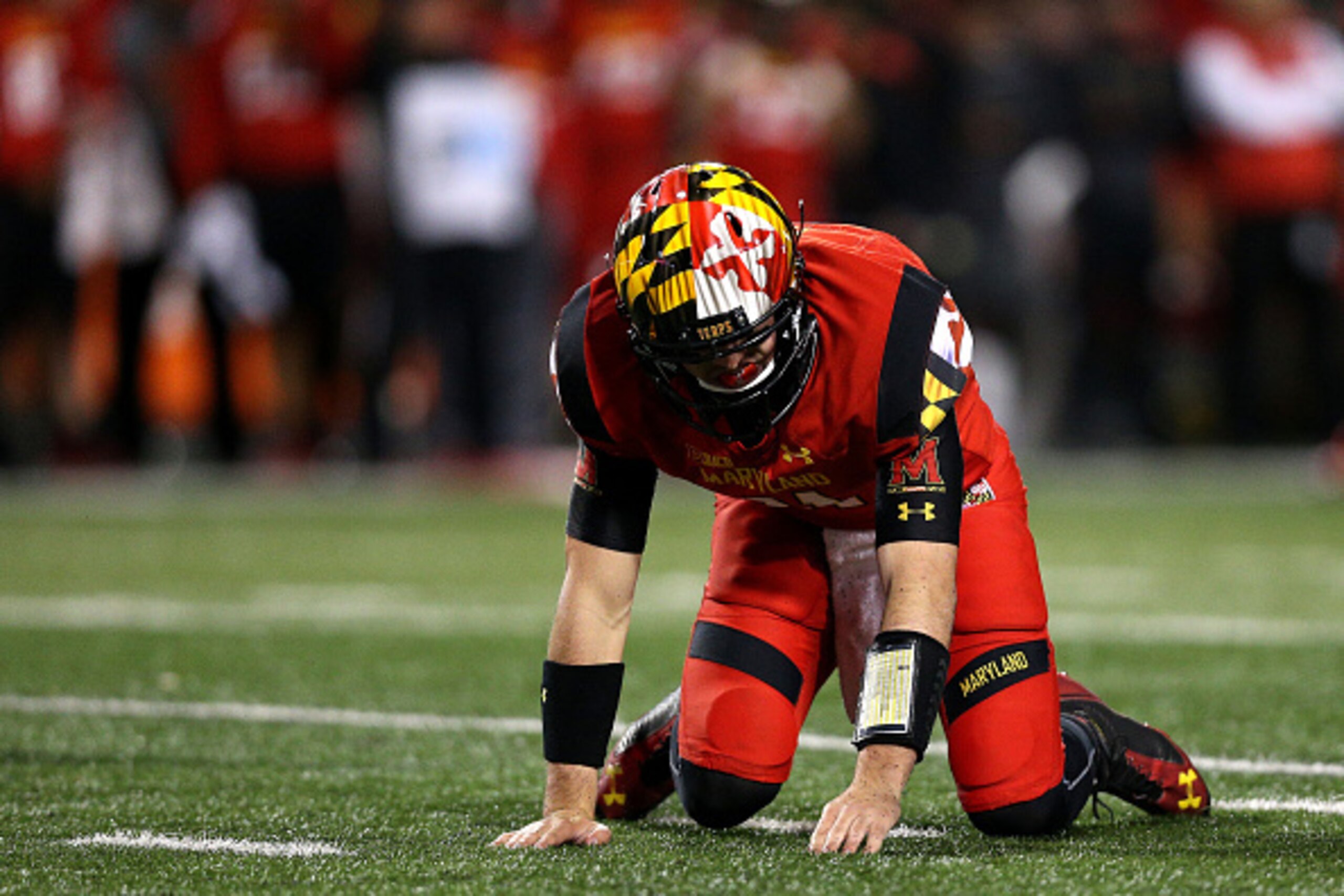
It's quite possible that, as you read this, somewhere a Maryland quarterback is throwing an interception. It happened so often last season you wondered if the Terrapins passers were color blind and couldn't recognize which players were on their team and which were defenders.
The 29 picks thrown by Caleb Rowe (15), Perry Hills (13) and Daxx Garman (one) were six more than any other FBS team, and that came against just 15 touchdowns and on 388 total pass attempts. The Terps only had one receiver who had more catches than the opposing players.
Miami (Florida): Defensive Line
27 of 66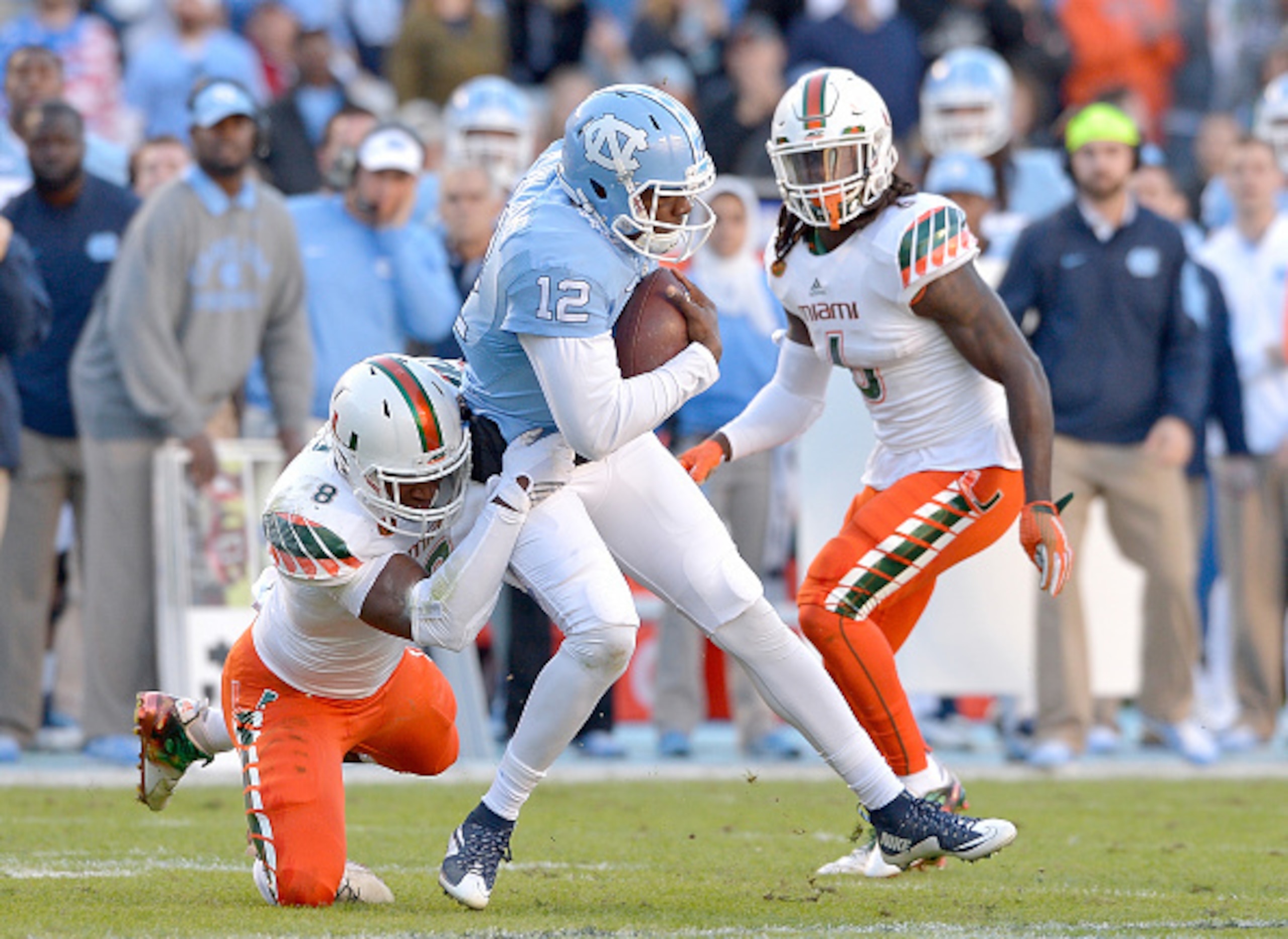
At 28.2 points and 404.8 yards allowed per game, Miami's defense in 2015 wasn't terrible, but it also didn't do much to create excitement. This started up front, where the Hurricanes' down linemen were a collectively unimpressive group.
Outside of defensive end Al-Quadin Muhammad (who was usually a stand-up defender, coming off the edge) the rest of Miami's trench guys combined for 23.5 tackles for loss and 11 sacks.
New Miami coach Mark Richt has turned the defense over to Manny Diaz, whose Mississippi State group had 30 sacks and 98 TFLs in 2015. His attacking style should produce better numbers.
Michigan: Running Back
28 of 66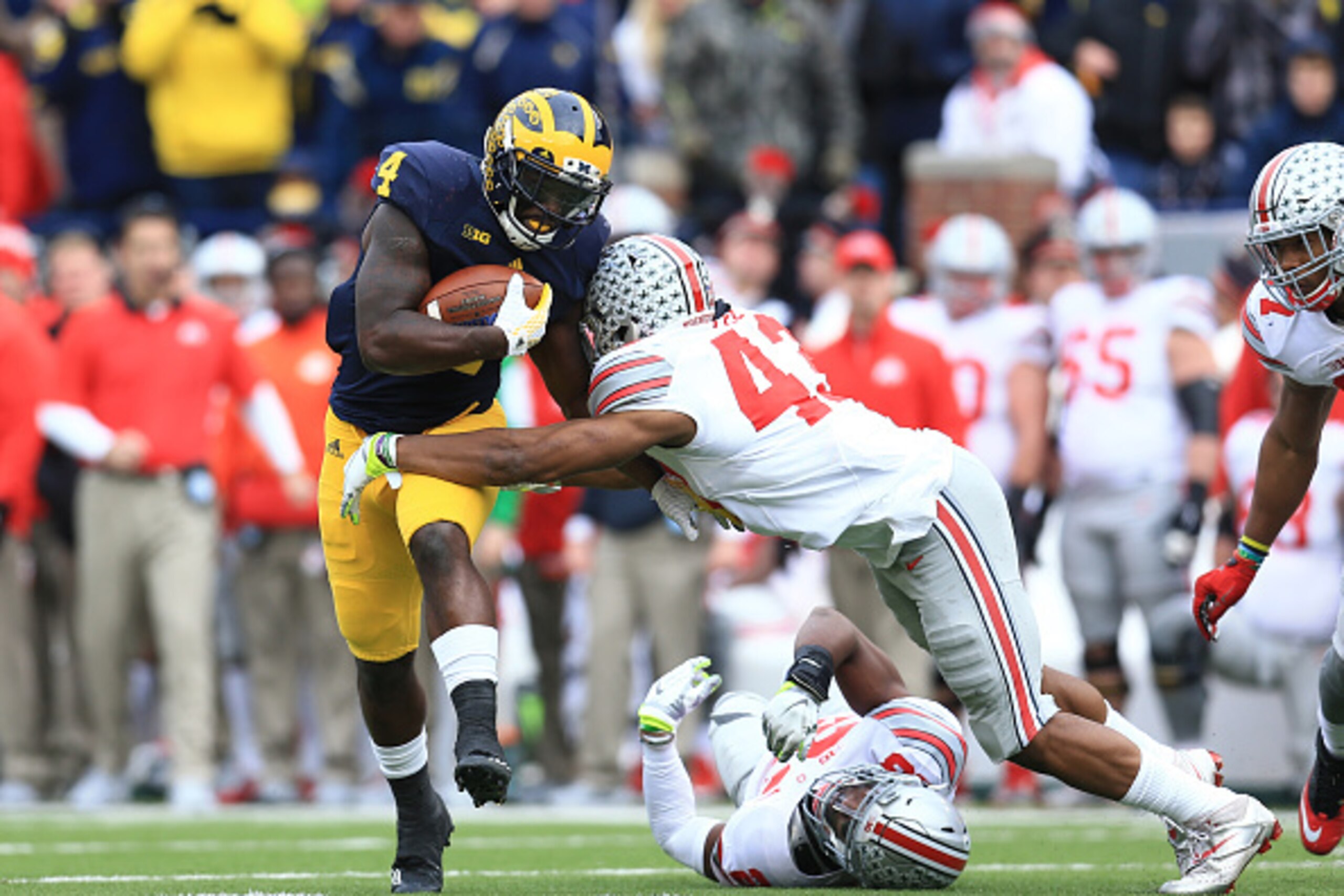
As much as Michigan coach Jim Harbaugh has been lauded for what he accomplished in year one, his team's rushing attack was actually a notch below the 2014 version in terms of yards per game. The Wolverines averaged 158.2 yards last season, compared to 162.8 the season before, though they scored 10 more times on the ground.
De'Veon Smith was the primary back both years, but his per-carry average dipped from 4.81 in 2014 to 4.18, and he had the same number of touchdowns (six) despite 72 more carries.
Smith will again be the go-to back, at least at the outset. Incoming freshman Kareem Walker could change that at some point, and he might be the explosive player Michigan's run game has been lacking.
Michigan State: Special Teams
29 of 66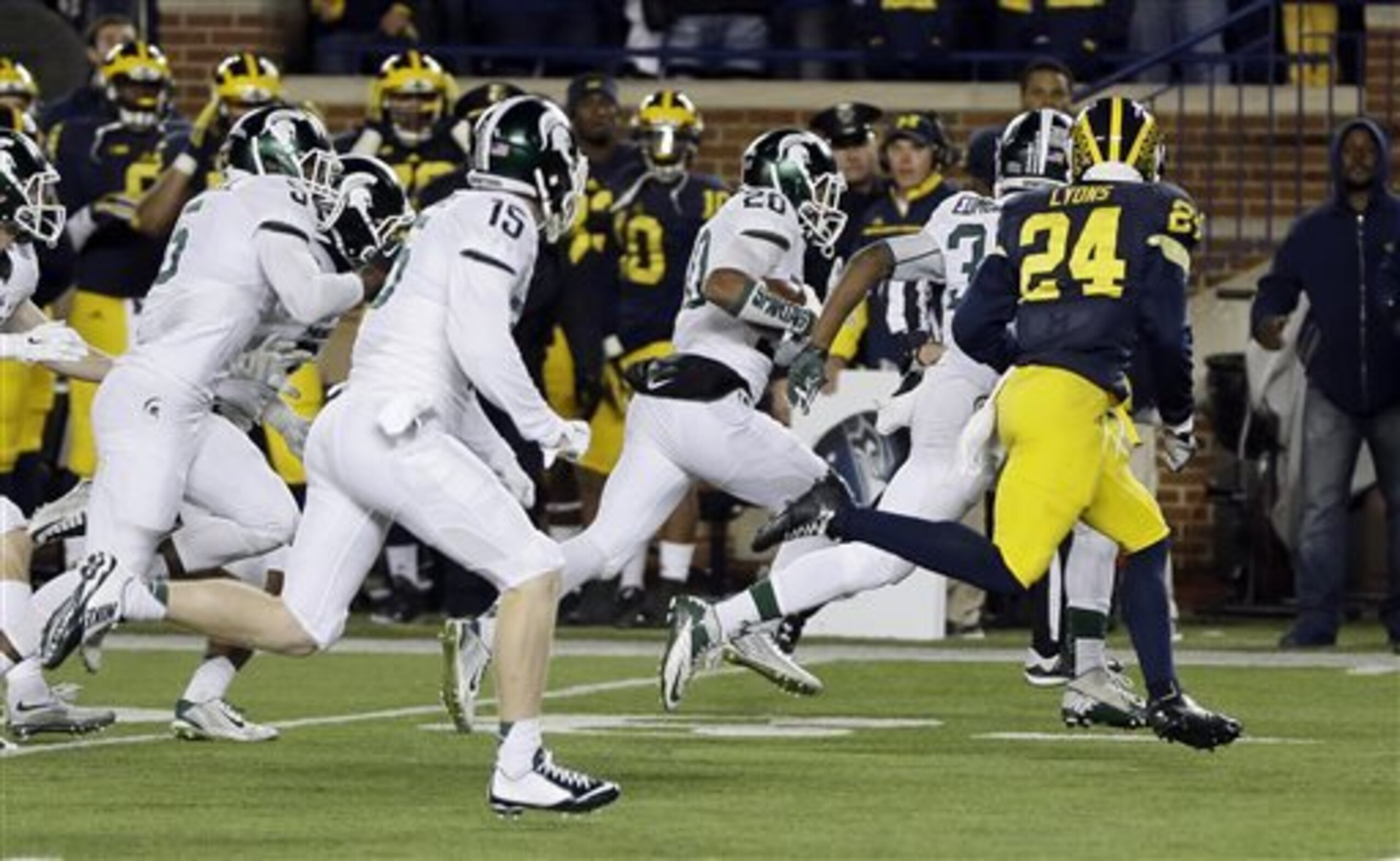
Two of Michigan State's most significant wins last season were clinched thanks to clutch special teams play: Jalen Watts-Jackson's return of a muffed punt to beat Michigan and Michael Geiger's 41-yard field goal to knock off defending national champion Ohio State.
But special teams is more about highlights, though it's also necessary to get consistent production, which overall wasn't the case for the Spartans. Geiger missed seven of his 19 field-goal attempts in 2015, including one earlier in the OSU win, while MSU's punt-return average (3.38) was worst in the Big Ten.
R.J. Shelton averaged less than 22 yards on kickoffs and had three punt returns for six yards. This season, he's in line to be the No. 1 wide receiver, so someone else may need to take over return duties.
Minnesota: Defensive Line
30 of 66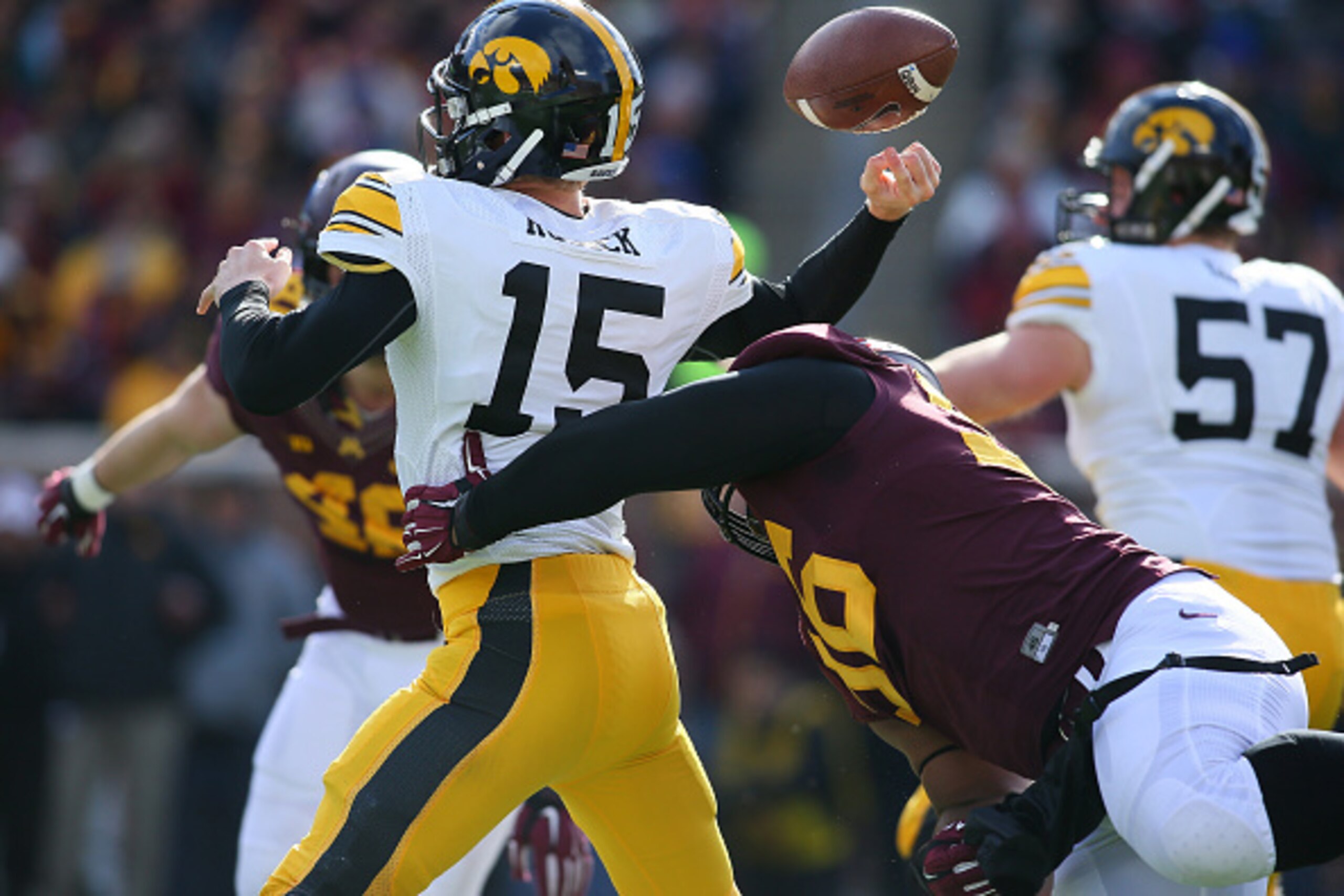
Much credit goes to Minnesota's secondary for being able to hold up throughout the 2015 season despite getting little help from the big boys up front. The Golden Gophers allowed 179.5 passing yards per game and just 13 touchdowns, ranking fourth in the Big Ten in both categories.
Minnesota's 22 sacks were in the bottom tier of the league, though, as none of its down linemen could do much to disrupt the pocket. Linebacker De'Vondre Campbell was the leading sack man, with four, and the Gophers were credited with only two quarterback hurries for the entire year.
Mississippi State: Running Back
31 of 66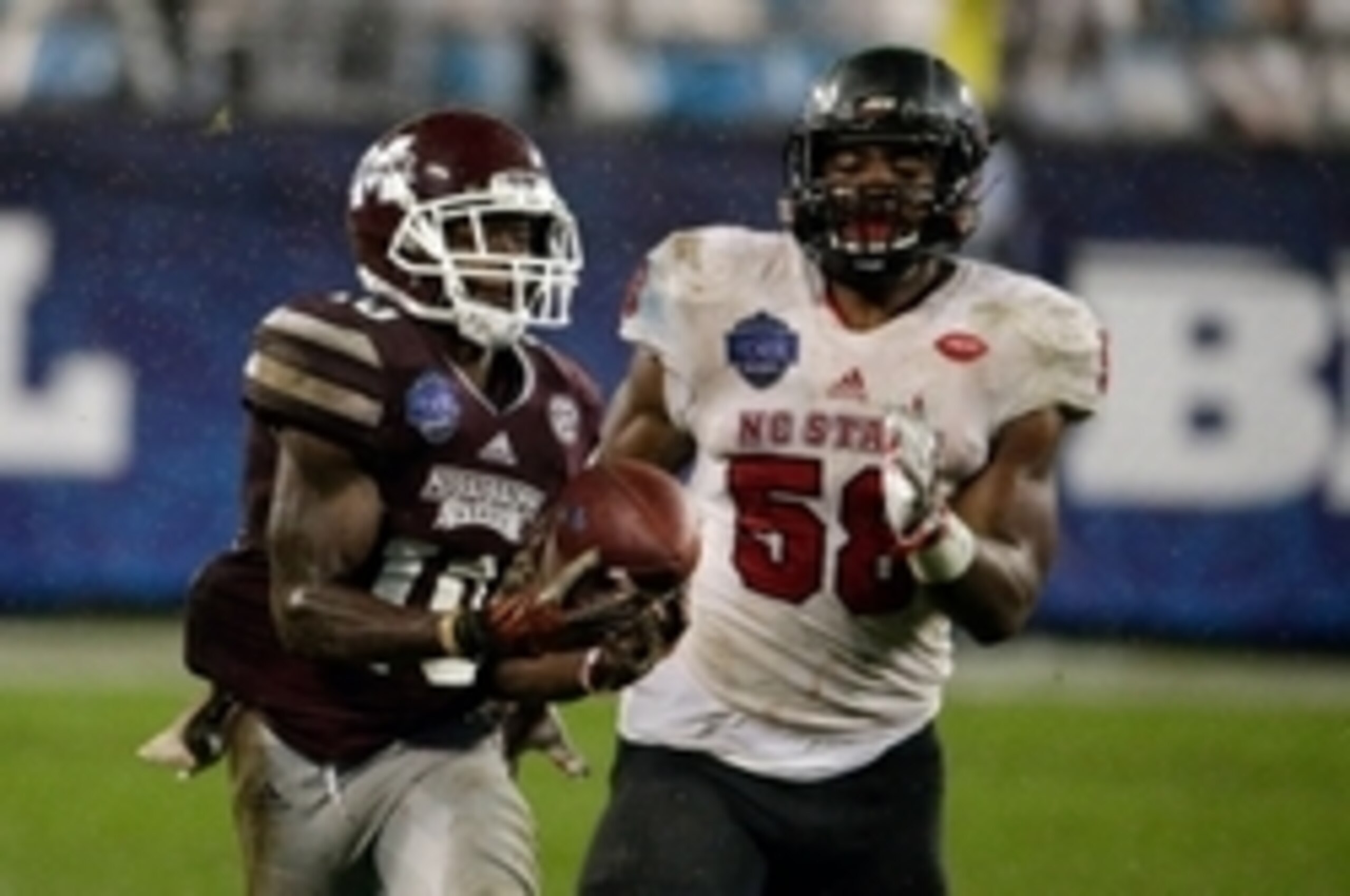
Don't expect Mississippi State to cut back on the quarterback runs now that Dak Prescott has graduated, as likely successor Nick Fitzgerald ran for 127 yards and three touchdowns in his five appearances in 2015. It would be great for the Bulldogs, though, if the passer weren't also the only reliable option on the ground.
MSU got only 1,140 rushing yards and eight touchdowns from non-quarterbacks last season, with primary rushers Brandon Holloway and Ashton Shumpert combining for 641 yards and one score on 151 carries. It was a big drop from the year before when Josh Robinson had 1,203 yards and 11 TDs by himself.
Missouri: Quarterback
32 of 66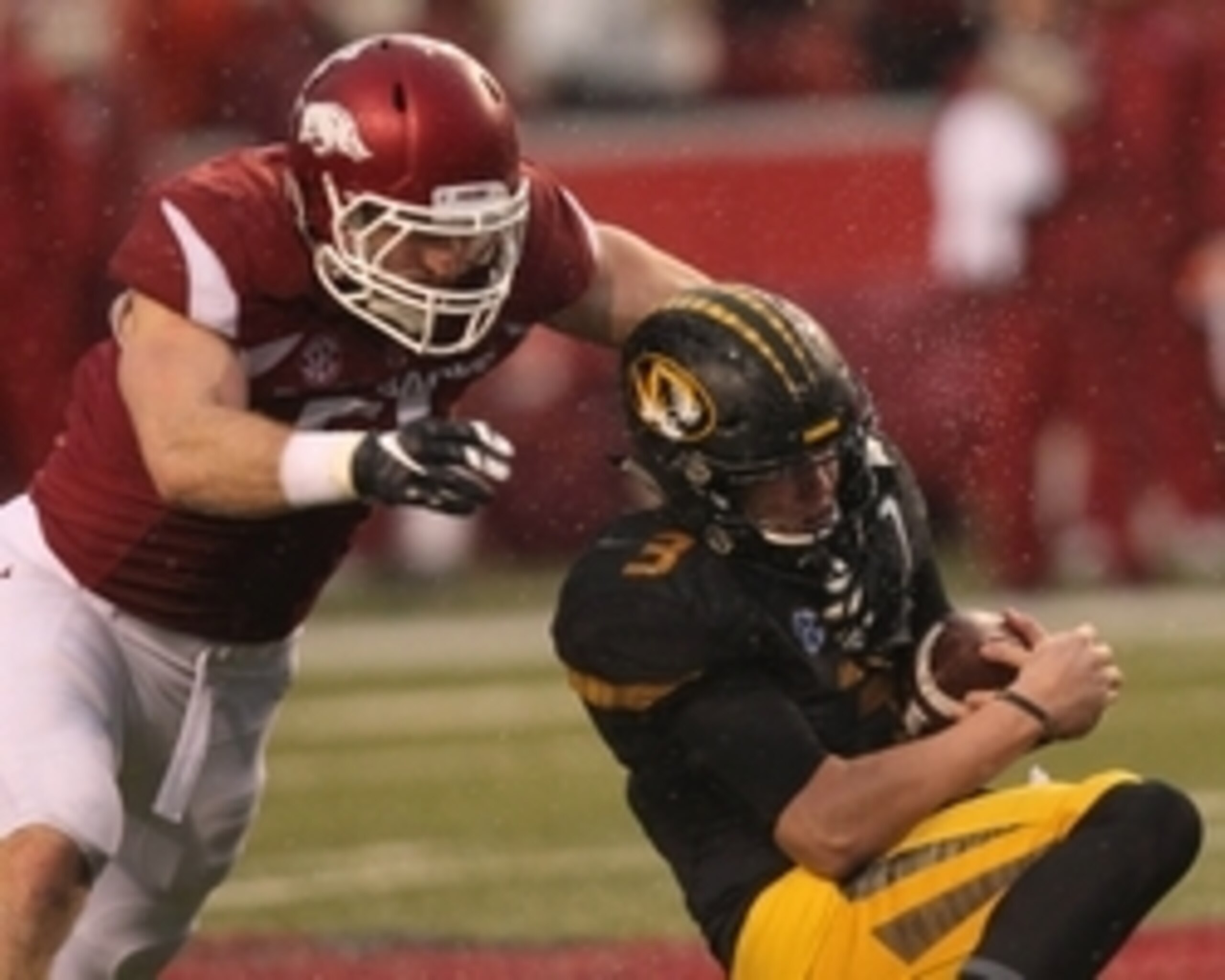
Missouri's offensive struggles last season were widespread, though it was at quarterback that the Tigers had the most trouble. Whether it was Maty Mauk or Drew Lock, the fact was, Mizzou couldn't move the ball through the air and thus very rarely scored.
A 49.9 percent completion rate and just 10 touchdowns against 12 interceptions isn't going to cut it, especially in the SEC, and only one game after September saw Missouri pass for more than 200 yards.
With Mauk no longer a part of the program, Lock has the gig all to himself, but he will have to produce more.
Nebraska: Secondary
33 of 66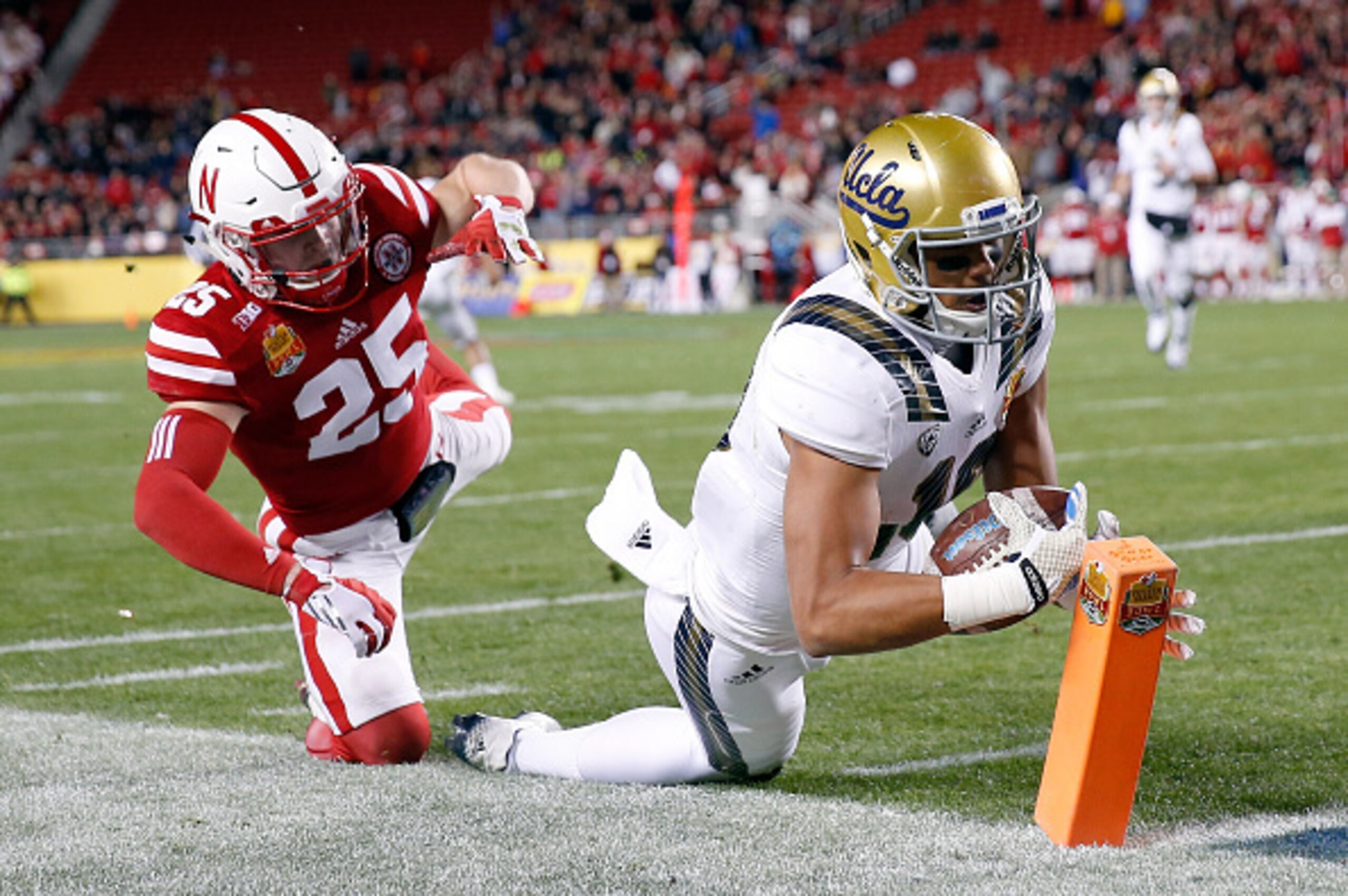
Nebraska somehow managed to have one of the country's worst pass defenses in 2015 despite the presence of one of the Big Ten's top individual defensive backs. Nate Gerry couldn't do it all himself, though, and the same will be the case during his senior season.
Gerry, a safety, had four interceptions and seven pass breakups last year. The rest of the Cornhuskers' back-line players had six picks and 30 passes broken up (PBUs), and it was the rest of that unit that was mostly responsible for allowing 290.5 passing yards and 25 touchdowns through the air.
Eight different quarterbacks topped the 300-yard mark against Nebraska last season, while Purdue managed 274 yards and four TD passes against the 'Huskers in its lone Big Ten victory.
North Carolina: Defensive Line
34 of 66
As North Carolina was running off 11 consecutive wins between its season opener and the ACC title game, its major improvements on defense were getting plenty of notice. New coordinator Gene Chizik had managed to whip that group into shape, allowing 19 or fewer points in seven of the first eight games after the 2015 team gave up 39 points per game.
But the Tar Heels wore down in the second half of the season, particularly in the trenches, as their defensive line became an absolute sieve against the run. For the year UNC yielded 247.4 rushing yards per game, with four of the last six foes going for over 300 yards.
That included the embarrassing effort in the Russell Athletic Bowl, when Baylor ran for 645 yards and seven touchdowns.
North Carolina State: Kicker
35 of 66
With 39 touchdowns in 54 possessions, North Carolina State had one of the better red-zone offenses last season by finding the end zone more than 72 percent of the time. It was when the drive would stall, though, that the problems came up.
The Wolfpack's seven field goals all came from inside an opponent's 20-yard line, but so too did two of Kyle Bambard's seven misses. He was 0-of-5 from 35 yards out and further, which forced NC State to have to go for it on drives when three points should have been an option.
Bambard also missed a pair of extra points, while kickoff specialist Jackson Maples booted four of his 73 kicks out of bounds.
Northwestern: Quarterback
36 of 66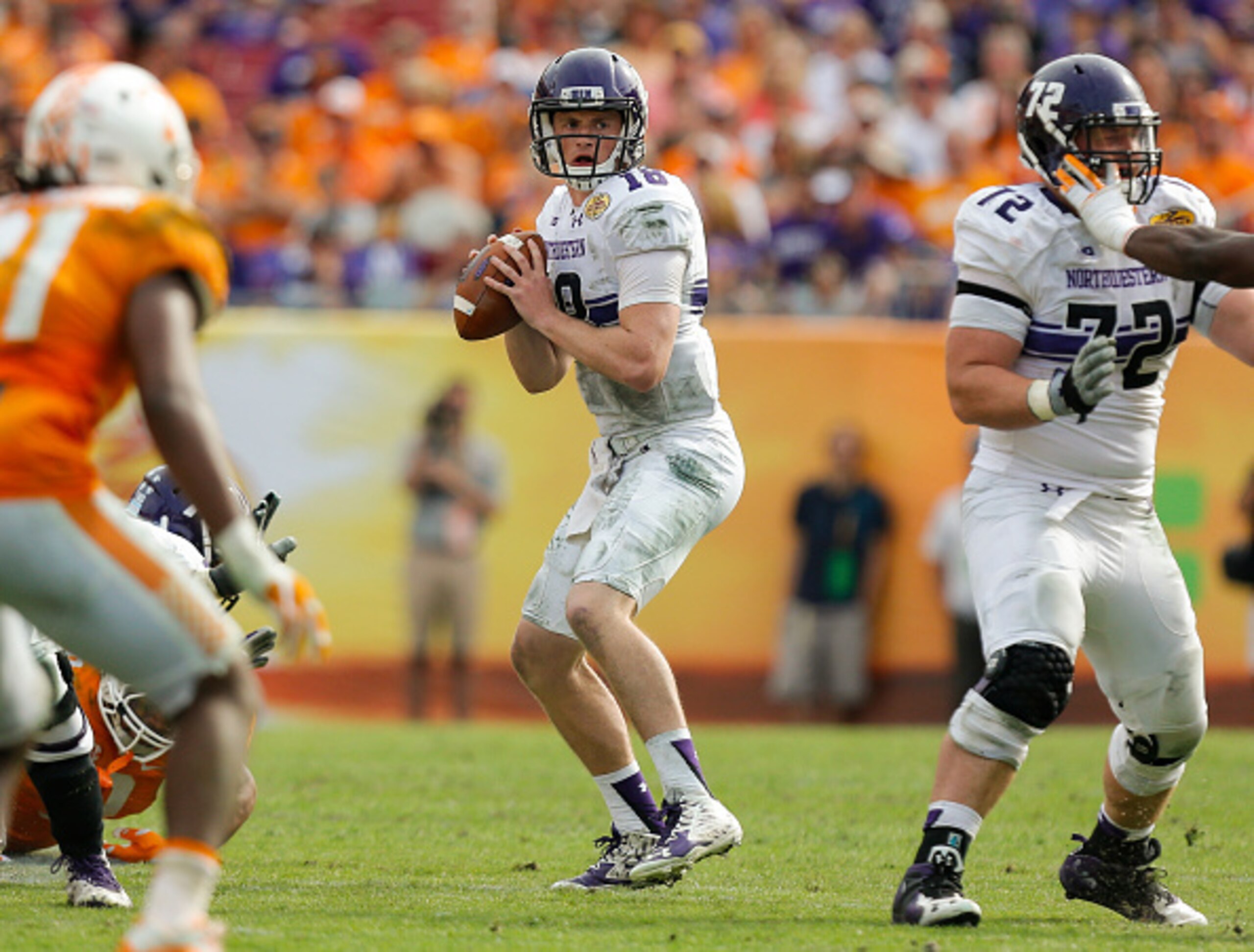
Northwestern hasn't had a 3,000-yard passer since Mike Kafka in 2009—an indication of the kind of offense coach Pat Fitzgerald uses. It's focused on ball control and eating up the clock, with passing plays coming off play action thanks to a strong run game.
The Wildcats had the rushing part down pat in 2015, with workhorse Justin Jackson going for 1,418 yards on 342 carries. Quarterback Clayton Thorson and backup rusher Warren Long added key yards as well, but when Northwestern wanted (or needed) to throw it was a much different story.
Thorson had seven touchdown passes and nine interceptions on 295 attempts, averaging 117.1 yards per game. That was the lowest output of any FBS quarterback who had at least 270 pass attempts in 2015.
Notre Dame: Secondary
37 of 66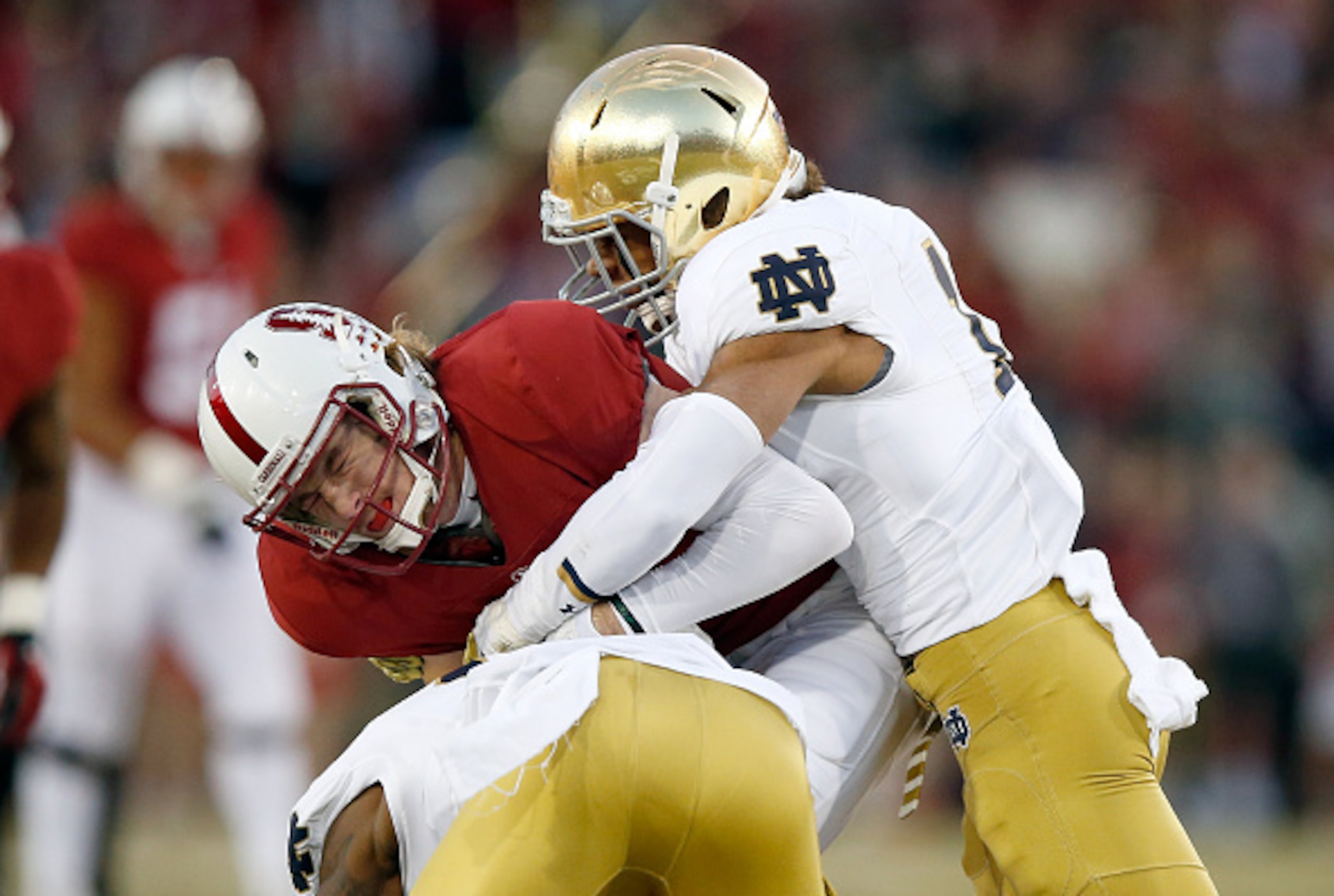
Last season marked the first time since 2011 that Notre Dame failed to record at least 10 interceptions. They picked off nine of 373 pass attempts, breaking up another 37 along the way.
It was one of the areas where Notre Dame was hardest hit by injuries in 2015, though KeiVarae Russell's return should have produced better overall results. The Fighting Irish only allowed 196.8 passing yards per game, but against Stanford and Ohio State, they gave up 480 yards and five touchdowns on 36-of-52 passing.
Most of the injured players will be back for 2016, though, now, Notre Dame is facing another ailment: Devin Butler, who was competing for a starting cornerback spot, could miss the season after breaking his foot, according to head coach Brian Kelly, per Eric Hansen of the South Bend Tribune (via Dane Belbeck of The Score).
Ohio State: Wide Receiver
38 of 66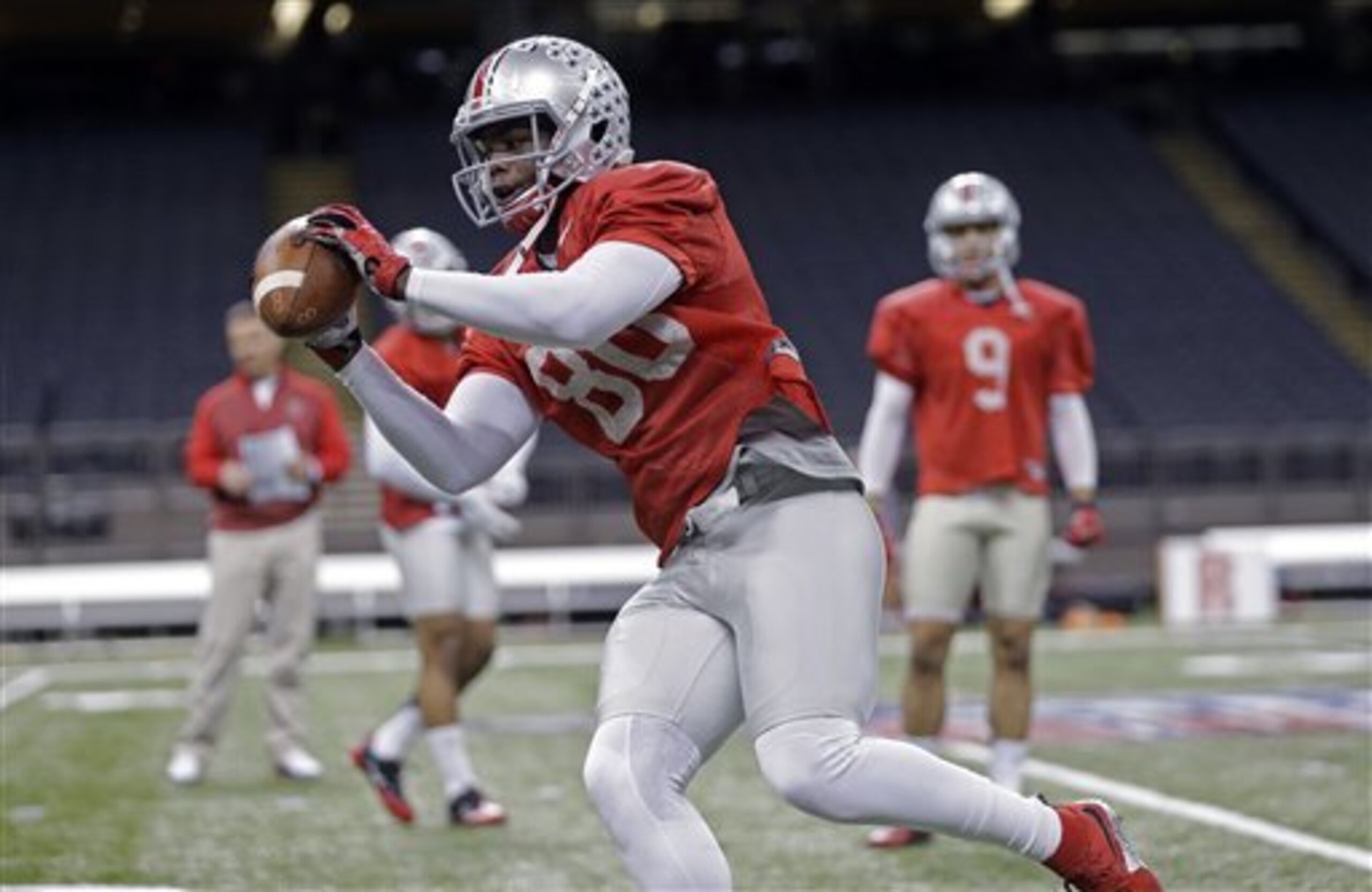
Cardale Jones had a tendency to overthrow open receivers, while J.T. Barrett had to defend his arm strength at one point last season. As much as the quarterbacks were to blame for Ohio State's substandard passing offense in 2015, so too were the pass-catchers.
The Buckeyes failed to find a big-play threat, similar to Devin Smith from 2014, and thus they had no target with multiple catches average better than 13.95 yards per reception. There was also no go-to wideout, as Michael Thomas' 56 receptions were just two more than he'd had the season before.
Now OSU heads into 2016 with an incredibly inexperienced receiving corps, putting additional pressure on Barrett to create strong relationships in addition to his other offensive responsibilities.
Oklahoma: Offensive Line
39 of 66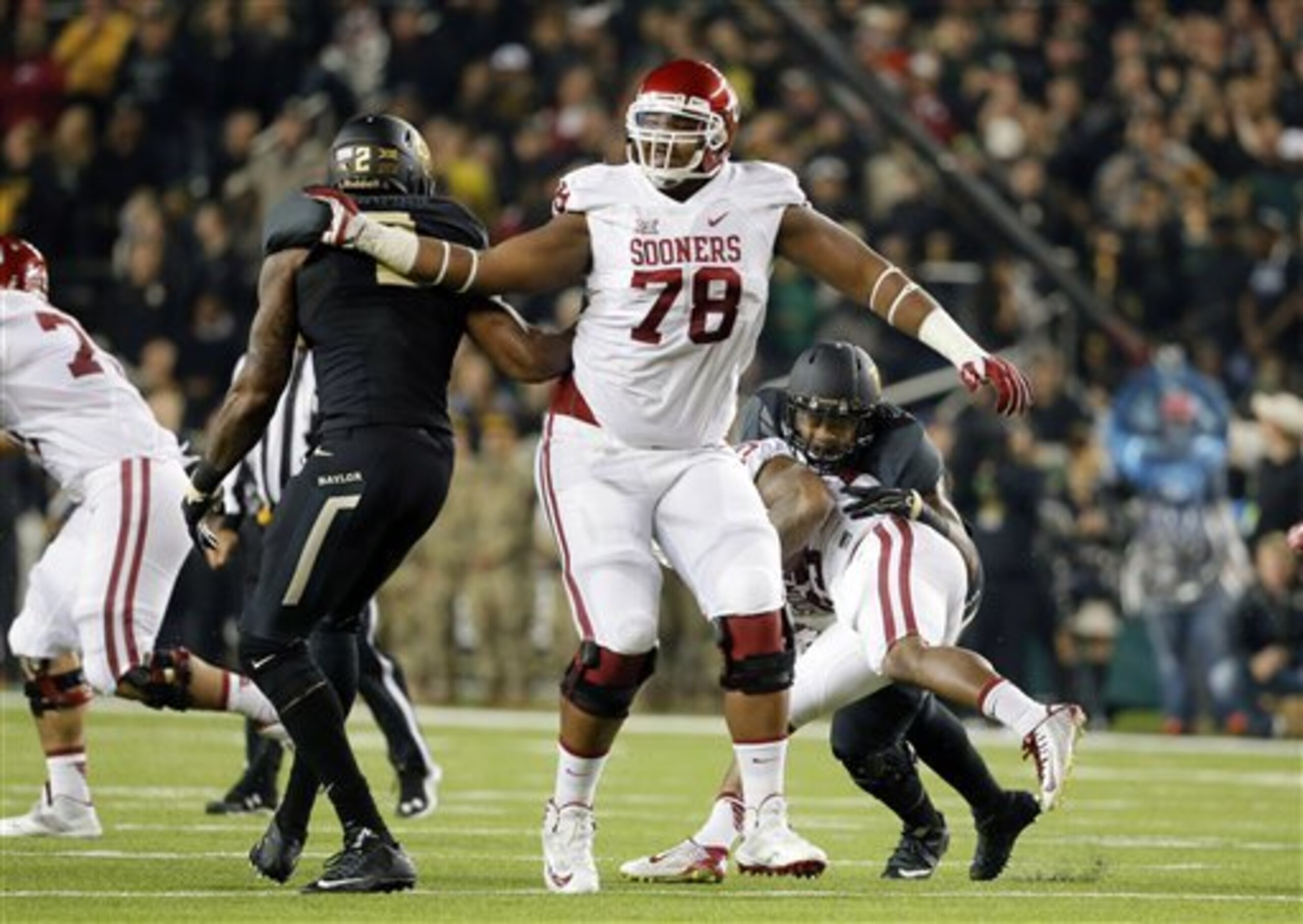
By most accounts, Oklahoma's Air Raid offense was a rousing success last year. The Sooners averaged 43.5 points and 530.2 yards per game, pacing a run through the Big 12 and into the playoffs.
Imagine what it would have been like had their offensive line been able to protect better against the pass rush.
In all fairness, several of the 39 sacks Baker Mayfield sustained were a product of him trying to extend plays instead of dumping off the ball or throwing it away. But most of the time Mayfield was getting chased quite early in the play, partly the result of having freshmen (Orlando Brown and Dru Samia) at both tackle spots.
That pair is back, as are several others, and while losing center Ty Darlington is significant it isn't as important to the pass attack as having protection off the edge.
Oklahoma State: Running Back
40 of 66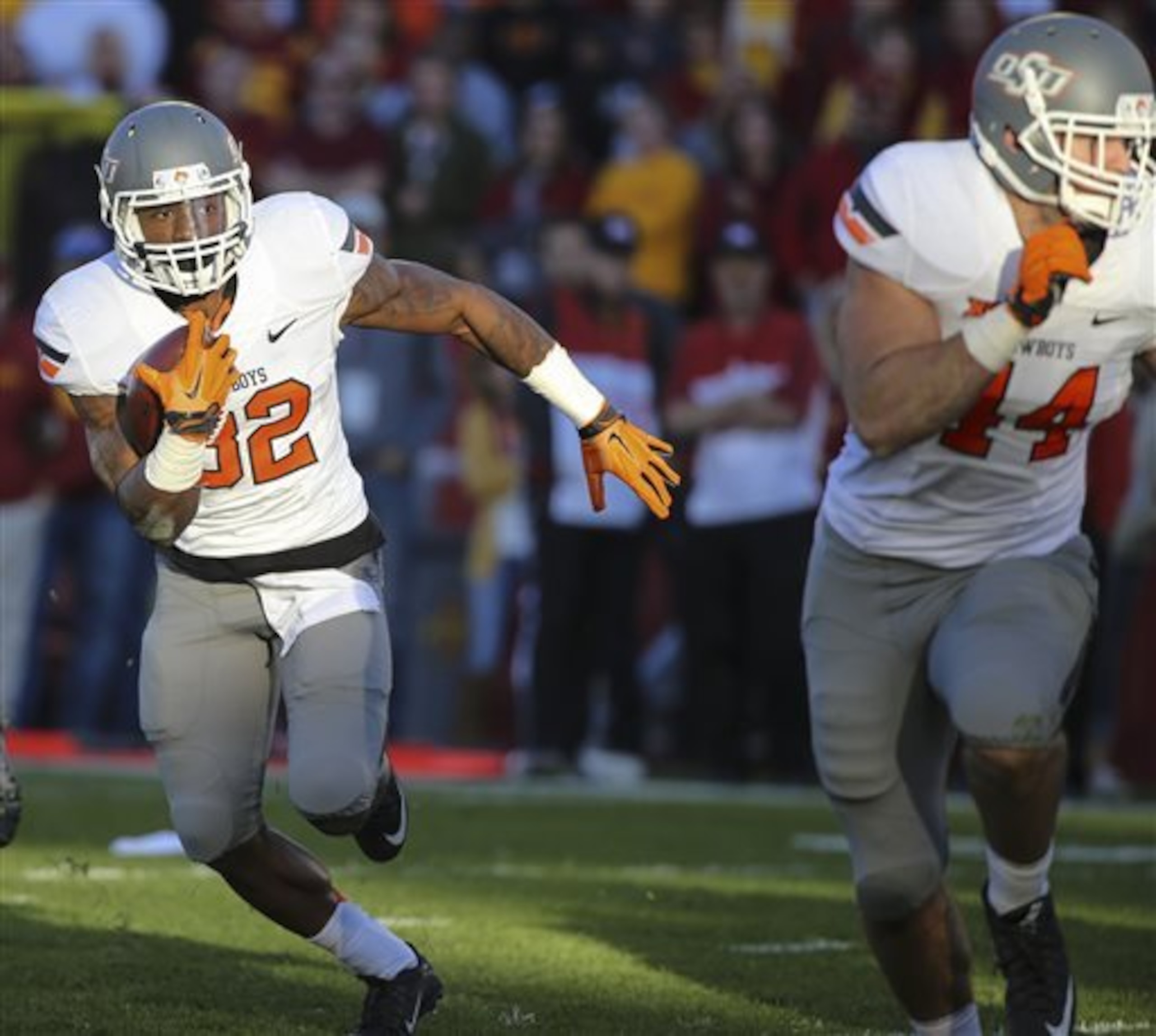
The run game has been on a steady decline at Oklahoma State for several seasons, ranking 21st in 2012 but dipping to 114th last year. And the production would have been far worse if senior quarterback J.W. Walsh had not generated 359 yards and 13 of the Cowboys' 25 rushing touchdowns on just 77 carries.
Chris Carson was the team's leading rusher, but with just 517 yards and four TDs and a paltry 3.95 per-carry average. He had only one TD over his final eight games.
Improving the run game has been a key focus this offseason, according to head coach Mike Gundy, per Bill Haisten of Tulsa World, though the adjustments can't be fully implemented until Stanford graduate-transfer Barry Sanders Jr. (yes, the son of the former OK State great) arrives in the summer.
Ole Miss: Running Back
41 of 66
Quick, name the last Ole Miss running back to top 1,000 yards in a season. Yeah, it's been a while.
Dexter McCluster's 1,169 yards in 2009 is something the Rebels would love to get out of a player this fall, though they'd settle for just having consistent production from the backfield. Jaylen Walton ran for 730 yards and five touchdowns last year, but it was really quarterback Chad Kelly who was the team's most effective ball carrier.
Kelly scored 10 rushing TDs, with nine of his 23 red-zone carries resulting in scores, compared to 4-of-23 for Walton. With Walton graduating, the job falls to Akeem Judd, Jordan Wilkins and Eric Swinney to produce alongside Kelly.
Oregon: Secondary
42 of 66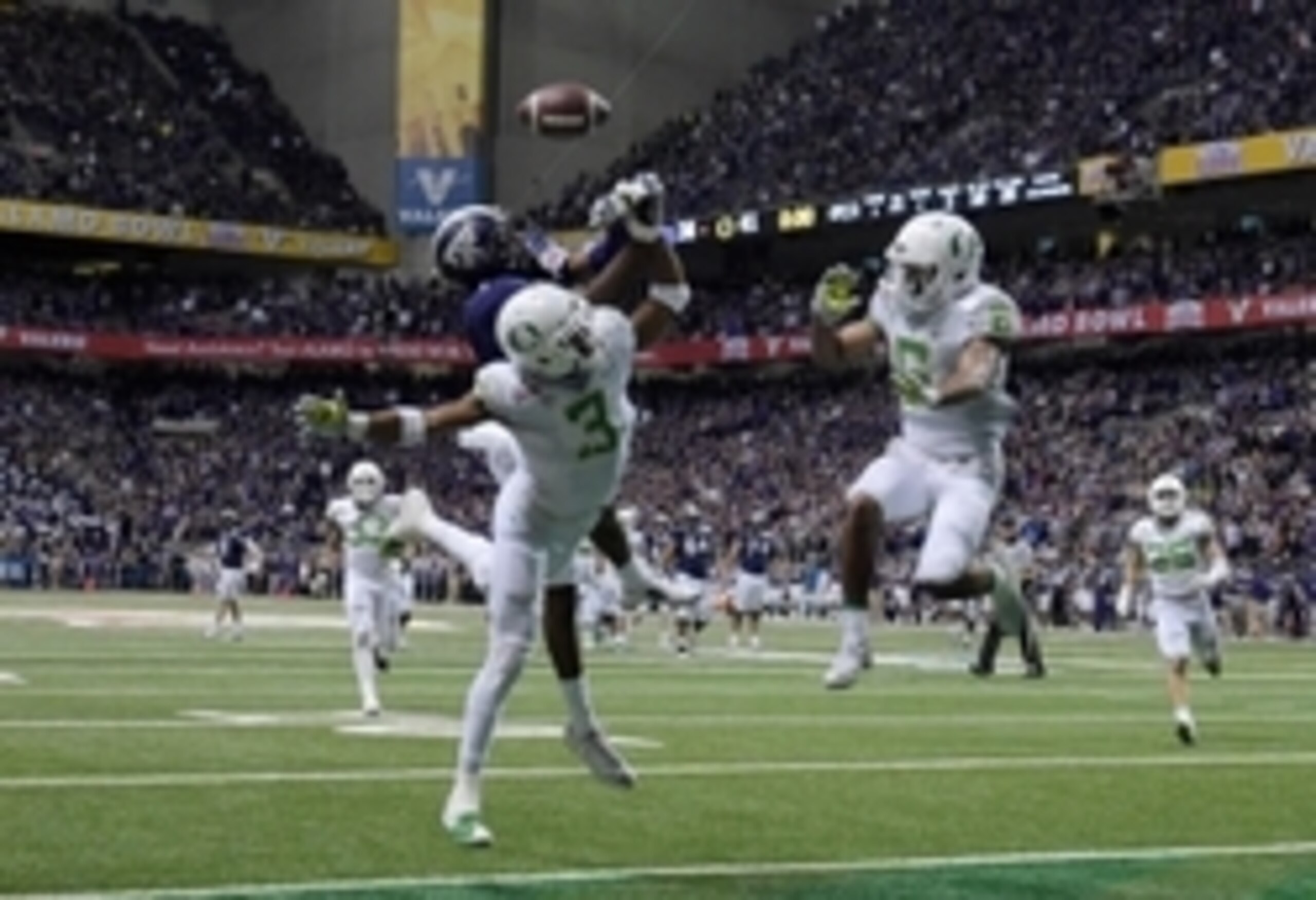
In a vacuum, Oregon's second-half collapse against TCU in the Alamo Bowl could easily be shrugged off as a fluke. It was a mostly meaningless game where it wouldn't be surprising to see players slack off, even more so after leading 31-0 at halftime, but when held up against the rest of the Ducks' 2015 season, this isn't the case.
Oregon's pass defense was atrocious all season long, not just when it gave up 371 yards to TCU in the triple-overtime loss. This was one of seven opponents to top 300 yards, as Oregon allowed 306.5 yards per game through the air with 35 touchdowns and a 62.7 percent completion rate.
The Ducks were quite young on the back line in 2015 so some improvement is expected with more experienced players this time around. There's also the addition of former Michigan coach Brady Hoke as defensive coordinator, though so far his emphasis has been more on switching Oregon to a 4-3 alignment up front.
Oregon State: Quarterback
43 of 66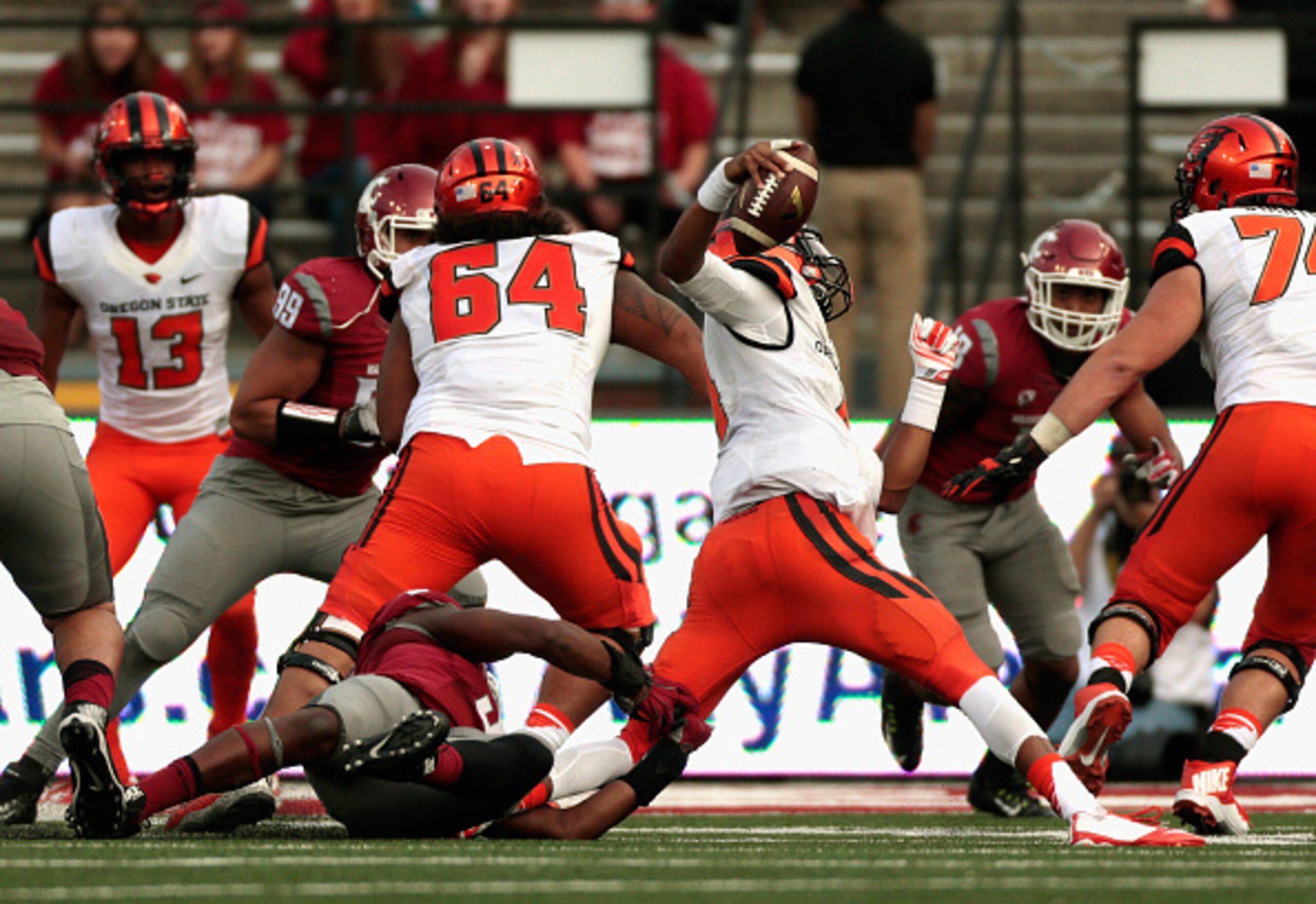
When able to run the ball, Seth Collins was electric. The true freshman hurdled defenders and produced a team-best 575 rushing yards and eight touchdowns on 108 carries.
But when it came time to throw the ball, Collins struggled, completing only 51.9 percent of his throws with six TDs and four interceptions. It wasn't much better for Nick Mitchell (45.1 percent, three TDs, four INTs) or Marcus McMaryion (40.3 percent, one TD, three INTs), as the Beavers' 159.1 passing yards per game was 116th in the country and last in the Pac-12.
OSU is basically starting over at the position for 2016, with Collins getting converted to a receiver and former Utah State starter Darell Garretson eligible after sitting out last season.
Penn State: Offensive Line
44 of 66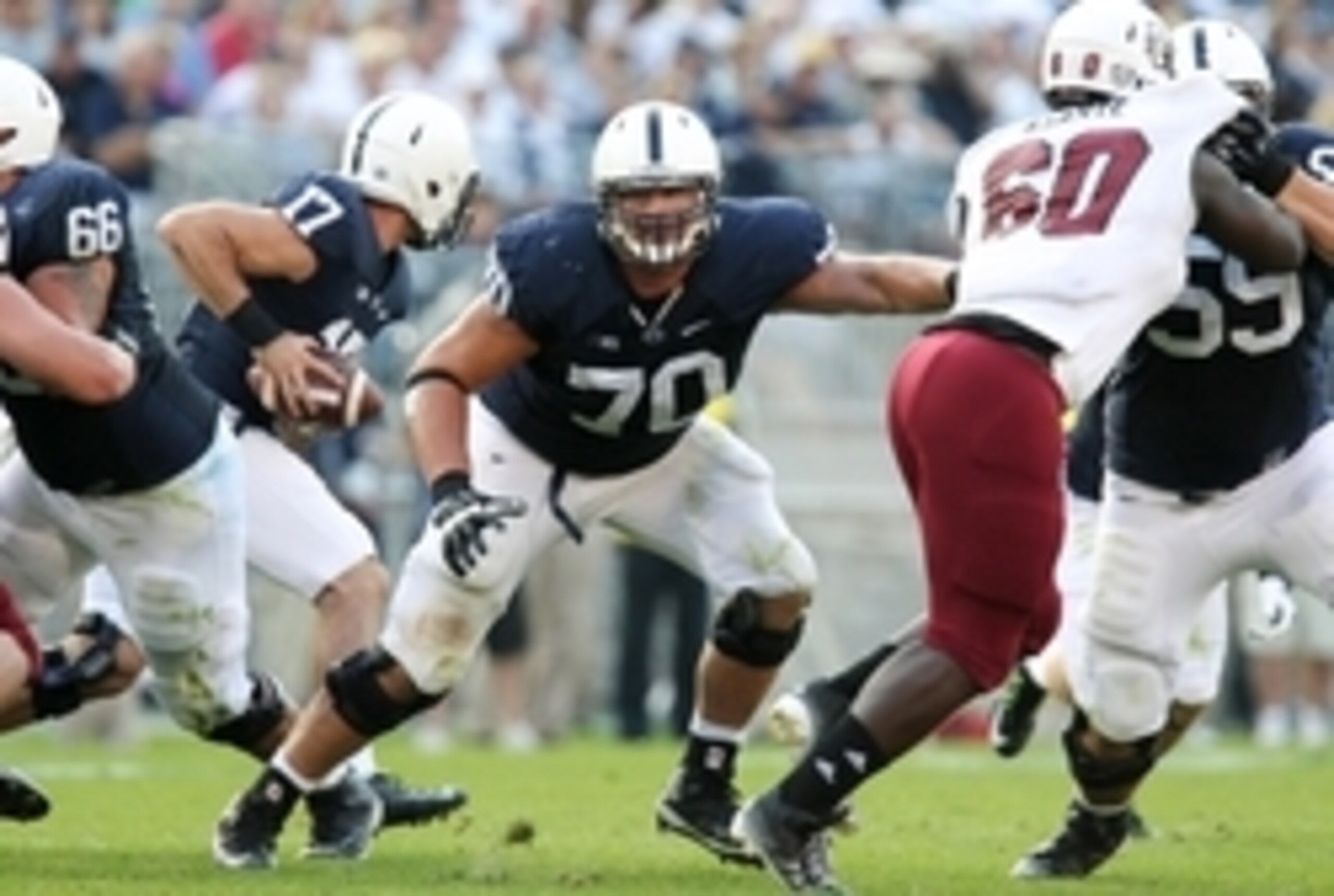
The Penn State Nittany Lions yielded 39 sacks last season, which was actually an improvement from 2014 when Christian Hackenberg was taken down 44 times. The porous nature of Penn State's offensive line turned Hackenberg into a shell of the player he was as a freshman and also led to some unimpressive team-rushing numbers.
Even with Saquon Barkley going for 1,076 yards and seven touchdowns as a true freshman, PSU managed just 134.15 rushing yards per game because of 94 negative plays.
It's hard to imagine PSU could be any worse up front this season, but a lot will depend on how the blockers adapt to new offensive coordinator Joe Moorhead's faster-paced system.
Pittsburgh: Wide Receiver
45 of 66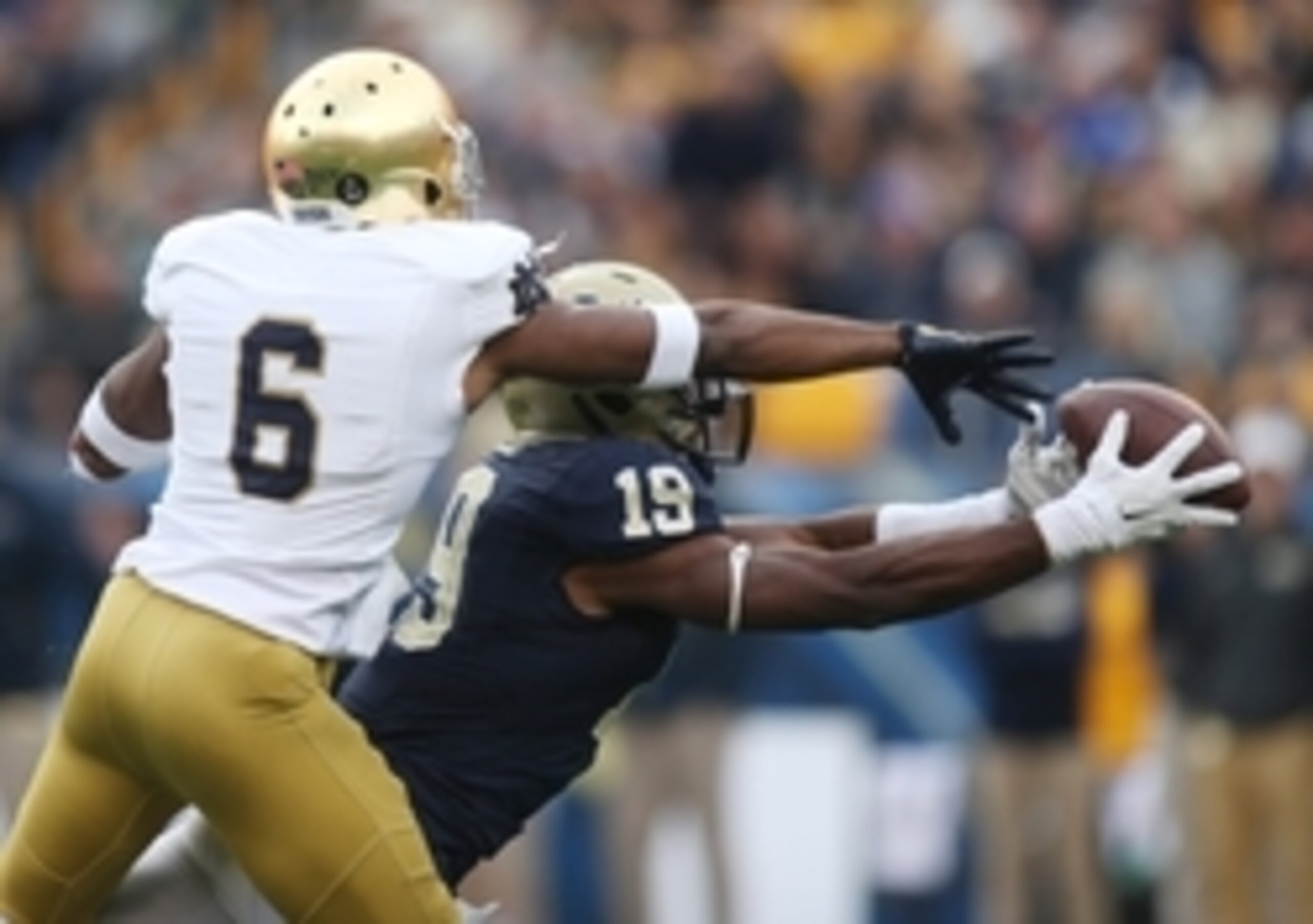
Our position choice for Pittsburgh might seem surprising since the Panthers had one of the country's best wideouts in 2015 in Tyler Boyd. He was second in the ACC with 91 catches, two fewer than Clemson's Artavis Scott, but in three fewer games, and he scored six touchdowns.
But beyond Boyd, what else did Pitt have at receiver? The rest of the team combined for 125 receptions, with 76 of those coming from tight ends, running backs or defensive players moonlighting on offense, and Dontez Ford was the de facto No. 2 target with 26 catches and two TDs.
The Panthers need more than just one target for Nathan Peterman to throw to, since no one on the roster is likely to be as reliable as Boyd.
Purdue: Kicker
46 of 66
Only three of Purdue's 10 losses last year were by 10 or fewer points, so it's not as if having a better kicker would have made much difference. However, the Boilermakers need someone who can do better than Paul Griggs' 5-of-11 performance if they want to be a winning team.
Griggs' kickoffs resulted in a touchback just 32.7 percent of the time, with opponents averaging 23.8 yards per return (108th in FBS).
Rutgers: Defensive Line
47 of 66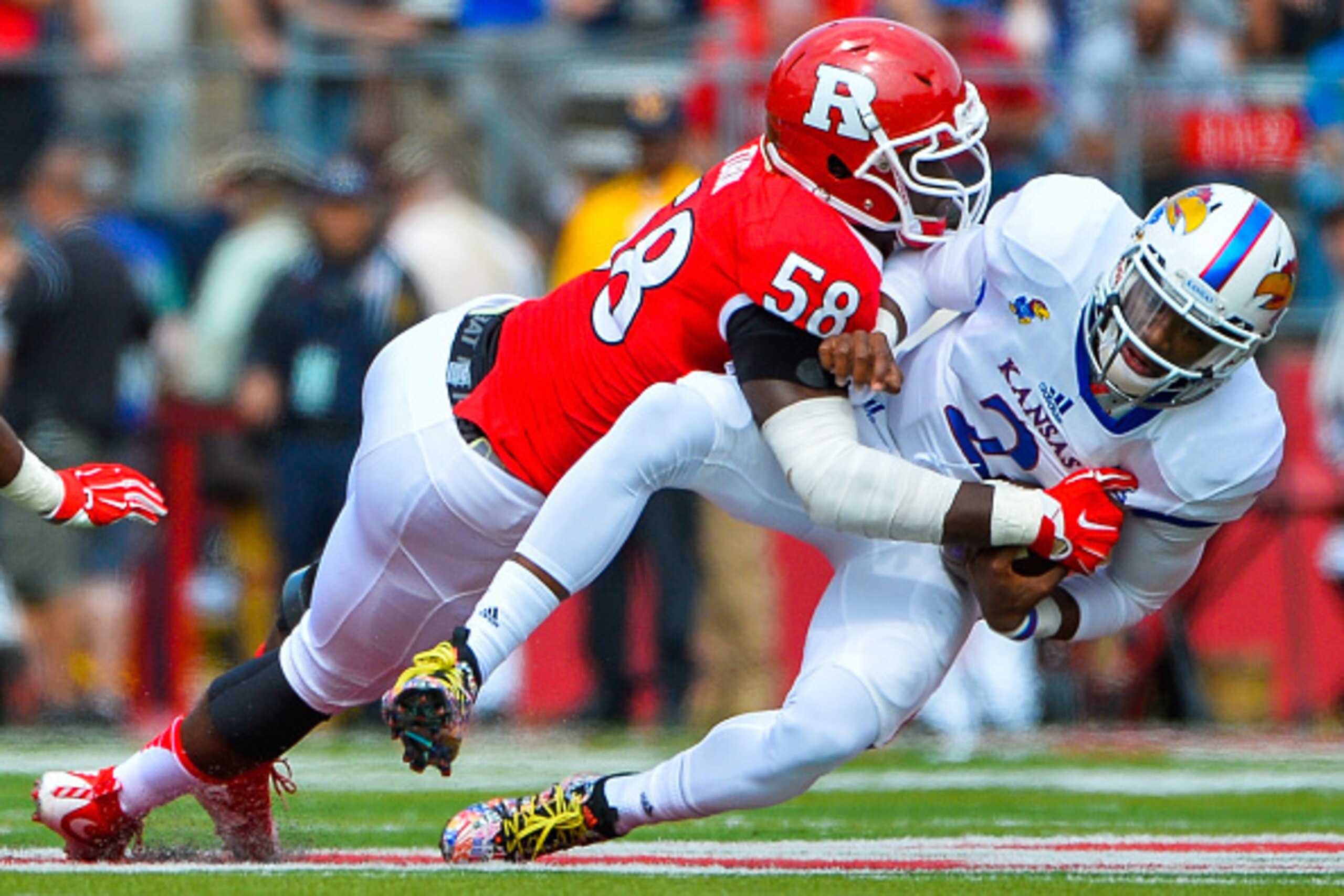
After seeing Kemoko Turay record 7.5 sacks as a freshman in 2014 in only a part-time role, Rutgers had high hopes for him and the rest of the defensive line last season. Instead, the Scarlet Knights' 14 sacks tied them for 120th nationally as they allowed nearly 35 points per game.
Turay had just two sacks in 2015, 0.5 behind team leader Quanzell Lambert, though that duo combined for 17 quarterback hurries. Just pressuring the quarterback wasn't enough as Rutgers averaged 275.9 passing yards per game and a 64 percent completion rate.
South Carolina: Quarterback
48 of 66
New coach Will Muschamp is walking into a very familiar situation at South Carolina—one that will remind him of his final season at Florida, at least in terms of the quarterback position. That 2014 Gators team couldn't get consistency from either of its passers, though it only tried two out, compared to the three the Gamecocks cycled through last year.
The trio of Perry Orth, Lorenzo Nunez and Connor Mitch were a collective 188-of-342 (55 percent) for 205.8 yards per game with 16 touchdowns and 12 interceptions. Orth played the bulk of the snaps but outside of his 367 yards against FCS school The Citadel—whom South Carolina lost to at home—he averaged 130.2 yards per game and completed 52.8 percent of his throws.
Nunez missed much of spring ball due to injury, and Mitch transferred, opening the door for early enrollee Brandon McIlwain to get a shot at the starting job. With not much success from last year's group to speak of, he might be worth the risk.
Stanford: Secondary
49 of 66
The overall numbers (228.4 yards per game, 19 touchdowns) weren't too bad, but Stanford's secondary last season still wasn't up to the level it had been in the past. Three quarterbacks threw for more than 300 yards against the Cardinal in 2015—a year after no team managed to gain more than 292 yards through the air in 2014.
It was a young group that Stanford had to work with, and it will remain that way in 2016, as starting safety Kodi Whitfield and key reserve Ronnie Harris have moved on. This will mean the Cardinal's many well-regarded defensive back recruits will have to live up to their hype.
Stanford's last three recruiting classes have featured four 4-star defensive backs, two from this most recent class.
Syracuse: Secondary
50 of 66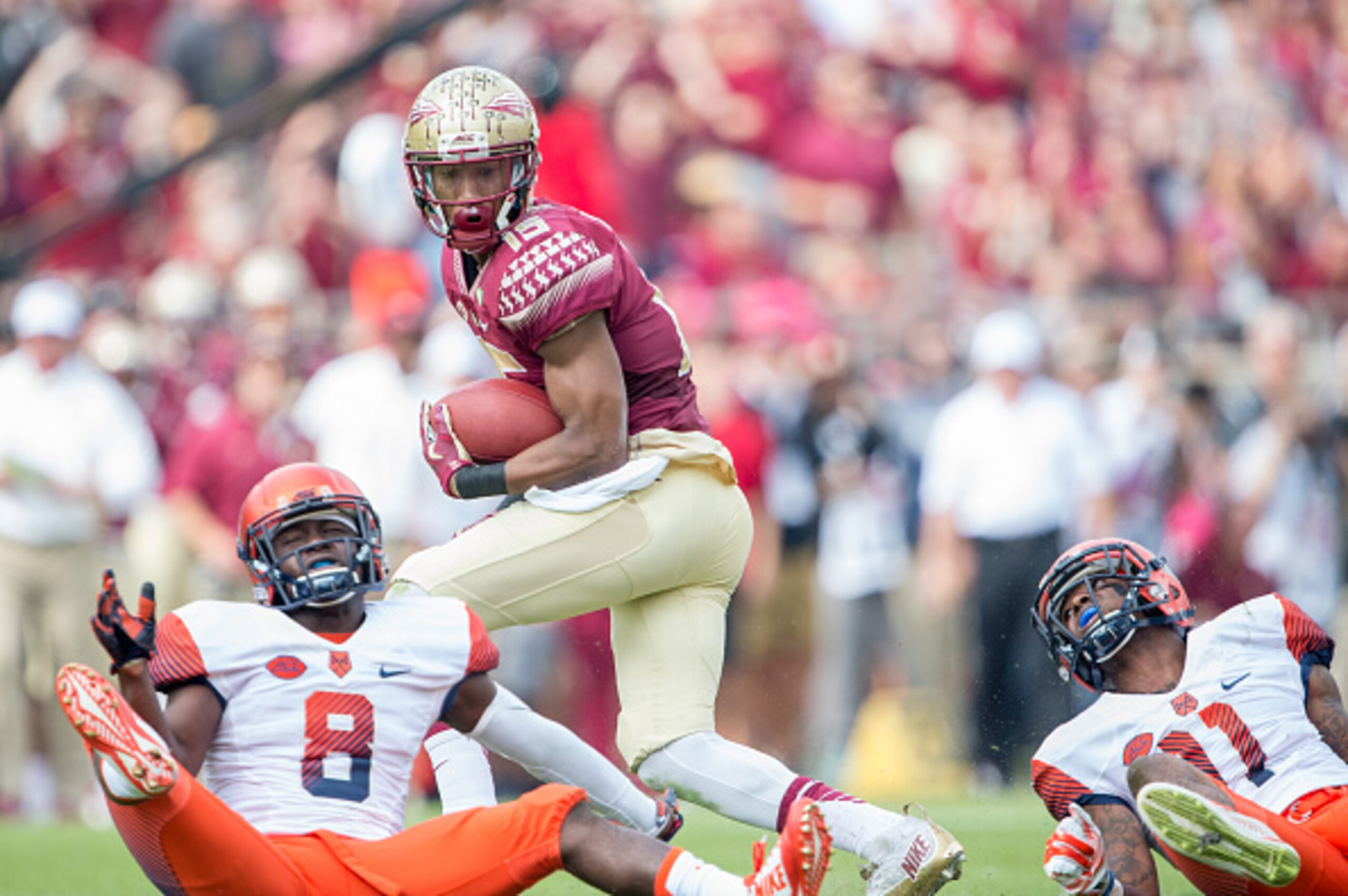
Former Syracuse coach Scott Shafer built his career on the defensive side, which landed him that job in 2013 and also led to his firing after last season. The Orange were 99th in total defense in 2015, with the 31 points allowed their most since 2008.
It was the passing defense that stood out most for its ineptitude. Opponents completed 64.7 percent of their passes for 256.7 yards per game, with five teams topping 300 yards. Had Boston College and its woeful pass attack not gone 1-of-13 for nine yards in the season finale, the numbers would have been much worse.
TCU: Punter
51 of 66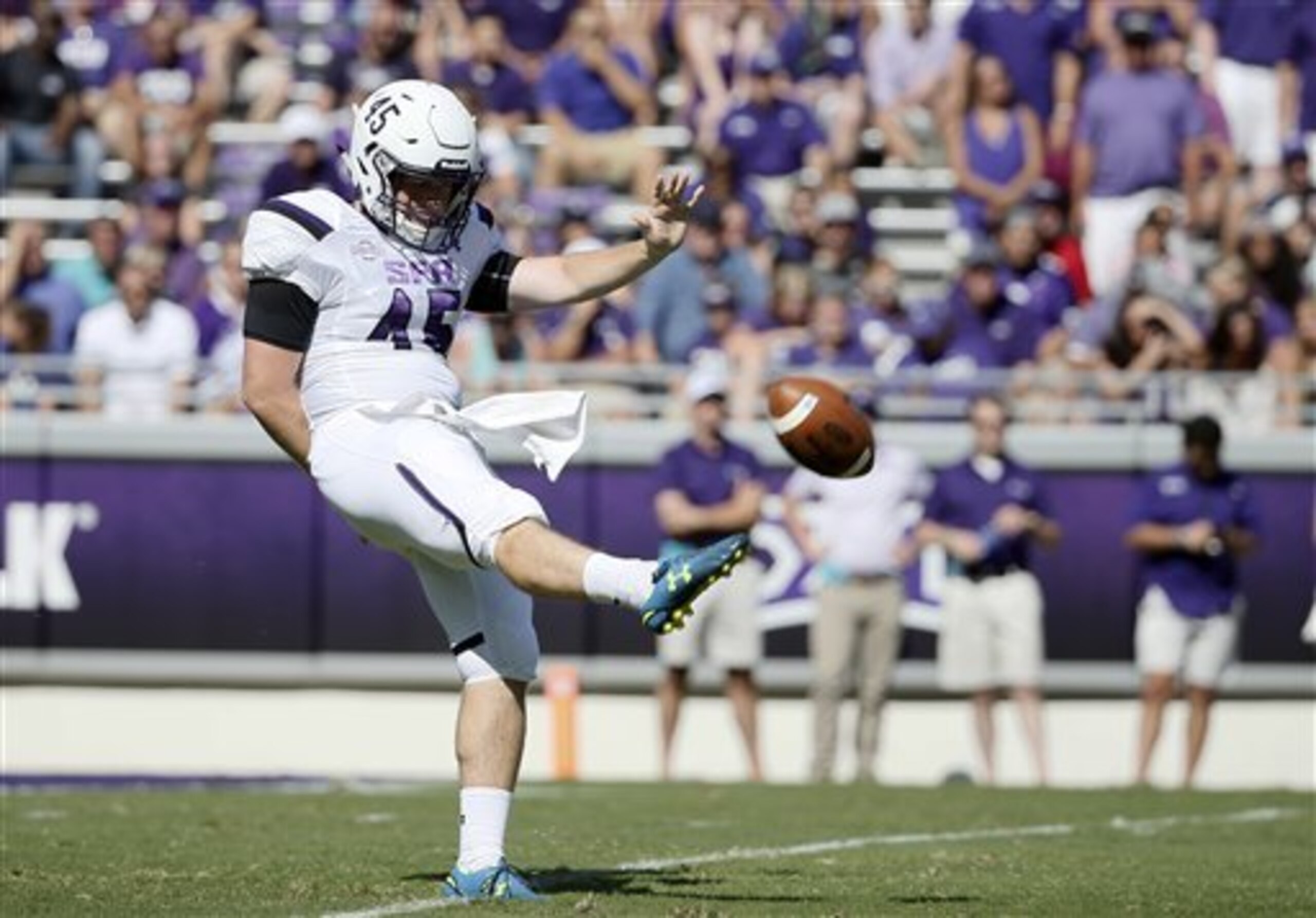
Nobody notices the punter until he does something really bad. Ethan Perry didn't stand out in that regard, though he also didn't do anything in 2015 to garner positive attention.
Perry's 38.95-yard average ranked 99th nationally among qualified punters, slightly lower than during his senior year and far down from his strong 44.51 rate in 2012. Sure, the Horned Frogs only allowed 2.54 yards per return, but their opponents still benefitted from the strong field position that came from the shorter punts.
Tennessee: Wide Receiver
52 of 66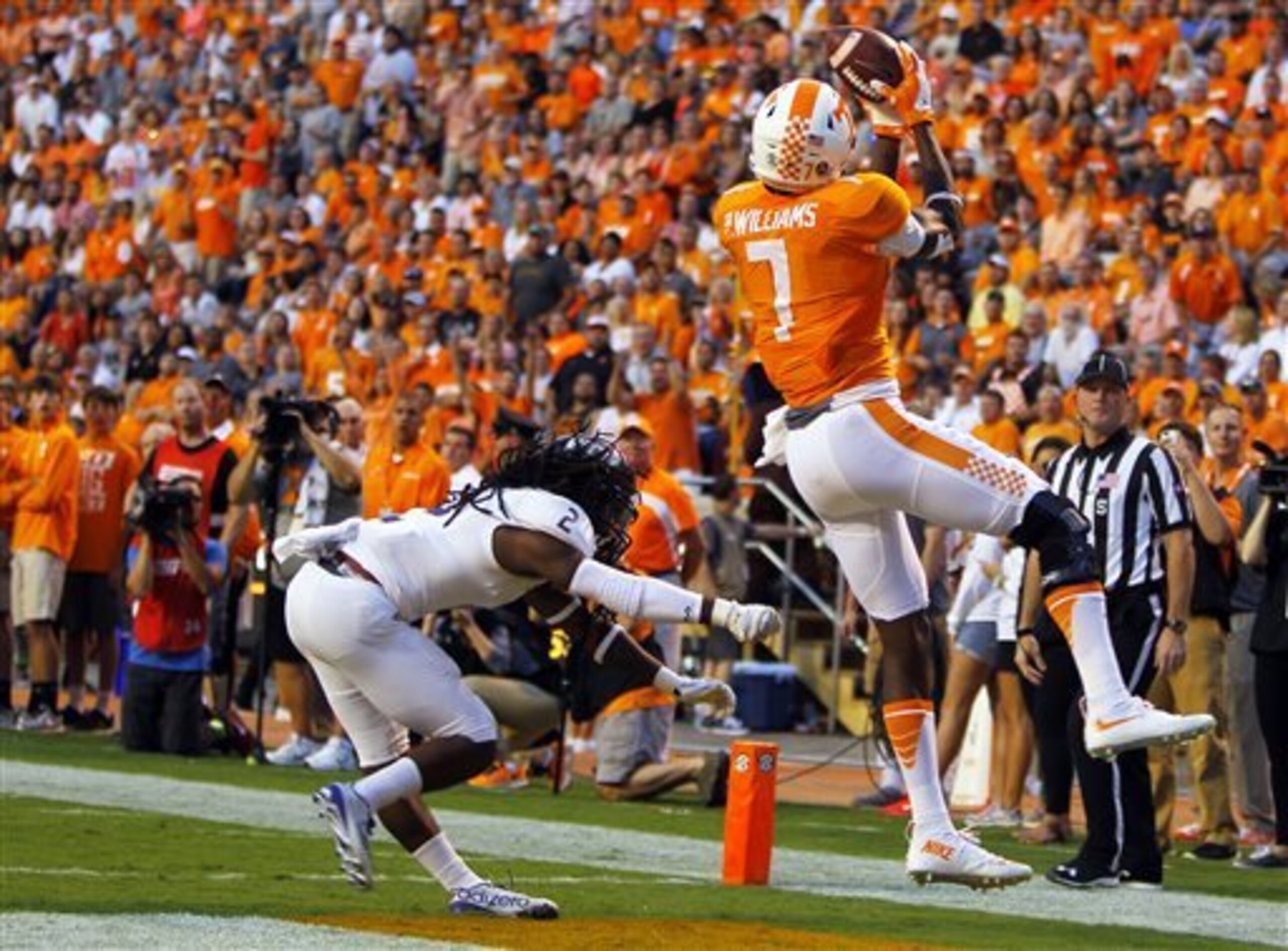
Spreading the ball around is great, but the best teams tend to have that one receiver whom the quarterback can always turn to for either a big gain or a clutch completion. Tennessee didn't have that in 2015, instead just a handful of good pass-catchers who could be better.
Von Pearson caught 38 passes for the second year in a row—this time serving as the Vols' team leader in that category, while Josh Malone had 31 catches and Josh Smith went for 24. The second-leading receiver, catch-wise, was running back Alvin Kamara, and his three touchdown catches tied Pearson for most on the roster.
Joshua Dobbs averaged 6.7 yards per attempt and 11.2 per completion last season, with Tennessee recording only 16 pass plays of 30-plus yards. According to the Knoxville News-Sentinel's John Adams, the Vols didn't have more than one 30-yard pass play in seven games in 2015.
Texas: Quarterback
53 of 66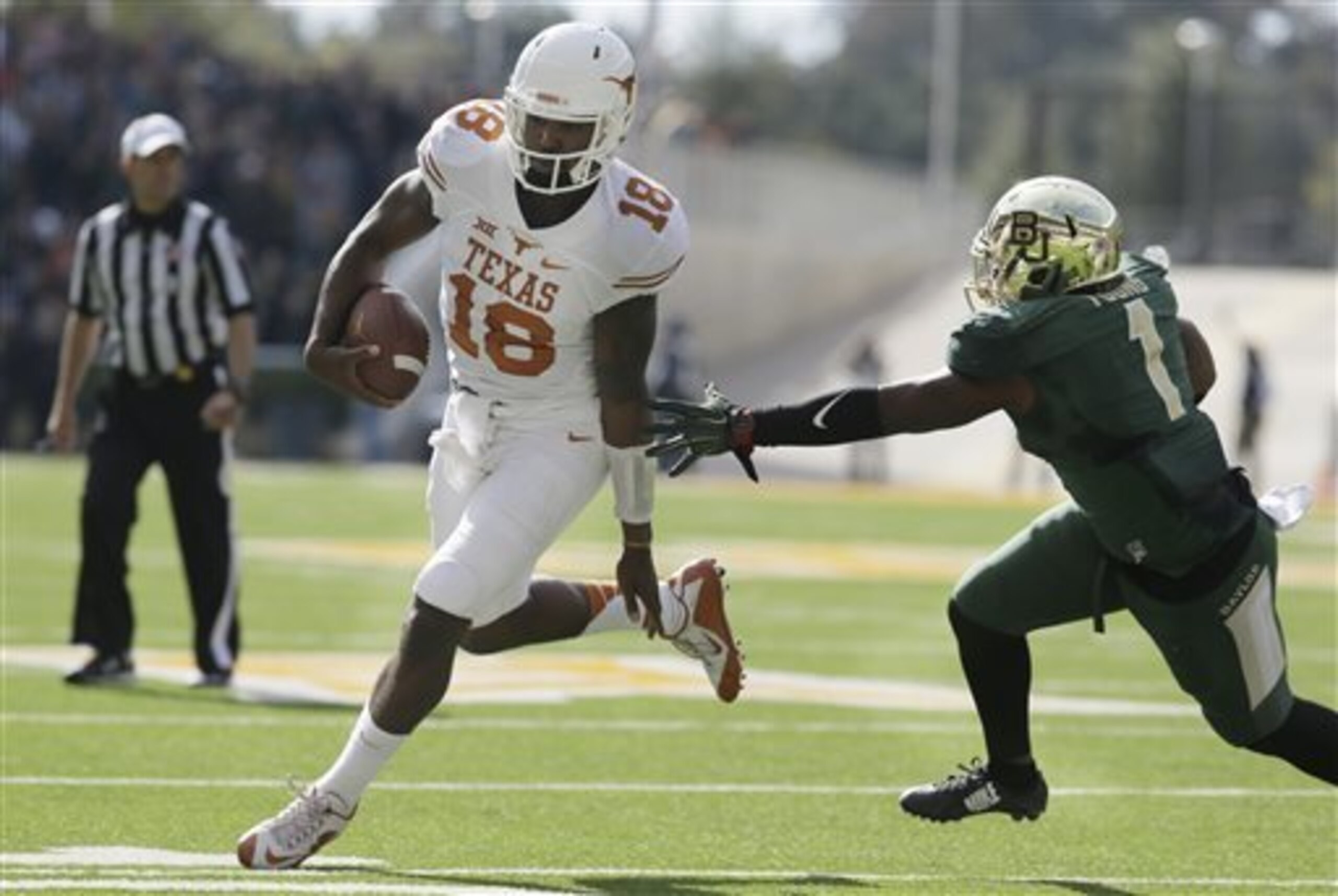
When Jerrod Heard threw for 364 yards and ran for another 163 yards with three touchdowns against California last September, it looked like Texas had finally found its quarterback. Then he threw for 345 yards over the next five contests, with one TD and two interceptions, and it was back to square one.
Tyrone Swoopes didn't do much better when he filled in for an injured Heard late in the season or in prior seasons. And as long as the Longhorns lack playmakers running the offense, their offensive progress will continue to happen slowly.
A strong spring by true freshman Shane Buechele throws a third hat into the ring for the preseason, which could either lead to better production or an even-messier situation.
Texas A&M: Linebacker
54 of 66
It would have been easy to pick quarterback as the position Texas A&M's needs to see the most improvement in from last season, but much of what troubled the Aggies there could be attributed to the play-calling and the constant switching of starters. Those issues have already been addressed, with Noel Mazzone replacing Jake Spavital as coordinator and Oklahoma graduate transfer Trevor Knight locked in as quarterback.
The linebacker situation doesn't have such an easy solution. Last year's group presented a weakness against both the run and the pass, with defensive back Donovan Wilson logging more tackles for loss (8.5) than any player from the middle line.
The Aggies dealt with injuries at the position throughout 2015, and that continued during spring practice. However, that could lead to improved depth as players get healthy over the summer.
Texas Tech: Defensive Line
55 of 66
Among the most common reactions to hearing Texas Tech and LSU would face off in last year's Texas Bowl were sympathy for the Red Raiders' defenders, who after a regular season full of getting run over by nearly every opponent was now going to have to deal with Leonard Fournette. It came as no surprise that he ran for 212 yards and four touchdowns as part of LSU's 384-yard, seven-TD output.
That was actually only the third-worst rushing effort Tech had in 2015, when it allowed 280.46 yards per game and 6.17 yards per carry along with 49 TDs. Only winless Kansas failed to gain at least 150 yards on the ground, but it still exceeded its season average by 28 percent.
According to SB Nation's Bill Connelly, "last year's defense faded so drastically in the second and fourth quarters" when the Red Raiders allowed 6.41 yards per carry and 22 of their 39 plays yielded runs of 20-plus yards. And that was with a group of linemen that included several now-departed seniors.
UCLA: Defensive Line
56 of 66
Once defensive tackle Eddie Vanderdoes went down with a knee injury in the season-opening win over Virginia, much of what UCLA hoped to do up front had to be scrapped. The same goes for when linebacker Myles Jacks got hurt a few weeks later, though that didn't have as much of an impact on the Bruins' efforts against the run.
UCLA allowed 198.5 rushing yards per game in 2015, up more than 50 yards from the year before, when Vanderdoes was there to plug up the middle. His absence was only part of the issue, though, as Kenny Clark and Takkarist McKinley only combined for eight tackles for loss on rushing plays.
The Bruins get Vanderdoes back this fall, which should help prevent another round of poor rushing performances such as the combined 990 yards and 10 touchdowns they allowed against Arizona, Stanford and Nebraska.
USC: Defensive Line
57 of 66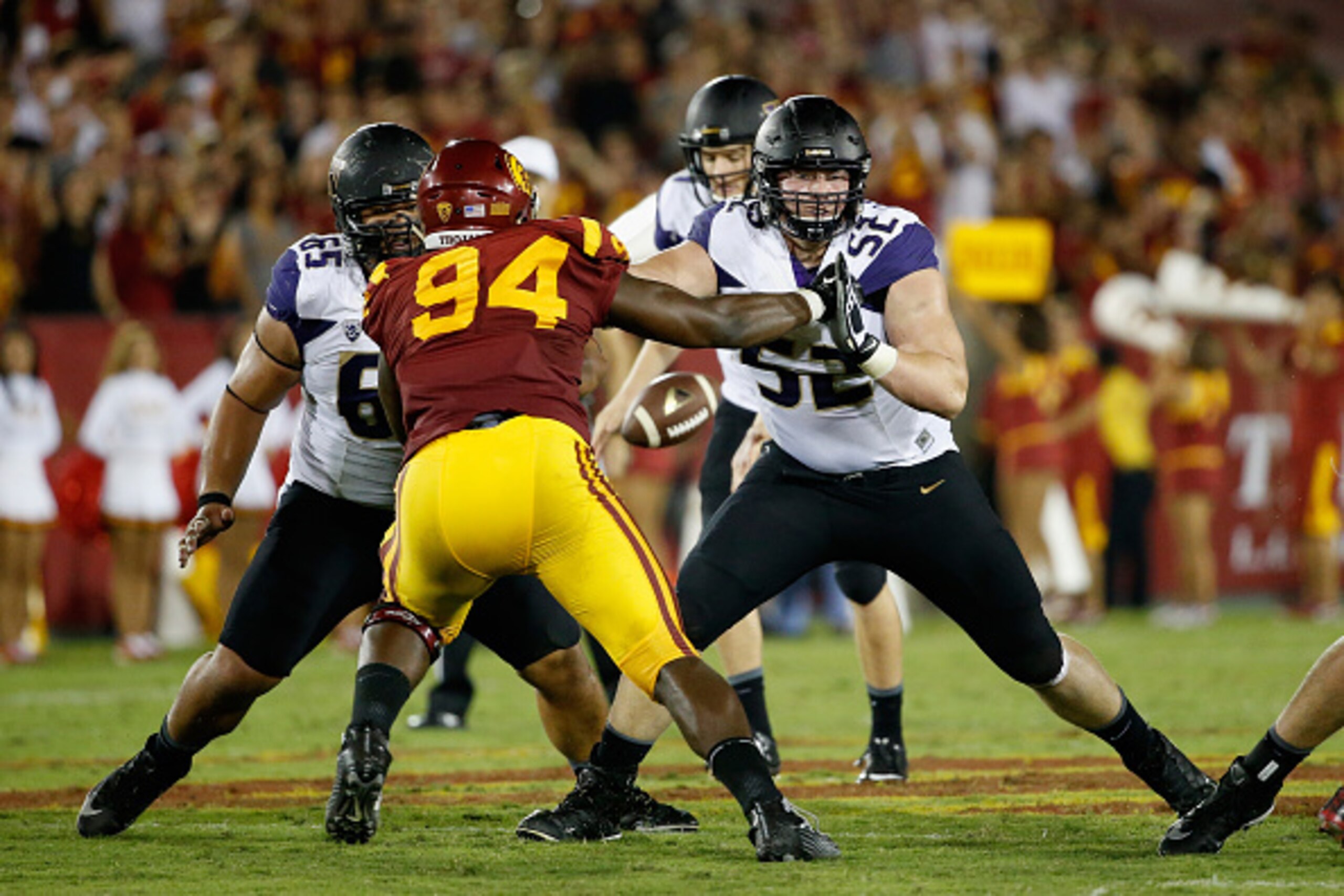
Clancy Pendergast's return as USC's defensive coordinator figures to make for big changes along the defensive line, which is for the best. After last year's unit failed to get much pressure on the quarterback, with just 14 of the 37 sacks coming from the line, hardly anyone with major experience is coming back.
Only Kenny Bigelow was set to enter 2016 with significant playing time, and then he suffered a knee injury this spring. That means the Trojans are essentially starting over up front, but with plenty of talent for Pendergast to work with, it's not a dire situation.
Last year saw freshmen Jacob Daniel, Rasheem Green and Noah Jefferson earn snaps that will pay off this season, and the 2016 recruiting class included 5-star defensive end Oluwole Betiku.
Utah: Wide Receiver
58 of 66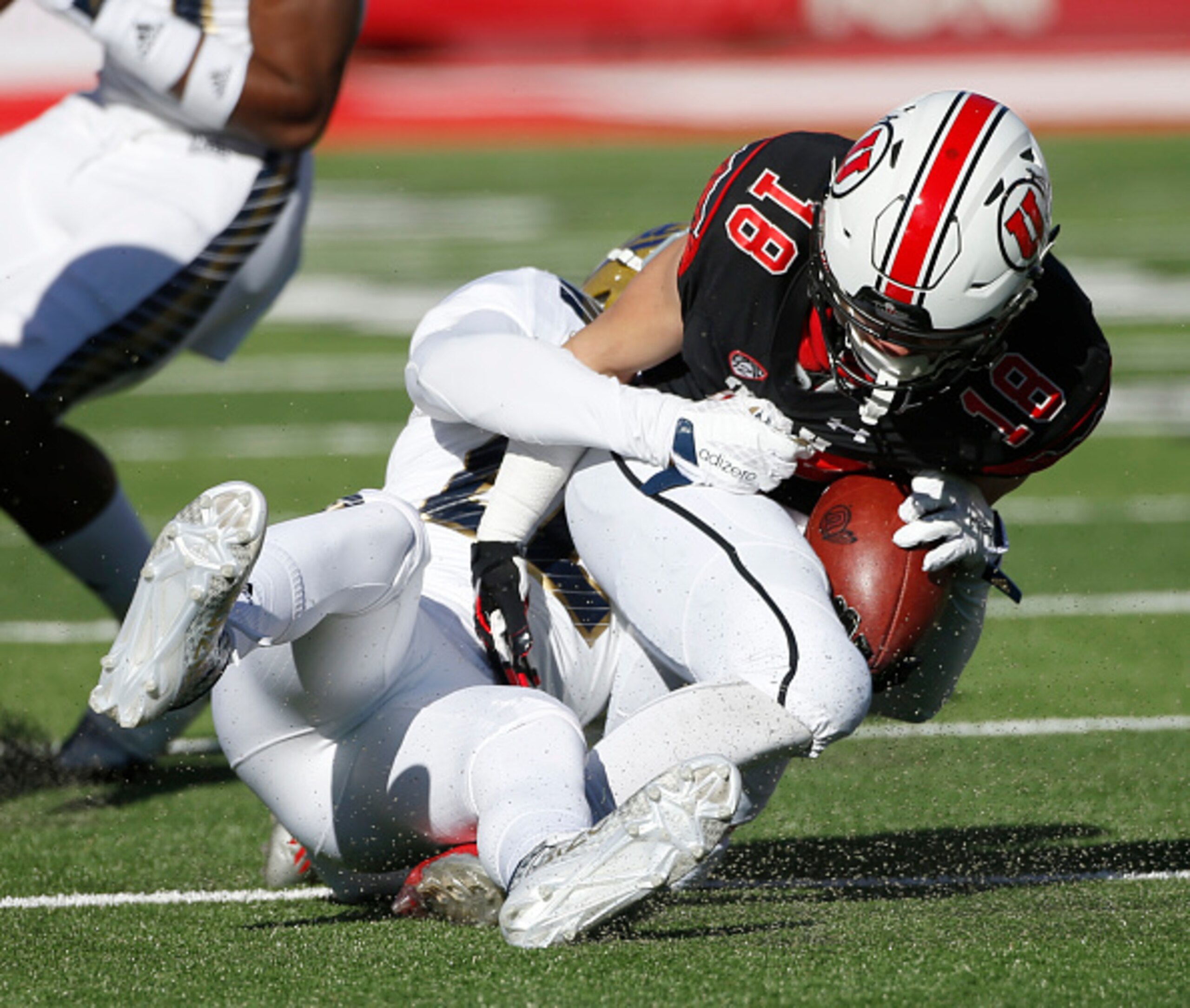
Britain Covey was a revelation for Utah last season, an unheralded true freshman who, despite being only 5'8" and 166 pounds, led the team in receptions and yards and was tied in touchdowns. But that was with 43 catches for 519 yards and four TDs. It's the second season in a row the Utes didn't have anyone gain more than 600 yards.
The run game was Utah's main focus on offense, but not having big-play targets to throw to was an issue. It will be that way as well for whoever succeeds Travis Wilson, and as it stands Utah's only returning wideout besides Covey—who had more than six catches in 2015—was Tyrone Smith.
Smith had 18 catches for 193 yards with only one three-catch game.
Vanderbilt: Wide Receiver
59 of 66
Vanderbilt has its running back, with Ralph Webb having gained more than 2,000 yards the past two seasons. It's identified a quarterback, with Kyle Shurmur emerging from the pack last year despite subpar numbers. Now the Commodores just need a few reliable receivers for Shurmur to throw to, and the offense might become somewhat-respectable.
Last year saw Trent Sherfield average 12.9 yards on 51 receptions but score just three times. Caleb Scott added 24 catches—a 14.1-yard average and two TDs.
That was the entirety of Vandy's passing game, at least to receivers. Tight end Steven Scheu and Webb were targeted just as often, but there was no downfield option. The Commodores had only eight passing plays that exceeded 30 yards—fifth-worst in FBS.
Virginia: Defensive Line
60 of 66
Virginia had a strong one-two combination anchoring its front seven last year in linebacker Micah Kiser and defensive end Mike Moore. That pair had 14.5 sacks and 25.5 tackles for loss, accounting for 55.8 percent of the Cavaliers' sacks and 33.6 percent of their TFLs.
Had that come from a pair of linemen that would have been more respectable, but beyond Moore the rest of Virginia's ends and tackles combined for 8.5 sacks and 29.5 TFLs.
Being able to get Andrew Brown to live up to his potential would be huge for Virginia. A 5-star defensive tackle prospect in the 2014 recruiting class, Brown has recorded 10 tackles in 16 games over two seasons.
Virginia Tech: Quarterback
61 of 66
All it took was a couple of hard hits to senior Michael Brewer, compliments of Ohio State's fierce defense, to force Virginia Tech to scrap most of its offensive plans for 2015. Brewer suffered a broken collarbone in that season-opening loss, missing most of the next six games, and during that time Brenden Motley wasn't able to gain any traction.
Brewer took back his starting job and fared better than Motley, but not by much, and the Hokies finished 7-6 for the third time in four years.
New Tech coach Justin Fuente turned Paxton Lynch into a first-round NFL draft pick while at Memphis, and before that he helped develop Andy Dalton into a pro during his TCU career. His quarterback success bodes well for the Hokies in 2016, with junior-college transfer Jerod Evans likely getting the nod over Motley.
Wake Forest: Running Back
62 of 66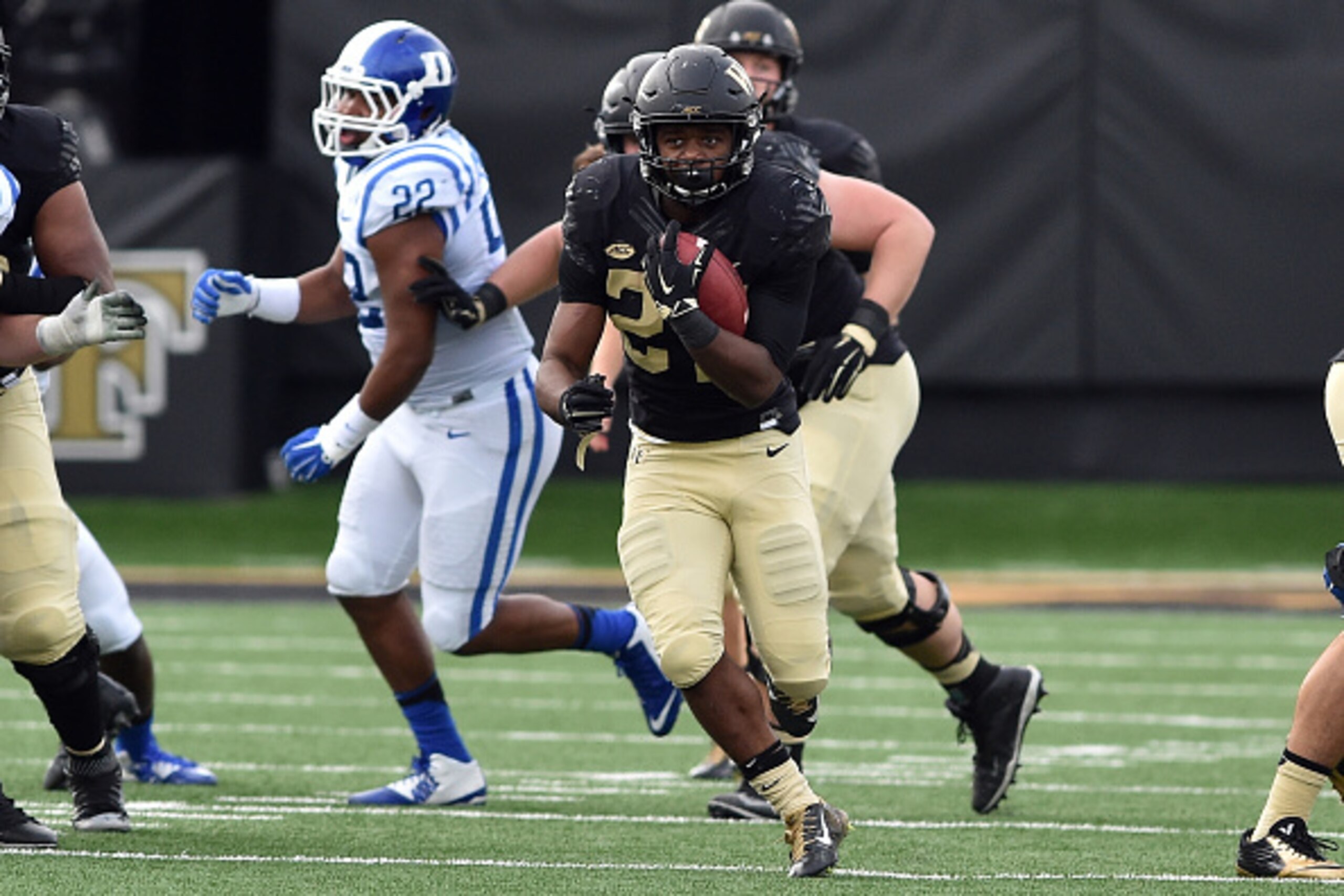
Same struggle, different year.
We identified running back as where Wake Forest needed the most improvement at this time a year ago, in reaction to that assessment, the Demon Deacons have rushed for 1.25 yards per carry and 39.9 yards per game in 2014. And they did manage to improve, though not nearly enough to keep that from being the same pick for 2016.
Wake averaged 105.2 yards per game and 3.03 yards per carry last year, aided greatly by quarterback Kendall Hinton's 390 yards and seven touchdowns. He figures to contend with John Wolford for the starting job this fall because of his mobility, though for the Deacons to have better overall offensive production, they need a standard ball-carrier to move the ball.
Tyler Bell, at 451 yards and a 3.5 yards-per-carry average with one TD, was Wake's leading rusher as a freshman in 2015.
Washington: Wide Receiver
63 of 66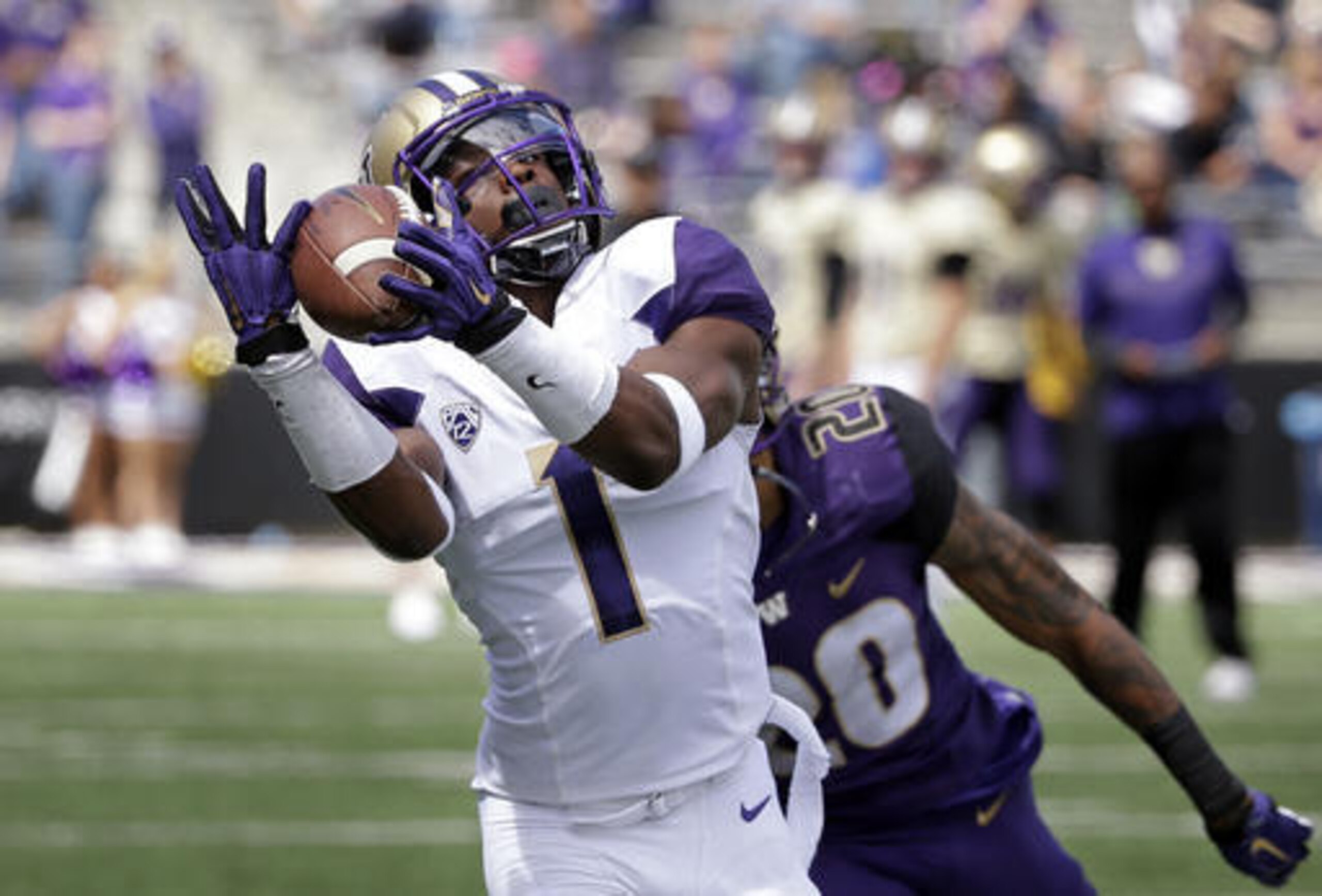
It was night and day for Washington's offense from the beginning of the 2015 season to its end—the product of quarterback Jake Browning and running back Myles Gaskin growing into their own as true freshmen. The Huskies' attack would have been a complete package if they'd been able to have the same progress made at wide receiver.
Jaydon Mickens wrapped up his career with a strong season, and both Brayden Lenius and Dante Pettis ticked up a bit from their freshman years, but the rise was small. That pair combined for 56 catches, 718 yards and one touchdown.
The return of John Ross III, who missed all of 2015 with a knee injury, will provide a deep threat. He averaged 21.8 yards with four TDs on just 17 catches the season before.
Washington State: Running Back
64 of 66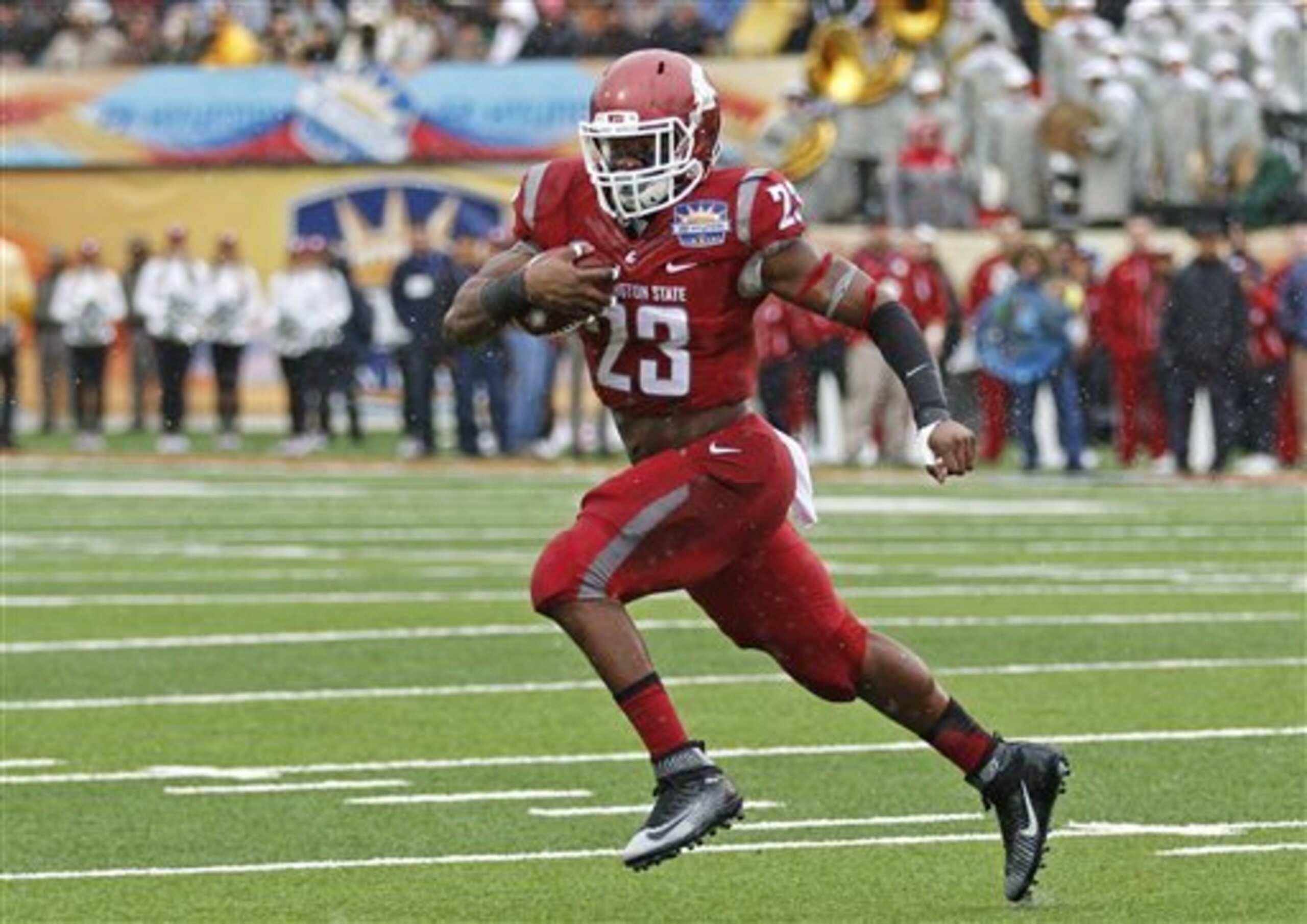
Mike Leach and rushing have never been a match made in heaven, but the Washington State coach at least made an effort to run the ball in 2015. The Cougars' 22.6 rush attempts per game were the most under Leach in his four seasons, though this only resulted in 80.5 yards per game and eight touchdowns.
That's a significant increase from the year before, when WSU gained 39.8 rushing yards per game with five scores. Could another uptick be in store?
Gerard Wicks ran for 610 yards and averaged 5.7 yards per carry last season. If given more than 8.2 rushes per game, he might be Leach's first 1,000-yard rusher during his time as a head coach.
West Virginia: Quarterback
65 of 66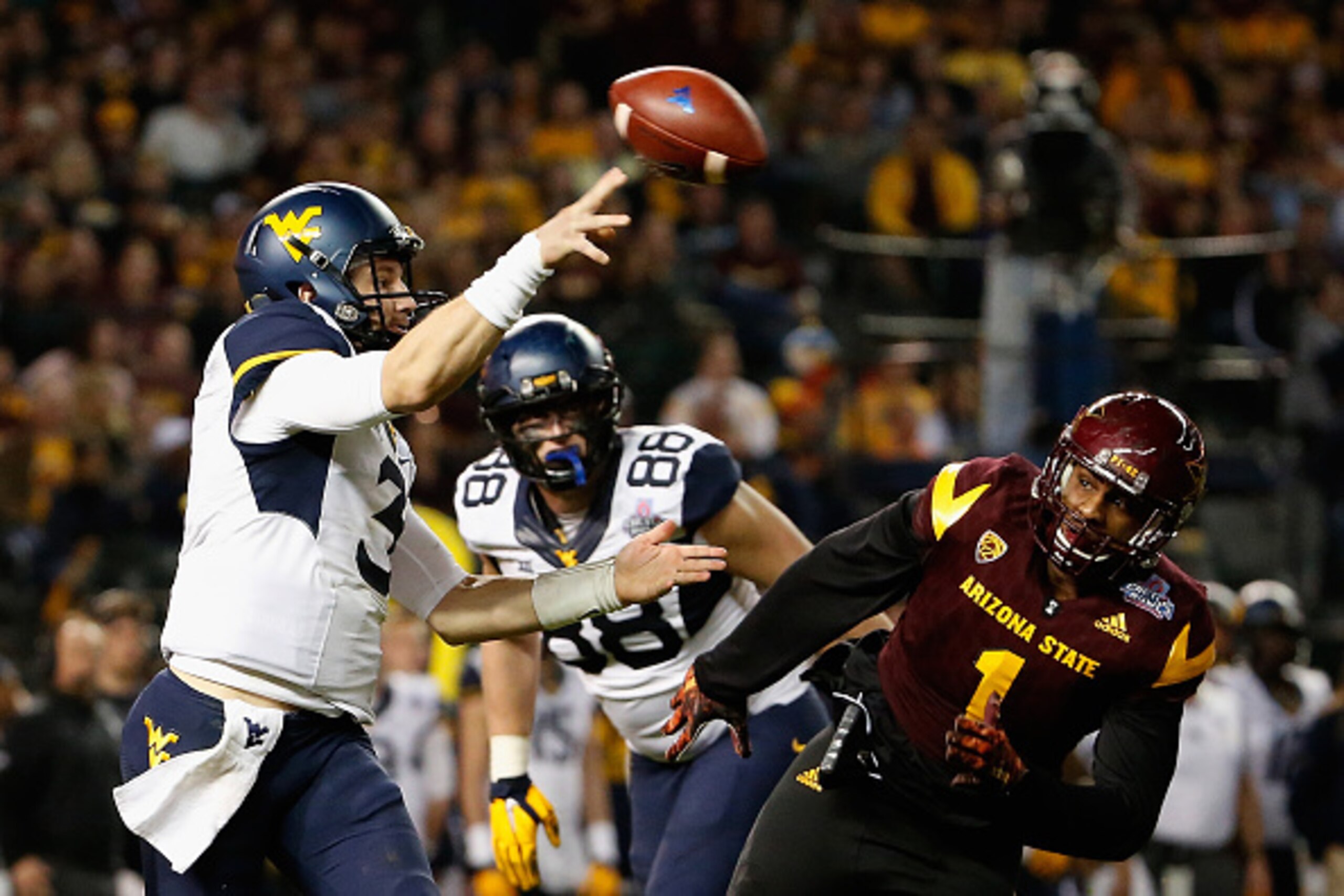
Skyler Howard is going into his third season as West Virginia's starting quarterback—a job he's held since late in 2014. During that time he's put up some huge passing numbers, particularly in the Mountaineers' bowl games, but he's also shown prolonged troubles with accuracy.
A 54.2 percent passer for his career, Howard has failed to complete 50 percent in five of 16 starts. He was intercepted 14 times in West Virginia's last 11 games, with seven coming during a four-game losing streak last fall.
According to Chris Anderson of 247Sports, four of West Virginia's five best seasons since 1980 have come when they've entered with a quarterback who had 15 or more career starts. The difference, though, is that the likes of Geno Smith and Pat White had been accurate and mostly mistake-free from the outset.
Wisconsin: Running Back
66 of 66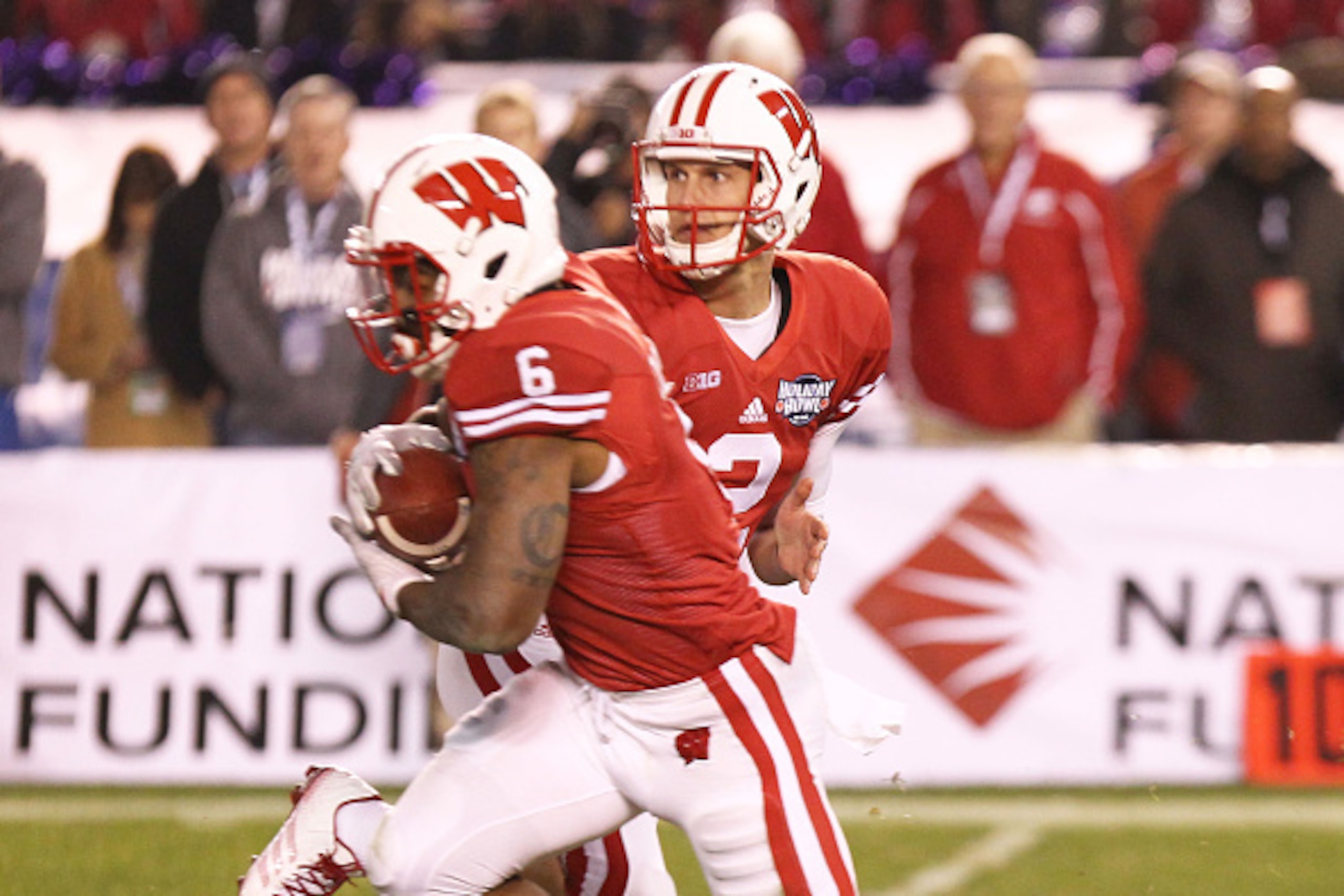
Corey Clement was anointed as Wisconsin's next great running back entering the 2015 season, having been a stud as Melvin Gordon's backup the year before. We didn't get to see how he'd do in a full-time role, though, because a sports hernia limited him to four games.
The Badgers should have been able to still produce even without Clement available, since running back depth has normally been a program strength. But Taiwan Deal, Dare Ogunbowale and Alec Ingold failed to hold up the standard and Wisconsin had its worst team rushing performance since 1995.
And it wasn't even close. Wisconsin gained 150.3 yards per game in 2015, down from 320.1 the year before and the first time since 2009 it didn't average at least 235 yards per game.
All recruiting information courtesy of 247Sports, unless otherwise noted. All statistics provided by cfbstats.com, unless otherwise noted.
Follow Brian J. Pedersen on Twitter at @realBJP.

.jpg?w=2560 "NFL investigating 2 referees for separate viral exchanges")
.jpg?w=2560 "Report: Chiefs Contact Hill's Agent")
.jpg?w=2560 "OBJ Calls Out Giants After Release")
.jpg?w=2560 "Tyreek makes another cryptic post amid Chiefs rumors")

.jpg?w=2560 "Greenlaw Talks Payton Exchange")
