

Breaking Down New York Giants' Situation on Special Teams
Last but not least in my breakdown of each New York Giants positional unit is special teams—the often under-appreciated, yet so important, part of the game that dictates the starting field position.
2015 in Review
The Giants’ special teams had a bounce-back season in most aspects, a performance that apparently was good enough to quell the cries of fans to relieve special teams coordinator Tom Quinn of his duties.
TOP NEWS

New NFL contenders starting to emerge after Week 4
.jpg?w=2560 "Cardinals Giants Football")
NFL investigating 2 referees for separate viral exchanges
.jpg?w=2560 "Hill Injury Update Football")
Report: Chiefs Contact Hill's Agent
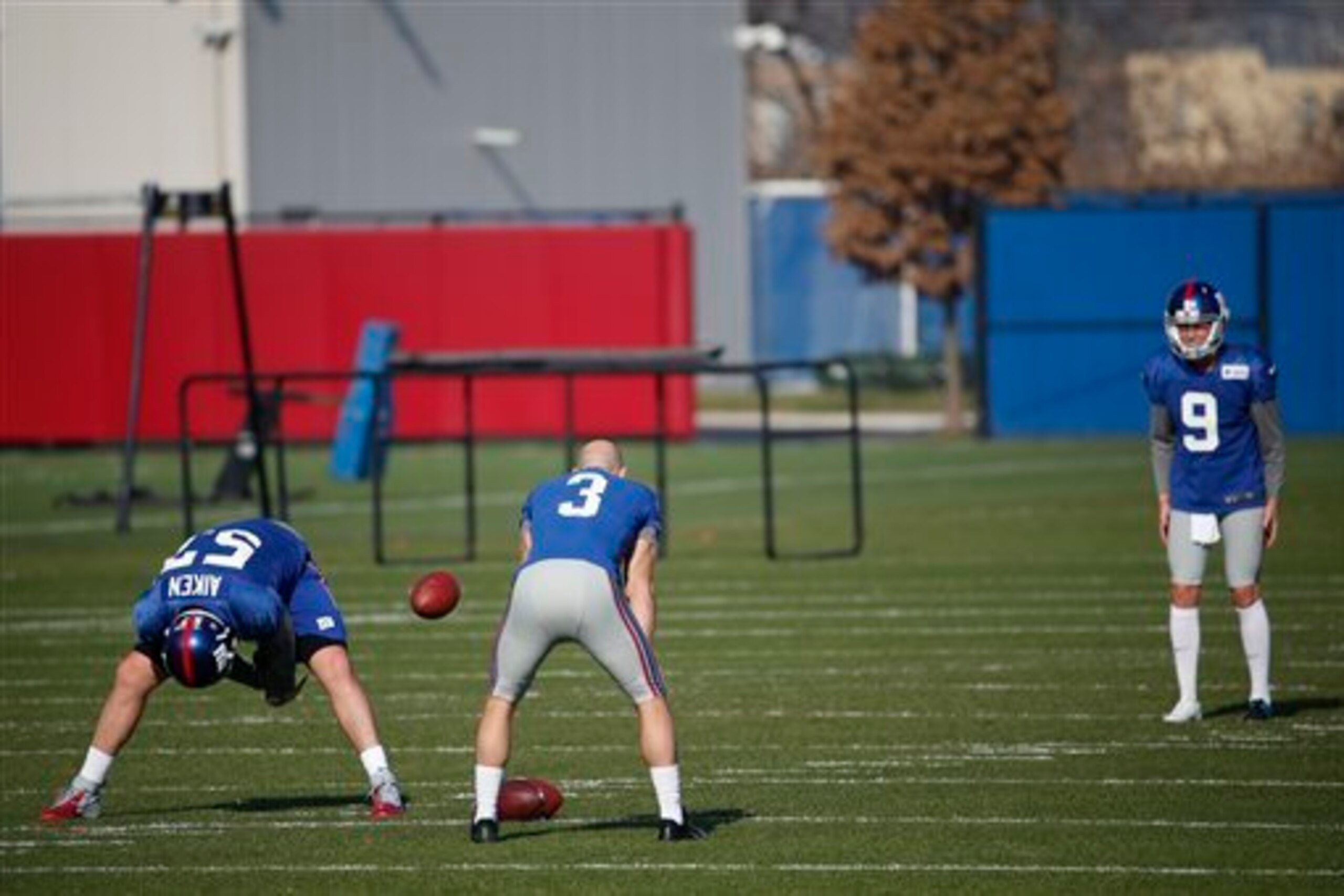
The reason for the solid showing is that management struck gold with adding some key contributors who made an overall difference to the core group. Running back Orleans Darkwa, fullback Nikita Whitlock, running back Shane Vereen and linebacker Jonathan Casillas were just a few of the new faces who helped give the special teams a boost.
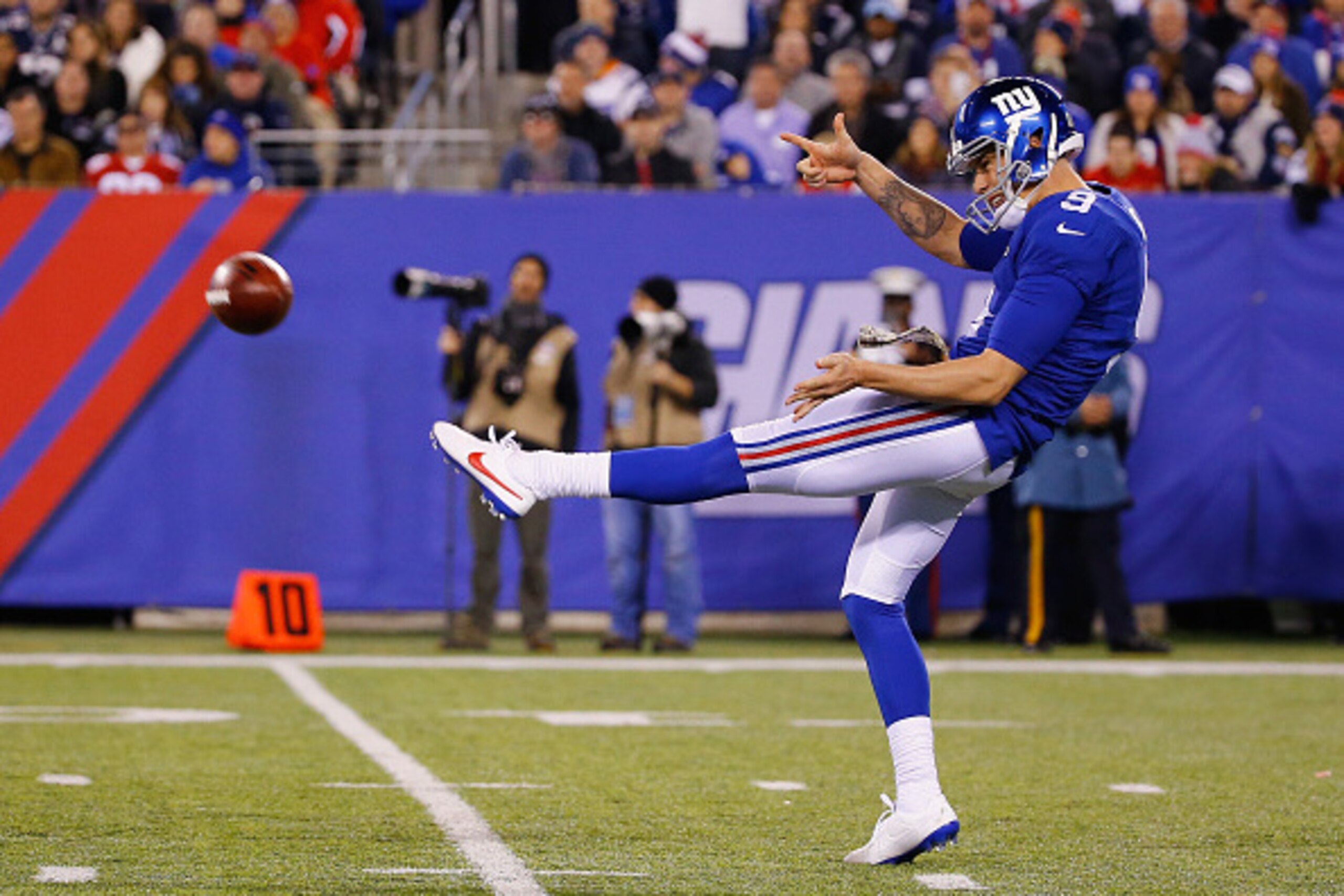
Punter Brad Wing, acquired in a trade from the Pittsburgh Steelers, replaced fan favorite Steve Weatherford, and he went on to have a solid first year as a Giant.
Wing finished fifth in the league with 33 balls placed inside the 20, with the punt-coverage team downing 17 of his punts, tying him for second with the Los Angeles Rams’ Johnny Hekker.
Kicker Josh Brown also posted his best season of his career, nailing 93.8 percent of his field-goal attempts.
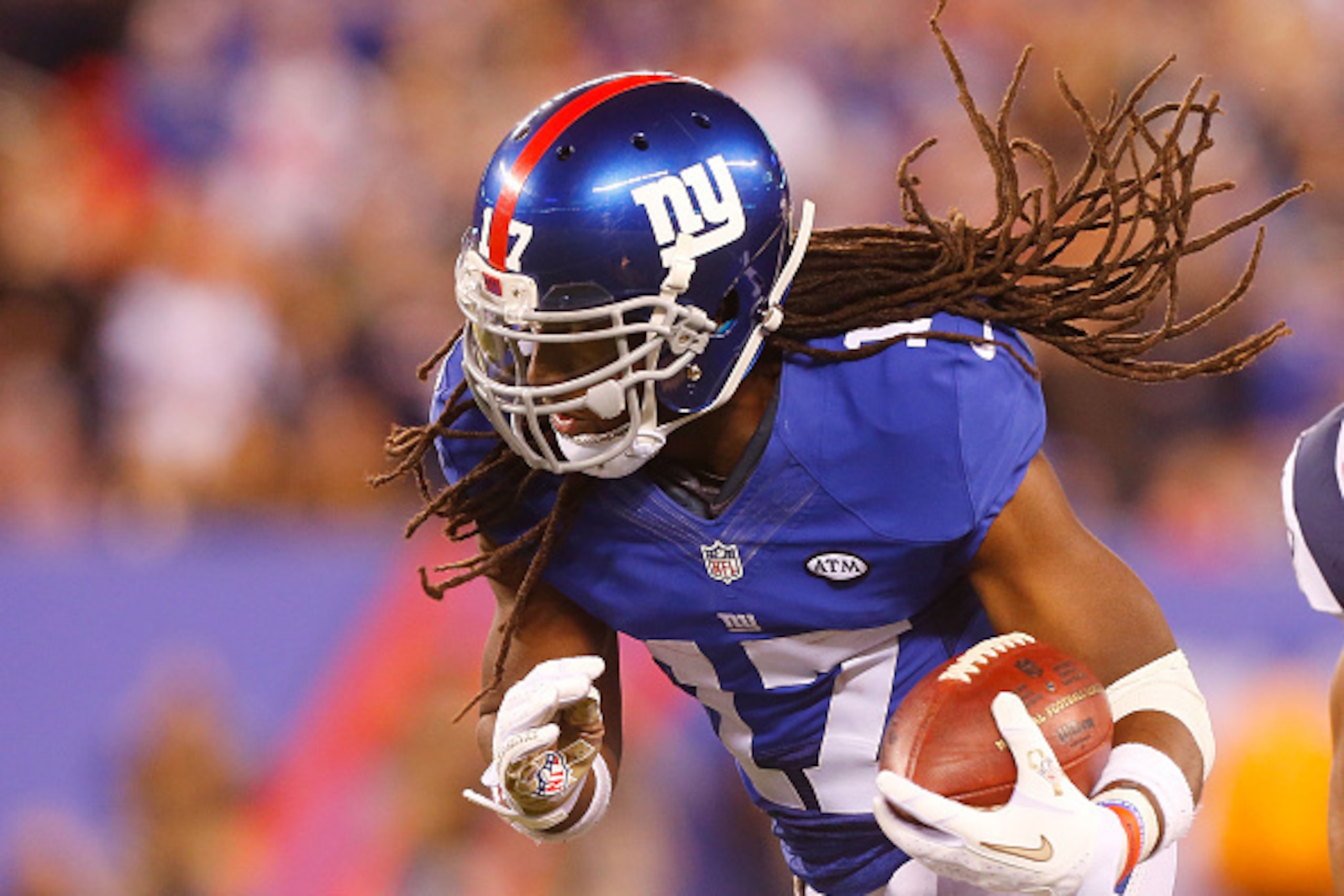
However, the biggest contributions came from electric return specialist Dwayne Harris—a free-agent signing who proved to be worth every cent of the five-year, $17.5 million contract he received.
As a kickoff returner, Harris averaged 28.7 yards—ninth in the league; as a punt returner, he averaged 10.0 yards per return.
Harris also recorded touchdowns as both a kickoff and punt returner.
2016 Outlook: Where Can This Unit Improve?
For as good as the Giants' special teams were, there are some areas that need some improvement.
The first is kickoffs.
For as good as Brown was on field goals, he was inconsistent on kickoffs, particularly earlier in the season. This was perhaps due to a thigh contusion he dealt with in the summer that might have bothered him more than anyone was willing to admit.

The Giants would go on to finish 30th in the league on average kickoff distance, with a 61.6 average, while Brown, who the year prior hit 46 touchbacks, tying New York for 10th-most in the league with Atlanta, Philadelphia and Seattle, only managed to record 37 last year.
Thanks to some solid coverage, opponents only averaged 20.3 yards per return on kickoffs.
(I’ll talk about the new kickoff rule regarding the placement of the ball on the 25-yard line following a touchback in just a bit.)
Punt coverage is another area where the Giants could stand to see some improvement. Last year, opponents returned 30 punts for 300 yards—an average of 10.0 yards per return. Ideally, the Giants would like to see that average drop to a single digit by year-end.
The X-Factor: Dwayne Harris
When the Giants signed return specialist Dwayne Harris, they apparently promised to get him involved in the offense.
They delivered on that promise—perhaps a little more often than they might have planned—thanks to injuries.
With Victor Cruz unable to get back onto the field and Preston Parker literally dropping the ball on his chance to step up in the slot, Harris was called upon to fill in on 435 pass plays.
With his workload increasing on offense, the Giants scaled back his return duties. When Harris wasn’t available to handle kickoff returns, Vereen stepped in, with his average being 22.0 yards per return.
Also, the more Harris contributed on offense, he too soon became banged up, suffering a shoulder ailment toward the end of the season.
While this is not to suggest Harris strictly be used on special teams, clearly the lack of depth at the receiver position forced the Giants to have to compensate.
This year, with the addition of Sterling Shepard and with the likelihood of Odell Beckham Jr. being moved around to different spots as he has been in the past, if Cruz can’t make it back, the Giants will probably be able to call on Harris a little less than they did in 2015.
Questions
How will the new touchback rule affect kickoffs?
Beginning this year, any kickoff that results in a touchback will be spotted on the 25-yard line and not the 20. (Note: This does not affect punts.)
What affect will this new rule have on kickoff strategies?
“That will be an interesting one,” special teams coordinator Quinn said back in April when the assistant coaches met with the media.
“Obviously there [are] two schools of thought—one you bang it out and give them the ball at the 25, and the other one is you hang it up somewhere around the goal line with great hang time and location and you cover it and hope to tackle them inside the 20 or at the 20, so it is a five-yard swing there.”
Quinn was asked if the new rule might result in more high, short kicks to keep opponents inside the 25-yard line.
“I don’t know. I mean we have been looking at a lot of college tape, and they have had that rule for the last couple [of] years, and it is a mix,” he said.
“There are some teams that feel good about their athletic ability and hang it up there and try to keep it in, and there are other teams that just bang it out, so I think it will be a mix.”
What can they expect from Josh Brown?
Piggybacking off that last question, it bears mentioning that Josh Brown, who signed a two-year, $4 million contract earlier this year, is going to have to be able to accommodate whatever action plan Quinn and the rest of the coaches decide.
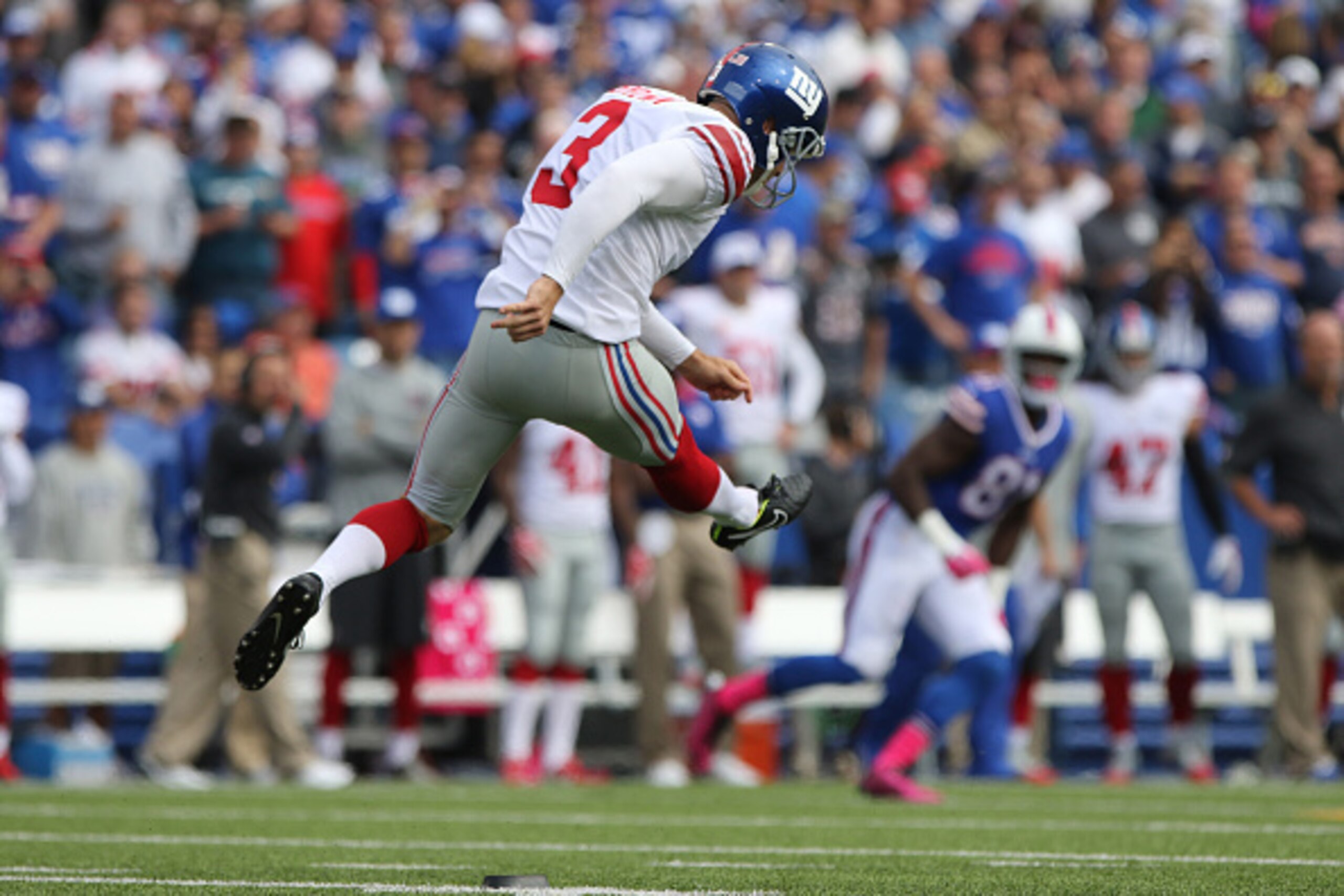
I’ve already mentioned the struggles Brown had with kickoffs earlier in this article.
While Brown has historically kept himself in optimal shape, eventually Father Time takes its toll on everyone—Brown's no exception.
While carrying a kickoff specialist would be a luxury for any team, it’s not completely out of the question if Brown’s leg strength continues to show signs of diminishing.
If that does happen and the Giants aren’t in a position to carry a kickoff specialist, look for them to load up on guys who can dart down the field and cover the kicks before the opponent has a chance to do any damage.
What does long sapper Zak DeOssie have left?
Zak DeOssie is the second-longest tenured member on the Giants behind quarterback Eli Manning, yet he’s also one of those guys who really doesn’t gain a lot of recognition for what he does.
He should. Besides delivering numerous flawless snaps over the course of his career, DeOssie is often one of the first men downfield to cover a punt, having finished in the top five on the team in total special teams tackles.

However, DeOssie’s production in that regard has begun to dip. In 2011, he recorded eight special teams tackles; in 2012 and 2013 that number fell to seven; in 2014, it dropped to five; and last year, in what was a season shortened by a wrist injury, he had four.
Earlier this year, DeOssie signed a one-year contract to remain in his role. However, the Giants also retained Tyler Ott, who was one of the long snappers brought on board to fill in for the longtime special teams captain.
If DeOssie is healthy, he’ll be the main man in the kicking battery. Either way, it sure seems like his career is starting to wind down.
Key Newcomers
The Giants are still sorting out the roster, so it’s too soon to say who among those players returning and those new faces will step into key roles on special teams.
Patricia Traina covers the Giants for Inside Football, the Journal Inquirer and Sports Xchange. All quotes and information were obtained firsthand unless otherwise noted. Advanced stats courtesy of Pro Football Focus.
Follow me on Twitter @Patricia_Traina.
.jpg?w=2560 "Titans Giants Football")
.jpg?w=2560 "Dolphins Bills Football")



.jpg?w=2560 "Greenlaw Talks Payton Exchange")
