

SEC Spring Meetings Wrap Up: Satellite Camps, Discipline, Replay and More
DESTIN, Fla. — Four days on the Gulf Coast have come to a close, as the SEC closed up shop Friday on its annual spring meetings held at the SanDestin Hilton.
When it did, the future of satellite camps, player discipline, underclassmen paths back to college and collaborative replay came into focus.
What were some of the hottest topics to come out of the sunny panhandle of Florida?

.png?w=2560)

As The Satellite Turns
Another year, another four-day discussion involving satellite camps.
In what has become a spring meetings tradition over the last three years, talks of head coaches and staffs "guest-coaching" at the camps of other four-year schools, junior colleges, high schools and at third-party events dominated the discussion in Destin.
In the end, the SEC came out of spring meetings steadfast in its opposition to the practice, despite the fact that its coaches can—and already have—participated in satellite camps since the old ban was lifted on May 29.
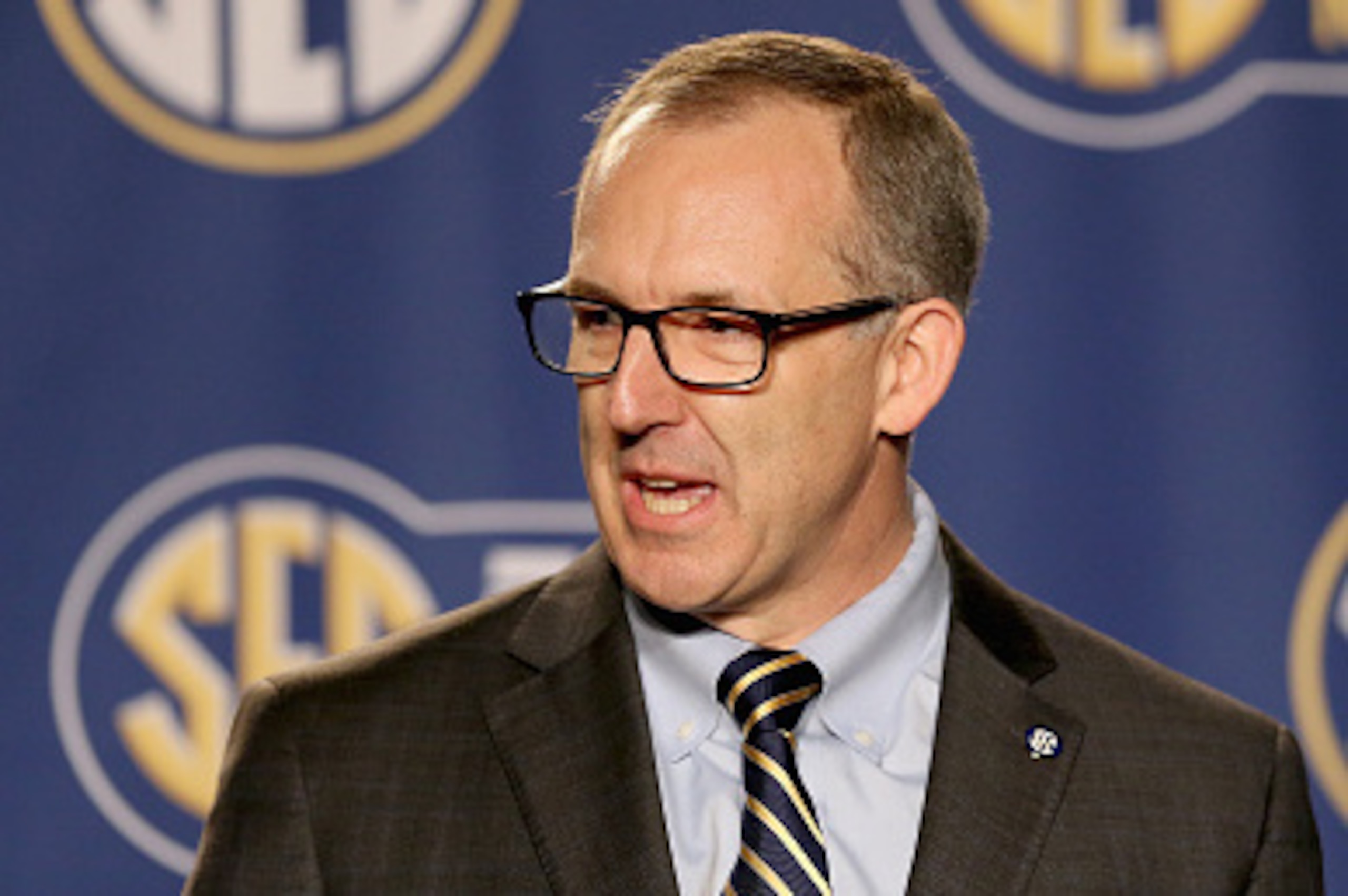
"A range of conversation from them," commissioner Greg Sankey said. "I think, in a uniform voice, our coaches do not believe that a summer recruiting environment is healthy in this camp situation. We don't think these are part of recruiting. These are not instructional. There are videos and pictures out there that don't look very instructional to me."
So for now, the SEC will allows its coaches on the road this summer at their own discretion to participate in satellite camps but will leave the door open to shut it down.
"The dynamics that are developing will guide us," he said. "We're obviously more flexible with our rule. But I'm not certain that it will always remain that way for ourselves."
So stay tuned for more satellite camp talk, because it isn't going away anytime soon.
Expansion of the Serious Misconduct Rule
The SEC led the charge last spring when it introduced the "serious misconduct rule," which prevents potential transfers with a history of domestic violence, sexual assault and sexual violence from transferring into the program.
It went a step further this year by expanding the transgressions that would apply to individuals who are interested in playing in the SEC from other four-year or two-year colleges.
Those new transgressions that are classified as "serious misconduct" include dating violence or stalking, or conduct of a nature that creates serious concerns about the safety of others. Students who have pleaded guilty or no contest to a felony involving serious misconduct after enrollment at another collegiate institution will not be allowed in.
The rule is still limited to transfers, due in part to the lack of access the conference and its member institutions have to the legal records of minors.
"Do I anticipate continued dialogue on these issues? Absolutely," Sankey said. "The question will be asked, 'is that sufficient? Should we remain there?' It doesn't predict outcomes, but I envision that it will be a conversation topic moving forward. I never anticipated that we were done."
As a result of the rule not applying to incoming freshmen, 5-star Mississippi State defensive end Jeffery Simmons will be allowed to play this year in Starkville after undergoing a school-sponsored counseling and serving the one-game suspension that the school announced on Thursday.
"It's an institutional responsibility," Sankey said.
When asked if he was comfortable with the decision he elaborated, "I would not express comfort with a situation like that."
"As a conference, we are wrestling with issues like that in a public way," Sankey said.
Bowl Games Pay
Bowl games now pay off more for teams who make them.
The take-home pay for each team was raised by $25,000 plus travel allowance as determined by the SEC Executive committee. Those revenue distribution numbers are as follows (all figures are after allowable deductions):
- $1,025,000 for teams that provide receipts which result in a balance of less than $1,500,000.
- $1,300,000 for teams that provide receipts which result in a balance between $1,500,000 and $3,999,999.
- $1,500,000 for teams that provide receipts which result in a balance between $4,000,000 and $5,999,999.
- $2,025,000 for teams that provide receipts which result in a balance of $6,000,000 or more and all College Football Playoff games. If the team makes the College Football Playoff National Championship, it will receive an additional $2,125,000.
Do You See What I See?
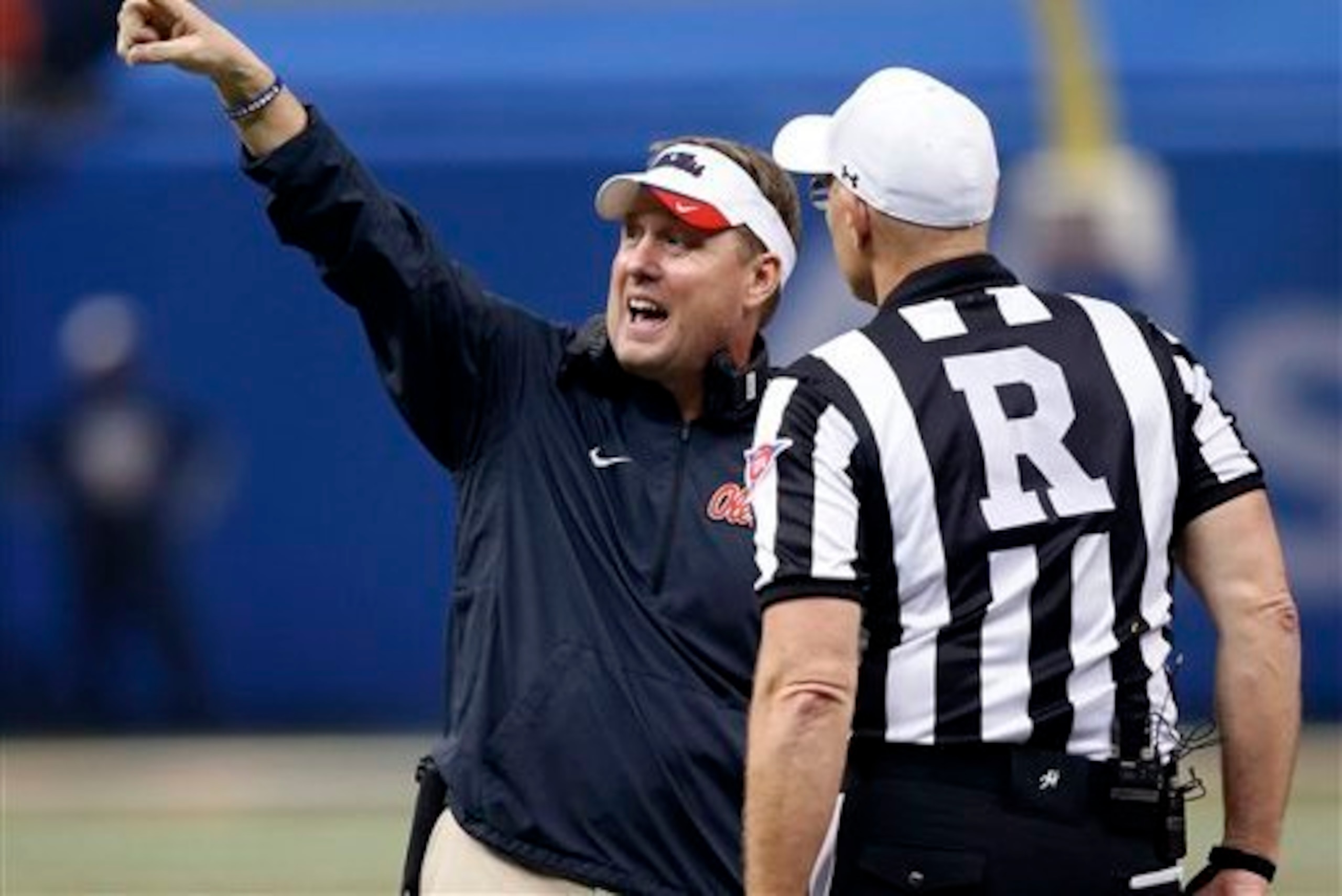
The SEC announced last month that it will institute a collaborative replay system in games at SEC home stadiums, the SEC Championship Game and EverBank Field in Jacksonville for the Florida/Georgia games when they include conference referee crews.
How will it work?
The on-site replay official will have the authority to stop the games when needed (as has been the case in the past), to review plays that he or she deems need a second look. When that happens, that official will be in contact with three officials at the SEC's video center in its Birmingham, Alabama, headquarters. The group will collaborate on each call, with the on-site official having the final say, in the hopes of getting it right in a timely fashion.
"I think it's great," Texas A&M head coach Kevin Sumlin said. "With everything that goes on, everybody—coaches, players, fans—want to get it right. The more eyes that are more on it and the more people who are able to review something, the better chance you have to get it right."
All SEC officials will be eligible to serve in the video command center on any given week, with the specific individuals being rotated based on assignments. One change is that longtime referee Tom Ritter will retire from his duties as the lead official on one of the SEC's primary crews; however, he will serve as a replay official.
It's a great move for the SEC to use the video center that's already in place to expedite the replay process.
Make no mistake, it will expedite it.
When it's just one official in the stadium looking at replays, that person oftentimes will have discussions internally to make sure the call is right. With a crew available to look at it in real time, a consensus will likely be achieved quicker than it would with one replay official, limiting the unplanned breaks in action.
Grains of Sand
- The SEC will continue to use an independent medical observer in the press box for all games that take place in SEC stadiums.
- There was discussion on lifting the three-decade old ban on alcohol sales in general seating areas of SEC stadiums, but the ban will stay in place for now.
- Fans in stadiums will now see the replay angles that are being reviewed by officials on stadium video boards in addition to broadcast angles.
- Suspended games will not be resumed if it is determined by the head referee and the commissioner (and/or his designee on site) that it can be reasonably completed by 1:30 a.m. local time. The commissioner does have sole authority to extend that deadline.
Quotes obtained firsthand unless otherwise noted. Statistics courtesy of cfbstats.com unless otherwise noted. Recruiting information courtesy of 247Sports.
Barrett Sallee is the lead SEC college football writer and national college football video analyst for Bleacher Report, as well as a host on Bleacher Report Radio on SiriusXM 83. Follow Barrett on Twitter @BarrettSallee.



.jpg?w=2560 "Jonathan Taylor Landing Spots")