
Ranking Toughest SEC Football Environments to Play In
In the SEC, road teams run into hostile environments virtually every weekend.
Whether it's Bryant-Denny Stadium in Tuscaloosa, Tiger Stadium at LSU or the recently renovated Kyle Field at Texas A&M, 18-22-year-old young men must be prepared for the biggest stages in football—pro or college—on virtually a weekly basis.
Which environments are the most hostile?
Our picks based on results, capacity, hostility and more are in this slideshow.
14. Vanderbilt Commodores
1 of 14
Sorry, Vanderbilt.
Your defense is great, and Ralph Webb is a phenomenal running back. But from a home-field advantage standpoint, you just don't have it.
Vanderbilt Stadium seats 40,550 fans and routinely draws fans of opposing teams, thanks to all that the city of Nashville has to offer and the chance to catch an SEC game in a major U.S. city.
The 'Dores were 3-3 at home last year, including conference wins over Missouri and Kentucky, but they are under .500 (33-35) at home over the last 10 years, according to Sports-Reference.com. The small stadium and open end of the end zone that allows sound out, coupled with a heavy road team contingent at virtually every home game, make the home of the Commodores the least intimidating place to play in the SEC.
13. Kentucky Wildcats
2 of 14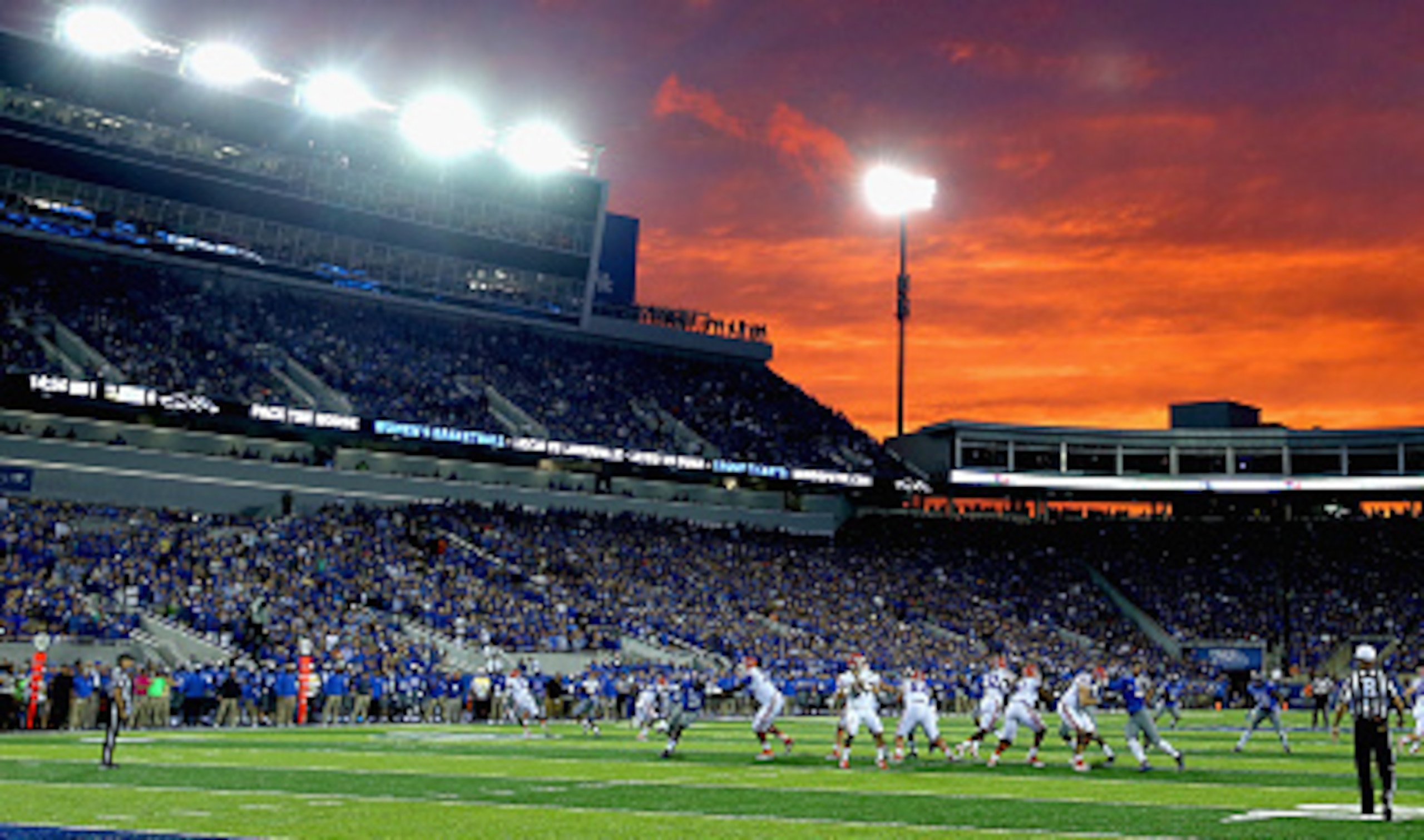
Kentucky unveiled the new-look Commonwealth Stadium last year, according to Jennifer Smith of the Lexington Herald-Leader. It was a $120 million renovation that included a new press box, suites and luxury box tower.
Too bad it didn't matter that much in 2015.
Kentucky lost three of its four SEC home games, and the only win came over woeful Missouri inside the revamped stadium that had its capacity reduced to 61,000 from 62,093 as a result of the renovation.
The Wildcats haven't won more than two SEC games at home in any single season since 2009—Rich Brooks' last as the head coach of the program prior to the arrival of Joker Phillips. The lack of success of the Wildcats at Commonwealth Stadium coupled with its relatively small size (by SEC standards) doesn't give current head coach Mark Stoops much of a home-field advantage to work with.
12. Missouri Tigers
3 of 14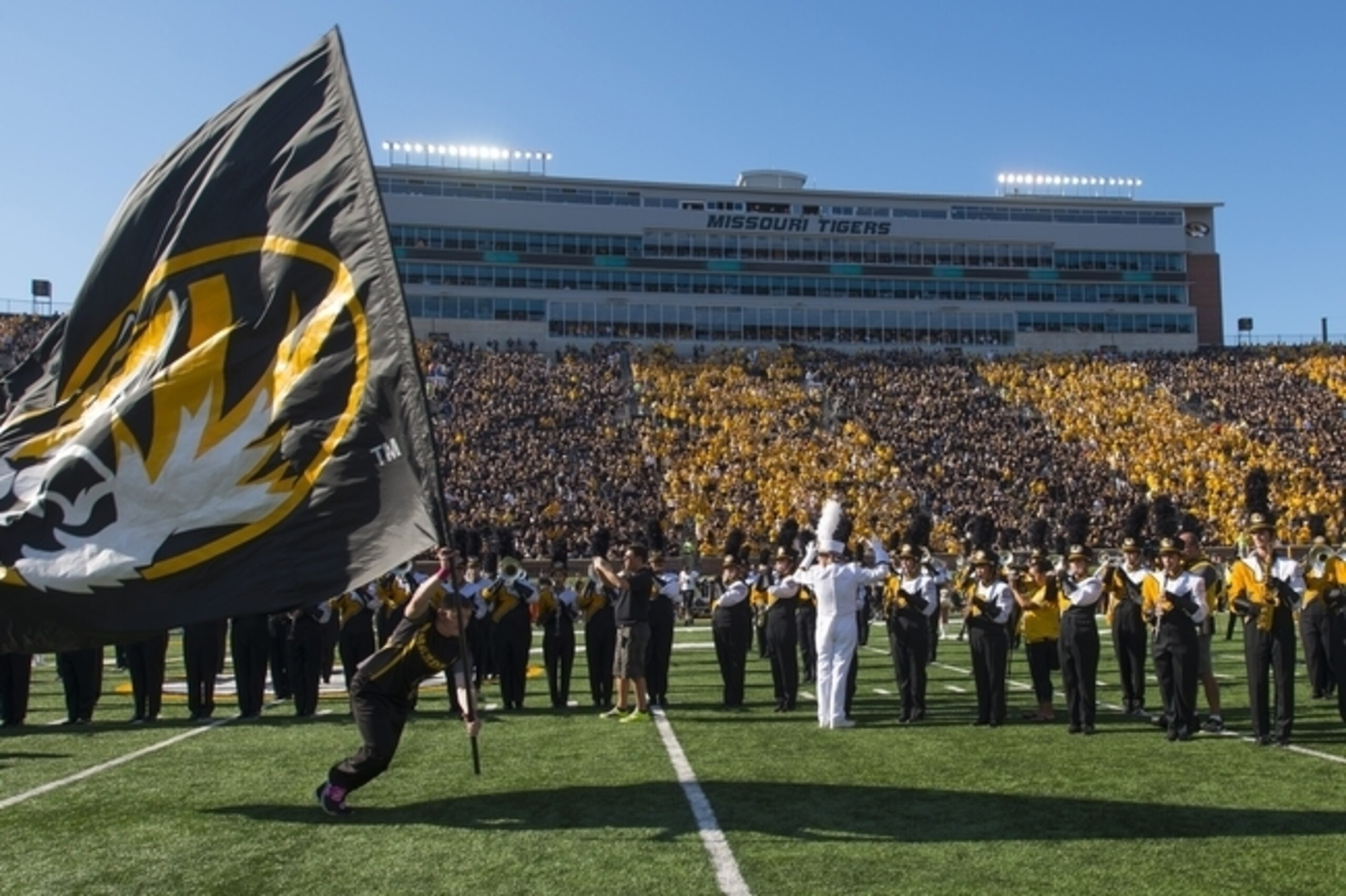
Faurot Field is a relative newcomer to this discussion after Missouri joined the SEC from the Big 12 prior to the 2012 season, and the Tigers have been hit or miss at home in this new era.
They won just one SEC home game in their inaugural season in 2012, but they went 3-1 at home versus conference foes in each of their back-to-back SEC East championship years of 2013 and 2014. But they also dropped a nonconference home game to—gulp—Indiana in 2014 and followed it up with a 1-3 conference record at home during Gary Pinkel's final season as head coach in 2015.
The rock M is quite a sight, and night games in Columbia are still hostile—but not any more hostile than other mid-level SEC programs. With a capacity of 71,168, it's still on the lower end of the spectrum in the SEC.
.png?w=2560)
11. Arkansas Razorbacks
4 of 14
Arkansas plays the majority of its home games at Donald W. Reynolds Razorback Stadium in Fayetteville—a 72,000-seat intimate setting nestled at the base of the Ozark Mountains.
The Hogs have enjoyed a moderate amount of success at home lately, including back-to-back shutout wins over nationally ranked LSU and Ole Miss in 2014. Their signature win last year was a four-overtime victory over 7-6 Auburn, but they lost to a rather mediocre Texas Tech team earlier in the year.
They're 14-11 at home over the last four years excluding "home" games played at War Memorial Stadium in Little Rock. While Arkansas hasn't exactly been an SEC juggernaut over that time, a .560 winning percentage at home doesn't exactly scream home-field advantage.
10. Mississippi State Bulldogs
5 of 14
Mississippi State head coach Dan Mullen has ushered in a new era of Bulldogs football, which has included a culture of winning, regular appearances in bowl games and, according to the school, a $75 million renovation and expansion to Davis Wade Stadium.
The expansion included the closure of one of the end zones and the creation of a new grandstand section that includes luxury suites and a new scoreboard. The new-look Davis Wade has proved to be a hostile environment. The Bulldogs were 4-3 at home last year and 7-0 in 2014, and the new structure makes the clanging sound of those cowbells even more deafening for the competition.
But the small capacity of 61,337 and one remaining open end zone still limit how hostile things can get in Starkville.
9. Texas A&M Aggies
6 of 14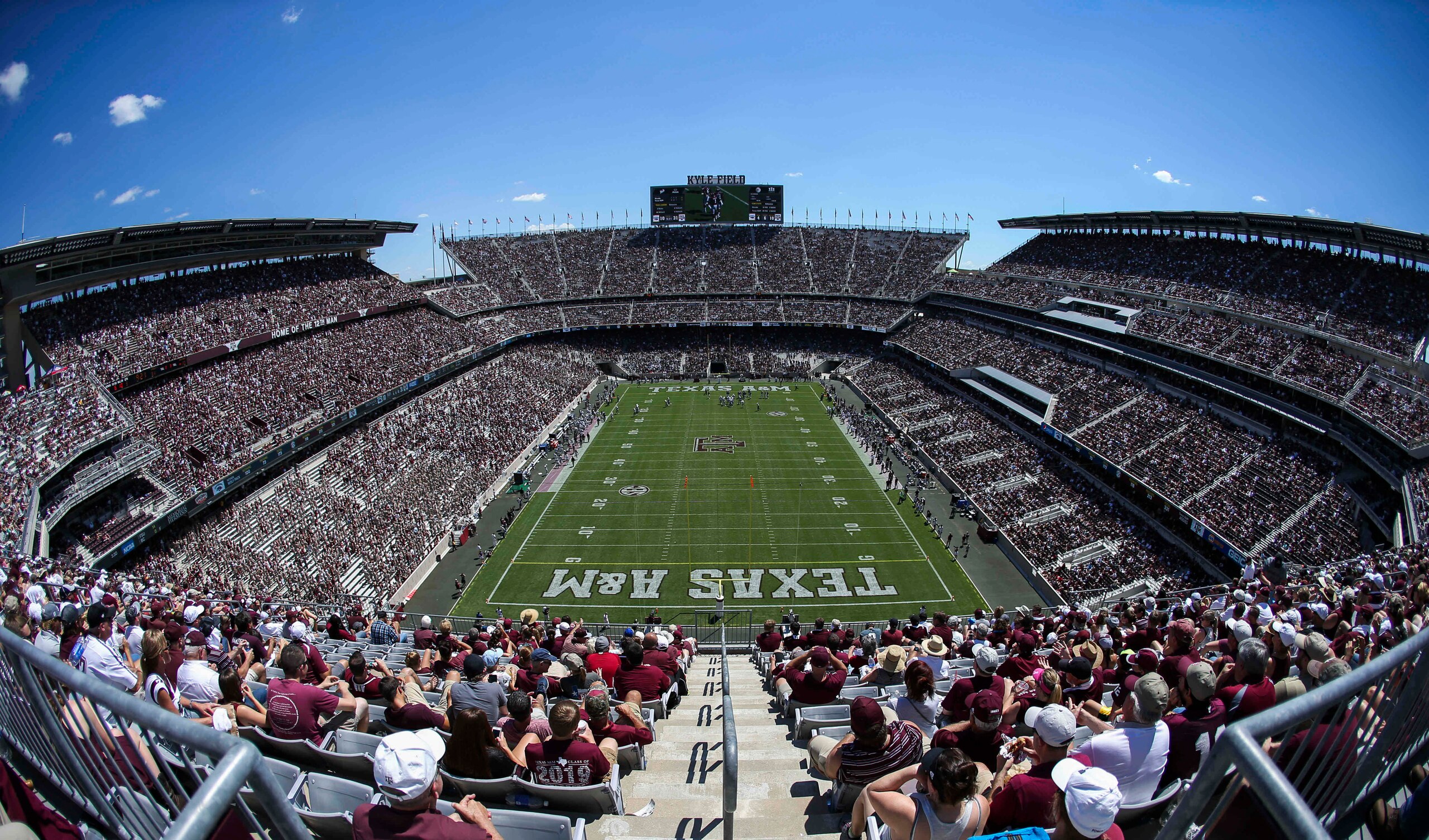
Kyle Field in College Station, Texas, is the Jekyll and Hyde of SEC stadiums.
The home of the Texas A&M Aggies has undergone a massive $450 million renovation and redevelopment that has added luxury suites, renovated the concourses, updated the locker rooms, boosted capacity to 102,733 and made Kyle Field the torch-bearer in the SEC and the country in the facilities arms race.
But under head coach Kevin Sumlin, Kyle Field hasn't exactly been the friendly confines.
The Aggies are 6-9 at home as members of the SEC over the last four years, with the most significant of those wins being over Vanderbilt in 2013.
Kyle Field is a great facility with a ton of potential to be intimidating.
That potential, at least as members of the SEC, hasn't been realized yet.
8. Ole Miss Rebels
7 of 14
Construction has been the norm in and around Vaught-Hemingway Stadium over the last few years, as the enclosure of the north end zone, addition of suites and renovations to existing areas have brought the home of the Ole Miss Rebels up to date in the day and age of the college football facilities arms race.
Now with a capacity of 64,038, it provides an intimate atmosphere where fans are right on top of the field, and it gets loud in big games.
The Rebels are 12-2 overall at home over the last two seasons, with Alabama and LSU included. What VHS lacks in capacity, it more than makes up for in success on the field.
7. South Carolina Gamecocks
8 of 14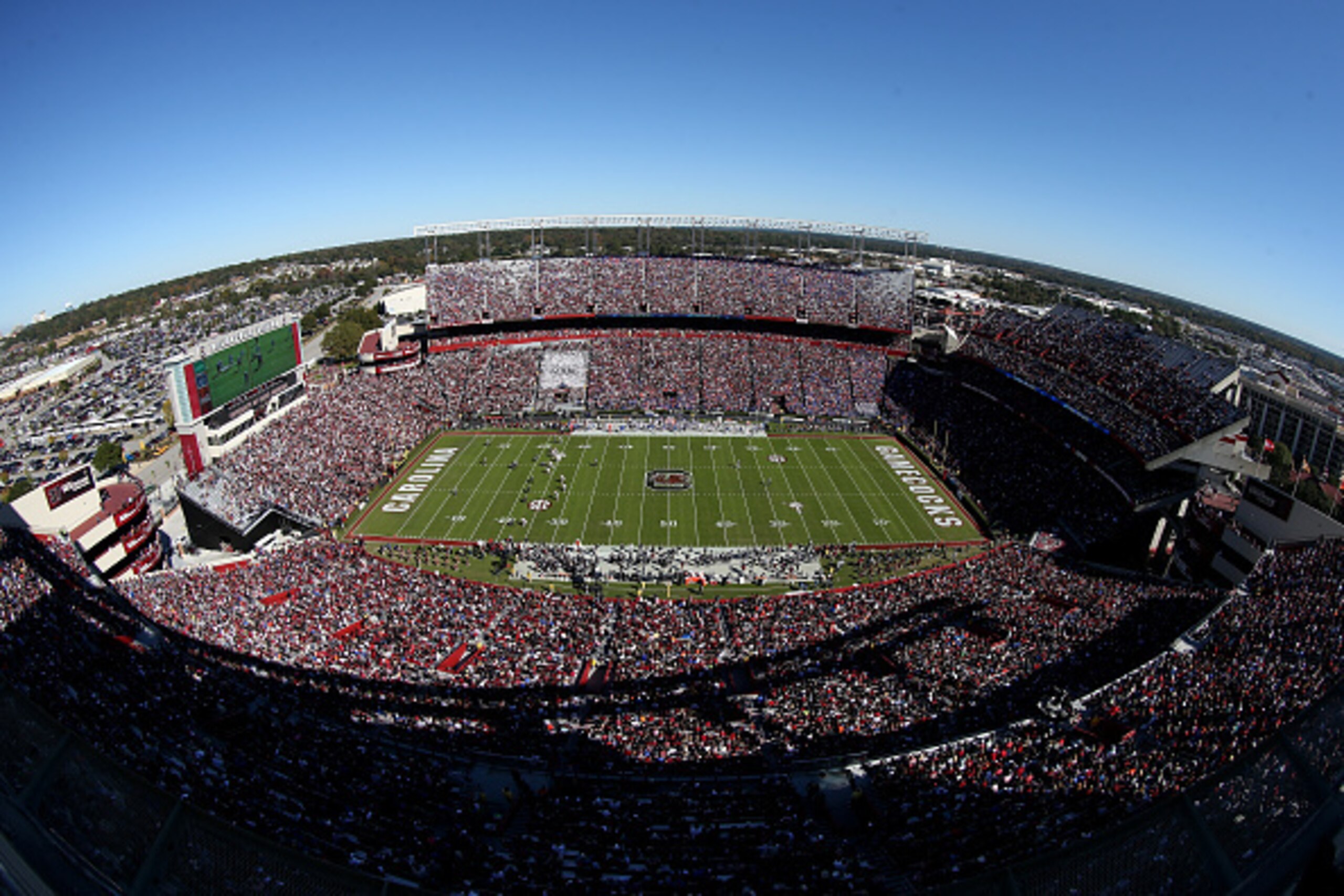
What do "2001" and "Sandstorm" have in common?
They are staples of South Carolina football, of course.
The Gamecocks trot out to the field at Williams-Brice Stadium and routinely hear some of the most loyal fans in sports rocking at the mere sight of their team taking on another SEC foe. The 80,250-seat stadium located in the fairgrounds a couple of miles south of campus shakes and sways when things get cranked up (really, it does), to the point where it gets a little frightening up in the press box.
It didn't help much last year when South Carolina went 3-4, won just one home game in conference and lost to out-of-conference FCS foe The Citadel.
6. Auburn Tigers
9 of 14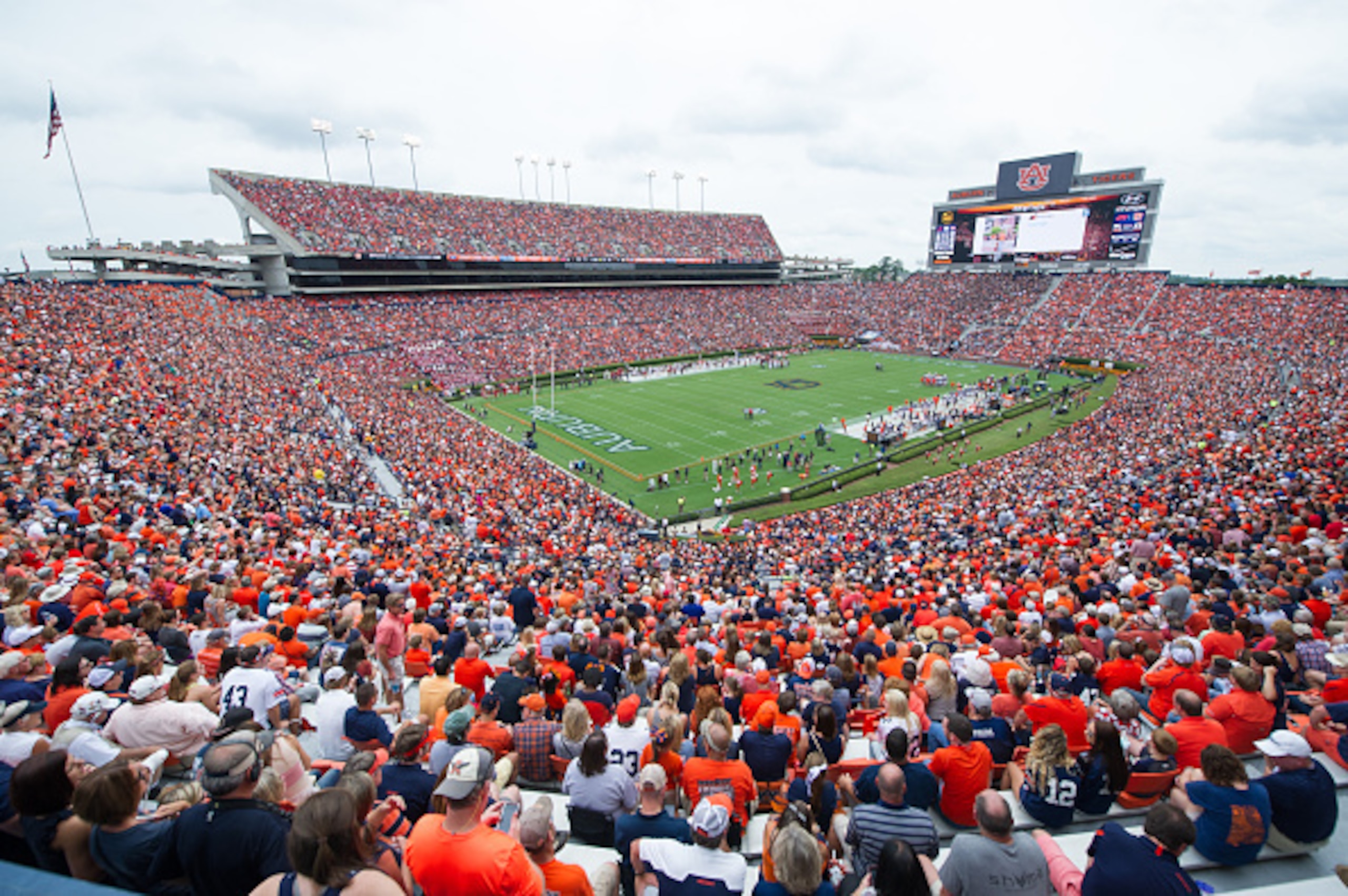
Auburn finished last season with a sub-.500 record at home (3-4), with neither of its two conference wins coming at Jordan-Hare Stadium.
But last year's struggle was more the exception than the rule.
The Tigers won three of their four home games in 2014, pulled off the "Prayer at Jordan-Hare" and the "Kick Six" in November 2013 and have routinely defended their home turf against the best of the SEC.
With a capacity of 87,451 and a massive scoreboard that towers over the south end zone, Jordan-Hare's noise level gets up there with the biggest stadiums in the conference when the Tigers are in contention.
5. Georgia Bulldogs
10 of 14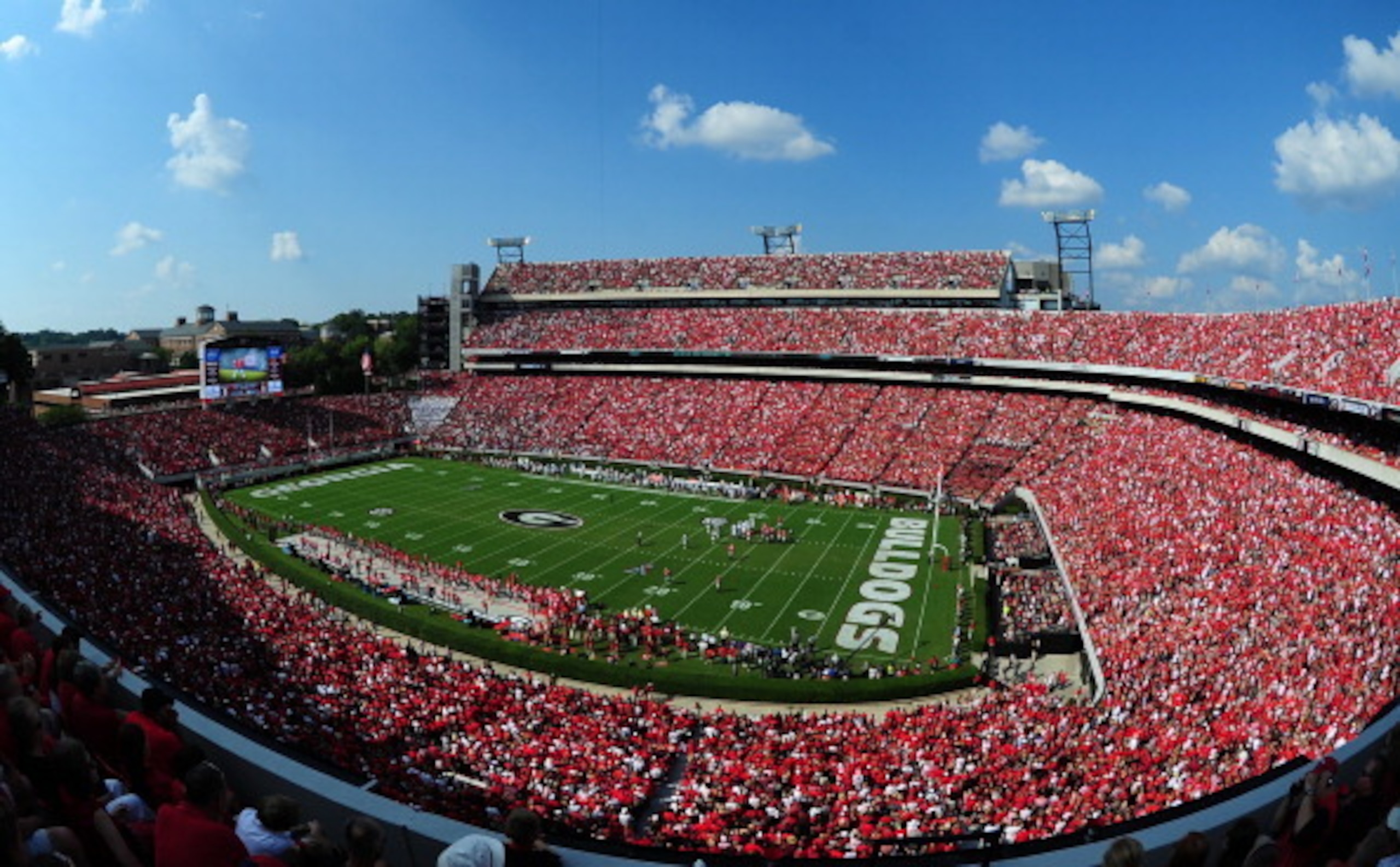
At 92,746, Sanford Stadium is one of the biggest and most impressive facilities in the SEC.
Located in a valley along the rolling hills of Athens, Georgia, the home of the Bulldogs has everything fans want, including luxury seats on both sides of the stadium, three tiers and an open end zone to the west that provides one of the most dramatic settings for afternoon games in the country.
The Bulldogs were 6-1 at home last year, and they are 29-4 between the hedges since the start of the 2011 season. The program made waves during the spring football practice session, when it set the SEC record with 93,000 fans at its spring game—Kirby Smart's first as head coach of the Bulldogs.
But the open end of the west end zone allows sound to escape, which limits the impact of large crowds unlike at other enclosed stadiums.
4. Tennessee Volunteers
11 of 14
Neyland Stadium, the home of the Tennessee Volunteers, is one of the gems of the SEC.
The 102,455-seat monster located on the banks of the Tennessee River is built straight up in the air, which prevents noise from escaping and creates one of the most intimidating atmospheres in the country.
The Vols were 6-2 at home last year and overcame a three-score deficit to Georgia at home, with the only blemishes coming to Big 12 champ Oklahoma in overtime and to Arkansas.
Vols fans have taken it to the next level over the last two seasons, creating a special "Checker Neyland" day in which every section of the stadium is designated as either orange or white. The Vols have lost both of their Checker Neyland games, but the new tradition has added something fresh to one of the greatest stadiums in college football.
3. Florida Gators
12 of 14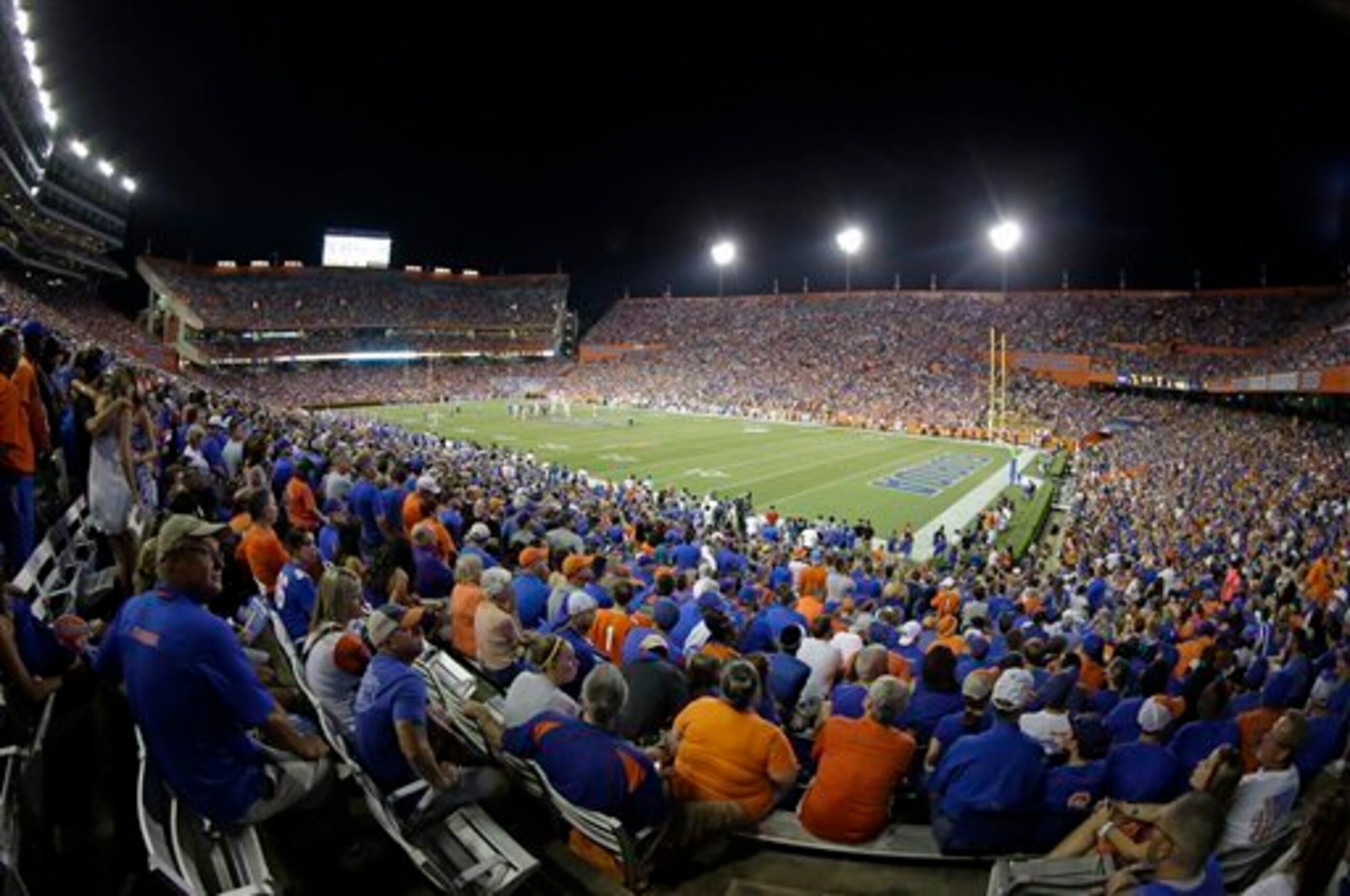
Ben Hill Griffin Stadium, more commonly known as the Swamp, is recognized as one of the loudest football stadiums on the planet.
The 88,548-seat home of the Gators provides small sideline room between the field and its concrete structure, which puts fans right on top of the opposition and lifts them straight up without many breaks in the levels of the facility.
After going through some struggles toward the end of the Will Muschamp era, first-year head coach Jim McElwain led the Gators to a 6-1 record at home and an unblemished home record in conference in 2015. They pulled off one of the comebacks of the season in a 28-27 come-from-behind victory over Tennessee that served as the de facto SEC East title game.
From a capacity standpoint, the Swamp isn't up to par with the best of the SEC. It makes up for it in hostility, though.
2. Alabama Crimson Tide
13 of 14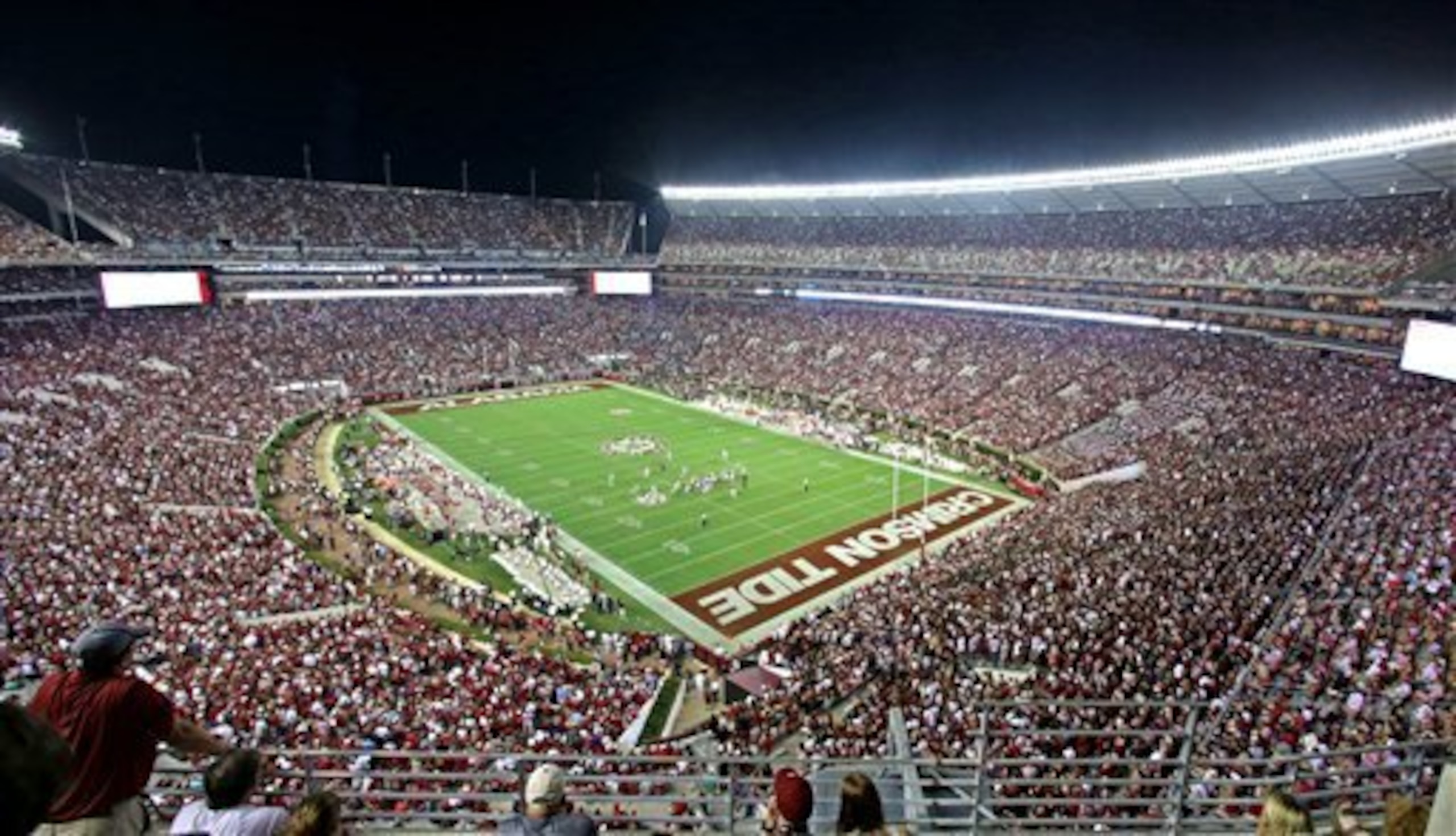
Bryant-Denny Stadium in Tuscaloosa, Alabama, was expanded to seat 101,821 fans and host more groups with end-zone luxury suites in 2010, and this has created a home-field advantage that's tough to beat. Since that expansion, the Crimson Tide have lost just four home games.
Four games over a six-year span.
That's remarkably impressive, even for a program that routinely boasts the best and deepest roster in the sport.
Alabama is 53-7 under head coach Nick Saban at home since the start of the 2007 season, excluding wins vacated by the NCAA during his first season in Tuscaloosa. While Saban sometimes gets frustrated with fans who don't stick around against some lesser opponents, it's tough to topple the Tide at home in big games inside the new-look Bryant-Denny.
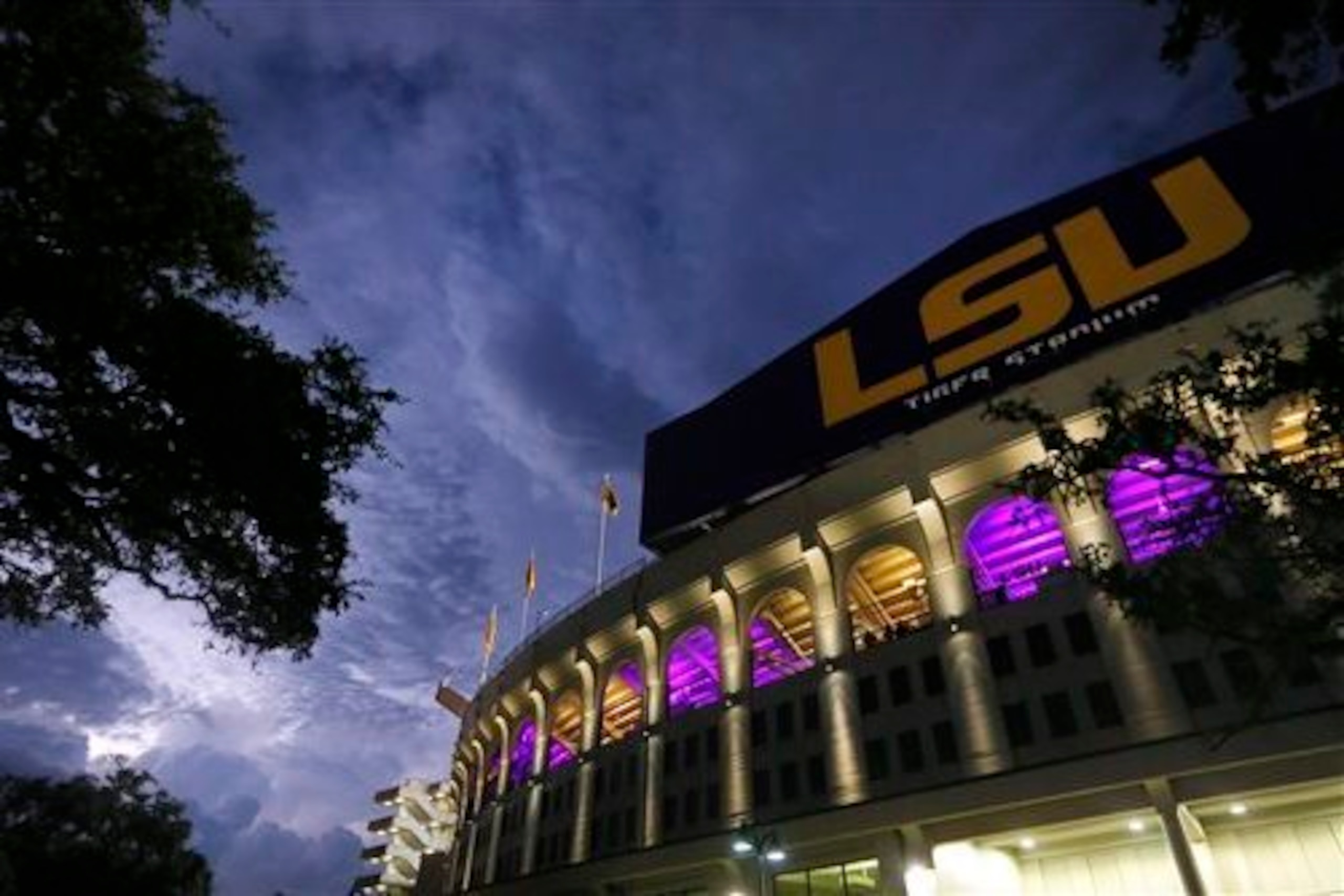
1. LSU Tigers
14 of 14
LSU head coach Les Miles famously called Tiger Stadium—also known as Death Valley—as the place "where opponents' dreams come to die" following the Tigers' 23-21 win over South Carolina in 2012.
He's not wrong.
According to the school, LSU is 68-10 at home since Miles took over prior to the 2005 season and 35-10 in home conference games. When Death Valley gets rocking, there isn't a louder stadium in football—pro or college.
LSU takes pride in the hostility of its home, and when the "sun finds its home in the western sky" and LSU gets an opponent at night in Death Valley, it's the best setting in the sport—bar none.
Quotes obtained firsthand unless otherwise noted. Statistics courtesy of CFBStats.com unless otherwise noted. Recruiting information courtesy of 247Sports.
Barrett Sallee is the lead SEC college football writer and national college football video analyst for Bleacher Report, as well as a host on Bleacher Report Radio on SiriusXM 83. Follow Barrett on Twitter @BarrettSallee.
.jpg?w=2560 "Florida Shooting")
.png?w=2560)


.jpg?w=2560 "Latest Peyton-Colts Rumors")
.jpg?w=2560 "Ugly Jets Scoring Stat 😳")

.jpg?w=2560 "Landing Spots for Trade Candidates 📍")