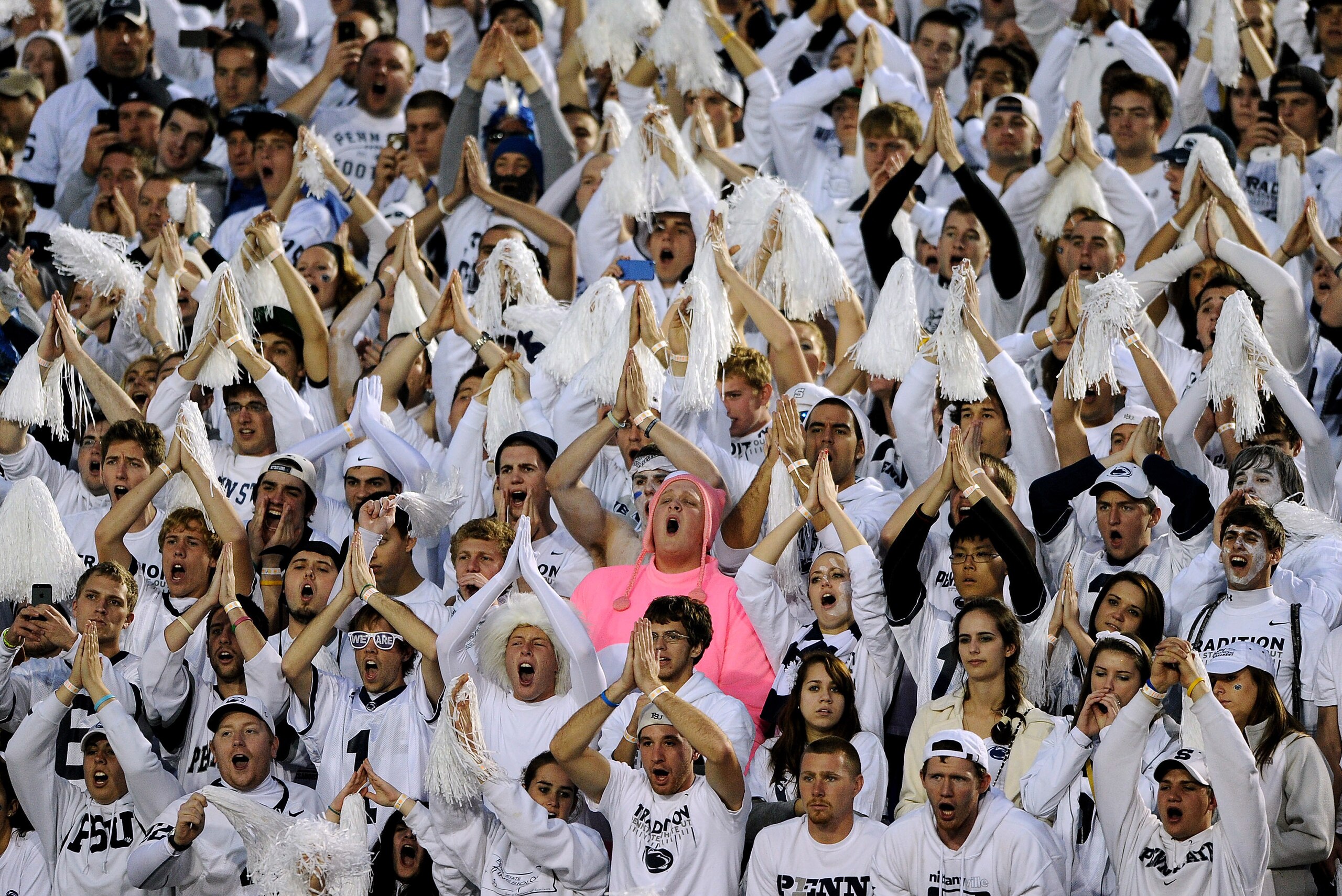

Power Ranking Toughest Big Ten Football Environments to Play In
The college football season is just over three months away and certain games on the 2016 slate are already beginning to stand out.
That rings especially true in the Big Ten, which recently learned which of its games will be featured on the prime-time schedules of both ESPN and Big Ten Network programming.
But while it's the teams that often make for interesting matchups in the same way that styles make fights, one point of intrigue that often gets overlooked is where each game is being played. And the Big Ten just happens to lay claim to some of college football's top venues, including the nation's top two stadiums in terms of average attendance.
With that in mind, let's rank the Big Ten's best environments based on the home-field advantages they provide for their respective teams heading into the 2016 season. Attendance figures are via the NCAA, while team records are courtesy of TeamRankings.com.
14. Ross-Ade Stadium
1 of 14
Having enjoyed just six wins in three years under head coach Darrell Hazell, Ross-Ade Stadium has hardly provided Purdue with much of a competitive advantage.
And the numbers support that sentiment.
Even dating back to 2011, the Boilermakers have just a 14-21 record at home, including a 5-16 mark in the past three seasons. In 2015, Purdue had the second-lowest average attendance in the Big Ten (37,508), filling a conference-low 65.5 percent of its capacity.
For as unimpressive as Ross-Ade Stadium is in person, the inconsistent product on the field hasn't helped matters. In some ways, it's a case of "the chicken or the egg," as it's hard to imagine the lackluster atmosphere can be much of an asset on the recruiting trail.
13. Maryland Stadium
2 of 14
Since joining the Big Ten in 2014, Maryland hasn't enjoyed much of a home-field advantage.
In their two seasons in the conference, the Terrapins have posted a 4-8 record at Maryland Stadium, and they haven't enjoyed a conference win at home since 2014. Unsurprisingly, attendance has suffered, with Maryland's average attendance at 44,341 in 2015, the third-lowest in the Big Ten.
At the very least, new Terrapins head coach D.J. Durkin has experience in some of college football's top environments, having previously coached at Michigan and Florida before arriving in College Park. Now it will be up to the former Wolverines defensive coordinator to restore the tradition at Maryland, which may currently possess the most untapped potential of any Big Ten program.
"Throughout my career, I have been fortunate to work with some outstanding individuals, each of whom has taught me a great deal about what it takes to be successful as a team, both on and off the field," Durkin wrote in an open letter to Terrapins fans upon his hiring. "I'm looking forward to bringing an exciting and successful brand to College Park."
12. Memorial Stadium (Bloomington)
3 of 14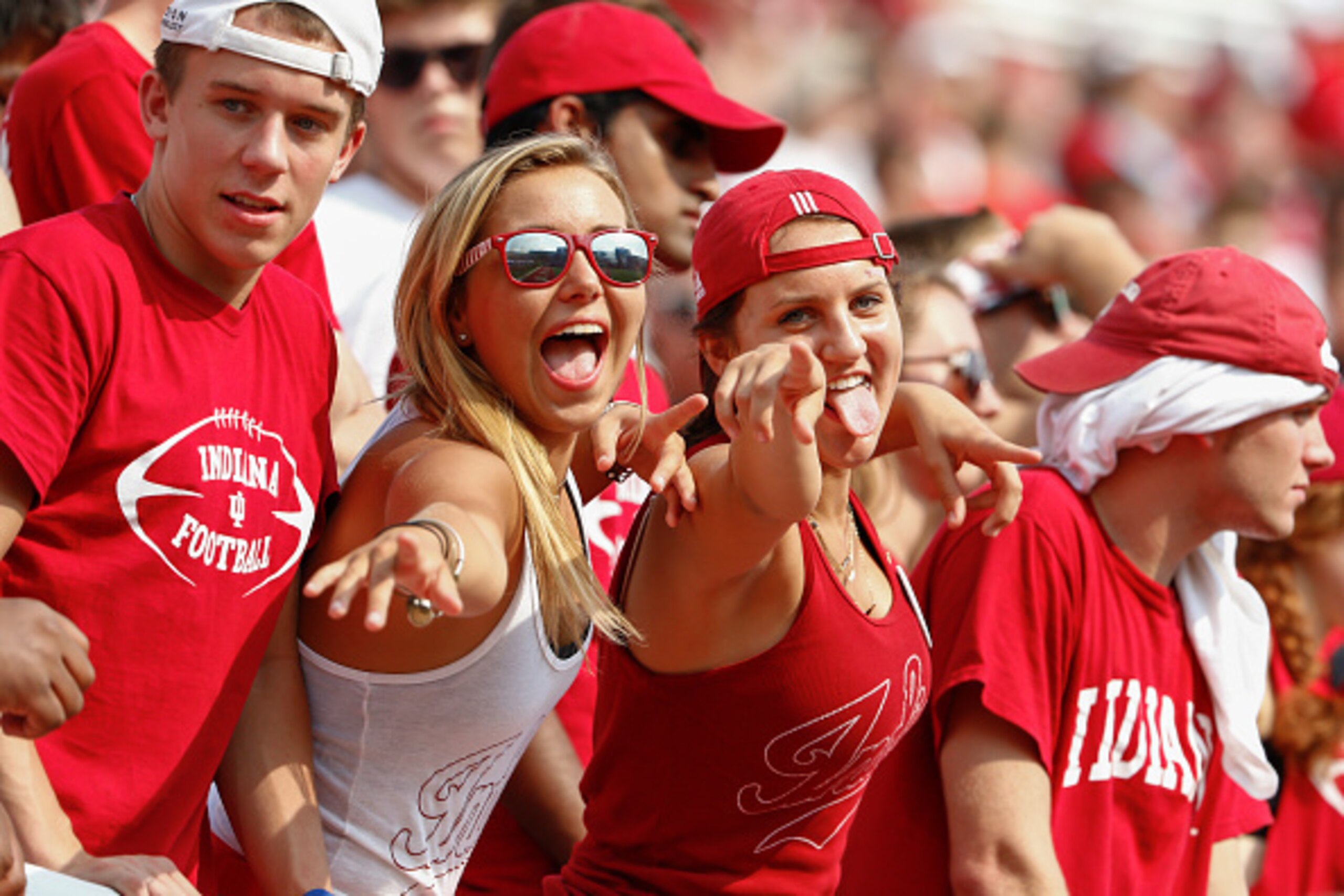
Despite possessing some of the Big Ten's best players and becoming bowl eligible for the first time since 2007, Indiana averaged just 44,314 in attendance for 2015, filling 83.7 percent of its capacity, ranking 10th in the conference in both categories.
With Nate Sudfeld and Jordan Howard no longer in Bloomington, those numbers could drop in 2016, especially considering the Hoosiers' unimpressive history at Memorial Stadium.
In the past five years, Indiana has recorded just a 14-19 record at home and hasn't had a winning season since 2007. In part, the Hoosiers' home-field advantage—or lack thereof—could be to blame, as the only time Memorial Stadium seems to meet its 52,929 capacity is with significant help from the opposing team, as was the case when Ohio State provided Indiana with its lone sellout a year ago.
For a team whose rallying cry is "Defend the Rock," the Hoosiers haven't done much of that in their recent history. Building on the momentum from 2015 would be a step in the right direction, but at this point, creating a memorable atmosphere in Bloomington appears to be an uphill battle.

.png?w=2560)
11. Memorial Stadium (Champaign)
4 of 14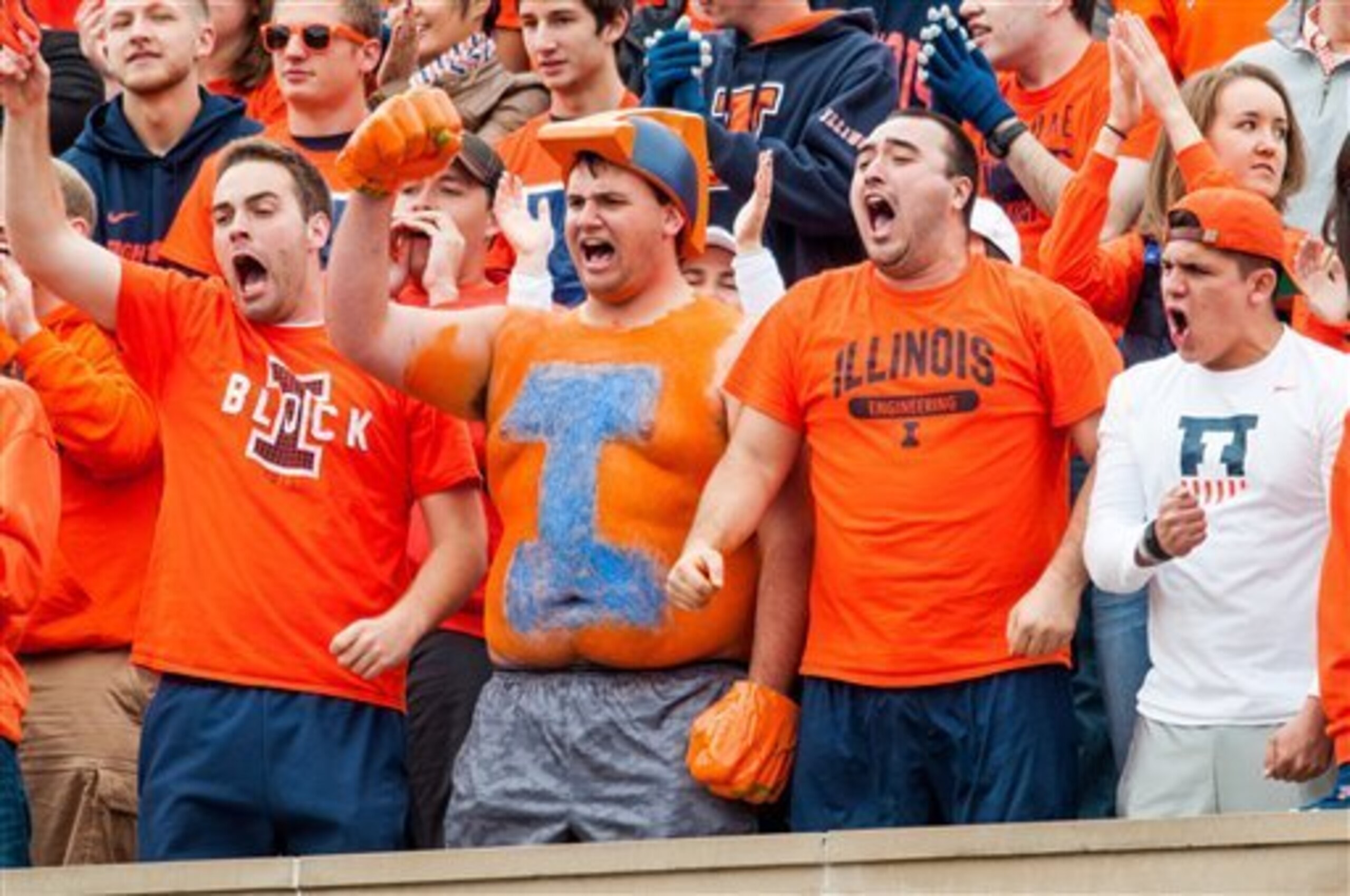
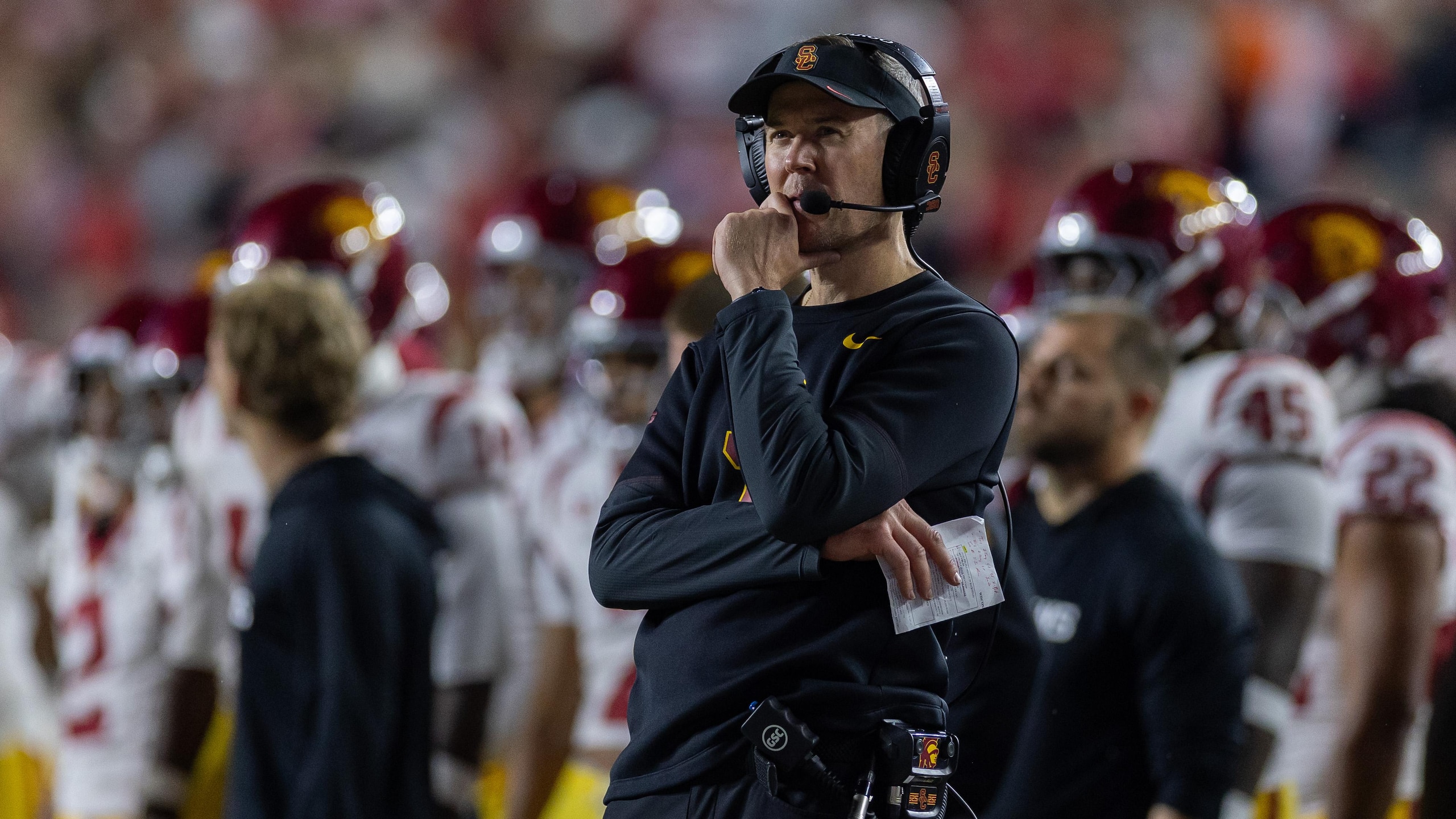
Having spent the better part of the past two decades coaching in the NFL, Lovie Smith could be in for a culture shock in his debut season at Illinois.
Like Memorial Stadium, Smith's past two home stadiums touted capacities that exceeded 60,000. But the former Chicago Bears and Tampa Bay Buccaneers head coach is now in charge of a program that averaged 41,342 in attendance in 2015 and filled just 68.1 percent of its capacity, the second-lowest rate in the Big Ten.
Then again, Fighting Illini fans haven't had much to cheer for recently after four consecutive years of losing seasons in Champaign.
Since Tim Beckman was hired in 2012, Illinois has amassed a 14-13 record at home, a mark Smith will have to improve on in order to get his new team headed in the right direction. Doing so in 2016, however, will be easier said than done, as the Illini will host North Carolina, Michigan State and Iowa in the coming year.
But based on his track record alone, don't count Smith out just yet. If he can land a big upset win at home in his debut campaign, it could go a long way toward restoring Illinois as "Chicago's Big Ten team."
10. Ryan Field
5 of 14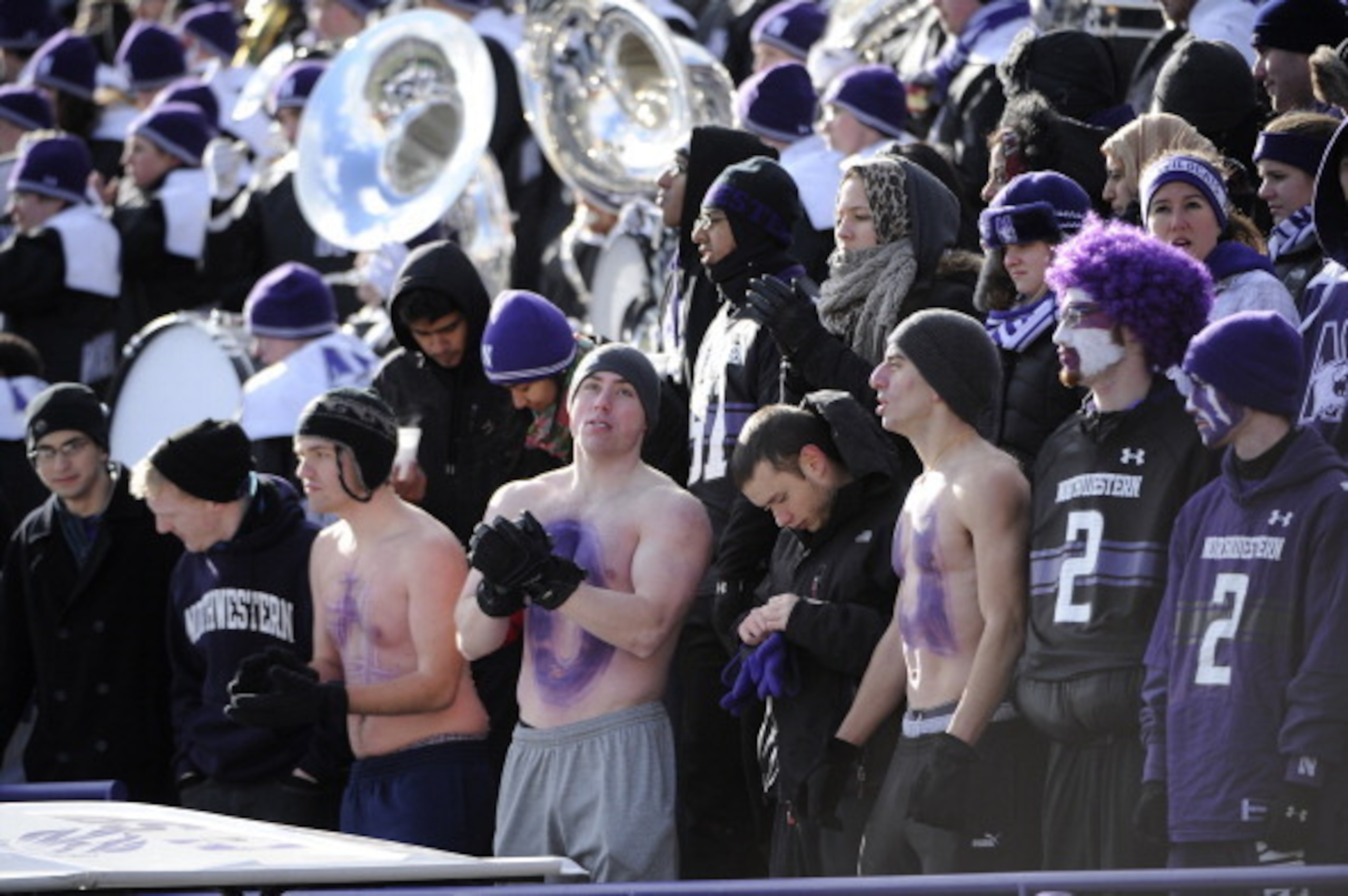
Speaking of "Chicago's Big Ten team," Northwestern currently holds that title based on on-field results—including last year's win over Illinois—only you wouldn't know it based on attendance figures.
Despite enjoying a 10-2 regular-season record, the Wildcats ranked last in the conference in average attendance (33,366), filling 70.8 percent of Ryan Field, the third-lowest rate in the conference.
Dating back to Pat Fitzgerald's hiring in 2006, Northwestern has seen steady results at home, where it's enjoyed a 38-28 record, including a 20-14 mark in the past five years. Last season, Ryan Field saw the Wildcats pull off perhaps one of the most impressive wins in college football, defeating a Stanford team that looked like one of the nation's best by season's end.
What 2016 will hold for Northwestern remains to be seen, but a prime-time home showdown against Nebraska on Sept. 24 looms as one of the Wildcats' most anticipated matchups. At the very least, that—along with last season's results—could be enough for Ryan Field to pull off a sellout, something it never recorded in 2015.
9. High Point Solutions Stadium
6 of 14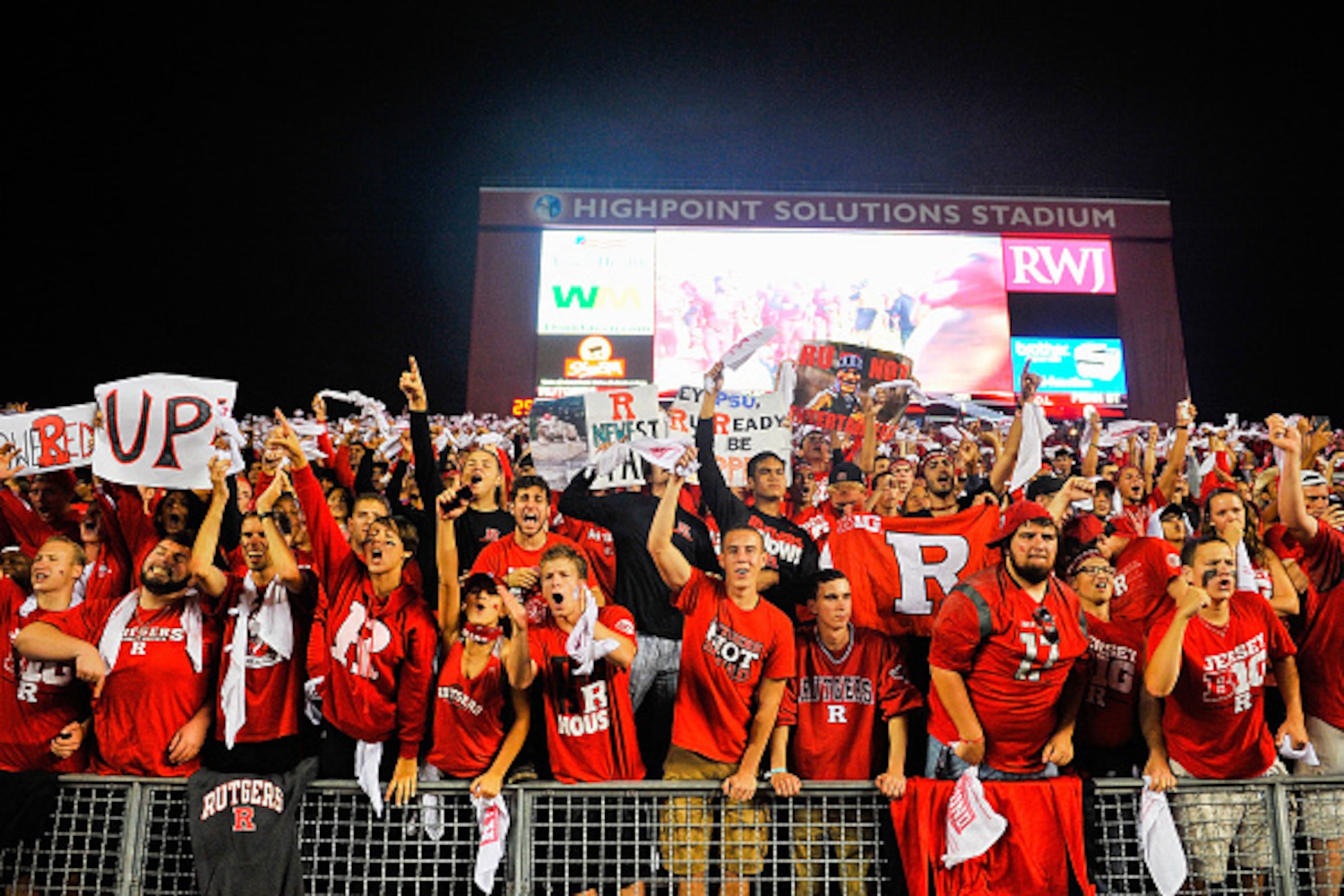
Despite Rutgers' 12-13 overall record—including last year's 4-8 campaign—since joining the Big Ten in 2014, High Point Solutions Stadium has already witnessed a few memorable moments in its new conference.
In 2014, the Scarlet Knights scored an upset victory over Michigan under the lights in Piscataway, and last season's nighttime affair with Michigan State came down to the wire, with the Spartans ultimately earning a 31-24 victory.
But while High Point Solutions Stadium has provided a formidable night game atmosphere, the rest of Rutgers' home games can be lacking at times. Last season, the Scarlet Knights sold out just one game at home, with an average attendance of 47,723, which ranked ninth in the Big Ten.
Nevertheless, Rutgers lays claim to a 21-12 home record in the past five seasons, including a 6-7 mark since joining the Big Ten. And in 2016, new Scarlet Knights head coach Chris Ash will get to experience his new nighttime home-field advantage not once, but twice, with Rutgers slated to host both Michigan and Penn State under the lights in the coming year.
"I was at Ohio State and they had a great student section. I was at Wisconsin, a great student section," Ash said, per Keith Sargeant of NJ.com. "I don't care where you're at in the stadium. Show up and make noise."
8. TCF Bank Stadium
7 of 14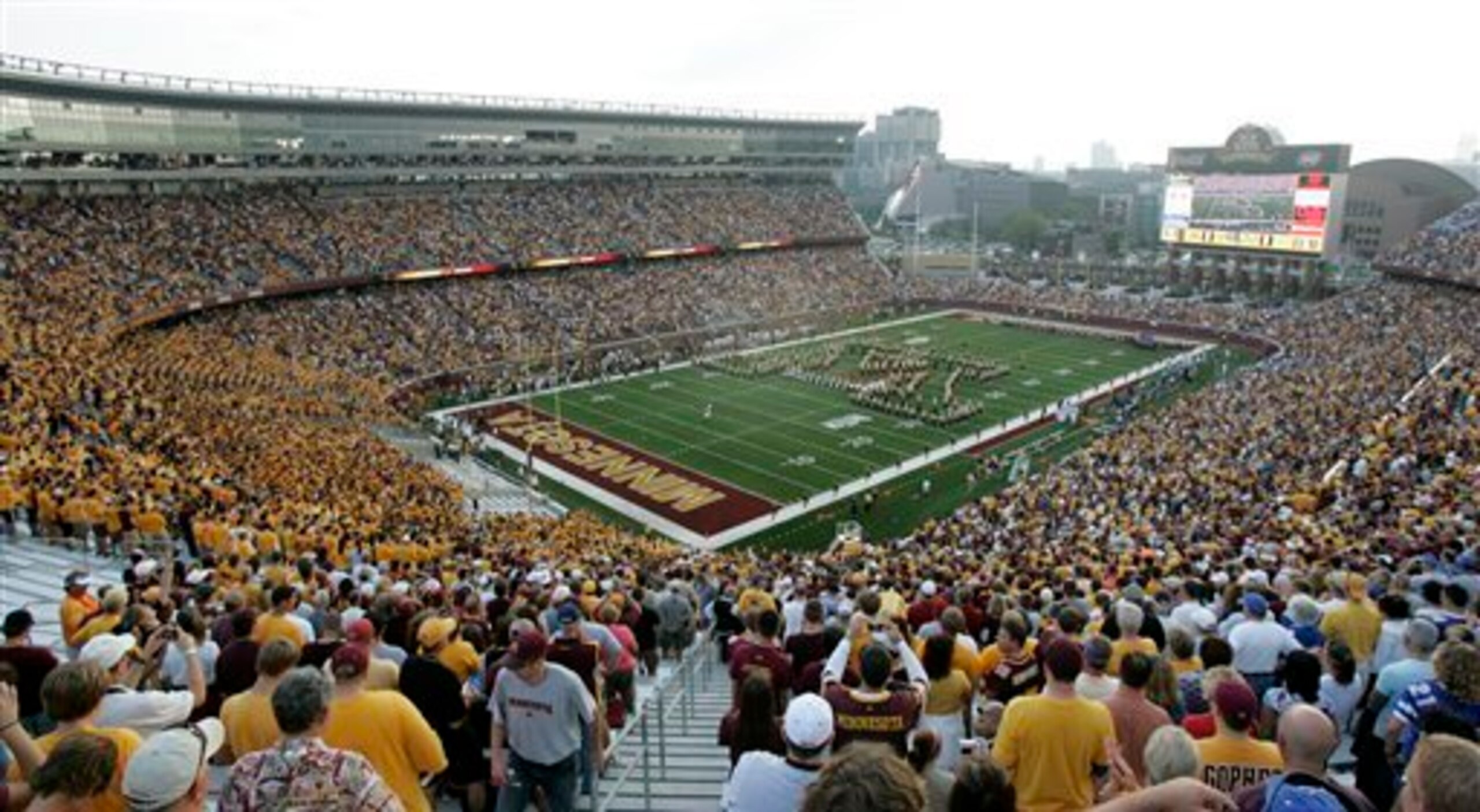
The temporary home of the Minnesota Vikings for the past two seasons, TCF Bank Stadium in Minneapolis has arguably been better known for its NFL games than its college experiences as of late.
But when the Golden Gophers are in town, fans still show up, with Minnesota filling an average of 99.7 percent of its 52,525 capacity in 2015, including five sellouts, despite the team finishing with a 5-7 regular-season record at year's end.
The Big Ten's first new stadium since Memorial Stadium opened in Bloomington in 1960, TCF Bank Stadium is still finding its footing in terms of tradition, but its modern design has been a breath of fresh air in the conference. Since its opening seven years ago, the Golden Gophers have owned a 26-23 record at home, including a 21-14 mark in the past five years.
This season, however, Minnesota has thus far been left out by both ESPN and the Big Ten Network when it comes to hosting prime-time games. Whether one will eventually get added remains to be seen and will likely be dependent on the Golden Gophers' on-field success throughout the 2016 campaign.
7. Kinnick Stadium
8 of 14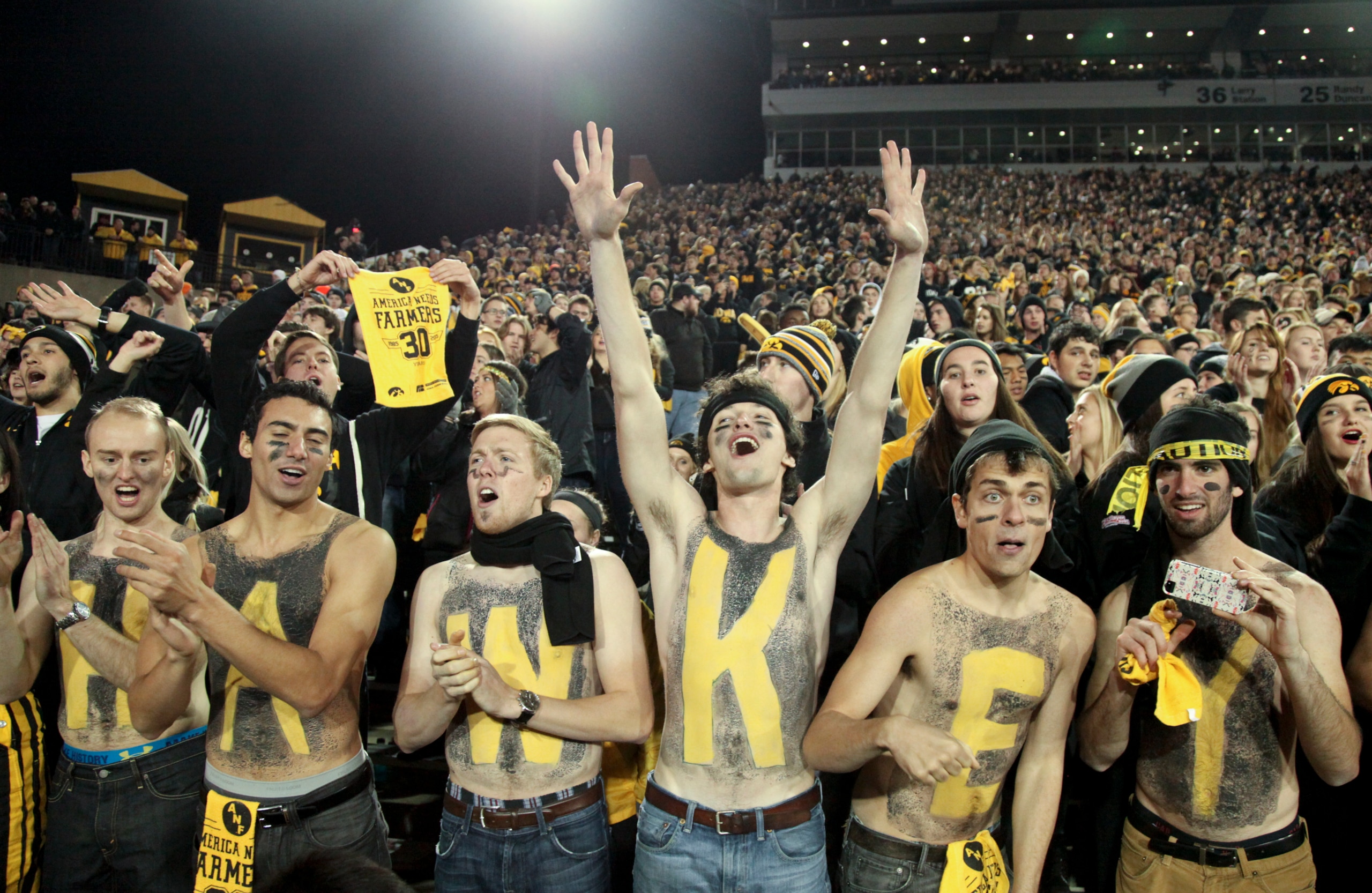
Despite its run to a 12-0 regular-season record, Iowa's attendance at Kinnick Stadium was lacking at times in 2015. The Hawkeyes only hosted one sellout crowd on the year, with an average of 63,142 fans ranking seventh in attendance, but just ninth in capacity filled.
But when Kinnick is rocking, you'd be hard-pressed to find a more impressive—or intimidating—home atmosphere. That was the case during last year's sellout in Iowa City, where 70,585 fans witnessed Iowa defeat Minnesota during a prime-time battle in mid-November under the lights of Kinnick Stadium.
"The fans were fantastic," Hawkeyes head coach Kirk Ferentz said after the game. "Sold out, black-out crowd, and the energy was present from the time we came up pregame. Just an electric atmosphere."
This season, the Hawkeyes are currently slated to host two prime-time games, including a Week 2 battle against rival Iowa State and a Nov. 12 date with Michigan. The latter of the two could provide one of the best atmospheres in Kinnick's 86-year history and could ultimately go a long way toward determining each team's fate in the Big Ten title race.
6. Spartan Stadium
9 of 14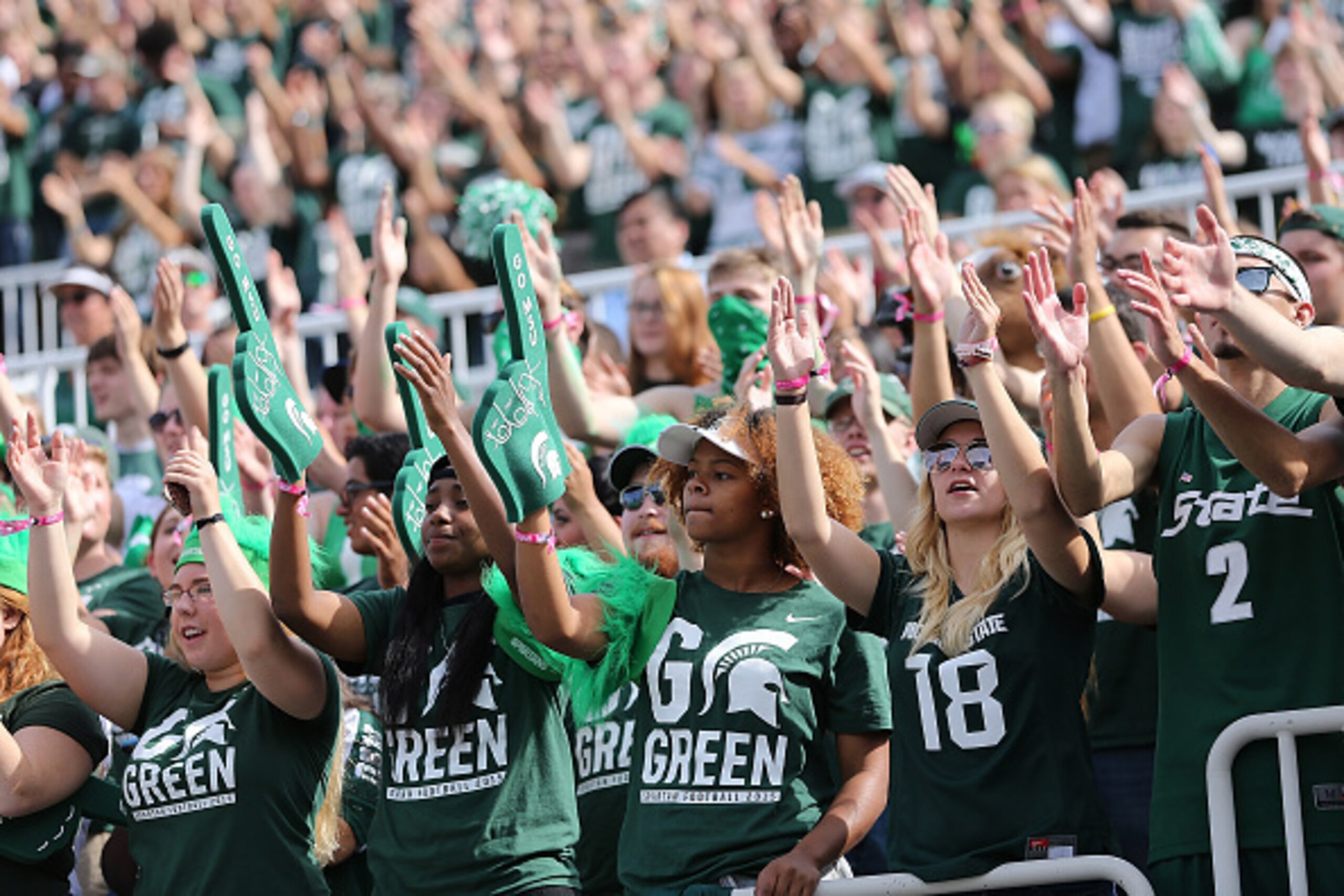
While Michigan State no longer has Connor Cook, Shilique Calhoun or Jack Conklin to count on, the Spartans do have this on their side: In both of their rivalry games with Michigan and Ohio State in the coming year, MSU will benefit from playing inside the friendly confines of the Spartan Stadium.
And while it remains to be seen what the Spartans can expect from their roster in 2016, that home-field advantage could go a long way as Spartan Stadium has become one of the Big Ten's best atmospheres during MSU's recent resurgence under Mark Dantonio. In the past five seasons, the Spartans claim a 29-6 home record, the 20th-best mark in that stretch nationally and the third-best in the Big Ten.
The results and the East Lansing atmosphere have enhanced one another, with Michigan State filling an average of 99.5 percent of its 75,005 capacity throughout the 2015 campaign. Like most venues, Spartan Stadium shines brightest under the lights, although Michigan State currently has no prime-time games on its upcoming slate.
But with the Wolverines and Buckeyes both coming to town in the same year, that may not be the case for long. And regardless of the kickoff start times, it's a safe bet Spartan Stadium will provide the two Big Ten East contenders and Michigan State rivals with one of their toughest road trips in 2016.
5. Michigan Stadium
10 of 14
While Michigan Stadium's 107,601 capacity provides a unique home-field advantage unlike any other in college football, we are just two years removed from Michigan giving away tickets with the purchase of two Coca-Cola products.
But if the first year of the Jim Harbaugh era was any indication, the Wolverines are headed back in the right direction, as Michigan led the Big Ten—and all of college football—with an average attendance of 110,168 in 2015.
Even as Brady Hoke struggled throughout his time in Ann Arbor, the Wolverines still benefited from their home-field advantage, with Michigan owning a 27-8 home record since Hoke's hiring in 2011. But as 2014 showed, with the Wolverines losing their grip on the nation's attendance rankings for the first time since 1997, disappointing results can take their toll in Ann Arbor—hence the aforementioned soda promotion.
Only that doesn't seem to be an issue under Harbaugh, who has reinvigorated his alma mater's fanbase with not only his energy, but last season's 10-3 debut campaign. By the Wolverines' own choice, they won't host a night game in 2016, but Michigan Stadium's atmosphere should only continue to improve with more wins in the coming year.
4. Memorial Stadium (Lincoln)
11 of 14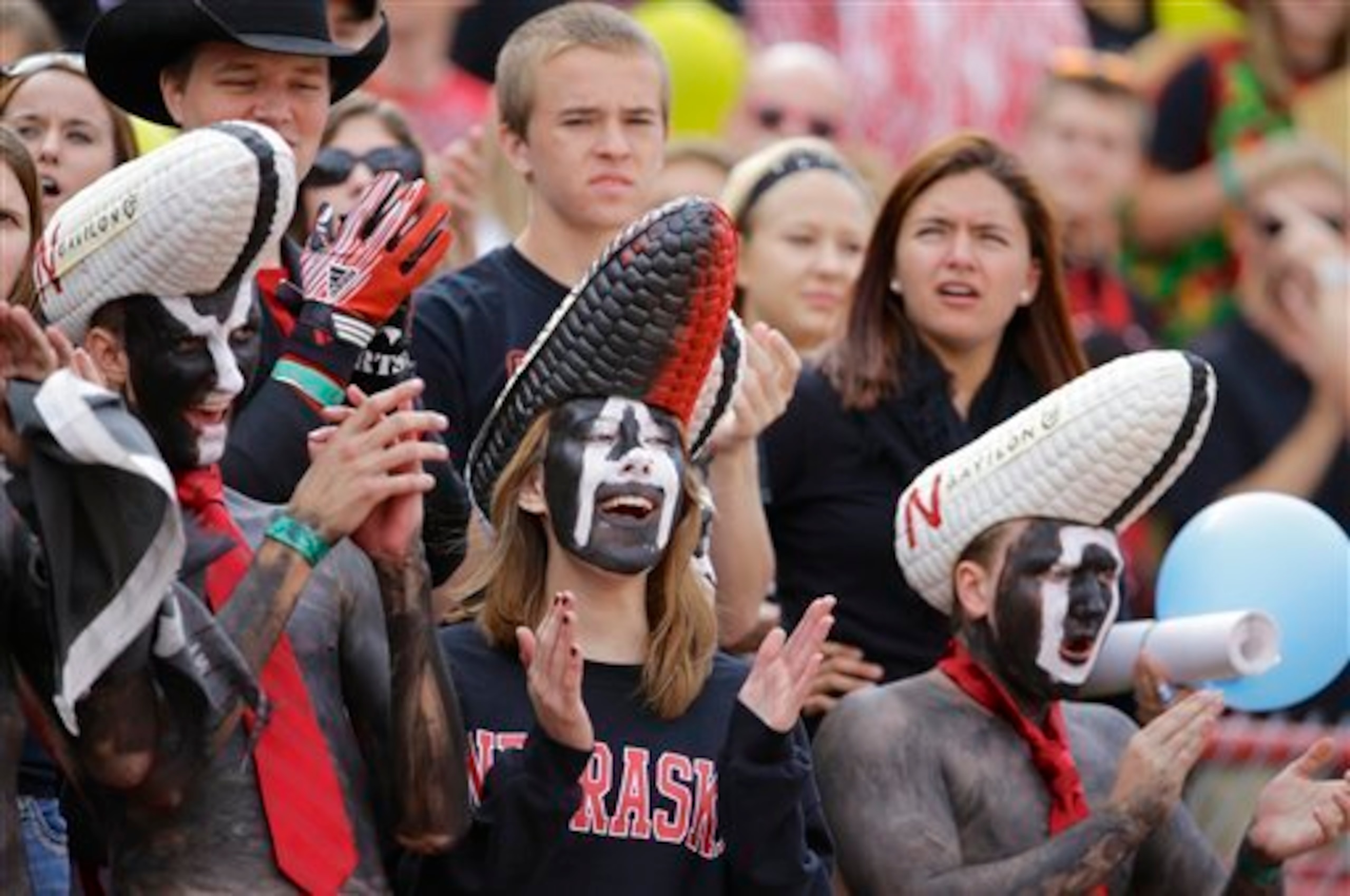
Since the Cornhuskers joined the Big Ten in 2011, it hasn't taken long for Nebraska's Memorial Stadium to become a road-trip favorite for opposing teams and fans alike.
For the Huskers, the results have worked out just fine as well, as they own a 27-9 home record since joining the conference five years ago.
Despite Nebraska's disappointing 5-7 regular-season record a year ago, fans in Lincoln still showed up early and often, filling Memorial Stadium with a Big Ten-best 103.3 percent of its 87,091 capacity.
Perhaps most promising was that as the year continued, attendance only grew stronger, with the Cornhuskers packing more than 90,000 fans into their final two home games, including a Nov. 7 prime-time upset of Michigan State.
This season, Nebraska is slated to host two prime-time games, including its season opener against Fresno State and a Nov. 12 date against Minnesota. And regardless of how Year 2 of the Mike Riley era is playing out by then, they'll still be showing up in Lincoln, as one of the Big Ten's most loyal fanbases has already shown it won't let its team's record determine its attendance.
3. Beaver Stadium
12 of 14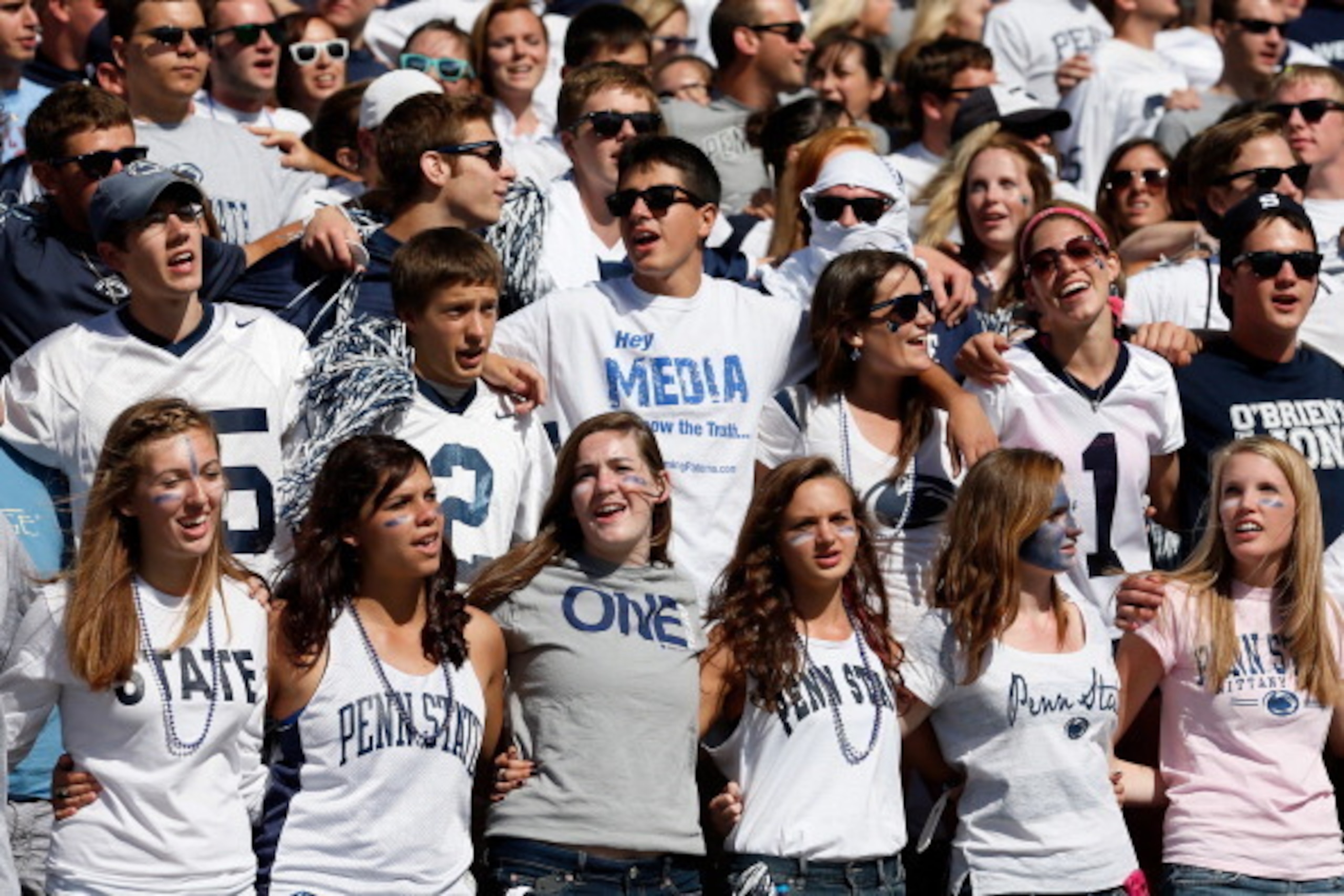
Even after coaching six years in the SEC, nothing prepared Ohio State head coach Urban Meyer for his first trip to Happy Valley.
"I thought that was an incredible atmosphere [in 2012], which is a credit to Penn State's fans," Meyer said as he prepared for his second trip to State College, in 2014. "I thought it was even credit to the players on their sideline than ours. I've been in some national championship games, and you can't say they played any less on that day at Penn State two years ago."
And while the unprecedented sanctions following the Jerry Sandusky scandal have affected the on-field product, including back-to-back 7-6 seasons to start the James Franklin era, the Nittany Lions faithful are still showing up. Last season, Penn State filled 93.6 percent of its 106,572 capacity, including two sellouts for games against Army and Michigan.
And then there's annual white-out game, a sight to behold in such a large stadium. This year, it's Meyer's Buckeyes who will be on the field for one of the Nittany Lions' latest traditions in what's already scheduled for a prime-time kickoff on Oct. 22.
Unlike four years ago, however, Meyer knows exactly what he's getting into.
2. Camp Randall Stadium
13 of 14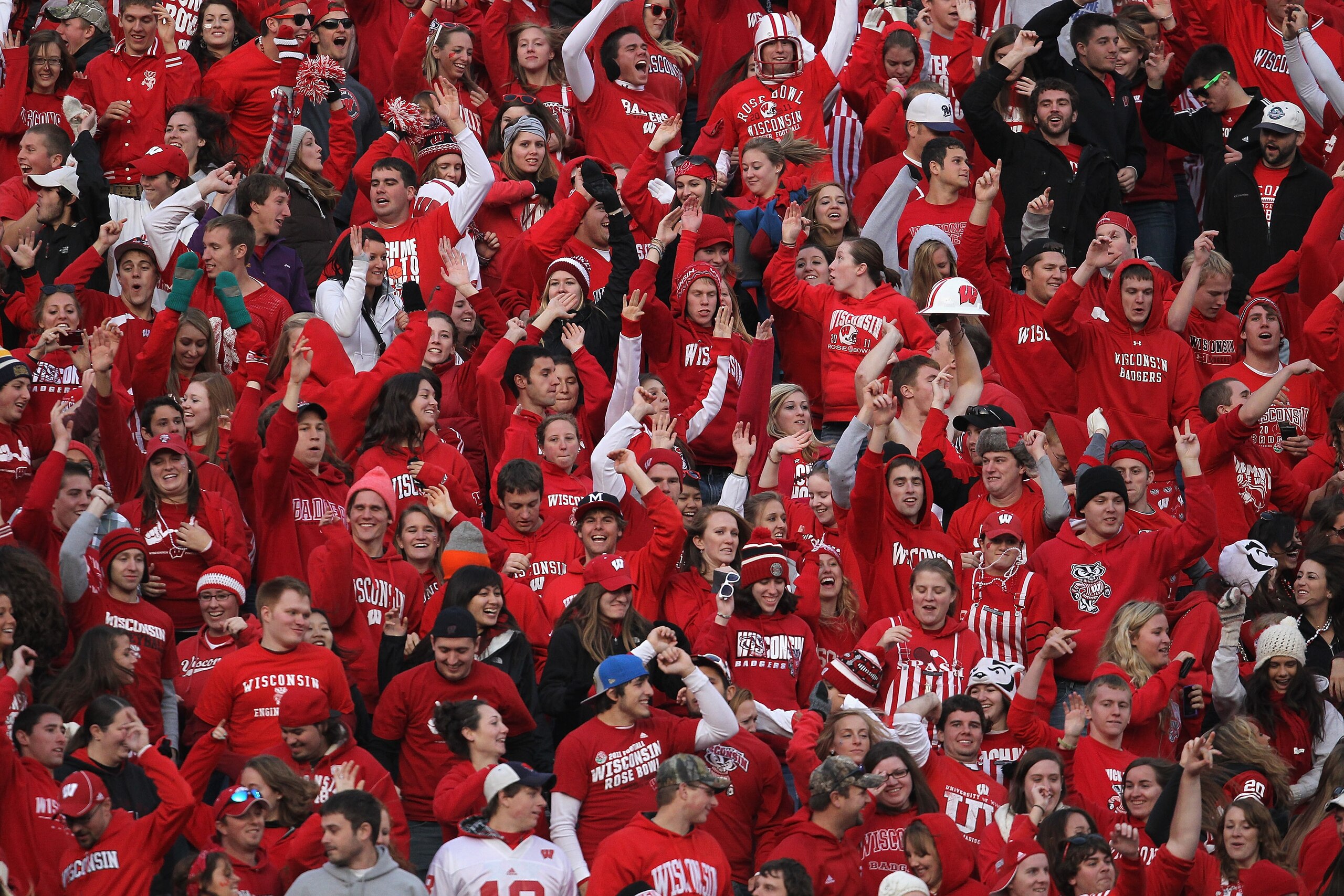
Pack it up, pack it in
Let me begin
I came to win
Battle me that's a sin
That's how the time between the third and fourth quarter of each game at Madison's Camp Randall Stadium begins, with fans jumping around to House of Pain's 1992 hip-hop hit, "Jump Around." In what's become one of the Big Ten's best-known and rowdiest traditions, opposing teams have even been known to take part, as Ohio State did during its last trip to Camp Randall in 2012.
But even though that tradition can be fun for even opposing teams, Badgers opponents haven't had much fun otherwise in Madison in recent years. Since 2011, Wisconsin has owned a 30-5 home record, the second-best mark in the Big Ten in that stretch.
With the Big Ten's toughest schedule ahead, the Badgers home-field advantage will soon be put to the test. For now, the biggest game of the bunch appears to be an Oct. 15 matchup with the Buckeyes under the lights of Camp Randall Stadium, where there should be no shortage of jumping on the sidelines.
Which sideline will wind up with more to celebrate at night's end, however, still remains to be seen.
1. Ohio Stadium
14 of 14
The last time Ohio State took the field, 100,189 fans packed Ohio Stadium.
And that was just for the Buckeyes spring game.
Between an already diehard fanbase and the emphasis Meyer has put on fan engagement since arriving in Columbus in 2012, you'd be hard-pressed to find a better atmosphere in all of the Big Ten—if not college football—than what Ohio Stadium has provided in recent years.
Last season, the Buckeyes trailed just Michigan (110,168) in national attendance, averaging 107,244 fans per game—102.2 percent of its 104,944 capacity.
"A lot of great places in college football, and this is a special place," Meyer said following a prime-time win over Penn State last season. "A night game in the Horseshoe, I remember the first one against Nebraska back in, whenever that was, 2012, and this is a special night."
This year, Ohio Stadium will once again be featured prominently, with the Buckeyes already slated to host two prime-time games under the lights of the Horseshoe. But regardless of what time Ohio State plays, its home atmosphere provides a unique advantage, as evidenced by Meyer's 27-2 home record with the Buckeyes—the second-best mark in all of college football in the past four years.
Ben Axelrod is Bleacher Report's Big Ten lead writer. You can follow him on Twitter @BenAxelrod. Unless noted otherwise, all quotes were obtained firsthand. Recruit rankings and info courtesy of 247Sports.
.jpg?w=2560 "Florida Shooting")
.png?w=2560)


.jpg?w=2560 "Latest Peyton-Colts Rumors")



.jpg?w=2560 "Ugly Jets Scoring Stat 😳")
.jpg?w=2560 "Landing Spots for Trade Candidates 📍")