Why the FA Cup Should Still Be Important to Tottenham Hotspur
Saturday's FA Cup final between Crystal Palace and Manchester United will be the 25th in a row not to feature Tottenham Hotspur. The 2-1 defeat of Nottingham Forest in 1991 remains the last of their eight successes in the competition.
No team has a given right to win anything, but the length of the wait feels almost unbelievable for a club whose modern history is so synonymous with the trophy.


It was the final part of the jigsaw in Tottenham recording the 20th century's first double in 1961, while their repeat a year later led to them becoming the first English club to win a European trophy. Successful returns to Wembley in the 1980s crowned the club's re-emergence from the doldrums of the late 1970s.
Many of Spurs' current first team were not even alive when captain Gary Mabbutt lifted the cup all those years ago. Another triumph in the famous old competition may feel a long way off right now with other objectives more pressing, but getting back to the FA Cup final again should still be important to the north London club.
The evocative memories of Mabbutt and his team-mates in the linked-to video above speak to the significance of the competition for Tottenham.
Though featuring special talents like England internationals Gary Lineker and Paul Gascoigne—the latter credited for his enormous role getting them to the final—it was not among the very best sides Spurs have ever fielded. Yet those players achieved something that cannot be taken away from them, their success guaranteeing each a special place in the club's history.
The current gap is the longest post-war space between successes. That Spurs have gone this long without at least getting back to the final is not for want of trying.
They reached four semi-finals in the decade following 1991, defeats by Everton and Newcastle United bookending losses to Arsenal (the Gunners exacting revenge for Gascoigne and Spurs denying them a double in '91).
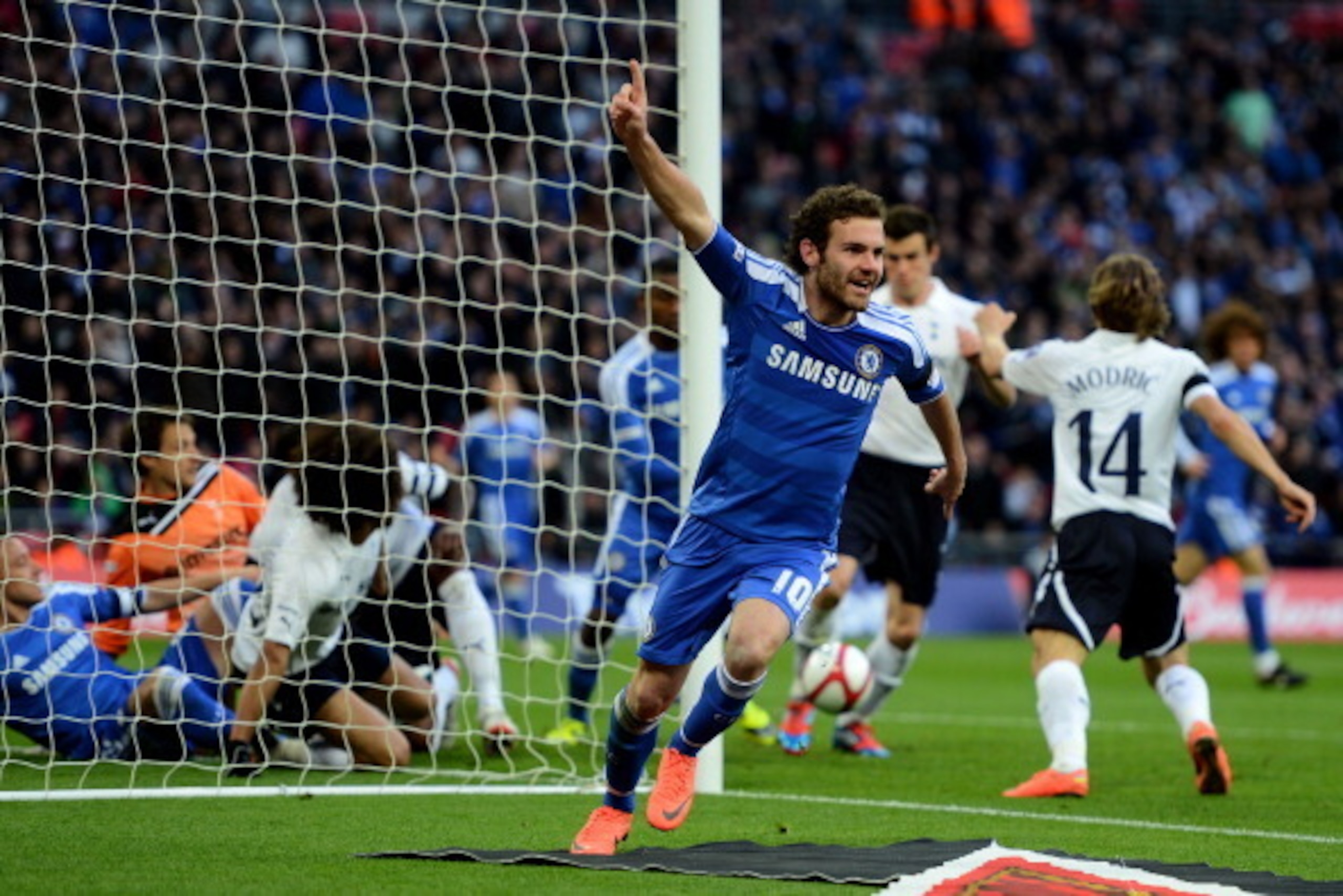
Under Harry Redknapp's management, Spurs made two more semi-finals, losing a heartbreaker to Portsmouth in 2010 before Chelsea crushed them two years later. Coupled with League Cup triumphs and respectable league experiences, too, the intervening period has still provided memories players and fans of most clubs throughout the land would kill for.
The dilemma, or debate, for clubs in England's upper echelon these days is what conquering the FA Cup means compared to winning the league or securing Champions League qualification. The difficulty of delivering on just one of these leads to a near-annual confusion and contradiction of priorities.
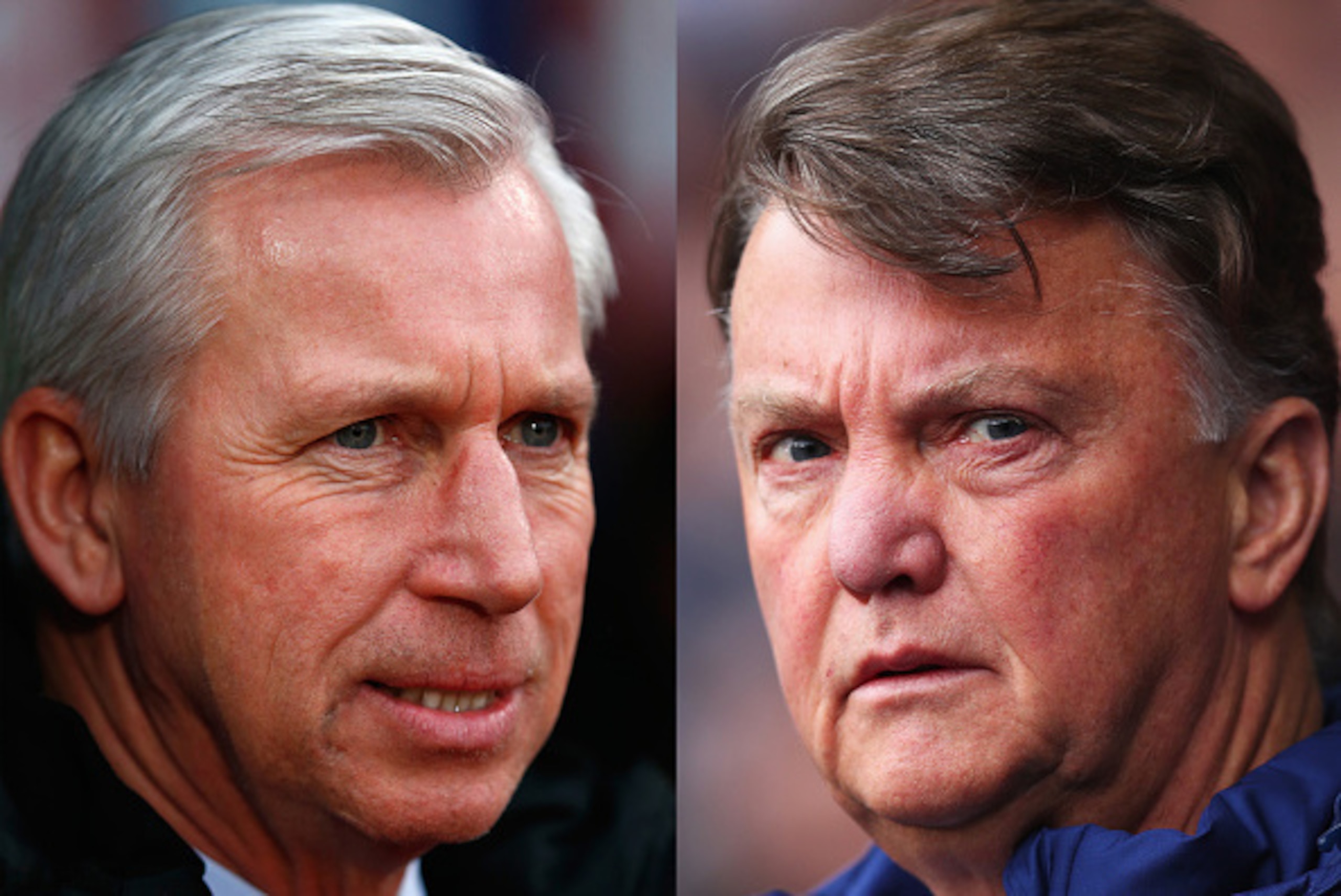
Speaking prior to the latest final, Manchester United boss Louis van Gaal was unequivocal in his belief.
"Qualification is not a title. A title is the FA Cup," the Dutchman said, per BBC Sport.
"It is important for the players. They can look at and hold the cup, that's an exciting moment and especially here in England because the FA Cup is a big title."
The short- to mid-term rewards of winning on Saturday compared to what UEFA Champions League football can provide is definitely debatable. But given a club of enviable resources like United are likely to be there or thereabouts regardless, history will remember a great Wembley moment more warmly than just stuttering into fourth.
Tottenham were dumped out of this year's competition in the fifth round by the other finalists, Crystal Palace.
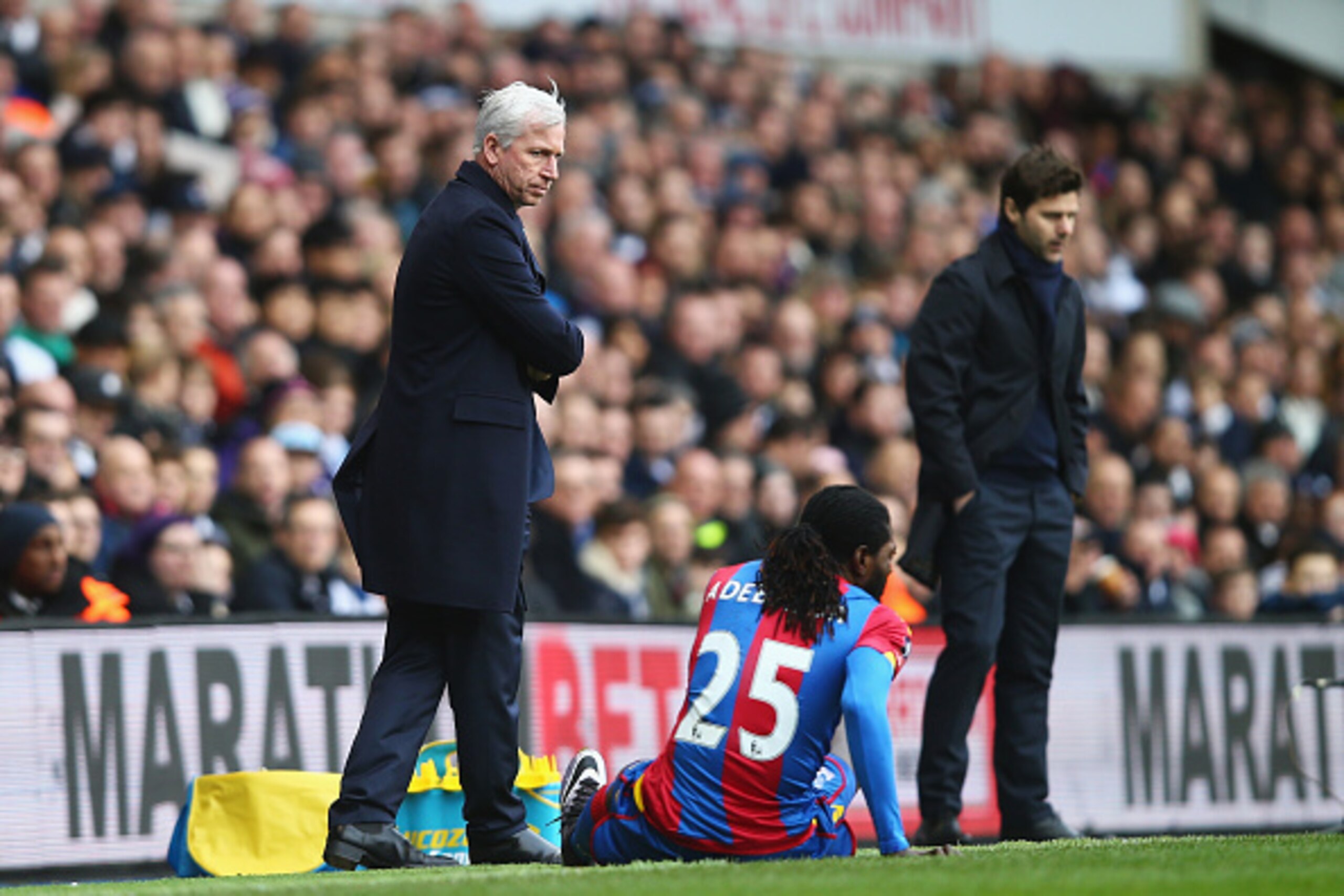
"We feel very disappointed because it was a competition that was exciting for us to go far," manager Mauricio Pochettino said after, his team left to rue a positional collapse that allowed Martin Kelly to score against the run of play.
The third-round replay defeat of eventual Premier League champions Leicester City certainly suggested a team keen to make a statement in the competition and capable of doing so, too (although getting one over their recent league conquerors also held appeal). Pochettino fielded a good team against Palace but did make changes in keeping with the rotation policy guiding Spurs through their busy winter period.
This was nowhere near rendering the FA Cup irrelevant (like Redknapp did with the UEFA Europa League back in 2011-12). But given the strong league performances surrounding it, it was hard not to feel their best had been reserved for elsewhere.
With the late fading of their title pursuit, a cup run would have served as a nice compensation. But additionally to the sentiment and prestige Spurs going on one again would provide, it could also serve practical value.

Pochettino's predominantly young side are still learning what it takes to win when everything is on the line. There is ample evidence of the benefit of such a talented group actually winning something and gaining that know-how.
Twice league champions since, Manchester City winning the FA Cup in 2010-11 was a crucial step for a club who had gone so long without such an experience. Over in Spain, Diego Simeone's Atletico Madrid discovered their mettle for the long haul of the league by delivering on big cup occasions.
This Spurs team only has to look at its recent predecessors to see examples, too.
Several of the team who qualified for and excelled in the club's most recent Champions League run were part of the 2008 League Cup-winning side.
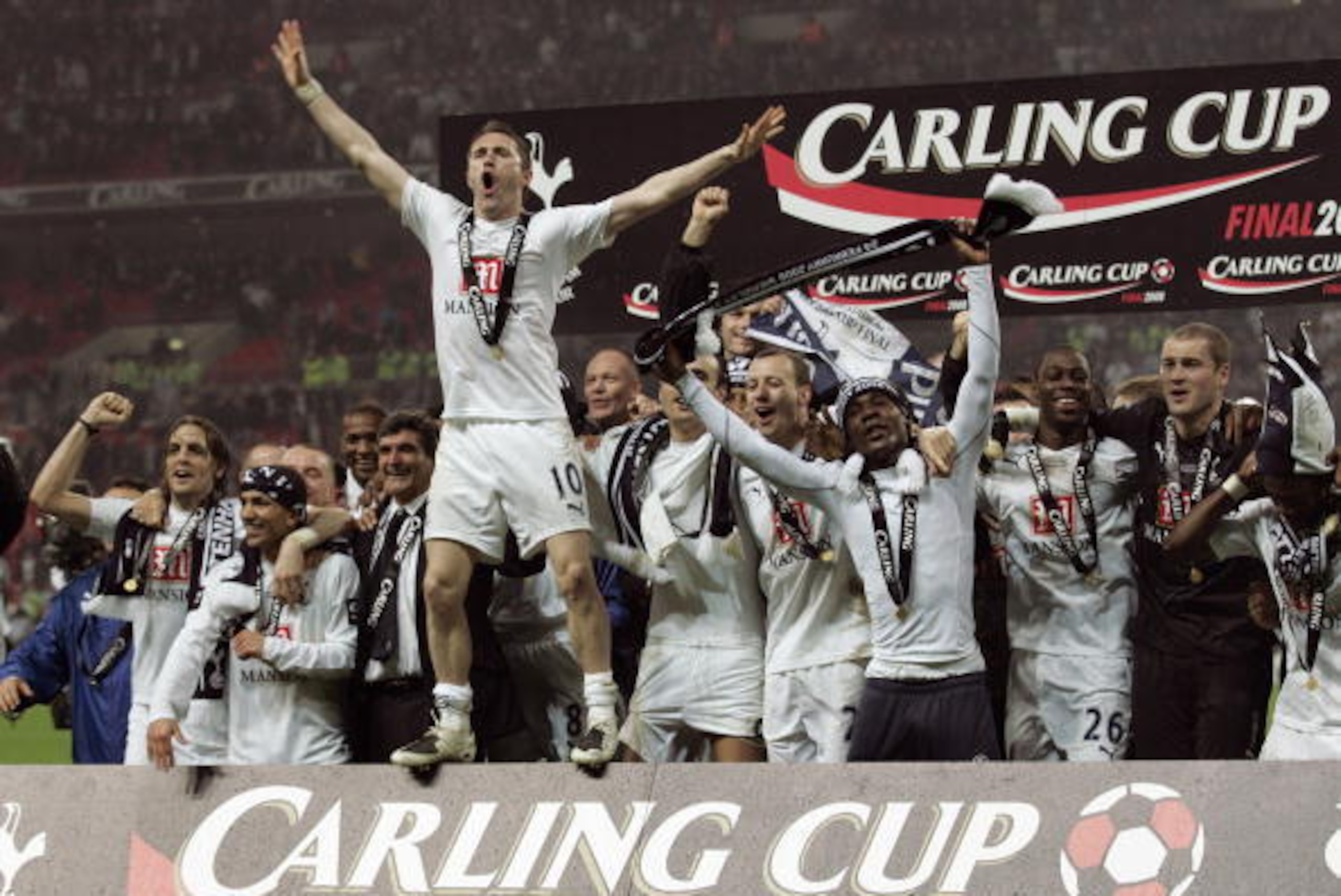
Though the club experienced difficulties in between times, that win did a lot to show the likes of Michael Dawson, Jermaine Jenas, Ledley King and Aaron Lennon they could cut it. The season they qualified for Europe's premier competition was undoubtedly invigorated by their mostly enjoyable run to the FA Cup semi-final, too.
Save for reminiscing about 1991 (not to mention the 1967 win over Chelsea, too, its 49th anniversary commemorated this past week), this FA Cup final occasion has not been about Tottenham.
But between those memories and the promise of what a return to the final could do for Pochettino's team, they should use not being there as motivation to try to rectify their lengthening absence sooner rather than later.
Quotes obtained firsthand unless otherwise noted.


.jpg?w=2560 "Latest Peyton-Colts Rumors")
.jpg?w=2560 "Ugly Jets Scoring Stat 😳")

.jpg?w=2560 "Landing Spots for Trade Candidates 📍")