Picture an overzealous safety cracking a tight end high on a seam route and the uncertain, silent seconds that follow. As the offensive player slowly lifts himself off the turf, the official glides to the defensive player awaiting his fate, who's gesturing his innocence to his sideline and the crowd.
The official, having seen the play in real time at indefinable speeds, has an impossible obligation of making a ruling in front of more than 110,000 fans and millions of eyeballs at home.
They watch—you watch—as his right hand moves toward his front right pocket. The rumbles escalate to a buzz as a decision looms.

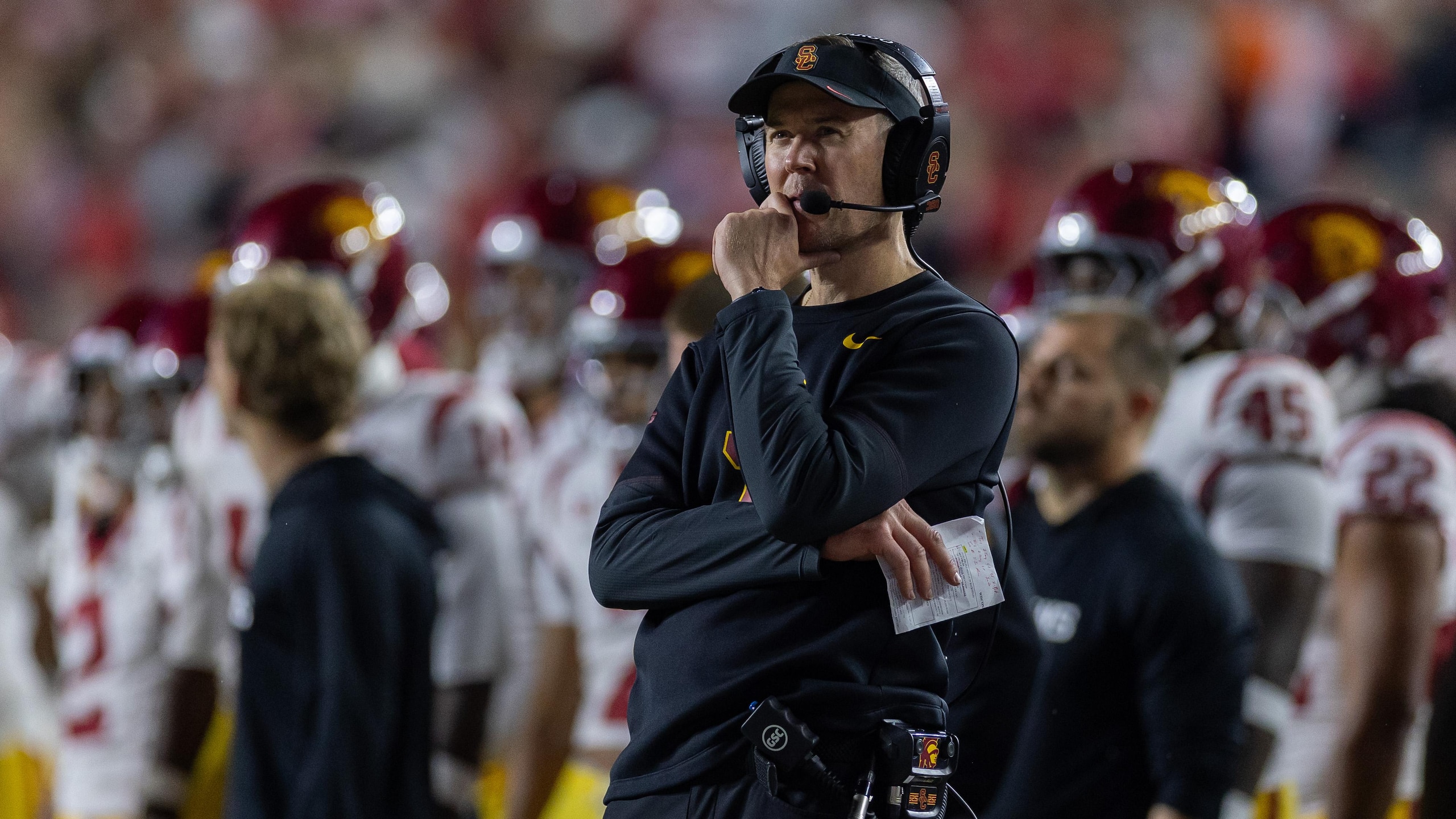
A yellow card—the kind that governs disputably violent plays in soccer—emerges, which prompts a golf gallery-like applause from the home crowd defending one of its own by default. The safety claps enthusiastically after checking on the injured player, reassured of his fate that afternoon.
The intent, according to the lead official explaining the play in detail, wasn't egregious. The safety didn't fully launch himself or make obvious, dangerous contact near the head.
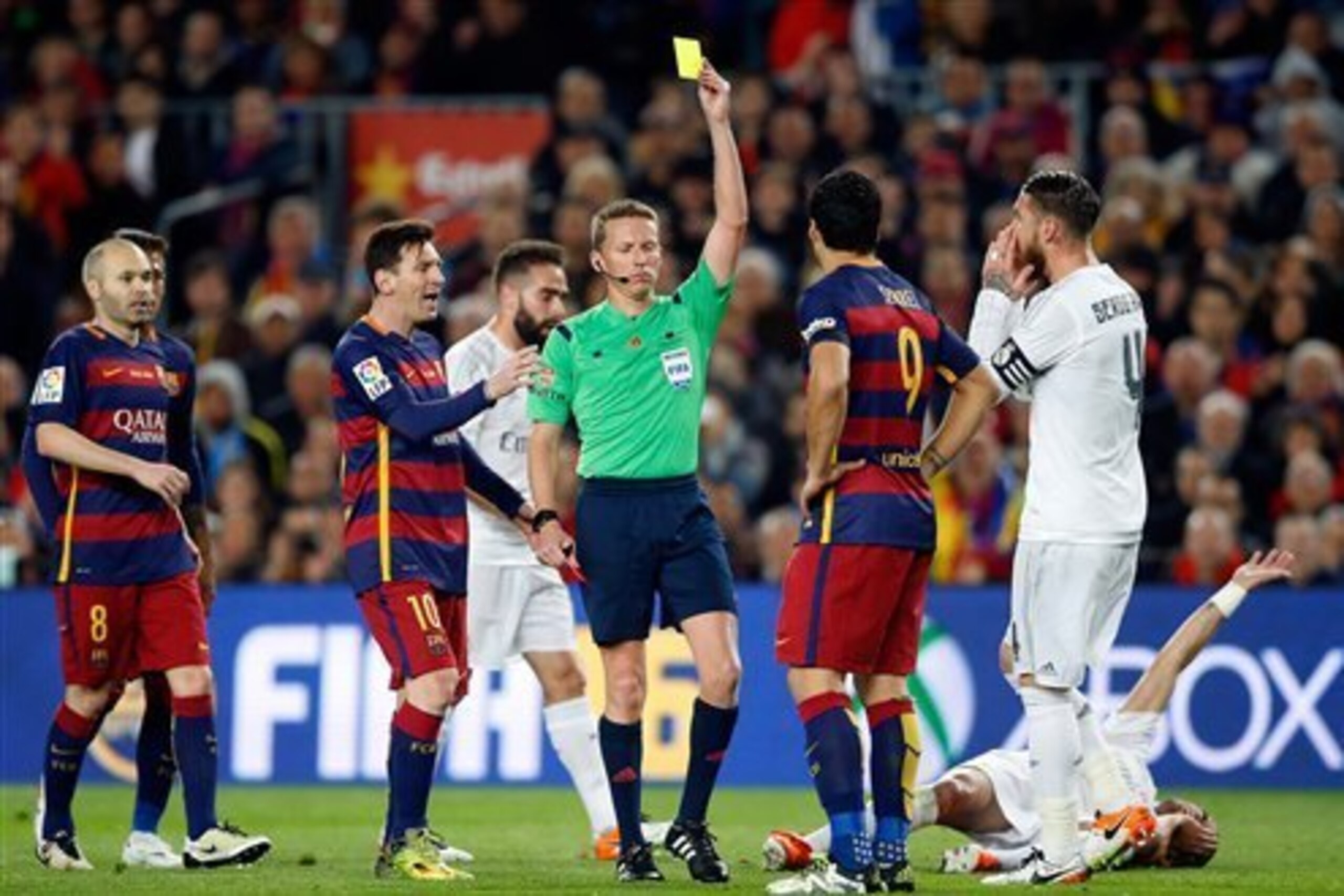
There was enough high contact, though—a determination that becomes apparent on replay. Yards are walked off, but the safety avoids being ejected. The game proceeds as planned as the official slips the yellow card back into his pocket. The tight end, seemingly fine after going through concussion protocol, returns a few plays later.
Now, come back to reality. Let's piggyback on this scene with a disclaimer. This world, in present time, is purely hypothetical. But the possibility of college football adopting one of soccer's guiding principles is something we should at least talk about.
Many probably shun the idea on principle. But we should separate the symbols from the fact that the sport needs a new way to legislate on-field violence as it happens—or, at the very least, something more than it has right now.
"The rules committee this year had great discussions around it," SEC coordinator of officials Steve Shaw told Bleacher Report when asked about yellow and red cards. "The concept of incorporating flagrant-1s or flagrant-2s, to use basketball terms, was discussed. Giving replay more latitude to look at all aspects of the targeting foul will accomplish a little bit of this. What you don't want to do is create something in the rule that gets us to back up from player safety."
The term "targeting" is enough to send chills down the most passionate football fan's spine. No rule has been more widely debated in a sport under increasing scrutiny.
What has become clear since the NCAA adopted these ejection rules in 2013 is that there is no going back. Whether it's yellow cards or something still unknown, the days of players launching themselves like tactical ballistic missiles without fear of major consequence are over.
Though targeting merited a penalty long before the NCAA adopted this legislation, the landscape changed the moment college football implemented accelerated punishments.
Hours after the curtain was lifted on the first season under the new targeting rule, multiple players experienced the full spectrum of these punishments. On the opening Thursday, Indiana State's Carlos Aviles was ejected for his dangerous hit on Indiana's Shane Wynn—which prompted some confusion over how the play would be ruled but not necessarily over the hit itself.
This particular moment showed the positive impact targeting ejections could have. A player was punished for a dangerous hit according to its potential impact. But it also opened the door to the fact that judgment would govern calls and confusion would follow.
The NCAA has since modified its legislation regarding targeting—more aptly recognized as high, dangerous contact made with the helmet—though the origins of the rule remain intact.
All targeting calls made on the field are subject to a 15-yard penalty and an ejection following a video review. While the 15-yard penalty used to be walked off regardless of the replay ruling, that is no longer the case. The ruling based off of the review holds all the cards.
Moving forward, this theme will only be amplified. In 2016 (and beyond), replay officials will be granted more power to review the totality of a potential targeting play—the launch, contact and possible intent. This power will expand beyond reacting to flags that have already been thrown. Starting in the fall, the replay booth will have the authority to stop a game and review a hit even if a flag hasn't been thrown.
"It's a slippery slope," Shaw said. "The rules committee isn't saying we're going to evaluate all judgment calls. But the impact of targeting is so important to our game. This is one where we'll allow replay to tiptoe over that line."
The sport deserves the utmost credit for seemingly rebooting the conversation each year—exploring new and creative ways to police the game. As a result, intent has never really been an issue.
More important has been the way a wide range of collisions, each with vastly different intents and subtleties, are being punished as equals.
Targeting legislation in the present does an injustice to deeply complicated football moments. That's why the notion of incorporating yellow and red cards—or flagrant-1s and flagrant-2s, if that's more comfortable verbiage for your taste—could be valuable.
"Any time we have legislation and rules to protect our players, I think that's fantastic. We need more of it, but the rule itself definitely needs reformation in the way it is seen and penalized," Houston head coach Tom Herman said. "Whether that's through flagrant calls or cards, there needs to be some kind of separation."
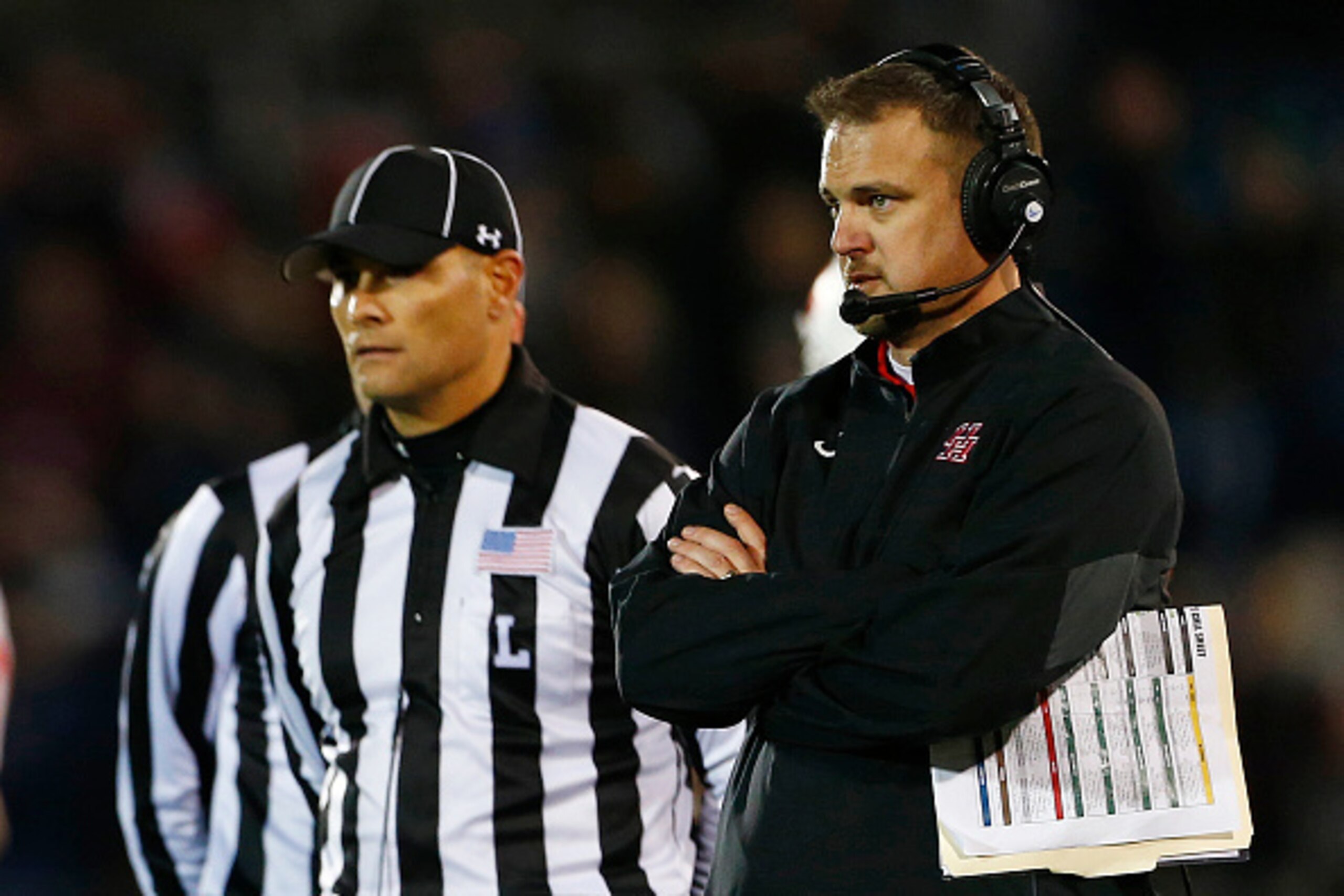
UAB head coach Bill Clark, having watched countless hours of football last fall while waiting for his program to be reinstated, wasn't as eager to make such a robust change.
"That's kind of weird," Clark said when asked about yellow and red cards. "I don't think there's any coach out there that is opposed to throwing someone out of a game if they were trying to hurt somebody. But for me, it's when the intent isn't there and you're still being ejected. I'd have to think about it."
In 2015, players were penalized for targeting 115 times, according to Jon Solomon of CBS Sports. That was up from 72 calls the year before and 55 in 2013—the first year college football implemented the ejection rules.
Of last year's 115 targeting flags, replay officials overturned the call on the field on 43 separate occasions—a reversal rate of nearly 40 percent.
These figures have risen by design. Officials, tasked to police a game being played at warp speeds, have been given the guidance to throw flags on plays when even the possibility of targeting exists. Video replay officials essentially serve as a backstop.
Some rulings require little discussion. Notre Dame safety Max Redfield's hit on Purdue quarterback Danny Etling in September 2014 was flagged and then upheld.
It was textbook targeting on a defenseless player. It was worthy of an ejection—a red card, a flagrant-2. It was the type of hit the game is trying to remove and why this conversation is taking place in the first place.
Not all targeting calls are this concrete, however. There are many that prompt mass confusion and curiosity. Video replay officials' increased role should help resolve some of the issues going forward, but inconsistency remains a chief concern—among players and coaches, as well as fans who struggle to grasp what constitutes targeting.
"All you can do is explain this particular case and what elements are in play to the viewer," ESPN and ABC play-by-play announcer Chris Fowler told Bleacher Report when asked about narrating such plays. "Everybody wants to see more consistency in the way they are called, but it does seem to be evolving.
"Fans are going to get overheated when these calls are made, but the motive is noble. They have got to find a way to reduce the frequency and severity of these injuries, and there's a number of ways to do it."
In perhaps the most actively debated targeting ejection since the rule was implemented, Nebraska's Nate Gerry was dismissed in the first half of the Foster Farms Bowl late last year for his hit on UCLA running back Paul Perkins. The call ignited reactions on social media and beyond.
Ohio State defensive end Joey Bosa had his college career end on a targeting ejection in the first quarter of the Fiesta Bowl on New Year's Day.
While Bosa clearly led with his helmet—and his tackling in this instance should be used as an example of poor helmet placement—he appeared nowhere close to launching himself at Notre Dame quarterback DeShone Kizer's head.
The contact made in both instances above was questionable. Was it high enough to be, by definition, targeting? By the letter of the law, most likely.
But are these the kinds of hits the game so desperately needs to get rid of? And above all, should moments such as these be penalized with the same iron first that rules some of the sport's most devastating and dangerous collisions?
By segmenting targeting, as soccer does fouls with its card system, there would be various levels by which to measure this type of contact.
That is the purpose of a yellow card—to warn a player that his actions, while not catastrophic, warrant some response. Football, unlike soccer, could also use yards as currency, utilizing that feature when an ejection might not be necessary.
Yellow cards could also carry over a certain number of games, like in soccer, meaning multiple instances of questionable contact would still be punishable with an ejection down the line. The red card would serve a clear and defined purpose as well.
All targeting ejections are essentially red cards right now. If a play is dangerous enough, then a player can (and should) be ejected for the rest of the game and perhaps, depending on when the infraction occurs, miss time the following week.
"I think that yellow and red cards are a good idea if we are properly identifying what is red and what is yellow," former Texas head coach and current ESPN analyst Mack Brown said.
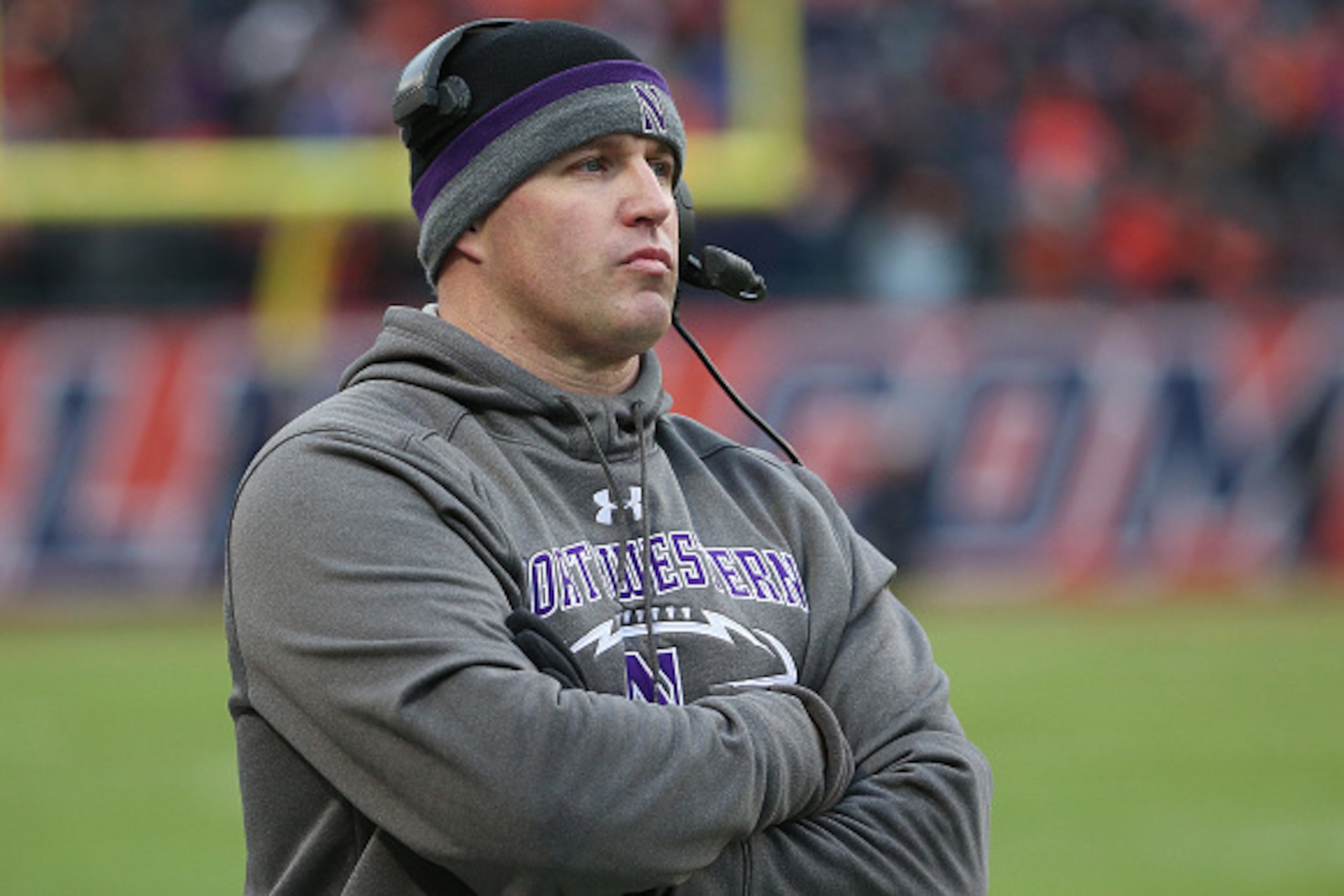
The idea that football could adopt this penalty system is not necessarily new. Northwestern head coach Pat Fitzgerald broached the concept of yellow cards long before the NCAA Football Rules Committee talked it over.
"It's a total hypothetical," Fitzgerald said at Big Ten media days in 2013, not long after the NCAA added the ejection rules. "I'd rather warn the player, telling him this is not the hit we want in football."
This isn't about taking a step backward from the bold steps the NCAA has taken to make the game safer. Punishing a player by taking away his field time—the most valued commodity he has—is still very much a part of this blueprint. Moving forward, it should stay that way.
But there should be a better understanding of which hits cannot and will not be tolerated—and which other hits may have similar attributes but fall well short of meeting the requirements for an ejection.
These calls are significant. They are complicated. They are controversial and will remain controversial in whatever system the sport adopts. With seemingly everyone involved fully acknowledging the intricacies involved, it seems prudent that such a large portion of these calls comes down to more than a simple yes or no.
Adam Kramer covers college football for Bleacher Report. Follow him on Twitter @KegsnEggs. Recruiting rankings courtesy of 247Sports.
.png?w=2560)
.jpg?w=2560 "Colts Texans Football")
.jpg?w=2560 "Chiefs, Steelers Eye WR Trades")