Which College Football Conference Will Be the Best in 2016?
Though it might have felt like it was much longer for some diehard fans, the SEC's two-season national championship drought ended last month when Alabama gave the conference its first title since 2012.
The Crimson Tide's triumph over Clemson in the second College Football Playoff National Championship put an exclamation point on what was a season of resurgence for the SEC.
As I wrote last month in my post-bowl season rankings of every FBS conference, the SEC laid a strong claim to being the best top-to-bottom league in the land—and not just because its best team was crowned national champion.


_0.png?w=2560)
But 2016 is a new season, and while the SEC re-established some of its strength as the top conference in college football, it's far from guaranteed to be the best again this fall.
The SEC had the best winning percentage against Power Five competition before bowl season started, and then it took care of business by going 7-2 against the other big leagues in the postseason.
According to Bleacher Report's Barrett Sallee, the SEC's seven Power Five wins in bowl season came when its teams were favored to win, so that record might not be all that impressive to some.
But what stands out about the SEC's postseason performance is the average margin of victory for the eight total winning teams. SEC teams beat their opponents in bowl season by a huge average of 26 points.
The conference also tied the Pac-12 and the Big Ten—the latter of which had some help from a pair of 5-7 teams that wouldn't normally go bowling—in sending 10 programs to the postseason. It also had the second-lowest number of teams that didn't play in bowl games and the second-most teams in the final AP Top 25 poll:
| SEC | 14-7 (7-2 in bowls) | 5 (35% of conf) | 4 (29% of conf) |
| Big Ten | 12-12 (3-4 in bowls) | 6 (43% of conf) | 4 (29% of conf)* |
| Big 12 | 7-7 (3-4 in bowls) | 4 (40% of conf) | 3 (30% of conf) |
| Pac-12 | 6-8 (2-4 in bowls) | 3 (25% of conf) | 2 (17% of conf) |
| ACC | 9-13 (3-4 in bowls) | 3 (21% of conf) | 5 (36% of conf) |
How will that carry over into 2016?
In recent seasons, the SEC has usually landed the most ranked teams in preseason Top 25 polls—which usually prompted groans and eye rolls from other fans across the country, especially during the two years (2014 and 2015) in which the SEC didn't have a defending national champion.
But the balance of power is spreading throughout the landscape of the major Power Five conferences as we head into this upcoming campaign.
Just take a look at several of the major "way too early" Top 25 projections that national outlets such as Bleacher Report put out shortly after the national championship game.
In the following table, I've broken down the number of Top 25 teams by conference in the early projections from Bleacher Report, CBS Sports, ESPN, Fox Sports, Sports Illustrated, USA Today and Yahoo Sports.
| Pac-12 | 5.1 | 5 | 4 | 6 | 5 | 5 | 5 | 6 |
| SEC | 5 | 5 | 6 | 5 | 5 | 5 | 5 | 4 |
| ACC | 4.4 | 5 | 4 | 4 | 5 | 5 | 4 | 4 |
| Big Ten | 4 | 4 | 4 | 4 | 4 | 4 | 4 | 4 |
| Big 12 | 4 | 4 | 4 | 4 | 4 | 4 | 4 | 4 |
| Group of 5/Independent | 2.5 | 2 | 3 | 2 | 2 | 2 | 3 | 3 |
As you can see, no single conference is projected to dominate the preseason polls this year.
The Pac-12 is slightly ahead of the SEC in terms of average Top 25 teams in these projections, but it also had the lowest number of Top 10 teams. Stanford is the only Pac-12 school that made any Top 10, and not all of them had the Cardinal ranked that highly.
In another interesting note, the national college football media are confident in the number of Top 25 teams the Big Ten (Michigan, Ohio State, Michigan State and Iowa) and the Big 12 (Oklahoma, Baylor, TCU and Oklahoma State) will have heading into the new season.
The ACC, which was the lowest Power Five conference in my post-bowl season power rankings, is an interesting case. The league has defending national runner-up Clemson and a 10-win Florida State team that returns 17 total starters, along with experienced dark horses Louisville and North Carolina.
But the above measure of Top 25 polls just looks at the elite teams in each conference.
If we're going to project the "best" conference by top-to-bottom power, we need to look at how the conference fared as a whole last season and what it's bringing back for 2016.
The next table shows each Power Five conference's average F/+ rating for the 2015 season from Football Outsiders and the conference's average number of returning starters for the 2016 season from college football expert Phil Steele.
This will give us an advanced statistical value for a conference's top-to-bottom strength along with how much valuable starting experience each conference will bring back this fall.
| SEC | 21.92 (1st) | 13.36 (2nd) |
| Pac-12 | 15.23 (2nd) | 13.25 (3rd) |
| Big Ten | 12.88 (3rd) | 12.43 (5th) |
| ACC | 10.28 (4th) | 14.43 (1st) |
| Big 12 | 8.74 (5th) | 12.70 (4th) |
The SEC had the strongest average F/+ rating by a good margin last season, and it will also bring back the second-most returning starters on average for 2016.
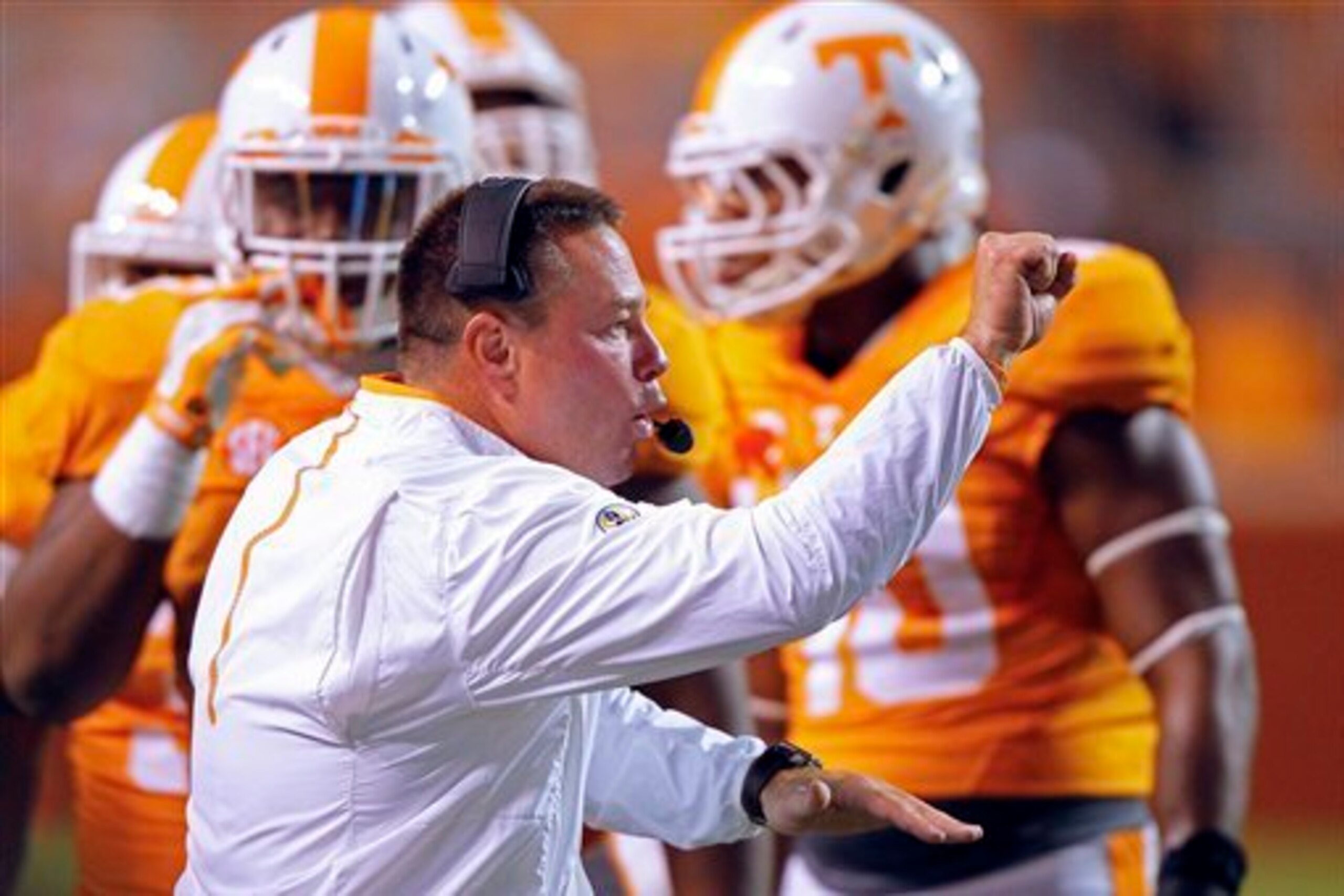
That's a great combination for the league, especially considering two of its top-four ranked teams in the early preseason polls (LSU and Tennessee) are in the top five for returning starters in all of college football, according to Steele.
Compare that to the Big Ten, which had the No. 3 F/+ average after a rough bowl season and now returns the least amount of experience among the Power Five conferences.
Two of its highest-ranked teams in the preseason (Michigan State and Ohio State) are tied for 113th or worse in returning starters nationally. Ohio State returns the fewest starters of any team, with only six coming back.
But if you're looking for a league that could seriously challenge the SEC and the Pac-12 atop the conference power rankings this year, look no further than the ACC, which returns the most starting experience of any league.
Bill Connelly of SB Nation projected the ACC to be the second-best conference in college football this year according to his S&P+ ratings—which factor into F/+ during the season—of every team in the country.
"Clemson and FSU both project as top-five teams, and five teams project between 20th and 32nd. More importantly, only one projects worse than 70th (Wake Forest, a decent 74th!)," Connelly wrote. "The ACC's strength has been its depth, and next year it could have especially impressive depth and two national title contenders."
In the end, though, the safest bet to be the best conference in college football for the 2016 season is the one that finished 2015 at the top spot.
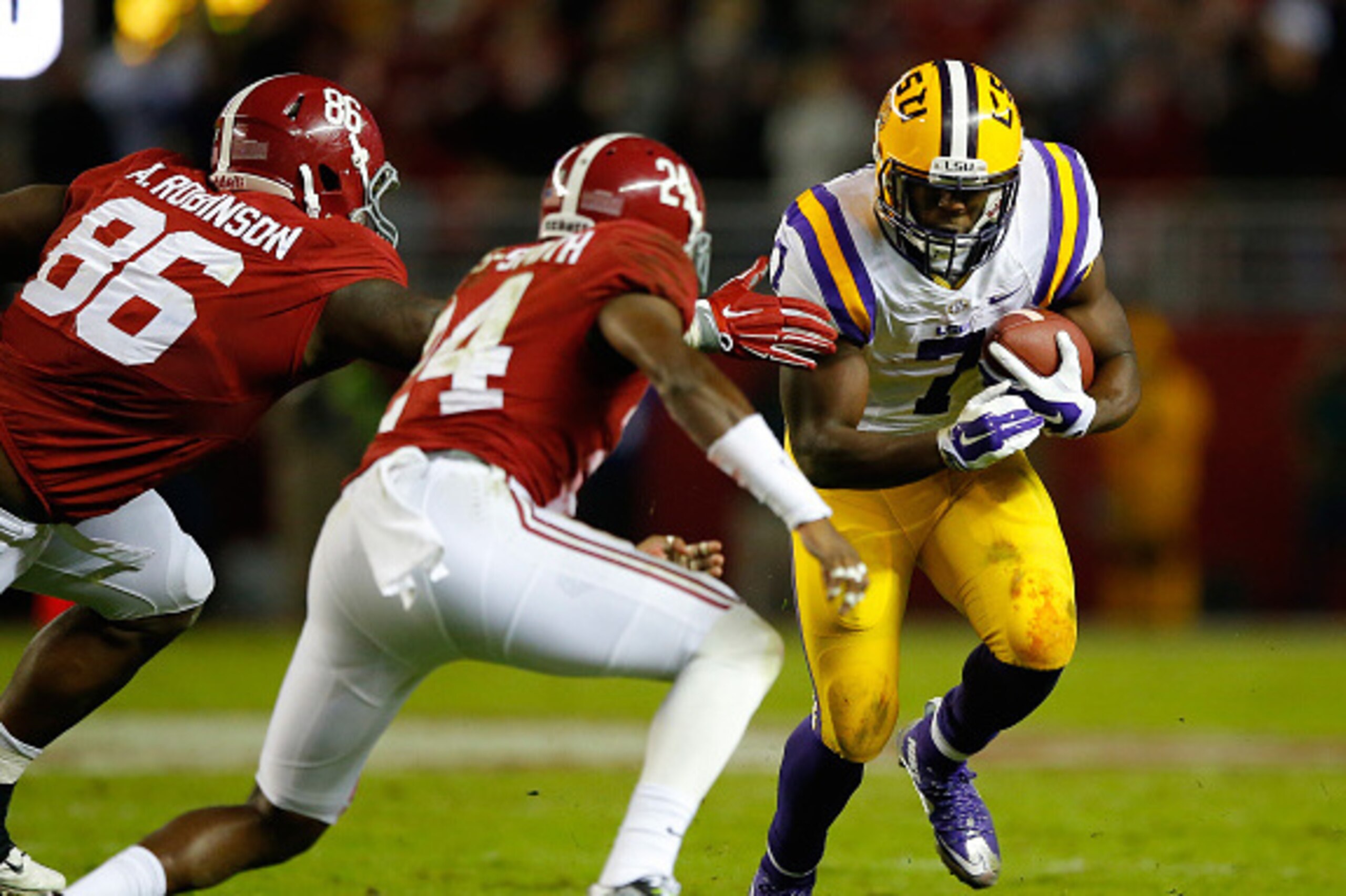
The SEC has a defending national champion in Alabama that will continue to be in the thick of the playoff race, no matter its roster turnover. It also has an LSU team loaded with blue-chip talent and the most returning starters of any team in the FBS.
Ole Miss, which has made it to back-to-back New Year's Six bowls and beaten Alabama two years running, will continue to be dangerous with its uptempo offense. Tennessee will be a preseason darling with 17 returning starters in a usually wide-open East division.
The middle tier of the conference has ultra-talented teams in transition such as Georgia and Texas A&M, and it's been known to produce some surprise championship contenders in recent years—Auburn (2013), Missouri (2013 and 2014) and Florida (2015).
Each of the four teams that missed out on the postseason last year could realistically go bowling in 2016, too. Vanderbilt and Kentucky continue to make positive strides, and South Carolina and Missouri will have fresh starts after tumultuous 2015 campaigns.
The SEC has the edge over the Pac-12 in number of preseason national title contenders. It has the edge over the Big Ten in returning experience. It has the edge over the ACC and Big 12 in top-to-bottom quality.
Combine all that with the best record versus the Power Five from last season and another dominant recruiting cycle, and it's easy to see why the SEC should still be the king of college football in 2016.
Justin Ferguson is a college football writer at Bleacher Report. You can follow him on Twitter @JFergusonBR.

.jpg?w=2560 "NFL investigating 2 referees for separate viral exchanges")
.jpg?w=2560 "Report: Chiefs Contact Hill's Agent")
.jpg?w=2560 "OBJ Calls Out Giants 😳")
.jpg?w=2560 "Tyreek makes another cryptic post amid Chiefs rumors")