
10 Best Teams That Lost College Football National Championship Games
History is indeed written by the victors, and in college football, history can often forget those who came the closest to putting their own names into the books.
Since the arrival of the BCS in the 1998 season, there have been 18 national championship games in college football. Many of the 18 winners are well-known for their excellence, but what about those who fell short of winning it all?
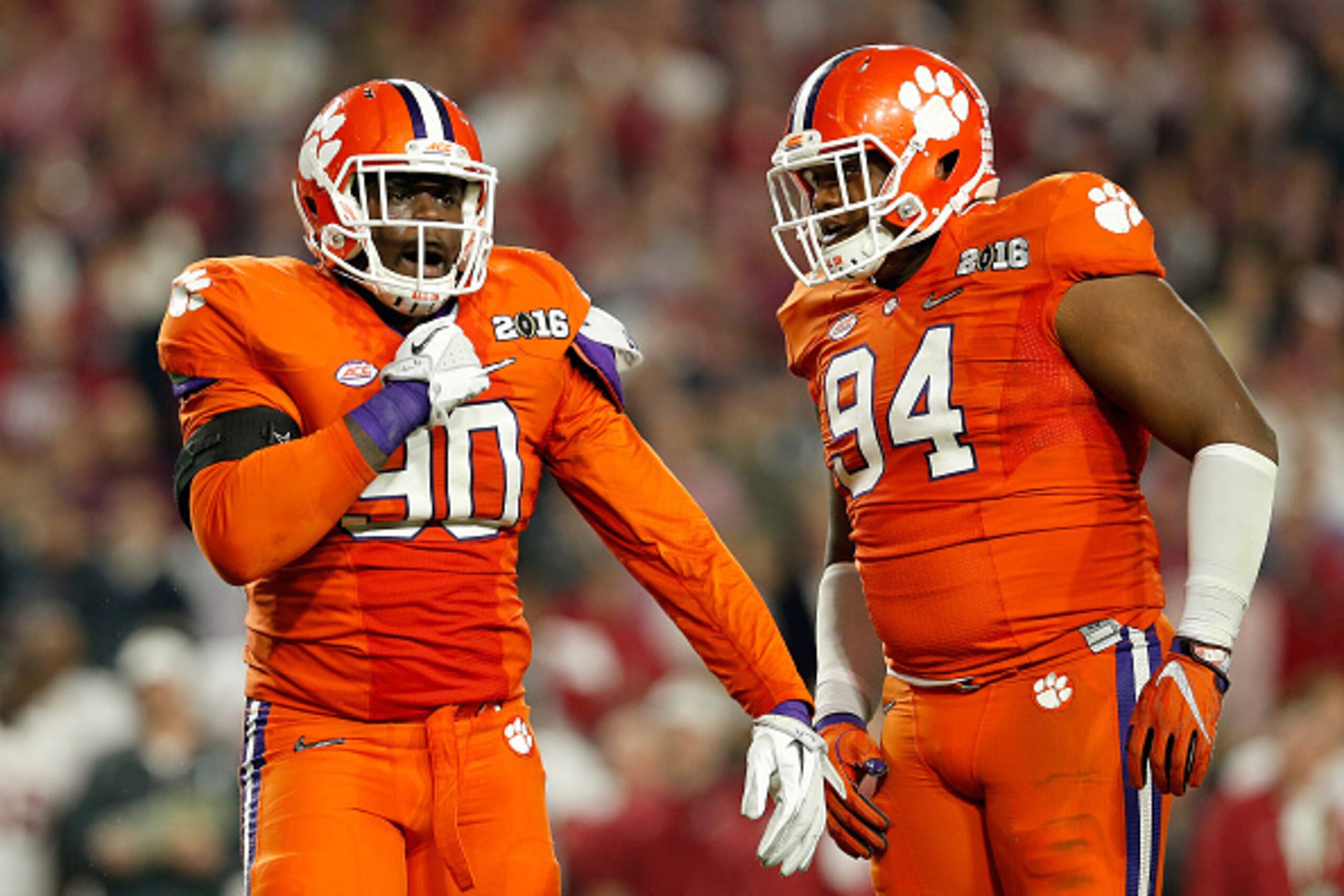
Where does this season's Clemson team rank compared to other runners-up?
Here are the top 10 teams that lost either a BCS or a College Football Playoff National Championship. These rankings were determined by three factors—average point differential (the difference between scoring offense and scoring defense), strength of schedule (a given number rating from Sports-Reference.com) and the quality of the teams' losses.
It's difficult to try to objectively compare teams from different seasons, but this list is based on which title-losing teams were the most dominant with respect to the quality of opponents they faced that year.
Tell us how you would rank the teams that lost title games in the BCS/CFP era in the comments below.
10. 2004 Oklahoma Sooners
1 of 10
Average Point Differential: plus-18.0
SOS Rating: 6.85
Record: 12-1 (lost by 36 to Southern California in BCS National Championship Game)
Although it's tough to do when looking at a 55-19 loss on the schedule, try not to judge a team just off one game. The 2004 Oklahoma Sooners were dominant until the calendar flipped to 2005 and the infamous Orange Bowl rout against USC.
Oklahoma opened 2004 as the No. 2 team in the country, just behind the legendary USC team that would later run away with the national title. The Sooners, led by Jason White, Adrian Peterson and several future NFL draft picks on defense, shut out No. 5 Texas and later edged the ranked pair of Oklahoma State and Texas A&M in back-to-back road games.
"The Sooners looked unbeatable during an 11-0 regular season and capped off the year with a dominant 42-3 victory over Colorado in the Big 12 Championship Game to set up one of the most highly anticipated bowl games in college football history," Nicholas Ian Allen of FanSided wrote in September.
While the lopsided loss left many Auburn fans angry about the undefeated Tigers' exclusion from the BCS title game, Oklahoma was a strong team for the first dozen games of the season and didn't fall from its No. 2 spot in the AP poll until the end.
9. 2000 Florida State Seminoles
2 of 10
Average Point Differential: plus-28.8
SOS Rating: 5.59
Record: 11-2 (lost by three to Miami, lost by 11 to Oklahoma in BCS National Championship Game)
Florida State reached the first three BCS National Championship Games and had a chance to go back-to-back in 1999 and 2000. But a 13-2 loss to Oklahoma in the Orange Bowl took some of the shine off a strong season for Bobby Bowden's Seminoles.
The Chris Weinke-led Seminoles outscored its first five opponents 208-45 before falling to Miami by three points in the classic "Wide Right III" game. After that loss, FSU turned on the style points again, with Florida coming the closest to beating the Seminoles—in a game that finished 30-7.
Those big wins down the stretch were enough for the BCS to put Florida State in the national championship game over Miami. Florida State's No. 1-ranked defense held off the Sooners for most of the game, but the offense couldn't muster any points.
The two losses to Miami and Oklahoma included, Florida State outscored its opponents by an average of four touchdowns in 2000 and routed three ranked teams in its final four games of the regular season. When these Seminoles were clicking, they were relentless.
8. 2014 Oregon Ducks
3 of 10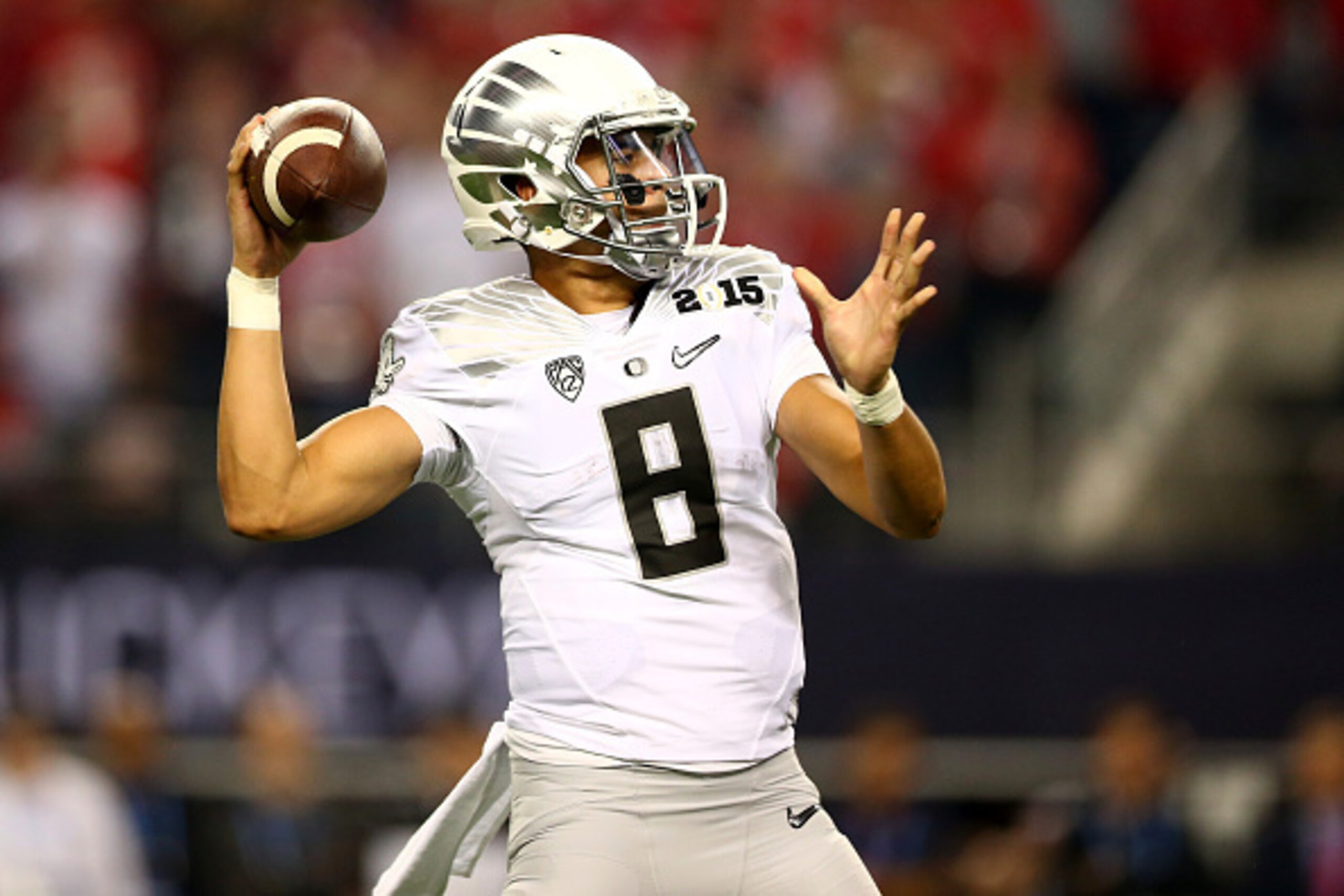
Average Point Differential: plus-21.8
SOS Rating: 6.02
Record: 13-2 (lost by seven to Arizona, lost by 22 to Ohio State in CFP National Championship)
Oregon's second trip to the national championship in five seasons ended with a convincing loss to red-hot Ohio State, but the Ducks still had an incredible 2014 season under Mark Helfrich.
A lot of that had to do with the play of Heisman Trophy-winning quarterback Marcus Mariota, who led the nation in both passing efficiency and yards per attempt while also throwing the second-most touchdown passes of any player that season. He also added 770 yards and 15 touchdowns on the ground for the Ducks' high-octane offense.
Oregon lost a shocker to Arizona on the first Thursday of October, but the rest of its resume was outstanding. The Ducks beat three ranked opponents—Michigan State, UCLA and Utah—by 12 or more points before getting its full revenge on then-No. 8 Arizona in a 51-13 Pac-12 title rout. They would go on to snap Florida State's 29-game winning streak in commanding fashion at the Rose Bowl.
The Ducks ran out of gas in the second half against Ohio State in the title game. But before that loss in the inaugural playoff final, no one wanted to face Mariota and the high-scoring playmakers that surrounded him.
.jpg?w=2560 "AP Poll Top Five Week 9")
.jpg?w=2560)

7. 2009 Texas Longhorns
4 of 10
Average Point Differential: plus-22.6
SOS Rating: 3.49
Record: 13-1 (lost by 16 to Alabama in BCS National Championship Game)
The team with the biggest "what if?" scenario in this top 10, the 2009 Texas Longhorns were one of the best squads in the country from the very beginning of a season that ended with a heartbreaking title game loss.
Starting the season at No. 2 in the country, Texas rolled through its regular season with only a couple of close calls. The Longhorns routed No. 13 Oklahoma State on the road two weeks after beating rival Oklahoma by three points. A highly controversial replay call in the Big 12 Championship Game gave Texas time to kick a last-second game-winner against Ndamukong Suh and Nebraska.
In the BCS National Championship Game against Alabama, star quarterback Colt McCoy was injured on the fifth offensive play of the game. Backup Garrett Gilbert and wide receiver Jordan Shipley helped the Longhorns rally in the second half to make it a one-possession game, but a pair of fourth-quarter turnovers helped the Tide seal the deal.
The result would leave fans wondering what would have been if McCoy, who led the nation in completion percentage, could have played an entire game against Alabama's outstanding defense. Things got rough for the Texas program after the loss, as the Longhorns have not won double-digit games in a single season since 2009.
6. 2015 Clemson Tigers
5 of 10
Average Point Differential: plus-16.8
SOS Rating: 5.21
Record: 14-1 (lost by five to Alabama in CFP National Championship)
Clemson and its fans didn't have the ideal ending to a storybook 2015 season, but the Tigers can still lay claim as one of the best teams in the title game era.
In his first full season as a starter, Deshaun Watson was the best quarterback in the entire country, scoring 47 total touchdowns for a high-powered offense that just lost its ace coordinator in the offseason. The star-laden defense was somehow even more impressive, rebounding from a huge talent loss to finish in the top 10 in most categories.
Clemson's closer-than-expected contests toward the end of the regular season kept it a few spots back in this countdown, but the Tigers still had four wins against Top 20 teams. Dabo Swinney's team then went toe-to-toe with Alabama in an epic title game that should catapult Clemson to more success down the road.
"No, this wasn't the return of 'Clemsoning,'" Bleacher Report's Ben Kercheval wrote. "The Tigers lost by five points to a perennial power and now arguably the greatest college football coach of all time in Nick Saban. They fought until the absolute end, failing to convert an onside kick that would have given them a chance at a Hail Mary."
5. 2002 Miami Hurricanes
6 of 10
Average Point Differential: plus-21.4
SOS Rating: 3.04
Record: 12-1 (lost by seven to Ohio State in BCS National Championship Game)
Perhaps the most talented team in college football history, the 2001 Miami Hurricanes went undefeated and captured a BCS national title. The team that followed those 'Canes came oh so close to joining them as champions back in 2002.
While Miami lost a good bit of its NFL draft record-breaking talent before the 2002 season, the Hurricanes still returned quarterback Ken Dorsey, wide receiver Andre Johnson and almost their entire starting defensive front. New starters Willis McGahee, Sean Taylor and Antrel Rolle would have breakout years as Miami rolled on to another Big East title.
The 2002 Hurricanes only played three ranked teams before facing Ohio State in the national title game, which hurt them a bit in these rankings. Miami beat No. 9 Florida State by one in the "Wide Left" game and defeated No. 17 Pittsburgh and No. 18 Virginia Tech by a combined 18 points.
In the championship game, a late pass interference call wiped away a Miami overtime victory, and Ohio State would win in double overtime on a Maurice Clarett touchdown and a fourth-down stop. The loss ended a 34-game winning streak for the Hurricanes, who have not been to the national title since.
4. 2008 Oklahoma Sooners
7 of 10
Average Point Differential: plus-26.5
SOS Rating: 6.72
Record: 12-2 (lost by 10 to Texas, lost by 10 to Florida in BCS National Championship Game)
The placing of the 2008 Oklahoma Sooners might be one of the more divisive selections on this list. Only three national runners-up that lost two games made the cut, and this squad ranks higher than several strong one-loss teams.
Why? Well, even with two 10-point losses in the final tally, Oklahoma still outscored its opponents by an average of nearly four touchdowns in 2008 and played the third-toughest schedule on the list. The Sooners scored a dizzying 716 points in 14 games, setting a record later broken by the undefeated 2013 Florida State Seminoles.
A few weeks after a 45-35 loss to Texas in a Top Five Red River Rivalry game, Oklahoma had one of the strongest finishes to a regular season in college football history. The Sooners scored 60 or more points in five straight games, beating three Top 20 teams in that span. They routed No. 2 Texas Tech by a score of 65-21.
Sam Bradford—who threw for 50 touchdowns that season—and Oklahoma's star-studded offense ran out of steam in the fourth quarter of the title game against Florida, falling 24-14 to the Gators. Despite the two defeats, few teams in the past decade dominated the competition as much as these high-scoring Sooners.
3. 2010 Oregon Ducks
8 of 10
Average Point Differential: plus-28.3
SOS Rating: 3.92
Record: 12-1 (lost by three to Auburn in BCS National Championship Game)
Oregon had great teams before the 2010 season, but this was the squad that put the Ducks on the map nationally as a fearsome, fast-paced title contender.
In Chip Kelly's second season as the Oregon head coach, the Ducks ripped through their competition, winning their first three games by a combined score of 189-13. Led by the one-two punch of quarterback Darron Thomas and Heisman Trophy finalist LaMichael James, Oregon would also beat ranked foes Stanford, USC and Arizona by multiple touchdowns.
Oregon's defense that season was truly underrated as well. The Ducks ranked 11th nationally in average yards allowed per play and 12th in points per game that season. They held Cam Newton and Auburn to their second-lowest scoring total of the season in a nail-biter of a BCS National Championship Game.
Newton and the Tigers would claim the national title in a low-scoring matchup in Glendale, Arizona, but the 2010 Oregon Ducks set the tone for several excellent years in Eugene with a point-filled Pac-10 championship season.
2. 2011 LSU Tigers
9 of 10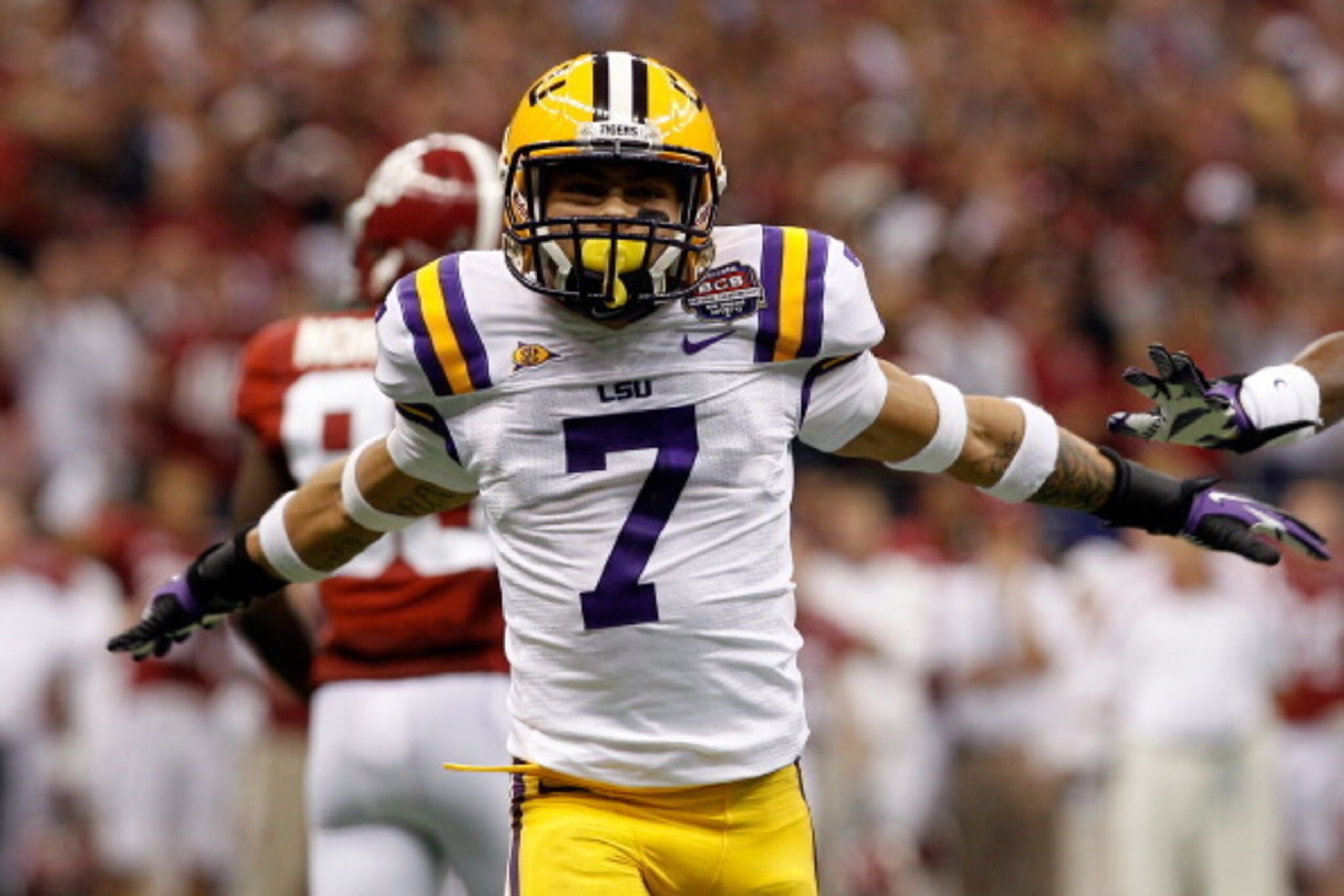
Average Point Differential: plus-24.4
SOS Rating: 6.27
Record: 13-1 (lost by 21 to Alabama in BCS National Championship Game)
Yes, LSU's shutout loss to Alabama in the national championship game is one of the blackest marks on any of these teams' resumes. But when you take into account the entire season the Bayou Bengals had in 2011, you realize this was a special team.
Seven of LSU's 12 regular-season opponents in 2011 were ranked, and the Tigers beat every one except for Alabama by 13 or more points. Throw the SEC Championship Game rout of Georgia into the mix, and you'll find that LSU outscored ranked teams 284-87.
This LSU team will undoubtedly be remembered for the stifling defense led by the all-world secondary of Tyrann Mathieu, Morris Claiborne, Eric Reid and Brandon Taylor. The offensive talent underwhelmed in hindsight, but teams had to be ready for the receiving combination of Rueben Randle and Odell Beckham Jr. as well as a running back group that went four-deep.
A late-season Oklahoma State loss opened the door for a rematch of the 9-6 "Game of the Century" against Alabama, and the LSU offense fell completely flat. Still, Les Miles' 2011 team dominated the vast majority of its competition and had one of the best regular seasons of any team in recent memory.
1. 2005 USC Trojans
10 of 10
Average Point Differential: plus-26.3
SOS Rating: 6.80
Record: 12-1 (lost by three to Texas in BCS National Championship Game)
The team that was one legendary Vince Young scramble away from winning the greatest national championship game of all time, the 2005 USC Trojans are an easy choice as the best team to fall short of a title since the advent of the BCS and the CFP.
Coming off a 2004 championship season in which it went wire-to-wire as the No. 1 team in the country, USC returned a loaded roster of stars—including defending Heisman Trophy winner Matt Leinart, eventual Heisman Trophy winner Reggie Bush, LenDale White, Dwayne Jarrett, Lawrence Jackson and Sedrick Ellis.
USC only had two one-possession wins in the regular season—the famous "Bush Push" victory at No. 9 Notre Dame and a shootout with No. 16 Fresno State. The Trojans clobbered crosstown rival and No. 11 UCLA by a score of 66-19 before heading to the Rose Bowl for the showdown with Texas.
The Longhorns would snap USC's 34-game winning streak and cost the Trojans at least a share of a third straight national title. While USC later vacated all of its wins and Bush handed back his Heisman Trophy due to NCAA sanctions, this 2005 team still stands as one of the best all-around teams in the modern era.
Justin Ferguson is a college football writer at Bleacher Report. You can follow him on Twitter @JFergusonBR.


.jpg?w=2560 "Raiders Could Start Mendoza")



.jpg?w=2560 "Rodgers Iced Out on Plane 💎")
