


The mood had been icy, and tension had been rife. And then Saturday happened.
In mauling Deportivo La Coruna with style and swagger in Zinedine Zidane's first game in charge, Real Madrid have given themselves hope that a tumultuous season can still be salvaged. Under the Frenchman, Los Blancos looked refreshed and energised at the Bernabeu on Saturday, playing with the sort of freedom and verve that has escaped them for much of the season.
In the wake of such a performance, positives were unquestionably abundant, and yet the fact also remains that one performance hasn't completely reversed the club's issues and realities. Having regressed from last season, Madrid still have several problematic areas that Zidane needs to address.
TOP NEWS

Final Men's Ballon d'Or Rankings 📊
Highlights and Viral Moments 🍿

J-Dub Suffers Gruesome Injury
Here, we examine three areas in which Real Madrid have regressed this season.
Efficiency
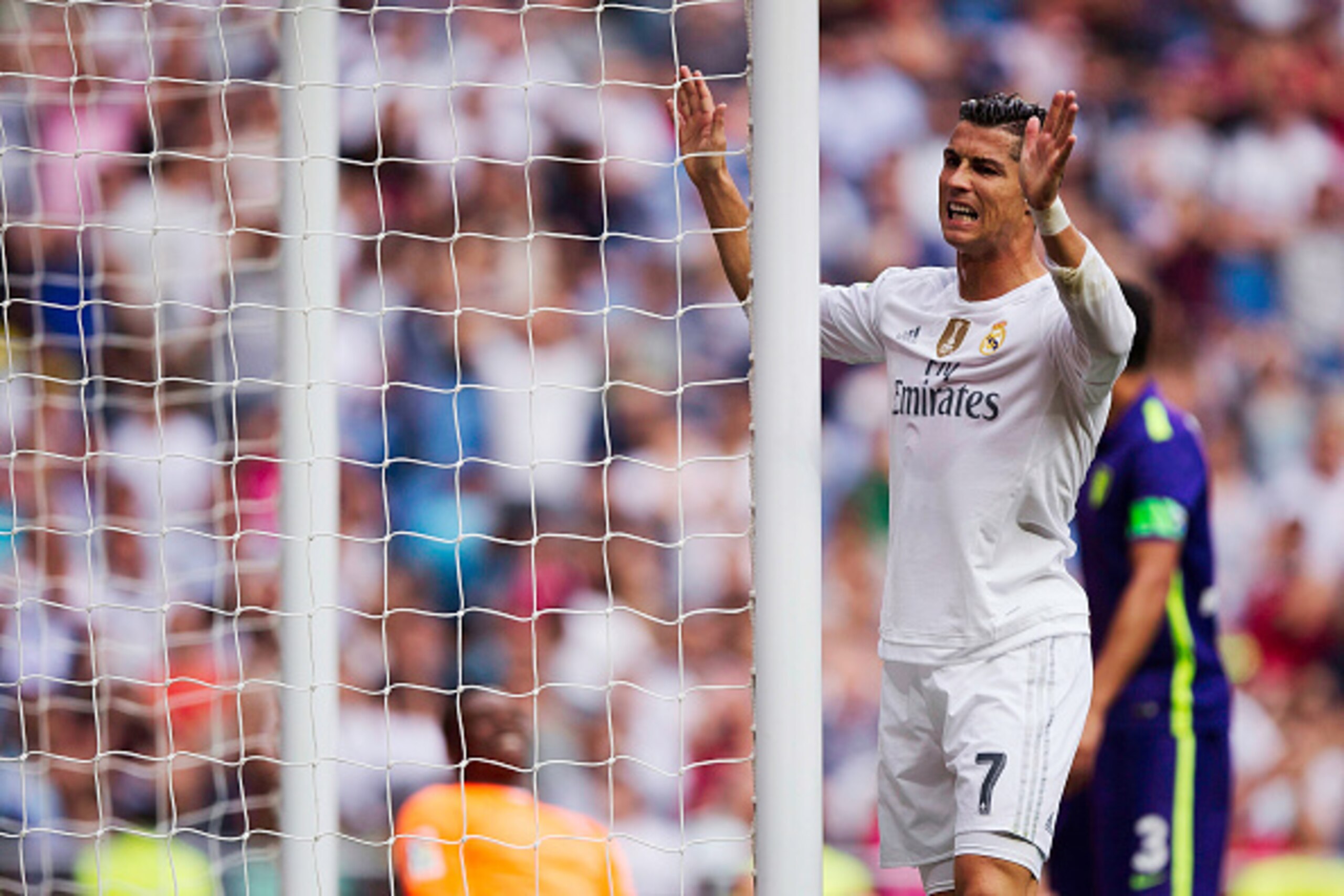
The numbers tell much of the story.
Last season under Carlo Ancelotti, Real Madrid had scored 64 goals after 19 games in La Liga, averaging more than three per game as they stormed to the top of the table with a record-breaking run. But 12 months on, Madrid's goal tally after the same number of matches this season stands at 52, the capital outfit 12 goals shy of last season's pace despite cracking double figures in a single afternoon against Rayo Vallecano.
Such figures are indicative of the manner in which Madrid's attack has often struggled for fluency and structure this season, but more telling again is the shot-per-game comparison between this campaign and last.
In 2014-15, Los Blancos averaged 18.1 shots per game, according to WhoScored.com; this term, that number has risen to 20.2. Thus, despite an increase in attempts of almost 12 percent, Madrid have witnessed a significant scoring decline.
The drop in efficiency has been obvious but has also been influenced by a number of factors. In the season's opening months, an injury crisis robbed former manager Rafa Benitez of Karim Benzema, Gareth Bale and James Rodriguez for significant chunks of time, complicating the transition to a new-look attack. Benitez's reshuffle—which placed Bale at the heart of the system and altered the dynamic of the BBC—also proved problematic, with cohesion issues stemming from a lack of clarity over roles and positioning.
The fall in efficiency in front of goal also has roots in midfield...
Midfield Organisation
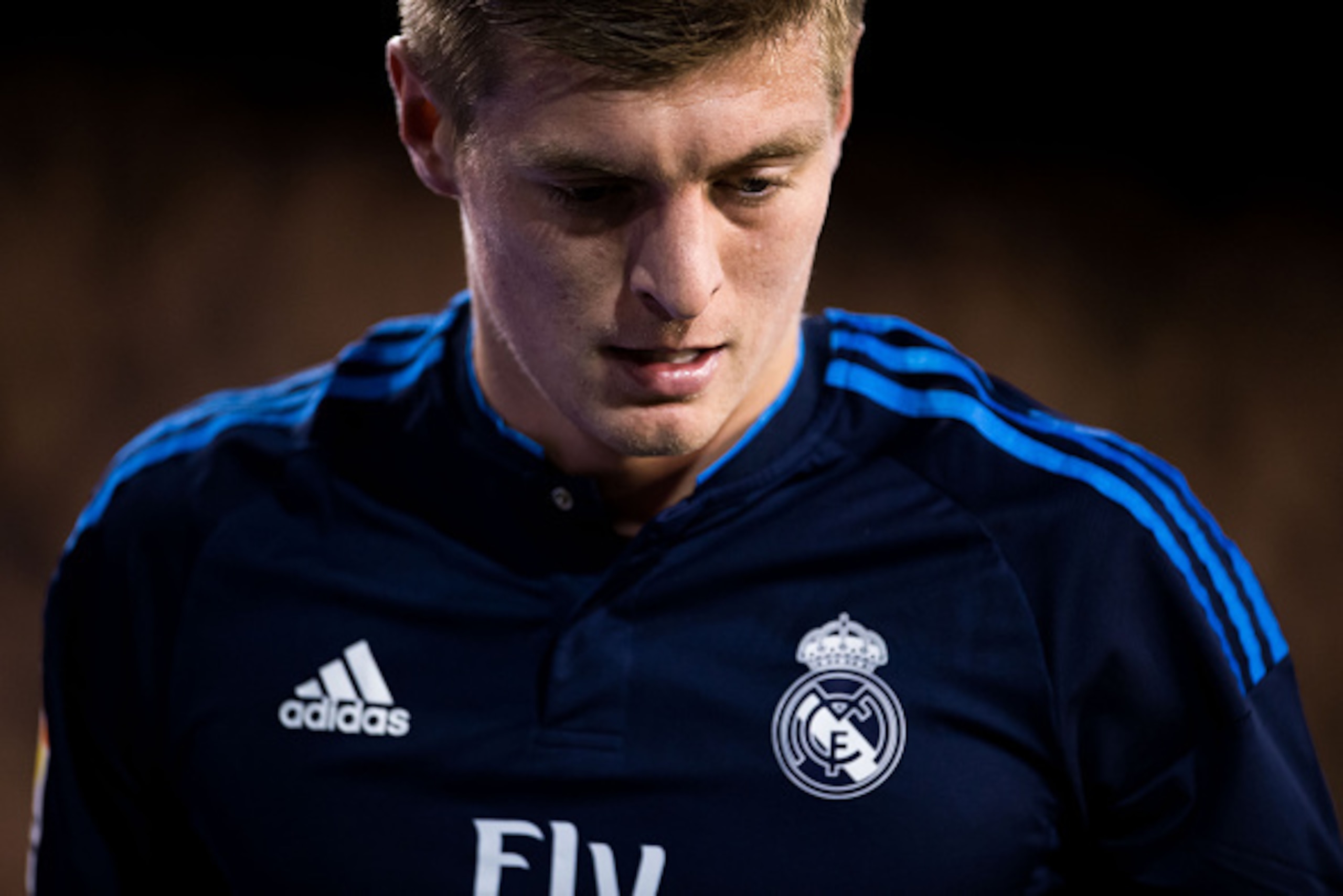
In 2014-15, Real Madrid's midfield structure was defined and unwavering.
When the BBC was present up front, a three-man midfield was consistently deployed, and it typically featured Toni Kroos in an anchor role flanked by Luka Modric and James. On the few occasions when injury broke up the BBC, Isco came in alongside the aforementioned trio to form a four-man midfield in a flowing 4-4-2.
Of course, as the season wore on, that midfield setup proved itself to be flawed—its lack of physicality and a defensive presence was exposed by the likes of Atletico Madrid, Schalke, Valencia, Juventus and Barcelona—but what it did guarantee was fluency in attack. Not only was Ancelotti's midfield extremely talented, it was also settled and therefore operated with the confidence and clarity that continuity brings.
Yet, in 2015-16, such things have been disturbed. In attempting to address the team's defensive deficiencies (and he was right to try), Benitez opted to change the dynamic. To do so, he trialled various systems, switching between a 4-2-3-1, 4-3-3, 4-4-2 and even a 4-4-1-1 (or a 4-5-1, depending on how you saw it) at home against Paris Saint-Germain.
Within those systems, the composition of the midfield often varied, too: Casemiro was introduced at times, Mateo Kovacic was added intermittently and Kroos performed every role from anchor man to roaming No. 10. As such, a certain feeling of confusion set in.
Admittedly, in the latter stages of his tenure, Benitez reverted to the sort of attack-minded 4-3-3 setup favoured by Ancelotti as pressure on him grew. But after the attempt to instil something different, the switch back left Madrid in an uncomfortable halfway point between the old and the new, the team taking on a neither-here-nor-there existence and stuttering as a result.
And despite the resounding victory over Deportivo La Coruna, Madrid's midfield organisation remains an issue.
Defensive Security
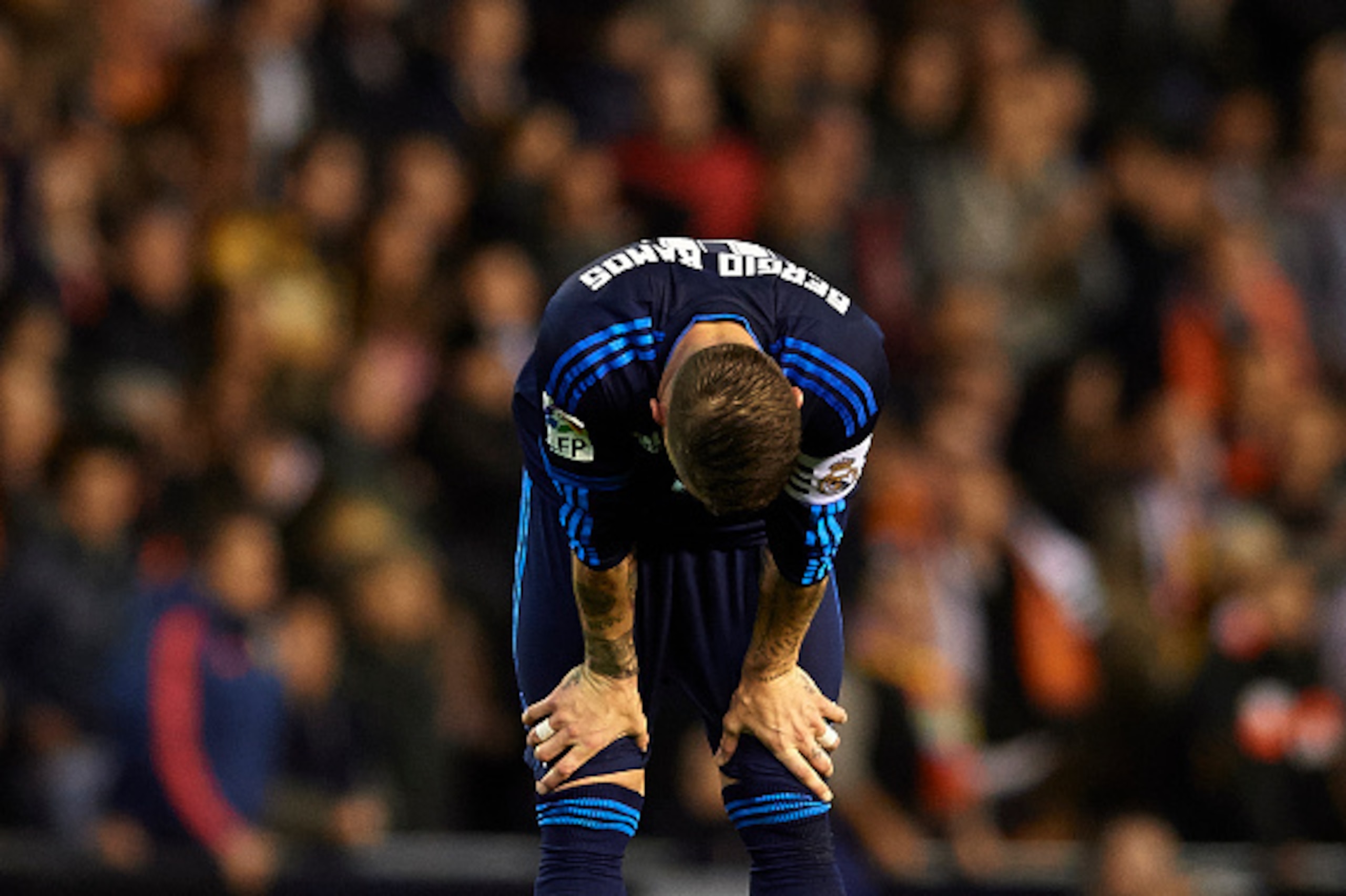
Statistically, Real Madrid's defensive indicators this season are very similar to last season.
After 19 league games in 2014-15, Madrid had conceded 16 goals; at the same stage this term, they've conceded only two more. Additionally, Los Blancos are averaging exactly the same number of shots conceded per game this term as they were last—11.9, per WhoScored.com.
Yet here, numbers don't tell the whole story.
For much of the current season, goalkeeper Keylor Navas has been Madrid's outstanding player in a way Iker Casillas wasn't even close to being a year ago. Against Espanyol and Levante, the Costa Rican's stunning stops protected early leads; against Granada, his smart work coming off his line was critical in taking all three points; against Real Betis and Atletico Madrid, he saved penalties; against Celta Vigo, he seemed to save everything.
He's been that way because Real Madrid's defence has lacked solidity all season. But what's been hard to determine is whether the team's defensive issues have been the result of systematic or personnel problems.
In the heart of the back four, captain Sergio Ramos has struggled regularly—both with injury and his form, his season littered with numerous individual errors. Partnering him at times, Pepe has been hit-and-miss, while Raphael Varane's form has been disturbed by the regular reshuffling. And out wide, Danilo has been extremely poor defensively despite offering a threat in attack.
Yet, the systematic issues alluded to above haven't helped, either; Madrid's back four has often come under more pressure than it should because of a disjointed formation that's struggled with ball recovery and stopping attacks at their source.
Regardless of which factor has had a greater impact, though, it's inescapable that Madrid's defensive security has regressed from last season.
.jpg?w=2560 "Rams Raiders Football")


.jpg?w=2560 "Rodgers Iced Out on Plane 💎")
.jpg?w=2560 "Packers Safety Slams Refs 🤬")

.jpg?w=2560 "🚨 Week 8 AP Top 25 Poll")
