Realistic Expectations for Force India in 2016 Formula 1 Season
Force India met or exceeded most of their expectations in the 2015 Formula One season. After a slow start, the team made huge strides throughout the middle part of the year and ended the season with a car capable of challenging Red Bull and Williams.
Though their total points haul of 136 was fewer than they had scored in 2014, Force India finished fifth in the constructors' championship—their best-ever final position.
This gave the team their largest-ever share of the sport's commercial revenues and ensured they would remain a part of the influential Strategy Group for at least one more year.

.jpg?w=2560 "Rams Raiders Football")

The Force India of 2016 will retain the main ingredients of their success in 2015. They'll still have the class-leading Mercedes power unit, drivers Sergio Perez and Nico Hulkenberg are staying put, and Andrew Green will remain at the head of their technical department.
Can they repeat, or even better, their 2015 performance?

Force India made a difficult start to the 2015 season after a string of issues over the winter. Chief among these was a problem with cash flow, revealed by deputy team principal Bob Fernley before the start of the year.
Speaking to Sky Sports F1, he admitted:
"We have had cashflow issues, there is no question about that, our suppliers were very badly hit by the demise of Caterham and Manor—and are still suffering. We have a very high expenditure at a time of low incomes.
It’s very tough. Yes, we will survive but want to survive competitively. It’s tough for all the independent teams—ourselves, Sauber and even Williams.
"
Their preparations for the new season were also adversely affected by a decision to switch from using their own wind tunnel to using Toyota's. The time it took Force India to transfer their programme over meant they were behind the curve when the season began. They missed the first pre-season test and took their old car to the second.
However, the Japanese manufacturer's facilities, in Cologne, Germany, are considered among the finest in Europe, per Autosport. The team would undoubtedly benefit from the move eventually.
When they arrived for the third test, the VJM08 that eventually made its way out onto the track was nowhere near the finished product. But there was a lot of development backed up in the pipeline, and after the first race Fernley told F1i the team hoped to have a "B-spec" version of the car ready for the start of the European season.
| 3 | Williams | 106 |
| 4 | Red Bull | 98 |
| 5 | Force India | 97 |
| 6 | Lotus | 43 |
But the wait took a little longer than expected, with the B-spec proper making its debut at the British Grand Prix Silverstone in July. But even this wasn't the end of the development road, and further updates were added over the remainder of the summer.
The upturn in the team's fortunes was marked. Having scored just 39 points in the opening 10 races, Force India grabbed 97 in the final nine rounds—just one fewer than Red Bull managed in the same period.
A constructors' championship table based on the second half of the season shows Williams were also in the Indian team's sights.
But can they realistically hope to be as close to, or ahead of, those big names in 2016?
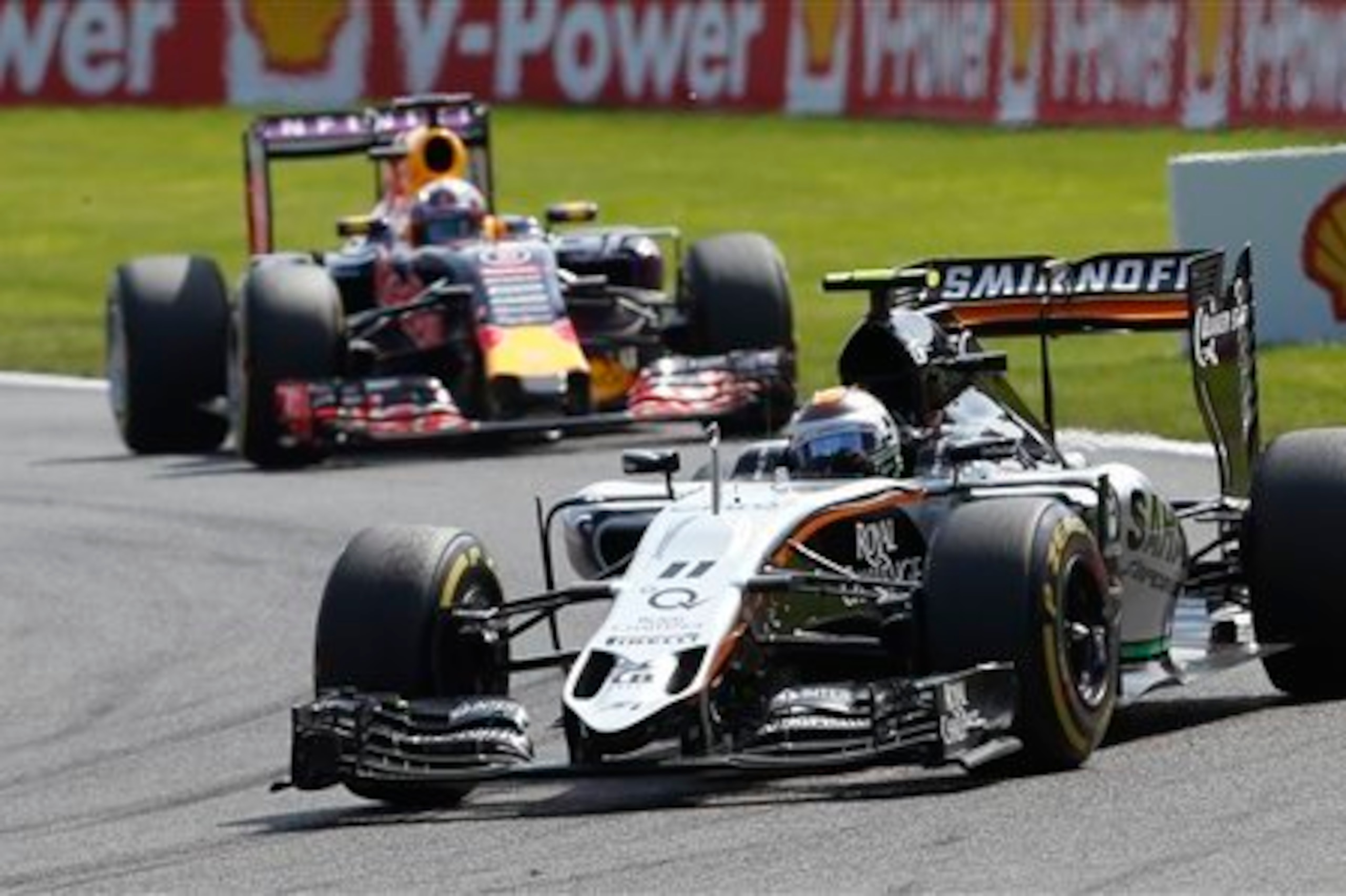
The mediocre performances of the Toyota and Honda teams throughout the 2000s proves that money does not guarantee success in F1. Per figures published by Formula Money (h/t F1 Fanatic), those teams had budgets similar to those of Ferrari and McLaren toward the end of the decade but failed to get anywhere near the front.
However, while resources do not necessarily equal success, a lack of resources almost always guarantees failure—or, to put it more kindly, a spot in the midfield.
Without the opportunity to find and exploit a loophole no one else noticed, a smaller, poorer team will never truly be able to compete with the big, rich ones. The larger outfits can throw far more personnel and resources at finding improvements in every area of their car; and even if one of the big boys gets it wrong, the others will get it right.
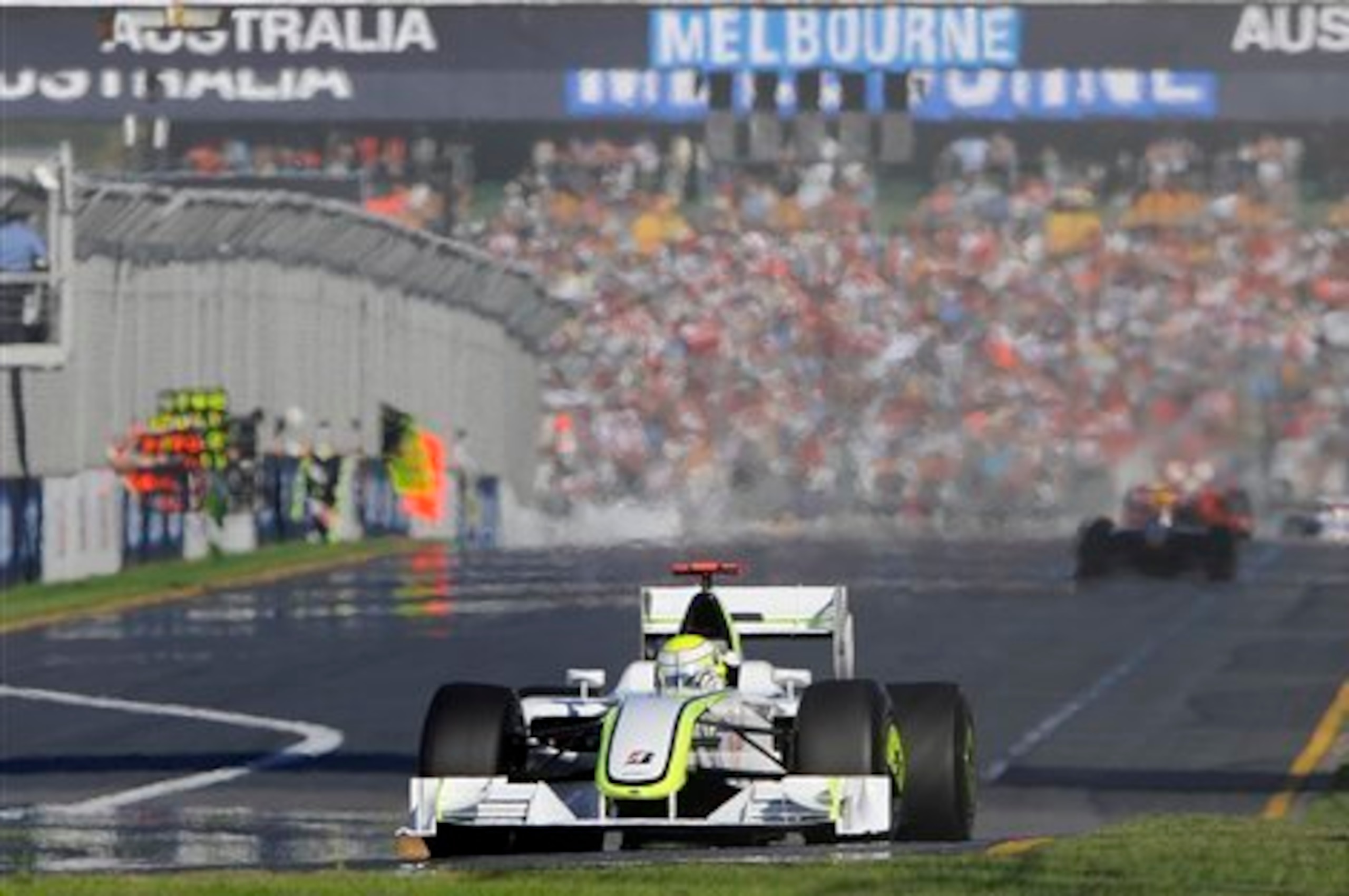
The only team in recent memory to win the constructors' championship on a substantially lower budget than the competition was Brawn in 2009—and that victory was only made possible by massive rule changes that gave them the opportunity to sniff out and perfect the double-diffuser design.
As the season wore on, Brawn's lack of resources told as other teams caught and passed them—but the points secured early in the year were enough to give them the title.
With the regulations remaining stable between 2015 and 2016, the likelihood of a small team—or any team—finding something similar, with significant performance benefits, is almost nil.
Budget will once again be the primary factor in chassis performance.
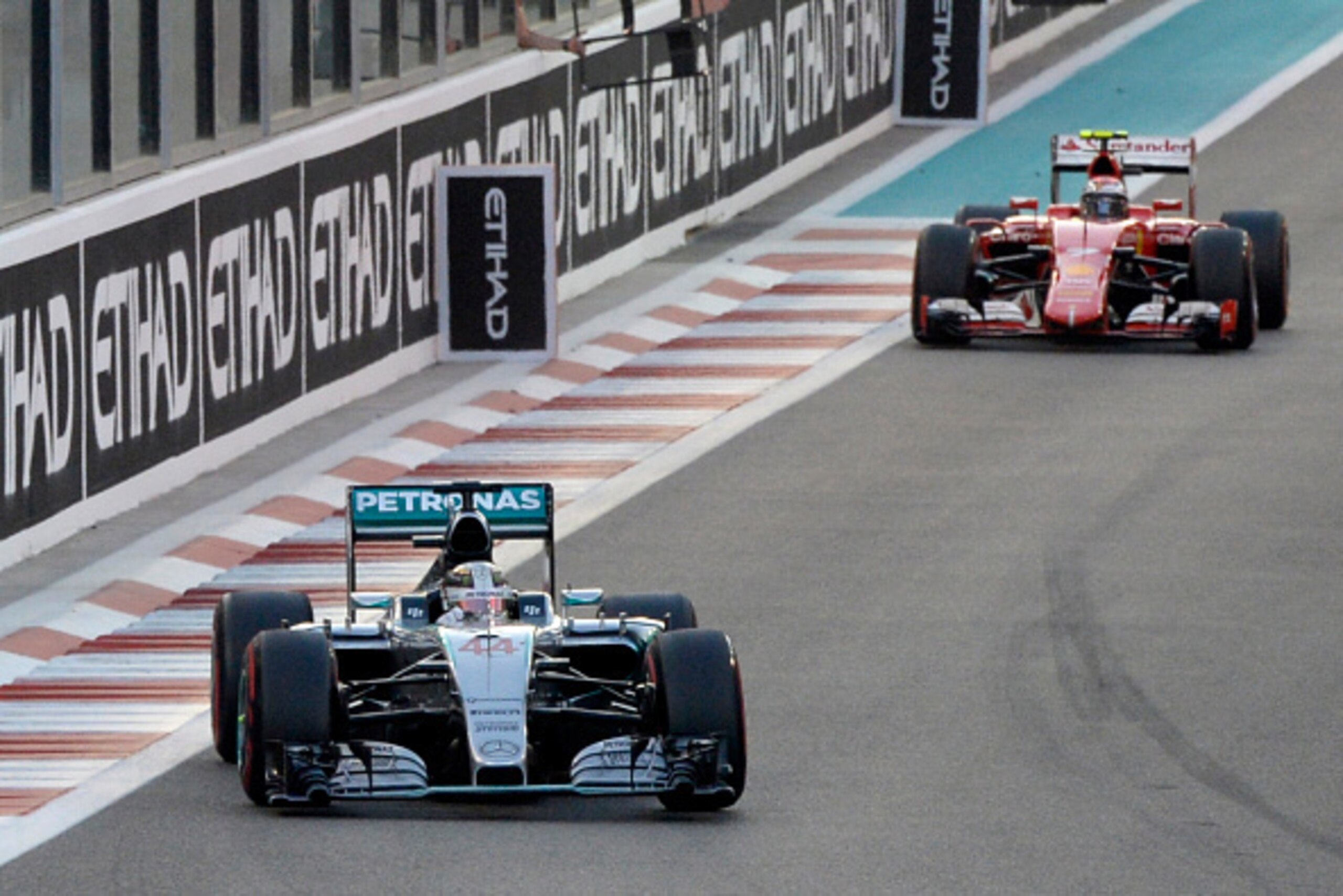
Force India's 2015 budget was £110 million, per figures published by Autosport's Dieter Rencken. This placed them in a grouping of teams with very similar budgets—alongside Williams (£110 million), Lotus (£100 million), Toro Rosso (£90 million) and Sauber (£90 million).
Mercedes, Ferrari, Red Bull and McLaren were much higher; Manor were significantly lower.
One team's budget will change for 2016—the new Renault works team will surely spend more than Lotus did. However, the rest should remain broadly the same, so we can't expect Force India to make any significant strides relative to the big guns.
Ferrari and Mercedes will remain out of reach, and it's likely Red Bull will have enough in their pocket on the chassis side to make up for the engine-power deficit they will surely once again have.
But beyond that, Force India could well be among the leading contenders.

Force India and Williams, with similar budgets, should theoretically be quite evenly matched in terms of chassis quality—and there's little to choose between their driver lineups. Valtteri Bottas and Felipe Massa are a formidable pairing, but in Perez and Hulkenberg, Force India also have a very capable duo.
Benefiting from the Mercedes power unit, the two teams should, as they were in 2015, once again be battling it out in a group behind the front-runners.
The Renault team—formerly Lotus—will be out of the reckoning. The England-based team face a transitional year as they build the Enstone base up to a level befitting a full works outfit. With a weak driver lineup, a power unit that requires a lot of work and changes ahead on the personnel front, it's very hard to see them bothering the front of the midfield.
Likewise, that will be the case for Sauber and Manor. Though they'll have good engines, neither will have a world-beating driver lineup and both have even tighter finances than Force India do.
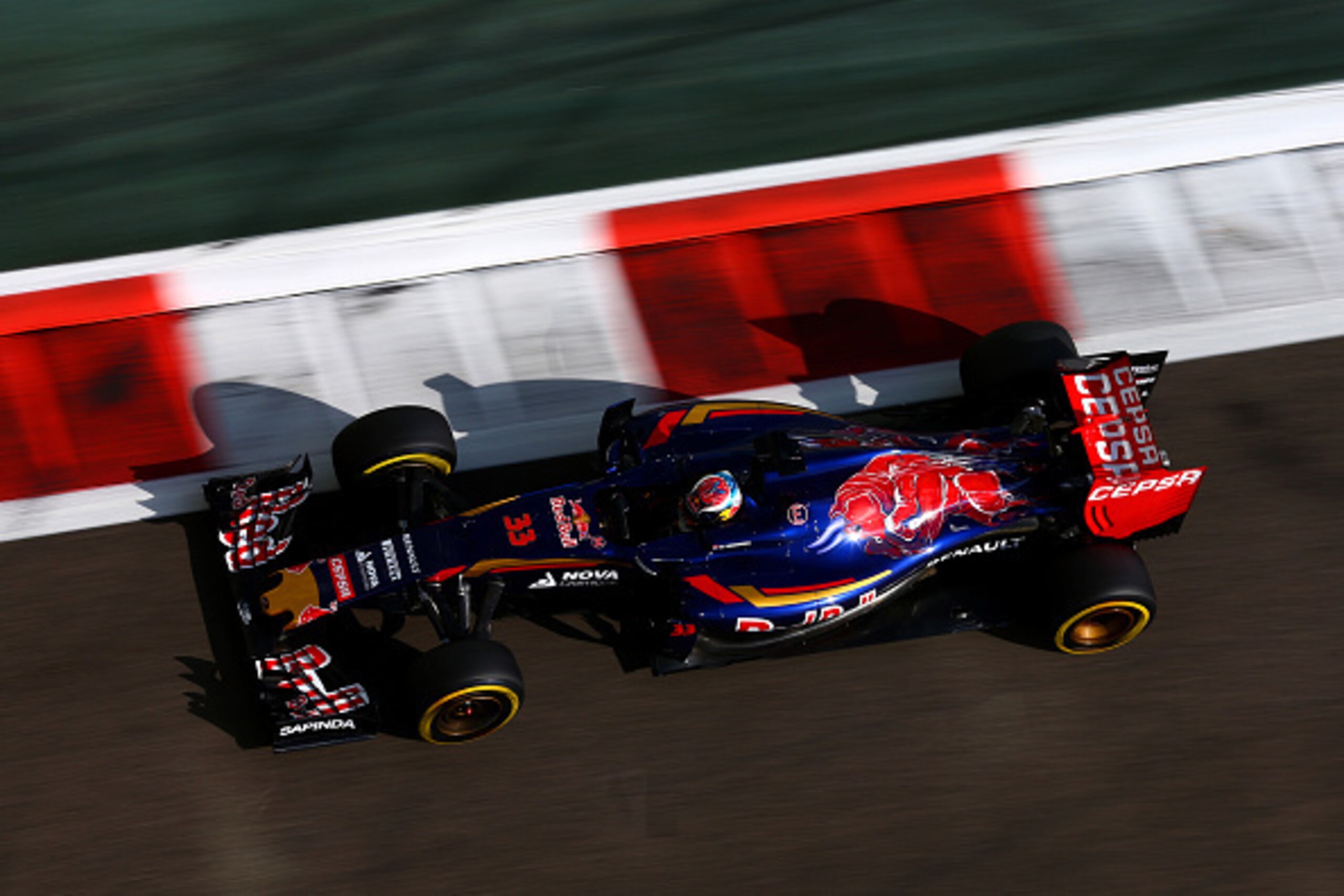
Red Bull's sister team, Toro Rosso, built an excellent chassis on a small budget in 2015, and in 2016, they will have a year-old Ferrari engine. As bad as that sounds, it'll almost certainly start the season with more power and reliability than the 2016-spec Renault power unit—so the Italian team could find themselves closer to the front than ever before.
But as the season goes on, others will be able to improve their engines while Toro Rosso will be stuck with the same specification all the way to Abu Dhabi in the last grand prix in November. It's almost inevitable that they will fall down the order as the year progresses.
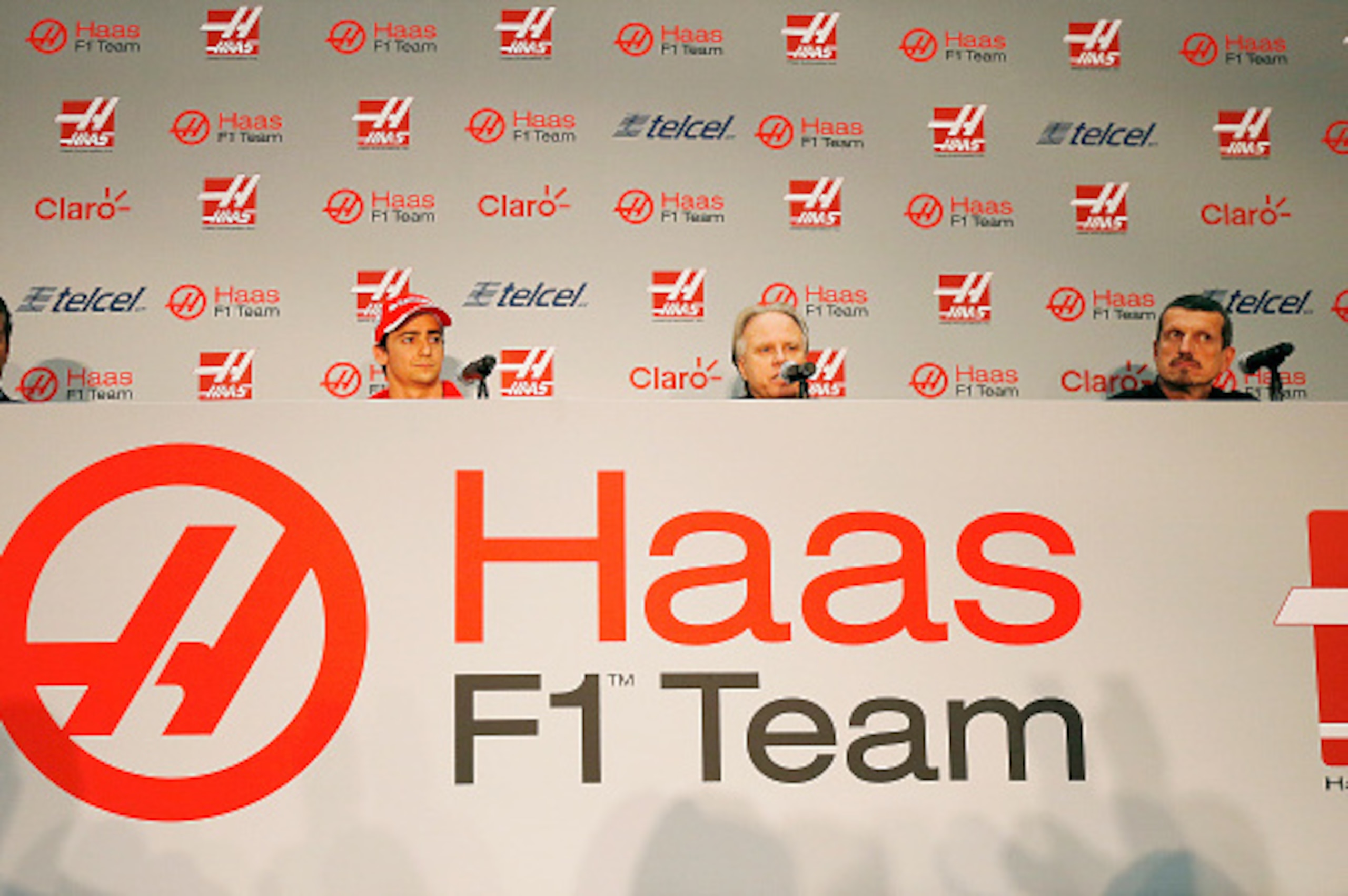
Haas will have a current-year Ferrari engine, which shouldn't be too far behind the Mercedes. However, they are an entirely new team with no experience of building or carrying out in-season development of an F1 car.
Furthermore, much of the work on their chassis is being outsourced, and they will have a significantly lower budget than a typical midfielder—around £70 million, per F1i's Julien Billiotte. As interesting as it would be to see Haas succeed, it's difficult to imagine this arrangement will be better than the traditional in-house development structure.
Based on their budget and experience, Force India should be beating Haas, as well as Toro Rosso, Renault, Sauber and Manor. Anything less would be a failure.
And that brings us round to McLaren.

The fallen giants had a terrible 2015 as the English outfit struggled with the woefully uncompetitive and unreliable Honda power unit. The MP4-30 chassis itself wasn't bad—BBC Sport's Andrew Benson reports it was considered by engineers to be better than the Williams or Force India—but the engine was so poor the team could only manage ninth in the standings.
Another quality chassis is likely to roll out of Woking in 2016, so whether or not Force India can beat McLaren again rests almost entirely on Honda's shoulders. McLaren have a substantially larger budget, and the MP4-31 will be driven by Fernando Alonso and Jenson Button—arguably the best pairing on the grid.
If the 2016-spec Honda engine is even in the ballpark of the Mercedes, McLaren will return to the top four.
But if it isn't, they might find themselves in any of a number of battles and could end the season anywhere from fourth in the standings all the way down to last in 11th.
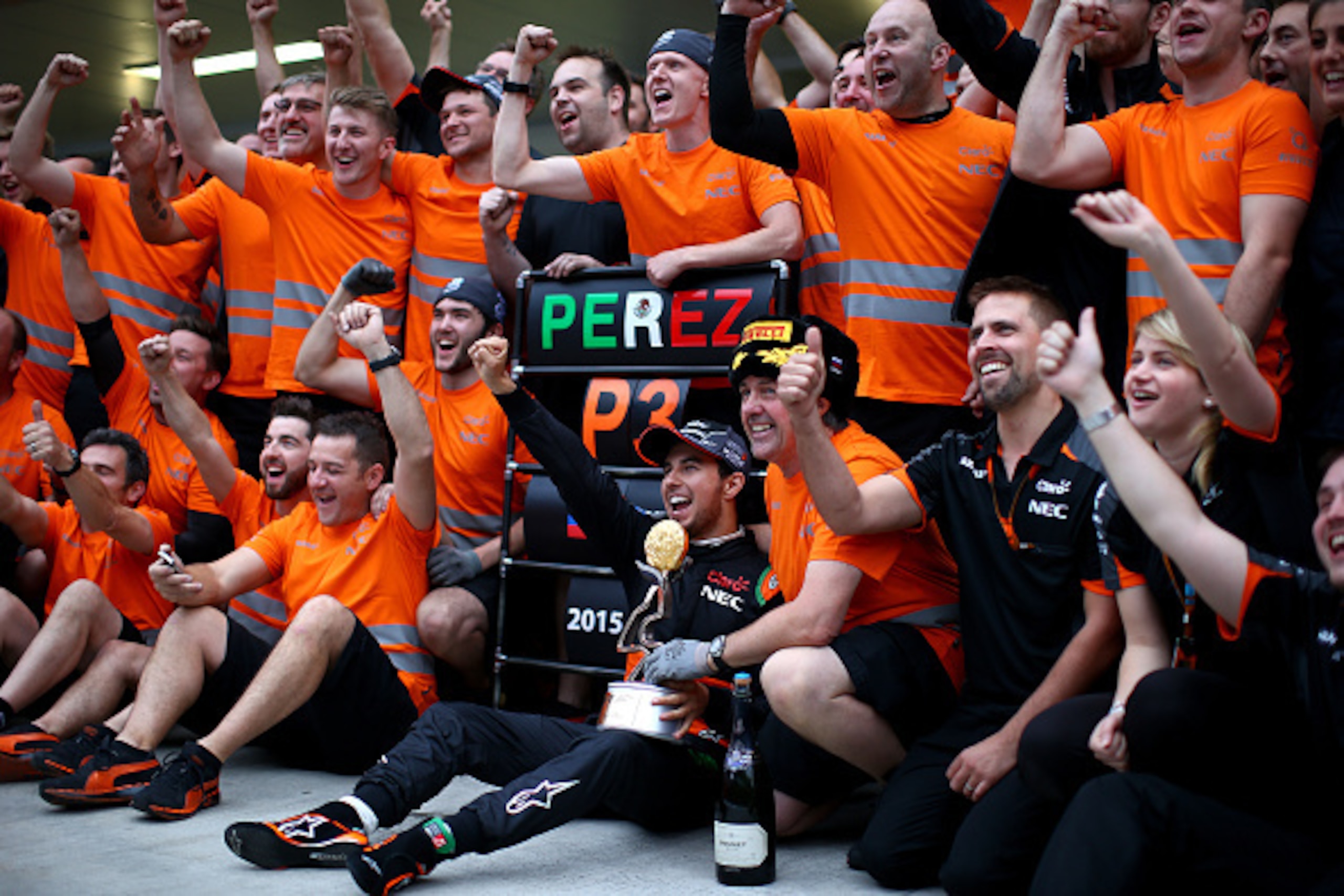
Expectationwise, that leaves Force India looking at finishing somewhere between fourth and sixth in the championship. They have to be aiming to fight Williams, and it's entirely realistic to believe they're capable of doing so.
Though Williams have been the better team since the start of 2014, the two Mercedes customers have similar budgets, their driver lineups are of similar quality, and both have plenty of experienced, battle-hardened personnel capable of pushing them forward.
And with the teams being allowed a little more freedom when it comes to which tyre compounds they have to use for each event, the tyre-management skills of Perez may give Force India a valuable added edge.
If Honda make big progress over the winter, McLaren will be too strong and fourth will be out of reach.
But if they don't, Force India have every opportunity to take another best-ever championship position.

.jpg?w=2560 "Steelers Saints Football")

.jpg?w=2560 "Packers Safety Slams Refs 🤬")
.jpg?w=2560 "🚨 Week 8 AP Top 25 Poll")