

College Football Hall of Fame More Defined by Who's Not In, Rather Than Who Is
One of the best things the National Football Foundation has done in recent memory is team up with the College Football Playoff to host the annual announcement for the newest crop of Hall of Famers.
That was the case once again Friday afternoon at the media hotel for the national championship game, as the 2016 College Football Hall of Fame class was announced to the world in a televised program that had light-years more pomp and ceremony than previous announcements that most heard about through a boring old press release.
.jpg?w=2560 "AP Poll Top Five Week 9")

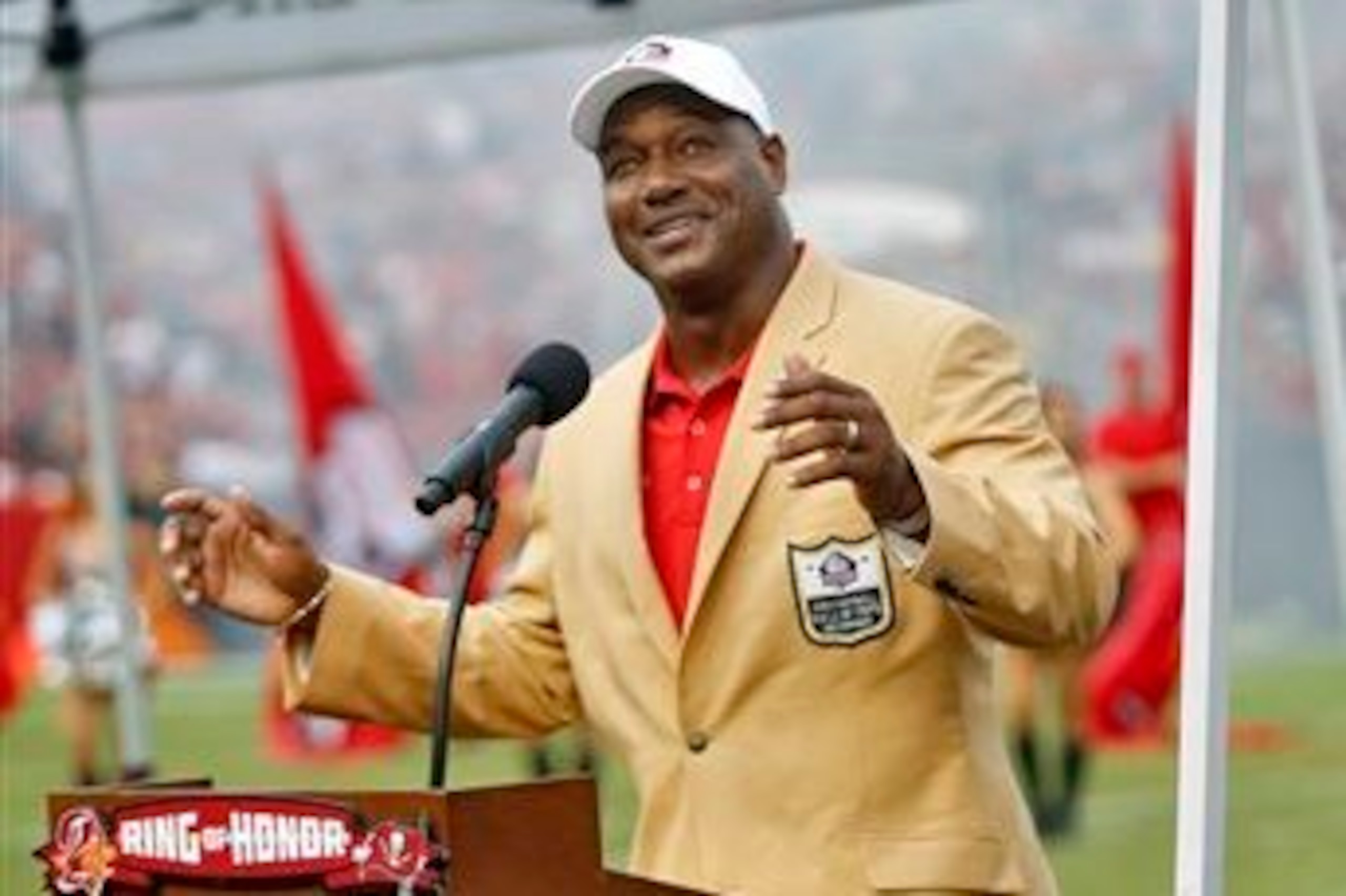
The 16-strong group who will be enshrined later this year in December was highlighted by recognizable names such as Florida State linebacker Derrick Brooks, UNLV’s Randall Cunningham, Purdue cornerback Rod Woodson and Ohio State star Tom Cousineau. Other worthy names who the casual college football fan may not recognize include Iowa State running back Troy Davis, LSU quarterback Bert Jones and Colorado defensive lineman Herb Orvis.
“This is a tremendous honor, of course. I think the football Hall of Fame and the NFF just does so many great things,” said freshly minted Hall of Famer Pat McInally, who might be better known for getting the only perfect Wonderlic score on his way to the NFL but also had an amazing career at Harvard during the 1970s. “Thank you. I was flabbergasted when I found out. Thank you.”
After the excitement and fervor had died down for this year’s class, however, it came time for the realization of who hadn’t made it. The 2016 class members richly deserve to be among the select few in the Hall, but one cannot help but wonder why some players were selected to be fast-tracked to Atlanta in lieu of others.
A lot of that blame can be placed right at the footstep of the National Football Foundation.
The easiest target is, of course, the selection criteria for players to even make it onto the ballot to begin with. To be eligible, players must have been named a First Team All-American by a recognized outlet, been out of college football at least 10 years and cannot be currently playing professional football.
It is the first bit of criteria that most people have a sticking point with, and for good reason. Joe Montana was unquestionably one of the greatest quarterbacks at any level, and his time at Notre Dame is still celebrated for some of his heroics on the field. Yet he can’t even make it onto the ballot. Joe Namath went 29-4 under head coach Bear Bryant at Alabama and won a national title. His fur coat and smooth talking won’t come anywhere near the Hall, however.
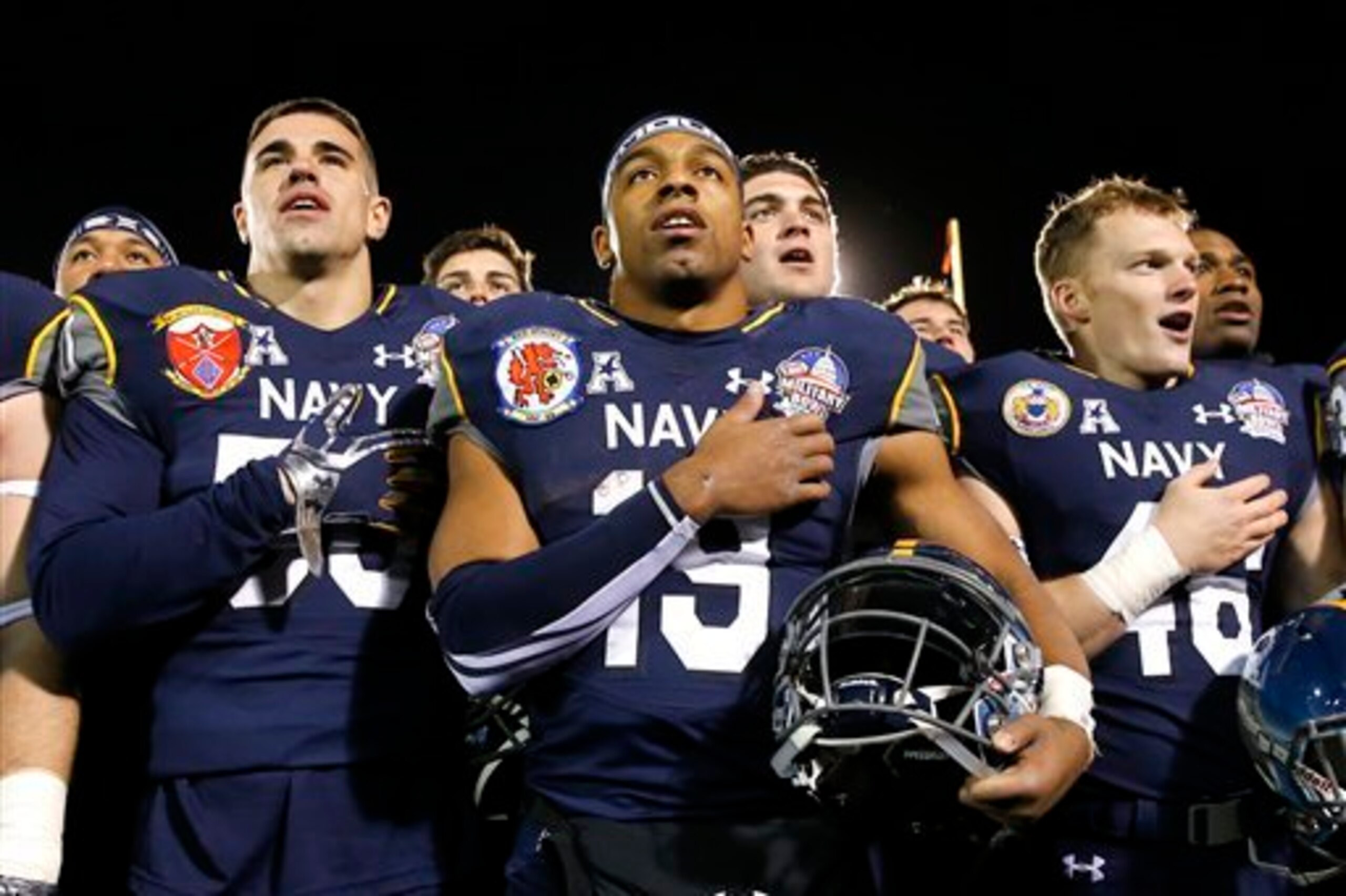
That’s to say nothing of recent players, such as Navy quarterback Keenan Reynolds, who will never get a chance. Reynolds has been exemplary as a college football player on (including several NCAA records) and off the field, but because he played at the same time as fellow quarterbacks Deshaun Watson, Marcus Mariota, Jameis Winston and others, he’ll never earn the recognition he deserves.
“I think it’s a standard. It’s something that has to be established,” Cunningham replied, diplomatically, on the ESPNU broadcast when asked about the selection criteria. “At the same time, to be able to sit here and to be in is the most important thing. If I made it as the greatest trainer, it would be an honor. So it's just a blessing to be in.”
If you think that was punting on the question, you’d be right. It was appropriate, however, given that Cunningham—who almost everybody knows as a scrambling quarterback—will enter the Hall not because of his arm, but because he was named a First Team All-American punter.
“I think in any organization or school or life in general there's criteria. And we were fortunate enough to fit into the criteria that led to this selection,” McInally added. “I couldn't be prouder. And I've looked through the list of people that are in it, and I think it's—I'm very proud, humbled. But I think the selection process is pretty amazing.”
It’s an even crazier set of qualifications for coaches, who must have a minimum of 10 years and 100 games as a head coach, won at least 60 percent of them and be retired from coaching for at least three years unless they’re over 70.
That means Howard Schnellenberger (158 wins, but under the 60 percent mark) will tragically never even come up for a vote to get in, despite winning a national title and serving as a godfather for three programs (Louisville, Miami and FAU). Likewise, the builder of one of the greatest dynasties in recent college football, USC’s Pete Carroll (83 wins), will be on the outside looking in for the foreseeable future.
No offense to this year’s pair of coaches, Bill Bowes of New Hampshire and the esteemed Frank Girardi of D-III Lycoming College, but each should find himself in the same wing of the Hall as Schnellenberger and others, not there without those titans of college football history. Heck, it would have been perfect had former Clemson coach Danny Ford (who was on the ballot) been elected this year, but he’ll be back.
Just as puzzling is why the National Football Foundation insists on such a large ballot for voters. The list for the 2016 class included 76 FBS players and five coaches, plus another 92 players and 27 coaches from the FCS and below. Many are big-time names, others few know much about other than their biography line. A more focused and reasoned group could help the process as much as new selection criteria.
It was great to see the photos and highlights of some of those inducted following the announcement. Troy Davis was criminally underappreciated by non-Cyclones fans after a pair of 2,000-plus-yard seasons at Iowa State helped him get to New York for the Heisman ceremony. Seeing video of William Fuller chasing down quarterbacks at North Carolina and Wisconsin’s Tim Krumrie doing the same was great for those that need a history lesson on the game’s greats.
At the same time, though, their selections also made it more head-scratching for some of those that didn’t make it into the Hall ahead of them.
Look no further than Heisman winners Eric Crouch, Matt Leinart (first time on the ballot) and Rashaan Salaam having to wait until 2017 at the earliest to be selected. These were Heisman winners as the most outstanding players in college football for a season, and yet voters can’t tick their name off? Ridiculous. One could even argue that Leinart should be a first-ballot selection as one of the best to ever play the position at this level.
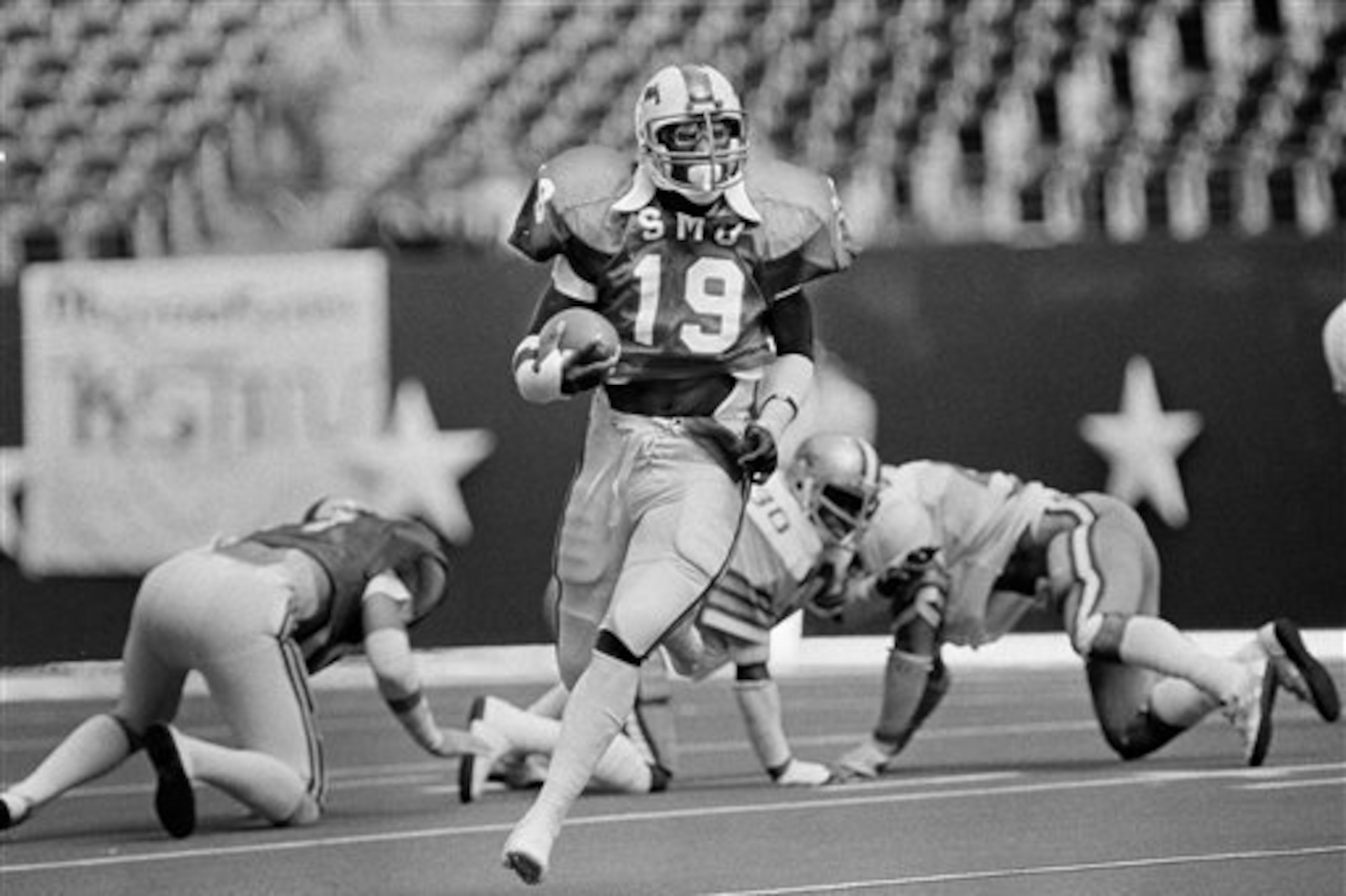
Those are not the only ones, however, highlighted by the fact that Eric Dickerson again didn’t make it in. He was only a two-time First Team All-American, holder of numerous Southwest Conference records, the leader of the infamous “Pony Express” and one of the best running backs at any level of football. Still, there he sits for another year.
All because of that gold Trans Am, no doubt.
Washington State’s Mike Utley had a distinguished career on the Palouse, but it’s hard to make sense of him getting in on the first ballot over Texas A&M linebacker Dat Nguyen, Kansas State quarterback Michael Bishop or Penn State signal-caller Kerry Collins. That’s also to say nothing of the big names still waiting on the elusive call from the Hall, such as Mark Carrier, Dennis Thurman, Raghib Ismail, Ray Lewis and others.
This year really did have a wonderful group of players and coaches selected. There are some great headliners, such as Brooks, Woodson and Cunningham, who pair nicely with underrated talents like Marlin Briscoe.
But with each passing election, and the more attention that is now being paid to the College Football Hall of Fame, one cannot help but notice that the whole thing is becoming more and more a story about who is not getting in.
And that is the biggest shame of it all.
Bryan Fischer is a national college football columnist for Bleacher Report. You can follow him on Twitter at @BryanDFischer.
.jpg?w=2560)
.jpg?w=2560 "Colts Texans Football")

.jpg?w=2560 "Rodgers Iced Out on Plane 💎")
.jpg?w=2560 "Raiders Could Start Mendoza")

.jpg?w=2560 "Packers Safety Slams Refs 🤬")

.jpg?w=2560 "Lamar Being Out Shocked Ravens")

.jpg?w=2560 "Mahomes Told Teammate to Leave Meeting")