
Redrafting the 2015 NFL Draft at the End of the Regular Season
We’re just nine months removed from the 2015 NFL draft, but we already know so much about team fits, first-rounder upside and those prospects who are already leaning toward “bust” status.
Jameis Winston and Marcus Mariota stay put, but the remarkable running back, cornerback and defensive line talent saw an influx in comparison to the actual draft.
While a select few teams (the Buccaneers, Titans, Raiders and 49ers) probably would have retained their first-round selections, many others, like the Redskins, Falcons and Vikings, may have gone in a completely different direction if they had the benefit of hindsight.
For the draft order, I used the final order, after trades, from the draft. Ideally, this shows a comparison to where players went as opposed to evaluating how teams performed in their first-round movement.
Players who did not play this season were evaluated as if they'd had a “redshirt” year, or in others words, as if teams would have had to weigh a missed 2015 season in their evaluation.
1. Tampa Bay Buccaneers: QB Jameis Winston (Originally No. 1)
1 of 32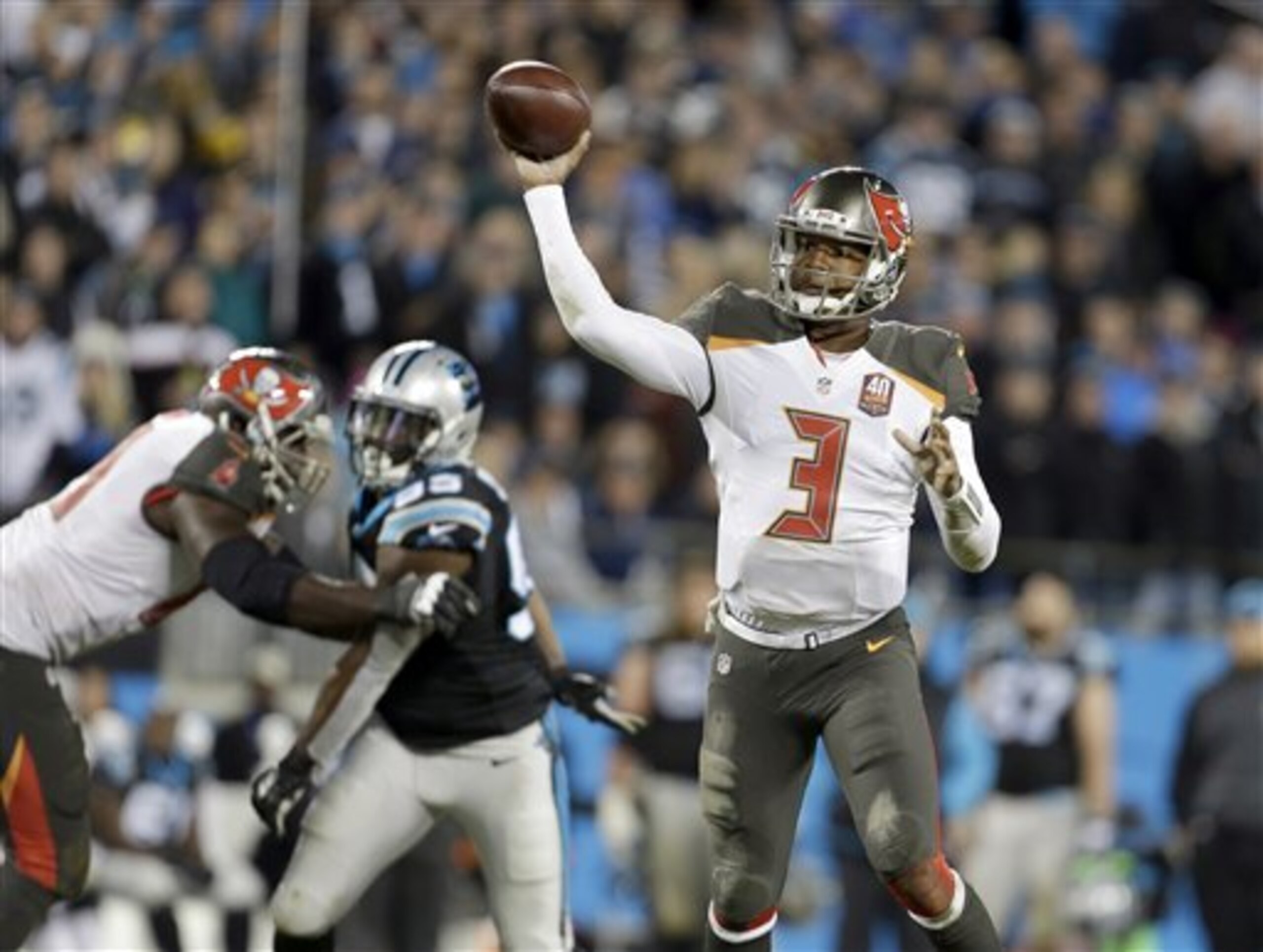
While he may not end up with the award, Jameis Winston would get my vote for Offensive Rookie of the Year. He wasn’t without his mistakes, as his turnover-prone nature reared its head at times this season, but his confidence and swagger put the Buccaneers in more games than their roster should’ve allowed.
As the offensive line improves with time and added draft picks, so will Winston’s trust in its play. With Mike Evans, Vincent Jackson, Doug Martin and Co. surrounding him, Winston looks poised to become one of the upper-echelon quarterbacks in the NFL.
2. Tennessee Titans: QB Marcus Mariota (Originally No. 2)
2 of 32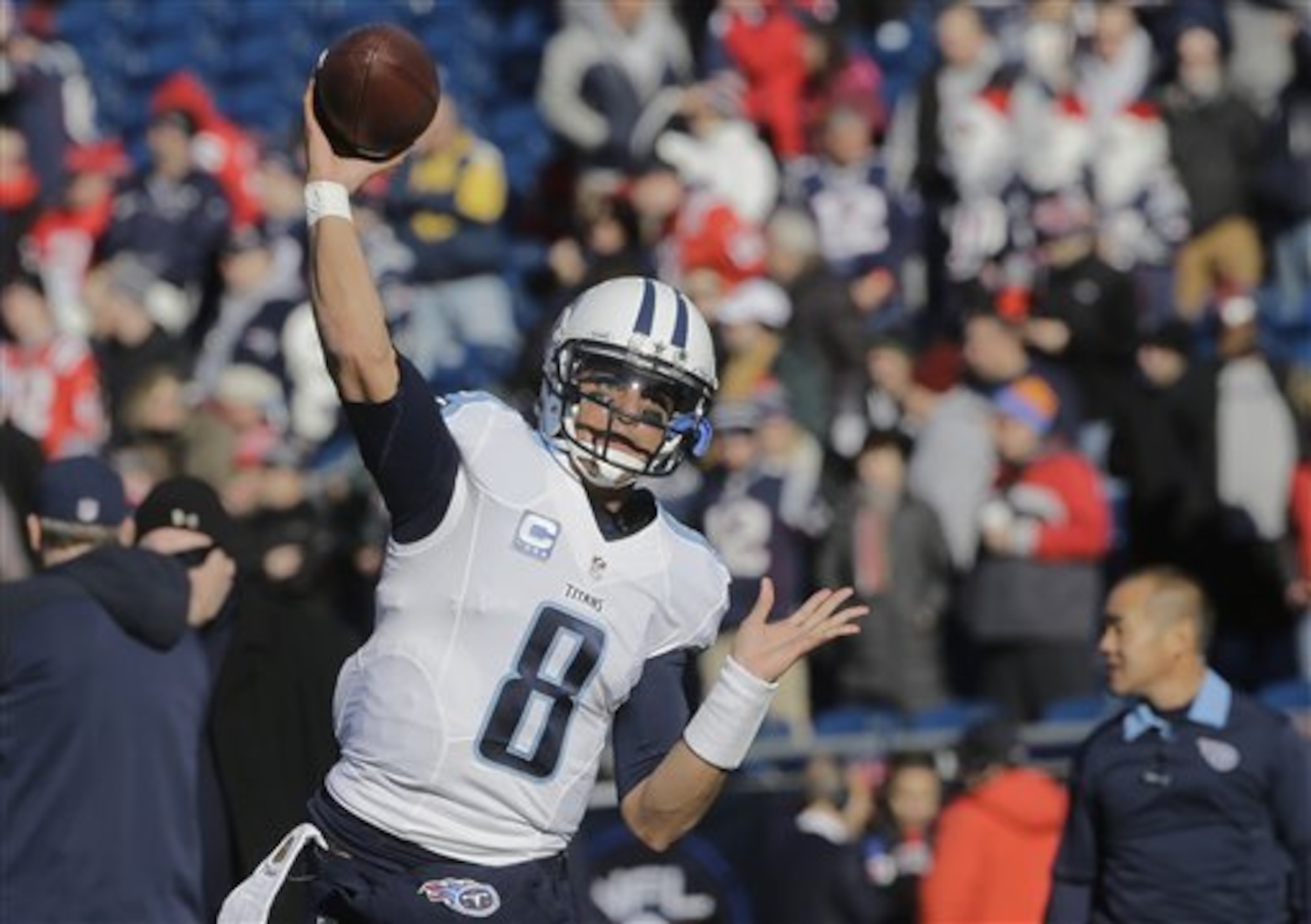
Injuries and coaching turnover inhibited Mariota's development this season, and it’s frustrating to think that Mariota could be doomed if the Titans' next coaching hire isn’t a success.
The Oregon product saw his running ability utilized more late in the season, and his success with packaged plays along with his flashes of high-level upside should have Titans fans excited that they have one of the NFL’s best young passers. Winston has shown more, but Mariota is almost as intriguing in terms of his long-term development.
3. Jacksonville Jaguars: CB Marcus Peters (Originally No. 18)
3 of 32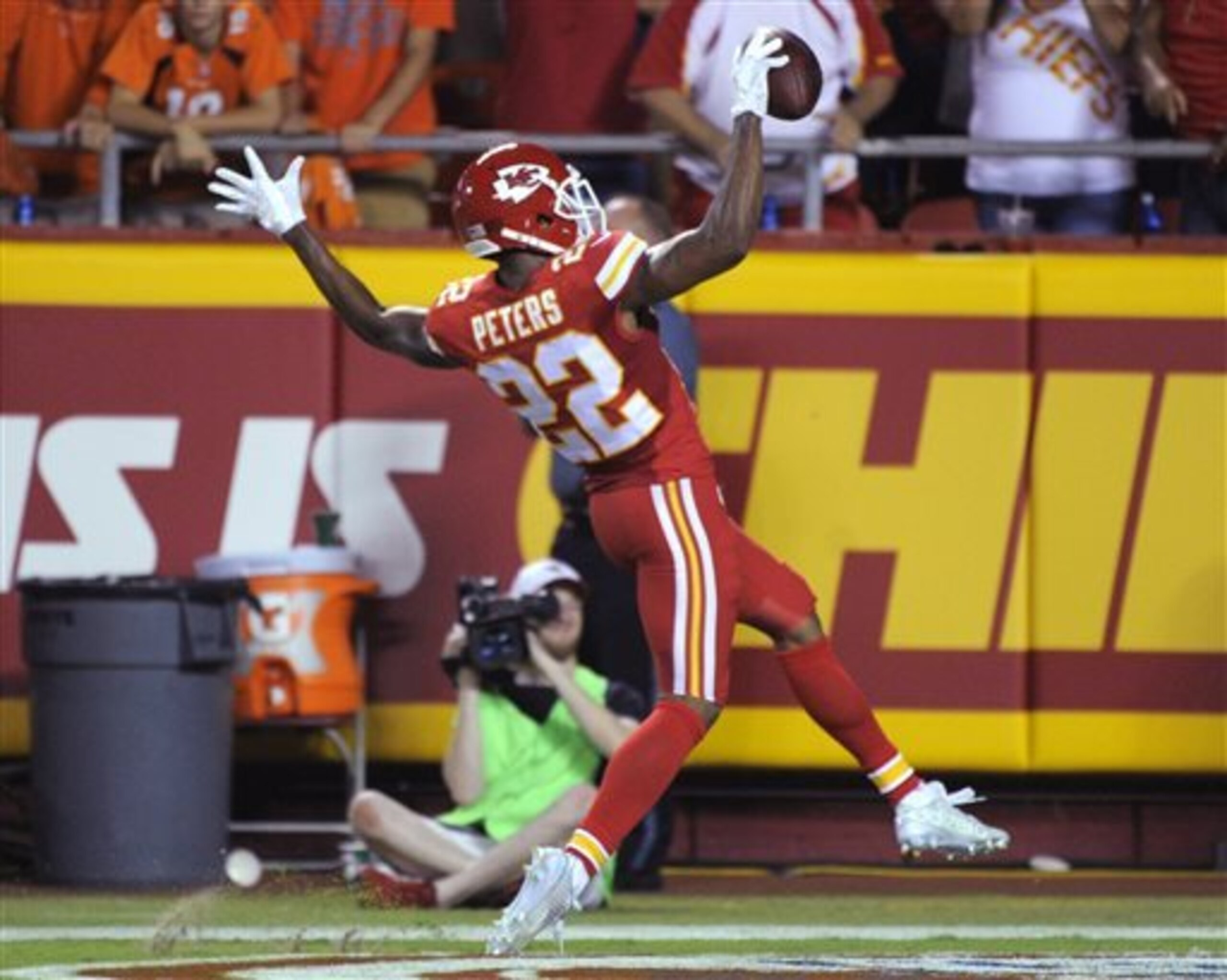
It’s unfair to criticize the Jaguars' original pick of Dante Fowler, as his injury in training camp kept him sidelined for his rookie year. But whether or not he could have played for Jacksonville, it’s tough to imagine they’d want to pass up one of the best rookie cornerbacks in recent draft history.
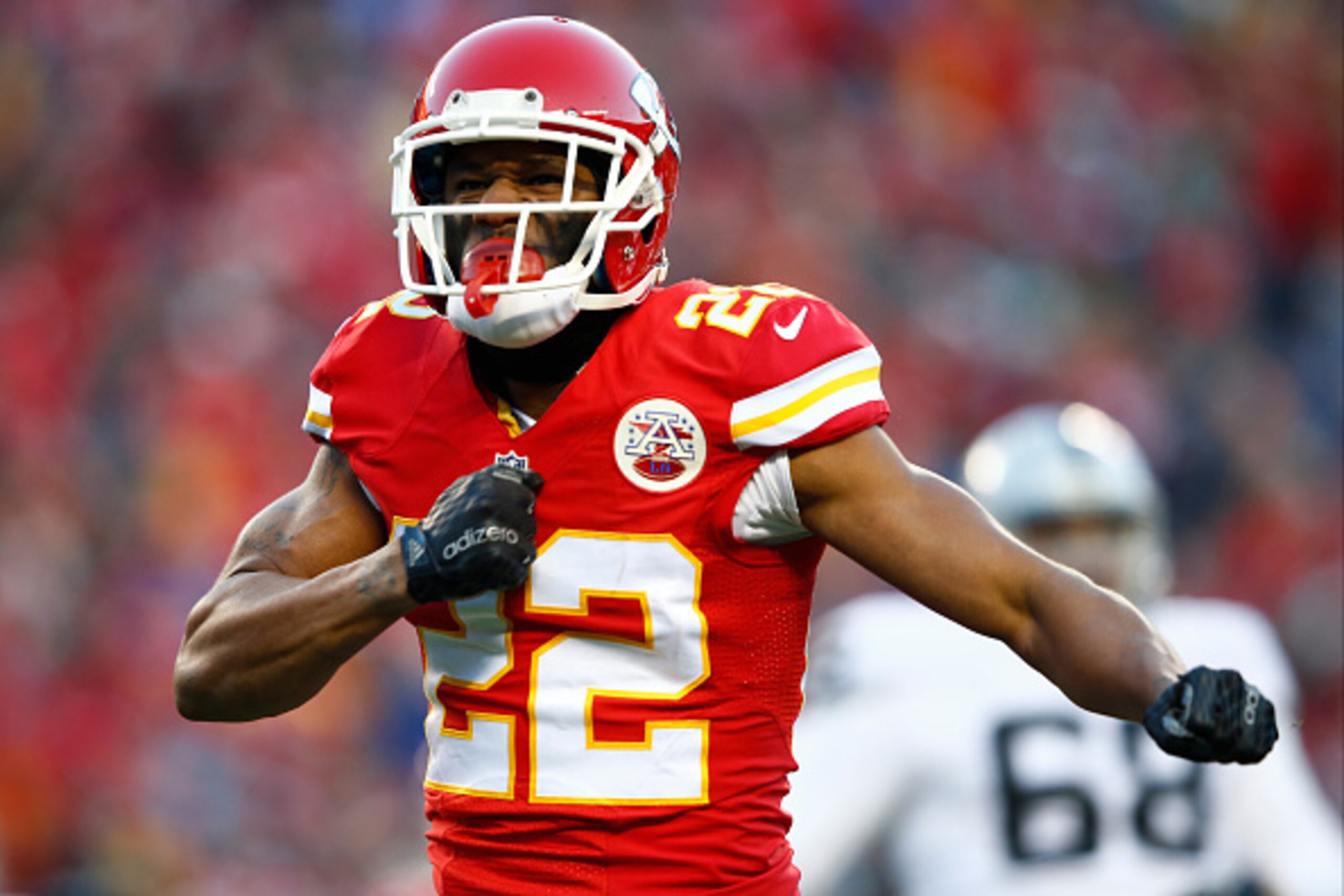
Marcus Peters’ 25 passes defended this year are the most ever for an NFL rookie, and his eight interceptions are the most for a rookie since 2009. But his impact on the Chiefs defense was even more important than the highly impressive stats he posted.
With his help, the Chiefs defense helped run off 10 straight wins, and he provided some necessary support for the team's talented front seven. The pick only makes more sense when you consider that the Jaguars will likely covet a top defensive back in the 2016 NFL draft.

.jpg?w=2560 "Rams Eagles Football")
.jpg?w=2560 "Texans-Mixon Released Football")
4. Oakland Raiders: WR Amari Cooper (Originally No. 4)
4 of 32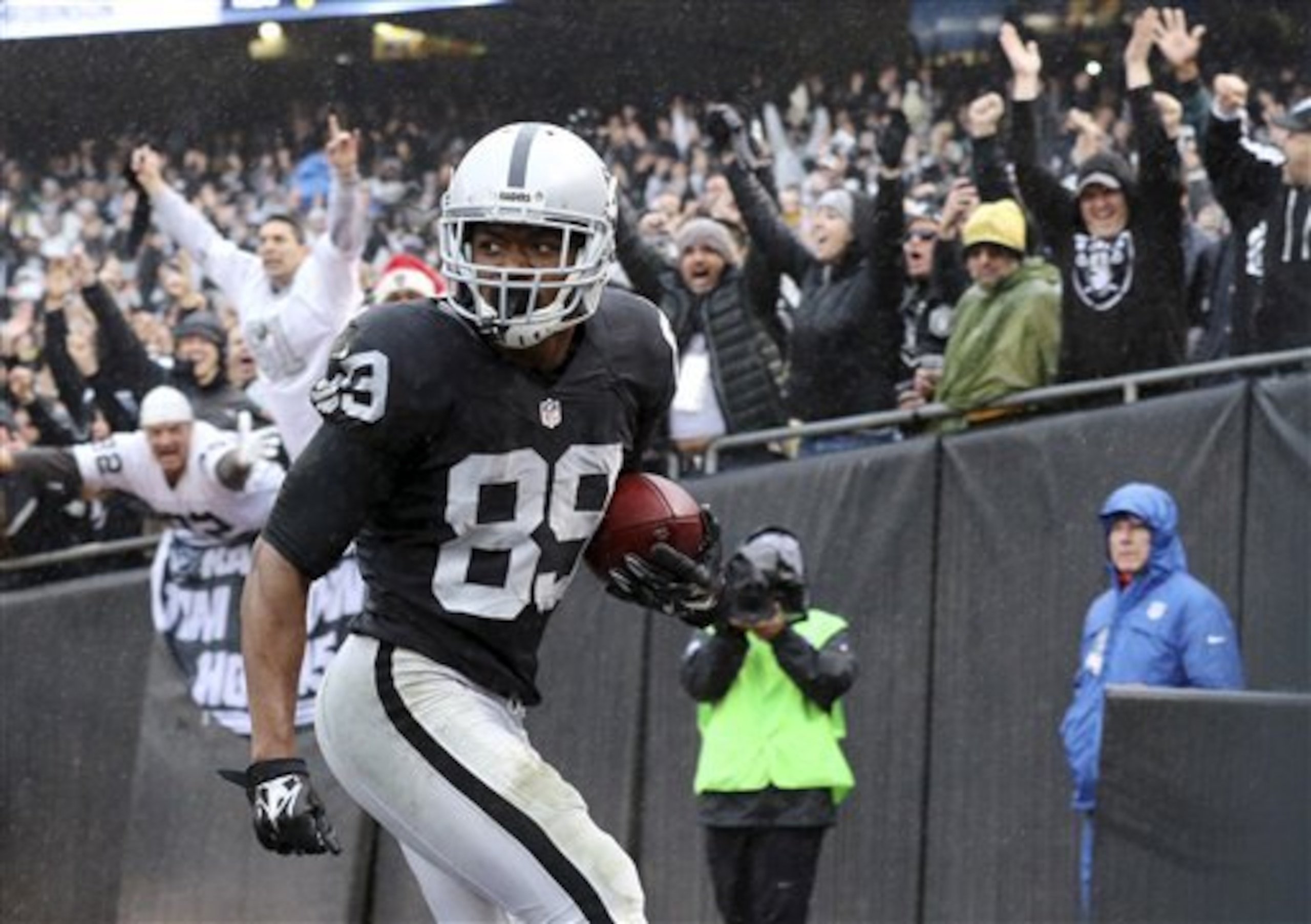
While his production and impact lessened later in the year, Amari Cooper proved he could lead an NFL receiving corps. After breaking out early in the season and quickly developing one of the better quarterback-receiver connections in the NFL, his presence forced defenses to focus more on him and open up further opportunities for Michael Crabtree, Andre Holmes and others.
With the NFL seeing a young-receiver renaissance, Cooper displayed immediate separation, yards after catch and catch-point finishing ability in just his first NFL season, and that was with defensive game plans focused on him. He’ll be battling with Odell Beckham Jr., Allen Robinson, Mike Evans, DeAndre Hopkins and a select few others for the title of top receiver in football in the next few years.
5. Washington Redskins: CB Ronald Darby (Originally No. 50)
5 of 32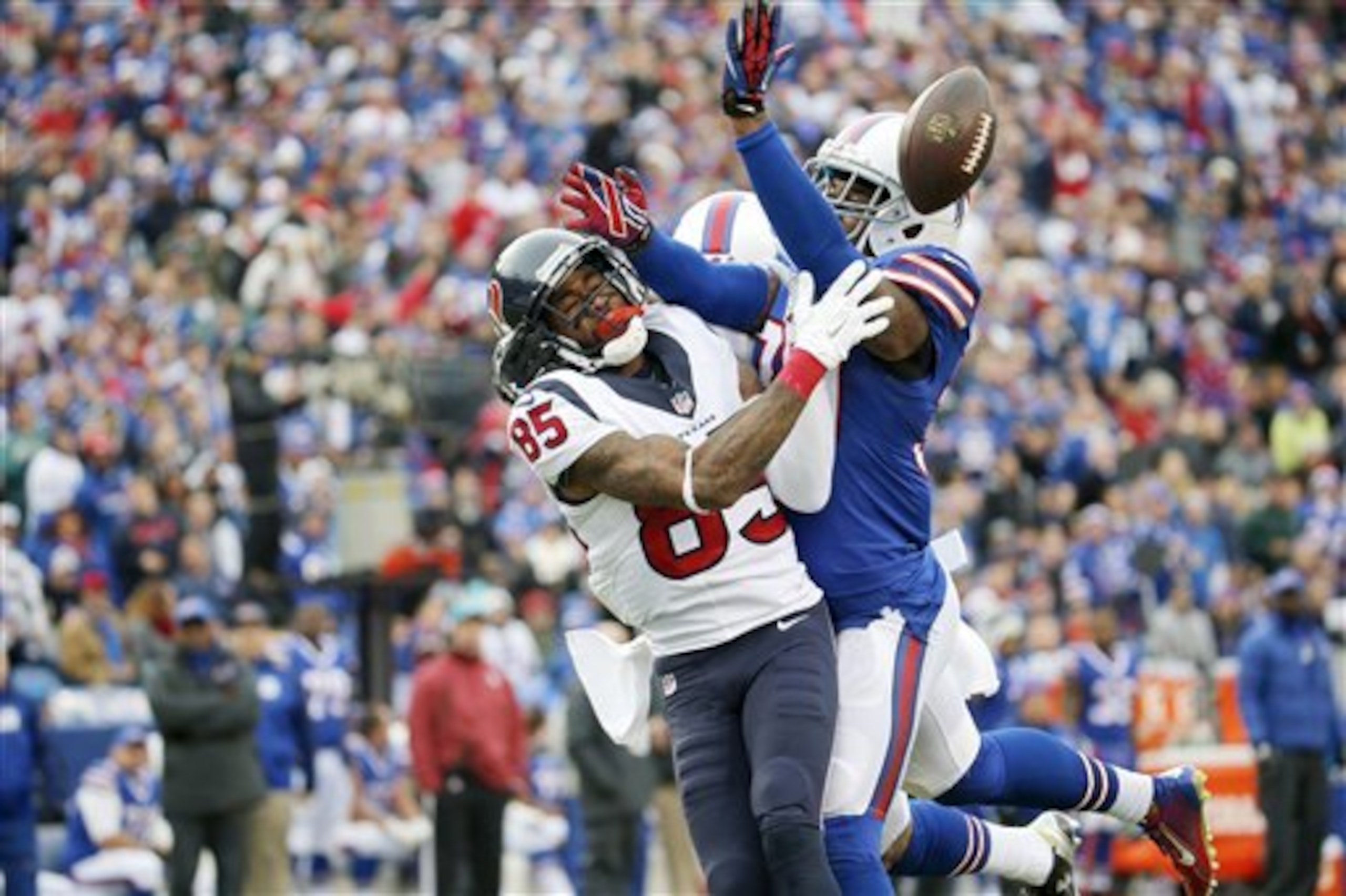
Taking a sub-6'0" cornerback doesn’t fit the NFL norm nowadays, but Ronald Darby’s emergence this year had him in contention for NFL Defensive Rookie of the Year, if not for Marcus Peters’ historic rookie year.
The Redskins secondary finished in the NFL’s bottom third in total receiving yards allowed, receiving yards per catch and receiving touchdowns allowed, and it’s clear it needs help opposite Bashaud Breeland for the future. Darby appears poised to be one of the best cornerbacks in the NFL in the near future.
6. New York Jets: RB Todd Gurley (Originally No. 10)
6 of 32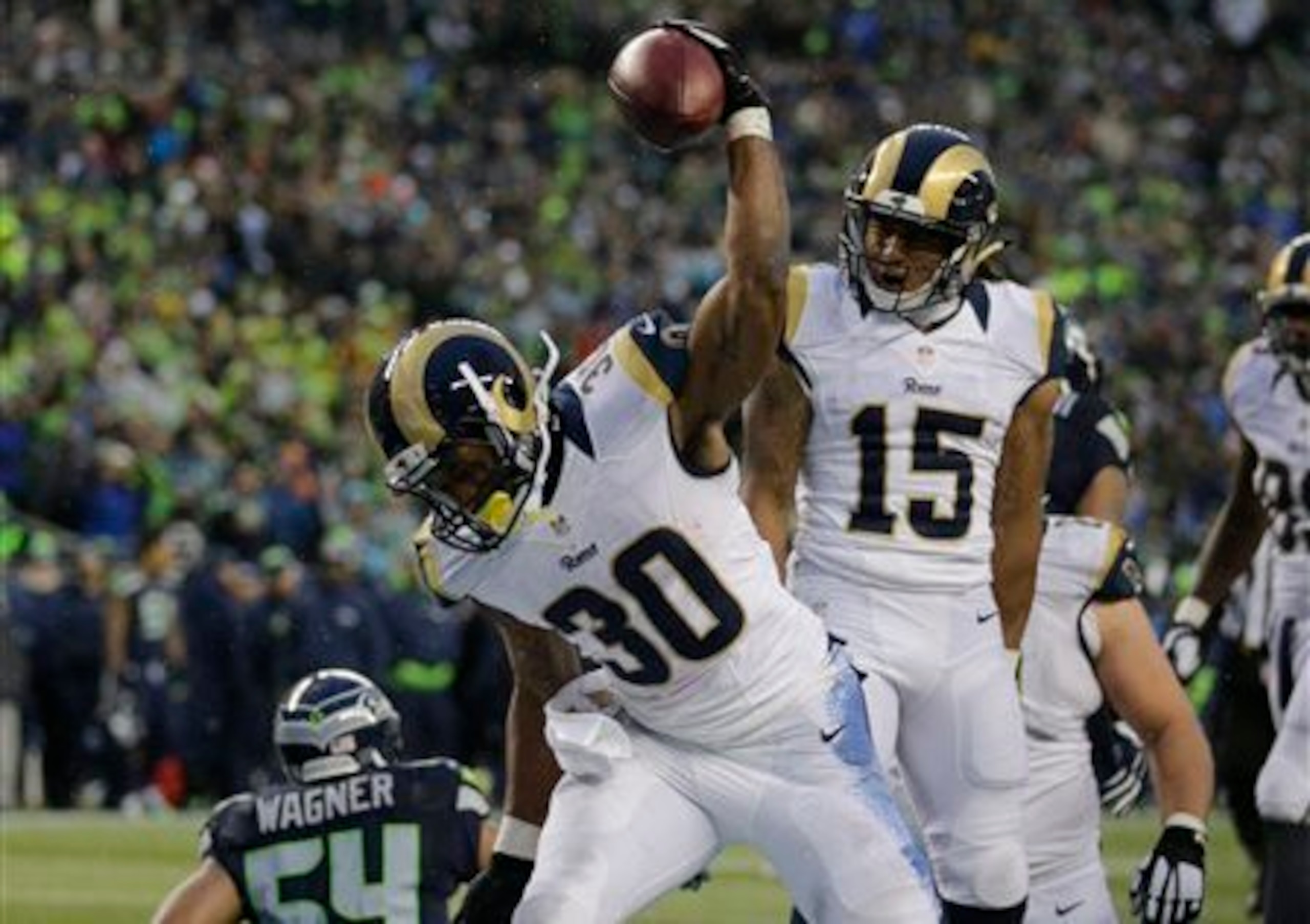
Chris Ivory doesn’t appear replaceable, and Leonard Williams turned out to be a needed addition with injuries and suspensions to the Jets defensive line, but Todd Gurley’s talent wins out in the redraft. If not for a poor offensive game plan multiple weeks in a row and a lingering injury, Gurley would have run away with the Rookie of the Year award.
Poised to be one of the NFL’s top five running backs entering next year, Gurley could arguably go even higher if not for a host of other running backs proving the position’s value shouldn’t always be highly viewed. Still, Gurley is a franchise-changing talent and proved he was worth the risk as a top-10 pick in St. Louis.
7. Chicago Bears: DT Leonard Williams (Originally No. 6)
7 of 32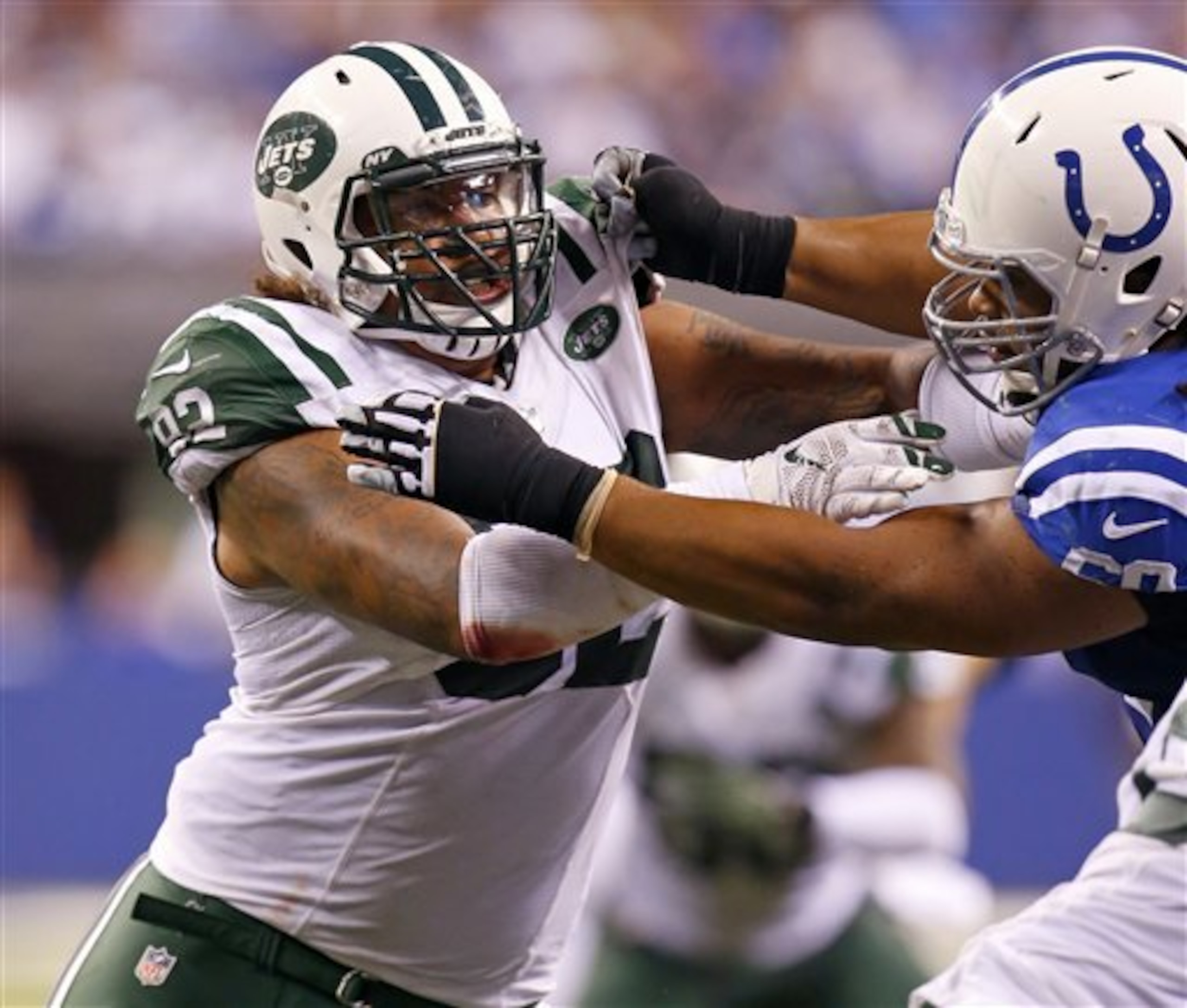
Chicago’s original pick, Kevin White, unfortunately was forced to miss his entire rookie season because of a foot injury, and the Bears will likely be banking on his return in 2016 with Alshon Jeffery potentially on his way out of Chicago. But in this scenario of assuming that injury, the Bears may have opted for the draft’s most highly viewed defensive line talent.
Williams didn’t have the type of impact year many anticipated, as he was used primarily as a situational run defender and did not flash nearly as much as his college film indicated he might. Still, as a rare defensive line talent with versatility, bend and explosiveness, and the body type to only improve, there’s every reason to hope for a breakout sophomore season.
8. Atlanta Falcons: DE Mario Edwards (Originally No. 35)
8 of 32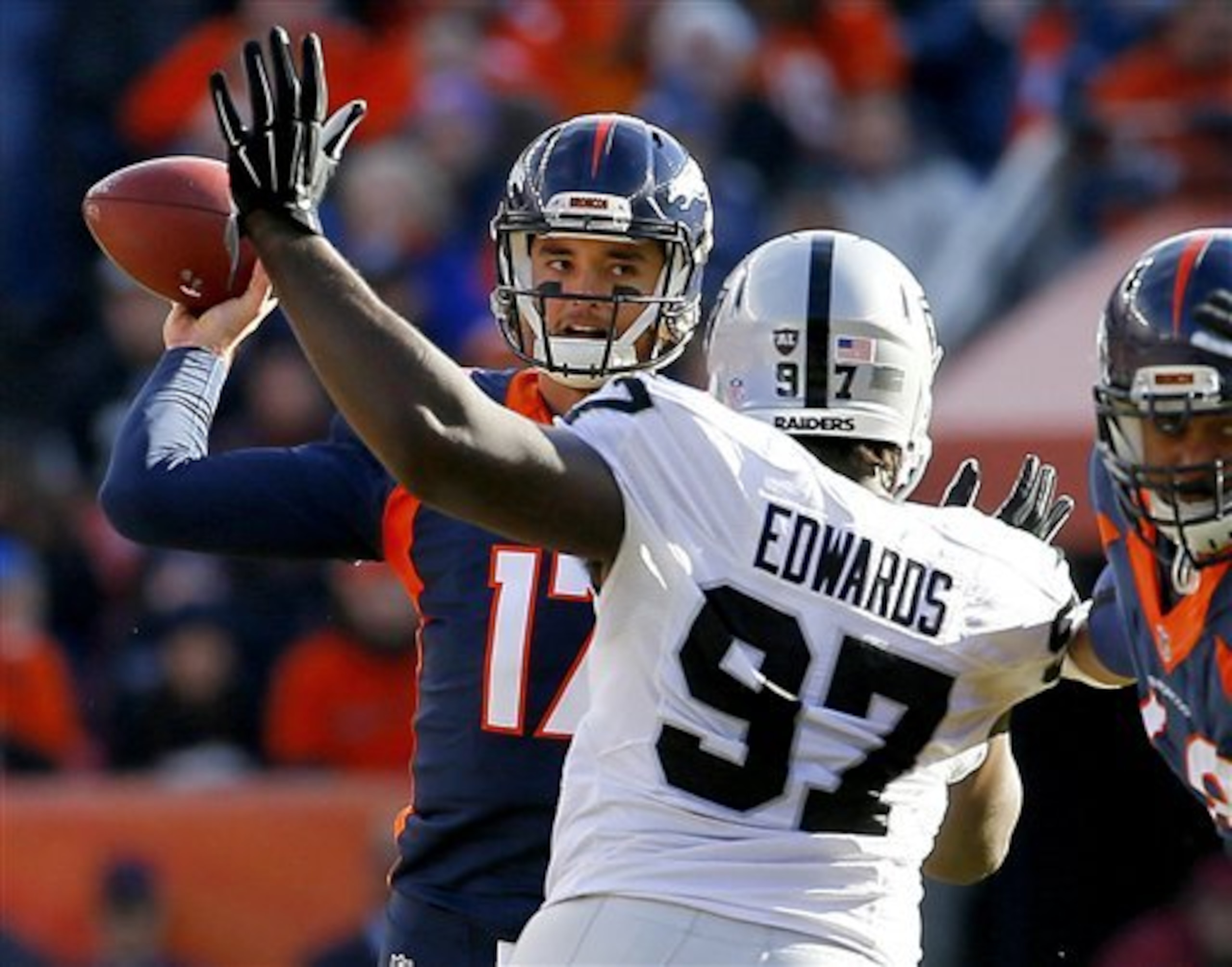
After Devonta Freeman and new head coach Dan Quinn’s defense led Atlanta to a tremendous start to the season, the Falcons’ play fell off a cliff, and once again this franchise looks to rebuild on the fly. After poor free-agent spending in years past, the Falcons have needs across their defense yet have money already heavily invested.
Despite their signings and recent draft picks, defensive line remains a long-term need for the Falcons. While Vic Beasley’s production was hit-or-miss for much of the year, Mario Edwards’ impact in the run game and his versatility as a linebacker and defensive end in Oakland certainly attest to why the Raiders surprisingly pulled the trigger in the second round. If his Week 15 neck injury doesn’t pose a problem, there may not be a more promising front-seven talent who hails from the 2015 NFL draft.
9. New York Giants: OG/OT La’el Collins (Originally Undrafted)
9 of 32
Unusual circumstances linked top-20 talent La’el Collins to a double-homicide investigation, and fear alone from each NFL team pushed him to become an undrafted prospect. It was supremely unwise for teams to be that irrational in letting Collins slip entirely out of the draft.
After he was cleared shortly after the NFL draft, Collins signed with the Cowboys and emerged as one of the best young interior linemen in the NFL. The Giants saw solid play from Ereck Flowers when he was healthy this season, but Collins appears to be destined for repeated All-Pro teams and could have made a large difference for the Giants running back.
10. St. Louis Rams: RB Thomas Rawls (Originally Undrafted)
10 of 32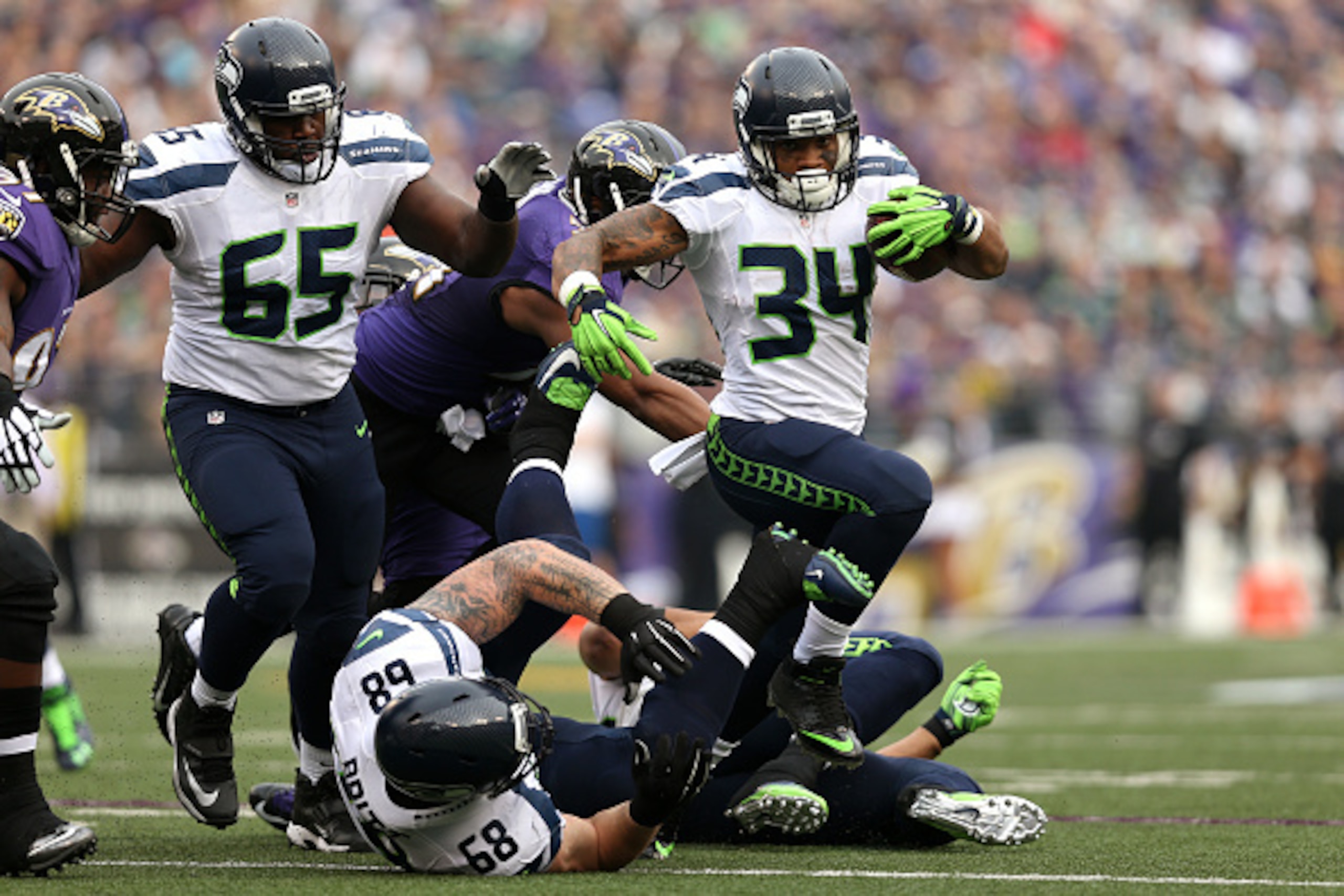
Todd Gurley was a bold pick for a Rams organization that had question marks at every other offensive position outside of running back. But upon his return from surgery, Gurley vindicated the selection and appears destined to lead the Rams offense for many years to come.
Unfortunately, in this redraft, the Rams miss out on their top pick. But Thomas Rawls, when given the opportunity this season and prior to his injury, nearly surpassed Gurley in rushing yards. Marshawn Lynch may still lead the Seahawks backfield in the postseason, but upon Rawls’ return, it may be his job to lose.
11. Minnesota Vikings: WR Tyler Lockett (Originally No. 69)
11 of 32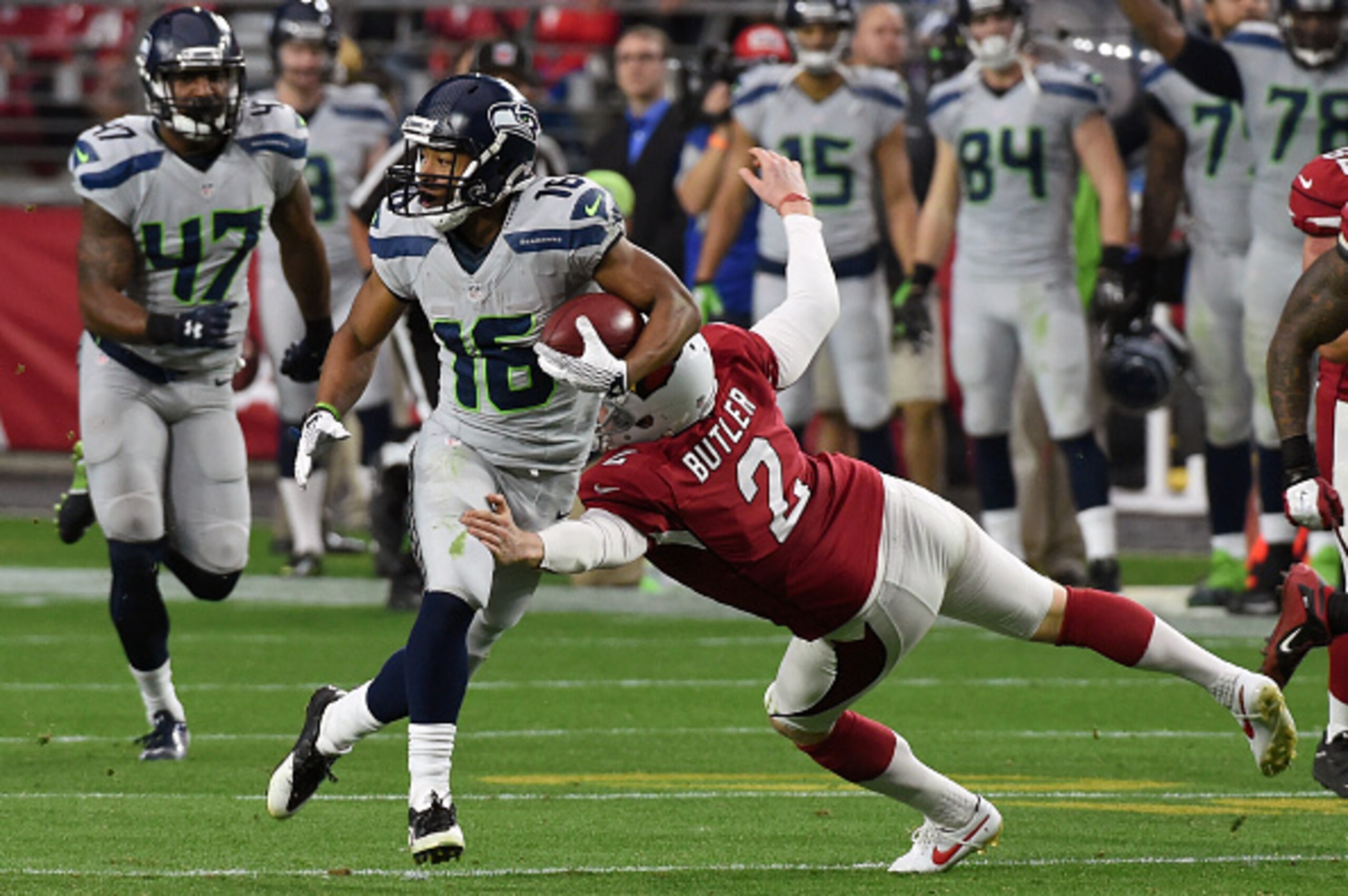
Stefon Diggs ended up being a steal for the Vikings in the later rounds, but this season emphasized that Minnesota needs to beef up its receiving corps if it hopes to get the most out of Teddy Bridgewater for the future. And the Vikings' original first-rounder, Trae Waynes, didn’t show much this season, nor does he play an essential role in their future team building.
Tyler Lockett finished his Kansas State career with much success as a returner and vertical threat, but no one could have expected a rookie year like he’s had. Earning a bigger role in the second half of the season, Lockett looked like an in-his-prime Devin Hester crossed with a young Antonio Brown and may be the Seahawks' feature offensive weapon entering the playoffs.
12. Cleveland Browns: DT Eddie Goldman (Originally No. 39)
12 of 32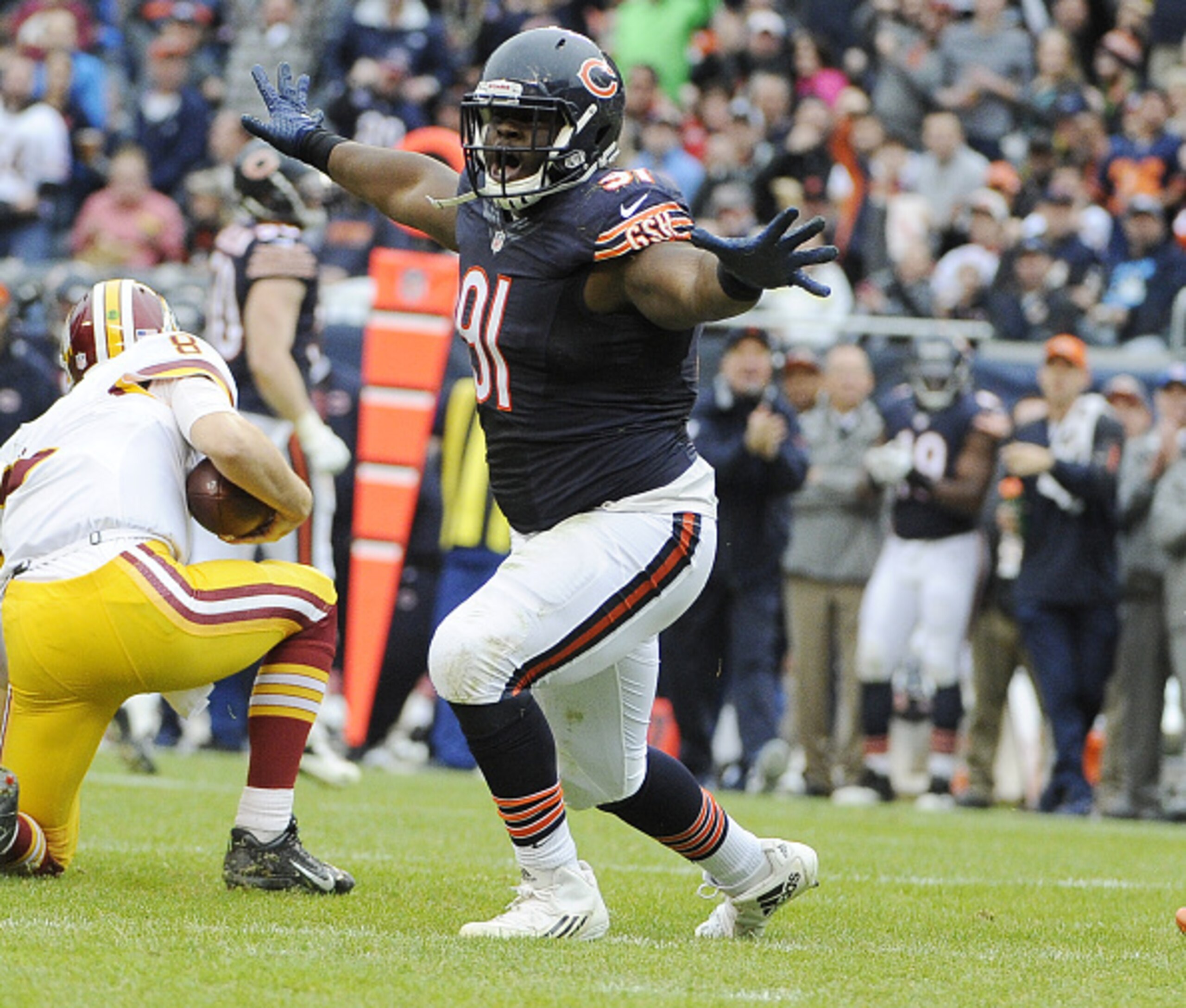
The Cleveland defense, despite adequate if not great talent on paper, struggled mightily this season. Danny Shelton isn’t entirely to blame, but it’s clear that the Browns could have done a better job stockpiling the right defensive talent the last few years.
Eddie Goldman produced a handful of impressive pass-rushing performances this year along with solidifying his role as a plus-hole-filling interior defensive linemen in Chicago. Not always a sexy player, Goldman offers versatility to play nose or 5-technique in a 3-4 defense and has proved himself worthy of being considered a top-15 prospect from the 2015 draft.
13. New Orleans Saints: CB Byron Jones (Originally No. 27)
13 of 32
On an embarrassing defensive unit such as the Saints, any influx of talent would have helped. New Orleans invested in its linebacking unit in the draft, but it was the lackluster secondary and pass-rushing unit that made this defense suffer.
Byron Jones has been more an athlete and situationally effective Cowboys defensive back than a true shutdown corner or impact safety, but his elite athleticism has already been on display. Not even a perfect, all-defense draft could have saved this Saints unit, but Jones’ athletic upside would have been a better start.
14. Miami Dolphins: CB Kevin Johnson (Originally No. 16)
14 of 32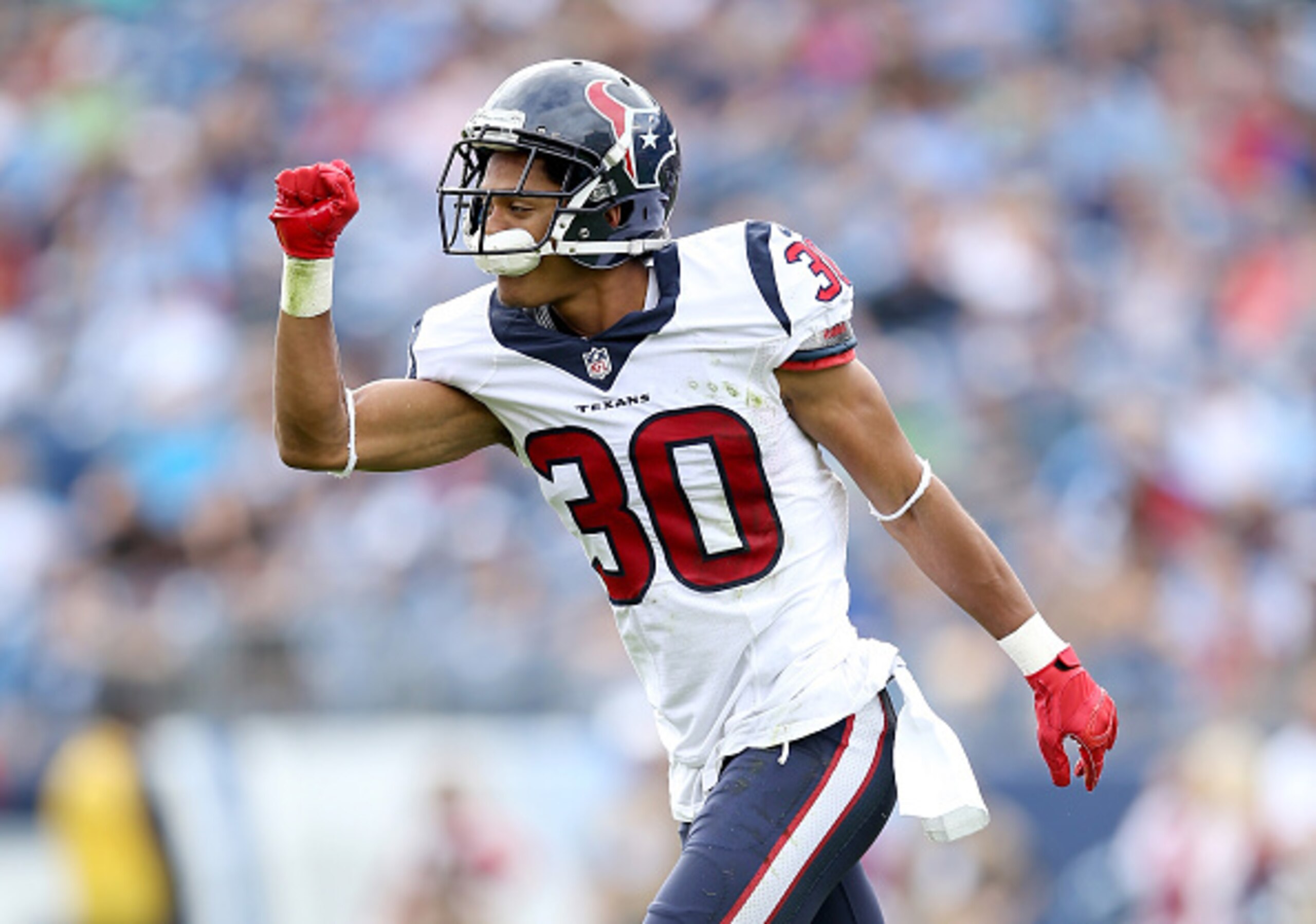
Miami opted for another receiver in the first round despite having Jarvis Landry, Kenny Stills, Greg Jennings and Rishard Matthews in the fold already. DeVante Parker came on late in the season, but his injury issues before the draft ended up holding back his development and potentially stunted the Dolphins' playoff aspirations.
Kevin Johnson’s been a strong cornerback for a Texans defense that has played remarkably well down the stretch and would have filled a much bigger need in Miami than a second-half-of-the-season receiver. Brent Grimes is on the downslope of his career, and the Dolphins, despite their performance against a battered Patriots team, still need ample help on defense.
15. San Diego Chargers: DT Malcolm Brown (Originally No. 32)
15 of 32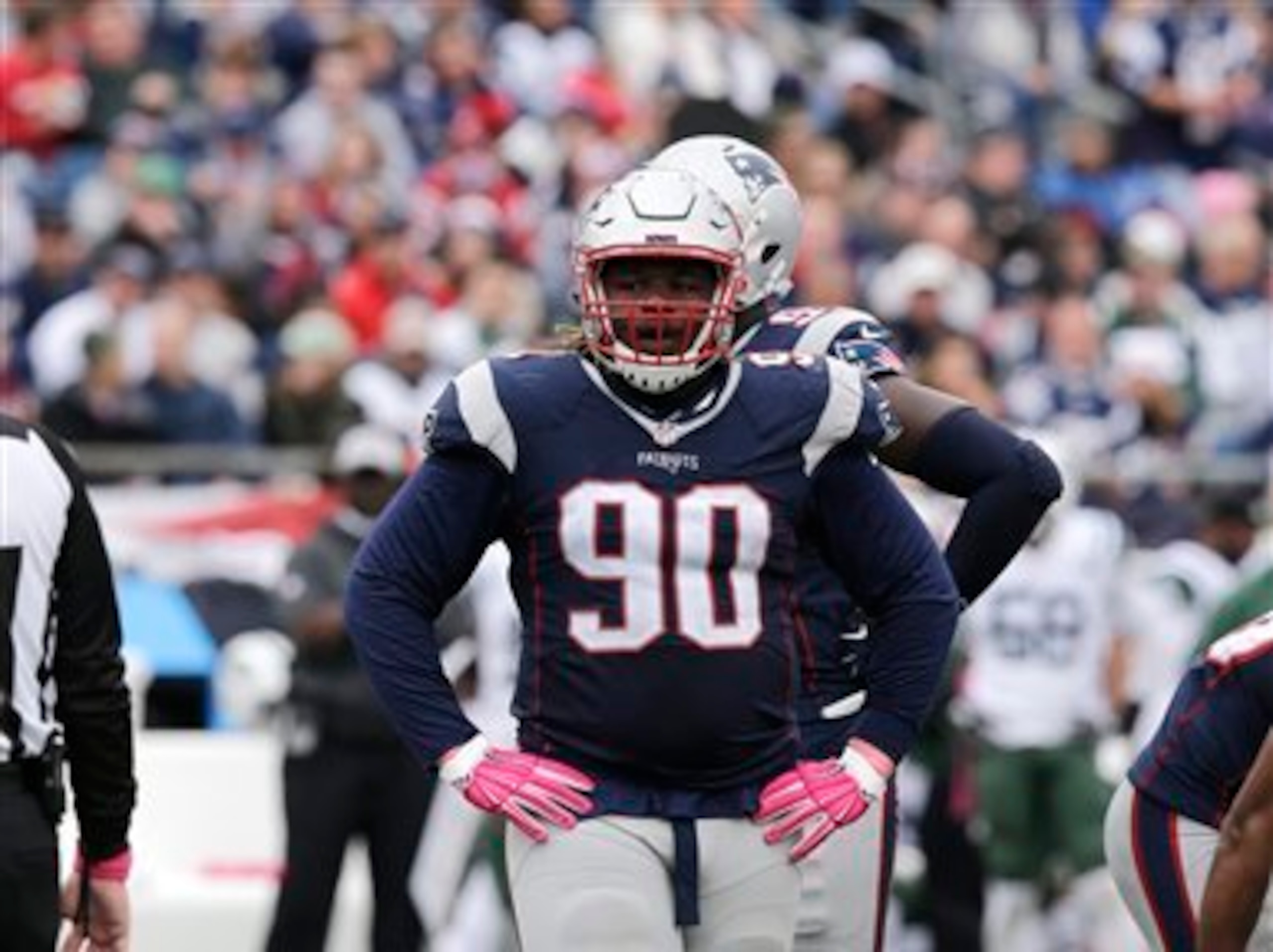
Thanks to injuries on both sides of the ball and lackluster front-seven talent on defense, the Chargers once again finished with a frustrating record despite their talent. Melvin Gordon, the team’s originally coveted pick, certainly hasn’t looked the part of a first-round-worthy running back.
Malcolm Brown fought for significant snaps early in the season in New England, but he quietly proved to be one of the Patriots' most consistent front-seven defenders, helping to keep their defense afloat through injuries. Despite the Chargers' 16 injured-reserve players, they still need an influx of defensive line talent to set up the pass-rushers and keep the cornerbacks in position to succeed.
16. Houston Texans: DE Preston Smith (Originally No. 38)
16 of 32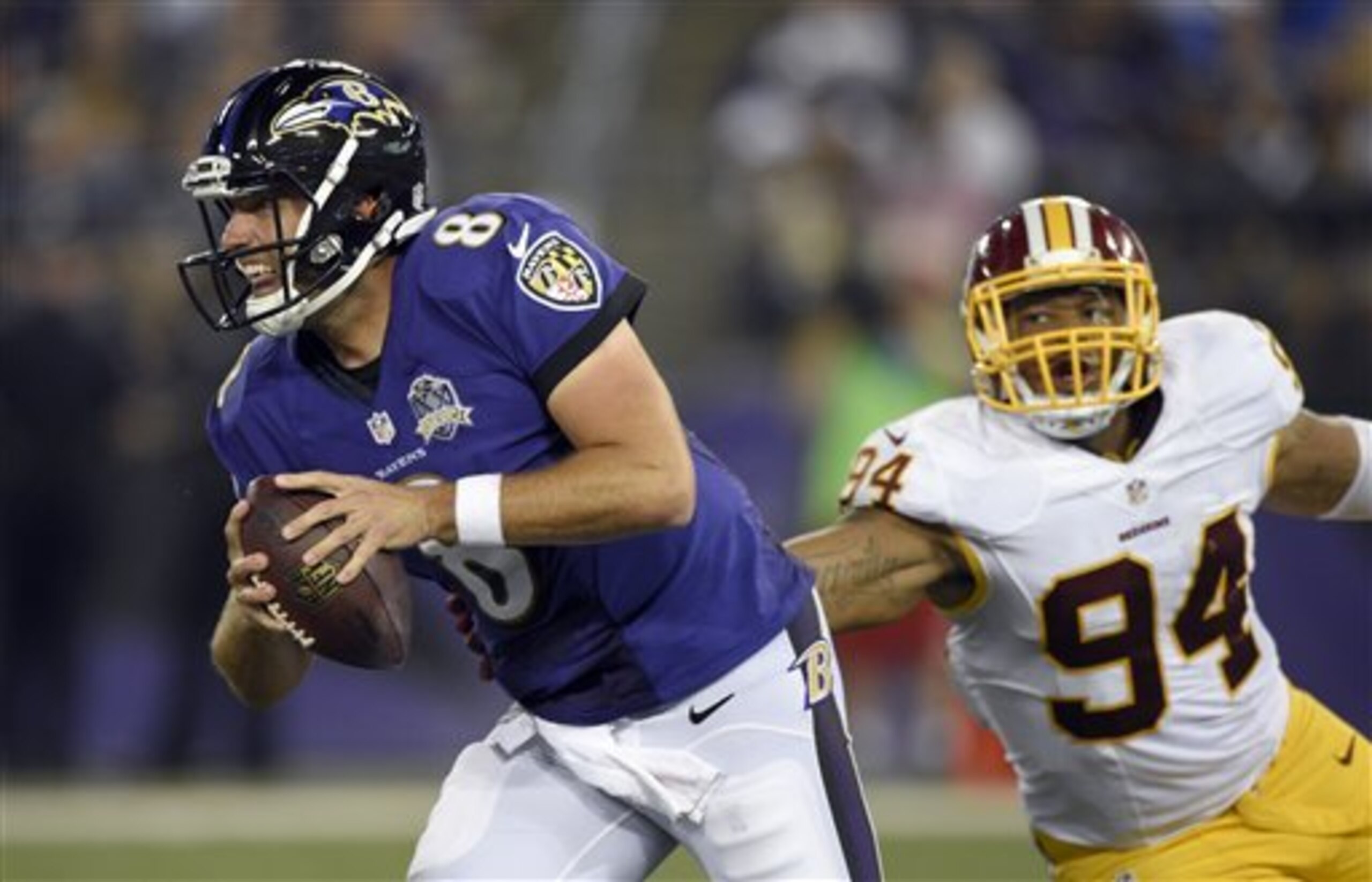
Without their original first-rounder available and without a quarterback available to solve that lingering need, the Texans scoop up the best available prospect in Preston Smith. While his role in the defense wouldn’t be clear, his talent would allow him to slide in on the defensive line or as a situational edge-rusher.
Finishing as the rookie leader in sacks with eight on the year, Smith finished strong down the stretch for the Washington defense. His athletic testing scores and raw explosiveness served him well as a rookie, and it appears his predraft buzz was warranted and resulted in a great find for the Redskins.
17. San Francisco 49ers: DE Arik Armstead (Originally No. 17)
17 of 32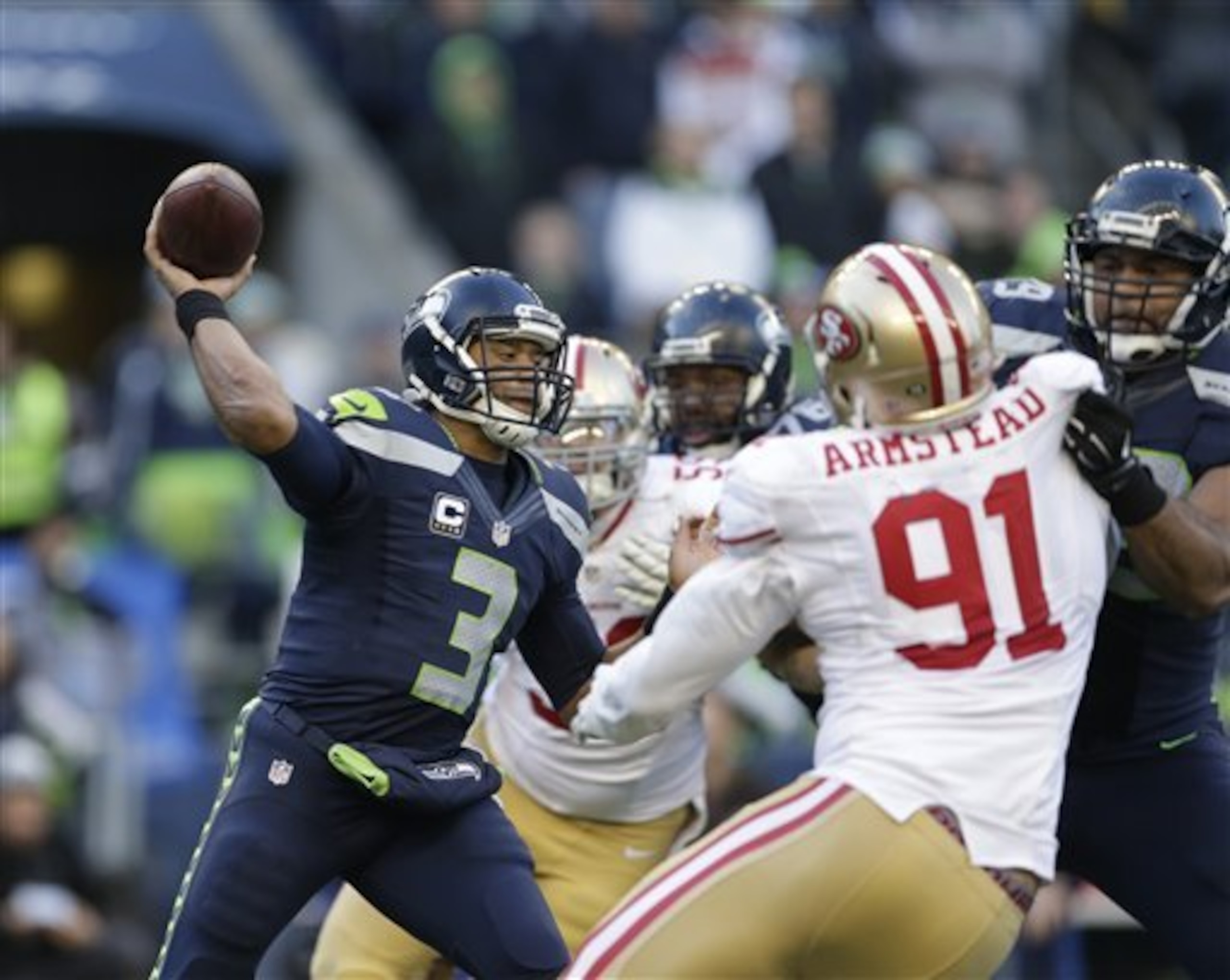
This is where the top-end talent appears to fall off in the redraft, and the 49ers would likely gladly retake their original first-rounder in Arik Armstead. The Oregon product possesses the elite size (6'7", 292 lbs), athleticism and upside that GM Trent Baalke has coveted in his defensive drafting.
While many decisions made by the 49ers front office this last offseason shouldn’t be looked at favorably, the fact that talents such as Armstead are in the fold means that the new head coach won’t have a completely bare cupboard. It’ll be a rebuilding effort, but this roster, especially in the defensive front seven, boasts high-level talent.
18. Kansas City Chiefs: CB Damarious Randall (Originally No. 30)
18 of 32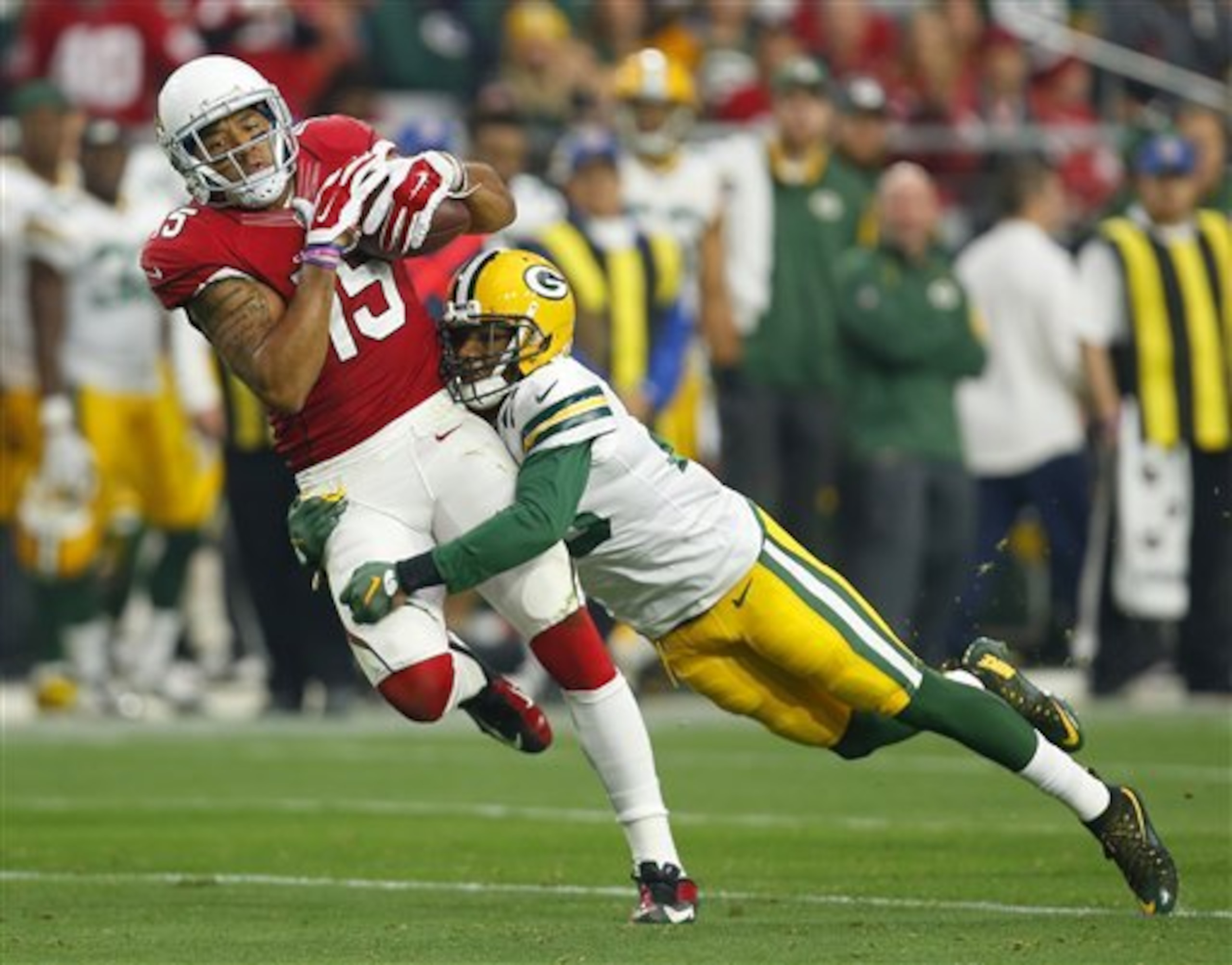
Marcus Peters was a risk of a first-rounder in the 2015 draft, as he was a still raw, recently kicked off his college team, young cornerback about to enter a Chiefs secondary where he would assume the feature cornerback spot. But whether or not the Chiefs knew just how much he’d succeed, he proved to be the steal of the first round and a cornerstone for a playoff-bound Kansas City team.
While his play hasn’t been as consistent or as impactful, the flashes Damarious Randall displayed, when healthy, for the Packers proved his late rise in the predraft process was merited. Offering value inside and out for the secondary, he would have been a nice replacement for the would-be Chiefs if Peters hadn’t been available.
19. Cleveland Browns: SAF Adrian Amos (Originally No. 142)
19 of 32
One of just two non-top-100 picks in this first-round redraft, Adrian Amos has played phenomenally well for the Chicago Bears defense despite entering the season with barely any expectations. Not necessarily a highlight-reel-type safety or one who has put up noticeable stats, he’s been among the Bears' best defenders all year.
Cleveland took center/guard Cameron Erving from Florida State here, and the rookie struggled mightily with his adjustment to center in the NFL. Though he may turn out to be a strong NFL offensive lineman (and eventually take over Alex Mack’s job should he leave), he didn’t merit a first-round selection.
20. Philadelphia Eagles: OG Brandon Scherff (Originally No. 5)
20 of 32
In Philadelphia, there’s ample finger-pointing as to where exactly Chip Kelly went wrong in this roster’s construction. One could argue that it was his stubbornness to not upgrade the team’s interior offensive line that stunted the running game and led to a trickle-down effect across the roster.
Nelson Agholor came on strong toward the end of the season, but his impact and role with the team indicated he might have been a bit of a Round 1 reach. While Brandon Scherff wasn’t available at this point initially, a top-ranked guard to slide in and assume Evan Mathis’ position could have done wonders for the Eagles’ offensive woes.
21. Cincinnati Bengals: LB Kwon Alexander (Originally No. 124)
21 of 32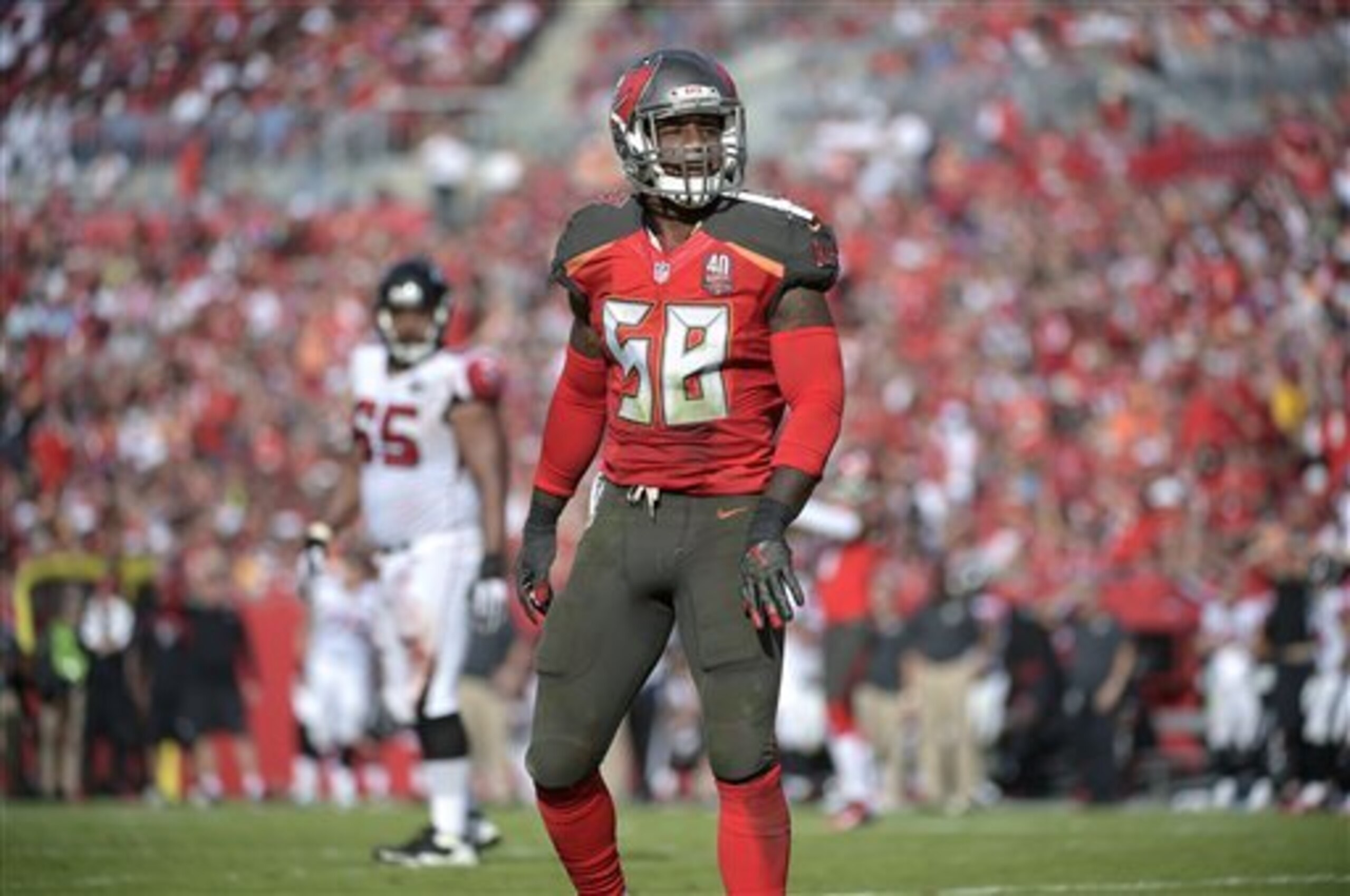
Boasting a roster without any glaring needs, the Bengals opted to draft back-to-back offensive tackle projects with their first two selections. While they still may stand firm on that decision, as they were clearly building for the future and not for the current season, they might have considered a different direction in a redraft scenario.
He benefited from a highly underrated Buccaneers front seven and has a suspension for a failed drug test on his resume, but Kwon Alexander emerged as a top young linebacker this year as a rangy run defender, situational pass-rusher and long coverage linebacker.
22. Pittsburgh Steelers: OT Ereck Flowers (Originally No. 9)
22 of 32
The Pittsburgh Steelers had no way of knowing they’d suffer injuries at the running back position, but they should have better anticipated that their offensive line could hold them back during the season and into the postseason. Ereck Flowers dealt with his own fair share of injuries but, when healthy, proved to be a capable offensive tackle and maybe a left tackle option in the future.
Alvin Dupree, the team’s “best player available” pick in last year’s draft, finished among the rookie leaders in sacks and steadily improved as the year went on. He’d be strongly in contention as well, but Pittsburgh's offensive line need trumps the one for pass-rusher depth.
23. Denver Broncos: OLB Vic Beasley (Originally No. 8)
23 of 32
Denver traded up to this spot to secure Shane Ray in the original first round, a move that hasn’t proved to make quite the impact as it potentially expected. While Ray has been fine in a rotational role, concerns over what his upside may be have and should linger.
While he was more flash than reliable, Vic Beasley may have complemented Denver’s current pass-rushers a bit better and can offer stand-up linebacker depth behind Von Miller more effectively. Beasley’s potential is far from capped, so long as he receives time to hone his unique skill set in a singular NFL defense.
24. Arizona Cardinals: RB David Johnson (Originally No. 86)
24 of 32
After originally stealing him in the third round of the 2015 draft, Arizona would gladly grab David Johnson in the first round in the redraft if that meant securing his services for its postseason run.
Johnson, whom some viewed as a second-round-worthy versatile running back talent, finally got his chance to take over the starting spot late in his rookie season and proved why he could be the second coming of Matt Forte. Johnson’s size (6'1", 224 lbs), passing-down capability and open-field physicality earned him the starting role now and into the future.
25. Carolina Panthers: OT Andrus Peat (Originally No. 13)
25 of 32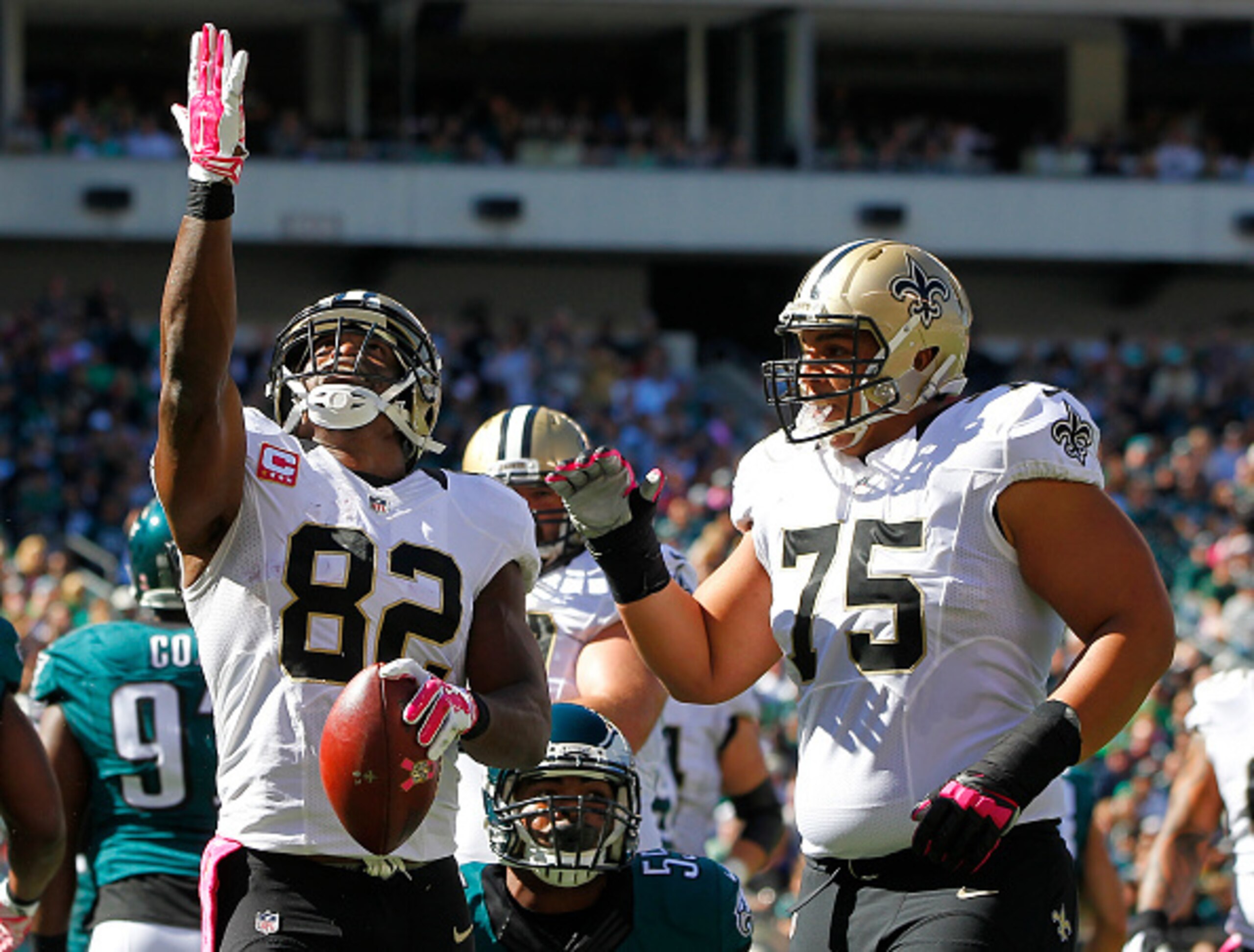
Carolina has repeatedly ignored its offensive tackle need, and though the Panthers got by with Michael Oher and company this season, they need to find Cam Newton an adequate pass protector for the future.
Andrus Peat offered value at guard for the Saints this season, but there’s no reason to think the three-year Stanford left tackle couldn’t slide into the left tackle spot had he landed in Carolina. Though his upside is still far from determined, he would have solved a key long-term question for the NFC-leading Panthers.
26. Baltimore Ravens: RB T.J. Yeldon (Originally No. 36)
26 of 32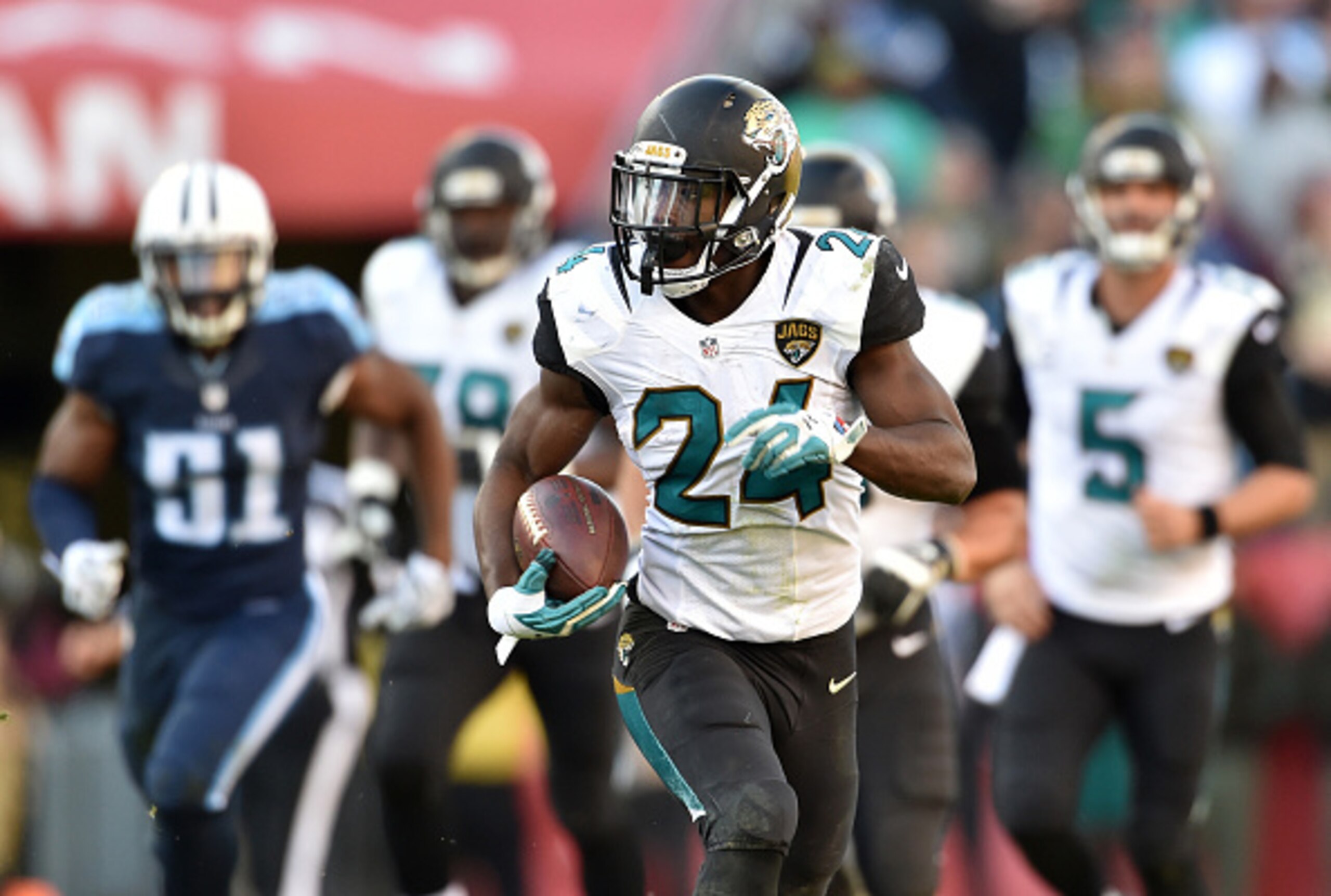
The Ravens front office couldn't have predicted Justin Forsett’s midseason injury, but it had to understand that it should address the position sooner rather than later. It drafted Breshad Perriman in Round 1 (missed the entire season) and delayed finding a running back until the fifth round.
T.J. Yeldon seemed to be a slight reach for the Jaguars, but he’s offered everything evaluators expected from his days at Alabama and more. He was an efficient runner, began to offer third-down capabilities and merited feature-back carries as the Jaguars aimed for a playoff spot.
27. Dallas Cowboys: CB Quinten Rollins (Originally No. 62)
27 of 32
Dallas coveted top secondary talents in last year’s draft and landed NFL Scouting Combine darling Byron Jones at pick 27. No first-round pick would have salvaged a Romo-less Cowboys losing-record season, and adding to their secondary fit both the draft’s strength and their biggest need.
With Jones off the board, the Cowboys could have opted for another high-upside cornerback in Quinten Rollins. Getting action for the Packers this year, the former basketball player-turned-one-year MAC starter looks further ahead in his development than expected and could be a long-term starter for the Packers.
28. Detroit Lions: DE Danielle Hunter (Originally No. 88)
28 of 32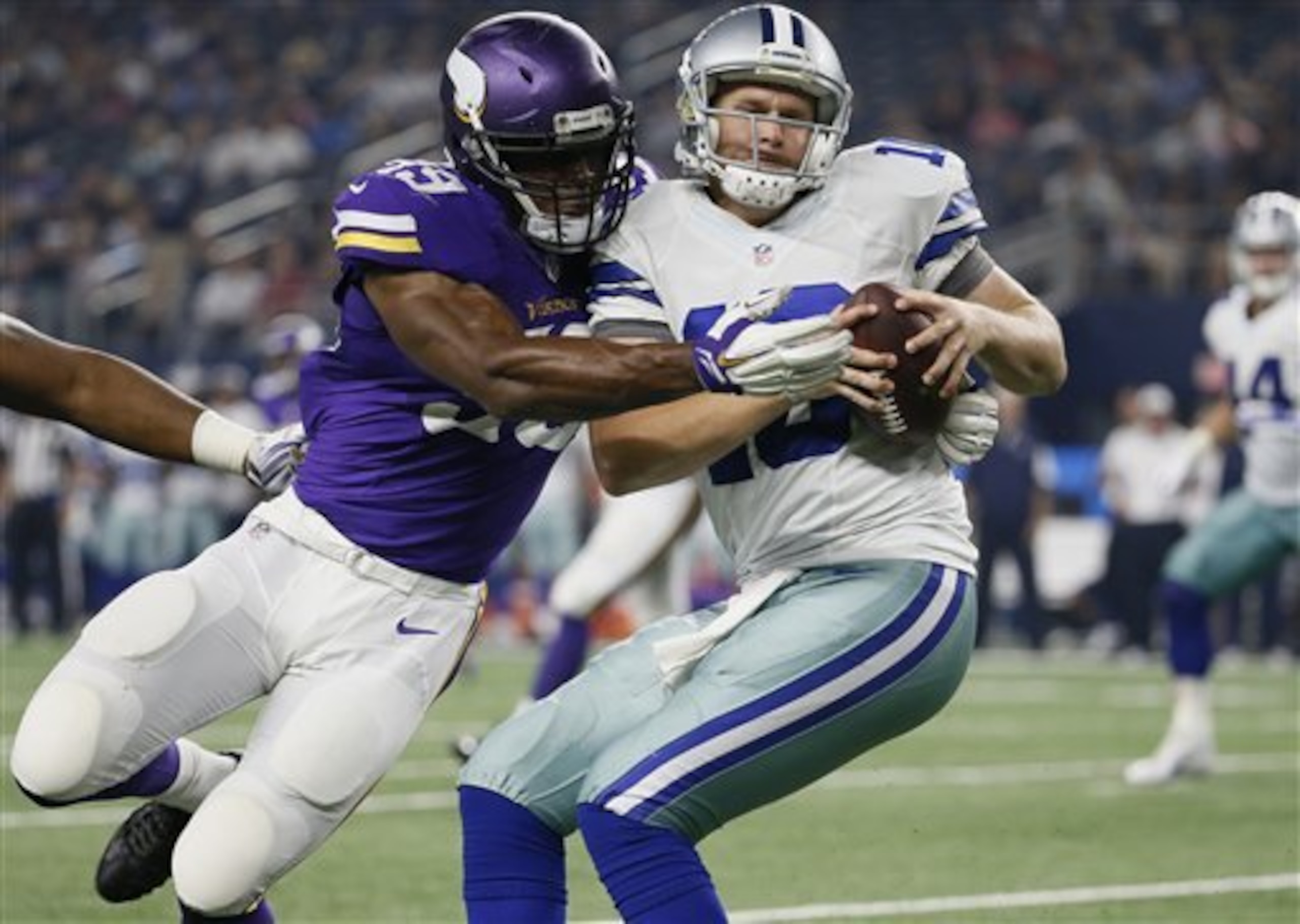
The Lions opted for a guard to further their offensive line depth. Their original first-rounder, Laken Tomlinson, didn’t provide the type of play that would help keep this team in the playoffs. At this point in the first round, players wouldn’t be in line to make an immediate impact, but drafting a high-upside player such as Danielle Hunter would have been an acceptable move.
Hunter, finding a great home in Minnesota with defensive line guru Mike Zimmer, flashed the talent that he boasted at LSU as a former 4-star recruit, per 247Sports, who maybe left school a bit too early. However, he’s earned first-round status after appearing ahead of schedule on his development and would’ve made a nice defensive end complement to Ezekiel Ansah.
29. Indianapolis Colts: DE/OLB Bud Dupree (Originally No. 22)
29 of 32
Indianapolis’ drafting history hasn’t been great under Ryan Grigson, particularly in the first round. The selection of Phillip Dorsett, apparently for leverage against a possible T.Y. Hilton negotiation, proved to be a major waste in his first year.
If the Colts could do it again, they’d likely target a top offensive lineman or defensive front-seven player, as they could use help at both areas despite investing in the draft and in free agency at both spots. Bud Dupree was a top-10-worthy talent who slipped into the early 20s in the original draft and could have been a nice value for a Colts team that could use an influx of talent.
30. Green Bay Packers: OT Rob Havenstein (Originally No. 57)
30 of 32
Green Bay successfully drafted two defensive backs who were already redrafted in this article, a testament to a job well done in terms of finding first-round quality players. But the Packers offense has struggled mightily this year thanks to receiver injuries and less than stellar offensive line play.
Rob Havenstein isn’t a perfect fit for the Packers' scheme but has proved to be a capable right tackle for the St. Louis Rams—one of the few they’ve drafted who has worked out thus far. The Green Bay offensive line has suffered through injuries and inconsistencies, and it'll likely add depth in 2016 to make up for it.
31. New Orleans Saints: OLB Dante Fowler (Originally No. 3)
31 of 32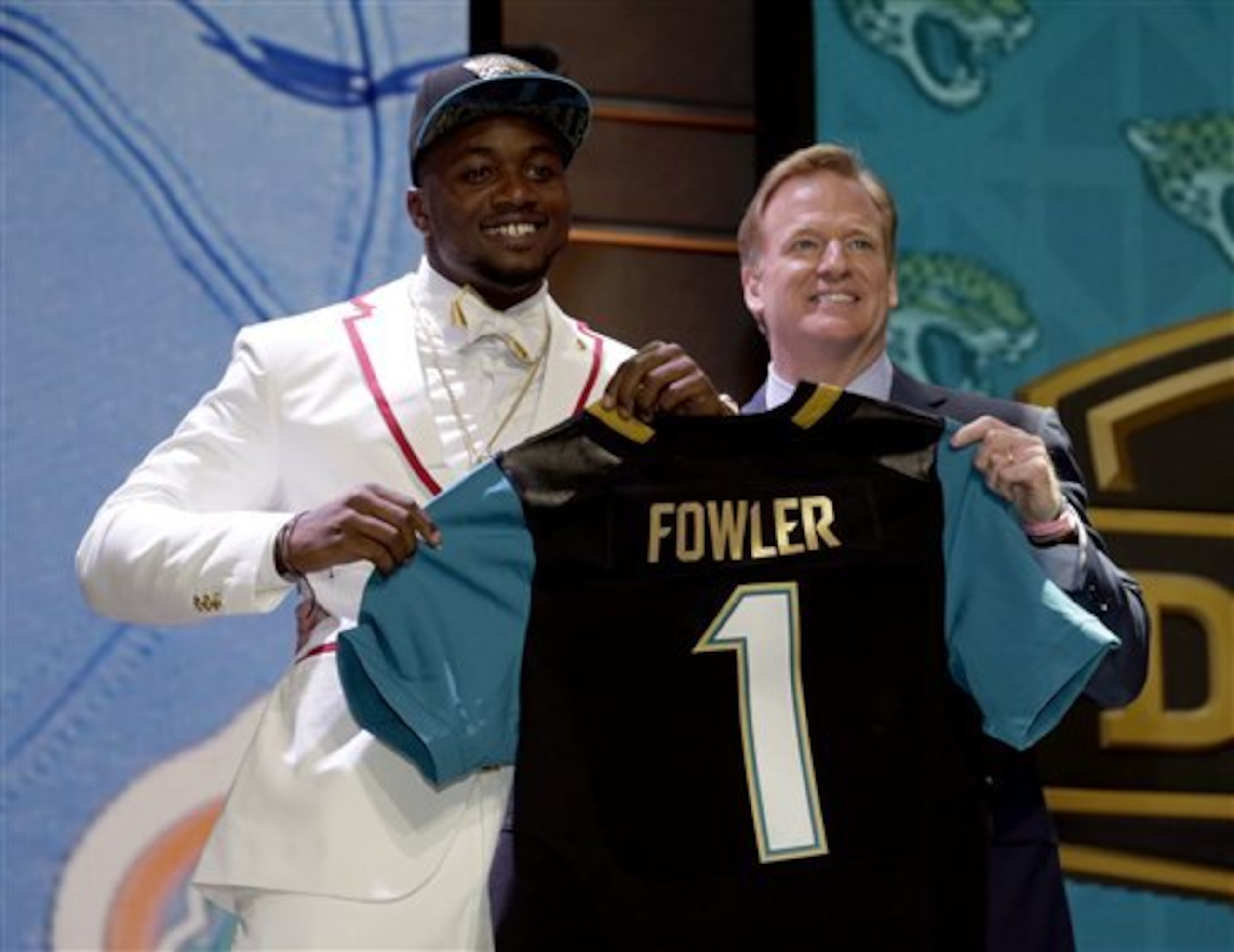
As stated earlier for the Saints' draft pick at No. 13, no draft selection could have salvaged a dreadful Saints defense. While Stephone Anthony has been an effective interior presence who has a positive impact on the defense, he hasn’t merited his first-round draft choice yet.
Dante Fowler never got to make it to a preseason game thanks to an early training camp injury, but that doesn’t mean teams would pass on him entirely for the future, even if they knew of an ACL injury. NFL teams highly coveted the balanced, fluid and flexible edge-rusher entering the draft, and he still merits a first-round draft selection despite the injury.
32. New England Patriots: WR Kevin White (Originally No. 7)
32 of 32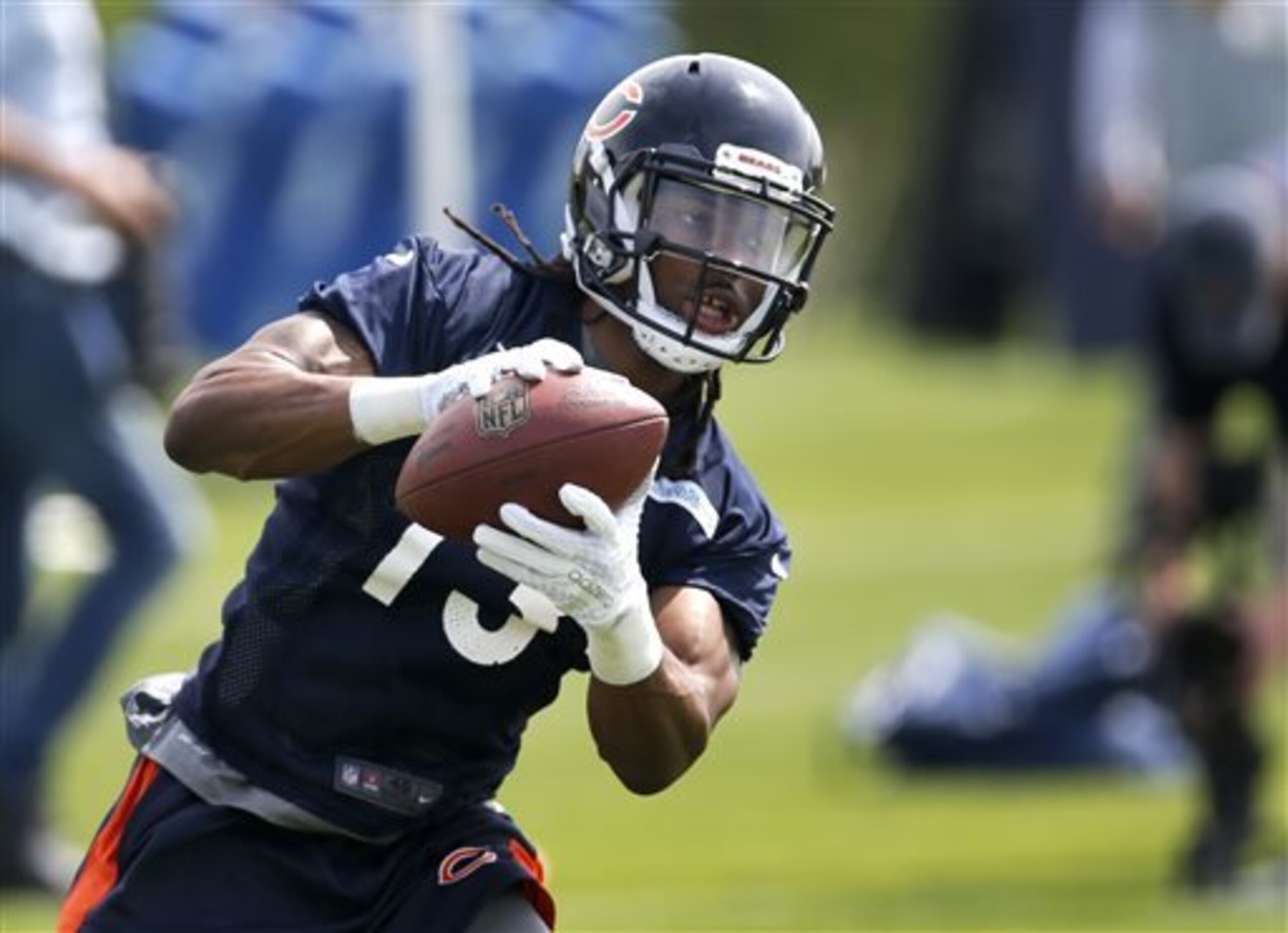
The Bears originally drafted White in the top 10, but he never got the opportunity to prove he can play with and potentially succeed Alshon Jeffery as the team’s best receiver. His lingering left leg injury kept him out the entire season, but there’s every reason to expect he’ll be back 100 percent in 2016.
Had he slipped to a playoff team such as the Patriots, there may have been no concern of rushing him back, and New England may have slowly brought him along to offer playoff contributions. But either way, the Patriots' need at receiver isn’t going anywhere, and they would love to add a top outside receiver in the near future to support the last few years of Brady’s career.
.jpg?w=2560 "Commanders Eagles Football")



.jpg?w=2560 "Mahomes' Wife Trolls Kubiak 💀")

.jpg?w=2560 "Grading WWE Raw 🔠")