

2015-16 NBA MVP Race: Steph Curry's Challengers Are Still a Step Behind
Stephen Curry strikes like lightning, his actions spurring crowd responses akin to rumbling thunder.
He is the most lethal offensive force in today's NBA: a 6'3", 190-pound package of craftiness, creativity, capability and quick-strike scoring chops.
He's also the clear-cut favorite for the 2015-16 MVP award—no matter the metric used. From production (both individual and collective) to personality (marketability, popularity and wild fan support), his stardom has soared to a galaxy all its own.
TOP NEWS

LeBron's Special Helicopter Deal

MJ Makes Record-Setting Donation 🙌
Shams: KAT, Hart Could Be Trade Names
It's still premature for the 27-year-old to clear mantle space for a second consecutive Maurice Podoloff Trophy, but he's arguably as close as one can get before the turn of the new year.
That spawns two very intriguing questions we'll tackle here. How has his candidacy grown this strong this quickly? And how many (or how few) other players even remain in the running?
Alone at the Top
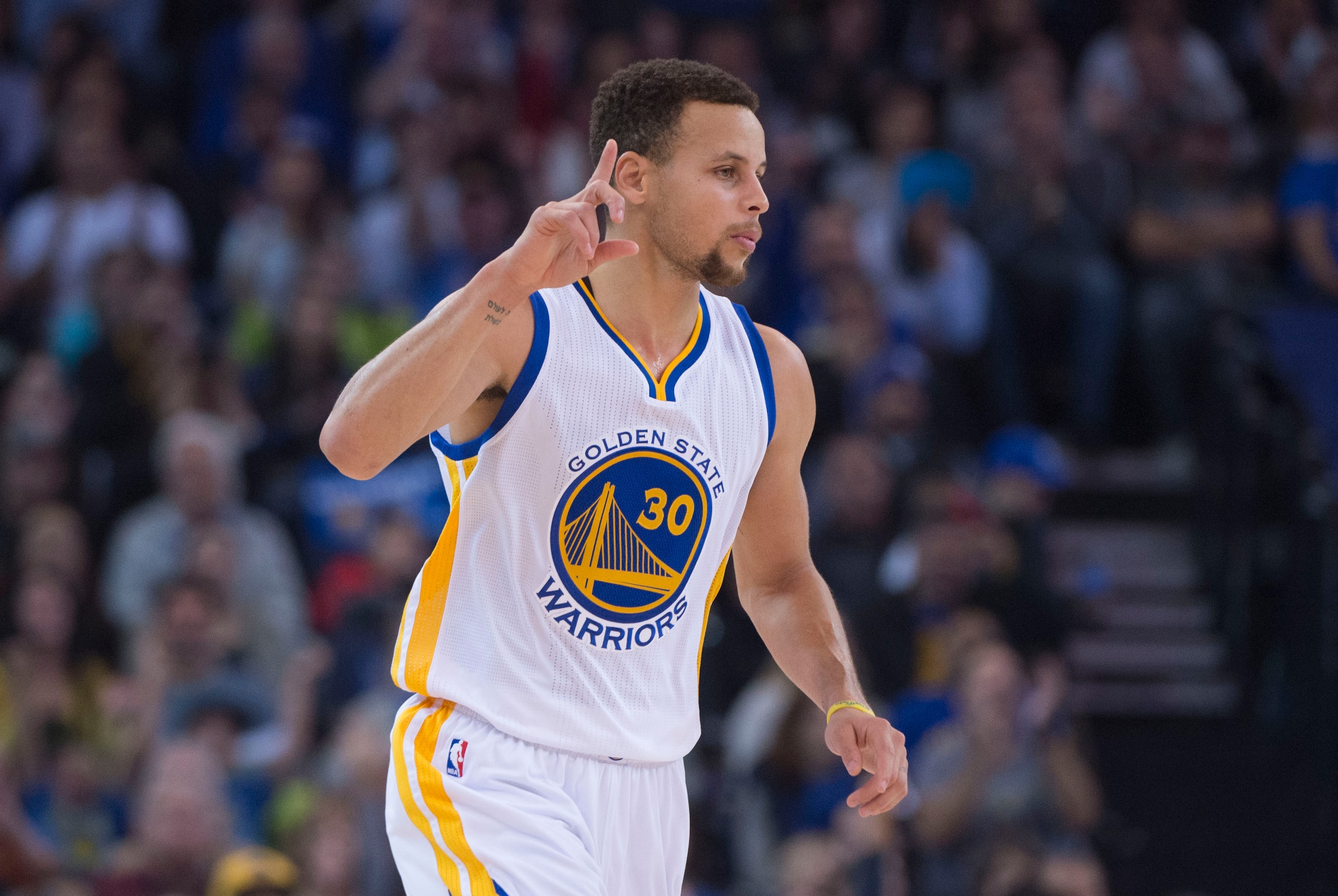
For all the different analytical tools at our disposal, peer respect may still matter the most. Curry's meteoric rise hasn't merely captivated basketball's global audience; it's dazzled the very best of those who share the NBA hardwood.
"I think he's special," said four-time MVP LeBron James, per ESPN.com's Kevin Arnovitz. "He's very special. We all know that."
As subjective as something like being special may sound, Curry's case is seemingly backed by empirical evidence.
If the campaign closed today, the Golden State Warriors floor general would have the highest player efficiency ever recorded at 32.0 (minimum 20 games played). He'd also own the best true shooting percentage of any 30-points-per-game scorer at 68.0, nearly two percentage points better than the second player on that list (Adrian Dantley, 66.1 in 1982-83).
Should he maintain his current pace of 4.6 triples per game, he'd finish the year with 377. It would be the third time in four seasons that he set the league's high mark for long-distance makes (first with 272 in 2012-13, then 286 last season).
Despite such a massive amount of volume, he's also been the second-most accurate three-point marksman over this three-plus-year stretch among those with at least 100 makes, with a 44.1 percent conversion rate.
Even more absurd, he's not taking the same shots as everyone else. For one, the setup is unique for a three-point sniper. Only 61.2 percent of his threes are coming off assists, which is actually a three-year high for him. For context, Atlanta Hawks sharpshooter Kyle Korver has been assisted on 96.3 percent of his career triples.
Add distance to the equation, and Curry's mastery of the long ball only becomes more apparent. He's hitting 43.8 percent of his looks from 25 feet and beyond. The NBA three-point arc runs between 22 feet in the corners and 23'9" at the top. The league average for all long-distance shooting this season is only 35.0 percent.
"Those three-point heaves don't just add to his legend, they truly benefit the Dubs," wrote Seerat Sohi for Rolling Stone. "The six feet between a normal three and Curry's 30-footers separate him from a league brimming with elite guards, and catapult the Warriors offense into historical terms."
With spacing valued at an all-time high, Curry is creating more real estate than ever imaginable.
He quarterbacks the league's best team in terms of both record (28-1) and net efficiency (plus-14.9 points per 100 possessions). But even that fails to capture his overall on-court impact. During the 13.9 minutes a night he sits, the Dubs play like a bottom-five team (minus-5.3 points per 100 possessions, would rank 26th).
| Offensive Rating | 116.8 | 99.9 |
| Defensive Rating | 94.5 | 105.2 |
| Net Rating | Plus-22.3 | Minus-5.3 |
Each time out, his lead in this race seemingly grows. Even during Golden State's lone loss this season, he still supplied 28 points, seven rebounds and five assists against only two turnovers.
"The thing I would say about Steph, what makes him who he is, is that nobody has to challenge him to get to the next level because he does it on his own," Warriors head coach Steve Kerr said, per Josh Dubow of the Associated Press. "I didn't think he could get that much better from last year but I do think he's gotten considerably better, which is quite a feat when you're the reigning MVP."
Right now, it seems far more likely we'll hear similar sentiments from Kerr next season as opposed to a concession speech from Curry in this one. That being said, there are several names still deserving of their place on the ballot.
The Perennial Candidates
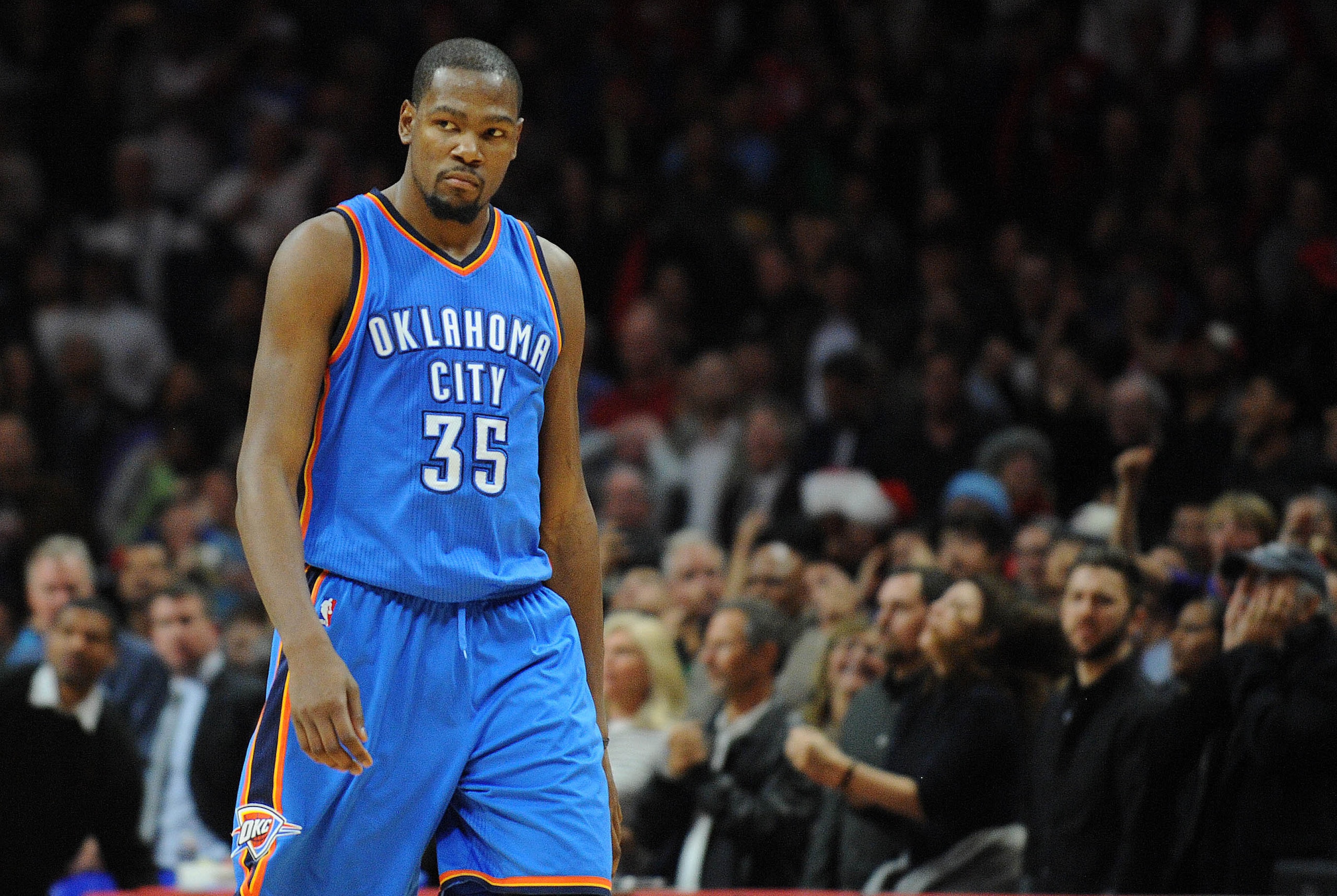
It's getting harder to remember that Kevin Durant actually missed all but 27 games last season to a nagging foot problem. When the former MVP suits up, the Oklahoma City Thunder have played at a level on par with the league-leading Warriors (plus-15.3 points per 100 possessions).
"He's a 7-footer with six-foot ball-handling skills and a jump shot," James said of Durant, per ESPN.com's Dave McMenamin. "And athleticism. It's never been done in our league. Never had a guy that's 7'0", can jump like that, can shoot like that, handle the ball like that."
Durant's current scoring clip of 26.6 points per game is only the sixth-highest of his nine-year career, but his 29.3 PER is his second-best. With the Thunder entrenched among the NBA's elite at 21-10, his standing in this race feels remarkably secure given what he endured last year.
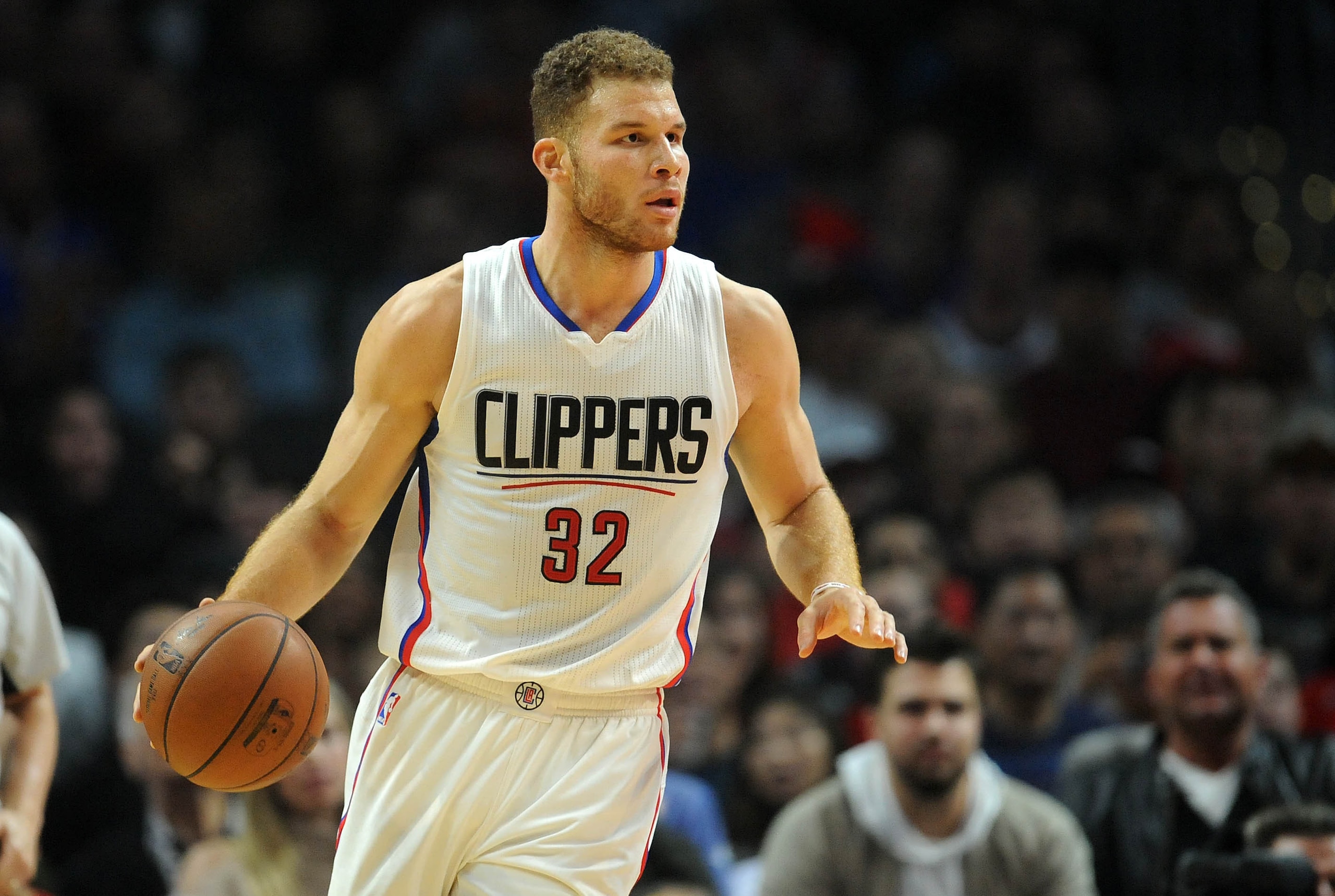
The league finally found something capable of stopping Blake Griffin—the partially torn left quadriceps tendon that will sideline him for at least the next two weeks. Prior to the injury, the former dunk machine had compiled per-game averages only posted by 13 players in league history: at least 23 points, eight rebounds and five assists.
"People look at the power and the speed and the dunks, and they miss the best part of his game," Los Angeles Clippers head coach Doc Rivers said, per NBC Sports' Dan Feldman (via Kurt Helin). "And that's his passing."
The Clippers haven't quite cracked the league's top tier this season, but Griffin has done what he can to keep them in the hunt. L.A. has fared 11.4 points better per 100 possessions when he's playing (plus-5.8) than when he isn't (minus-5.6).
LeBron James

Before the season even started, most analysts had conceded the Eastern Conference to the Cleveland Cavaliers. That prediction has largely held up, despite Kyrie Irving only recently returning and Kevin Love providing inconsistent production. The secret to the Cavs' success has been no secret at all—they have LeBron on their side.
"He's got that ability to see things and incorporate them into his computer and come out knowing what to do," Cavs head coach David Blatt said, per USA Today's Jeff Zillgitt. "He's a very unusual intellect when it comes to the game of basketball."
An older (he'll turn 31 before the calendar changes), wiser James is still a brilliant basketball force. His efficiency has taken a minor hit—he's converting only 31.5 percent of his jumpers—but his volume remains deafening. With per-game marks of 25.8 points, 7.6 boards and 6.1 dimes, he's on a very short list of the game's most productive players.

Curry might rule most aspects of the hoops world, but there's at least one measure that doesn't view him as the NBA's greatest force. ESPN.com's real plus-minus, an all-encompassing metric, places electric Oklahoma City Thunder floor general Russell Westbrook first overall with a plus-11.08, just ahead of Curry's plus-10.29.
This campaign has been Westbrook's finest to date in terms of matching quantity with quality. Not only is he overstuffing box scores with 25.5 points, 9.4 assists, 6.9 rebounds and 2.4 steals, he's doing so while posting personal bests in PER (30.3) and true shooting percentage (56.7).
"He's a video game," Durant said, per ESPN.com's Royce Young. "He may surprise you guys, but I've been seeing it for eight years."
The Dark Horses
Jimmy Butler
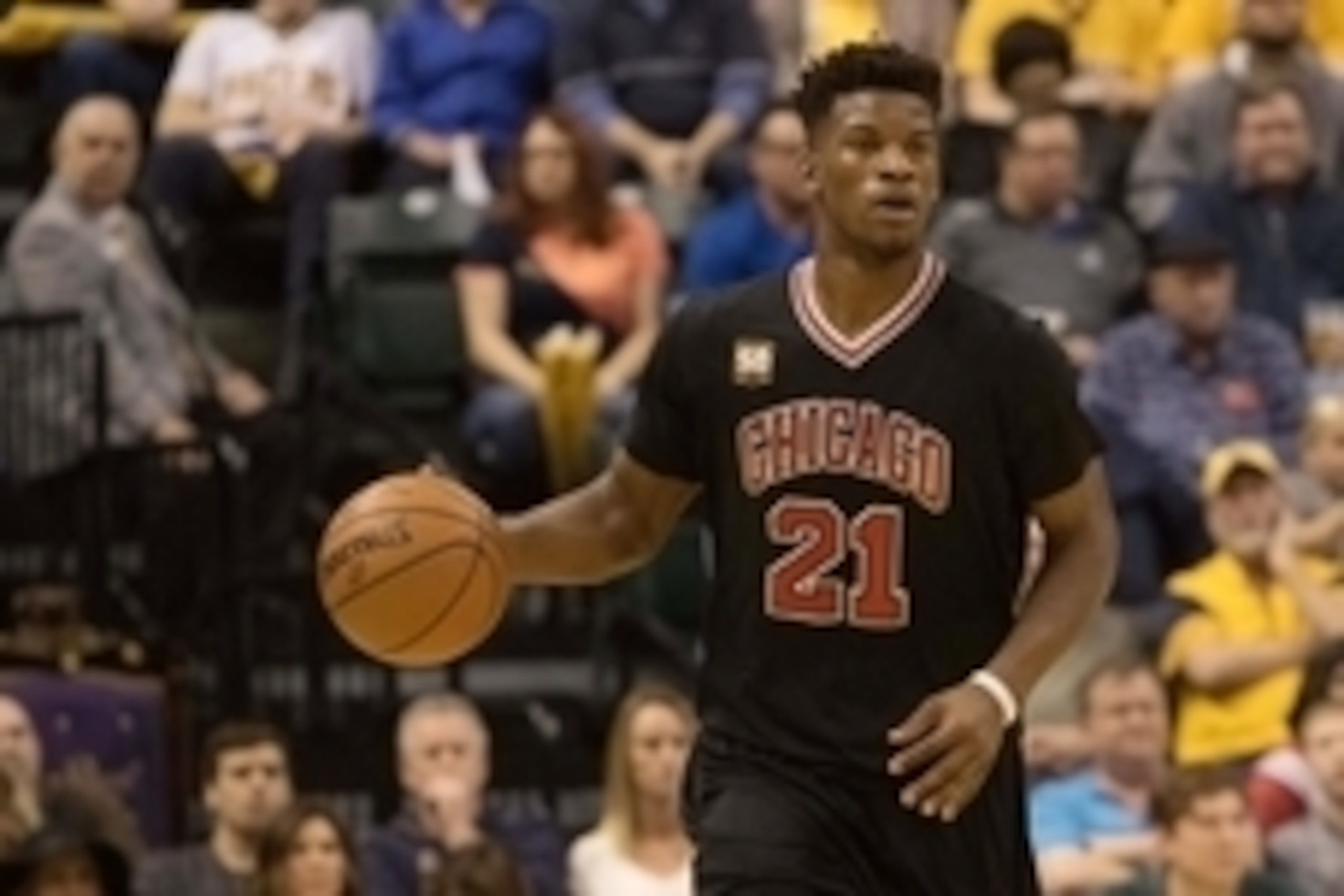
The Chicago Bulls are finding their identity under first-year head coach Fred Hoiberg, but one truth has carried over from last season. This is, and has been, Jimmy Butler's team. He is simultaneously the squad's best offensive force and top defender, a two-headed monster of a task only placed on the shoulders of full-fledged stars.
He leads the Bulls in scoring (21.4 points per game) and steals (1.9) while sitting third in assists (3.5) and fifth in rebounds (5.0). Despite carrying a career-high 24.0 usage percentage, this has been his second-best campaign in PER (20.7) and turnover percentage (9.1).
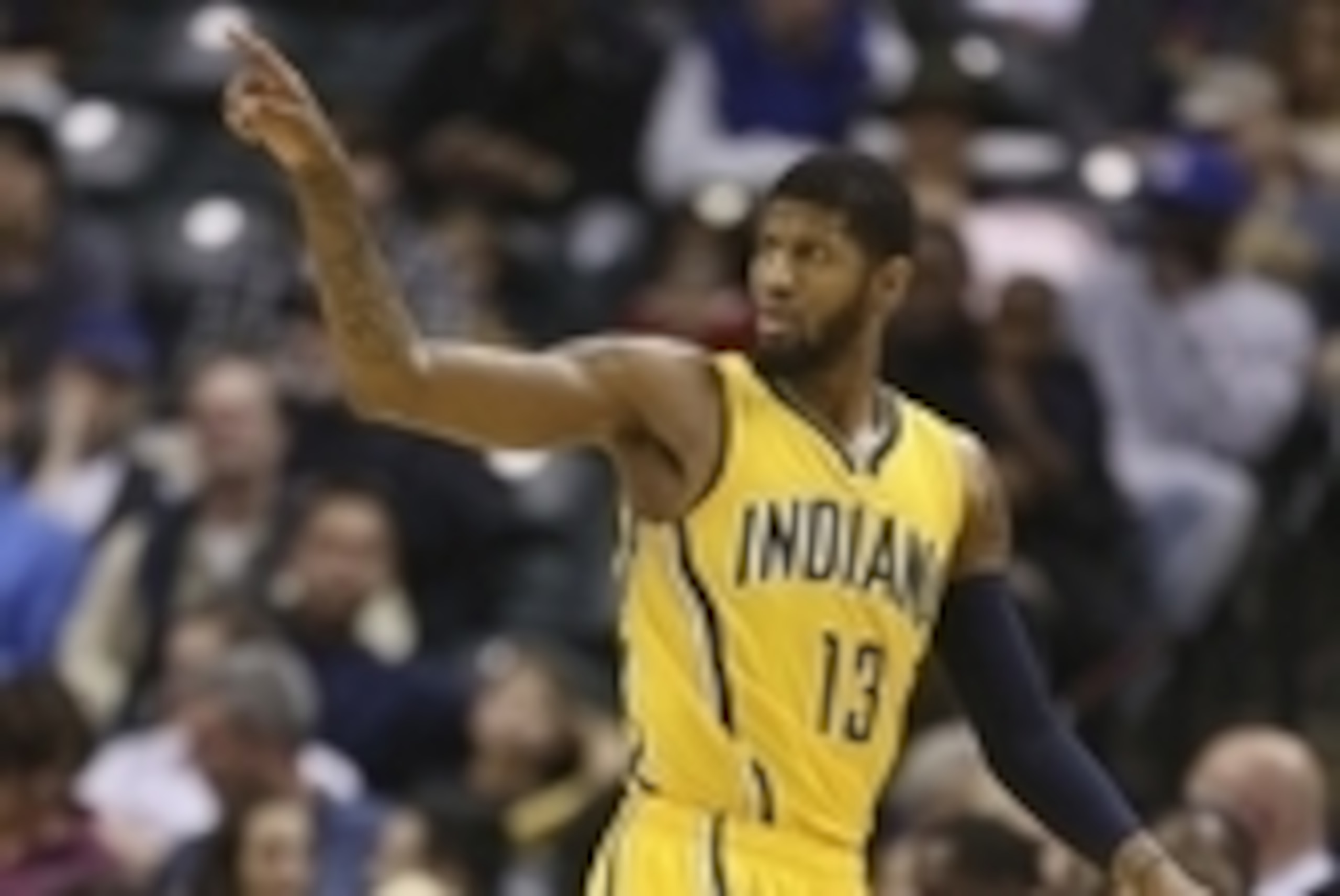
Paul George has twice been named an All-NBA performer on both ends of the floor, but he's never finished higher than ninth in MVP shares (2013-14). He could easily surpass that mark this season.
He's handling the Indiana Pacers' toughest defensive assignment and holding opponents 5.3 percentage points below their shooting average. He's scoring (24.8) and rebounding (7.7) at career rates, while enjoying his second-best seasons in three-point shooting (40.6) and assists (4.0).
Kawhi Leonard

Kawhi Leonard entered this campaign as one of only three players to ever capture both a Finals MVP and Defensive Player of the Year honors. Could his already-stellar resume soon include a regular-season MVP award? His numbers and those of the San Antonio Spurs both say it's possible.
He is the premier piece of San Antonio's league-best defense, squaring off with opposing stars on a nightly basis and shaving seven percentage points off their field-goal averages. At the opposite end, he's seamlessly transitioned into a featured role, posting career marks in points (20.9), assists (2.8), threes (1.9 per game), three-point percentage (47.5) and PER (27.6).
The Also-Rans
Andre Drummond

The NBA hasn't seen anyone average at least 18 points and 16 rebounds since the late Moses Malone cleared both numbers in 1978-79. Andre Drummond is on pace to snap that 30-plus-year drought, perhaps while pushing the Detroit Pistons to their first playoff berth since 2009.
Thanks to an improved field out East, the Pistons are far from a postseason lock. However, they certainly look the part when Drummond mans the middle, outscoring teams by 5.3 points per 100 possessions (which would rank fourth overall). Possessing the type of explosion no 6'11", 279-pounder should be allowed to have, the 22-year-old is merely scratching the surface of what his freakish physical gifts can yield.

It's tempting to pin the Houston Rockets' struggles on James Harden, since superstars are often given too much credit for team success and too much blame for their faults. But let his numbers do the talking, and that conversation fizzles out quickly. It's hard to argue against nightly contributions of 28.4 points, 6.8 assists and 6.0 rebounds, especially when only five players have ever hit those marks.
Houston's stumbles won't help Harden, though, and it's been hard not to notice both his offensive (118 to 112) and defensive (103 to 107) ratings trend the wrong direction from last season's MVP runner-up campaign. He's not out of this race, but he's a longer shot than originally anticipated.
Kyle Lowry
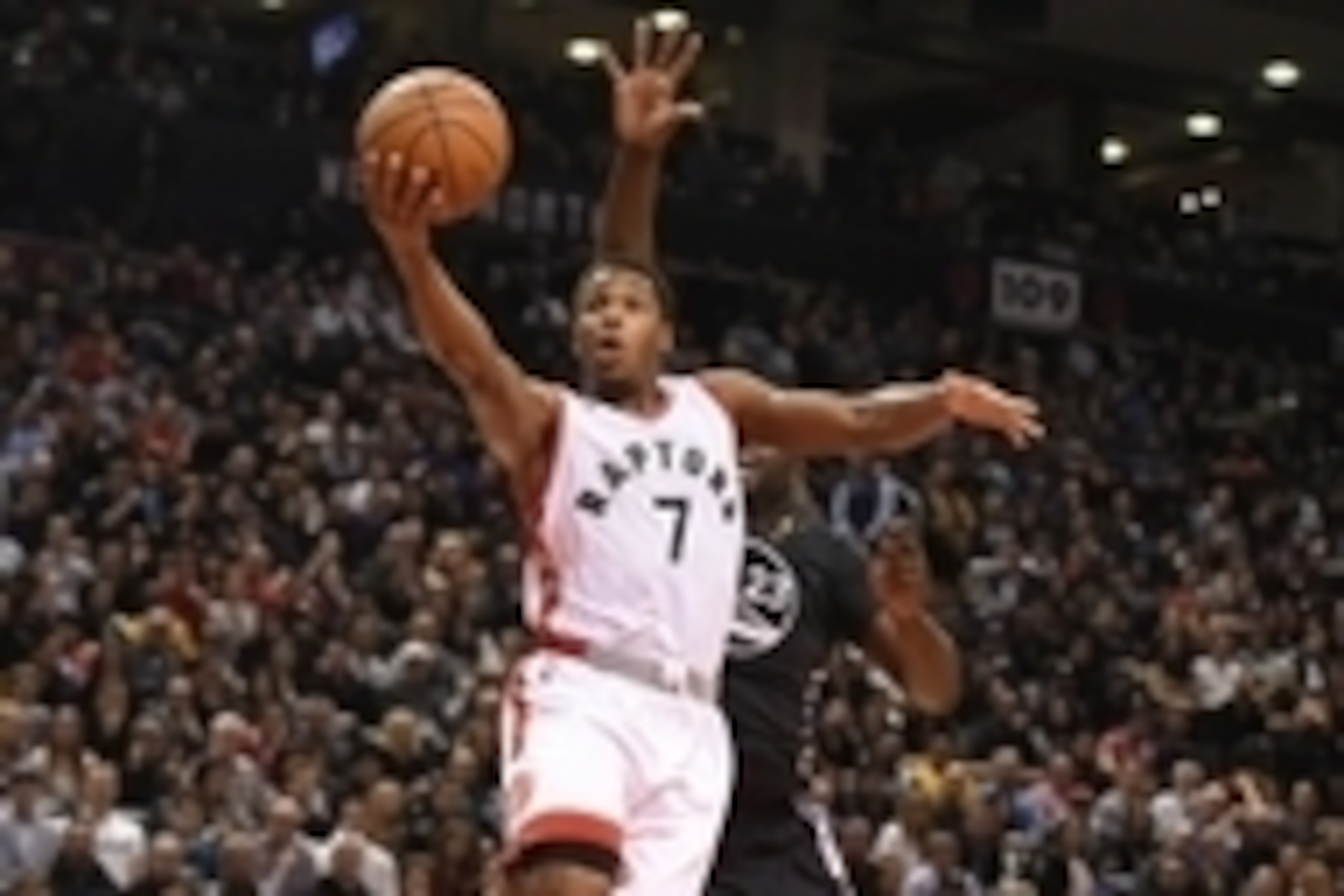
Kyle Lowry hasn't worn the superstar label for long—he just made his All-Star debut last season—but the 29-year-old has forced everyone to notice it. After radically reshaping his body over the summer, he's used this campaign as a launching pad into elite status. He has the fifth-best real plus-minus and is one of only four players averaging at least 20 points, six assists, four rebounds and two steals.
If the Toronto Raptors can make this season special, it will be due to the tireless work off their bulldog-tough leader. They perform like a top-five club when he plays (plus-6.1 points per 100 possessions, would be fourth) and a bottom-third one when he doesn't (minus-2.9, 22nd). Equal parts hard-nosed defender, steady go-to scorer and calculated playmaker, he fits every definition of a lead guard.
Unless otherwise noted, statistics used courtesy of Basketball-Reference.com and NBA.com and are current through games played Dec. 27.

.jpg?w=2560 "Grading WWE Raw 🔠")


.jpg?w=2560 "Viral Rams Coach Vid 🖕")
