

How Nebraska Cashed in on a 5-Win Season
The payday will be about $1.8 million for Nebraska. And the group going along for the party will include not only the football players, but also 750 others, including the band, the cheerleaders, administration and family. They'll trek to the Bay Area to celebrate the Huskers in the Foster Farms Bowl on Dec. 26.
Yes, it'll be a big celebration of Nebraska's season.
Nebraska's losing season.
TOP NEWS
.jpg?w=2560 "AP Poll Top Five Week 9")
🚨 Week 8 AP Top 25 Poll
Overreactions After Week 8 of 2026 College Football Season
.png?w=2560)
CFB Week 8 Winners & Losers 📊
The Huskers won five games and lost seven. Five wins, $1.8 million. That's $360,000 per win.
"I'm very glad they're going," said Johnny Rodgers, Nebraska's Heisman Trophy winner in 1972. "Very deserving. They have a first-year coach, and they were in almost every game they played. Just have to have a little tweaking."
And right there, one of the best college players in history—a player who won two national championships and three Orange Bowls in three years at Nebraska—perfectly sums up the new math on what it means to go to a bowl game: They were in almost every game now equals very deserving.
When Rodgers played for the Huskers, from 1970 to 1972, losing two games over three years equaled very deserving.
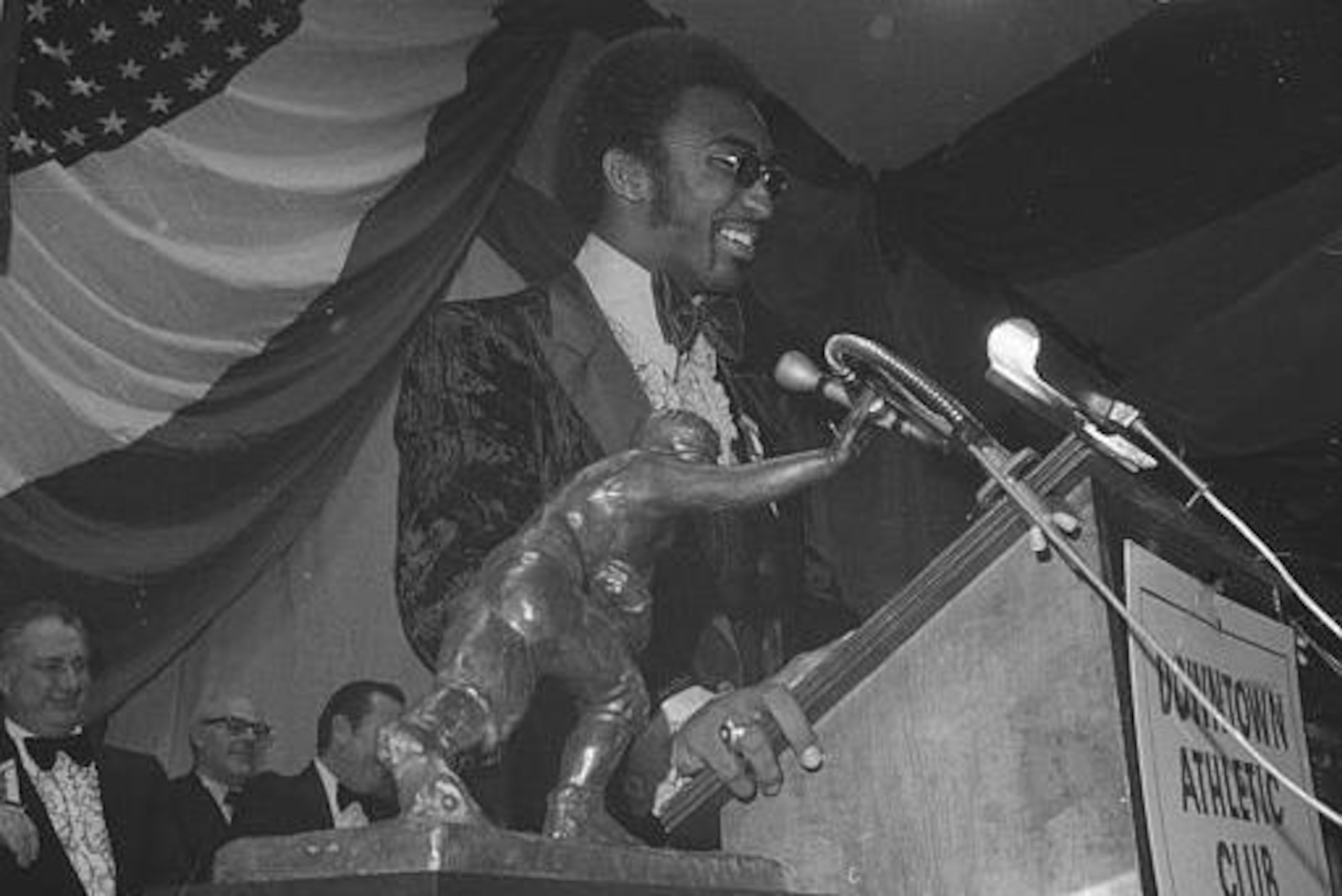
In 1972, there were a total of 11 bowl games for 22 elite teams. This year, there are 40 bowls for 80 in-almost-every-game-they-played teams. Nearly two-thirds of all major college teams play in the postseason. Three—Nebraska, Minnesota and San Jose State—got in with 5-7 records.
The money has gotten so big in college football that it's actually getting hard to find enough pockets to put it in. Insane amounts of it end up being awarded for failure.
And that's an argument taking hold about the bowls this year. It falls right into the debate about awarding ribbons for participation. Or in this case, something like $1.8 million, according to Foster Farms Bowl executive director Gary Cavalli.
Columnists and analysts seem to be outraged over this. But here's the thing: There is nothing wrong with it.
The bowl games have changed. They aren't rewards for the best teams anymore. They're TV programming, mostly for ESPN, which needs stuff to put on the air. Nebraska against UCLA isn't bad TV. So we keep getting more and more games.
People might lament the lack of importance of the bowls, say that they don't mean what they did in the old days. That's true. They don't mean what they used to mean. But there is a four-team College Football Playoff now. That, and the conference championship games, are for the purpose of determining the best teams. There are no 5-7 teams in the playoff or conference championship games.
The real question is, how much has the playoff changed the bowl games?
"It's a great question," Cavalli said. "If you watch television during the season, you're always seeing the question, 'Who's in? Who's in? Who's in the playoff?' ESPN hammers that in all year. Americans definitely have a fascination with who's No. 1.
"And it leaves the rest of us behind. The fascination with the playoff has diminished the other bowls. Honestly, we're all asking, 'How do we stay meaningful? How do we stay in the picture?'
"Those of us in the middle [level] group of bowls…we're constantly fighting to stay relevant. We're fighting long odds now. And we're paying conferences a lot of money for their teams. They all want their 6-6 teams to get into a bowl game."
Cavalli said the payout to each team in the Foster Farms Bowl likely will end up being $1.8 million.
Meanwhile, John Jentz, the Nebraska athletic department's chief financial officer, said the Big Ten has allotted Nebraska $2 million to travel. The Huskers, he said, will stay within that budget but not look to pocket any of it.
It can be confusing how conferences distribute bowl money, but roughly, a conference gives a bowl team a travel budget and the rest of the money is split among teams in the conference. That would mean the Huskers would be spending more than their payout, leaving nothing from their game for Big Ten teams to split.
Jentz talked about making sure the entire travel party has a memorable trip and also that the bowls see Nebraska as a good partner.
On top of that, the Huskers will be allowed to hold an additional 15 to 20 practices because they're in a bowl game, and that's big for the immediate future of the program under first-year coach Mike Riley.
Riley has said over and over that there is no reason to feel bad about getting to a bowl game at 5-7. I agree. In fact, the NCAA, in adjusting its requirement to get six wins for bowl eligibility, picked the three 5-7 teams based on Academic Progress Rate.
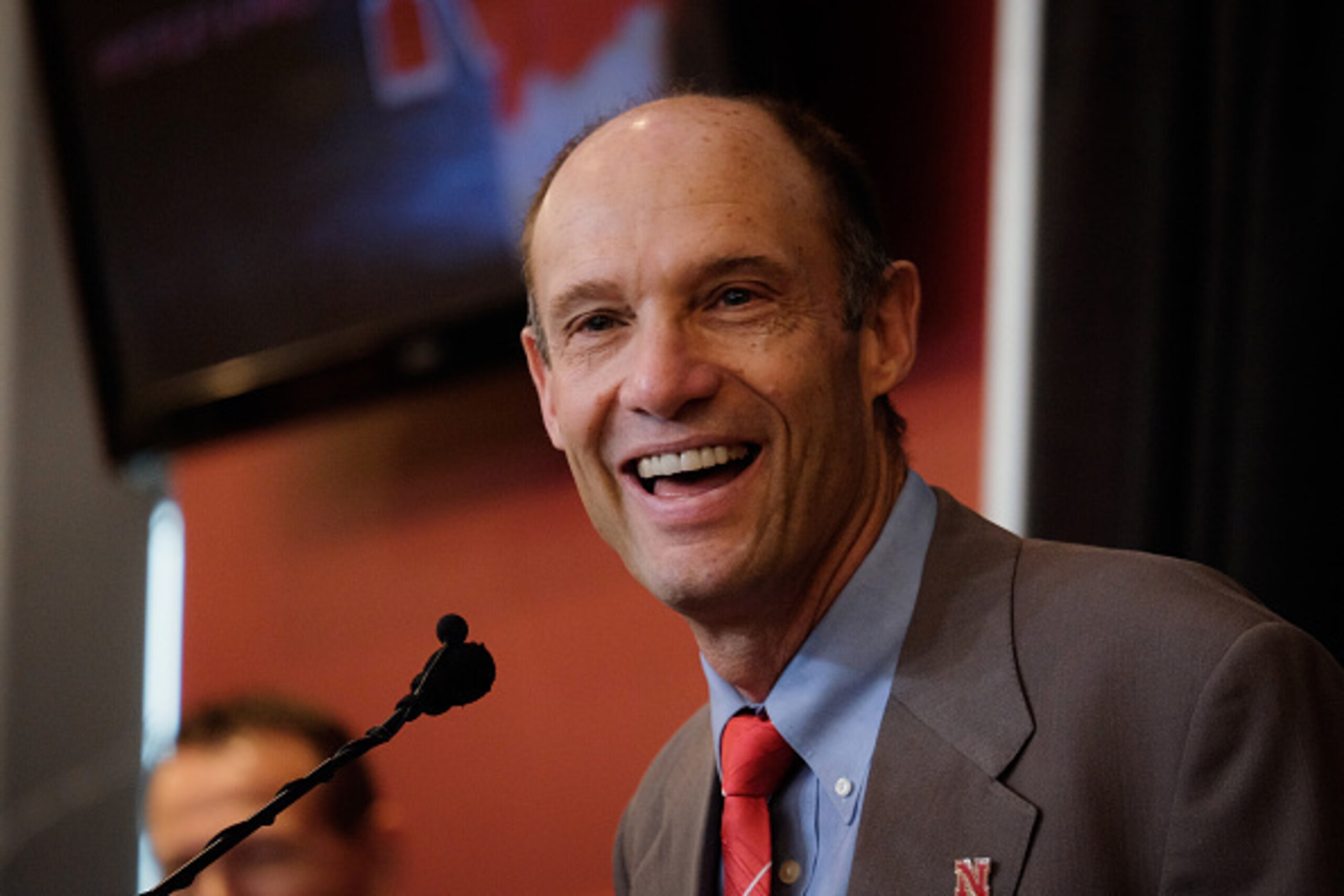
"We're certainly not going to apologize for being selected," Riley said, in a quote sent to Bleacher Report by a Nebraska spokesperson. "They had a criteria, and we were selected on it. We're just thankful to be in a bowl game."
Here's the thing: It's easy to complain about, but what exactly is lost by putting a 5-7 team in a bowl game?
This is a market-driven business that is not connected to determining a champion. When people stop watching games on TV or going to the games because the teams have losing records, then bowls will stop taking losing teams or even cease to exist. That's when you'll know there are too many bowls—when there aren't enough teams that sell.
Until then, the bowl games have simply become a bigger-business version of basketball's NIT. The NCAA tournament is so overwhelming that there really isn't much reason for a second-tier tournament, but it stays around as long as the market says.
Cavalli said it's "not ideal" to have a team with a losing record. But he also pointed out the obvious: Nebraska is one of the sport's marquee names, and he knows the Huskers will sell tickets. Here is a prediction from me: The ratings for the UCLA-Nebraska game will be better than several MLB playoff games.
On top of that, the Foster Farms Bowl is a nonprofit game that has made significant donations over the years to help feed the hungry in the San Francisco area. Cavalli said the bowl will donate one chicken dinner for every ticket bought this year. Over the years, it's added up to more than 400,000 free meals.
So this isn't your grandfather's Nebraska bowl team, and maybe it is being rewarded for mediocrity. But who is losing out from that?
"It's a good opportunity for all," Rodgers said. "And I think there are still far more teams not going to bowl games than going."
Well, not exactly. But the $1.8 million party goes on, anyway.
And why not?
Greg Couch covers college football for Bleacher Report.
.jpg?w=2560)
_0.png?w=2560 "CFB Top 25")


.jpg?w=2560 "Raiders Could Start Mendoza")
.jpg?w=2560 "Rodgers Iced Out on Plane 💎")

.jpg?w=2560 "Terrible Contracts NBA Teams Wish Would Disappear")
