

10 NBA Coaches Who Deserve More Credit Than They're Getting
Roughly a quarter of the way through this NBA season, we're beginning to get a better picture of the quality of teams in the league. Let's look at a few of the coaches who deserve some praise for their teams' starts.
First, the ground rules.
One, no Gregg Popovich. We know Pop is the best, but we occasionally have to give mortal coaches their dues. Let's keep it within the other tiers outside of San Antonio.
Two, stats mean something. Using team stats and metrics, we'll try to put together a cohesive list. Looking at the metrics for the Charlotte Hornets is enough evidence to see why they make it.
Unfortunately, I'm about to contradict myself slightly...
Three, stats don't mean everything. Let's add another layer to the praise. Handling adversity (unless you have the success level of Golden State then just forget I said anything). The Dallas Mavericks' Rick Carlisle handling the Rajon Rondo and DeAndre Jordan situations, the Memphis Grizzlies' Dave Joerger getting off the hot seat for now and the Chicago Bulls' Fred Hoiberg handling multiple distractions are what I mean.
Four, keep it focused on this season. Joerger could be a dumpster fire by season's end so let's leave projecting success out for now.
Five, this list is not ranked. A coach's number on the list is merely a placeholder. It's mostly in order of when they popped into my head.
(Unofficially, six, there are no honorable mentions. Star power in the NBA rules so much that adding a couple honorable mentions is essentially saying nearly half of the coaches in the league deserve praise.)
10. Steve Clifford: Charlotte Hornets
1 of 10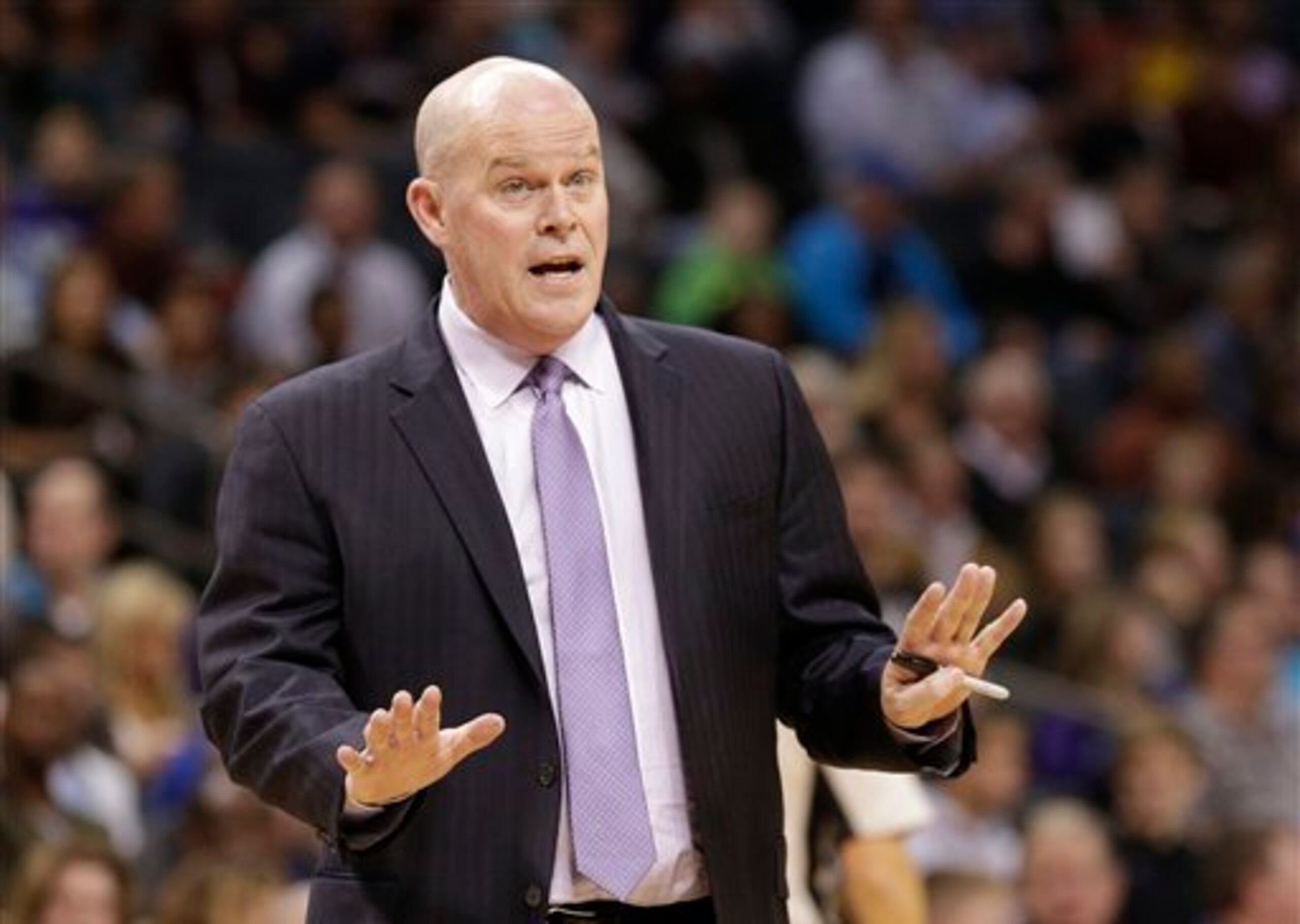
Sometimes you just can't beat irony.
A couple weeks back, I said Charlotte's drafting Frank Kaminsky over Justise Winslow (even refusing a load of picks to move back) would haunt their future. (It still could or Kaminsky can find his game and turn into a solid player.)
However for this season, the Hornets have responded by ranking fifth in offensive rating at 103.9, per NBA.com. They're seventh in true shooting percentage at 54.1 percent, a mere 1.7 points behind second-place Oklahoma City Thunder.
Defensively, they're 13th in rating, giving up 100.4 points per possession.
Trading for Nicolas Batum seems to have been a good move as he's the No. 2 scorer on the team behind Kemba Walker. And Clifford is doing a good job limiting the minutes of Al Jefferson—their aging best player who has battled some injuries—playing him 26.2 minutes per game, per realgm.com.
So props to the Hornets the first quarter of the season. At 10-8, let's see where they go from here.
9. Frank Vogel: Indiana Pacers
2 of 10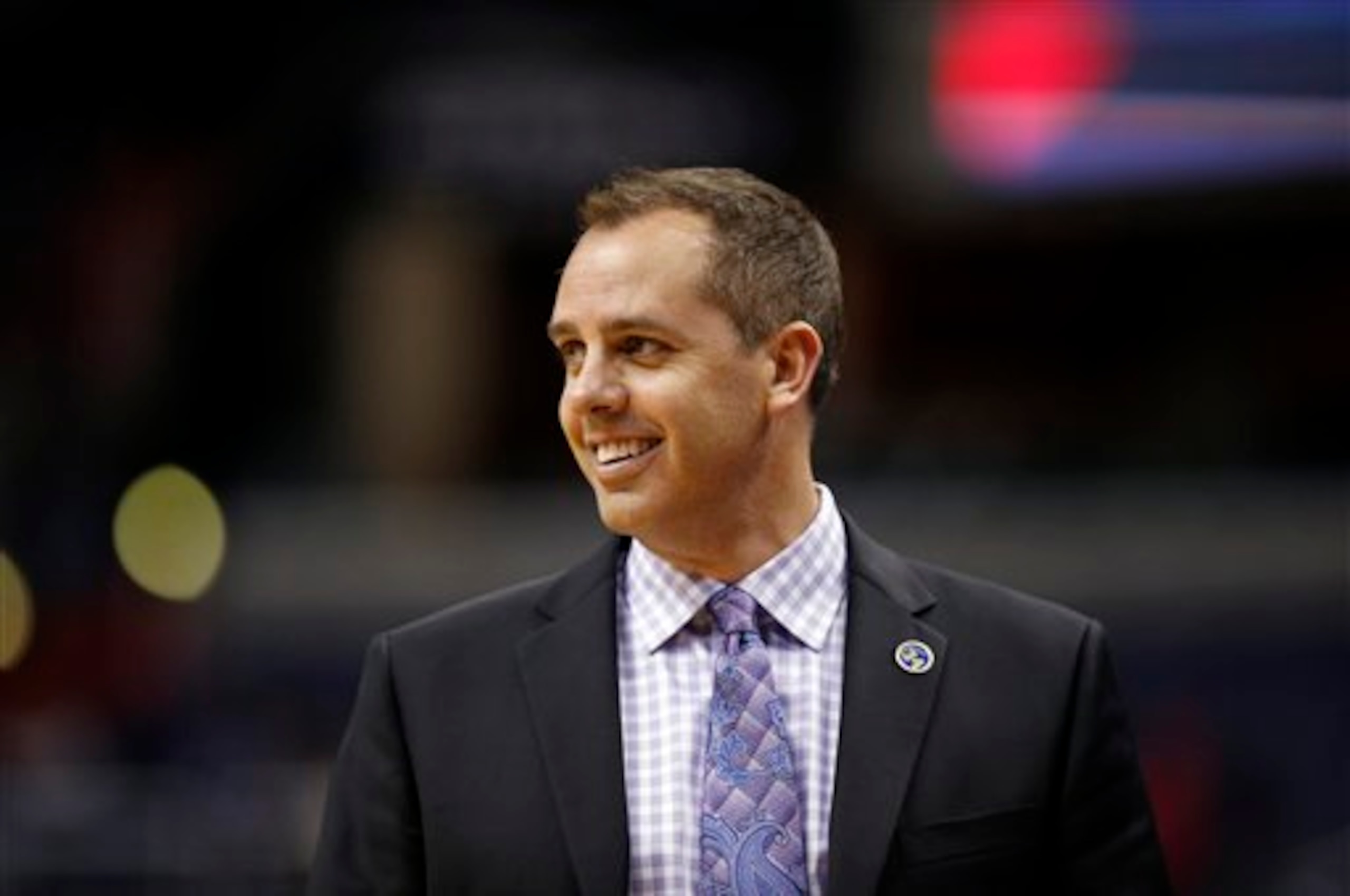
The Pacers are the No. 2 seed in the East, are 10th in offensive rating at 102.1 points per 100 possessions, per NBA.com.
And, let's not forget that Frank Vogel is a defensive-minded coach, who has the Pacers second in defensive rating at 95.2. (The 6.9 net rating is good for third in the NBA).
But it's how they got there that puts Vogel on this list.
The Golden State Warriors' Lineup of Death has opened the floodgates on small ball. That led the way for a semi-gutting of the Pacers' starting lineup, as David West decided to not pick up his player option and their rim protector, Roy Hibbert, went to the Lakers.
And before the season started, Pacers President Larry Bird said he wanted to wing player Paul George play at power forward at times during the season.
"When we go smaller we'd like to see Paul maybe play some '4,'" Bird said per Candace Buckner of the Indy Star. "You know everybody says, 'You'll have a problem on the defensive end,' well, I don't think so."
It makes some sense on paper, right? In the East, George would be matching up against power forwards like Kevin Love in Cleveland, Chris Bosh in Miami, Paul Millsap in Atlanta or Nikola Mirotic in Chicago, all of whom are finesse stretch 4s and extend their range to the three-point-line, meaning they won't constantly bang down low and necessarily punish an undersized George like, say, Zach Randolph in Memphis.
Also, the fluidity of small ball can call for "positionless" basketball, meaning George would more likely be listed as a power forward than actually playing it.
(In fact, if you visit various sites and look at George's player profile, few sites actually agree on what position he plays.)
George was naturally hesitant about the new position. He'd never played power forward.
But the Pacers' and Vogel's easing George into the position and allowing him to play at small forward—which still account for about 43 percent of his minutes, per basketball-reference.com—have him comfortable and thriving. He started the first 10 games of the season at small forward, per Buckner.
He's scored 30 points in four straight games and the breakout of C.J. Miles—whom Vogel uses to spell George at the 4—is the biggest reason for his ability to still play at the 3.
So credit to Vogel for adjusting and adapting so far this year. (And welcome back Paul George!)
8. Luke Walton: Golden State Warriors
3 of 10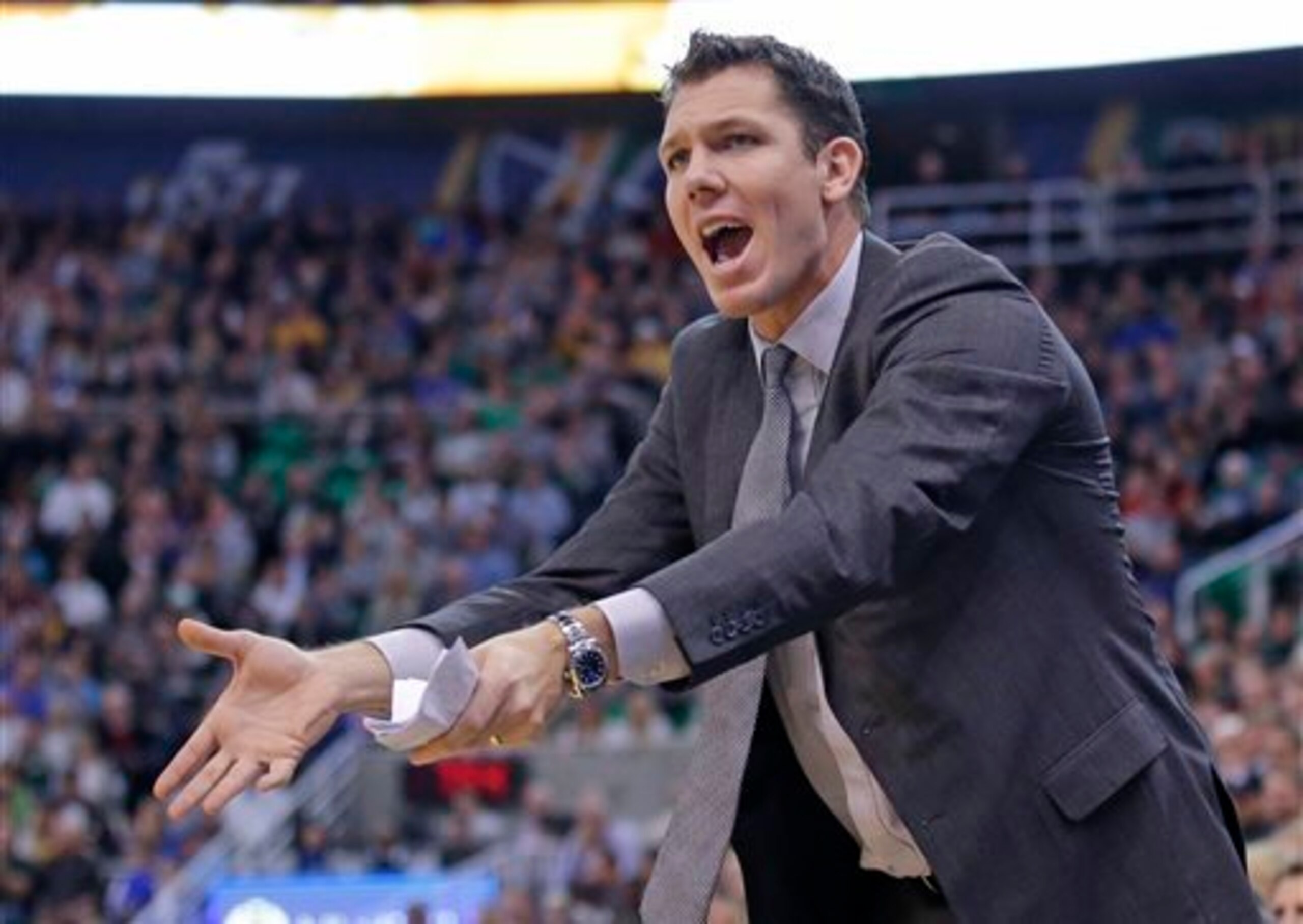
If you don't have Luke Walton on this list, no arguments.
Walton isn't solely responsible for the Warriors' success to start the season as much as head coach Steve Kerr isn't solely responsible for putting together the Warriors roster. (That was Mark Jackson's doing.)
But winning in the NBA is hard, and Kerr did what Jackson was unable to (whether you believe he was let go a year or so too soon is fair) by winning a championship. Now Walton is at the helm of a 20-0 team.
True, the Warriors are stacked and fresh off a championship and one of the best seasons ever, but they haven't missed a beat. No championship hangover.
Walton is an interim coach in his second season on the team and has managed to not blow it. His margin of error with a team that deep and with a superstar player like Stephen Curry is wider than arguably any interim coach ever, but he deserves at least an ounce of credit.
Twenty games in, the Warriors are first in offensive rating (113.7), fourth in pace (101.68) and sixth in defensive rating (97.0).
And, while Kerr may be present around the team everywhere else, during the game, it's on Walton and the assistants to adjust on the fly.
He's even sparingly used the Lineup of Death of Curry, Harrison Barnes, Draymond Green, Andre Iguodala and Klay Thompson, limiting them to 64 only minutes (yes, because they usually don't have to go to it). So far the lineup mustered an offensive rating of 154.7 and a defensive rating of 84.8.
Walton is not a top coach in the NBA right now. I won't argue that. But 20-0 is incredible and everyone on that team deserves a portion of the credit, even if the smallest slice goes to Walton.


7. Erik Spoelstra: Miami Heat
4 of 10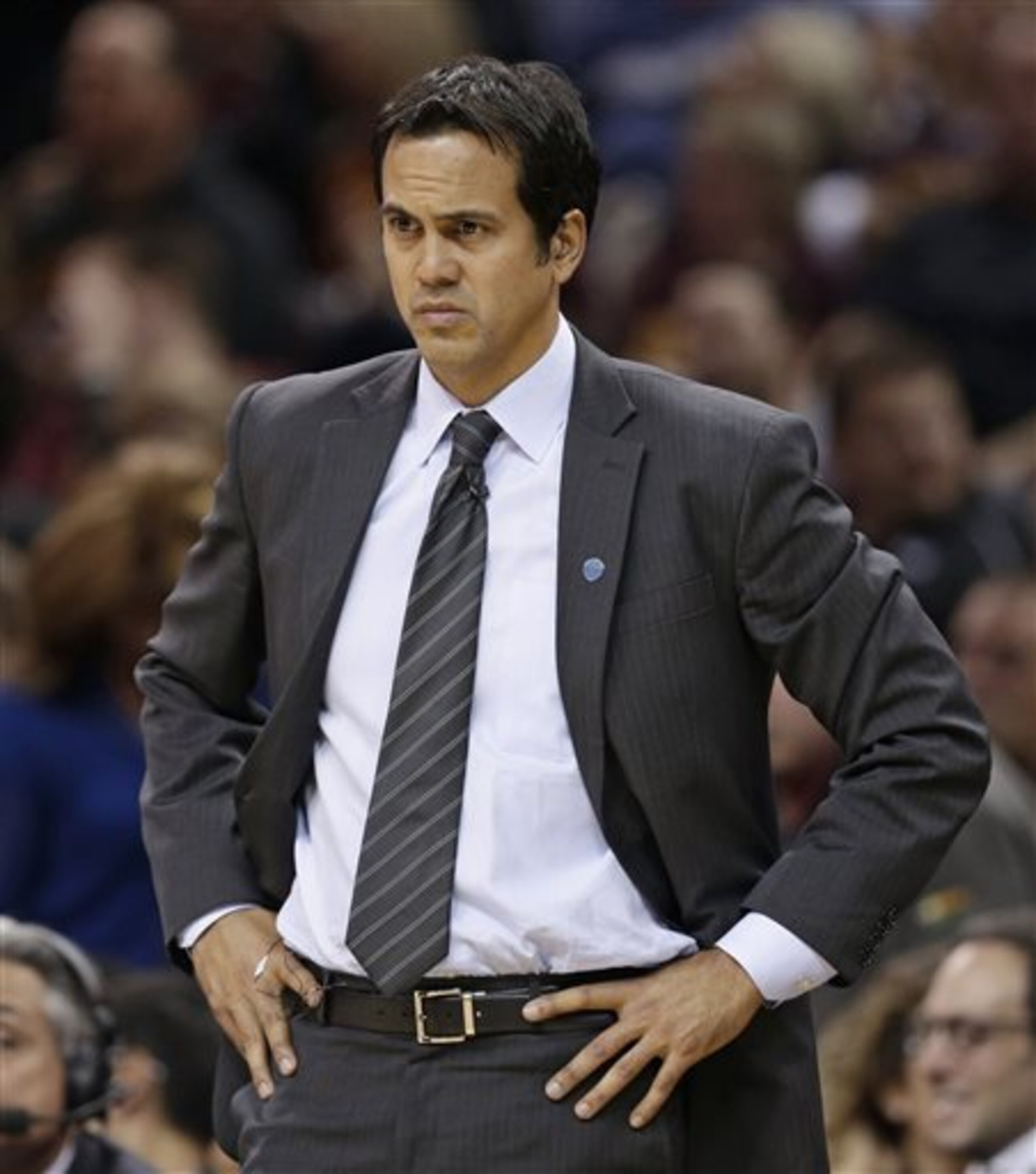
It's been tough to gauge Erik Spoelstra.
NBA coaches with LeBron James on the roster have never emulated that level of success after he leaves. Mike Brown struggled and we don't know if Cleveland Cavaliers' coach David Blatt has the chops either. (It's just so difficult to draw the line between James and his dominance and good coaching.)
So, by default, is Spoelstra the best coach James has had in the NBA? Right now, you can make a case, though the competition is not that tough.
The Heat struggle with the pace of their offense. Their point guard, Goran Dragic, hasn't played up to his $90 million contract he signed in the offseason. Dwyane Wade still can't shoot threes and doesn't lend himself to the pace-and-space era.
Miami is 27th in pace, averaging 95.89 possessions over 48 minutes, per NBA.com. It does rank 13th in offensive rating at 101.4 points per 100 possessions.
But, the bread and butter for Spoelstra is his defense, and Miami's defense is stifling. It ranks third in defensive rating at 95.5 points per 100 possessions.
Thanks to rim protector Hassan Whiteside, Miami is third in the league at opponent field-goal percentage within five feet of the basket at 53.3 percent, per NBA.com. It ranks first in opponent field-goal percentage from 20-24 feet, meaning they cover the three-point-line better than anybody. (A perfect defense for the pace-and-space era.)
Spoelstra was the beneficiary of James' dominance, but he does seem to have some competence, especially defensively, so far this season.
6. Dave Joerger: Memphis Grizzlies
5 of 10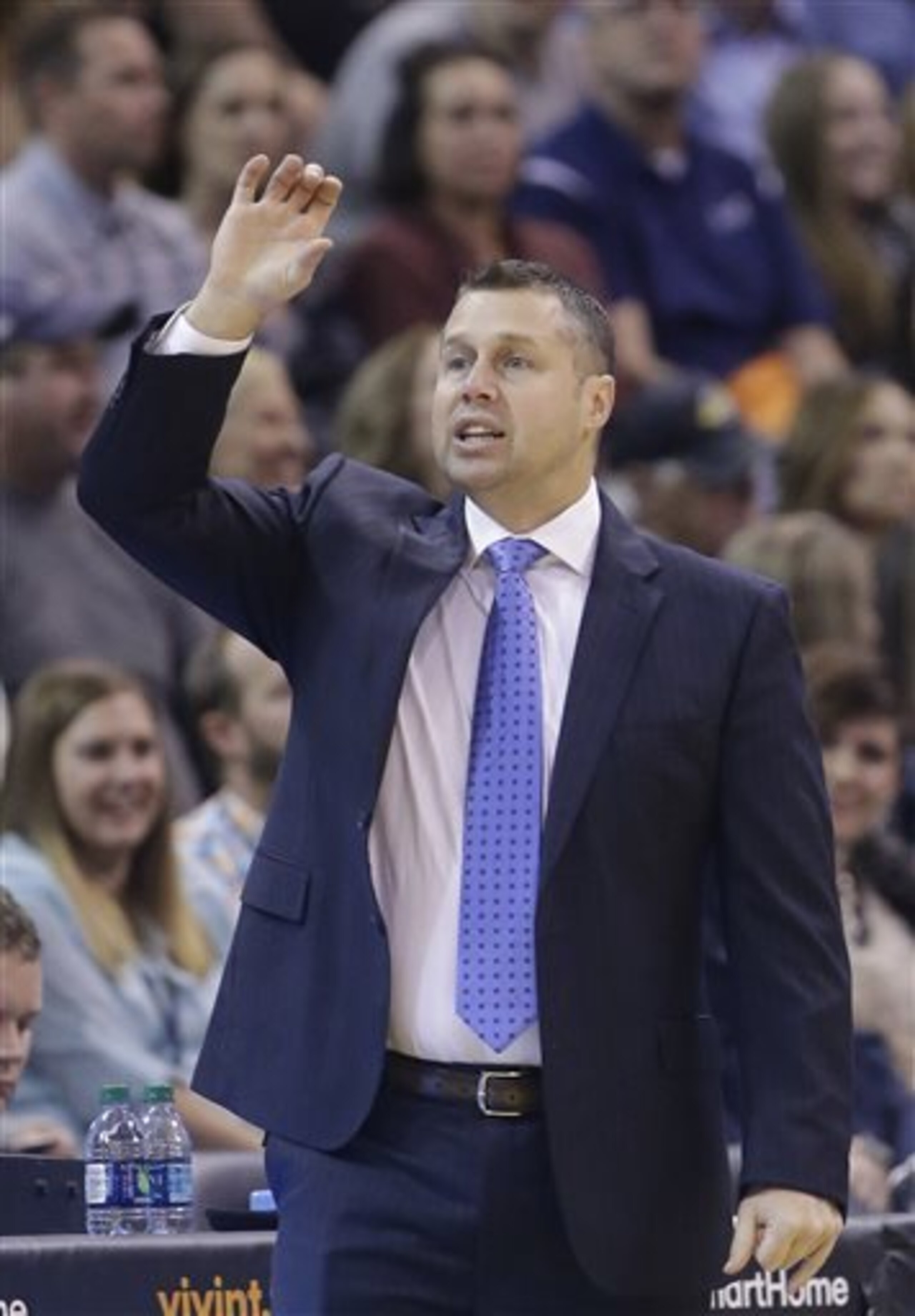
Joerger's Grizzlies began the season dismally, starting with a 3-6 record and with the worst offense in the league. (Which doesn't come as a shock because we know the Grizzlies have always struggled on offense.)
Early on in the season, Joerger was on the proverbial hot seat. Issues with his lineups and with the seemingly yearly meltdown at one point during the season—as detailed by Memphis Flyer's Kevin Lipe—became the focal point of stories that began to surface on whether he should be fired.
Since that 3-6 start, Memphis has won eight out of 10 games, is over .500 and Joerger seems to bringing the temperature down on his seat. Boasting more depth in the backcourt (and a little luck that the West isn't as daunting to start this season as last year), the Grizzlies may be OK after all.
5. Scott Skiles: Orlando Magic
6 of 10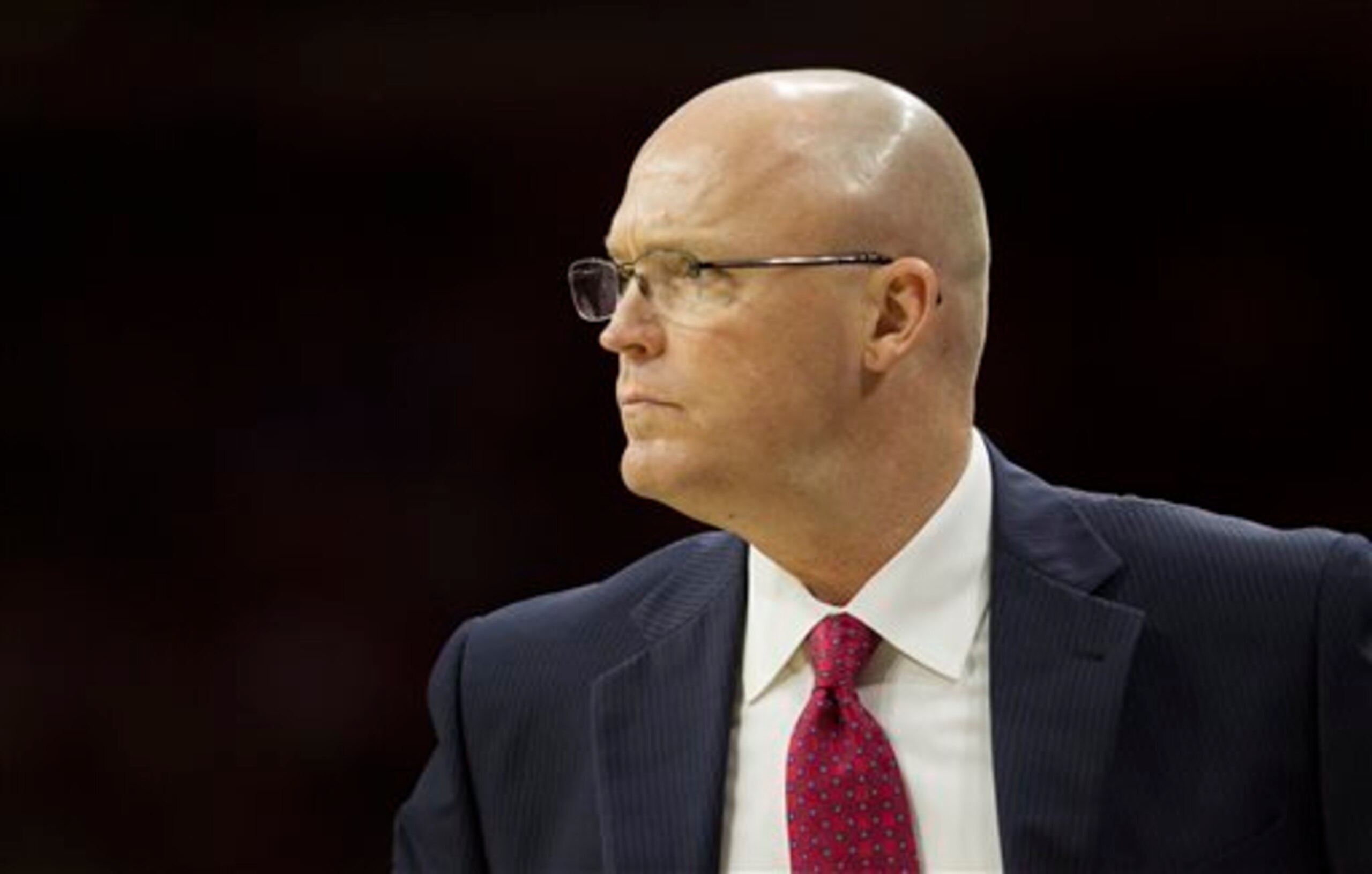
Scott Skiles may be the most volatile of all the coaches on this list.
He pulled the a tough move by "demoting" his up-and-coming guard Victor Oladipo from the starting lineup for Channing Frye. It's a move that can pay dividends for now or could eventually blow up in his face, as stars will always take precedence over coaches and no starter wants to be benched.
For now, though, the Magic are playing well. Skiles has improved the team's defensive efficiency, and his hard-nose approach may actually be what the Magic need to mold the young players—with an average age of 25, per realgm.com.
Second-year player Aaron Gordon and European rookie Mario Hezonja are both 20 and point guard Elfrid Payton is 21. Oladipo and Tobias Harris are 23.
With a roster that could be a contender within the next couple of seasons, these games will be important for their success in the future.
As far as this season goes, Skiles deserves some credit for having the young Magic playing some good basketball.
4. Fred Hoiberg: Chicago Bulls
7 of 10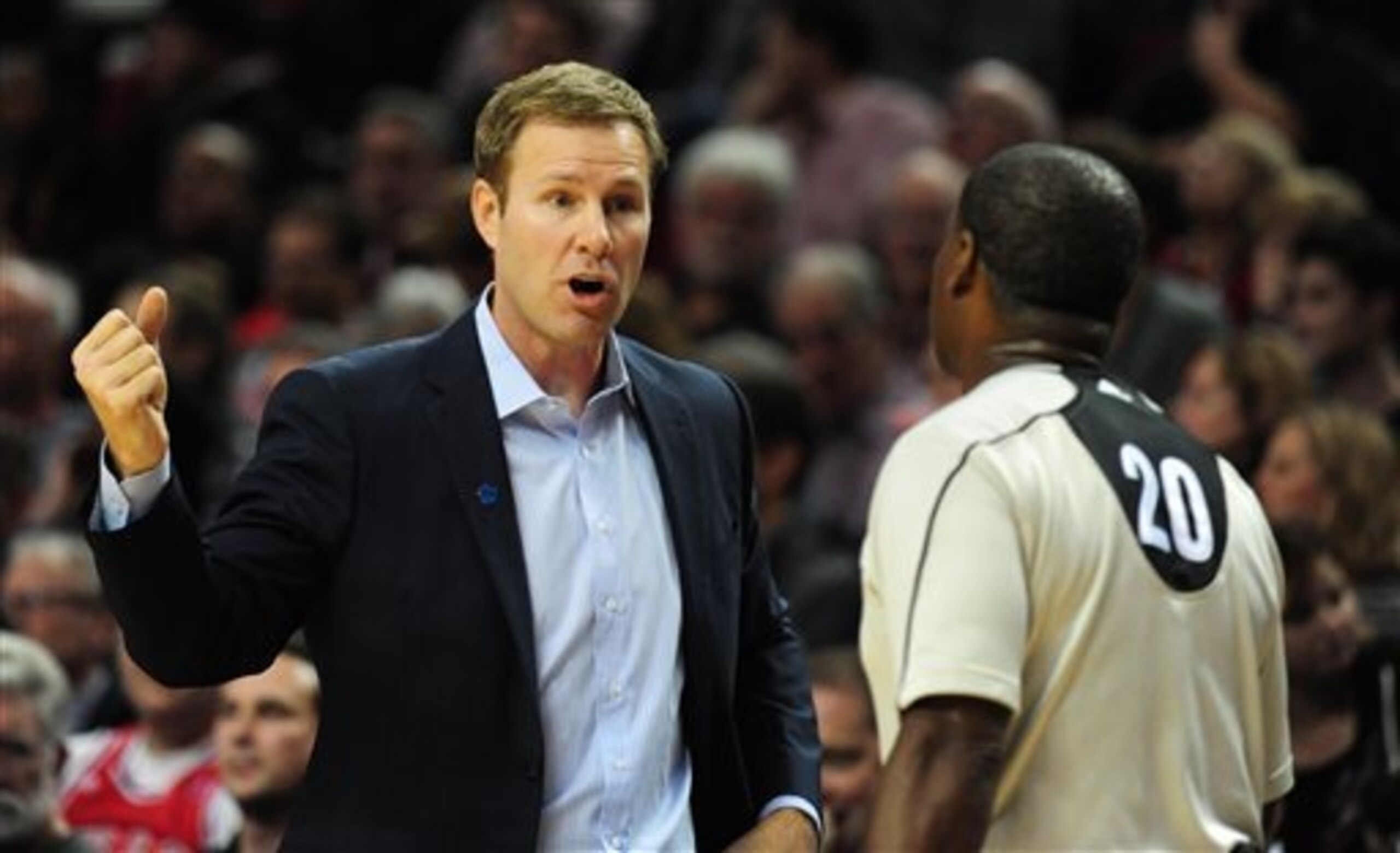
Before he had even coached an NBA game, Hoiberg had to deal with the volatility of the Chicago Bulls.
Tom Thibodeau had essentially been kicked out of Chicago, with the Bulls front office willing to pay him his salary just to go away.
Derrick Rose had turned into the beloved son of Chicago and All-Star MVP, to a guard riddled by injury and questionable quotes and actions.
And Jimmy Butler, the team's best player, wasn't happy about Rose's work ethic, according to Jim Cowley of the Chicago Sun Times.
For a first-year coach, especially one that made the jump from college, it could up the pressure, but Hoiberg has risen to the challenges so far.
The Bulls are abysmal on offense, ranking 27th in offensive rating (97.4), only in front of the Los Angeles Lakers, Brooklyn Nets and Philadelphia 76ers, per NBA.com.
However, defensively, they're as good as they were under Thibodeau, ranking fifth in defensive rating (96.8).
Hoiberg also made the move to take center Joakim Noah out of the starting lineup because his style of play doesn't fit within the new era of the NBA. (So imagine the struggling offense with Noah on the floor.)
For a situation that could have ended badly, Hoiberg is showing his poise, and the Bulls are a viable team to contend for the East. It'll be interesting to see where this goes, especially with Rose.
3. Stan Van Gundy: Detroit Pistons
8 of 10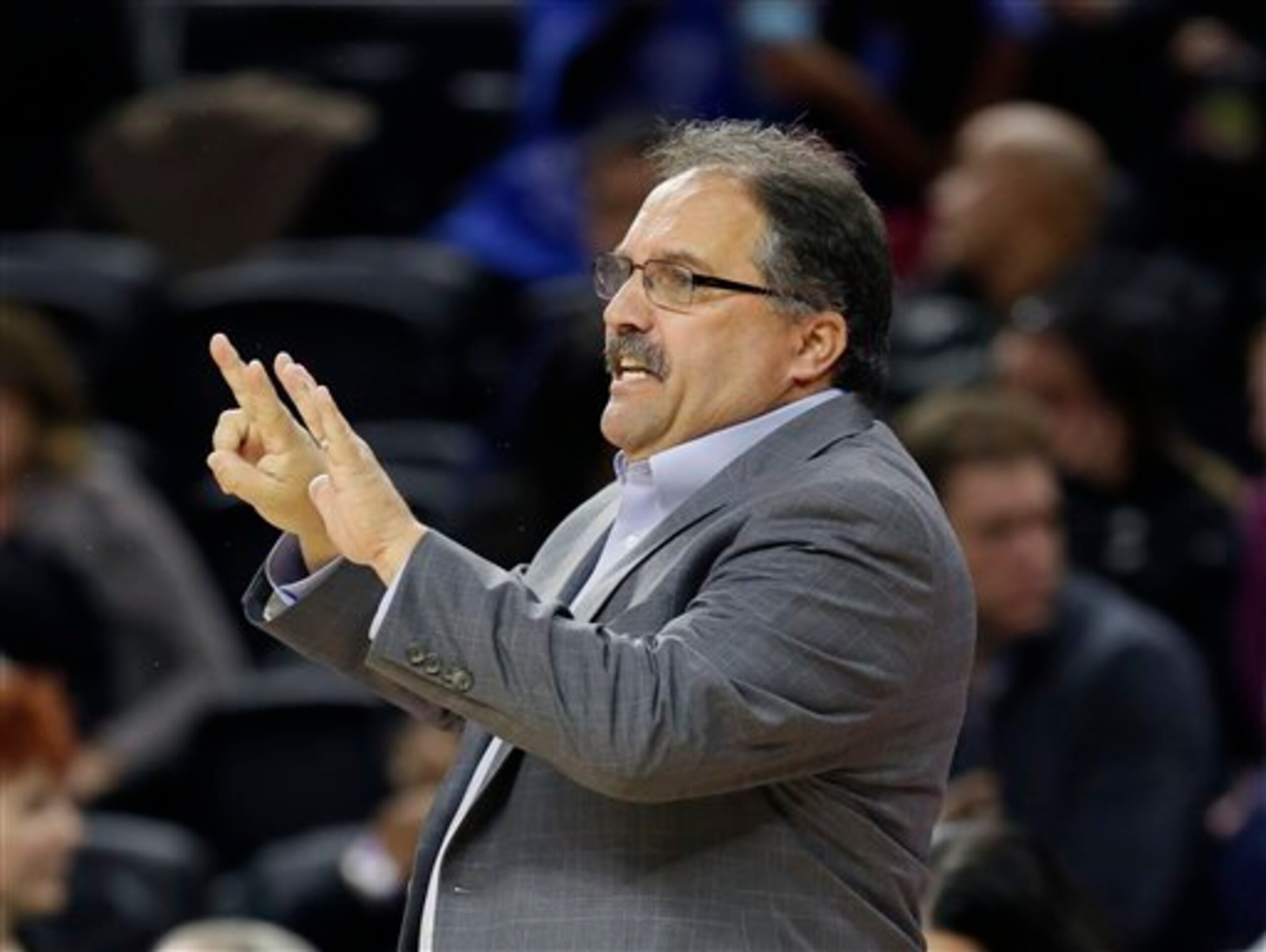
The Pistons started the year hot but have fallen back over the past few weeks.
And though their record doesn't project to a great season overall, there are some glimpses of hope.
For one, Andre Drummond continues to blossom into a bona fide star big man in the league, averaging 16.7 rebounds, 5.7 of which come on the offensive end!
But, what puts Stan Van Gundy on this list is his philosophy on holding his players accountable. Last week, Van Gundy called out his big man, saying he lacked the energy needed for the Pistons to be successful:
“I didn’t think he brought much energy to the Milwaukee game and I didn’t think he brought much energy tonight,” Van Gundy said, according to NBC Sports via Sportando. “Why that is, I don’t know. But we need a lot more from him than we got tonight.”
With a point guard who is capable of scoring—albeit inefficiently—in Reggie Jackson, Van Gundy seems to be recreating his Orlando Magic team that centered around a dominant Dwight Howard.
When Brandon Jennings returns from injury, the dynamic of the team can change, but for now, the Pistons may have turned a corner.
2. Rick Carlisle: Dallas Mavericks
9 of 10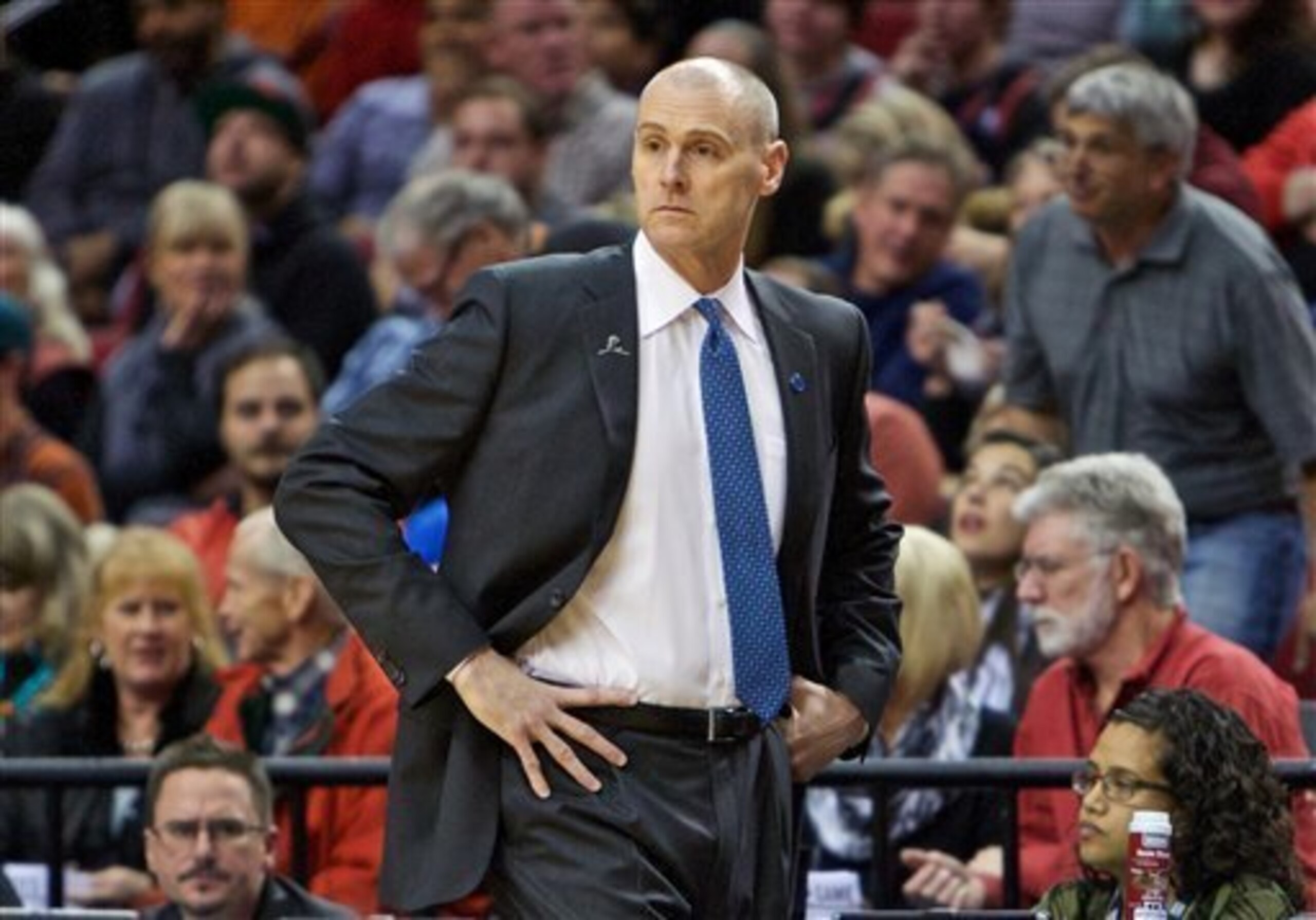
Carlisle has always been pegged as the one of the NBA's best coaches, but after last season's turmoil, it was a question if Carlisle needed a change of scenery.
With the Rajon Rondo fiasco a signature on last year's season, it boiled to a point where Rondo said there was a choice between Carlisle or him.
The Mavericks went with Carlisle.
Then, DeAndre Jordan verbally committed to the Mavericks, only to turn away at the last minute to re-sign with the Los Angeles Clippers and the pressure was on Carlisle to make due. (Because Jordan defected back to LA, the Mavericks' starting center is Zaza Pachulia.)
Oh, and the Mavericks gave a max deal to Wesley Matthews, who is coming off an Achilles tear, an infamous injury known for taking an incredibly long time to heal.
With a roster that is the second oldest league at 29.3 years, per realgm.com, the Mavs are 11-8 and the No. 5 seed in the West.
Despite their average age, the Mavericks are 12th in offensive rating (101.4), 13th in pace (99.34) and 12th in defensive rating (100.1)
Dirk Nowitzki has found his stroke again and Deron Williams hasn't played this well since his first season in Brooklyn. (Then again, the bar wasn't set that high for Williams after his Brooklyn tenure.)
The Mavericks don't have the firepower to challenge the San Antonio Spurs or the Warriors for the West, but they're a fun team to watch.
The Mavs just recently signed Carlisle to an extension. It was the right move to keep him.
1. Brad Stevens: Boston Celtics
10 of 10
How many more seasons do you believe Brad Stevens needs to be at the helm before we all admit that he's a good coach?
I'm willing to say that if the Celtics continue their good start, he deserves it.
Throughout a rebuild process, Stevens has already taken the young Celtics (average age of 25, per realgm.com) to the playoffs. Granted it was in the weaker Eastern Conference, but Stevens, along with general manager Danny Ainge, is building something big in Boston.
This year, with a below-average offense, 19th in offensive rating (100.5), the Celtics are fifth in pace (101.18).
The Celtics are out to a 10-8 start with a bright future. Basically, with the number of possessions they get per 48 minutes, if the Celtics can score more efficiently, then they can make some noise this season.
Defensively, Stevens has coached his squad to fourth best in rating at 96.6 points per 100 possessions.
The Celtics already have a load of picks at their disposal and an unprotected first-round pick from the Brooklyn Nets in 2016. With a coach as good as Stevens, the Celtics could be a problem for teams this season.
(And they could be an even bigger problem in the future.)

.jpg?w=2560 "Grading WWE Raw 🔠")


.jpg?w=2560 "Viral Rams Coach Vid 🖕")
