Adjustments New York Jets Must Make After Bye Week
At 3-1, the New York Jets are in a better position than many (myself included) predicted headed into their bye week.
That doesn't mean they can't find ways to improve.
The Jets have already shown their hand in some ways. They've been aggressive on defense with exotic blitz packages, and they've been balanced on offense with a steady dose of Chris Ivory to complement Ryan Fitzpatrick and the short-to-intermediate passing game.
If the Jets do some proper self-scouting during the bye, they'll find some areas in which they could use an adjustment or two.
Dial Down Ryan Fitzpatrick's Deep Passing
1 of 5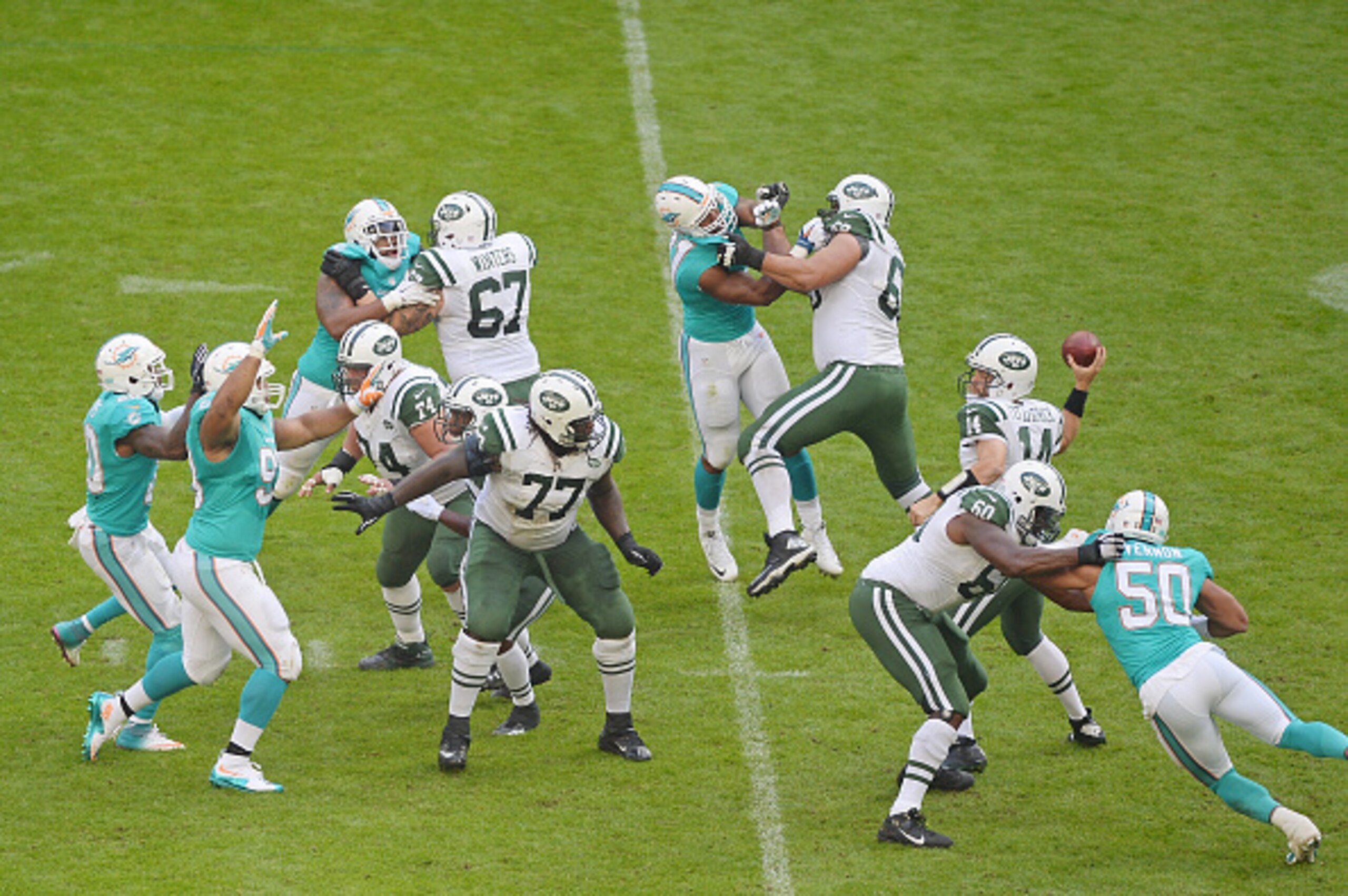
It may take a meltdown of monumental proportions for Jets offensive coordinator Chan Gailey to finally learn that quarterback Ryan Fitzpatrick is about the furthest thing from a JUGS machine as they come.
Through four games, Fitzpatrick has attempted 25 passes that traveled 20 yards or more through the air. According to Pro Football Focus, that's the second-most in the NFL. Those deep passes have accounted for 17.2 percent of his pass attempts, tied for the sixth-highest percentage in the NFL. All of that has resulted in four completions for 153 yards, one touchdown and three interceptions. His 16 percent accuracy is the second-lowest of 32 qualifying quarterbacks.
Make no mistake: The Jets shouldn't completely remove deep passes from the playbook. After all, with two big-bodied and physical deep-ball receivers in Eric Decker and Brandon Marshall, there's always a chance for a positive return (as was the case against the Miami Dolphins on the Jets' first play from scrimmage, a 58-yard bomb to Marshall).
The Jets are fortunate to have those two weapons at their disposal, but they should not use that as an excuse to pretend Fitzpatrick is something he's not, especially when it continues to fail in reaping the desired results.
Get Chris Ivory Involved More as a Receiver
2 of 5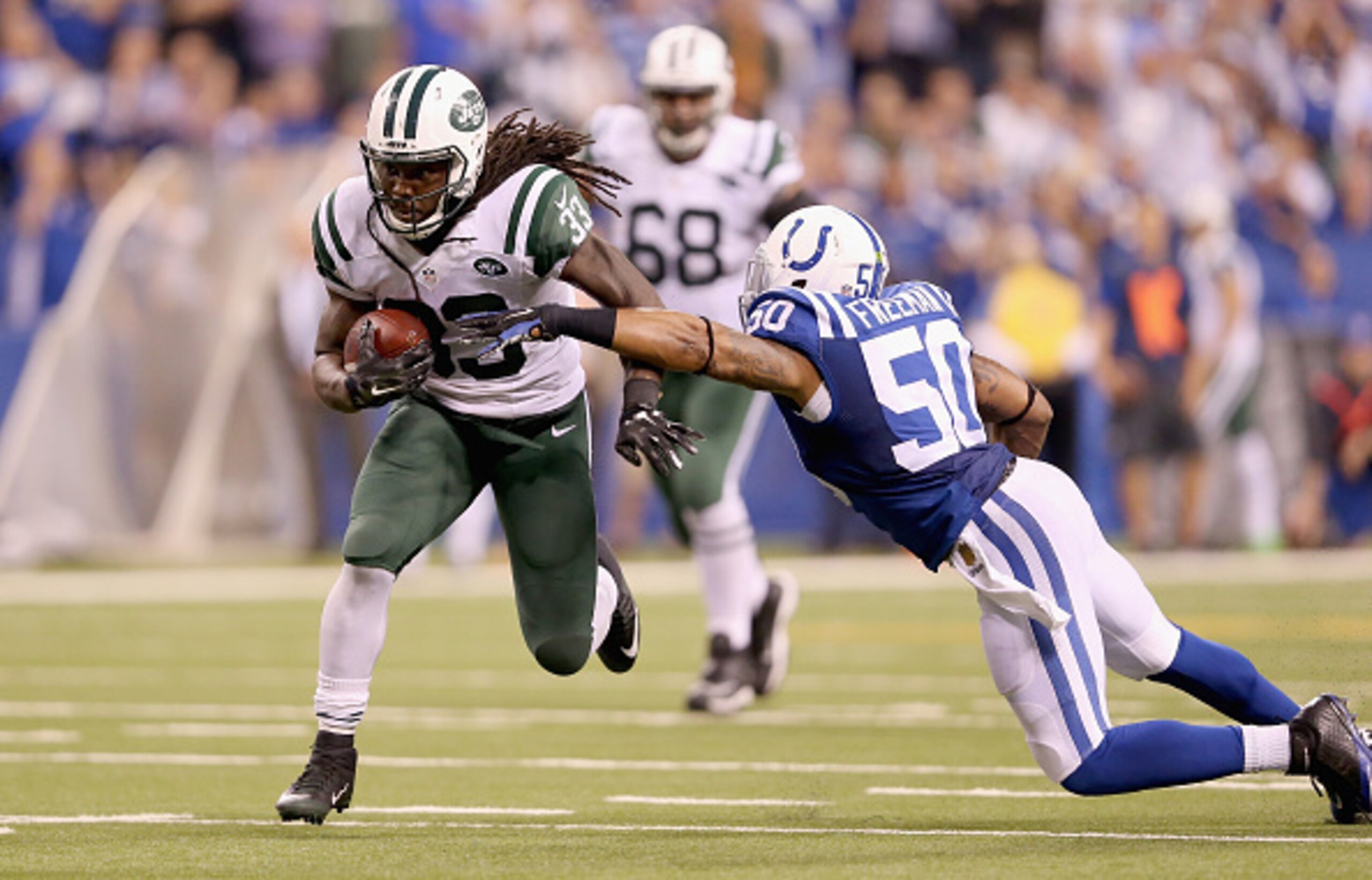
It's a thing of beauty watching Jets running back Chris Ivory bounce off some would-be tacklers and bowl over others as he takes handoffs between the tackles.
Imagine him in the open field, with plenty of real estate in front of him. Give that bowling ball a head of steam and he'll knock over any safety who stands in his path.
Ivory has carried the ball 63 times for 314 yards and three touchdowns. He ranks third in the NFL in rushing yards and is on pace for the first 1,000-yard rushing season of his career. Why fix what clearly isn't broken? That being said, why limit Ivory's avenues for production?
Thus far, he's caught just three passes for 12 yards. With Bilal Powell nursing a groin injury, though, the Jets may have to look elsewhere to replace that production (14 catches, 88 yards this season). The Jets brought in former New Orleans Saints running back Travaris Cadet for a workout, according to ESPN.com's Rich Cimini, so they're at least thinking about ways to do it.
But why not continue to ride one of the Jets' best offensive workhorses?
Dial Down the Blitzing
3 of 5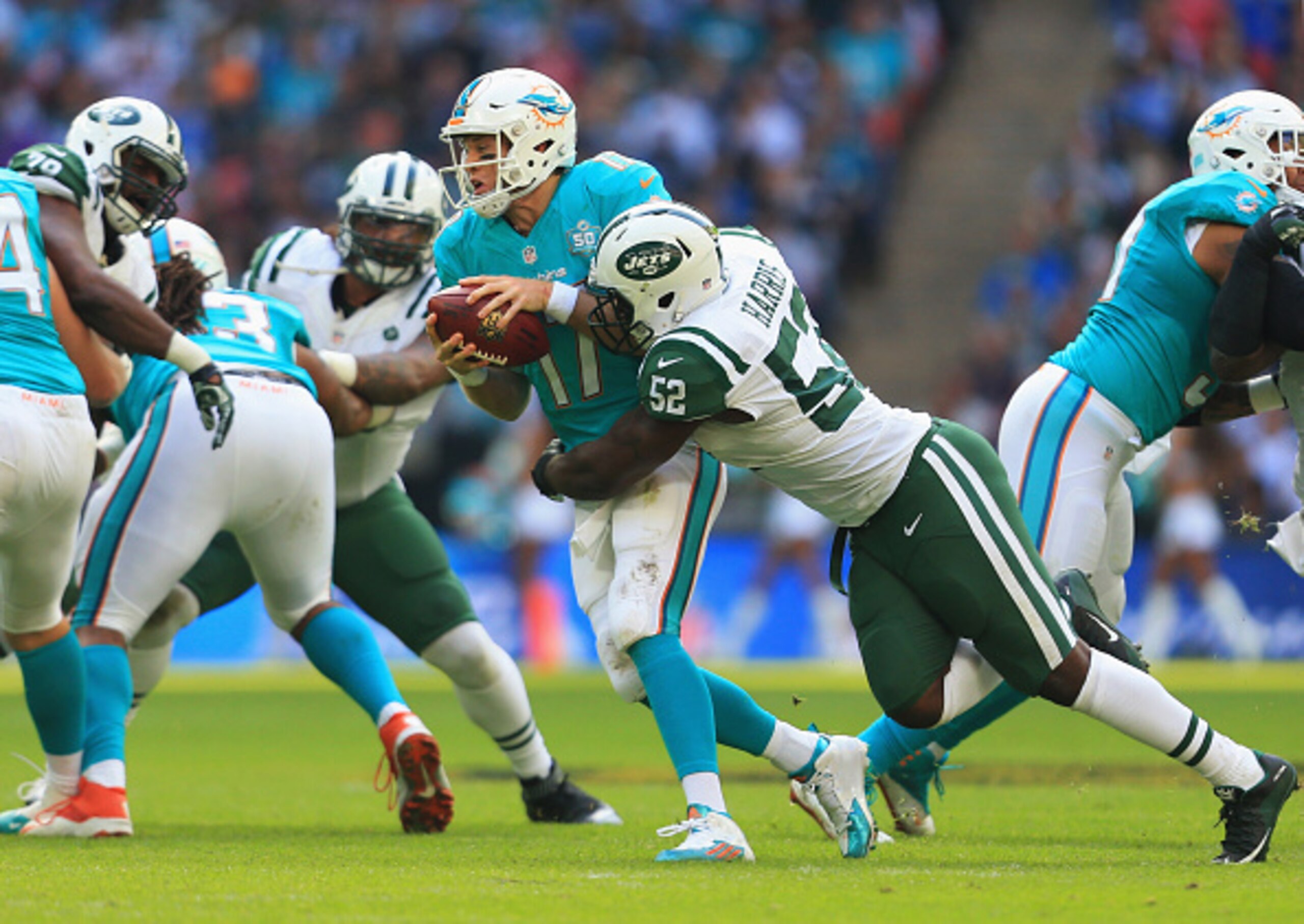
The only constant is change, but one thing that has stayed the same in the Jets' transition from Rex Ryan to Todd Bowles is the penchant for creating pressure on the quarterback. The two defensive gurus are lauded for their use of aggressive play calls and exotic blitz packages to force the issue in the passing game.
The heir has mimicked the predecessor. According to numbers tabulated from Pro Football Focus, the Jets have blitzed the opposing quarterback 51.9 percent of the time through four games. These numbers may also be a little skewed by the Jets' strategy against the Miami Dolphins, which included 35 blitzes on 48 dropbacks by Ryan Tannehill.
That being said, one can't be too critical of the Jets' strategy on pass defense. It's been about as effective as a steamroller against an ant. The Jets have allowed the second-fewest passing yards of any defense, the second-lowest average in passing yards per attempt (5.7 YPA) and the lowest defensive passer rating (62.3).
But at some point, opponents are going to start catching on. They may not know exactly where the pressure is coming from every time, but they can be almost sure that it's coming. In the past, Ryan has given New England Patriots quarterback Tom Brady fits by holding back on the blitzes in their meetings. Perhaps Bowles can learn a lesson or two from looking back on some of the Jets' recent clashes with the Patriots.
.jpg?w=2560 "Colts Football")
.jpg?w=2560 "NFL Paris Football")
.jpg?w=2560 "Seahawks Chiefs Football")
Integrate Sheldon Richardson on Defense
4 of 5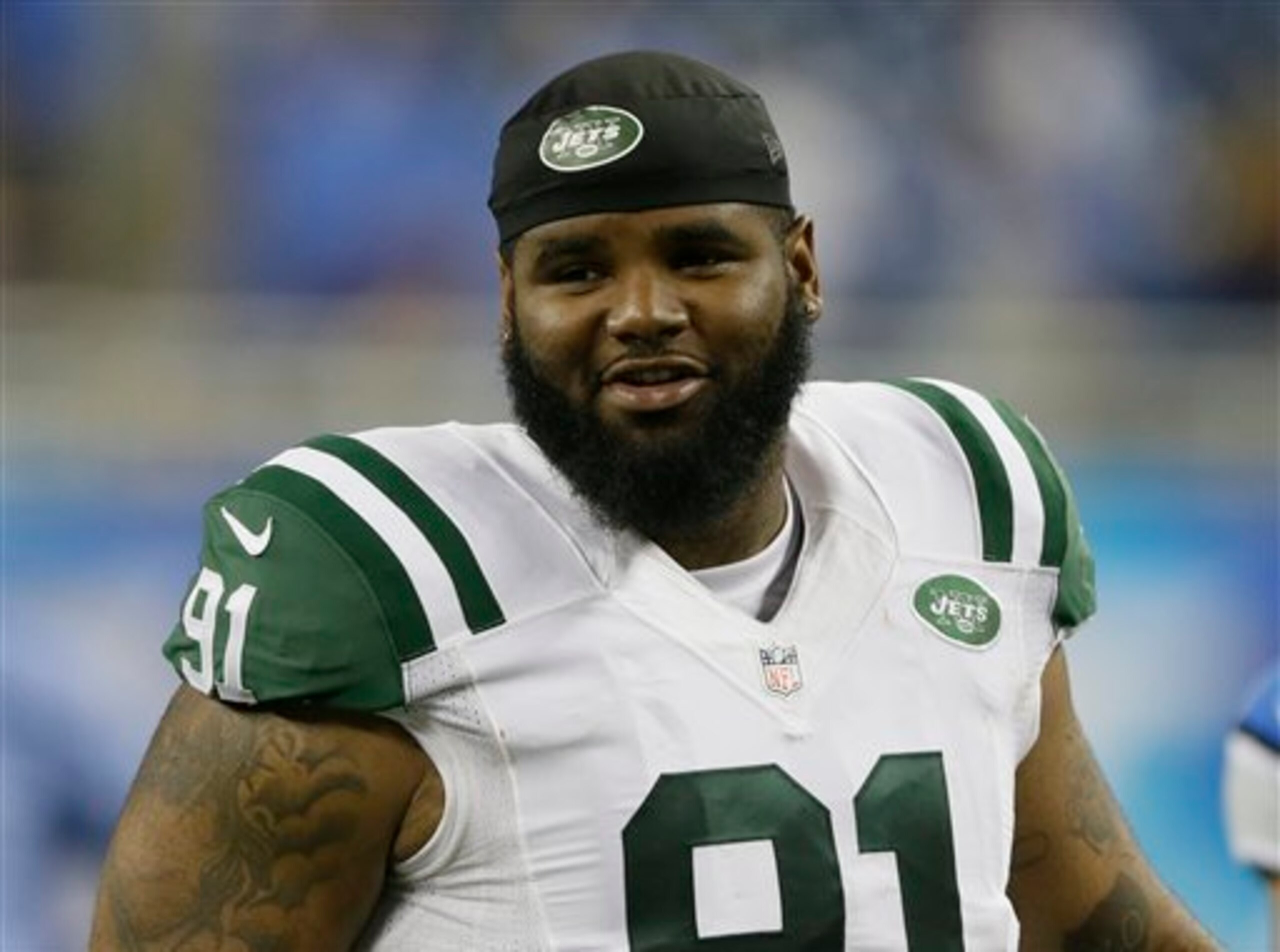
The Jets defense has not missed a beat despite missing All-Pro defensive lineman Sheldon Richardson for the first four games of the season. The Jets have the league's No. 1 scoring defense and No. 3 overall defense, thanks in large part to their stifling pass defense.
That being said, the run defense has played a big role in keeping the defense ahead of schedule. According to Pro-Football-Reference.com, the Jets defense has faced an average of 8.43 yards to go on second down, the eighth-longest average in the NFL through four games.
Not many defenses can boast that they have the talent where they don't have to feel uncomfortable about rotating an All-Pro onto their line off the bench—at least not right now. Head coach Todd Bowles already referred to Richardson as "extra depth" to reporters on a conference call and has said in the past that Richardson will not be handed his starting spot after he returns.
That being said, the Jets would be foolish not to make good use of Richardson's gifts as a lineman. According to Pro Football Focus, Richardson was the NFL's fourth-best 3-4 defensive end in pass-rushing productivity with 31 hurries, 12 hits and nine credited sacks last year.
Give Richardson enough opportunities to play and it'll be hard to justify keeping him off the field.
More Play-Action Passing
5 of 5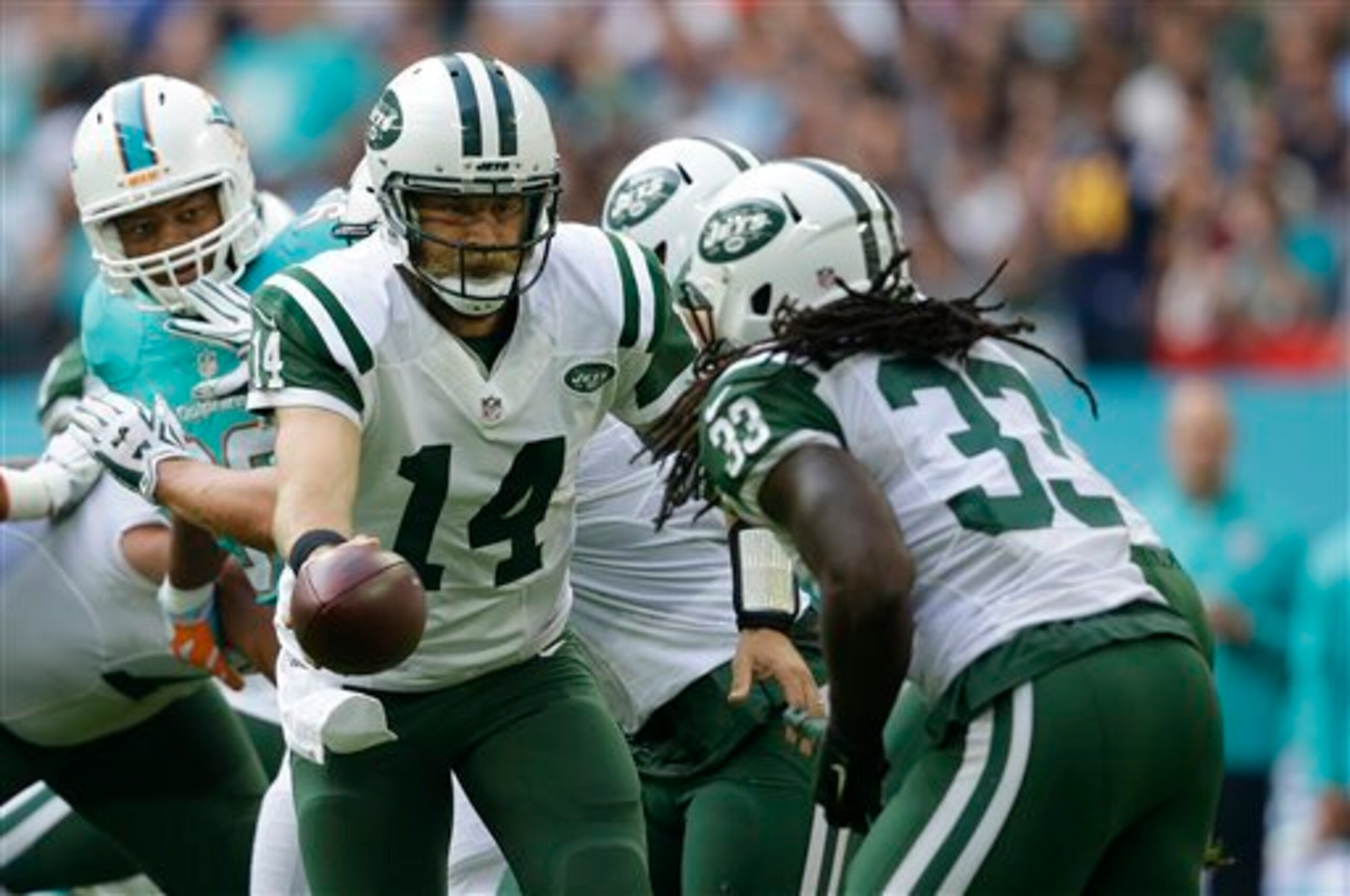
The Jets have an effective running game, but they need to be more willing to take advantage of it. Sure, they have found a nice balance between the running game and passing game, but they can make even better use of the running game if they implement more play-action passes.
According to Pro Football Focus, Ryan Fitzpatrick has faked a handoff on just 12.3 percent of his pass attempts. That's the third-lowest percentage in the NFL. Perhaps more play-action passes can help him be more effective as a deep passer; if the safeties are coming up to stop the run and/or the cornerback is fooled for a split second by the handoff, that could be all the opening the Jets need for big plays.
Right now, Fitzpatrick's average of 6.4 yards per pass attempt is the sixth-lowest of the top 34 quarterbacks. He may never be more than a game manager, but that doesn't mean the Jets can't still have some explosive plays on offense. They just need to make better use of their best weapon: the running game.
.jpg?w=2560)