

1 Improvement Every Big Ten Football Team Needs
Just two weeks of the college football season are in the books, but already a lot has been learned about the landscape of the sport in 2015.
That's rung especially true in the Big Ten, which has seen its fair share of surprises in this young season.
Some of those surprises in the league have been for the better, while some have teams alarmed about their prospects for the immediate future. But regardless of whether they're satisfied or stressed about what they've already seen on the field in the first two weeks of the season, each Big Ten team has at least one area that it can get better at in order to make the most of its 2015 campaign.
With that in mind, let's take a look at the top improvement that each Big Ten team already needs to make in 2015.
Ohio State: Offensive Line Play
1 of 14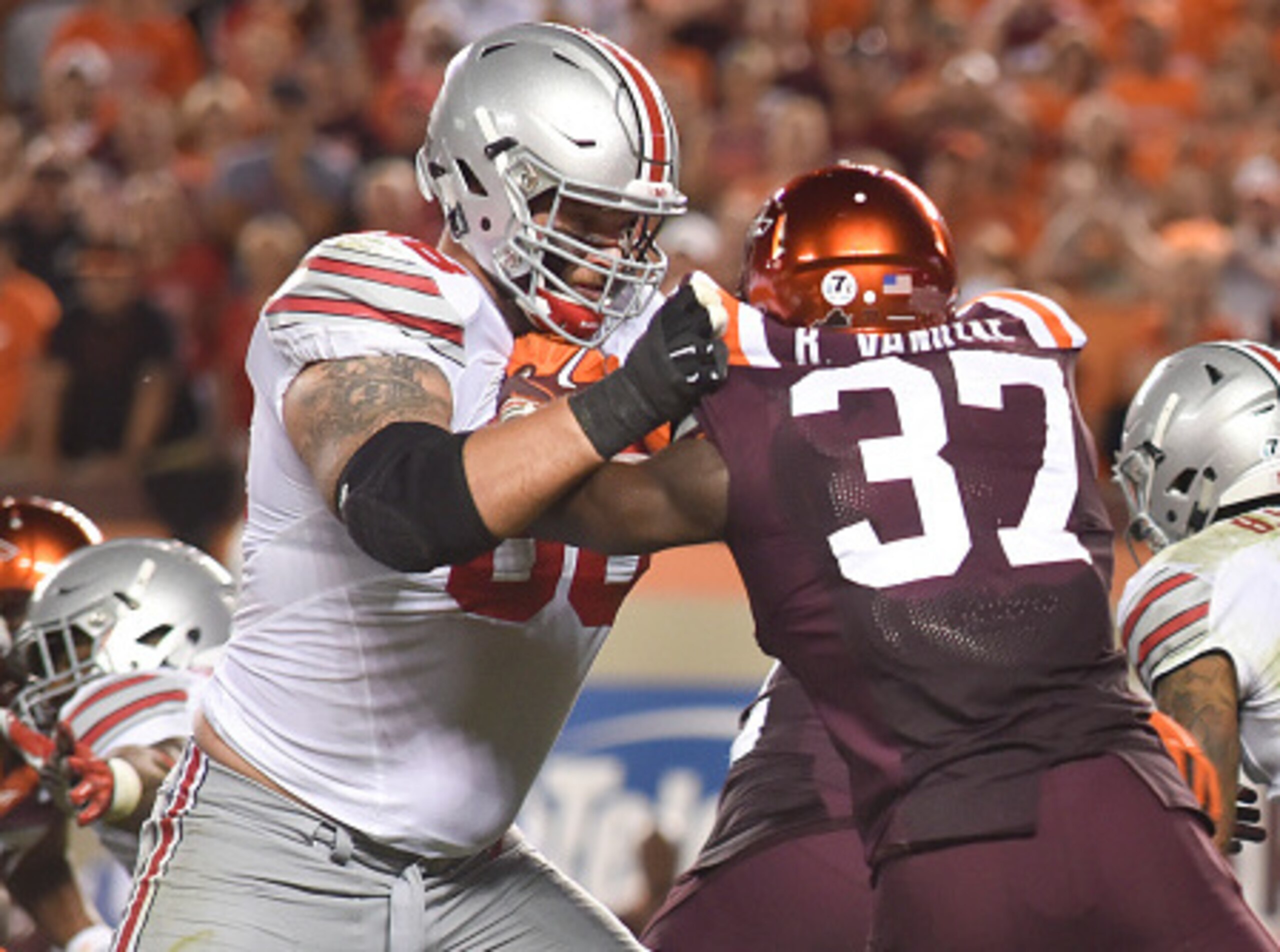
Despite its status as the nation's top-ranked team and the defending national champions, Ohio State has surprisingly shown multiple areas of its game that will need to be improved in order for the Buckeyes to successfully defend their crown.
Even with two of the nation's top signal-callers, inconsistent quarterback play has been a staple of the OSU offense through the Buckeyes' first two games, although much of that could be pinned on a surprisingly shaky offensive line. With four starters returning from last year's unit, the Buckeyes' front five figured to be a strength of this season's squad but has left little time for Cardale Jones and J.T. Barrett through OSU's season-opening wins over Virginia Tech and Hawaii.
"Obviously we didn’t execute to the level of our expectations," Buckeyes left tackle Taylor Decker said following Ohio State's 38-0 win over the Rainbow Warriors. "We’ve just gotta get better. That’s all it is, we’ve just gotta get better."
With games against MAC opponents Northern Illinois and Western Michigan to close out the out-of-conference schedule, the Buckeyes offensive line should have plenty of time to do just that before Big Ten play begins. Once there, bigger and more capable bodies will become more difficult to block, only increasing the importance for the OSU offensive line to get back to being one of the nation's best.
Michigan: Turnovers
2 of 14
Through Jim Harbaugh's first two games as Michigan's head coach, the Wolverines find themselves sitting at 1-1. That record could very well be 2-0, if not for the costly turnovers Michigan incurred in its season-opening loss to Utah.
And somewhat surprisingly, those costly turnovers came by way of interceptions thrown by quarterback Jake Rudock, who was picked off just five times as Iowa's starting quarterback throughout the entire 2014 season. But in his Wolverines debut, Rudock threw three interceptions, including a fourth-quarter pick-six that helped seal the Utes' 24-17 victory.
After the game, Harbaugh said that only one of Rudock's three picks was the fifth-year signal-caller's fault. But his two additional turnovers (one interception, one fumble) in Michigan's 35-7 win over Oregon State were the continuation of a potentially alarming trend.
As Rudock continues to get more comfortable with Harbaugh's offense, the number of times he turns the ball over should lessen—at least in theory. The Wolverines will need that to be the case in order to take full advantage of a defense that has been one of the nation's best through the first two weeks of the college football season.
Michigan State: 3rd-Down Efficiency
3 of 14
A sloppy start in a season-opening road win over Western Michigan aside, it'd be hard to complain about much of what Michigan State has done through its first two games of the 2015 season. With a monumental win over seventh-ranked Oregon on Saturday, the Spartans jumped to No. 4 in the Associated Press Top 25 and now seemingly control their own destiny when it comes to the College Football Playoff.
If one were to nitpick MSU's first two wins of the season, the Spartans could stand to improve when it comes to their efficiency on third down. Against the Ducks, Michigan State converted just three of its 12 attempts on third down but was bailed out by a two-of-two success rate on fourth down.
Going for it on fourth down may have worked against Oregon but may not be a sustainable—and could potentially be a dangerous—strategy moving forward. Then again, the Ducks are better than most teams the Spartans will play this season, so Michigan State may not find itself facing as many third- and fourth-down situations as it did on Saturday.
Nitpicking, indeed.
.jpg?w=2560 "AP Poll Top Five Week 9")
.png?w=2560)
Penn State: Protecting Christian Hackenberg
4 of 14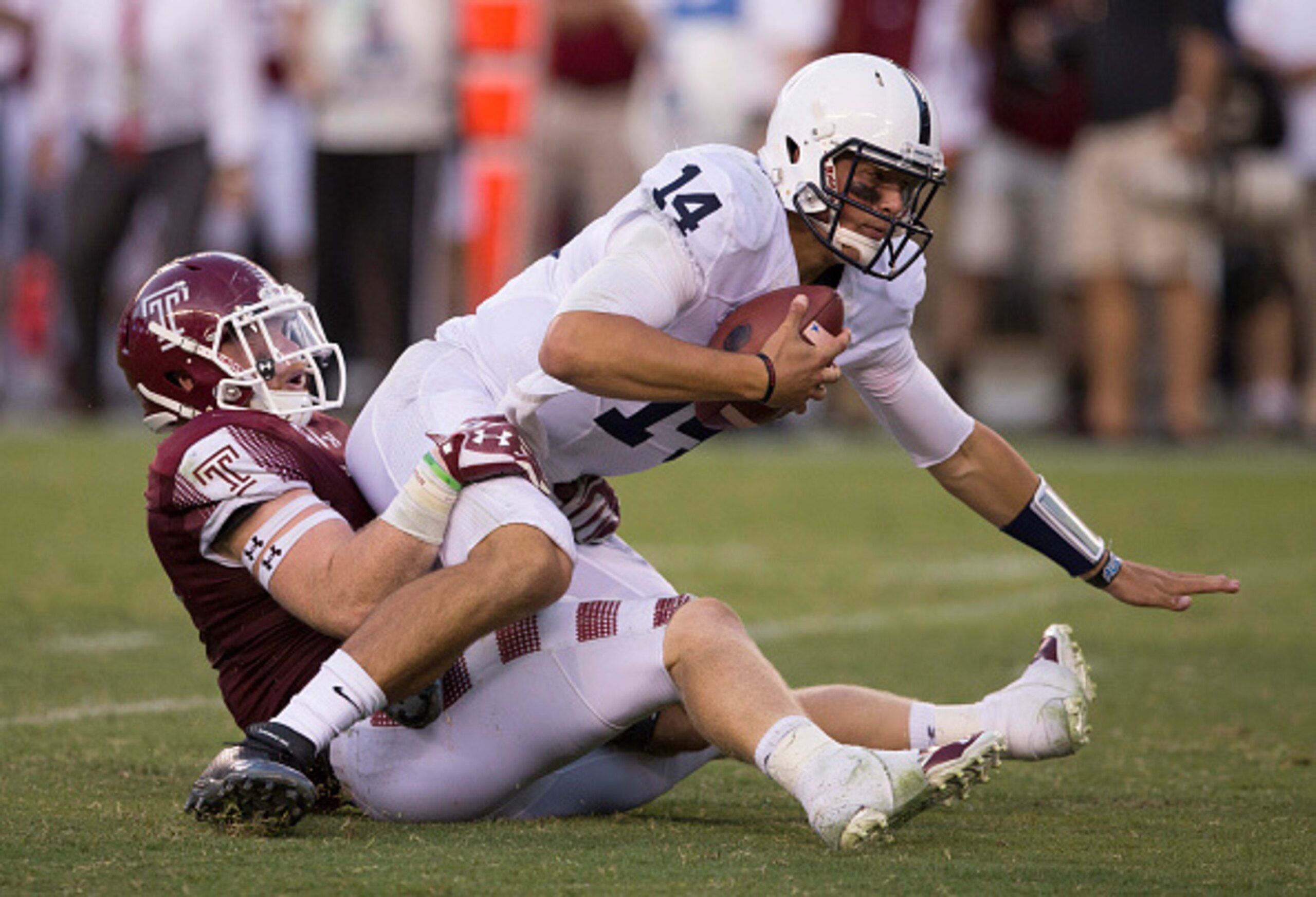
The good news for Penn State is that in its most recent outing, a 27-14 win over Buffalo, the Nittany Lions didn't allow a single sack.
The bad news is that in Penn State's previous game, an embarrassing 27-10 loss to in-state rival Temple, the Nittany Lions allowed 10.
And while the Owls may be a more talented team, especially on defense, than most give them credit for, Penn State's Big Ten slate figures to feature more teams reminiscent of its first opponent than its second.
That could be a major problem for the Nittany Lions, who struggled with protecting quarterback Christian Hackenberg throughout the 2014 season. With four returning starters from last year's unit, the offensive line figured to be one of the team's most improved areas, but that appeared to be anything but the case in Penn State's season opener.
Whether the Nittany Lions' second game was a step in the right direction or a mere matter of Penn State possessing an overwhelming talent and size advantage remains to be seen. But the key to the Nittany Lions' 2015 season has always been keeping Hackenberg standing upright, and that appeared much easier said than done in their season opener.
Nebraska: Getting Stops
5 of 14
Offensively, it'd be hard to ask for much more from the first two games of the Mike Riley era in Lincoln. And the reality is that Nebraska is only one play away from sitting at a 2-0 start to the season.
But the Cornhuskers' 2015 campaign took an early hit when a Hail Mary by BYU handed Nebraska a home loss in Riley's debut in the season opener. Perhaps that was a fitting start to the season for the Cornhuskers too, as Nebraska appears to be a long way off from returning to the form of the "Blackshirts" on defense.
Having given up 421.5 yards per game, the Cornhuskers defense currently ranks 88th in the nation, a far cry from the expectation that was long ago set in Lincoln. Nebraska will need to see steady improvement—and sooner rather than later—on the defensive side of the ball if it's going to make good on its goal of winning a wide-open Big Ten West this season.
Wisconsin: The Run
6 of 14
Wisconsin's 1-1 start to the season hasn't been all that surprising, considering that the Badgers opened the season with the nation's now-second-ranked team, Alabama. But what has been surprising has been the struggles Wisconsin has endured on the ground, which has been a strength of the Badgers offense ever since Barry Alvarez was standing on the sideline.
Through the first two games of the year, Wisconsin has averaged just 114 rushing yards per game, a far cry from the Melvin Gordon III-led offense that the Badgers enjoyed a season ago. Some of those struggles can be chalked up to the Crimson Tide, and some have been because of a groin injury suffered by starter Corey Clement, but they simply expect more when it comes to their rushing attack in Madison.
For his part, Wisconsin head coach Paul Chryst said he isn't caught up in trying to conform to any preconceived identity for his team.
"Some games, you throw to run. Some games, you run to throw," Chyrst said, via USA Today. "But I don't get caught up in trying to be something or another."
Despite its season-opening loss and troubles on the ground, Wisconsin still finds itself ranked 24th in the AP Top 25. But the Badgers are going to have to re-establish their rushing attack one way or another if they are going to repeat as the Big Ten West champions in their first season under Chryst.
Iowa: Forcing Turnovers
7 of 14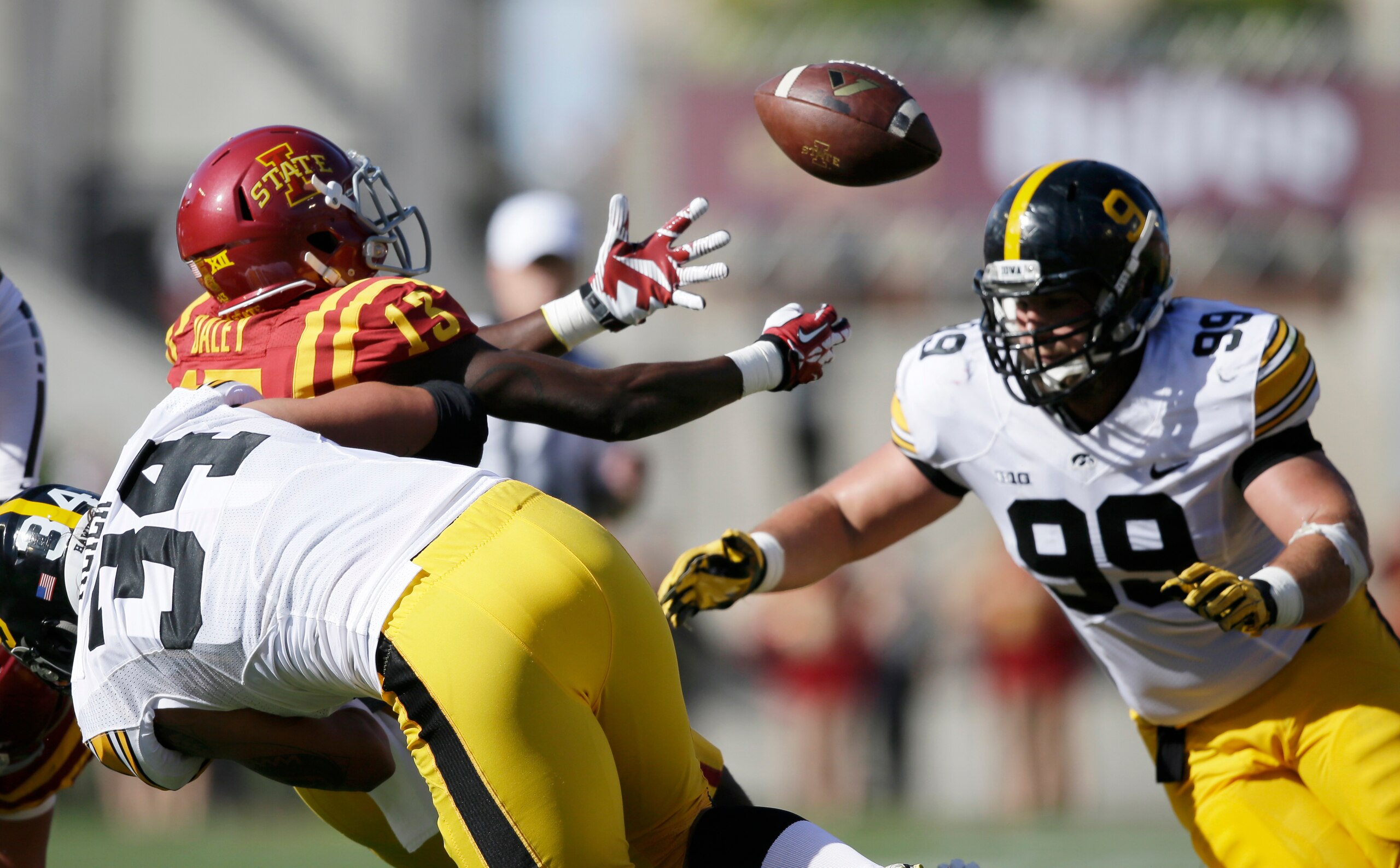
With a 2-0 start to the season, there's not a whole lot to complain about when it come to Iowa football.
Quarterback C.J. Beathard has looked strong and seems to have been the right call to be the Hawkeyes starter by head coach Kirk Ferentz. Running back LeShun Daniels Jr. and Jordan Canzeri have provided a steady rushing attack, while wideout Matt VandeBerg has been one of the Big Ten's top receivers.
The defense has been strong too, ranking 25th in the nation following Saturday's win over in-state rival Iowa State. If there's one area where the Hawkeyes could stand to improve thus far, it'd be forcing turnovers. Iowa has only created three through the season's first two games.
So long as Beathard continues to take care of the ball—he's yet to throw an interception in 2015—that shouldn't be too much of a problem. But when Big Ten season rolls around, that could prove to be easier said than done, and the Hawkeyes defense may need to make some big plays of its own.
Illinois: The Ground Game
8 of 14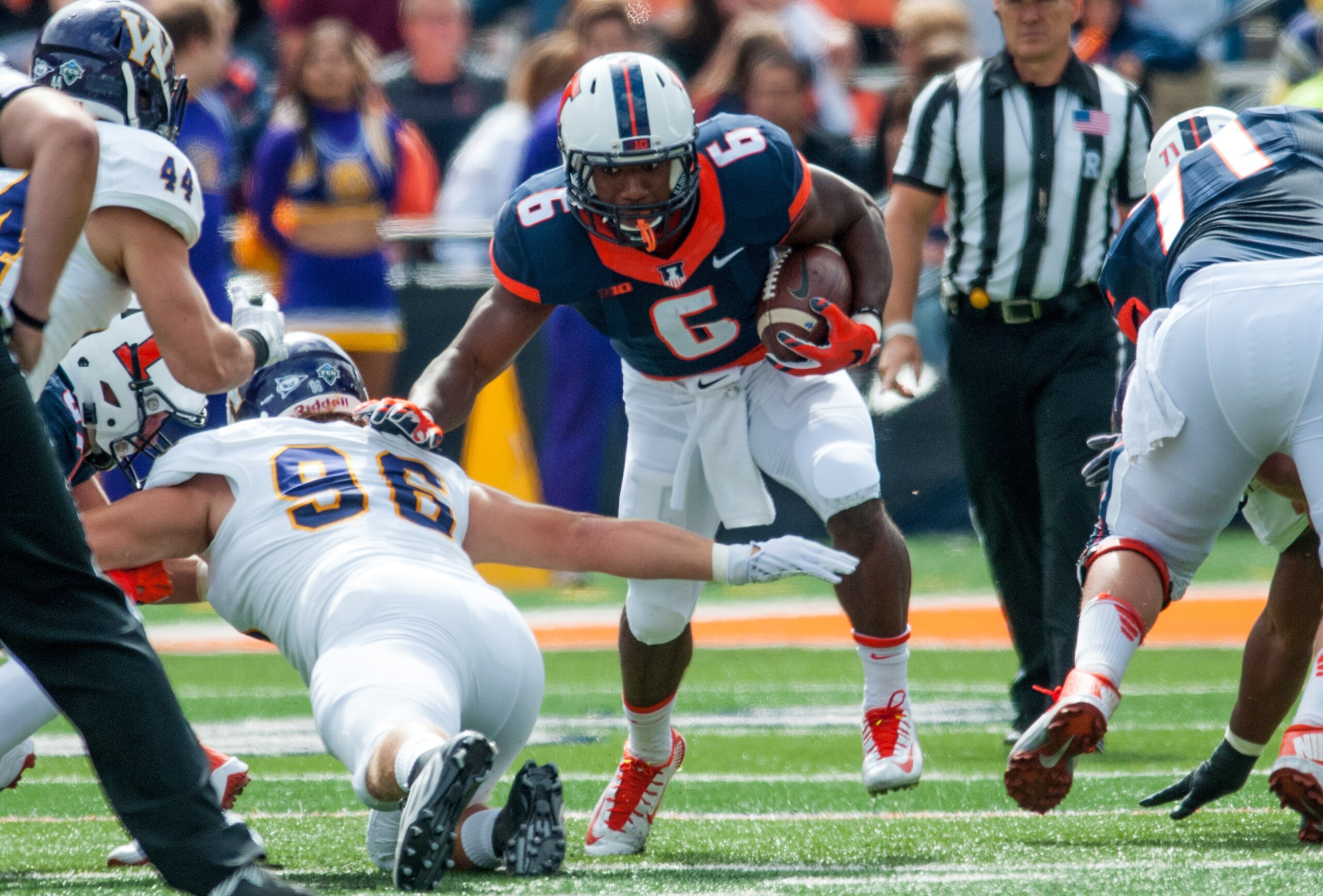
Considering it fired its head coach one week prior to the start of the season, it's tough to be anything but impressed with Illinois' 2-0 start to the season.
Statistically, the Fighting Illini have been steady, although much of that could be considered because of the opponents they've played—Kent State and Western Illinois. But you can only face who's put in front of you, and Illinois has taken care of business with a pair of dominant wins, which have come by way of a combined score of 96-3.
If there's anything to keep an eye with the Fighting Illini despite their strong start, it'd be the inconsistencies that they've already shown on the ground. With an average of 140.5 yards per game in its first two outings, Illinois' rushing attack currently ranks 91st in the nation.
As long as Wes Lunt (478 yards, five touchdowns, one interception) continues on his current pace, the Fighting Illini should be just fine. But a ground game to rely on would certainly be comforting, especially by the time the Big Ten schedule rolls around.
Maryland: Defense
9 of 14
One of the Big Ten's most disappointing teams through the first two weeks of the the season, Maryland is coming off a 48-27 home loss to MAC opponent Bowling Green, which saw many of the Terrapins' biggest flaws exposed.
And most of those issues came on the defensive side of the ball, where Maryland currently ranks 113th in the nation, having surrendered an average of 482.5 yards per game through the first two weeks of the season.
That's not going to bode well for the Terrapins' chances in a competitive Big Ten East, nor will giving up 34.5 points per game. If Maryland struggles on defense with a team like the Falcons, just imagine what it will do when faced with the likes of Ohio State and Michigan State later in the season.
With a 1-1 start to the season, there's still time for the Terrapins to recover, but at this point, they appear to be at least a year away from making any noise in the Big Ten. But any improvement made on defense would be a step in the right direction, as right now, this looks like one of the worst units in all of the conference.
Rutgers: Discipline
10 of 14
Given the preseason controversy that has Kyle Flood's job security in question and five players arrested, it'd be hard not to be happy with Rutgers' 1-1 start to the season if you're a fan of the Scarlet Knights.
But overall, the Rutgers program remains a mess, the most recent blemish on the year coming in the form of the suspension to star receiver Leonte Carroo, who was charged with simple assault in a domestic violence incident, per NJ.com.
And while they obviously don't compare in terms of severity, the Scarlet Knights have been undisciplined on the field as well, tallying 20 penalties through their first two games, the 10th most in all of college football. Fewer penalties could have been the difference between a 1-1 and 2-0 start to the season, with Rutgers' lone loss coming by just three points in last weekend's loss to Washington State.
In the short term, fewer penalties on the field could lead to a more successful season for the Scarlet Knights in 2015. But there are clearly bigger discipline issues that exist within the Rutgers program, which could ultimately be too big to overcome in the long run.
Indiana: Getting After the Quarterback
11 of 14
Its opponents—Southern Illinois and FIU—may not have been the toughest, but Indiana has taken care of business en route to a 2-0 start to the season. The Hoosiers have looked strong on offense behind the play of quarterback Nate Sudfeld, and running back Jordan Howard (304 yards and three touchdowns) has been one of the Big Ten's breakout players through the first two weeks of the season.
Defensively, however, the Hoosiers have had their struggles, ranking 119th in the nation after having surrendered 532.5 yards per game. That obviously won't be a sustainable strategy for Kevin Wilson's squad come Big Ten play, where teams will be more capable of keeping up with Indiana's fast-paced offense.
One area in particular where the Hoosiers stand to gain ground on defense is getting after opposing quarterbacks, as Indiana has recorded just three combined sacks in its first two games. Against the rest of their conference, which features some of the country's top signal-callers, the Hoosiers will need to do a better job of getting quarterbacks on their backs in order to keep their defense out of compromising positions.
Northwestern: The Passing Game
12 of 14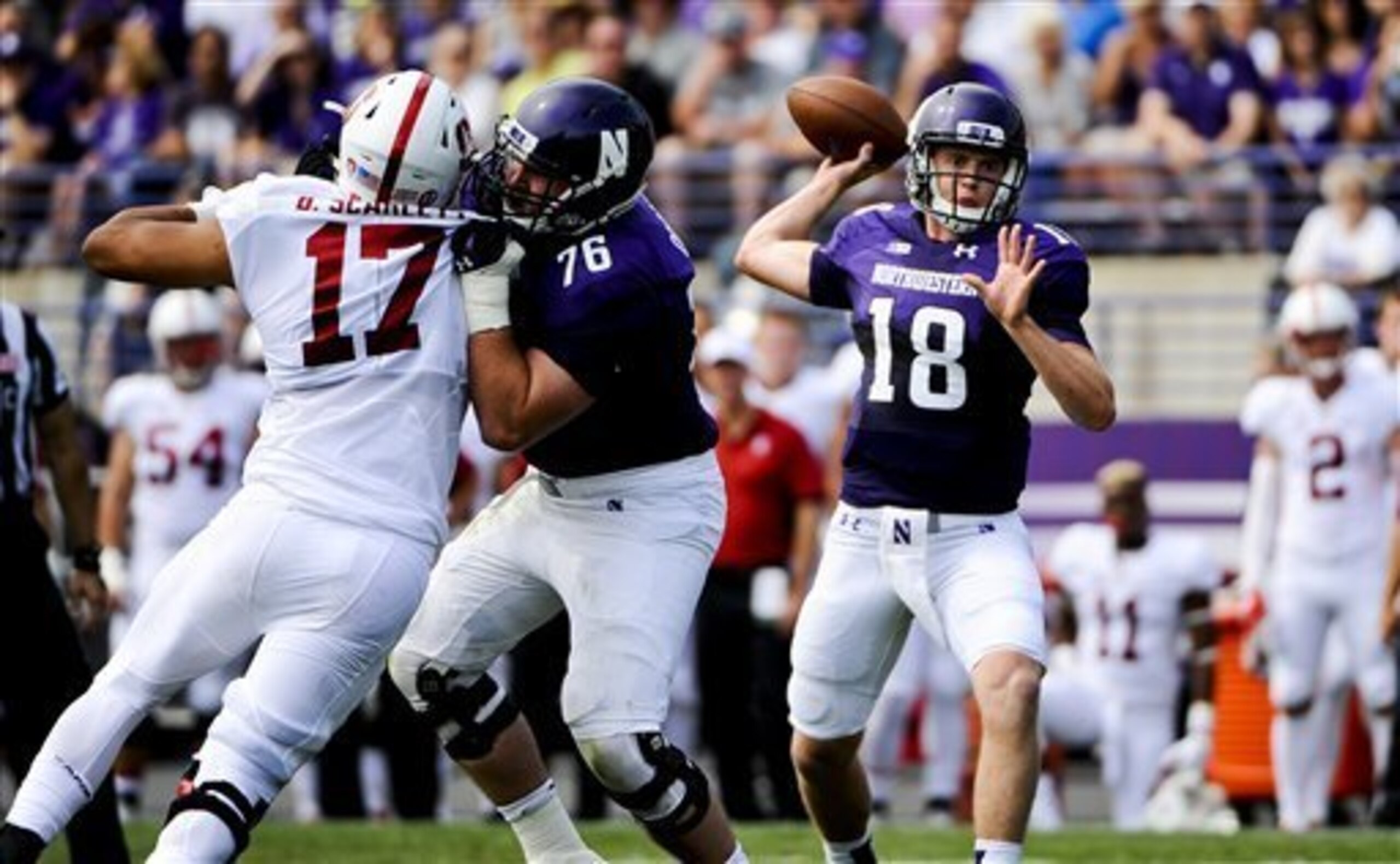
The Big Ten's surprise team through the first two weeks of the season, Northwestern finds itself ranked 23rd in the nation following wins over Stanford and Eastern Illinois to start the year.
The Wildcats have been sound on offense and particularly impressive on defense, ranking third in the nation in total defense after having surrendered an average of 189 yards per game.
If there's an area, however, where Northwestern needs to see improvement moving forward, it'd be in the passing game, where the Wildcats rank 115th in the nation having averaged just 128.5 yards per game through the season's first two weeks. They'll need to improve dramatically in order to stay at their current pace in Big Ten play, where they won't be able to be as one-dimensional as they have been with their impressive running game, which ranks 12th in the nation with 284.5 yards per game.
But through the first two weeks of the season, so far, so good.
Minnesota: Stopping the Run
13 of 14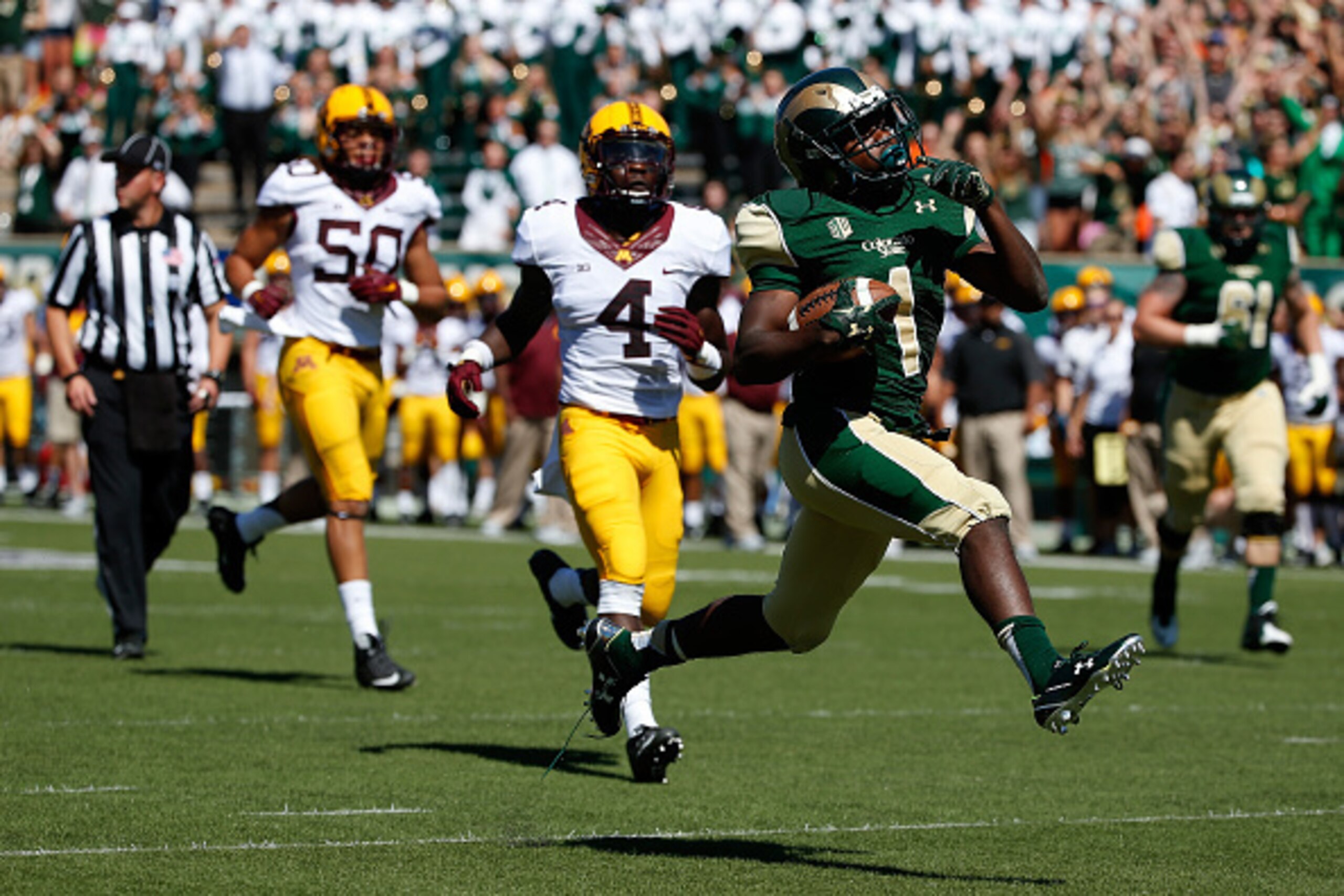
A play or two away from a 2-0 start to the season that would've included a season-opening upset over the nation's preseason No. 2 team, TCU, Minnesota has gotten off to a strong start to its 2015 campaign. Quarterback Mitch Leidner has thrown for 430 yards and three touchdowns, while running back Rodney Smith (196 yards) has looked like a suitable replacement to David Cobb in the backfield.
The Golden Gophers defense, however, has had major question marks arise, particularly when it's come to stopping the run. Minnesota's rushing defense currently ranks 89th in the nation, having surrendered 187.5 yards per game.
That's a trend the Golden Gophers are going to need to improve on, especially by the time Big Ten season rolls around. Right now, Minnesota's offense looks the part of contender in the Big Ten West, but the defense hasn't caught up.
Purdue: Taking Care of the Ball
14 of 14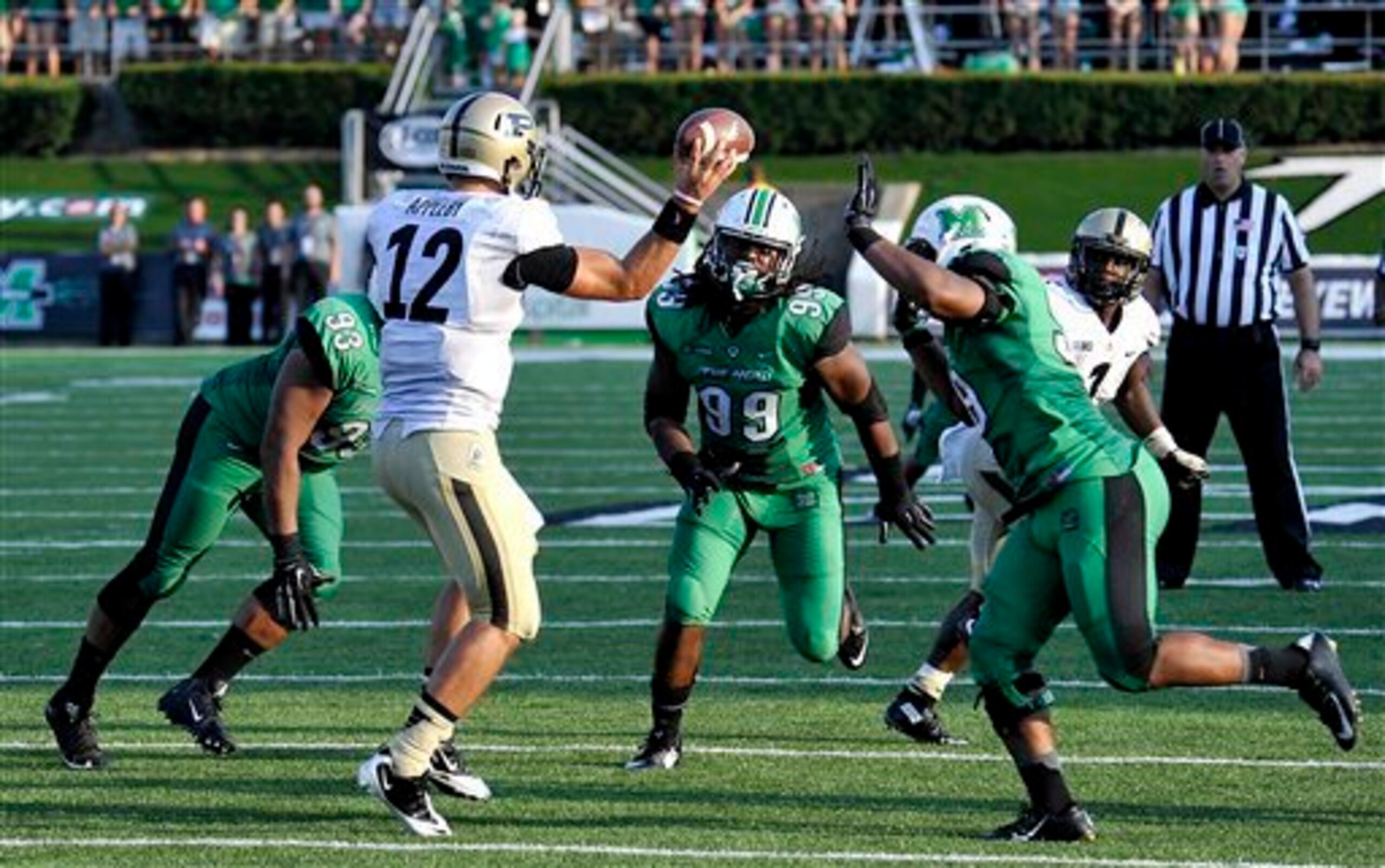
Having gotten off to a 1-1 start to the season with a loss to Marshall and a win over Indiana State, Purdue has actually looked more impressive than many expected it to through the first two weeks of the 2015 season. Quarterback Austin Appleby has thrown for 559 yards, while running backs D.J. Knox and Markell Jones have provided a two-headed threat out of the backfield for Darrell Hazell's team
But one alarming trend has made itself apparent for the Boilermakers through the first two weeks of the year, as Purdue has shown a propensity for turning over the ball.
With two games in the books, the Boilermakers have committed six turnovers, including four interceptions and two lost fumbles. That's the eighth-most lost turnovers of any team in the country, a problem that could present major issues come Big Ten play.
For now, Purdue will focus on the spark that it's found from Appleby and the rest of the offense as the Boilermakers aim to prove the doubters wrong. But in order to keep that spark alive, they'll need to start doing a better job of taking care of the ball.
Ben Axelrod is Bleacher Report's Big Ten lead writer. You can follow him on Twitter @BenAxelrod. Unless noted otherwise, all quotes were obtained firsthand. All statistics courtesy of cfbstats.com. Recruiting rankings courtesy of 247Sports.
.jpg?w=2560)
.png?w=2560)


.jpg?w=2560 "Raiders Could Start Mendoza")
.jpg?w=2560 "Rodgers Iced Out on Plane 💎")


.jpg?w=2560 "Blockbuster Trade Idea To Shake Up the Eastern Conference 🎇")