

Why SEC Football Will Return to Glory in 2015
With big nonconference season openers and enough preseason hype to fill not just the 11 states within the footprint but all 50 in the United States of America, the SEC again enters the season as the top conference in college football.
This year, though, is a little different.
Instead of plowing through the season full steam ahead, the SEC is looking over its shoulder with the Pac-12, Big Ten and others close on its heels.
.jpg?w=2560 "AP Poll Top Five Week 9")
.jpg?w=2560)
After winning seven straight national titles from the 2006-12 seasons, the SEC has now gone two seasons without a major bowl win (BCS/"New Year's Six") and is perilously close to losing its foothold atop the college football world.
Will the SEC reverse the recent trend and not only reassert itself as the best conference top-to-bottom in college football but also distance itself from the competition?
Yes, and here's why:
Reality Check
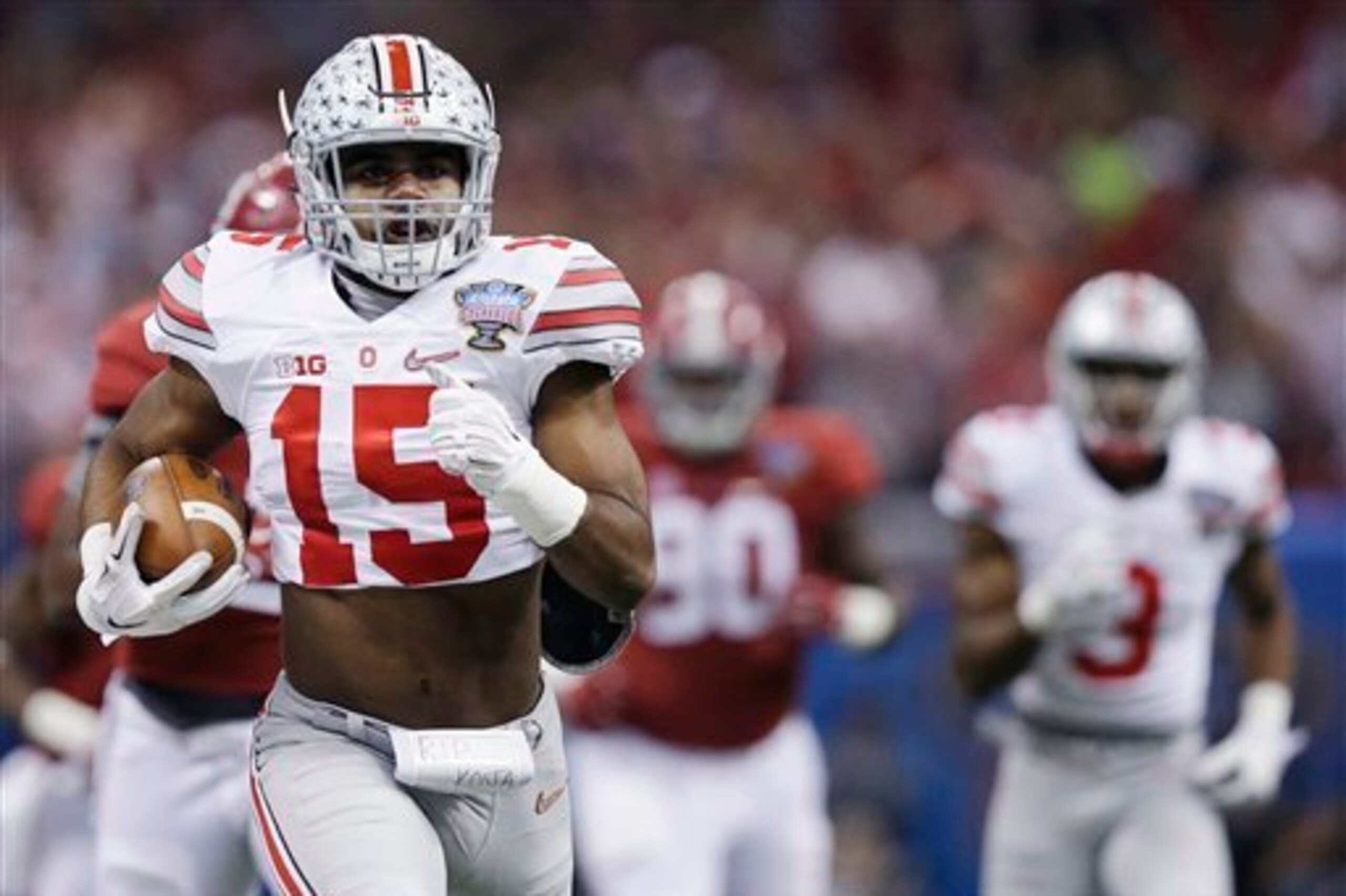
It's safe to say that, after last year's rather lackluster 7-5 bowl record that included heavyweights Alabama, Auburn, Ole Miss and Mississippi State all losing in the postseason, the shine has worn off the SEC.
That reality check, though, brought major changes to several high-profile programs that are designed to specifically fix problems that have lingered far too long.
Alabama head coach Nick Saban and defensive coordinator Kirby Smart were more hands-on with the secondary than any other position group on the field. But after giving up 133 passing plays of 10 or more yards last season—the worst mark in the conference—Saban brought in Mel Tucker as his new defensive backs coach to provide a fresh set of eyes to the defense's biggest sore spot.
"He does a really good job as a teacher with the kids," Smart said earlier this month, according to Matt Zenitz of AL.com. "He's helped me tremendously from the perspective of, what are new ways to create turnovers? How did we do it everywhere I've been? You get somebody with that much experience, with the people he's coached under and with, it's very efficient for us as a defense."
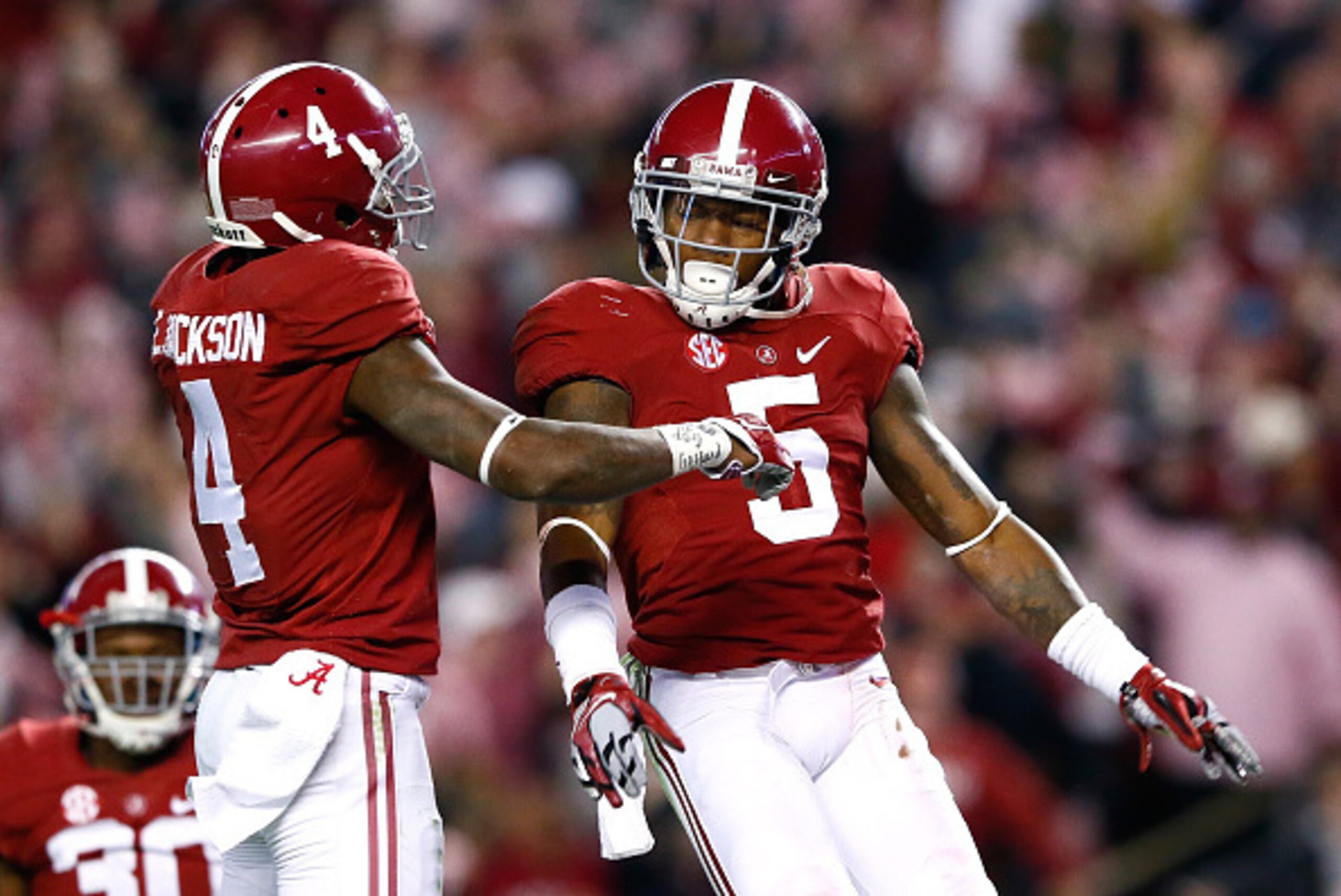
He has plenty of talent to work with thanks to a healthy Cyrus Jones (who improved tremendously week-to-week last year with a hurt hip), veteran pieces who have plenty of football under their belts, talented youngsters Marlon Humphrey and Tony Brown and true freshmen Minkah Fitzpatrick and Kendall Sheffield.
Down on the Plains, Auburn brought in new defensive coordinator Will Muschamp with one goal in mind—just make the Auburn defense decent. The last time the Tigers finished in the top half of the SEC in total defense was in 2007—Muschamp's last season of his first stint as their defensive coordinator.
That's crazy considering Auburn used to be known for a stifling defense while former head coach Tommy Tuberville was roaming the sideline.
There's plenty of talent on the roster, including two veteran linebackers, stud defensive linemen Carl Lawson and Montravius Adams and a secondary led by corner Jonathan Jones that tied for the SEC lead with 22 picks last year.
"[Muschamp] just has that presence around him that he gives all the coaches confidence," head coach Gus Malzahn said at SEC media days. "He gives his players confidence. And he's got the 'it' factor. So we're very blessed to combine his defense with an offense that we've been running."
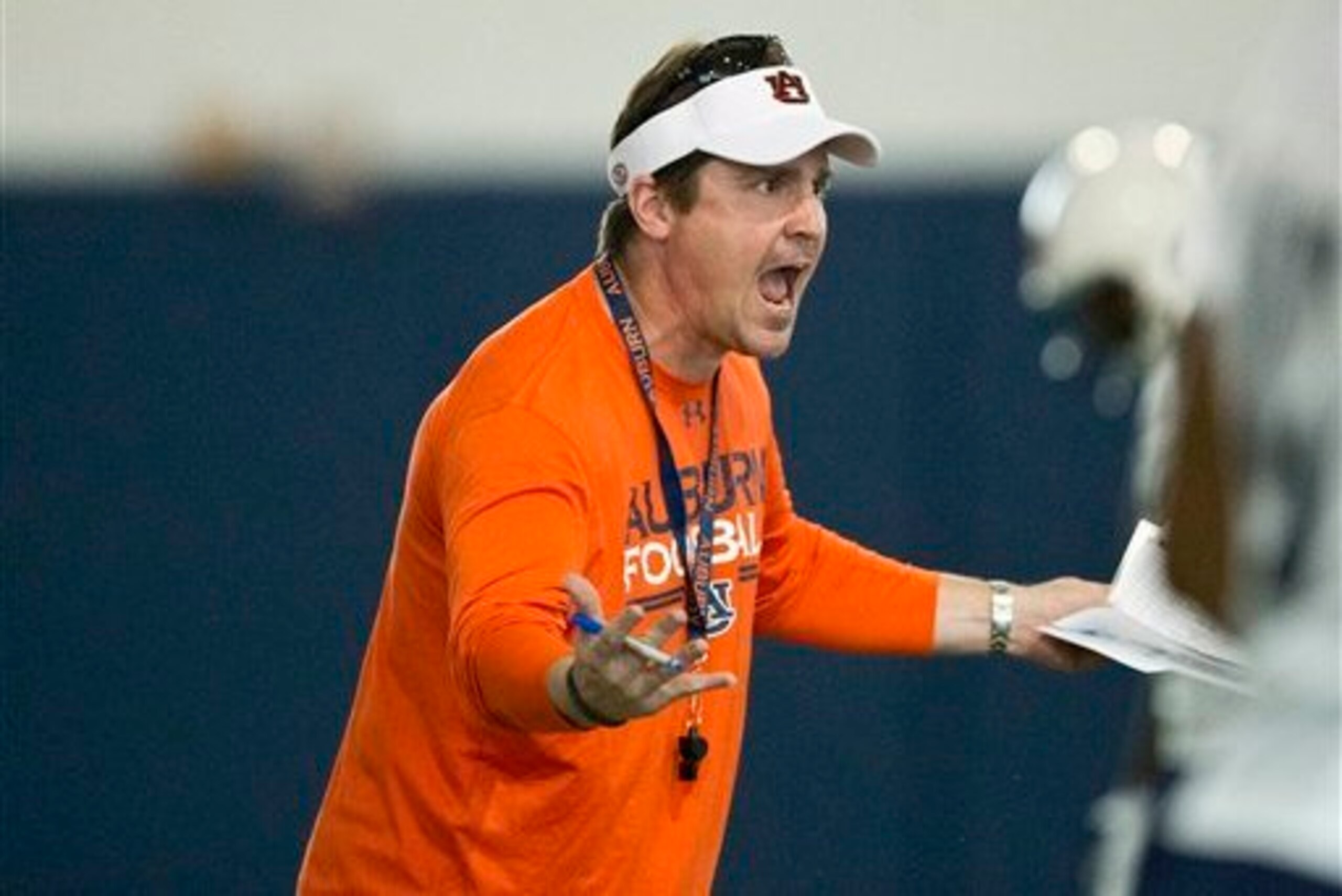
It's not too much to ask for Muschamp's presence to create a little consistency on the defense, and a little consistency will go a long way for a program that won a national title and played for another with defenses that were far from average.
Texas A&M followed the same path by luring defensive coordinator John Chavis away from LSU to fix a unit that has been a laughingstock since the Aggies joined the SEC in 2012. Florida hired offensive guru Jim McElwain to spark some life into a Gators offense that has been wretched since Tim Tebow was quarterback. Georgia and Ole Miss welcomed transfer quarterbacks to provide depth and options in key spots on the roster.
The SEC got complacent, plain and simple.
While most of the lingering issues on teams were obvious, the talent level and week-in, week-out grind of the conference schedule created a sense of superiority within the conference that was wiped clean by the last two bowl seasons.
The complacency is gone—it's time to get to work, and that should vault several SEC teams back into the College Football Playoff discussion in 2015.
Quarterback Talent in Perfect Spots

The presence of a returning starting quarterback is, by far, the most overrated talking point of every offseason. Over the last six years, five first-year starters have won national titles and eight of the last 12 starters in the national championship game were in their first year as the top man on the depth chart.
Fans from around the country might not be intimately familiar with some of the names taking snaps, but that will change by the time the leaves change color this fall.
Texas A&M sophomore Kyle Allen will lead the potent Aggies offense all year after taking over in November for an ineffective Kenny Hill. On Rocky Top, dual-threat Joshua Dobbs will enter his first full season as a starter after serving as an injury fill-in each of the last two seasons for Tennessee. At Auburn, backup Jeremy Johnson will take over a loaded offense that is designed to put up video game numbers. In Oxford, whoever wins the starting job—likely junior college transfer Chad Kelly—has a wide receiving corps that mirrors some NBA rosters and a scheme that's ready-made for instant success.

If you're thinking that the SEC will suffer specifically because of its signal-callers in 2015, you will be sorely disappointed. While Mississippi State's Dak Prescott is the only real star of the group, that is only temporary.
Provided everybody stays healthy, the conference will be known as a quarterback-driven league by the end of the year. The combination of talent and exotic schemes that dominate the SEC will make this a banner year for quarterback play—despite that not looking like it's the case on paper in August.
As Edward Aschoff of ESPN.com notes, those offenses will help mitigate any issues that arise from inexperience:
Quarterback problems? That'll be strictly an offseason narrative once toe meets leather.
Safety Net
Look around at some of the teams that do have quarterback uncertainty heading into the 2015 season—Alabama, LSU, Georgia, Auburn. What recurring theme do you see?
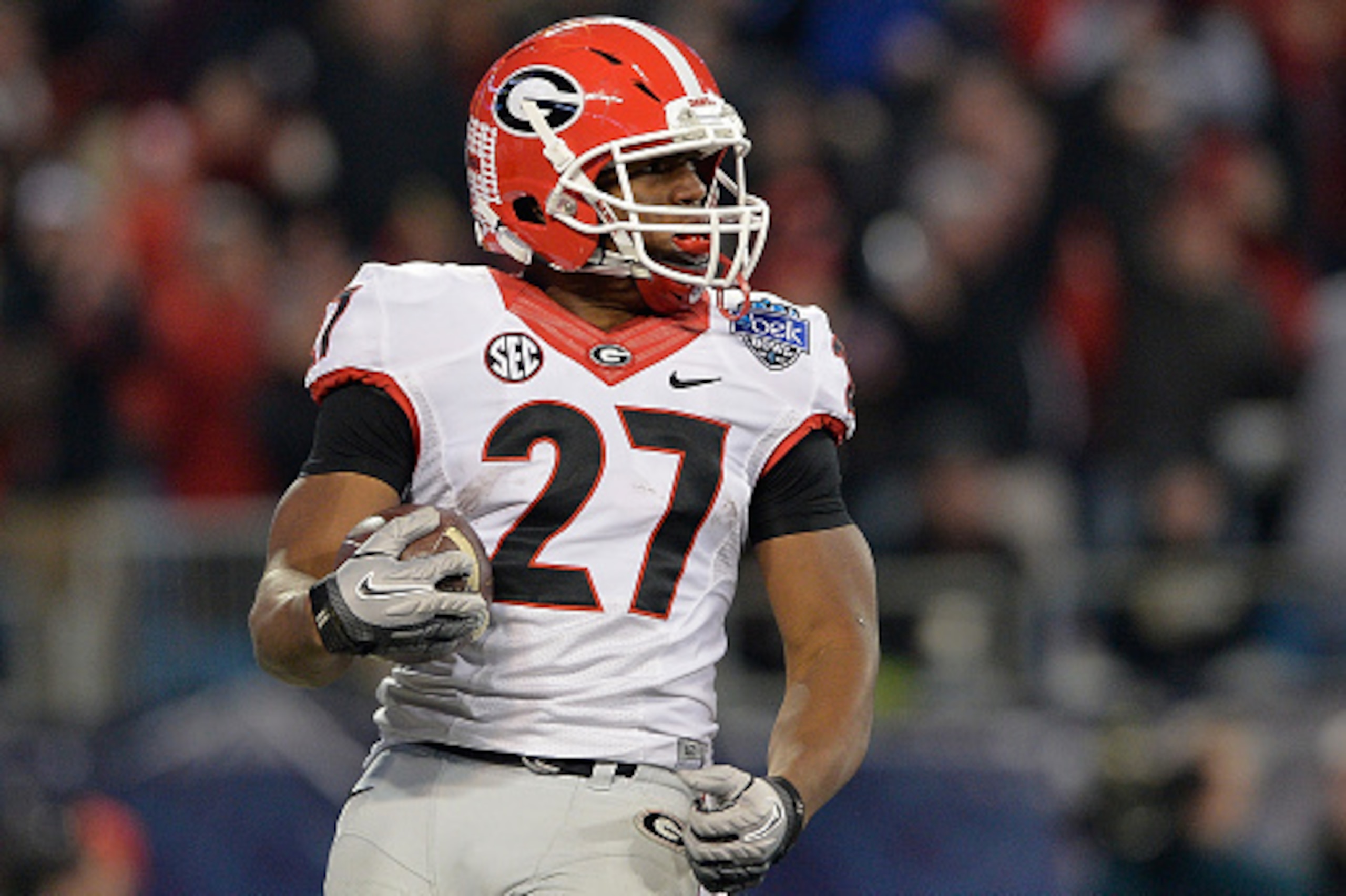
A traditionally dominant running game and/or an established superstar at running back.
Whether it's the traditional ground-and-pound approach for Alabama and new starter (and last year's leading rusher) Derrick Henry, the Heisman hype of LSU's Leonard Fournette and Georgia's Nick Chubb or an Auburn system in which head coach Gus Malzahn has produced 12 1,000-yard rushers in nine seasons as a college head or assistant coach; the SEC's heavyweights can pound the rock.
"We'll get into the spread to some degree, but we still want to have a physical running game to complement a play-action passing game and complement our ability to spread and do those kinds of things," Georgia head coach Mark Richt said at SEC media days in July.
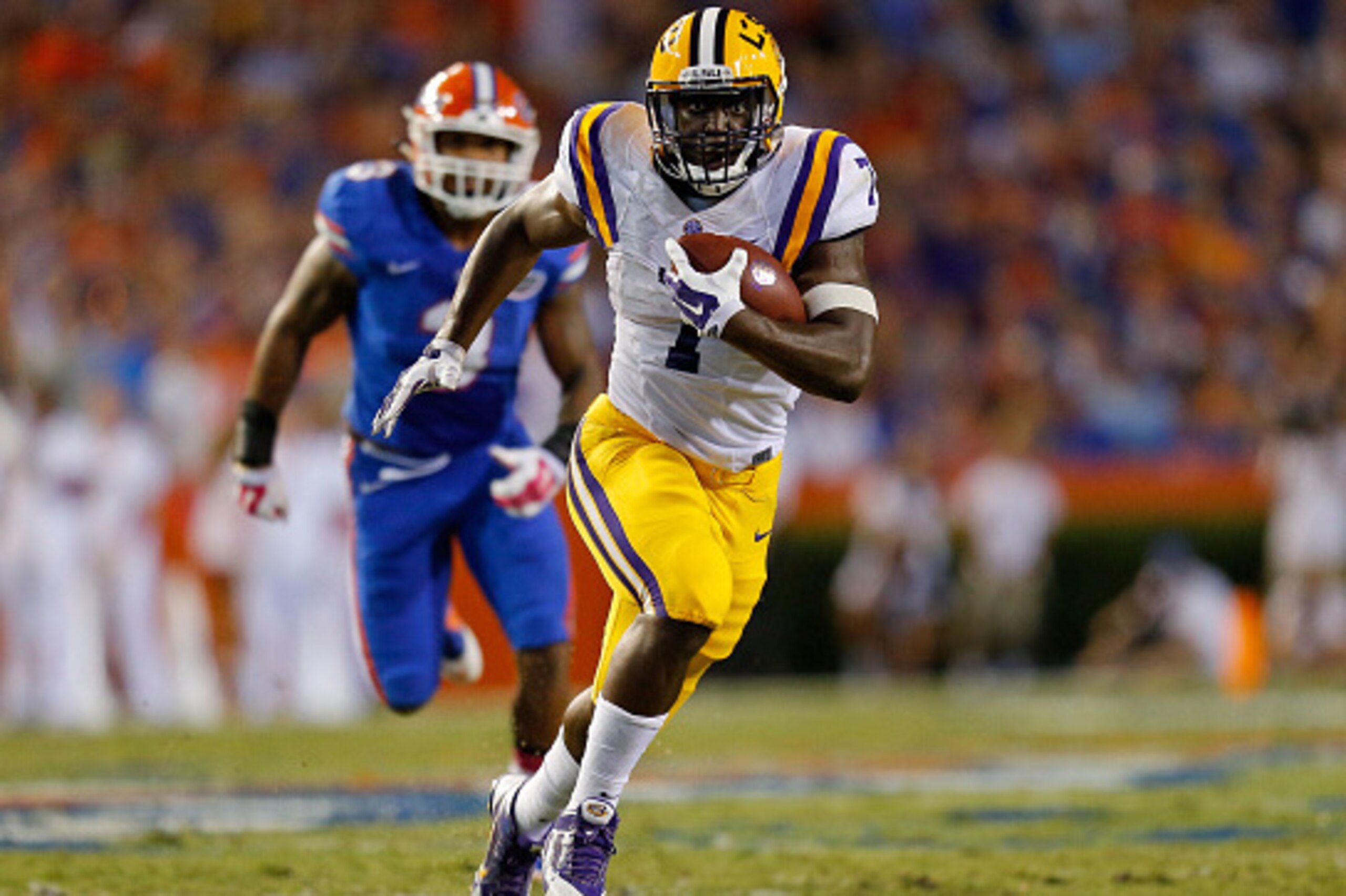
As the old cliche goes, what's the best way to win consistently in college football? Run the ball and stop the run.
The teams with quarterback battles will be able to establish the ground game, which will give the new starters plenty of wiggle room to find big passing lanes, work off play action and alleviate some of the pressure that's associated with starting under center in the SEC.
The demise of the SEC is greatly exaggerated. While the aura of invincibility is gone and the future doesn't look as bright as it once did, that's only temporary.
The 2015 season will be the light at the end of the tunnel.
Quotes were obtained firsthand unless otherwise noted. Recruiting information courtesy of 247Sports. Statistics courtesy of cfbstats.com.
Barrett Sallee is the lead SEC college football writer and national college football video analyst for Bleacher Report as well as a host on Bleacher Report Radio on Sirius 93 XM 208. Follow Barrett on Twitter @BarrettSallee.


.jpg?w=2560 "Mahomes Told Teammate to Leave Meeting")



.jpg?w=2560 "Updates from EVERY NFL Game 🏈")
.jpg?w=2560 "Baker Gets Glove From Rays 🧤")