

From Past to Present: The Legends Who Influenced Today's NBA
Whether it's from Michael Jordan to Kobe Bryant, Larry Bird/Magic Johnson to LeBron James, or Kevin Garnett to Anthony Davis, the torch is always changing hands.
The NBA is a constantly evolving beast, with new generations coming into the Association and looking to build upon the efforts of those who suited up before them. The current studs didn't live in a vacuum as they developed their skills; they watched the best of the best from the previous generations.
Heading into the 2015-16 campaign, small-ball lineups are gaining even more prominence. The last NBA Finals featured the Cleveland Cavaliers and Golden State Warriors essentially benching Timofey Mozgov and Andrew Bogut, respectively, so they could put smaller, more effective combinations of players onto the floor.
TOP NEWS

LeBron's Special Helicopter Deal

MJ Makes Record-Setting Donation 🙌
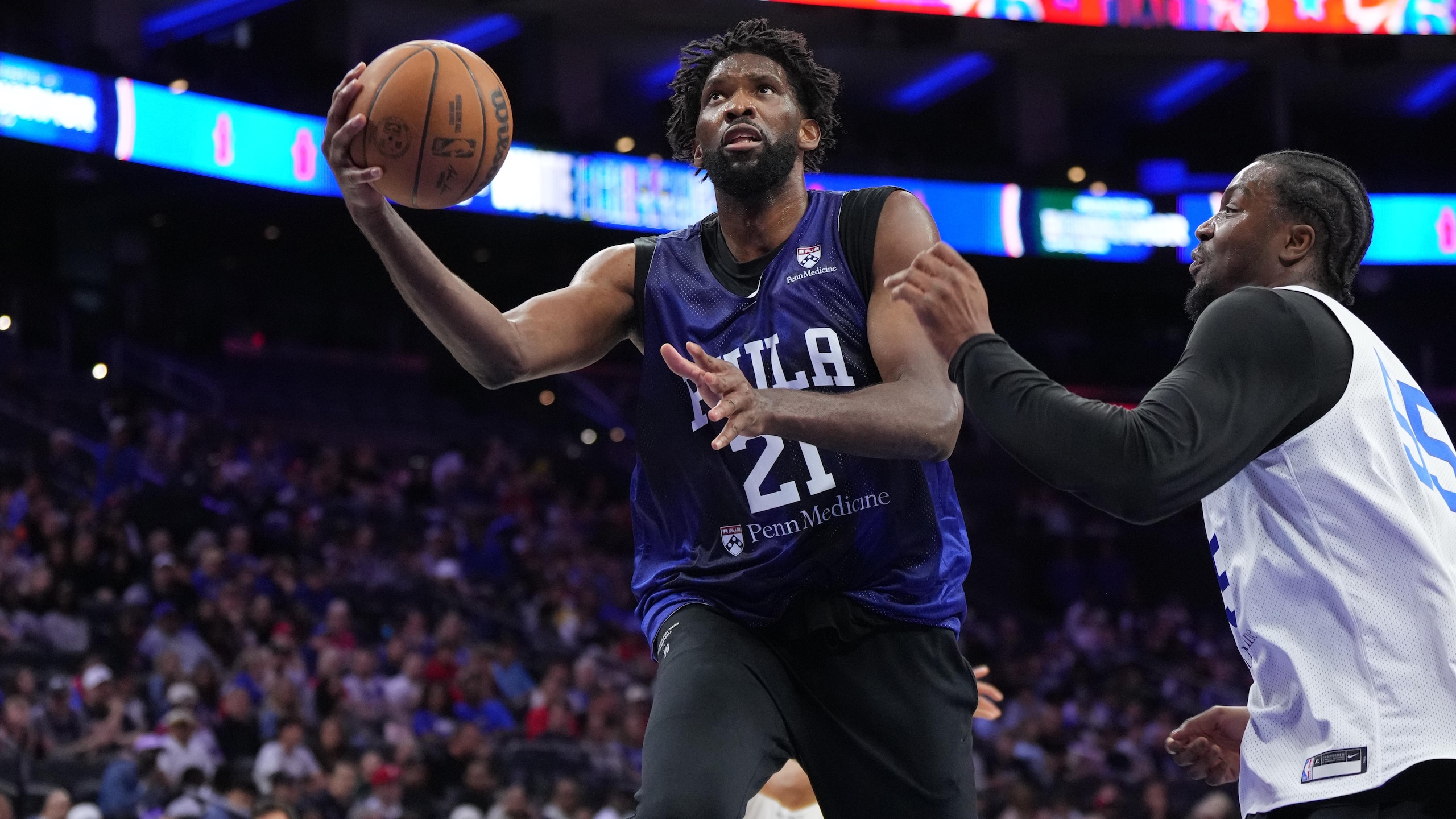
Report: Embiid Down to Rookie Weight
Point guards are continuing to veer away from the traditional antiquated, limited definition of the position, while floor-stretching bigs take the league by storm, thanks to their ability to contribute in so many different ways. Changes litter the NBA's landscape, but they're still rooted in the unyielding evolution of the sport.
None of them would be possible without the standouts of yesteryear.
"If I have seen further, it is by standing upon the shoulders of giants," Sir Isaac Newton once posited, and it's a statement that can apply to so many different fields.
In the case of the NBA, the last word of Newton's statement is literally true. Those who currently grace the court developed under the influence of the legendary 6- and 7-footers of the past, and the league is better off for it.
A Lineage at Shooting Guard
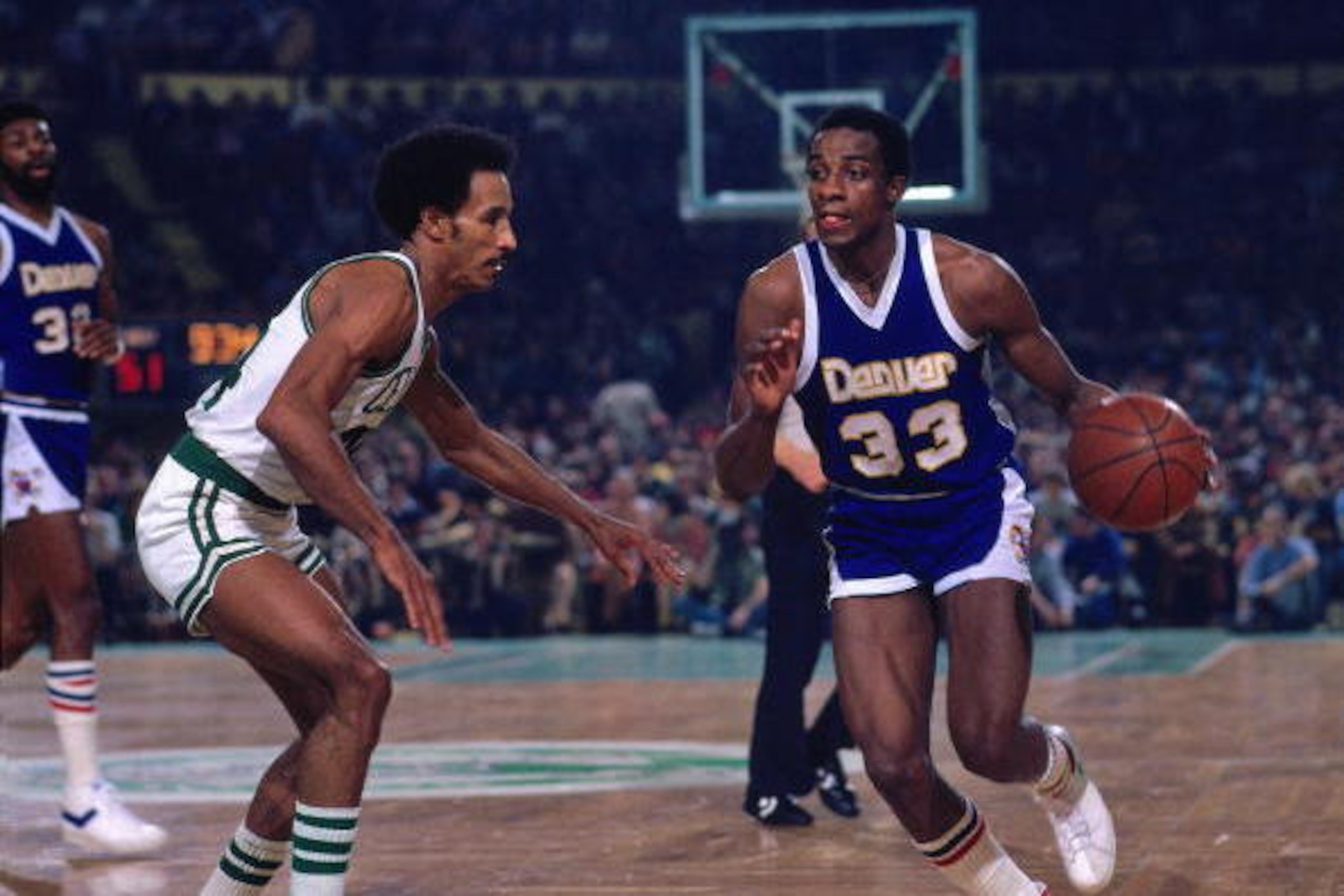
Though it's possible to trace the growth of each position in a traditional lineup, shooting guard reigns supreme as the one with the most obvious development. And we'll begin with an incoming backcourt player for the Los Angeles Lakers, one whom the team only recently drafted out of Ohio State.
As transcribed by TheScore.com's Chris Walder, D'Angelo Russell once looked to Bryant, his new teammate, as the inspiration for his growth on the basketball court:
""He was my Michael Jordan," Russell said when asked how he viewed "The Black Mamba" as a youngster during an appearance on SiriusXM NBA Radio's "NBA Today."
"I didn't grow up watching Jordan. I didn't grow up watching Magic Johnson, Byron Scott, Larry Bird - I didn't get to watch those dudes. When I was growing up, it was Kobe, Allen Iverson, Tracy McGrady - those dudes. So to get the opportunity to play with him for his last years is the highlight of my life."
"
Russell has yet to step foot on an NBA court during action that counts, but his time with the Buckeyes made it abundantly clear that he's built his game as an amalgamation of those who came before him. His footwork has drawn inspiration from Bryant, his slitheriness from Manu Ginobili and his attacking mentality from players such as Allen Iverson.
That's only natural, considering Russell is a 19-year-old guard who was born just months before the Charlotte Hornets drafted Bryant and subsequently traded him to the Purple and Gold. Of course Russell grew up watching the studs of the early and mid-2000s; those players were producing highlights during his formative years.
And it's no different than Bryant before him.
There's not much digging necessary before you see whom the future Hall of Famer modeled his own game after.
The similarities throughout their respective careers have been rather eerie, as Bryant quite obviously worked to emulate the moves that made Jordan so successful. The difficult turnaround jumpers. The pivots out of the post, and so much more look identical at times. And that's saying nothing of the younger 2-guard's penchant for shrugging and sticking out his tongue at opportune moments.
"Michael Jordan is arguably the greatest player of all time. Kobe Bryant, I joke on occasion, is the remix," Jalen Rose explained to Mark Medina of InsideSocial.com in December 2014. "If there was somebody going to be the next MJ, it has been Kobe. That’s what makes him the second-greatest shooting guard of all time.”
But was Jordan the true original at shooting guard? Of course not.
Even though he'd emerge as the greatest player of all time, Jordan still had heroes growing up. He had players he watched obsessively, trying to expand upon the skills they brought to the proverbial table during their playing careers.
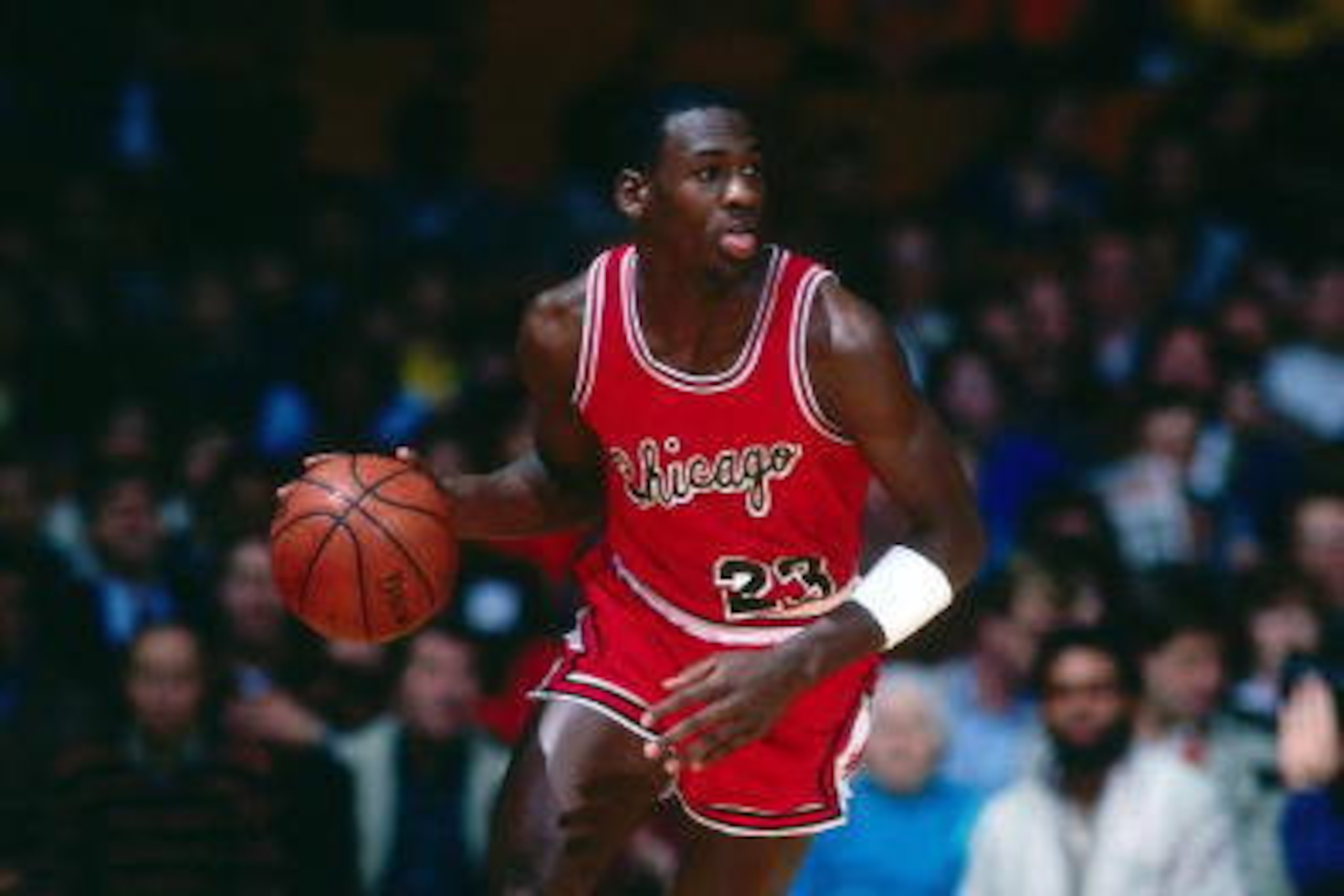
"I built my talents on the shoulders of someone else's talent," the presumptive G.O.A.T. penned in For the Love of the Game, as relayed by Yahoo Sports' Marc J. Spears. "I believe greatness is an evolutionary process that changes and evolves era to era. Without Julius Erving, David Thompson, Walter Davis and Elgin Baylor, there would never have been a Michael Jordan. I evolved from them."
And Bryant evolved from him, among others. And Russell evolved from Bryant, among others.
There's a distinct lineage leading to the modern-day shooting guard, and it's one that many legends have contributed to, knowingly or unknowingly.
The Modern Point Guard

Moving over one slot in the backcourt, the path isn't so blindingly clear. While 2-guards have always thrived through their knacks for scoring and high-flying acrobatics, the role of a floor general has changed in modern times.
During the NBA's formative years, point guards were the table-setters. They weren't often relied upon as scorers but instead as the players who could bring the ball up the floor and find their teammates for easy buckets. Bob Cousy served as the first true superstar at the position, but despite his dazzling dribbling and desires for flashy feeds, he doesn't truly serve as the strongest predecessor for the modern-day floor general.
After all, there's no longer any set role for the current players at the smallest position.
If they can score with athletic bursts to the hoop (see: Westbrook, Russell and Rose, Derrick), they typically have freedom to do exactly that. If they want to pull up from beyond the arc and set three-point records (see: Curry, Stephen and Lillard, Damian), that's perfectly fine, too. If they choose to contribute in well-rounded ways, thriving as both scorers and distributors (see: Paul, Chris), that's obviously going to work as well.
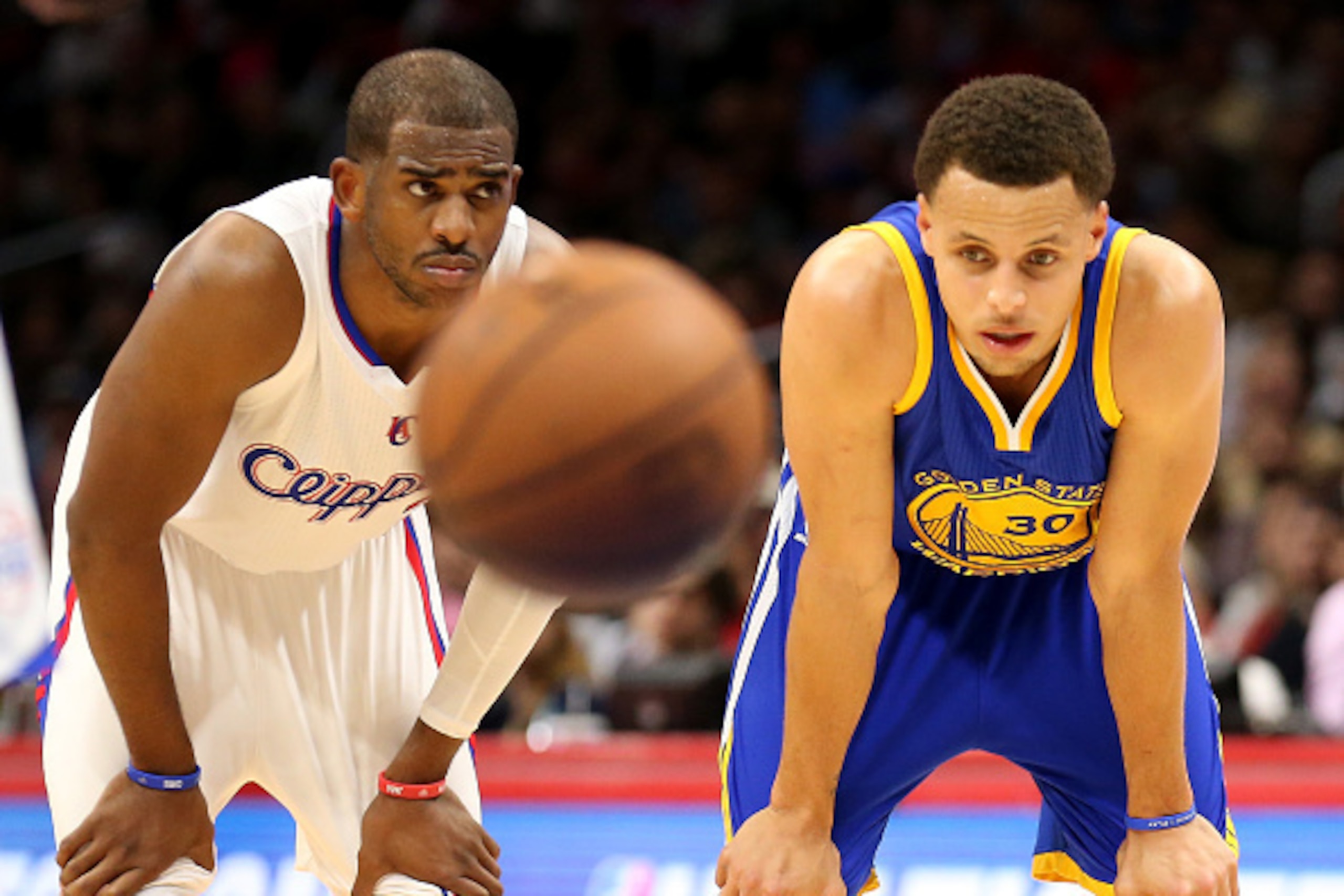
We're in the golden age of point guards now, with talent brimming over and manifesting itself in so many different ways. Nearly every legendary point guard of the past has contributed in some manner—there are too many quality point men with unique styles for that to be false.
And that's where we turn things over to Bleacher Report's Josh Martin, who wrote about this golden age back in 2013:
"But what makes this a Golden Age of point guards isn't just the fact that there are so many good ones, or that the rules of the game have shifted so far in favor of perimeter players. ... Rather, it's the sheer variety of playing styles among passers and ball-handlers that allows this group to both fill specific needs on a wide variety of teams and, as a group, go toe-to-toe with their counterparts from the days of Magic Johnson, Isiah Thomas and John Stockton in the annals of NBA history.
"
All of those counterparts were influential but none more so than Isiah Thomas.
Even though the Detroit Pistons standout wasn't the best of that bunch, it was his well-rounded play and ability to thrive in so many different roles that helped spark the influx of similar point guards in today's NBA. Everyone could take something from his game, and none has done that more effectively than Paul.
"I think there's only one Isiah Thomas," Jamal Crawford told Broderick Turner of the Los Angeles Times in March 2014. "But for this generation, I think Chris is the closet player that we'll see to him. I think his moxie, his toughness, his leadership, how he can control a game, those are all the things that Isiah used to do."

But even if Thomas is the standout in the realm of current influence, virtually every point guard represented in Springfield can boast some sort of impact on a modern-day standout.
Magic's passing vision can be seen when LeBron is playing point-forward for the Cleveland Cavaliers or when Ricky Rubio is healthy and racking up assists. John Wall's ability to maximize his teammates' opportunities when driving around a screen can be compared to John Stockton's pick-and-roll prowess. There's a little bit of Gary Payton's defensive chops showcased when Jrue Holiday lines up in on-ball situations.
The list can go on and on. As each current standout forges his own identity at the point, it's increasingly obvious how much influence the past holds.
Changing Landscape for Bigs
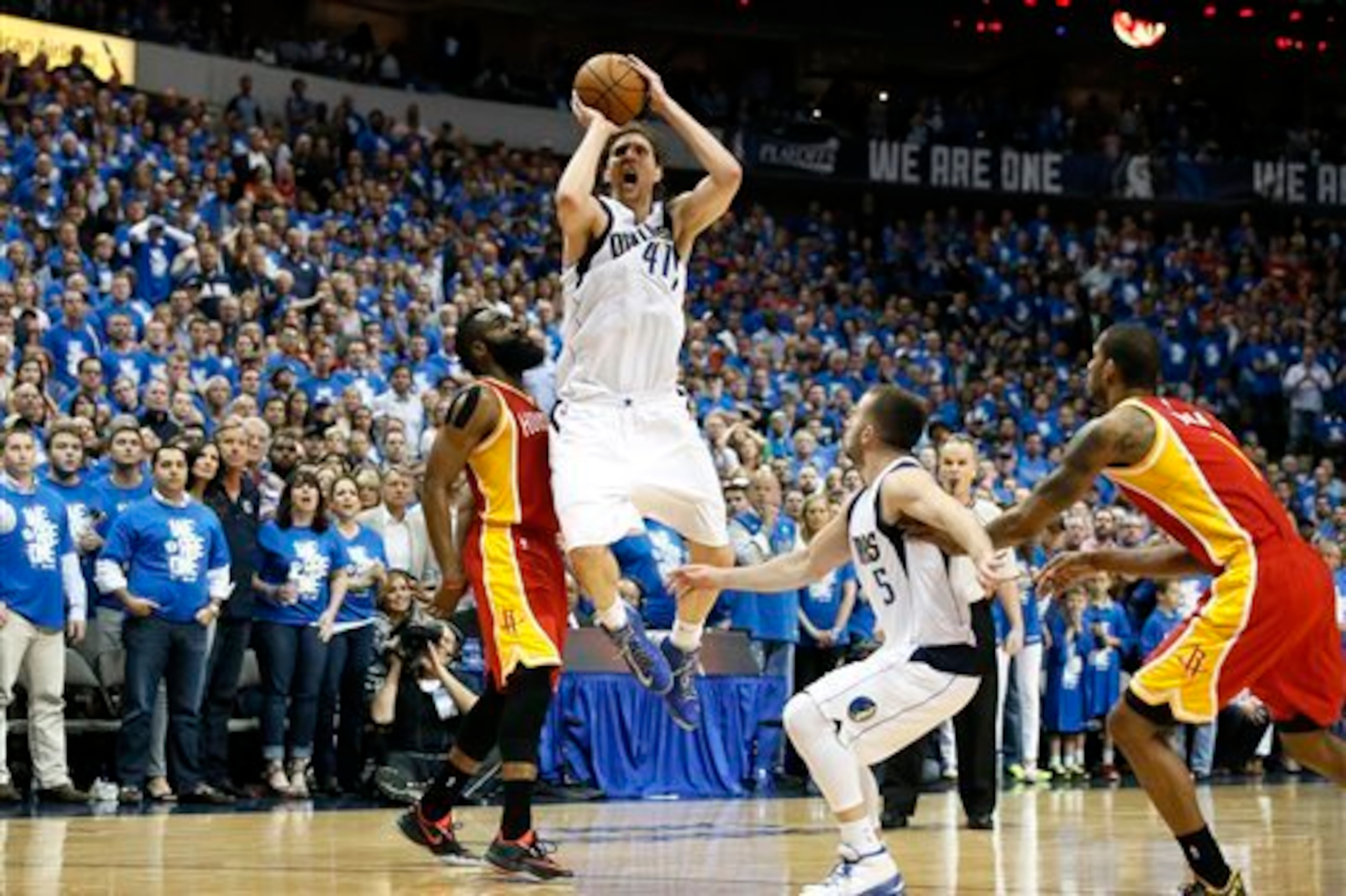
The traditional, back-to-the-basket big men of the past still impact the present day. You can see vintage Tim Duncan whenever Jahlil Okafor goes to work from the blocks, while Hakeem Olajuwon's fancy footwork was evident in Joel Embiid's developing game before injuries derailed the beginning—hopefully only the beginning—of his NBA career.
But while players of that ilk will always have a place in the league, the NBA is trending in a different direction.
"Growing up, coaches were telling me, 'Don't shoot the three-point shot' because it's too far," Matt Bullard, a longtime member of the Houston Rockets who became one of the first bigs to knock down shots from outside the arc with consistency, explained to Bleacher Report's Dan Favale. "Now, my son, who's 17, I've been teaching him to shoot three-point shots since he started playing. So even as a junior in high school, he now has NBA three-point range."
Now, the league is overrun with players who tower over others but can step out to the perimeter and knock down triples. They're the floor-spacers who make modern-day offenses work, and they don't have to look back far for inspiration.

Players such as Bill Laimbeer, Jack Sikma, Clifford Robinson and others became the first to fill this type of role, but it's only in recent years that the strategy has been taken to an extreme. Going forward, we'll see plenty of players attempt to imitate the game of Dirk Nowitzki—Ryan Anderson has at times, and Kristaps Porzingis has clearly studied his habits as he begins his career with the New York Knicks.
"He has Dirk's shooting ability and moves and [Andrei] Kirilenko's athleticism," an anonymous NBA general manager said about the Latvian forward heading into this year's draft, per ESPN Insider Chad Ford. "Think about it. What if Dirk had been a better athlete and defender? What if Kirilenko was four or five inches taller and could shoot it? That doesn't come along in the draft every year. I'm not sure it's ever come along in the draft."
This is the new model, and we're only going to keep seeing incoming players who remind the world of their floor-spacing predecessors.
Lumbering bigs who rely on power and athleticism around the basket will still exist, using legends such as Patrick Ewing and David Robinson as examples. But Nowitzki should eventually emerge as the godfather of the modern-day big, even if he's still playing out his twilight years for the Dallas Mavericks.
Lest we forget, all major influences were once current players.
Going Forward
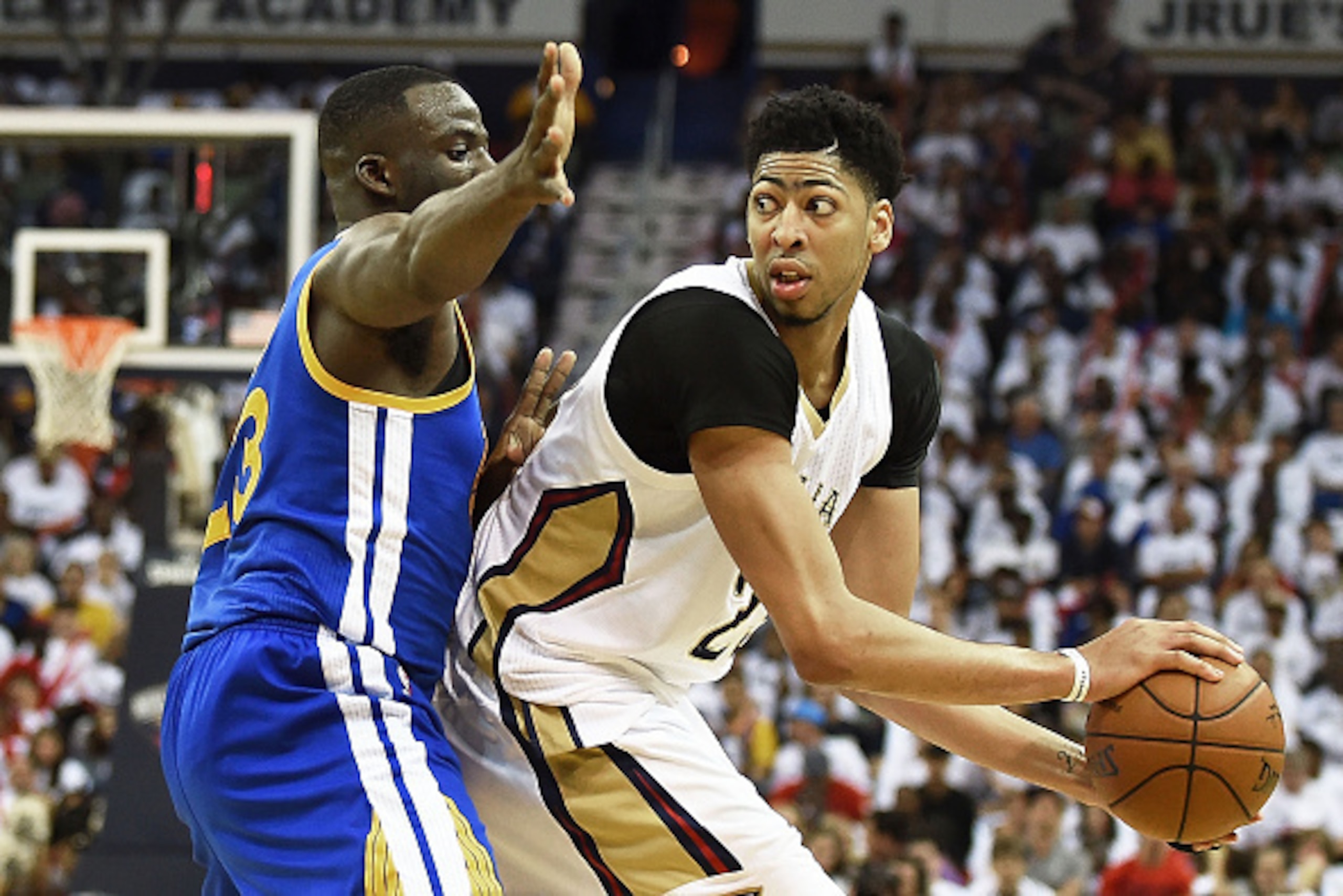
There will always be a place for watching tape of those who came earlier in the annals of this sport's history.
Future stars still navigating the AAU circuit will inevitably look back and watch tape of players who already have busts up in the Hall of Fame. Bird's ability to do everything on the court will be analyzed. So, too, will Pete Maravich's undying creativity, Charles Barkley's knack for rebounding and running a fast break, Bill Russell's defensive positioning and transition-starting blocks, Scottie Pippen's point-preventing ways, and so much more.
Every legend eventually lives on in the game of a newer version, even if it's tough to parse out the exact level of those contributions. You don't necessarily repeat the past or improve upon it, but everyone at least learns from it.
That's not going to stop anytime soon. It's been true throughout the history of this league, and newer players only have more shoulders to lean upon as they attempt to forge their own identities. Even Magic, one of the most unique stars in the history of the game, took lessons from those who came before him.
"He was devastating," Johnson explained in his autobiographical My Life after detailing his experience as a high-schooler watching and working with George Gervin. "But he also taught me a few tricks, including his specialities—the finger roll and the bank shot."
Now, given the influx of social media, the seemingly unlimited supply of footage on YouTube and the overall ability of technology to make the world seem like a smaller place, the process becomes even easier. The lessons don't have to be completed in person.
Decades from now, incoming rookies may well look back at Curry's quick shooting release, Anthony Davis' ability to control a game while playing within the flow of his team's offense, Kyrie Irving's devastating handles, James Harden's ability to draw fouls, and so much more. Then, they'll be the legends of the past who help influence the future.
It's a never-ending cycle, and everyone is involved.
Adam Fromal covers the NBA for Bleacher Report. Follow him on Twitter: @fromal09.

.jpg?w=2560 "Injury-stricken Seahawks signing veteran RB")

.jpg?w=2560 "Viral Rams Coach Vid 🖕")
.jpg?w=2560 "2 NFL Officials Suspended")

.jpg?w=2560 "Mahomes' Wife Trolls Kubiak 💀")