


At long last, we have a bubble.
A glorious bubble. A controversial, high-profile bubble.
A bubble of bluebloods and hopeful programs finding new, unfathomable ceilings. A bubble that, in the current 12-team format, will create a lot of angst and heartbroken, angry social media posts when the selection committee solidifies the College Football Playoff bracket on Sunday, December 7th.


It doesn't matter what they pick and how they justify it. Fan bases will be mad, and they'll have good reason to be mad. In a year with a handful of elite teams and an overflowing number of good ones, things are, well, messy.
At the same time, the College Football Playoff is struggling to decide its future. Shocking,
In fact, earlier this month, the playoff and ESPN announced it had delayed its decision to decide on the size and structure of the next postseason, with thoughts of a larger bracket, perhaps 16 teams, squarely in the crosshairs.
If there were ever a year for such a format, this would be the one. And if there were ever a time for more, this would be that time.
The teams on the bubble this year—Notre Dame, Alabama, Texas, Vanderbilt, BYU, Miami and others—would find their way into the bracket, each offering a compelling storyline along the way.
Are they elite? Probably not. But outside of a few teams, mainly Ohio State and Indiana, no one has been elite.
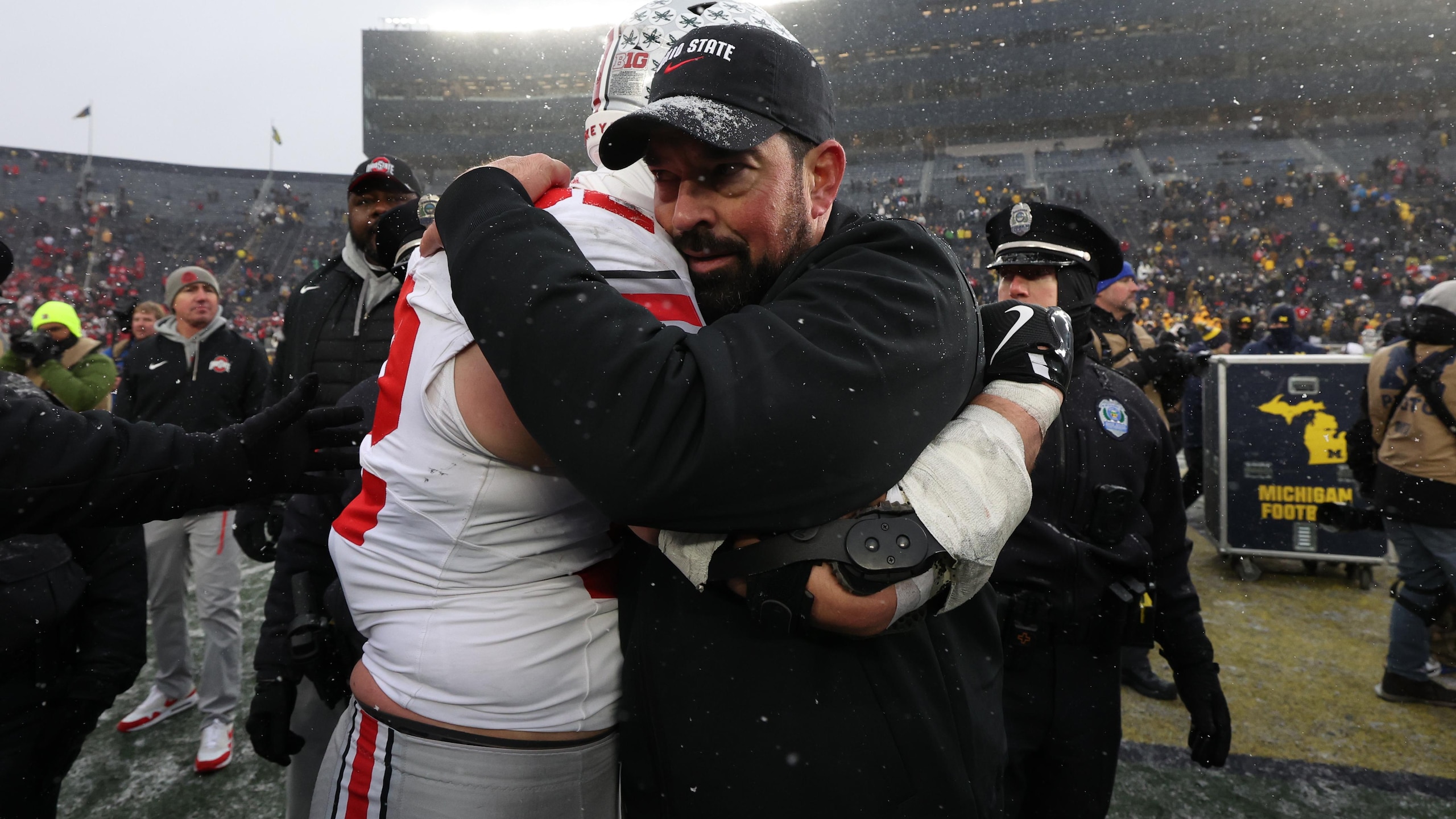
So, open the floodgates. Why not?
If only...
Notre Dame has a case and arguably the best running back in college football. Vanderbilt has its heart and soul at quarterback for one last ride, finding its way to the finish line.
BYU has done tremendous things with a freshman QB. Alabama endured a mighty scheduling gauntlet. And Miami and Texas have found new life after reviving their seasons these past few months.
No team is perfect, although this is a year that could largely be summarized, at least for most, with "good enough."
Following his team's victory over Texas A&M on Friday night, Steve Sarkisian didn't hold back. Sarkisian, of course, is campaigning for his team, so he's running out of time.
In doing so, however, he's also campaigning for more meaningful football games against unfamiliar opponents to start the season.
His team, having traveled to Ohio State to begin the season rather than play the typical Week 1 cupcake that other playoff contenders did, ultimately found a rhythm as the season went on.
Still, Texas finished the regular season with three losses. There were plenty of compelling wins, highlighted by the most recent. But in this era, the third loss typically marks the end.
"It'd be a disservice to our sport if this team's not a playoff team when we went and scheduled that non-conference game," Sarkisian said. "Because if we're a 10-2 team, it's not a question, but we were willing to go and play that game. So, is that what college football is about? Don't play anybody and just have a good record, or play the best and put the best teams in the playoff? We're one of the best teams."
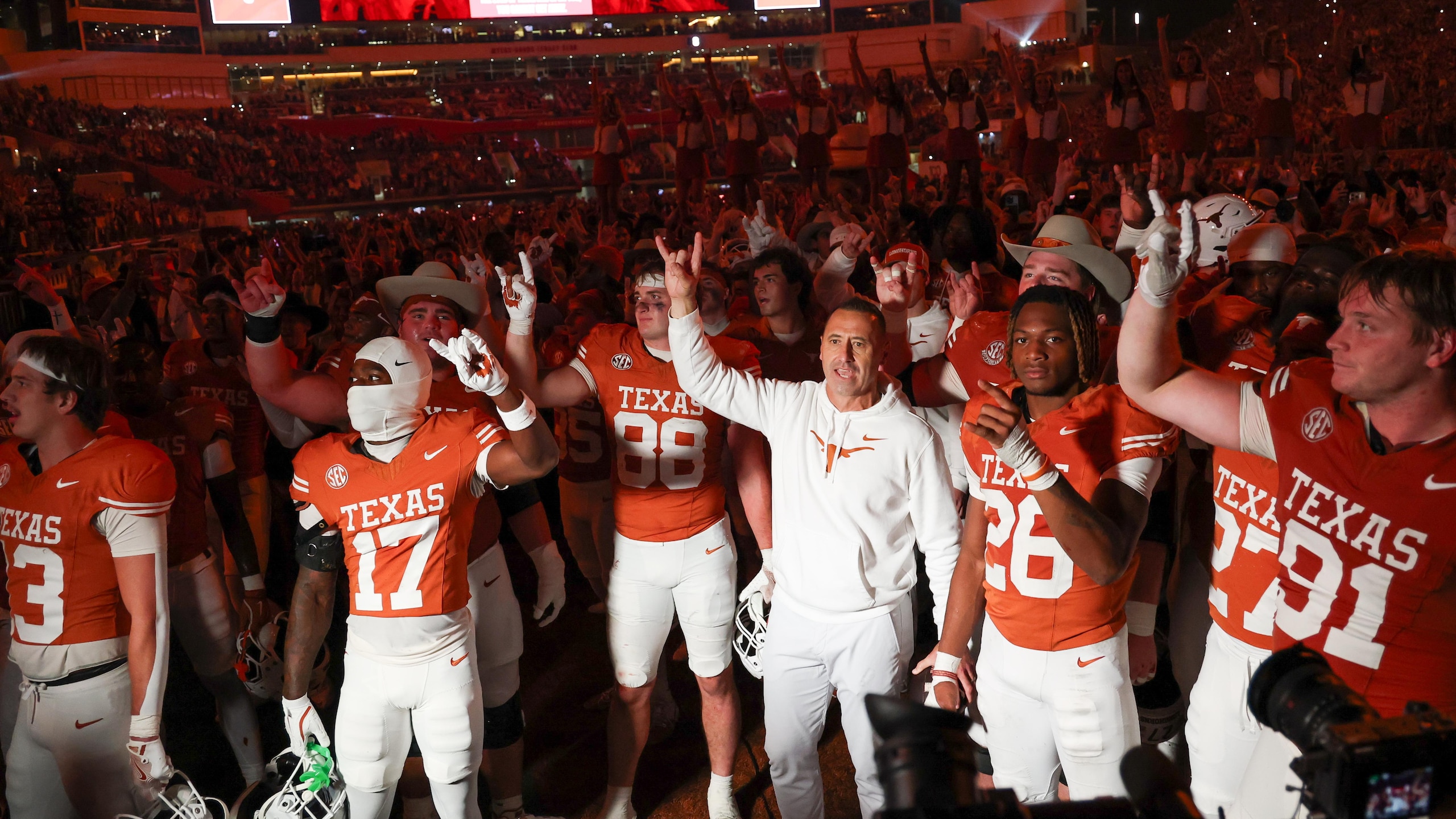
Sarkisian's intentions might be selfish, but he's right. And if nothing else, a larger playoff would, one could only hope, create more matchups we crave.
That's one reason to expand. The other is perhaps more direct and selfish.
In the era of NIL and the transfer portal, teams can be assembled, reassembled and put together in a matter of months. It might take some money and a coaching staff that knows how to spend said money, but it can be done.
This has leveled the playing field in some regard. There will still be elite rosters, and we have those this year. But the rest of the teams—the current bubble—will look a lot like the ones we see now moving forward.
The difference between the nation's No. 8 ranked team and the No. 15 ranked team will continue to shrink. And whether we're willing to embrace a larger format or not, we might as well learn to try because there is too much money at stake not to grow.

Too much access? Probably. But that notion feels long dead. The days of BCS are long gone, and the sport has never been more popular than it is right now.
For better or worse, the sport is becoming more like the NFL each season. Some will like the change, some will not. Everyone will watch when the games begin, because that's what we do.
In so many ways, the 2025 season is a microcosm of the state of the sport. And the current playoff bubble and the many discussions that will rage for the next week speaks to both the depth and imperfections of the many teams hoping to see their name penciled in.
A 16-team playoff isn't on the table, and we'll wait a little longer to see when it might be. Had it been this year, the bracket would have been compelling. The extra vacancies would have been put to good use.
Perhaps that moment is coming next year. For the teams with compelling cases, waiting to learn their fates, it will have been a year too late.



.png?w=2560 "Is Darnold Part of the Problem? 🤔")


.jpg?w=2560 "Bleacher Report's Expert NFL Picks 🔮")

.jpg?w=2560 "Brewers Looking To Sweep Dodgers 🧹")