

San Francisco 49ers: Predicting Impact of Top 5 Free-Agent Signings from 2015
The San Francisco 49ers tend not to use some of the free agents they sign.
In 2010, general manager Trent Baalke signed running back Brian Westbrook, who, according to Pro Football Focus, played 40 snaps until Frank Gore suffered a season-ending hip injury Week 12.
In 2011, Baalke signed wide receiver Braylon Edwards, who caught just 15 passes in nine games. The Niners waived him after Week 16.
And in 2012, Baalke signed running back Brandon Jacobs, who carried the ball five times in two games and then complained on Instagram that he was “rotting away,” according to Matt Maiocco of CSNBayArea.com. The Niners suspended Jacobs for the final three games of the regular season.
Next season, will the Niners actually play some of their incoming free agents? Here are projected stats for the top five.
DT Darnell Dockett
1 of 5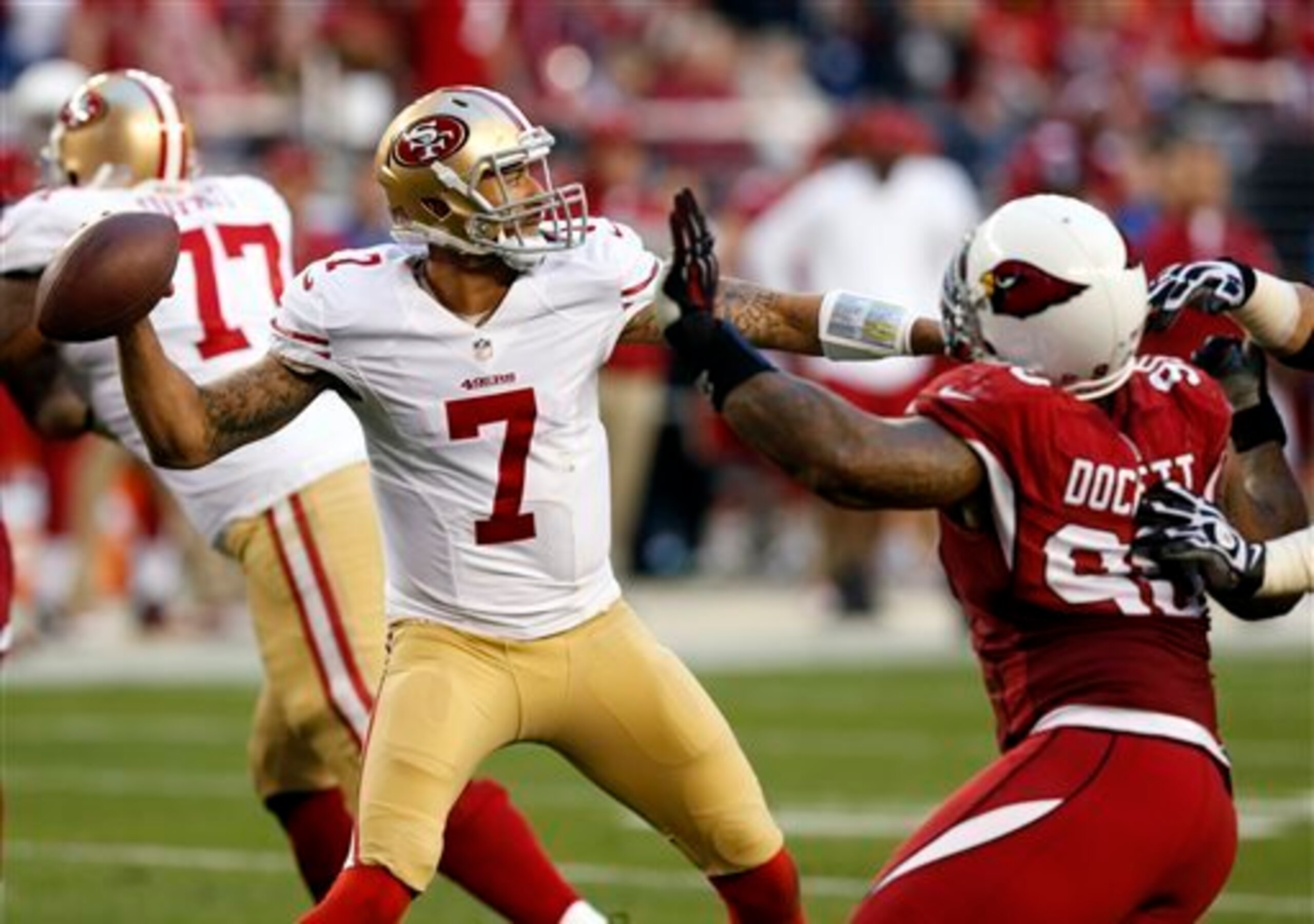
Former Arizona Cardinal defensive tackle Darnell Dockett tore his ACL during training camp last year, and he’s still rehabbing. He did not participate during the Niners’ OTAs or minicamp this offseason.
A reporter recently asked Dockett when he expects to get back on the field. “I’ll be ready when we play Minnesota (Week 1),” Dockett said. That means he may miss training camp in addition to minicamp and OTAs.
When the Niners signed Dockett, it seemed they planned on using him as a defensive tackle in sub-packages along with Tank Carradine. But if Dockett misses training camp, another defensive tackle will get a chance to seize his job.
That person could be rookie first-round pick Arik Armstead. If he plays well during the preseason—not exactly out of the question—the Niners may feel inclined to give him most of Dockett’s playing time next season. The Niners are much more invested in Armstead than the 34-year-old Dockett.
Dockett’s projected 2015 production: 150 snaps, 10 tackles, 0 sacks.
CB Shareece Wright
2 of 5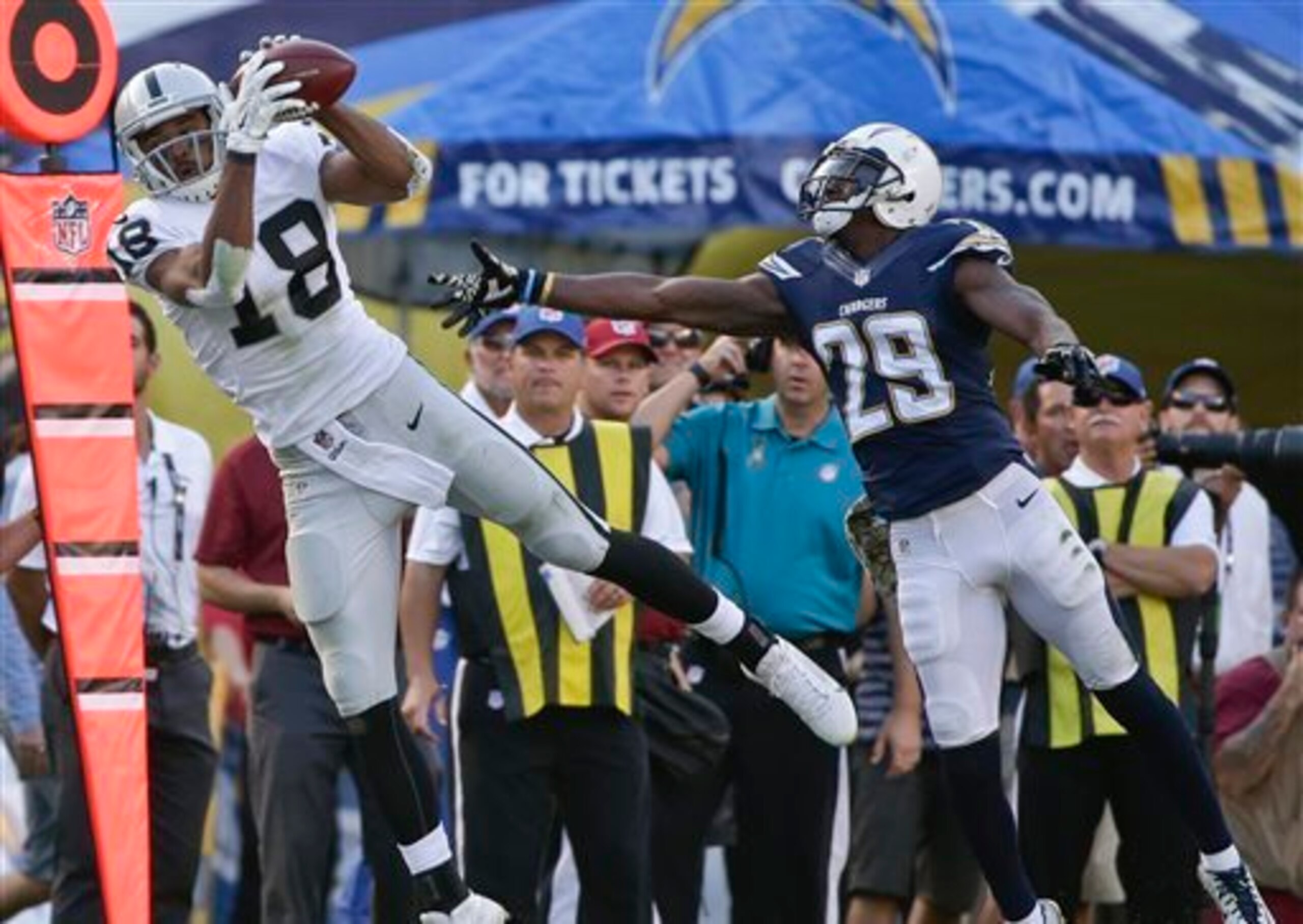
On July 4, Matt Maiocco of CSNBayArea.com tweeted, “49ers watched all of Shareece Wright’s film and reached conclusion he’s a good player who can remain a starter.”
Translation: He’s nothing special. He has intercepted just two passes since high school and committed 13 penalties in 14 games last season. But he can start if the Niners don’t have someone better.
The Niners may have someone better. “(Second-year cornerback) Keith Reaser is a player to watch,” Maiocco tweeted later on the same day. “Everyone with 49ers is very high on him.”
Reaser was the star of OTAs and minicamp, shutting down practically every receiver he faced during team drills in front of the media.
Wright didn’t play. He missed OTAs and minicamp because of an undisclosed injury, which opened the door for Reaser.
If Reaser continues to play at a high level, the Niners will have no choice but to start him and bench Wright.
Wright’s projected 2015 production: 100 snaps, 0 interceptions, 2 pass-interference penalties.
WR Jerome Simpson
3 of 5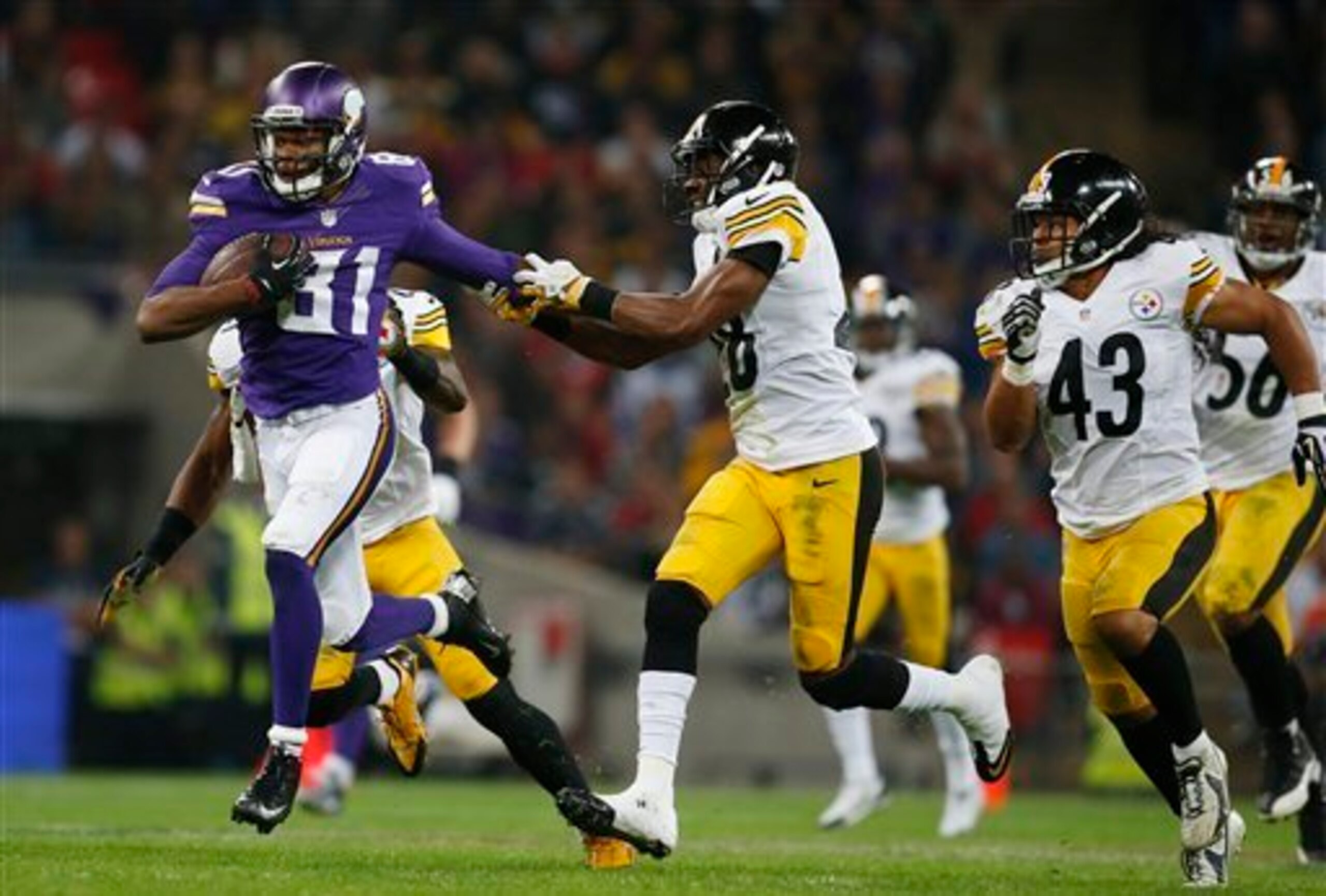
During six seasons in the NFL, former second-round pick Jerome Simpson has played 57 games and started 36. He’s competing to be the Niners' No. 3 receiver with Quinton Patton and Bruce Ellington—two former fourth-round picks who haven’t started any games in the NFL.
Simpson should win that competition. He’s a proven NFL deep threat, unlike the other two receivers. In three-receiver sets, he would give the Niners another deep threat alongside Torrey Smith and Vernon Davis.
Opposing secondaries most likely will concentrate on stopping Smith, Davis and Anquan Boldin—not Simpson. So he could have a few big games early in the season and cement his status as the Niners’ No. 3 receiver for 2015.
Simpson’s projected 2015 production: 300 snaps, 25 catches, 425 yards, 1 touchdown.
.jpg?w=2560 "Texans Titans Football")
.jpg?w=2560)
.jpg?w=2560 "Broncos Chargers Football")
WR Torrey Smith
4 of 5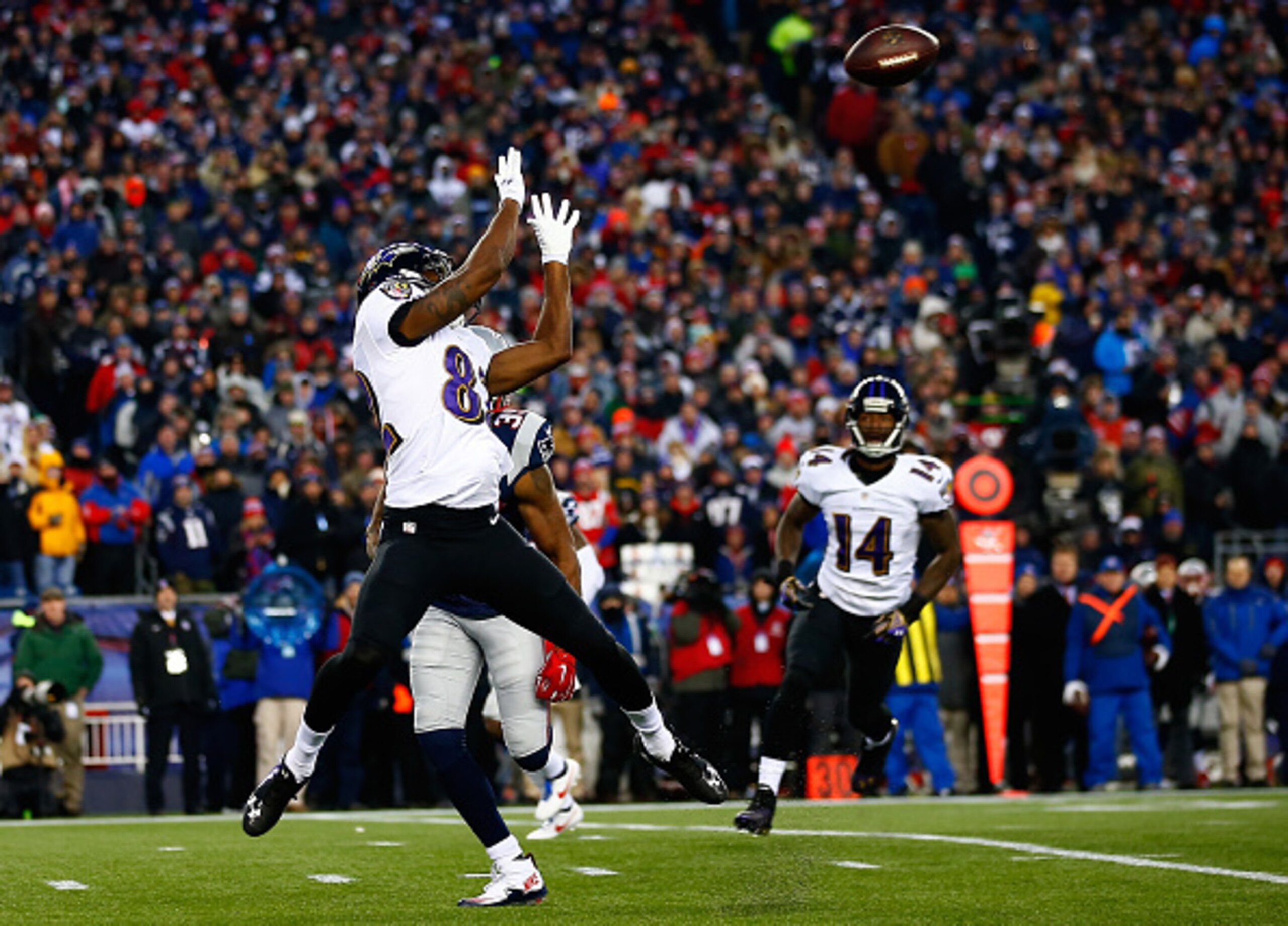
Even though Torrey Smith is the Niners’ No. 2 receiver, he may play more snaps than the No. 1 receiver next season.
The No. 1 receiver is Anquan Boldin, one of the best third-down slot/possession receivers in the NFL. But he’s slow. He’s not the ideal wide receiver for 22 personnel packages—two running backs, two tight ends and one wide receiver. That's a power-running, play-action-passing package, and it's one of the Niners' best.
When the Niners use it, a possession receiver like Boldin invites the secondary to play closer to the line of scrimmage and stop the run because the defense is not afraid of getting beaten deep.
With Smith on the field instead, the opposing secondary must back up to respect his speed. He is the perfect receiver for the Niners’ 22 personnel packages.
Smith’s projected production: 950 snaps, 60 catches, 1,020 yards, 5 touchdowns.
RB Reggie Bush
5 of 5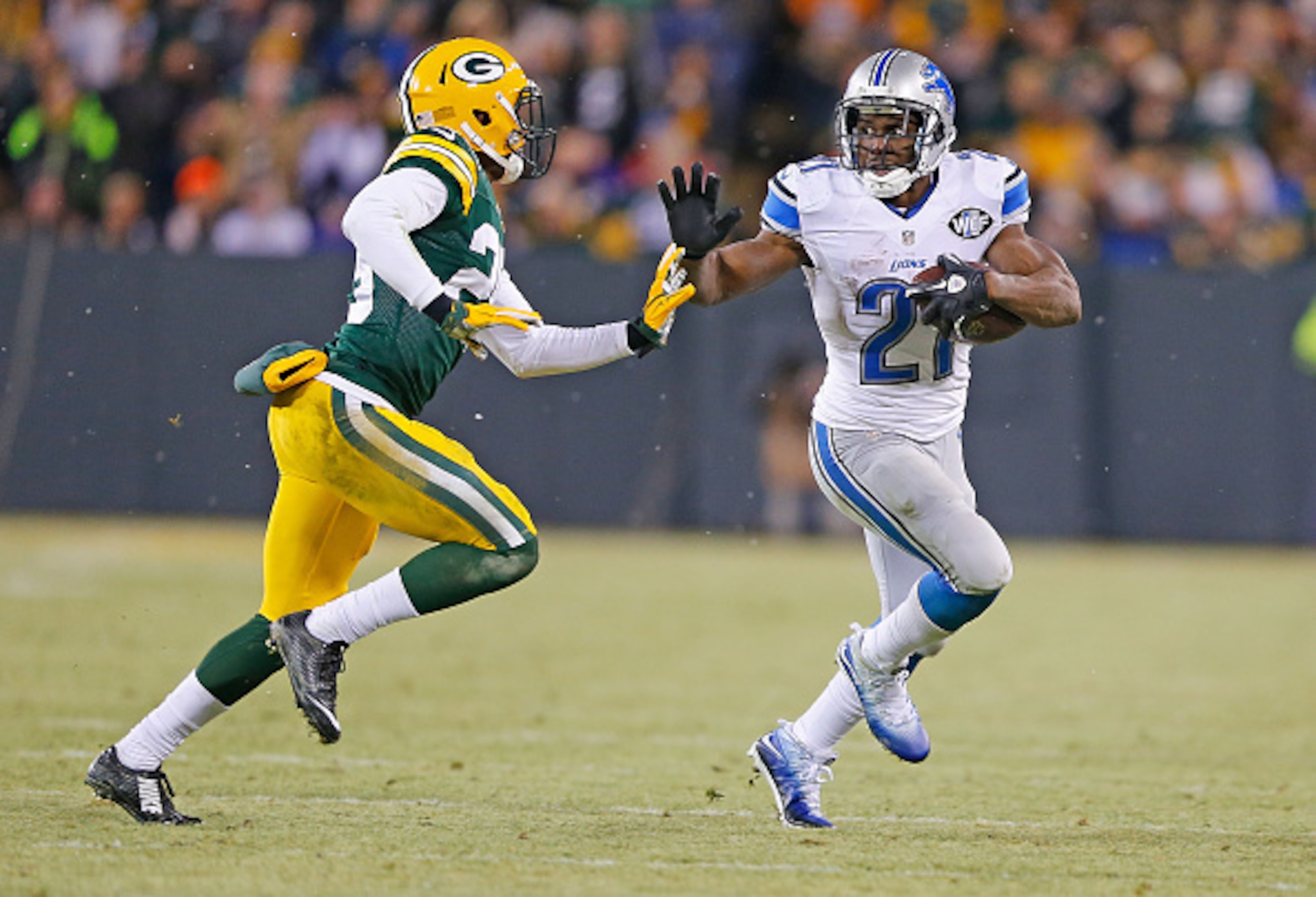
I’m sure the coaches sincerely want to use Reggie Bush in the offense next season.
However, they probably won’t let him run the ball much. Carlos Hyde and Kendall Hunter are better running backs than Bush is. Hyde is one of the toughest inside runners in the league, and Hunter is one of the best outside runners.
Bush probably will start the season as the third-down back. Basically, he’ll be a receiver out of the backfield— someone besides Boldin who can keep the chains moving.
But how much will Bush really get the ball? Quarterback Colin Kaepernick’s passes to the flat lack touch and accuracy—he’s more comfortable firing passes downfield. And he seems to prefer scrambling instead of checking down.
If Kaepernick and Bush don’t connect early in the season, the Niners might bench Bush, scrap the idea of throwing to running backs and use Hyde as an extra blocker on third downs. The offensive line certainly needs all the help it can get in pass protection.
Bush’s projected production: 100 snaps, 20 catches, 20 carries.
All quotations and practice observations obtained firsthand unless otherwise noted.
.jpg?w=2560 "Cardinals Giants Football")

.jpg?w=2560 "MHJ Bought Own Jugs Machine")