
Charlie Baker Says Settlement Helps NCAA Create 'Better Future,' Avoid Bankruptcy
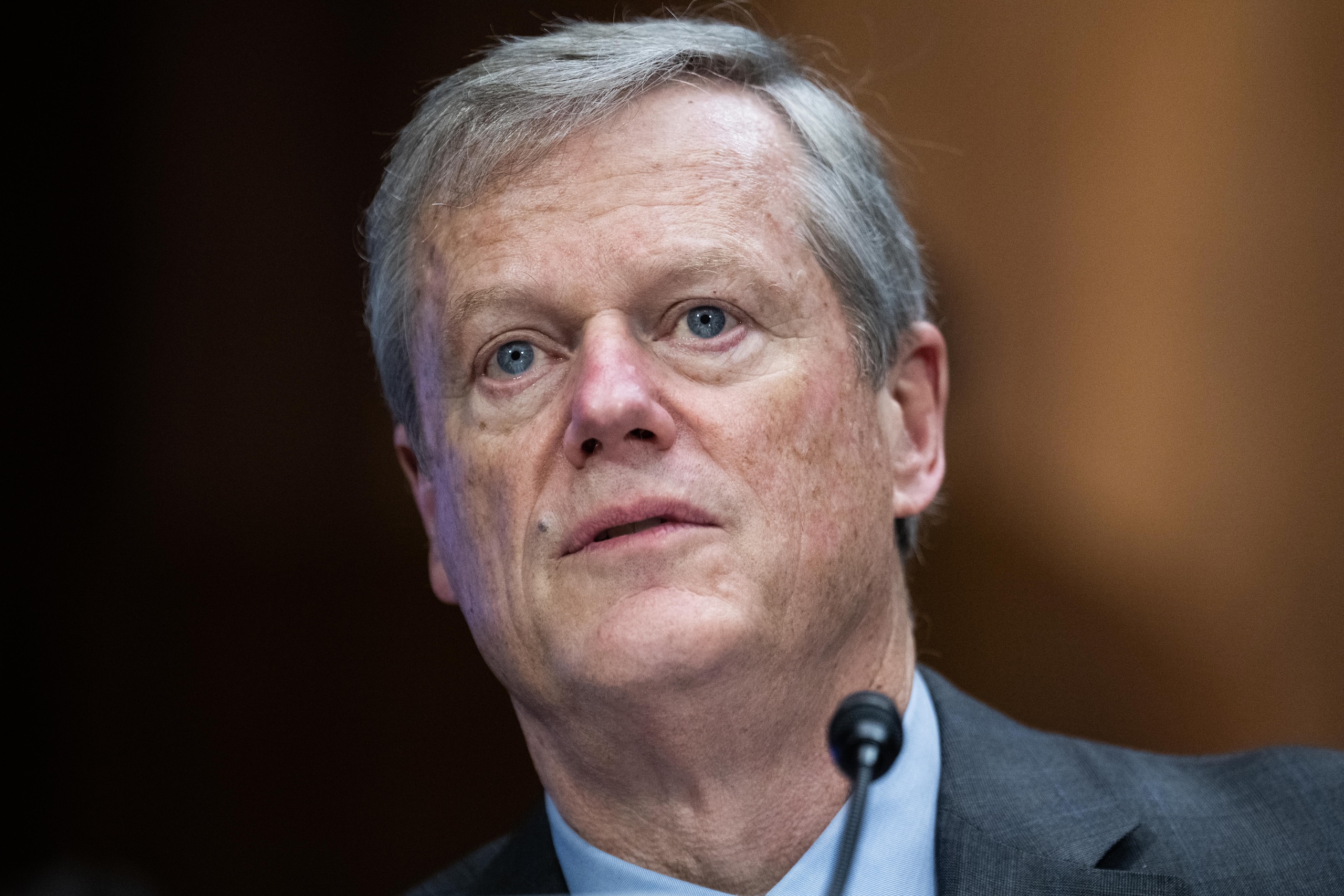
NCAA President Charlie Baker spoke to hundreds of collegiate athletics administrators at the annual National Association of Collegiate Directors of Athletics & Affiliates Convention in Orlando, Florida on Tuesday.
During the talk, Baker spoke about the future of college sports after a federal judge approved a $2.8 billion settlement in the House vs. NCAA case, noting that it helps the NCAA create "a better future" and avoid bankruptcy as well.
"No one in this room needs to hear me say that this is one of the biggest changes ever in college sports," he said. "I hope you also understand that it's a far better future than virtually every other alternative that could have been in front of us.

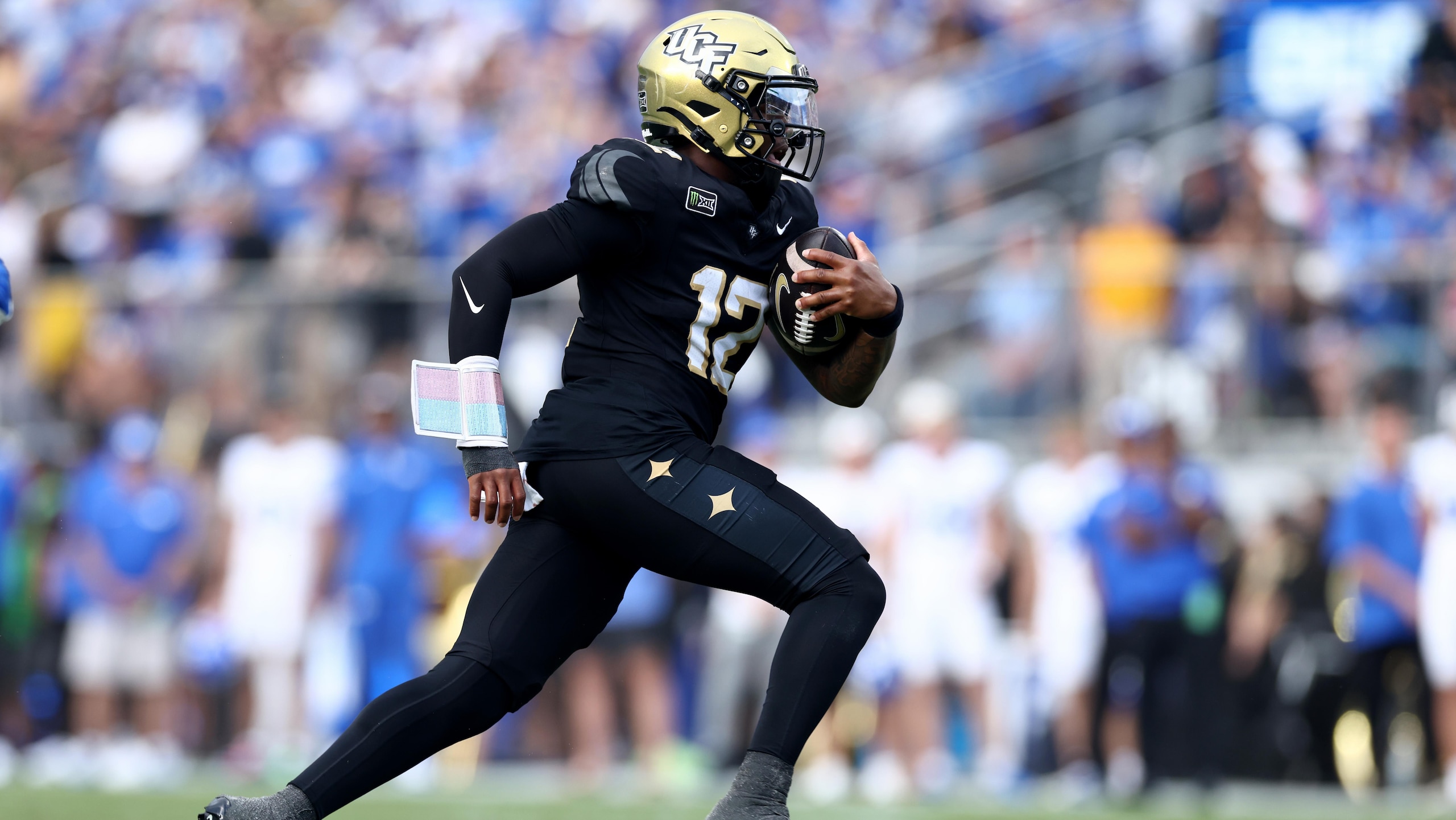
.png?w=2560)

"Blame whoever you wish to blame. But the simple truth is clear: College sports' collective inability or unwillingness to change years ago put the entire enterprise at risk. Is the settlement disruptive? Very much so. But it is an opportunity for the D-I community to pay for back damages over 10 years, instead [of] triple that amount all at once. And it creates a future that comes with choices, instead of bankruptcy."
Ross Dellenger of Yahoo Sports reported on May 14, 2024 that the NCAA risked having to pay $20 billion in back damages and filing for bankruptcy if the case went to court and the organization lost.
"The estimated $20 billion in damages would likely be payable 'immediately' after final judgment and 'not over 10 years,' the document notes—a reality that would, in all likelihood, result in the NCAA and leagues filing bankruptcy," Dellenger wrote in part.
That isn't happening as the settlement has been reached. What's happening now is certainly a more palatable option for the NCAA.
Eddie Pells of the Associated Press provided a thorough breakdown of what's next on June 7. Schools can now pay athletes up to $20.5 million per year in a revenue sharing process.
In addition, student-athletes who played between 2016-2024 and were "either fully or partially shut out from those payments under previous NCAA rules" will receive $2.7 billion in back pay.
So, it's a new era for the NCAA, one that Baker seems to be embracing compared to a potentially costly alternative for the organization.


.jpg?w=2560 "Malik Beasley Negotiating Plea Deal (AP)")